By: Vasquez, Biological Science
Animal Fertilization
Fertilisation (for animals)
(also known
as conception, fecundation, syngamy and
impregnation) is the fusion of gametes to initiate
the development of a new individual organism. In
animals, the process involves the fusion of
an ovum with a sperm, which first creates
a zygote and then leads to the development of
an embryo. Depending on the animal species, the
process can occur within the body of the female
in internal fertilization, or outside (external
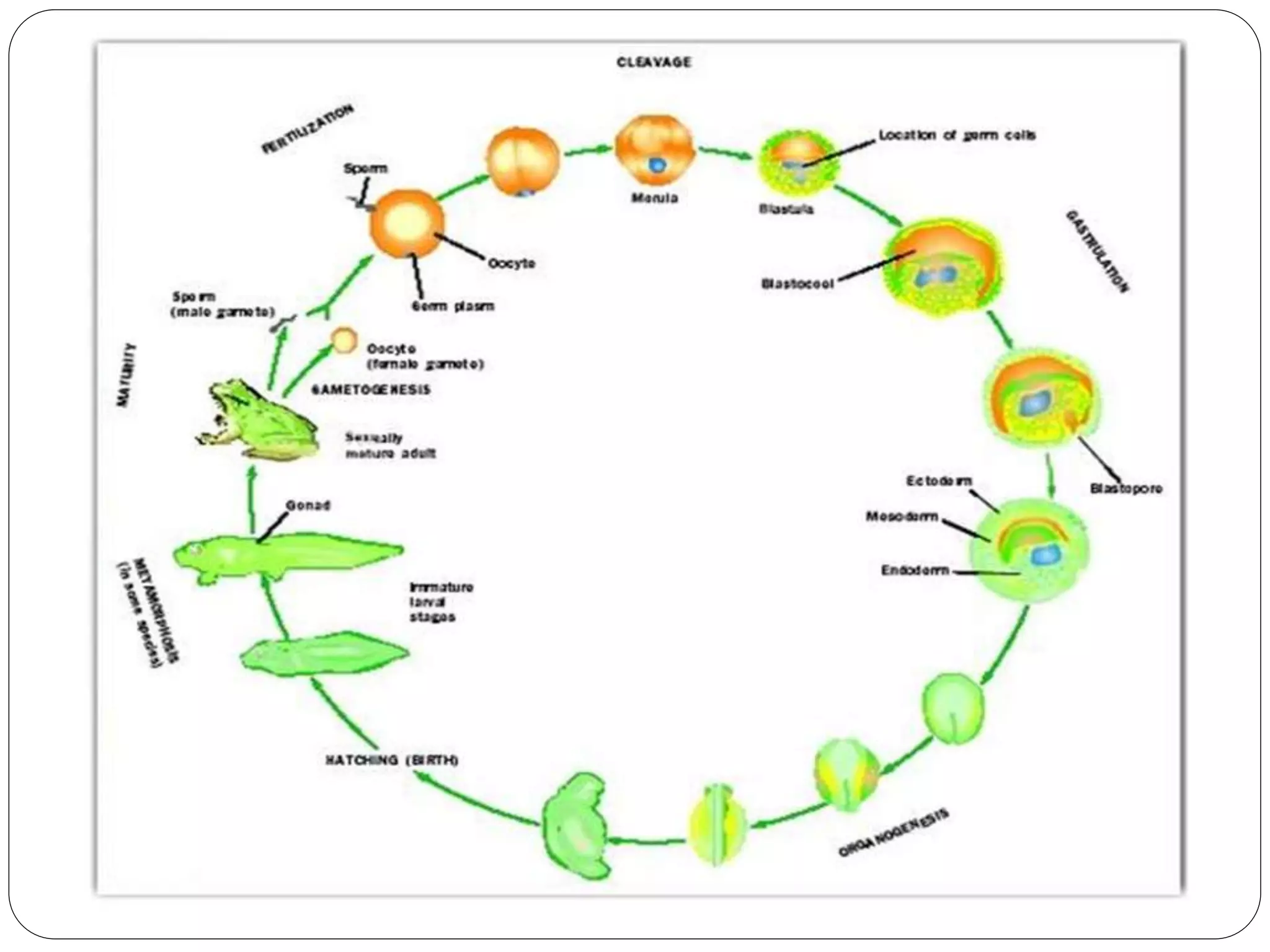
fertilization). The cycle of fertilization and
development of new individuals is called
question of how the sperm and the appropriate egg find each other and the
question of how only one sperm gets into the egg and delivers its contents.
There are three steps to fertilisation that ensure species-specificity:
Chemotaxis
Sperm activation/acrosomal
reaction
Sperm/egg adhesion
Chemo-taxis
is the movement of an organism in response to a chemical
stimulus. and other single-cell or multicellular organisms direct their
movements according to certain chemicals in their environment.
Example:
(Movement of sperm towards the egg during fertilization) and
subsequent phases of development.
Positive chemotaxis occurs if the movement is toward a
higher concentration of the chemical.
Negative chemotaxis if the movement is in the opposite
direction.
Bacterial chemotaxis
• Counter-clockwise rotation aligns the flagella into a single
rotating bundle, causing the bacterium to swim in a straight
line.
• Clockwise rotation breaks the flagella bundle apart such
that each flagellum points in a different direction, causing
the bacterium to tumble in place.
question of how the sperm and the appropriate egg find each other and the
question of how only one sperm gets into the egg and delivers its contents.
There are three steps to fertilisation that ensure species-specificity:
Chemotaxis
Sperm activation/acrosomal
reaction
Sperm/egg adhesion
Acrosome reaction
During fertilization, a sperm must first fuse with the
plasma membrane and then penetrate the
female egg in order to fertilize it. Fusing to the egg
usually causes a little problem, whereas
penetrating through the egg's hard shell can
present more of a problem to the sperm. Therefore
sperm cells go through a process known as
the acrosome reaction which is the reaction that
occurs in the acrosome of the sperm as it
approaches the egg. The acrosome is a cap-like
structure over the anterior half of the sperm's head.
question of how the sperm and the appropriate egg find each other and the
question of how only one sperm gets into the egg and delivers its contents.
There are three steps to fertilisation that ensure species-specificity:
Chemotaxis
Sperm activation/acrosomal
reaction
Sperm/egg adhesion
Sperm/egg adhesion
Experiments showed that eggs from a population,
remained non-adhesive in a solution chemically
similar to ovarian fluid but became adhesive
seconds after contact with water. Examination of
the ultrastructure of the chorion showed that the
morphology changed significantly after contact
with water, with nodule-like protuberances attached
to connective filaments on the surface present in
water-hardened but not non-water hardened eggs.
They are two types of Fertilization:
Internal Fertilization
External Fertilization
External Fertilization
External fertilization is a strategy of fertilization in which
a sperm cell unites with an egg cell in the open, rather than
inside specialized organs within the bodies of the parents.
External fertilization is limited essentially to animals living in
aquatic environments. The flagellated sperm must have fluid
in which to swim, and the eggs lack a protective coat or shell
(so that sperm can penetrate and fertilize them), and would
dry out in the air. Almost all aquatic invertebrates, most fish,
and many amphibians use external fertilization.
External Fertilization
• Outside mother
• mainly in water
• not accurate (because of the harsh
environment) but easy and fast and lots
of offspring
• more eggs released
Internal Fertilization
Most land animals, both invertebrate and vertebrate, use internal
fertilization.
Internal Fertilization. In mammals, reptiles and birds
the gametes meet inside of the female's body. This is
called internal fertilization. All land dwellers need to
fertilize this way because sperm still prefer swimming to
walking.
Internal fertilization protects the fertilized egg or
embryo from predation and harsh environments, which
results in higher survival.
Fertilization which takes place inside the female body is called Internal
fertilization in animals is done through the following different ways.
• Copulation - which involves the insertion of the penis or
other intromittent organ into the vagina (in most mammals)
or to the cloaca in monotremes, most reptiles, some birds,
the amphibian tailed frog and some fish, the
disappeared dinosaurs, as well as in other non-vertebrate
animals.
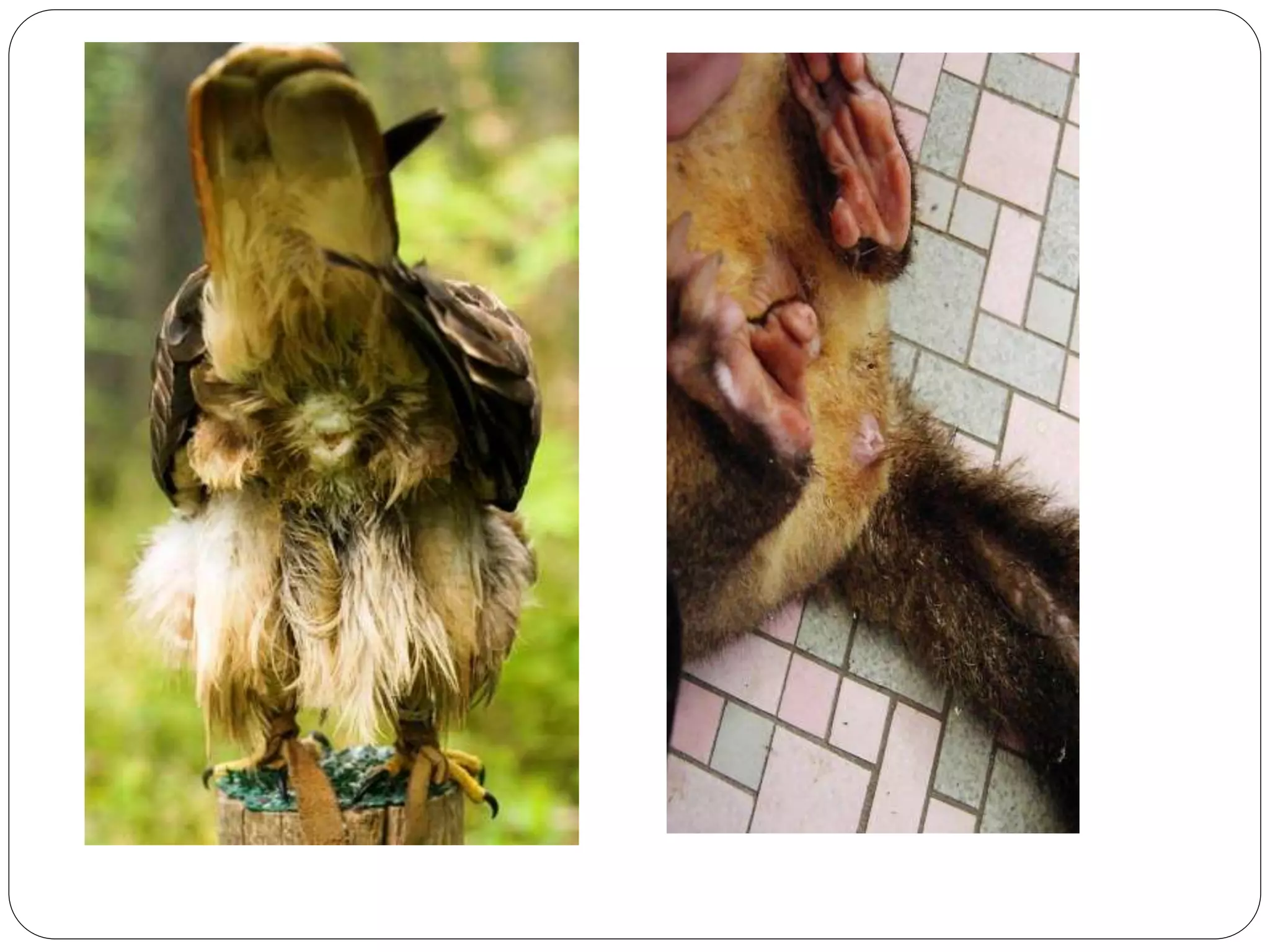
• Cloacal kiss -which consists in that the two animals touch
their cloacae together in order to transfer the sperm of the
male to the female. It is used in most birds and in thetuatara,
that don't have an intromittent organ.
Via spermatophore, a sperm-containing cap placed by the
male in the female's cloaca. Usually, the sperm is stored in
spermathecae on the roof of the cloaca until it is needed at the
time of oviposition. It is used by some salamander and newt
species, by the arachnida, some insects and some mollusks.
the growing egg or offspring must be expelled. There are three general ways
of doing this:
ovoviparity
eggs are retained in the female, but the
embryo obtains its nourishment from the
egg's yolk
viviparous
being born alive, as are most mammals,
some reptiles, and a few fish (as
opposed to being laid as an egg)
oviparous
egg-laying; depositing eggs that develop
and hatch outside the body as a
Internal fertilization is characterized by
sperm fertilizing the egg within the female;
the three methods include:
oviparity (egg laid outside female body)
ovoviparity (egg held within female)
viviparity (development within female
followed by live birth).
Insect
Insects in different groups, including
the Odonata (dragonflies and damselflies) and
the Hymenoptera (ants, bees, and wasps) practise delayed
fertilisation
Anong the Odonata, females may mate with multiple males,
and store sperm until the eggs are laid. The male may hover
above the female during egg-laying (oviposition) to prevent
her from mating with other males and replacing his sperm; in
some groups such as the darters, the male continues to
grasp the female with his claspers during egg-laying, the pair
flying around in tandem. Among social Hymenoptera,
honeybee queens mate only on mating flights, in a short
period lasting some days; a queen may mate with eight or
more drones. She then stores the sperm for the rest of her
life, perhaps for five years or more.
How the sperm penetrate the egg (in animals)
Thank you

Animal fertilization

  • 1.
    By: Vasquez, BiologicalScience Animal Fertilization
  • 2.
    Fertilisation (for animals) (alsoknown as conception, fecundation, syngamy and impregnation) is the fusion of gametes to initiate the development of a new individual organism. In animals, the process involves the fusion of an ovum with a sperm, which first creates a zygote and then leads to the development of an embryo. Depending on the animal species, the process can occur within the body of the female in internal fertilization, or outside (external fertilization). The cycle of fertilization and development of new individuals is called
  • 4.
    question of howthe sperm and the appropriate egg find each other and the question of how only one sperm gets into the egg and delivers its contents. There are three steps to fertilisation that ensure species-specificity: Chemotaxis Sperm activation/acrosomal reaction Sperm/egg adhesion
  • 5.
    Chemo-taxis is the movementof an organism in response to a chemical stimulus. and other single-cell or multicellular organisms direct their movements according to certain chemicals in their environment. Example: (Movement of sperm towards the egg during fertilization) and subsequent phases of development. Positive chemotaxis occurs if the movement is toward a higher concentration of the chemical. Negative chemotaxis if the movement is in the opposite direction.
  • 6.
    Bacterial chemotaxis • Counter-clockwiserotation aligns the flagella into a single rotating bundle, causing the bacterium to swim in a straight line. • Clockwise rotation breaks the flagella bundle apart such that each flagellum points in a different direction, causing the bacterium to tumble in place.
  • 7.
    question of howthe sperm and the appropriate egg find each other and the question of how only one sperm gets into the egg and delivers its contents. There are three steps to fertilisation that ensure species-specificity: Chemotaxis Sperm activation/acrosomal reaction Sperm/egg adhesion
  • 8.
    Acrosome reaction During fertilization,a sperm must first fuse with the plasma membrane and then penetrate the female egg in order to fertilize it. Fusing to the egg usually causes a little problem, whereas penetrating through the egg's hard shell can present more of a problem to the sperm. Therefore sperm cells go through a process known as the acrosome reaction which is the reaction that occurs in the acrosome of the sperm as it approaches the egg. The acrosome is a cap-like structure over the anterior half of the sperm's head.
  • 10.
    question of howthe sperm and the appropriate egg find each other and the question of how only one sperm gets into the egg and delivers its contents. There are three steps to fertilisation that ensure species-specificity: Chemotaxis Sperm activation/acrosomal reaction Sperm/egg adhesion
  • 11.
    Sperm/egg adhesion Experiments showedthat eggs from a population, remained non-adhesive in a solution chemically similar to ovarian fluid but became adhesive seconds after contact with water. Examination of the ultrastructure of the chorion showed that the morphology changed significantly after contact with water, with nodule-like protuberances attached to connective filaments on the surface present in water-hardened but not non-water hardened eggs.
  • 13.
    They are twotypes of Fertilization: Internal Fertilization External Fertilization
  • 14.
    External Fertilization External fertilizationis a strategy of fertilization in which a sperm cell unites with an egg cell in the open, rather than inside specialized organs within the bodies of the parents. External fertilization is limited essentially to animals living in aquatic environments. The flagellated sperm must have fluid in which to swim, and the eggs lack a protective coat or shell (so that sperm can penetrate and fertilize them), and would dry out in the air. Almost all aquatic invertebrates, most fish, and many amphibians use external fertilization.
  • 16.
    External Fertilization • Outsidemother • mainly in water • not accurate (because of the harsh environment) but easy and fast and lots of offspring • more eggs released
  • 17.
    Internal Fertilization Most landanimals, both invertebrate and vertebrate, use internal fertilization. Internal Fertilization. In mammals, reptiles and birds the gametes meet inside of the female's body. This is called internal fertilization. All land dwellers need to fertilize this way because sperm still prefer swimming to walking. Internal fertilization protects the fertilized egg or embryo from predation and harsh environments, which results in higher survival.
  • 18.
    Fertilization which takesplace inside the female body is called Internal fertilization in animals is done through the following different ways. • Copulation - which involves the insertion of the penis or other intromittent organ into the vagina (in most mammals) or to the cloaca in monotremes, most reptiles, some birds, the amphibian tailed frog and some fish, the disappeared dinosaurs, as well as in other non-vertebrate animals. • Cloacal kiss -which consists in that the two animals touch their cloacae together in order to transfer the sperm of the male to the female. It is used in most birds and in thetuatara, that don't have an intromittent organ.
  • 20.
    Via spermatophore, asperm-containing cap placed by the male in the female's cloaca. Usually, the sperm is stored in spermathecae on the roof of the cloaca until it is needed at the time of oviposition. It is used by some salamander and newt species, by the arachnida, some insects and some mollusks.
  • 21.
    the growing eggor offspring must be expelled. There are three general ways of doing this: ovoviparity eggs are retained in the female, but the embryo obtains its nourishment from the egg's yolk viviparous being born alive, as are most mammals, some reptiles, and a few fish (as opposed to being laid as an egg) oviparous egg-laying; depositing eggs that develop and hatch outside the body as a
  • 22.
    Internal fertilization ischaracterized by sperm fertilizing the egg within the female; the three methods include: oviparity (egg laid outside female body) ovoviparity (egg held within female) viviparity (development within female followed by live birth).
  • 23.
    Insect Insects in differentgroups, including the Odonata (dragonflies and damselflies) and the Hymenoptera (ants, bees, and wasps) practise delayed fertilisation Anong the Odonata, females may mate with multiple males, and store sperm until the eggs are laid. The male may hover above the female during egg-laying (oviposition) to prevent her from mating with other males and replacing his sperm; in some groups such as the darters, the male continues to grasp the female with his claspers during egg-laying, the pair flying around in tandem. Among social Hymenoptera, honeybee queens mate only on mating flights, in a short period lasting some days; a queen may mate with eight or more drones. She then stores the sperm for the rest of her life, perhaps for five years or more.
  • 25.
    How the spermpenetrate the egg (in animals)
  • 26.