Intraspecific
Variation
Vasquez
Variation is the differences that occur between different
individuals. There are two types;
 Intraspecific – the differences that occur within a species.
 Interspecific – the differences that occur between
members of different species.
Variations can be recognised through physical appearance or
genetic factors. The terms Genotype and Phenotype are used
to describe these variations.
Intraspecific variation is caused by genetic and
environmental factors;
Intraspecific variation (variation that occurs within a species)
can be caused by a number of environmental and genetic
factors.
Genetic – all members of the same species have the same
genes, however they have different forms of these genes
called alleles. The different alleles cause variations in an
organism’s phenotype (physical appearance). Examples of
variation caused by genetic factors include eye colour and
blood group. Genetic variation is inherited, as certain genetic
factors can be passed on in families.
Environmental – the phenotype of an organism can also be
affected by environmental factors. For example, plant growth
is affected by the amount of minerals, such as nitrate and
phosphate in the soil. Another example is Himalayan rabbits.
These rabbits are affected by temperature. Their fur turns
black when temperatures reach below 25 degrees.
Variation is often a combination of both genetic and
environmental factors;
An example of this would be height.
In animals, such as humans, genetics will decide the
potential height that a person can grow, but
environmental factors will decide whether that
person will grow to their potential or not.
Malnutrition or illness caused by environmental
factors could cause a person not to grow to their full
potential. Height usually runs in families.
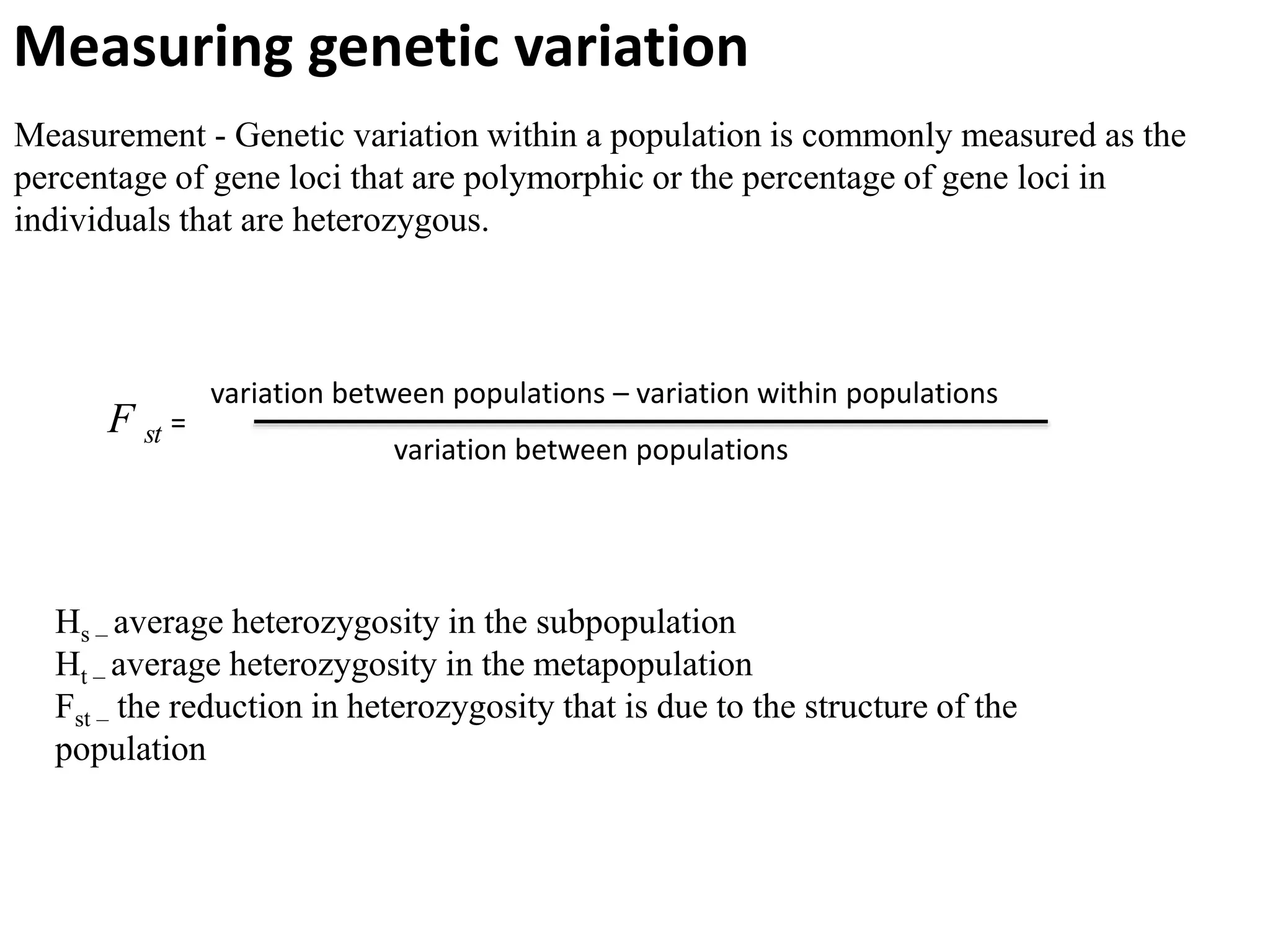
Measuring genetic variation
Measurement - Genetic variation within a population is commonly measured as the
percentage of gene loci that are polymorphic or the percentage of gene loci in
individuals that are heterozygous.
variation between populations – variation within populations
variation between populations
F st =
Hs – average heterozygosity in the subpopulation
Ht – average heterozygosity in the metapopulation
Fst – the reduction in heterozygosity that is due to the structure of the
population
Genetic ecological processes
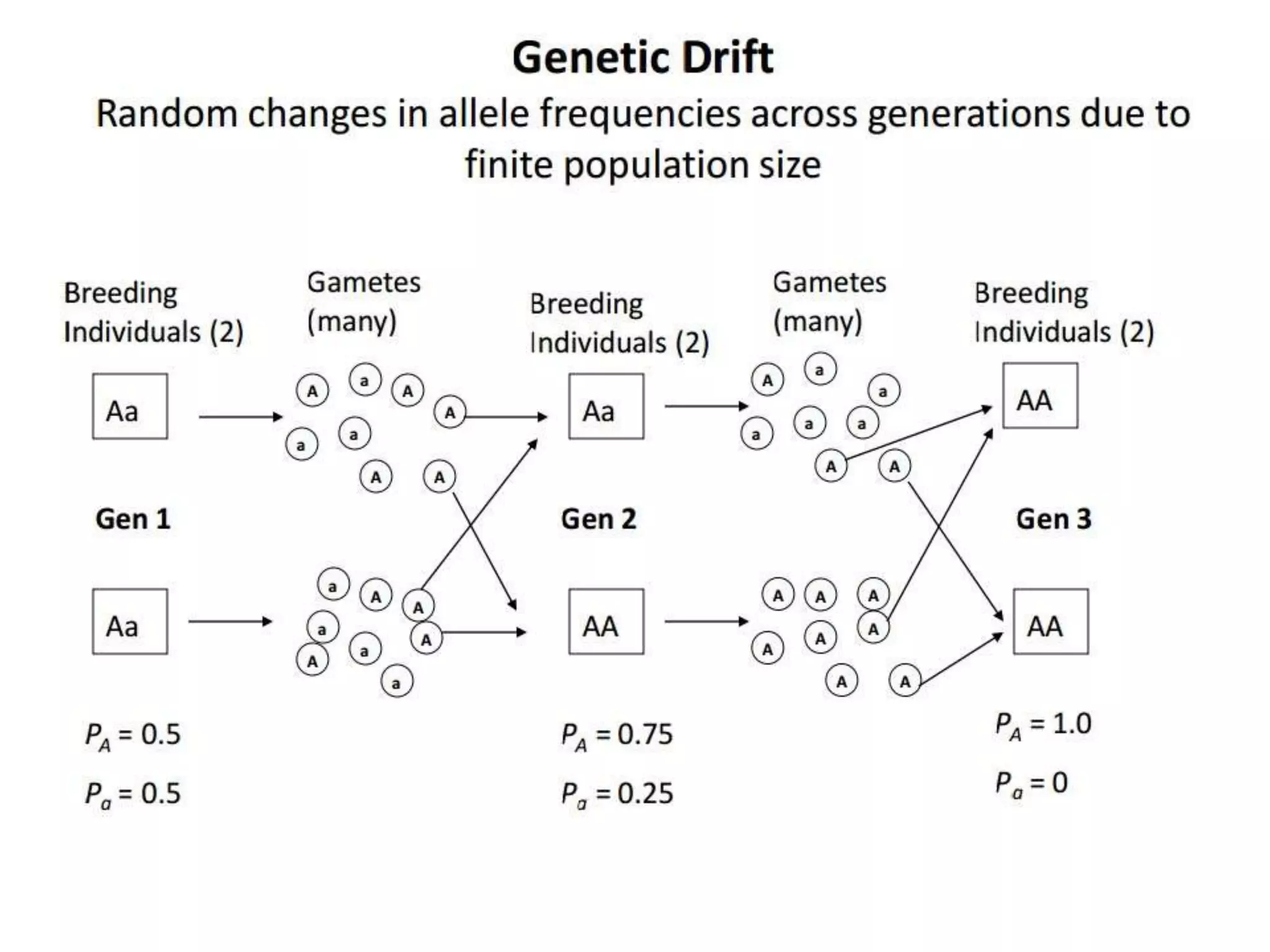
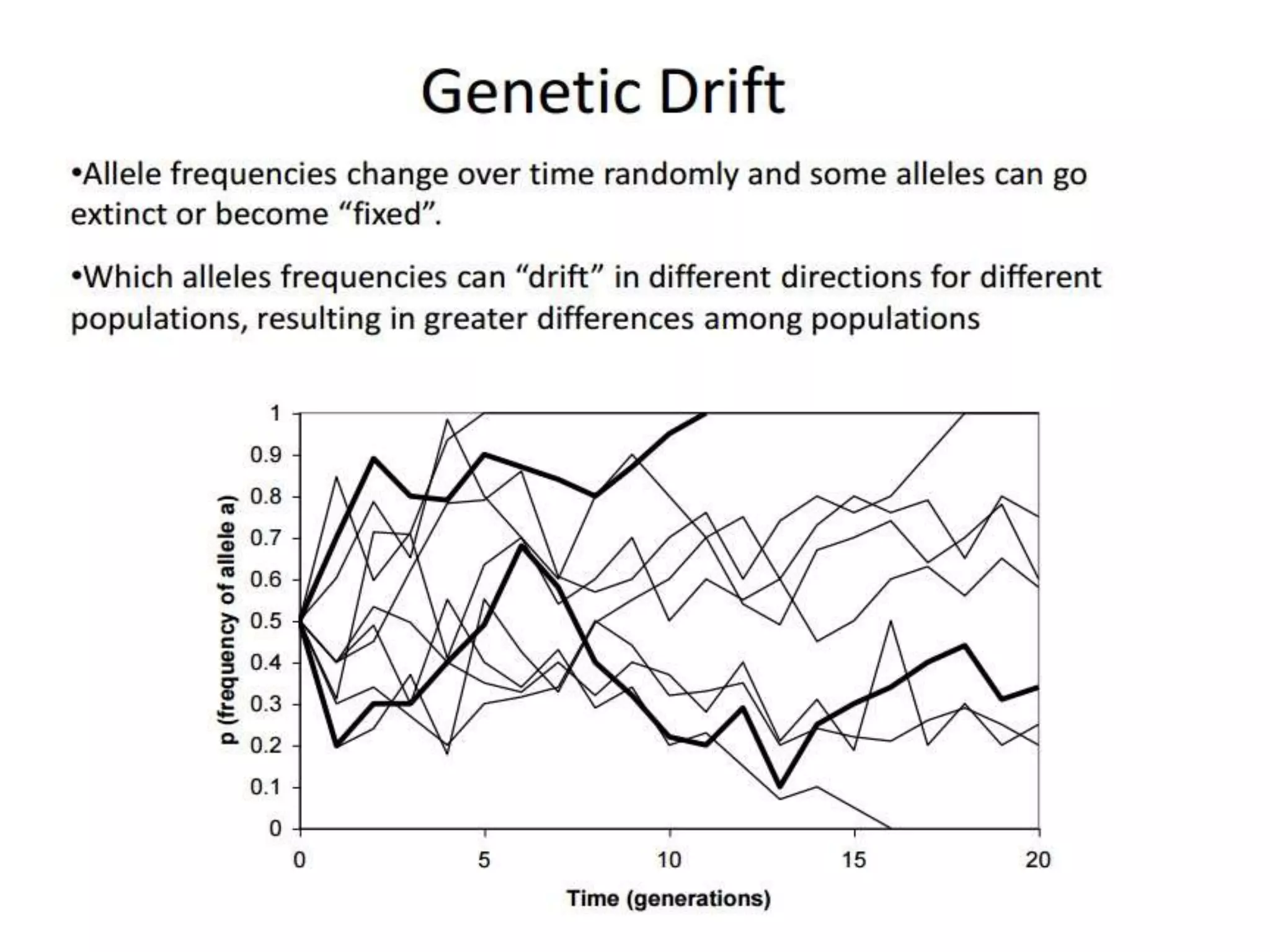
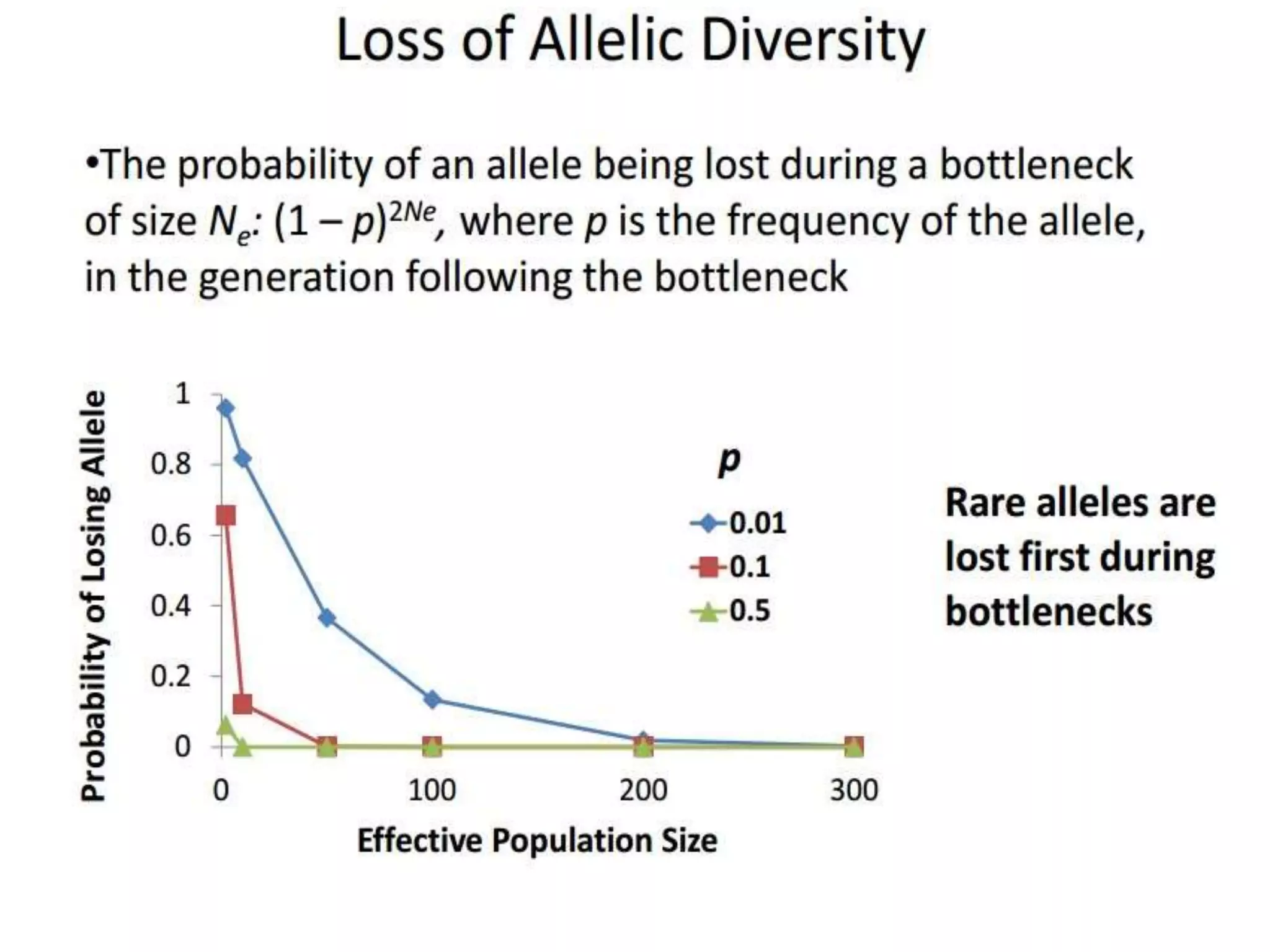
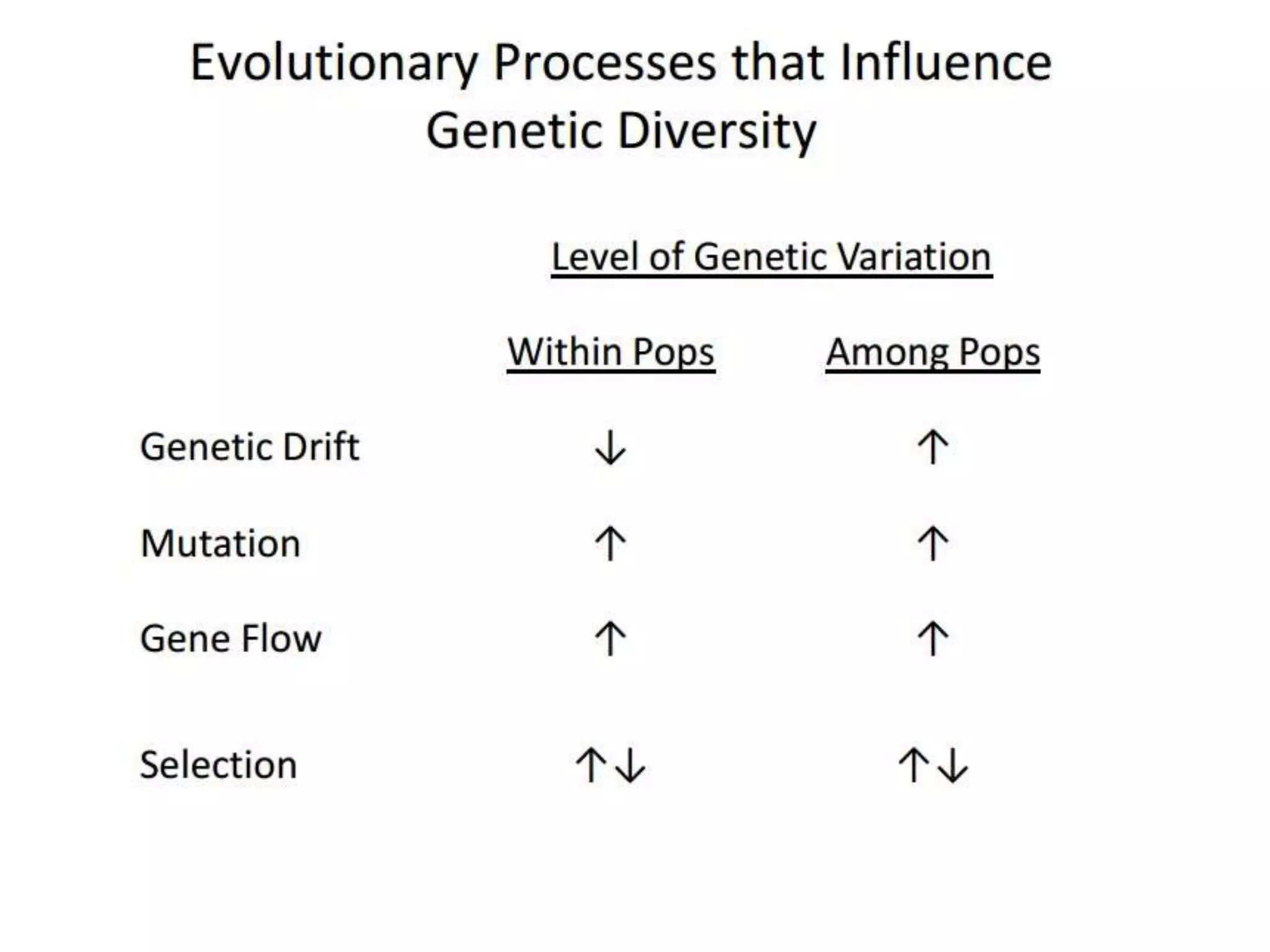
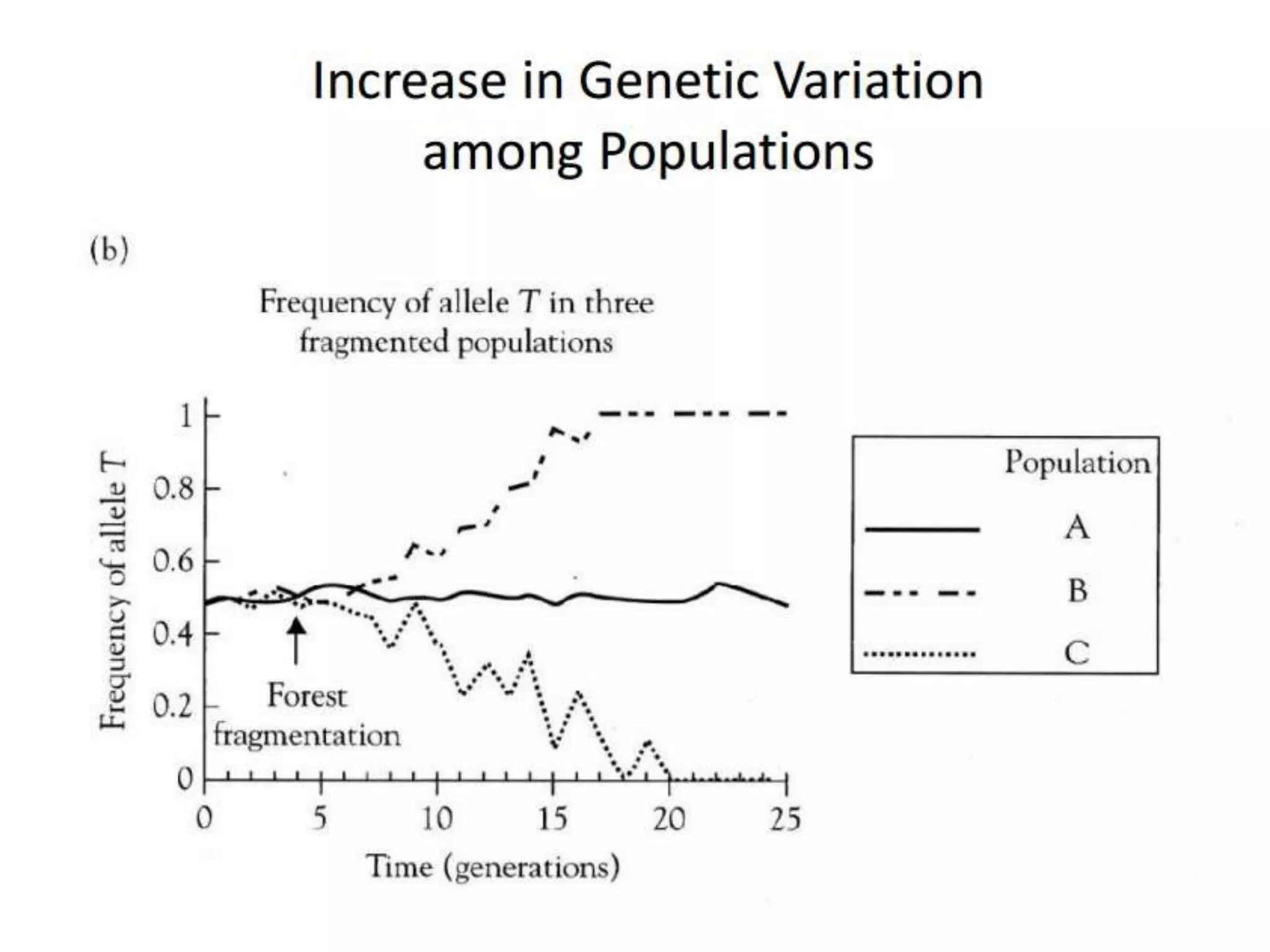
• Genetic drift – randam change of in allele frequencies in a
population from generation to generation due to finite population
size.
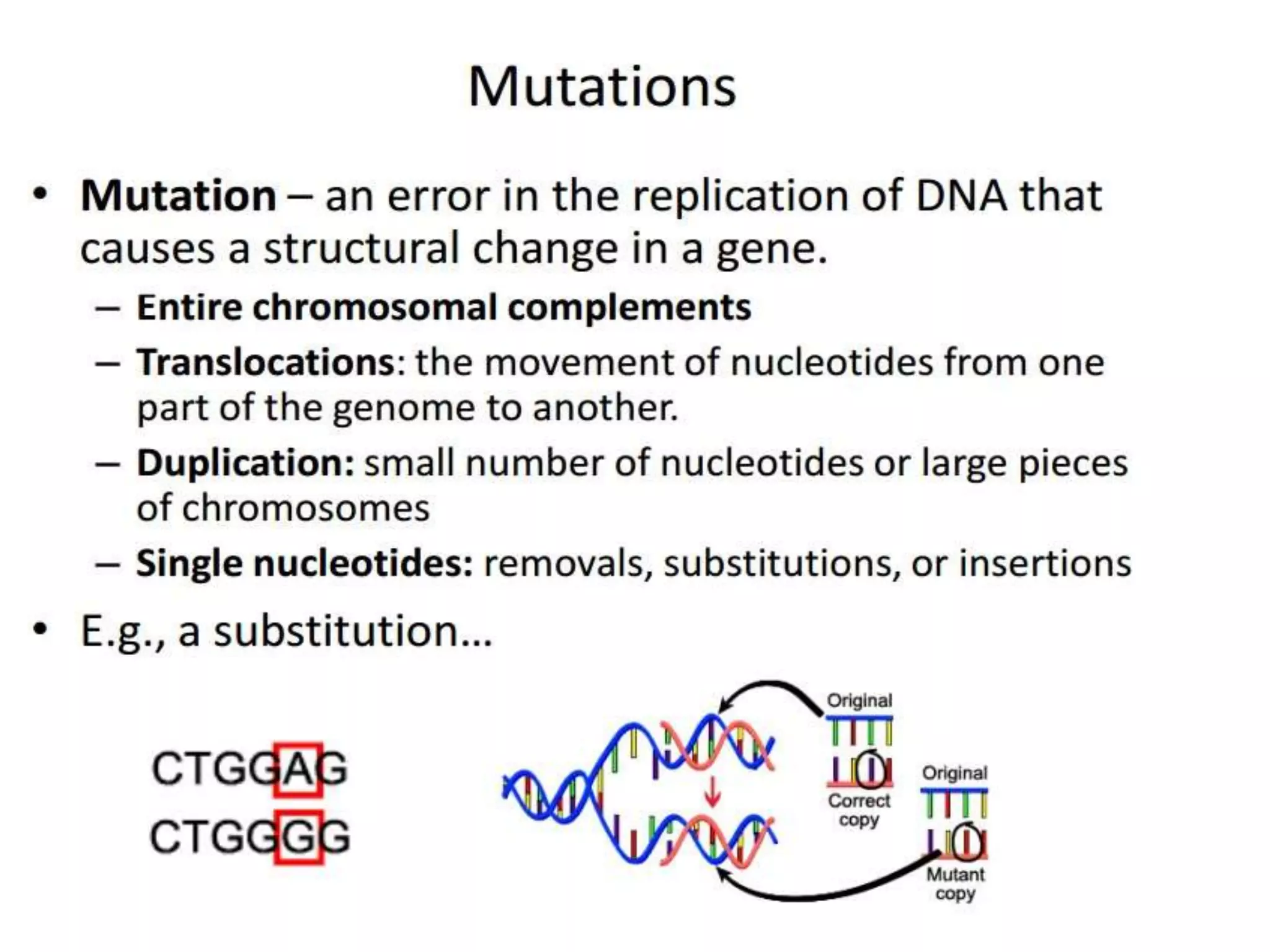
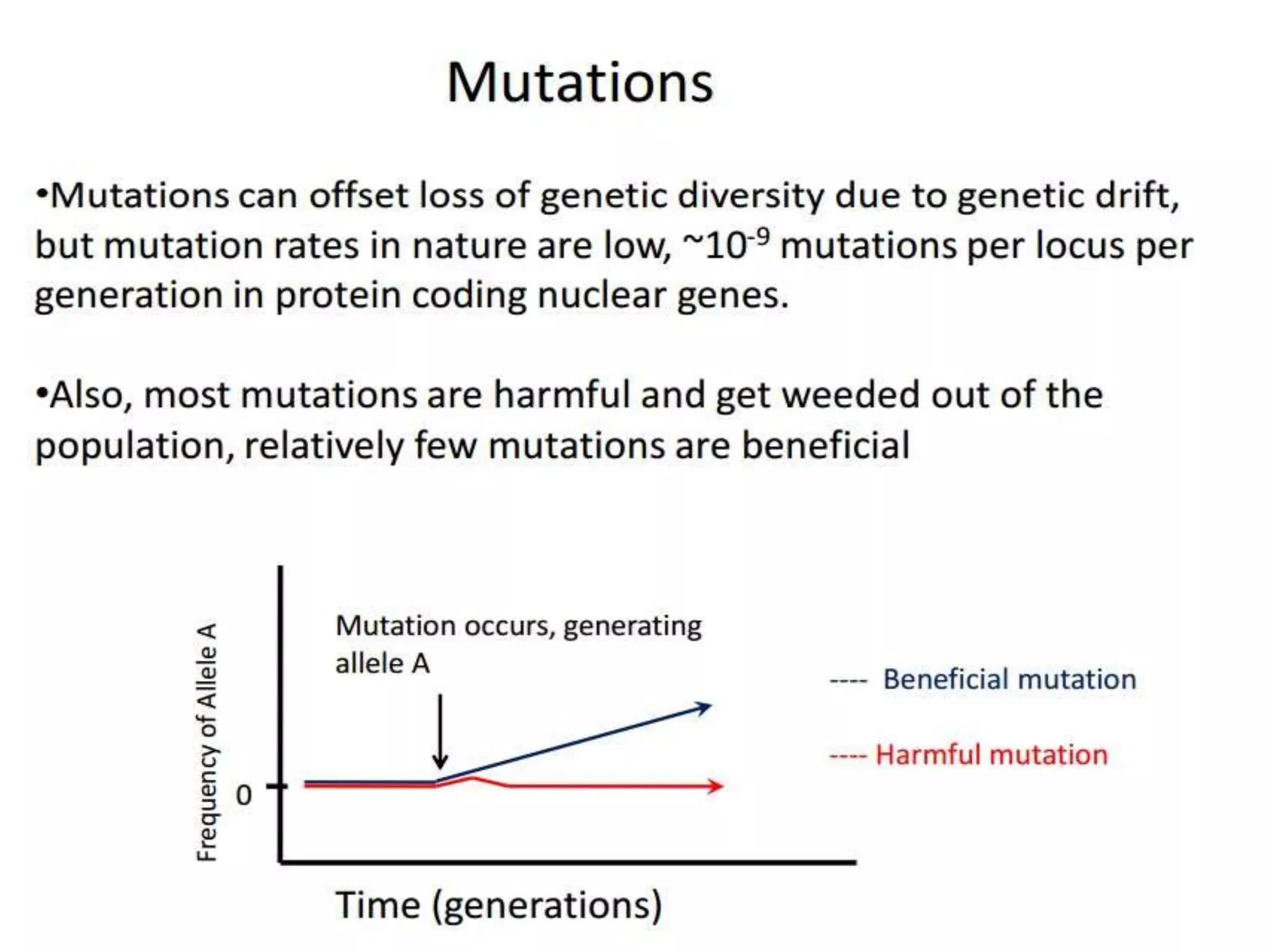
• Mutation - an error in the replication of DNA that causes a
structural change in a gene. Only source of new genetic variation in
populations (sex cells only).
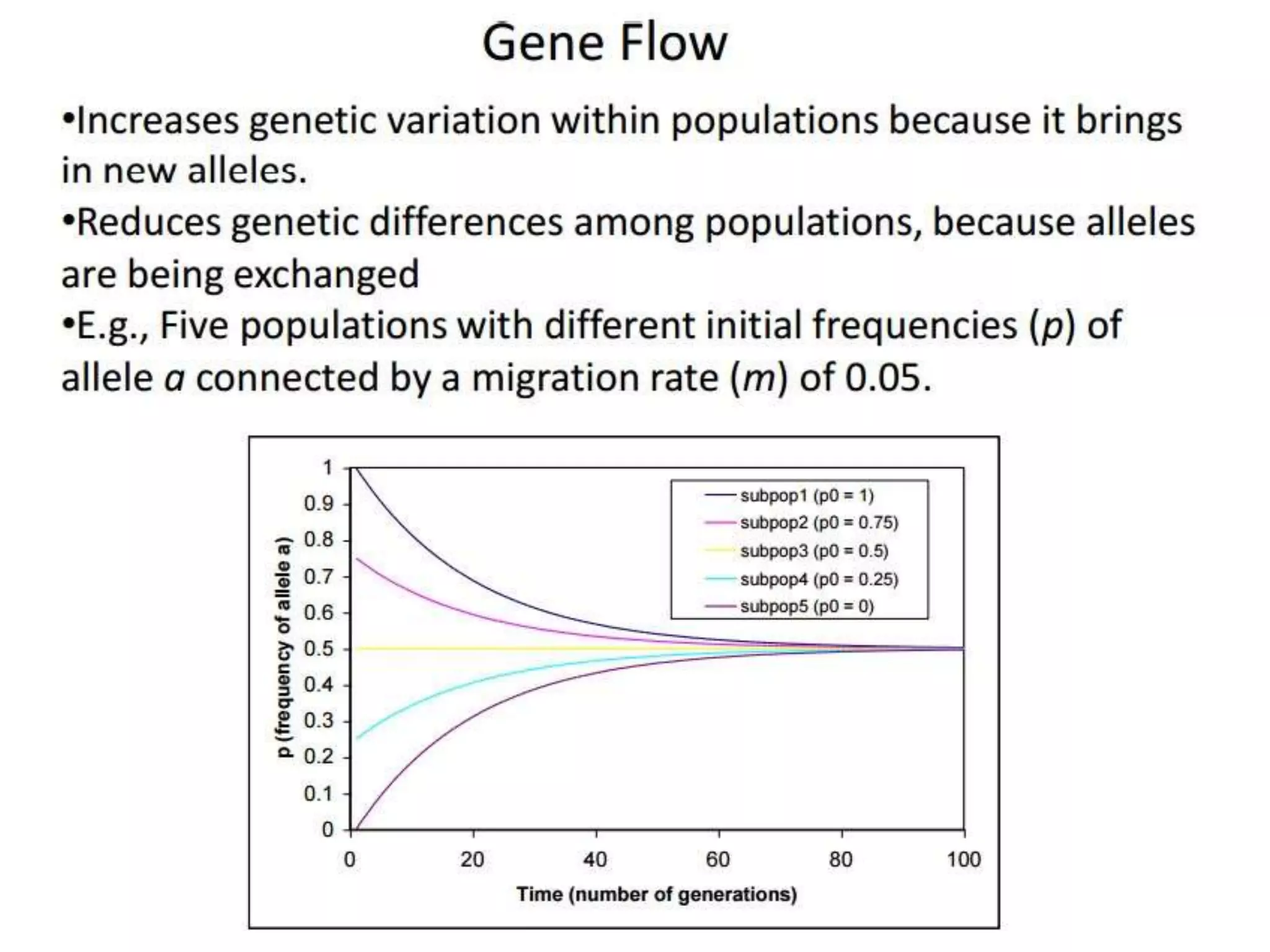
• Gene Flow - exchange of genetic information among population
via migration of individuals.
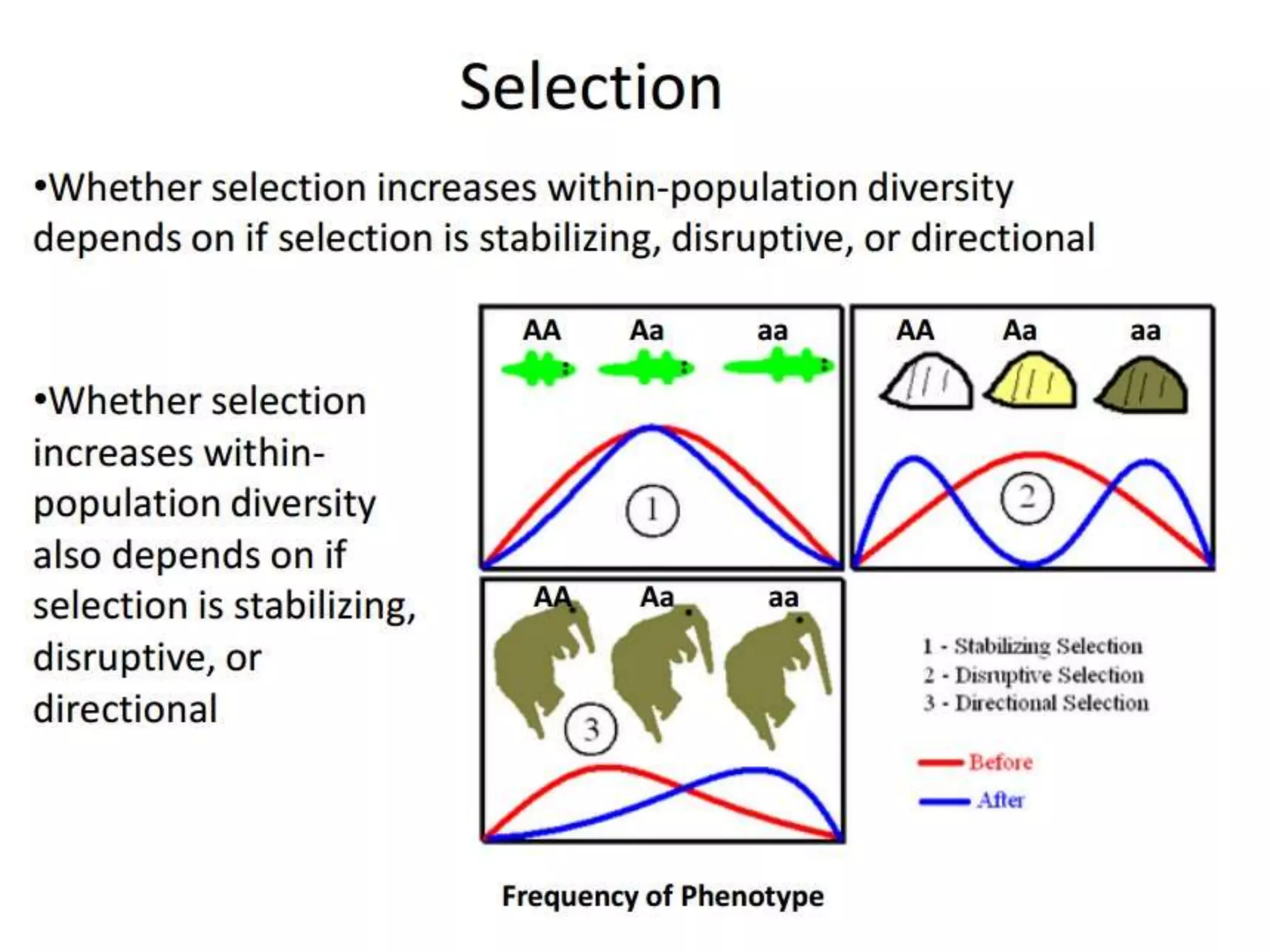
• Natural Selection – differential contribution of genotypes to the
next generation due to differences in survival and reproduction.
Intraspecific variation

Intraspecific variation

  • 1.
  • 2.
    Variation is thedifferences that occur between different individuals. There are two types;  Intraspecific – the differences that occur within a species.  Interspecific – the differences that occur between members of different species. Variations can be recognised through physical appearance or genetic factors. The terms Genotype and Phenotype are used to describe these variations.
  • 3.
    Intraspecific variation iscaused by genetic and environmental factors; Intraspecific variation (variation that occurs within a species) can be caused by a number of environmental and genetic factors. Genetic – all members of the same species have the same genes, however they have different forms of these genes called alleles. The different alleles cause variations in an organism’s phenotype (physical appearance). Examples of variation caused by genetic factors include eye colour and blood group. Genetic variation is inherited, as certain genetic factors can be passed on in families.
  • 4.
    Environmental – thephenotype of an organism can also be affected by environmental factors. For example, plant growth is affected by the amount of minerals, such as nitrate and phosphate in the soil. Another example is Himalayan rabbits. These rabbits are affected by temperature. Their fur turns black when temperatures reach below 25 degrees.
  • 5.
    Variation is oftena combination of both genetic and environmental factors; An example of this would be height. In animals, such as humans, genetics will decide the potential height that a person can grow, but environmental factors will decide whether that person will grow to their potential or not. Malnutrition or illness caused by environmental factors could cause a person not to grow to their full potential. Height usually runs in families.
  • 6.
    Measuring genetic variation Measurement- Genetic variation within a population is commonly measured as the percentage of gene loci that are polymorphic or the percentage of gene loci in individuals that are heterozygous. variation between populations – variation within populations variation between populations F st = Hs – average heterozygosity in the subpopulation Ht – average heterozygosity in the metapopulation Fst – the reduction in heterozygosity that is due to the structure of the population
  • 7.
    Genetic ecological processes •Genetic drift – randam change of in allele frequencies in a population from generation to generation due to finite population size. • Mutation - an error in the replication of DNA that causes a structural change in a gene. Only source of new genetic variation in populations (sex cells only). • Gene Flow - exchange of genetic information among population via migration of individuals. • Natural Selection – differential contribution of genotypes to the next generation due to differences in survival and reproduction.