Presented by -
Abhishek Goyal
Ritu Mittal
Simran Gupta
Consumer adoption
Consumer adoption of technological
innovations is the process consumers use to
determine whether or not to adopt an
innovation. ....
Product or service adoption
Adoption process is a series of stages by
which a consumer might adopt a NEW
product or service. Whether it be Services
or Products, in current competitive world, a
consumer is faced with a lot of choices.
• It is a mental process through which an
individual passes from first learning about an
innovation to final adoption.
• The decision by an individual to become a
regular user of the product.
Adoption process
Interest
The consumer is first exposed to the new
product. At this stage innovation is introduced
to the person but there is no true knowledge of
the product to the consumer
Interest/Information
• The consumer is interested in the product and
the starts reaching for additional information.
At this stage consumer started investing time
and energy into finding of more knowledge of
that product and how does it affect.
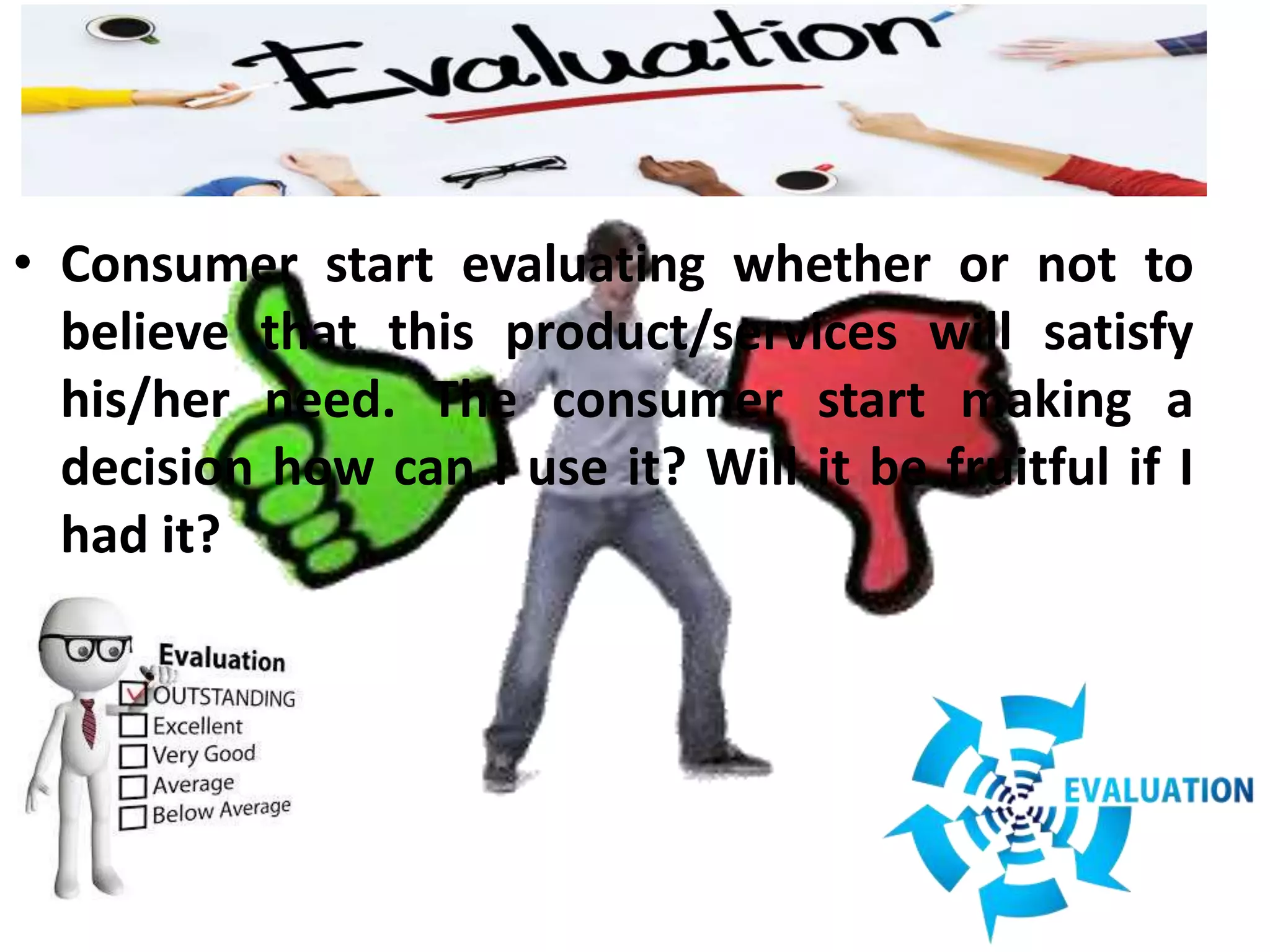
• Consumer start evaluating whether or not to
believe that this product/services will satisfy
his/her need. The consumer start making a
decision how can I use it? Will it be fruitful if I
had it?
Trial Stage
• Consumer is ready to try or test the new
product. He practically examines it. He tries
out the innovation in a small scale to get self-
experience. He can buy the product, or can
use free samples.
If trial is favorable, the consumer decides to use
the product and if unfavorable, the consumer
decides reject.
customer adoption levels
• Innovators
• Early adopters
• Early majority
• Late majority
• Laggards
INNOVATORS
• First to
adopt &
display
that they
likely to
want to
be ahead
• To be the
first to own
new
products,
well before
the average
consumer.
Early adopters
• Are also quick to buy new products
and services,
• So these kind of customers want to
show among the neighbors and
friends as they tend to be amongst
the first to get hold of items or
services.
Early Majority
• Look to the innovators and Early adopters
to see if a new product or idea works and
begins to stand the test of time.
• They stand back and watch the
experiences of others.
• Then there is a surge of mass purchases.
Late Majority
• Tends to purchase the product later than the
average person.
• They are slower to catch on to the popularity
of new products, services, ideas, or solutions.
• There is still mass consumption, but it begins
to end.
Laggards
• These tend to very late to take on board new
products and include those that never actually
adopt at all.
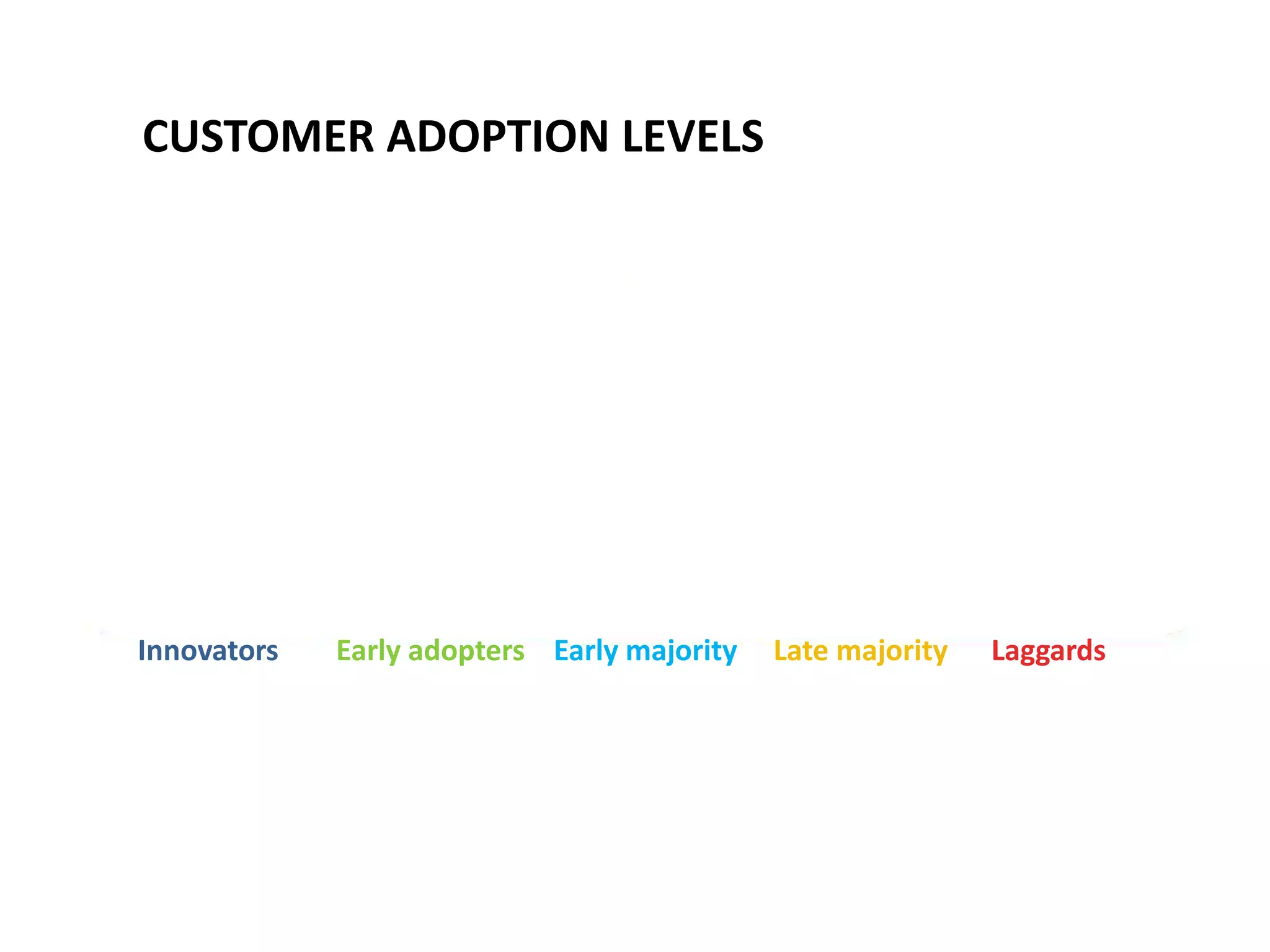
Innovators Early adopters Early majority Late majority Laggards
CUSTOMER ADOPTION LEVELS
Adoption process

Adoption process

  • 1.
    Presented by - AbhishekGoyal Ritu Mittal Simran Gupta
  • 2.
    Consumer adoption Consumer adoptionof technological innovations is the process consumers use to determine whether or not to adopt an innovation. ....
  • 3.
    Product or serviceadoption Adoption process is a series of stages by which a consumer might adopt a NEW product or service. Whether it be Services or Products, in current competitive world, a consumer is faced with a lot of choices.
  • 4.
    • It isa mental process through which an individual passes from first learning about an innovation to final adoption. • The decision by an individual to become a regular user of the product. Adoption process
  • 5.
  • 6.
    The consumer isfirst exposed to the new product. At this stage innovation is introduced to the person but there is no true knowledge of the product to the consumer
  • 7.
    Interest/Information • The consumeris interested in the product and the starts reaching for additional information. At this stage consumer started investing time and energy into finding of more knowledge of that product and how does it affect.
  • 8.
    • Consumer startevaluating whether or not to believe that this product/services will satisfy his/her need. The consumer start making a decision how can I use it? Will it be fruitful if I had it?
  • 9.
    Trial Stage • Consumeris ready to try or test the new product. He practically examines it. He tries out the innovation in a small scale to get self- experience. He can buy the product, or can use free samples.
  • 10.
    If trial isfavorable, the consumer decides to use the product and if unfavorable, the consumer decides reject.
  • 11.
    customer adoption levels •Innovators • Early adopters • Early majority • Late majority • Laggards
  • 12.
    INNOVATORS • First to adopt& display that they likely to want to be ahead • To be the first to own new products, well before the average consumer.
  • 13.
    Early adopters • Arealso quick to buy new products and services, • So these kind of customers want to show among the neighbors and friends as they tend to be amongst the first to get hold of items or services.
  • 14.
    Early Majority • Lookto the innovators and Early adopters to see if a new product or idea works and begins to stand the test of time. • They stand back and watch the experiences of others. • Then there is a surge of mass purchases.
  • 15.
    Late Majority • Tendsto purchase the product later than the average person. • They are slower to catch on to the popularity of new products, services, ideas, or solutions. • There is still mass consumption, but it begins to end.
  • 16.
    Laggards • These tendto very late to take on board new products and include those that never actually adopt at all.
  • 17.
    Innovators Early adoptersEarly majority Late majority Laggards CUSTOMER ADOPTION LEVELS

Editor's Notes

  • #3 It describes the behavior of consumers as they purchase new products and services.
  • #7 Marketers with new products attempt to create awareness through publicity, promotion, and word-of-mouth referral.
  • #9 If information appears to be positive then they will go for this product.
  • #12 First are the customers who will buy into your solution and seem interested in trying it, but are ultimately unwilling to change anything about their current processes to ensure that it works for them. Because of this low adoption of your technology, these customers will fail to receive a return on their investment, and therefore won’t want to continue using it.  High Adoption These customers have bought your solution and are very enthusiastic about trying it! However, while adoption is high, they still have some problems to work out in their current operating environment, making them not yet effective. They might have some bad processes or poor organizational structures that are holding them back from realizing their full potential with your offer. Their hearts are in the right place, but they have some bad habits they need to overcome first before they can successfully adopt your solution.  Effective Adoption These are the customers that really get it. They did their research and came into the buying process fully prepared with the right people, processes, and technology in place before they began implementing your solution. They had a clear view of the outcomes they wished to achieve with your solution, and are using every aspect of your technology to achieve those outcomes. These are the customers who are clearly receiving value from your products and services, and are the ones who are most likely to expand their spending and renew their contracts
  • #18 Innovators - 2.5% Early adopters – 13% Early majority – 34% Late majority – 34% Laggards – 16%