Download as PDF, PPTX

![Simulation is……
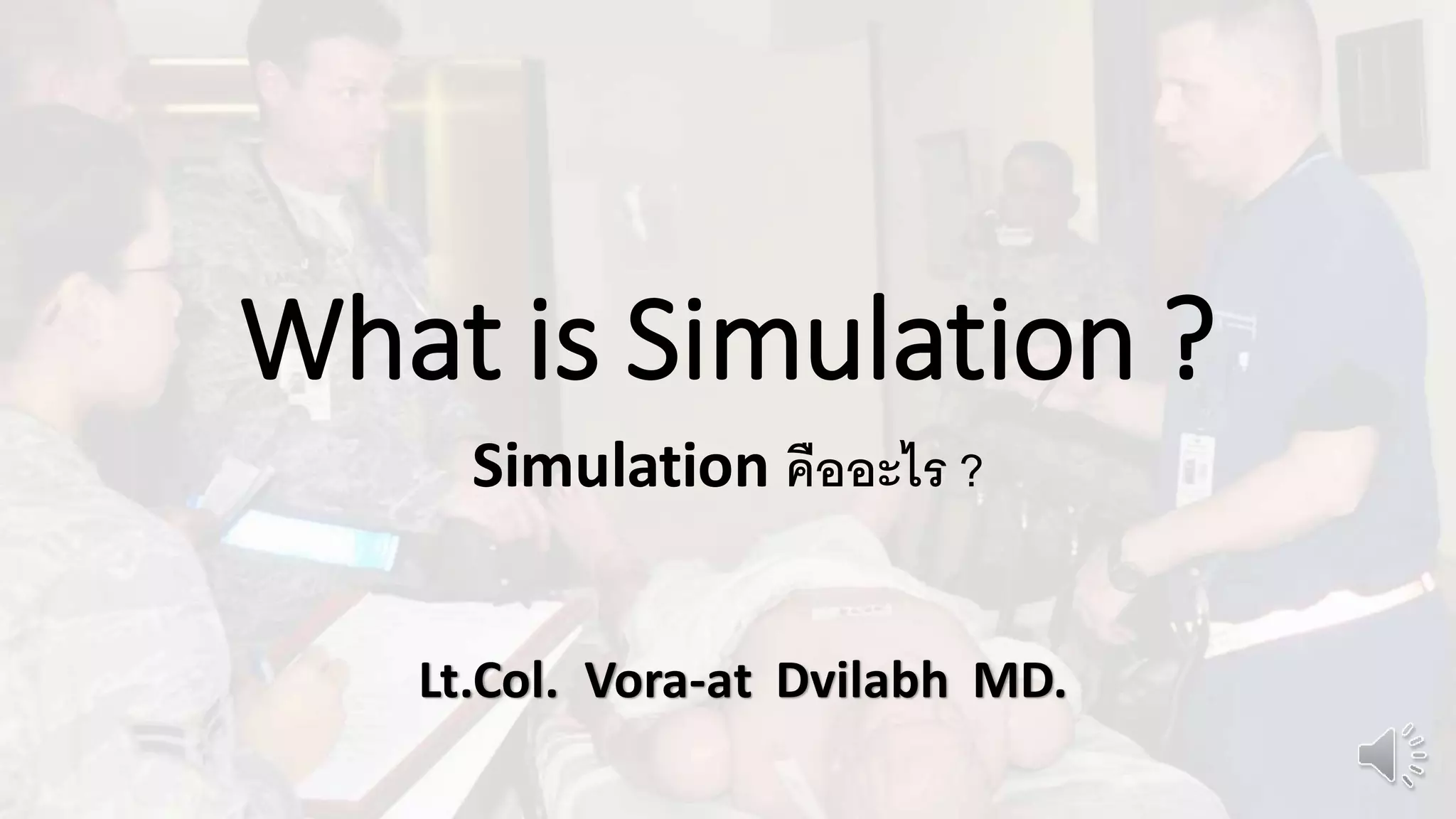
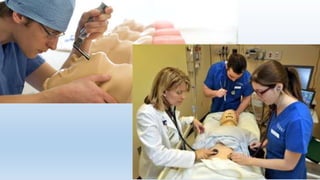
• In broad, simple terms a simulation is a person, device, or set of
conditions which attempts to present [education and] evaluation
problems authentically.
• The student or trainee is required to respond to the problems as he
or she would under natural circumstances.
• Frequently the trainee receives performance feedback as if he or
she were in the real situation.
McGaghie, 1999](https://image.slidesharecdn.com/whatissimulation-141202103615-conversion-gate02/85/ACTEP2014-What-is-simulation-3-320.jpg)
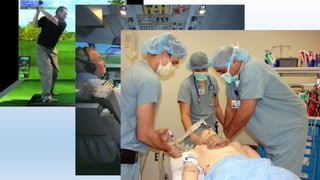
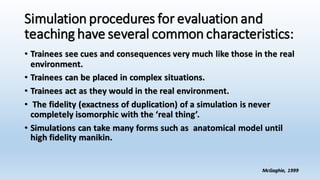
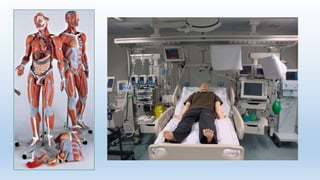
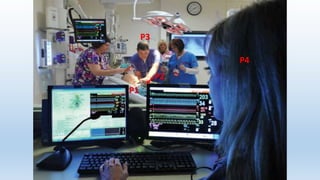
![• Any simulated element can be substituted for a real one.
• In most simulations the (P3) element is ‘real’ and represents the
student....
• The four ‘P’ types allow the [simulation] developer to assess how
realistic the simulation must be to achieve its educational goals.](https://image.slidesharecdn.com/whatissimulation-141202103615-conversion-gate02/85/ACTEP2014-What-is-simulation-11-320.jpg)
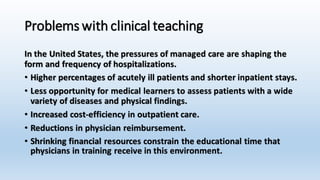
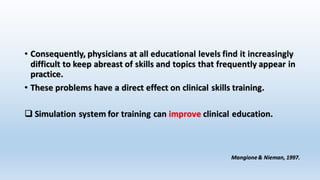
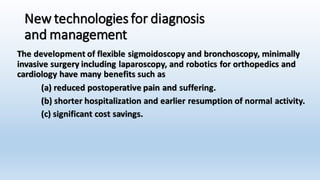
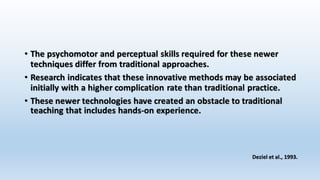
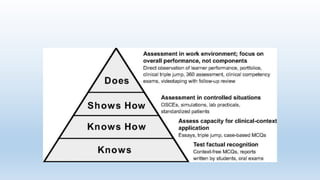
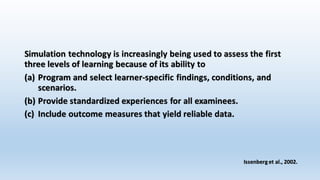
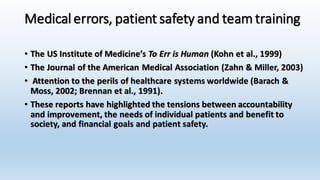
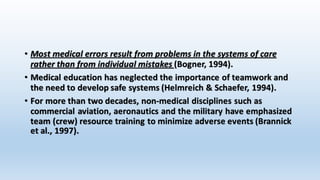

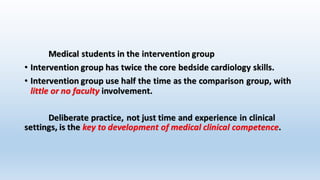
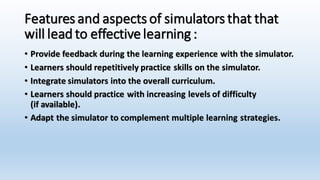
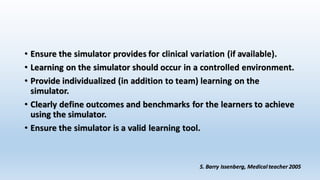



This document discusses simulation in medical education. It defines simulation as presenting problems authentically to allow trainees to respond as they would in real situations while receiving feedback. Simulation provides controlled, safe practice opportunities and helps develop clinical skills. Factors driving increased simulation use include problems with clinical teaching, new medical technologies, assessing competence, improving patient safety, and enabling deliberate practice. Effective simulation provides feedback, repetitive practice of varying difficulty, integration into the curriculum, and clearly defined learning outcomes.


![Microsystem analysis webinar_feb_21_2013[1]](https://cdn.slidesharecdn.com/ss_thumbnails/microsystemanalysiswebinarfeb2120131-130220151815-phpapp02-thumbnail.jpg?width=640&height=640&fit=bounds)


