

Dr Ajmal Eusuf ICU Monitoring Standards and Capnography
Current Monitoring Personnel Patient monitoring Equipment monitoring
Current Monitoring-patient Saturations and gases ECG Blood pressure Respirations Heart and lungs should have clinical monitoring intermittently
Current monitoring-equipment Ventilator failures and supply Oxygen analysis Disconnection alarms Volume and pressure alarms Temperature
Rational for capnography Would you put a patient to sleep in theatre without capnography being present? Would you keep them asleep without capnography? Must of our theatre patients are fit and well ICU patients are sicker  One set of equipment for all the unit which takes a few minutes to set up
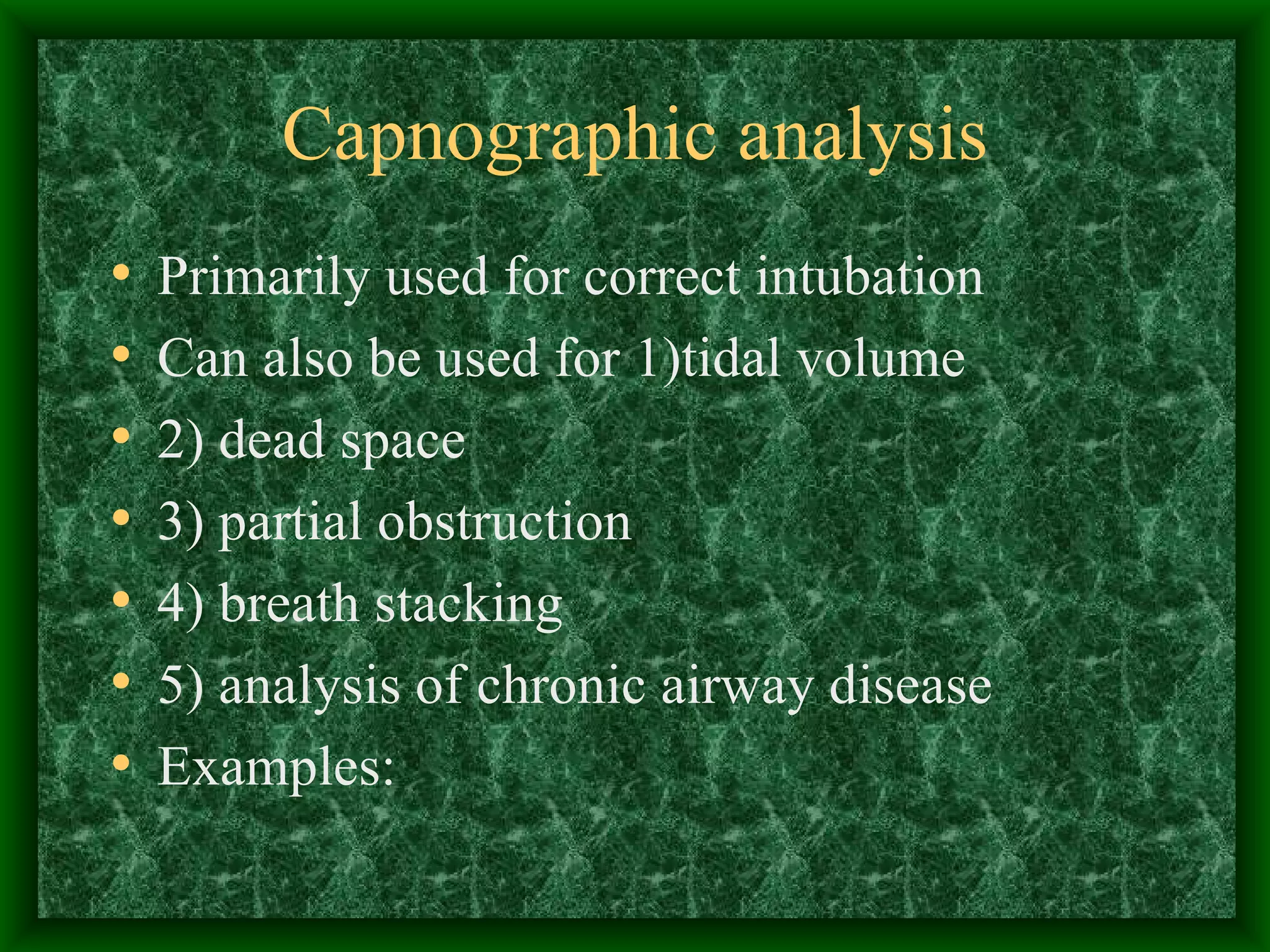
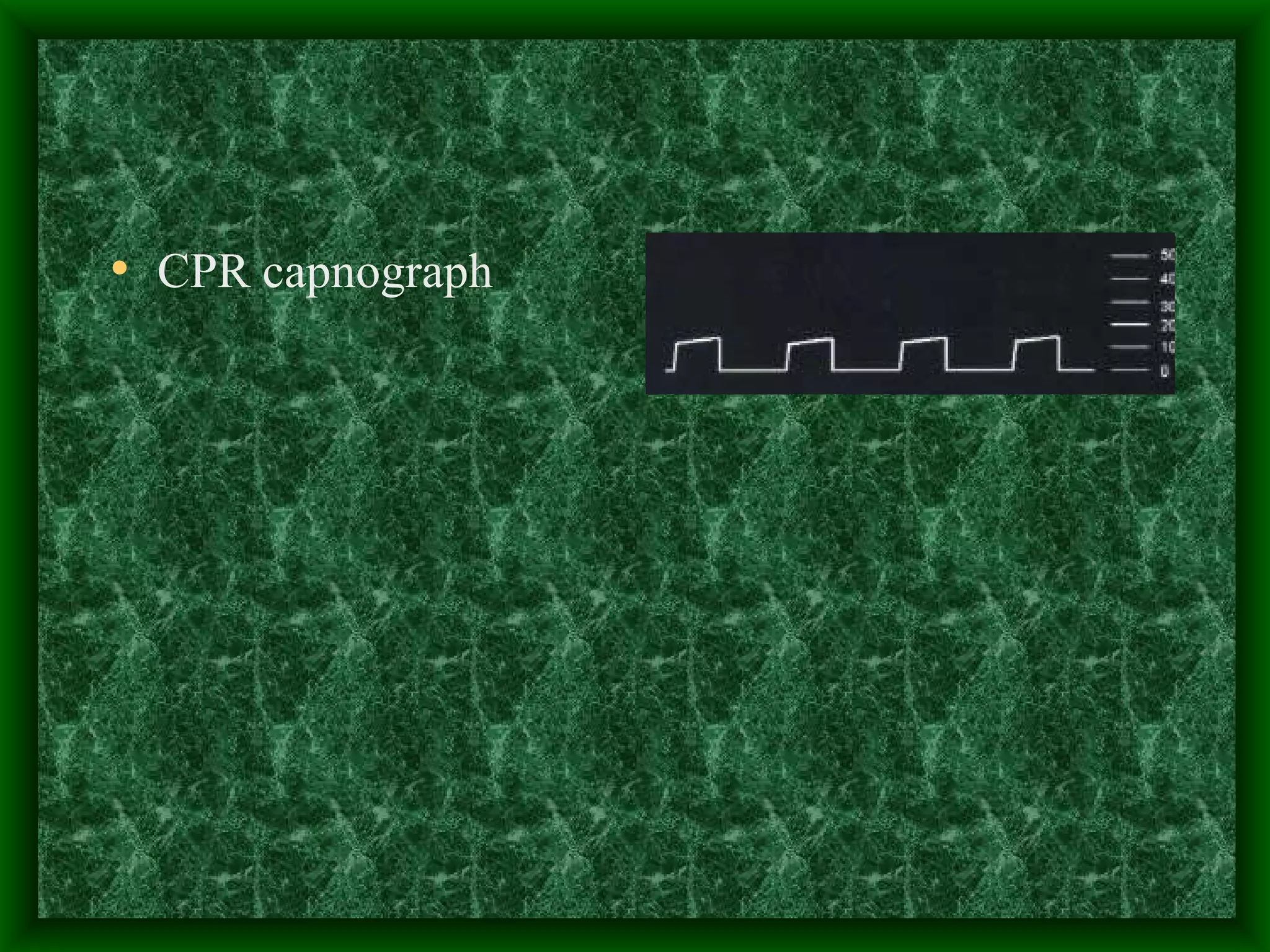
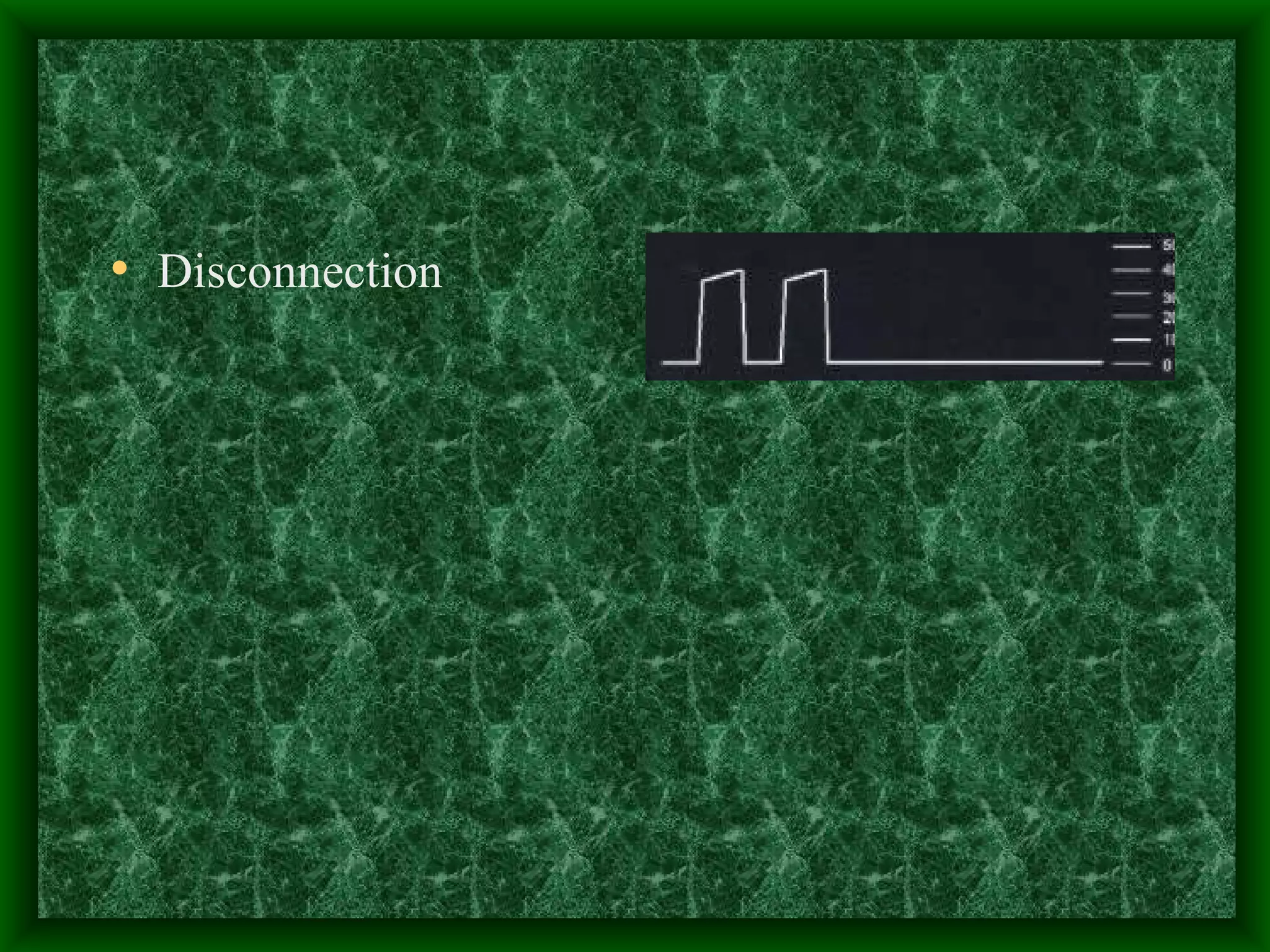
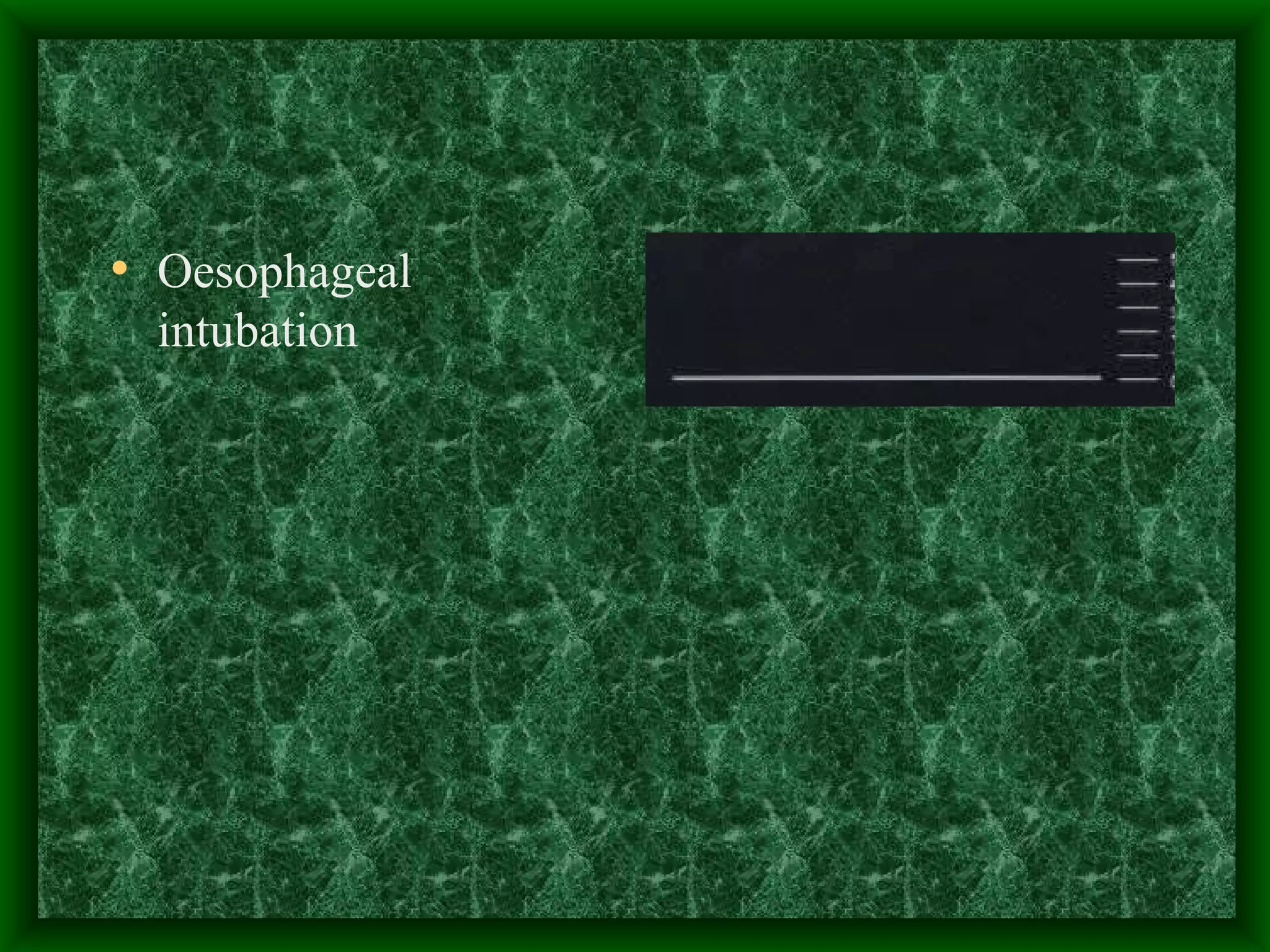
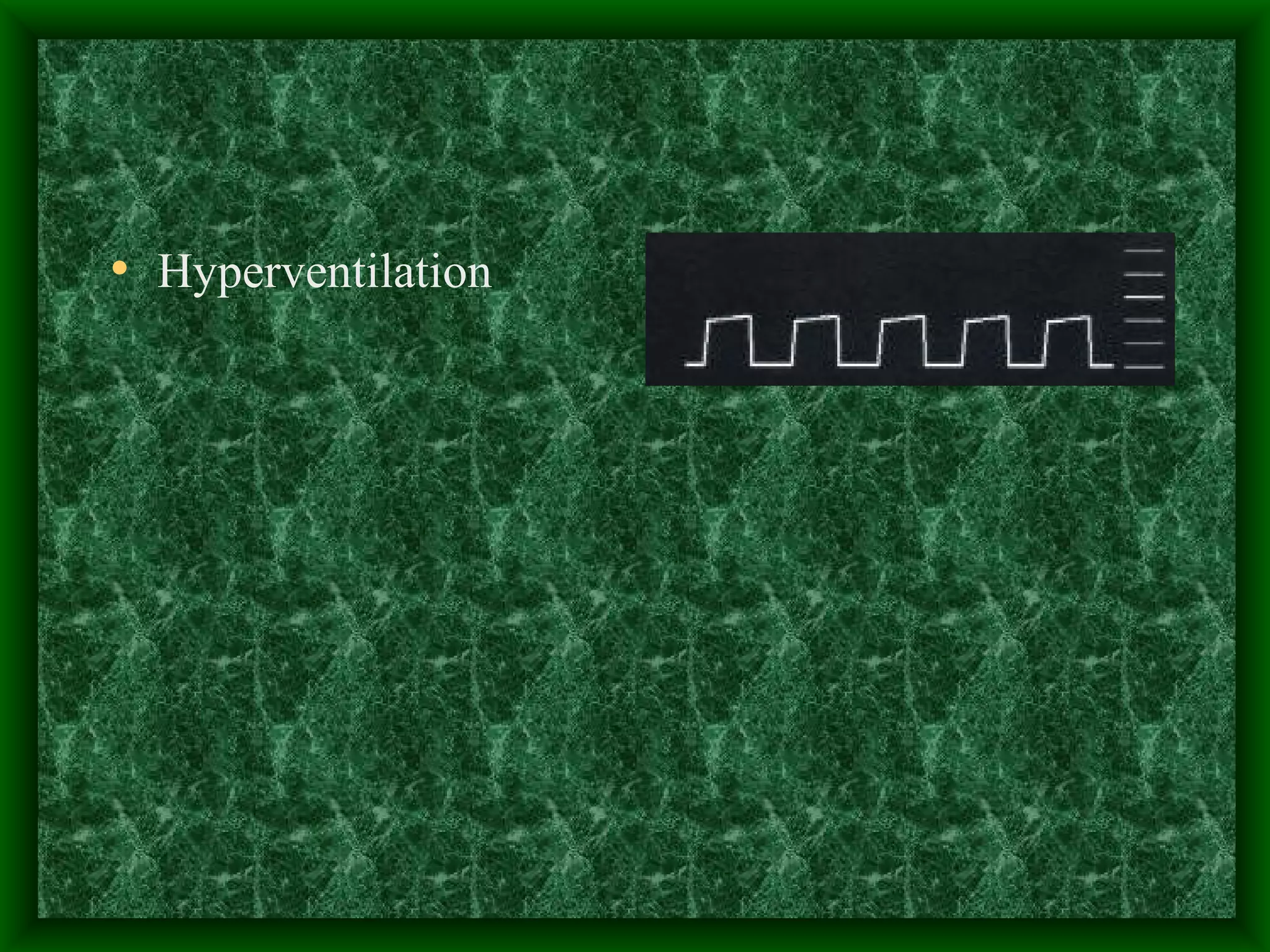
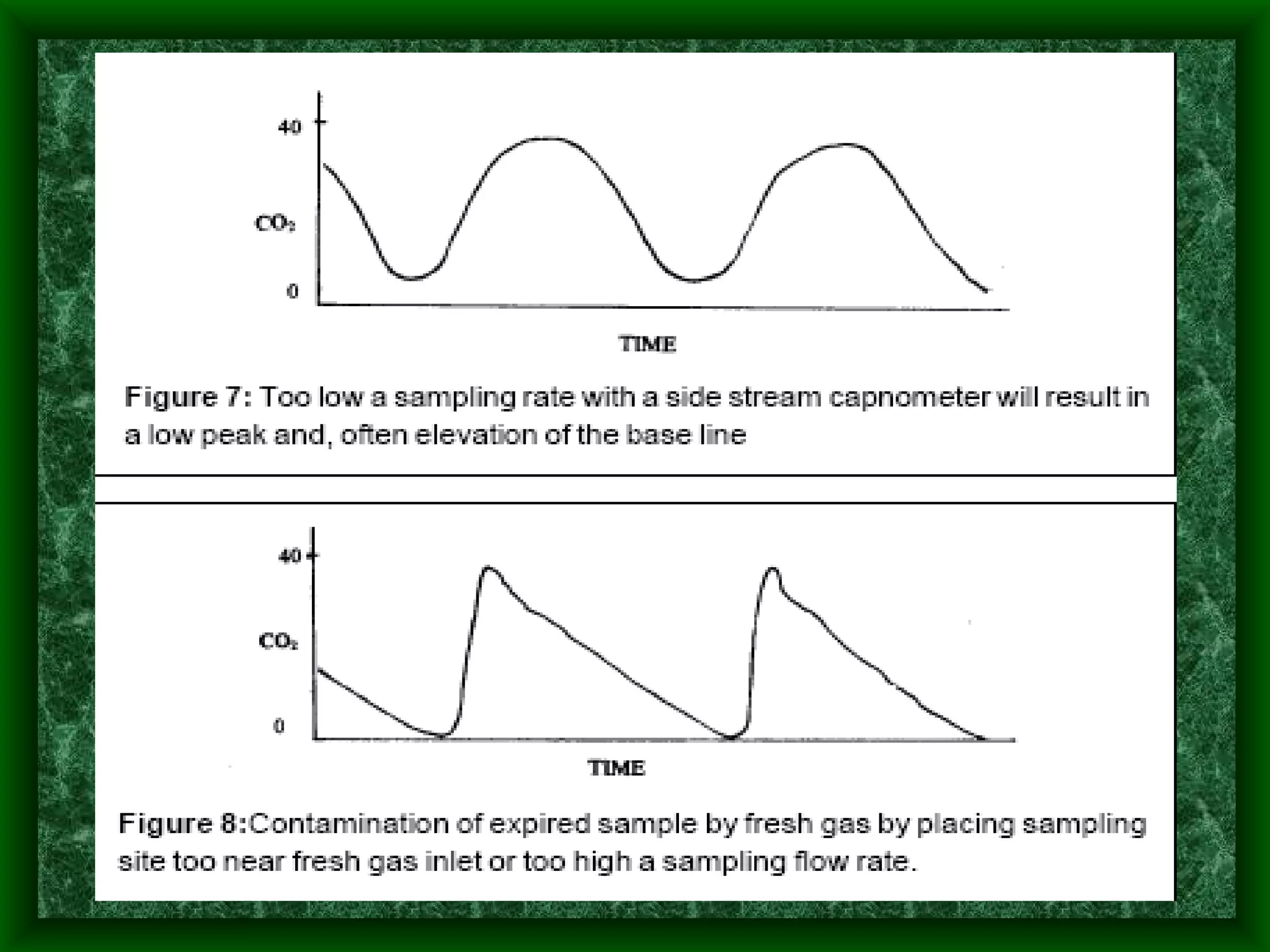
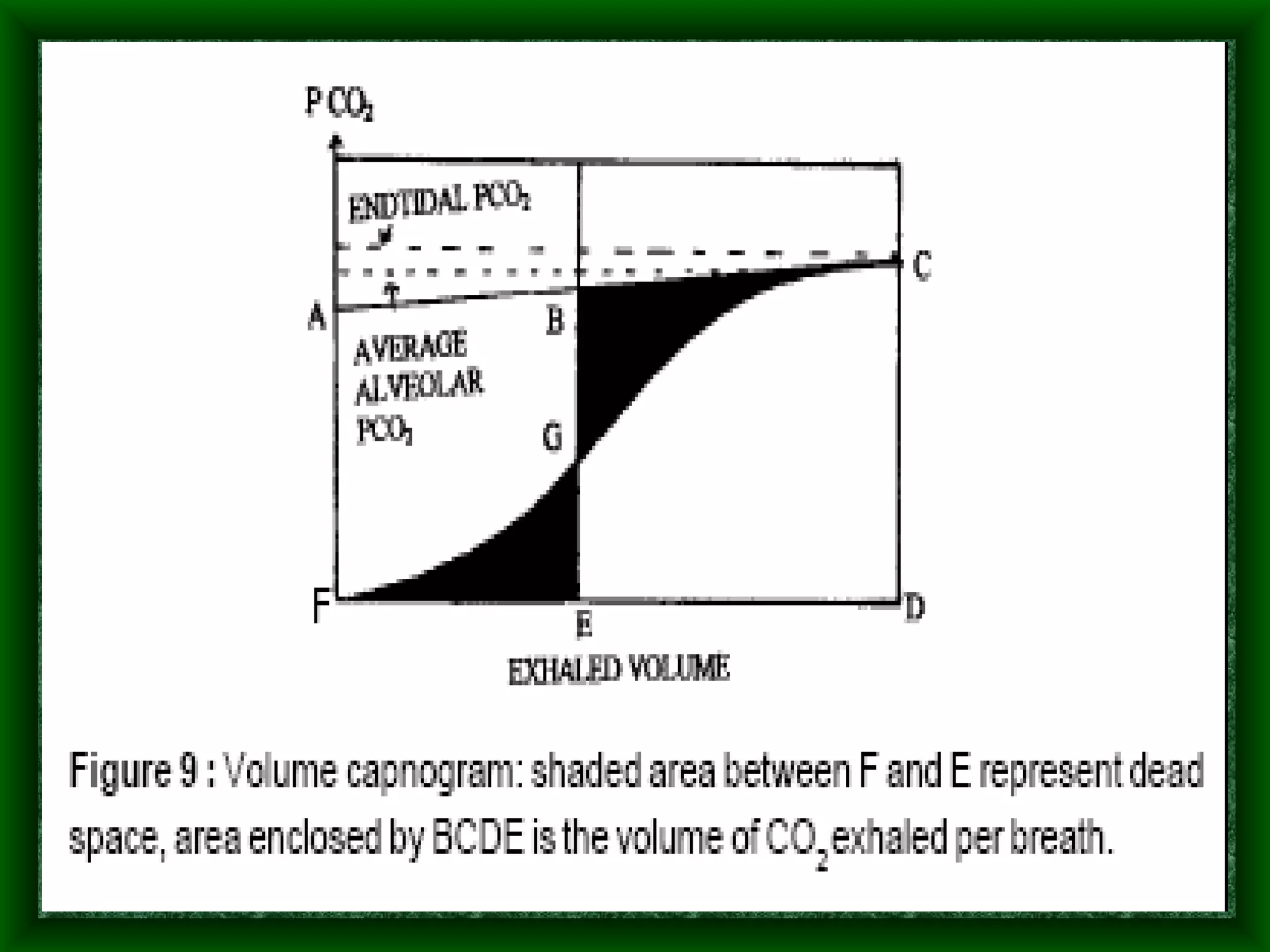
Capnographic analysis Primarily used for correct intubation Can also be used for 1)tidal volume 2) dead space 3) partial obstruction 4) breath stacking 5) analysis of chronic airway disease Examples:
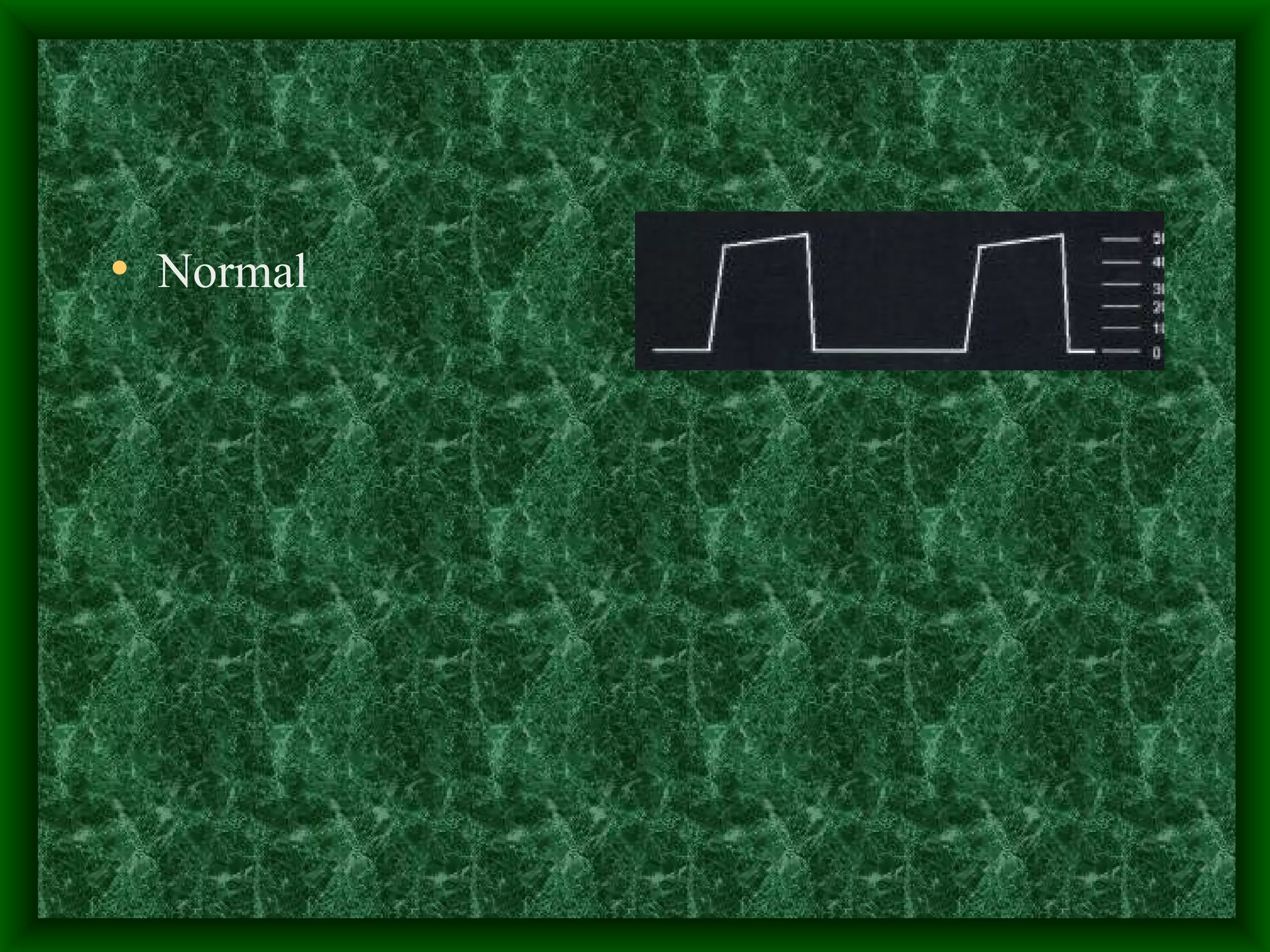
Normal
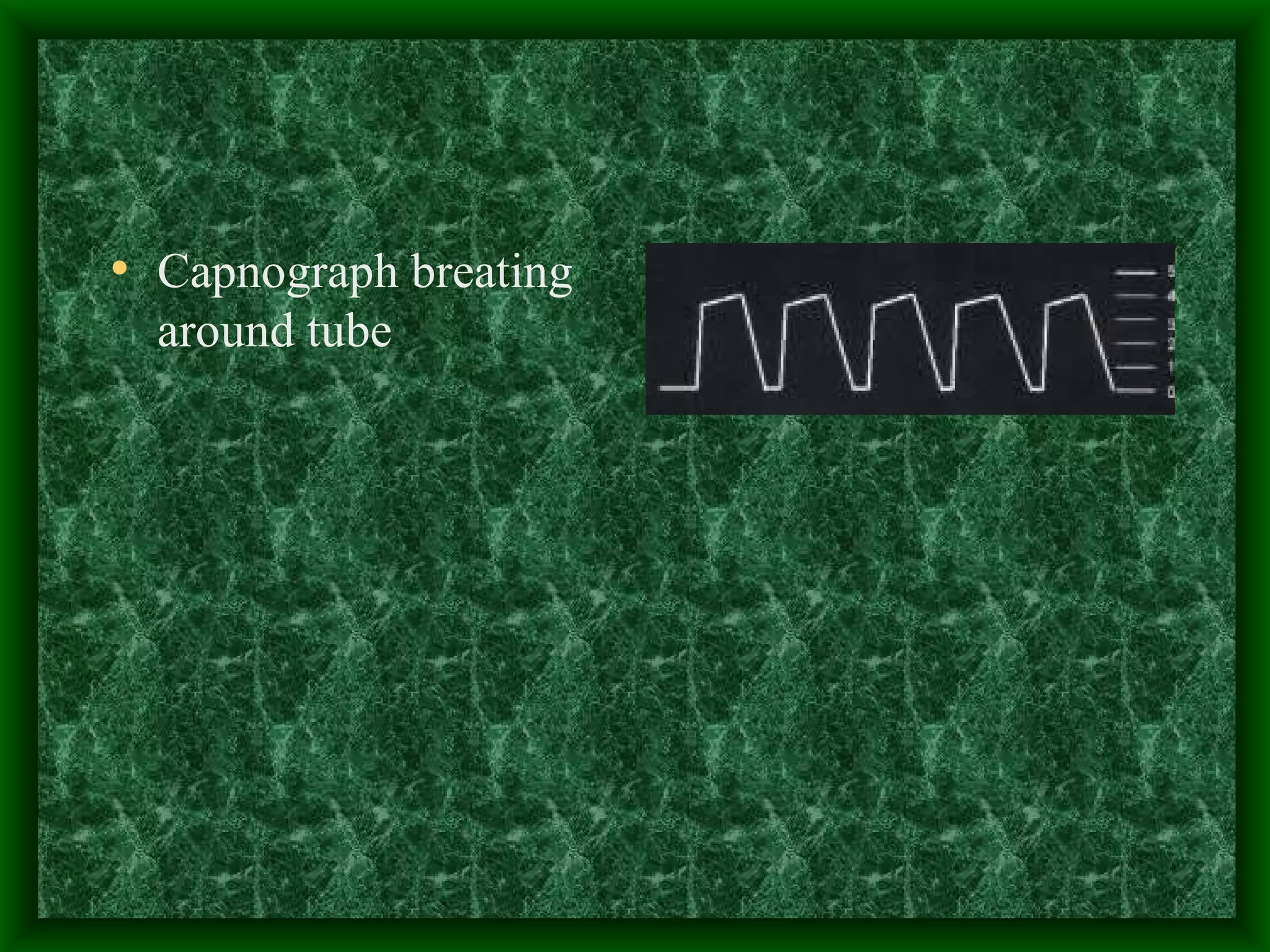
Capnograph breating around tube
CPR capnograph
Disconnection
Oesophageal intubation
Hyperventilation
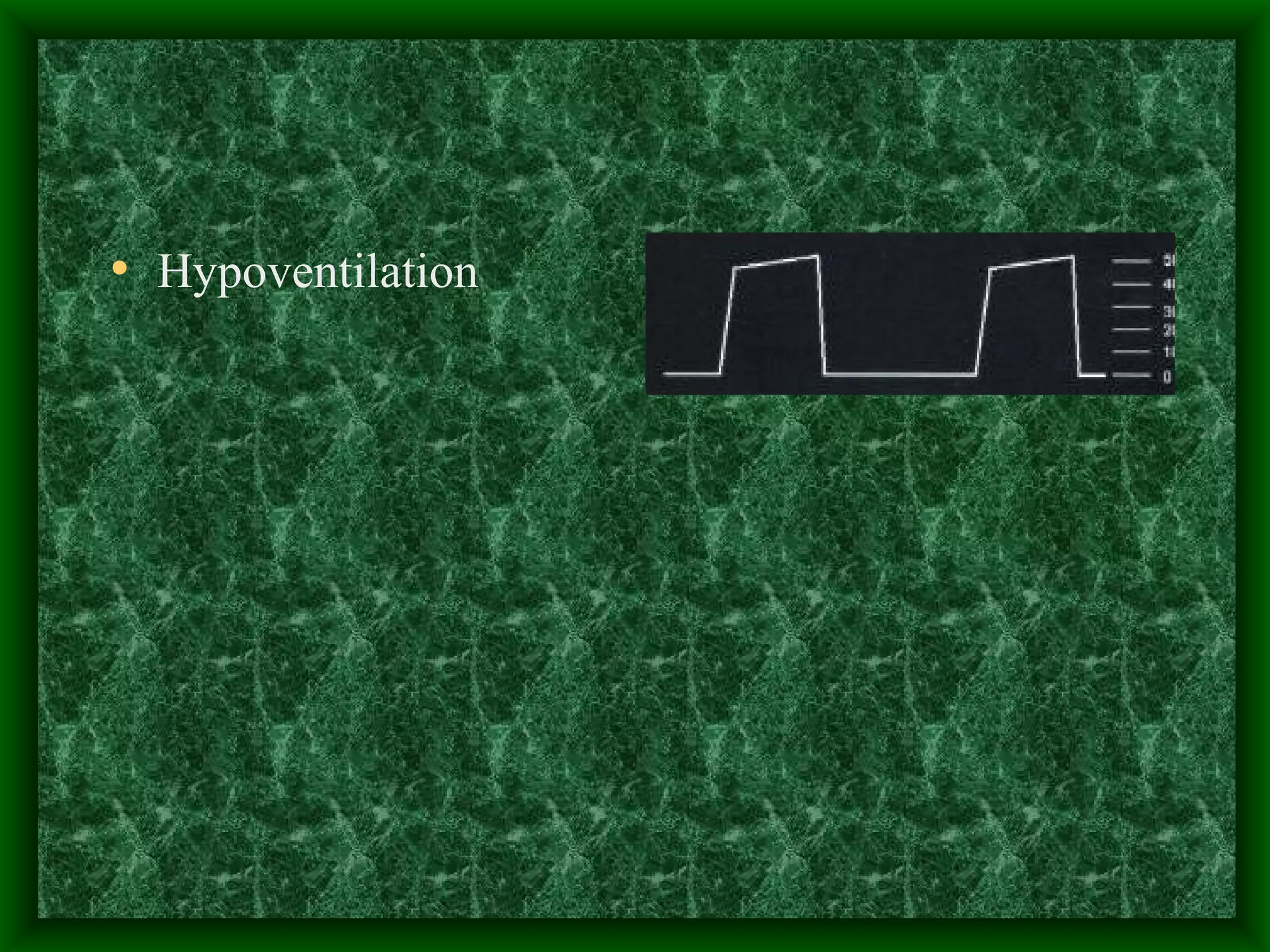
Hypoventilation
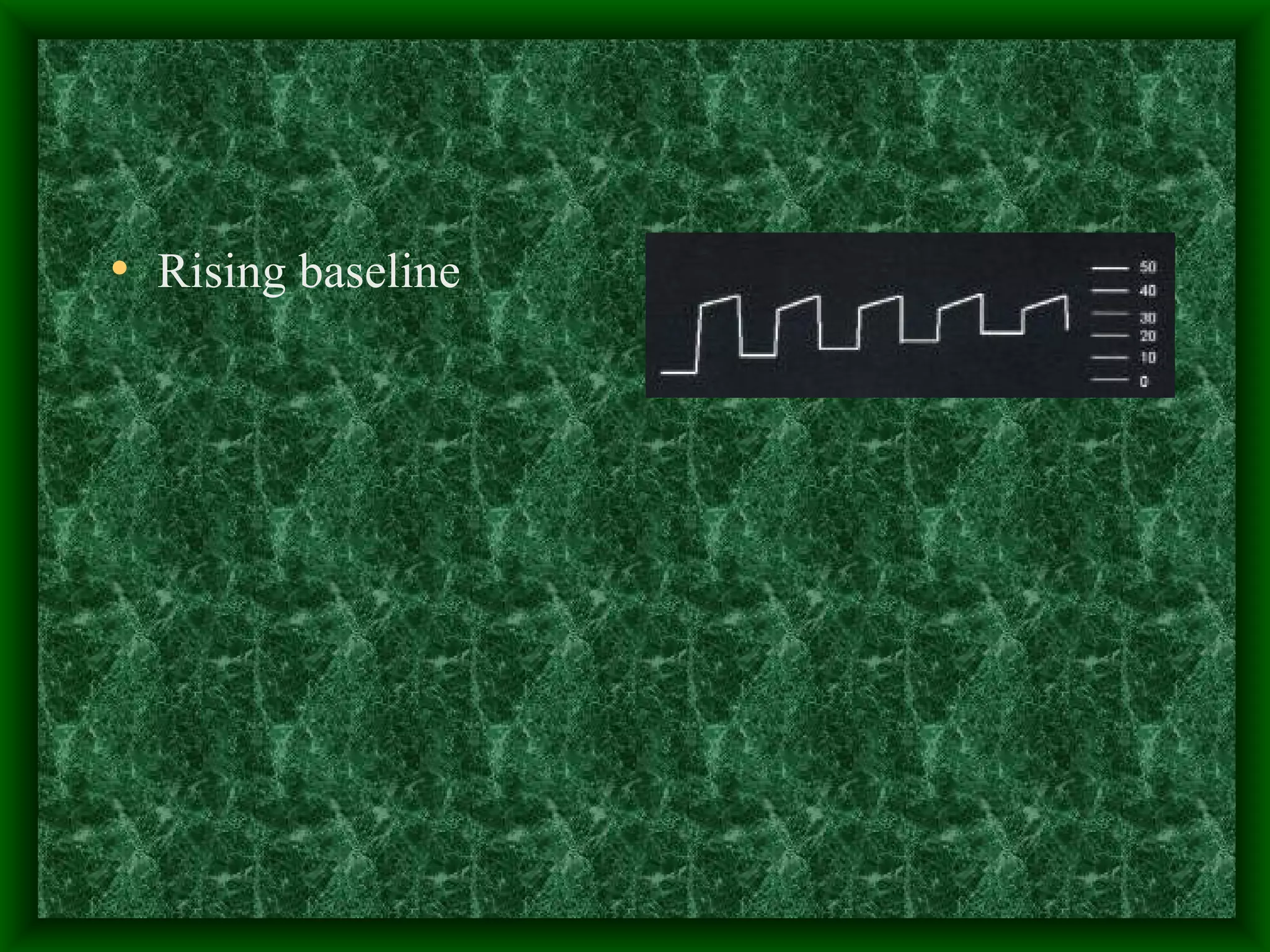
Rising baseline
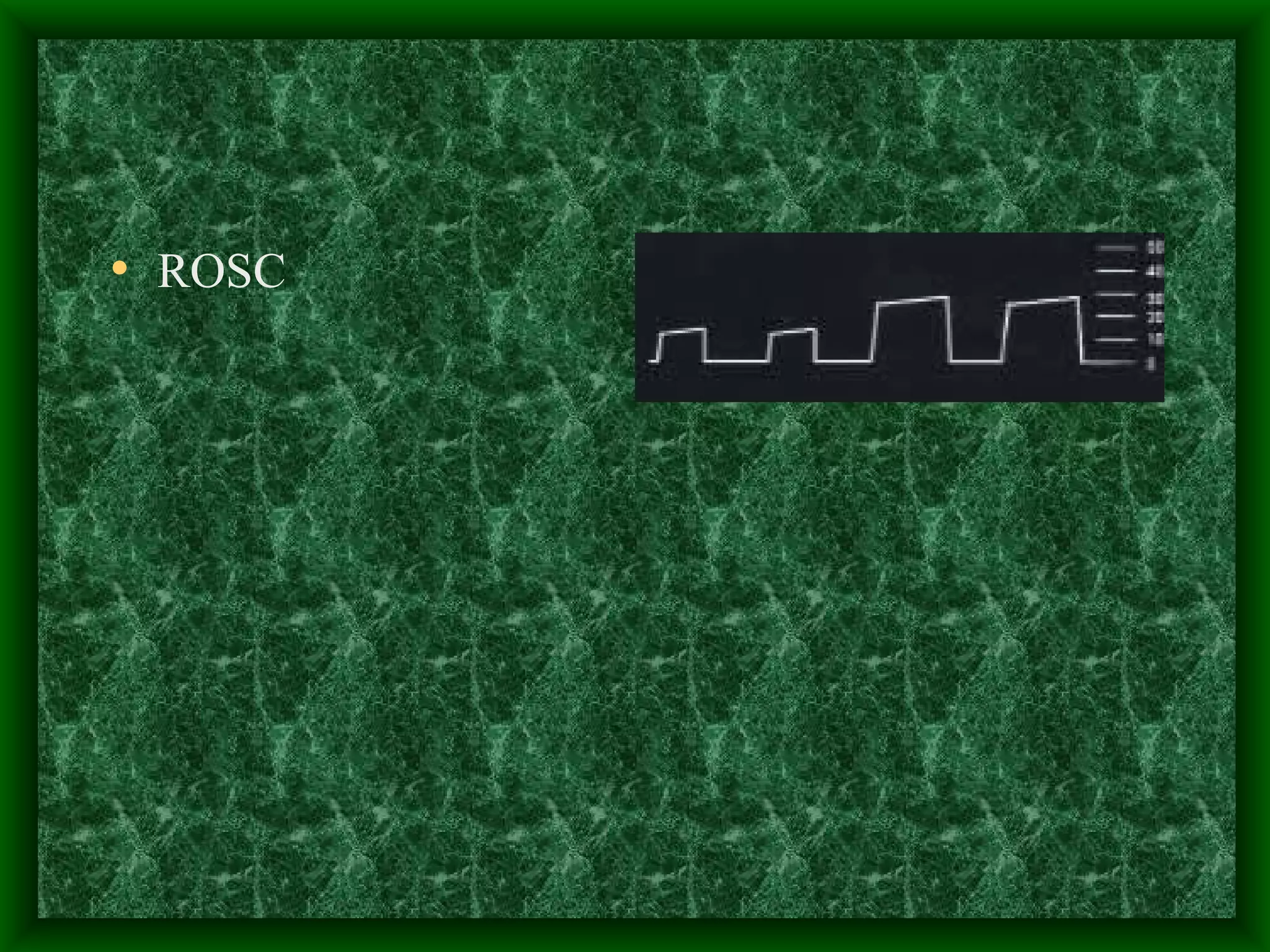
ROSC
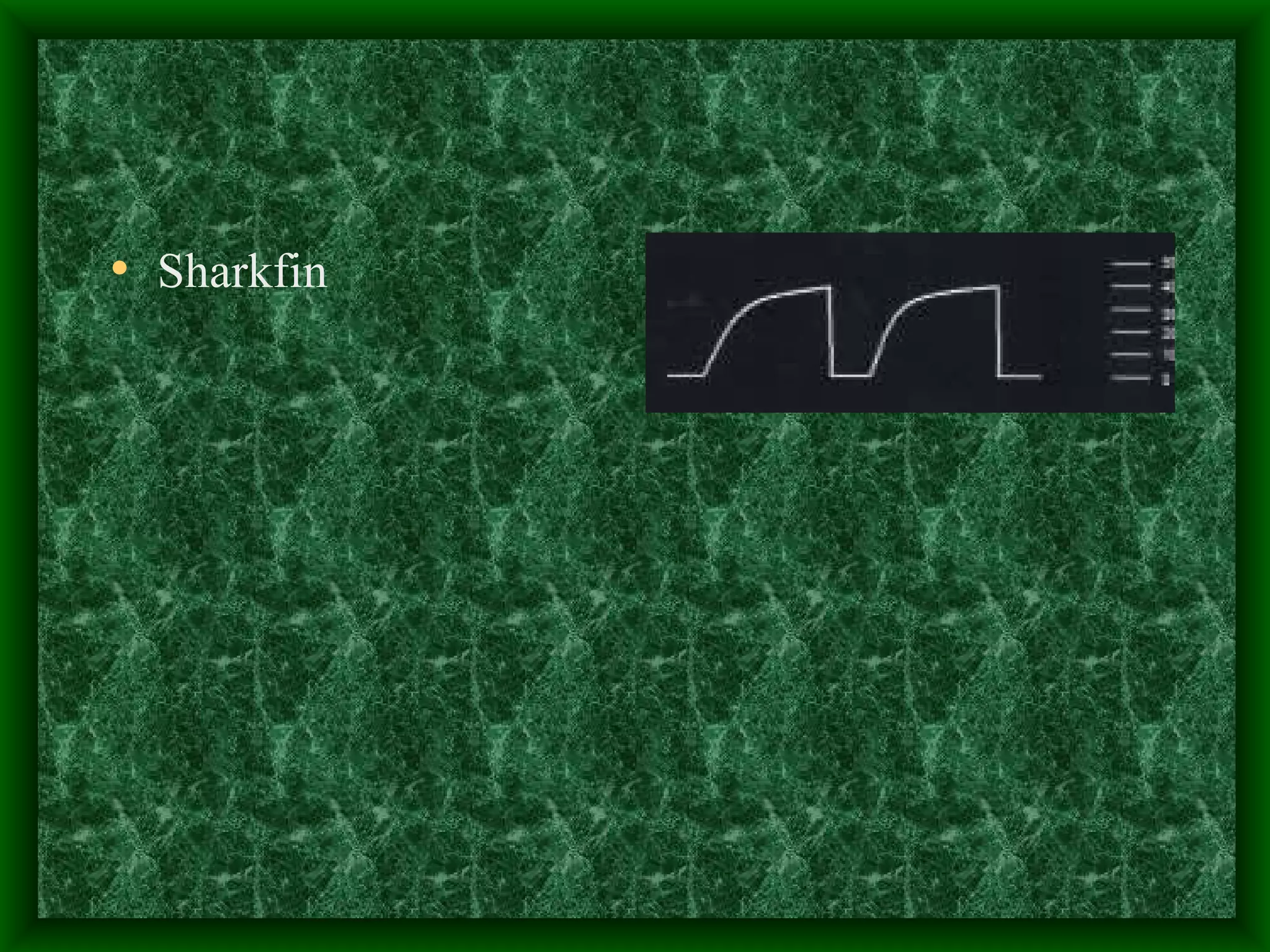
Sharkfin
Phase 1- anatomical and apparatus dead space Phase 2- mixing of dead space and alveolar CO2 Phase 3- alveolar plateau Phase 4- start of inspiration
 
 
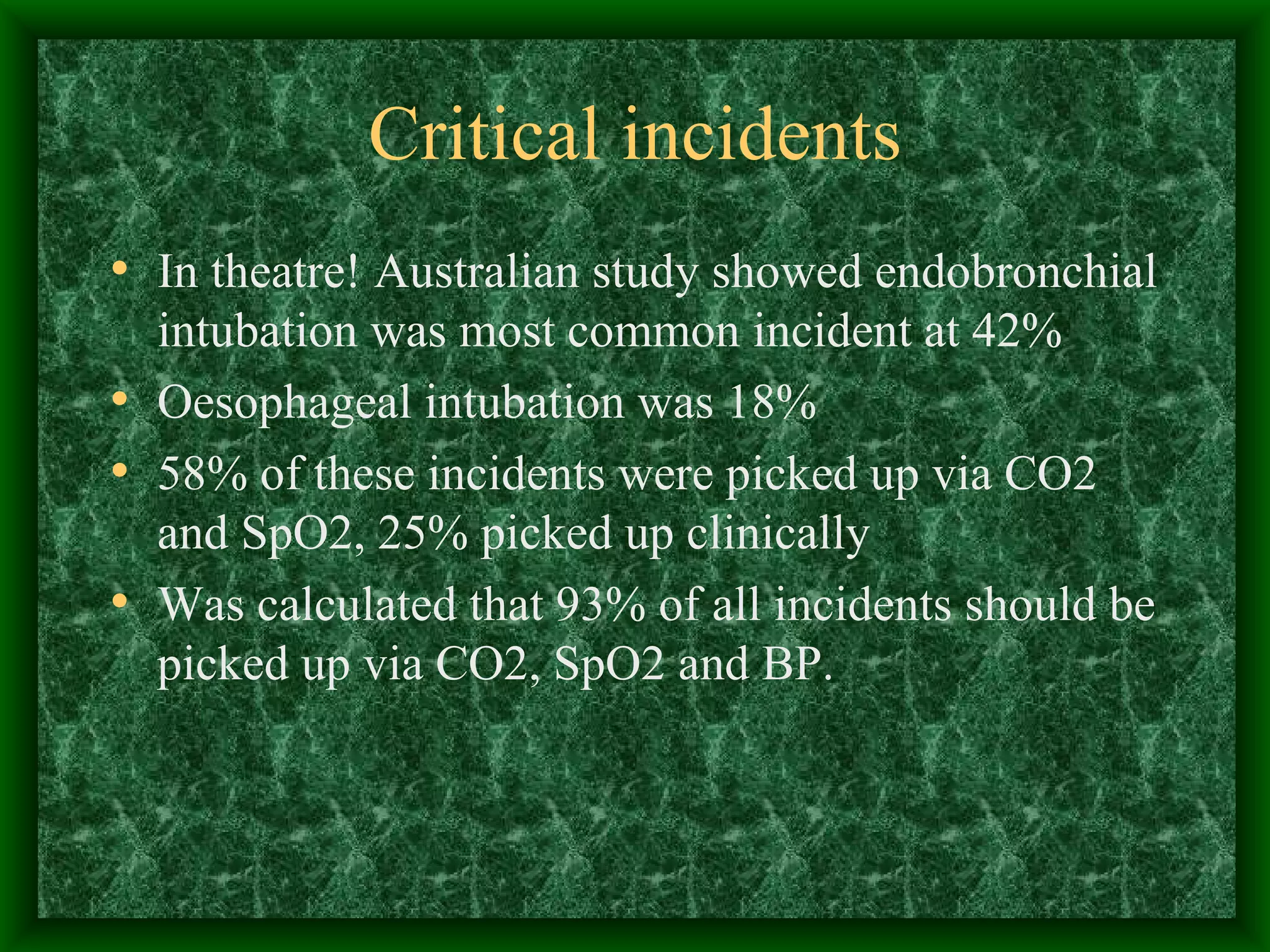
Critical incidents In theatre! Australian study showed endobronchial intubation was most common incident at 42% Oesophageal intubation was 18% 58% of these incidents were picked up via CO2 and SpO2, 25% picked up clinically Was calculated that 93% of all incidents should be picked up via CO2, SpO2 and BP.
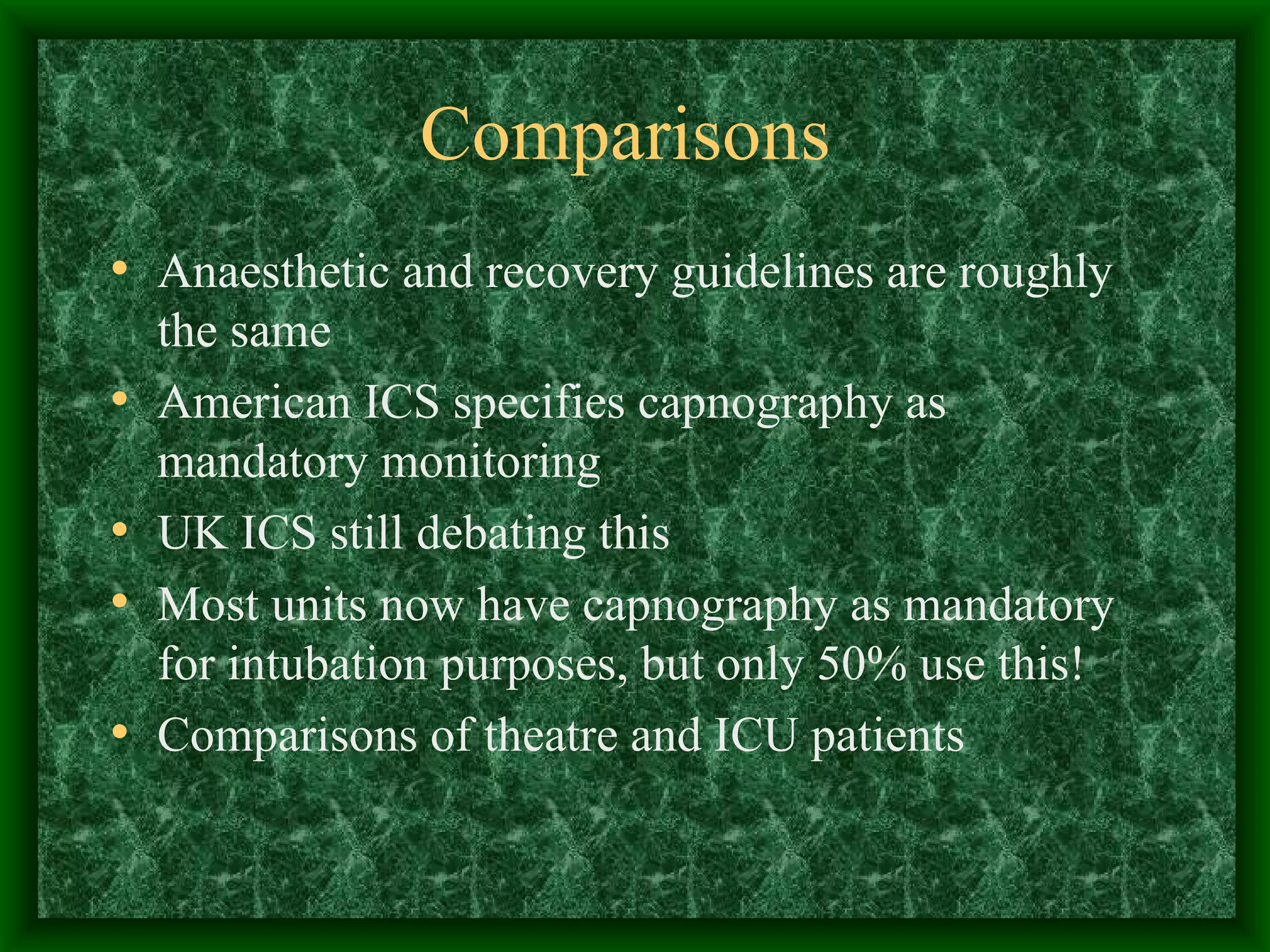
Comparisons  Anaesthetic and recovery guidelines are roughly the same American ICS specifies capnography as mandatory monitoring UK ICS still debating this Most units now have capnography as mandatory for intubation purposes, but only 50% use this! Comparisons of theatre and ICU patients
Conclusion Capnography has a wide range of uses For better compliance of UK unit protocols, probably need it as bedside monitoring Lagging behind other world-wide practises Probably needed more by ICU than theatres?
Any Questions?

13 icu monitoring standards and capnography