Patient Monitoring
 Patient monitoring and the equipment to
  support it are vital to caring for patients
 in operating rooms, intensive care units,
emergency departments, and in acute care
                   settings
:Patient Monitoring divided into
• Non Instrumental: clinical observation
(“look, listen, feel”)
Visual and auditory surveillance is central to
   patient monitoring, and involves many
   dimensions:
• Observing the patient’s color, respiratory
   pattern, accessory muscle use, and
   looking for movements, grimaces or
   unsafe patient positioning
• Observing the patient’s clinical data on
  intraoperative monitors
• Observing bleeding and coagulation at the
  surgical site (e.g., are the surgeons using many
  sponges or are they doing a lot of suctioning?)
• Monitoring the functioning of all lines to ensure
  that IV catheters have not infiltrated
• Conducting an anesthesia machine and
  workspace checkout
• Pulse: rate, volume, rhythm------etc
• Capillary refilling
• Sweating
Instrumental patient monitoring
•    Electrocardiogram (Provides information about
     rate, rhythm, ischemia (ST Segments))
•    Blood pressure (manual, automatic, arterial
     catheter)
•    Pulse oximeter (usually on fingertip or ear lobe)
•    Capnograph (especially in patients with an
     LMA or ETT)
•    Oxygen analyzer (part of anesthesia machine)
•    Anesthetic agent concentration analyzer
7. Temperature (usually esophageal or axillary)
8. Precordial or esophageal stethoscope (Listen to
   heart sounds, breath sounds)
9. Gas flows/ spirometry (part of anesthesia
   machine)
10. Airway pressure monitor (part of anesthesia
   machine)
11. Airway disconnect alarm (part of anesthesia
   machine)
12. Peripheral nerve stimulator (where
   appropriate)
13. Urometer (measure urine output where
   appropriate)
Electrocardiogram ECG
This provides the clinician with three types of
  information: (1) heart rate, (2) cardiac rhythm
  (3) information about possible myocardial
  ischemia (via ST segment analysis) In addition,
  ECG monitoring can help assess the function of
  a cardiac pacemaker
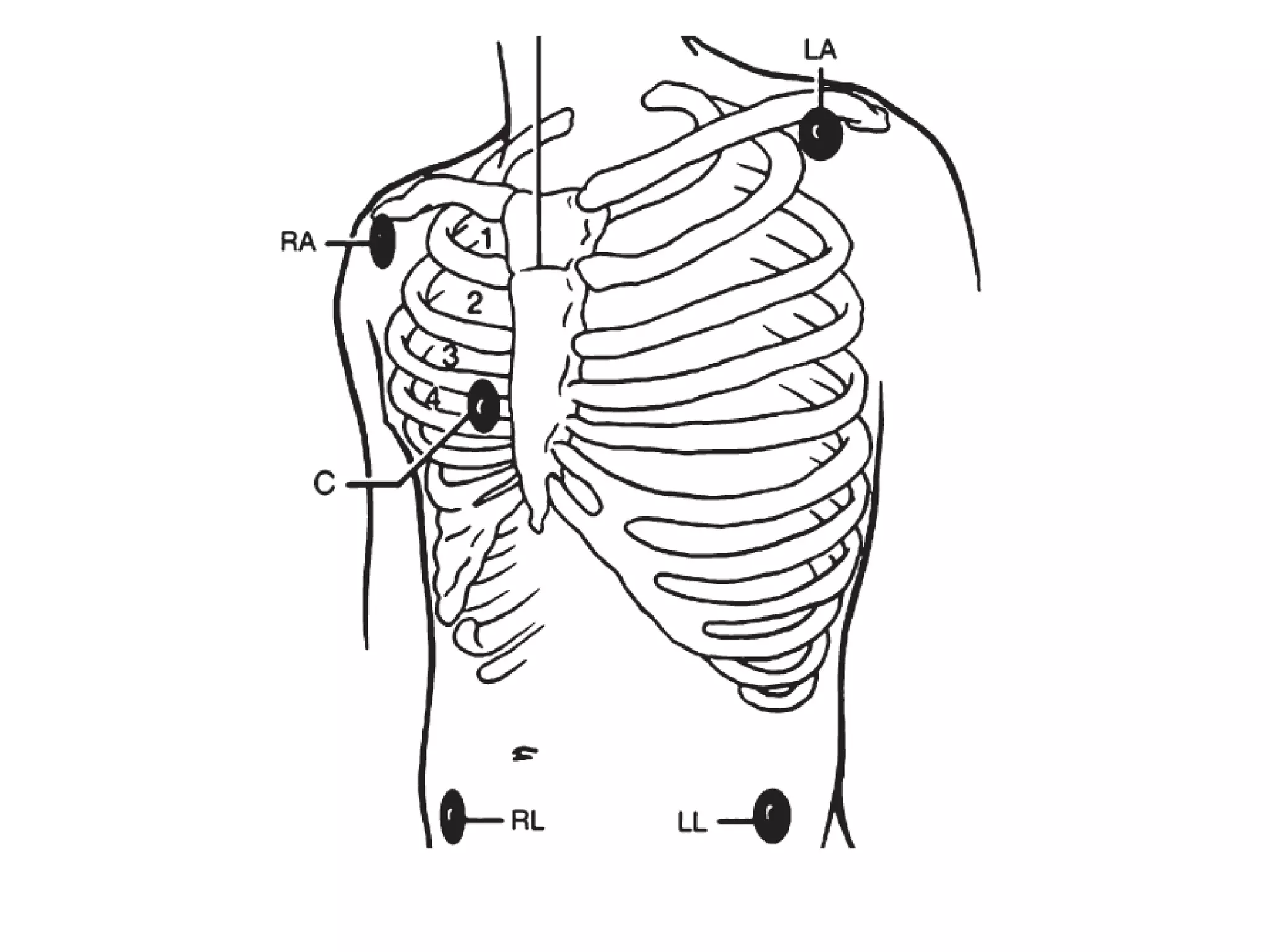
The most common electrocardiographic system
  used during anesthesia is a 5-electrode lead
  system. This arrangement allows for the
  recording of any of the six limb leads plus a
  single precordial (V) lead
Blood Pressure
Measurement of arterial blood pressure is an
  important indicator of the adequacy of circulation
  Systemic blood pressure monitoring is
  commonly performed indirectly using extremity-
  encircling cuffs or directly by inserting a catheter
  into an artery and transducing the arterial
  pressure trace.
Variety of techniques available for measuring
  changes in systolic, diastolic, and mean arterial
  pressure (MAP).
Indirect Measurement of Arterial
         Blood Pressure
The simplest method of blood pressure
 determination estimates systolic blood
 pressure by palpating the return of the
 arterial pulse while an occluding cuff is
 deflated. Modifications of this technique
 include the observance of the return of
 Doppler sounds, the transduced arterial
 pressure trace, or a
 photoplethysmographic pulse wave as
 produced by a pulse oximeter.
• Auscultation of the Korotkoff sounds
  permit estimation of both systolic (SP) and
  diastolic (DP)
• blood pressures. MAP can be calculated
  using an estimating equation (MAP = DP +
  1/3 [SP-DP]).
• The American Heart Association recommends
  that the bladder width for indirect blood pressure
  monitoring should approximate 40% of the
  circumference of the extremity.
• Bladder length should be sufficient to encircle at
  least 60% of the extremity.
• Falsely high estimates result when cuffs are too
  small, when cuffs are applied too loosely, or
  when the extremity is below heart level.
• Falsely low estimates result when cuffs are too
  large, when the extremity is above heart level, or
  after quick deflations.
Automated Intermittent
             Technique
Many limitations of manual intermittent blood
 pressure measurement have been overcome by
 automated NIBP devices, which are now used
 widely. In addition, automated NIBP devices
 provide audible alarms and can transfer data to
 a computerized information system. However,
 the greatest advantage of automated NIBP
 devices over manual methods of blood pressure
 measurement is that they provide frequent,
 regular blood pressure measurements and free
 the operator to perform other vital clinical duties.
• In a generic noninvasive oscillometric
  monitor (noninvasive blood pressure, or
  NIBP),
• Cuff pressure is sensed by a pressure
  transducer whose output is digitized for
  processing.
• After the cuff is inflated by an air pump,
  cuff pressure is held constant while
  oscillations are sampled.
Direct method (intra-arterial pressure
(monitoring

Intra-arterial pressure monitoring provides
  an invasive, continuous measure of blood
  pressure by beat-to-beat reproduction of
  the arterial pressure waveform
The method requires the insertion of a short
  parallel-sided cannula into an artery.
A continuous flow of either saline or
  heparinised saline at rates between 1 and
  4 ml per hour is used to reduce clot
  formation in the cannula.
The cannula is connected by a short length
  of narrow-bore, noncompliant
plastic tubing containing saline to a pressure
transducer
Indications for Arterial
             Cannulation
1. Continuous, real-time blood pressure
   monitoring
2. Planned pharmacologic or mechanical
   cardiovascular manipulation
3. Repeated blood sampling
4. Failure of indirect arterial blood pressure
   measurement
5. Supplementary diagnostic information from the
   arterial waveform
6. Determination of volume responsiveness from
   systolic pressure or pulse pressure variation
Hazards of Arterial Cannulation
Pulse Oximetry
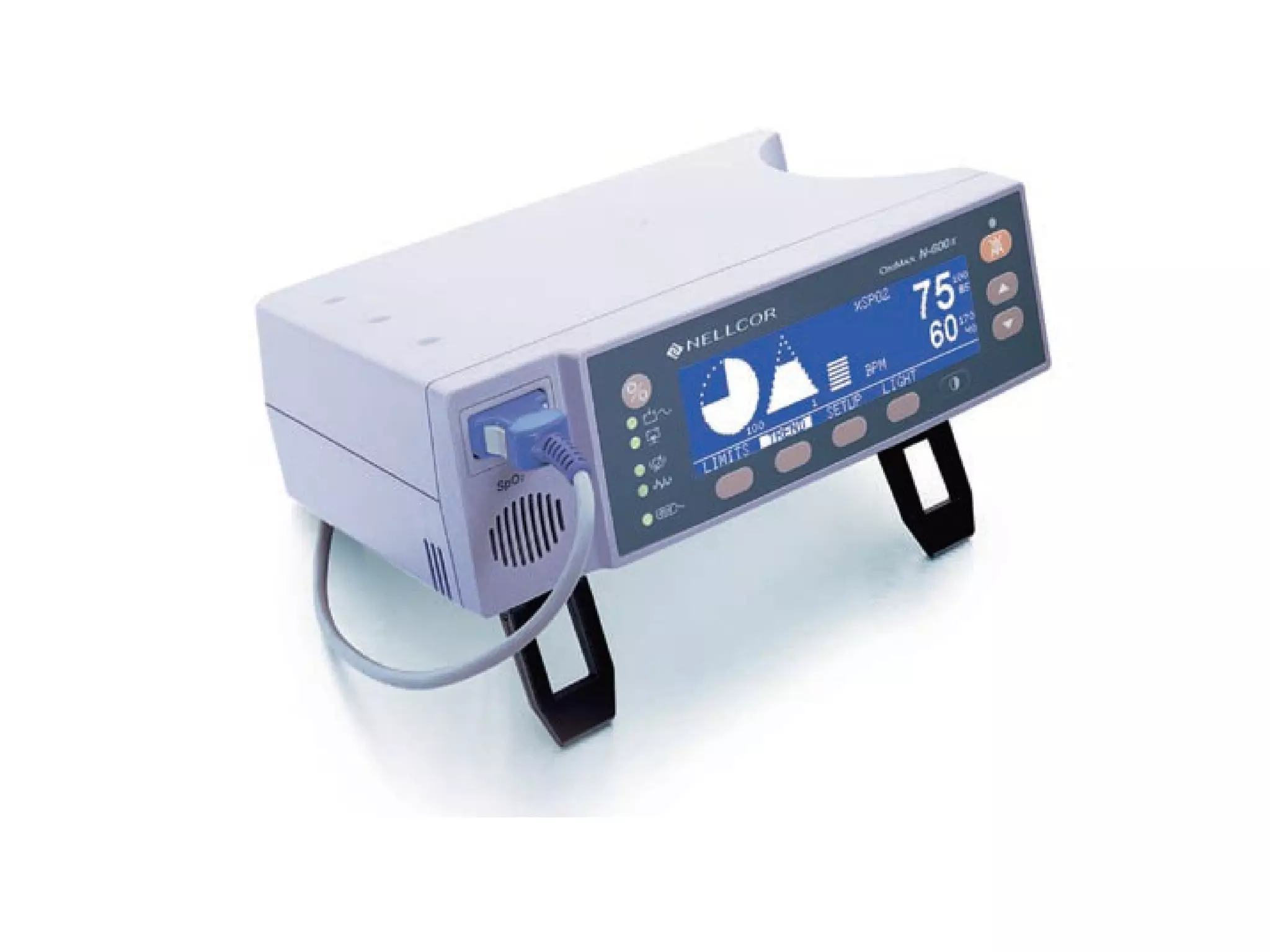
Pulse oximetry is a simple noninvasive method of
   monitoring arterial oxygen saturation (the percentage of
   hemoglobin (Hb) with oxygen molecules bound)
The arterial saturation obtained in this manner is usually
   designated as SpO2
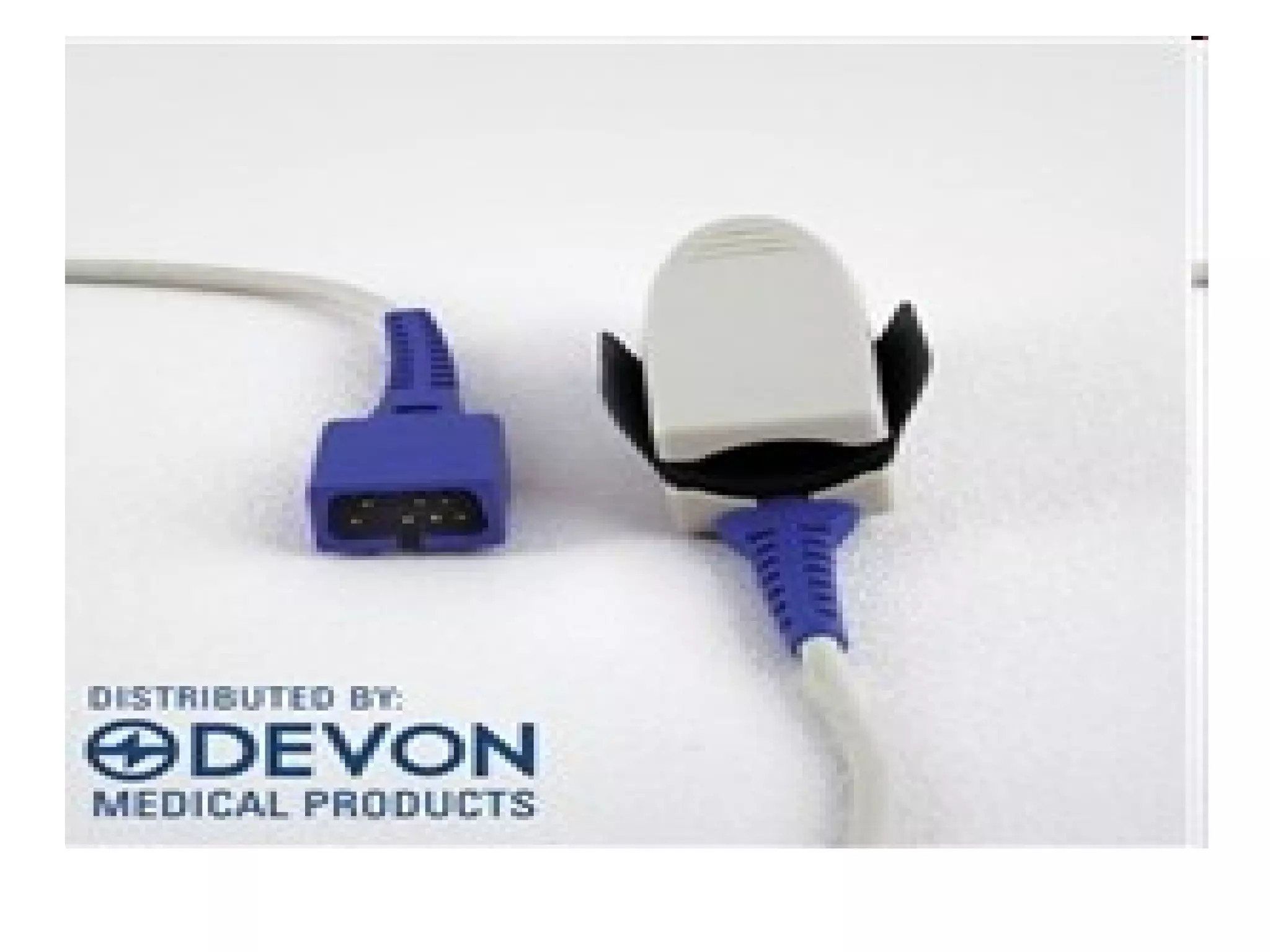
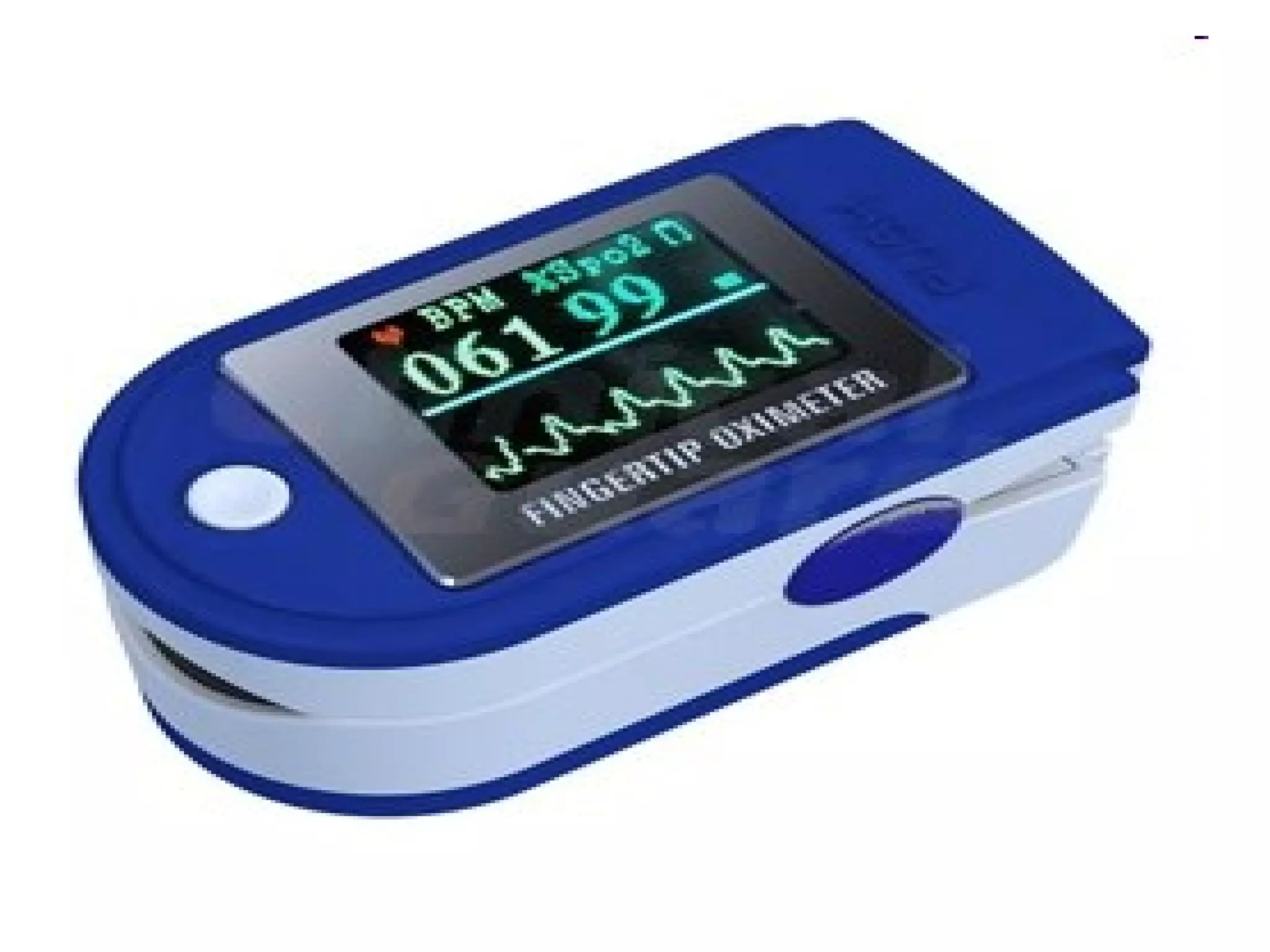
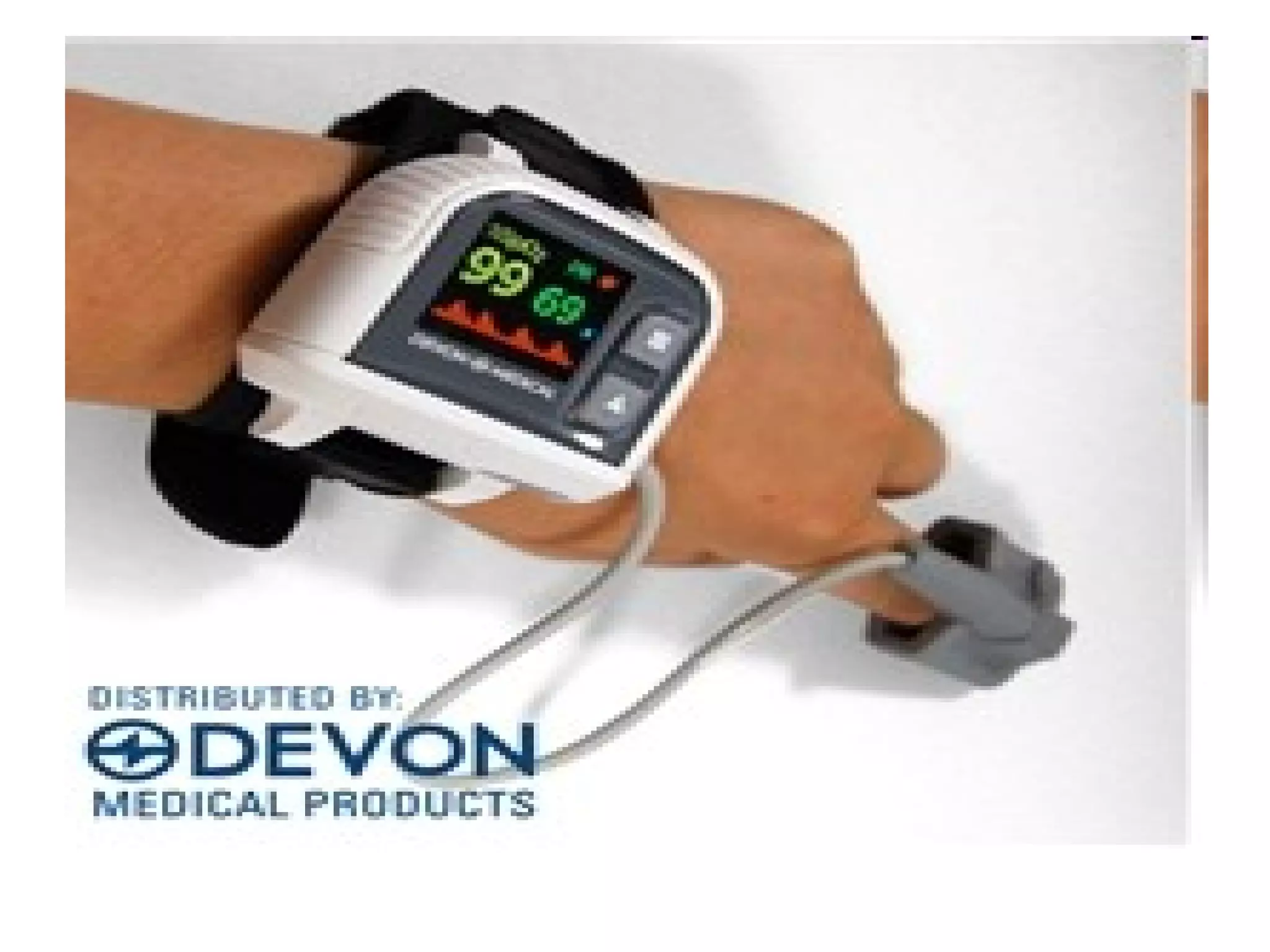
 A pulse oximeter consists of a probe attached to the
   patient’s finger, toe, or ear lobe, which is in turn attached
   to the main unit
It measures the red and infrared light wavelength
   transmitted through and/or reflected by a given tissue
In most units, an audible tone occurs with each heart beat
   which changes pitch with the saturation reading
A patient is generally said to be hypoxemic when
  the SpO2 falls below 90%, a point usually
  corresponding to an arterial PO2 of 60 mmHg
An important advantage of using a pulse oximeter
  is that it can detect hypoxemia well before the
  patient becomes clinically cyanotic.
Note that pulse oximetry is required in all patients
  undergoing anesthesia. However, it is important
  to realize that pulse oximeters give no
  information about the level of arterial CO2 and
  are therefore useless in assessing adequacy of
  ventilation in patients at risk of developing
  hypercarbic respiratory failure
Sources of error in oximetry
1. Ambient light – can be minimized by using shielded probes.
2. Low perfusion states – amplitude of the probe signal amplitude
   depends on tissue perfusion (decreased perfusion reduces signal
   amplitude).
3. Motion artefact – can be reduced by increasing the signal
   averaging time, but only at the expense of response time
4. External dyes. Methylene blue has the most dramatic effect – as
   concentration increases, SaO2 values decrease. Some dark nail
   polishes can also interfere with oximetry.
5. Effect of additional haemoglobin species on absorbance: HbMet,
   HbCO and has no effect in HbF, HbS
6. Anaemia – there is a linear trend to underestimateSaO2 as the
   concentration falls; at haemoglobin levels of 8 g 100 ml−1 this can
   be 10–15%. Polycythaemia has no effect. Accuracy is less at low
   saturation levels in anaemic patients.
7. Diathermy – interference effect largely depends on the particular
   oximeter.
Capnography and Ventilation Monitoring
Normal PaCO2 is 35-45 mmHg
Capnography is the continuous analysis and
  recording of carbon dioxide (CO2)
  concentrations in respiratory gases.
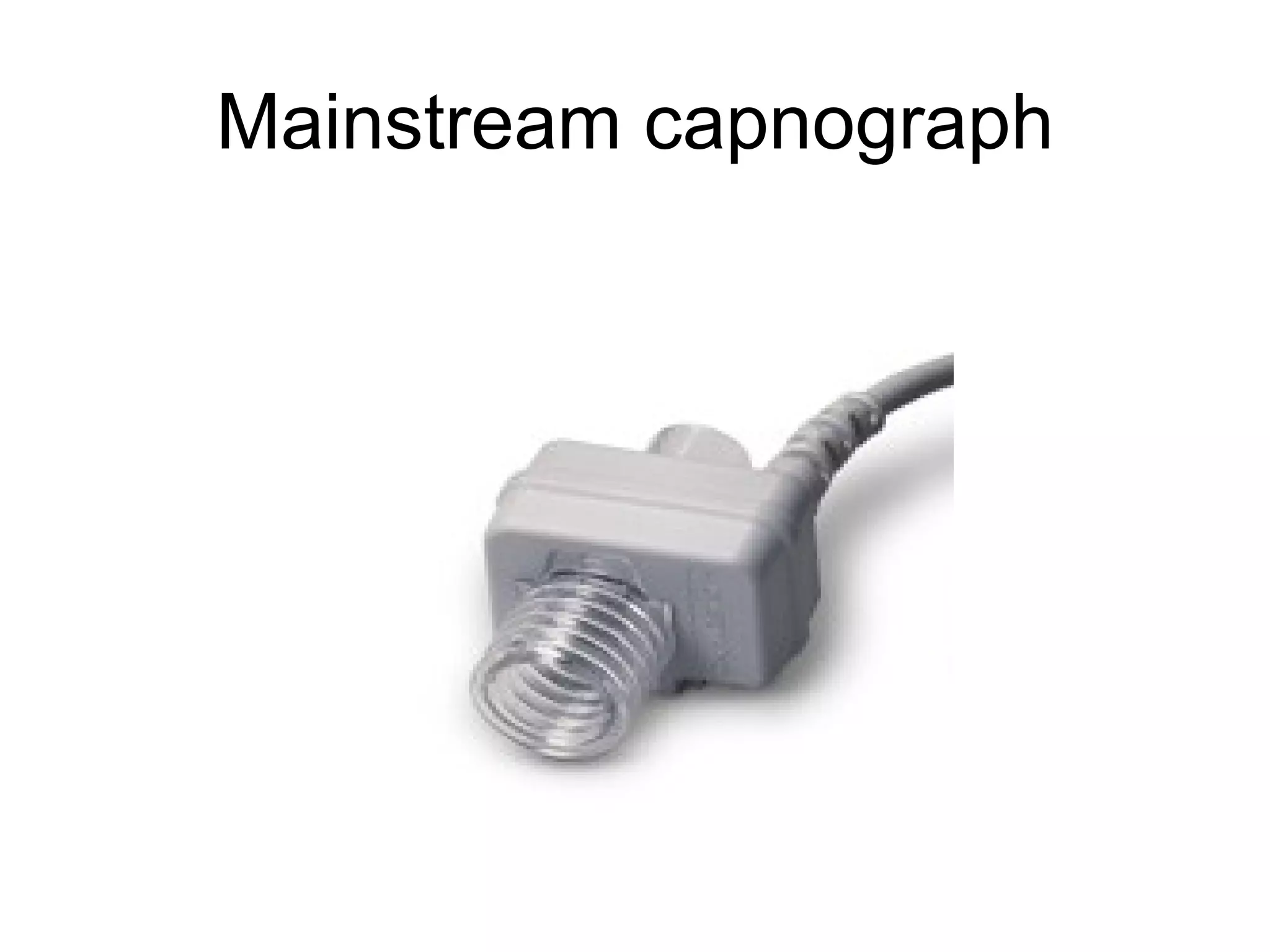
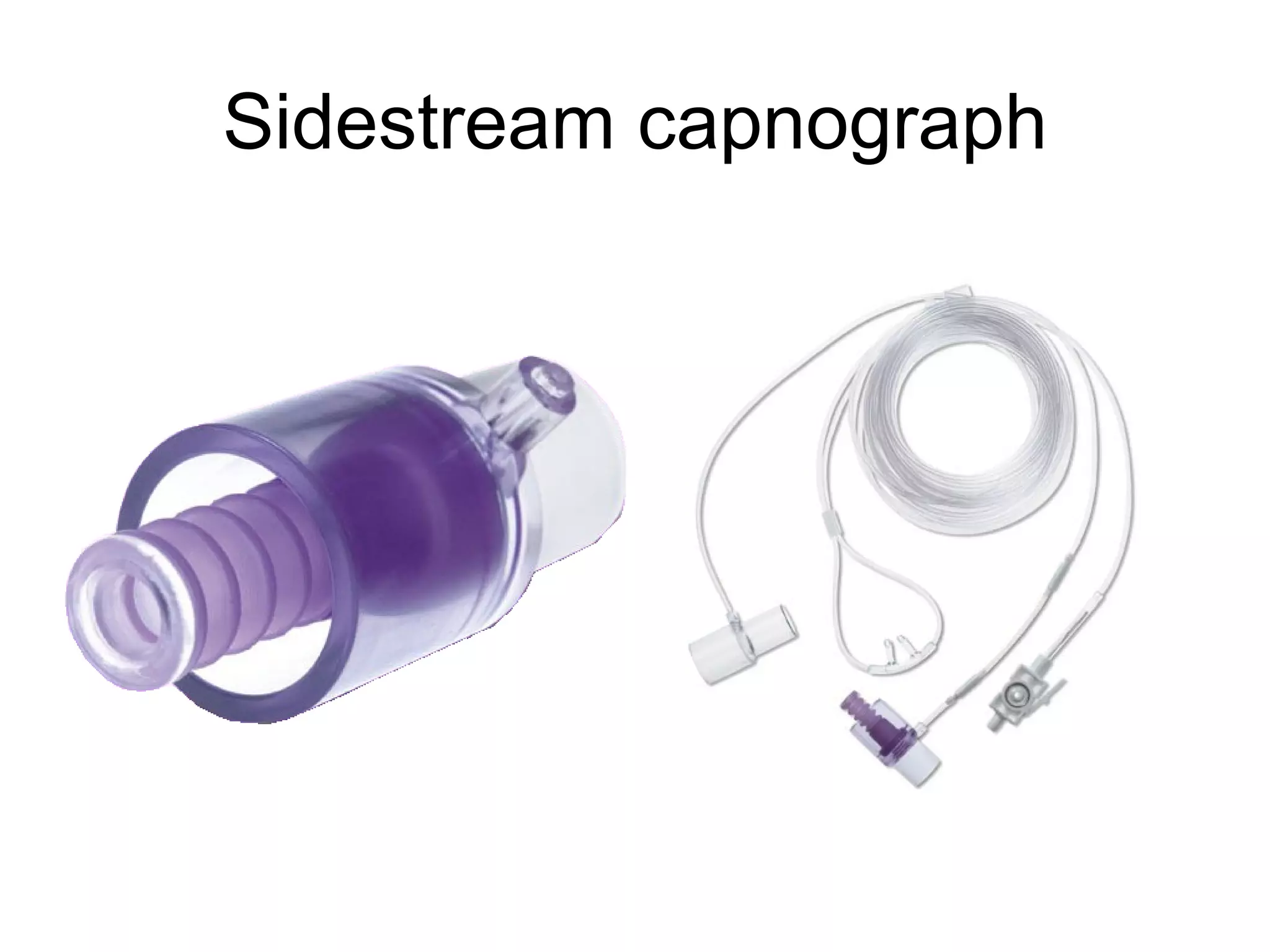
A capnograph uses one of two types of analyzers:
  mainstream or side- stream.
Mainstream units insert a sampling window into
  the breathing circuit for gas measurement, while
  the much more common sidestream units
  aspirate gas from the circuit and the analysis
  occurs away from the circuit Capnographs
  utilizes infrared technology (most commonly), or
  other techniques such as mass spectroscopy
It is useful to monitor capnography for a
number of important clinical situations
1. Detecting when an anesthetic breathing circuit
   disconnects
2. Verification of endotracheal intubation (a
   sustained normal capnogram is not obtained
   when the endotracheal tube ends up in the
   esophagus)
3. Assisting in the detection of hypoventilation
   (raised end-tidal CO2 is often present) and
   hyperventilation (low end-tidal CO2 is often
   present)
1. Detecting rebreathing of CO2 (in which
   case the inspiratory CO2 level is
   nonzero)
2. Detecting capnograph tracings
   suggestive of COPD (where no plateau is
   present in the capnogram)
3. Monitoring CO2 elimination during
   cardiac arrest and CPR
Mainstream capnograph
Sidestream capnograph
Monitoring Muscle Relaxation
• Muscle relaxation, or paralysis using neuromuscular
  blocking agents such as vecuronium is often required
  during surgery. For instance, muscle relaxation

• may be needed to facilitate tracheal intubation, to allow
  abdominal closure, or to ensure that no movement
  occurs during neurosurgery

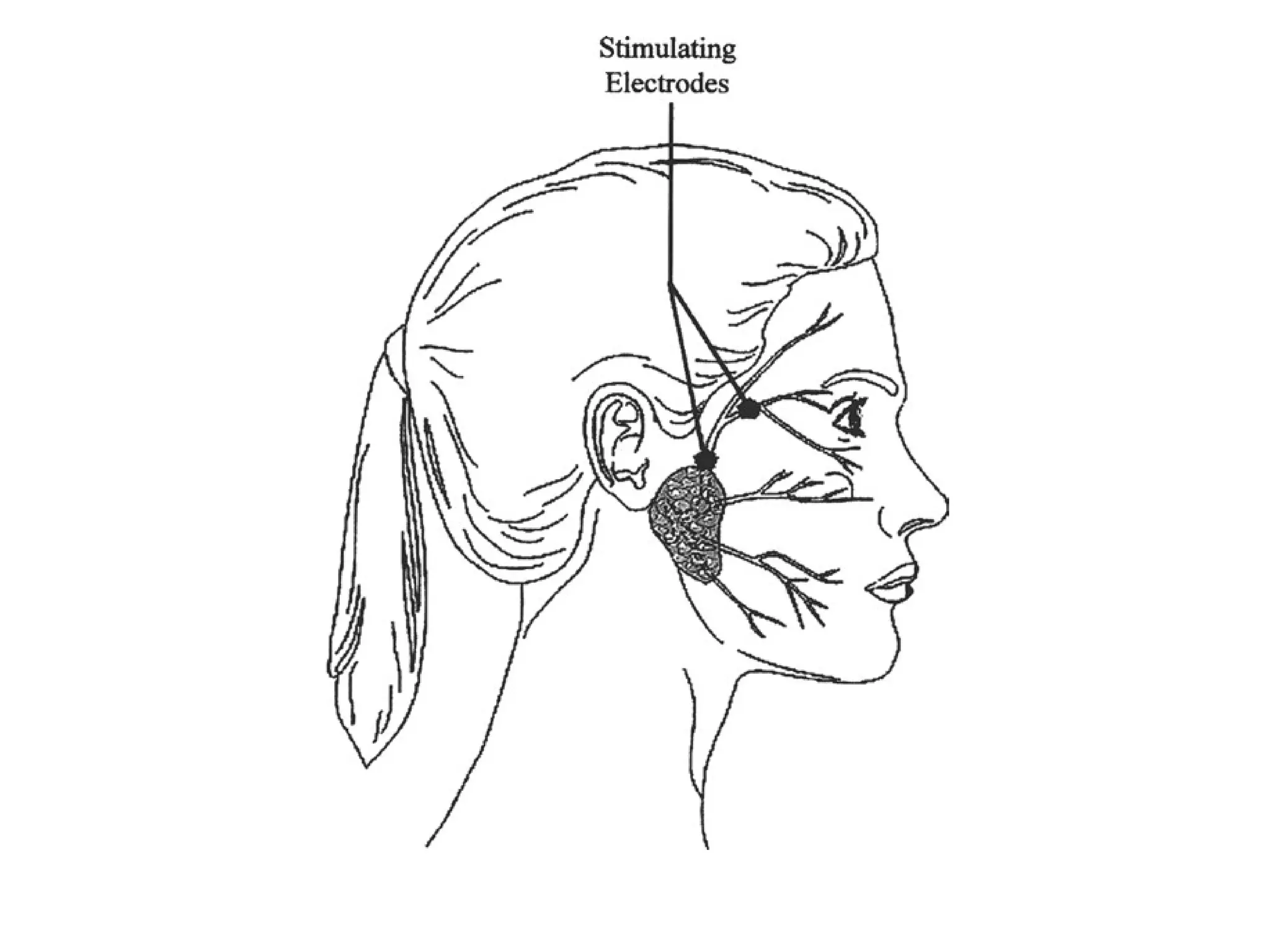
• In such settings, neuromuscular blockade monitoring or
  “twitch monitoring” is employed. This usually involves
  electrode placement at the ulnar or facial nerve, with use
  of a peripheral nerve stimulator
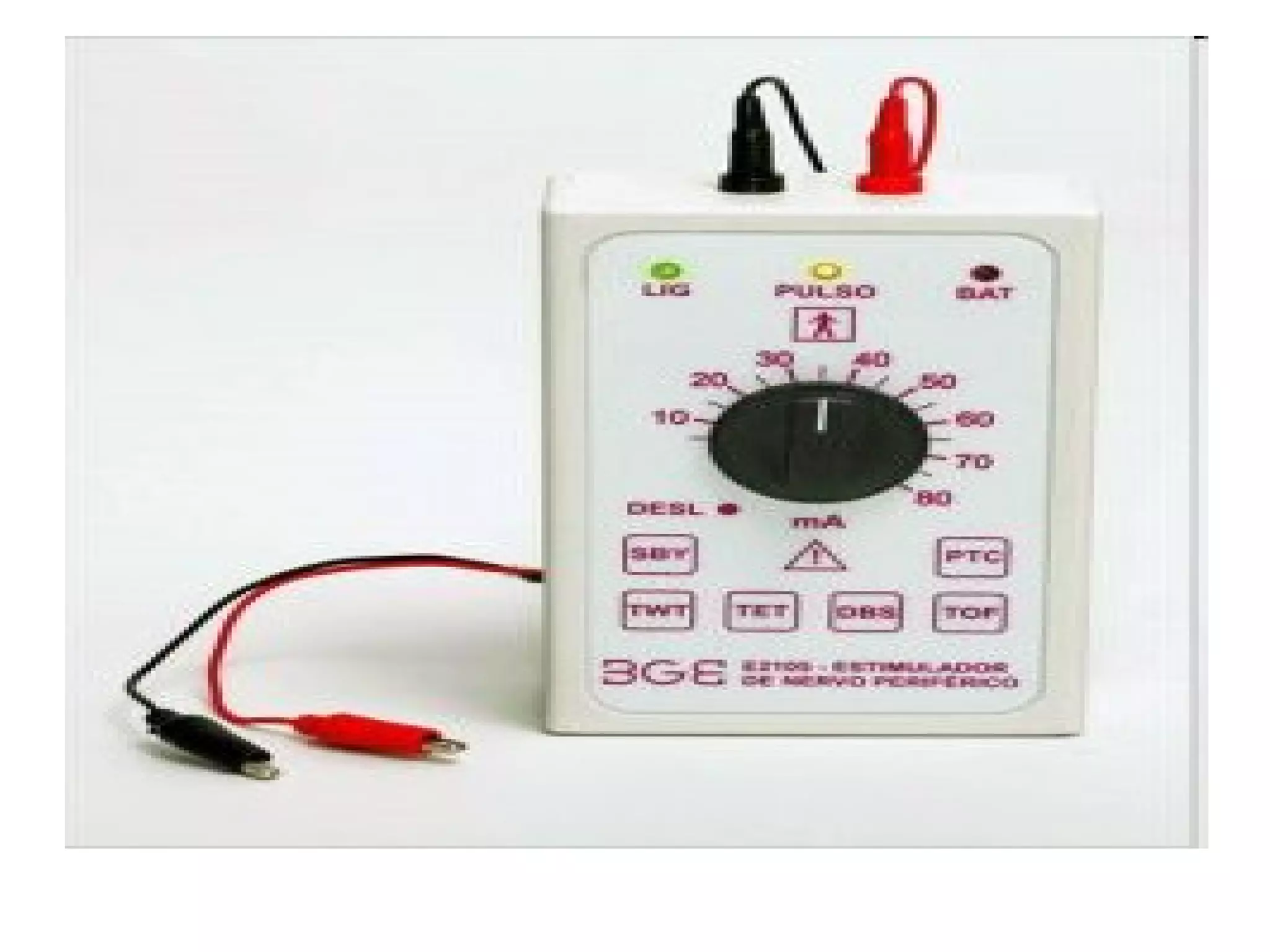
Types Twitch Monitoring
•   TWT: Single Twitch
•   TET: Tetanic Stimulation
•   PTC: Post Tetanic Count
•   DBS: Double Burst Stimulation
•   TTOF: Train Of Four
The stimulation modes allow the
        assessment of:
• The best time for intubation
• The block degree during the anesthesia
  procedure
• The need of an additional dose of the
  blocking agent
• The presence of the residual block
Temperature Monitoring
Normal core temperature in humans usually varies
 between 36.5 and 37.5°C
Heat loss is due to impairment of thermoregulatory
 control by anesthetic agents combined with
 exposure to the cold operating room
 environment
Hypothermia is defined as a core body
 temperature of less than 35°C and may be
 classified as mild (32–35°C), moderate (28–
 32°C), or severe (<28°C)
• Core temperature can be measured with
  sensors in the nasopharynx, esophagus,
  pulmonary artery, tympanic membrane, or even
  in the rectum or urinary bladder.
• Skin-surface temperature tends to run much
  lower than core temperature, but follows core
  temperature trends fairly well.
• The ASA standards for patient monitoring
  require that every patient receiving anesthesia
have temperature monitoring “when clinically
  significant changes in body temperature are
  intended, anticipated, or suspected.”
Central Venous Pressure Monitoring
normal value 3-8mmHg
Central venous cannulas are important portals for
  intraoperative vascular access and for the
assessment of changes in vascular volume
Central venous cannulas permit the rapid
administration of fluids, insertion of PACs, insertion
  of transvenous electrodes, monitoring of central
  venous pressure (CVP), and a site for
  observation and treatment of venous air
  embolism.
The right internal jugular vein is the preferred site
  for cannulation because it is accessible from
the head of the operating table, has a predictable
  anatomy, and has a high success rate in both
adults and children. The left-sided internal jugular
  vein is also available but is less desirable
because of the potential for damaging the thoracic
  duct or difficulty in maneuvering catheters
through the jugular–subclavian junction.
Accidental carotid artery puncture is a potential
  problem with either location
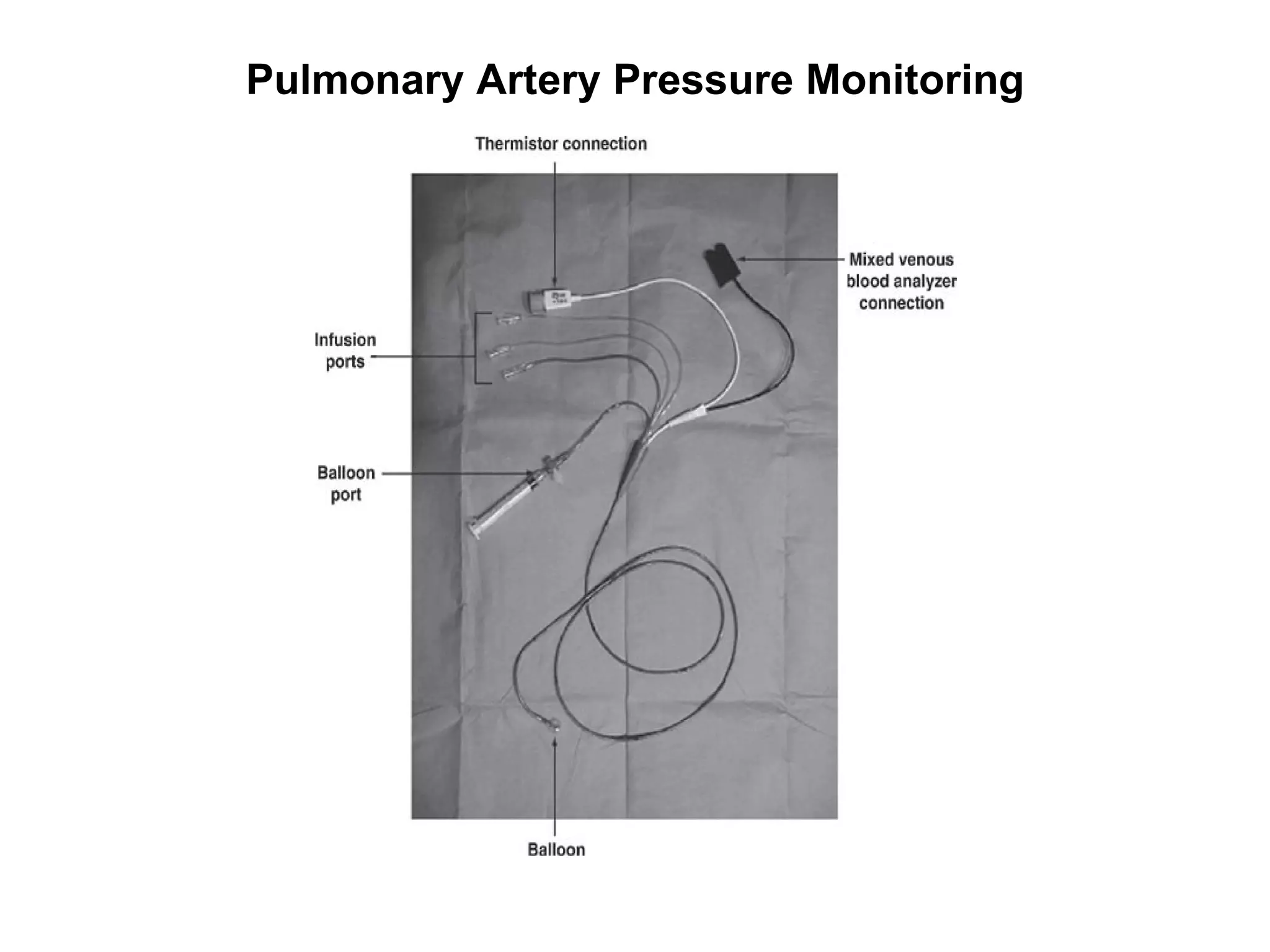
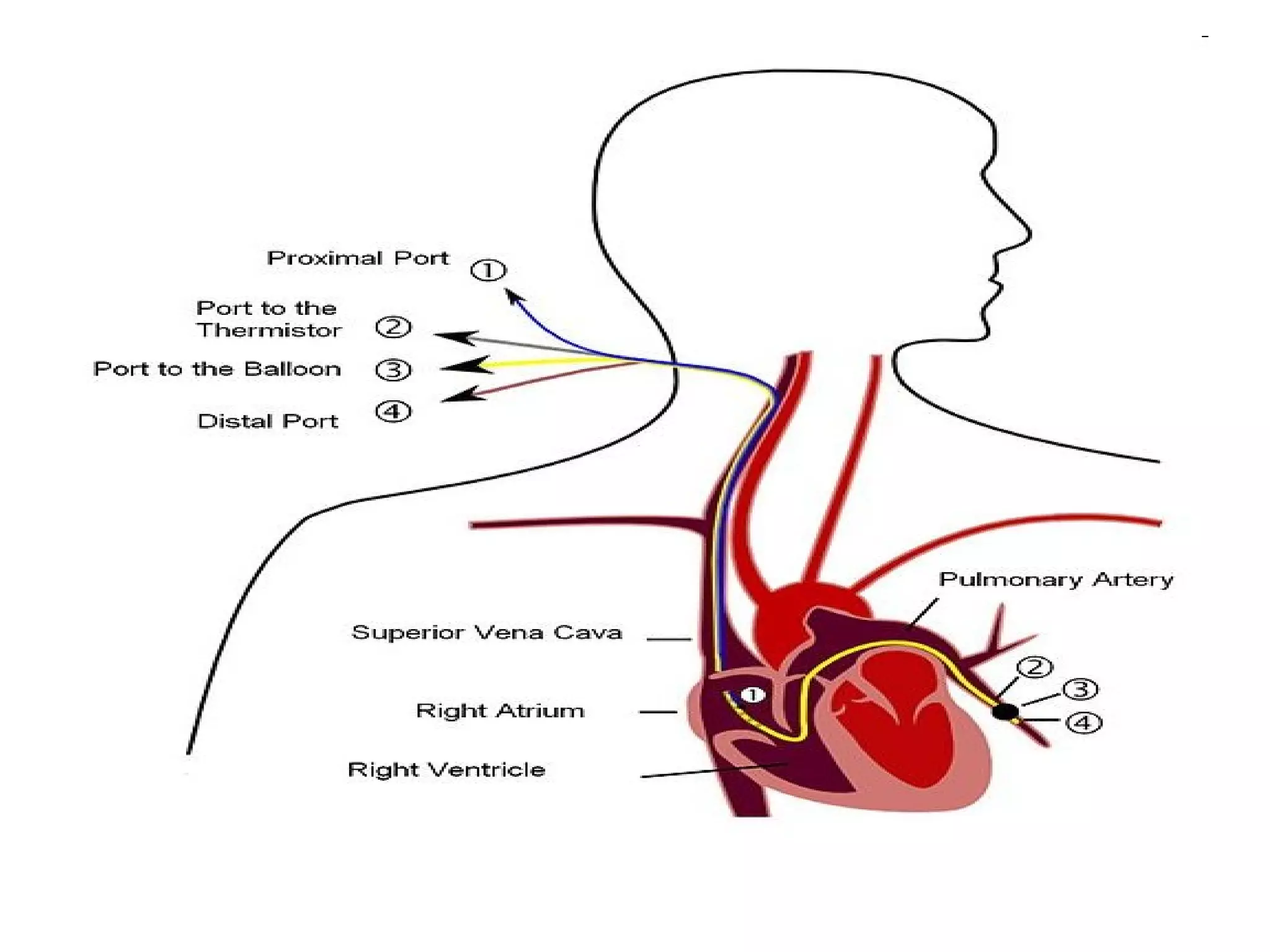
Pulmonary Artery Pressure Monitoring
anaesthesia.Monitoring 2(dr.amr)

anaesthesia.Monitoring 2(dr.amr)

  • 1.
    Patient Monitoring Patientmonitoring and the equipment to support it are vital to caring for patients in operating rooms, intensive care units, emergency departments, and in acute care settings
  • 2.
    :Patient Monitoring dividedinto • Non Instrumental: clinical observation (“look, listen, feel”) Visual and auditory surveillance is central to patient monitoring, and involves many dimensions: • Observing the patient’s color, respiratory pattern, accessory muscle use, and looking for movements, grimaces or unsafe patient positioning
  • 3.
    • Observing thepatient’s clinical data on intraoperative monitors • Observing bleeding and coagulation at the surgical site (e.g., are the surgeons using many sponges or are they doing a lot of suctioning?) • Monitoring the functioning of all lines to ensure that IV catheters have not infiltrated • Conducting an anesthesia machine and workspace checkout
  • 4.
    • Pulse: rate,volume, rhythm------etc • Capillary refilling • Sweating
  • 5.
    Instrumental patient monitoring • Electrocardiogram (Provides information about rate, rhythm, ischemia (ST Segments)) • Blood pressure (manual, automatic, arterial catheter) • Pulse oximeter (usually on fingertip or ear lobe) • Capnograph (especially in patients with an LMA or ETT) • Oxygen analyzer (part of anesthesia machine) • Anesthetic agent concentration analyzer
  • 6.
    7. Temperature (usuallyesophageal or axillary) 8. Precordial or esophageal stethoscope (Listen to heart sounds, breath sounds) 9. Gas flows/ spirometry (part of anesthesia machine) 10. Airway pressure monitor (part of anesthesia machine) 11. Airway disconnect alarm (part of anesthesia machine) 12. Peripheral nerve stimulator (where appropriate) 13. Urometer (measure urine output where appropriate)
  • 7.
    Electrocardiogram ECG This providesthe clinician with three types of information: (1) heart rate, (2) cardiac rhythm (3) information about possible myocardial ischemia (via ST segment analysis) In addition, ECG monitoring can help assess the function of a cardiac pacemaker The most common electrocardiographic system used during anesthesia is a 5-electrode lead system. This arrangement allows for the recording of any of the six limb leads plus a single precordial (V) lead
  • 9.
    Blood Pressure Measurement ofarterial blood pressure is an important indicator of the adequacy of circulation Systemic blood pressure monitoring is commonly performed indirectly using extremity- encircling cuffs or directly by inserting a catheter into an artery and transducing the arterial pressure trace. Variety of techniques available for measuring changes in systolic, diastolic, and mean arterial pressure (MAP).
  • 10.
    Indirect Measurement ofArterial Blood Pressure The simplest method of blood pressure determination estimates systolic blood pressure by palpating the return of the arterial pulse while an occluding cuff is deflated. Modifications of this technique include the observance of the return of Doppler sounds, the transduced arterial pressure trace, or a photoplethysmographic pulse wave as produced by a pulse oximeter.
  • 11.
    • Auscultation ofthe Korotkoff sounds permit estimation of both systolic (SP) and diastolic (DP) • blood pressures. MAP can be calculated using an estimating equation (MAP = DP + 1/3 [SP-DP]).
  • 12.
    • The AmericanHeart Association recommends that the bladder width for indirect blood pressure monitoring should approximate 40% of the circumference of the extremity. • Bladder length should be sufficient to encircle at least 60% of the extremity. • Falsely high estimates result when cuffs are too small, when cuffs are applied too loosely, or when the extremity is below heart level. • Falsely low estimates result when cuffs are too large, when the extremity is above heart level, or after quick deflations.
  • 13.
    Automated Intermittent Technique Many limitations of manual intermittent blood pressure measurement have been overcome by automated NIBP devices, which are now used widely. In addition, automated NIBP devices provide audible alarms and can transfer data to a computerized information system. However, the greatest advantage of automated NIBP devices over manual methods of blood pressure measurement is that they provide frequent, regular blood pressure measurements and free the operator to perform other vital clinical duties.
  • 14.
    • In ageneric noninvasive oscillometric monitor (noninvasive blood pressure, or NIBP), • Cuff pressure is sensed by a pressure transducer whose output is digitized for processing. • After the cuff is inflated by an air pump, cuff pressure is held constant while oscillations are sampled.
  • 17.
    Direct method (intra-arterialpressure (monitoring Intra-arterial pressure monitoring provides an invasive, continuous measure of blood pressure by beat-to-beat reproduction of the arterial pressure waveform
  • 18.
    The method requiresthe insertion of a short parallel-sided cannula into an artery. A continuous flow of either saline or heparinised saline at rates between 1 and 4 ml per hour is used to reduce clot formation in the cannula. The cannula is connected by a short length of narrow-bore, noncompliant plastic tubing containing saline to a pressure transducer
  • 19.
    Indications for Arterial Cannulation 1. Continuous, real-time blood pressure monitoring 2. Planned pharmacologic or mechanical cardiovascular manipulation 3. Repeated blood sampling 4. Failure of indirect arterial blood pressure measurement 5. Supplementary diagnostic information from the arterial waveform 6. Determination of volume responsiveness from systolic pressure or pulse pressure variation
  • 20.
  • 21.
    Pulse Oximetry Pulse oximetryis a simple noninvasive method of monitoring arterial oxygen saturation (the percentage of hemoglobin (Hb) with oxygen molecules bound) The arterial saturation obtained in this manner is usually designated as SpO2 A pulse oximeter consists of a probe attached to the patient’s finger, toe, or ear lobe, which is in turn attached to the main unit It measures the red and infrared light wavelength transmitted through and/or reflected by a given tissue In most units, an audible tone occurs with each heart beat which changes pitch with the saturation reading
  • 26.
    A patient isgenerally said to be hypoxemic when the SpO2 falls below 90%, a point usually corresponding to an arterial PO2 of 60 mmHg An important advantage of using a pulse oximeter is that it can detect hypoxemia well before the patient becomes clinically cyanotic. Note that pulse oximetry is required in all patients undergoing anesthesia. However, it is important to realize that pulse oximeters give no information about the level of arterial CO2 and are therefore useless in assessing adequacy of ventilation in patients at risk of developing hypercarbic respiratory failure
  • 27.
    Sources of errorin oximetry 1. Ambient light – can be minimized by using shielded probes. 2. Low perfusion states – amplitude of the probe signal amplitude depends on tissue perfusion (decreased perfusion reduces signal amplitude). 3. Motion artefact – can be reduced by increasing the signal averaging time, but only at the expense of response time 4. External dyes. Methylene blue has the most dramatic effect – as concentration increases, SaO2 values decrease. Some dark nail polishes can also interfere with oximetry. 5. Effect of additional haemoglobin species on absorbance: HbMet, HbCO and has no effect in HbF, HbS 6. Anaemia – there is a linear trend to underestimateSaO2 as the concentration falls; at haemoglobin levels of 8 g 100 ml−1 this can be 10–15%. Polycythaemia has no effect. Accuracy is less at low saturation levels in anaemic patients. 7. Diathermy – interference effect largely depends on the particular oximeter.
  • 28.
    Capnography and VentilationMonitoring Normal PaCO2 is 35-45 mmHg Capnography is the continuous analysis and recording of carbon dioxide (CO2) concentrations in respiratory gases. A capnograph uses one of two types of analyzers: mainstream or side- stream. Mainstream units insert a sampling window into the breathing circuit for gas measurement, while the much more common sidestream units aspirate gas from the circuit and the analysis occurs away from the circuit Capnographs utilizes infrared technology (most commonly), or other techniques such as mass spectroscopy
  • 29.
    It is usefulto monitor capnography for a number of important clinical situations 1. Detecting when an anesthetic breathing circuit disconnects 2. Verification of endotracheal intubation (a sustained normal capnogram is not obtained when the endotracheal tube ends up in the esophagus) 3. Assisting in the detection of hypoventilation (raised end-tidal CO2 is often present) and hyperventilation (low end-tidal CO2 is often present)
  • 30.
    1. Detecting rebreathingof CO2 (in which case the inspiratory CO2 level is nonzero) 2. Detecting capnograph tracings suggestive of COPD (where no plateau is present in the capnogram) 3. Monitoring CO2 elimination during cardiac arrest and CPR
  • 31.
  • 32.
  • 33.
    Monitoring Muscle Relaxation •Muscle relaxation, or paralysis using neuromuscular blocking agents such as vecuronium is often required during surgery. For instance, muscle relaxation • may be needed to facilitate tracheal intubation, to allow abdominal closure, or to ensure that no movement occurs during neurosurgery • In such settings, neuromuscular blockade monitoring or “twitch monitoring” is employed. This usually involves electrode placement at the ulnar or facial nerve, with use of a peripheral nerve stimulator
  • 34.
    Types Twitch Monitoring • TWT: Single Twitch • TET: Tetanic Stimulation • PTC: Post Tetanic Count • DBS: Double Burst Stimulation • TTOF: Train Of Four
  • 35.
    The stimulation modesallow the assessment of: • The best time for intubation • The block degree during the anesthesia procedure • The need of an additional dose of the blocking agent • The presence of the residual block
  • 38.
    Temperature Monitoring Normal coretemperature in humans usually varies between 36.5 and 37.5°C Heat loss is due to impairment of thermoregulatory control by anesthetic agents combined with exposure to the cold operating room environment Hypothermia is defined as a core body temperature of less than 35°C and may be classified as mild (32–35°C), moderate (28– 32°C), or severe (<28°C)
  • 39.
    • Core temperaturecan be measured with sensors in the nasopharynx, esophagus, pulmonary artery, tympanic membrane, or even in the rectum or urinary bladder. • Skin-surface temperature tends to run much lower than core temperature, but follows core temperature trends fairly well. • The ASA standards for patient monitoring require that every patient receiving anesthesia have temperature monitoring “when clinically significant changes in body temperature are intended, anticipated, or suspected.”
  • 40.
    Central Venous PressureMonitoring normal value 3-8mmHg Central venous cannulas are important portals for intraoperative vascular access and for the assessment of changes in vascular volume Central venous cannulas permit the rapid administration of fluids, insertion of PACs, insertion of transvenous electrodes, monitoring of central venous pressure (CVP), and a site for observation and treatment of venous air embolism.
  • 41.
    The right internaljugular vein is the preferred site for cannulation because it is accessible from the head of the operating table, has a predictable anatomy, and has a high success rate in both adults and children. The left-sided internal jugular vein is also available but is less desirable because of the potential for damaging the thoracic duct or difficulty in maneuvering catheters through the jugular–subclavian junction. Accidental carotid artery puncture is a potential problem with either location
  • 42.