Banny Banerjee


                 Banny Banerjee, Stanford University
Design Thinking based Co-
Creation:         Text

An approach to tackle complex challenges


                             Banny Banerjee, Stanford University
“Innovation is now
recognized as the single
most important ingredient
in any modern economy..”


             Banny Banerjee, Stanford University
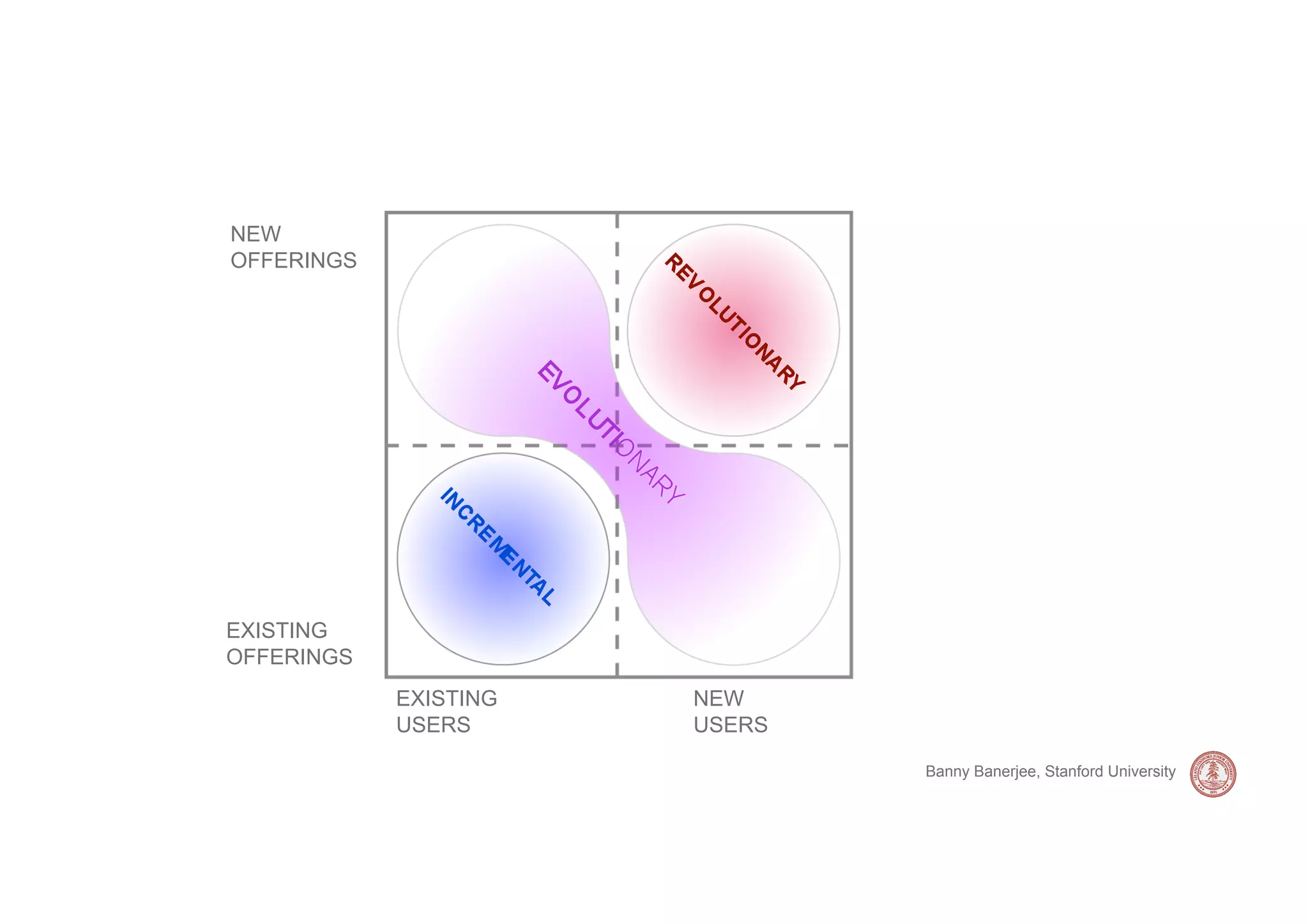
NEW
OFFERINGS


EXISTING
OFFERINGS
            EXISTING   NEW
            USERS      USERS

                               Banny Banerjee, Stanford University
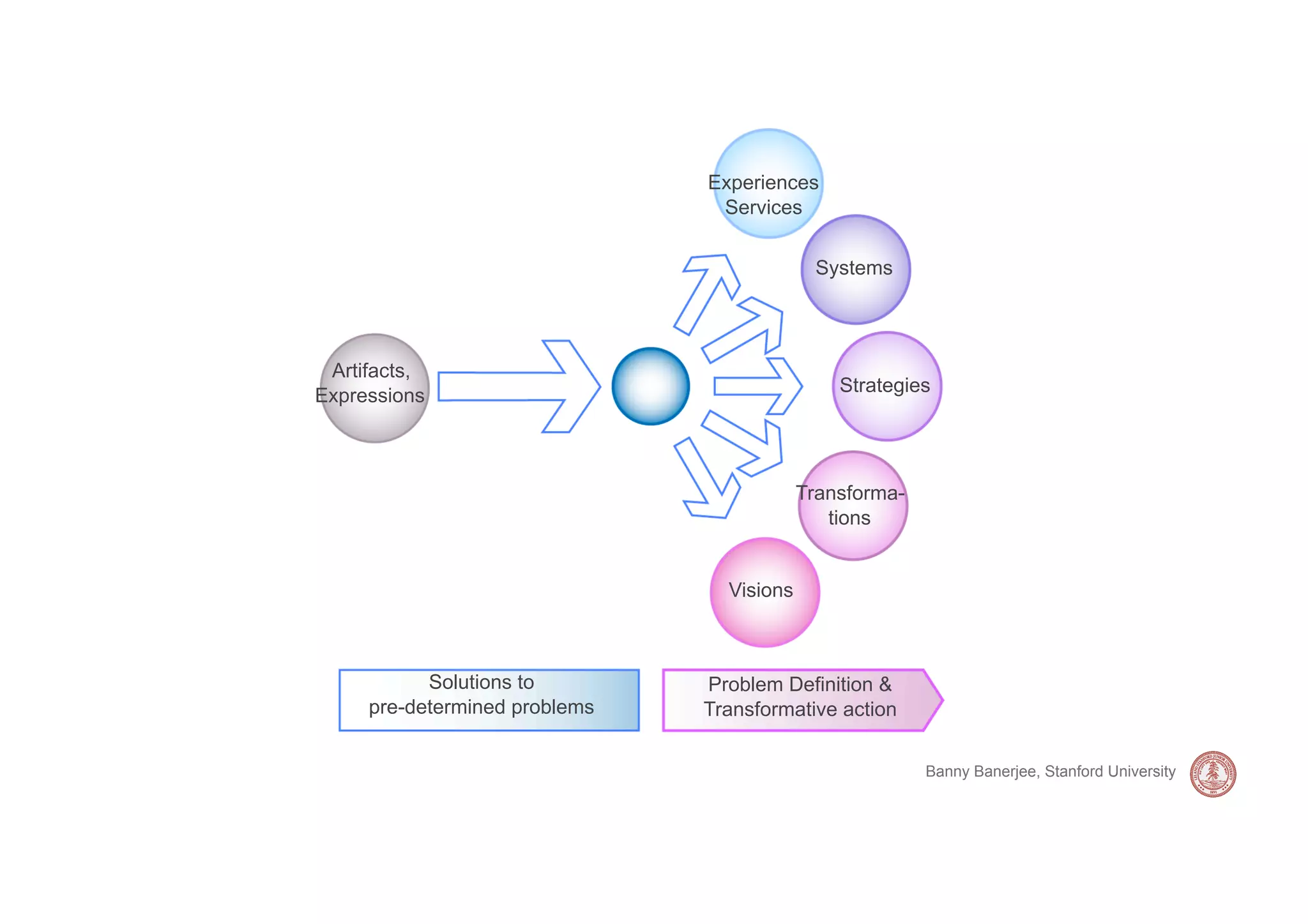
Experiences
                                Services

                                            Systems


 Artifacts,
                                               Strategies
Expressions


                                           Transforma-
                                              tions


                                 Visions


           Solutions to        Problem Definition &
     pre-determined problems   Transformative action

                                                         Banny Banerjee, Stanford University
Design Thinking


A process to rapidly generate innovative
solutions, strategies, systems,and paradigms

                             Banny Banerjee, Stanford University
Design Thinking is being used to
address a highly diverse set of
questions…


                              Banny Banerjee, Stanford University
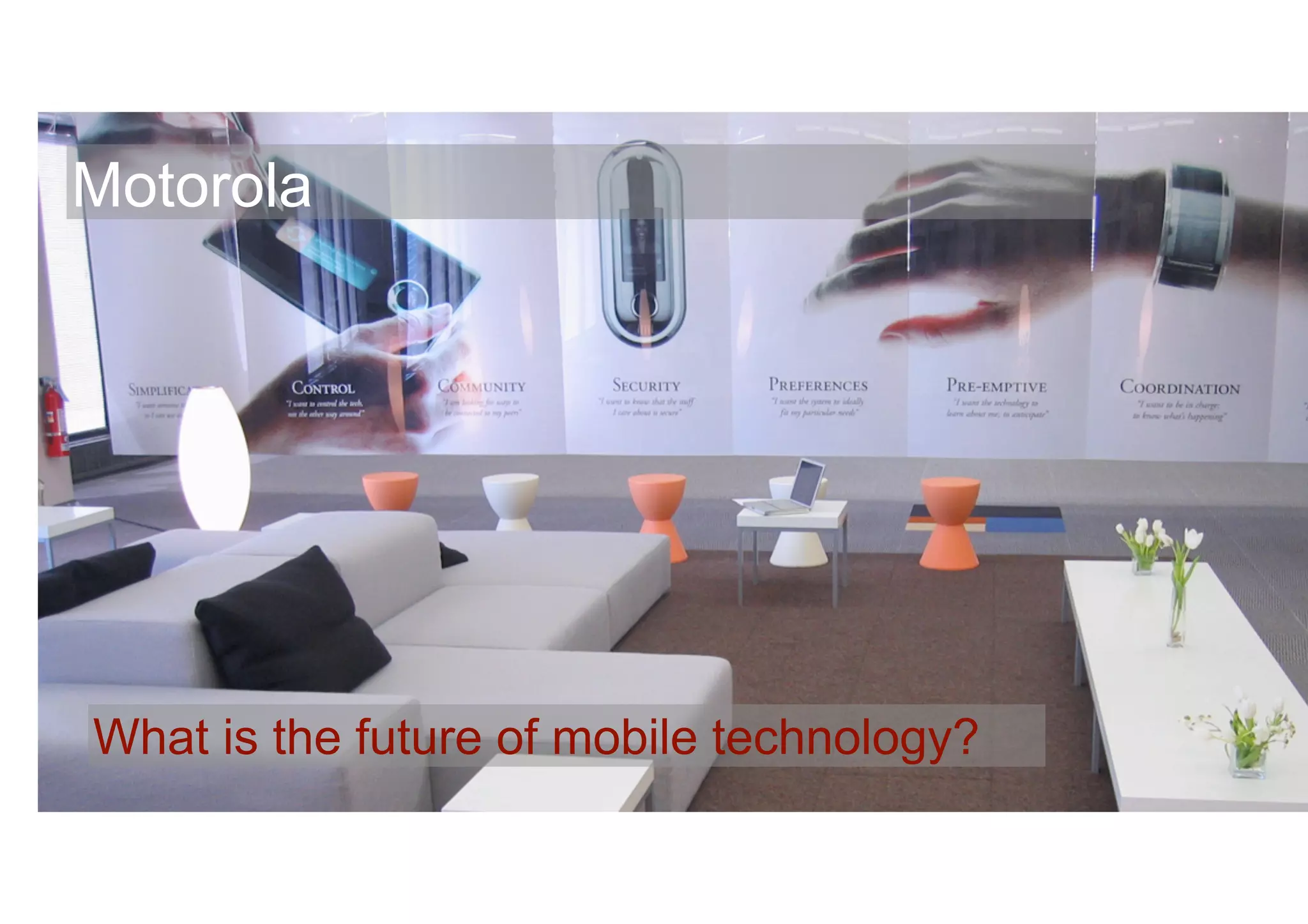
Motorola


What is the future of mobile technology?
                                     Banny Banerjee, Stanford University
Global Mining Company Expanding Operations in Africa

HOW MIGHT WE CREATE NEW MODELS FOR MINING
THAT LEAVE COMMUNITIES IN BETTER CONDITION
THAN BEFORE WE ENTERED?


                                               Banny Banerjee, Stanford University
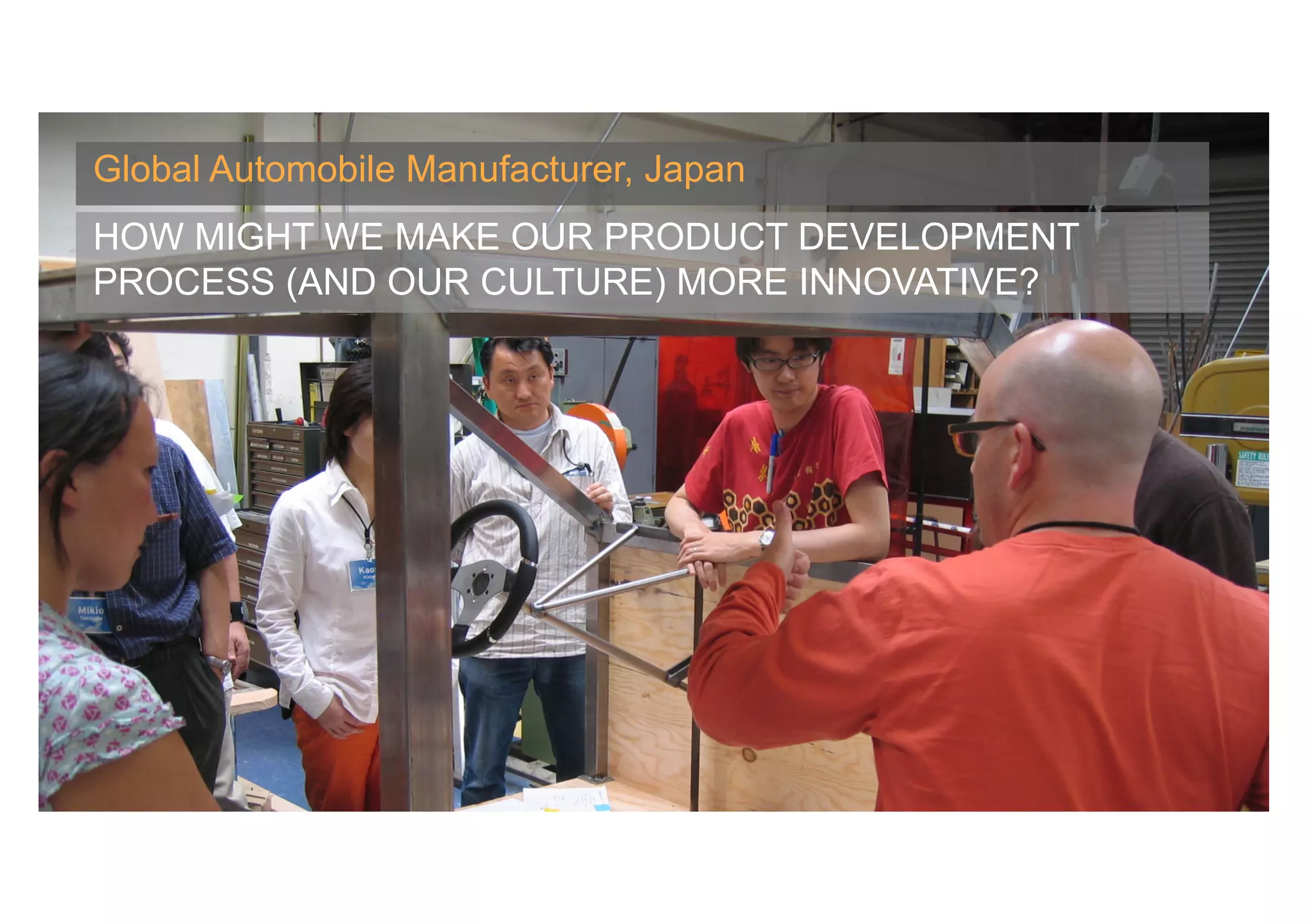
Global Automobile Manufacturer, Japan
HOW MIGHT WE MAKE OUR PRODUCT DEVELOPMENT
PROCESS (AND OUR CULTURE) MORE INNOVATIVE?


                                        Banny Banerjee, Stanford University
Banny Banerjee, Stanford University
Co-Creation


A creative collaboration between diverse
stakeholders to define, clarify, create, and
realize visions that provide value in a deeper
sense                             Banny Banerjee, Stanford University
Co-creation at all levels


Co-creation within organizations/teams
Co-creation across stake-holders
Trans-disciplinary co-creation
Trans-Agency co-creation
Co-creation with end user           Banny Banerjee, Stanford University
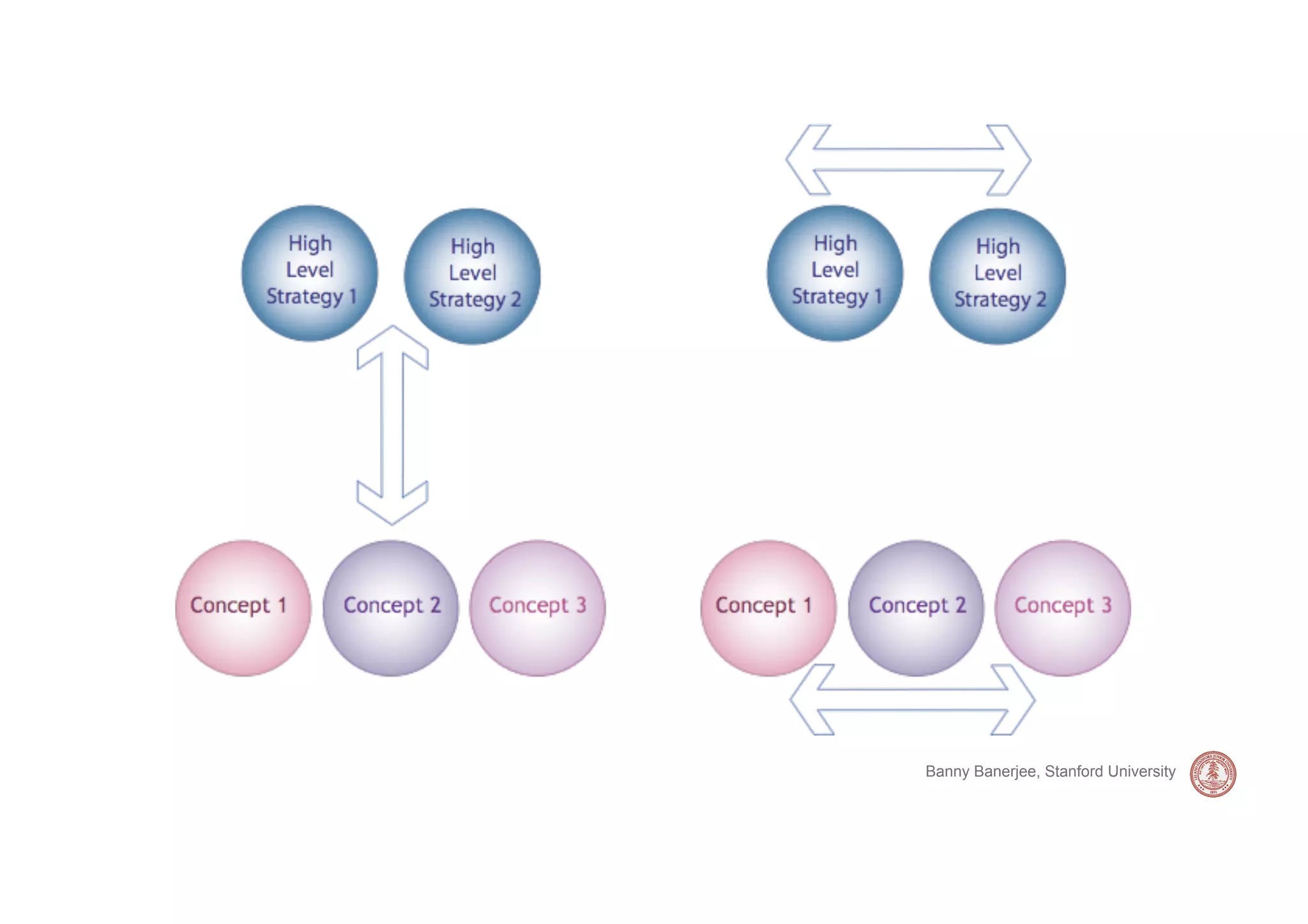
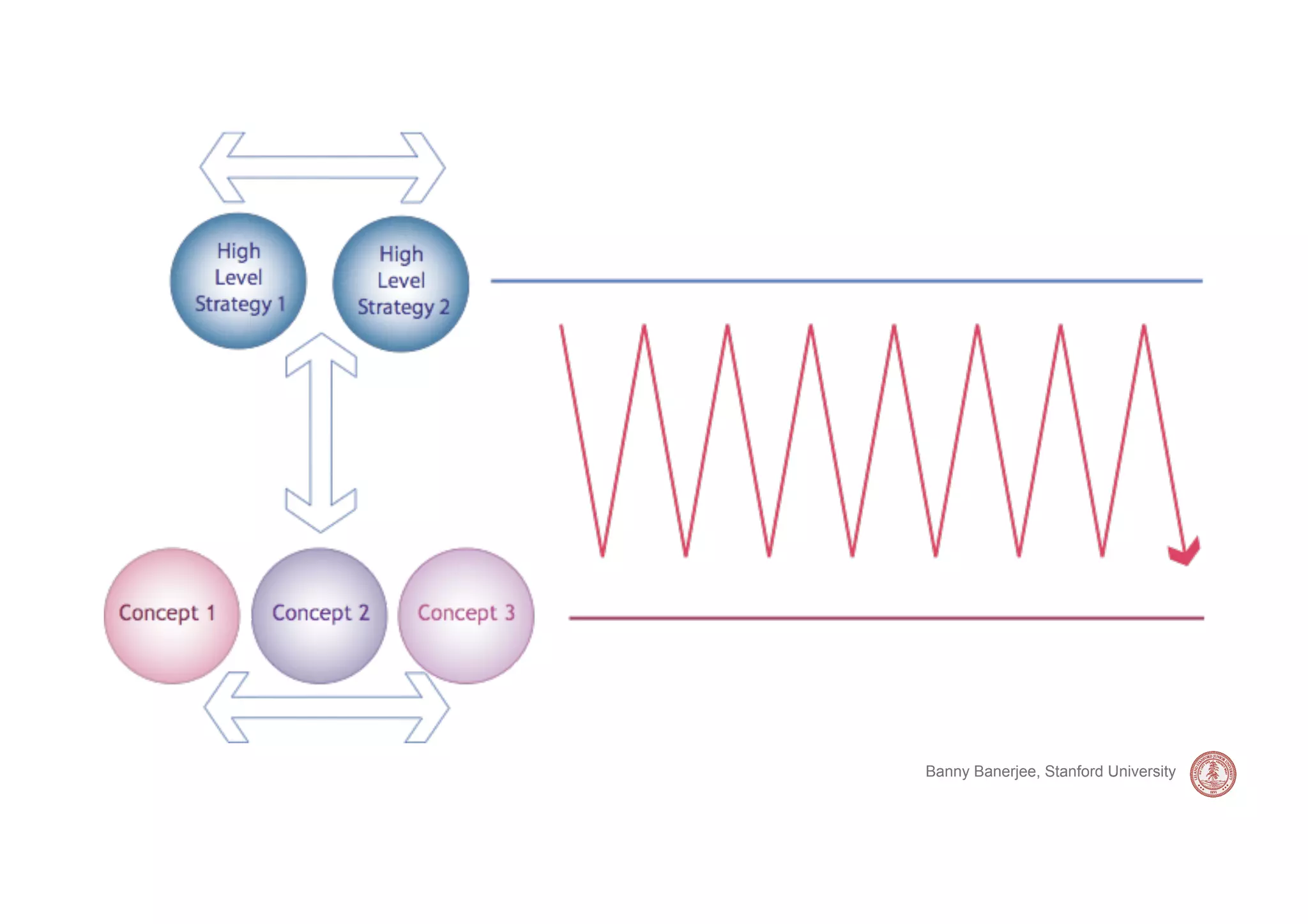
Mindfulness


              Banny Banerjee, Stanford University
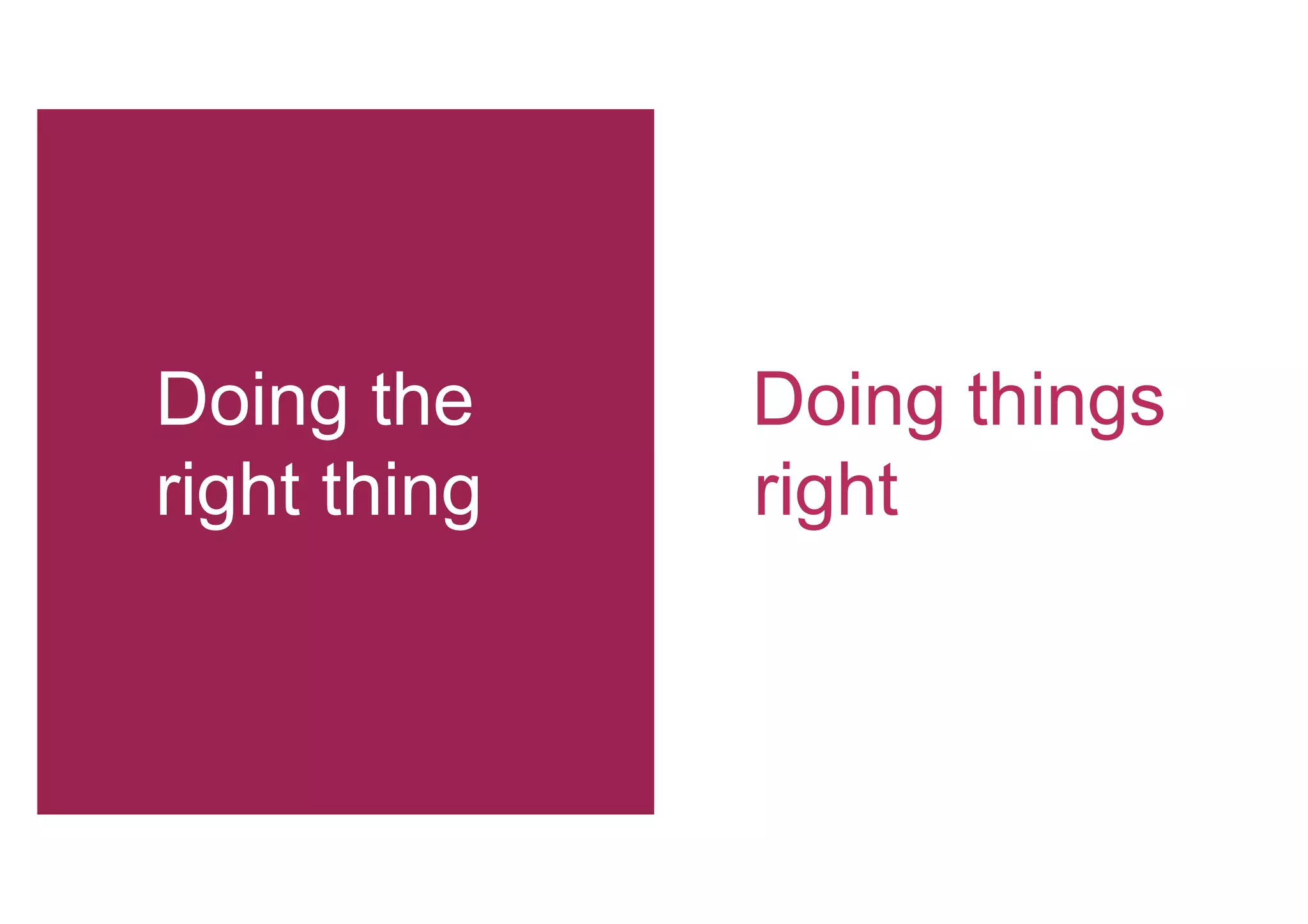
Doing the     Doing things
right thing   right
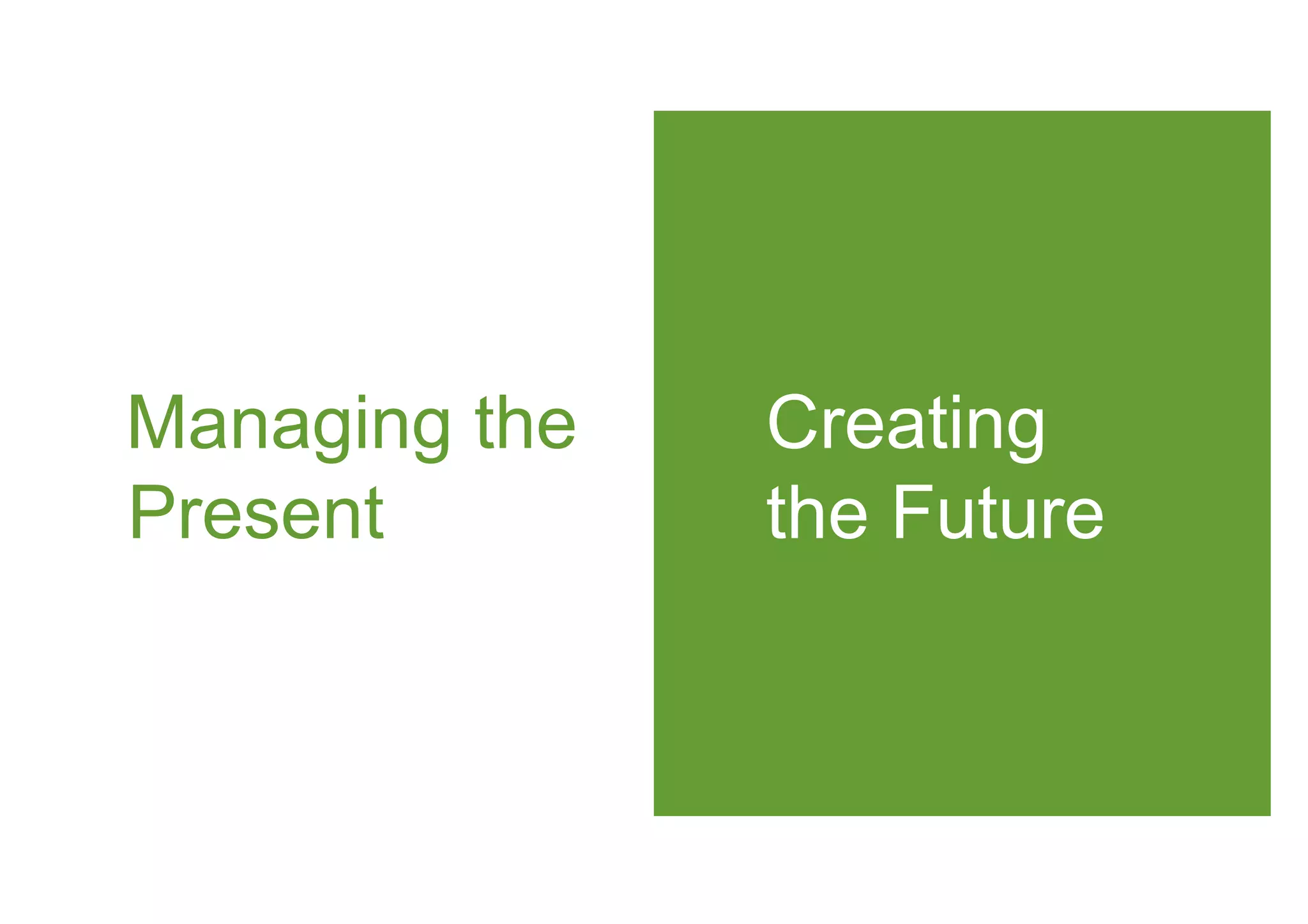
Managing the   Creating
Present        the Future
Looking in the     Looking through
rear view mirror   the windshield
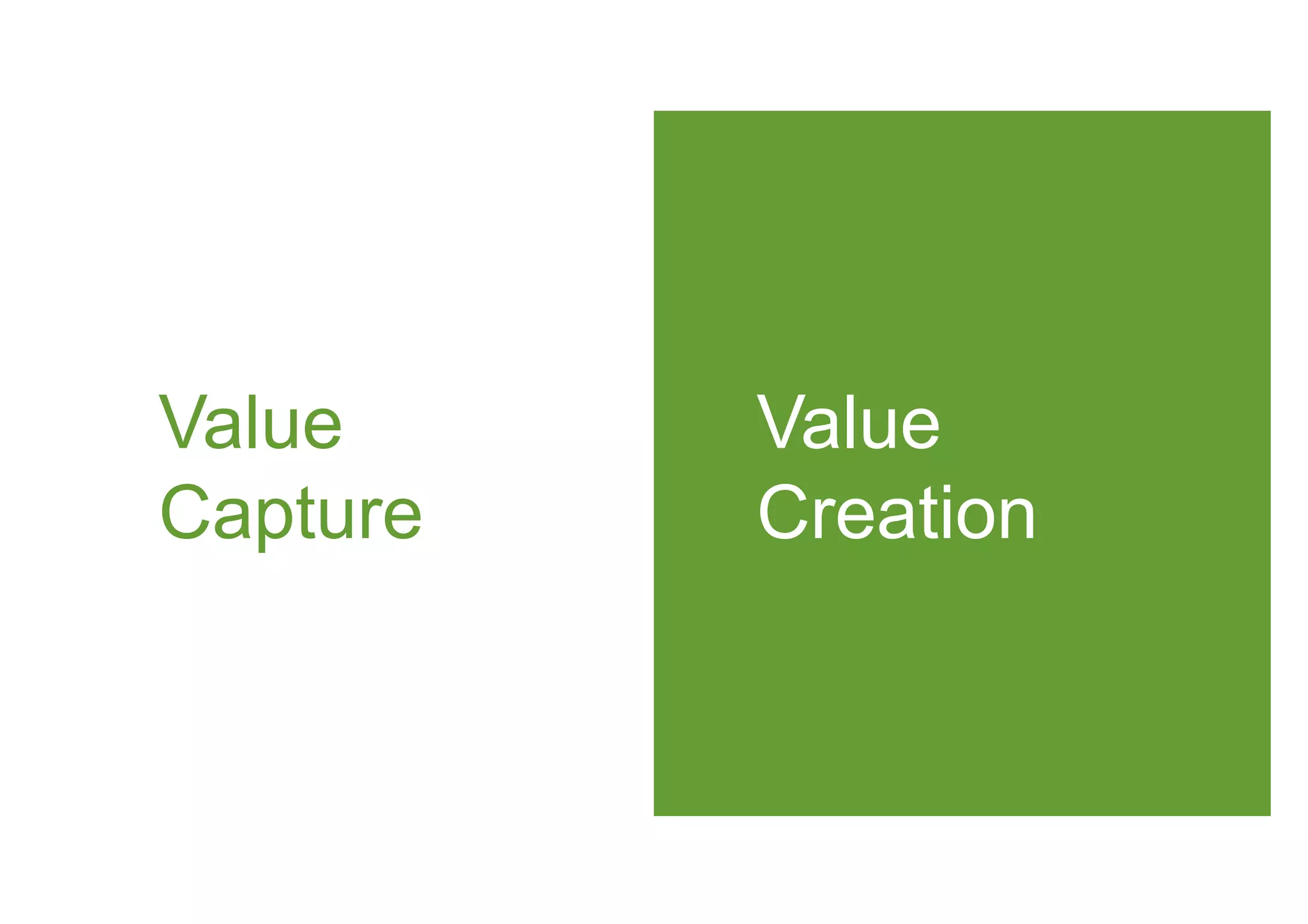
Value     Value
Capture   Creation
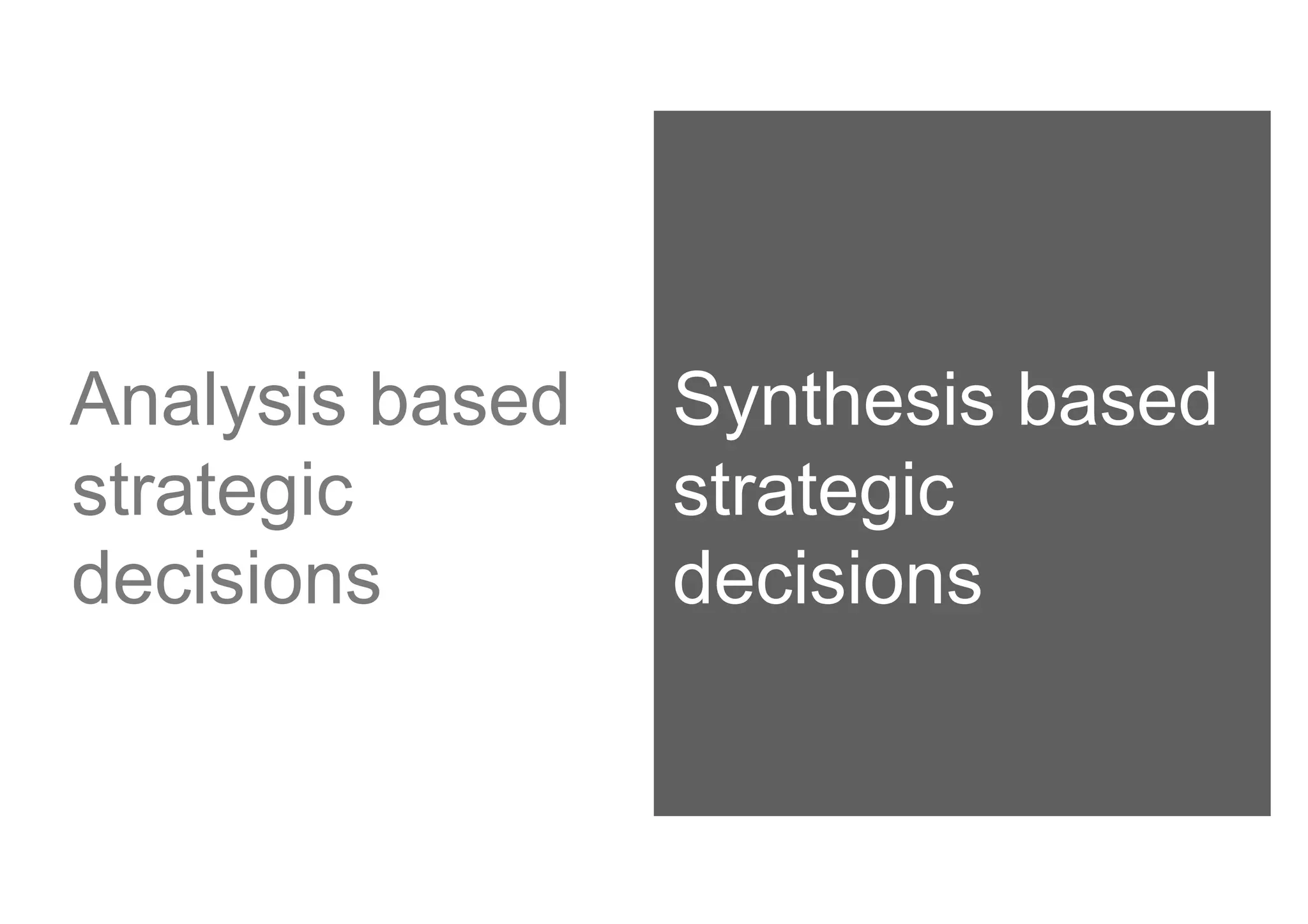
Analysis based   Synthesis based
strategic        strategic
decisions        decisions
Using pure logic   Using induction,
and evaluative     abduction,
deduction          retroduction,
                   situated
                   cognition
Platforms and
Solutions
            Paradigms
Rapid Prototyping:
Think it all through
                     inexpensive way to
before acting/
                     eliminate risk; think
investing
                     through doing
Expertise in a
                  T-Shaped
single discipline
                  thinking
Impact, diffusion
Elegance   rates, enduring
           value
Celebrate           Co-creation and
individual effort   trans-disciplinary
and lone genius     processes
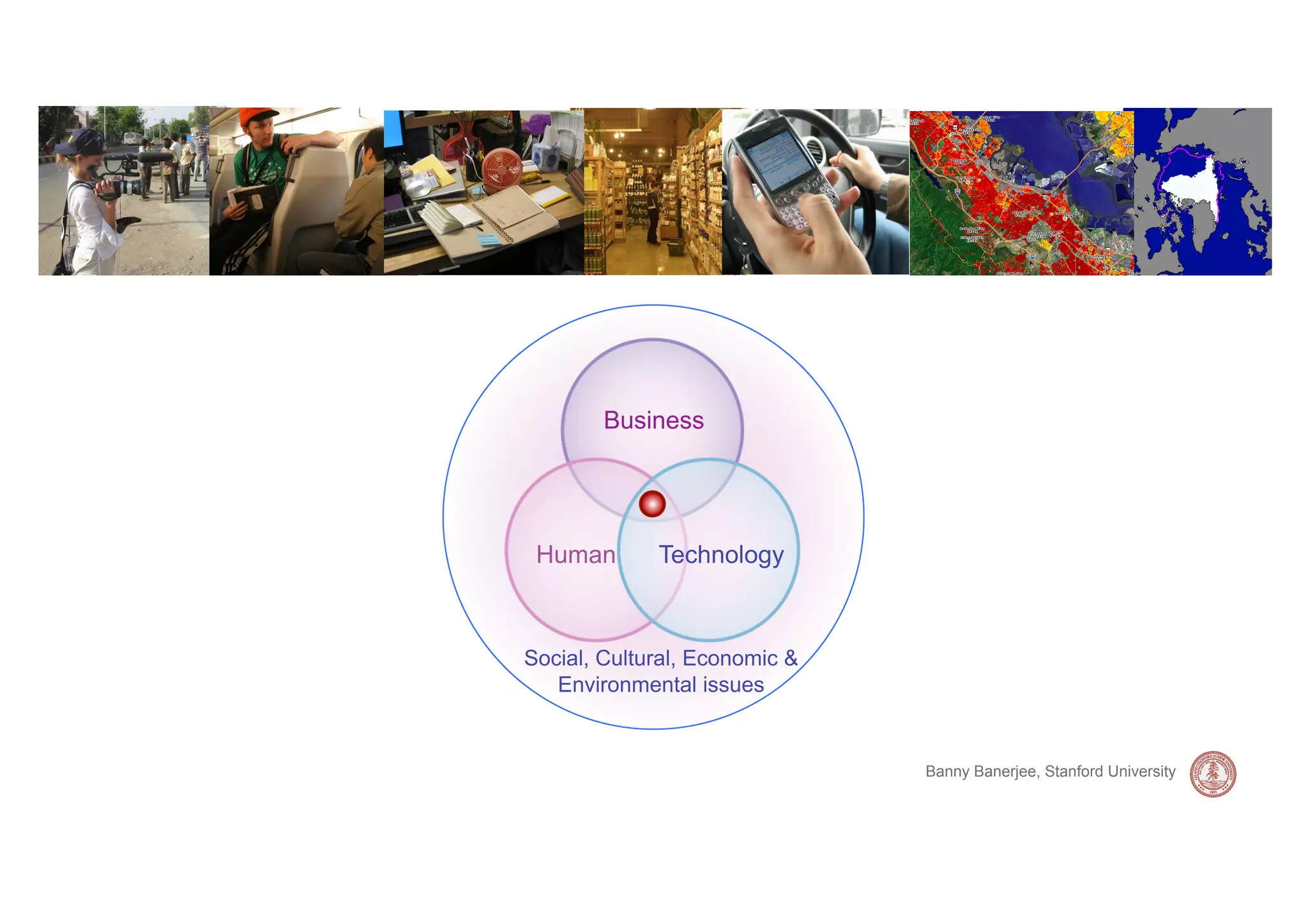
Business


 Human       Technology


Social, Cultural, Economic &
   Environmental issues


                               Banny Banerjee, Stanford University
Banny Banerjee, Stanford University
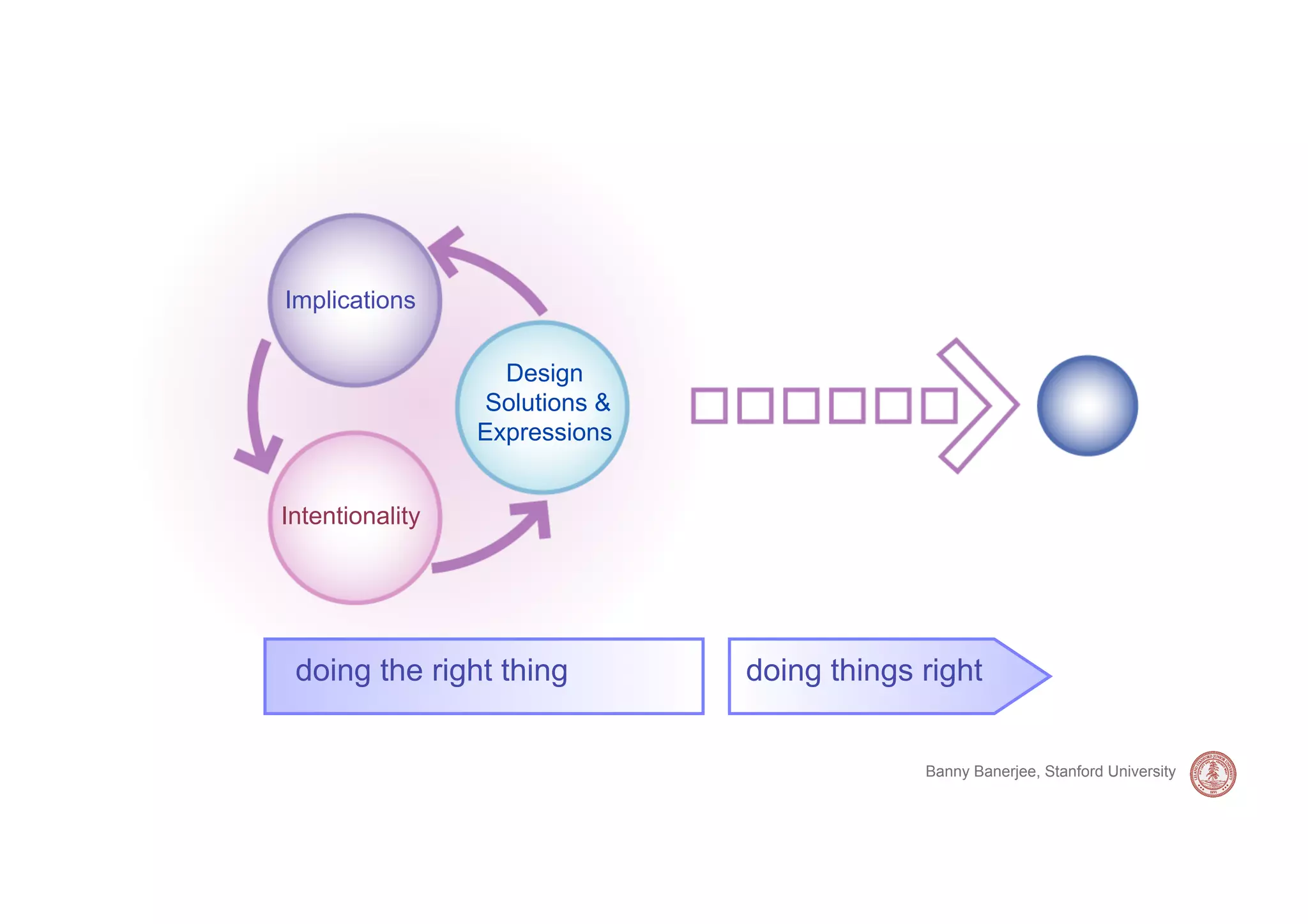
Implications

                   Design
                 Solutions &
                 Expressions


Intentionality


 doing the right thing         doing things right


                                            Banny Banerjee, Stanford University
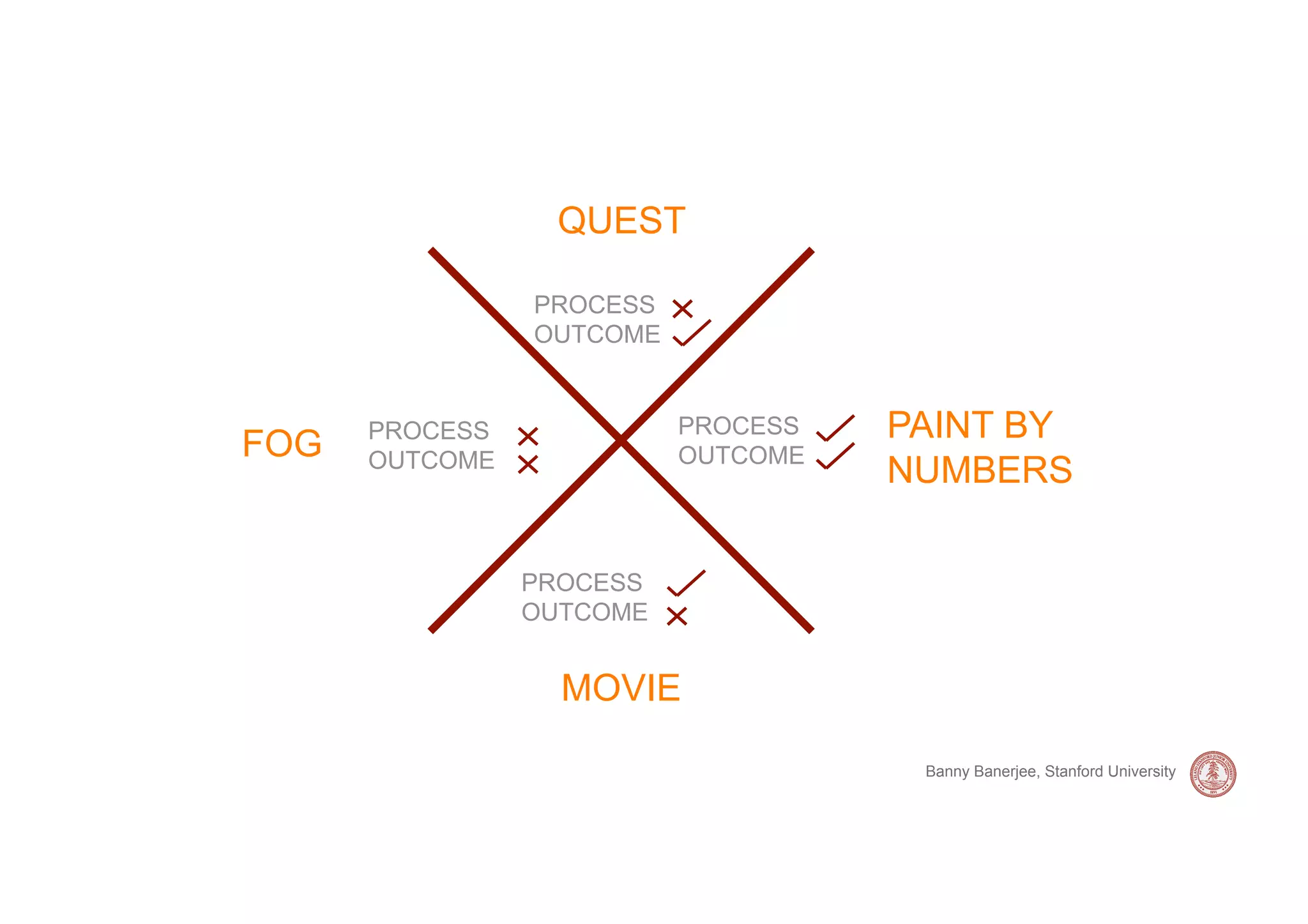
QUEST

                PROCESS
                OUTCOME


      PROCESS             PROCESS   PAINT BY
FOG   OUTCOME             OUTCOME
                                    NUMBERS

                PROCESS
                OUTCOME


                  MOVIE

                                     Banny Banerjee, Stanford University
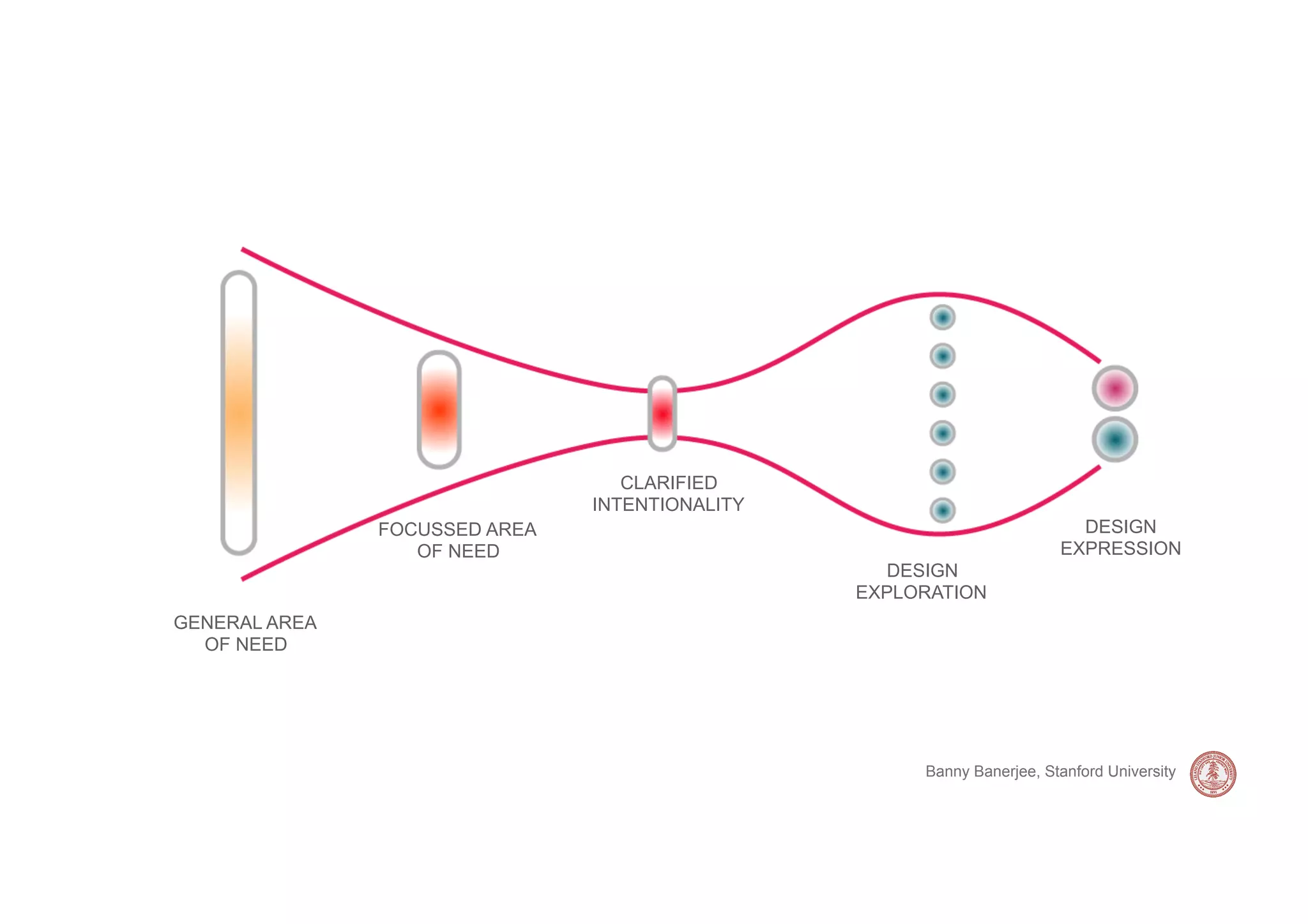
CLARIFIED
                               INTENTIONALITY
               FOCUSSED AREA                                             DESIGN
                  OF NEED                                              EXPRESSION
                                                  DESIGN
                                                EXPLORATION
GENERAL AREA
  OF NEED


                                                     Banny Banerjee, Stanford University
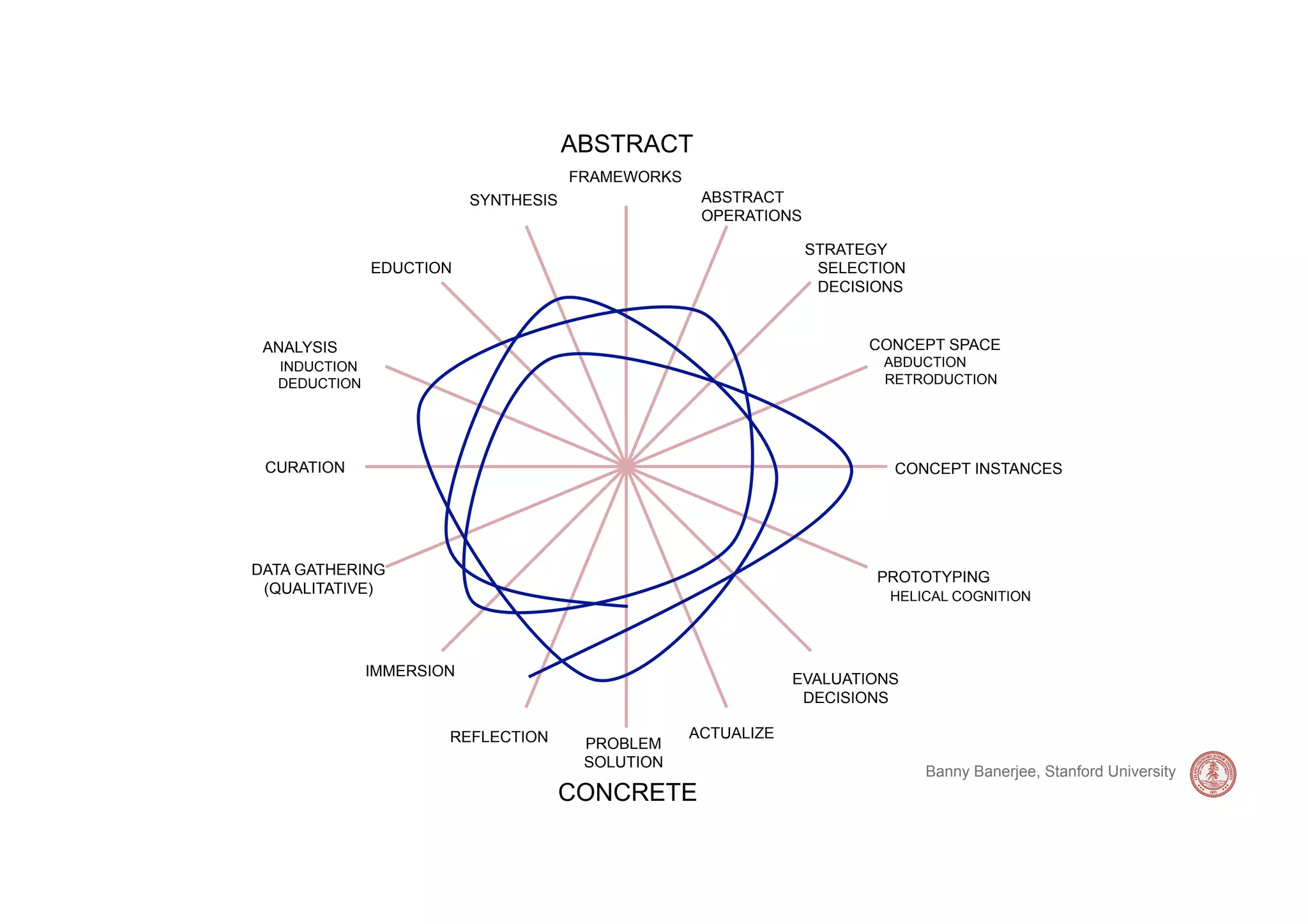
ABSTRACT
                                      FRAMEWORKS
                          SYNTHESIS                 ABSTRACT
                                                    OPERATIONS

                                                                 STRATEGY
              EDUCTION                                            SELECTION
                                                                  DECISIONS


 ANALYSIS                                                              CONCEPT SPACE
  INDUCTION                                                             ABDUCTION
  DEDUCTION                                                             RETRODUCTION


 CURATION                                                                CONCEPT INSTANCES


DATA GATHERING                                                          PROTOTYPING
 (QUALITATIVE)                                                           HELICAL COGNITION


              IMMERSION
                                                               EVALUATIONS
                                                                DECISIONS

                      REFLECTION                   ACTUALIZE
                                       PROBLEM
                                       SOLUTION
                                                                              Banny Banerjee, Stanford University
                                      CONCRETE
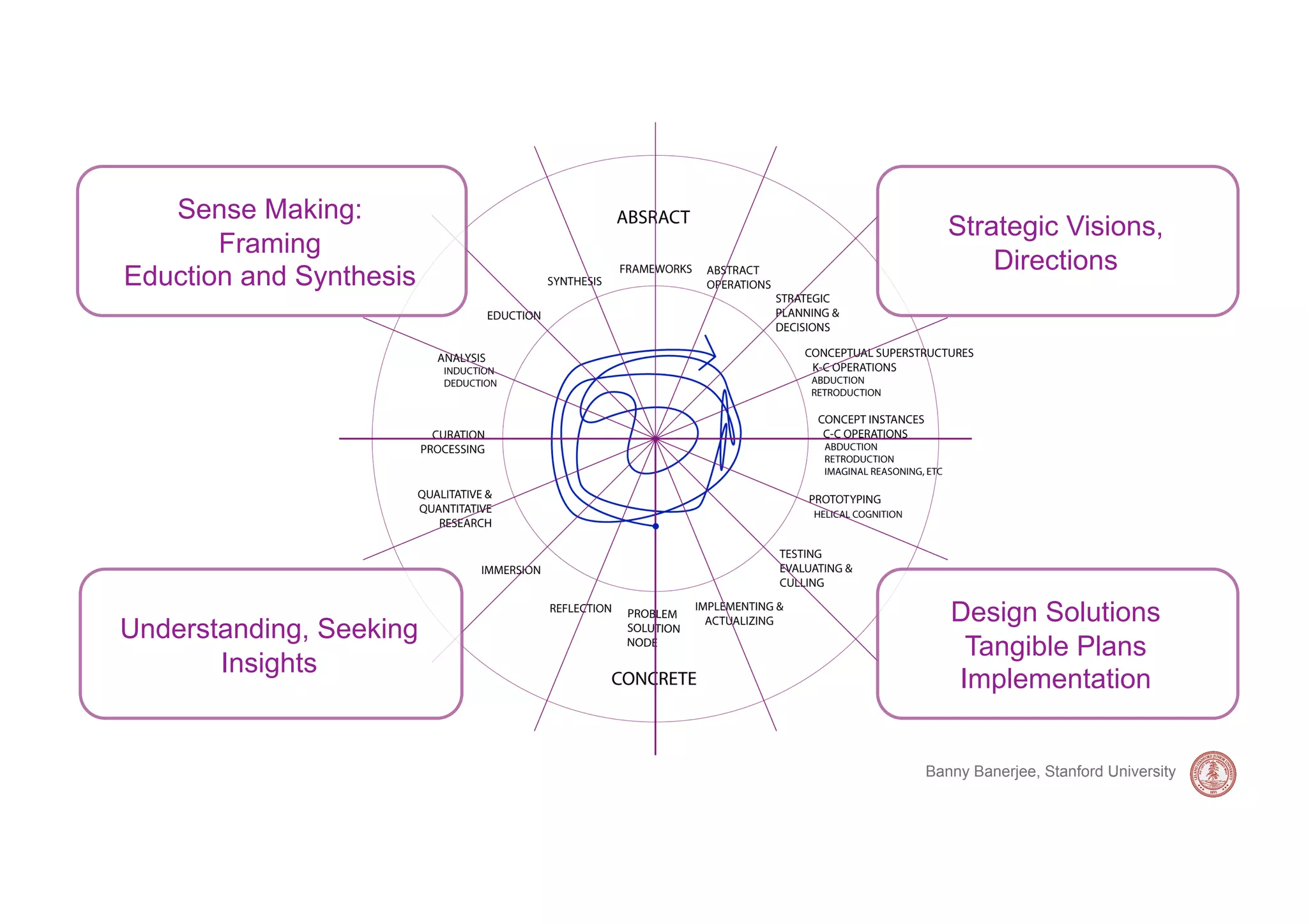
Sense Making:
                            Strategic Visions,
       Framing
                                Directions
Eduction and Synthesis


                            Design Solutions
Understanding, Seeking
                             Tangible Plans
       Insights
                            Implementation


                         Banny Banerjee, Stanford University
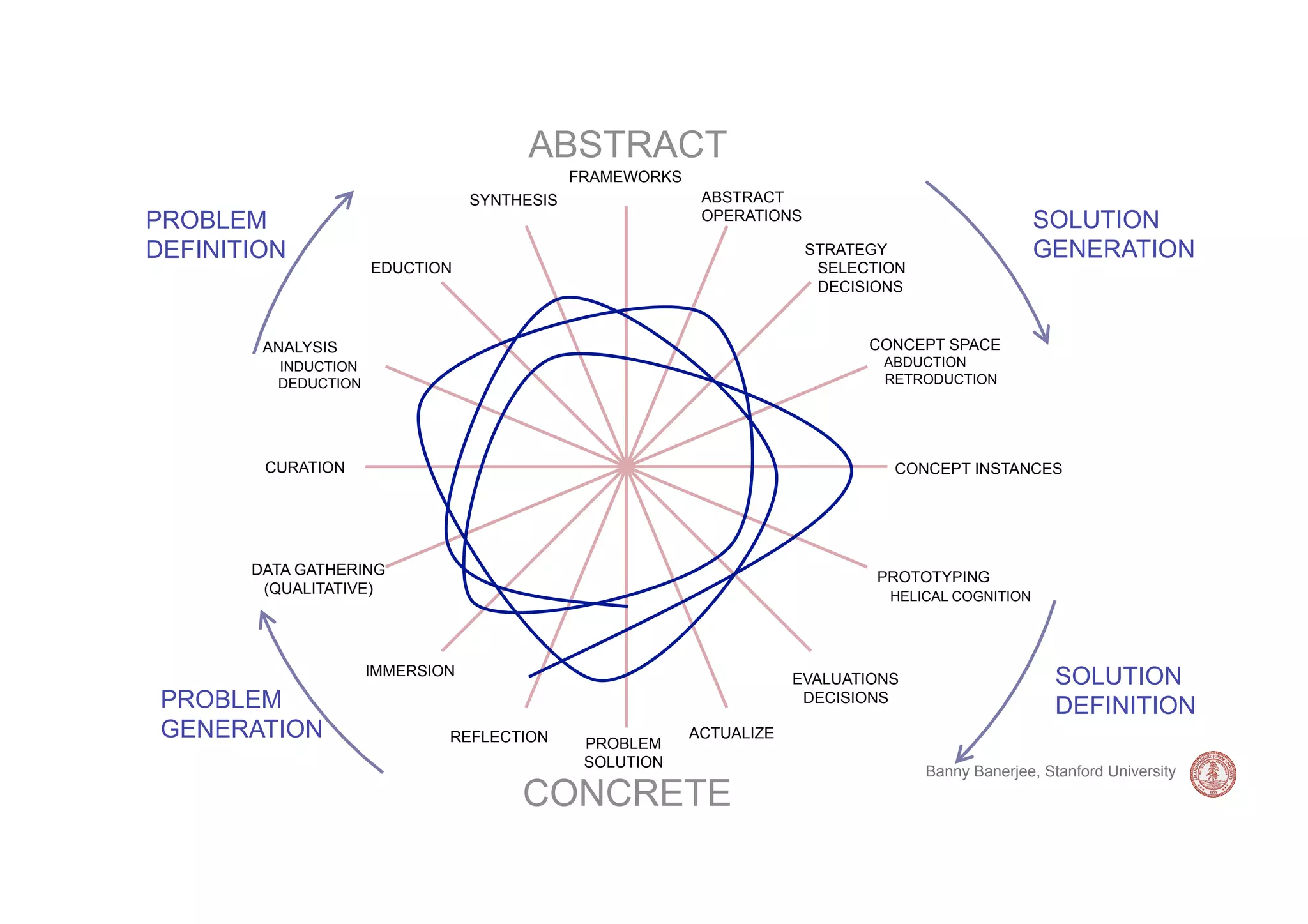
ABSTRACT
                                             FRAMEWORKS
                                 SYNTHESIS                 ABSTRACT
PROBLEM                                                    OPERATIONS                               SOLUTION
DEFINITION                                                              STRATEGY                    GENERATION
                     EDUCTION                                            SELECTION
                                                                         DECISIONS


        ANALYSIS                                                              CONCEPT SPACE
         INDUCTION                                                             ABDUCTION
         DEDUCTION                                                             RETRODUCTION


        CURATION                                                                CONCEPT INSTANCES


       DATA GATHERING                                                          PROTOTYPING
        (QUALITATIVE)                                                           HELICAL COGNITION


                     IMMERSION
                                                                      EVALUATIONS                      SOLUTION
 PROBLEM                                                               DECISIONS
                                                                                                       DEFINITION
 GENERATION                  REFLECTION       PROBLEM
                                                          ACTUALIZE
                                              SOLUTION
                                                                                     Banny Banerjee, Stanford University
                                      CONCRETE
Empathy


          Banny Banerjee, Stanford University
SAY            THINK


DO     FEEL

       Banny Banerjee, Stanford University
Banny Banerjee, Stanford University
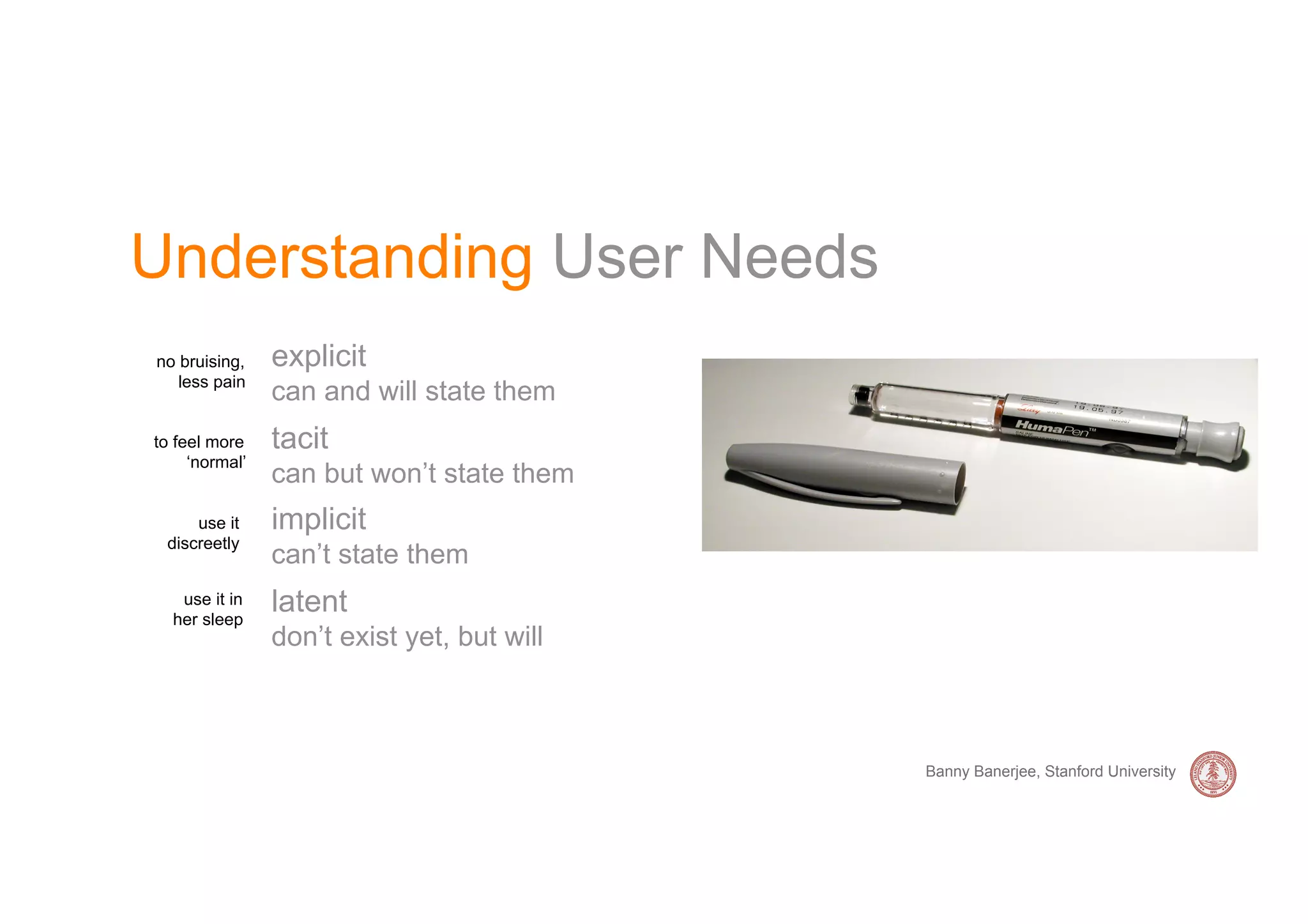
Understanding User Needs
no bruising,    explicit
   less pain
                can and will state them
to feel more    tacit
     ‘normal’
                can but won’t state them
     use it     implicit
 discreetly
                can’t state them
   use it in
  her sleep
                latent
                don’t exist yet, but will


                                            Banny Banerjee, Stanford University
Banny Banerjee, Stanford University
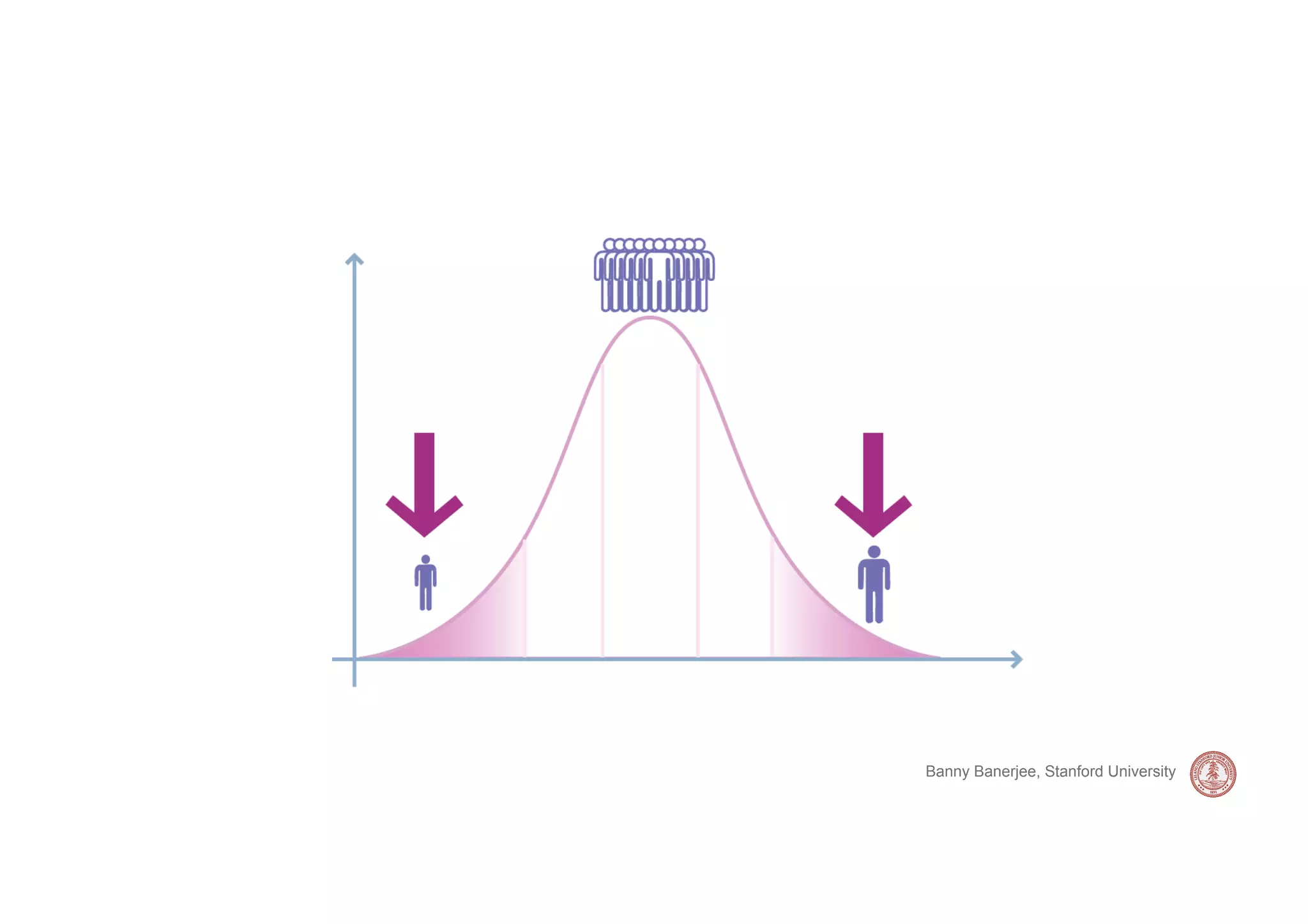
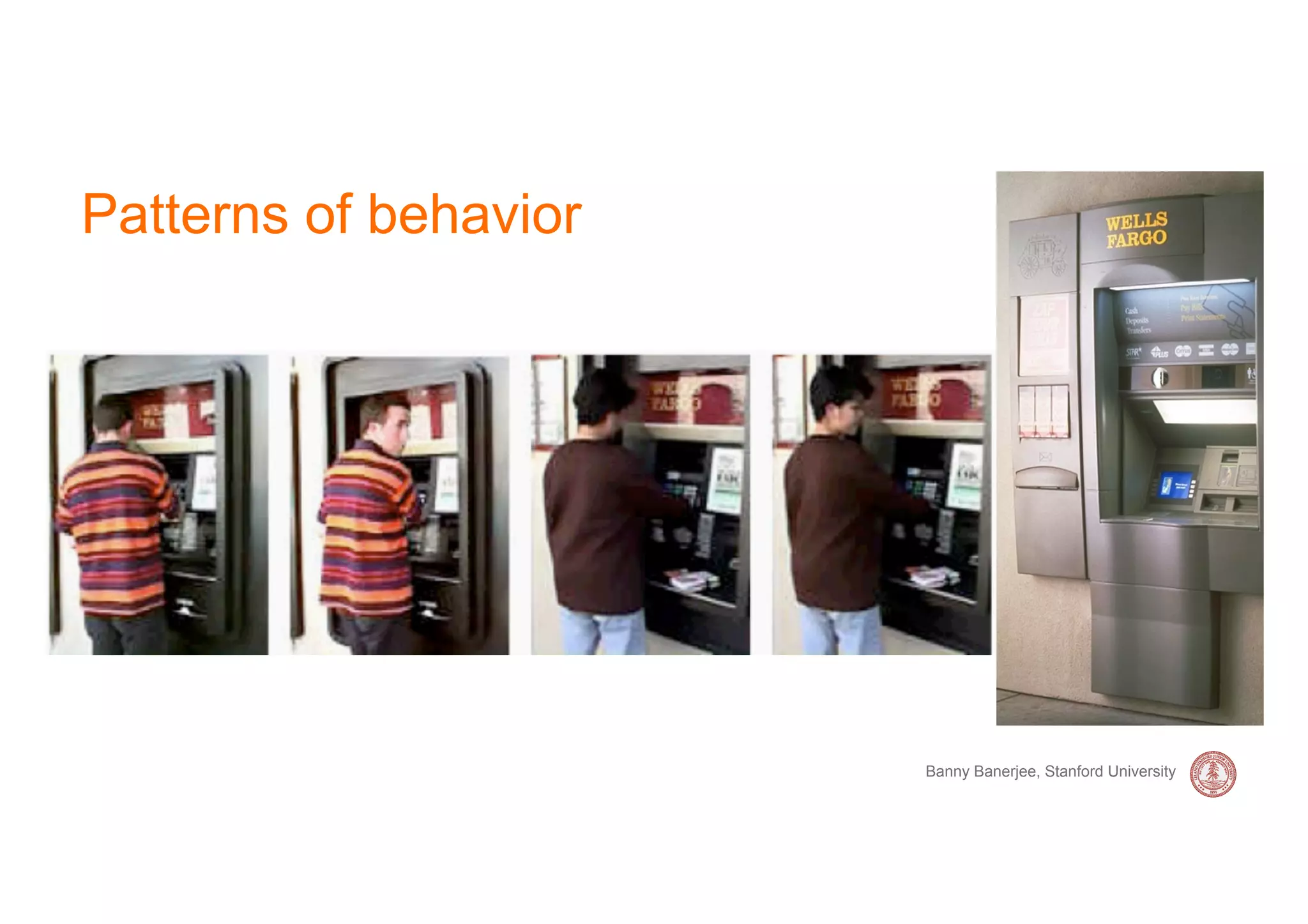
Patterns of behavior


                       Banny Banerjee, Stanford University
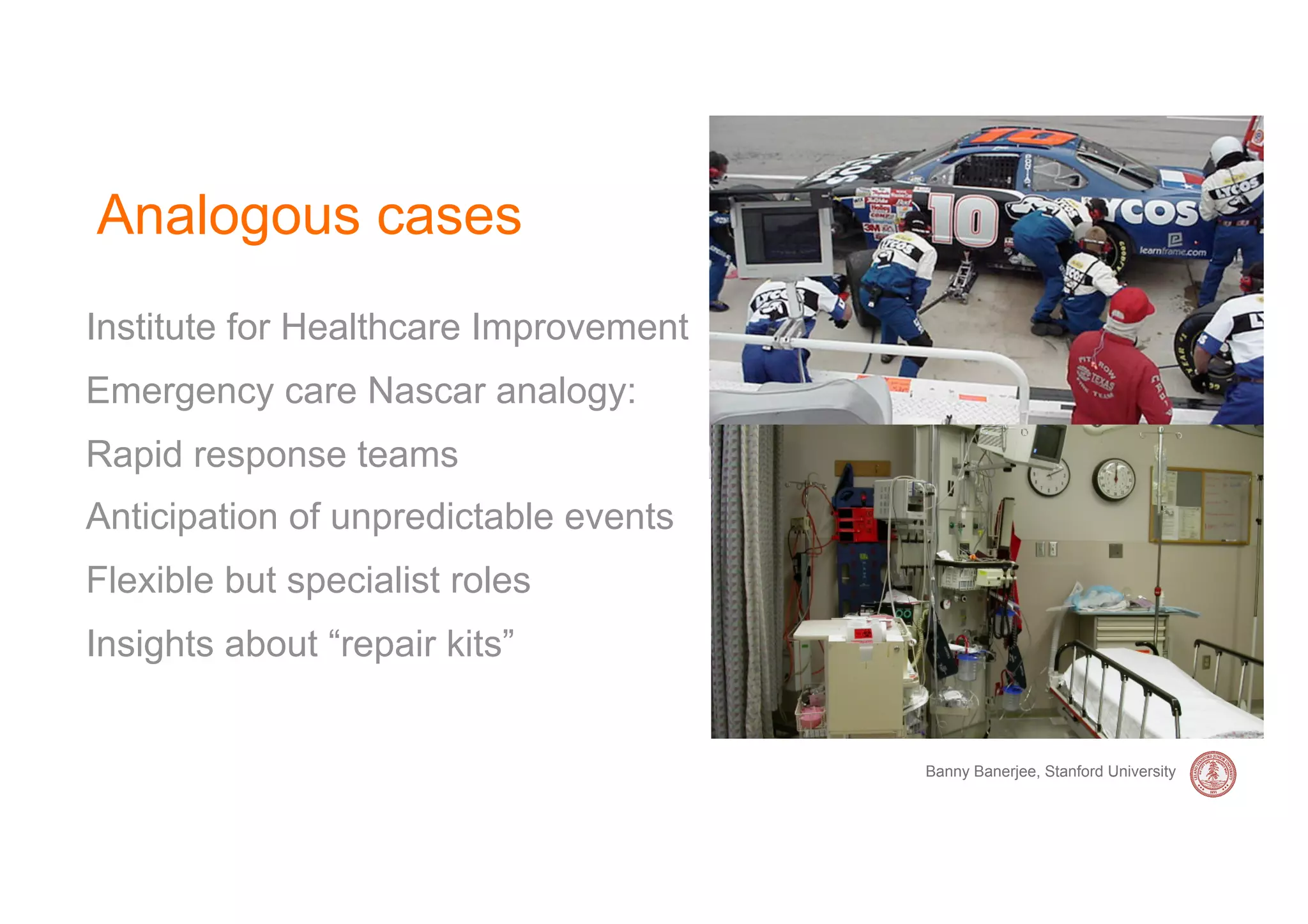
Analogous cases
Institute for Healthcare Improvement
Emergency care Nascar analogy:
Rapid response teams
Anticipation of unpredictable events
Flexible but specialist roles
Insights about “repair kits”


                                       Banny Banerjee, Stanford University
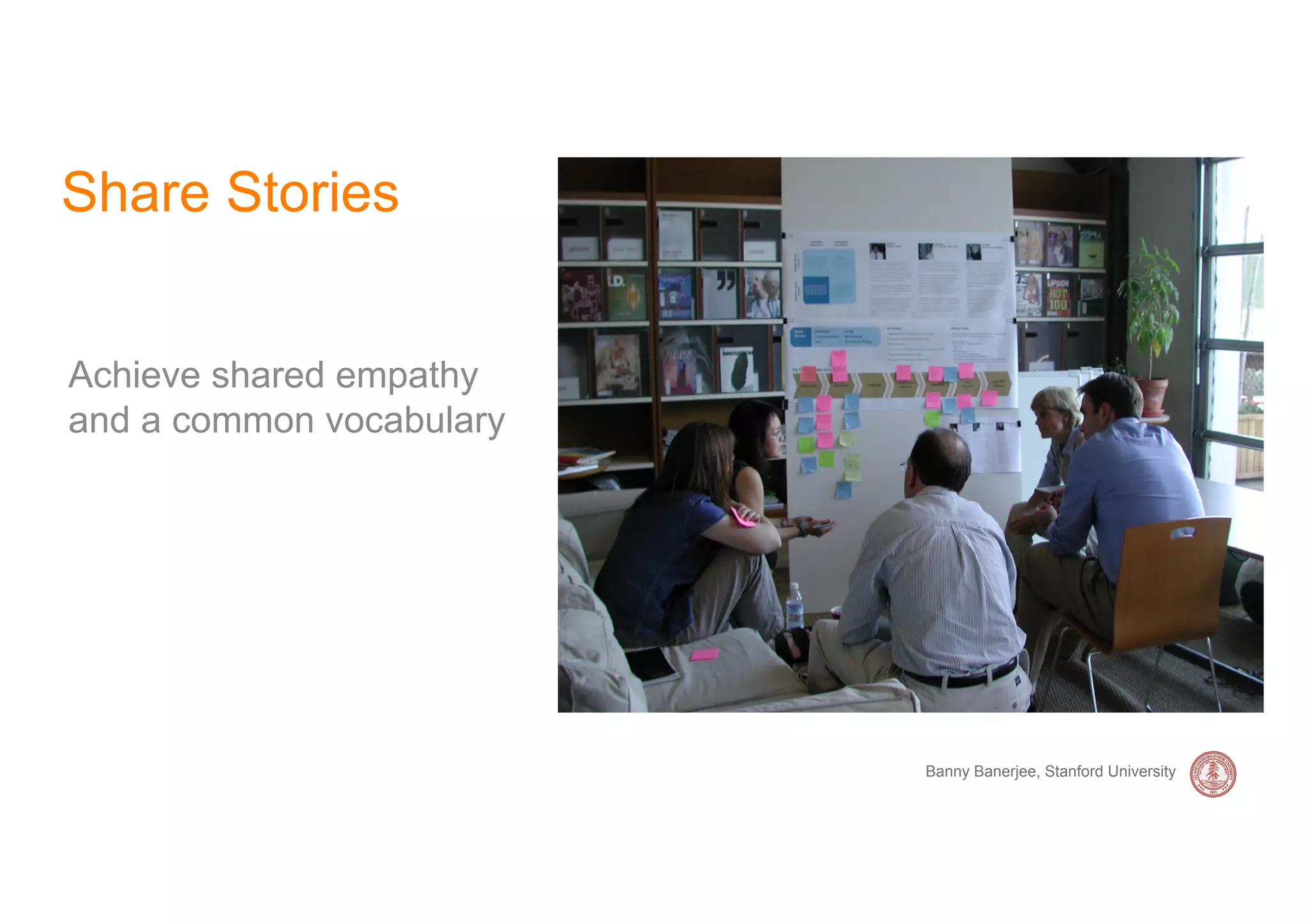
Share Stories


Achieve shared empathy
and a common vocabulary


                          Banny Banerjee, Stanford University
Banny Banerjee, Stanford University
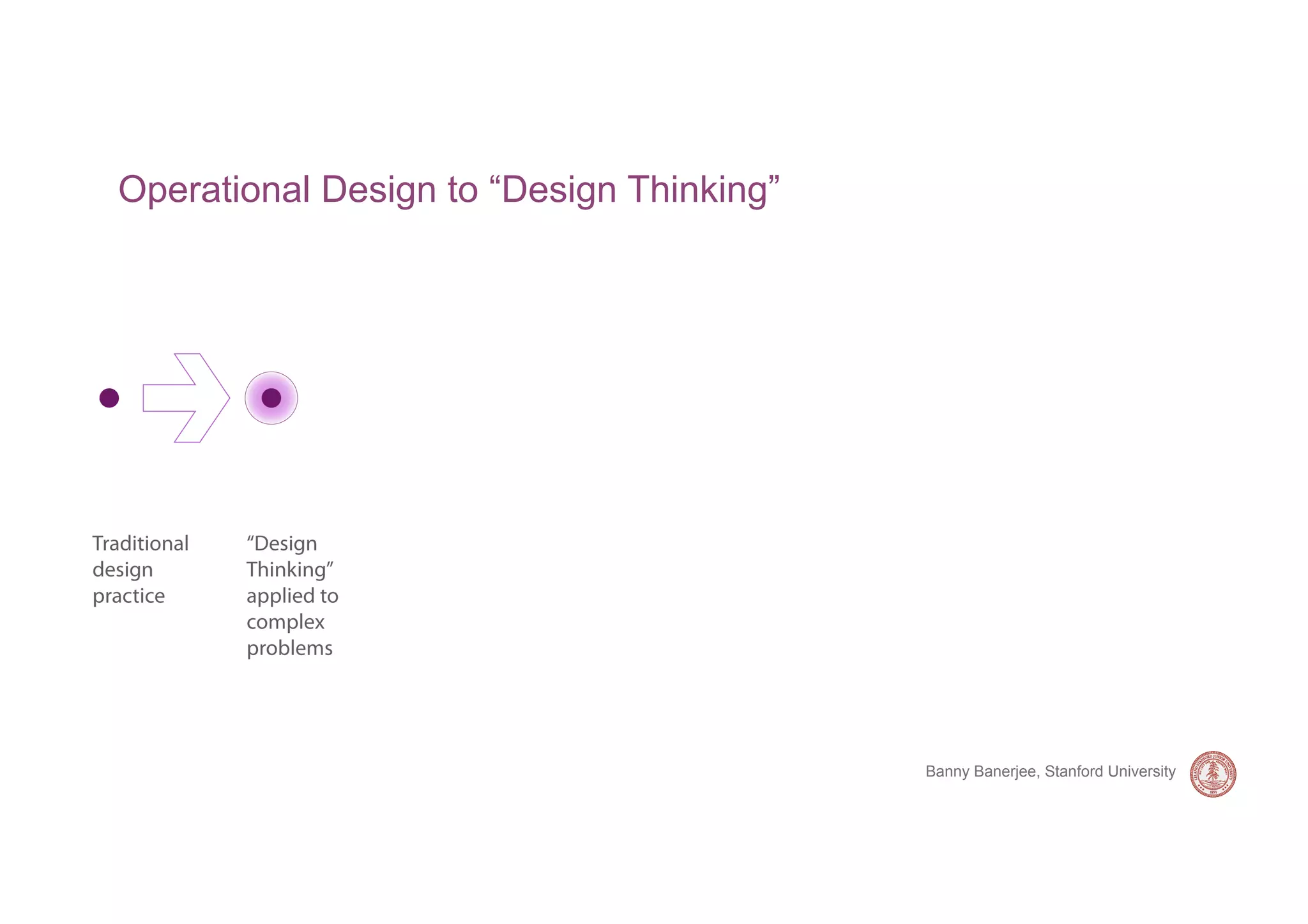
Operational Design to “Design Thinking”


                                          Banny Banerjee, Stanford University
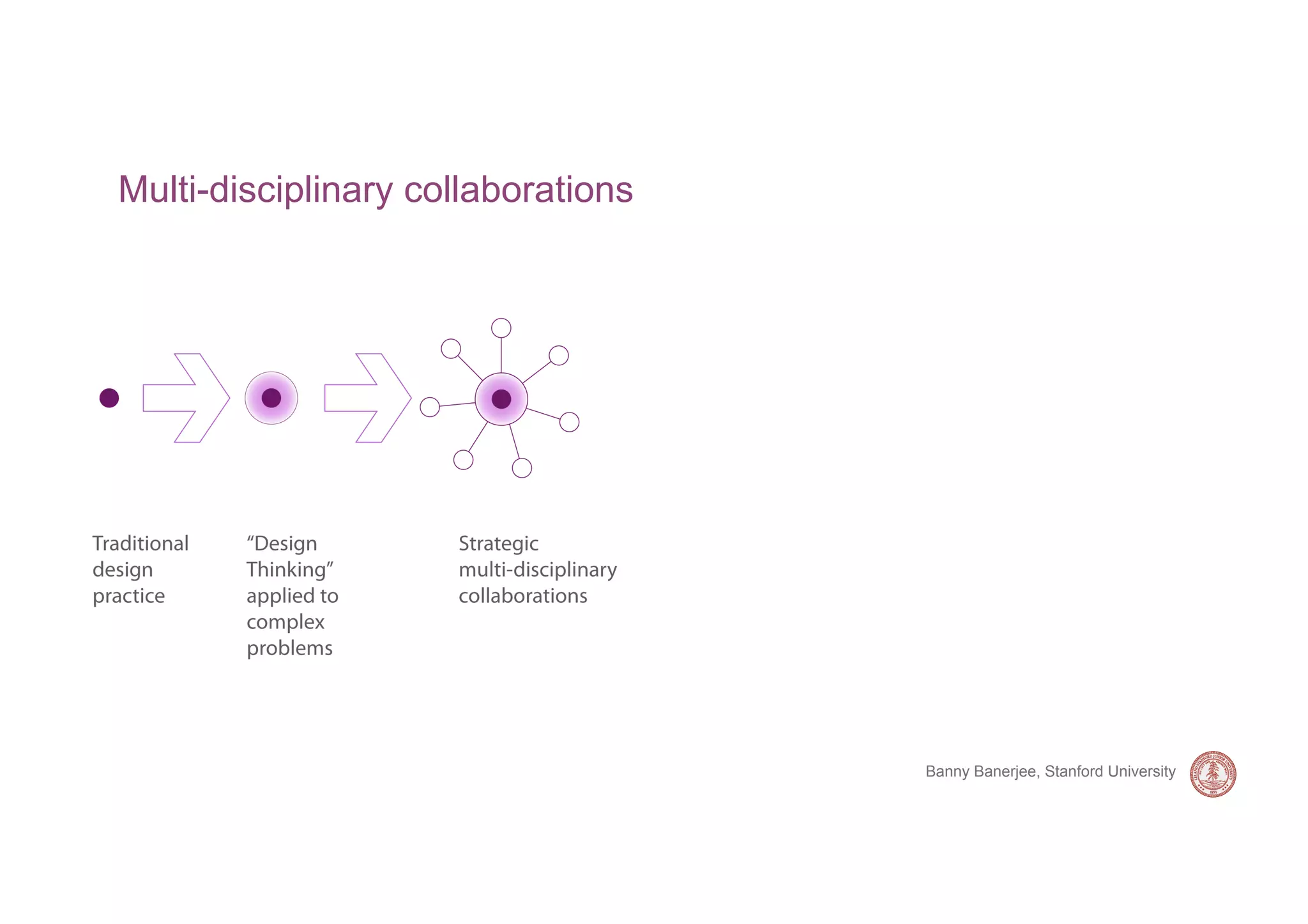
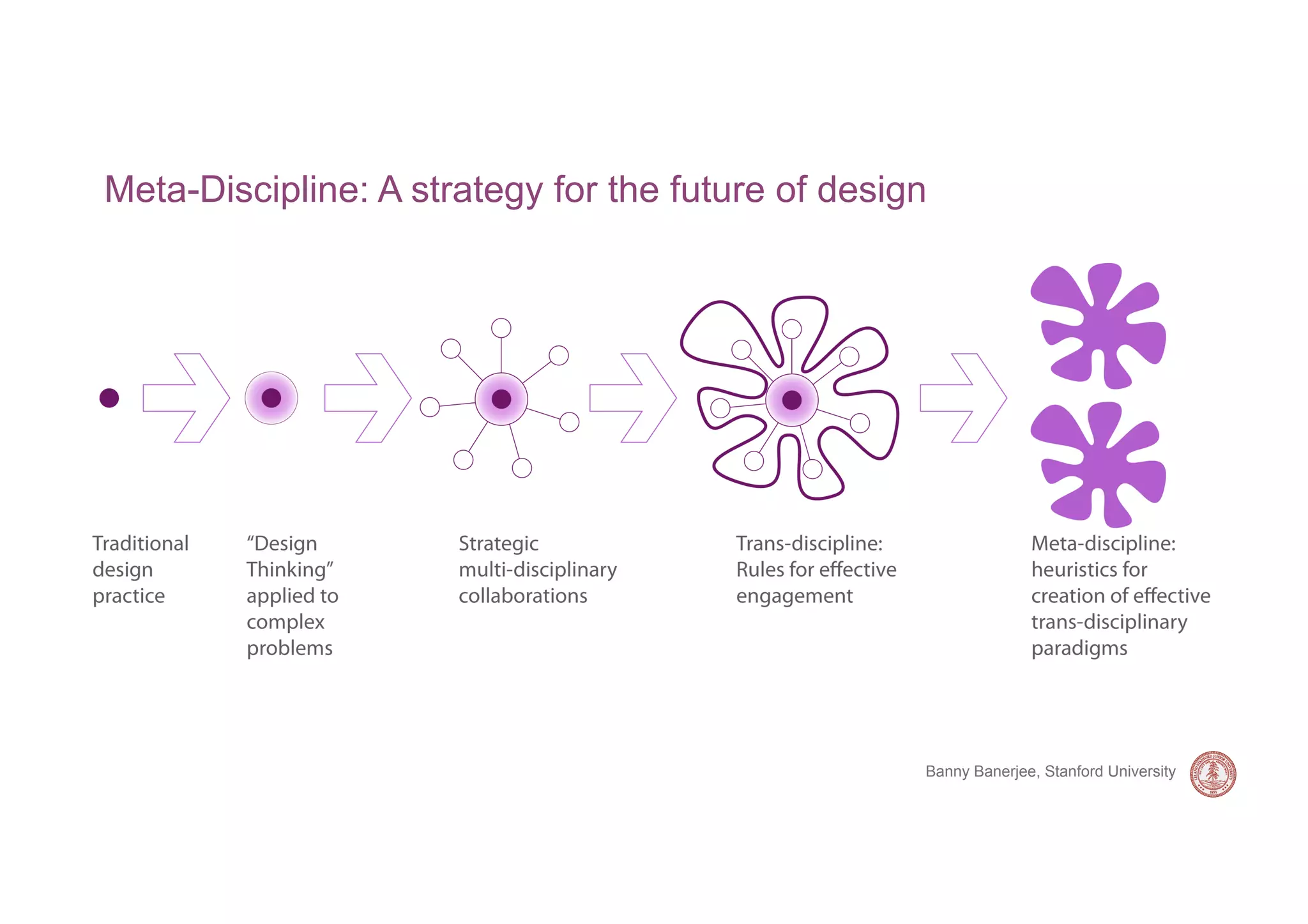
Multi-disciplinary collaborations


                                    Banny Banerjee, Stanford University
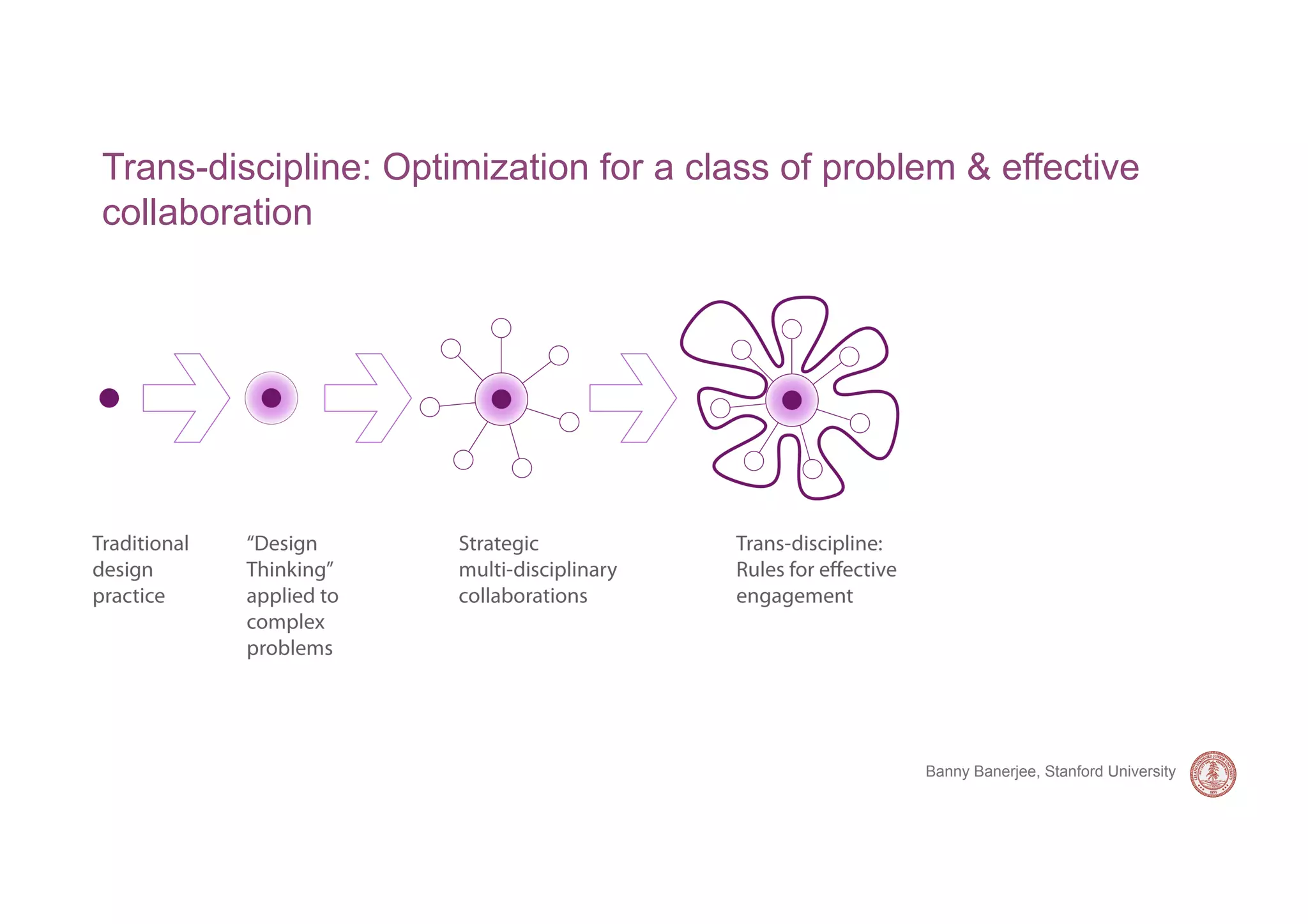
Trans-discipline: Optimization for a class of problem & effective
collaboration


                                                   Banny Banerjee, Stanford University
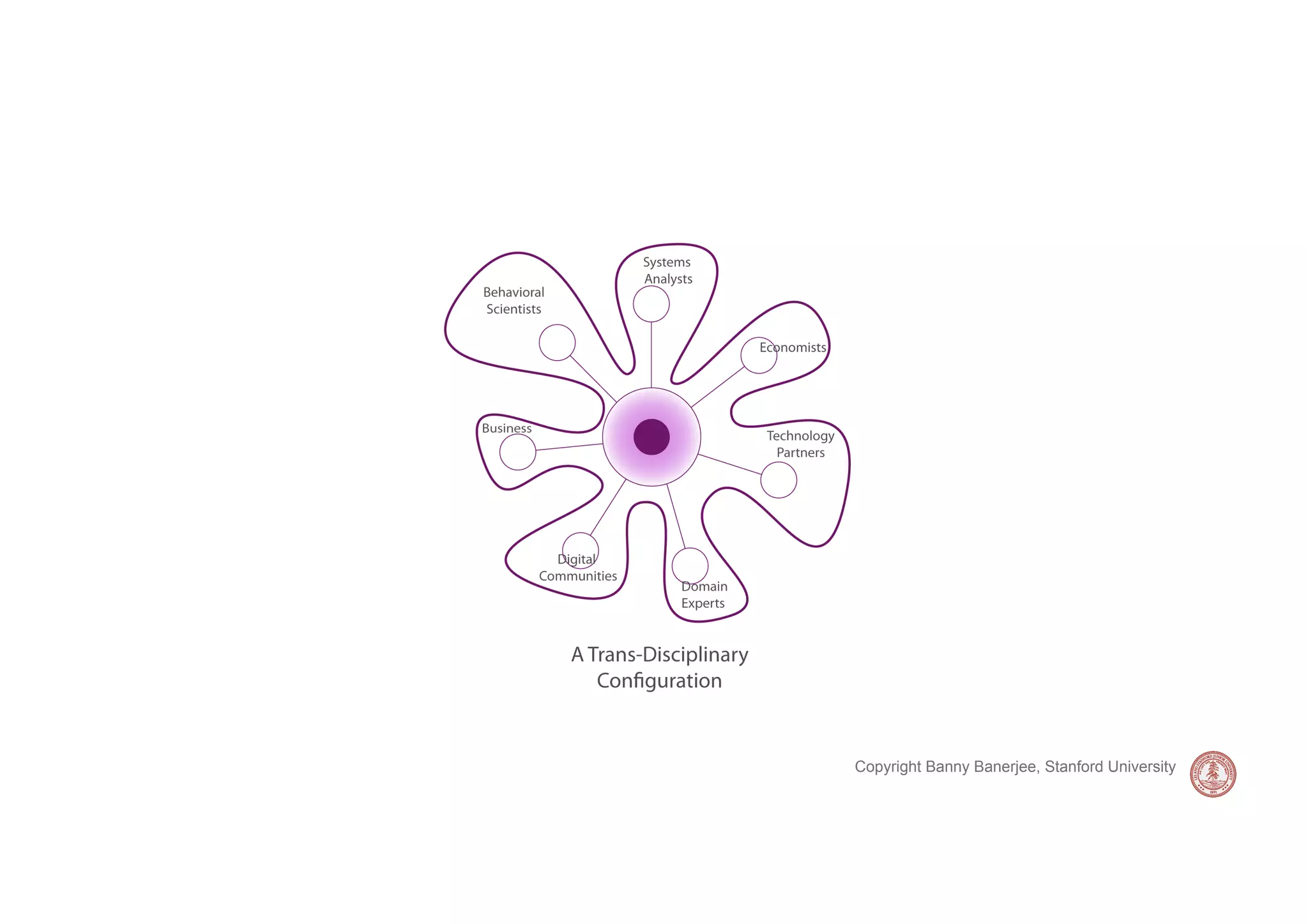
Copyright Banny Banerjee, Stanford University
Meta-Discipline: A strategy for the future of design


                                                   Banny Banerjee, Stanford University
Banny Banerjee, Stanford University
Thank You
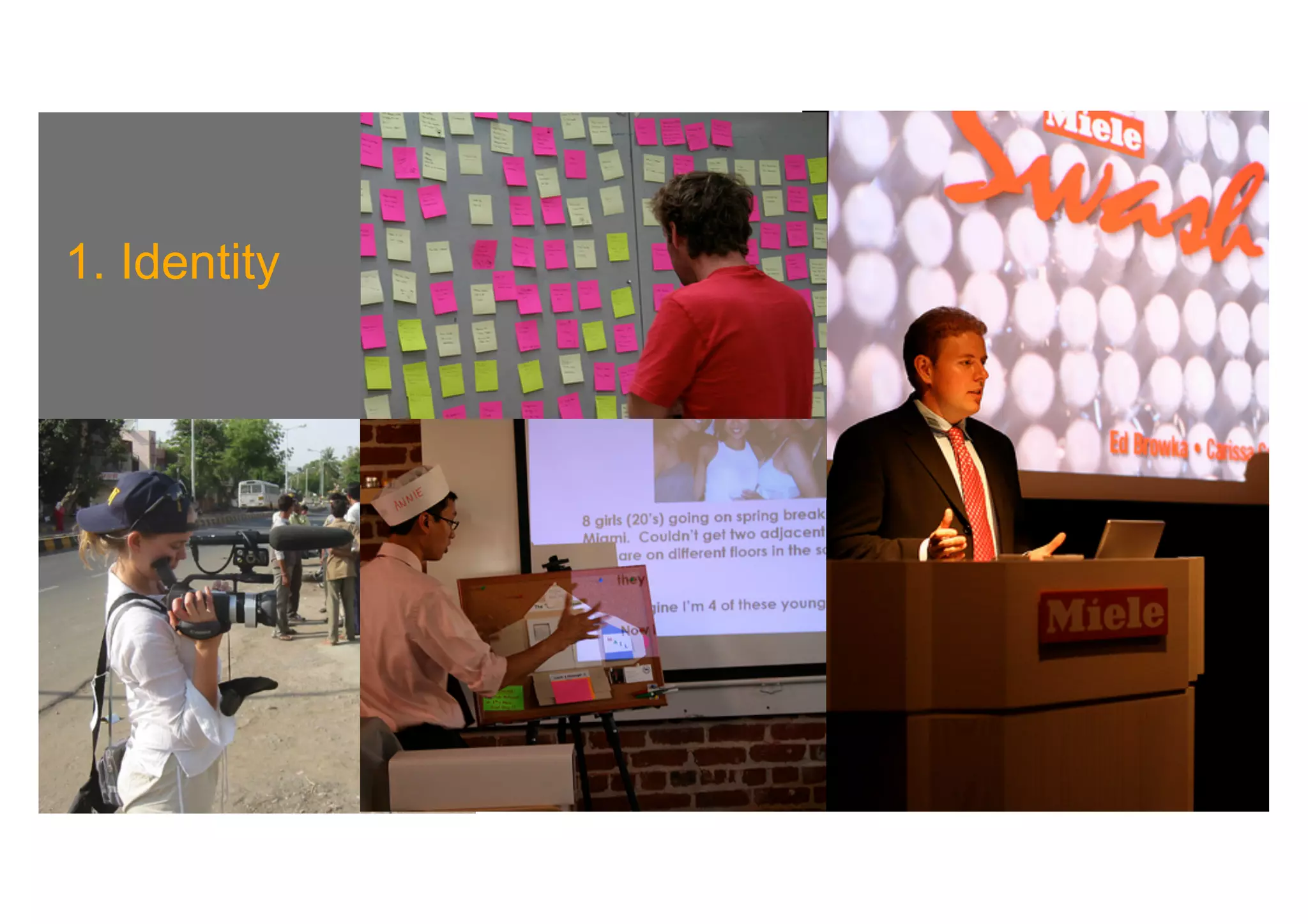
1. Identity


              Banny Banerjee, Stanford University
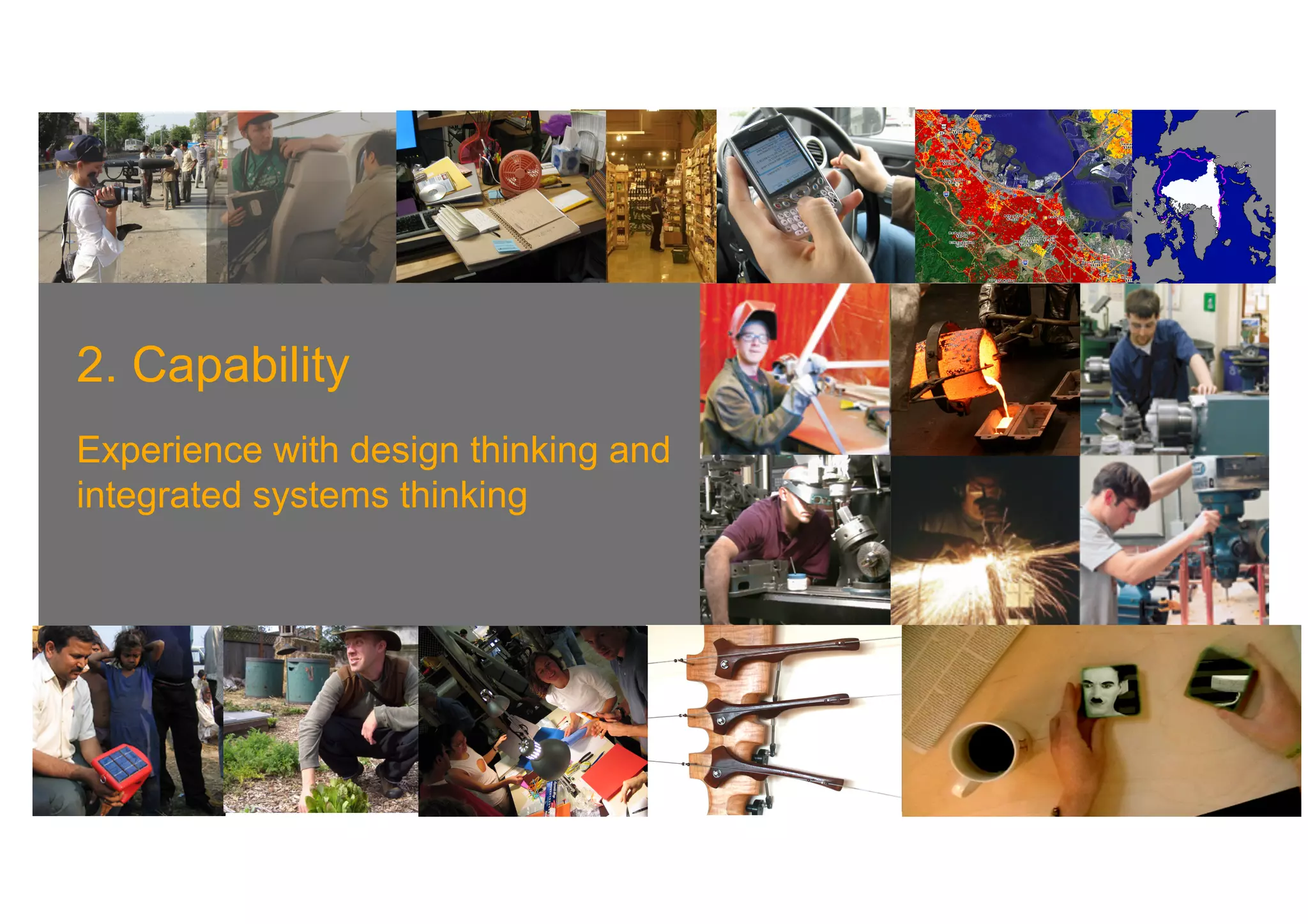
2. Capability
Experience with design thinking and
integrated systems thinking


                                      Banny Banerjee, Stanford University
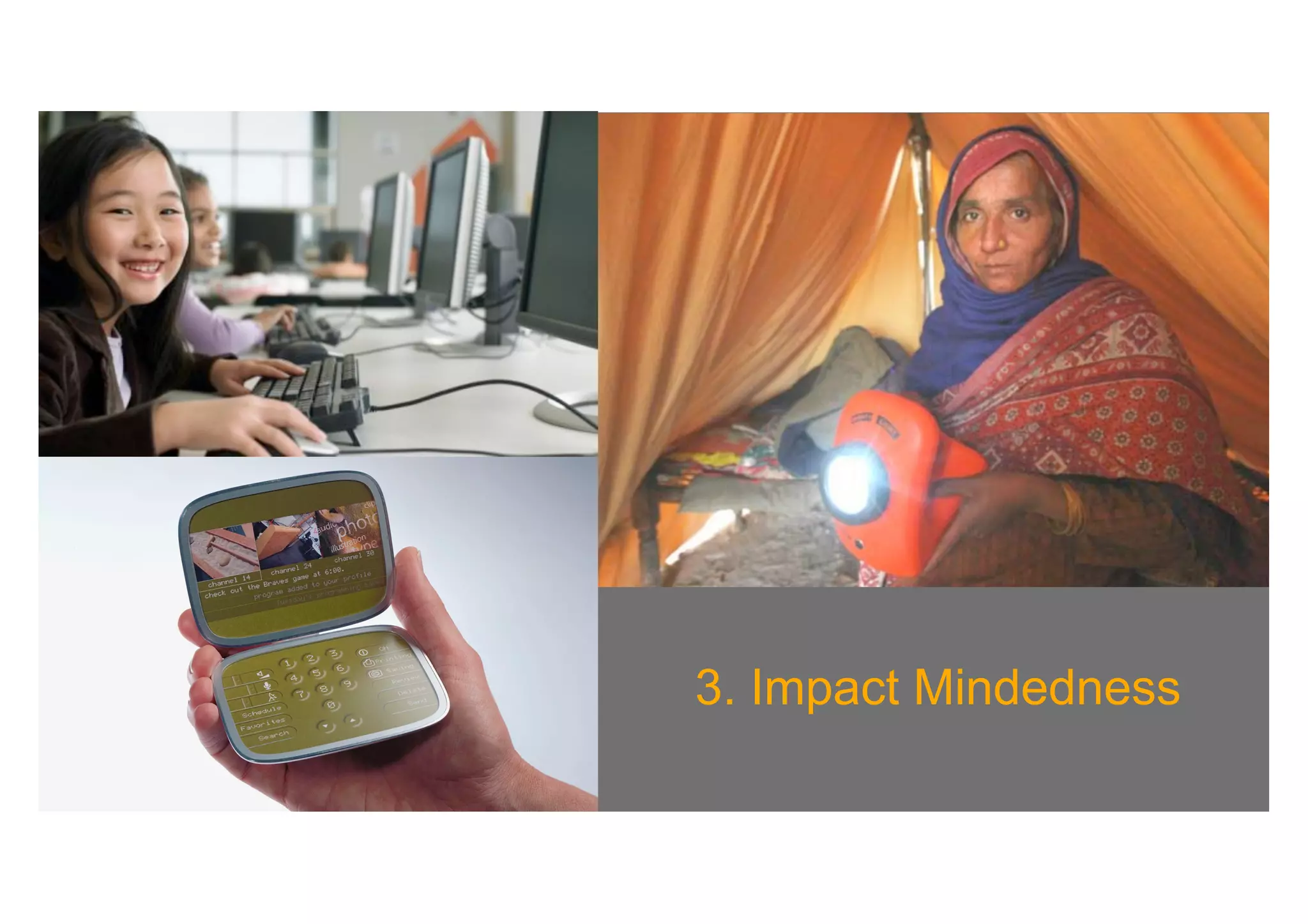
3. Impact Mindedness
Engagement:
   New types of engagement : Take Design Thinking to the world

   New institute called the d.school


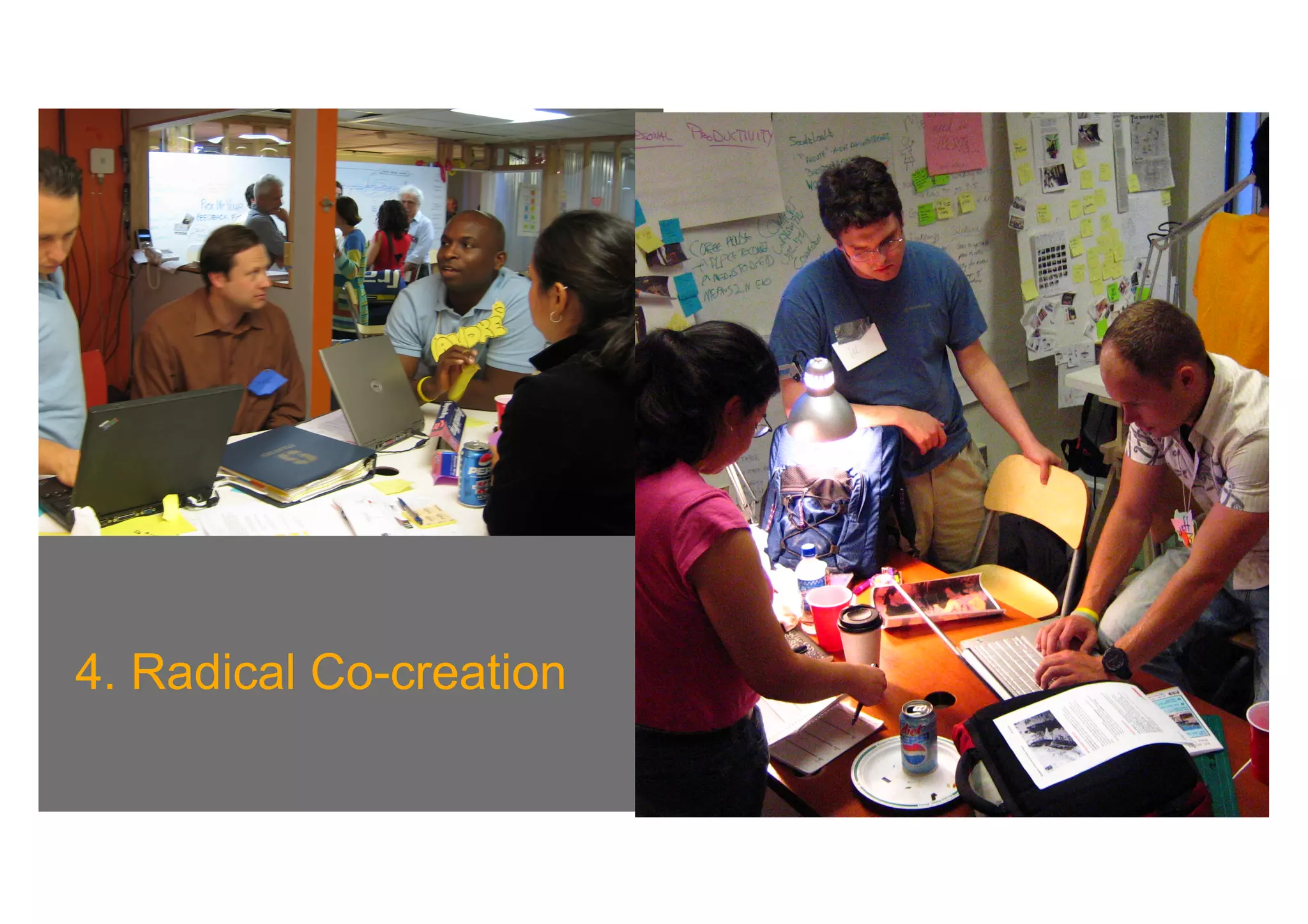
4. Radical Co-creation
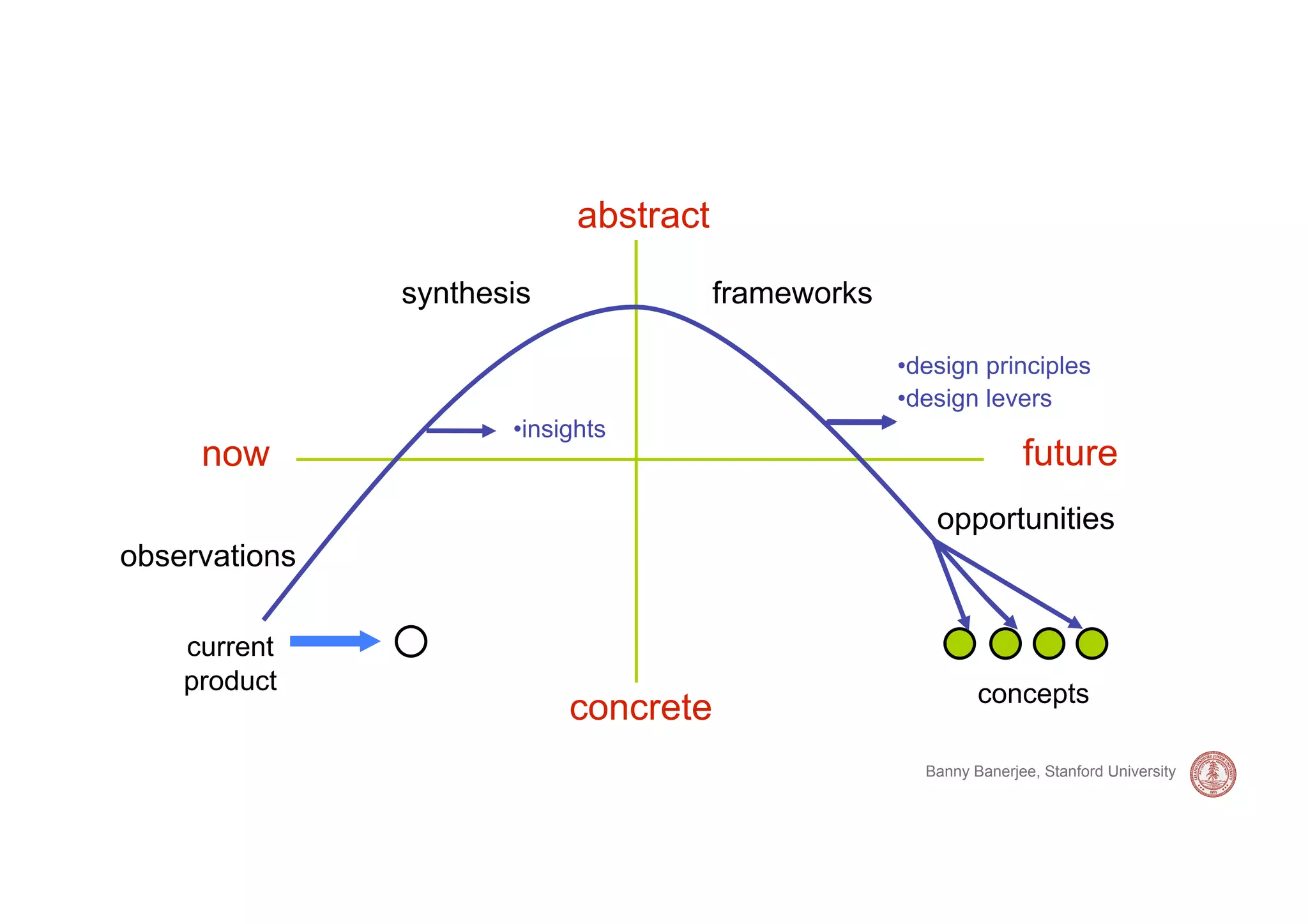
abstract

               synthesis               frameworks

                                                    •  esign principles
                                                     d
                                                    •  esign levers
                                                     d
                      • nsights
                       i
     now                                                           future
                                                       opportunities
observations

    current
    product                                                  concepts
                           concrete
                                                      Banny Banerjee, Stanford University
Different Cognitive Modes
Different attitudinal stance
A process that ensures innovation
A culture that fosters innovation
A culture of radical co-creation

                               Banny Banerjee, Stanford University
Banny Banerjee, Stanford University
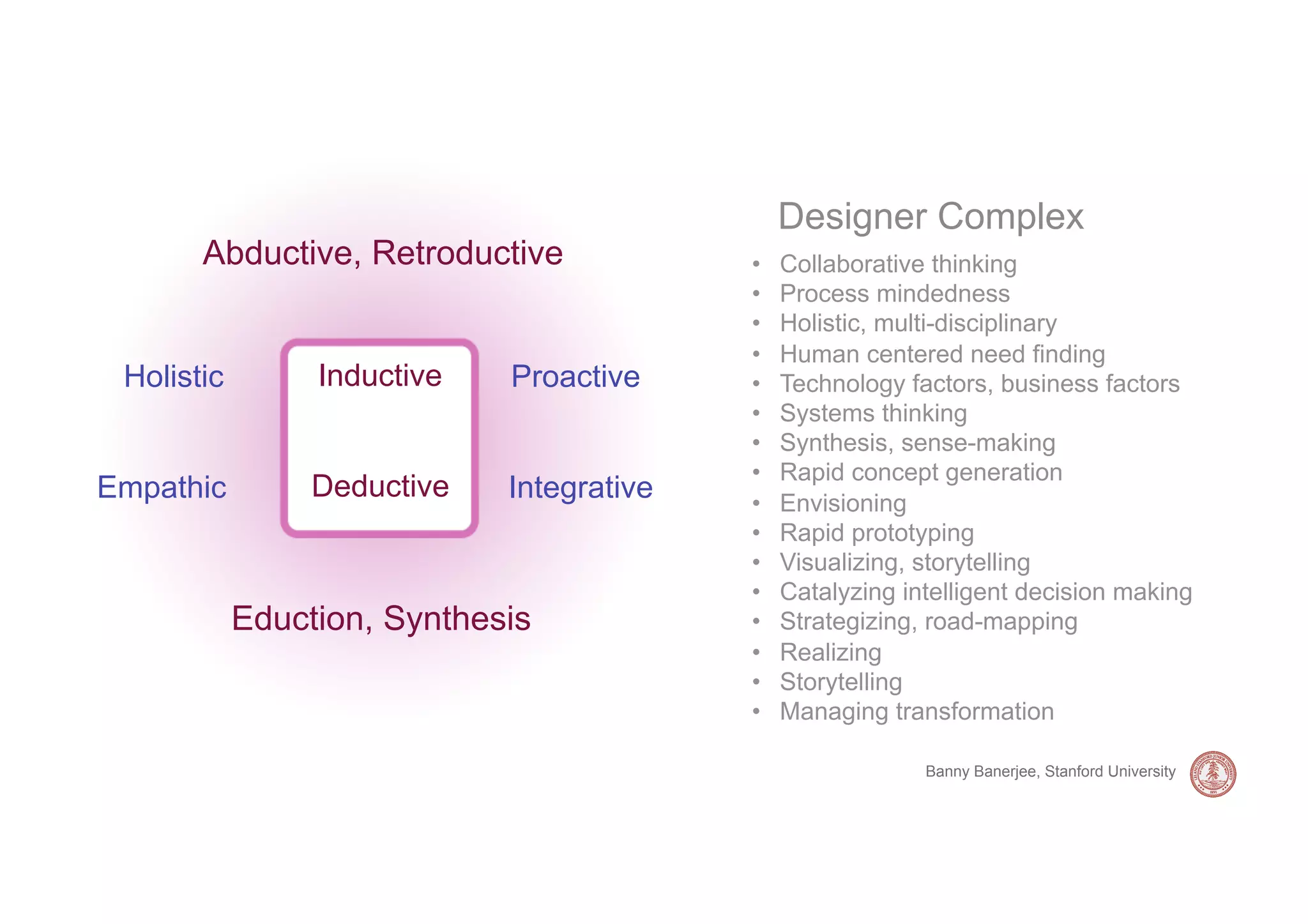
Designer Complex
       Abductive, Retroductive             •    Collaborative thinking
                                           •    Process mindedness
                                           •    Holistic, multi-disciplinary
                                           •    Human centered need finding
 Holistic        Inductive   Proactive     •    Technology factors, business factors
                                           •    Systems thinking
                                           •    Synthesis, sense-making
                                           •    Rapid concept generation
Empathic         Deductive   Integrative   •    Envisioning
                                           •    Rapid prototyping
                                           •    Visualizing, storytelling
                                           •    Catalyzing intelligent decision making
            Eduction, Synthesis            •    Strategizing, road-mapping
                                           •    Realizing
                                           •    Storytelling
                                           •    Managing transformation

                                                             Banny Banerjee, Stanford University
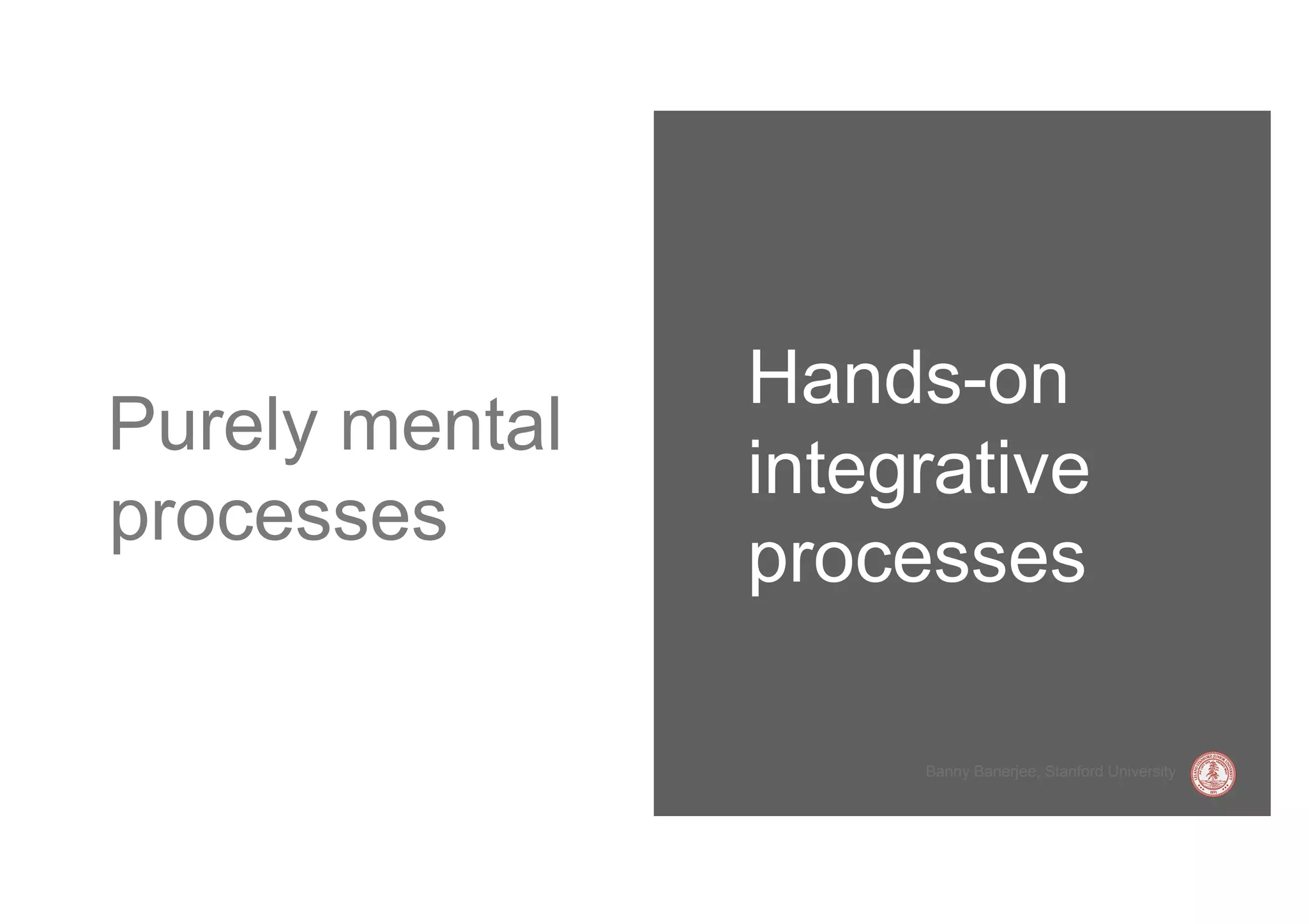
Hands-on
Purely mental
                integrative
processes
                processes

                     Banny Banerjee, Stanford University
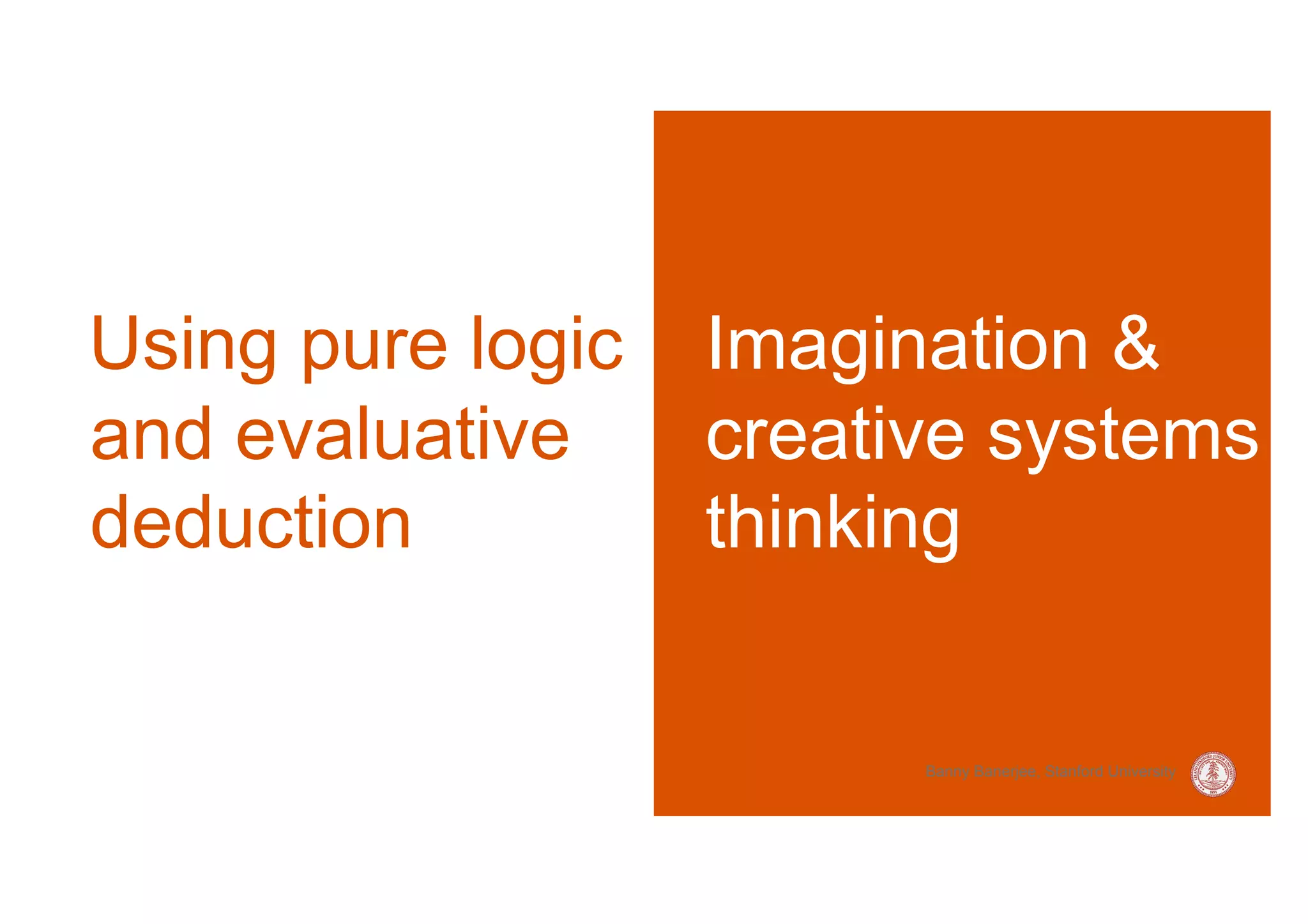
Using pure logic   Imagination &
and evaluative     creative systems
deduction          thinking


                         Banny Banerjee, Stanford University
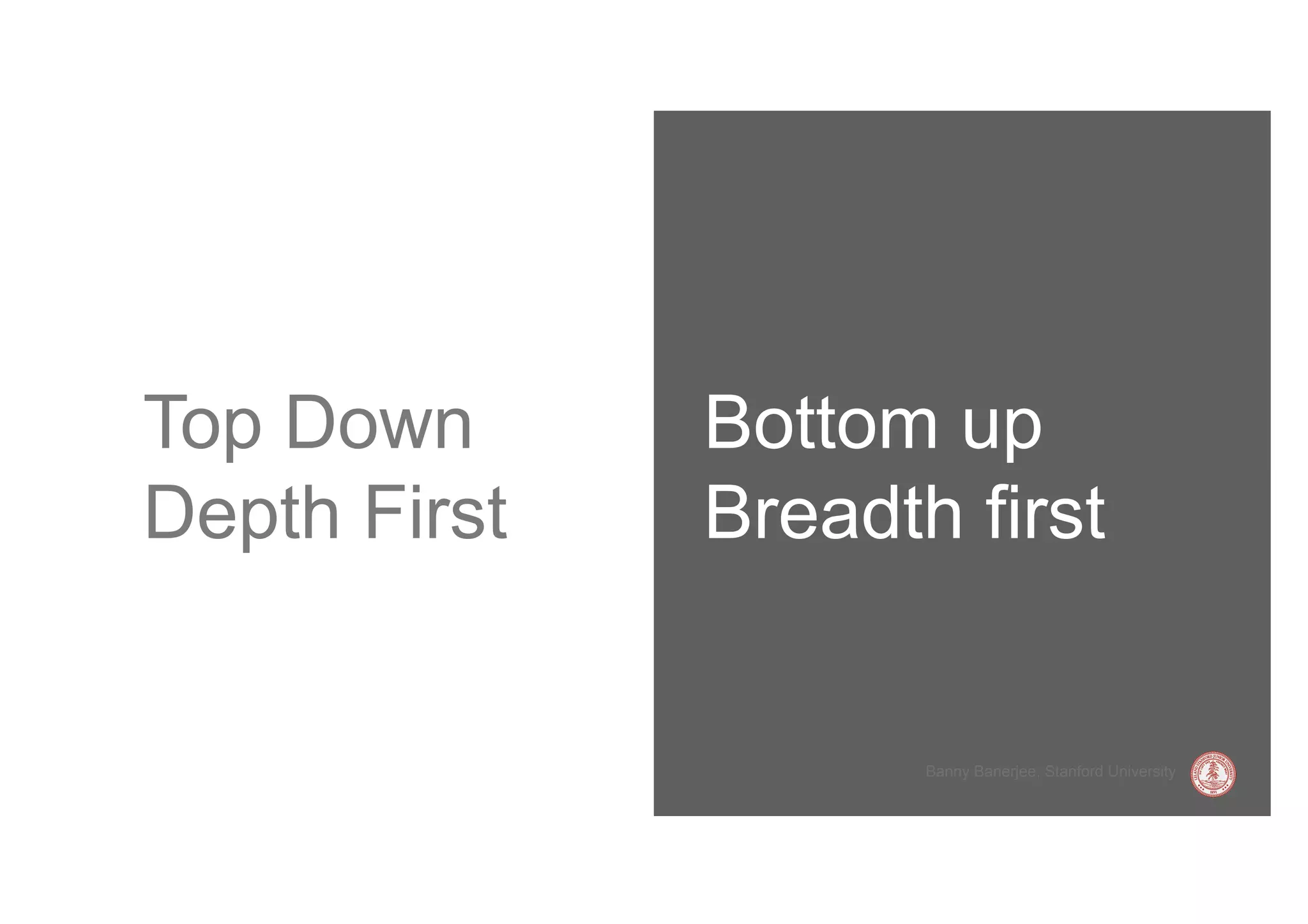
Top Down      Bottom up
Depth First   Breadth first


                     Banny Banerjee, Stanford University
Banny Banerjee, Stanford University
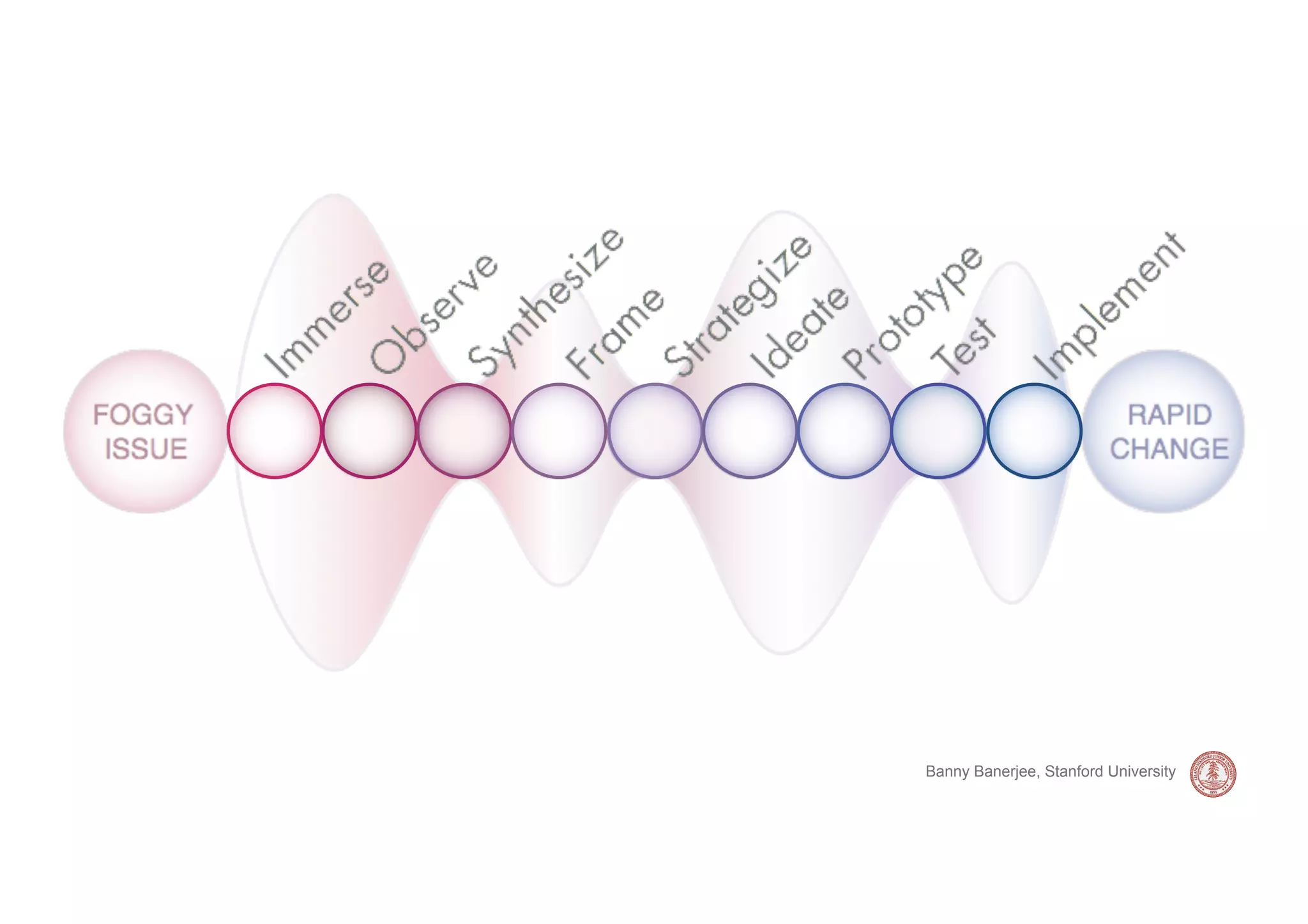
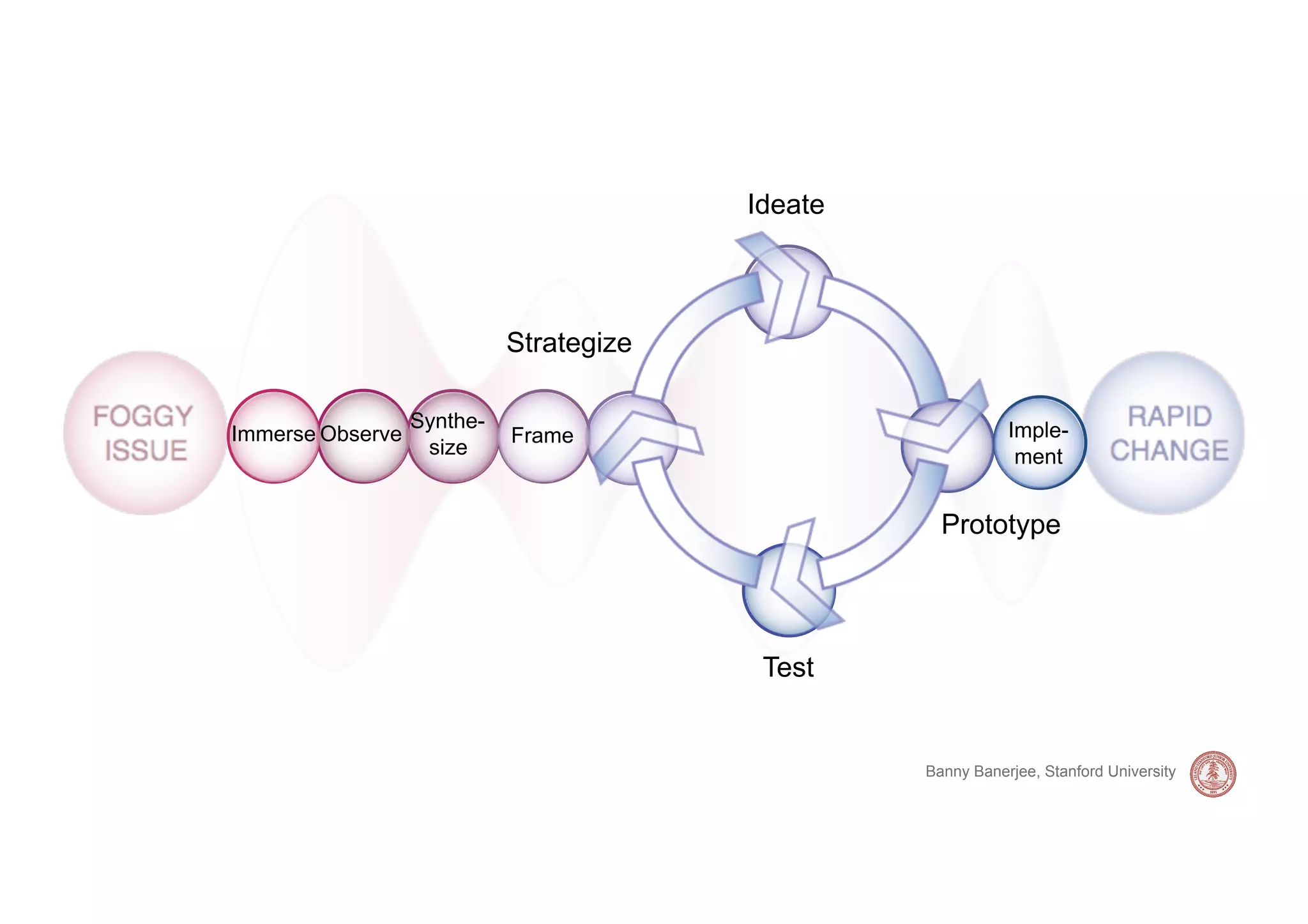
Ideate


                            Strategize

                  Synthe-                                    Imple-
Immerse Observe             Frame
                   size                                       ment


                                                    Prototype


                                          Test


                                                  Banny Banerjee, Stanford University
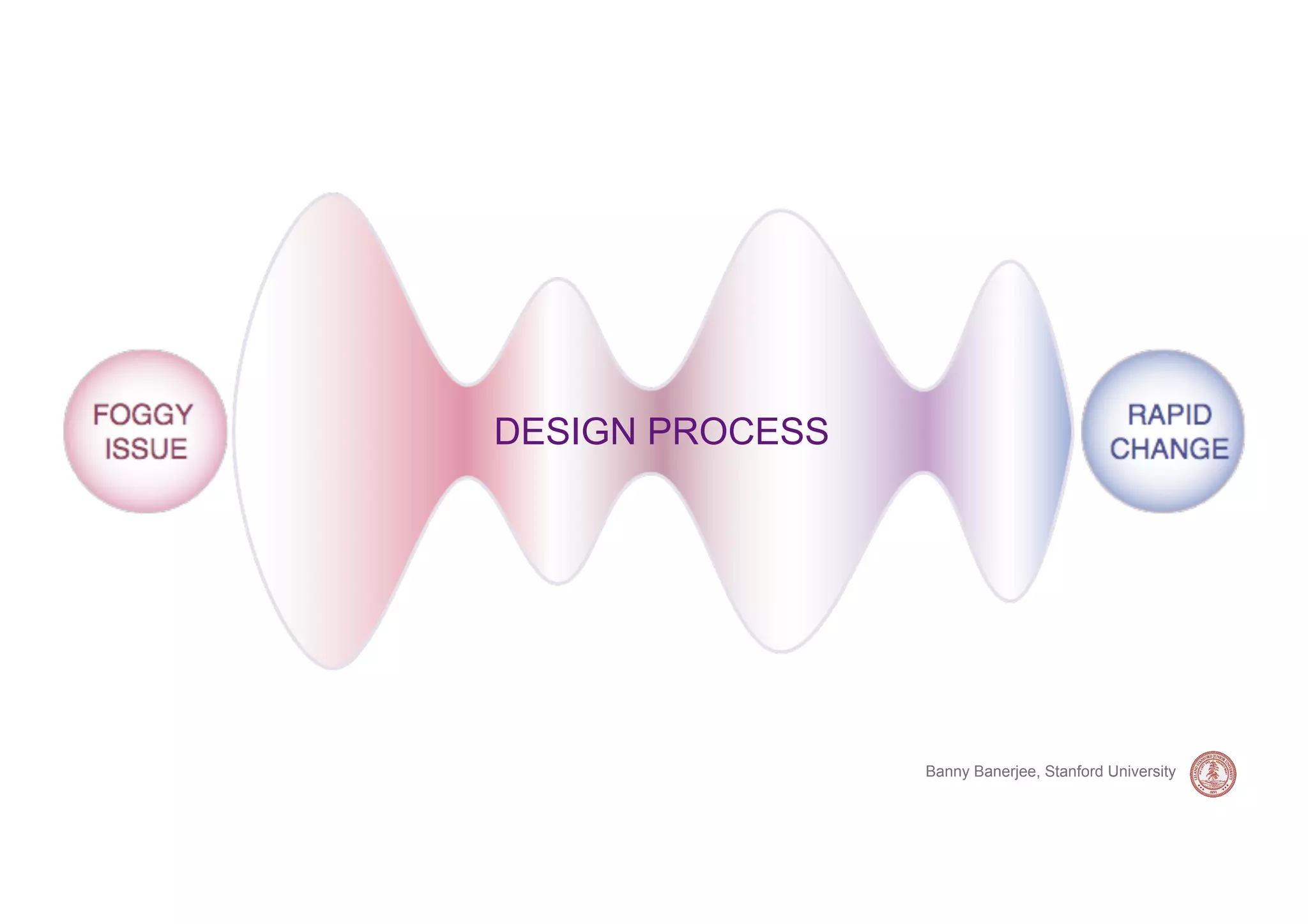
DESIGN PROCESS


                 Banny Banerjee, Stanford University
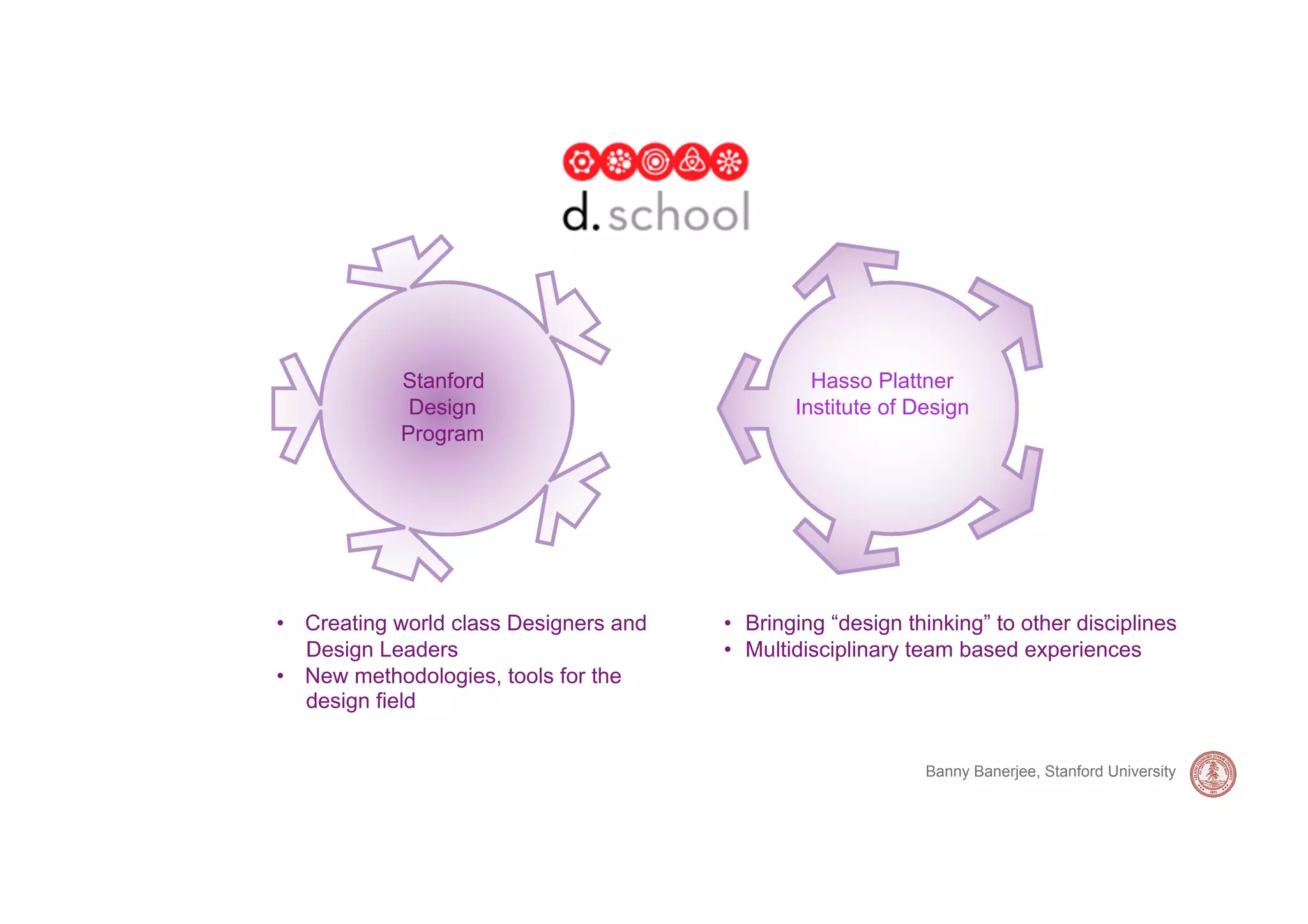
Stanford                             Hasso Plattner
             Design                            Institute of Design
            Program


•  Creating world class Designers and   •  Bringing “design thinking” to other disciplines
   Design Leaders                       •  Multidisciplinary team based experiences
•  New methodologies, tools for the
   design field


                                                              Banny Banerjee, Stanford University

Design thinking based co creation

  • 1.
    Banny Banerjee Banny Banerjee, Stanford University
  • 2.
    Design Thinking basedCo- Creation: Text An approach to tackle complex challenges Banny Banerjee, Stanford University
  • 3.
    “Innovation is now recognizedas the single most important ingredient in any modern economy..” Banny Banerjee, Stanford University
  • 4.
    NEW OFFERINGS EXISTING OFFERINGS EXISTING NEW USERS USERS Banny Banerjee, Stanford University
  • 5.
    Experiences Services Systems Artifacts, Strategies Expressions Transforma- tions Visions Solutions to Problem Definition & pre-determined problems Transformative action Banny Banerjee, Stanford University
  • 6.
    Design Thinking A processto rapidly generate innovative solutions, strategies, systems,and paradigms Banny Banerjee, Stanford University
  • 7.
    Design Thinking isbeing used to address a highly diverse set of questions… Banny Banerjee, Stanford University
  • 8.
    Motorola What is thefuture of mobile technology? Banny Banerjee, Stanford University
  • 9.
    Global Mining CompanyExpanding Operations in Africa HOW MIGHT WE CREATE NEW MODELS FOR MINING THAT LEAVE COMMUNITIES IN BETTER CONDITION THAN BEFORE WE ENTERED? Banny Banerjee, Stanford University
  • 10.
    Global Automobile Manufacturer,Japan HOW MIGHT WE MAKE OUR PRODUCT DEVELOPMENT PROCESS (AND OUR CULTURE) MORE INNOVATIVE? Banny Banerjee, Stanford University
  • 11.
  • 12.
    Co-Creation A creative collaborationbetween diverse stakeholders to define, clarify, create, and realize visions that provide value in a deeper sense Banny Banerjee, Stanford University
  • 13.
    Co-creation at alllevels Co-creation within organizations/teams Co-creation across stake-holders Trans-disciplinary co-creation Trans-Agency co-creation Co-creation with end user Banny Banerjee, Stanford University
  • 14.
    Mindfulness Banny Banerjee, Stanford University
  • 15.
    Doing the Doing things right thing right
  • 16.
    Managing the Creating Present the Future
  • 17.
    Looking in the Looking through rear view mirror the windshield
  • 18.
    Value Value Capture Creation
  • 19.
    Analysis based Synthesis based strategic strategic decisions decisions
  • 20.
    Using pure logic Using induction, and evaluative abduction, deduction retroduction, situated cognition
  • 21.
  • 22.
    Rapid Prototyping: Think itall through inexpensive way to before acting/ eliminate risk; think investing through doing
  • 23.
    Expertise in a T-Shaped single discipline thinking
  • 24.
    Impact, diffusion Elegance rates, enduring value
  • 25.
    Celebrate Co-creation and individual effort trans-disciplinary and lone genius processes
  • 26.
    Business Human Technology Social, Cultural, Economic & Environmental issues Banny Banerjee, Stanford University
  • 27.
  • 28.
  • 29.
  • 30.
    Implications Design Solutions & Expressions Intentionality doing the right thing doing things right Banny Banerjee, Stanford University
  • 31.
    QUEST PROCESS OUTCOME PROCESS PROCESS PAINT BY FOG OUTCOME OUTCOME NUMBERS PROCESS OUTCOME MOVIE Banny Banerjee, Stanford University
  • 32.
    CLARIFIED INTENTIONALITY FOCUSSED AREA DESIGN OF NEED EXPRESSION DESIGN EXPLORATION GENERAL AREA OF NEED Banny Banerjee, Stanford University
  • 33.
    ABSTRACT FRAMEWORKS SYNTHESIS ABSTRACT OPERATIONS STRATEGY EDUCTION SELECTION DECISIONS ANALYSIS CONCEPT SPACE INDUCTION ABDUCTION DEDUCTION RETRODUCTION CURATION CONCEPT INSTANCES DATA GATHERING PROTOTYPING (QUALITATIVE) HELICAL COGNITION IMMERSION EVALUATIONS DECISIONS REFLECTION ACTUALIZE PROBLEM SOLUTION Banny Banerjee, Stanford University CONCRETE
  • 34.
    Sense Making: Strategic Visions, Framing Directions Eduction and Synthesis Design Solutions Understanding, Seeking Tangible Plans Insights Implementation Banny Banerjee, Stanford University
  • 35.
    ABSTRACT FRAMEWORKS SYNTHESIS ABSTRACT PROBLEM OPERATIONS SOLUTION DEFINITION STRATEGY GENERATION EDUCTION SELECTION DECISIONS ANALYSIS CONCEPT SPACE INDUCTION ABDUCTION DEDUCTION RETRODUCTION CURATION CONCEPT INSTANCES DATA GATHERING PROTOTYPING (QUALITATIVE) HELICAL COGNITION IMMERSION EVALUATIONS SOLUTION PROBLEM DECISIONS DEFINITION GENERATION REFLECTION PROBLEM ACTUALIZE SOLUTION Banny Banerjee, Stanford University CONCRETE
  • 36.
    Empathy Banny Banerjee, Stanford University
  • 37.
    SAY THINK DO FEEL Banny Banerjee, Stanford University
  • 38.
  • 39.
  • 40.
  • 41.
  • 42.
    Understanding User Needs nobruising, explicit less pain can and will state them to feel more tacit ‘normal’ can but won’t state them use it implicit discreetly can’t state them use it in her sleep latent don’t exist yet, but will Banny Banerjee, Stanford University
  • 43.
  • 44.
    Patterns of behavior Banny Banerjee, Stanford University
  • 45.
    Analogous cases Institute forHealthcare Improvement Emergency care Nascar analogy: Rapid response teams Anticipation of unpredictable events Flexible but specialist roles Insights about “repair kits” Banny Banerjee, Stanford University
  • 46.
    Share Stories Achieve sharedempathy and a common vocabulary Banny Banerjee, Stanford University
  • 47.
  • 48.
  • 49.
  • 50.
  • 51.
  • 52.
    Banny Banerjee, StanfordUniversity Banny Banerjee, Stanford University
  • 53.
    Operational Design to“Design Thinking” Banny Banerjee, Stanford University
  • 54.
    Multi-disciplinary collaborations Banny Banerjee, Stanford University
  • 55.
    Trans-discipline: Optimization fora class of problem & effective collaboration Banny Banerjee, Stanford University
  • 56.
    Copyright Banny Banerjee,Stanford University
  • 57.
    Meta-Discipline: A strategyfor the future of design Banny Banerjee, Stanford University
  • 58.
  • 59.
  • 60.
    1. Identity Banny Banerjee, Stanford University
  • 61.
    2. Capability Experience withdesign thinking and integrated systems thinking Banny Banerjee, Stanford University
  • 62.
  • 63.
    Engagement: New types of engagement : Take Design Thinking to the world New institute called the d.school 4. Radical Co-creation
  • 64.
    abstract synthesis frameworks •  esign principles d •  esign levers d • nsights i now future opportunities observations current product concepts concrete Banny Banerjee, Stanford University
  • 65.
    Different Cognitive Modes Differentattitudinal stance A process that ensures innovation A culture that fosters innovation A culture of radical co-creation Banny Banerjee, Stanford University
  • 66.
  • 67.
    Designer Complex Abductive, Retroductive •  Collaborative thinking •  Process mindedness •  Holistic, multi-disciplinary •  Human centered need finding Holistic Inductive Proactive •  Technology factors, business factors •  Systems thinking •  Synthesis, sense-making •  Rapid concept generation Empathic Deductive Integrative •  Envisioning •  Rapid prototyping •  Visualizing, storytelling •  Catalyzing intelligent decision making Eduction, Synthesis •  Strategizing, road-mapping •  Realizing •  Storytelling •  Managing transformation Banny Banerjee, Stanford University
  • 68.
    Hands-on Purely mental integrative processes processes Banny Banerjee, Stanford University
  • 69.
    Using pure logic Imagination & and evaluative creative systems deduction thinking Banny Banerjee, Stanford University
  • 70.
    Top Down Bottom up Depth First Breadth first Banny Banerjee, Stanford University
  • 71.
  • 72.
  • 73.
    Ideate Strategize Synthe- Imple- Immerse Observe Frame size ment Prototype Test Banny Banerjee, Stanford University
  • 74.
    DESIGN PROCESS Banny Banerjee, Stanford University
  • 75.
    Stanford Hasso Plattner Design Institute of Design Program •  Creating world class Designers and •  Bringing “design thinking” to other disciplines Design Leaders •  Multidisciplinary team based experiences •  New methodologies, tools for the design field Banny Banerjee, Stanford University