by
c.Keerthana
 First

described by Dutch physicist frits
Zernike in 1934.
 It is a type of light microscopy.
 It is a contrast enhancing optical technique
that produces high contrast images of
transparent specimens.
 Specimen- unstained and alive.
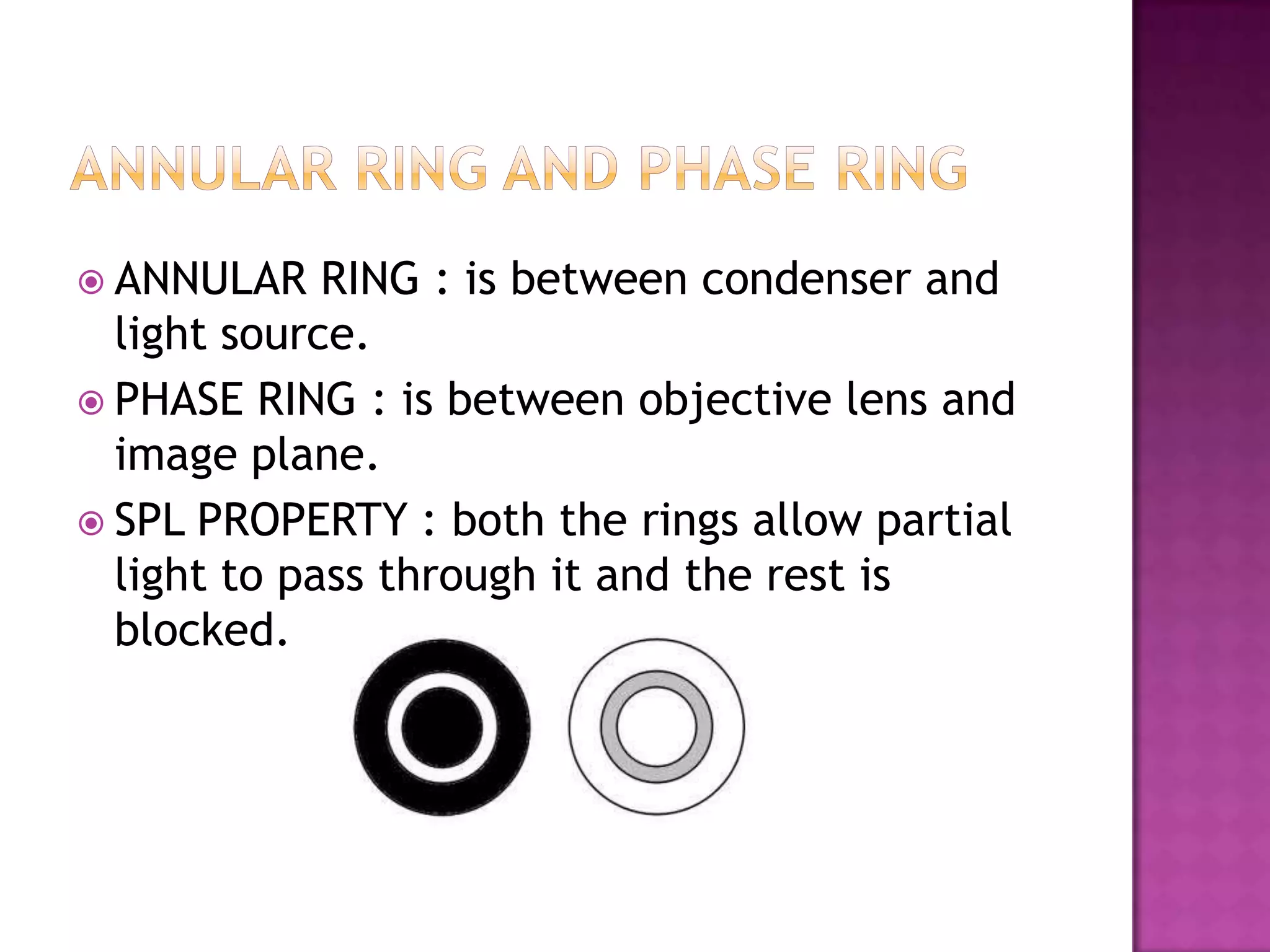
 ANNULAR

RING : is between condenser and
light source.
 PHASE RING : is between objective lens and
image plane.
 SPL PROPERTY : both the rings allow partial
light to pass through it and the rest is
blocked.
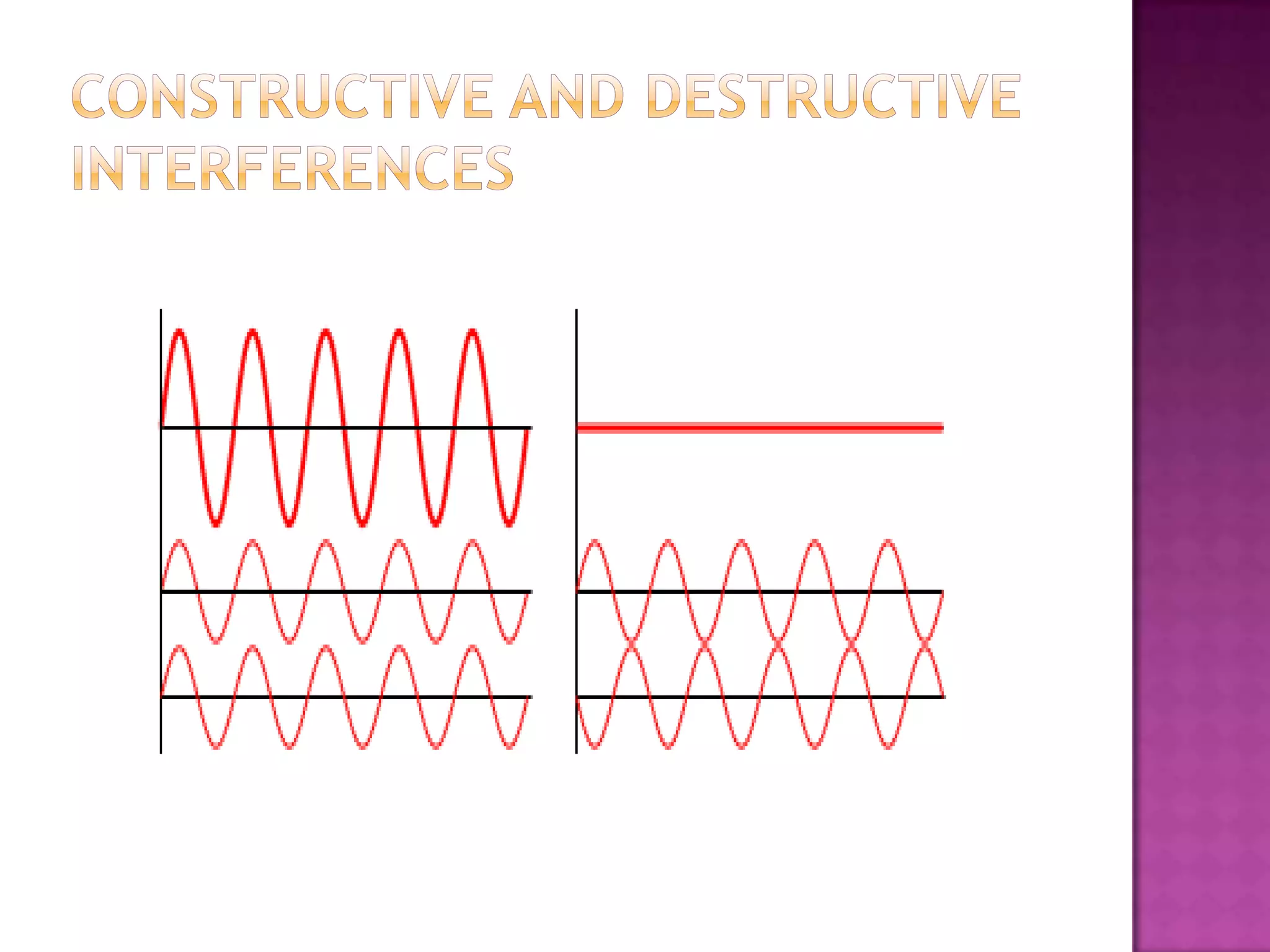
Basic mechanism is interference of light
beams.
 INTERFENRENCE:
Interaction of two light waves which leads to
the formation of resultant wave.
 TYPES OF INTERFERENCE:
constructive interference
destructive interference
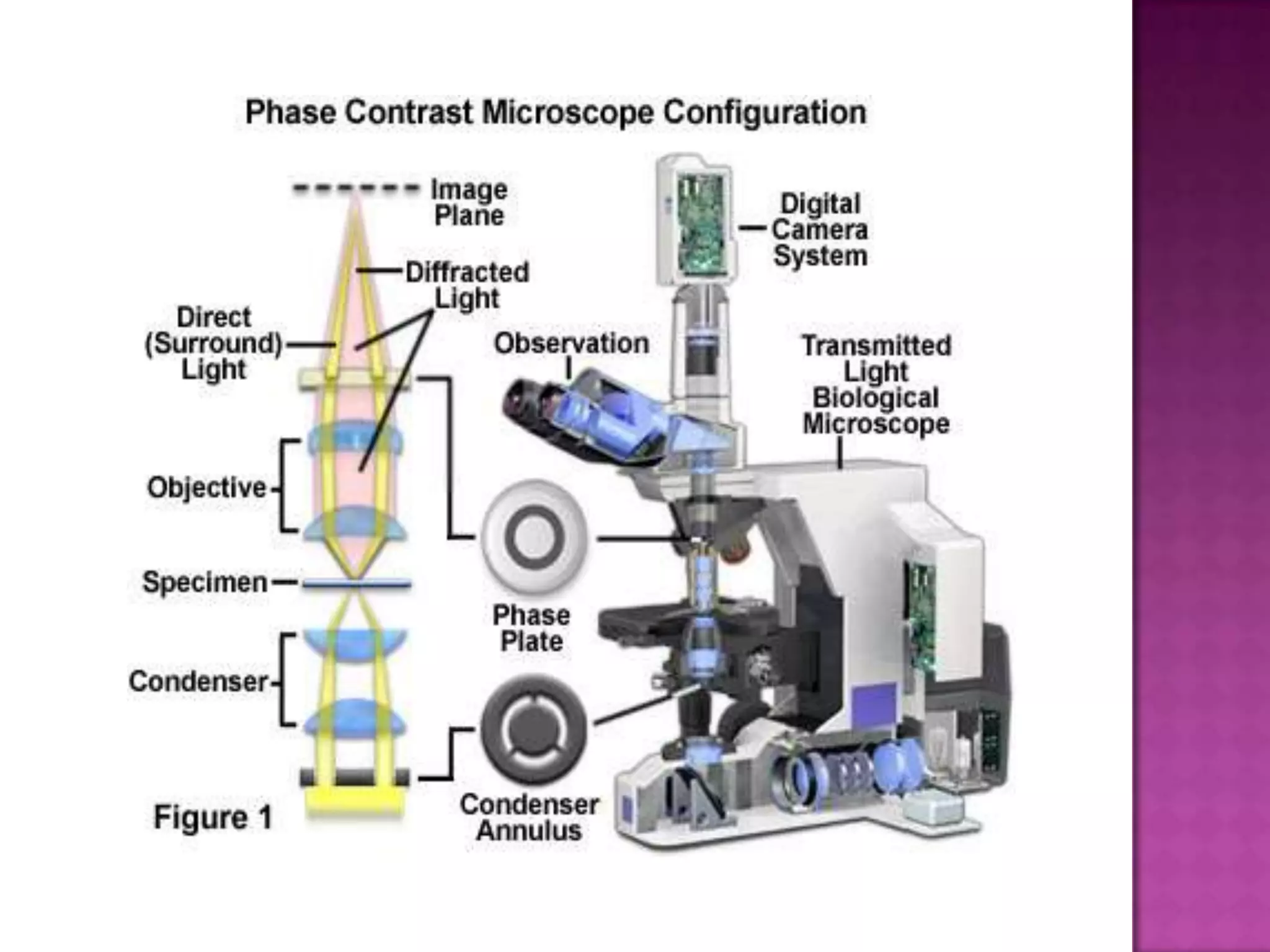
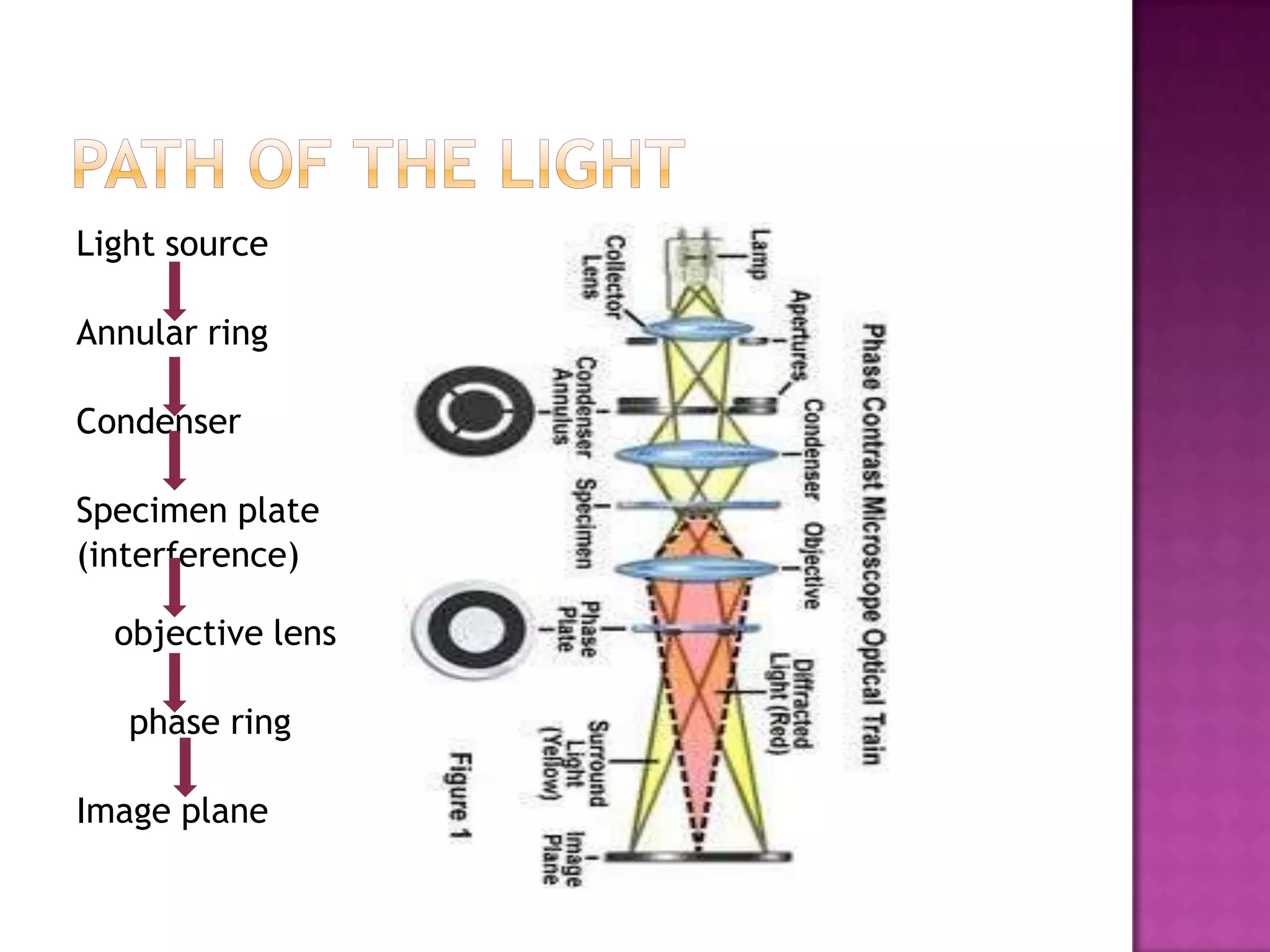
Light source
Annular ring
Condenser
Specimen plate
(interference)
objective lens

phase ring
Image plane
 Light

passes through the condenser via
annular ring.
 After reaching the specimen plate two types
of beams are formed.
 IF THERE IS NO SPECIMEN IN LENS:
1.Surrounding wave (S)
2.particle wave (p)
P=S
NO INTERFERENCE
 IF

LENS CONTAINS SAMPLE:
 Light beam gets diffracted because of
different density at different regions of
sample.
1.surrounding wave (S)
2.diffaracted wave (D)
P=S+D
Either constructive interference or
destructive interference may occur.
 Positive

phase contrast produces
Constructive interference.
Thus, the image of the specimen obtained is
 Inner region of the sample – darker
 Outer region of the sample– bright
 Surrounding lens – opaque
 Negative

phase contrast microscopy produces
destructive interference.
 Thus, the image obtained is
 Inner region of the sample – bright
 Outer region of the sample– darker
 Surrounding lens – opaque
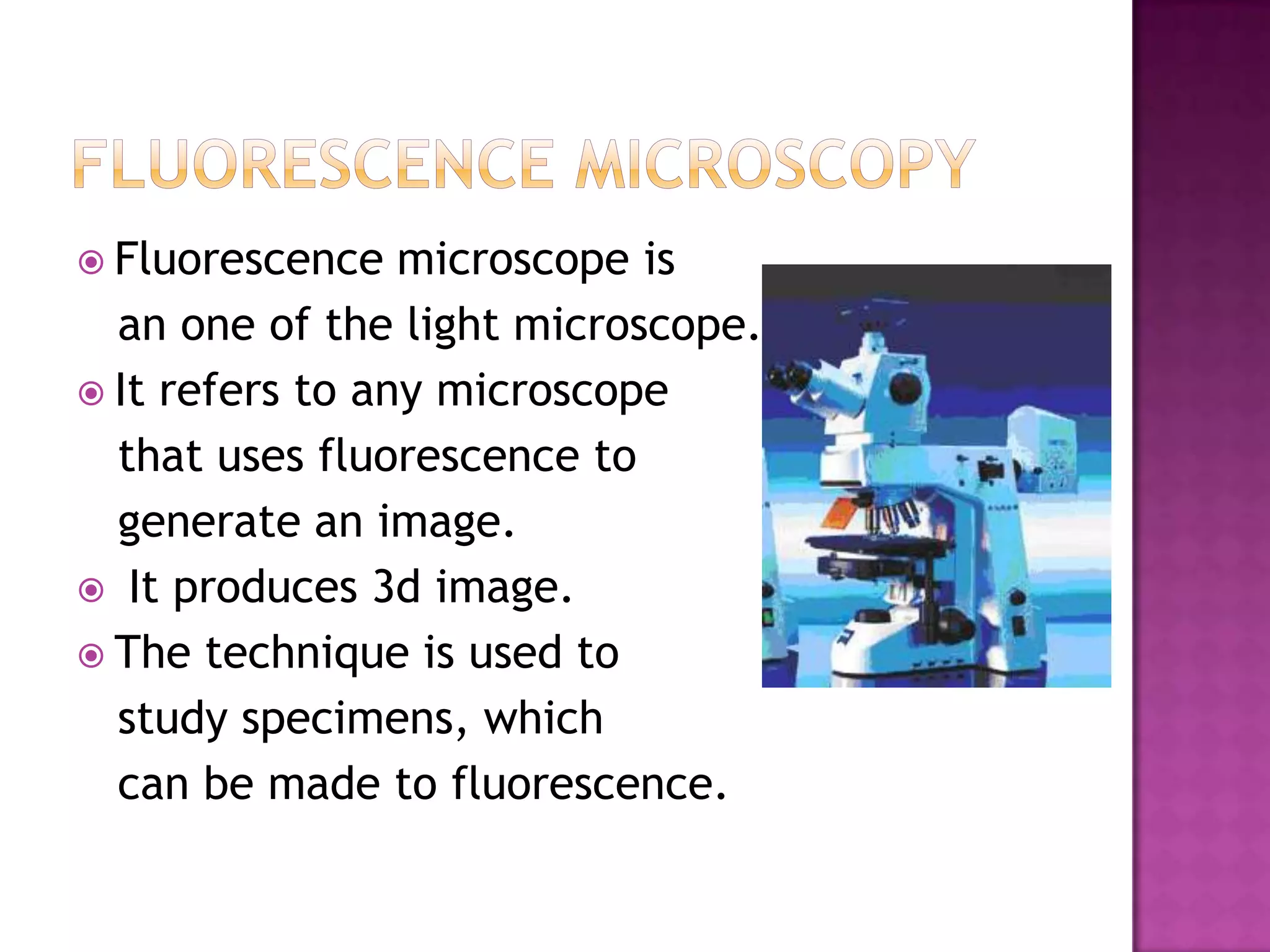
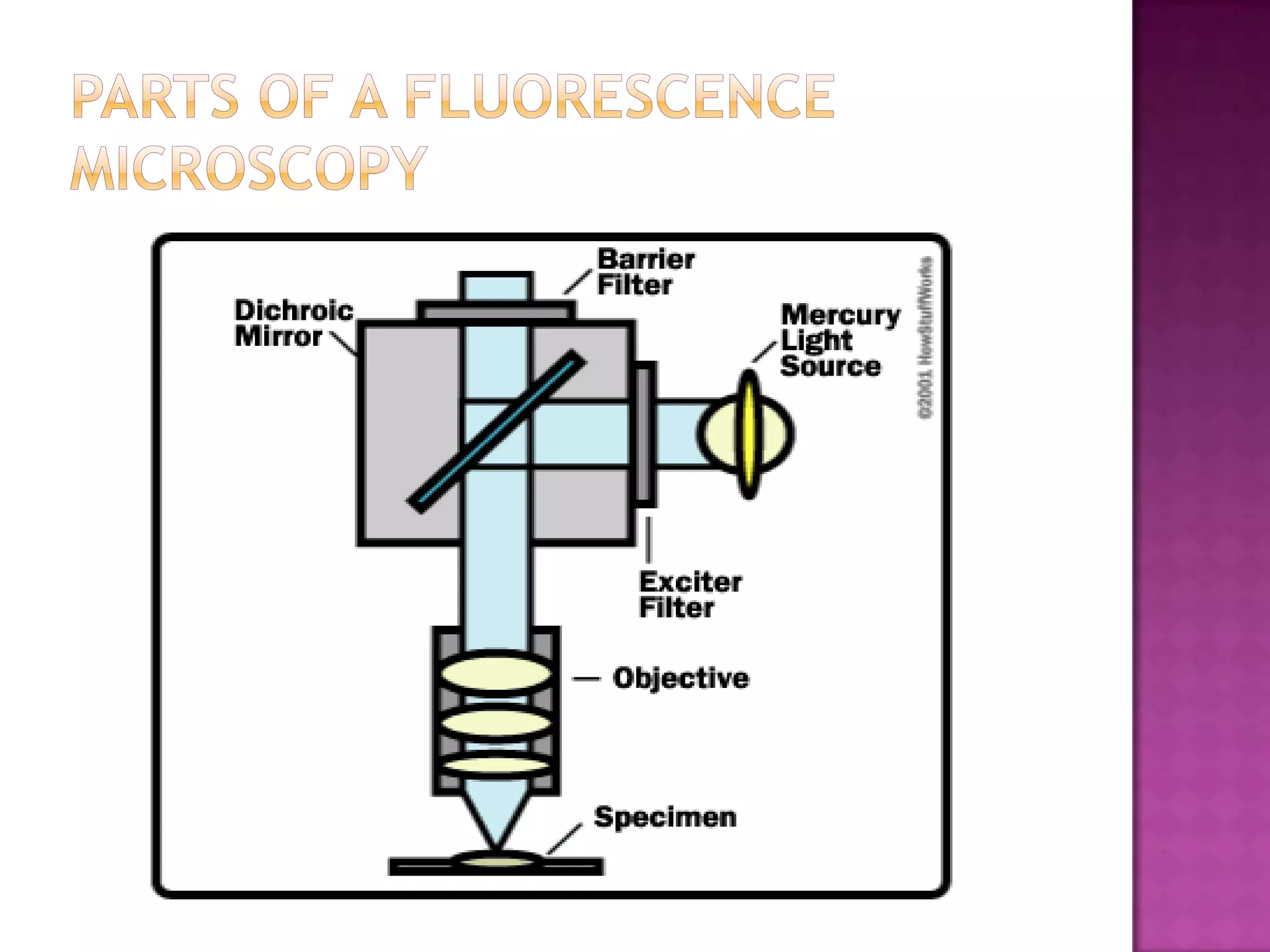
 Fluorescence

microscope is
an one of the light microscope.
 It refers to any microscope
that uses fluorescence to
generate an image.
 It produces 3d image.
 The technique is used to
study specimens, which
can be made to fluorescence.
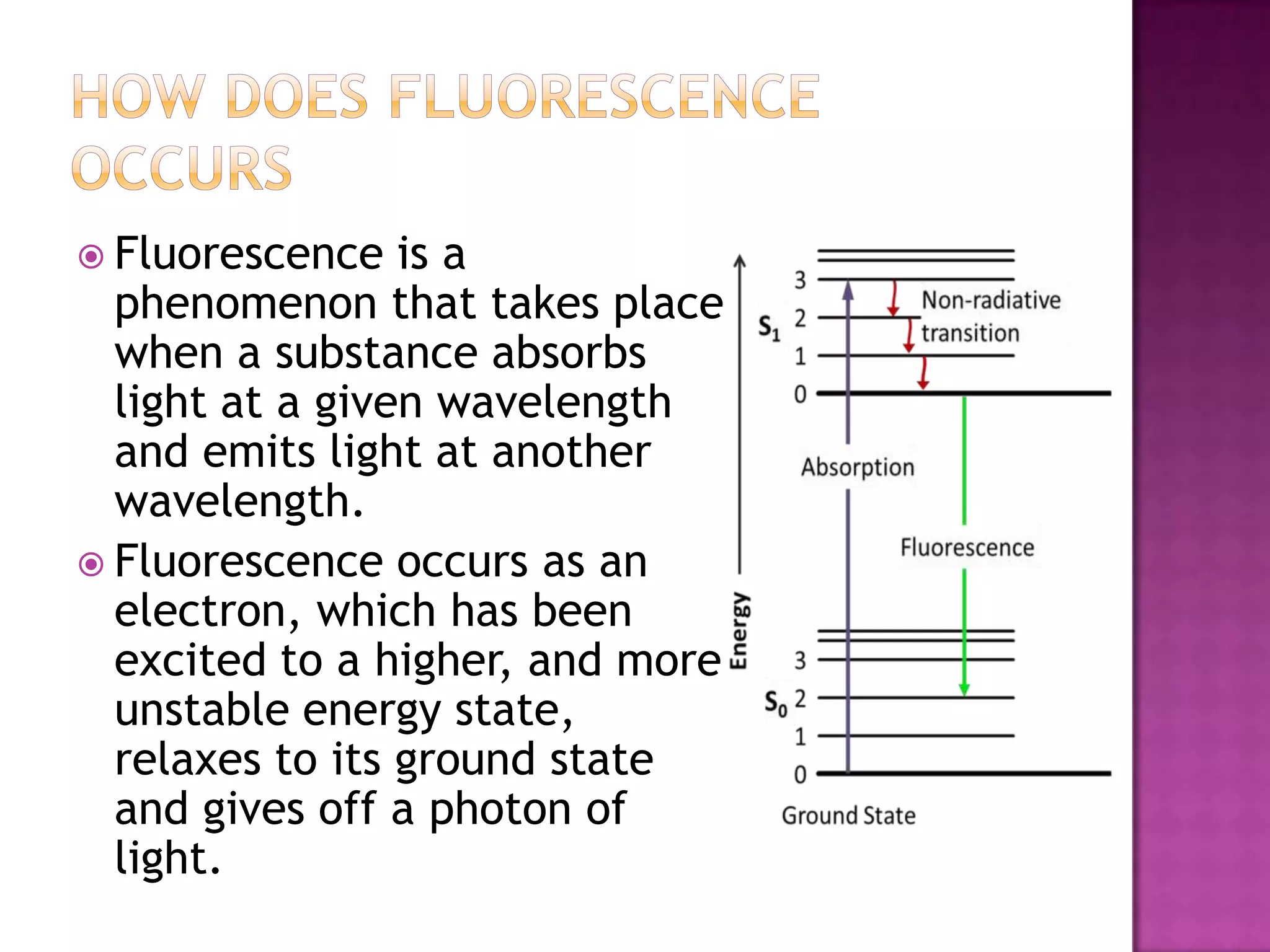
 Fluorescence

is a
phenomenon that takes place
when a substance absorbs
light at a given wavelength
and emits light at another
wavelength.
 Fluorescence occurs as an
electron, which has been
excited to a higher, and more
unstable energy state,
relaxes to its ground state
and gives off a photon of
light.
 The

sample to be analyzed Is placed on a
lens. And the sample is coated with a
fluorescence material.
 The light is illuminated through the lens with
the higher energy source. The illumination
light is absorbed by the fluorophores.
 The sample causes them to emit a longer
lower energy wavelength light.
 This fluorescent light can be separated from
the surrounding radiation with filters.
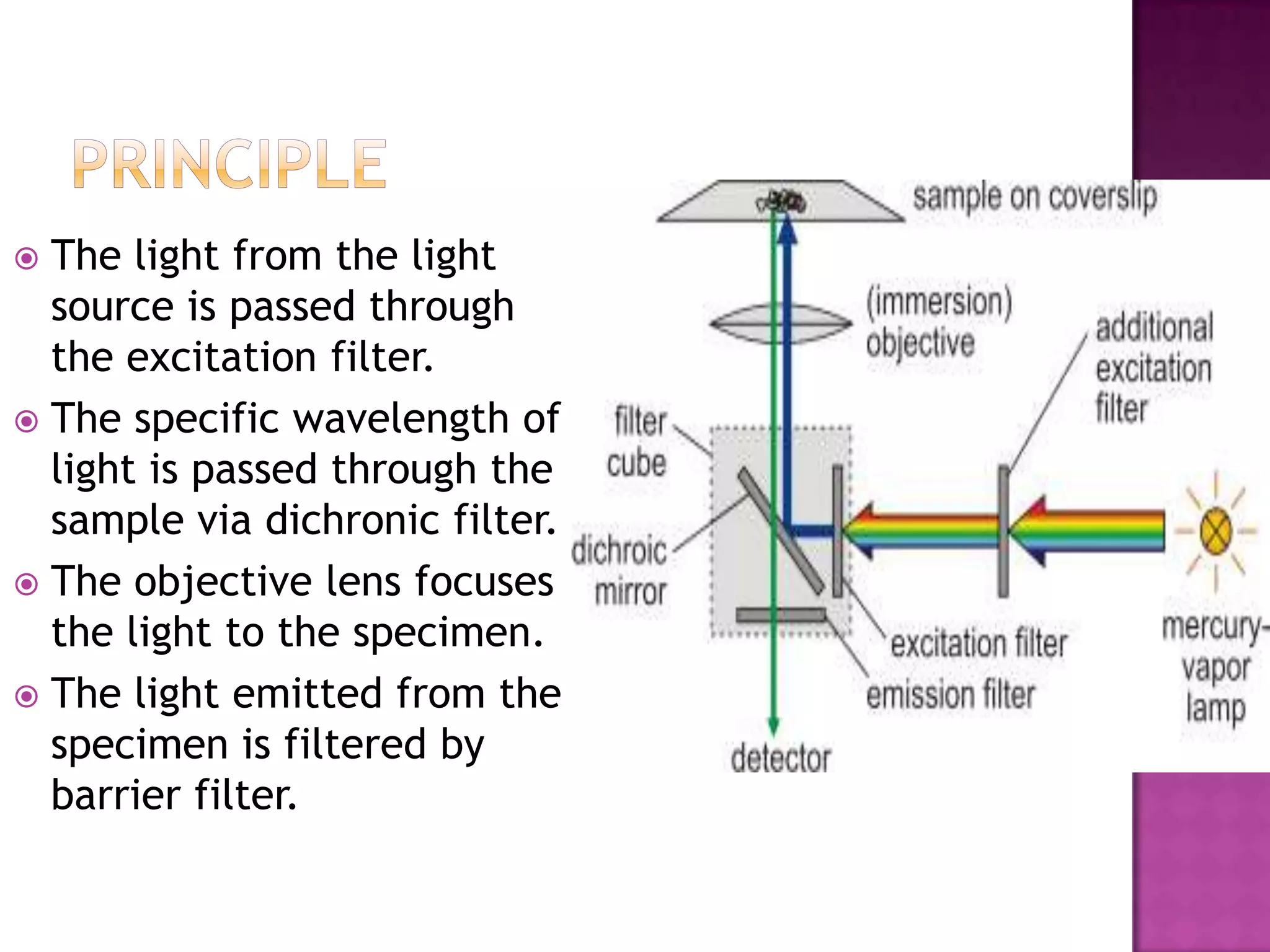
The light from the light
source is passed through
the excitation filter.
 The specific wavelength of
light is passed through the
sample via dichronic filter.
 The objective lens focuses
the light to the specimen.
 The light emitted from the
specimen is filtered by
barrier filter.

 Imaging

structural components of small
specimens, such as cells.
 Conducting viability studies on cell
populations (are they alive or dead).
 Imaging the genetic material within a cell
(DNA and RNA).
 Viewing specific cells within a larger
population with techniques such as FISH.
 To differentiate different type of cell.
Light phase contrast and fluorescence microscopy

Light phase contrast and fluorescence microscopy

  • 1.
  • 2.
     First described byDutch physicist frits Zernike in 1934.  It is a type of light microscopy.  It is a contrast enhancing optical technique that produces high contrast images of transparent specimens.  Specimen- unstained and alive.
  • 4.
     ANNULAR RING :is between condenser and light source.  PHASE RING : is between objective lens and image plane.  SPL PROPERTY : both the rings allow partial light to pass through it and the rest is blocked.
  • 5.
    Basic mechanism isinterference of light beams.  INTERFENRENCE: Interaction of two light waves which leads to the formation of resultant wave.  TYPES OF INTERFERENCE: constructive interference destructive interference
  • 7.
    Light source Annular ring Condenser Specimenplate (interference) objective lens phase ring Image plane
  • 8.
     Light passes throughthe condenser via annular ring.  After reaching the specimen plate two types of beams are formed.  IF THERE IS NO SPECIMEN IN LENS: 1.Surrounding wave (S) 2.particle wave (p) P=S NO INTERFERENCE
  • 9.
     IF LENS CONTAINSSAMPLE:  Light beam gets diffracted because of different density at different regions of sample. 1.surrounding wave (S) 2.diffaracted wave (D) P=S+D Either constructive interference or destructive interference may occur.
  • 10.
     Positive phase contrastproduces Constructive interference. Thus, the image of the specimen obtained is  Inner region of the sample – darker  Outer region of the sample– bright  Surrounding lens – opaque
  • 11.
     Negative phase contrastmicroscopy produces destructive interference.  Thus, the image obtained is  Inner region of the sample – bright  Outer region of the sample– darker  Surrounding lens – opaque
  • 12.
     Fluorescence microscope is anone of the light microscope.  It refers to any microscope that uses fluorescence to generate an image.  It produces 3d image.  The technique is used to study specimens, which can be made to fluorescence.
  • 14.
     Fluorescence is a phenomenonthat takes place when a substance absorbs light at a given wavelength and emits light at another wavelength.  Fluorescence occurs as an electron, which has been excited to a higher, and more unstable energy state, relaxes to its ground state and gives off a photon of light.
  • 15.
     The sample tobe analyzed Is placed on a lens. And the sample is coated with a fluorescence material.  The light is illuminated through the lens with the higher energy source. The illumination light is absorbed by the fluorophores.  The sample causes them to emit a longer lower energy wavelength light.  This fluorescent light can be separated from the surrounding radiation with filters.
  • 16.
    The light fromthe light source is passed through the excitation filter.  The specific wavelength of light is passed through the sample via dichronic filter.  The objective lens focuses the light to the specimen.  The light emitted from the specimen is filtered by barrier filter. 
  • 17.
     Imaging structural componentsof small specimens, such as cells.  Conducting viability studies on cell populations (are they alive or dead).  Imaging the genetic material within a cell (DNA and RNA).  Viewing specific cells within a larger population with techniques such as FISH.  To differentiate different type of cell.