Corticosteroids
04/30/19 1PATKI
The hormones produced from three zones of adrenal cortex
Adrenal medulla : Epinephrine (adrenaline)
Zona glomerulosa (outer) : Mineralocorticoids
Zona fasciculata (middle) : Glucocorticoids
Zona reticularis (inner) : Adrenal androgens
Acute stress
Chronic stress
04/30/19 2PATKI
Acute stress
Chronic stress
04/30/19 3PATKI
4
Hypothalamus
+ CRH
Anterior pituitary
+ ACTH
Adrenal cortex
Hydrocortisone secretion
__
__
__ CRH: corticotropin releasing
hormone; ACTH:ACTH:
adrenocorticotrophic hormoneadrenocorticotrophic hormone
●Physiological regulation mechanism of glucocorticoids secretion
(Hypothalamus-pituitary-adrenal gland axis)
plasma
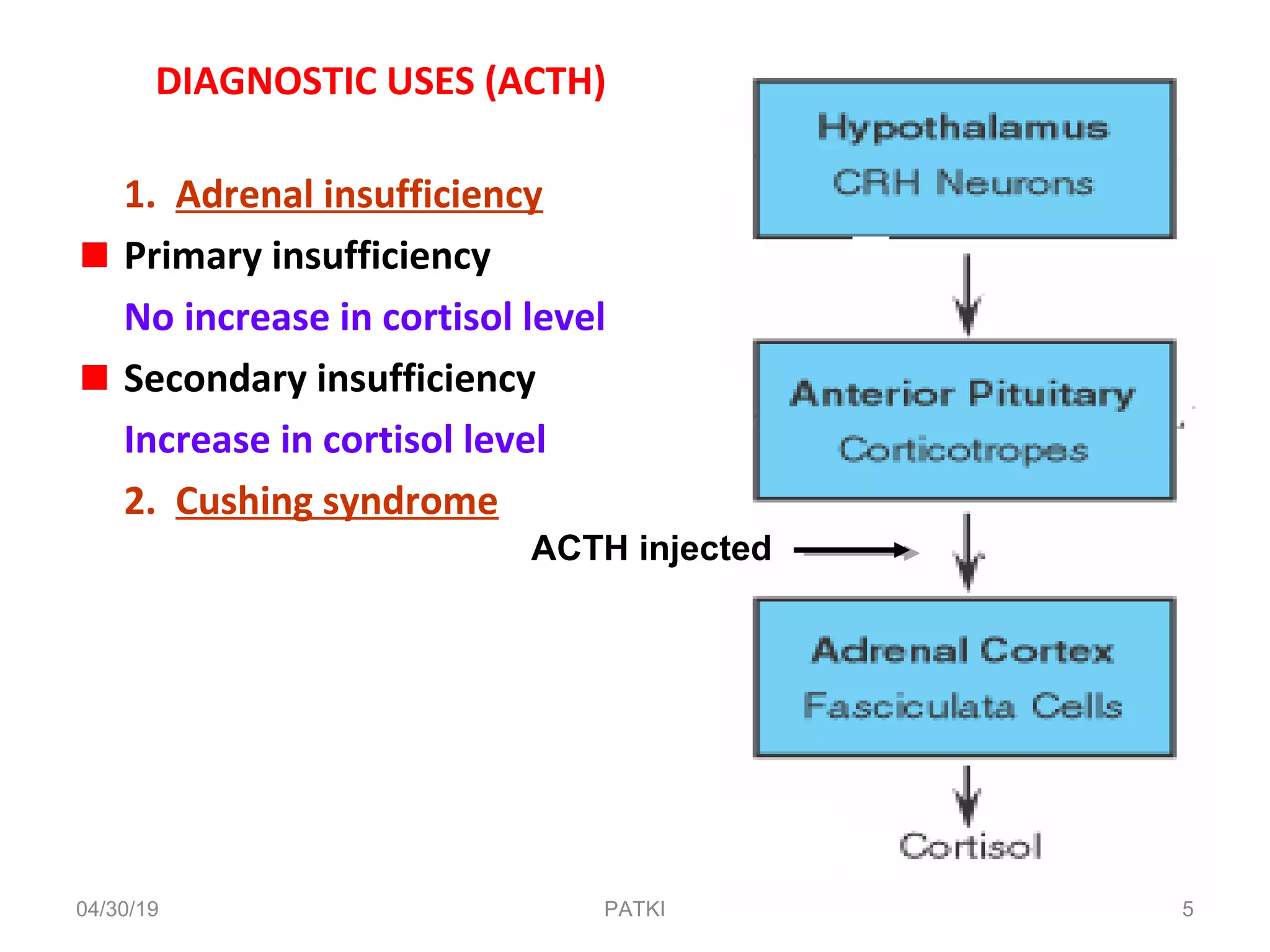
DIAGNOSTIC USES (ACTH)
1. Adrenal insufficiency
Primary insufficiency
No increase in cortisol level
Secondary insufficiency
Increase in cortisol level
2. Cushing syndrome
ACTH injected
04/30/19 5PATKI
THERAPEUTIC USES
Replacement therapy: Tumour in anterior pituitary
To stimulate the adrenal gland inactivated by steroid
therapy
Both uses are expensive & inconvenient
similar to that of steroids.
Being a foreign protein, ACTH may produce anaphylactic
reactions.
Side effects and contraindications
04/30/19 6PATKI
Corticosteroids
History
Synthesis
Pharmacological
Actions
Pharmacokinetics
Preparations
Therapeutic principles
Dosage schedule &
Steroid withdrawal
Uses:
– Therapeutic
– Diagnostic
Adverse reactions
Contraindications
Precautions during
therapy
Glucocorticoid
antagonists
04/30/19 7PATKI
History
1855 – Addison's disease
1856 – Adrenal glands essential for life
1930 – Cortex > medulla
1932 – Cushing’s syndrome
1949 – Hench et al (Steroids in rheumatoid arthritis)
1952 – Aldosterone
04/30/19 8PATKI
CORTICOSTEROIDS
• Adrenal cortex essential for survival
• Adapt for changing environment
• Organ of par excellence -homeostasis
• Zona glomerulosa-aldosterone
• Zona fasciculata- glucocorticoids
• Zona reticulata- sex steroids
• Regulatory control from the hypothalamus
and pituitary.
04/30/19 9PATKI
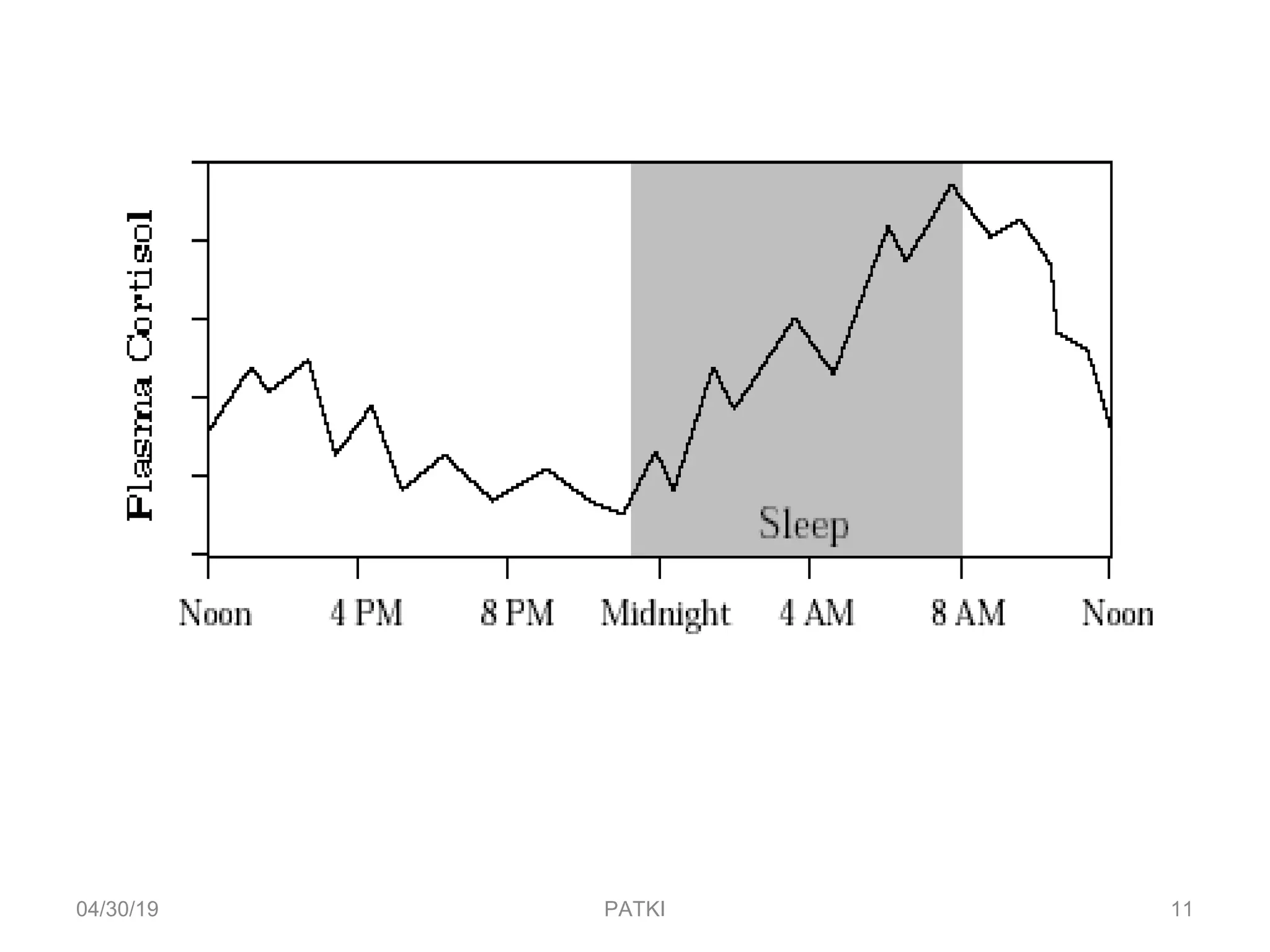
04/30/19 10PATKI
04/30/19 11PATKI
Basal secretions
Group Hormone Daily
secretions
Glucocorticoids • Cortisol
• Corticosterone
5 – 30 mg
2 – 5 mg
Mineralocorticoids • Aldosterone
• 11- deoxycorticosterone
5 – 150 μg
Trace
Sex Hormones
•Androgen
•Progestogen
•Oestrogen
• DHEA
• Progesterone
• Oestradiol
15 – 30 mg
0.4 – 0.8 mg
Trace
From Essential of Pharmacotherapeutics, ed. FSK Barar. P.35104/30/19 12PATKI
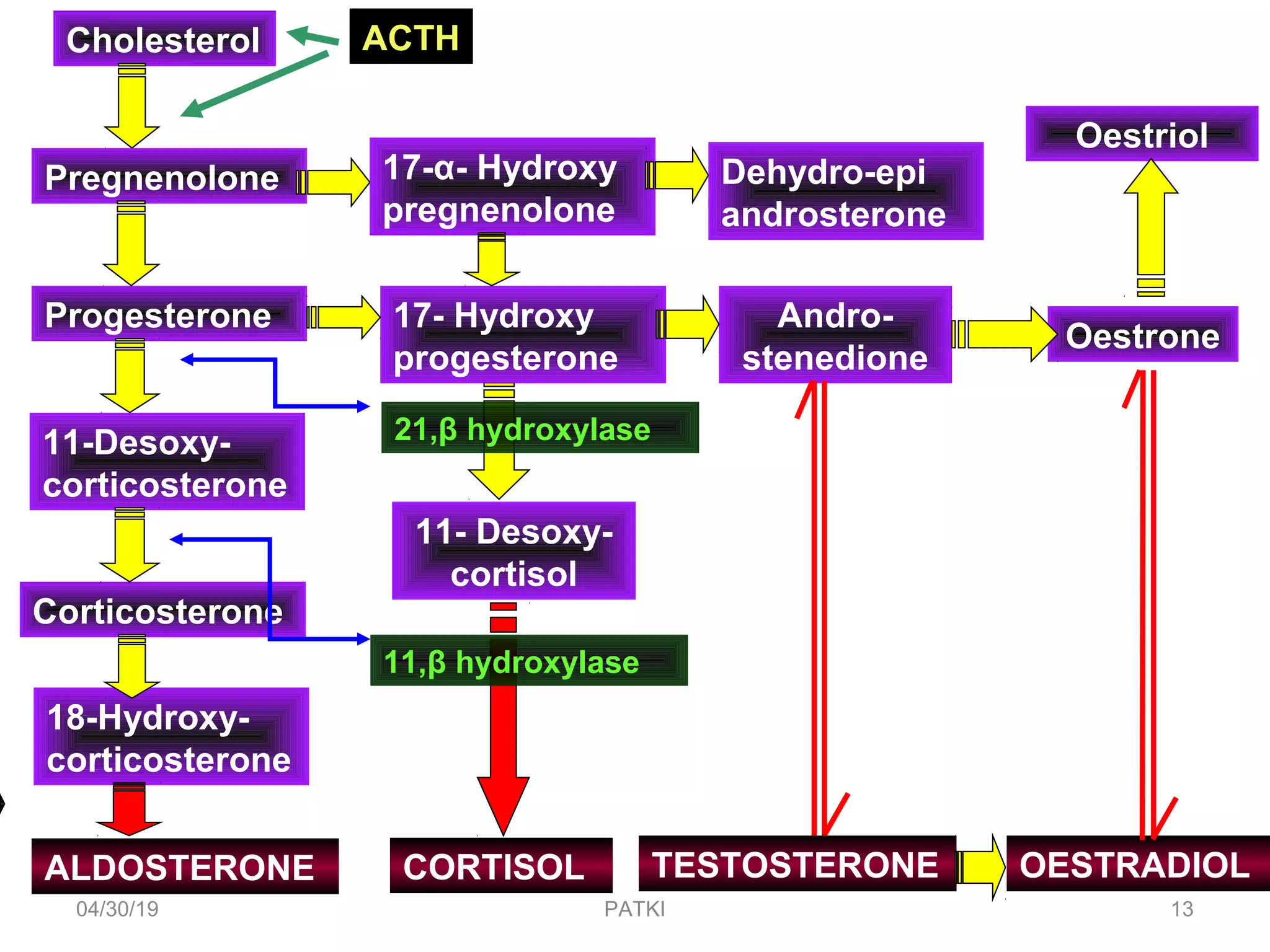
Cholesterol
Pregnenolone
Progesterone
Corticosterone
11-Desoxy-
corticosterone
18-Hydroxy-
corticosterone
ALDOSTERONE
17-α- Hydroxy
pregnenolone
11- Desoxy-
cortisol
17- Hydroxy
progesterone
21,β hydroxylase
CORTISOL
11,β hydroxylase
Dehydro-epi
androsterone
Andro-
stenedione
Oestrone
Oestriol
TESTOSTERONE OESTRADIOL
ACTH
04/30/19 13PATKI
 
CLASSIFICATION OF ADRENOCORTICOSTEROIDS
 
Natural
 
Synthetic
 
Glucocorticoids
 
Hydrocortisone (cortisol)
Cortisone
 Prednisone, Prednisolone
Methyl-prednisolone
Triamcinolone
Betamethasone, Dexamethasone
 
 
Mineralocorticoids
 
Aldosterone
Desoxycorticosterone (DOC)
 
 
Fludrocortisone
04/30/19 14PATKI
Classification
• Natural- mineralocorticoid & glucocorticoid
aldosterone hydrocortisone
• Synthetic :
1.Short acting: hydrocortisone (8-12hrs.) Cortisone
2. Intermediate acting: prednisolone, (12-36hrs.)
triamcinolone
3. long acting (36-72hrs)
dexamethasone, betamethasone
4. Inhalation: fluticasone, budesonide , beclamethasone
5. Topical: clobetasol, mometasone desonide
6. Mineralocorticoid: fludrocortisone
04/30/19 15PATKI
Steroid (free form)
Cytoplasmic protein
receptor
Steroid receptor
complex
Modulation of Gene
Protein synthesis
Response
Response
04/30/19 16PATKI
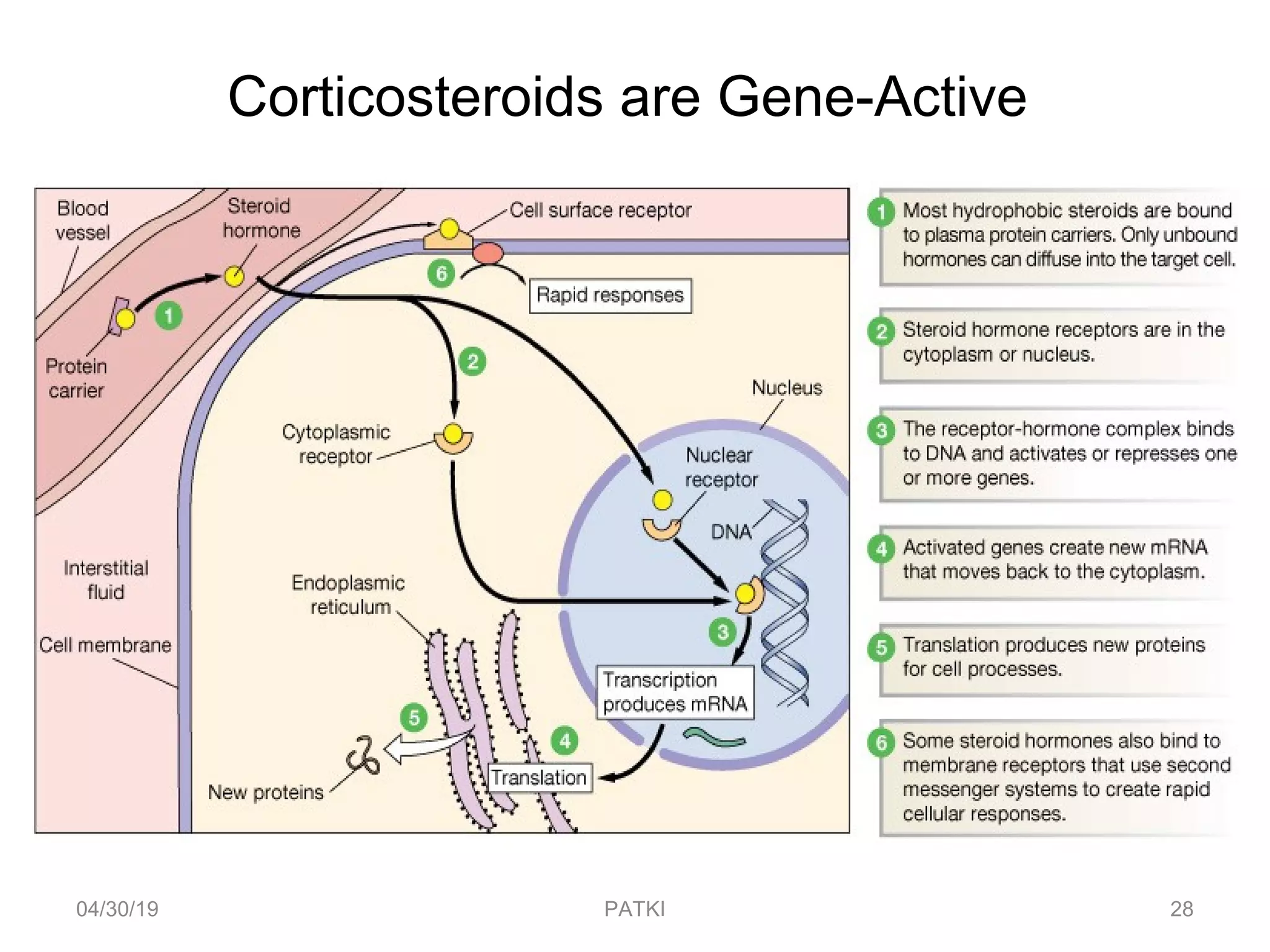
Mechanism of actions
• Steroid receptor- 70 amino acid domain –Zinc
finger (steroid responsive elements)
• Genomic & non-genomic effects
• Regulate the expressions of responsive genes
• Changes the level of array of proteins
• Action manifest after several hours
• Membrane receptor related effect immediate
• Aldosterone increase membrane protein level
04/30/19 17PATKI
Dynamics
• Numerous actions & wide ranging effect
• Endows capacity to resist noxious stimuli.
• Synthesized and released as needed
• Act at multiple sites
• Permissive role- presence normal functions
• Physiologic actions
• Pharmacological effects
• Life saving
04/30/19 18PATKI
Actions
• Metabolic;
• Catabolic
• Mineralocorticoid
• Anti-inflammatory
• Anti-immune
• Anti-allergic
• Anti-growth
• Anti-stress
• Gastric acid secretion
• Preservation of CVS
• Skeletal muscle
• Anti-vitamin-D
• Renal system
• CNS- neurosteroids
• Delays wound healing
• On blood
• Uricosuric
04/30/19 19PATKI
Metabolic actions
• Carbohydrate: profound effects
• Protect glucose dependent tissues, brain & heart from
starvation
• Anti-insulin effects
• Increase gluconeogenesis
• Reduce glucose uptake & utilization
• Steroid induces diabetes mellitus
• Lipid: Cushingoid habitus increase lipolysis
• Protein: catabolic action- negative nitrogen balance
04/30/19 20PATKI
Electrolyte & water excretion
• Act on distal tube & collecting tubule
• Retains sodium & promote K+ & H+ excretion
• Reduce Ca++ level- increase excretion, reduce
absorption –Anti-vitamin-D action
• Fludrocortisone - synthetic potent
mineralocorticoid
uses: adrenocortical insufficiency
severe orthostatic hypotension
04/30/19 21PATKI
CVS function
• Hyperaldosterinism: Increase BP,
athersclerosis, cerebral hemorrhage, stroke,
hypertensive cardiomyopathy
• Enhance vascular reactivity to vasoactive
substances, increase cardiac fibrosis
• Increase expression of adrenergic receptor in
vascular wall
• Hypoaldosteronism: decrease BP vascular
collapse
04/30/19 22PATKI
Action on lymphocytes
• Increase apoptosis
• IL-1,2,3,6 TNF-alpha, Gm-CSF inhibited
• Inhibit phospholipase-A2 & COX-2
• Cytokines production & release blocked
• Hodgkin's lymphoma
• Inextricably linked to suppression of
inflammation
• Multiple mechanisms
04/30/19 23PATKI
Steroidal anti-inflammatory
• Inextricably linked to immunosuppressive
effect
• Multiple mechanisms are involved
• Decreased release of vasoactive and
chemoattractive factors
• Reduce extravasations of leukocytes
04/30/19 24PATKI
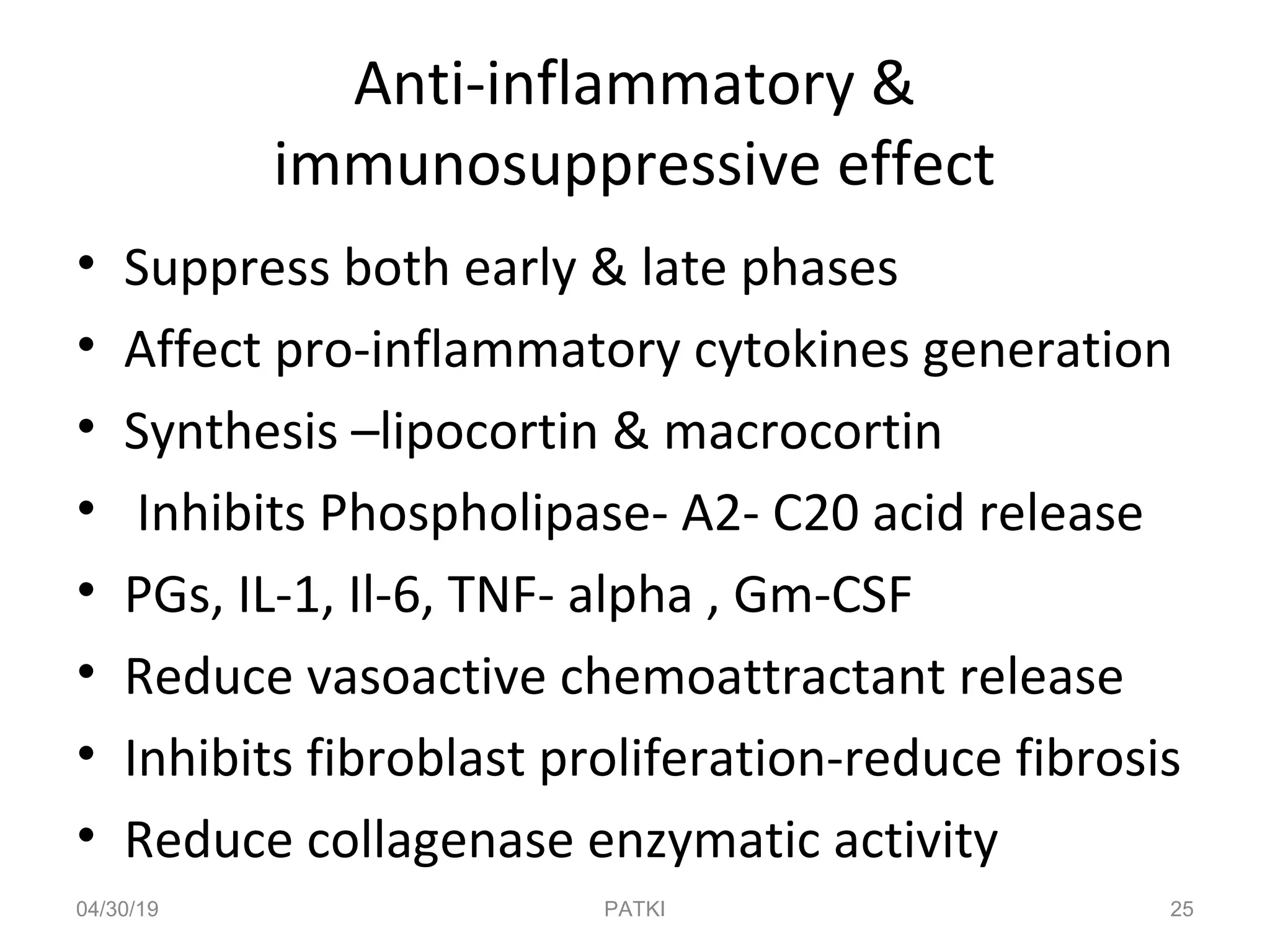
Anti-inflammatory &
immunosuppressive effect
• Suppress both early & late phases
• Affect pro-inflammatory cytokines generation
• Synthesis –lipocortin & macrocortin
• Inhibits Phospholipase- A2- C20 acid release
• PGs, IL-1, Il-6, TNF- alpha , Gm-CSF
• Reduce vasoactive chemoattractant release
• Inhibits fibroblast proliferation-reduce fibrosis
• Reduce collagenase enzymatic activity
04/30/19 25PATKI
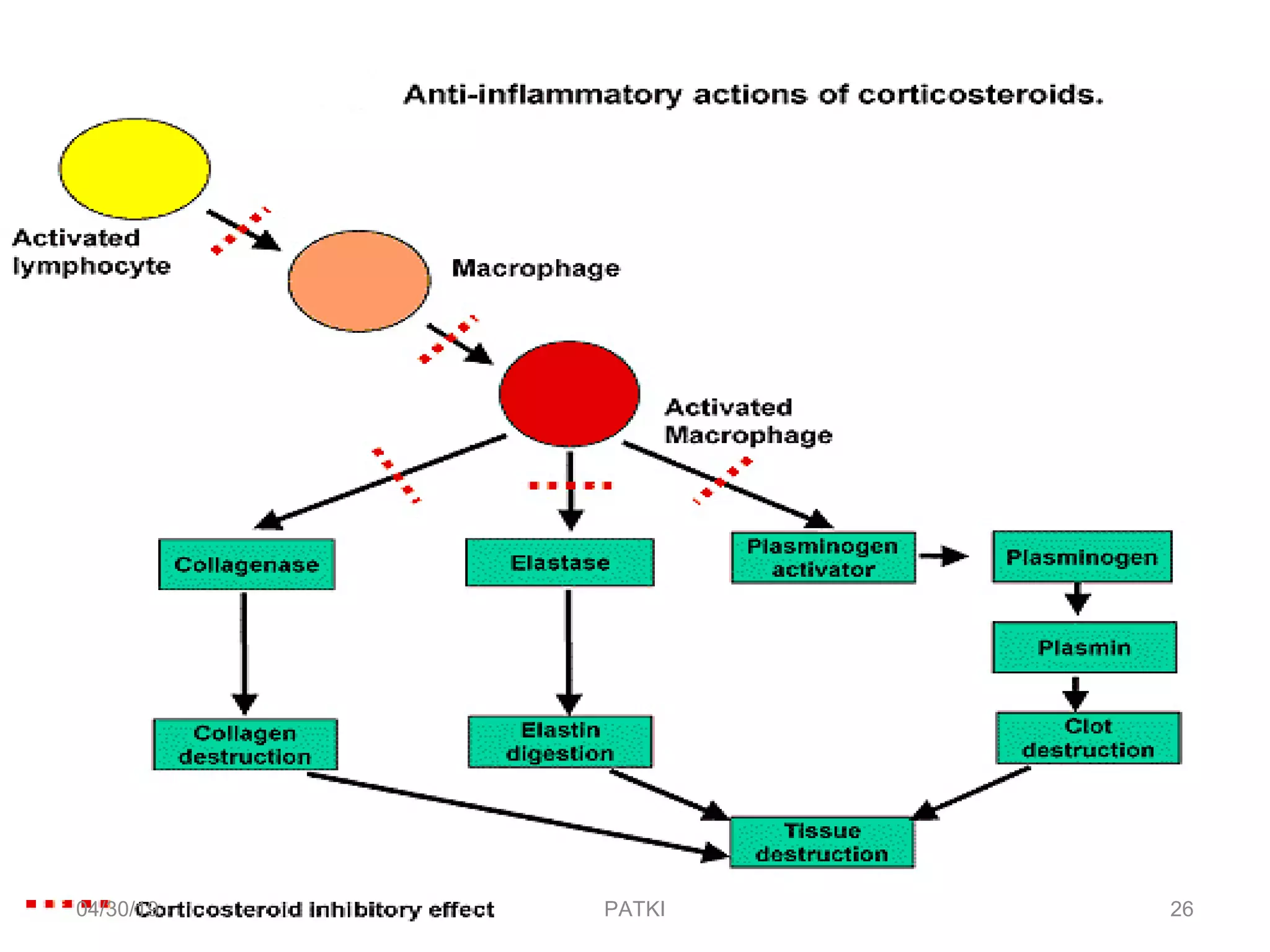
04/30/19 26PATKI
On skeletal muscle & blood
• Muscle function – permissive concentration
• Steroid myopathy- high doses
• Enhance lymphocyte apoptosis
• Stimulate erythropoietin secretion
• Diminish destruction of erythrocytes in
autoimmune hemolytic anemia
• Causes polycythemia in Cushing's syndrome
04/30/19 27PATKI
Corticosteroids are Gene-Active
04/30/19 28PATKI
Pharmacological Actions
• For most clinical purposes, synthetic
glucocorticoids are used because they have a
higher affinity for the receptor, are less
activated and have little or no salt-retaining
properties.
• Hydrocortisone used for: orally for
replacement therapy, i.v. for shock and
asthma, topically for eczema (ointment) and
enemas (ulcerative colitis).
• Prednisolone the most widely used drug given
orally in inflammation and allergic diseases.04/30/19 29PATKI
Pharmacological Actions
• Betamethasone and dexamethasone: very
potent, w/o salt-retaining properties; thus,
very useful for high-dose therapies (e.g.,
cerebral edemas).
• Beclometasone, diproprionate, budesonide:
pass membranes poorly; more active when
applied topically (severe eczema for local anti-
inflammatory effects) than orally; used in
asthma, (aerosol).
• Triamcinolone: used for severe asthma and
for local joint inflammation (intra-articular
inj.).04/30/19 30PATKI
Pharmacological Actions
1. Carbohydrate
2. Protein
3. Lipid
4. Electrolyte and H2O
5. CVS
6. Skeletal Muscle
7. CNS
8. Stomach
9. Blood
10. Anti-inflammatory
11. Immunosuppressant
12. Respiratory system
13. Growth and Cell Division
14. Calcium metabolism
04/30/19 31PATKI
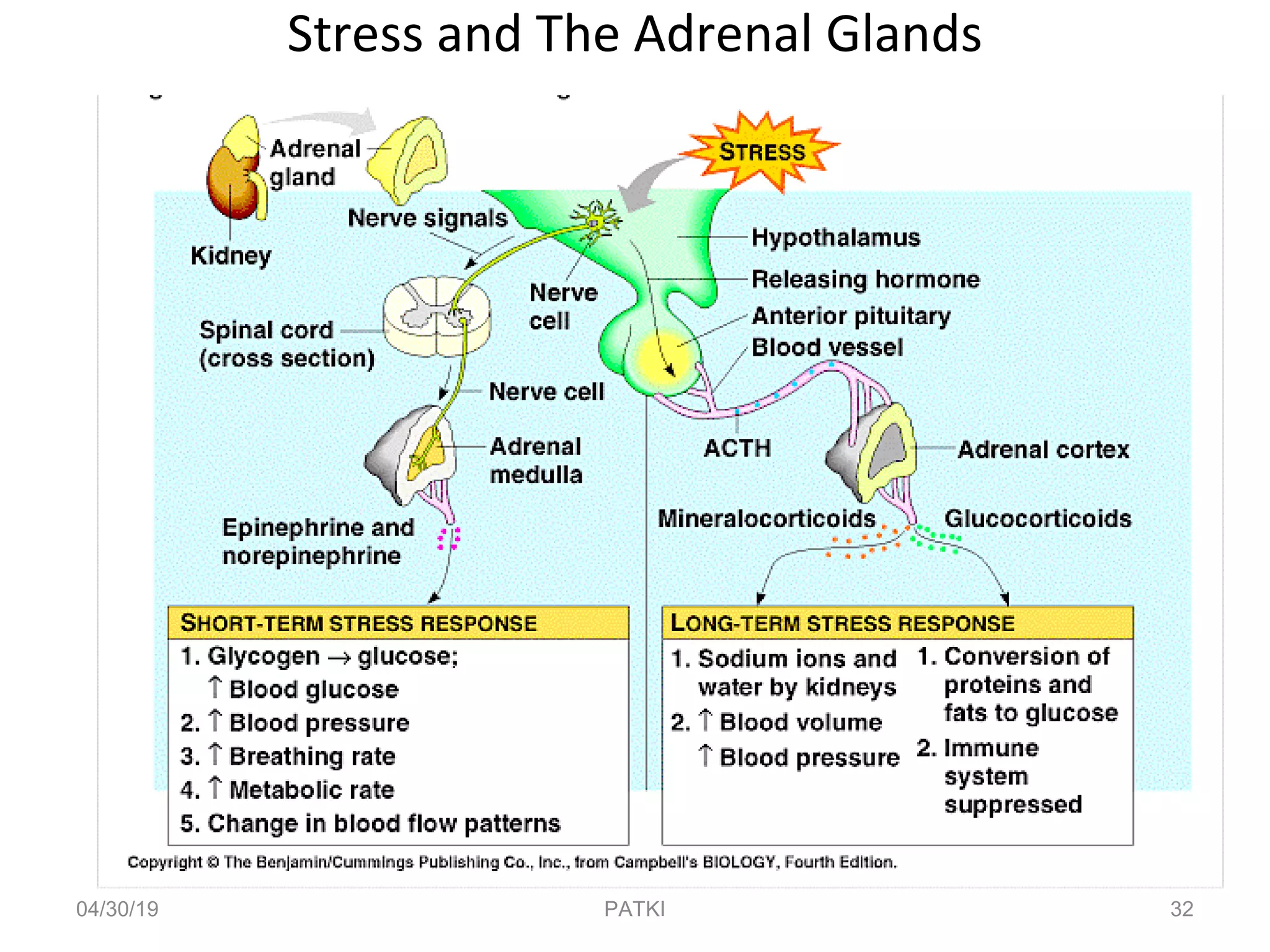
Stress and The Adrenal Glands
04/30/19 32PATKI
Actions: Carbohydrate and protein metabolism
• Gluconeogenesis
– Peripheral actions (mobilize aas and glucose and glycogen)
– Hepatic actions
• Peripheral utilization of glucose
• Glycogen deposition in liver
(activation of hepatic glycogen synthase)
Negative nitrogen balance and hyperglycemia
04/30/19 33PATKI
• Redistribution of Fat
• Buffalo hump
• Moon face
• Promote adipokinetic agents activity
(glucagon, growth hormone, adrenaline, thyroxine)
Actions: Lipid metabolism
04/30/19 34PATKI
Actions: Electrolyte and water balance
• Aldosterone is more important
• Act on DT and CD of kidney
– Na+
reabsorption
– Urinary excretion of K+
and H+
• Addison’s disease ??
• Na+ loss
• Shrinkage of ECF
• Cellular hydration
• Hypodynamic state of CVS
• Circulatory collapse,
renal failure, death
04/30/19 35PATKI
• Restrict capillary permeability
• Maintain tone of arterioles
• Myocardial contractility
Actions: Cardiovascular system
Mineralocorticoid induced hypertension ??
Na+
sensitize blood vessels to the action of
catecholamines & angiotensin
04/30/19 36PATKI
Addison's disease: weakness and fatigue is due to
Prolonged use:
Actions: Skeletal Muscles
Needed for maintaining the normal function of Skeletal
muscle
inadequacy of circulatory system
Steroid myopathy
04/30/19 37PATKI
• Direct:
– Mood
– Behaviour
– Brain excitability
• Indirect:
– maintain glucose, circulation and electrolyte
balance
Actions: CNS
ICP (pseudotumor cerebri) - Rare
04/30/19 38PATKI
Immunosuppressive and anti-allergic actions
• Suppresses all types of hypersensitivity and
allergic phenomenon
• At High dose: Interfere with all steps of
immunological response
• Causes greater suppression of Cell-mediated
immunity (graft rejection and delayed
hypersensitivity)
• Transplant rejection: antigen expression from
grafted tissues, delay revascularization,
sensitisation of T lymphocytes etc.
04/30/19 39PATKI
04/30/19 40PATKI
• Inhibit cell division or synthesis of DNA
• Delay the process of healing
• Retard the growth of children
Actions: Growth and Cell division
04/30/19 41PATKI
• Intestinal absorption
• Renal excretion
• Excessive loss of calcium from spongy bones
(e.g., vertebrae, ribs, etc)
Actions: Calcium metabolism
04/30/19 42PATKI
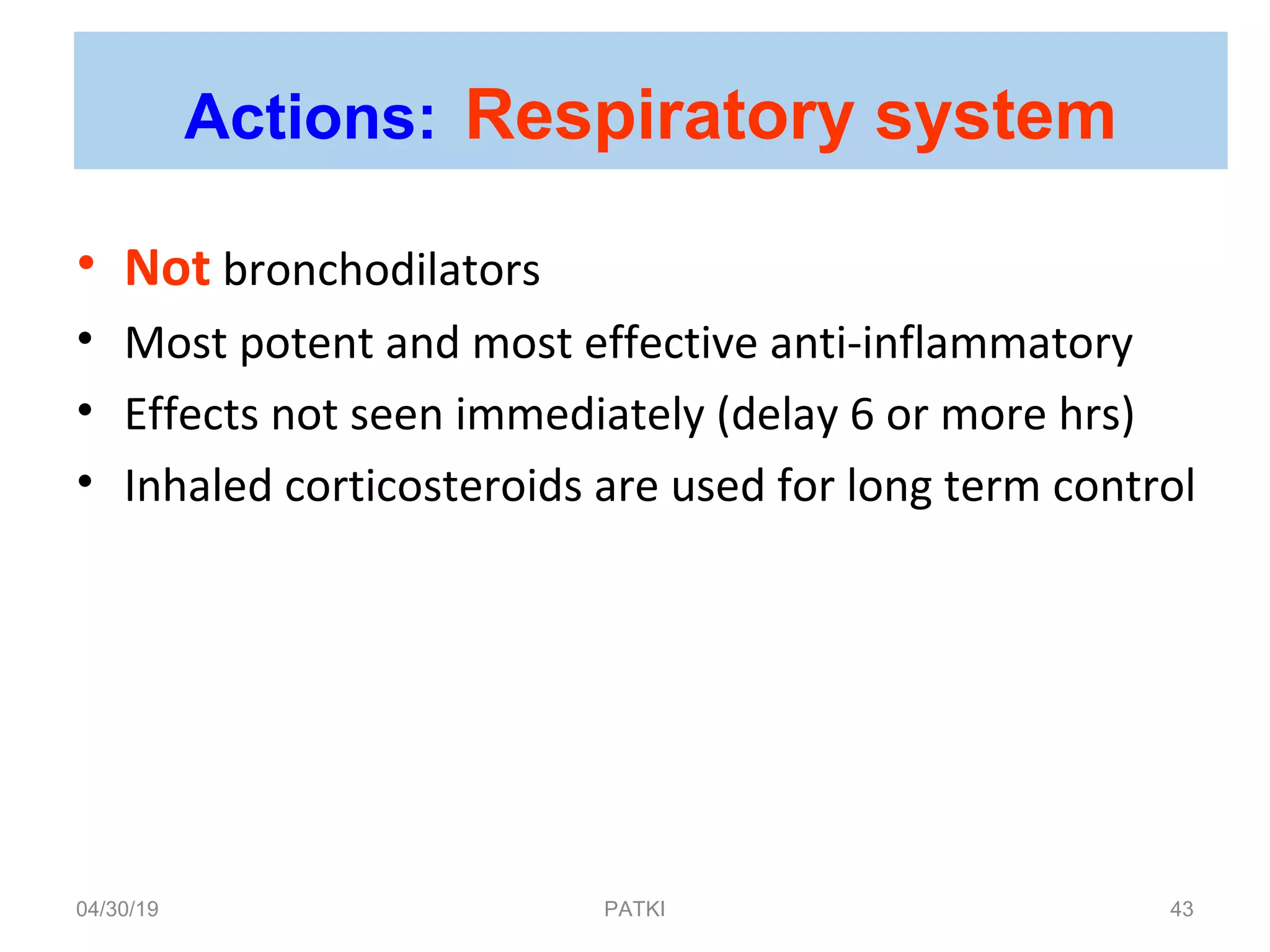
• Not bronchodilators
• Most potent and most effective anti-inflammatory
• Effects not seen immediately (delay 6 or more hrs)
• Inhaled corticosteroids are used for long term control
Actions: Respiratory system
04/30/19 43PATKI
Preparations
Drug Anti-inflam. Salt retaining Topical
Cortisol 1 1.0 1
Cortisone 0.8 0.8 0
Prednisone 4 0.8 0
Prednisolone 5 0.3 4
Methylpredni-
solone
5 0 5
Intermediate acting
Triamcinolone 5 0 5
Paramethasone 10 0 -
Fluprednisolone 15 0 7
04/30/19 44PATKI
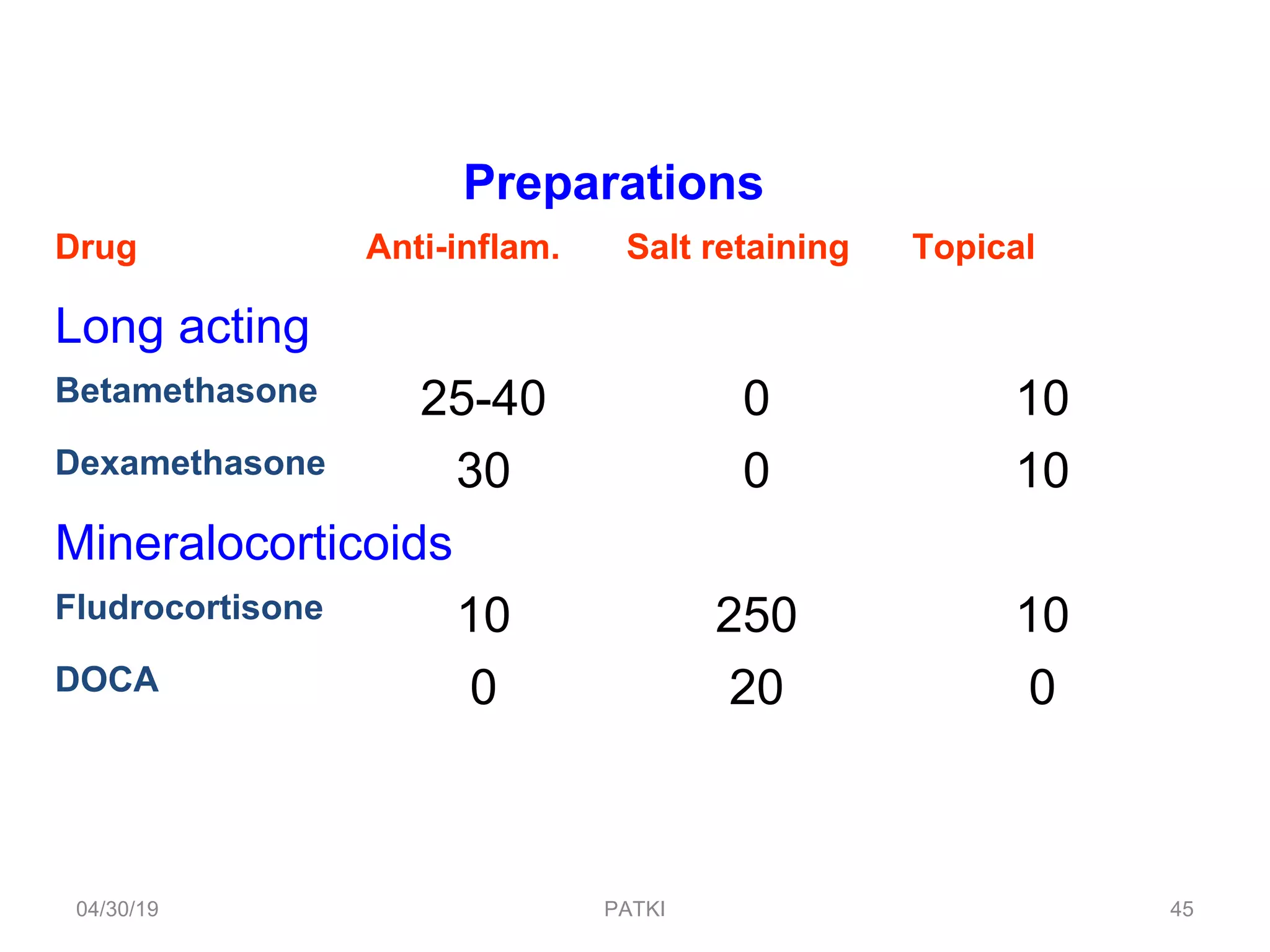
Preparations
Drug Anti-inflam. Salt retaining Topical
Long acting
Betamethasone 25-40 0 10
Dexamethasone 30 0 10
Mineralocorticoids
Fludrocortisone 10 250 10
DOCA 0 20 0
04/30/19 45PATKI
Kinetics
• PO, PR, i.v., im. topical, intra-articular,
inhalation, instillation, epidural, intranasal,
intra-lesional
• Binds to transcortin 90% synthetic congeners
have low affinity
• Sulfate & glucuronide conjugation
04/30/19 46PATKI
Guidelines for steroid therapy
• Largely empirical neither specific nor curative except
replacement therapy
• Dose to be determined by trial & error method and
reevaluate periodically
• Careful patient assessment is mandatory
• A single large dose is virtually without harmful effects &
be reserved for life threatening conditions
• A short course therapy is unlikely to be harmful
• Abrupt withdrawal may be fatal
04/30/19 47PATKI
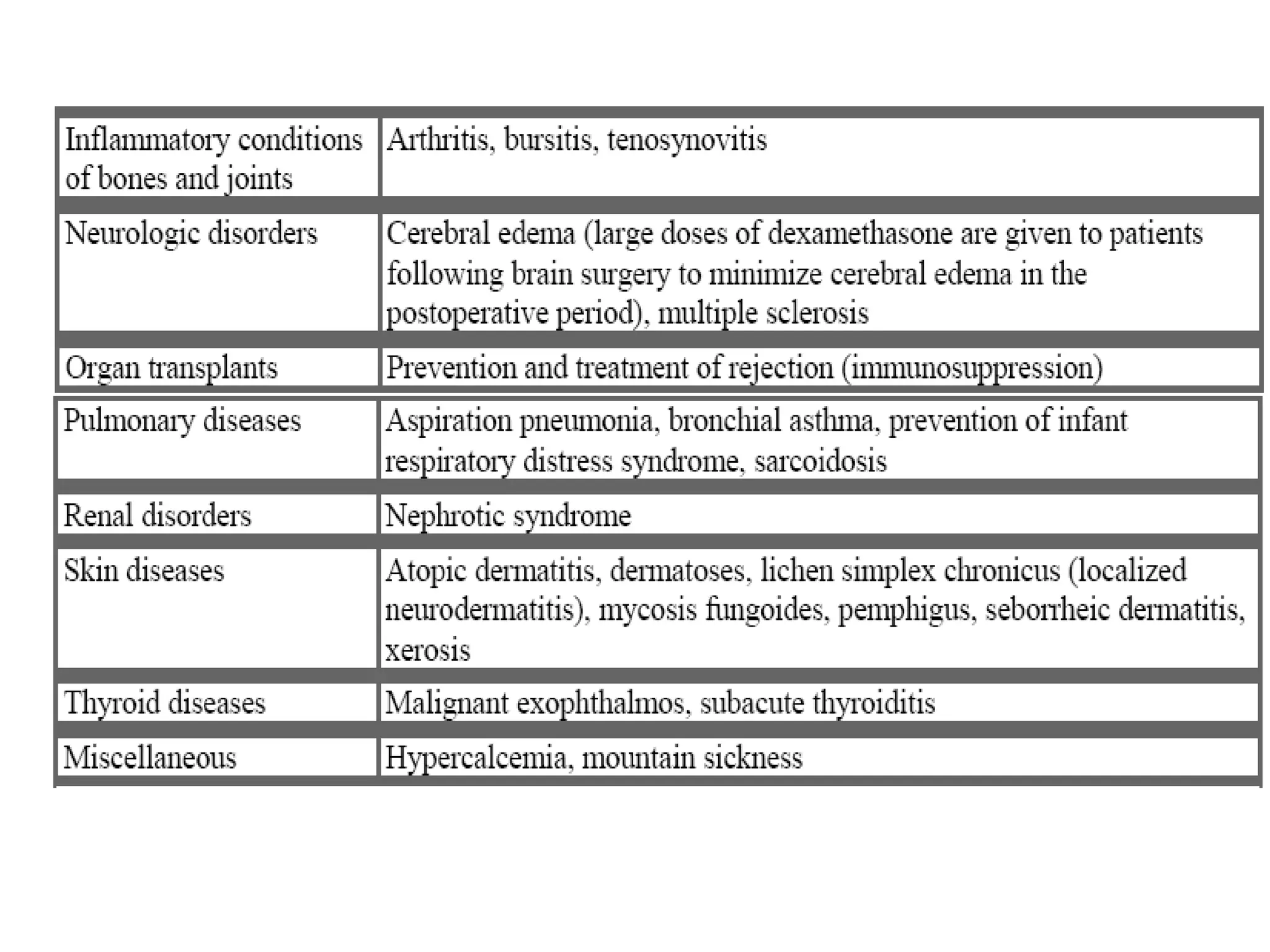
Therapeutic uses
• Diagnostic: Dexamethasone suppressant test
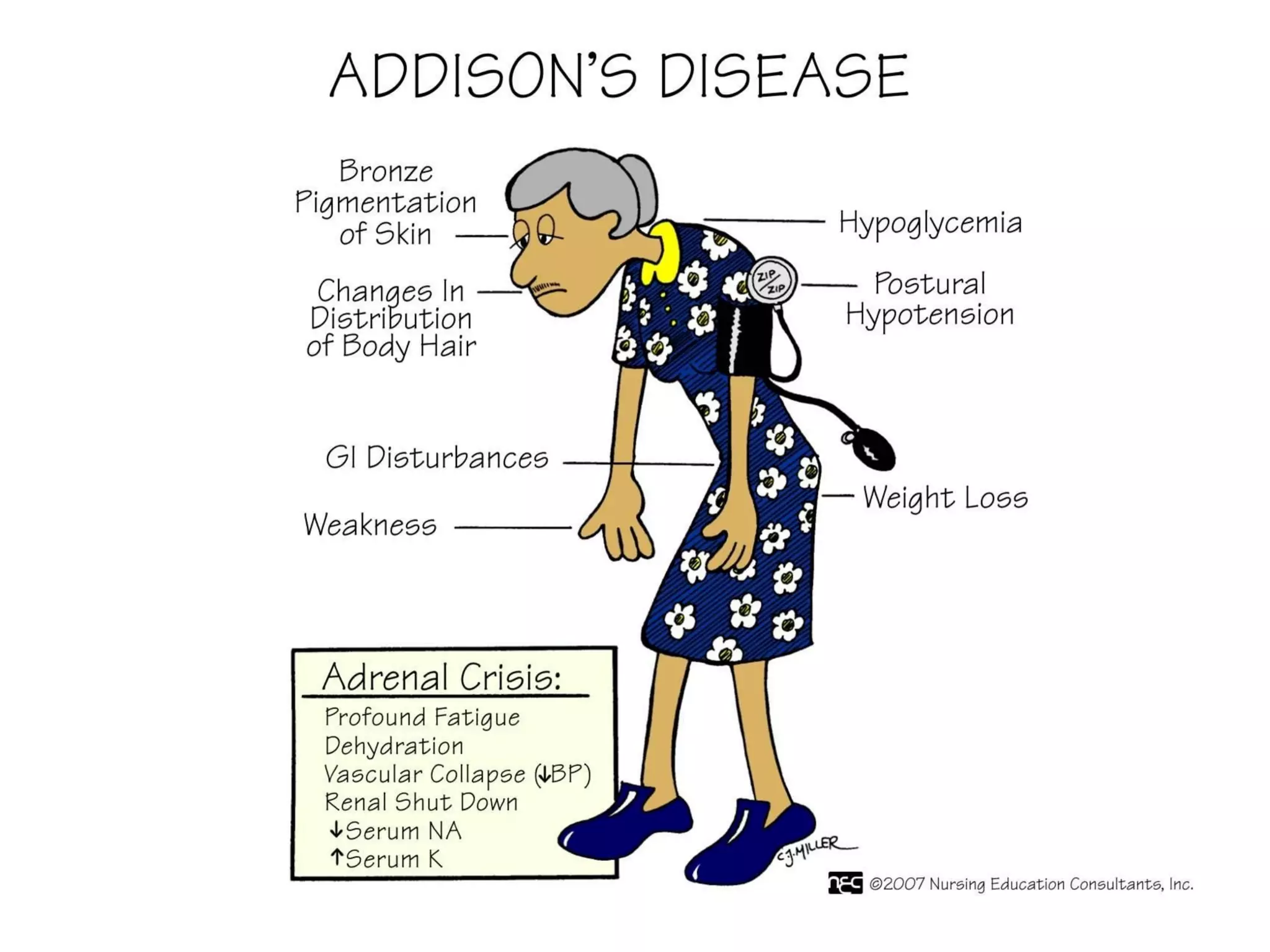
• Replacement therapy- Addison’s disease
• Life saving indications: acute Addisonian
crisis, anaphylactic shock, SLE, pemphigus
vulgaris, status asthmatics
• Rheumatic diseases
• Renal disorders
• Allergy, skin, git, hepatic, ocular, malignancy
04/30/19 48PATKI
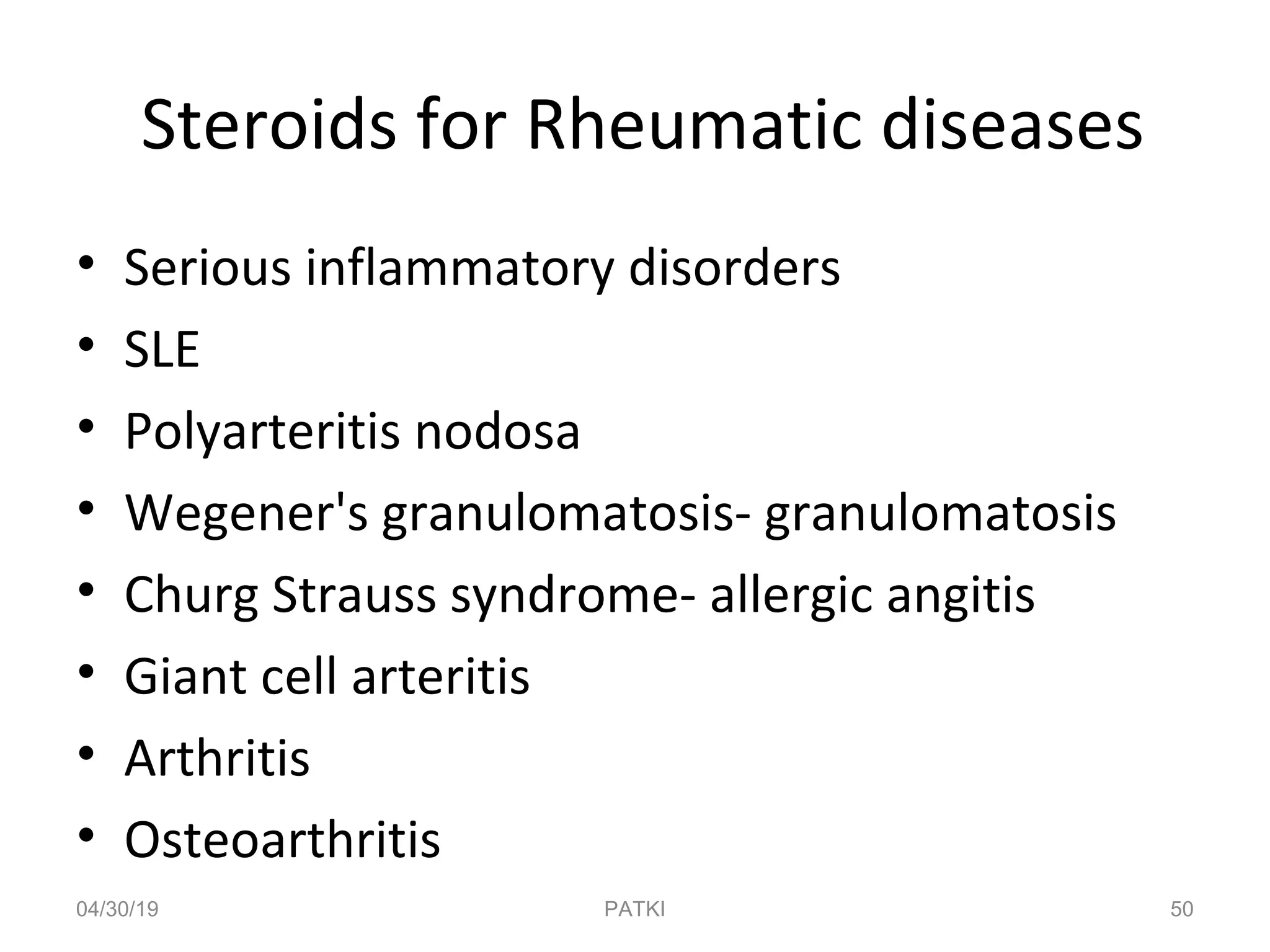
Steroids for Rheumatic diseases
• Serious inflammatory disorders
• SLE
• Polyarteritis nodosa
• Wegener's granulomatosis- granulomatosis
• Churg Strauss syndrome- allergic angitis
• Giant cell arteritis
• Arthritis
• Osteoarthritis
04/30/19 50PATKI
Steroids in Renal Ocular & Skin
diseases
• Nephrotic syndrome
• Membranous glomerulonephritis
• Ocular indications
• topical as anti inflammatory effect not more
than 2 weeks
• Skin diseases
• Pemphigus vulgaris
04/30/19 51PATKI
Prednisolone for malignancy
• Acute lymphocytic leukemia & lymphoma
• Rationale
• Anti –inflammatory
• Immunosuppressant
• Stimulate erythropoietin release
• Reduce hematological toxicity of co-
administered cytotoxic drugs
• Mild euphoria
04/30/19 52PATKI
Therapeutic uses contd…
• Transplantation surgery
• Auto immune hemolytic anemia
• Sarcoidosis
• Thrombocytopenia
• Spinal cord injury
• Shock?
• Cerebral edema?
04/30/19 53PATKI
Therapeutic uses .. cont.
• Chronic ulcerative colitis
• Crohn's disease
• Auto immune hepatitis
• Cerebral edema
04/30/19 54PATKI
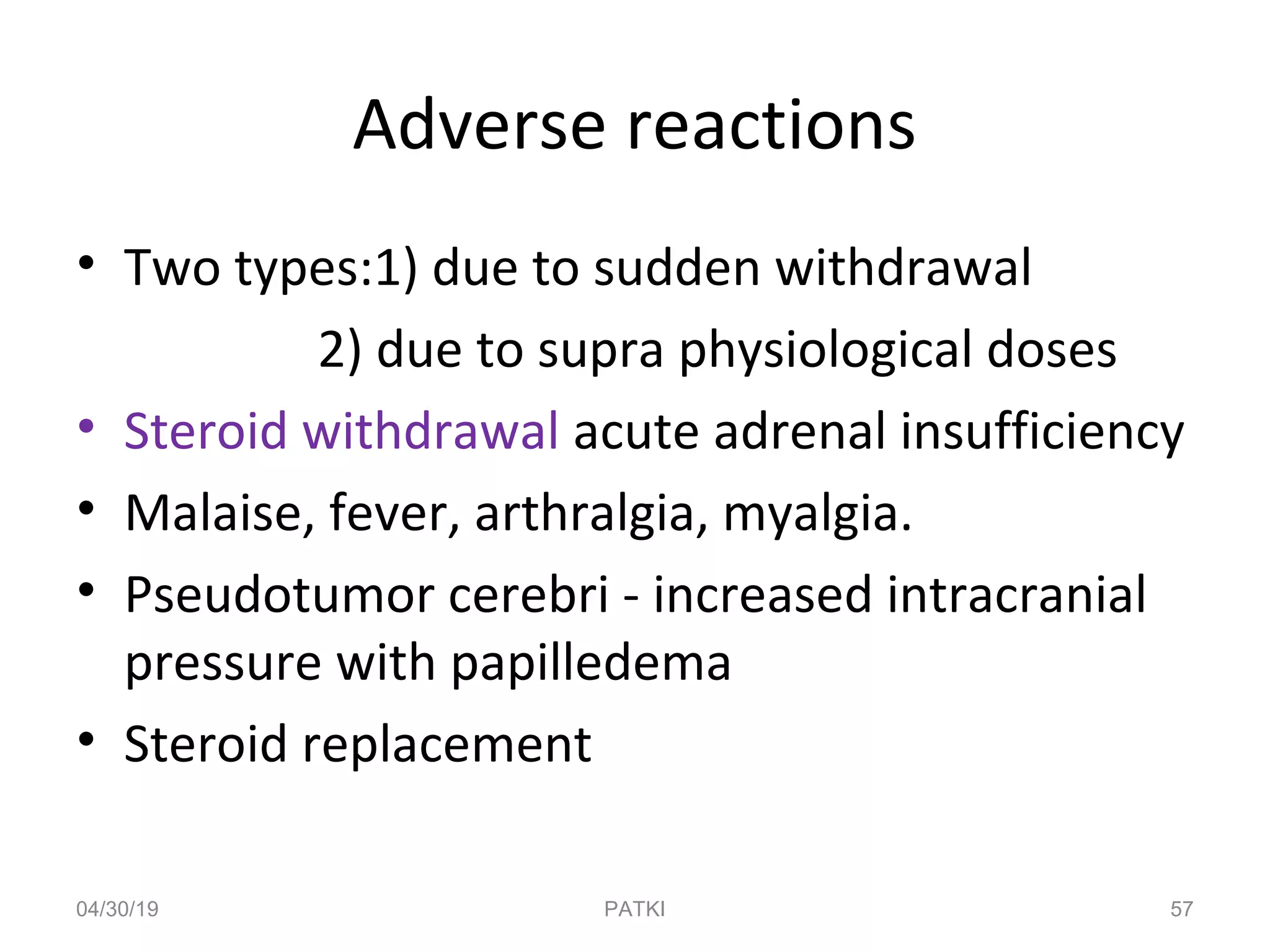
Adverse reactions
• Two types:1) due to sudden withdrawal
2) due to supra physiological doses
• Steroid withdrawal acute adrenal insufficiency
• Malaise, fever, arthralgia, myalgia.
• Pseudotumor cerebri - increased intracranial
pressure with papilledema
• Steroid replacement
04/30/19 57PATKI
Steroid toxicity
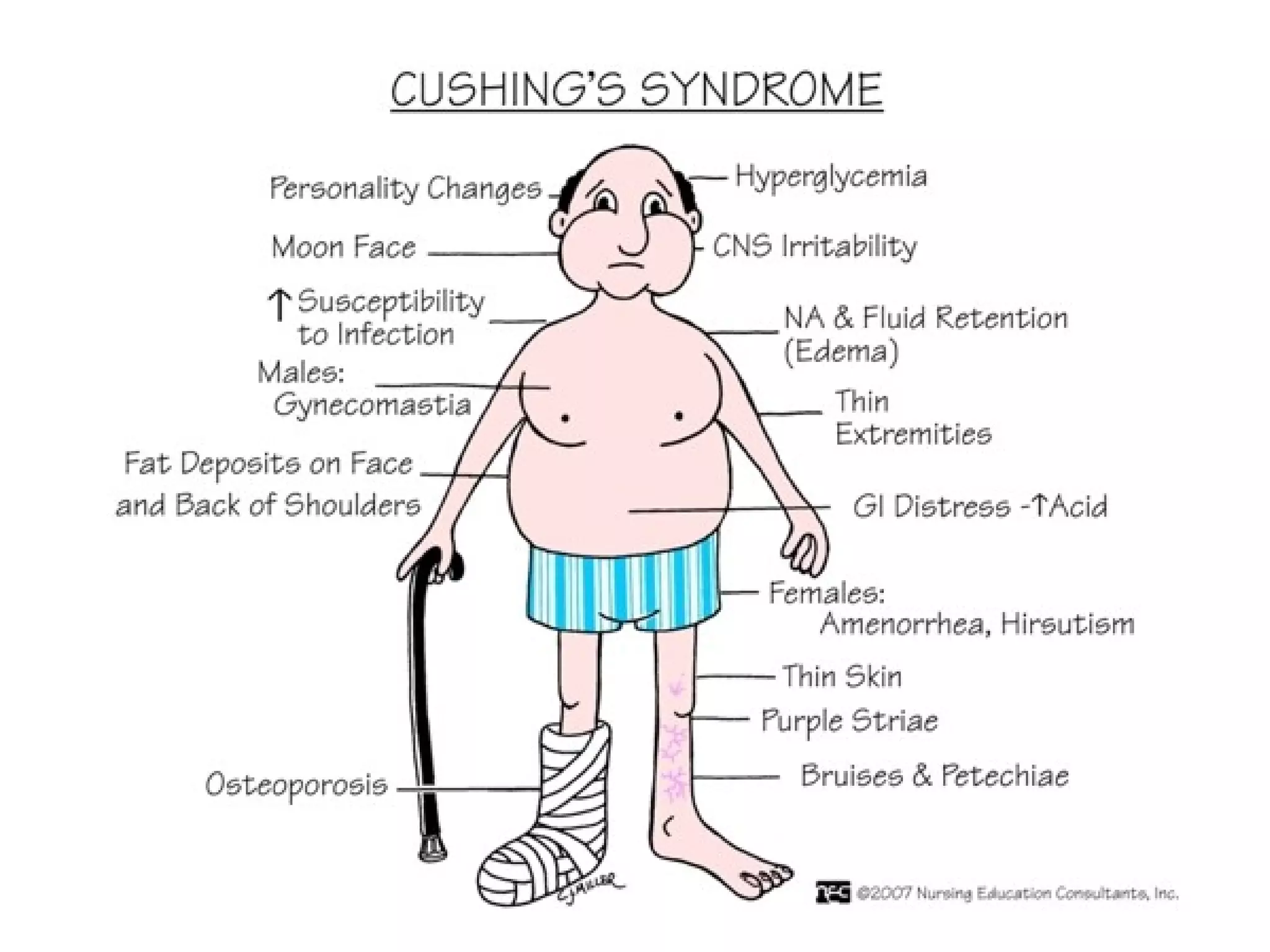
• Cushing’s syndrome
• Hypertension, Electrolyte abnormalities
• Hyperglycemia, glycosuria
• Supra-infection, prone for infection
• Osteoporosis, avascular/aseptic osteo-
necrosis, spontaneous fracture
• Myopathy
• Psychoses
• Glaucoma, cataract
04/30/19 58PATKI
Adverse reactions….contd
• Peptic ulcer
• Growth arrest
• Acne, hirsutism
• Topical –loss of skin collagen
• Inhalation: hoarseness of voice
• Teratogenicity: cleft palate, altered neuronal
development
• Reactivation of TB
04/30/19 60PATKI
Antagonists of Adrenocortical Agents
A. Synthetic inhibitors and glucocorticoid antagonists
1. Metyrapone – inhibits 11-hydroxylation, interfering
with cortisol and corticosterone synthesis (0.25g
BID to 1g QID)
- used in tests of adrenal function (300-500mg q
4hrs. X 6doses, fed by urine collection
- treat hypercorticotism: 4 g/day
04/30/19 61PATKI
2. Aminoglutethimide – blocks the conversion of
cholesterol to pregnanelolone and causes a
reduction in the synthesis of all hormonally
active steroids; breast Ca and Cushing’s
syndrome due to adrenocortical Ca: 250 mg
every 6hrs.
- enhances metabolism of dexamethasone
3. Trilostane - inhibits 3beta hydroxysteroid
dehydrogenase
04/30/19 62PATKI
3. Ketoconazole – an antifungal imidazole
derivative; potent, non-selective inhibitor of
adrenal and gonadal steroid synthesis; tx of
Cushing’s syndrome (200-1200mg/d)
4. Mifepristone (RU 486) –
11β-aminophenyl-substituted 19-norsteroid;
has strong anti-progestin activity; blocks
glucocorticoid receptor
04/30/19 63PATKI
B. Mineralocorticoid Antagonists
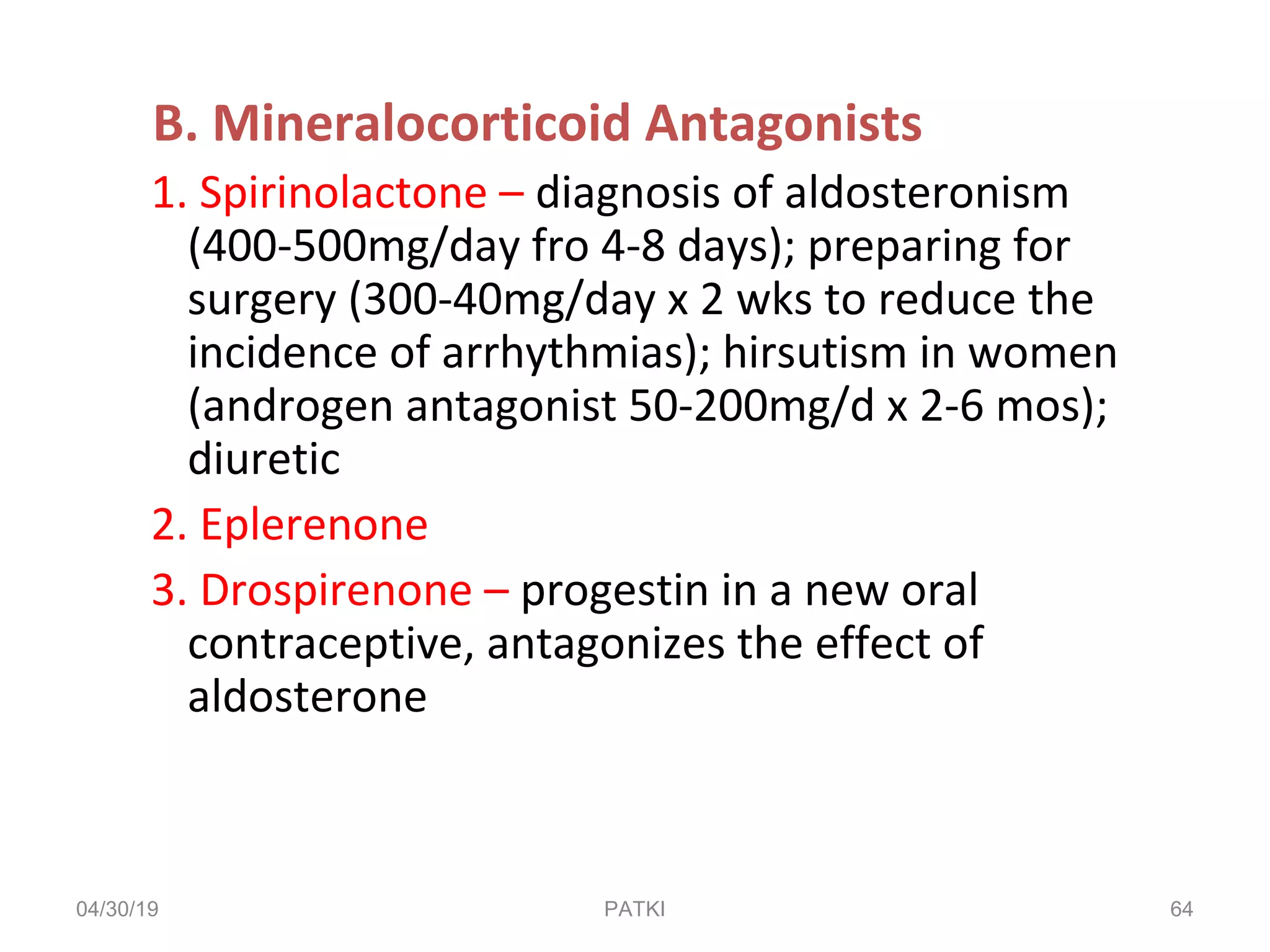
1. Spirinolactone – diagnosis of aldosteronism
(400-500mg/day fro 4-8 days); preparing for
surgery (300-40mg/day x 2 wks to reduce the
incidence of arrhythmias); hirsutism in women
(androgen antagonist 50-200mg/d x 2-6 mos);
diuretic
2. Eplerenone
3. Drospirenone – progestin in a new oral
contraceptive, antagonizes the effect of
aldosterone
04/30/19 64PATKI
PATKI
Drug interactions
• Estrogens may decrease prednisone metabolism.
• Phenobarbital, phenytoin, and rifampicin may
increase metabolism of glucocorticoids
• May cause digitalis toxicity secondary to
hypokalemia.
• Monitor for hypokalemia with co-administration of
diuretics
04/30/19 65
PATKI
Fludrocortisone
• It is the only mineralocorticoid given orally.
• It has a very great mineralocorticoid plus a significant
glucocorticoid activities.
• It has a long duration of action
Fludrocortisone is preferred in:
- Replacement therapy in Addison's disease.
- to preserve sodium and treat hypotension as in cases
of interstitial nephritis and autonomic neuropathy.
04/30/19 66
04/30/19 67PATKI

Corticosteroids

  • 1.
  • 2.
    The hormones producedfrom three zones of adrenal cortex Adrenal medulla : Epinephrine (adrenaline) Zona glomerulosa (outer) : Mineralocorticoids Zona fasciculata (middle) : Glucocorticoids Zona reticularis (inner) : Adrenal androgens Acute stress Chronic stress 04/30/19 2PATKI
  • 3.
  • 4.
    4 Hypothalamus + CRH Anterior pituitary +ACTH Adrenal cortex Hydrocortisone secretion __ __ __ CRH: corticotropin releasing hormone; ACTH:ACTH: adrenocorticotrophic hormoneadrenocorticotrophic hormone ●Physiological regulation mechanism of glucocorticoids secretion (Hypothalamus-pituitary-adrenal gland axis) plasma
  • 5.
    DIAGNOSTIC USES (ACTH) 1.Adrenal insufficiency Primary insufficiency No increase in cortisol level Secondary insufficiency Increase in cortisol level 2. Cushing syndrome ACTH injected 04/30/19 5PATKI
  • 6.
    THERAPEUTIC USES Replacement therapy:Tumour in anterior pituitary To stimulate the adrenal gland inactivated by steroid therapy Both uses are expensive & inconvenient similar to that of steroids. Being a foreign protein, ACTH may produce anaphylactic reactions. Side effects and contraindications 04/30/19 6PATKI
  • 7.
    Corticosteroids History Synthesis Pharmacological Actions Pharmacokinetics Preparations Therapeutic principles Dosage schedule& Steroid withdrawal Uses: – Therapeutic – Diagnostic Adverse reactions Contraindications Precautions during therapy Glucocorticoid antagonists 04/30/19 7PATKI
  • 8.
    History 1855 – Addison'sdisease 1856 – Adrenal glands essential for life 1930 – Cortex > medulla 1932 – Cushing’s syndrome 1949 – Hench et al (Steroids in rheumatoid arthritis) 1952 – Aldosterone 04/30/19 8PATKI
  • 9.
    CORTICOSTEROIDS • Adrenal cortexessential for survival • Adapt for changing environment • Organ of par excellence -homeostasis • Zona glomerulosa-aldosterone • Zona fasciculata- glucocorticoids • Zona reticulata- sex steroids • Regulatory control from the hypothalamus and pituitary. 04/30/19 9PATKI
  • 10.
  • 11.
  • 12.
    Basal secretions Group HormoneDaily secretions Glucocorticoids • Cortisol • Corticosterone 5 – 30 mg 2 – 5 mg Mineralocorticoids • Aldosterone • 11- deoxycorticosterone 5 – 150 μg Trace Sex Hormones •Androgen •Progestogen •Oestrogen • DHEA • Progesterone • Oestradiol 15 – 30 mg 0.4 – 0.8 mg Trace From Essential of Pharmacotherapeutics, ed. FSK Barar. P.35104/30/19 12PATKI
  • 13.
    Cholesterol Pregnenolone Progesterone Corticosterone 11-Desoxy- corticosterone 18-Hydroxy- corticosterone ALDOSTERONE 17-α- Hydroxy pregnenolone 11- Desoxy- cortisol 17-Hydroxy progesterone 21,β hydroxylase CORTISOL 11,β hydroxylase Dehydro-epi androsterone Andro- stenedione Oestrone Oestriol TESTOSTERONE OESTRADIOL ACTH 04/30/19 13PATKI
  • 14.
      CLASSIFICATION OF ADRENOCORTICOSTEROIDS   Natural   Synthetic   Glucocorticoids   Hydrocortisone(cortisol) Cortisone  Prednisone, Prednisolone Methyl-prednisolone Triamcinolone Betamethasone, Dexamethasone     Mineralocorticoids   Aldosterone Desoxycorticosterone (DOC)     Fludrocortisone 04/30/19 14PATKI
  • 15.
    Classification • Natural- mineralocorticoid& glucocorticoid aldosterone hydrocortisone • Synthetic : 1.Short acting: hydrocortisone (8-12hrs.) Cortisone 2. Intermediate acting: prednisolone, (12-36hrs.) triamcinolone 3. long acting (36-72hrs) dexamethasone, betamethasone 4. Inhalation: fluticasone, budesonide , beclamethasone 5. Topical: clobetasol, mometasone desonide 6. Mineralocorticoid: fludrocortisone 04/30/19 15PATKI
  • 16.
    Steroid (free form) Cytoplasmicprotein receptor Steroid receptor complex Modulation of Gene Protein synthesis Response Response 04/30/19 16PATKI
  • 17.
    Mechanism of actions •Steroid receptor- 70 amino acid domain –Zinc finger (steroid responsive elements) • Genomic & non-genomic effects • Regulate the expressions of responsive genes • Changes the level of array of proteins • Action manifest after several hours • Membrane receptor related effect immediate • Aldosterone increase membrane protein level 04/30/19 17PATKI
  • 18.
    Dynamics • Numerous actions& wide ranging effect • Endows capacity to resist noxious stimuli. • Synthesized and released as needed • Act at multiple sites • Permissive role- presence normal functions • Physiologic actions • Pharmacological effects • Life saving 04/30/19 18PATKI
  • 19.
    Actions • Metabolic; • Catabolic •Mineralocorticoid • Anti-inflammatory • Anti-immune • Anti-allergic • Anti-growth • Anti-stress • Gastric acid secretion • Preservation of CVS • Skeletal muscle • Anti-vitamin-D • Renal system • CNS- neurosteroids • Delays wound healing • On blood • Uricosuric 04/30/19 19PATKI
  • 20.
    Metabolic actions • Carbohydrate:profound effects • Protect glucose dependent tissues, brain & heart from starvation • Anti-insulin effects • Increase gluconeogenesis • Reduce glucose uptake & utilization • Steroid induces diabetes mellitus • Lipid: Cushingoid habitus increase lipolysis • Protein: catabolic action- negative nitrogen balance 04/30/19 20PATKI
  • 21.
    Electrolyte & waterexcretion • Act on distal tube & collecting tubule • Retains sodium & promote K+ & H+ excretion • Reduce Ca++ level- increase excretion, reduce absorption –Anti-vitamin-D action • Fludrocortisone - synthetic potent mineralocorticoid uses: adrenocortical insufficiency severe orthostatic hypotension 04/30/19 21PATKI
  • 22.
    CVS function • Hyperaldosterinism:Increase BP, athersclerosis, cerebral hemorrhage, stroke, hypertensive cardiomyopathy • Enhance vascular reactivity to vasoactive substances, increase cardiac fibrosis • Increase expression of adrenergic receptor in vascular wall • Hypoaldosteronism: decrease BP vascular collapse 04/30/19 22PATKI
  • 23.
    Action on lymphocytes •Increase apoptosis • IL-1,2,3,6 TNF-alpha, Gm-CSF inhibited • Inhibit phospholipase-A2 & COX-2 • Cytokines production & release blocked • Hodgkin's lymphoma • Inextricably linked to suppression of inflammation • Multiple mechanisms 04/30/19 23PATKI
  • 24.
    Steroidal anti-inflammatory • Inextricablylinked to immunosuppressive effect • Multiple mechanisms are involved • Decreased release of vasoactive and chemoattractive factors • Reduce extravasations of leukocytes 04/30/19 24PATKI
  • 25.
    Anti-inflammatory & immunosuppressive effect •Suppress both early & late phases • Affect pro-inflammatory cytokines generation • Synthesis –lipocortin & macrocortin • Inhibits Phospholipase- A2- C20 acid release • PGs, IL-1, Il-6, TNF- alpha , Gm-CSF • Reduce vasoactive chemoattractant release • Inhibits fibroblast proliferation-reduce fibrosis • Reduce collagenase enzymatic activity 04/30/19 25PATKI
  • 26.
  • 27.
    On skeletal muscle& blood • Muscle function – permissive concentration • Steroid myopathy- high doses • Enhance lymphocyte apoptosis • Stimulate erythropoietin secretion • Diminish destruction of erythrocytes in autoimmune hemolytic anemia • Causes polycythemia in Cushing's syndrome 04/30/19 27PATKI
  • 28.
  • 29.
    Pharmacological Actions • Formost clinical purposes, synthetic glucocorticoids are used because they have a higher affinity for the receptor, are less activated and have little or no salt-retaining properties. • Hydrocortisone used for: orally for replacement therapy, i.v. for shock and asthma, topically for eczema (ointment) and enemas (ulcerative colitis). • Prednisolone the most widely used drug given orally in inflammation and allergic diseases.04/30/19 29PATKI
  • 30.
    Pharmacological Actions • Betamethasoneand dexamethasone: very potent, w/o salt-retaining properties; thus, very useful for high-dose therapies (e.g., cerebral edemas). • Beclometasone, diproprionate, budesonide: pass membranes poorly; more active when applied topically (severe eczema for local anti- inflammatory effects) than orally; used in asthma, (aerosol). • Triamcinolone: used for severe asthma and for local joint inflammation (intra-articular inj.).04/30/19 30PATKI
  • 31.
    Pharmacological Actions 1. Carbohydrate 2.Protein 3. Lipid 4. Electrolyte and H2O 5. CVS 6. Skeletal Muscle 7. CNS 8. Stomach 9. Blood 10. Anti-inflammatory 11. Immunosuppressant 12. Respiratory system 13. Growth and Cell Division 14. Calcium metabolism 04/30/19 31PATKI
  • 32.
    Stress and TheAdrenal Glands 04/30/19 32PATKI
  • 33.
    Actions: Carbohydrate andprotein metabolism • Gluconeogenesis – Peripheral actions (mobilize aas and glucose and glycogen) – Hepatic actions • Peripheral utilization of glucose • Glycogen deposition in liver (activation of hepatic glycogen synthase) Negative nitrogen balance and hyperglycemia 04/30/19 33PATKI
  • 34.
    • Redistribution ofFat • Buffalo hump • Moon face • Promote adipokinetic agents activity (glucagon, growth hormone, adrenaline, thyroxine) Actions: Lipid metabolism 04/30/19 34PATKI
  • 35.
    Actions: Electrolyte andwater balance • Aldosterone is more important • Act on DT and CD of kidney – Na+ reabsorption – Urinary excretion of K+ and H+ • Addison’s disease ?? • Na+ loss • Shrinkage of ECF • Cellular hydration • Hypodynamic state of CVS • Circulatory collapse, renal failure, death 04/30/19 35PATKI
  • 36.
    • Restrict capillarypermeability • Maintain tone of arterioles • Myocardial contractility Actions: Cardiovascular system Mineralocorticoid induced hypertension ?? Na+ sensitize blood vessels to the action of catecholamines & angiotensin 04/30/19 36PATKI
  • 37.
    Addison's disease: weaknessand fatigue is due to Prolonged use: Actions: Skeletal Muscles Needed for maintaining the normal function of Skeletal muscle inadequacy of circulatory system Steroid myopathy 04/30/19 37PATKI
  • 38.
    • Direct: – Mood –Behaviour – Brain excitability • Indirect: – maintain glucose, circulation and electrolyte balance Actions: CNS ICP (pseudotumor cerebri) - Rare 04/30/19 38PATKI
  • 39.
    Immunosuppressive and anti-allergicactions • Suppresses all types of hypersensitivity and allergic phenomenon • At High dose: Interfere with all steps of immunological response • Causes greater suppression of Cell-mediated immunity (graft rejection and delayed hypersensitivity) • Transplant rejection: antigen expression from grafted tissues, delay revascularization, sensitisation of T lymphocytes etc. 04/30/19 39PATKI
  • 40.
  • 41.
    • Inhibit celldivision or synthesis of DNA • Delay the process of healing • Retard the growth of children Actions: Growth and Cell division 04/30/19 41PATKI
  • 42.
    • Intestinal absorption •Renal excretion • Excessive loss of calcium from spongy bones (e.g., vertebrae, ribs, etc) Actions: Calcium metabolism 04/30/19 42PATKI
  • 43.
    • Not bronchodilators •Most potent and most effective anti-inflammatory • Effects not seen immediately (delay 6 or more hrs) • Inhaled corticosteroids are used for long term control Actions: Respiratory system 04/30/19 43PATKI
  • 44.
    Preparations Drug Anti-inflam. Saltretaining Topical Cortisol 1 1.0 1 Cortisone 0.8 0.8 0 Prednisone 4 0.8 0 Prednisolone 5 0.3 4 Methylpredni- solone 5 0 5 Intermediate acting Triamcinolone 5 0 5 Paramethasone 10 0 - Fluprednisolone 15 0 7 04/30/19 44PATKI
  • 45.
    Preparations Drug Anti-inflam. Saltretaining Topical Long acting Betamethasone 25-40 0 10 Dexamethasone 30 0 10 Mineralocorticoids Fludrocortisone 10 250 10 DOCA 0 20 0 04/30/19 45PATKI
  • 46.
    Kinetics • PO, PR,i.v., im. topical, intra-articular, inhalation, instillation, epidural, intranasal, intra-lesional • Binds to transcortin 90% synthetic congeners have low affinity • Sulfate & glucuronide conjugation 04/30/19 46PATKI
  • 47.
    Guidelines for steroidtherapy • Largely empirical neither specific nor curative except replacement therapy • Dose to be determined by trial & error method and reevaluate periodically • Careful patient assessment is mandatory • A single large dose is virtually without harmful effects & be reserved for life threatening conditions • A short course therapy is unlikely to be harmful • Abrupt withdrawal may be fatal 04/30/19 47PATKI
  • 48.
    Therapeutic uses • Diagnostic:Dexamethasone suppressant test • Replacement therapy- Addison’s disease • Life saving indications: acute Addisonian crisis, anaphylactic shock, SLE, pemphigus vulgaris, status asthmatics • Rheumatic diseases • Renal disorders • Allergy, skin, git, hepatic, ocular, malignancy 04/30/19 48PATKI
  • 50.
    Steroids for Rheumaticdiseases • Serious inflammatory disorders • SLE • Polyarteritis nodosa • Wegener's granulomatosis- granulomatosis • Churg Strauss syndrome- allergic angitis • Giant cell arteritis • Arthritis • Osteoarthritis 04/30/19 50PATKI
  • 51.
    Steroids in RenalOcular & Skin diseases • Nephrotic syndrome • Membranous glomerulonephritis • Ocular indications • topical as anti inflammatory effect not more than 2 weeks • Skin diseases • Pemphigus vulgaris 04/30/19 51PATKI
  • 52.
    Prednisolone for malignancy •Acute lymphocytic leukemia & lymphoma • Rationale • Anti –inflammatory • Immunosuppressant • Stimulate erythropoietin release • Reduce hematological toxicity of co- administered cytotoxic drugs • Mild euphoria 04/30/19 52PATKI
  • 53.
    Therapeutic uses contd… •Transplantation surgery • Auto immune hemolytic anemia • Sarcoidosis • Thrombocytopenia • Spinal cord injury • Shock? • Cerebral edema? 04/30/19 53PATKI
  • 54.
    Therapeutic uses ..cont. • Chronic ulcerative colitis • Crohn's disease • Auto immune hepatitis • Cerebral edema 04/30/19 54PATKI
  • 57.
    Adverse reactions • Twotypes:1) due to sudden withdrawal 2) due to supra physiological doses • Steroid withdrawal acute adrenal insufficiency • Malaise, fever, arthralgia, myalgia. • Pseudotumor cerebri - increased intracranial pressure with papilledema • Steroid replacement 04/30/19 57PATKI
  • 58.
    Steroid toxicity • Cushing’ssyndrome • Hypertension, Electrolyte abnormalities • Hyperglycemia, glycosuria • Supra-infection, prone for infection • Osteoporosis, avascular/aseptic osteo- necrosis, spontaneous fracture • Myopathy • Psychoses • Glaucoma, cataract 04/30/19 58PATKI
  • 60.
    Adverse reactions….contd • Pepticulcer • Growth arrest • Acne, hirsutism • Topical –loss of skin collagen • Inhalation: hoarseness of voice • Teratogenicity: cleft palate, altered neuronal development • Reactivation of TB 04/30/19 60PATKI
  • 61.
    Antagonists of AdrenocorticalAgents A. Synthetic inhibitors and glucocorticoid antagonists 1. Metyrapone – inhibits 11-hydroxylation, interfering with cortisol and corticosterone synthesis (0.25g BID to 1g QID) - used in tests of adrenal function (300-500mg q 4hrs. X 6doses, fed by urine collection - treat hypercorticotism: 4 g/day 04/30/19 61PATKI
  • 62.
    2. Aminoglutethimide –blocks the conversion of cholesterol to pregnanelolone and causes a reduction in the synthesis of all hormonally active steroids; breast Ca and Cushing’s syndrome due to adrenocortical Ca: 250 mg every 6hrs. - enhances metabolism of dexamethasone 3. Trilostane - inhibits 3beta hydroxysteroid dehydrogenase 04/30/19 62PATKI
  • 63.
    3. Ketoconazole –an antifungal imidazole derivative; potent, non-selective inhibitor of adrenal and gonadal steroid synthesis; tx of Cushing’s syndrome (200-1200mg/d) 4. Mifepristone (RU 486) – 11β-aminophenyl-substituted 19-norsteroid; has strong anti-progestin activity; blocks glucocorticoid receptor 04/30/19 63PATKI
  • 64.
    B. Mineralocorticoid Antagonists 1.Spirinolactone – diagnosis of aldosteronism (400-500mg/day fro 4-8 days); preparing for surgery (300-40mg/day x 2 wks to reduce the incidence of arrhythmias); hirsutism in women (androgen antagonist 50-200mg/d x 2-6 mos); diuretic 2. Eplerenone 3. Drospirenone – progestin in a new oral contraceptive, antagonizes the effect of aldosterone 04/30/19 64PATKI
  • 65.
    PATKI Drug interactions • Estrogensmay decrease prednisone metabolism. • Phenobarbital, phenytoin, and rifampicin may increase metabolism of glucocorticoids • May cause digitalis toxicity secondary to hypokalemia. • Monitor for hypokalemia with co-administration of diuretics 04/30/19 65
  • 66.
    PATKI Fludrocortisone • It isthe only mineralocorticoid given orally. • It has a very great mineralocorticoid plus a significant glucocorticoid activities. • It has a long duration of action Fludrocortisone is preferred in: - Replacement therapy in Addison's disease. - to preserve sodium and treat hypotension as in cases of interstitial nephritis and autonomic neuropathy. 04/30/19 66
  • 67.