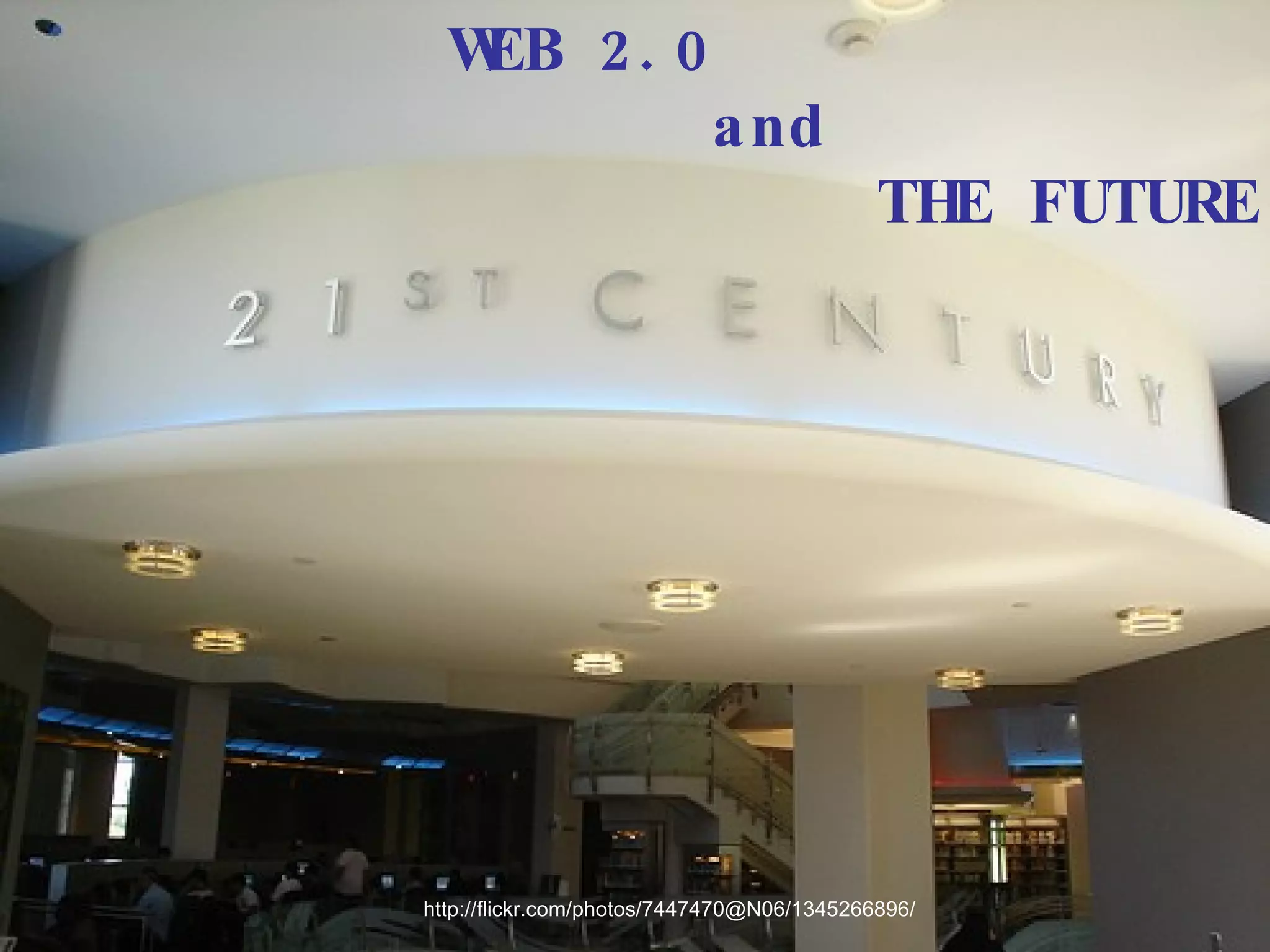
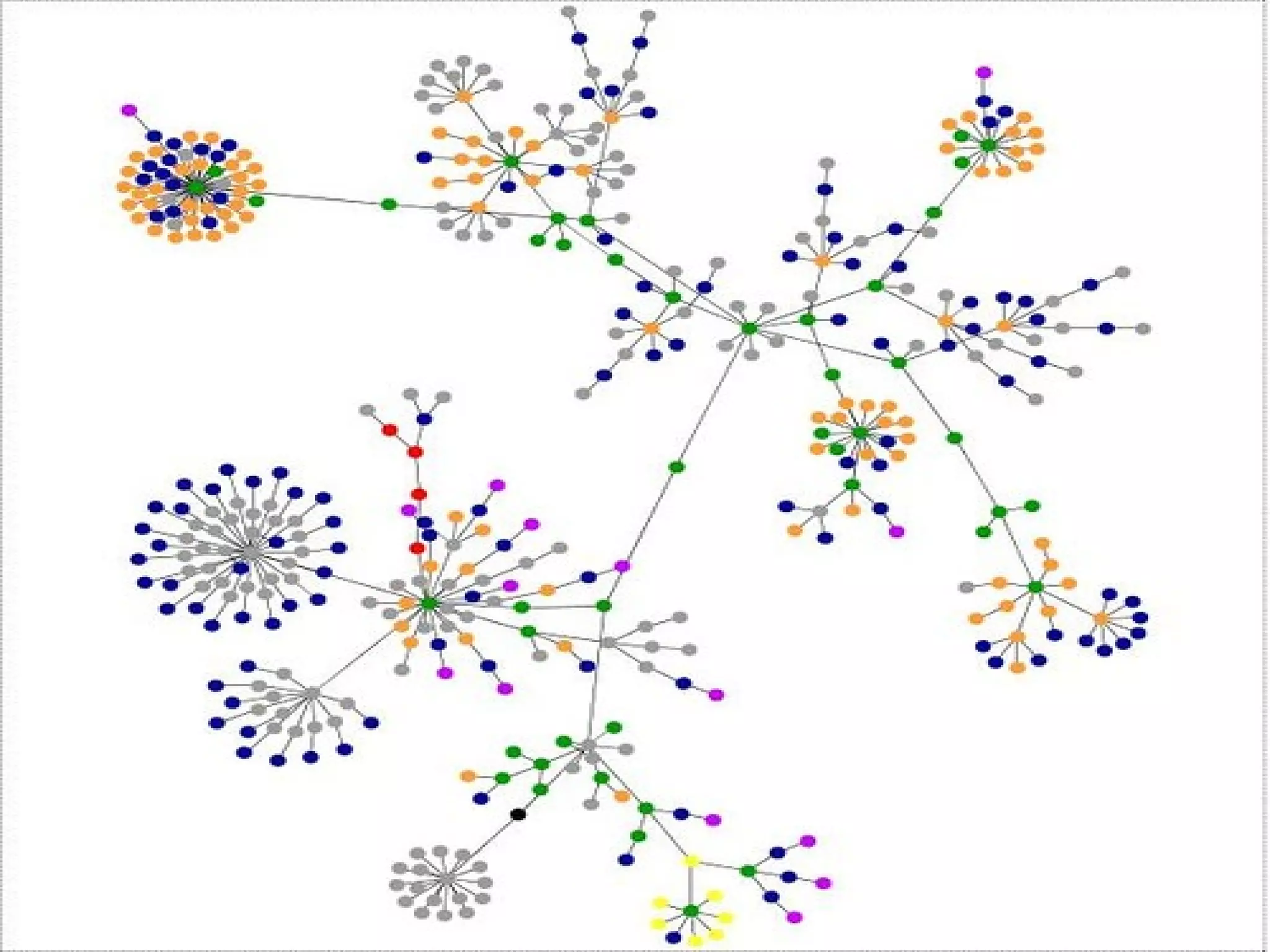
http://flickr.com/photos/7447470@N06/1345266896/ WEB 2.0  and  THE FUTURE
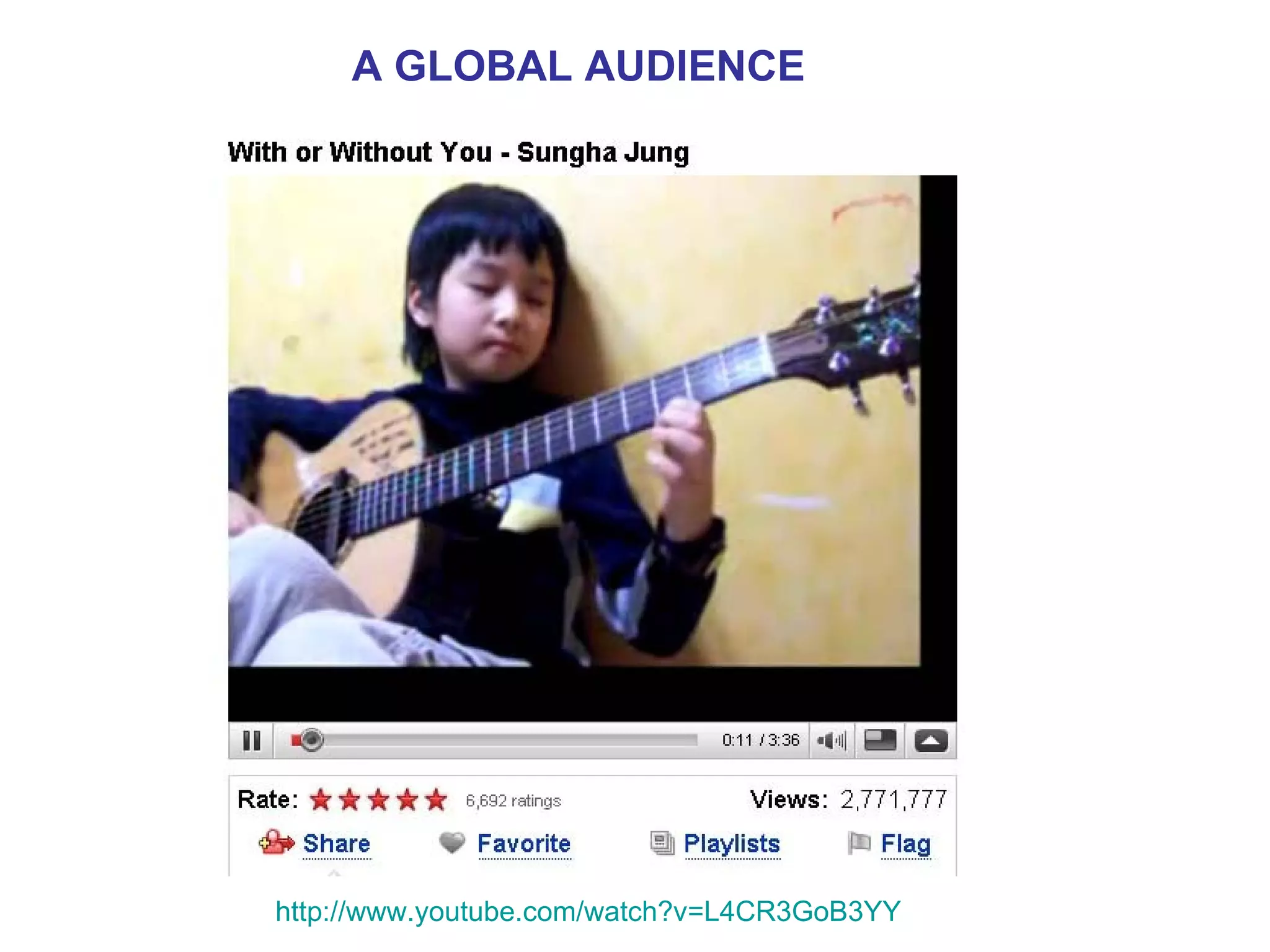
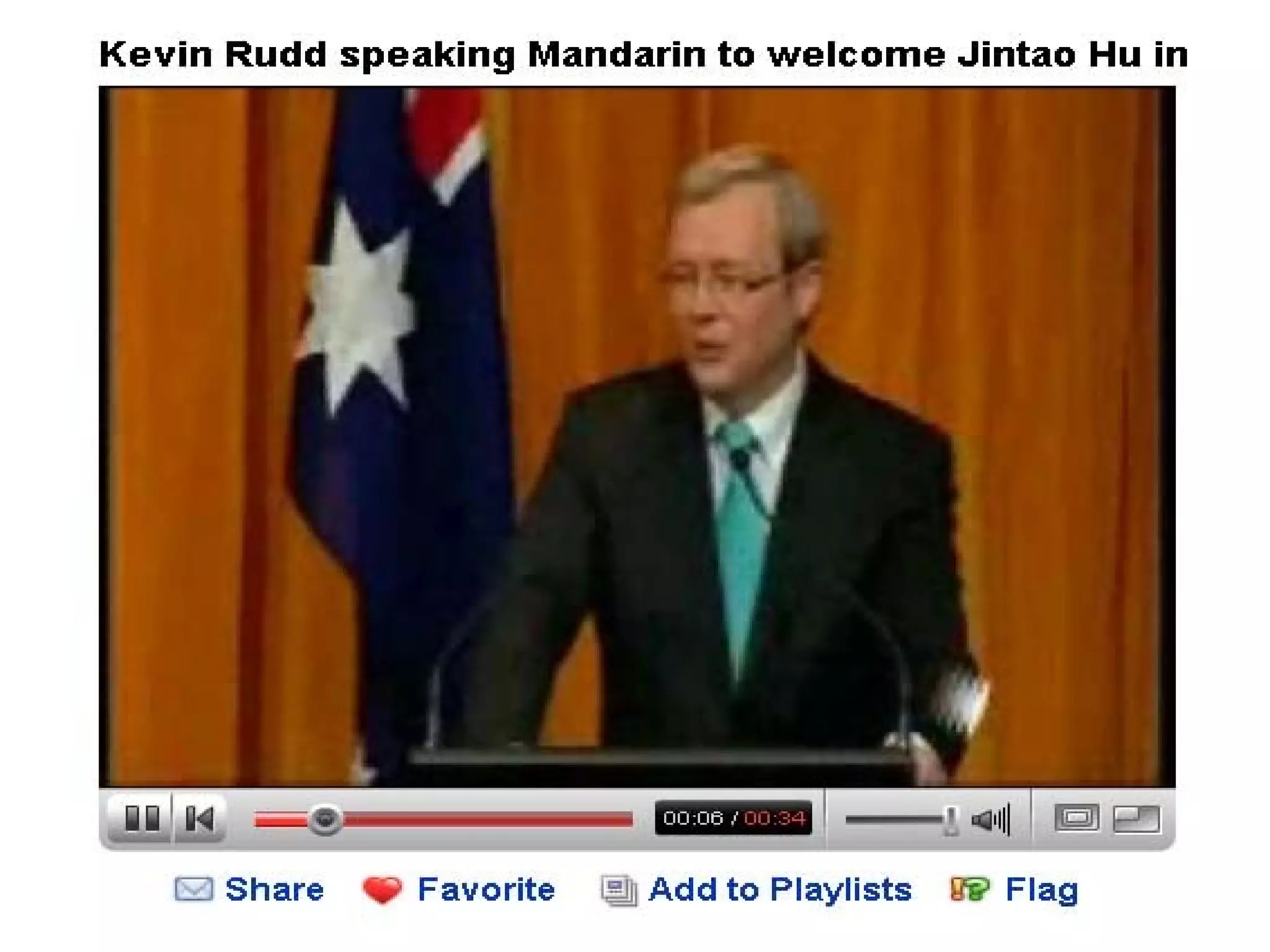
http:// www.youtube.com/watch?v =L4CR3GoB3YY A GLOBAL AUDIENCE
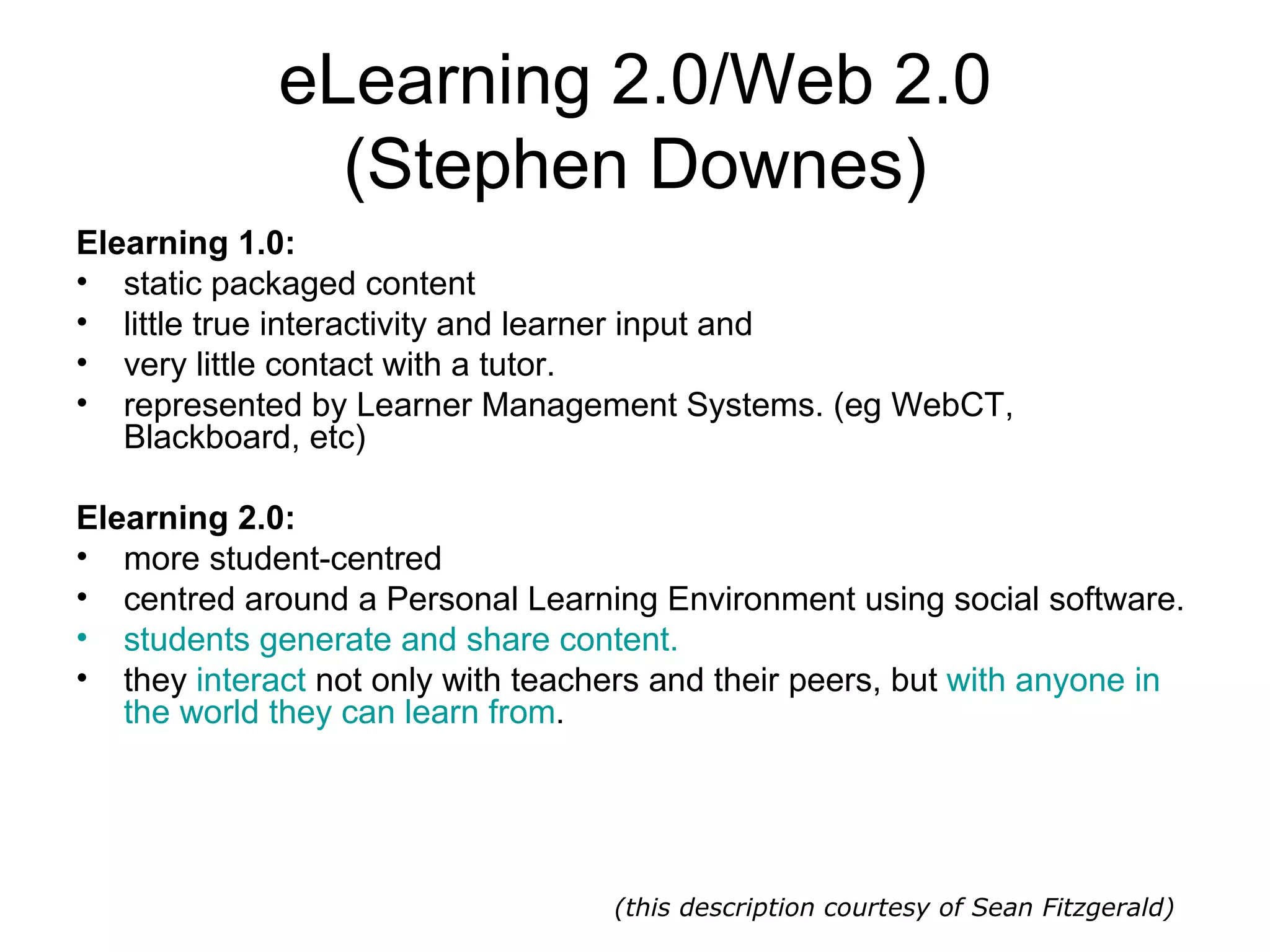
eLearning 2.0/Web 2.0 (Stephen Downes) Elearning 1.0: static packaged content  little true interactivity and learner input and  very little contact with a tutor. represented by Learner Management Systems. (eg WebCT, Blackboard, etc)  Elearning 2.0: more student-centred centred around a Personal Learning Environment using social software.  students generate and share content.   they  interact  not only with teachers and their peers, but  with anyone in the world they can learn from . (this description courtesy of Sean Fitzgerald)
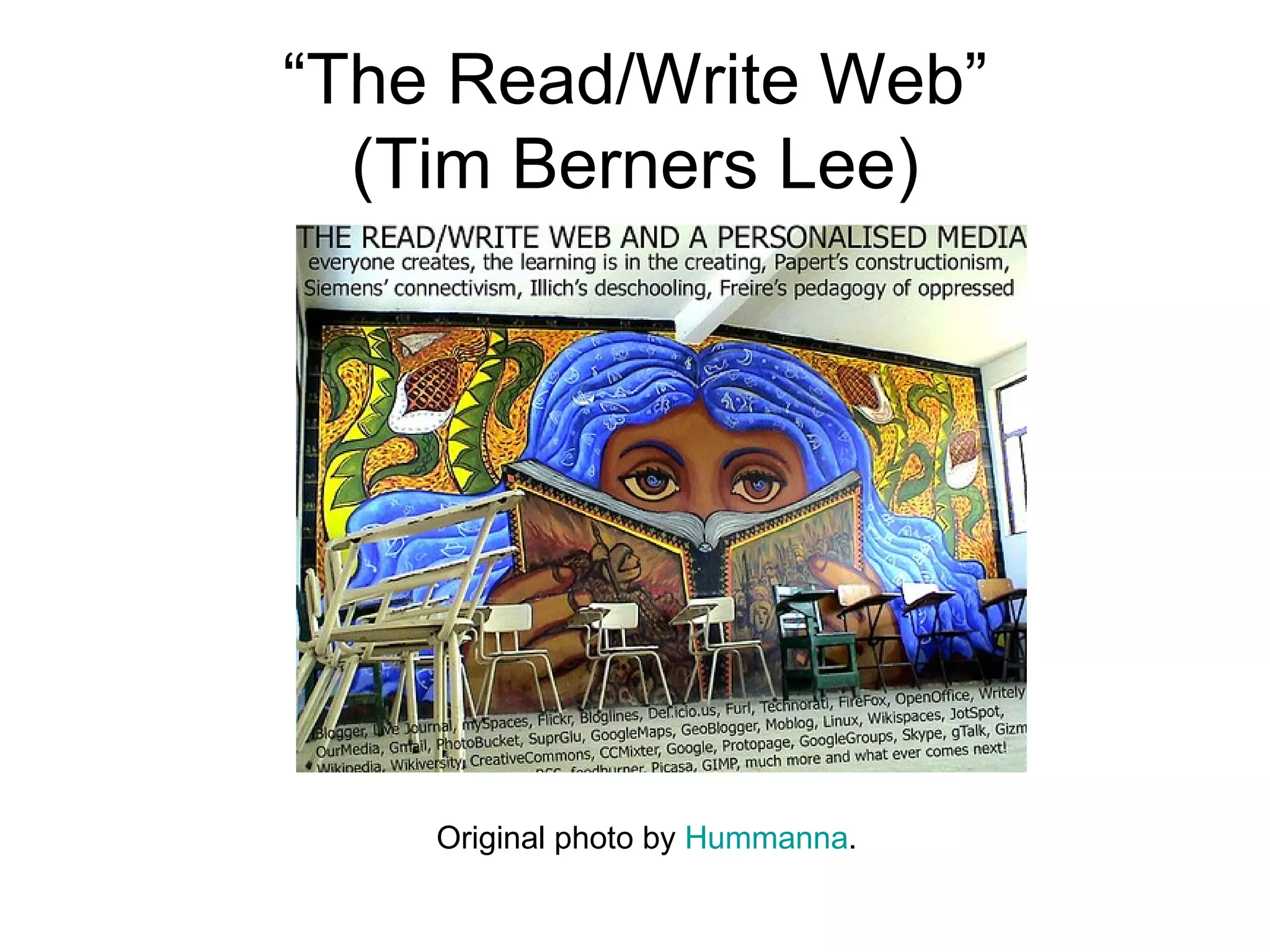
“ The Read/Write Web” (Tim Berners Lee) Original photo by  Hummanna .
PARTICIPATORY MEDIA/CULTURE SOCIAL MEDIA  SOCIAL NETWORKING SOCIAL SOFTWARE YouTube Flickr MySpace Facebook Ning, etc
WHAT HAS CHANGED? (the  locus of control  is shifting) Decline of the Gatekeepers Publish then evaluate Content Creators; Content Rankers Everyone has access to everything The World is Flat  (Thomas Friedman)  “People just don’t subscribe to magazines anymore; they also subscribe to people.”
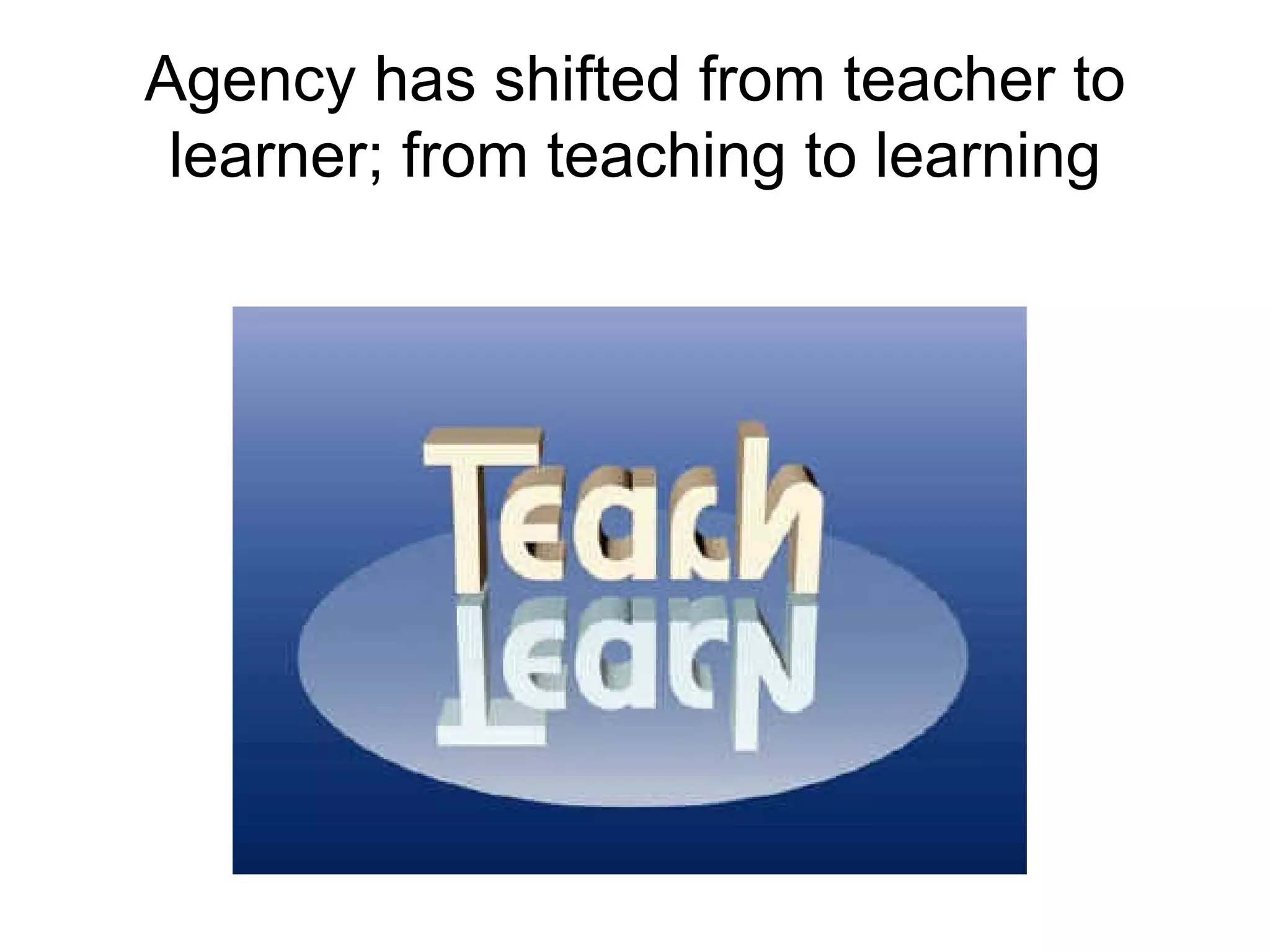
Agency has shifted from teacher to learner; from  teaching  to  learning
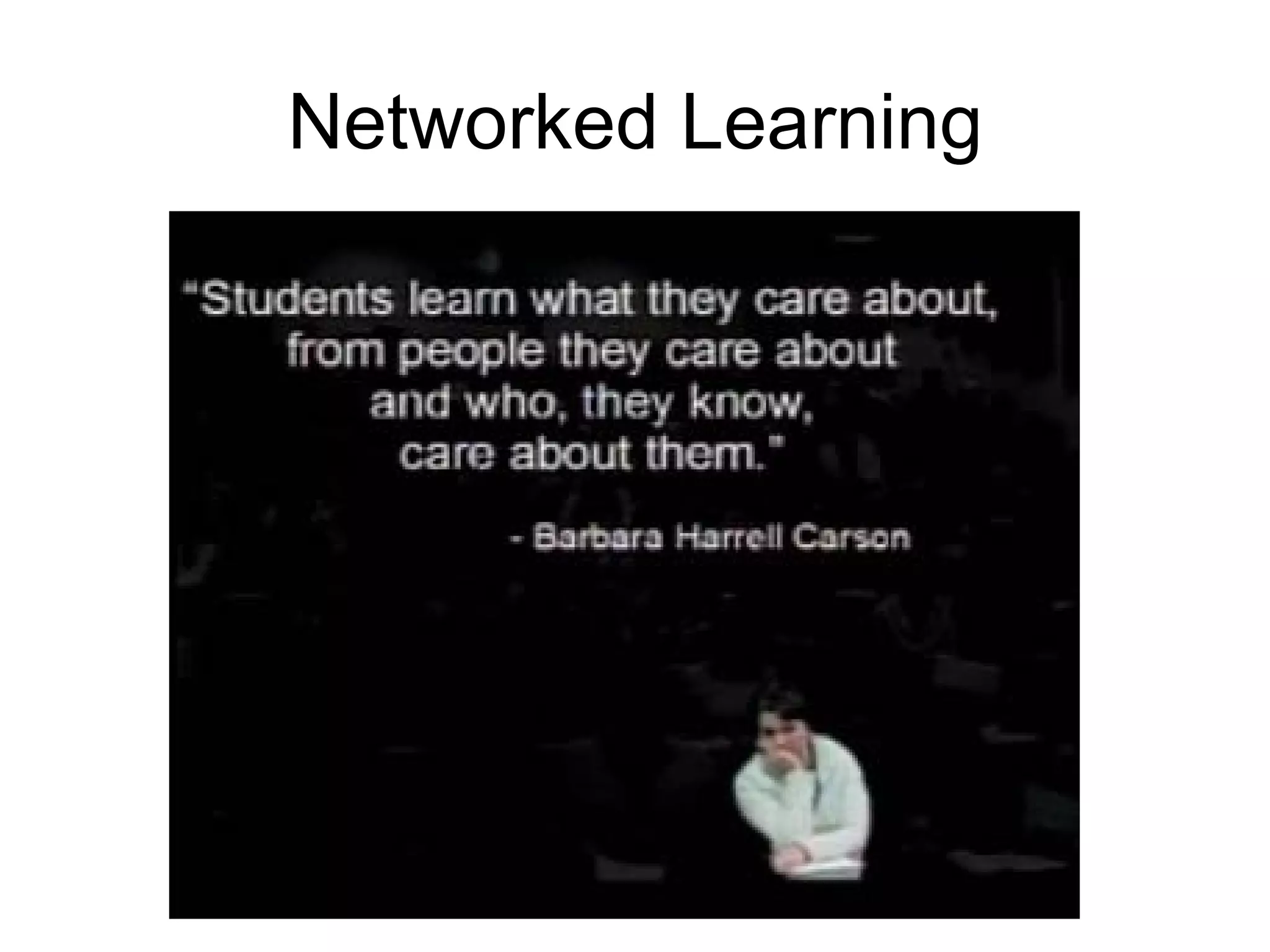
Networked Learning
 
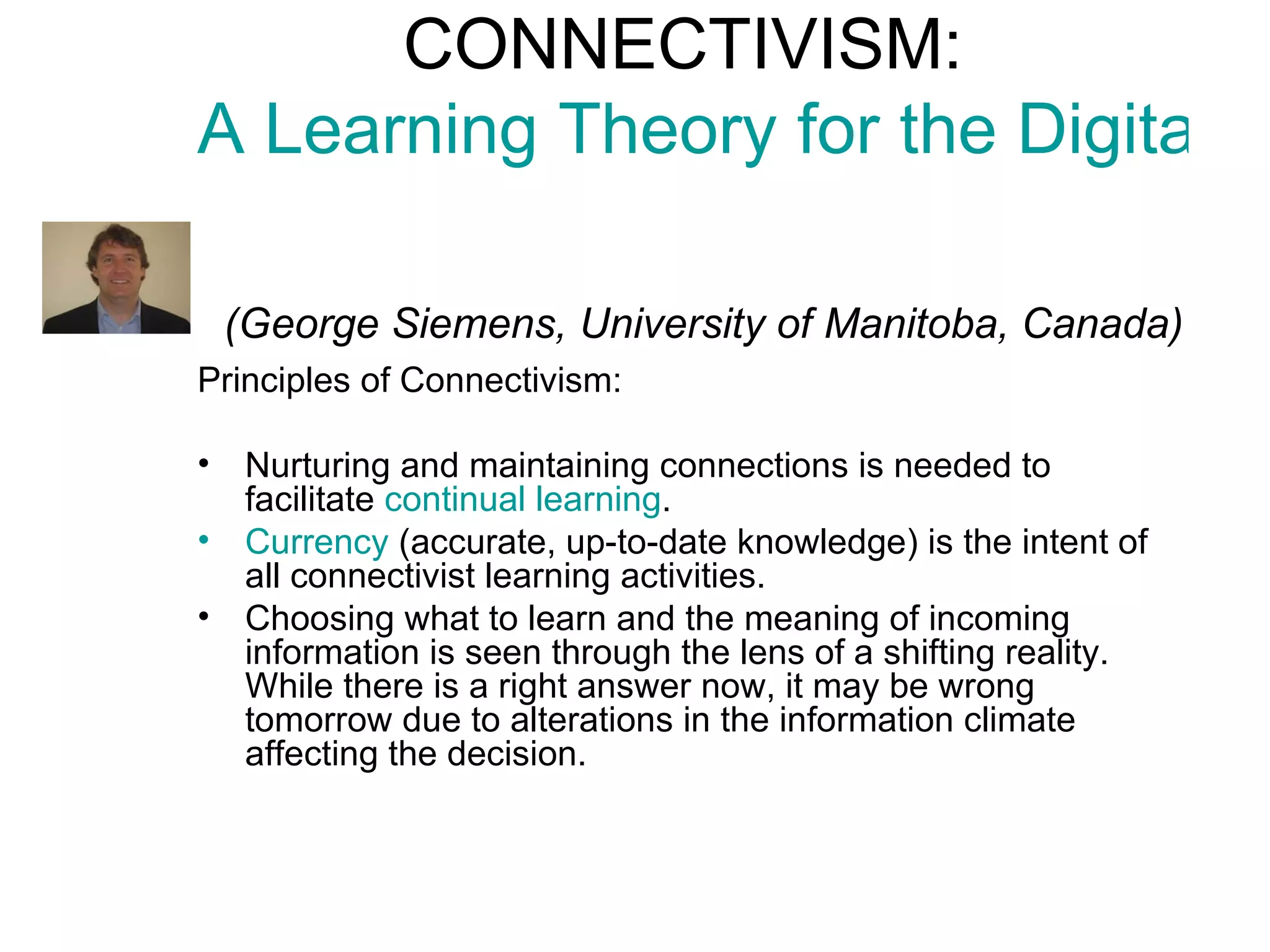
CONNECTIVISM:  A Learning Theory for the Digital Age     (George Siemens, University of Manitoba, Canada) Principles of Connectivism: Nurturing and maintaining connections  is needed to facilitate  continual learning .  Currency  (accurate, up-to-date knowledge) is the intent of all connectivist learning activities.  Choosing what to learn and the meaning of incoming information is seen through the lens of a shifting reality.  While there is a right answer now, it may be wrong tomorrow  due to alterations in the information climate affecting the decision.
9000 hrs of extra content each day In 6 months generates as much content as major broadcasters in US did in 60 years Superb video from Michael Wesch:  An Anthropological Introduction to YouTube www.youtube.com /watch?v=TPAO-lZ4_hU
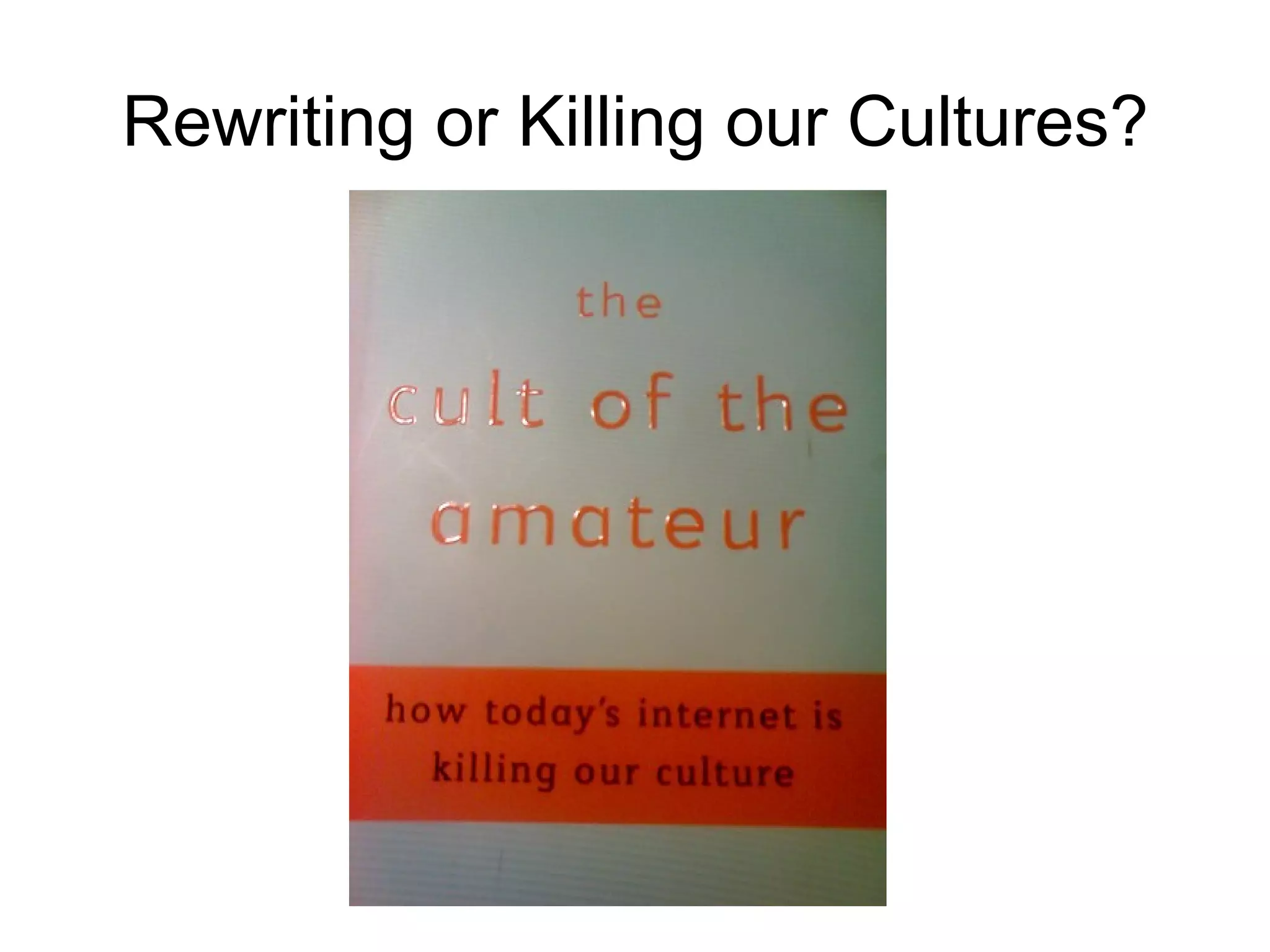
Rewriting or Killing our Cultures?
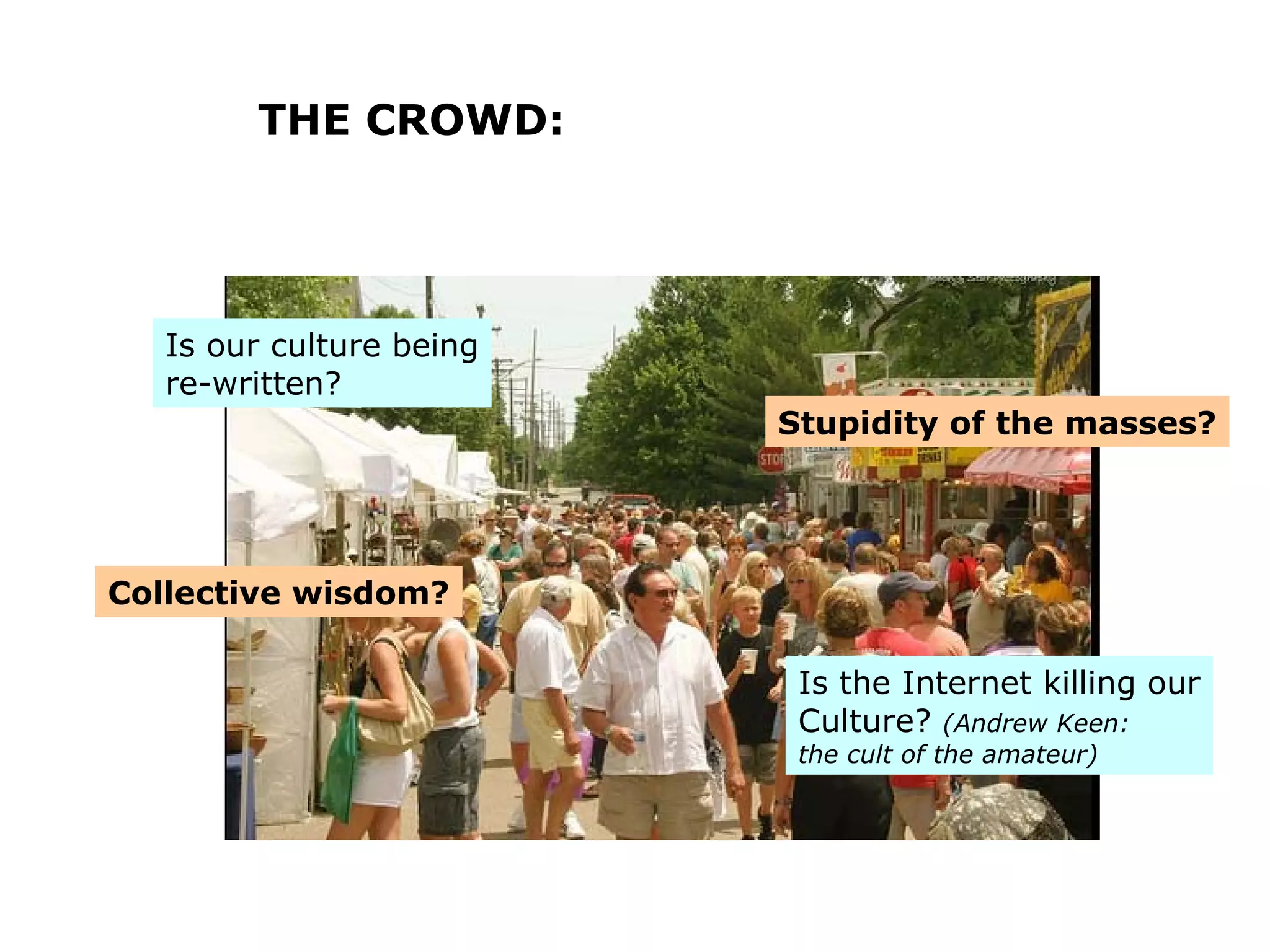
THE CROWD: Collective wisdom? Stupidity of the masses? Is our culture being re-written? Is the Internet killing our Culture?  (Andrew Keen: the cult of the amateur)
 
MySpace/Facebook September 2 nd , 2008 POLICE are trawling social networking sites and tracking text messages to find the organisers of a wild party shut down by the riot squad in Sydney.  About 1500 people crammed into a Camperdown warehouse in Sydney's inner west for the party  which was publicised through Facebook  and other online forums.  ( http://www.news.com.au/technology/story/0,25642,24273455-5014108,00.html ) September 2 nd , 2008 A wild teenage party  promoted on MySpace  has been condemned by Geelong police who were pelted with glass bottles when they tried to close it down. ( http:// www.theage.com.au/national/myspace -party-teens-pelt police-with-bottles-20080902-47hg.html ) fear
 
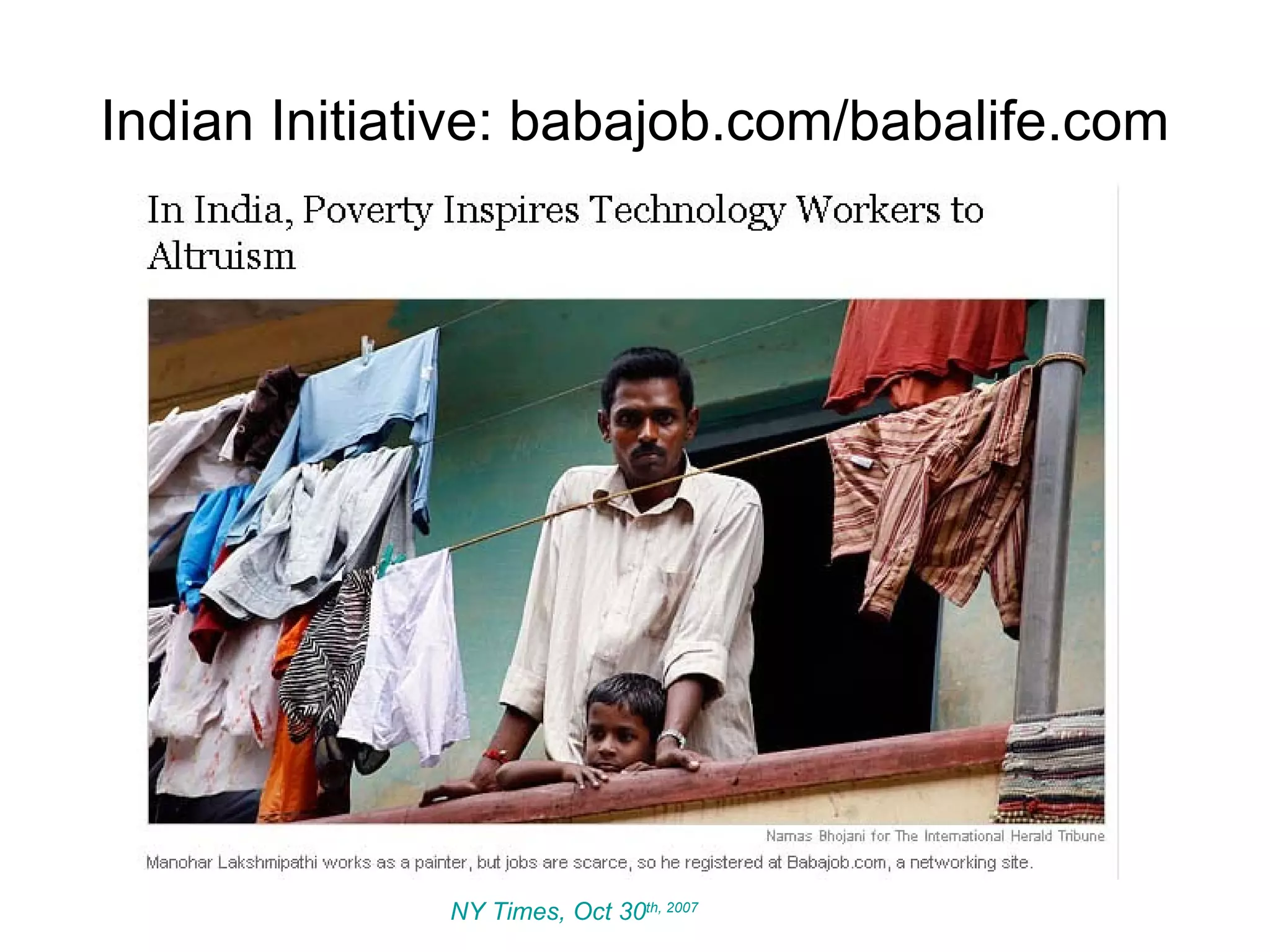
Indian Initiative: babajob.com/babalife.com NY Times, Oct 30 th , 2007
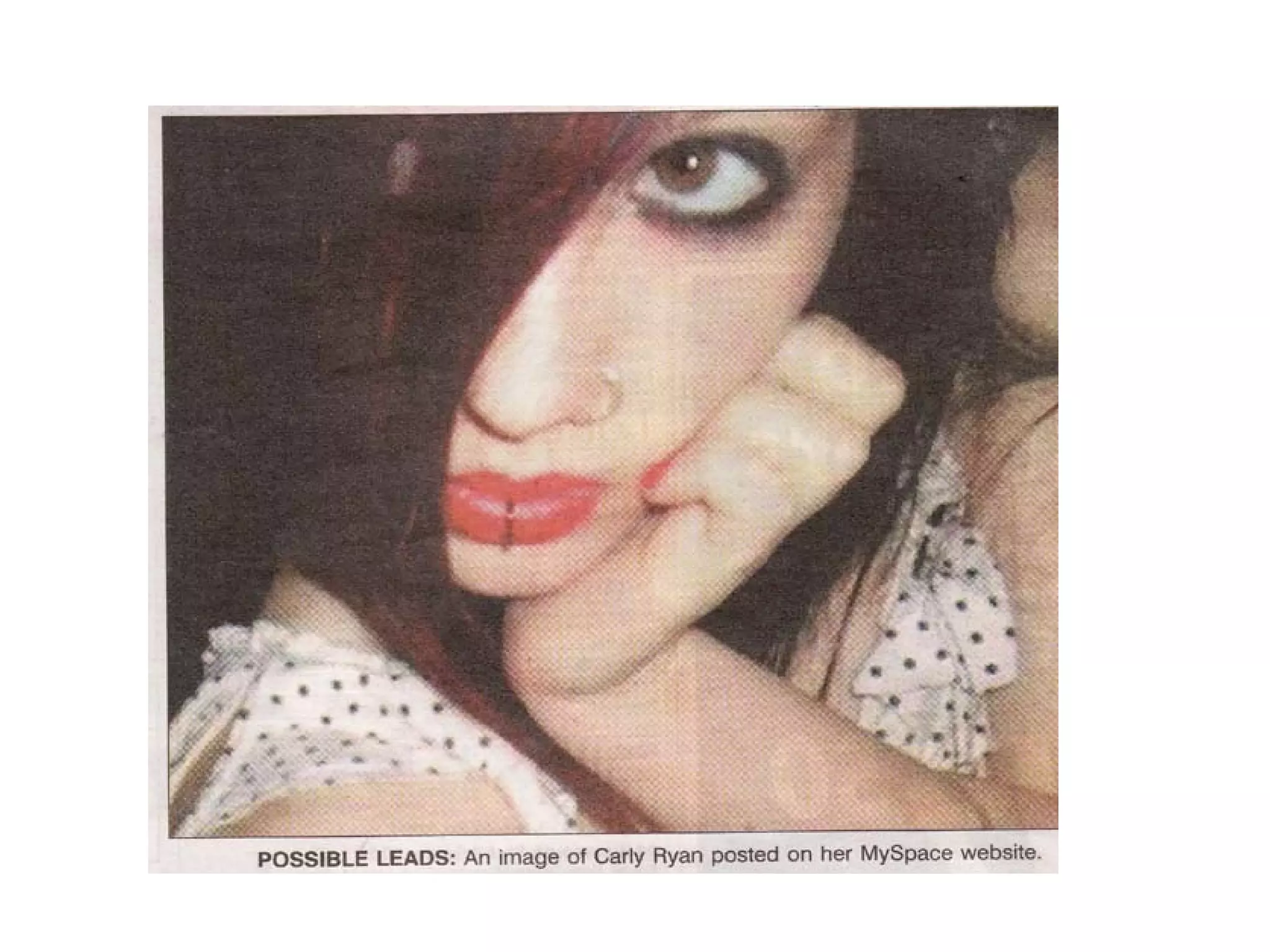
Are we sociologically ready? What are our  ethical responsibilities  as adults/educators : to our children/students? to ourselves?  (teacher sacked for    posting photo on MySpace)
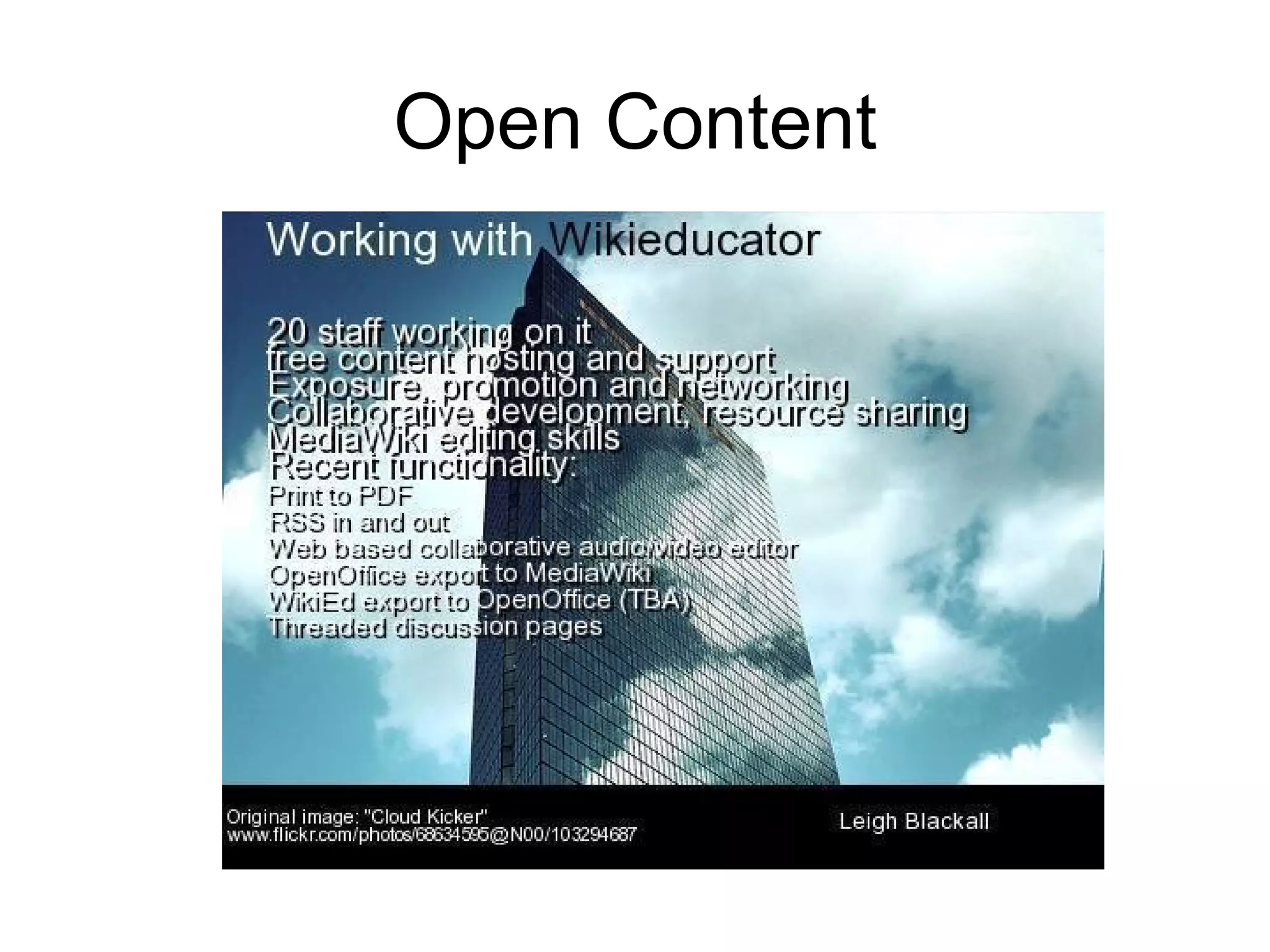
Open Content
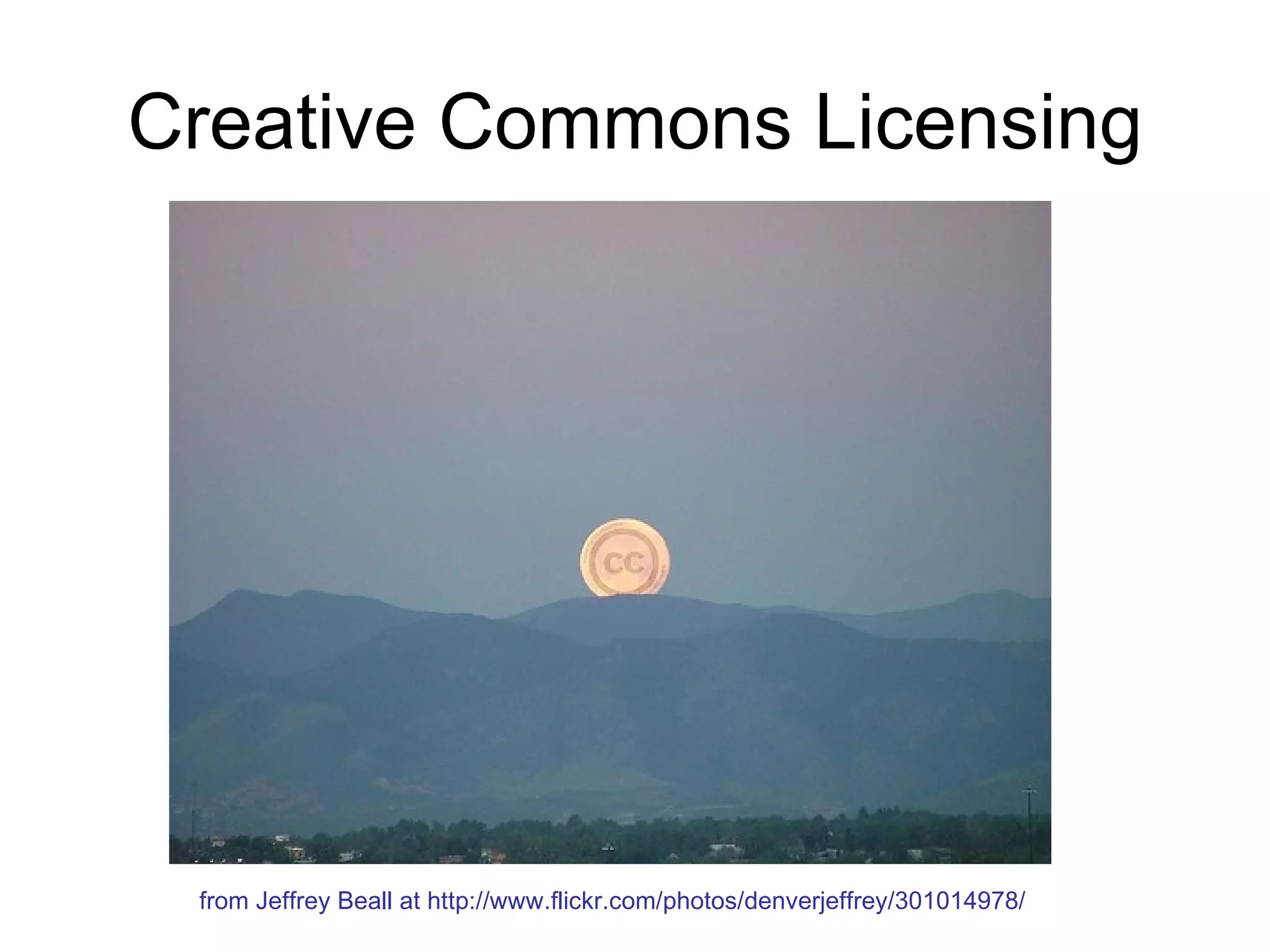
Creative Commons Licensing from Jeffrey Beall at http://www.flickr.com/photos/denverjeffrey/301014978/


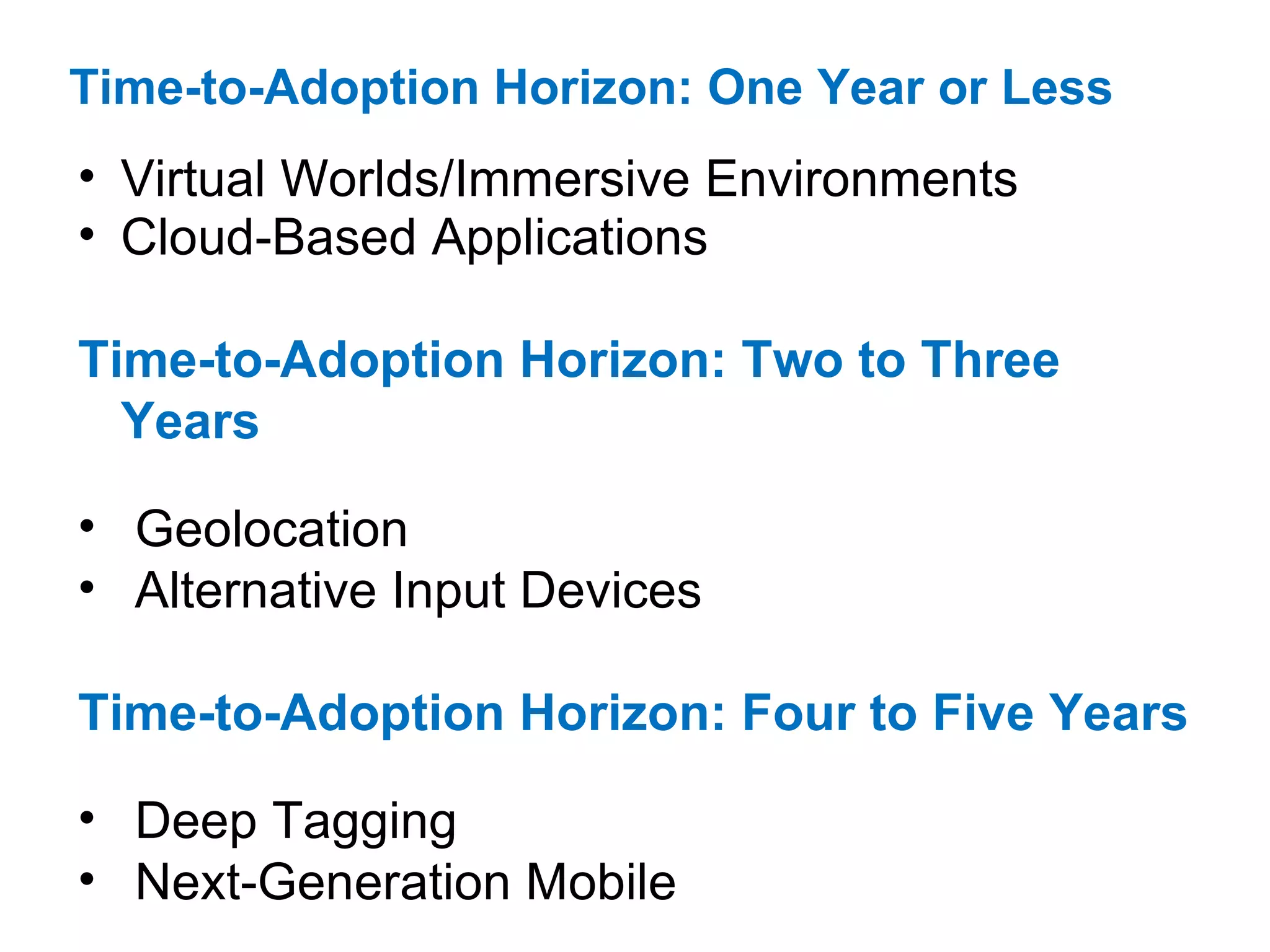
Time-to-Adoption Horizon: One Year or Less   Virtual Worlds/Immersive Environments  Cloud-Based Applications  Time-to-Adoption Horizon: Two to Three Years Geolocation  Alternative Input Devices  Time-to-Adoption Horizon: Four to Five Years Deep Tagging  Next-Generation Mobile
Time-to-Adoption Horizon: One Year or Less Virtual Worlds/ ImmersiveEnvironments  Cloud-Based Applications
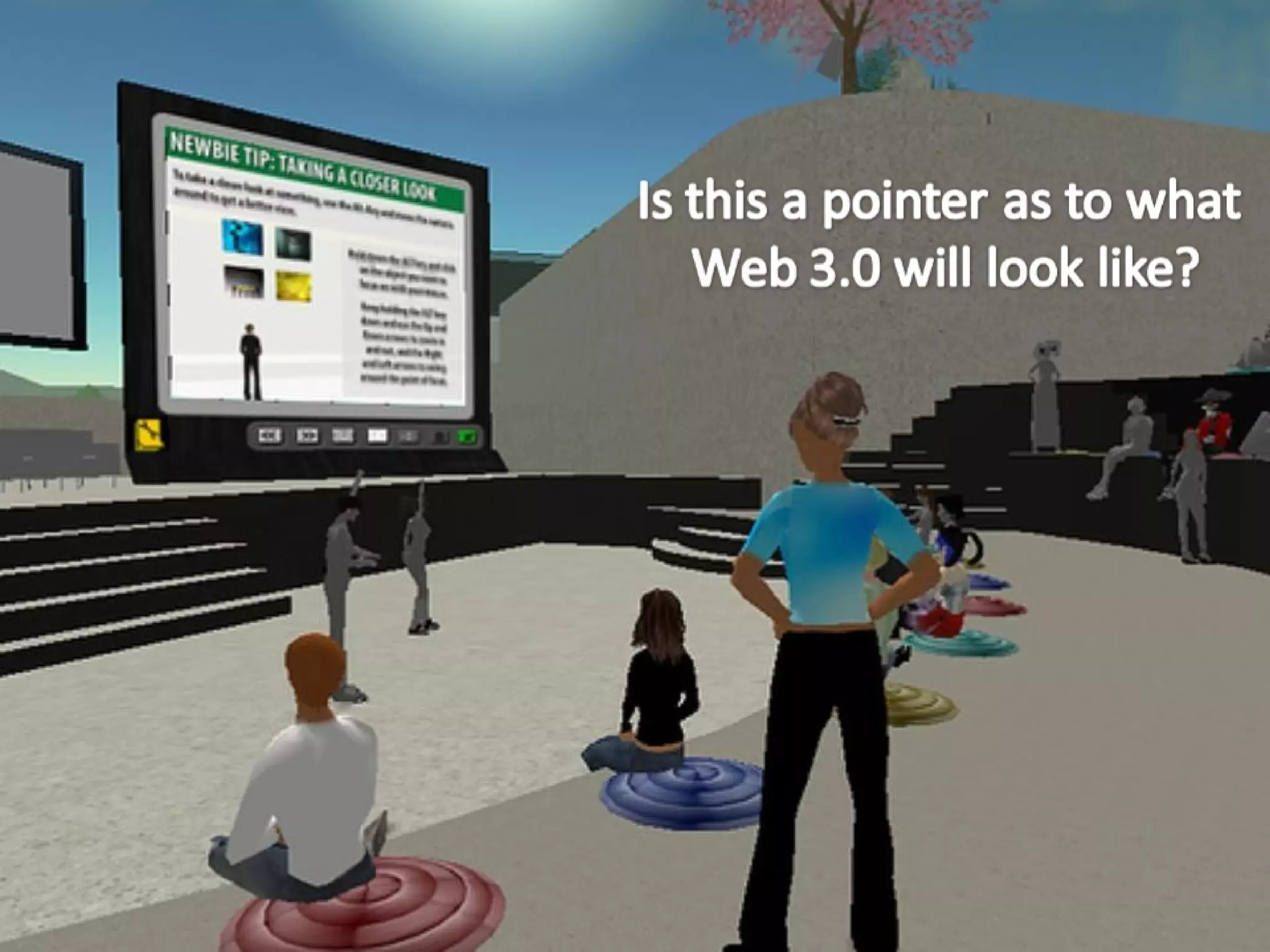
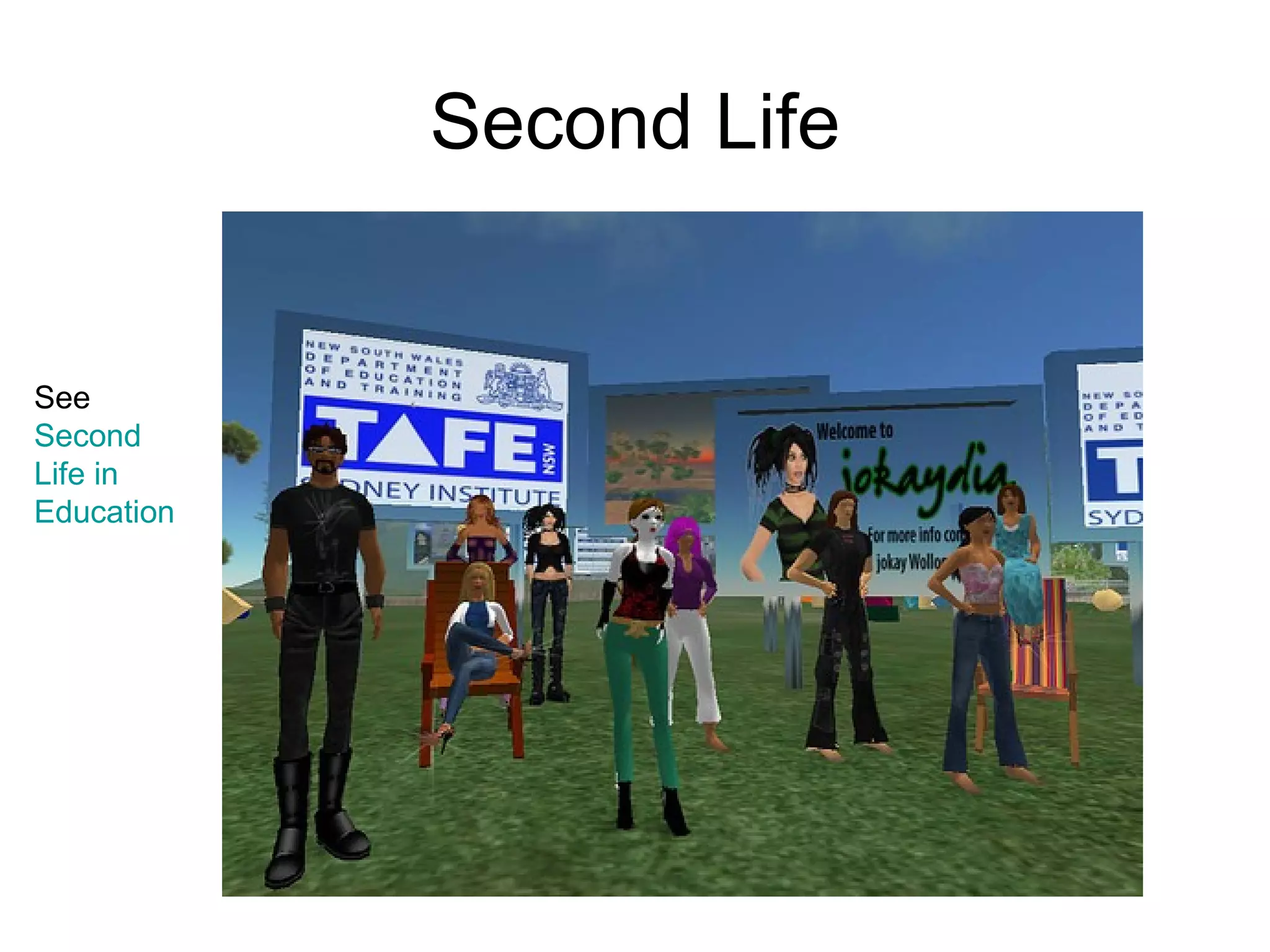
Second Life See  Second  Life in  Education
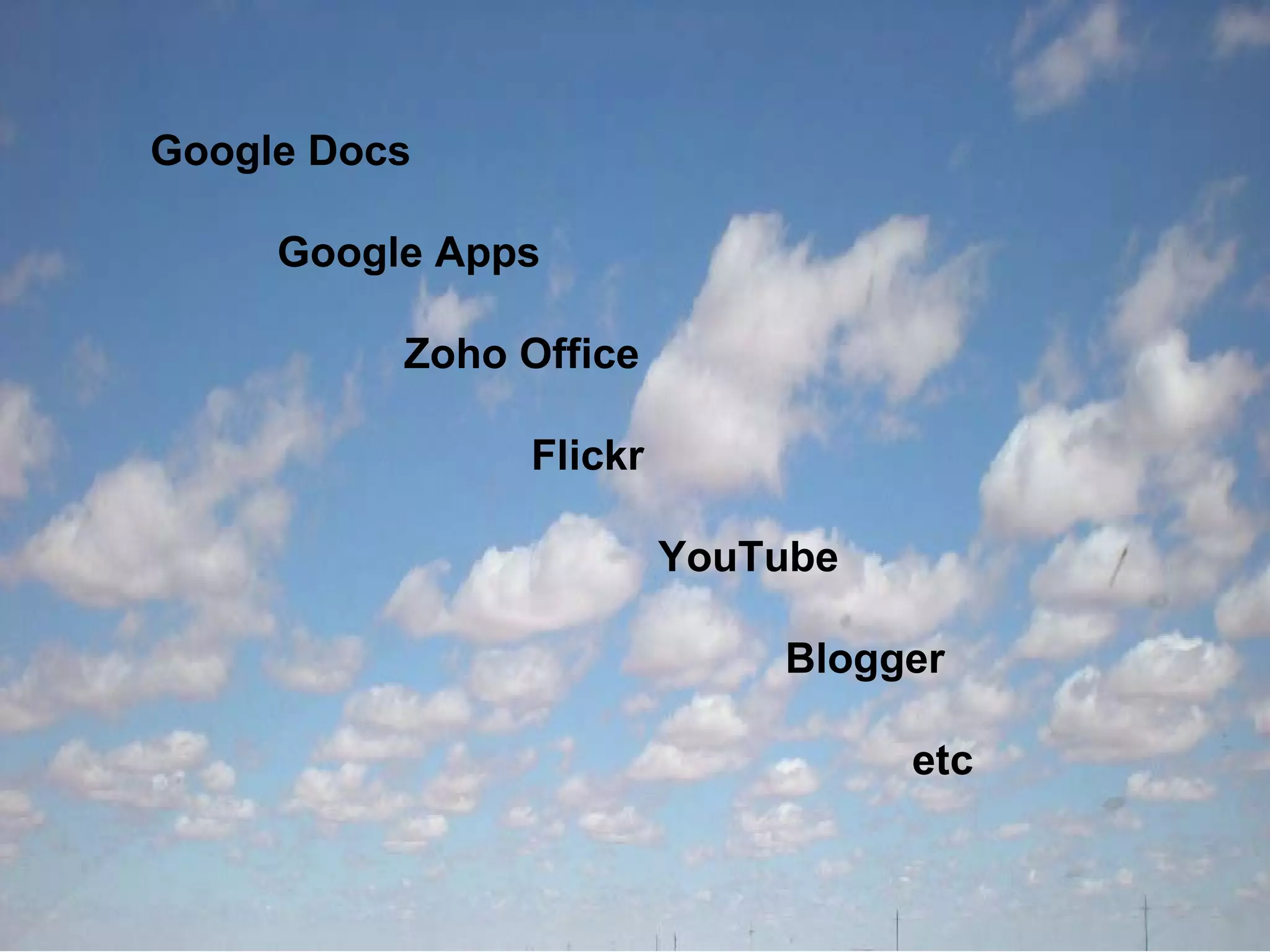
Google Docs Google Apps Zoho Office Flickr YouTube Blogger etc
Time-to-Adoption Horizon: Two to Three Years   Geolocation  Alternative Input Devices
GEOTAGGING
Time-to-Adoption Horizon: Four to Five Years   Deep Tagging  Next-Generation Mobile
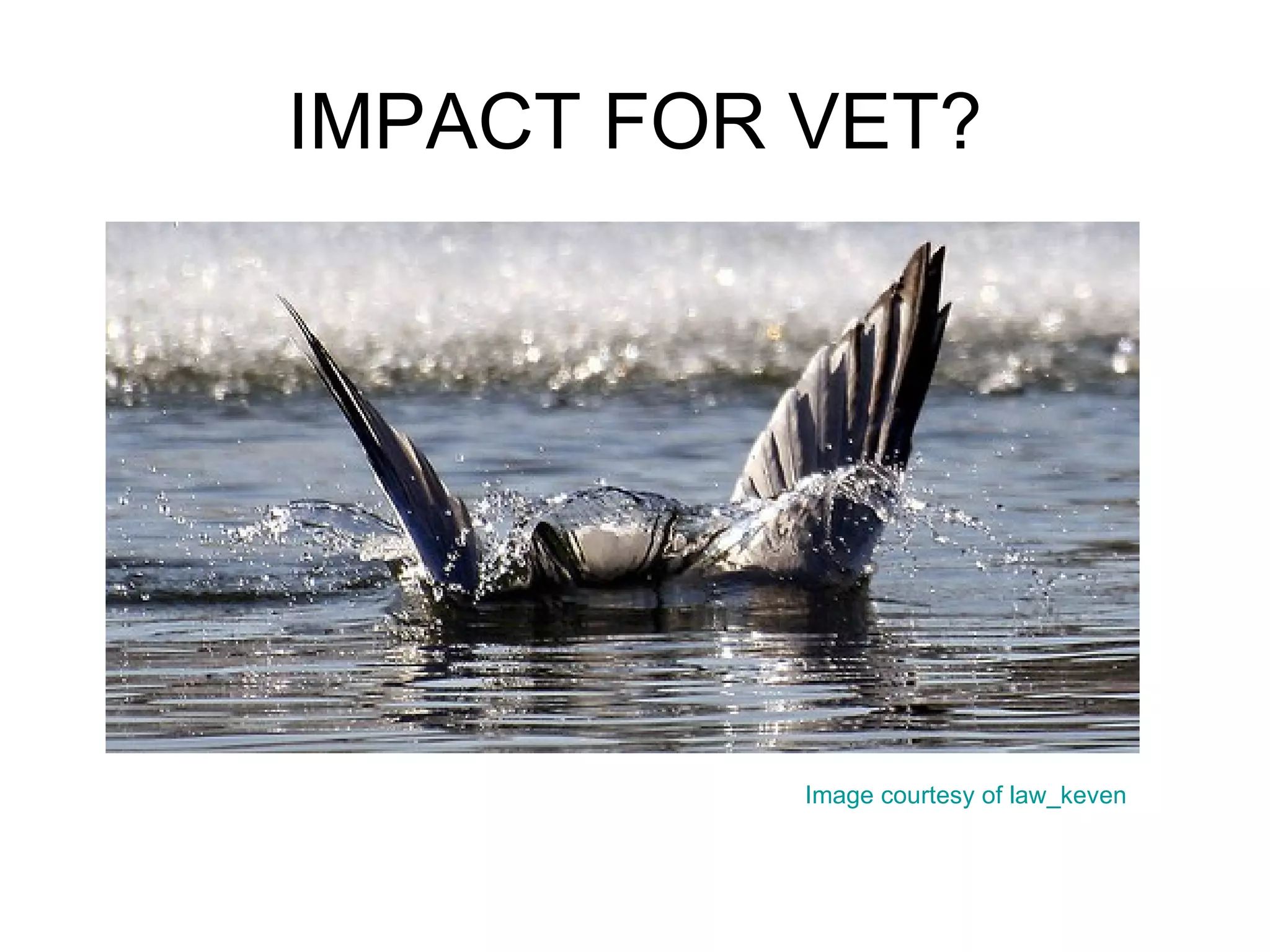
IMPACT FOR VET? Image courtesy of  law_keven
Learning in the 21 st  Century “  I have seen predictions that a student doing a 3 year course by 2012 will experience the situation where most of the knowledge they have gained in year one will be completely out of date by the time they finish year 3.” “… the only sustainable approach…will be to find the learning and teaching strategies which will ensure that people embrace attitudes and behaviours anchored in lifelong learning.” “ It is becoming …an imperative for industry to have staff who are lifelong learners and highly ICT literate.” Greg Black, CEO, education.au (Campus Review 16/10/07)
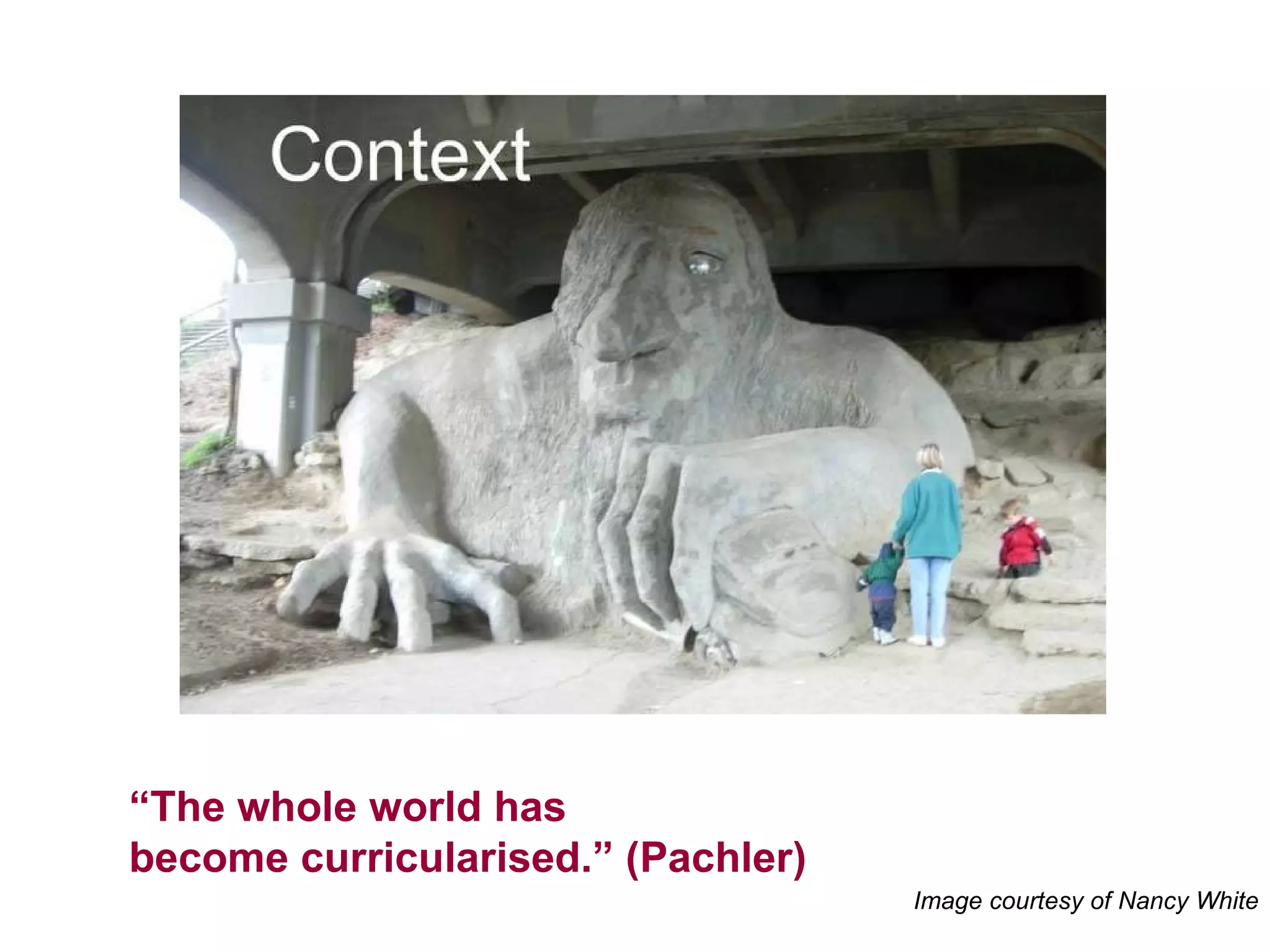
“ The whole world has  become curricularised.” (Pachler) Image courtesy of Nancy White
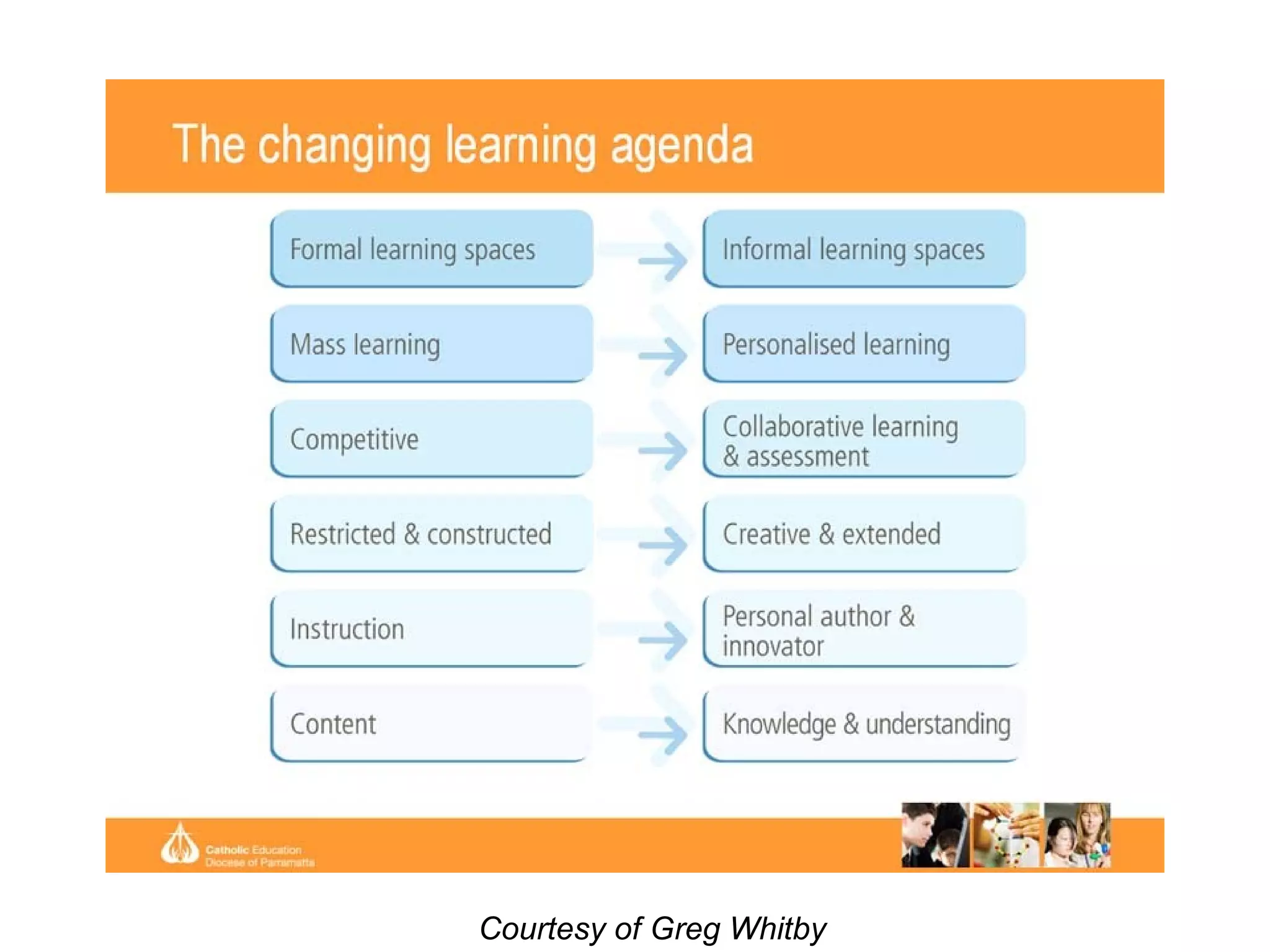
Courtesy of Greg Whitby
Awareness or a Set of Skills? New Practices predicated upon an awareness that things have changed…
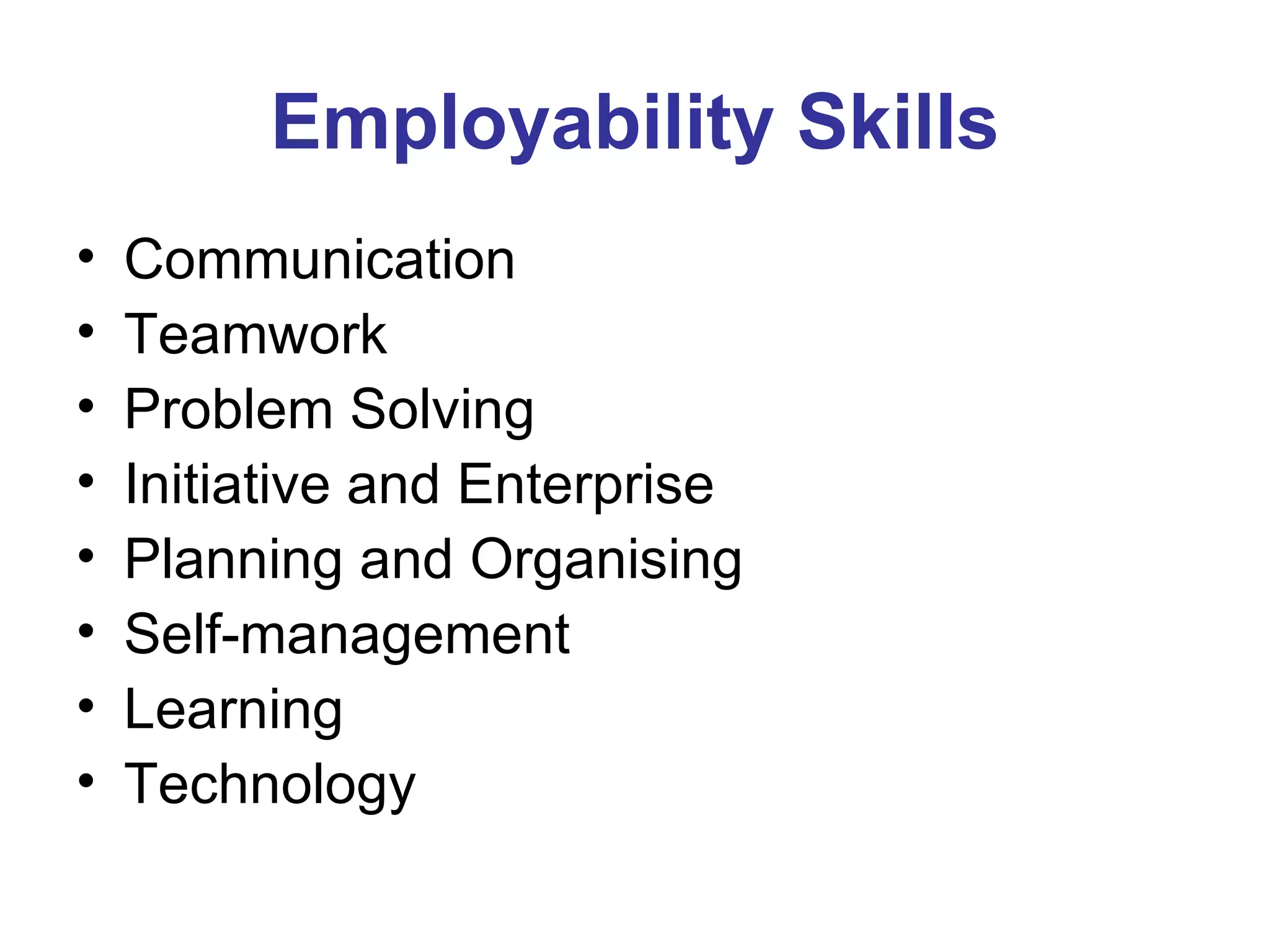
Employability Skills Communication  Teamwork  Problem Solving  Initiative and Enterprise  Planning and Organising  Self-management  Learning  Technology
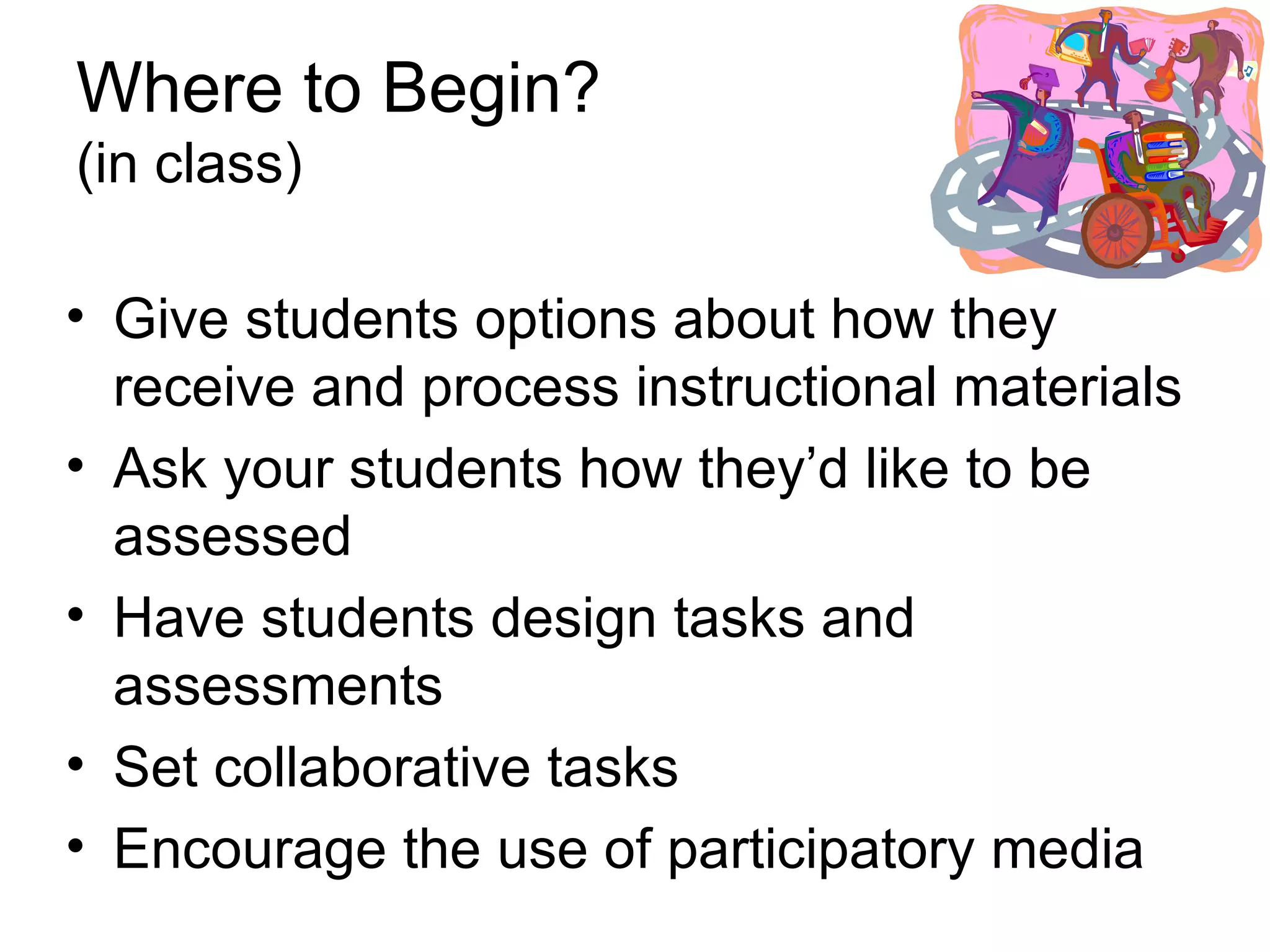
Where to Begin? (in class) Give students options about how they receive and process instructional materials  Ask your students how they’d like to be assessed Have students design tasks and assessments Set collaborative tasks Encourage the use of participatory media
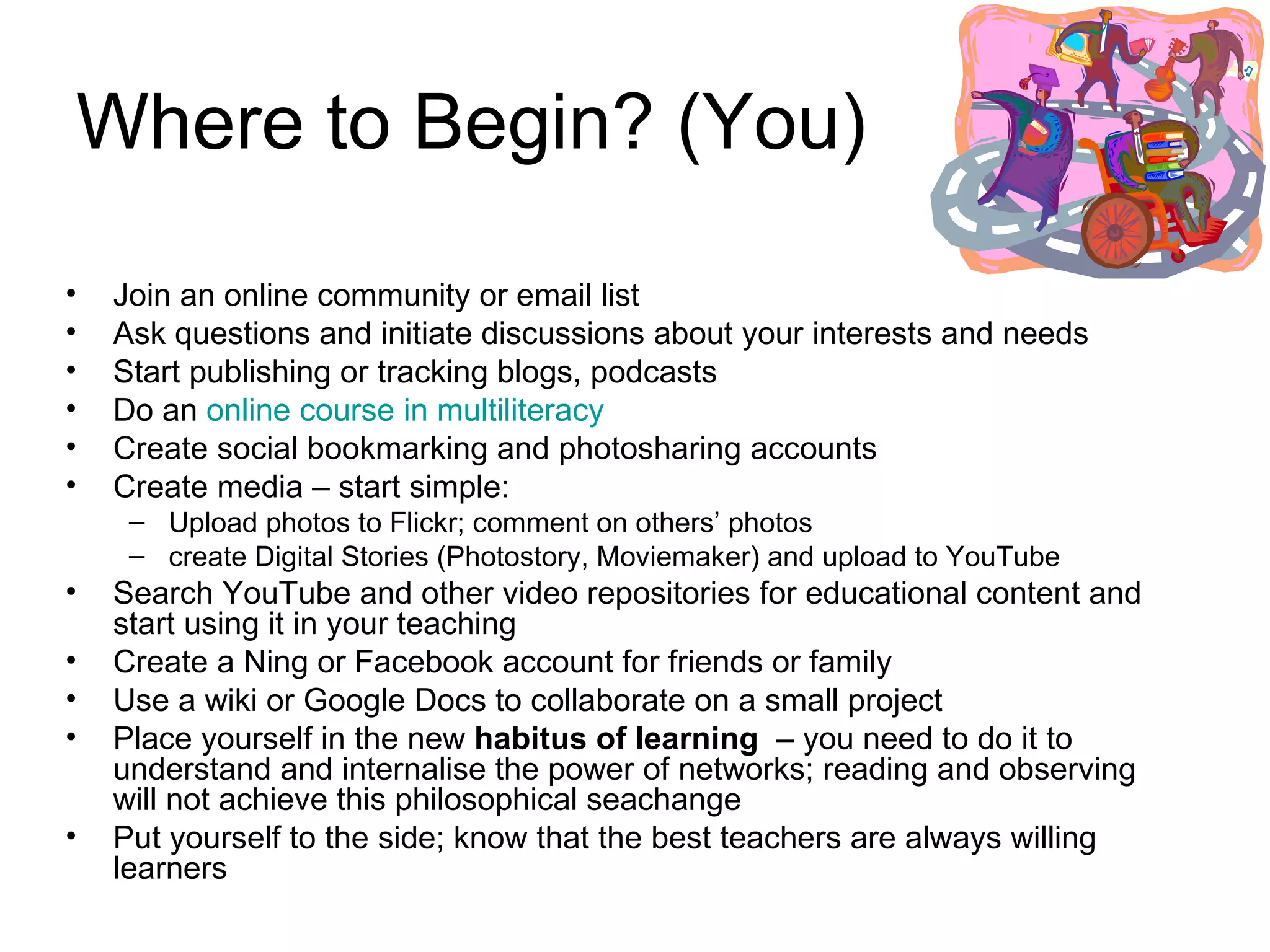
Where to Begin? (You) Join an online community or email list Ask questions and initiate discussions about your interests and needs Start publishing or tracking blogs, podcasts Do an  online course in  multiliteracy Create social bookmarking and photosharing accounts Create media – start simple:  Upload photos to Flickr; comment on others’ photos create Digital Stories (Photostory, Moviemaker) and upload to YouTube Search YouTube and other video repositories for educational content and start using it in your teaching Create a Ning or Facebook account for friends or family Use a wiki or Google Docs to collaborate on a small project  Place yourself in the new  habitus of learning   – you need to do it to understand and internalise the power of networks; reading and observing will not achieve this philosophical seachange  Put yourself to the side; know that the best teachers are always willing learners
IN CONCLUSION: Being a connected educator   involves :  engaging with the world of participatory media guiding students in this new  disintermediated  world modelling the use of technology for lifelong learning allowing time for ‘slow learning’ and reflection It’s all about  connections …… (and it’s got nothing to do with age!)
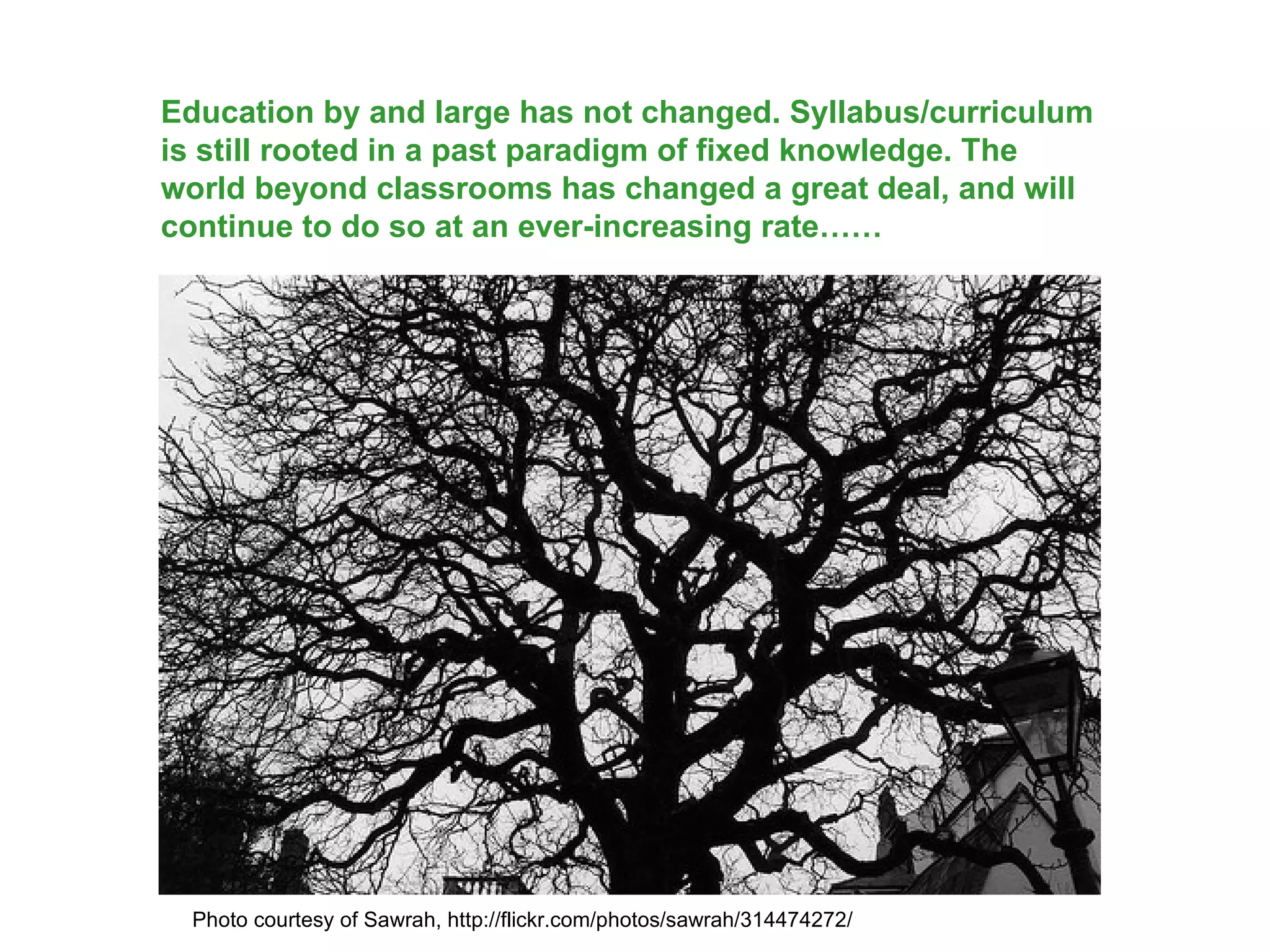
Education by and large has not changed. Syllabus/curriculum is still rooted in a past paradigm of fixed knowledge. The world beyond classrooms has changed a great deal, and will continue to do so at an ever-increasing rate…… Photo courtesy of Sawrah, http://flickr.com/photos/sawrah/314474272/

Web2.0 and the Future

  • 1.
  • 2.
  • 3.
    eLearning 2.0/Web 2.0(Stephen Downes) Elearning 1.0: static packaged content little true interactivity and learner input and very little contact with a tutor. represented by Learner Management Systems. (eg WebCT, Blackboard, etc) Elearning 2.0: more student-centred centred around a Personal Learning Environment using social software. students generate and share content. they interact not only with teachers and their peers, but with anyone in the world they can learn from . (this description courtesy of Sean Fitzgerald)
  • 4.
    “ The Read/WriteWeb” (Tim Berners Lee) Original photo by Hummanna .
  • 5.
    PARTICIPATORY MEDIA/CULTURE SOCIALMEDIA SOCIAL NETWORKING SOCIAL SOFTWARE YouTube Flickr MySpace Facebook Ning, etc
  • 6.
    WHAT HAS CHANGED?(the locus of control is shifting) Decline of the Gatekeepers Publish then evaluate Content Creators; Content Rankers Everyone has access to everything The World is Flat (Thomas Friedman) “People just don’t subscribe to magazines anymore; they also subscribe to people.”
  • 7.
    Agency has shiftedfrom teacher to learner; from teaching to learning
  • 8.
  • 9.
  • 10.
    CONNECTIVISM: ALearning Theory for the Digital Age (George Siemens, University of Manitoba, Canada) Principles of Connectivism: Nurturing and maintaining connections is needed to facilitate continual learning . Currency (accurate, up-to-date knowledge) is the intent of all connectivist learning activities. Choosing what to learn and the meaning of incoming information is seen through the lens of a shifting reality. While there is a right answer now, it may be wrong tomorrow due to alterations in the information climate affecting the decision.
  • 11.
    9000 hrs ofextra content each day In 6 months generates as much content as major broadcasters in US did in 60 years Superb video from Michael Wesch: An Anthropological Introduction to YouTube www.youtube.com /watch?v=TPAO-lZ4_hU
  • 12.
    Rewriting or Killingour Cultures?
  • 13.
    THE CROWD: Collectivewisdom? Stupidity of the masses? Is our culture being re-written? Is the Internet killing our Culture? (Andrew Keen: the cult of the amateur)
  • 14.
  • 15.
    MySpace/Facebook September 2nd , 2008 POLICE are trawling social networking sites and tracking text messages to find the organisers of a wild party shut down by the riot squad in Sydney. About 1500 people crammed into a Camperdown warehouse in Sydney's inner west for the party which was publicised through Facebook and other online forums. ( http://www.news.com.au/technology/story/0,25642,24273455-5014108,00.html ) September 2 nd , 2008 A wild teenage party promoted on MySpace has been condemned by Geelong police who were pelted with glass bottles when they tried to close it down. ( http:// www.theage.com.au/national/myspace -party-teens-pelt police-with-bottles-20080902-47hg.html ) fear
  • 16.
  • 17.
  • 18.
    Are we sociologicallyready? What are our ethical responsibilities as adults/educators : to our children/students? to ourselves? (teacher sacked for posting photo on MySpace)
  • 19.
  • 20.
    Creative Commons Licensingfrom Jeffrey Beall at http://www.flickr.com/photos/denverjeffrey/301014978/
  • 21.
  • 22.
  • 23.
  • 24.
    Time-to-Adoption Horizon: OneYear or Less Virtual Worlds/Immersive Environments Cloud-Based Applications Time-to-Adoption Horizon: Two to Three Years Geolocation Alternative Input Devices Time-to-Adoption Horizon: Four to Five Years Deep Tagging Next-Generation Mobile
  • 25.
    Time-to-Adoption Horizon: OneYear or Less Virtual Worlds/ ImmersiveEnvironments Cloud-Based Applications
  • 26.
    Second Life See Second Life in Education
  • 27.
    Google Docs GoogleApps Zoho Office Flickr YouTube Blogger etc
  • 28.
    Time-to-Adoption Horizon: Twoto Three Years Geolocation Alternative Input Devices
  • 29.
  • 30.
    Time-to-Adoption Horizon: Fourto Five Years Deep Tagging Next-Generation Mobile
  • 31.
    IMPACT FOR VET?Image courtesy of law_keven
  • 32.
    Learning in the21 st Century “ I have seen predictions that a student doing a 3 year course by 2012 will experience the situation where most of the knowledge they have gained in year one will be completely out of date by the time they finish year 3.” “… the only sustainable approach…will be to find the learning and teaching strategies which will ensure that people embrace attitudes and behaviours anchored in lifelong learning.” “ It is becoming …an imperative for industry to have staff who are lifelong learners and highly ICT literate.” Greg Black, CEO, education.au (Campus Review 16/10/07)
  • 33.
    “ The wholeworld has become curricularised.” (Pachler) Image courtesy of Nancy White
  • 34.
  • 35.
    Awareness or aSet of Skills? New Practices predicated upon an awareness that things have changed…
  • 36.
    Employability Skills Communication Teamwork Problem Solving Initiative and Enterprise Planning and Organising Self-management Learning Technology
  • 37.
    Where to Begin?(in class) Give students options about how they receive and process instructional materials Ask your students how they’d like to be assessed Have students design tasks and assessments Set collaborative tasks Encourage the use of participatory media
  • 38.
    Where to Begin?(You) Join an online community or email list Ask questions and initiate discussions about your interests and needs Start publishing or tracking blogs, podcasts Do an online course in multiliteracy Create social bookmarking and photosharing accounts Create media – start simple: Upload photos to Flickr; comment on others’ photos create Digital Stories (Photostory, Moviemaker) and upload to YouTube Search YouTube and other video repositories for educational content and start using it in your teaching Create a Ning or Facebook account for friends or family Use a wiki or Google Docs to collaborate on a small project Place yourself in the new habitus of learning – you need to do it to understand and internalise the power of networks; reading and observing will not achieve this philosophical seachange Put yourself to the side; know that the best teachers are always willing learners
  • 39.
    IN CONCLUSION: Beinga connected educator involves : engaging with the world of participatory media guiding students in this new disintermediated world modelling the use of technology for lifelong learning allowing time for ‘slow learning’ and reflection It’s all about connections …… (and it’s got nothing to do with age!)
  • 40.
    Education by andlarge has not changed. Syllabus/curriculum is still rooted in a past paradigm of fixed knowledge. The world beyond classrooms has changed a great deal, and will continue to do so at an ever-increasing rate…… Photo courtesy of Sawrah, http://flickr.com/photos/sawrah/314474272/