• Can you swim?
• Could you swim ten years ago?
• Can you speak English?
• Could you speak English when you
were six?
• Now it’s your turn. Work in pairs and
ask questions with the modal verb in
your card.
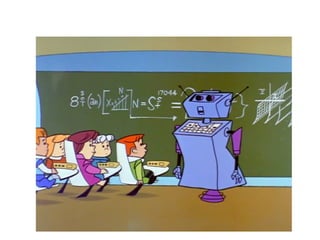
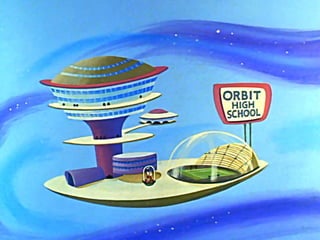
Meet the Jetsons.
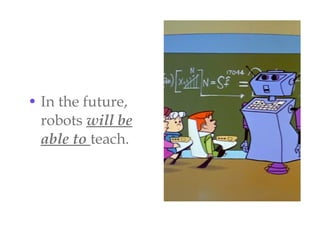
• In the future,
robots will be
able to teach.
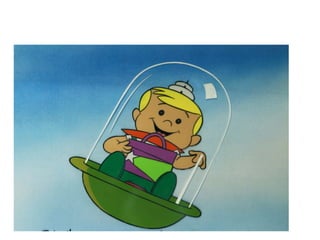
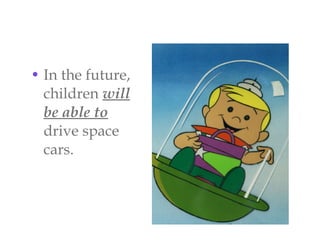
• In the future,
children will
be able to
drive space
cars.
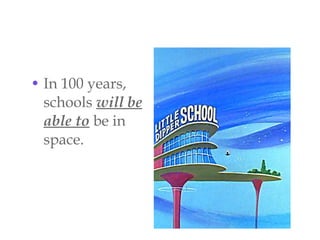
• In 100 years,
schools will be
able to be in
space.
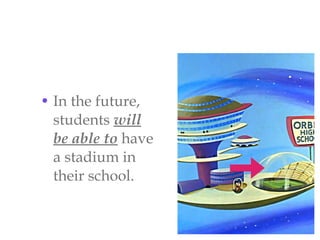
• In the future,
students will
be able to have
a stadium in
their school.
Now please look at your
worksheet and write sentences
about the pictures as in the
example.

You have 5 minutes!
You have 5 minutes!
• Why do we use “will be able to” ?
• Do we use it for future abilities?
• Do we use it for future possibilities?
Ability or Possibility?
• In the future, robots will be able to
teach. ability
• In the future, children will be able
to drive space cars. ability
Ability or Possibility?
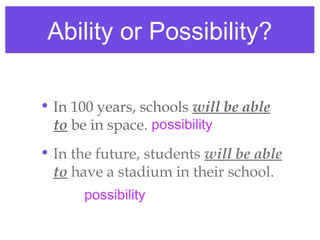
• In 100 years, schools will be able
to be in space. possibility
• In the future, students will be able
to have a stadium in their school.
possibility
We use “will be able to” to talk about future
abilities and possibilities.
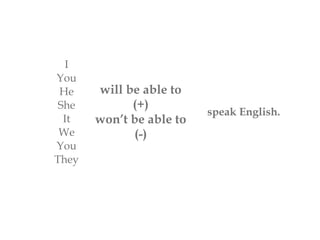
I
You
He
She
It
We
You
They

will be able to
(+)
won’t be able to
(-)

speak English.
• You’ll see some pictures now.
• You’ll write a sentence about the
picture by using ‘will be able to’ in
groups.
• Then, a person from each group will
come to board and put their sentence
on the board.
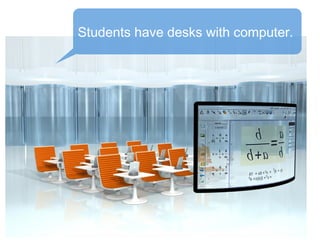
Students have desks with computer.
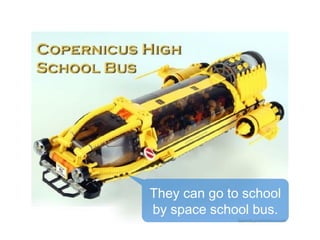
They can go to school
by space school bus.
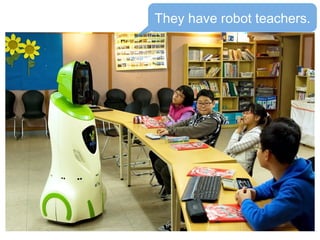
They have robot teachers.
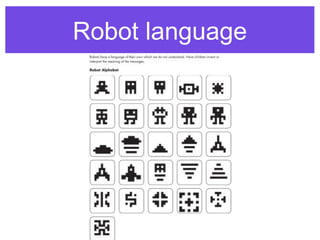
Robot language
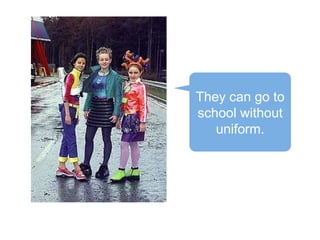
They can go to
school without
uniform.
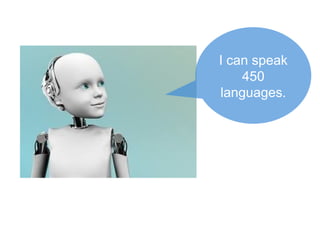
I can speak
450
languages.
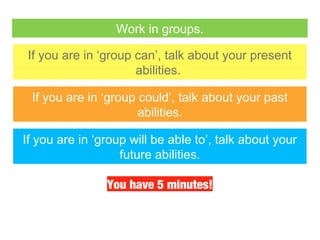
Work in groups.
If you are in ‘group can’, talk about your present
abilities.
If you are in ‘group could’, talk about your past
abilities.
If you are in ‘group will be able to’, talk about your
future abilities.
You have 5 minutes!
• Now, a person from each group will
come together. You’ll work in groups of
three.
• Each group should include a person
from ‘group can’ , a person from ‘group
could’ and a person from ‘group will
be able to’.
• Then, write a paragraph including
‘can,could and will be able to’ together.

You
have
five
mins!

Will be able to

  • 2.
    • Can youswim? • Could you swim ten years ago? • Can you speak English? • Could you speak English when you were six?
  • 3.
    • Now it’syour turn. Work in pairs and ask questions with the modal verb in your card.
  • 4.
  • 6.
    • In thefuture, robots will be able to teach.
  • 8.
    • In thefuture, children will be able to drive space cars.
  • 10.
    • In 100years, schools will be able to be in space.
  • 12.
    • In thefuture, students will be able to have a stadium in their school.
  • 13.
    Now please lookat your worksheet and write sentences about the pictures as in the example. You have 5 minutes! You have 5 minutes!
  • 14.
    • Why dowe use “will be able to” ? • Do we use it for future abilities? • Do we use it for future possibilities?
  • 15.
    Ability or Possibility? •In the future, robots will be able to teach. ability • In the future, children will be able to drive space cars. ability
  • 16.
    Ability or Possibility? •In 100 years, schools will be able to be in space. possibility • In the future, students will be able to have a stadium in their school. possibility
  • 17.
    We use “willbe able to” to talk about future abilities and possibilities.
  • 18.
    I You He She It We You They will be ableto (+) won’t be able to (-) speak English.
  • 19.
    • You’ll seesome pictures now. • You’ll write a sentence about the picture by using ‘will be able to’ in groups. • Then, a person from each group will come to board and put their sentence on the board.
  • 20.
    Students have deskswith computer.
  • 21.
    They can goto school by space school bus.
  • 22.
    They have robotteachers.
  • 23.
  • 24.
    They can goto school without uniform.
  • 25.
  • 26.
    Work in groups. Ifyou are in ‘group can’, talk about your present abilities. If you are in ‘group could’, talk about your past abilities. If you are in ‘group will be able to’, talk about your future abilities. You have 5 minutes!
  • 27.
    • Now, aperson from each group will come together. You’ll work in groups of three. • Each group should include a person from ‘group can’ , a person from ‘group could’ and a person from ‘group will be able to’. • Then, write a paragraph including ‘can,could and will be able to’ together. You have five mins!