Section 3 Notes
The World in 1050
 Several other civilizations were flourishing outside of









Europe during this same time period:
Muslim empire
India
Tang and Song dynasties in China
Sonike people of West Africa
Mayans and Incas
Byzantine empire
Seljuk Turks
Pope Innocent IV wrote a letter to the Mongols asking for
their help in the struggle against the Muslims in
Arabic, Mongol, and Latin
The Crusades
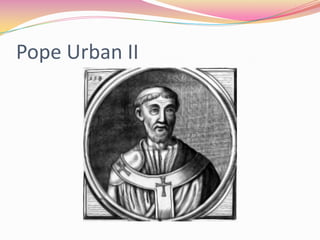
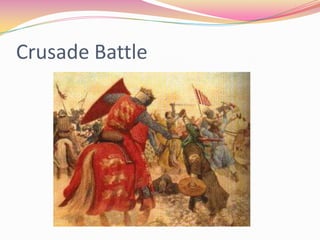
 At the Council of Clermont in 1095, Pope Urban II

called for Christian knights to help fight the Turks and
drive them out of the Holy Land
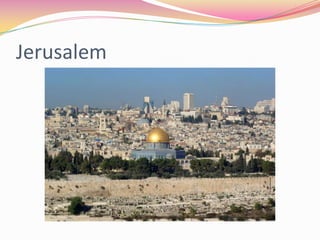
 The objective was to capture Jerusalem from the Turks
and put it back under Christian control---in today’s
world, Jews, Christians, and Muslims all consider
Jerusalem to be a holy city
 Motivations for the crusaders---religious zeal, win
wealth and land, escape troubles at home, adventure
 Pope’s motivations---heal the schism between the
Roman and Byzantine churches
Pope Urban II
Crusade Battle
Jerusalem
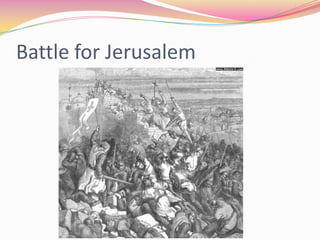
Battle for Jerusalem
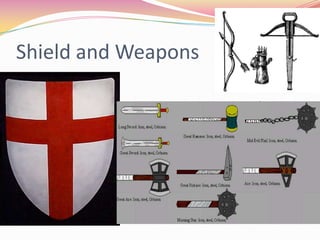
Shield and Weapons
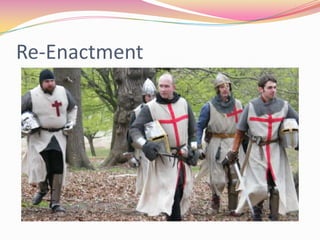
Re-Enactment
The Crusades
 Only the First Crusade came close to achieving its goals
 Christian knights captured Jerusalem in 1099 and








celebrated by massacring Muslim and Jewish residents of
the city
The Crusades continued off and on for over 200 years
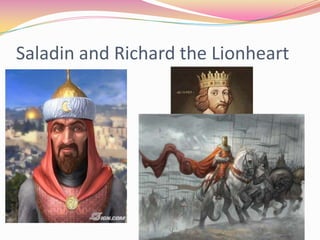
Saladin defeated the Crusaders during the Third Crusade
The Crusaders were led by Richard the Lionheart
During the Fourth Crusade, Christian crusaders ended up
fighting each other
In 1291, upon capturing the port city of Acre, the Muslims
massacred Christians
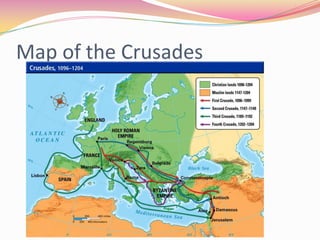
Map of the Crusades
Saladin and Richard the Lionheart
Effects of the Crusades
 Five lasting effects of the Crusades on Europe:
 Economic expansion
 Introduction of new words
 Increased power for monarchs

 Increased tensions between Byzantine and Roman

churches
 Wider world view
Effects of the Crusades
 Products introduced into Europe: fabrics, spices, and

perfumes
 Words we use that came from the Arabic language:

sugar, cotton, and rice
Effects of the Crusades
 Monarchs won the right to levy taxes in order to

support the Crusades
 Papal power was brought to its height by the Crusades
 Christians realized for the first time that millions of
people lived in regions they had never known existed
Marco Polo
 Originally from Venice, Italy and in 1271 set out to

explore China with his father and uncle
 He spent many years in China and eventually returned
home and was called the “prince of liars” because
people did not believe the stories he told them
 While in China, Polo observed a government-run mail
service and people using coal to heat their homes
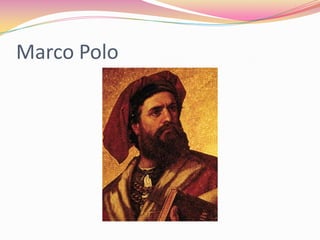
Marco Polo
Reconquista
 Reconquista=reconquest of Spain from the Muslim

forces
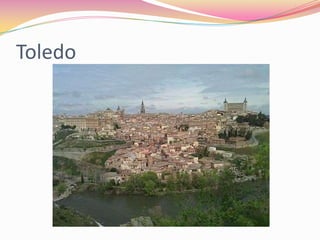
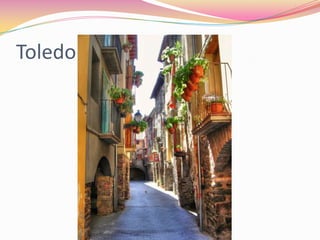
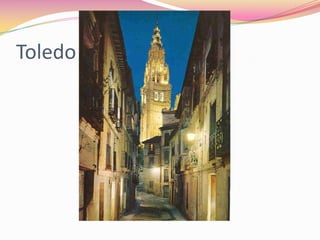
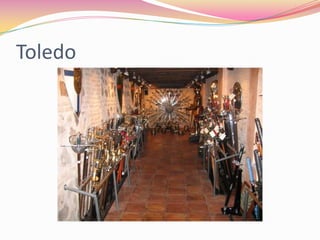
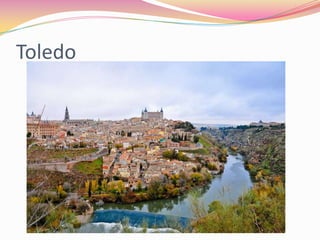
 In 1085, Christian forces captured the city of Toledo--their first real success
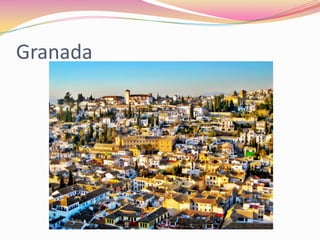
 By 1300, Christians controlled the entire Iberian
Peninsula except for Granada
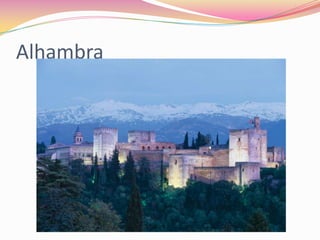
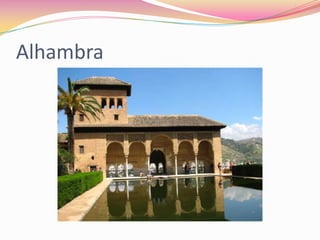
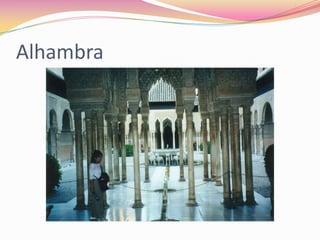
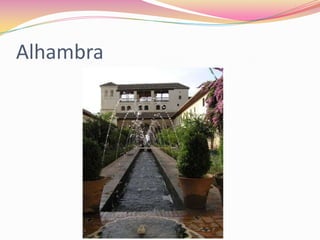
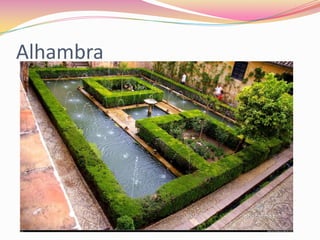
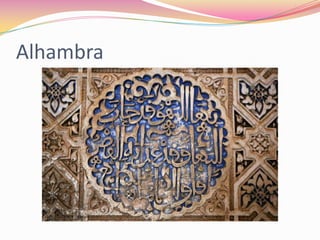
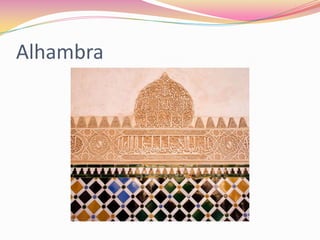
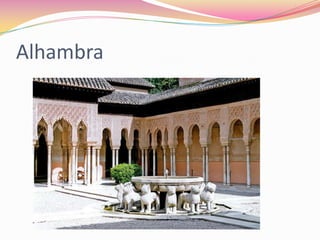
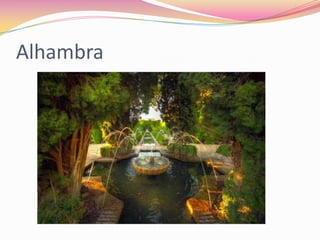
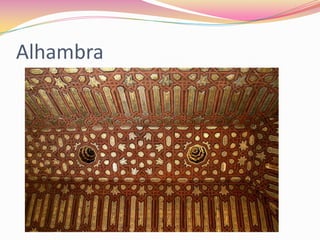
 Muslim influences remained strong, though, and
helped shape the arts and literature of Christian Spain
Toledo
Toledo
Toledo
Toledo
Toledo
Granada
Alhambra
Alhambra
Alhambra
Alhambra
Alhambra
Alhambra
Alhambra
Alhambra
Alhambra
Alhambra
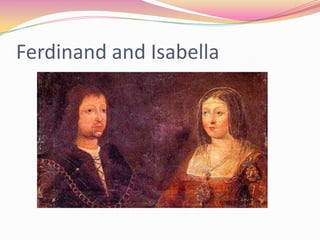
Ferdinand and Isabella
 The marriage of Ferdinand of Aragon and Isabella of

Castile in 1469 paved the way the unified Spain
 Granada fell in 1492 and this marked the end of the
Reconquista
 Isabella was determined to bring religious and political
unity to Spain
Ferdinand and Isabella
The Inquisition
 Under Muslim rule, Spain had enjoyed a tradition of

religious toleration where Christians, Jews, and
Muslims lived in relative peace
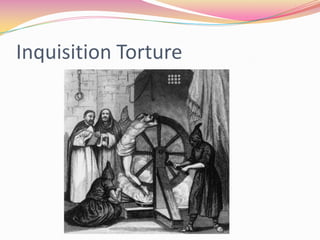
 Inquisition---church court set up to try people for
heresy
 Isabella used this to launch a brutal crusade against
Jews and Muslims
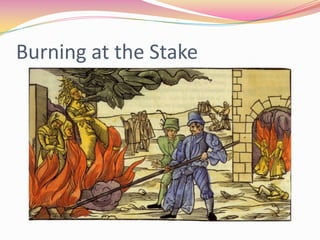
 People who refused to convert to Christianity were
burned alive at the stake
Burning at the Stake
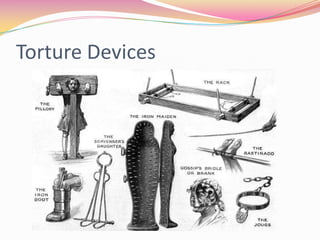
Torture Devices
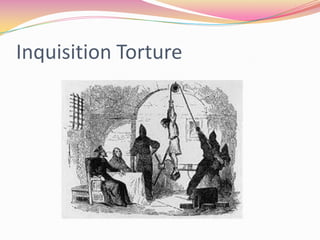
Inquisition Torture
Inquisition Torture

WH Chapter 9 Section 3 Notes

  • 1.
  • 2.
    The World in1050  Several other civilizations were flourishing outside of         Europe during this same time period: Muslim empire India Tang and Song dynasties in China Sonike people of West Africa Mayans and Incas Byzantine empire Seljuk Turks Pope Innocent IV wrote a letter to the Mongols asking for their help in the struggle against the Muslims in Arabic, Mongol, and Latin
  • 3.
    The Crusades  Atthe Council of Clermont in 1095, Pope Urban II called for Christian knights to help fight the Turks and drive them out of the Holy Land  The objective was to capture Jerusalem from the Turks and put it back under Christian control---in today’s world, Jews, Christians, and Muslims all consider Jerusalem to be a holy city  Motivations for the crusaders---religious zeal, win wealth and land, escape troubles at home, adventure  Pope’s motivations---heal the schism between the Roman and Byzantine churches
  • 4.
  • 5.
  • 6.
  • 7.
  • 8.
  • 9.
  • 10.
    The Crusades  Onlythe First Crusade came close to achieving its goals  Christian knights captured Jerusalem in 1099 and      celebrated by massacring Muslim and Jewish residents of the city The Crusades continued off and on for over 200 years Saladin defeated the Crusaders during the Third Crusade The Crusaders were led by Richard the Lionheart During the Fourth Crusade, Christian crusaders ended up fighting each other In 1291, upon capturing the port city of Acre, the Muslims massacred Christians
  • 11.
    Map of theCrusades
  • 12.
    Saladin and Richardthe Lionheart
  • 13.
    Effects of theCrusades  Five lasting effects of the Crusades on Europe:  Economic expansion  Introduction of new words  Increased power for monarchs  Increased tensions between Byzantine and Roman churches  Wider world view
  • 14.
    Effects of theCrusades  Products introduced into Europe: fabrics, spices, and perfumes  Words we use that came from the Arabic language: sugar, cotton, and rice
  • 15.
    Effects of theCrusades  Monarchs won the right to levy taxes in order to support the Crusades  Papal power was brought to its height by the Crusades  Christians realized for the first time that millions of people lived in regions they had never known existed
  • 16.
    Marco Polo  Originallyfrom Venice, Italy and in 1271 set out to explore China with his father and uncle  He spent many years in China and eventually returned home and was called the “prince of liars” because people did not believe the stories he told them  While in China, Polo observed a government-run mail service and people using coal to heat their homes
  • 17.
  • 18.
    Reconquista  Reconquista=reconquest ofSpain from the Muslim forces  In 1085, Christian forces captured the city of Toledo--their first real success  By 1300, Christians controlled the entire Iberian Peninsula except for Granada  Muslim influences remained strong, though, and helped shape the arts and literature of Christian Spain
  • 19.
  • 20.
  • 21.
  • 22.
  • 23.
  • 24.
  • 25.
  • 26.
  • 27.
  • 28.
  • 29.
  • 30.
  • 31.
  • 32.
  • 33.
  • 34.
  • 35.
    Ferdinand and Isabella The marriage of Ferdinand of Aragon and Isabella of Castile in 1469 paved the way the unified Spain  Granada fell in 1492 and this marked the end of the Reconquista  Isabella was determined to bring religious and political unity to Spain
  • 36.
  • 37.
    The Inquisition  UnderMuslim rule, Spain had enjoyed a tradition of religious toleration where Christians, Jews, and Muslims lived in relative peace  Inquisition---church court set up to try people for heresy  Isabella used this to launch a brutal crusade against Jews and Muslims  People who refused to convert to Christianity were burned alive at the stake
  • 38.
  • 39.
  • 40.
  • 41.