Was It Something I Said? 
Emma Jane Hogbin Westby 
www.gitforteams.com 
@emmajanehw
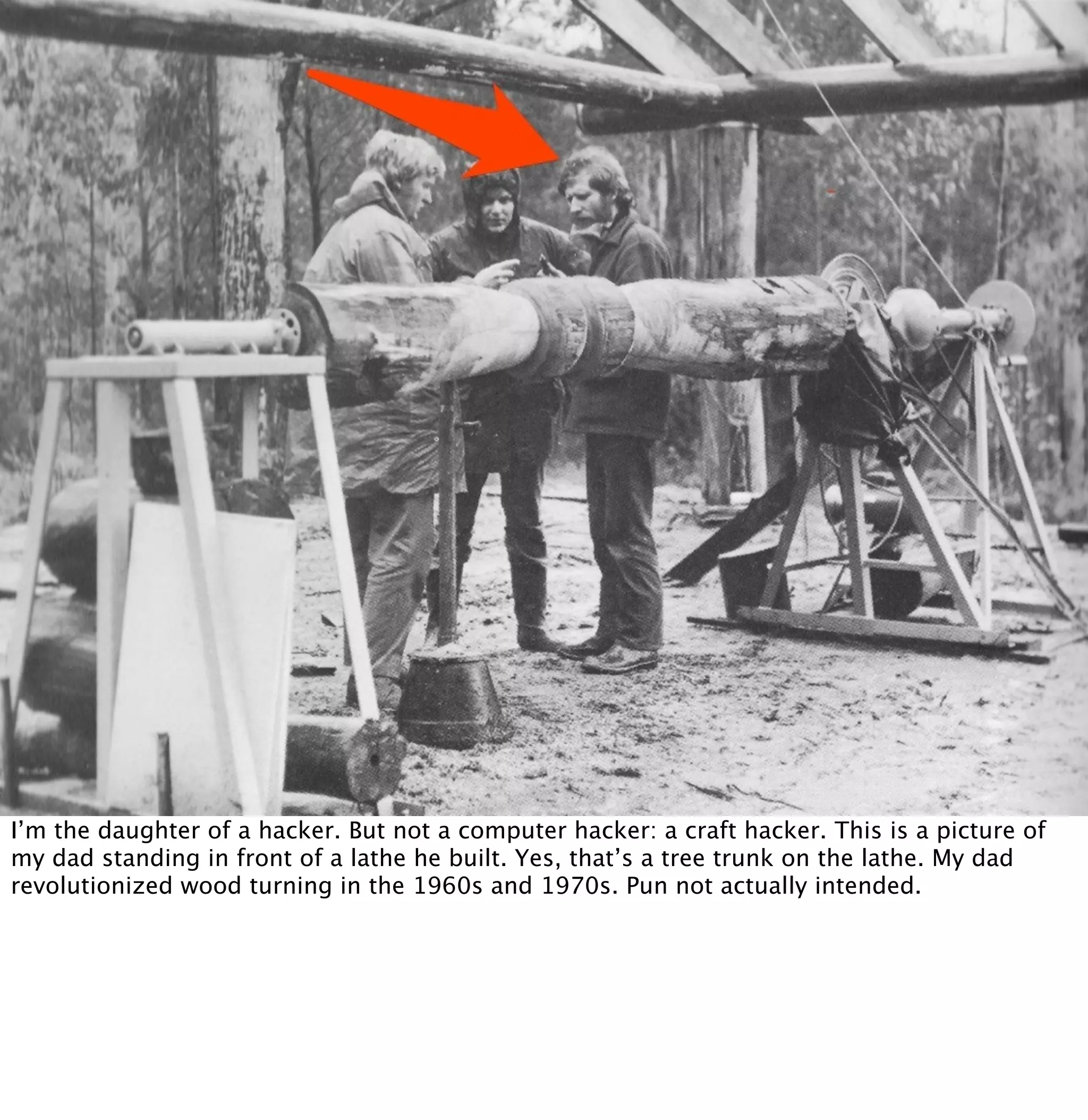
I’m the daughter of a hacker. But not a computer hacker: a craft hacker. This is a picture of 
my dad standing in front of a lathe he built. Yes, that’s a tree trunk on the lathe. My dad 
revolutionized wood turning in the 1960s and 1970s. Pun not actually intended.
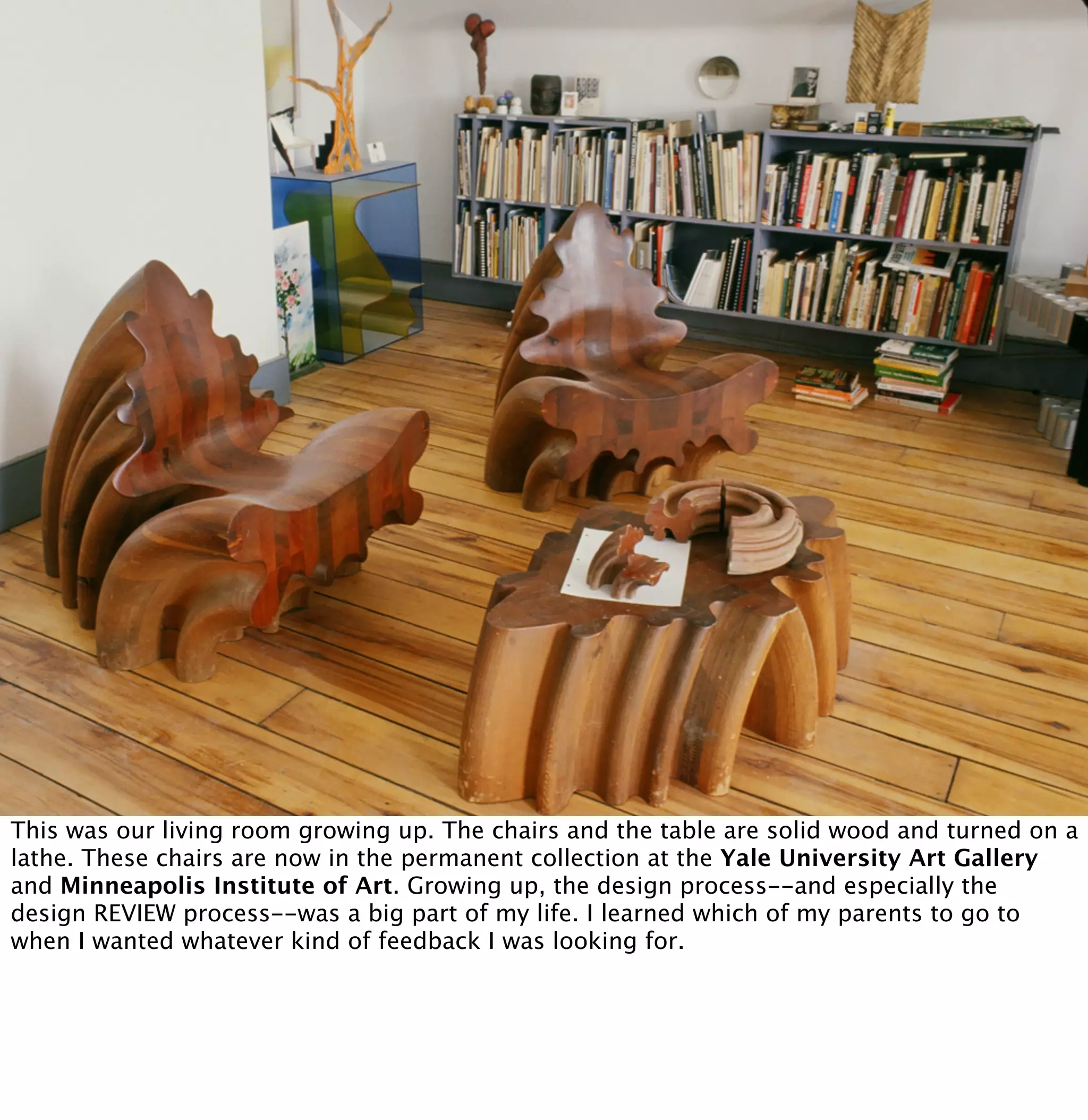
This was our living room growing up. The chairs and the table are solid wood and turned on a 
lathe. These chairs are now in the permanent collection at the Yale University Art Gallery 
and Minneapolis Institute of Art. Growing up, the design process--and especially the 
design REVIEW process--was a big part of my life. I learned which of my parents to go to 
when I wanted whatever kind of feedback I was looking for.
Effective communication is hard. 
It frustrates me. 
So I think about it a lot. 
In 2012, I took a training course called 4D-i. It’s like Myers Briggs, but different. It’s focused 
on the work place, and it’s about preferences, and not about trying to type-cast who a 
person is.
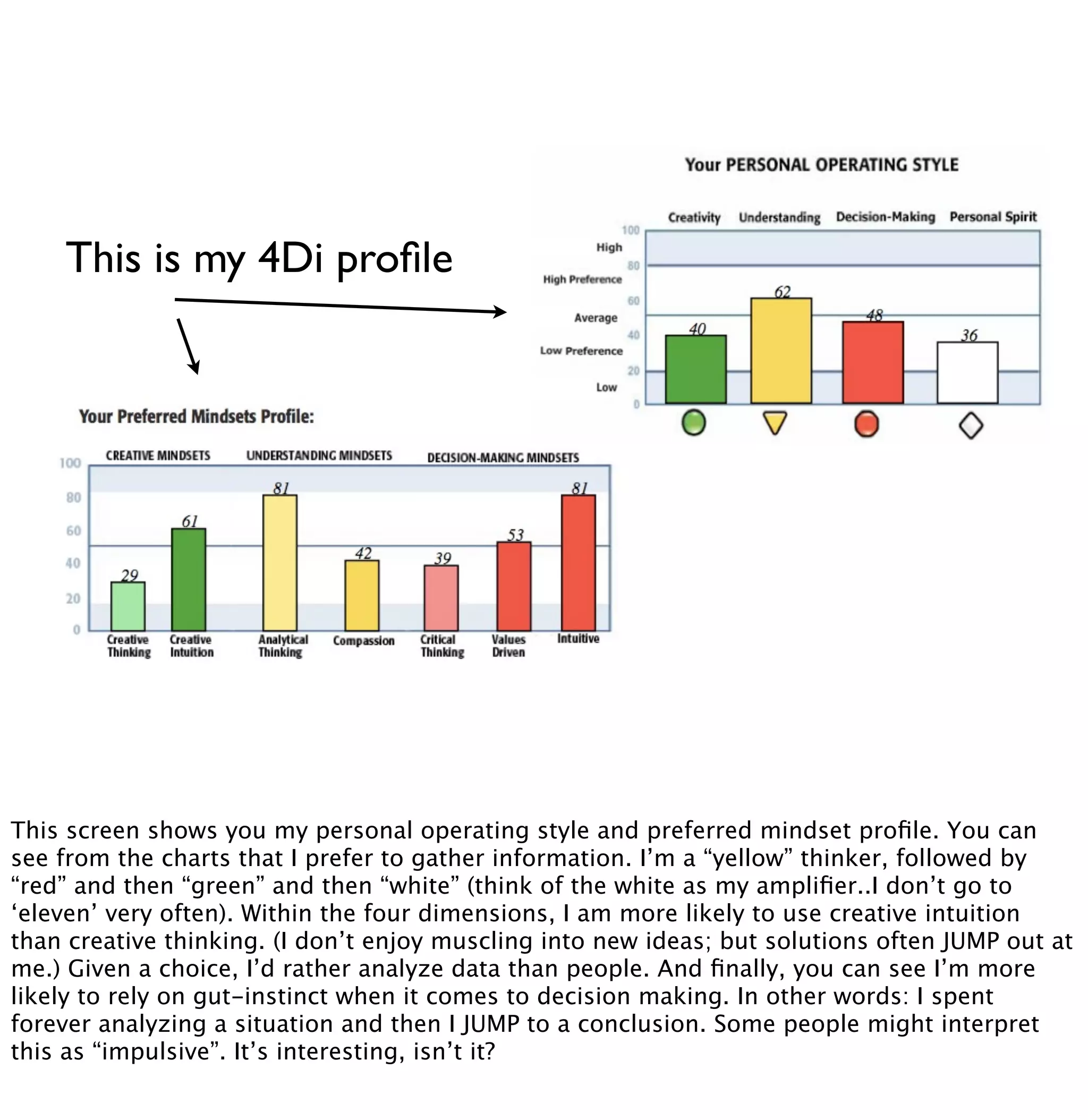
This is my 4Di profile 
This screen shows you my personal operating style and preferred mindset profile. You can 
see from the charts that I prefer to gather information. I’m a “yellow” thinker, followed by 
“red” and then “green” and then “white” (think of the white as my amplifier..I don’t go to 
‘eleven’ very often). Within the four dimensions, I am more likely to use creative intuition 
than creative thinking. (I don’t enjoy muscling into new ideas; but solutions often JUMP out at 
me.) Given a choice, I’d rather analyze data than people. And finally, you can see I’m more 
likely to rely on gut-instinct when it comes to decision making. In other words: I spent 
forever analyzing a situation and then I JUMP to a conclusion. Some people might interpret 
this as “impulsive”. It’s interesting, isn’t it?
You don’t need to take 
the test to use the 
system.
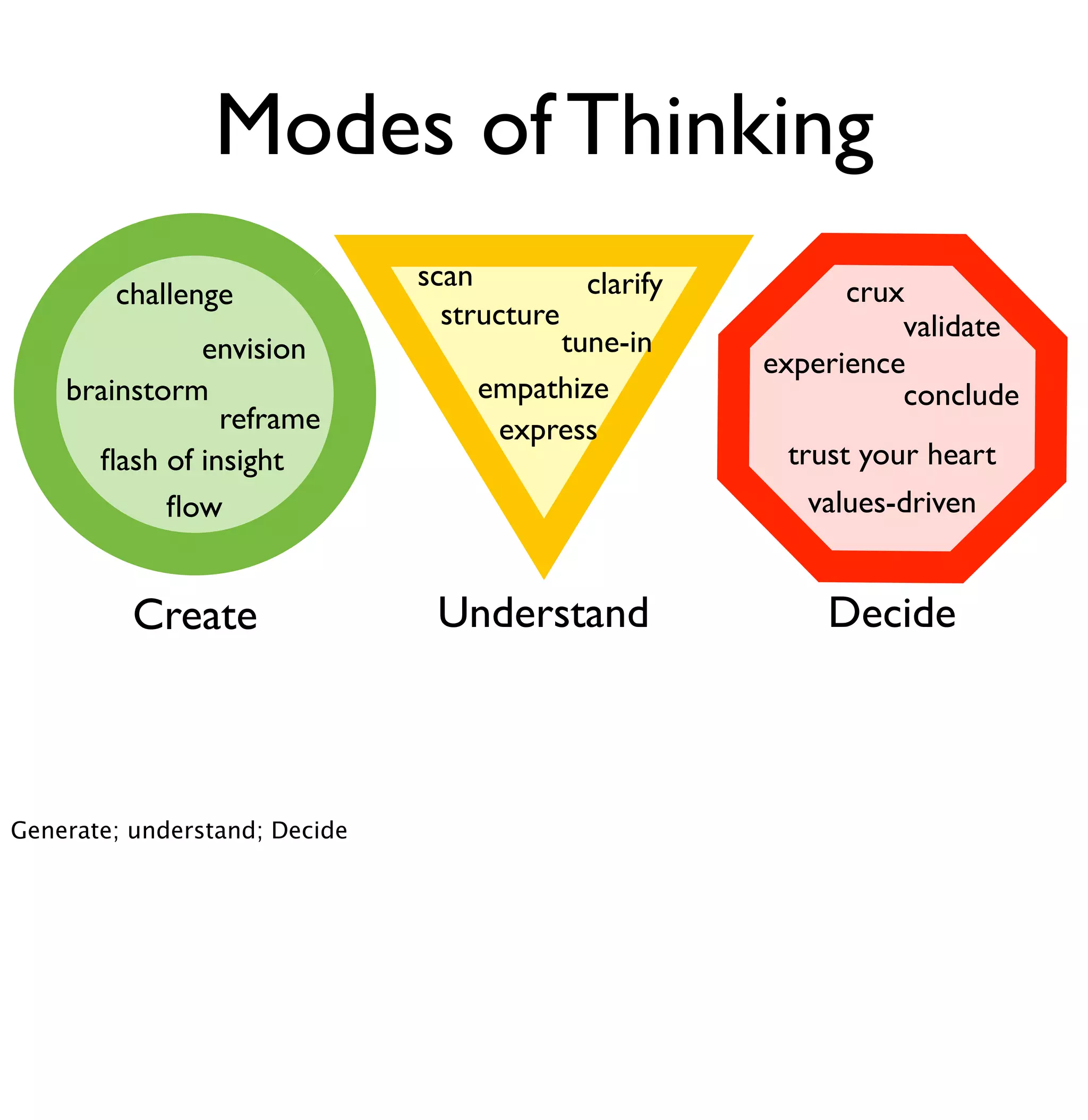
Modes of Thinking 
crux 
validate 
experience 
conclude 
trust your heart 
values-driven 
Decide 
clarify 
tune-in 
structure 
empathize 
scan 
express 
Understand 
challenge 
envision 
brainstorm 
reframe 
flash of insight 
flow 
Create 
Generate; understand; Decide
challenge 
envision 
brainstorm 
reframe 
flash of insight 
flow 
Creative Thinking 
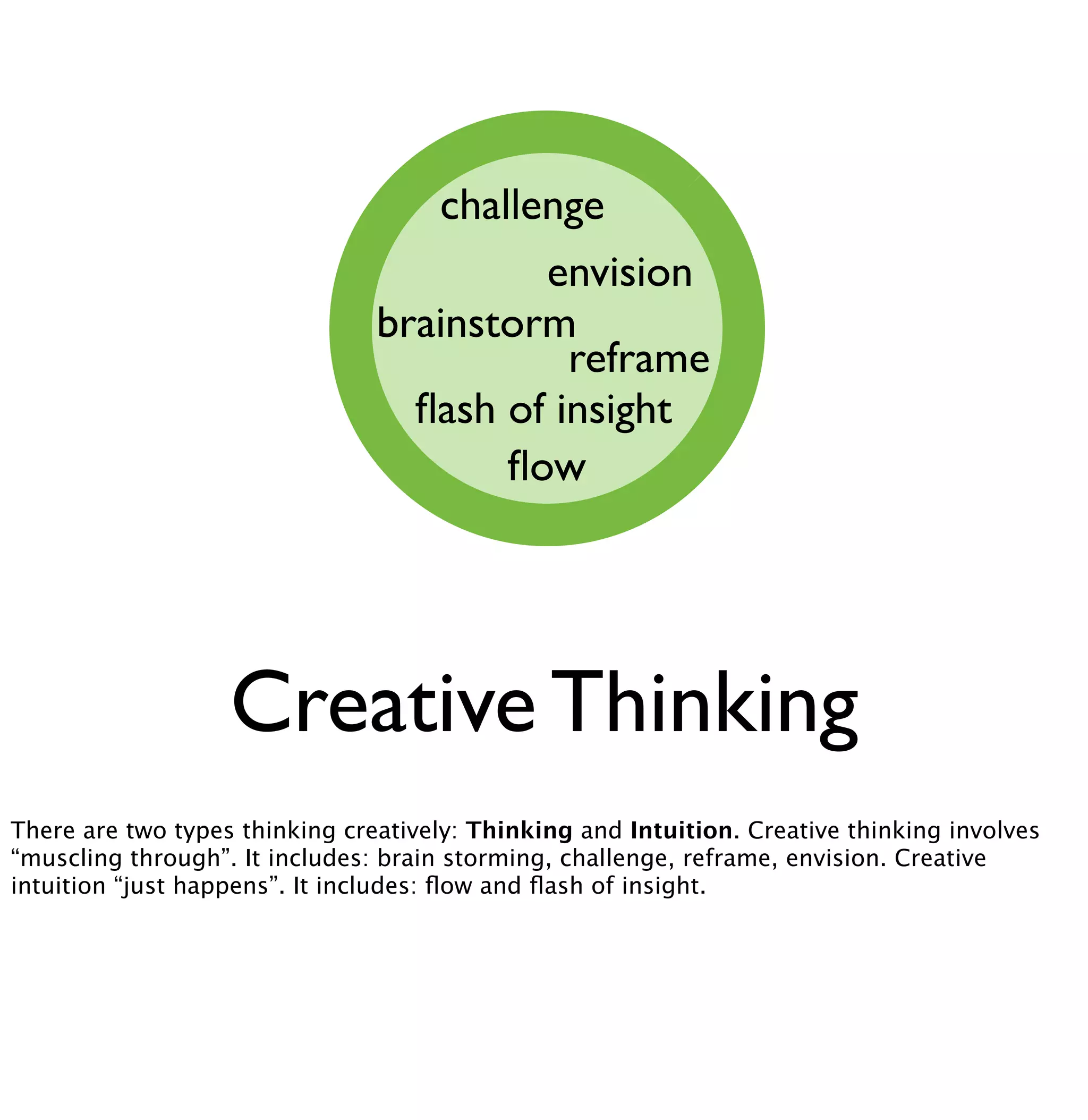
There are two types thinking creatively: Thinking and Intuition. Creative thinking involves 
“muscling through”. It includes: brain storming, challenge, reframe, envision. Creative 
intuition “just happens”. It includes: flow and flash of insight.
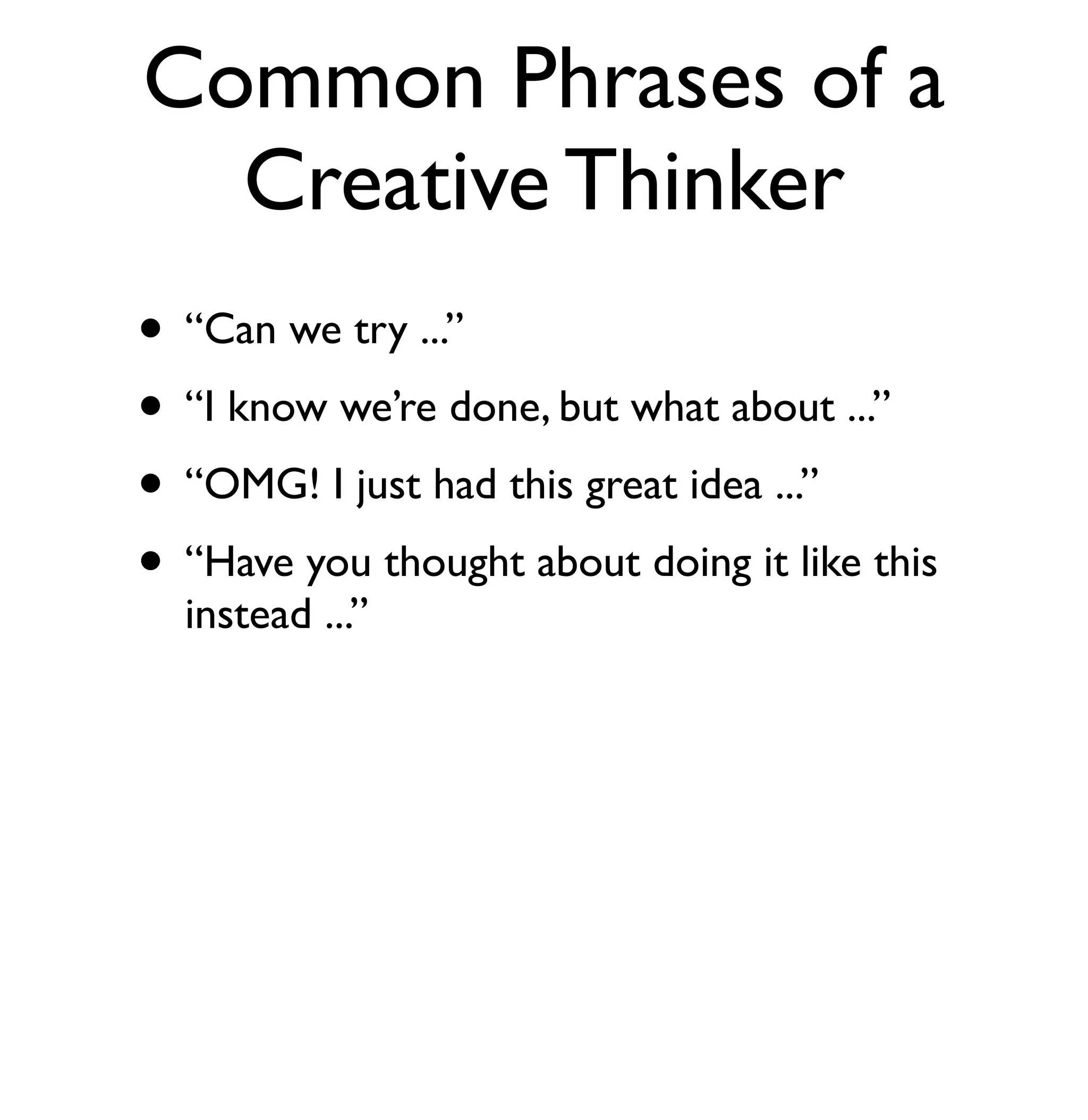
Common Phrases of a 
Creative Thinker 
• “Can we try ...” 
• “I know we’re done, but what about ...” 
• “OMG! I just had this great idea ...” 
• “Have you thought about doing it like this 
instead ...”
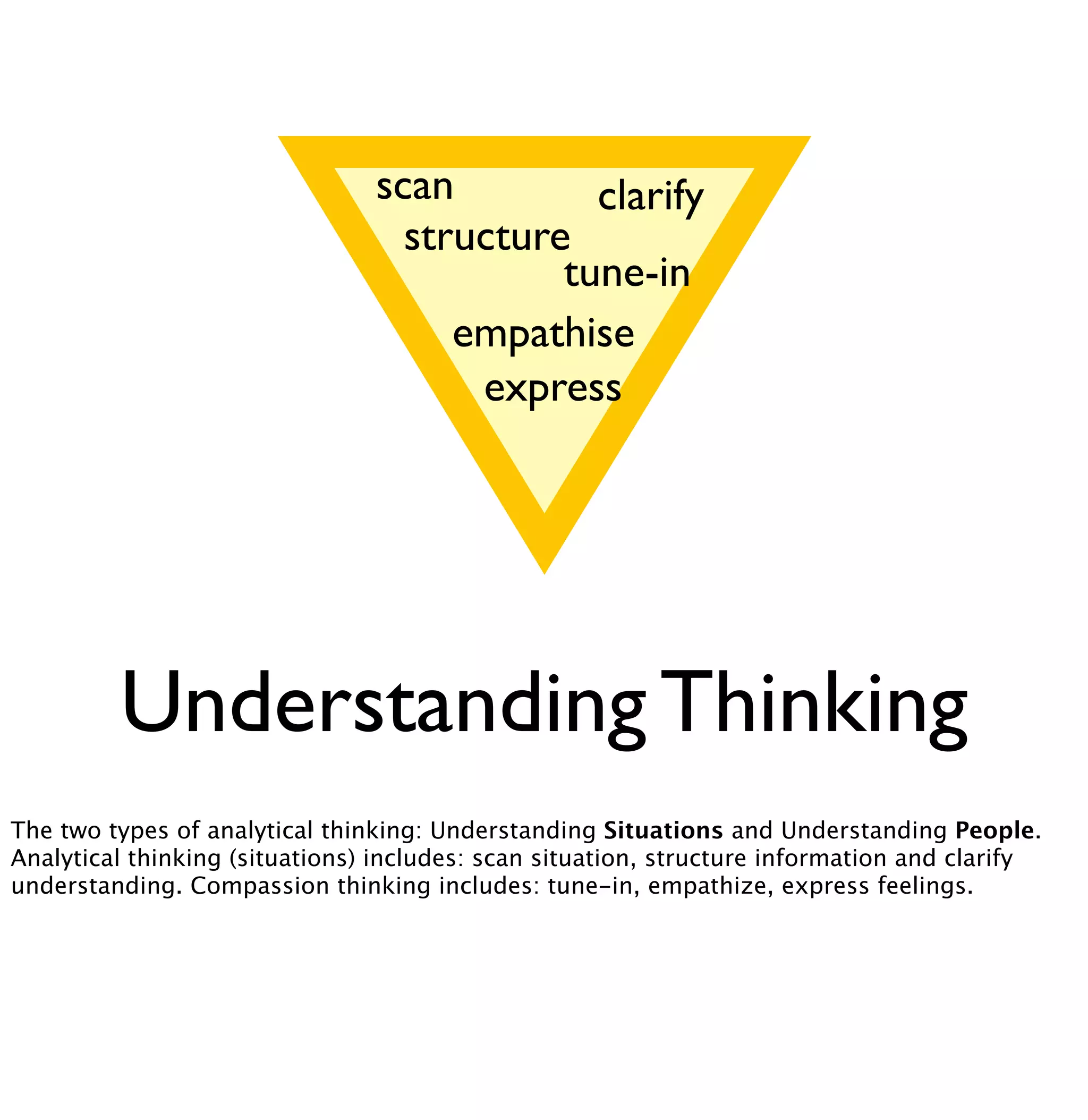
clarify 
structure 
tune-in 
scan 
empathise 
express 
Understanding Thinking 
The two types of analytical thinking: Understanding Situations and Understanding People. 
Analytical thinking (situations) includes: scan situation, structure information and clarify 
understanding. Compassion thinking includes: tune-in, empathize, express feelings.
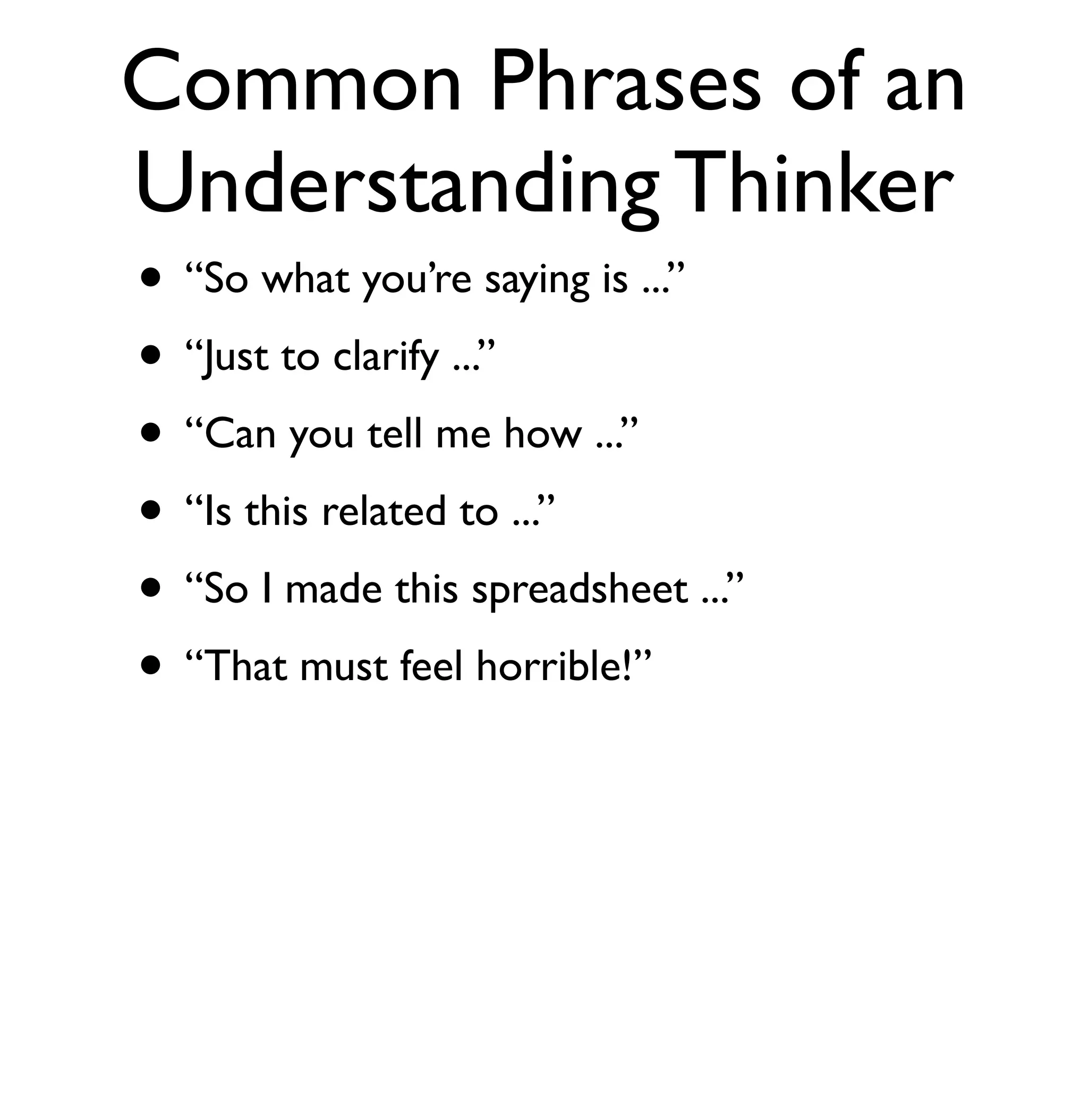
Common Phrases of an 
Understanding Thinker 
• “So what you’re saying is ...” 
• “Just to clarify ...” 
• “Can you tell me how ...” 
• “Is this related to ...” 
• “So I made this spreadsheet ...” 
• “That must feel horrible!”
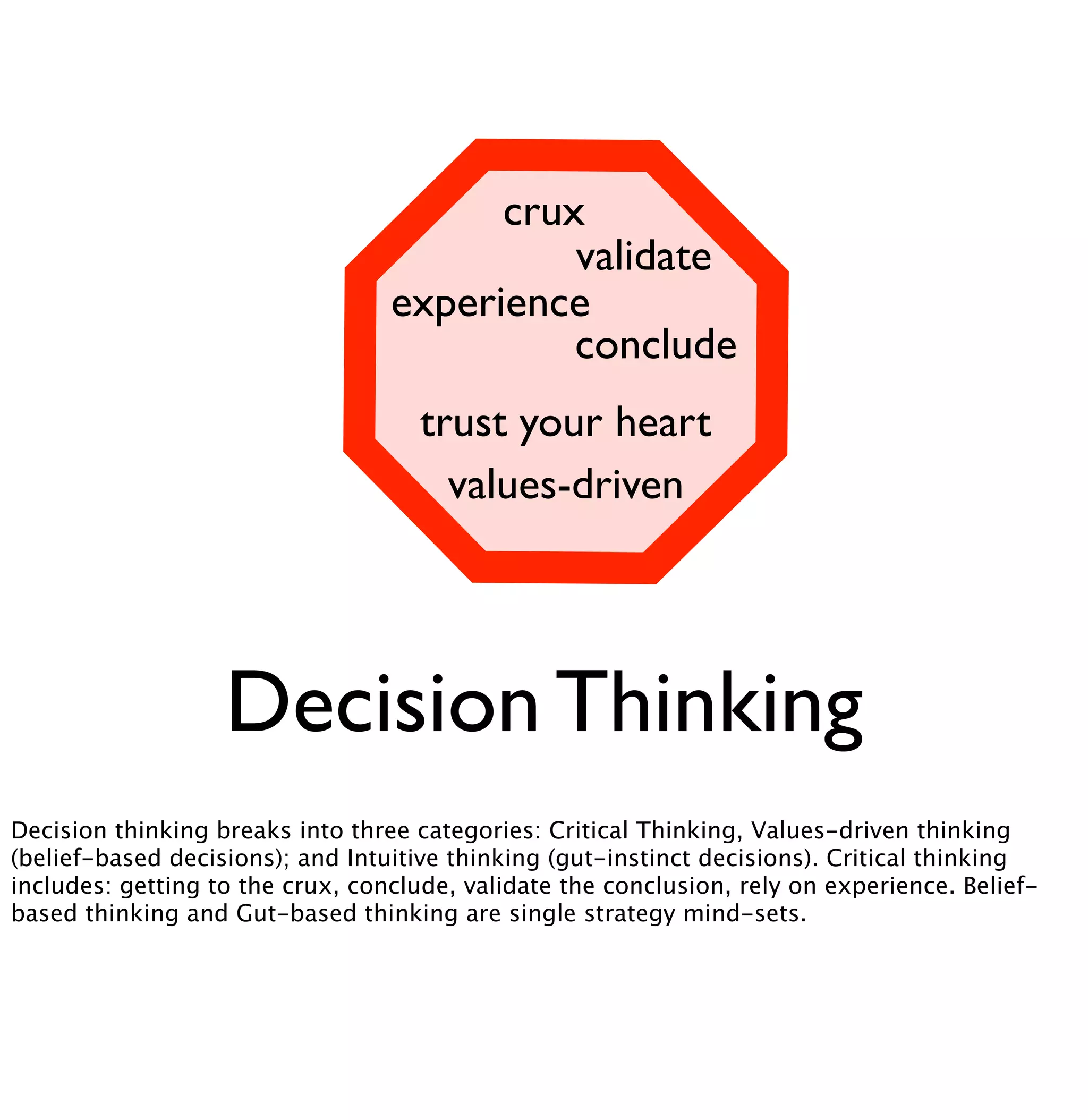
crux 
validate 
experience 
conclude 
trust your heart 
values-driven 
Decision Thinking 
Decision thinking breaks into three categories: Critical Thinking, Values-driven thinking 
(belief-based decisions); and Intuitive thinking (gut-instinct decisions). Critical thinking 
includes: getting to the crux, conclude, validate the conclusion, rely on experience. Belief-based 
thinking and Gut-based thinking are single strategy mind-sets.
Common Phrases of a 
Decision Thinker 
• “I don’t know why, but ...” 
• “I’m ready to move on to ...” 
• “We’ve already made a decision ...” 
• “Last time we tried this ...” 
• “So I think the real problem is ...” 
• “My gut tells me ...”
Can you think of 
someone who uses 
these phrases?
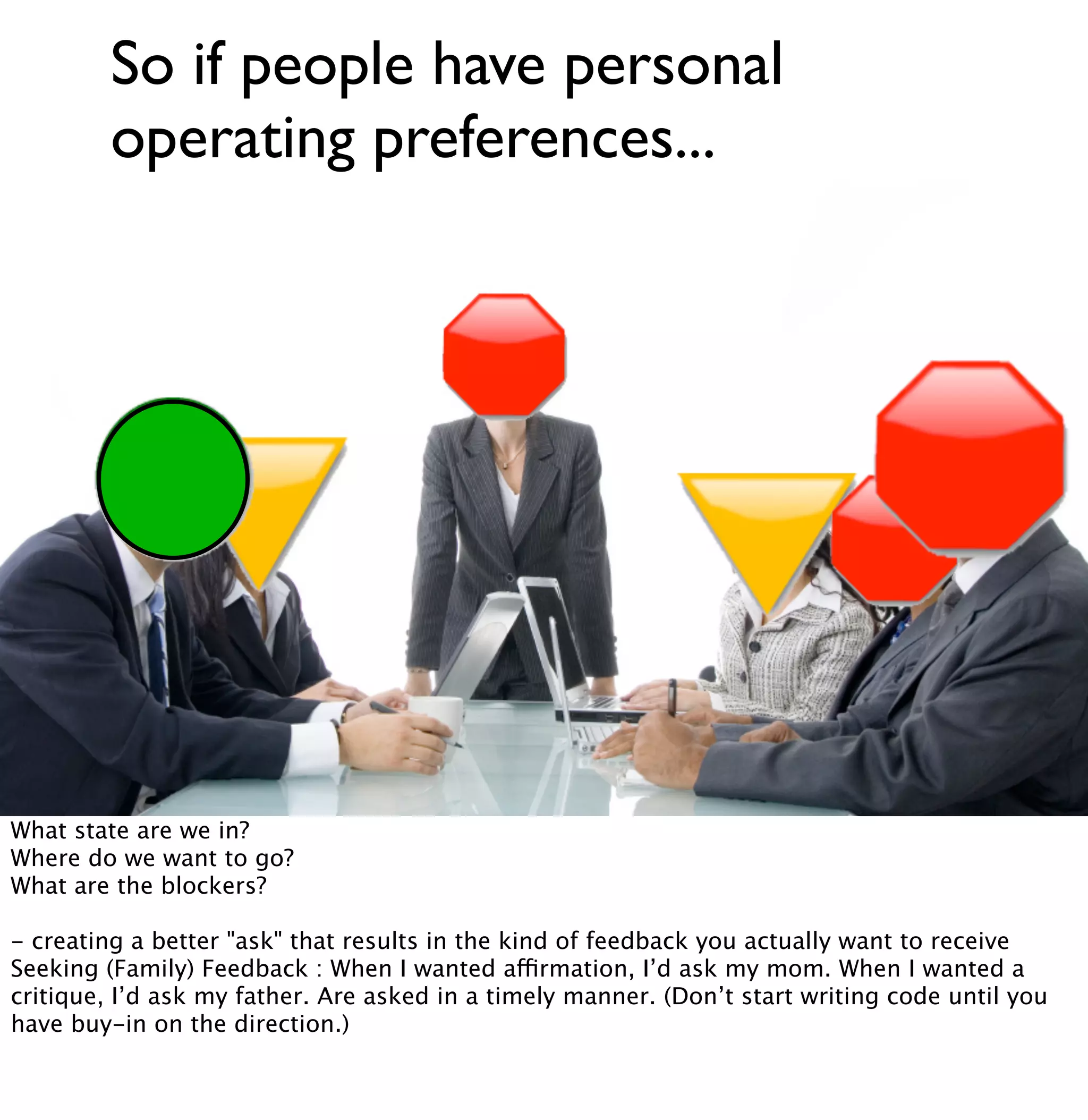
So if people have personal 
operating preferences... 
What state are we in? 
Where do we want to go? 
What are the blockers? 
- creating a better "ask" that results in the kind of feedback you actually want to receive 
Seeking (Family) Feedback : When I wanted affirmation, I’d ask my mom. When I wanted a 
critique, I’d ask my father. Are asked in a timely manner. (Don’t start writing code until you 
have buy-in on the direction.)
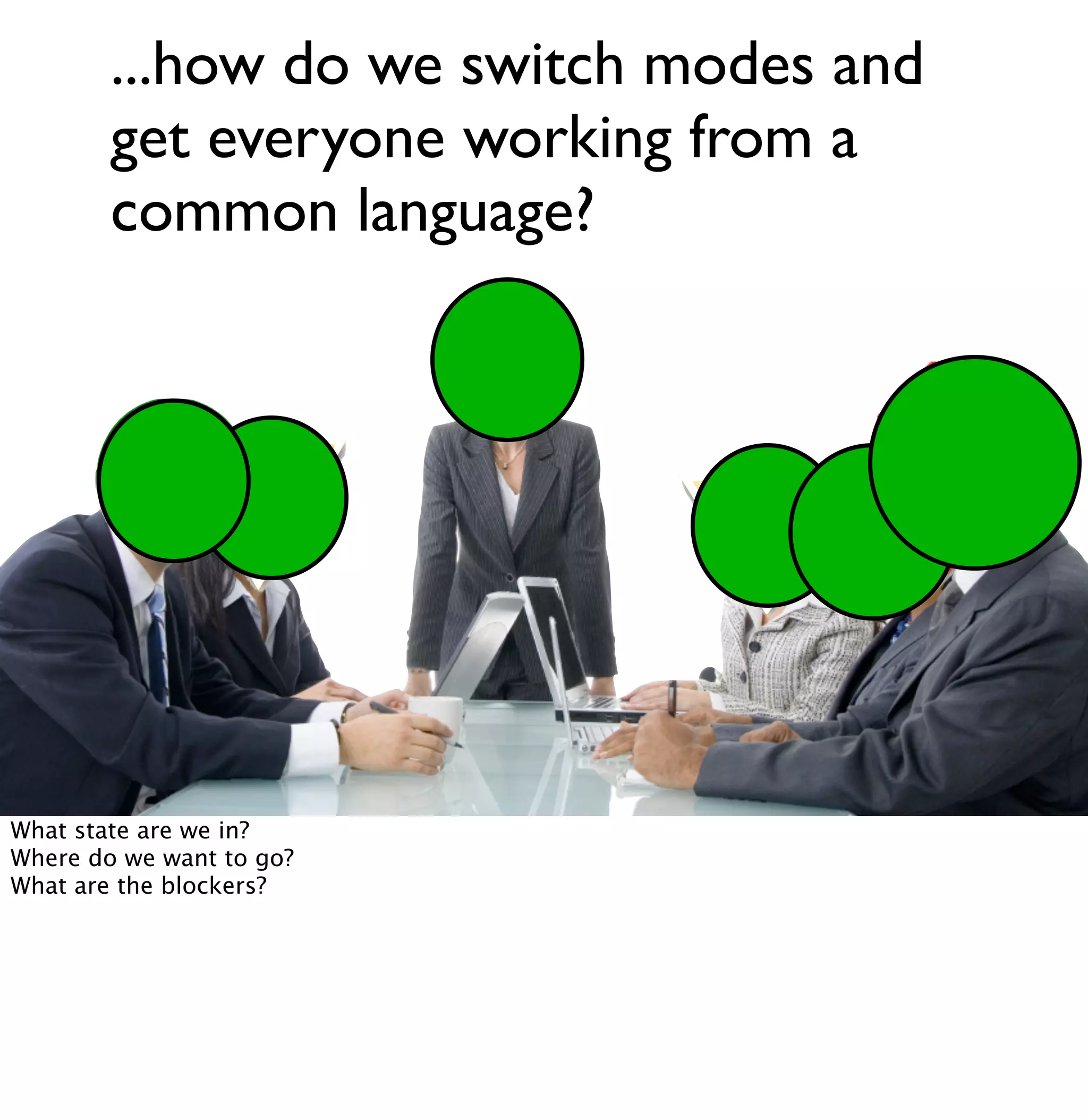
...how do we switch modes and 
get everyone working from a 
common language? 
What state are we in? 
Where do we want to go? 
What are the blockers?
Stop wasting time. 
Start on the same page. 
Stay on the same page.
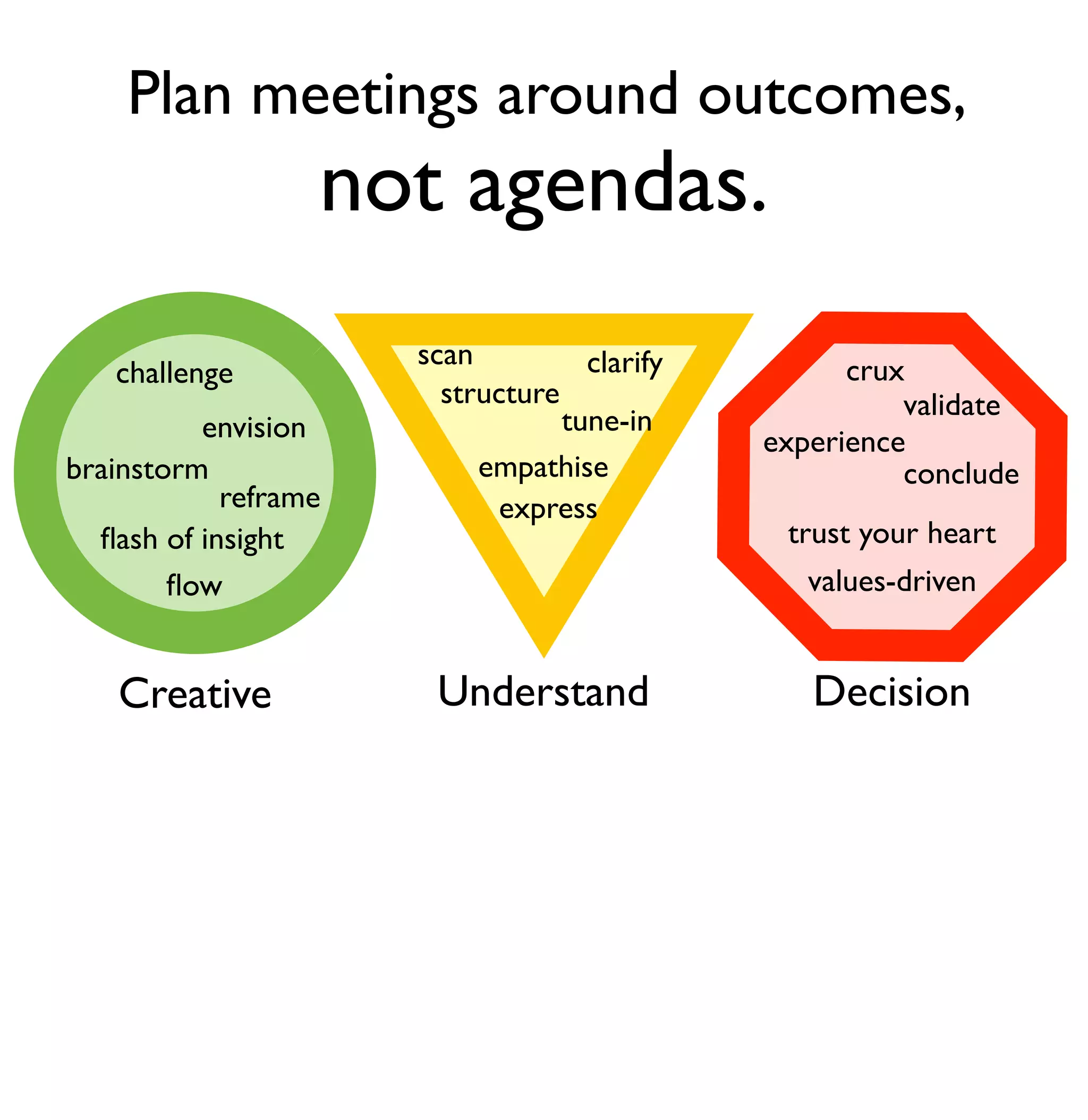
Plan meetings around outcomes, 
not agendas. 
crux 
validate 
experience 
conclude 
trust your heart 
values-driven 
Decision 
clarify 
tune-in 
structure 
empathise 
scan 
express 
Understand 
challenge 
envision 
brainstorm 
reframe 
flash of insight 
flow 
Creative
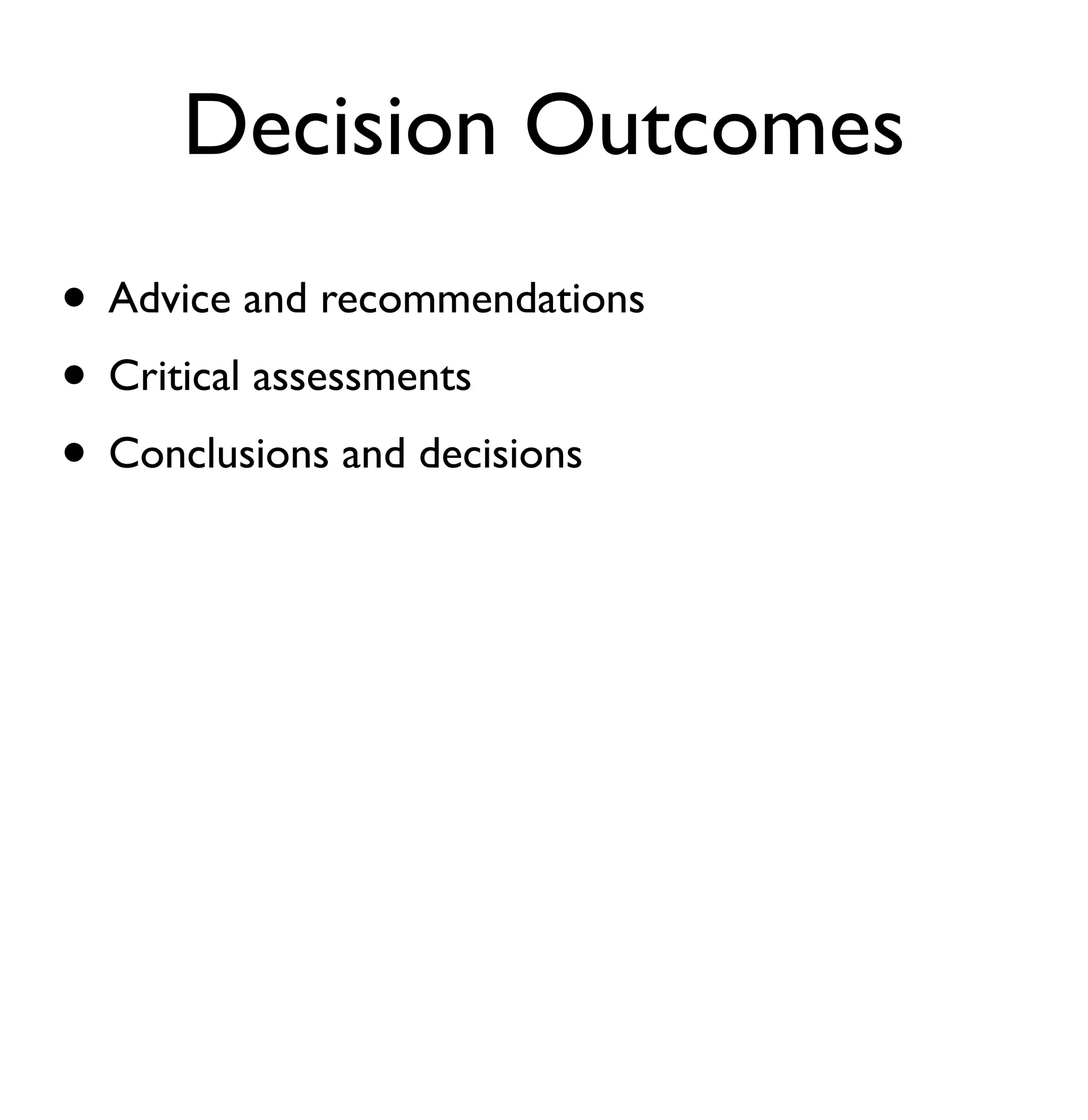
Decision Outcomes 
• Advice and recommendations 
• Critical assessments 
• Conclusions and decisions
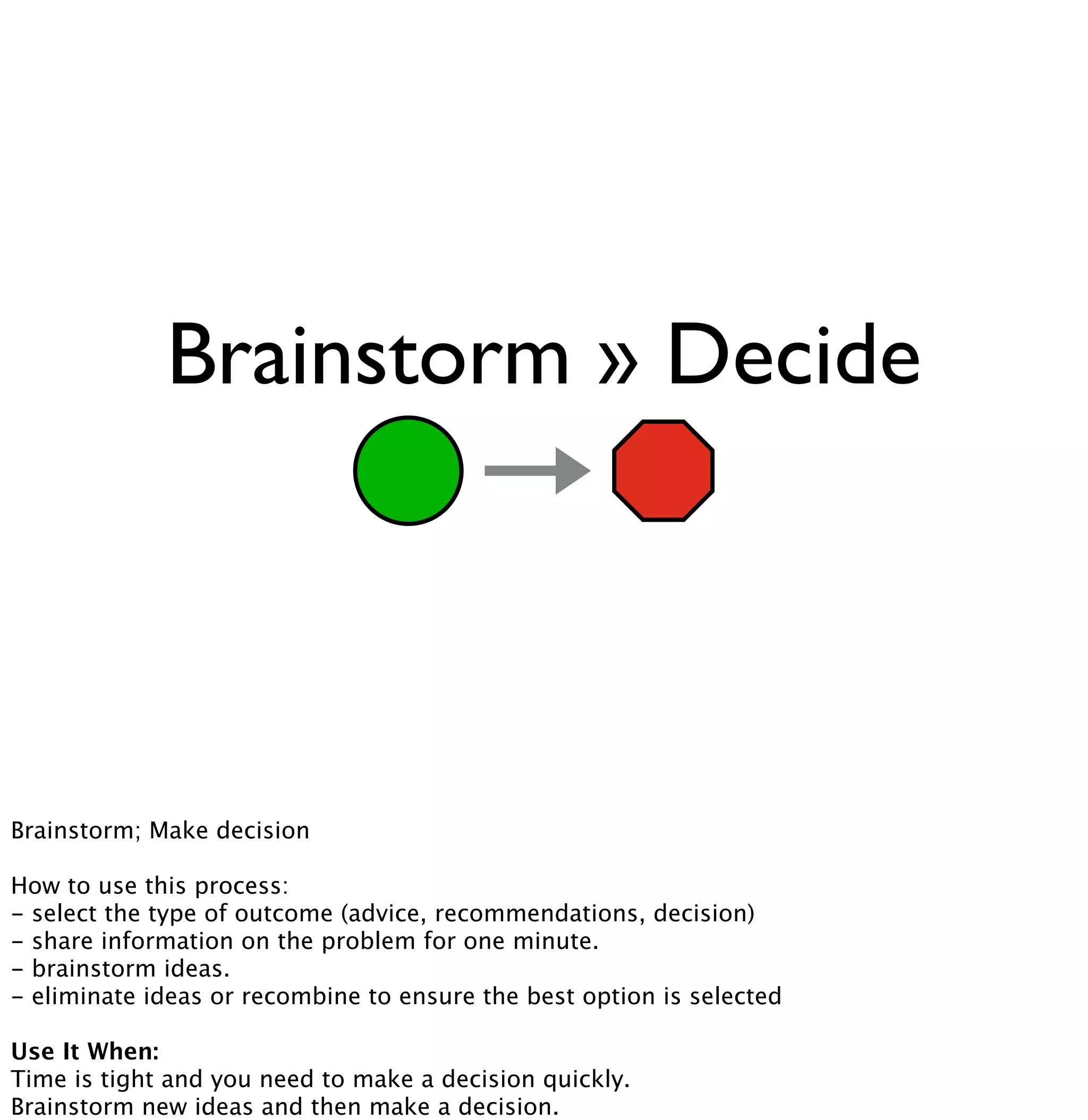
Brainstorm » Decide 
Brainstorm; Make decision 
How to use this process: 
- select the type of outcome (advice, recommendations, decision) 
- share information on the problem for one minute. 
- brainstorm ideas. 
- eliminate ideas or recombine to ensure the best option is selected 
Use It When: 
Time is tight and you need to make a decision quickly. 
Brainstorm new ideas and then make a decision.
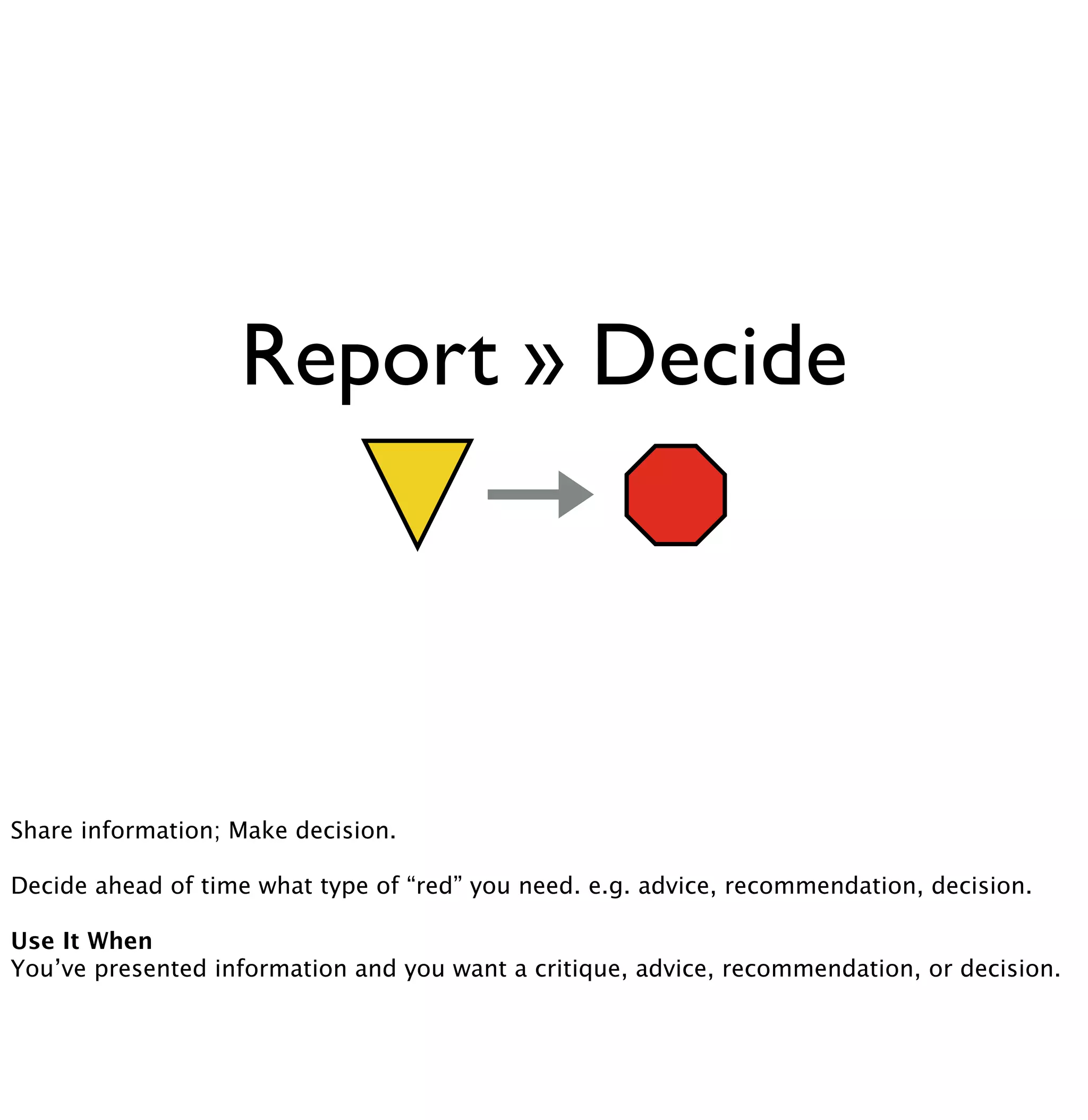
Report » Decide 
Share information; Make decision. 
Decide ahead of time what type of “red” you need. e.g. advice, recommendation, decision. 
Use It When 
You’ve presented information and you want a critique, advice, recommendation, or decision.
Creative Outcomes 
• Idea generation 
• Reframing problems 
• Future scenarios
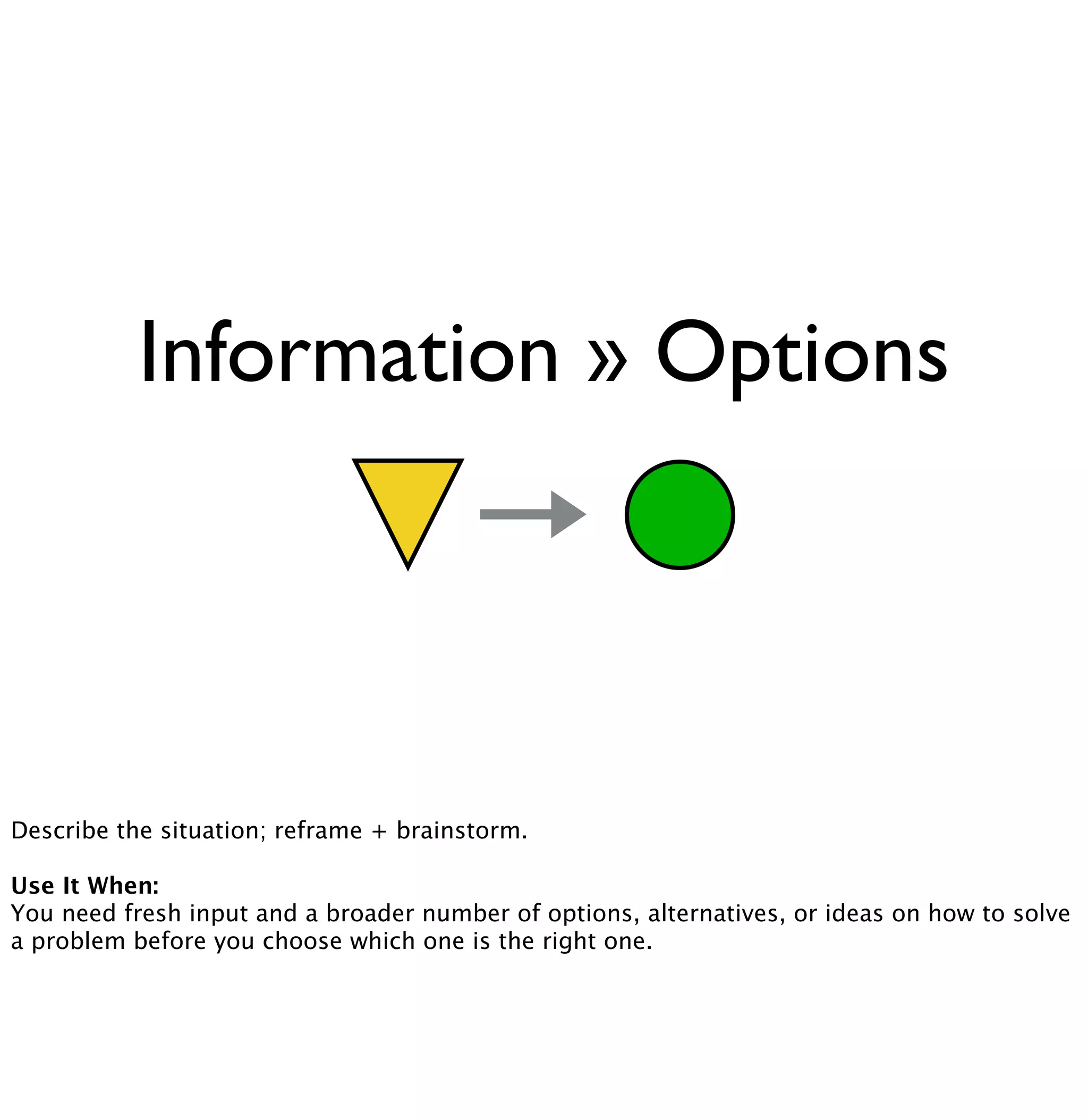
Information » Options 
Describe the situation; reframe + brainstorm. 
Use It When: 
You need fresh input and a broader number of options, alternatives, or ideas on how to solve 
a problem before you choose which one is the right one.
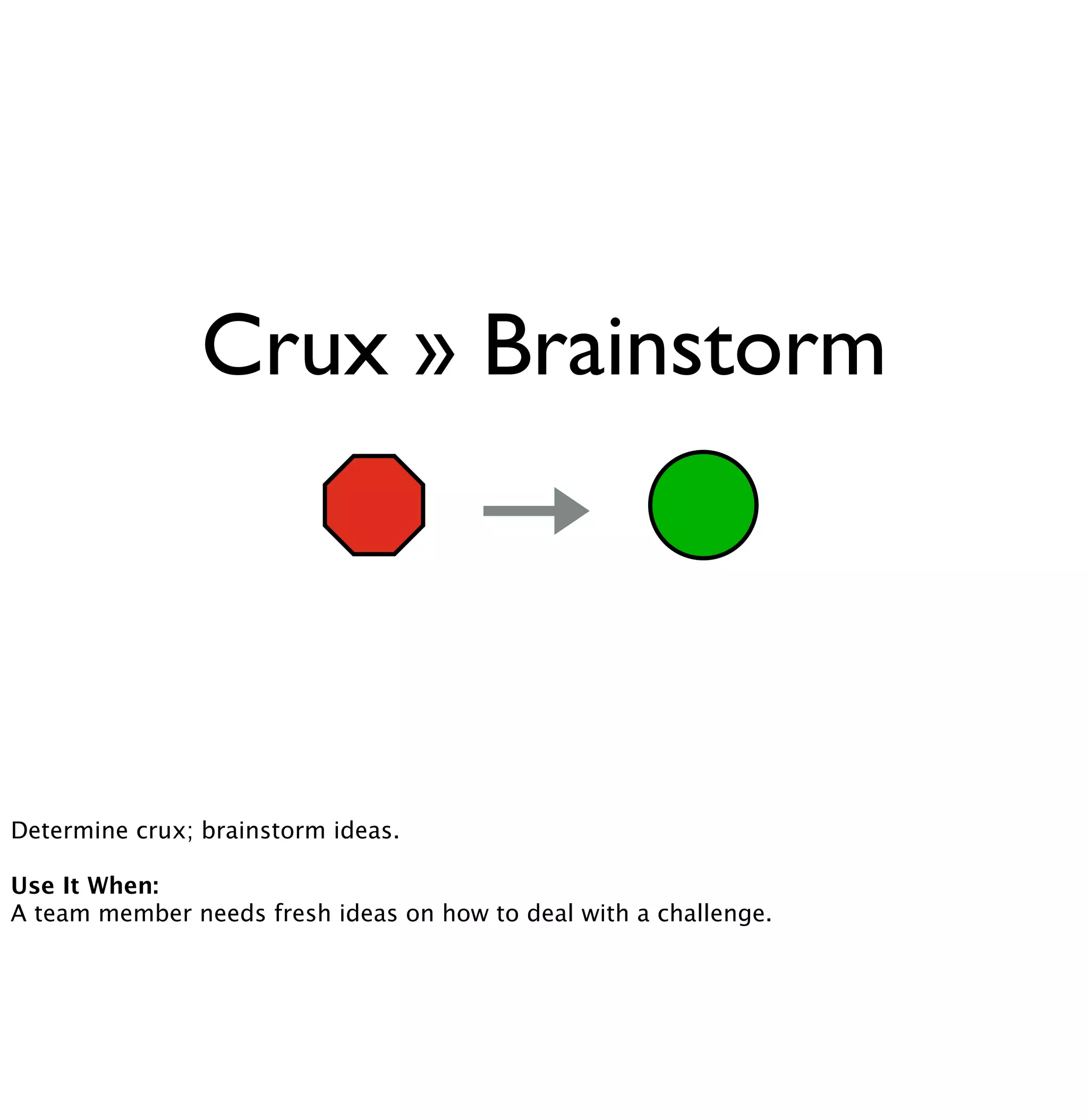
Crux » Brainstorm 
Determine crux; brainstorm ideas. 
Use It When: 
A team member needs fresh ideas on how to deal with a challenge.
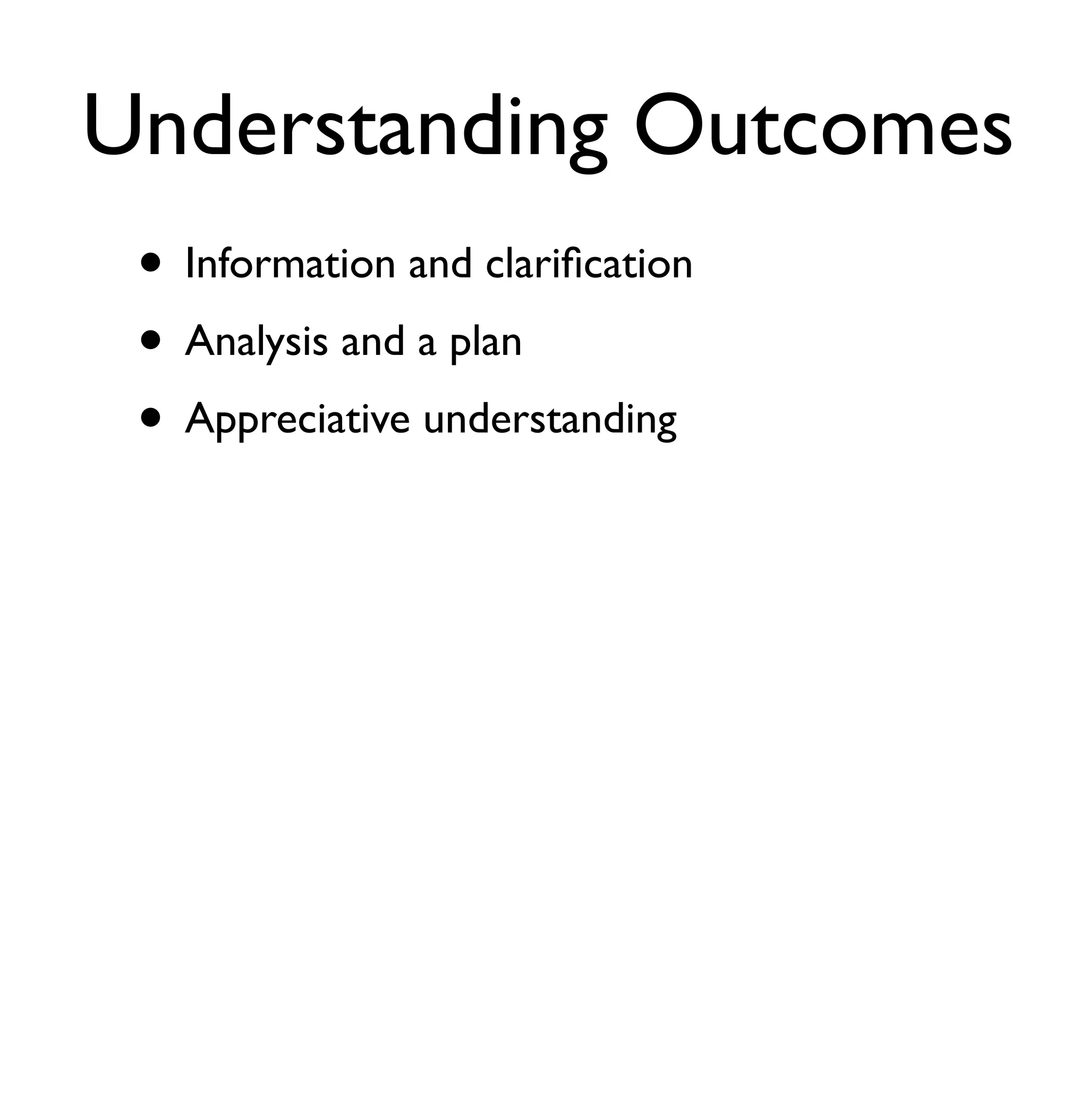
Understanding Outcomes 
• Information and clarification 
• Analysis and a plan 
• Appreciative understanding
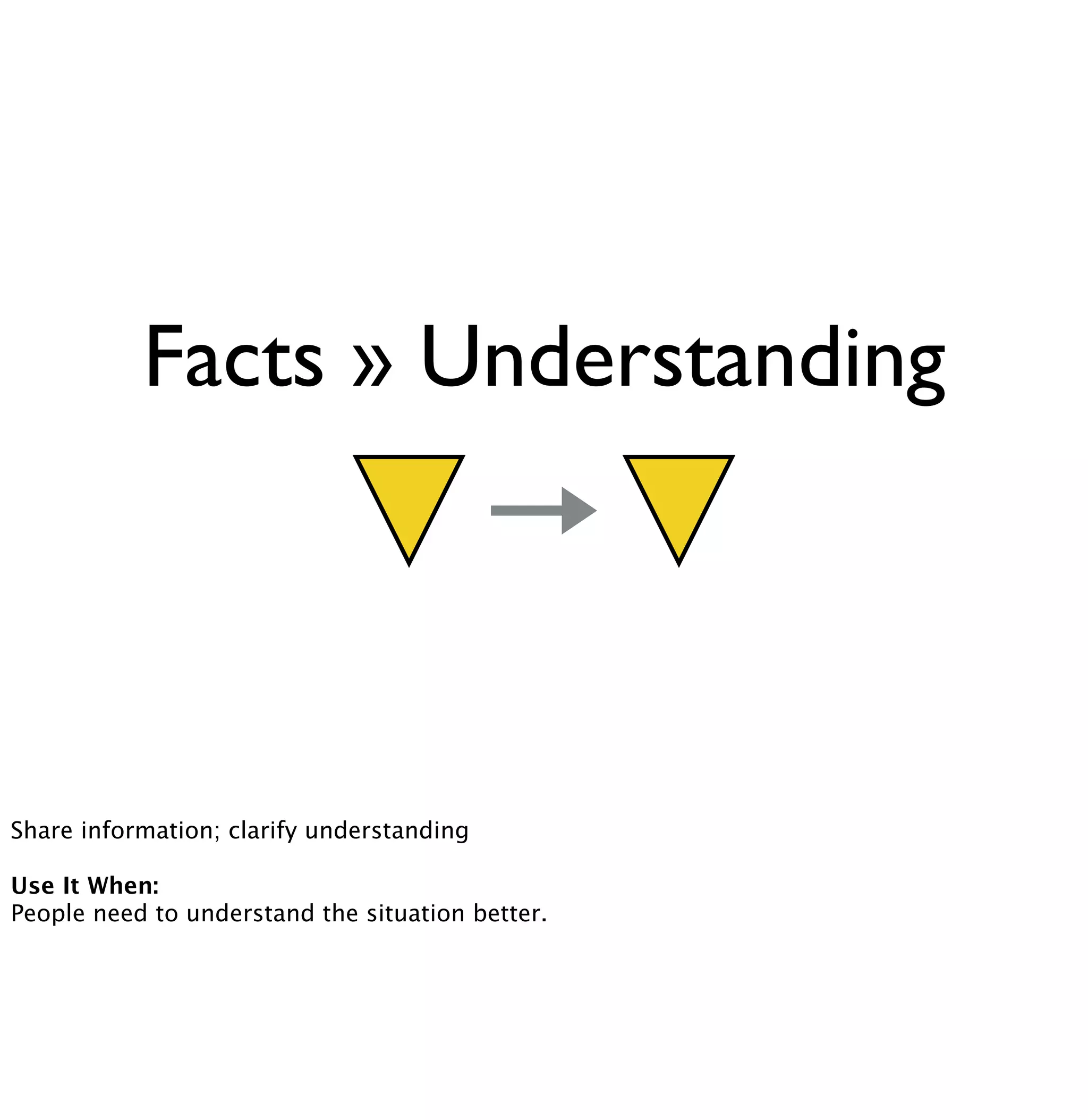
Facts » Understanding 
Share information; clarify understanding 
Use It When: 
People need to understand the situation better.
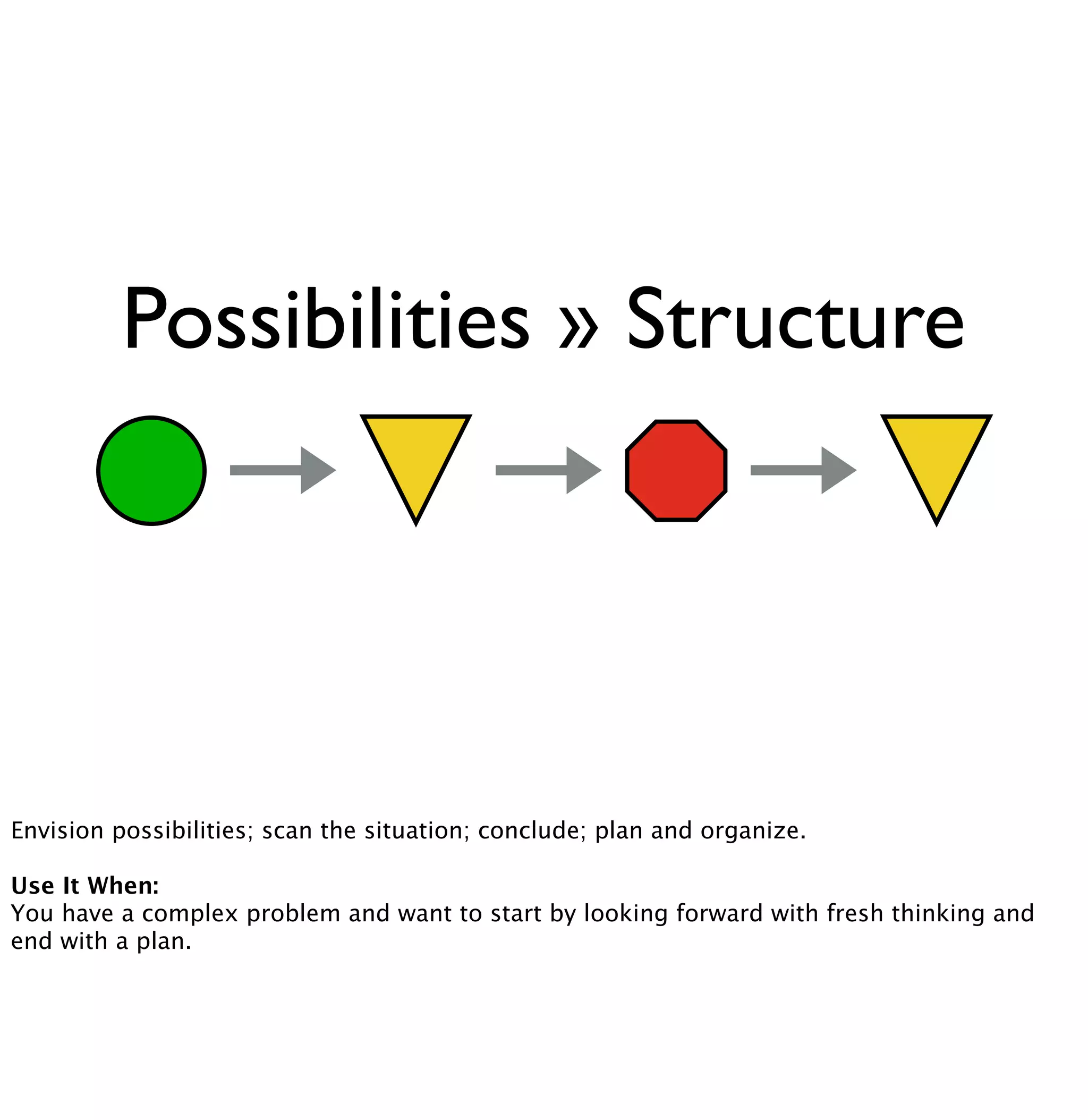
Possibilities » Structure 
Envision possibilities; scan the situation; conclude; plan and organize. 
Use It When: 
You have a complex problem and want to start by looking forward with fresh thinking and 
end with a plan.
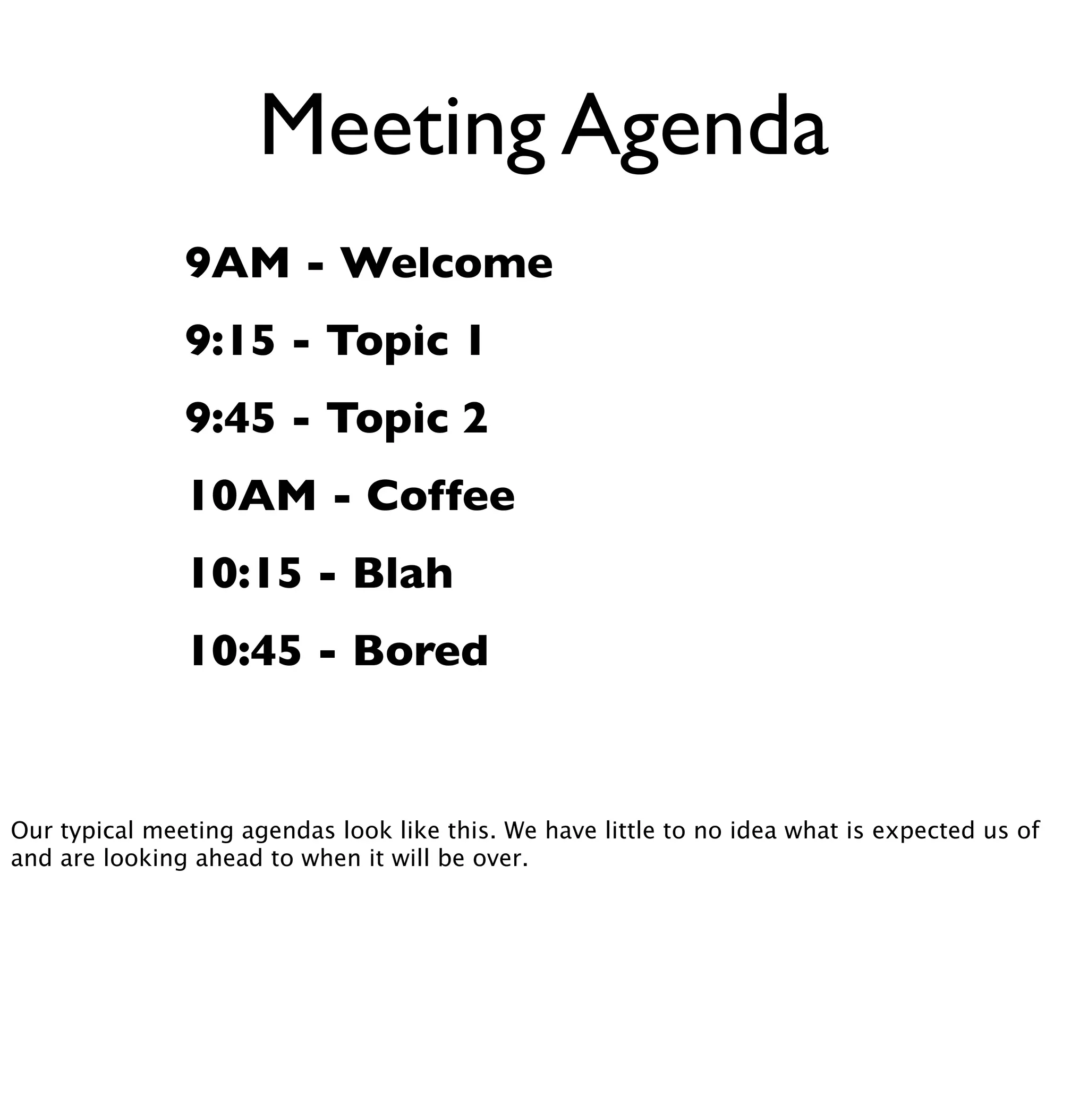
Meeting Agenda 
9AM - Welcome 
9:15 - Topic 1 
9:45 - Topic 2 
10AM - Coffee 
10:15 - Blah 
10:45 - Bored 
Our typical meeting agendas look like this. We have little to no idea what is expected us of 
and are looking ahead to when it will be over.
Meeting Agenda 
9AM - Welcome 
9:15 - 
9:45 - 
10AM - Break 
10:15 - 
10:45 - 
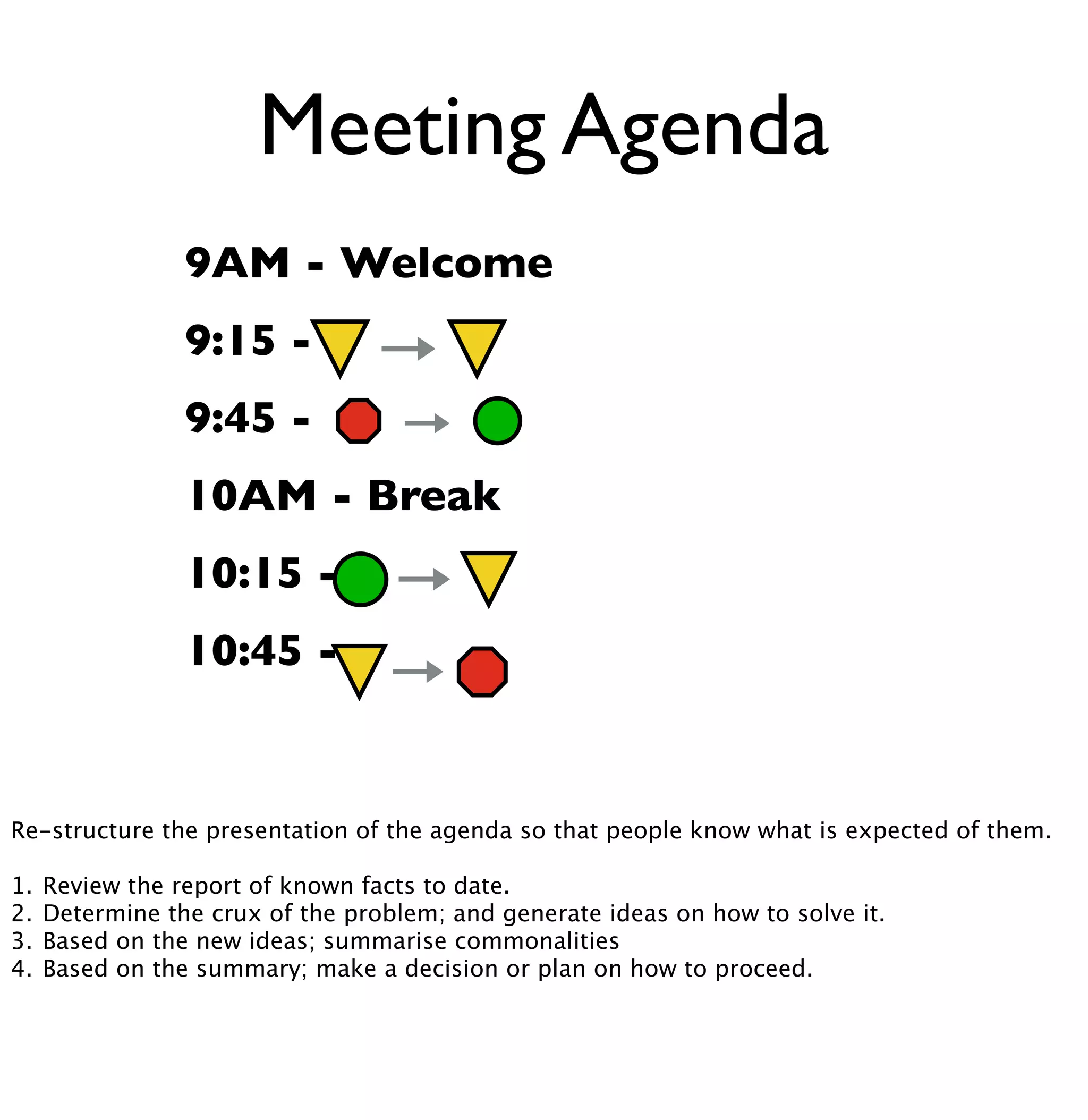
Re-structure the presentation of the agenda so that people know what is expected of them. 
1. Review the report of known facts to date. 
2. Determine the crux of the problem; and generate ideas on how to solve it. 
3. Based on the new ideas; summarise commonalities 
4. Based on the summary; make a decision or plan on how to proceed.
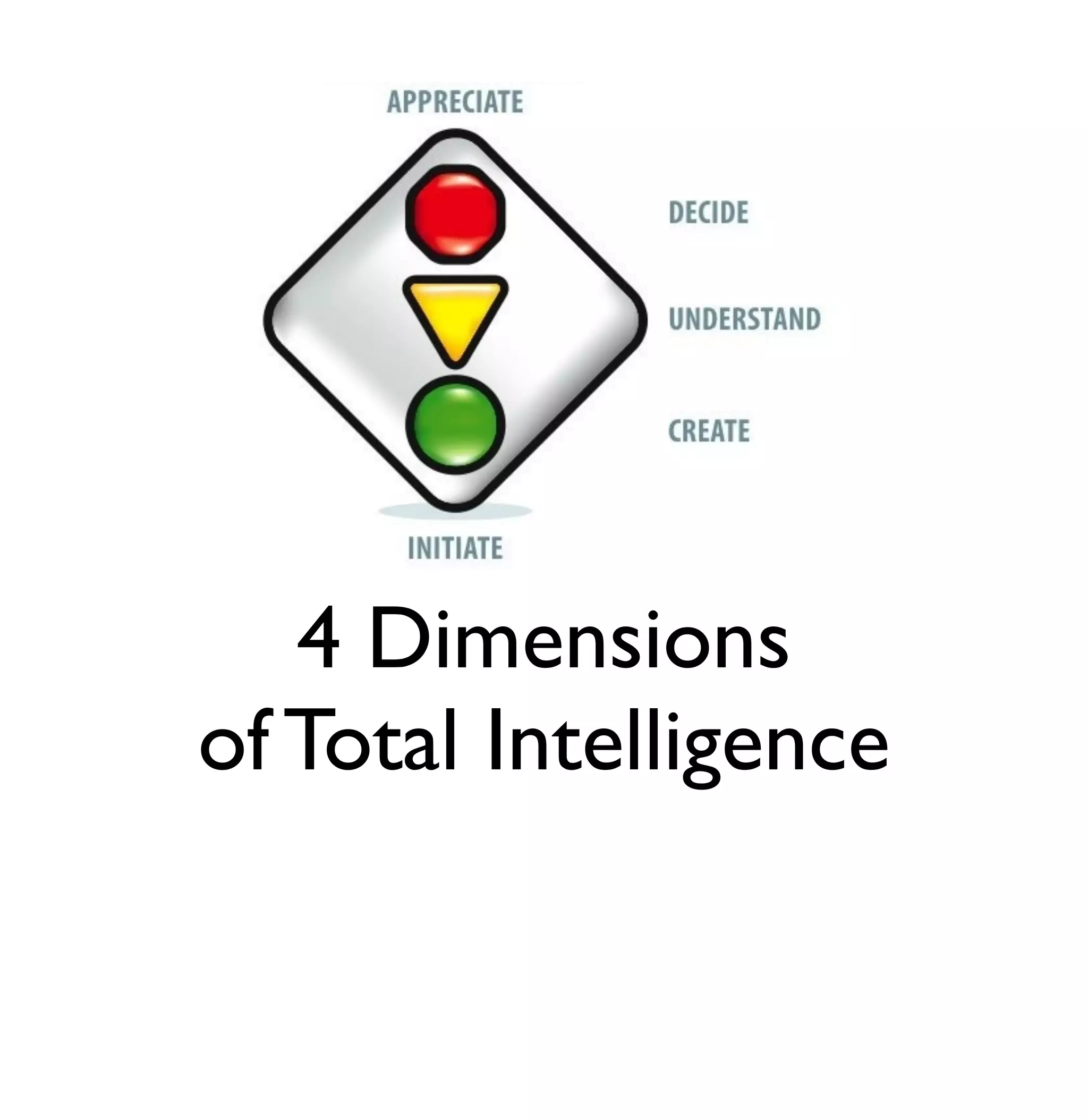
4 Dimensions 
of Total Intelligence
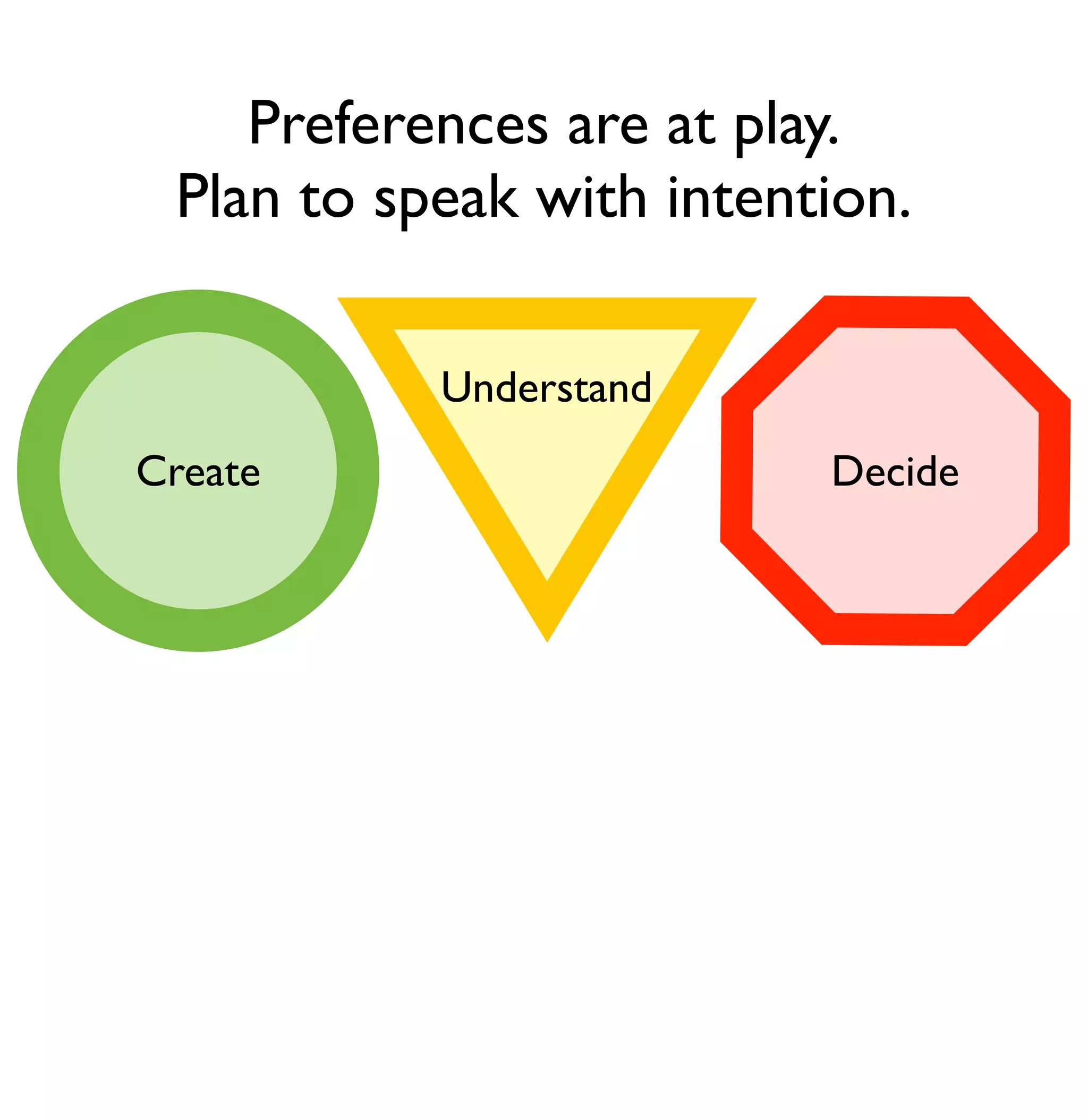
Preferences are at play. 
Plan to speak with intention. 
Decide 
Understand 
Create
Emma Jane Hogbin Westby 
www.gitforteams.com 
@emmajanehw

Was it something I said?

  • 1.
    Was It SomethingI Said? Emma Jane Hogbin Westby www.gitforteams.com @emmajanehw
  • 2.
    I’m the daughterof a hacker. But not a computer hacker: a craft hacker. This is a picture of my dad standing in front of a lathe he built. Yes, that’s a tree trunk on the lathe. My dad revolutionized wood turning in the 1960s and 1970s. Pun not actually intended.
  • 3.
    This was ourliving room growing up. The chairs and the table are solid wood and turned on a lathe. These chairs are now in the permanent collection at the Yale University Art Gallery and Minneapolis Institute of Art. Growing up, the design process--and especially the design REVIEW process--was a big part of my life. I learned which of my parents to go to when I wanted whatever kind of feedback I was looking for.
  • 4.
    Effective communication ishard. It frustrates me. So I think about it a lot. In 2012, I took a training course called 4D-i. It’s like Myers Briggs, but different. It’s focused on the work place, and it’s about preferences, and not about trying to type-cast who a person is.
  • 5.
    This is my4Di profile This screen shows you my personal operating style and preferred mindset profile. You can see from the charts that I prefer to gather information. I’m a “yellow” thinker, followed by “red” and then “green” and then “white” (think of the white as my amplifier..I don’t go to ‘eleven’ very often). Within the four dimensions, I am more likely to use creative intuition than creative thinking. (I don’t enjoy muscling into new ideas; but solutions often JUMP out at me.) Given a choice, I’d rather analyze data than people. And finally, you can see I’m more likely to rely on gut-instinct when it comes to decision making. In other words: I spent forever analyzing a situation and then I JUMP to a conclusion. Some people might interpret this as “impulsive”. It’s interesting, isn’t it?
  • 6.
    You don’t needto take the test to use the system.
  • 7.
    Modes of Thinking crux validate experience conclude trust your heart values-driven Decide clarify tune-in structure empathize scan express Understand challenge envision brainstorm reframe flash of insight flow Create Generate; understand; Decide
  • 8.
    challenge envision brainstorm reframe flash of insight flow Creative Thinking There are two types thinking creatively: Thinking and Intuition. Creative thinking involves “muscling through”. It includes: brain storming, challenge, reframe, envision. Creative intuition “just happens”. It includes: flow and flash of insight.
  • 9.
    Common Phrases ofa Creative Thinker • “Can we try ...” • “I know we’re done, but what about ...” • “OMG! I just had this great idea ...” • “Have you thought about doing it like this instead ...”
  • 10.
    clarify structure tune-in scan empathise express Understanding Thinking The two types of analytical thinking: Understanding Situations and Understanding People. Analytical thinking (situations) includes: scan situation, structure information and clarify understanding. Compassion thinking includes: tune-in, empathize, express feelings.
  • 11.
    Common Phrases ofan Understanding Thinker • “So what you’re saying is ...” • “Just to clarify ...” • “Can you tell me how ...” • “Is this related to ...” • “So I made this spreadsheet ...” • “That must feel horrible!”
  • 12.
    crux validate experience conclude trust your heart values-driven Decision Thinking Decision thinking breaks into three categories: Critical Thinking, Values-driven thinking (belief-based decisions); and Intuitive thinking (gut-instinct decisions). Critical thinking includes: getting to the crux, conclude, validate the conclusion, rely on experience. Belief-based thinking and Gut-based thinking are single strategy mind-sets.
  • 13.
    Common Phrases ofa Decision Thinker • “I don’t know why, but ...” • “I’m ready to move on to ...” • “We’ve already made a decision ...” • “Last time we tried this ...” • “So I think the real problem is ...” • “My gut tells me ...”
  • 14.
    Can you thinkof someone who uses these phrases?
  • 15.
    So if peoplehave personal operating preferences... What state are we in? Where do we want to go? What are the blockers? - creating a better "ask" that results in the kind of feedback you actually want to receive Seeking (Family) Feedback : When I wanted affirmation, I’d ask my mom. When I wanted a critique, I’d ask my father. Are asked in a timely manner. (Don’t start writing code until you have buy-in on the direction.)
  • 16.
    ...how do weswitch modes and get everyone working from a common language? What state are we in? Where do we want to go? What are the blockers?
  • 17.
    Stop wasting time. Start on the same page. Stay on the same page.
  • 18.
    Plan meetings aroundoutcomes, not agendas. crux validate experience conclude trust your heart values-driven Decision clarify tune-in structure empathise scan express Understand challenge envision brainstorm reframe flash of insight flow Creative
  • 19.
    Decision Outcomes •Advice and recommendations • Critical assessments • Conclusions and decisions
  • 20.
    Brainstorm » Decide Brainstorm; Make decision How to use this process: - select the type of outcome (advice, recommendations, decision) - share information on the problem for one minute. - brainstorm ideas. - eliminate ideas or recombine to ensure the best option is selected Use It When: Time is tight and you need to make a decision quickly. Brainstorm new ideas and then make a decision.
  • 21.
    Report » Decide Share information; Make decision. Decide ahead of time what type of “red” you need. e.g. advice, recommendation, decision. Use It When You’ve presented information and you want a critique, advice, recommendation, or decision.
  • 22.
    Creative Outcomes •Idea generation • Reframing problems • Future scenarios
  • 23.
    Information » Options Describe the situation; reframe + brainstorm. Use It When: You need fresh input and a broader number of options, alternatives, or ideas on how to solve a problem before you choose which one is the right one.
  • 24.
    Crux » Brainstorm Determine crux; brainstorm ideas. Use It When: A team member needs fresh ideas on how to deal with a challenge.
  • 25.
    Understanding Outcomes •Information and clarification • Analysis and a plan • Appreciative understanding
  • 26.
    Facts » Understanding Share information; clarify understanding Use It When: People need to understand the situation better.
  • 27.
    Possibilities » Structure Envision possibilities; scan the situation; conclude; plan and organize. Use It When: You have a complex problem and want to start by looking forward with fresh thinking and end with a plan.
  • 28.
    Meeting Agenda 9AM- Welcome 9:15 - Topic 1 9:45 - Topic 2 10AM - Coffee 10:15 - Blah 10:45 - Bored Our typical meeting agendas look like this. We have little to no idea what is expected us of and are looking ahead to when it will be over.
  • 29.
    Meeting Agenda 9AM- Welcome 9:15 - 9:45 - 10AM - Break 10:15 - 10:45 - Re-structure the presentation of the agenda so that people know what is expected of them. 1. Review the report of known facts to date. 2. Determine the crux of the problem; and generate ideas on how to solve it. 3. Based on the new ideas; summarise commonalities 4. Based on the summary; make a decision or plan on how to proceed.
  • 30.
    4 Dimensions ofTotal Intelligence
  • 31.
    Preferences are atplay. Plan to speak with intention. Decide Understand Create
  • 32.
    Emma Jane HogbinWestby www.gitforteams.com @emmajanehw