   Leadership vs. Leader
       Shared Leadership
 Power
 Leader Emergence
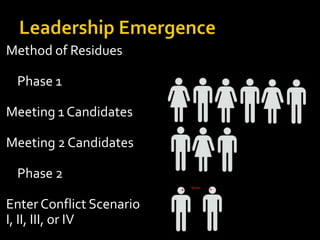
   Method of Residues
    

 Perspectives on Leadership
       Trait
       Style
       Situational
        ▪ Telling Approach * Selling Approach * Participating Approach * Delegating Approach
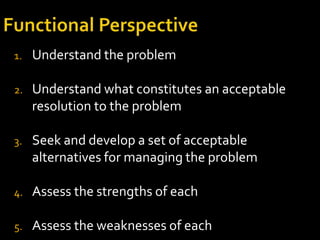
       Functional
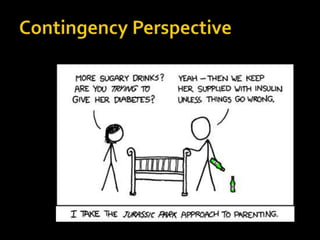
       Contingency
       As a Medium
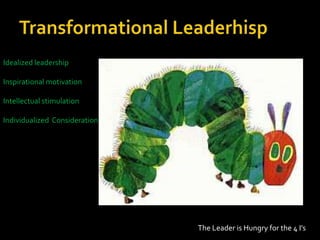
       Transformational
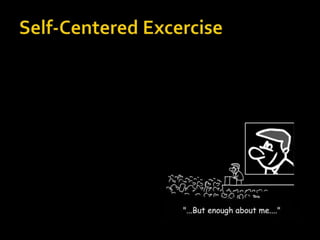
                                                   + Self-Centered Role Activity
   Characteristics of Effective Leaders
   Leading Discussions
   Building Leadership Skills
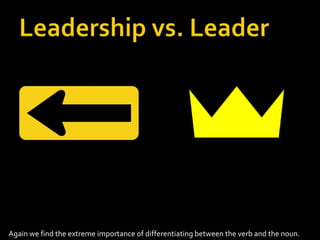
Again we find the extreme importance of differentiating between the verb and the noun.
To the White Board!


   French and Raven’s Bases of Social Power
       Reward Power
       Coercive Power
       Legitimate power
       Referent Power [BIRGing and CORFing]
       Expert power
       Information Power
Method of Residues

 Phase 1

Meeting 1 Candidates

Meeting 2 Candidates

 Phase 2

Enter Conflict Scenario
I, II, III, or IV
Political positioning, network status, power, and
perceived characteristics all determine your
likelihood to be thought of as a potential leader.

As we just discussed, presentations of self that
are omitted are just as important as what is
demonstrated.
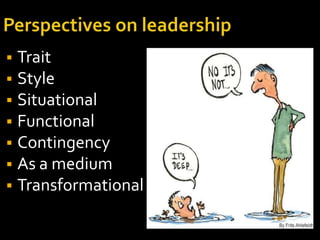
   Trait
   Style
   Situational
   Functional
   Contingency
   As a medium
   Transformational
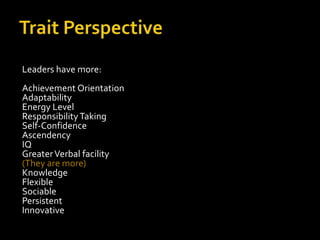
Leaders have more:
Achievement Orientation
Adaptability
Energy Level
Responsibility Taking
Self-Confidence
Ascendency
IQ
Greater Verbal facility
(They are more)
Knowledge
Flexible
Sociable
Persistent
Innovative
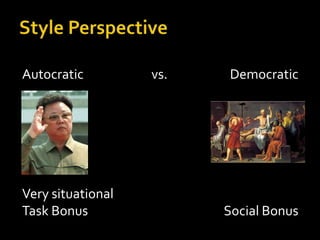
Autocratic         vs.   Democratic


Very situational
Task Bonus               Social Bonus
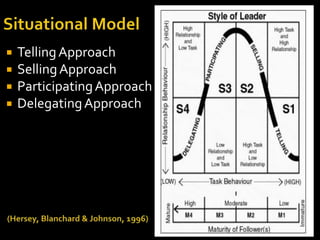
   Telling Approach
   Selling Approach
   Participating Approach
   Delegating Approach
1.   Understand the problem

2.   Understand what constitutes an acceptable
     resolution to the problem

3.   Seek and develop a set of acceptable
     alternatives for managing the problem

4.   Assess the strengths of each

5.   Assess the weaknesses of each
Crushing Complexity
Idealized leadership

Inspirational motivation

Intellectual stimulation

Individualized Consideration


                               The Leader is Hungry for the 4 I’s
Post a photograph on the Facebook group
that, combined wit your creative caption,
demonstrates a concept from the chapter.

To receive full points make your post
interesting enough to earn two comments.
They

   Are Informed
   Provide Direction
   Communicate Effectively
   Adapt
   Are Considerate
   Facilitate Participation
   Manage Complexity
   Limit topic #
   Guide a series of open-ended questions
   Herd the topic
   Regulate participation
   Reward cooperation and participation
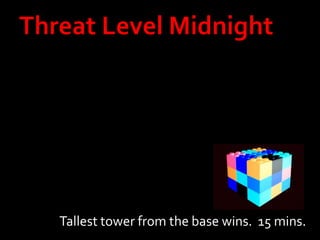
Tallest tower from the base wins. 15 mins.
   Prepare
   Structure and Guide
   Encourage creativity
   Manage Conflict
   Promote Cohesiveness

Nothing new, no secrets.

Just practice the wisdom your parents and grandparents passed
on and you will be ready to lead a group to greatness.
W9_CH7
W9_CH7

W9_CH7

  • 2.
    Leadership vs. Leader  Shared Leadership  Power  Leader Emergence Method of Residues   Perspectives on Leadership  Trait  Style  Situational ▪ Telling Approach * Selling Approach * Participating Approach * Delegating Approach  Functional  Contingency  As a Medium  Transformational + Self-Centered Role Activity  Characteristics of Effective Leaders  Leading Discussions  Building Leadership Skills
  • 3.
    Again we findthe extreme importance of differentiating between the verb and the noun.
  • 4.
    To the WhiteBoard!  French and Raven’s Bases of Social Power  Reward Power  Coercive Power  Legitimate power  Referent Power [BIRGing and CORFing]  Expert power  Information Power
  • 5.
    Method of Residues Phase 1 Meeting 1 Candidates Meeting 2 Candidates Phase 2 Enter Conflict Scenario I, II, III, or IV
  • 6.
    Political positioning, networkstatus, power, and perceived characteristics all determine your likelihood to be thought of as a potential leader. As we just discussed, presentations of self that are omitted are just as important as what is demonstrated.
  • 7.
    Trait  Style  Situational  Functional  Contingency  As a medium  Transformational
  • 13.
    Leaders have more: AchievementOrientation Adaptability Energy Level Responsibility Taking Self-Confidence Ascendency IQ Greater Verbal facility (They are more) Knowledge Flexible Sociable Persistent Innovative
  • 14.
    Autocratic vs. Democratic Very situational Task Bonus Social Bonus
  • 16.
    Telling Approach  Selling Approach  Participating Approach  Delegating Approach
  • 17.
    1. Understand the problem 2. Understand what constitutes an acceptable resolution to the problem 3. Seek and develop a set of acceptable alternatives for managing the problem 4. Assess the strengths of each 5. Assess the weaknesses of each
  • 19.
  • 20.
    Idealized leadership Inspirational motivation Intellectualstimulation Individualized Consideration The Leader is Hungry for the 4 I’s
  • 22.
    Post a photographon the Facebook group that, combined wit your creative caption, demonstrates a concept from the chapter. To receive full points make your post interesting enough to earn two comments.
  • 23.
    They  Are Informed  Provide Direction  Communicate Effectively  Adapt  Are Considerate  Facilitate Participation  Manage Complexity
  • 24.
    Limit topic #  Guide a series of open-ended questions  Herd the topic  Regulate participation  Reward cooperation and participation
  • 25.
    Tallest tower fromthe base wins. 15 mins.
  • 26.
    Prepare  Structure and Guide  Encourage creativity  Manage Conflict  Promote Cohesiveness Nothing new, no secrets. Just practice the wisdom your parents and grandparents passed on and you will be ready to lead a group to greatness.