Infrastructures
in –Urban India
Issues and
Options
Ar. Jit Kumar Gupta
Chief Town Planner
Sahara Prime City Limited
Chandigarh
E Mail- jit.kumar1944@gmail.com
• Population,
Urbanization-
•Global
Population Scenario - Global
 World population recorded:
 1 Billion in 1804
 2 Billion in 1927 (123 yrs. Later)
 3 Billion in 1960 (33 yrs. Later)
 4 Billion in 1974 (14 yrs. Later)
 5 Billion in 1987 (13 yrs. Later)
 6 Billion in 1999 (12 yrs. Later)
 7 Billion in 2010 (11 yrs. Later)
 UNO population projection --7.9-10.9
billion for 2050.
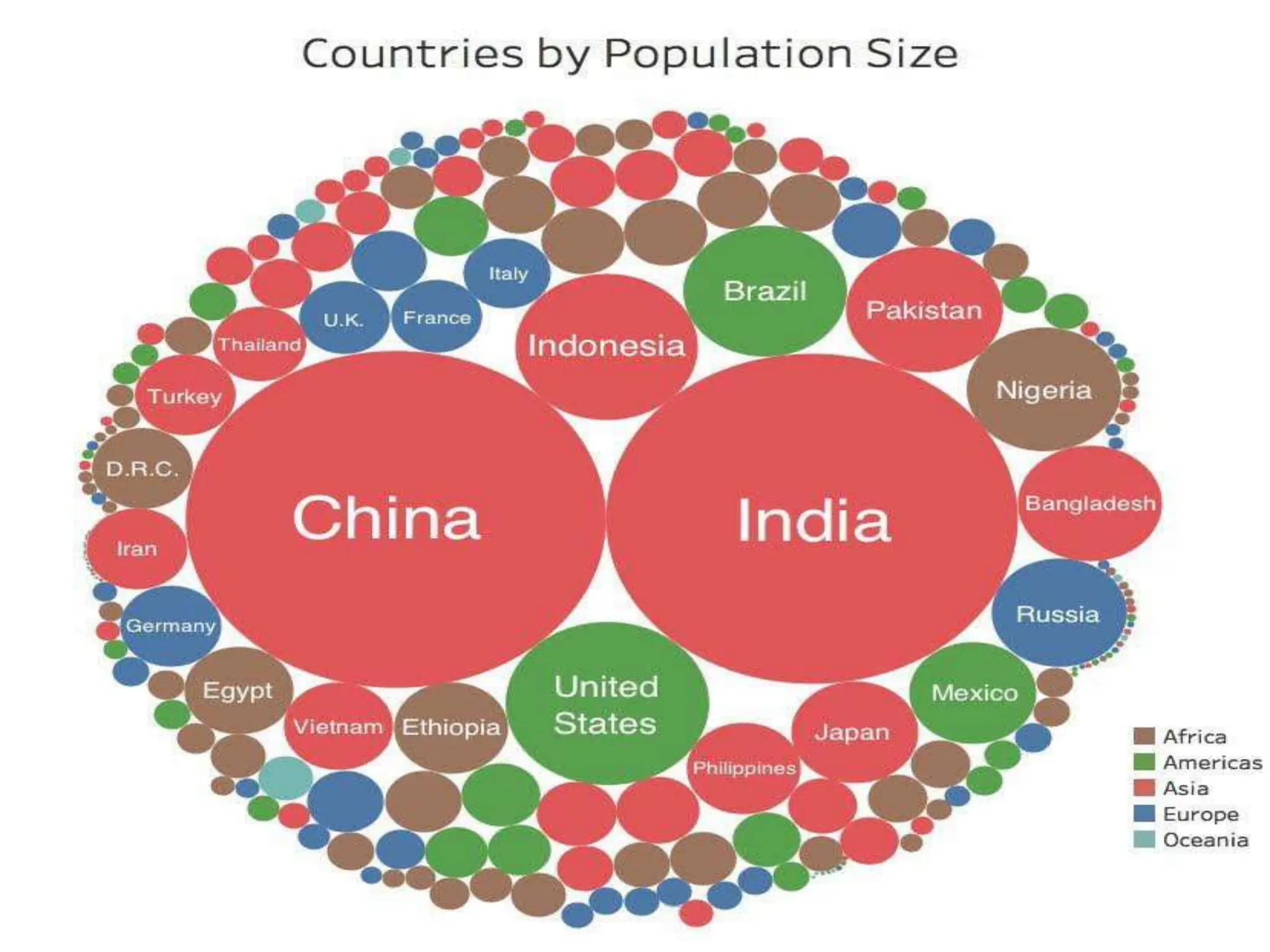
 China Indi/an - over 1 billion
 India- most populated country in 2023
 Tokyo - largest Urban Agglomeration
 -- 37.19 million residents (2023).
 -- 34 Urban Agglomerations with + 10
million population in world
 ---India - 3 (Mumbai, Kolkata &
Delhi).2011;
 7- 2031;
 9-2051
Global Context of Cities
• Population,
Urbanization--
Indian
Population Scenario- India-2011
• Indian Population
• 250 million - 1919
• 500 million - 1966 (47 yrs. Later)
• 1000 million - 2000 ( 34 yrs. Later)
• 1027 million -- 2001 (1yr Later)
• 1210 million - 2011 (10 yrs. Later)
• 2050 Indian population -- 1600 million
• -- 50% living in Urban India.
• Urban India- 285.39 m in 2001 (5161 towns)
• 377 million in 2011- (7935 towns)
• Metro Centres -5 (1951)- -53 (2011)-68(2031)
• 10 m plus- nil (1951)- 3 (2011) -7 (2031)- 9(2051)
• Greater Mumbai - 18.37 million -most populous city
• Urban India -- added more persons(91m)
• -- Vs Rural India(90m)-- in last decade
• massive shift of population
• -not simply a shift of demographics
• -- put cities / towns at centre of India’s
development trajectory.
• Increased population involves;
• More cities/towns- expansion of existing towns
• More Infrastructures- both hard and soft
• More housing,
• More educational/ healthcare/ other institutions
• More commercial space
Indian Urbanisation-II
• Urbanization- determinant / consequence of economic
development.
• Development & urbanization – positively related
• Urban growth & economic growth -go hand in hand
• Cities – Known as Engines of economic growth
• Cities- Major contributors to national wealth.
• Economic Prosperity- linked to urban productivity
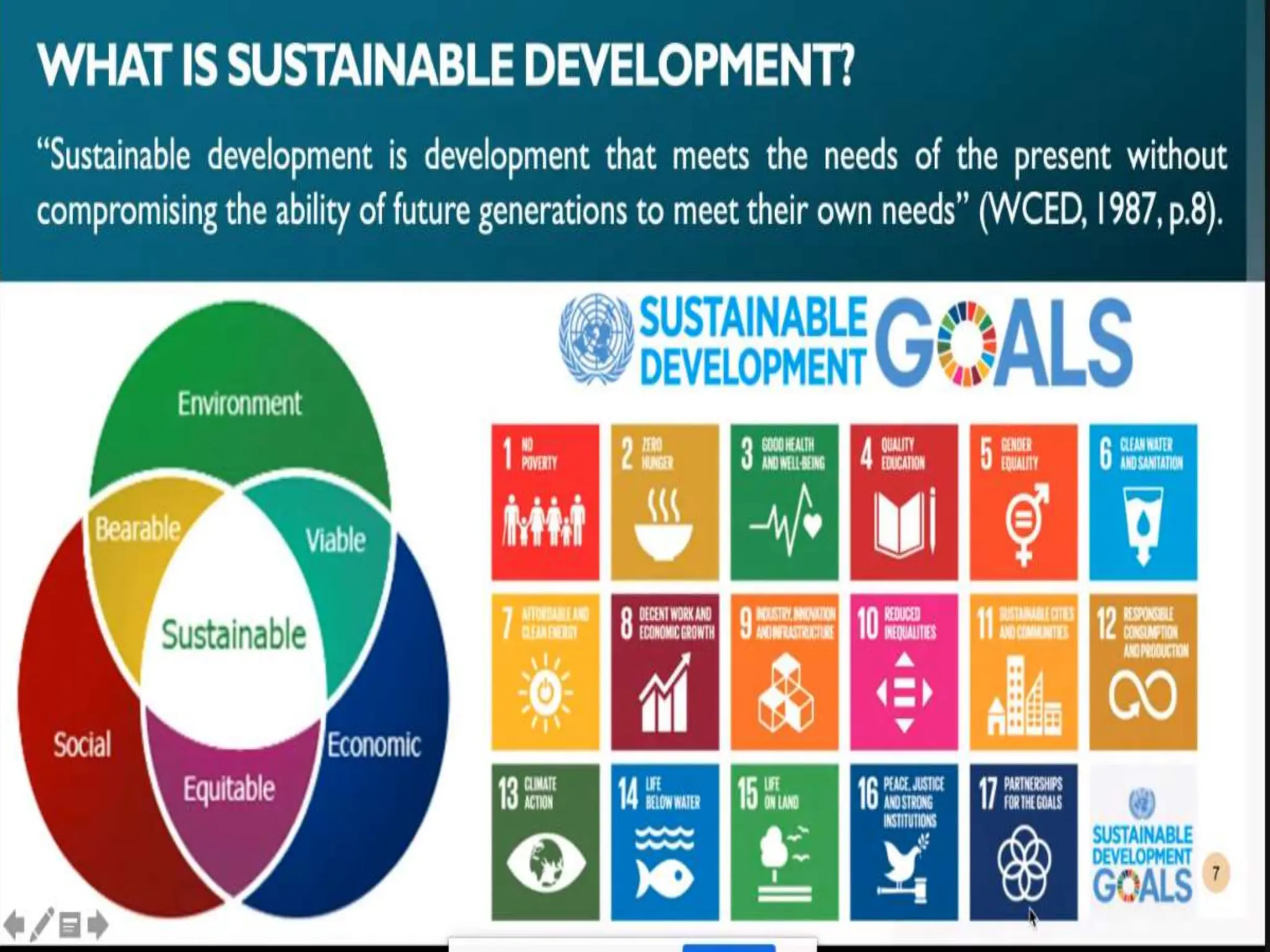
• Building Sustainable cities- critical for boosting rural
economy by improved urban consumption
• Urban centers need planned development for
 Attracting investment
 Generating Employment.
 Providing Infrastructures
 Ensuring quality of life.
 Achieving Sustainability,
 Making cities more Productive, Livable, Humane
and Eco- friendly.
Failure to manage Urban India-
• - lopsided/unplanned growth
• - hitting economy
• -lowering productivity besides
• - promoting poverty- Lowering quality of life.
Indian Urbanisation-III
• Cities have both positivity and
negativities in terms of;
 Haphazard /Unplanned development.
 Poorly managed /governed.
 Lacks Infrastructures
 Failure to meet urban dynamism
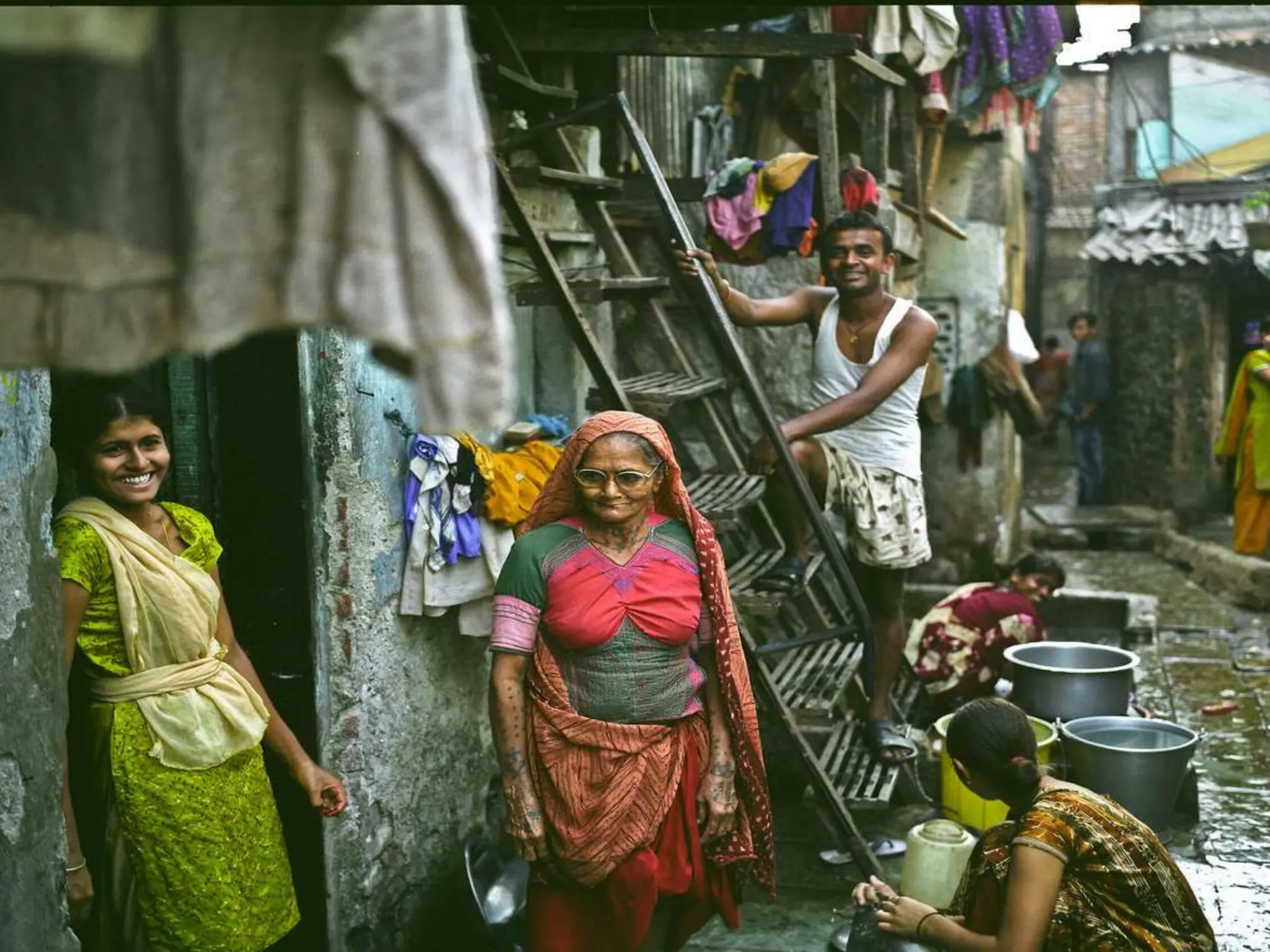
 Enormous growth of slums
 Poor quality of life
 Failure in providing;
-Shelter - Basic Services
- Water/ Sanitation
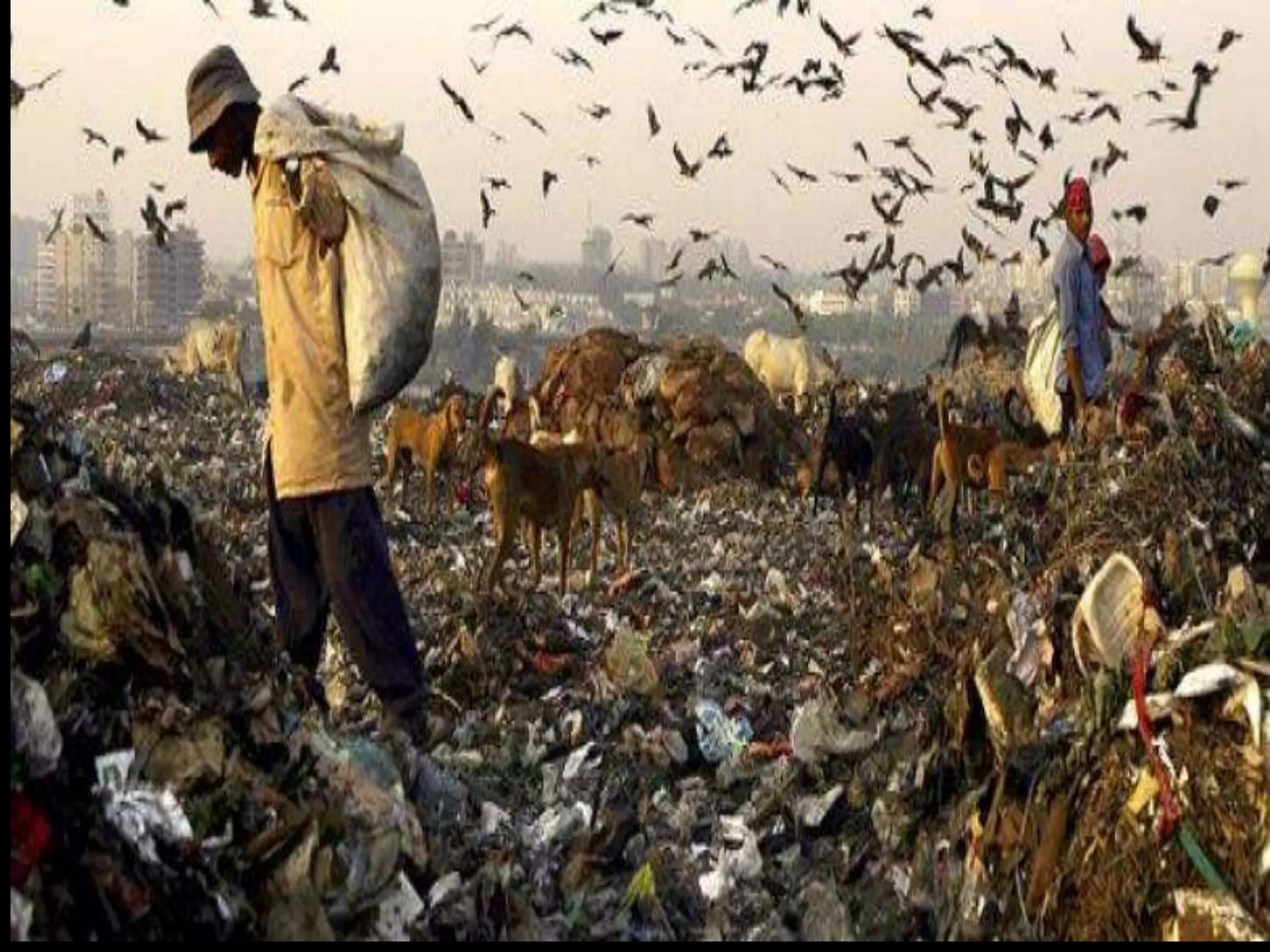
- Solid waste management, -
• Population , Poverty , Pollution, --- greatest challenge to Indian
Cities.
• Indian Urbanization is rightly called :
 Urbanization of Population
 Urbanization of Poverty
 Urbanization of Pollution
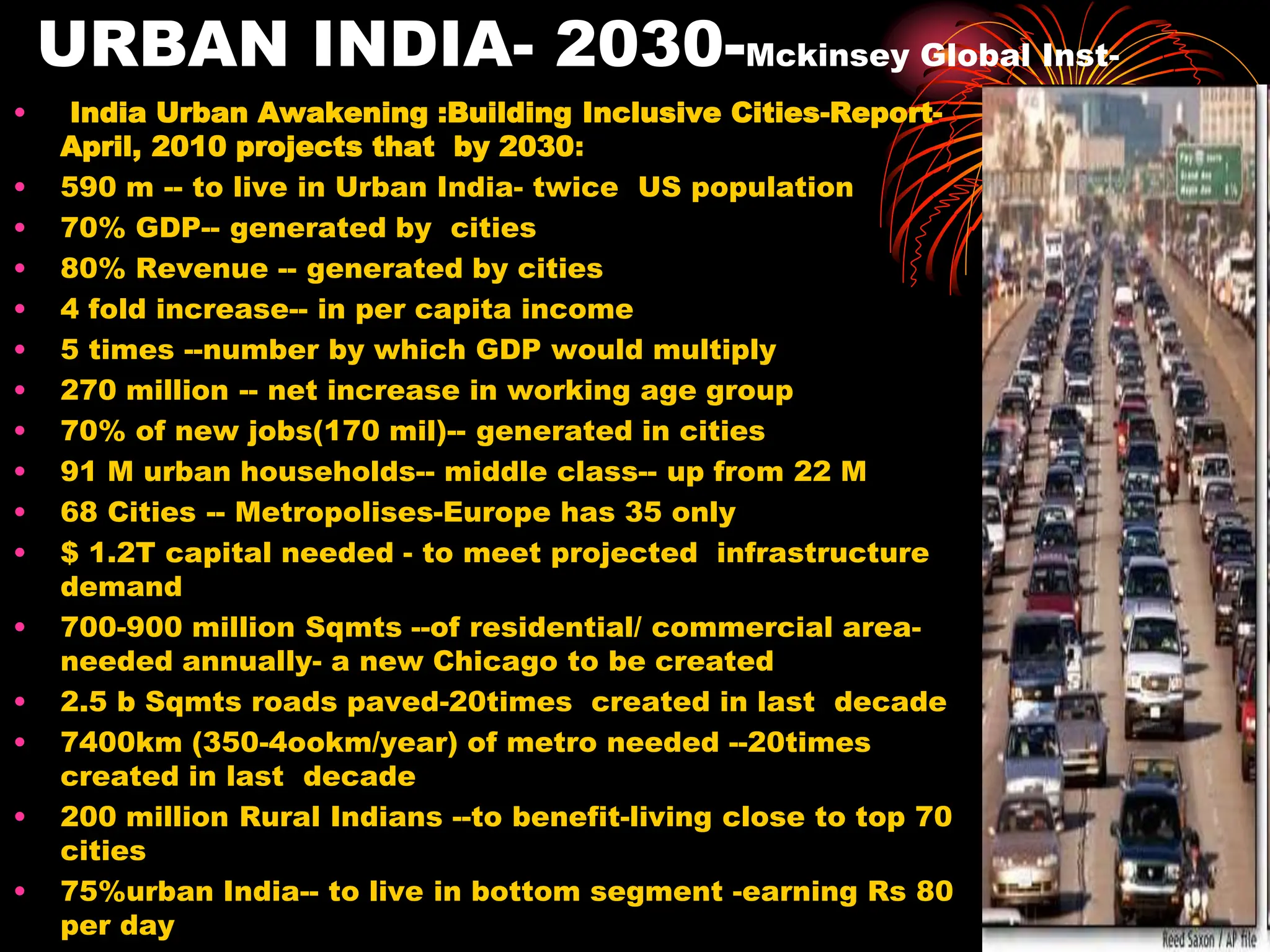
URBAN INDIA- 2030-Mckinsey Global Inst-
• India Urban Awakening :Building Inclusive Cities-Report-
April, 2010 projects that by 2030:
• 590 m -- to live in Urban India- twice US population
• 70% GDP-- generated by cities
• 80% Revenue -- generated by cities
• 4 fold increase-- in per capita income
• 5 times --number by which GDP would multiply
• 270 million -- net increase in working age group
• 70% of new jobs(170 mil)-- generated in cities
• 91 M urban households-- middle class-- up from 22 M
• 68 Cities -- Metropolises-Europe has 35 only
• $ 1.2T capital needed - to meet projected infrastructure
demand
• 700-900 million Sqmts --of residential/ commercial area-
needed annually- a new Chicago to be created
• 2.5 b Sqmts roads paved-20times created in last decade
• 7400km (350-4ookm/year) of metro needed --20times
created in last decade
• 200 million Rural Indians --to benefit-living close to top 70
cities
• 75%urban India-- to live in bottom segment -earning Rs 80
per day
• Infrastructure-
•Genesis,
Role&
Importance
Pillars of Development
• Infrastructure
• Investment
• Innovations
• Inclusion
• Infrastructure - basic physical facilities
• needed for operation of society/ enterprise: --
• --basic facilities/ system serving a country,
region, or community-- buildings, roads,
power ,water, open spaces, leisure ,mass
transit & telecommunications networks.
• Infrastructure - -essential for economy,
human beings; quality of life
• Globally-First federally funded infrastructure project -
Cape Henry Lighthouse-- built in 1789 at Virginia
Beach, Virginia.
Infrastructure- Genesis
French Term- first used in France in 1880s
-- infra- meaning below & structure- means building
- -foundation - upon which structure of an economy &
society built.
- Infrastructure --leveraged by urbanization /cities
- -Concentration of people, institutions, economy in a limited
area
- Investments in infrastructure -- costly and capital-intensive,
- Infrastructure vital -economic , physical, social, development
/prosperity.
- - Public Sector--Large-scale infra Project- funded by Tax
Revenue
• -- Private Sector/local authorities-- Small scale Infrastructure -.
- Public- Private Partnership- Large scale infra projects.
- -Since 1992- Liberalization/Globalization of Indian economy
Role & Importance -
Infrastructure
-Infrastructures critical for reasons;
- Forms Backbone of Growth, Development, Prosperity of any nation
-- Help in -- Physical, social, Development of a Community/City/Country
- Developing Economy
- Promoting Business
- Generating Employment-
- Linking area of Production & Consumption
- -Bridging gap between demand & supply
- -Connecting places -- living and working
- -- Skilling people;
- Delivering Goods/Services
- Empowering people & Communities
- -Improving productivity of cities/citizens/communities-
- - Making people happy /healthy
- - -Improves accessibility; Connecting Communities- Lifeline of a
city/nation
• - Employing 14 million people directly - From locomotive engineers ,
electrical power line installers to truck drivers
Infrastructures-
Typologies
Typologies of infrastructure
• Types of Infrastructure- Hard & Soft
• Hard Infrastructure- Built environment—involve
physical connections between places that carry people,
materials, information and energy-
-Transportation/ Communication network ,Roads, Power, Water supply,
Sewerage, Storm water drainage , Solid waste management,
• Soft infrastructure -- services required to maintain - health, social
needs of communities—Healthcare , Education, Leisure, Open Spaces,
Entertainment, Community facilities ,Museums, Art& Culture, Heritage, Law
Enforcement, Governance
• Essential/Non- Essential
-- a bridge across a river might be essential --while a
large sports stadium is not
• Essential infrastructure-- power stations ,
electricity supplies, sewage systems, clean drinking
water , major transport systems (metro systems
/railways) and telecommunications networks
• Status of
Infrastructure
STATUS OF URBAN INFRASTRUCTURE
•In India, existing infrastructure scenario critical.
•As per recent estimates:
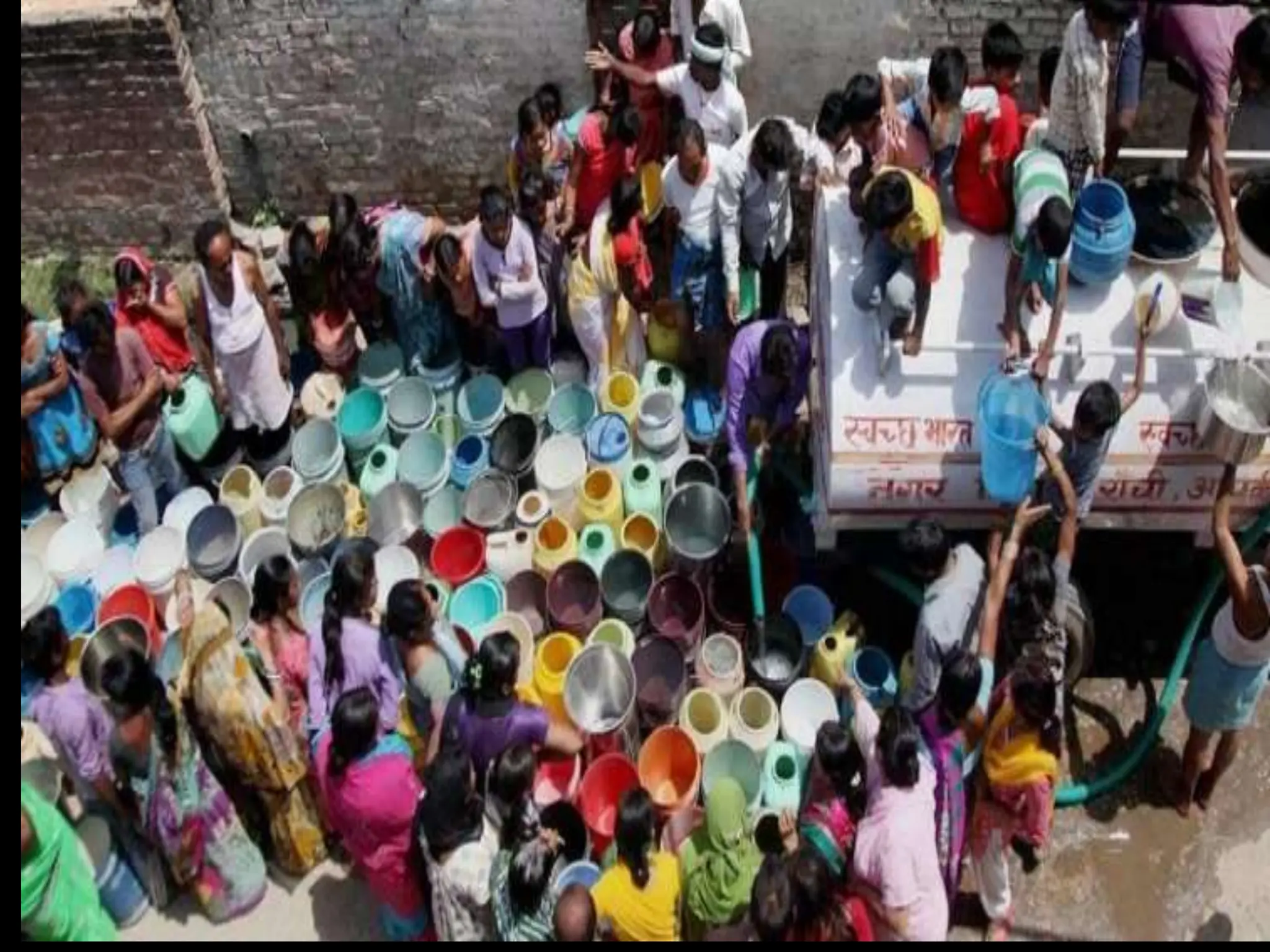
-No city provides water 24 X 7 X 365 days
-only 50 % households -- access safe water.
- only one third --had toilet facilities.
-More than two third population left uncovered by sanitation
-rainwater disposal covers only 66 % of urban population.
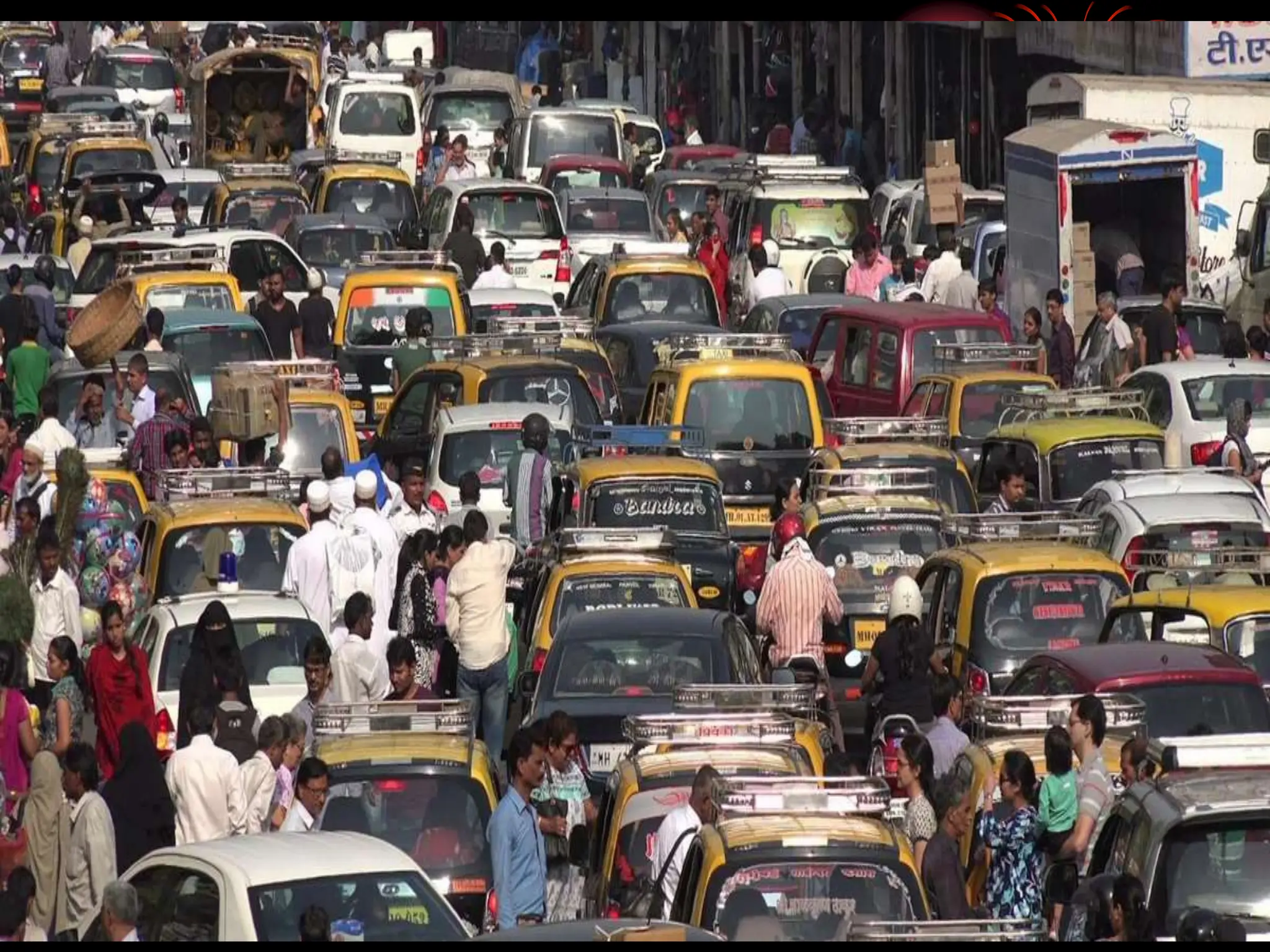
• City roads lack capacity leading to
- -high degree of congestion –
-- Large number of Accidents
- - High degree of Pollution
- - Delays/wasting time
- - Promoting in-efficiencies
- Poor operation, quality & maintenance of infrastructures
• -- Inadequate infrastructures hamper
- development and
- Lower Productivity
--Water Supply- 105 lpcd (Norm-150 lpcd)- Gap(2007-30)-94billion lpd
-- Sewerage treatment-30% (Norm- 100%)- Gap(2007-30)-109 billion lpd
-- Solid Waste- 72% ( Norm 100%)- Gap(2007-30)- 82mt/annum
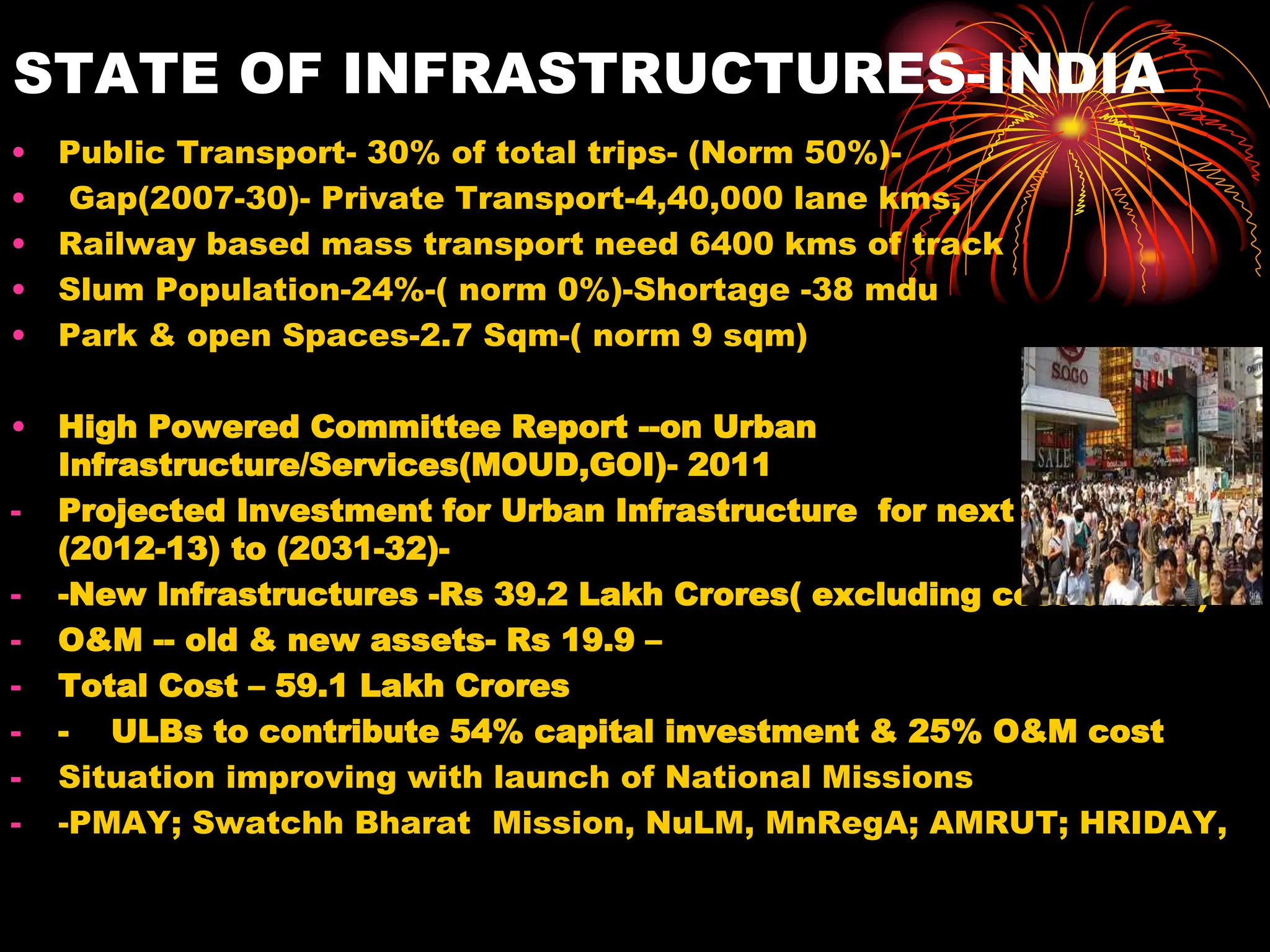
STATE OF INFRASTRUCTURES-INDIA
• Public Transport- 30% of total trips- (Norm 50%)-
• Gap(2007-30)- Private Transport-4,40,000 lane kms,
• Railway based mass transport need 6400 kms of track
• Slum Population-24%-( norm 0%)-Shortage -38 mdu
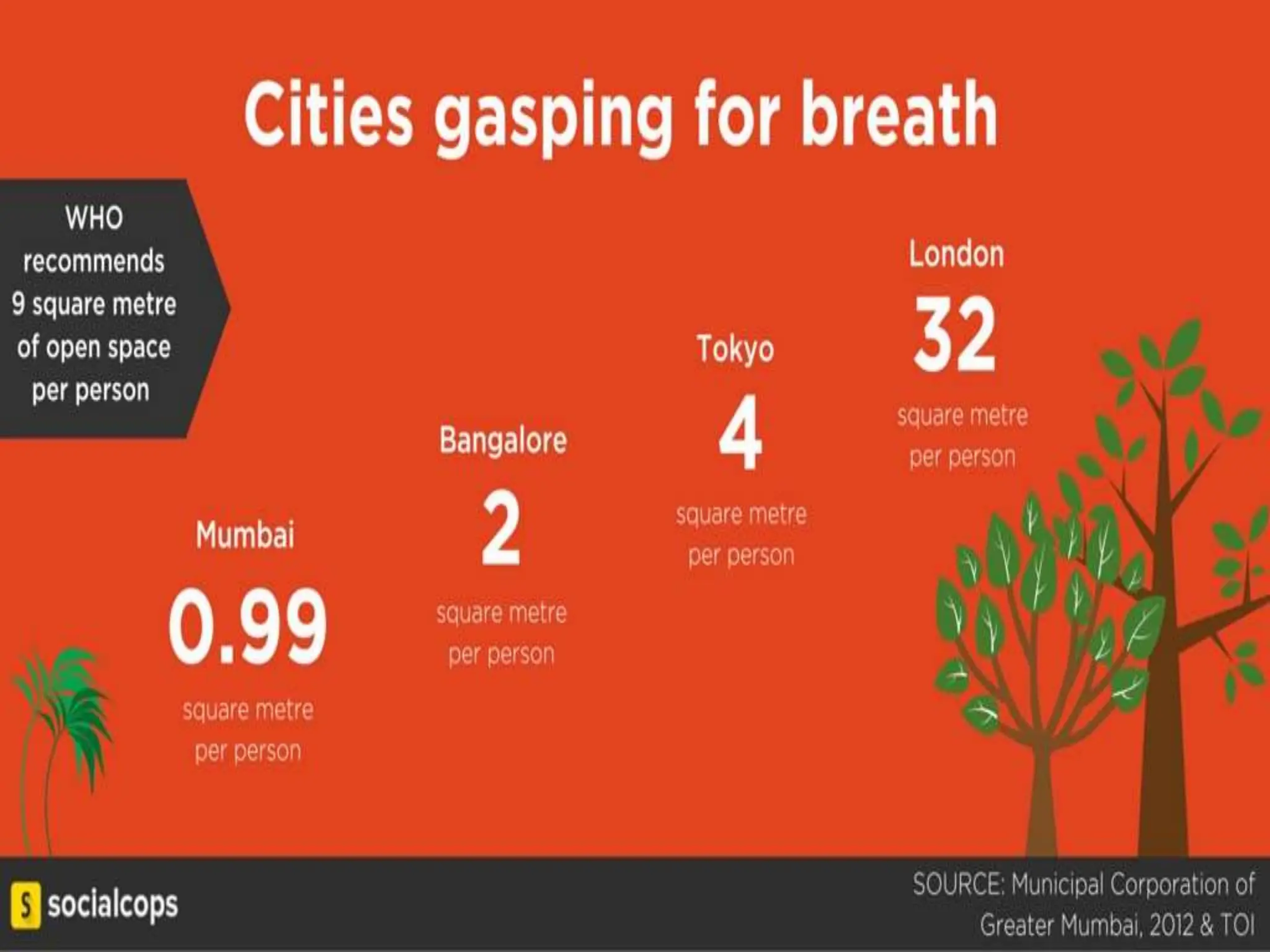
• Park & open Spaces-2.7 Sqm-( norm 9 sqm)
• High Powered Committee Report --on Urban
Infrastructure/Services(MOUD,GOI)- 2011
- Projected Investment for Urban Infrastructure for next 20 Years
(2012-13) to (2031-32)-
- -New Infrastructures -Rs 39.2 Lakh Crores( excluding cost of land)
- O&M -- old & new assets- Rs 19.9 –
- Total Cost – 59.1 Lakh Crores
- - ULBs to contribute 54% capital investment & 25% O&M cost
- Situation improving with launch of National Missions
- -PMAY; Swatchh Bharat Mission, NuLM, MnRegA; AMRUT; HRIDAY,
Urbanization-Status
• Infrastructure-
Issues
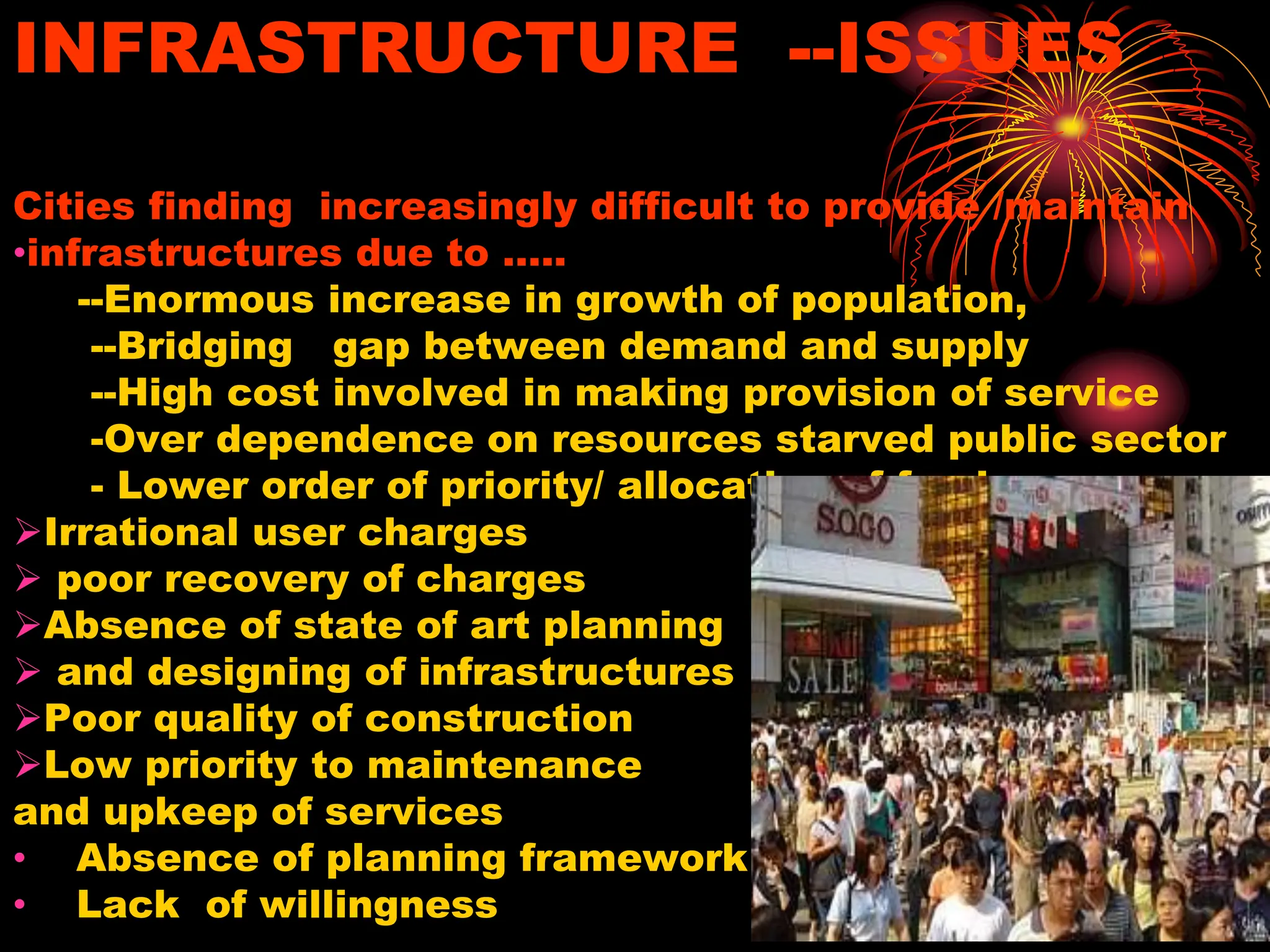
Cities finding increasingly difficult to provide /maintain
•infrastructures due to …..
--Enormous increase in growth of population,
--Bridging gap between demand and supply
--High cost involved in making provision of service
-Over dependence on resources starved public sector
- Lower order of priority/ allocation of funds
Irrational user charges
 poor recovery of charges
Absence of state of art planning
 and designing of infrastructures
Poor quality of construction
Low priority to maintenance
and upkeep of services
• Absence of planning framework
• Lack of willingness
INFRASTRUCTURE --ISSUES
INFRASTRUCTURE ISSUES….
Inadequate and poor quality of manpower
involved in provision and maintenance.
Low allocation of financial resources
to infrastructure development at
national/state/local level
Poor urban governance and poor delivery
of services
Highly subsidized urban services
Poor recovery and collection of service charges
High degree of leakage and poor accountability
Construction and maintenance divorced from
each other
INFRASTRUCTURES-- ISSUES..
Unauthorized/unplanned and sub-standard development
• Non-involvement of private sector in provision of services
 Lack of political will to rationalize the service charges
•Poverty -25.7%urban population still live below poverty line
Compartmentalization of services.
 Lack of co-ordination among service departments
Non- involvement of people / stakeholders in prioritizing,
planning / maintenance of services
Outdated technologies-- for construction of infrastructures
Irrational norms-- for planning and provision of services
Inadequate/ appropriate space for city level infrastructures
Absence of Master Plans/ Development Plans
Global- Tree Count
Open Spaces
• Infrastructure-
•Approach-
Global& Local
Govt of India
Smart City Mission in India
• Core infrastructure elements in a smart city include:
• i. Assuring adequate water supply,
• ii. Assured electricity supply,
• iii. Promote Sanitation, including solid waste management,
• iv. Promote efficient urban mobility and public transport,
• v. Create affordable housing, especially for poor,
• vi. Ensure robust IT connectivity and digitalization,
• vii. Positioning good governance-- e-Governance &citizen
participation,
• viii. Promoting sustainable environment,
• ix. Promoting safety & security of citizens, --particularly
women, children ; elderly,
• x. Promoting health & education.
AMRUT-Atal Mission for Rejuvenation and
Urban Transformation
Priority zone of Mission is water supply followed by sewerage.
To ensure that every household has access ;
--to tap the assured supply of water
-- sewerage connection
-- developing greenery /well maintained open spaces (e.g. parks).
-- Reducing pollution by switching to public transport/ walking ,cycling
- replacement of street lights with LED lights
• Components:
• Capacity building- for implementation, water supply, sewerage ,
septage management, storm water drainage, urban transport and
development of green spaces and parks.
• Reforms aim at ---improving delivery of citizen services,
• --bringing down cost of delivery,
• --improving financial health,
• --augmenting resources and
• --enhancing transparency. .
• Infrastructure-
Concept &
•Approach
Key concepts in urban
infrastructure
• Key Concepts--Capacity & Sustainability
• 1. Capacity--System to have Adequate Capacity —
below capacity’ describes inefficiency- -Full
capacity --when network used to full extent.- If
capacity - reached /exceeded, urban area struggles/
suffer --if public transport system reaches capacity-
- not enough space on buses/ trains to transport—will
cost businesses money in lost revenue/prevent people
from accessing services they need.
• 2. Sustainability - Make infrastructure
sustainable ;supporting environmental, social
/economic needs of city - today/ future,--
Sustainable transport infrastructure-- mass transit
systems-- Appropriate energy sources--Safe and secure
housing --‘Future proofing’, ensuring infrastructure
can easily adapted to unknown future needs. need to
be rebuilt
• 3 Quality – construction, operation and management
SUGGESTED APPROACH…….
Providing basic infrastructures to all in urban
India /improving quality of life would require;
- Declaring Infrastructure a Priority Sector
- Promoting Planned development
- - Town Planning Schemes
--Making Cities Compact
--Preparing City Master Plans
--Defining Realistic Norms& Standards
-Phasing of Infrastructure Development
-Adopting New Technologies
-- Ensuring Community Participation
--Making Higher Budgetary Allocation
- Involving Promoters/Real Estate
Developers
Suggested Approach...
---Promoting Public - Private Partnership
-----Contracting Out
------Promoting Inter-agency Coordination
----Combining Construction and
Maintenance Contracts
----Preparing Service Manuals
-----Promoting Governance/Administrative
Reforms
----- Ensuring Capacity Building
-----Resource Mobilization
----Unlocking land as major Resource
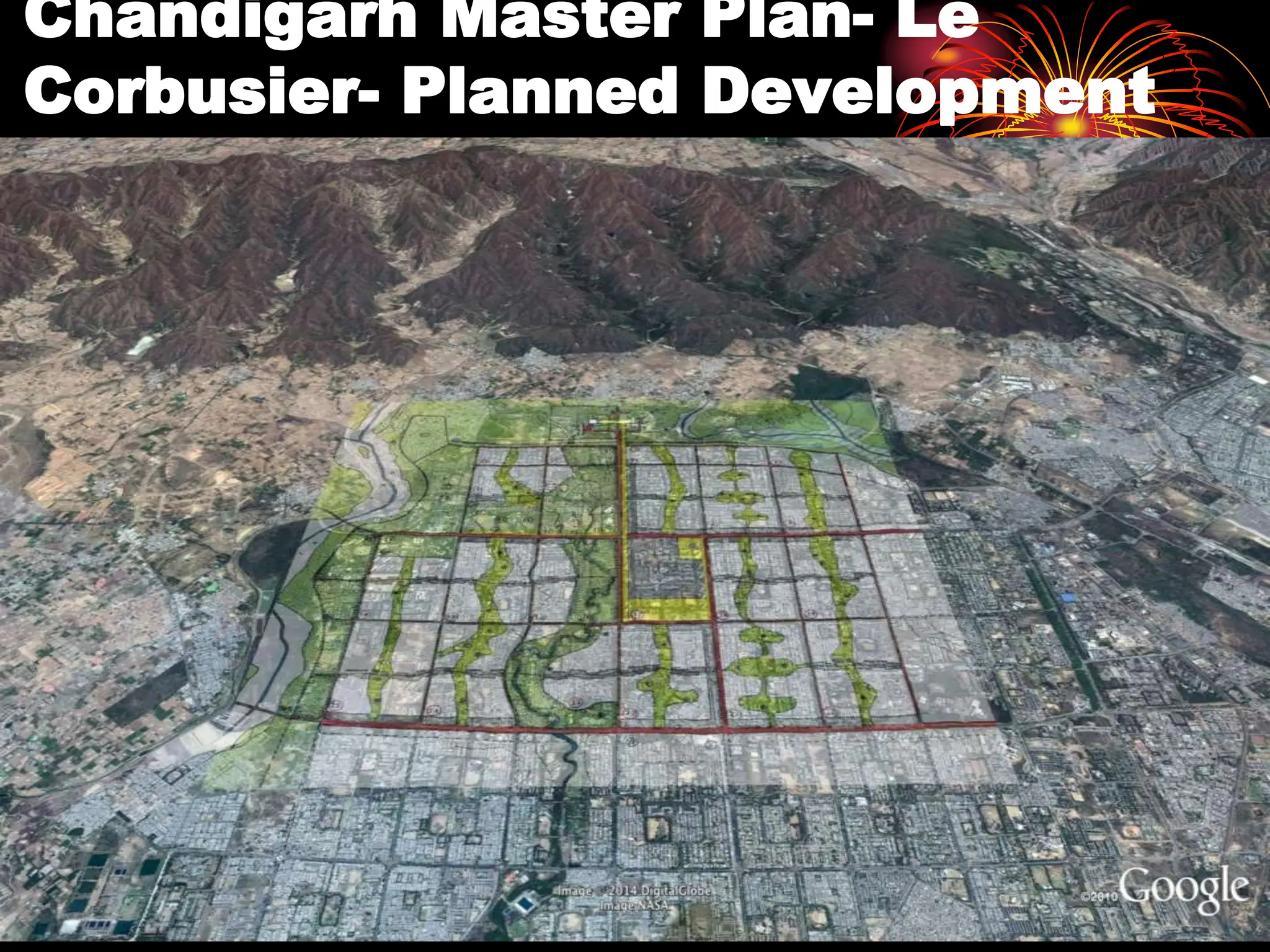
Chandigarh Master Plan- Le
Corbusier- Planned Development
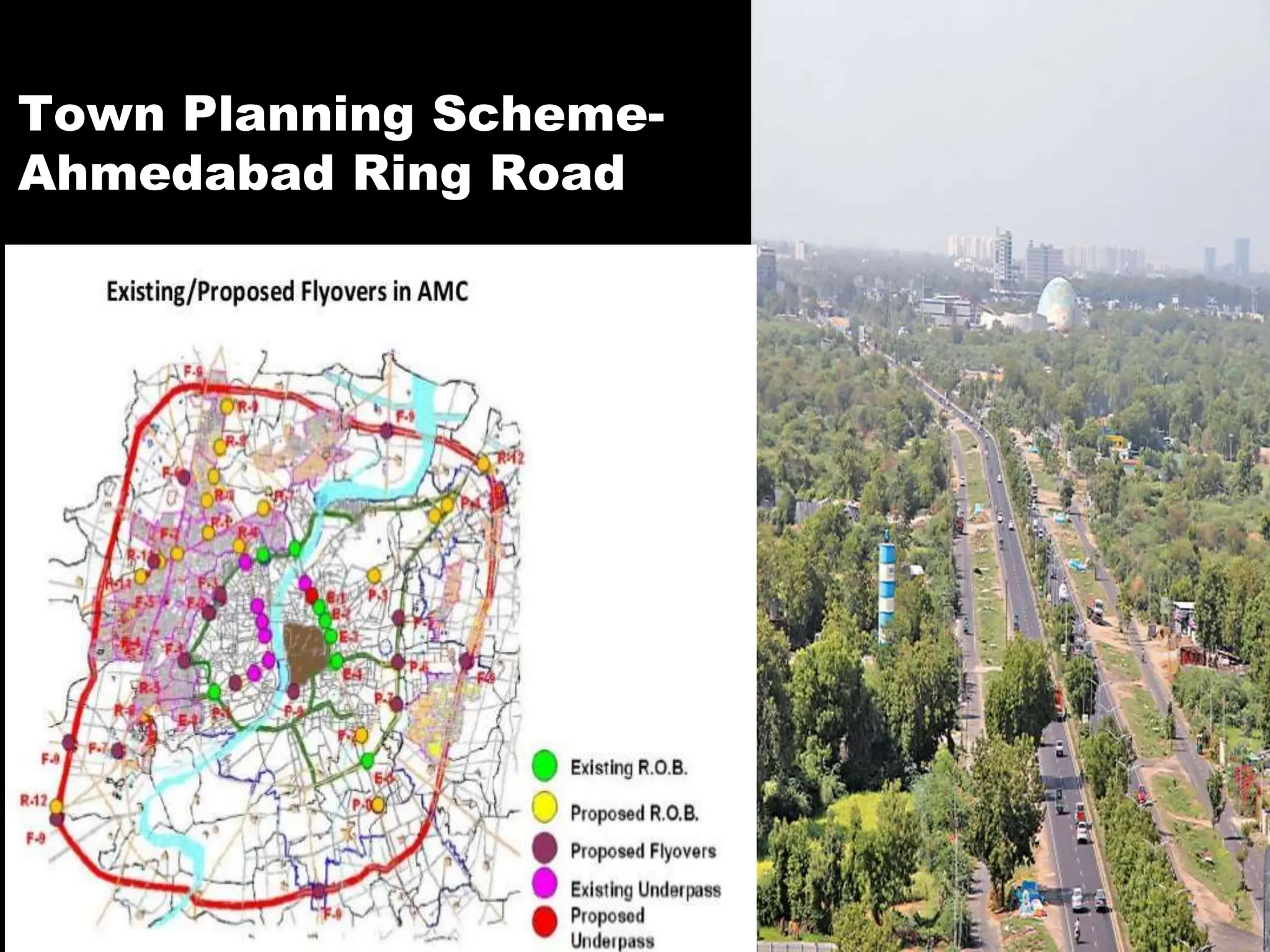
Town Planning Scheme-
Ahmedabad Ring Road
Curitiba- Brazil -Worlds’ first
Sustainable city – Making Cities Green
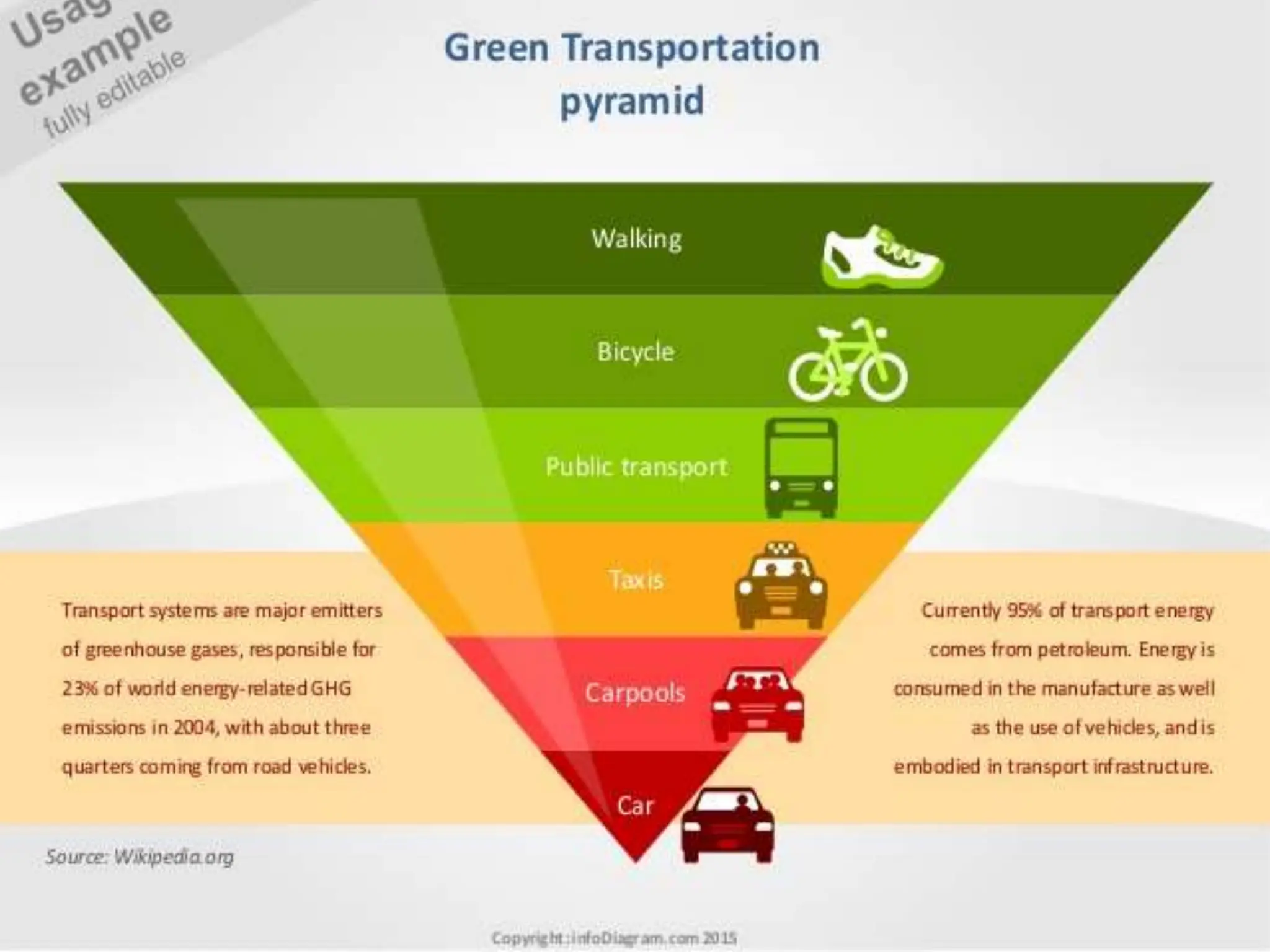
Defining Sustainable
Transport
• Sustainable Transport --
• -- sometimes known as
Green Transport
• -- form of transport that does not use
/ rely on dwindling natural resources.
• -- relies on renewable /regenerated
energy
• -- rather than fossil fuels that have a
finite life expectancy
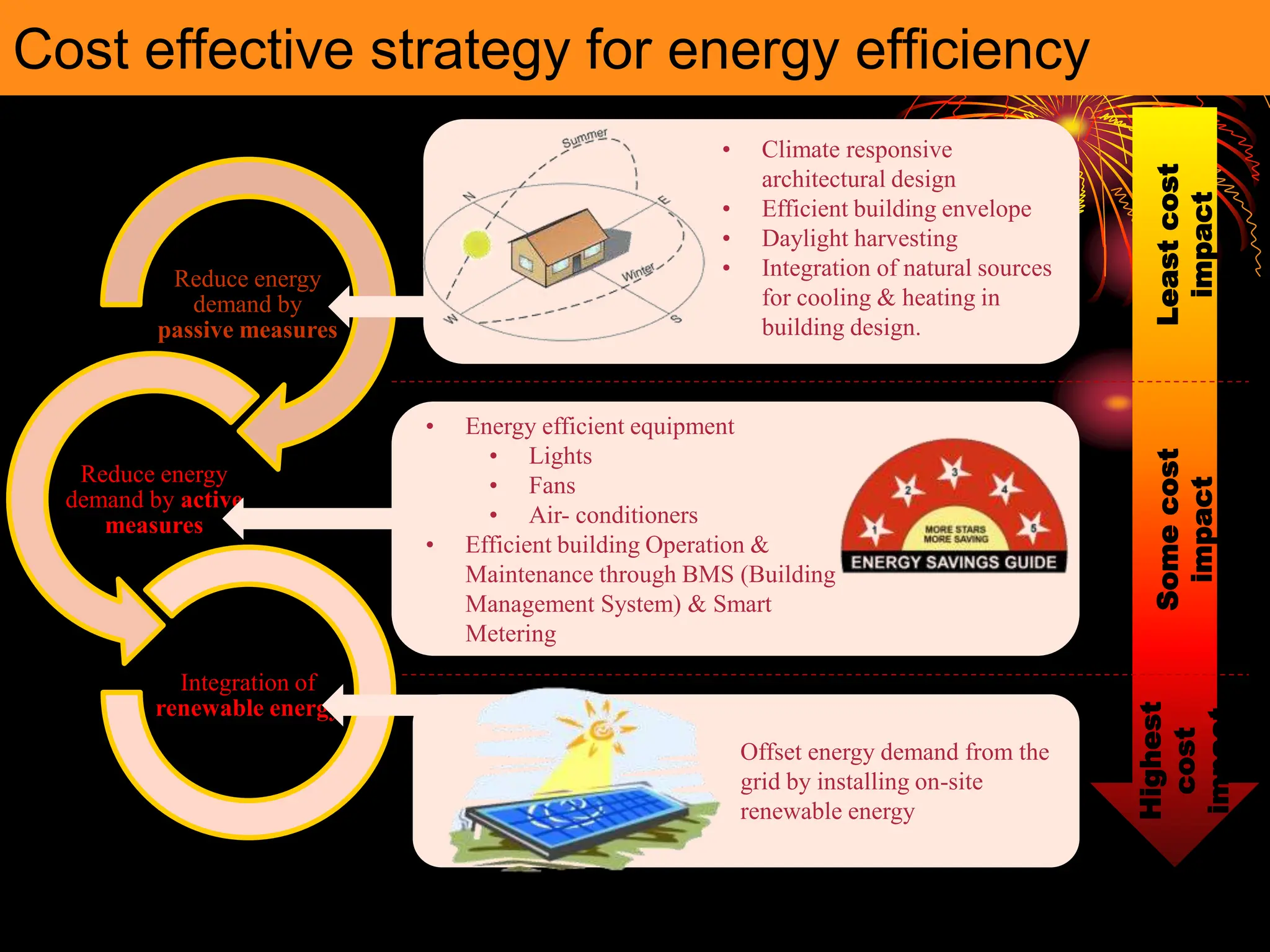
Cost effective strategy for energy efficiency
Reduce energy
demand by
passive measures
Reduce energy
demand by active
measures
Integration of
renewable energy
Least
cost
impact
Some
cost
impact
Highest
cost
impact
• Climate responsive
architectural design
• Efficient building envelope
• Daylight harvesting
• Integration of natural sources
for cooling & heating in
building design.
Offset energy demand from the
grid by installing on-site
renewable energy
• Energy efficient equipment
• Lights
• Fans
• Air- conditioners
• Efficient building Operation &
Maintenance through BMS (Building
Management System) & Smart
Metering
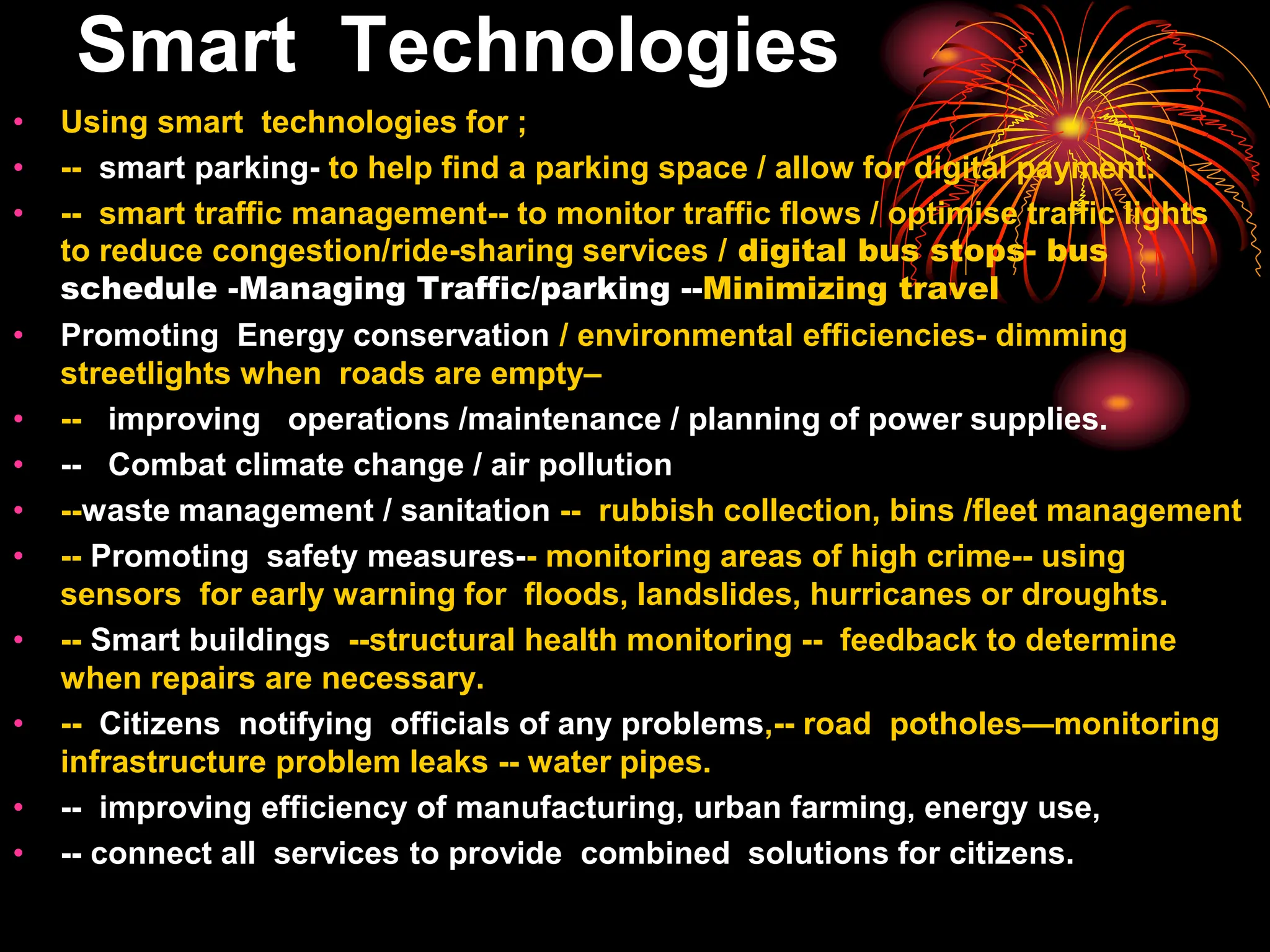
Smart Technologies
• Using smart technologies for ;
• -- smart parking- to help find a parking space / allow for digital payment.
• -- smart traffic management-- to monitor traffic flows / optimise traffic lights
to reduce congestion/ride-sharing services / digital bus stops- bus
schedule -Managing Traffic/parking --Minimizing travel
• Promoting Energy conservation / environmental efficiencies- dimming
streetlights when roads are empty–
• -- improving operations /maintenance / planning of power supplies.
• -- Combat climate change / air pollution
• --waste management / sanitation -- rubbish collection, bins /fleet management
• -- Promoting safety measures-- monitoring areas of high crime-- using
sensors for early warning for floods, landslides, hurricanes or droughts.
• -- Smart buildings --structural health monitoring -- feedback to determine
when repairs are necessary.
• -- Citizens notifying officials of any problems,-- road potholes—monitoring
infrastructure problem leaks -- water pipes.
• -- improving efficiency of manufacturing, urban farming, energy use,
• -- connect all services to provide combined solutions for citizens.
Using Technology
• Infrastructure-
Raising
Resources
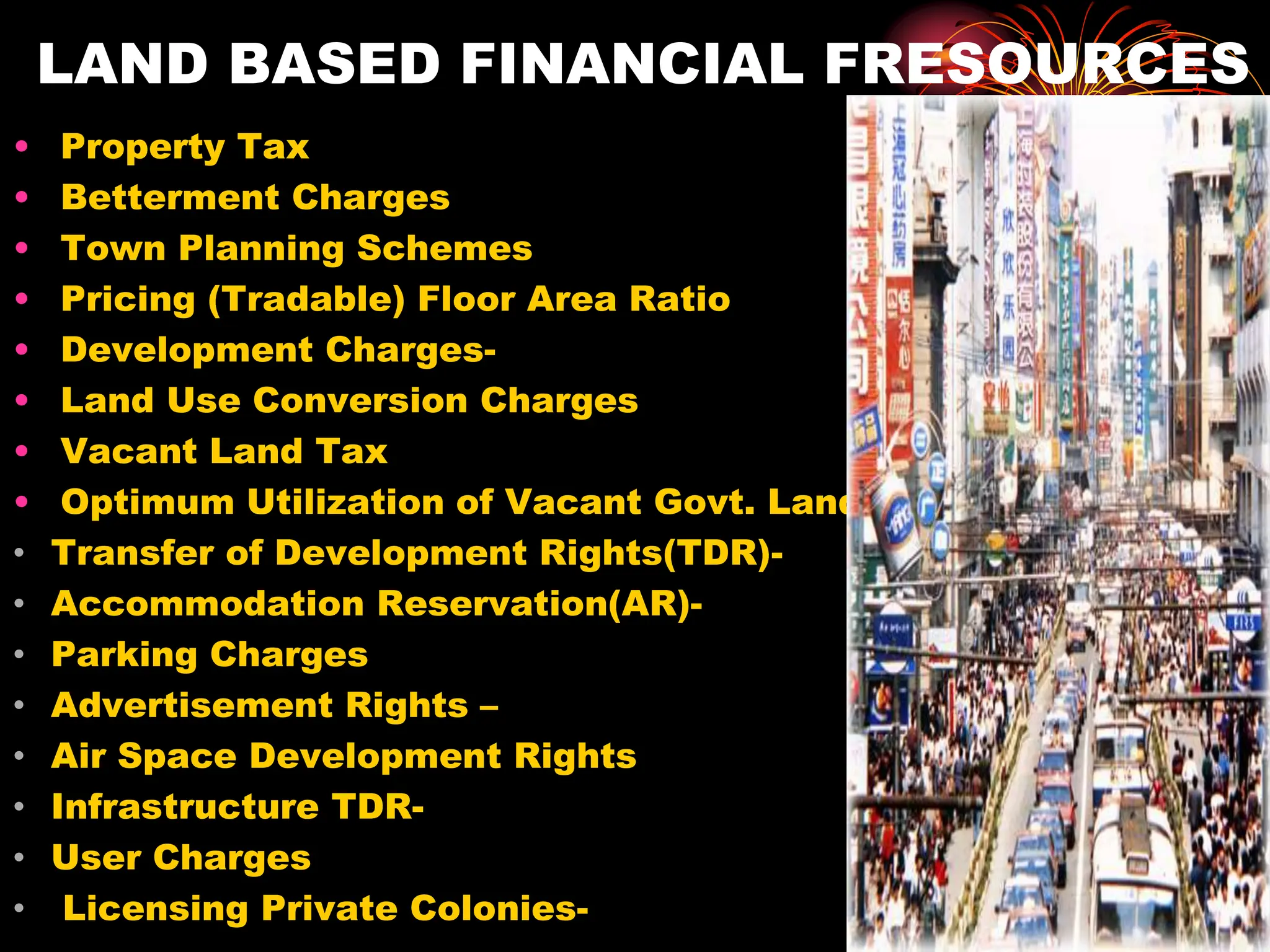
LAND BASED FINANCIAL FRESOURCES
• Property Tax
• Betterment Charges
• Town Planning Schemes
• Pricing (Tradable) Floor Area Ratio
• Development Charges-
• Land Use Conversion Charges
• Vacant Land Tax
• Optimum Utilization of Vacant Govt. Lands
• Transfer of Development Rights(TDR)-
• Accommodation Reservation(AR)-
• Parking Charges
• Advertisement Rights –
• Air Space Development Rights
• Infrastructure TDR-
• User Charges
• Licensing Private Colonies-
• Infrastructure
•-Way Forward
WAY FORWARD….
Habitat-II-1996
- Urban sustainability cannot be achieved without:
-Providing adequate infrastructures,
--Ensuring Adequate services
-Making services affordable
 Providing affordable infrastructures in urban
areas will be:
-- most formidable task,
---for Professionals, Administrators and Agencies
involved in
-planning, development / anagement of urban areas
.
Our capacity/capability to meet these challenges,
-effectively / efficiently,
- would hold key and
-determine future of Urban India
- which will house billions of poor / illiterates.
-PLANNED DEVELOPMENT ,WORKING WITH ALL
STAKEHOLDERS IN CO-OPERATIVE /CO-ORDINATED
/COLLABORATIVE MANNER- ACCORDING PRIORITY-
ALLOCATING RESOURCES-- OFFERS BEST OPTION
THANKS
FOR YOUR
PATIENCE
AND TIME

Urban Infrastructure 24-5-23.ppt

  • 1.
    Infrastructures in –Urban India Issuesand Options Ar. Jit Kumar Gupta Chief Town Planner Sahara Prime City Limited Chandigarh E Mail- jit.kumar1944@gmail.com
  • 2.
  • 3.
    Population Scenario -Global  World population recorded:  1 Billion in 1804  2 Billion in 1927 (123 yrs. Later)  3 Billion in 1960 (33 yrs. Later)  4 Billion in 1974 (14 yrs. Later)  5 Billion in 1987 (13 yrs. Later)  6 Billion in 1999 (12 yrs. Later)  7 Billion in 2010 (11 yrs. Later)  UNO population projection --7.9-10.9 billion for 2050.  China Indi/an - over 1 billion  India- most populated country in 2023  Tokyo - largest Urban Agglomeration  -- 37.19 million residents (2023).  -- 34 Urban Agglomerations with + 10 million population in world  ---India - 3 (Mumbai, Kolkata & Delhi).2011;  7- 2031;  9-2051
  • 6.
  • 7.
  • 8.
    Population Scenario- India-2011 •Indian Population • 250 million - 1919 • 500 million - 1966 (47 yrs. Later) • 1000 million - 2000 ( 34 yrs. Later) • 1027 million -- 2001 (1yr Later) • 1210 million - 2011 (10 yrs. Later) • 2050 Indian population -- 1600 million • -- 50% living in Urban India. • Urban India- 285.39 m in 2001 (5161 towns) • 377 million in 2011- (7935 towns) • Metro Centres -5 (1951)- -53 (2011)-68(2031) • 10 m plus- nil (1951)- 3 (2011) -7 (2031)- 9(2051) • Greater Mumbai - 18.37 million -most populous city • Urban India -- added more persons(91m) • -- Vs Rural India(90m)-- in last decade • massive shift of population • -not simply a shift of demographics • -- put cities / towns at centre of India’s development trajectory. • Increased population involves; • More cities/towns- expansion of existing towns • More Infrastructures- both hard and soft • More housing, • More educational/ healthcare/ other institutions • More commercial space
  • 9.
    Indian Urbanisation-II • Urbanization-determinant / consequence of economic development. • Development & urbanization – positively related • Urban growth & economic growth -go hand in hand • Cities – Known as Engines of economic growth • Cities- Major contributors to national wealth. • Economic Prosperity- linked to urban productivity • Building Sustainable cities- critical for boosting rural economy by improved urban consumption • Urban centers need planned development for  Attracting investment  Generating Employment.  Providing Infrastructures  Ensuring quality of life.  Achieving Sustainability,  Making cities more Productive, Livable, Humane and Eco- friendly. Failure to manage Urban India- • - lopsided/unplanned growth • - hitting economy • -lowering productivity besides • - promoting poverty- Lowering quality of life.
  • 10.
    Indian Urbanisation-III • Citieshave both positivity and negativities in terms of;  Haphazard /Unplanned development.  Poorly managed /governed.  Lacks Infrastructures  Failure to meet urban dynamism  Enormous growth of slums  Poor quality of life  Failure in providing; -Shelter - Basic Services - Water/ Sanitation - Solid waste management, - • Population , Poverty , Pollution, --- greatest challenge to Indian Cities. • Indian Urbanization is rightly called :  Urbanization of Population  Urbanization of Poverty  Urbanization of Pollution
  • 11.
    URBAN INDIA- 2030-MckinseyGlobal Inst- • India Urban Awakening :Building Inclusive Cities-Report- April, 2010 projects that by 2030: • 590 m -- to live in Urban India- twice US population • 70% GDP-- generated by cities • 80% Revenue -- generated by cities • 4 fold increase-- in per capita income • 5 times --number by which GDP would multiply • 270 million -- net increase in working age group • 70% of new jobs(170 mil)-- generated in cities • 91 M urban households-- middle class-- up from 22 M • 68 Cities -- Metropolises-Europe has 35 only • $ 1.2T capital needed - to meet projected infrastructure demand • 700-900 million Sqmts --of residential/ commercial area- needed annually- a new Chicago to be created • 2.5 b Sqmts roads paved-20times created in last decade • 7400km (350-4ookm/year) of metro needed --20times created in last decade • 200 million Rural Indians --to benefit-living close to top 70 cities • 75%urban India-- to live in bottom segment -earning Rs 80 per day
  • 12.
  • 13.
    Pillars of Development •Infrastructure • Investment • Innovations • Inclusion • Infrastructure - basic physical facilities • needed for operation of society/ enterprise: -- • --basic facilities/ system serving a country, region, or community-- buildings, roads, power ,water, open spaces, leisure ,mass transit & telecommunications networks. • Infrastructure - -essential for economy, human beings; quality of life • Globally-First federally funded infrastructure project - Cape Henry Lighthouse-- built in 1789 at Virginia Beach, Virginia.
  • 14.
    Infrastructure- Genesis French Term-first used in France in 1880s -- infra- meaning below & structure- means building - -foundation - upon which structure of an economy & society built. - Infrastructure --leveraged by urbanization /cities - -Concentration of people, institutions, economy in a limited area - Investments in infrastructure -- costly and capital-intensive, - Infrastructure vital -economic , physical, social, development /prosperity. - - Public Sector--Large-scale infra Project- funded by Tax Revenue • -- Private Sector/local authorities-- Small scale Infrastructure -. - Public- Private Partnership- Large scale infra projects. - -Since 1992- Liberalization/Globalization of Indian economy
  • 15.
    Role & Importance- Infrastructure -Infrastructures critical for reasons; - Forms Backbone of Growth, Development, Prosperity of any nation -- Help in -- Physical, social, Development of a Community/City/Country - Developing Economy - Promoting Business - Generating Employment- - Linking area of Production & Consumption - -Bridging gap between demand & supply - -Connecting places -- living and working - -- Skilling people; - Delivering Goods/Services - Empowering people & Communities - -Improving productivity of cities/citizens/communities- - - Making people happy /healthy - - -Improves accessibility; Connecting Communities- Lifeline of a city/nation • - Employing 14 million people directly - From locomotive engineers , electrical power line installers to truck drivers
  • 16.
  • 17.
    Typologies of infrastructure •Types of Infrastructure- Hard & Soft • Hard Infrastructure- Built environment—involve physical connections between places that carry people, materials, information and energy- -Transportation/ Communication network ,Roads, Power, Water supply, Sewerage, Storm water drainage , Solid waste management, • Soft infrastructure -- services required to maintain - health, social needs of communities—Healthcare , Education, Leisure, Open Spaces, Entertainment, Community facilities ,Museums, Art& Culture, Heritage, Law Enforcement, Governance • Essential/Non- Essential -- a bridge across a river might be essential --while a large sports stadium is not • Essential infrastructure-- power stations , electricity supplies, sewage systems, clean drinking water , major transport systems (metro systems /railways) and telecommunications networks
  • 18.
  • 19.
    STATUS OF URBANINFRASTRUCTURE •In India, existing infrastructure scenario critical. •As per recent estimates: -No city provides water 24 X 7 X 365 days -only 50 % households -- access safe water. - only one third --had toilet facilities. -More than two third population left uncovered by sanitation -rainwater disposal covers only 66 % of urban population. • City roads lack capacity leading to - -high degree of congestion – -- Large number of Accidents - - High degree of Pollution - - Delays/wasting time - - Promoting in-efficiencies - Poor operation, quality & maintenance of infrastructures • -- Inadequate infrastructures hamper - development and - Lower Productivity --Water Supply- 105 lpcd (Norm-150 lpcd)- Gap(2007-30)-94billion lpd -- Sewerage treatment-30% (Norm- 100%)- Gap(2007-30)-109 billion lpd -- Solid Waste- 72% ( Norm 100%)- Gap(2007-30)- 82mt/annum
  • 20.
    STATE OF INFRASTRUCTURES-INDIA •Public Transport- 30% of total trips- (Norm 50%)- • Gap(2007-30)- Private Transport-4,40,000 lane kms, • Railway based mass transport need 6400 kms of track • Slum Population-24%-( norm 0%)-Shortage -38 mdu • Park & open Spaces-2.7 Sqm-( norm 9 sqm) • High Powered Committee Report --on Urban Infrastructure/Services(MOUD,GOI)- 2011 - Projected Investment for Urban Infrastructure for next 20 Years (2012-13) to (2031-32)- - -New Infrastructures -Rs 39.2 Lakh Crores( excluding cost of land) - O&M -- old & new assets- Rs 19.9 – - Total Cost – 59.1 Lakh Crores - - ULBs to contribute 54% capital investment & 25% O&M cost - Situation improving with launch of National Missions - -PMAY; Swatchh Bharat Mission, NuLM, MnRegA; AMRUT; HRIDAY,
  • 21.
  • 22.
  • 23.
    Cities finding increasinglydifficult to provide /maintain •infrastructures due to ….. --Enormous increase in growth of population, --Bridging gap between demand and supply --High cost involved in making provision of service -Over dependence on resources starved public sector - Lower order of priority/ allocation of funds Irrational user charges  poor recovery of charges Absence of state of art planning  and designing of infrastructures Poor quality of construction Low priority to maintenance and upkeep of services • Absence of planning framework • Lack of willingness INFRASTRUCTURE --ISSUES
  • 24.
    INFRASTRUCTURE ISSUES…. Inadequate andpoor quality of manpower involved in provision and maintenance. Low allocation of financial resources to infrastructure development at national/state/local level Poor urban governance and poor delivery of services Highly subsidized urban services Poor recovery and collection of service charges High degree of leakage and poor accountability Construction and maintenance divorced from each other
  • 25.
    INFRASTRUCTURES-- ISSUES.. Unauthorized/unplanned andsub-standard development • Non-involvement of private sector in provision of services  Lack of political will to rationalize the service charges •Poverty -25.7%urban population still live below poverty line Compartmentalization of services.  Lack of co-ordination among service departments Non- involvement of people / stakeholders in prioritizing, planning / maintenance of services Outdated technologies-- for construction of infrastructures Irrational norms-- for planning and provision of services Inadequate/ appropriate space for city level infrastructures Absence of Master Plans/ Development Plans
  • 35.
  • 36.
  • 37.
  • 41.
    Smart City Missionin India • Core infrastructure elements in a smart city include: • i. Assuring adequate water supply, • ii. Assured electricity supply, • iii. Promote Sanitation, including solid waste management, • iv. Promote efficient urban mobility and public transport, • v. Create affordable housing, especially for poor, • vi. Ensure robust IT connectivity and digitalization, • vii. Positioning good governance-- e-Governance &citizen participation, • viii. Promoting sustainable environment, • ix. Promoting safety & security of citizens, --particularly women, children ; elderly, • x. Promoting health & education.
  • 42.
    AMRUT-Atal Mission forRejuvenation and Urban Transformation Priority zone of Mission is water supply followed by sewerage. To ensure that every household has access ; --to tap the assured supply of water -- sewerage connection -- developing greenery /well maintained open spaces (e.g. parks). -- Reducing pollution by switching to public transport/ walking ,cycling - replacement of street lights with LED lights • Components: • Capacity building- for implementation, water supply, sewerage , septage management, storm water drainage, urban transport and development of green spaces and parks. • Reforms aim at ---improving delivery of citizen services, • --bringing down cost of delivery, • --improving financial health, • --augmenting resources and • --enhancing transparency. .
  • 43.
  • 44.
    Key concepts inurban infrastructure • Key Concepts--Capacity & Sustainability • 1. Capacity--System to have Adequate Capacity — below capacity’ describes inefficiency- -Full capacity --when network used to full extent.- If capacity - reached /exceeded, urban area struggles/ suffer --if public transport system reaches capacity- - not enough space on buses/ trains to transport—will cost businesses money in lost revenue/prevent people from accessing services they need. • 2. Sustainability - Make infrastructure sustainable ;supporting environmental, social /economic needs of city - today/ future,-- Sustainable transport infrastructure-- mass transit systems-- Appropriate energy sources--Safe and secure housing --‘Future proofing’, ensuring infrastructure can easily adapted to unknown future needs. need to be rebuilt • 3 Quality – construction, operation and management
  • 45.
    SUGGESTED APPROACH……. Providing basicinfrastructures to all in urban India /improving quality of life would require; - Declaring Infrastructure a Priority Sector - Promoting Planned development - - Town Planning Schemes --Making Cities Compact --Preparing City Master Plans --Defining Realistic Norms& Standards -Phasing of Infrastructure Development -Adopting New Technologies -- Ensuring Community Participation --Making Higher Budgetary Allocation - Involving Promoters/Real Estate Developers
  • 46.
    Suggested Approach... ---Promoting Public- Private Partnership -----Contracting Out ------Promoting Inter-agency Coordination ----Combining Construction and Maintenance Contracts ----Preparing Service Manuals -----Promoting Governance/Administrative Reforms ----- Ensuring Capacity Building -----Resource Mobilization ----Unlocking land as major Resource
  • 47.
    Chandigarh Master Plan-Le Corbusier- Planned Development
  • 50.
  • 51.
    Curitiba- Brazil -Worlds’first Sustainable city – Making Cities Green
  • 52.
    Defining Sustainable Transport • SustainableTransport -- • -- sometimes known as Green Transport • -- form of transport that does not use / rely on dwindling natural resources. • -- relies on renewable /regenerated energy • -- rather than fossil fuels that have a finite life expectancy
  • 53.
    Cost effective strategyfor energy efficiency Reduce energy demand by passive measures Reduce energy demand by active measures Integration of renewable energy Least cost impact Some cost impact Highest cost impact • Climate responsive architectural design • Efficient building envelope • Daylight harvesting • Integration of natural sources for cooling & heating in building design. Offset energy demand from the grid by installing on-site renewable energy • Energy efficient equipment • Lights • Fans • Air- conditioners • Efficient building Operation & Maintenance through BMS (Building Management System) & Smart Metering
  • 55.
    Smart Technologies • Usingsmart technologies for ; • -- smart parking- to help find a parking space / allow for digital payment. • -- smart traffic management-- to monitor traffic flows / optimise traffic lights to reduce congestion/ride-sharing services / digital bus stops- bus schedule -Managing Traffic/parking --Minimizing travel • Promoting Energy conservation / environmental efficiencies- dimming streetlights when roads are empty– • -- improving operations /maintenance / planning of power supplies. • -- Combat climate change / air pollution • --waste management / sanitation -- rubbish collection, bins /fleet management • -- Promoting safety measures-- monitoring areas of high crime-- using sensors for early warning for floods, landslides, hurricanes or droughts. • -- Smart buildings --structural health monitoring -- feedback to determine when repairs are necessary. • -- Citizens notifying officials of any problems,-- road potholes—monitoring infrastructure problem leaks -- water pipes. • -- improving efficiency of manufacturing, urban farming, energy use, • -- connect all services to provide combined solutions for citizens.
  • 56.
  • 57.
  • 58.
    LAND BASED FINANCIALFRESOURCES • Property Tax • Betterment Charges • Town Planning Schemes • Pricing (Tradable) Floor Area Ratio • Development Charges- • Land Use Conversion Charges • Vacant Land Tax • Optimum Utilization of Vacant Govt. Lands • Transfer of Development Rights(TDR)- • Accommodation Reservation(AR)- • Parking Charges • Advertisement Rights – • Air Space Development Rights • Infrastructure TDR- • User Charges • Licensing Private Colonies-
  • 59.
  • 60.
    WAY FORWARD…. Habitat-II-1996 - Urbansustainability cannot be achieved without: -Providing adequate infrastructures, --Ensuring Adequate services -Making services affordable  Providing affordable infrastructures in urban areas will be: -- most formidable task, ---for Professionals, Administrators and Agencies involved in -planning, development / anagement of urban areas . Our capacity/capability to meet these challenges, -effectively / efficiently, - would hold key and -determine future of Urban India - which will house billions of poor / illiterates. -PLANNED DEVELOPMENT ,WORKING WITH ALL STAKEHOLDERS IN CO-OPERATIVE /CO-ORDINATED /COLLABORATIVE MANNER- ACCORDING PRIORITY- ALLOCATING RESOURCES-- OFFERS BEST OPTION
  • 61.

Editor's Notes

  • #54 New buildings must be designed to be climate responsive by appropriate orientation and incorporating shading devices. Envelope must be made efficient by using insulation and well sealed windows. Day