Downloaded 2,933 times



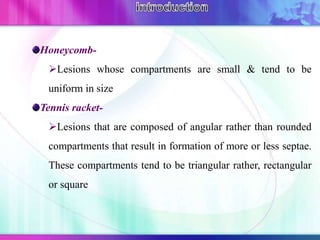
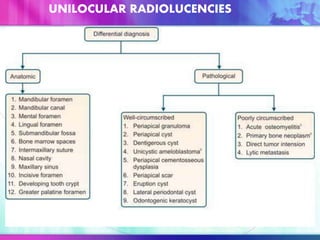
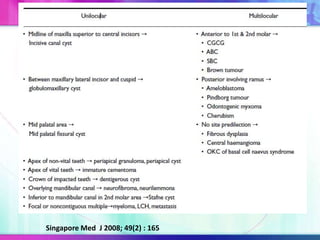
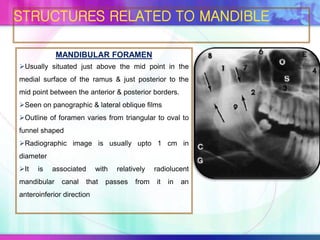
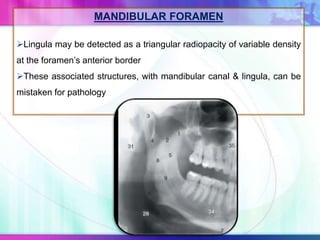
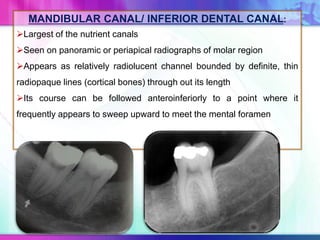
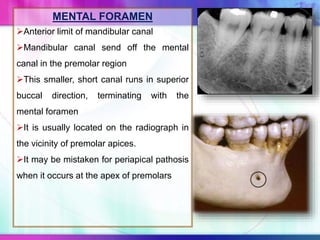
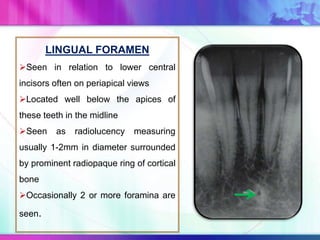
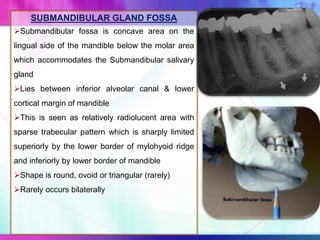
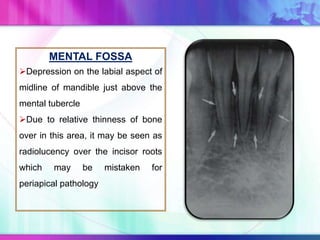
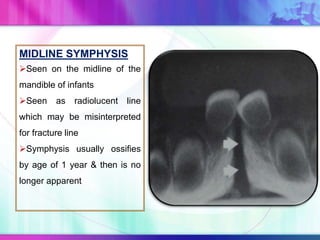
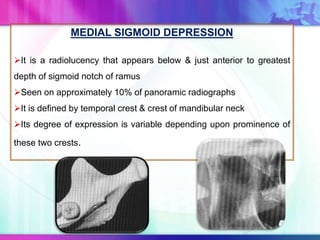
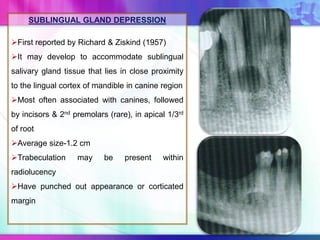
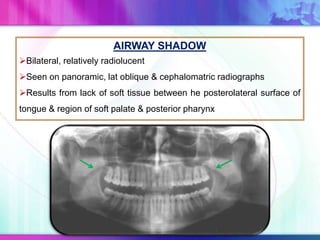
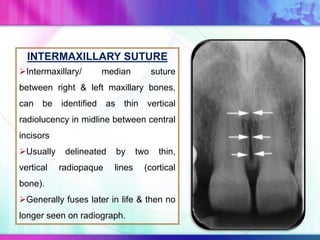
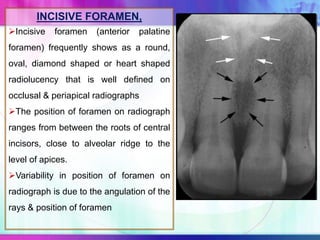
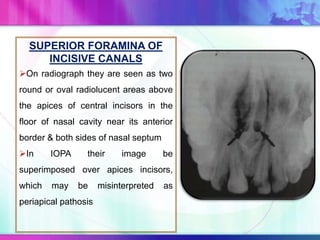
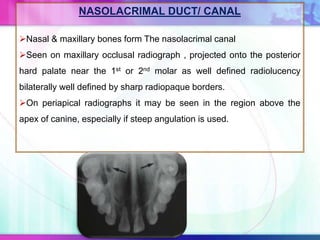
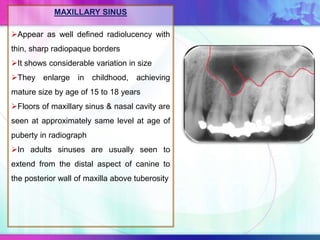
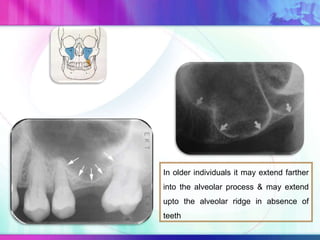

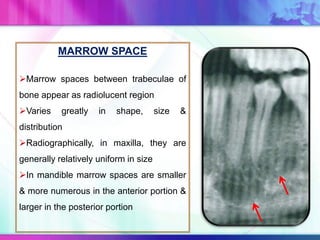
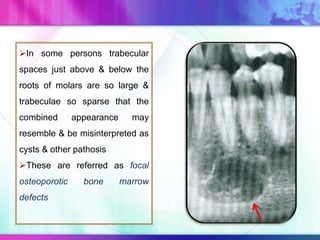
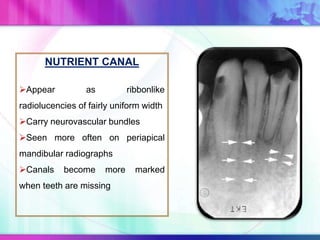
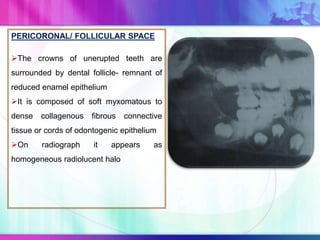

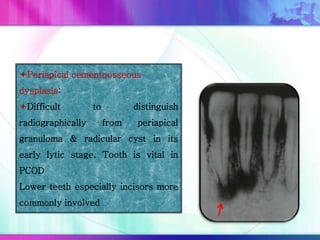
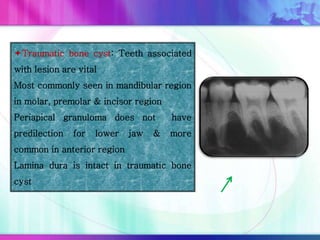
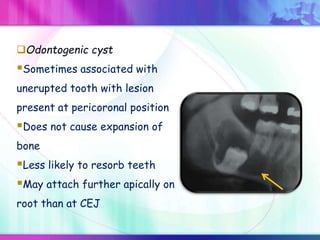
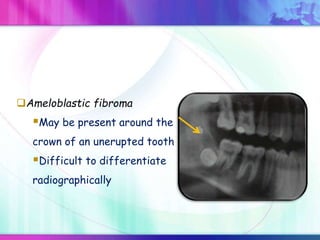
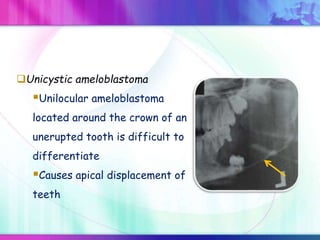
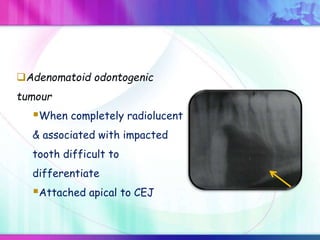
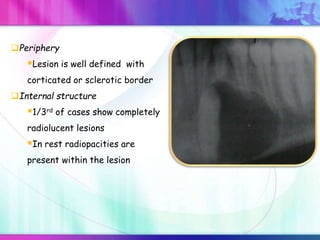
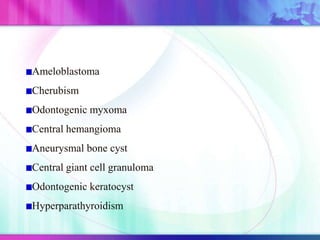
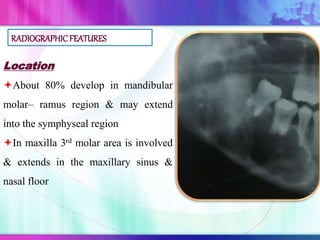

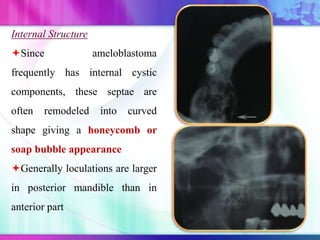
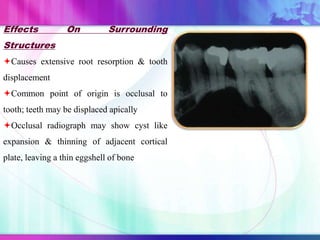
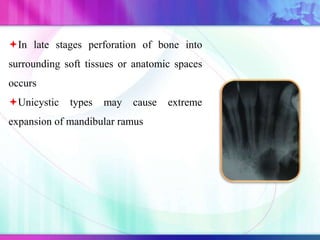
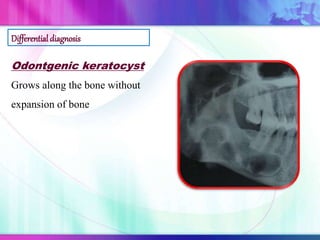
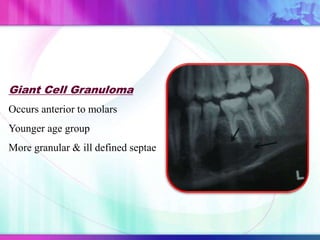
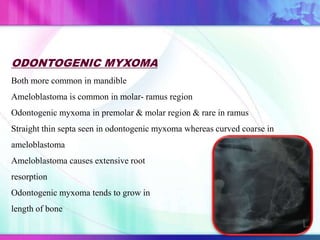
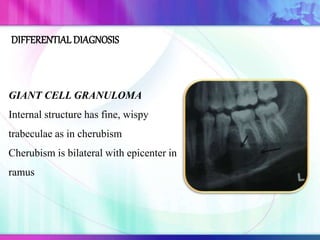
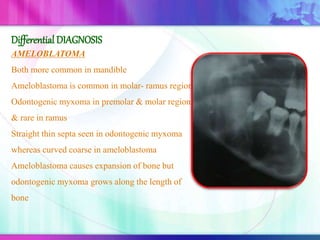
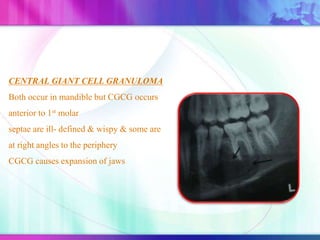
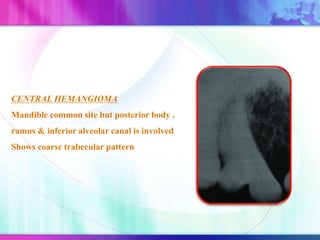
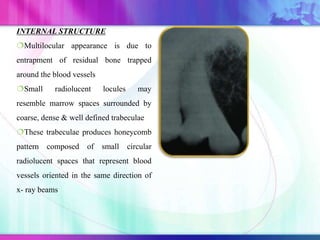
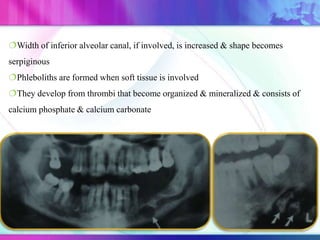
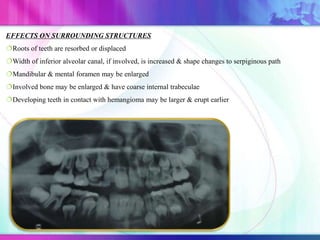
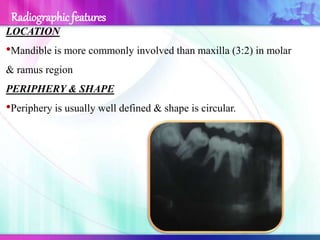
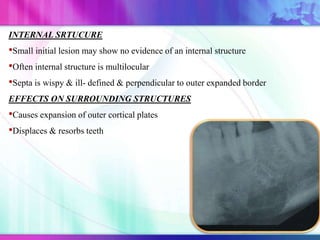
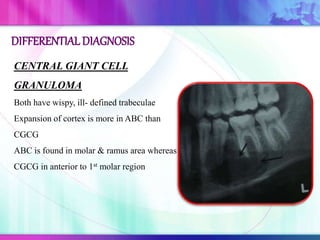
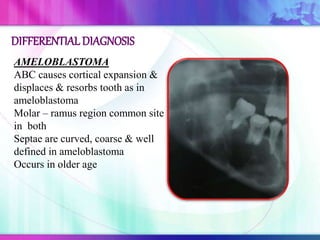
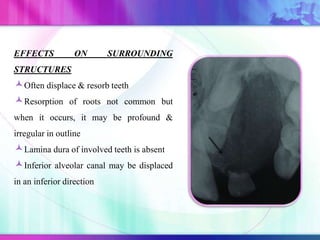
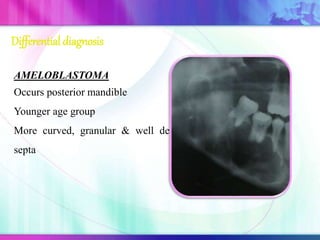
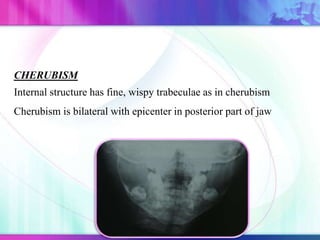
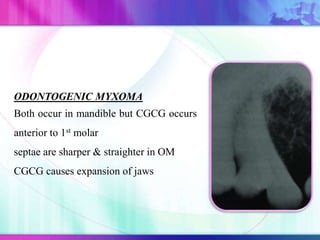
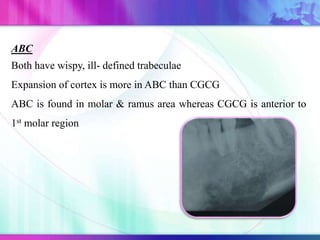

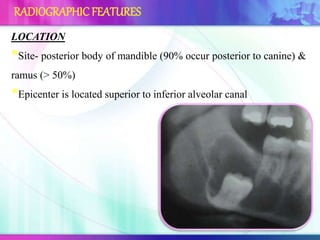
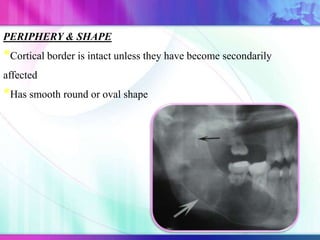
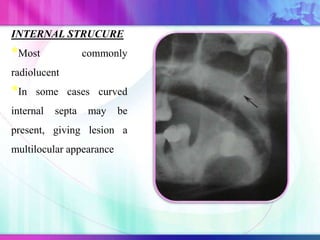
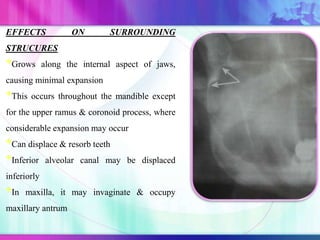
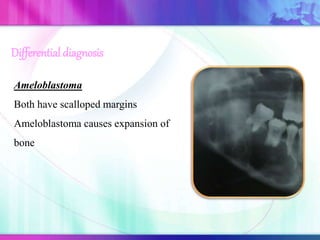
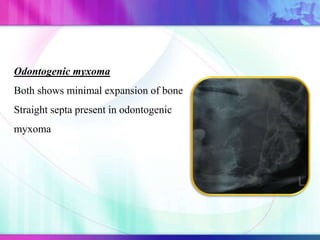



This document discusses various radiolucencies that can be seen on dental radiographs. It defines radiolucency as an area that does not absorb radiation, appearing dark on images. Unilocular radiolucencies involve one lobe or mass, while multilocular involve multiple overlapping compartments separated by bone septa in a soap bubble, honeycomb, or tennis racket appearance. Common anatomical structures that may appear radiolucent are also described, such as the mandibular foramen and canal, maxillary sinus, and marrow spaces. Pathologies like periapical abscesses, granulomas, and radicular cysts are summarized by their clinical features, locations, and appearances on radiographs. Dif


![CTEV [ clubfoot] DR ARUN LAL ,DR MOHAMED ASHRAF travancore medical college k...](https://cdn.slidesharecdn.com/ss_thumbnails/ctevclubfootdrarunlaldrmohamedashraftravancoremedicalcollegekollamkeralaindia-260208063247-18fc466c-thumbnail.jpg?width=640&height=640&fit=bounds)

![PERI-PROSTHETIC FRACTURE NAIL-PLATE CONSTRUCT [NPC].pptx](https://cdn.slidesharecdn.com/ss_thumbnails/drarunkumardrmohamedashrafperiprostheticfrasturenail-plateconstructnpc-260209164459-7e9d15a1-thumbnail.jpg?width=640&height=640&fit=bounds)


