TYPES AND GENERATION OF
COMPUTER
CONTENT
 Introduction
 First Generation
 Second Generation
 Third Generation
 Fourth Generation
 Fifth Generation
 Speed
 The term Computer Generations is
mainly used to help understand the
various improvement that have taken
place in computer used over last few
decades
Introduction
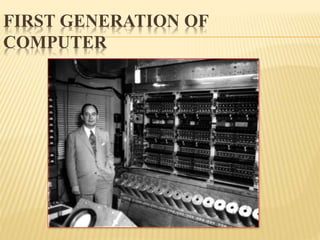
FIRST GENERATION OF
COMPUTER
FIRST GENERATION
 First generation of digital computer were
developed in 1940s
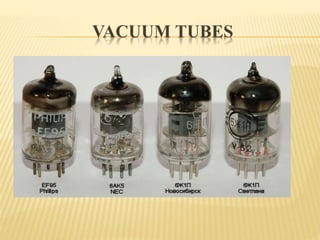
 Those computers were built using vacuum
tube and logic circuitry
 They used magnetic drum for main memory
 First generation of computer relied on
machine language , the lowest-level of
programming language understood by
computer
 They could only solve one problem at a time
VACUUM TUBES
 The speed of first generation computer
were measured in millisecond
SPEED
SECOND GENERATION OF
COMPUTER
SECOND GENERATION
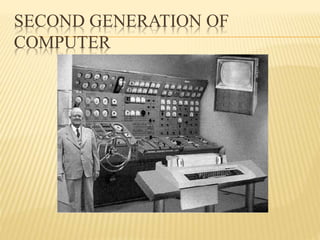
 Second generation of digital computer
were developed in early 1950s .
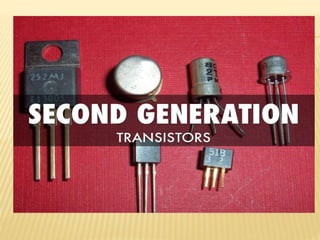
 They used transistors in place of
vacuum tubes .
 It was smaller in size , less expensive
and generator less heat than vacuum
tubes
 Even though transistor still generated a
lot of heat which could cause damage to
the computer it was vast improvement
over the vacuum tubes
SPEED
 The speed of second generation computer
was measured in micro second.
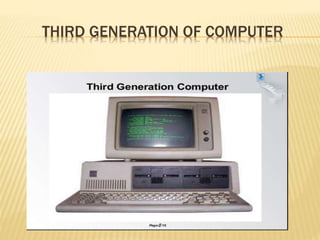
THIRD GENERATION OF COMPUTER
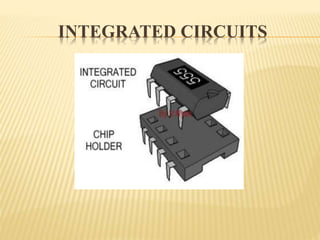
INTEGRATED CIRCUITS
THIRD GENERATION
 The Third Generation of computer was
developed in the mid 1960s.
 They used Integrated Circuits in place of
transistors.
 Integrated circuits where much more Compact.
 One Integrated circuits could do the Job done
by Hundred transistors.
 The Computer generated less heat and were
more reliable.
SPEED
 The Speed of Third generation of computer
was measured in nano-second
MICRO-PROCESSORS WERE DEVELOPED IN FOURTH
GENERATION
FOURTH GENERATION
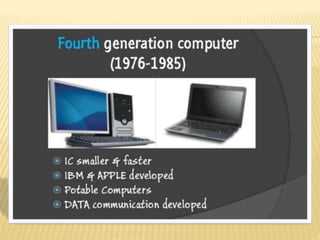
 The fourth generation computer were
introduced in 1970s.
 And used last scale integrated (LSI) Circuits.
 LSI Chips can fit on a tip of one finger and
yet they contain thousand of transistor ,
diodes and registers .
 This made it possible for inexpensive micro-
computer to be developed.
SPEED
 The fourth generation speed was measured
on pico seconds
FIFTH GENERATION
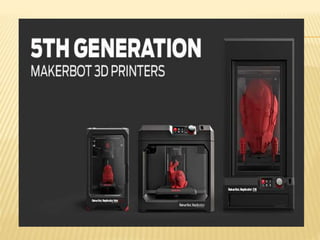
 Fifth Generation computers based on
Artificial Intelligence are still under
development, however there are several
application using voice input that are already
in use today.
 The Goal of fifth generation computing is to
develop devices that respond to natural
language input and are capable of learning
and self organization.
 Artificial Intelligence include
 A) Playing game such as Chess ,Where
there has been Considerable success, as the
super computer called Deep Blue could
defeat Gary Kasparov the world chess
champion.
 B) Use of Natural spoken language to
program a computer
Presented by:--
Mayuresh Mestry
Types and genration of                            computer

Types and genration of computer

  • 1.
  • 2.
    CONTENT  Introduction  FirstGeneration  Second Generation  Third Generation  Fourth Generation  Fifth Generation  Speed
  • 3.
     The termComputer Generations is mainly used to help understand the various improvement that have taken place in computer used over last few decades Introduction
  • 4.
  • 5.
    FIRST GENERATION  Firstgeneration of digital computer were developed in 1940s  Those computers were built using vacuum tube and logic circuitry  They used magnetic drum for main memory  First generation of computer relied on machine language , the lowest-level of programming language understood by computer  They could only solve one problem at a time
  • 6.
  • 7.
     The speedof first generation computer were measured in millisecond SPEED
  • 8.
  • 10.
    SECOND GENERATION  Secondgeneration of digital computer were developed in early 1950s .  They used transistors in place of vacuum tubes .  It was smaller in size , less expensive and generator less heat than vacuum tubes  Even though transistor still generated a lot of heat which could cause damage to the computer it was vast improvement over the vacuum tubes
  • 11.
    SPEED  The speedof second generation computer was measured in micro second.
  • 12.
  • 13.
  • 14.
    THIRD GENERATION  TheThird Generation of computer was developed in the mid 1960s.  They used Integrated Circuits in place of transistors.  Integrated circuits where much more Compact.  One Integrated circuits could do the Job done by Hundred transistors.  The Computer generated less heat and were more reliable.
  • 15.
    SPEED  The Speedof Third generation of computer was measured in nano-second
  • 17.
    MICRO-PROCESSORS WERE DEVELOPEDIN FOURTH GENERATION
  • 18.
    FOURTH GENERATION  Thefourth generation computer were introduced in 1970s.  And used last scale integrated (LSI) Circuits.  LSI Chips can fit on a tip of one finger and yet they contain thousand of transistor , diodes and registers .  This made it possible for inexpensive micro- computer to be developed.
  • 19.
    SPEED  The fourthgeneration speed was measured on pico seconds
  • 23.
    FIFTH GENERATION  FifthGeneration computers based on Artificial Intelligence are still under development, however there are several application using voice input that are already in use today.  The Goal of fifth generation computing is to develop devices that respond to natural language input and are capable of learning and self organization.
  • 24.
     Artificial Intelligenceinclude  A) Playing game such as Chess ,Where there has been Considerable success, as the super computer called Deep Blue could defeat Gary Kasparov the world chess champion.  B) Use of Natural spoken language to program a computer
  • 25.