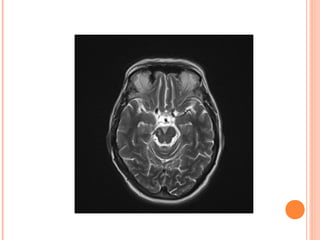
TREMORS AND
PARKINSON’S DISEASE
Dr Naomi Warren
Consultant Neurologist
RVI
March 2017
CONTENT
 Is it tremor?
 Tremor cases
 Parkinson’s Disease
MOVEMENT DISORDERS
Too much or
too little?
Too
little
Bradykinesia
PD
Other
parkinsonisms
Too much
Tremor
Myoclonus
Dystonia
Chorea
Tics
 video
 video
TREMOR
 Rhythmical oscillatory movement
 Ask about…
 Duration of history
 Symmetry
 when occurs
 ADL
 FH
 Alcohol
 Drugs
 Associated features
HELPFUL CLUES - EXAMINATION
 Description
 Rest, posture, action, intention
 Frequency & amplitude
 Which body part?
 Gait
 Arm swing
 Rigidity?
 Bradykinesia?
 Draw Archimedes spiral, writing
CASE 1
 55 yr old man R handed
 Background psychotic depression many yrs
 Tremor hands R>L
 When holding cups, doing DIY
 Some difficulty with dexterity
 Sense smell normal
 Smoker
 Medication
 Olanzapine 20mg many years, amlodipine
 O/E
 symmetrical tremor
 Mild rigidity and bradykinesia
DIFFERENTIAL DIAGNOSIS
 Drugs
 Da blocking drugs
 Antipsychotics
 Antiemetics
 Inhalers – B agonists
 Ca channel blockers
 Li
 Valproate
 Digoxin
 etc
 PD
 Thyrotoxicosis
 Check TFTs
 Anxiety
 ET
 Dystonic
DIAGNOSIS
 Drug induced parkinsonism and tremor
 Can be immediate or delayed effect.
 Post synaptic blockade Da receptors
 DaT scan normal (presynaptic receptors)
 Clues
 Symmetry
 Smoker
 No non-motor features
CASE 2
 85 yr old man R handed
 5-6 years tremor R >L hand
 Carrying cups + holding paper
 Head tremor ? Started same time
 Sleeps well
 Gait – L TKR last year
 Alcohol no effect
 Mother – tremor
 Tried propranolol – initial effect, topiramate and
gbp – s/e, primidone – no effect
VIDEO
DIFFERENTIAL DIAGNOSIS
 Essential tremor
 Dystonic tremor
 Parkinson’s disease
 Investigations?
 Consider DaT
ESSENTIAL TREMOR
 Activity
 Bimodal age onset
 ½ alcohol benefit
 ½ FH
 Postural/action, symmetrical 4-12 Hz
 +/- head (late), jaw, voice
 Treatment
 Propranolol LA 80mg – 240mg, Topiramate 25mg –
100mg
 primidone, gbp.
 Rarely: deep brain stimulation
VIDEO
DYSTONIC TREMOR
 Asymmetric
 Can look like PD
 Neck/head (often in isolation), arm, hand
 Jerky
 Task/posture specific
 Sensory trick
 Tx Bo tox head, try propanolol
VIDEO
CASE 3
 76 yr old man R handed
 3 years tremor L hand (C4 decompression)
 More recent R hand temor
 Slowness L hand – no limitation ADL
 Occ feels stumbling
 Sleeps poorly, REM sleep behaviour disorder
 PMH HTN, on lisinopril
 Non-smoker
 No FH
 video
DIFFERENTIAL DIAGNOSIS
 PD
 Dystonic
 Asymmetrical ET
 Any Investigations?
 No need for Brain Scan unless atypical features
 Consider DaT if unsure
DAT SCAN
Dopamine
receptors
DopamineDOPA
TheThe DopaminergicDopaminergic TerminalTerminal
MAO-B COMT
Metabolites
Dopamine
Transporter
[123I]FP-CIT SPECT (DAT
SCAN)
Normal Abnormal
caudate
putamen
PARKINSON’S DISEASE
 Older age mostly
 Rest
 Non-motor features
 Smell, RBD, depression
 Examination
 Rest mostly, asymmetric, 4-6Hz
 +/- legs
 Jaw – not head
 Parkinsonism
NEWCASTLE PD SERVICE
 Movement disorder clinic (CRESTA, CAV)
 Prof Nicola Pavese, Dr Naomi Warren + Dr Paul
Goldsmith
 Care of Elderly
 Dr Jane Noble (CAV)
 Dr Alison Yarnell (FRH)
 3 x Parkinson’s disease nurses (RVI)
 Referral form
 Fax
 See within 6 weeks
NEW DIAGNOSIS PD
 Explanation and information
 PDUK website
 PD nurse
 DVLA + insurance
 Consider Physiotherapy
 Consider Research
TREATMENT
 Refer in untreated
 Treat if affects ADLs
 First line:
 MAOB-I ( rasageline, selegiline)
 Da Agonist (ropinirole, pramipexole, rotigotine patch)
 L Dopa (sinemet, madopar)
 If elderly/severe symptoms – L dopa
CONTINUOUS DOPAMINERGIC
THERAPY
 Aim for smooth drug delivery
 Less long term comps
 Multiple drugs in low doses
 Long acting Da agonists
 Da agonist patch
 If wearing off – add entacapone (COMT-I)
 Stalevo
 Later …. Dyskinesias……..Amantadine
PD TREATMENT – OTHER OPTIONS
 Apomorphine
 Injections, infusion
 Duodopa
 Into Jejenum
 Surgery
 Deep brain stimulation
 Mostly STN
 Thalamus for tremor
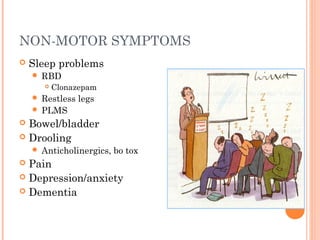
NON-MOTOR SYMPTOMS
 Sleep problems
 RBD
 Clonazepam
 Restless legs
 PLMS
 Bowel/bladder
 Drooling
 Anticholinergics, bo tox
 Pain
 Depression/anxiety
 Dementia
ESTABLISHED PD - CHALLENGES
 Side effects medication
 Impulse control disorders/psychosis (Da agonists)
 Avoid antiemetics (domperidone/ondansetron)
 Infections/surgery
 Can worsen symptoms
 Keep meds same
 Physio
 Dementia/depression/psychosis
 Common
 Avoid most antipsychotics (use clozapine/quetiepine)
 Cholinesterase inhibitors
 SSRI, SNRI, mirtazepine
REMINDER …..CAUSES
 Exaggerated physiological
 Metabolic/drugs
 Essential tremor
 Parkinson’s disease
 Dystonic tremor
 Rarer:
Cerebellar, rubral, functional….etc…..
WHO/WHEN TO REFER
 Uncertain diagnosis
 PD – untreated
 ET – unresponsive to propranolol +/- topiramate
 Functional
 Cerebellar
CONCLUSIONS
 Common
 Challenging
 Think about the company they keep
 Questions????

Tremors 2017

  • 1.
    TREMORS AND PARKINSON’S DISEASE DrNaomi Warren Consultant Neurologist RVI March 2017
  • 2.
    CONTENT  Is ittremor?  Tremor cases  Parkinson’s Disease
  • 3.
    MOVEMENT DISORDERS Too muchor too little? Too little Bradykinesia PD Other parkinsonisms Too much Tremor Myoclonus Dystonia Chorea Tics
  • 4.
  • 5.
  • 6.
    TREMOR  Rhythmical oscillatorymovement  Ask about…  Duration of history  Symmetry  when occurs  ADL  FH  Alcohol  Drugs  Associated features
  • 7.
    HELPFUL CLUES -EXAMINATION  Description  Rest, posture, action, intention  Frequency & amplitude  Which body part?  Gait  Arm swing  Rigidity?  Bradykinesia?  Draw Archimedes spiral, writing
  • 8.
    CASE 1  55yr old man R handed  Background psychotic depression many yrs  Tremor hands R>L  When holding cups, doing DIY  Some difficulty with dexterity  Sense smell normal  Smoker  Medication  Olanzapine 20mg many years, amlodipine  O/E  symmetrical tremor  Mild rigidity and bradykinesia
  • 9.
    DIFFERENTIAL DIAGNOSIS  Drugs Da blocking drugs  Antipsychotics  Antiemetics  Inhalers – B agonists  Ca channel blockers  Li  Valproate  Digoxin  etc  PD  Thyrotoxicosis  Check TFTs  Anxiety  ET  Dystonic
  • 10.
    DIAGNOSIS  Drug inducedparkinsonism and tremor  Can be immediate or delayed effect.  Post synaptic blockade Da receptors  DaT scan normal (presynaptic receptors)  Clues  Symmetry  Smoker  No non-motor features
  • 11.
    CASE 2  85yr old man R handed  5-6 years tremor R >L hand  Carrying cups + holding paper  Head tremor ? Started same time  Sleeps well  Gait – L TKR last year  Alcohol no effect  Mother – tremor  Tried propranolol – initial effect, topiramate and gbp – s/e, primidone – no effect
  • 12.
  • 13.
    DIFFERENTIAL DIAGNOSIS  Essentialtremor  Dystonic tremor  Parkinson’s disease  Investigations?  Consider DaT
  • 14.
    ESSENTIAL TREMOR  Activity Bimodal age onset  ½ alcohol benefit  ½ FH  Postural/action, symmetrical 4-12 Hz  +/- head (late), jaw, voice  Treatment  Propranolol LA 80mg – 240mg, Topiramate 25mg – 100mg  primidone, gbp.  Rarely: deep brain stimulation
  • 15.
  • 17.
    DYSTONIC TREMOR  Asymmetric Can look like PD  Neck/head (often in isolation), arm, hand  Jerky  Task/posture specific  Sensory trick  Tx Bo tox head, try propanolol
  • 18.
  • 19.
    CASE 3  76yr old man R handed  3 years tremor L hand (C4 decompression)  More recent R hand temor  Slowness L hand – no limitation ADL  Occ feels stumbling  Sleeps poorly, REM sleep behaviour disorder  PMH HTN, on lisinopril  Non-smoker  No FH
  • 20.
  • 21.
    DIFFERENTIAL DIAGNOSIS  PD Dystonic  Asymmetrical ET  Any Investigations?  No need for Brain Scan unless atypical features  Consider DaT if unsure
  • 22.
    DAT SCAN Dopamine receptors DopamineDOPA TheThe DopaminergicDopaminergicTerminalTerminal MAO-B COMT Metabolites Dopamine Transporter
  • 23.
    [123I]FP-CIT SPECT (DAT SCAN) NormalAbnormal caudate putamen
  • 24.
    PARKINSON’S DISEASE  Olderage mostly  Rest  Non-motor features  Smell, RBD, depression  Examination  Rest mostly, asymmetric, 4-6Hz  +/- legs  Jaw – not head  Parkinsonism
  • 25.
    NEWCASTLE PD SERVICE Movement disorder clinic (CRESTA, CAV)  Prof Nicola Pavese, Dr Naomi Warren + Dr Paul Goldsmith  Care of Elderly  Dr Jane Noble (CAV)  Dr Alison Yarnell (FRH)  3 x Parkinson’s disease nurses (RVI)  Referral form  Fax  See within 6 weeks
  • 26.
    NEW DIAGNOSIS PD Explanation and information  PDUK website  PD nurse  DVLA + insurance  Consider Physiotherapy  Consider Research
  • 27.
    TREATMENT  Refer inuntreated  Treat if affects ADLs  First line:  MAOB-I ( rasageline, selegiline)  Da Agonist (ropinirole, pramipexole, rotigotine patch)  L Dopa (sinemet, madopar)  If elderly/severe symptoms – L dopa
  • 28.
    CONTINUOUS DOPAMINERGIC THERAPY  Aimfor smooth drug delivery  Less long term comps  Multiple drugs in low doses  Long acting Da agonists  Da agonist patch  If wearing off – add entacapone (COMT-I)  Stalevo  Later …. Dyskinesias……..Amantadine
  • 29.
    PD TREATMENT –OTHER OPTIONS  Apomorphine  Injections, infusion  Duodopa  Into Jejenum  Surgery  Deep brain stimulation  Mostly STN  Thalamus for tremor
  • 30.
    NON-MOTOR SYMPTOMS  Sleepproblems  RBD  Clonazepam  Restless legs  PLMS  Bowel/bladder  Drooling  Anticholinergics, bo tox  Pain  Depression/anxiety  Dementia
  • 31.
    ESTABLISHED PD -CHALLENGES  Side effects medication  Impulse control disorders/psychosis (Da agonists)  Avoid antiemetics (domperidone/ondansetron)  Infections/surgery  Can worsen symptoms  Keep meds same  Physio  Dementia/depression/psychosis  Common  Avoid most antipsychotics (use clozapine/quetiepine)  Cholinesterase inhibitors  SSRI, SNRI, mirtazepine
  • 34.
    REMINDER …..CAUSES  Exaggeratedphysiological  Metabolic/drugs  Essential tremor  Parkinson’s disease  Dystonic tremor  Rarer: Cerebellar, rubral, functional….etc…..
  • 35.
    WHO/WHEN TO REFER Uncertain diagnosis  PD – untreated  ET – unresponsive to propranolol +/- topiramate  Functional  Cerebellar
  • 36.
    CONCLUSIONS  Common  Challenging Think about the company they keep  Questions????