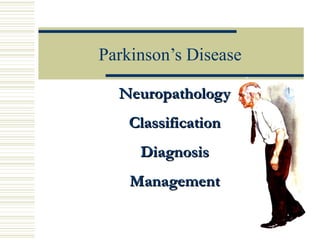
Parkinson’s Disease Neuropathology Classification Diagnosis Management
NEUROPATHOLOGY
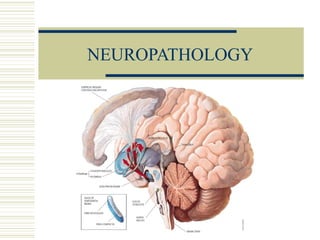
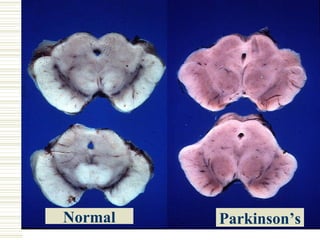
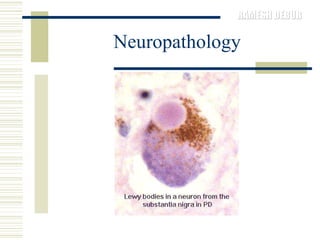
Neuropathology Loss of pigmented dopaminergic neurons in Substantia Nigra mostly in the ventral and lateral areas (pars Compacta) Presence of lewy bodies
Neuropathology Normal Parkinson’s
Neuropathology
CLASSIFICATION
Classification Idiopathic  Secondary or ACCQUIRED Parkinson’s plus syndromes CLASSIFICATION
Idiopathic Most common form. 1% of population over age 50 yrs., Incidence 40,000/yr. Incidence increase with age, peak 60-80 yrs. Male = female. CLASSIFICATION
Secondary or Acquired Drugs( neuroleptics, metoclopramide, reserpine )  - Toxics( manganese, carbon monoxide, carbon disulfide )  - Stroke, postencephalitis, head injury, boxer's brain CLASSIFICATION
Parkinson’s PLUS Progressive supranuclear palsy  Shy-Drager syndrome  Normal pressure hydrocephalus  Alzheimer disease  Wilson's disease CLASSIFICATION
DIAGNOSIS
Diagnosis Presence of at least three of  bradykinesia  Rigidity  4-6 Hz resting tremor  Postural instability( primary visual, vestibular,  cerebellar or proprioceptive dysfunction excluded )  Unilateral onset  DIAGNOSIS
Diagnosis Persistent asymmetry  Absence of clinical exclusion criteria Excellent response to l-Dopa Clinical course of 10 years or more DIAGNOSIS
MANAGEMENT
Management Medications  Medical and nursing care  Physical therapy  Occupational therapy  Speech therapy  Psychological therapy MANAGEMENT
MEDICATIONS
Medications Neurotransmitter replacement( l-dopa, carbidopa with l-dopa )  Anticholinergic( trihexyphenidyl, benztropine mesylate, procyclidrin )  Receptor agonist( amantadine, bromociptine, pergolide mesylate)  Other( selegiline ) MANAGEMENT
SURGICAL
Surgical Thalamotomy Pallidotomy Deep brain stimulation Striatal grafting of Dopaminergic fetal tissue  MANAGEMENT
MEDICAL AND NURSING
Medical and Nursing Firm bed  - Monitor for orthostatic hypotension  - Regular meal with low protein  - Measure vital capacity  - Bowel program for hypomobility  - Bladder evaluation and urodynamic study  - Artificial tears for lack of blinking  - anticholinergic for excessive drooling  - Administration of medications prior a mealtime MANAGEMENT
PHYSIOTHERAPY
PHYSIOTHERAPY Requires Prior Assessment: Can be based on Specific Scales Eg: UPDRS Can be Based on General Scales Eg: Barthel Index Treatment Symptomatic  Problem Based Approach Holistic
Physiotherapy Relaxation technique to decrease rigidity  - Slow rhythmic rotational movement  - ROM exercise, stretching and preventing contracture, pectoralis stretching, hip extensor and quadriceps isometric exercise  - Back flexion-extension exercise and pelvic tilting  MANAGEMENT
Physiotherapy - Proper sitting and postural control  - Mat activities  May be tilt table  - Functional mobility training, rocking chair or chair lift  - Stationary bicycling for reciprocal training  MANAGEMENT
Physiotherapy - PNF, NDT and biofeedback to facilitate the slow movement  - Auditory and rhythmic cueing in alternating movement  - Standing balance  - Progressive ambulation training, blocking, proper heel-toe gait, feet 12-15 in apart, arm swing  MANAGEMENT
Physiotherapy - Use of assistive devices( weight walker or wheel walker )  - Aerobic conditioning exercise( walking, swimming )  MANAGEMENT
Physiotherapy - Frequent rest period  - Frenkel's exercise  - Family training and home program MANAGEMENT
Occupational Therapy ROM activities and stretching of upper extremity  - Fine motor coordination skills  - ADL training  - Hand cycling for reciprocal training  MANAGEMENT
Occupational Therapy - Rocking chair for mobilization  - Handwriting skills  MANAGEMENT
Occupational Therapy - Adaptive devices  - Position and posture training  - Family training and home program MANAGEMENT
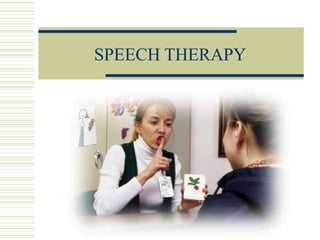
SPEECH THERAPY
Speech Therapy Diaphragmatic breathing exercise and deep breathing before talking  - Swallowing training  - dysarthria training  - Facial, oral and lingual muscle exercise MANAGEMENT
PSYCHOLOGY
Psychology Psychological support  Patient and family counseling  Antidepressant as indicated  Cognitive remediation  Group therapy MANAGEMENT
Bibliography Required Reading Rehabilitation: O’Sullivan Therapeutic Exercises: Kisner,  Neurological Rehabilitation: Umphred Darcy Further  Reading Neurological Rehabilitation: Dobkins Neurological Physiotherapy: Carr and Shepherd

Parkinson’S Disease

  • 1.
    Parkinson’s Disease NeuropathologyClassification Diagnosis Management
  • 2.
  • 3.
    Neuropathology Loss ofpigmented dopaminergic neurons in Substantia Nigra mostly in the ventral and lateral areas (pars Compacta) Presence of lewy bodies
  • 4.
  • 5.
  • 6.
  • 7.
    Classification Idiopathic Secondary or ACCQUIRED Parkinson’s plus syndromes CLASSIFICATION
  • 8.
    Idiopathic Most commonform. 1% of population over age 50 yrs., Incidence 40,000/yr. Incidence increase with age, peak 60-80 yrs. Male = female. CLASSIFICATION
  • 9.
    Secondary or AcquiredDrugs( neuroleptics, metoclopramide, reserpine ) - Toxics( manganese, carbon monoxide, carbon disulfide ) - Stroke, postencephalitis, head injury, boxer's brain CLASSIFICATION
  • 10.
    Parkinson’s PLUS Progressivesupranuclear palsy Shy-Drager syndrome Normal pressure hydrocephalus Alzheimer disease Wilson's disease CLASSIFICATION
  • 11.
  • 12.
    Diagnosis Presence ofat least three of bradykinesia Rigidity 4-6 Hz resting tremor Postural instability( primary visual, vestibular, cerebellar or proprioceptive dysfunction excluded ) Unilateral onset DIAGNOSIS
  • 13.
    Diagnosis Persistent asymmetry Absence of clinical exclusion criteria Excellent response to l-Dopa Clinical course of 10 years or more DIAGNOSIS
  • 14.
  • 15.
    Management Medications Medical and nursing care Physical therapy Occupational therapy Speech therapy Psychological therapy MANAGEMENT
  • 16.
  • 17.
    Medications Neurotransmitter replacement(l-dopa, carbidopa with l-dopa ) Anticholinergic( trihexyphenidyl, benztropine mesylate, procyclidrin ) Receptor agonist( amantadine, bromociptine, pergolide mesylate) Other( selegiline ) MANAGEMENT
  • 18.
  • 19.
    Surgical Thalamotomy PallidotomyDeep brain stimulation Striatal grafting of Dopaminergic fetal tissue MANAGEMENT
  • 20.
  • 21.
    Medical and NursingFirm bed - Monitor for orthostatic hypotension - Regular meal with low protein - Measure vital capacity - Bowel program for hypomobility - Bladder evaluation and urodynamic study - Artificial tears for lack of blinking - anticholinergic for excessive drooling - Administration of medications prior a mealtime MANAGEMENT
  • 22.
  • 23.
    PHYSIOTHERAPY Requires PriorAssessment: Can be based on Specific Scales Eg: UPDRS Can be Based on General Scales Eg: Barthel Index Treatment Symptomatic Problem Based Approach Holistic
  • 24.
    Physiotherapy Relaxation techniqueto decrease rigidity - Slow rhythmic rotational movement - ROM exercise, stretching and preventing contracture, pectoralis stretching, hip extensor and quadriceps isometric exercise - Back flexion-extension exercise and pelvic tilting MANAGEMENT
  • 25.
    Physiotherapy - Propersitting and postural control - Mat activities May be tilt table - Functional mobility training, rocking chair or chair lift - Stationary bicycling for reciprocal training MANAGEMENT
  • 26.
    Physiotherapy - PNF,NDT and biofeedback to facilitate the slow movement - Auditory and rhythmic cueing in alternating movement - Standing balance - Progressive ambulation training, blocking, proper heel-toe gait, feet 12-15 in apart, arm swing MANAGEMENT
  • 27.
    Physiotherapy - Useof assistive devices( weight walker or wheel walker ) - Aerobic conditioning exercise( walking, swimming ) MANAGEMENT
  • 28.
    Physiotherapy - Frequentrest period - Frenkel's exercise - Family training and home program MANAGEMENT
  • 29.
    Occupational Therapy ROMactivities and stretching of upper extremity - Fine motor coordination skills - ADL training - Hand cycling for reciprocal training MANAGEMENT
  • 30.
    Occupational Therapy -Rocking chair for mobilization - Handwriting skills MANAGEMENT
  • 31.
    Occupational Therapy -Adaptive devices - Position and posture training - Family training and home program MANAGEMENT
  • 32.
  • 33.
    Speech Therapy Diaphragmaticbreathing exercise and deep breathing before talking - Swallowing training - dysarthria training - Facial, oral and lingual muscle exercise MANAGEMENT
  • 34.
  • 35.
    Psychology Psychological support Patient and family counseling Antidepressant as indicated Cognitive remediation Group therapy MANAGEMENT
  • 36.
    Bibliography Required ReadingRehabilitation: O’Sullivan Therapeutic Exercises: Kisner, Neurological Rehabilitation: Umphred Darcy Further Reading Neurological Rehabilitation: Dobkins Neurological Physiotherapy: Carr and Shepherd