The Development, Typology, and Theories
Group Members:
Ardiansyah // Eka Uliyanti Bangun // Tetra Tianiafi
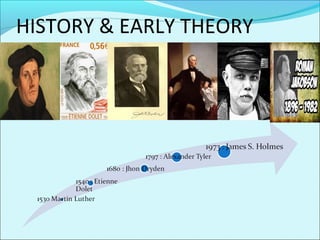
HISTORY & EARLY THEORY
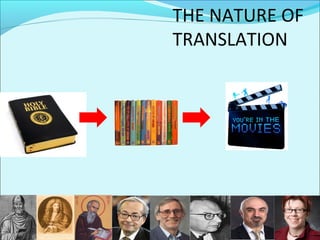
THE NATURE OF
TRANSLATION
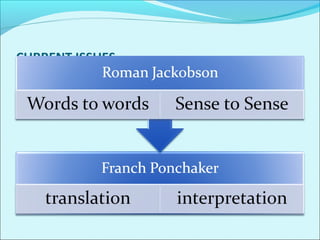
CURRENT ISSUES
BASIL HATIM1. Textual Product -> Discours Context
“Text” seen as “language in use” and “context” as “socio structure”
2. Skopos theory
It provides an insight into the nature of translation as a purposeful activity,
which is directly applicable to every translation project
3 Basic Types of Text
1. Informative text, which convey information
2. Expressive text which communicate thoughts in a creative way
3. Operative text which persuade
Translator Engagement in Interaction Schematic
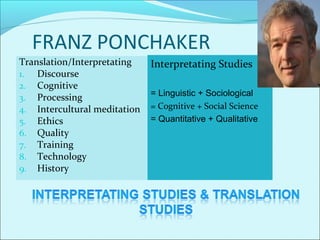
FRANZ PONCHAKER
Translation/Interpretating
1. Discourse
2. Cognitive
3. Processing
4. Intercultural meditation
5. Ethics
6. Quality
7. Training
8. Technology
9. History
Interpretating Studies
= Linguistic + Sociological
= Cognitive + Social Science
= Quantitative + Qualitative
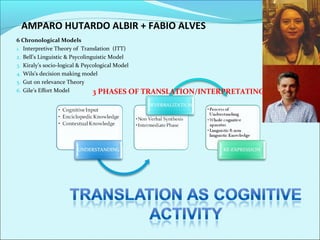
AMPARO HUTARDO ALBIR + FABIO ALVES
6 Chronological Models
1. Interpretive Theory of Translation (ITT)
2. Bell’s Linguistic & Psycolinguistic Model
3. Kiraly’s socio-logical & Psycological Model
4. Wils’s decision making model
5. Gut on relevance Theory
6. Gile’s Effort Model 3 PHASES OF TRANSLATION/INTERPRETATING
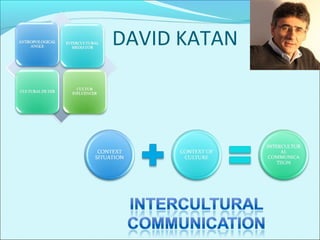
DAVID KATAN
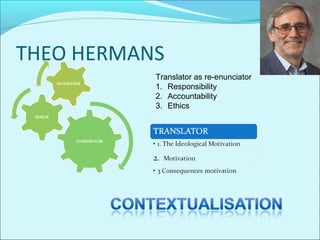
THEO HERMANS
Translator as re-enunciator
1. Responsibility
2. Accountability
3. Ethics
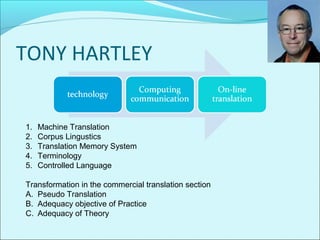
TONY HARTLEY
1. Machine Translation
2. Corpus Lingustics
3. Translation Memory System
4. Terminology
5. Controlled Language
Transformation in the commercial translation section
A. Pseudo Translation
B. Adequacy objective of Practice
C. Adequacy of Theory
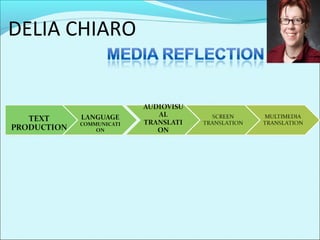
DELIA CHIARO
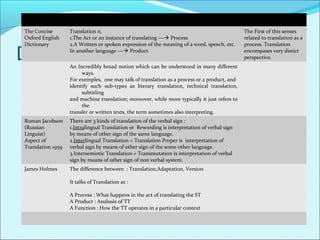
DEFINITIONS OF TRANSLATION
The Concise
Oxford English
Dictionary
Translation n.
1.The Act or an instance of translating --- Process
2.A Written or spoken expression of the meaning of a word, speech, etc.
In another language --- Product
The First of this senses
related to translation as a
process. Translation
encompases very distict
perspective.
An Incredibly broad notion which can be understood in many different
ways.
For exemples, one may talk of translation as a process or a product, and
identify such sub-types as literary translation, technical translation,
subtitling
and machine translation; moreover, while more typically it just refers to
the
transfer or written texts, the term sometimes also interpreting.
Roman Jacobson
(Russian
Linguist)
Aspect of
Translation 1959
There are 3 kinds of translation of the verbal sign :
1.Intralingual Translation or Rewording is interpretation of verbal sign
by means of other sign of the same language.
2.Interlingual Translation = Translation Proper is interpretation of
verbal sign by means of other sign of the some other language.
3.Intersemiotic Translation = Transmutation is interpretation of verbal
sign by means of other sign of non verbal system.
James Holmes The difference between : Translation,Adaptation, Version
It talks of Translation as :
A Process : What happens in the act of translating the ST
A Product : Analusis of TT
A Function : How the TT operates in a particular context
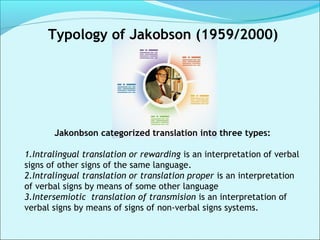
Jakonbson categorized translation into three types:
1.Intralingual translation or rewarding is an interpretation of verbal
signs of other signs of the same language.
2.Intralingual translation or translation proper is an interpretation
of verbal signs by means of some other language
3.Intersemiotic translation of transmision is an interpretation of
verbal signs by means of signs of non-verbal signs systems.
Typology of Jakobson (1959/2000)
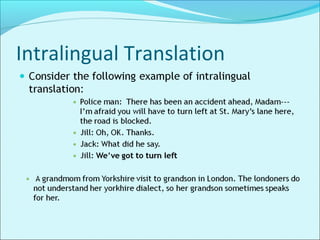
Intralingual Translation
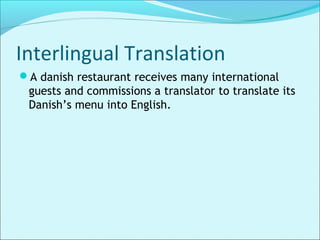
Interlingual Translation
A danish restaurant receives many international
guests and commissions a translator to translate its
Danish’s menu into English.
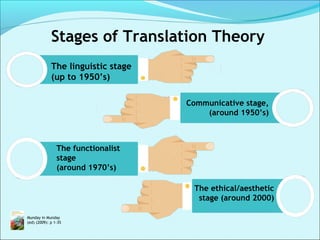
Stages of Translation Theory
The linguistic stage
(up to 1950’s)
Communicative stage,
(around 1950’s)
The functionalist
stage
(around 1970’s)
The ethical/aesthetic
stage (around 2000)
Munday in Munday
(ed) (2009): p 1-35
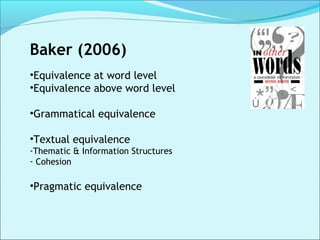
Baker (2006)
•Equivalence at word level
•Equivalence above word level
•Grammatical equivalence
•Textual equivalence
-Thematic & Information Structures
- Cohesion
•Pragmatic equivalence
Hatim and
Munday (2004)
•The unit of translation
•Translation shift
•The analysis of meaning
•Textual pragmatics and equivalence
•Translation and relevance
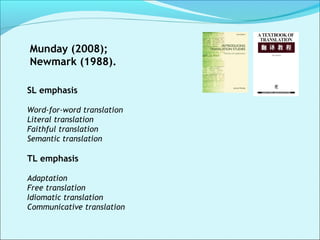
Munday (2008);
Newmark (1988).
SL emphasis
Word-for-word translation
Literal translation
Faithful translation
Semantic translation
TL emphasis
Adaptation
Free translation
Idiomatic translation
Communicative translation
References:
 Baker, M. (2006). In Other Words. A coursebook on translation. New York:
Routledge.
 Hatim, B and Munday, J. (2004). Translation. An advanced resource book. New
York: Routledge.
 Munday, J. (2008). Introducing translation studies. Theories and applications. 2nd
ed. New York: Routledge.
 Munday, J. (ed.). (2009). The routledge companion to translation studies. New
York: Routledge.
 Newmark, P. (1988). A textbook of translation. New York: Prentice Hall.
 Venuti, L. and Baker, M. (Eds.). (2000). The translation studies reader. London:
 Routledge & Kegan.
Thank You

Translation Studies

  • 1.
    The Development, Typology,and Theories Group Members: Ardiansyah // Eka Uliyanti Bangun // Tetra Tianiafi
  • 3.
  • 4.
  • 5.
  • 6.
    BASIL HATIM1. TextualProduct -> Discours Context “Text” seen as “language in use” and “context” as “socio structure” 2. Skopos theory It provides an insight into the nature of translation as a purposeful activity, which is directly applicable to every translation project 3 Basic Types of Text 1. Informative text, which convey information 2. Expressive text which communicate thoughts in a creative way 3. Operative text which persuade Translator Engagement in Interaction Schematic
  • 7.
    FRANZ PONCHAKER Translation/Interpretating 1. Discourse 2.Cognitive 3. Processing 4. Intercultural meditation 5. Ethics 6. Quality 7. Training 8. Technology 9. History Interpretating Studies = Linguistic + Sociological = Cognitive + Social Science = Quantitative + Qualitative
  • 8.
    AMPARO HUTARDO ALBIR+ FABIO ALVES 6 Chronological Models 1. Interpretive Theory of Translation (ITT) 2. Bell’s Linguistic & Psycolinguistic Model 3. Kiraly’s socio-logical & Psycological Model 4. Wils’s decision making model 5. Gut on relevance Theory 6. Gile’s Effort Model 3 PHASES OF TRANSLATION/INTERPRETATING
  • 9.
  • 10.
    THEO HERMANS Translator asre-enunciator 1. Responsibility 2. Accountability 3. Ethics
  • 11.
    TONY HARTLEY 1. MachineTranslation 2. Corpus Lingustics 3. Translation Memory System 4. Terminology 5. Controlled Language Transformation in the commercial translation section A. Pseudo Translation B. Adequacy objective of Practice C. Adequacy of Theory
  • 12.
  • 13.
    DEFINITIONS OF TRANSLATION TheConcise Oxford English Dictionary Translation n. 1.The Act or an instance of translating --- Process 2.A Written or spoken expression of the meaning of a word, speech, etc. In another language --- Product The First of this senses related to translation as a process. Translation encompases very distict perspective. An Incredibly broad notion which can be understood in many different ways. For exemples, one may talk of translation as a process or a product, and identify such sub-types as literary translation, technical translation, subtitling and machine translation; moreover, while more typically it just refers to the transfer or written texts, the term sometimes also interpreting. Roman Jacobson (Russian Linguist) Aspect of Translation 1959 There are 3 kinds of translation of the verbal sign : 1.Intralingual Translation or Rewording is interpretation of verbal sign by means of other sign of the same language. 2.Interlingual Translation = Translation Proper is interpretation of verbal sign by means of other sign of the some other language. 3.Intersemiotic Translation = Transmutation is interpretation of verbal sign by means of other sign of non verbal system. James Holmes The difference between : Translation,Adaptation, Version It talks of Translation as : A Process : What happens in the act of translating the ST A Product : Analusis of TT A Function : How the TT operates in a particular context
  • 14.
    Jakonbson categorized translationinto three types: 1.Intralingual translation or rewarding is an interpretation of verbal signs of other signs of the same language. 2.Intralingual translation or translation proper is an interpretation of verbal signs by means of some other language 3.Intersemiotic translation of transmision is an interpretation of verbal signs by means of signs of non-verbal signs systems. Typology of Jakobson (1959/2000)
  • 15.
  • 16.
    Interlingual Translation A danishrestaurant receives many international guests and commissions a translator to translate its Danish’s menu into English.
  • 17.
    Stages of TranslationTheory The linguistic stage (up to 1950’s) Communicative stage, (around 1950’s) The functionalist stage (around 1970’s) The ethical/aesthetic stage (around 2000) Munday in Munday (ed) (2009): p 1-35
  • 18.
    Baker (2006) •Equivalence atword level •Equivalence above word level •Grammatical equivalence •Textual equivalence -Thematic & Information Structures - Cohesion •Pragmatic equivalence
  • 19.
    Hatim and Munday (2004) •Theunit of translation •Translation shift •The analysis of meaning •Textual pragmatics and equivalence •Translation and relevance
  • 20.
    Munday (2008); Newmark (1988). SLemphasis Word-for-word translation Literal translation Faithful translation Semantic translation TL emphasis Adaptation Free translation Idiomatic translation Communicative translation
  • 21.
    References:  Baker, M.(2006). In Other Words. A coursebook on translation. New York: Routledge.  Hatim, B and Munday, J. (2004). Translation. An advanced resource book. New York: Routledge.  Munday, J. (2008). Introducing translation studies. Theories and applications. 2nd ed. New York: Routledge.  Munday, J. (ed.). (2009). The routledge companion to translation studies. New York: Routledge.  Newmark, P. (1988). A textbook of translation. New York: Prentice Hall.  Venuti, L. and Baker, M. (Eds.). (2000). The translation studies reader. London:  Routledge & Kegan. Thank You

Editor's Notes

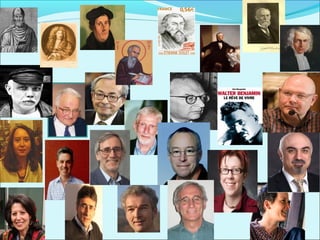
  • #3 Linguist who devote their life in translating