Welcome toHUMAN RESOURCES
MANAGEMENT
Dyah Pramanik, MM
[ ]JOB EVALUATION METHODS
8–2
CHAPTER 7b
JOB EVALUATION METHODS
8–3
LEARNING OUTCOMES
1. Define and give an example of how
to conduct a job evaluation.
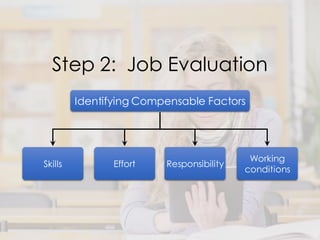
Step 2: Job Evaluation
Skills Effort Responsibility
Identifying Compensable Factors
Working
conditions
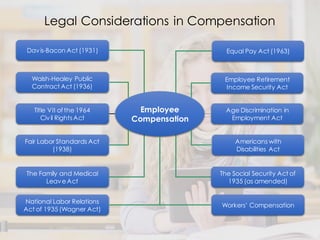
Legal Considerations in Compensation
Employee
Compensation
Equal Pay Act (1963)
Employee Retirement
Income Security Act
Age Discrimination in
Employment Act
Americans with
Disabilities Act
Davis-Bacon Act (1931)
Walsh-Healey Public
Contract Act (1936)
Title VII of the 1964
Civil RightsAct
Fair Labor Standards Act
(1938)
The Family and Medical
LeaveAct
The Social Security Act of
1935 (as amended)
National Labor Relations
Act of 1935 (Wagner Act)
Workers’ Compensation
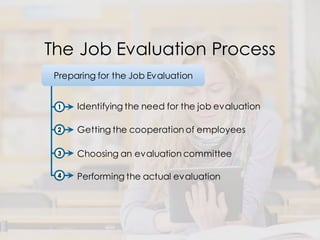
The Job Evaluation Process
1
Performing the actual evaluation
Getting the cooperation of employees
Preparing for the Job Evaluation
Identifying the need for the job evaluation
Choosing an evaluation committee
2
3
4
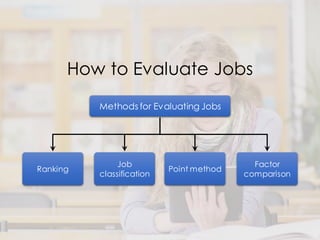
How to Evaluate Jobs
Ranking
Job
classification
Point method
Methods for Evaluating Jobs
Factor
comparison
Copyright © 2011 Pearson Education,Inc.publishing as Prentice Hall
Job Evaluation
Methods: Ranking
• Ranking each job relative to
all other jobs, usually based
on some overall factor.
• Steps in job ranking:
1. Obtain job information.
2. Select and group jobs.
3. Select compensable factors.
4. Rank jobs.
5. Combine ratings.
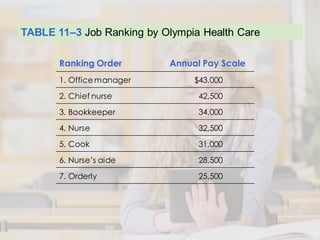
TABLE 11–3 Job Ranking by Olympia Health Care
Ranking Order Annual Pay Scale
1. Officemanager $43,000
2. Chief nurse 42,500
3. Bookkeeper 34,000
4. Nurse 32,500
5. Cook 31,000
6. Nurse’s aide 28,500
7. Orderly 25,500
Job Evaluation
Methods:
Job Classification
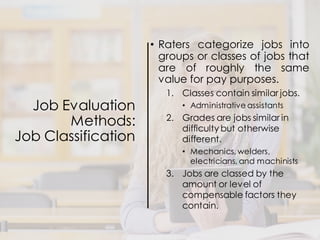
• Raters categorize jobs into
groups or classes of jobs that
are of roughly the same
value for pay purposes.
1. Classes contain similar jobs.
• Administrative assistants
2. Grades are jobs similar in
difficulty but otherwise
different.
• Mechanics, welders,
electricians, and machinists
3. Jobs are classed by the
amount or level of
compensable factors they
contain.
Compensation
Policy Issues
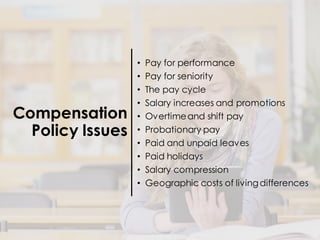
• Pay for performance
• Pay for seniority
• The pay cycle
• Salary increases and promotions
• Overtimeand shift pay
• Probationary pay
• Paid and unpaid leaves
• Paid holidays
• Salary compression
• Geographic costs of livingdifferences
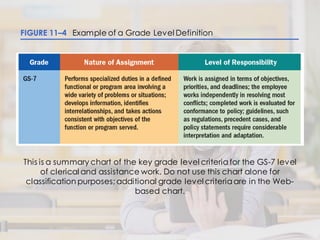
FIGURE 11–4 Example of a Grade Level Definition
This is a summary chart of the key grade level criteriafor the GS-7 level
of clerical and assistance work. Do not use this chart alone for
classification purposes; additional grade level criteriaare in the Web-
based chart.
Job Evaluation
Methods: Point
Method
• A quantitative technique that
involves:
• Identifying the degree to which each
compensable factor is present in the
job.
• Awarding points for each degree of
each factor.
• Calculating a total point valuefor the
job by adding up the corresponding
points for each factor.
8–14
All rights reserved. No part of this publication may be reproduced,
stored in a retrieval system, or transmitted, in any form or by any
means, electronic, mechanical, photocopying, recording, or
otherwise, without the prior written permission of the publisher.
Printed in the United States of America.
Copyright © 2011 Pearson Education, Inc.
publishing as Prentice Hall

Topic7.1b compensation job_evaluation_methods new

  • 1.
    Welcome toHUMAN RESOURCES MANAGEMENT DyahPramanik, MM [ ]JOB EVALUATION METHODS
  • 2.
  • 3.
    8–3 LEARNING OUTCOMES 1. Defineand give an example of how to conduct a job evaluation.
  • 4.
    Step 2: JobEvaluation Skills Effort Responsibility Identifying Compensable Factors Working conditions
  • 5.
    Legal Considerations inCompensation Employee Compensation Equal Pay Act (1963) Employee Retirement Income Security Act Age Discrimination in Employment Act Americans with Disabilities Act Davis-Bacon Act (1931) Walsh-Healey Public Contract Act (1936) Title VII of the 1964 Civil RightsAct Fair Labor Standards Act (1938) The Family and Medical LeaveAct The Social Security Act of 1935 (as amended) National Labor Relations Act of 1935 (Wagner Act) Workers’ Compensation
  • 6.
    The Job EvaluationProcess 1 Performing the actual evaluation Getting the cooperation of employees Preparing for the Job Evaluation Identifying the need for the job evaluation Choosing an evaluation committee 2 3 4
  • 7.
    How to EvaluateJobs Ranking Job classification Point method Methods for Evaluating Jobs Factor comparison
  • 8.
    Copyright © 2011Pearson Education,Inc.publishing as Prentice Hall Job Evaluation Methods: Ranking • Ranking each job relative to all other jobs, usually based on some overall factor. • Steps in job ranking: 1. Obtain job information. 2. Select and group jobs. 3. Select compensable factors. 4. Rank jobs. 5. Combine ratings.
  • 9.
    TABLE 11–3 JobRanking by Olympia Health Care Ranking Order Annual Pay Scale 1. Officemanager $43,000 2. Chief nurse 42,500 3. Bookkeeper 34,000 4. Nurse 32,500 5. Cook 31,000 6. Nurse’s aide 28,500 7. Orderly 25,500
  • 10.
    Job Evaluation Methods: Job Classification •Raters categorize jobs into groups or classes of jobs that are of roughly the same value for pay purposes. 1. Classes contain similar jobs. • Administrative assistants 2. Grades are jobs similar in difficulty but otherwise different. • Mechanics, welders, electricians, and machinists 3. Jobs are classed by the amount or level of compensable factors they contain.
  • 11.
    Compensation Policy Issues • Payfor performance • Pay for seniority • The pay cycle • Salary increases and promotions • Overtimeand shift pay • Probationary pay • Paid and unpaid leaves • Paid holidays • Salary compression • Geographic costs of livingdifferences
  • 12.
    FIGURE 11–4 Exampleof a Grade Level Definition This is a summary chart of the key grade level criteriafor the GS-7 level of clerical and assistance work. Do not use this chart alone for classification purposes; additional grade level criteriaare in the Web- based chart.
  • 13.
    Job Evaluation Methods: Point Method •A quantitative technique that involves: • Identifying the degree to which each compensable factor is present in the job. • Awarding points for each degree of each factor. • Calculating a total point valuefor the job by adding up the corresponding points for each factor.
  • 14.
    8–14 All rights reserved.No part of this publication may be reproduced, stored in a retrieval system, or transmitted, in any form or by any means, electronic, mechanical, photocopying, recording, or otherwise, without the prior written permission of the publisher. Printed in the United States of America. Copyright © 2011 Pearson Education, Inc. publishing as Prentice Hall