

















Teaching Report Writing
through Active Learning
by Jean Reynolds,
Ph.D.
I’ve been a college
professor, a
trainer, and a
consultant.
I’ve helped many
cadets, officers,
instructors, and
administrators
solve problems
with report
writing.
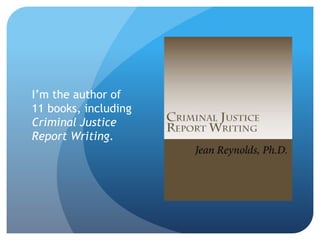
I’m the author of
11 books, including
Criminal Justice
Report Writing.
In this video I’m going to
offer you some tips for
improving students’
writing skills…quickly.
I’m going to begin with a story about an
ornithologist – a scientist who studies birds.
One day the ornithologist was visiting a friend
in New York City.
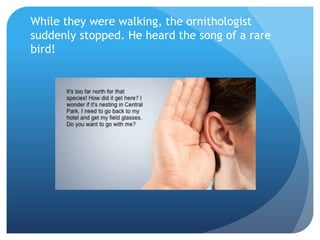
While they were walking, the ornithologist
suddenly stopped. He heard the song of a rare
bird!
His friend laughed.
“This is one of the
noisiest streets in the
city! You couldn’t
possibly have heard a
bird.”
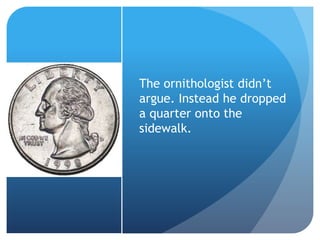
The ornithologist didn’t
argue. Instead he dropped
a quarter onto the
sidewalk.
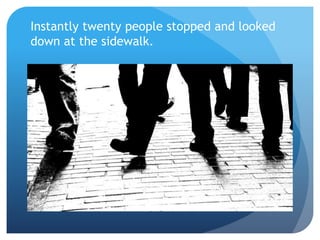
Instantly twenty people stopped and looked
down at the sidewalk.
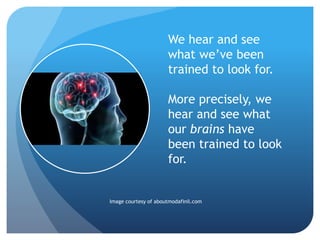
We hear and see
what we’ve been
trained to look for.
More precisely, we
hear and see what
our brains have
been trained to look
for.
Image courtesy of aboutmodafinil.com
You probably know
some people who say
they aren’t good at
math.
But if you spend time
with them, you’ll
notice they never
make a mistake when
they’re handling
money.
Our brains know
how to process
money because
we handle it all
the time.
Something else we all use constantly is
language. Our brains have an amazingly
complex storehouse of language software.
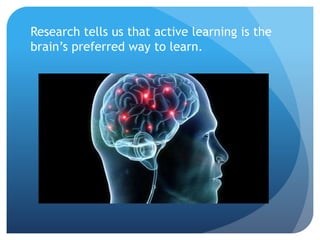
Research tells us that active learning is the
brain’s preferred way to learn.
Let’s compare traditional
schooling to active
learning.
Traditional schooling aims
to transfer information
from teacher to student.
Teachers are full of knowledge. They tell
students what they know.
Students don’t have
knowledge. They sit
quietly and try to
absorb what the
teacher is saying.
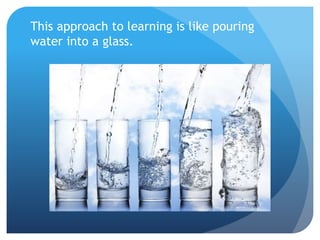
This approach to learning is like pouring
water into a glass.
Our school years
were full of this type
of learning.
In fact it may be hard
to imagine a
different way to
teach and learn.
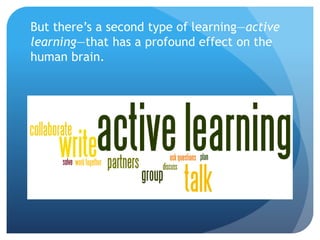
But there’s a second type of learning—active
learning—that has a profound effect on the
human brain.
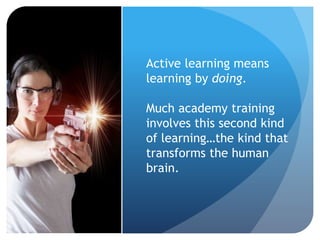
Active learning means
learning by doing.
Much academy training
involves this second kind
of learning…the kind that
transforms the human
brain.
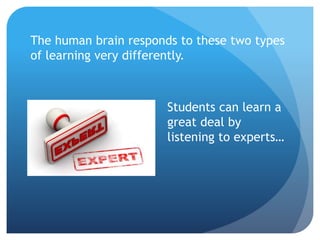
The human brain responds to these two types
of learning very differently.
Students can learn a
great deal by
listening to experts…
…but they also need
active learning to build
their brains.
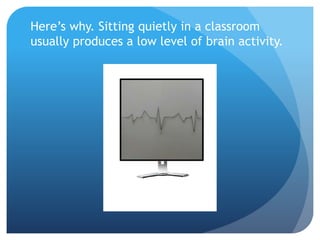
Here’s why. Sitting quietly in a classroom
usually produces a low level of brain activity.
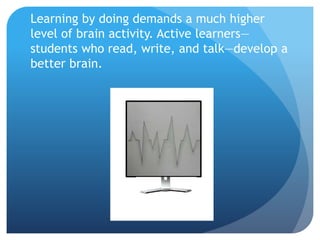
Learning by doing demands a much higher
level of brain activity. Active learners—
students who read, write, and talk—develop a
better brain.
The human brain has more than 86 billion
neurons…
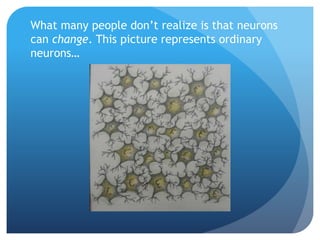
What many people don’t realize is that neurons
can change. This picture represents ordinary
neurons…
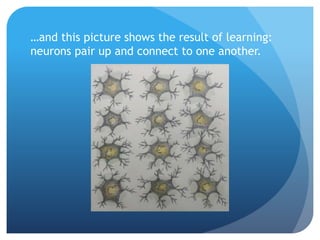
…and this picture shows the result of learning:
neurons pair up and connect to one another.
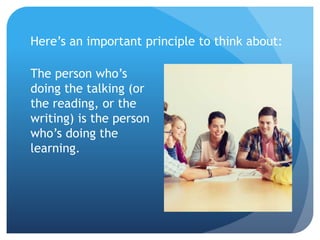
Here’s an important principle to think about:
The person who’s
doing the talking (or
the reading, or the
writing) is the person
who’s doing the
learning.
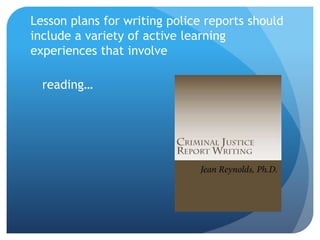
Lesson plans for writing police reports should
include a variety of active learning
experiences that involve
reading…
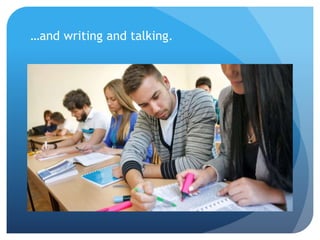
…and writing and talking.
But does active learning really produce
results? The research says yes…
…when lesson plans
include structure and
accountability.
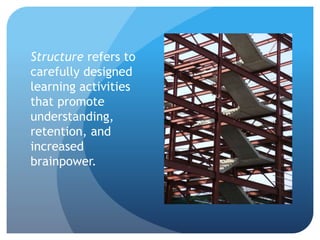
Structure refers to
carefully designed
learning activities
that promote
understanding,
retention, and
increased
brainpower.
Accountability refers to
performance standards
that demand the best
from each student.
You – the instructor – are the most important
factor in this learning process.
If you provide
structure and insist
on accountability,
your students will
make progress.
Now let’s look at writing. Do police reports
require advanced writing skills?
Usually not.
Most sentences are
simple and
straightforward: “I
questioned Johnson.”
“Carter picked up a
kitchen knife.”
So why do some
students make
writing mistakes?
Reason #1: Students tend to write the way
they talk.
Students aren’t alone
in this! Many people
don’t worry about
English usage in
casual conversations.
“ain’t”
“have went”
“don’t got none”
“I seen it”
“done did”
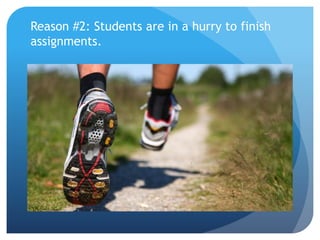
Reason #2: Students are in a hurry to finish
assignments.
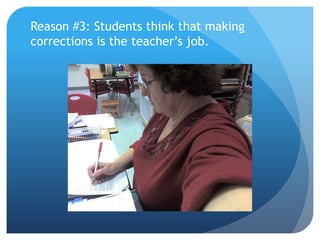
Reason #3: Students think that making
corrections is the teacher’s job.
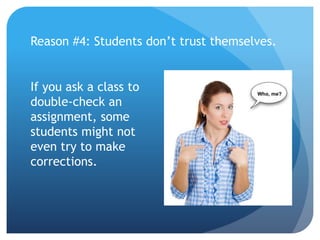
Reason #4: Students don’t trust themselves.
If you ask a class to
double-check an
assignment, some
students might not
even try to make
corrections.
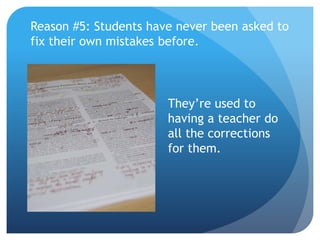
Reason #5: Students have never been asked to
fix their own mistakes before.
They’re used to
having a teacher do
all the corrections
for them.
It’s important to put the class on notice: The
days of sitting back while teachers do the
work are over!
You don’t have to be negative about it.
Remind students often that their hard
work is building brainpower.
But how do you make students accountable
for their writing? Here are some tips.
1. Focus on specifics, not generalities.
If you tell students to
fix their writing
mistakes, they may
feel helpless.
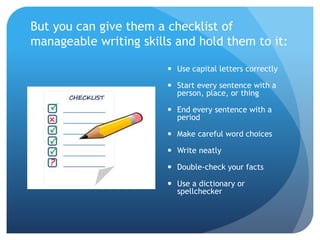
But you can give them a checklist of
manageable writing skills and hold them to it:
 Use capital letters correctly
 Start every sentence with a
person, place, or thing
 End every sentence with a
period
 Make careful word choices
 Write neatly
 Double-check your facts
 Use a dictionary or
spellchecker
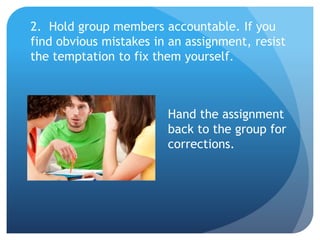
2. Hold group members accountable. If you
find obvious mistakes in an assignment, resist
the temptation to fix them yourself.
Hand the assignment
back to the group for
corrections.
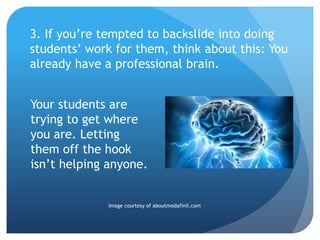
3. If you’re tempted to backslide into doing
students’ work for them, think about this: You
already have a professional brain.
Your students are
trying to get where
you are. Letting
them off the hook
isn’t helping anyone.
Image courtesy of aboutmodafinil.com
Of course you can share what you know and offer
help when needed.
The key is to know
when it’s time to step
in.
Here’s a useful guideline:
Ask whether what you’re
doing is empowering the
student you’re helping.
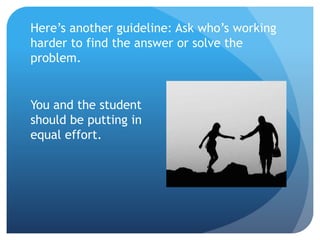
Here’s another guideline: Ask who’s working
harder to find the answer or solve the
problem.
You and the student
should be putting in
equal effort.
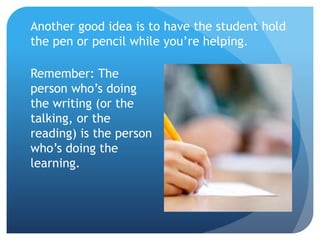
Another good idea is to have the student hold
the pen or pencil while you’re helping.
Remember: The
person who’s doing
the writing (or the
talking, or the
reading) is the person
who’s doing the
learning.
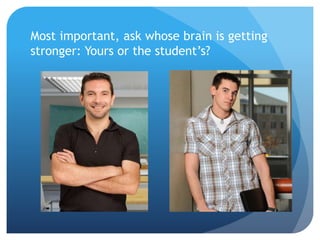
Most important, ask whose brain is getting
stronger: Yours or the student’s?
Nothing is more satisfying to a teacher than
to see a student confidently handling a
challenge.
My wish is for you to
have many of those
moments in your
classroom…
…and to thoroughly enjoy the teaching and
learning process.
You can learn more about report writing
at www.YourPoliceWrite.com.
All the resources there are FREE:
www.YourPoliceWrite.com.
Criminal Justice Report
Writing is available
from www.Amazon.com.
View a free sample
online.
A free Instructor’s Manual
is available on request:
Send an e-mail to
jreynoldswrite at aol.com.

Teaching Report Writing through Active Learning

  • 1.
    Teaching Report Writing throughActive Learning by Jean Reynolds, Ph.D.
  • 2.
    I’ve been acollege professor, a trainer, and a consultant. I’ve helped many cadets, officers, instructors, and administrators solve problems with report writing.
  • 3.
    I’m the authorof 11 books, including Criminal Justice Report Writing.
  • 4.
    In this videoI’m going to offer you some tips for improving students’ writing skills…quickly.
  • 5.
    I’m going tobegin with a story about an ornithologist – a scientist who studies birds.
  • 6.
    One day theornithologist was visiting a friend in New York City.
  • 7.
    While they werewalking, the ornithologist suddenly stopped. He heard the song of a rare bird!
  • 8.
    His friend laughed. “Thisis one of the noisiest streets in the city! You couldn’t possibly have heard a bird.”
  • 9.
    The ornithologist didn’t argue.Instead he dropped a quarter onto the sidewalk.
  • 10.
    Instantly twenty peoplestopped and looked down at the sidewalk.
  • 11.
    We hear andsee what we’ve been trained to look for. More precisely, we hear and see what our brains have been trained to look for. Image courtesy of aboutmodafinil.com
  • 12.
    You probably know somepeople who say they aren’t good at math. But if you spend time with them, you’ll notice they never make a mistake when they’re handling money.
  • 13.
    Our brains know howto process money because we handle it all the time.
  • 14.
    Something else weall use constantly is language. Our brains have an amazingly complex storehouse of language software.
  • 15.
    Research tells usthat active learning is the brain’s preferred way to learn.
  • 16.
    Let’s compare traditional schoolingto active learning. Traditional schooling aims to transfer information from teacher to student.
  • 17.
    Teachers are fullof knowledge. They tell students what they know. Students don’t have knowledge. They sit quietly and try to absorb what the teacher is saying.
  • 18.
    This approach tolearning is like pouring water into a glass.
  • 19.
    Our school years werefull of this type of learning. In fact it may be hard to imagine a different way to teach and learn.
  • 20.
    But there’s asecond type of learning—active learning—that has a profound effect on the human brain.
  • 21.
    Active learning means learningby doing. Much academy training involves this second kind of learning…the kind that transforms the human brain.
  • 22.
    The human brainresponds to these two types of learning very differently. Students can learn a great deal by listening to experts…
  • 23.
    …but they alsoneed active learning to build their brains.
  • 24.
    Here’s why. Sittingquietly in a classroom usually produces a low level of brain activity.
  • 25.
    Learning by doingdemands a much higher level of brain activity. Active learners— students who read, write, and talk—develop a better brain.
  • 26.
    The human brainhas more than 86 billion neurons…
  • 27.
    What many peopledon’t realize is that neurons can change. This picture represents ordinary neurons…
  • 28.
    …and this pictureshows the result of learning: neurons pair up and connect to one another.
  • 29.
    Here’s an importantprinciple to think about: The person who’s doing the talking (or the reading, or the writing) is the person who’s doing the learning.
  • 30.
    Lesson plans forwriting police reports should include a variety of active learning experiences that involve reading…
  • 31.
  • 32.
    But does activelearning really produce results? The research says yes…
  • 33.
    …when lesson plans includestructure and accountability.
  • 34.
    Structure refers to carefullydesigned learning activities that promote understanding, retention, and increased brainpower.
  • 35.
    Accountability refers to performancestandards that demand the best from each student.
  • 36.
    You – theinstructor – are the most important factor in this learning process.
  • 37.
    If you provide structureand insist on accountability, your students will make progress.
  • 38.
    Now let’s lookat writing. Do police reports require advanced writing skills? Usually not. Most sentences are simple and straightforward: “I questioned Johnson.” “Carter picked up a kitchen knife.”
  • 39.
    So why dosome students make writing mistakes?
  • 40.
    Reason #1: Studentstend to write the way they talk. Students aren’t alone in this! Many people don’t worry about English usage in casual conversations. “ain’t” “have went” “don’t got none” “I seen it” “done did”
  • 41.
    Reason #2: Studentsare in a hurry to finish assignments.
  • 42.
    Reason #3: Studentsthink that making corrections is the teacher’s job.
  • 43.
    Reason #4: Studentsdon’t trust themselves. If you ask a class to double-check an assignment, some students might not even try to make corrections.
  • 44.
    Reason #5: Studentshave never been asked to fix their own mistakes before. They’re used to having a teacher do all the corrections for them.
  • 45.
    It’s important toput the class on notice: The days of sitting back while teachers do the work are over!
  • 46.
    You don’t haveto be negative about it. Remind students often that their hard work is building brainpower.
  • 47.
    But how doyou make students accountable for their writing? Here are some tips.
  • 48.
    1. Focus onspecifics, not generalities. If you tell students to fix their writing mistakes, they may feel helpless.
  • 49.
    But you cangive them a checklist of manageable writing skills and hold them to it:  Use capital letters correctly  Start every sentence with a person, place, or thing  End every sentence with a period  Make careful word choices  Write neatly  Double-check your facts  Use a dictionary or spellchecker
  • 50.
    2. Hold groupmembers accountable. If you find obvious mistakes in an assignment, resist the temptation to fix them yourself. Hand the assignment back to the group for corrections.
  • 51.
    3. If you’retempted to backslide into doing students’ work for them, think about this: You already have a professional brain. Your students are trying to get where you are. Letting them off the hook isn’t helping anyone. Image courtesy of aboutmodafinil.com
  • 52.
    Of course youcan share what you know and offer help when needed. The key is to know when it’s time to step in.
  • 53.
    Here’s a usefulguideline: Ask whether what you’re doing is empowering the student you’re helping.
  • 54.
    Here’s another guideline:Ask who’s working harder to find the answer or solve the problem. You and the student should be putting in equal effort.
  • 55.
    Another good ideais to have the student hold the pen or pencil while you’re helping. Remember: The person who’s doing the writing (or the talking, or the reading) is the person who’s doing the learning.
  • 56.
    Most important, askwhose brain is getting stronger: Yours or the student’s?
  • 57.
    Nothing is moresatisfying to a teacher than to see a student confidently handling a challenge. My wish is for you to have many of those moments in your classroom…
  • 58.
    …and to thoroughlyenjoy the teaching and learning process.
  • 59.
    You can learnmore about report writing at www.YourPoliceWrite.com.
  • 60.
    All the resourcesthere are FREE: www.YourPoliceWrite.com.
  • 61.
    Criminal Justice Report Writingis available from www.Amazon.com. View a free sample online.
  • 62.
    A free Instructor’sManual is available on request: Send an e-mail to jreynoldswrite at aol.com.