PRESENTED BY,
                   UMADEVI.K
                MSC NURSING
MEDICAL SURGICAL NURSING DPT
                     KERALA
                  BANGALORE
INTERVENTIONS FOR THE
CLIENTS WITH DISORDERS
      OF STOMACH
SUBTOPICS
 GASTRITIS


 PEPTIC ULCERATIVE DISEASE


 ZOLLIGER ELLISON SYMDROME


 GASTRIC CANCER
ALERT MIND AND THINK CRITICALLY
         BEFORE DOING
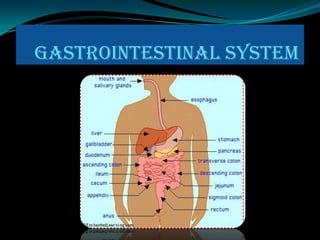
GASTROINTESTINAL SYSTEM
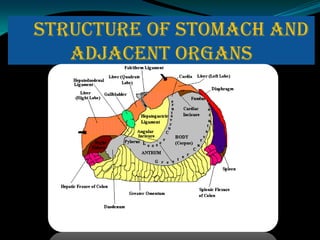
STRUCTURE OF STOMACH AND
   ADJACENT ORGANS
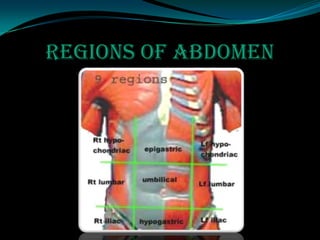
REGIONS OF ABDOMEN
INTRODUCTION
 The stomach is an organ between the esophagus and the
  small intestine. It is where digestion of protein begins.
  The stomach has three tasks. It stores swallowed food. It
  mixes the food with stomach acids. Then it sends the
  mixture on to the small intestine.
 There are many types of chronic disorders which affect
  the stomach. However since the symptoms are localized
  to this organ, the typical symptoms of stomach problems
  include nausea, vomiting, bloating, cramps, diarrhea
  and pain. Disorders of the stomach are very common
  and induce a significant amount of morbidity and
  suffering in the population. Data from hospitals indicate
  that more than 25% of the population suffers from some
  type of chronic stomach disorder including abdominal
  pain and indigestion. These symptoms occur for long
  periods and cause prolonged suffering, time off work and
  a poor quality of life.
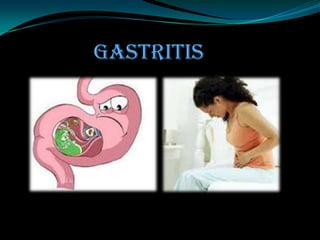
GASTRITIS
DEFINITION

 Gastritis occurs when the lining of the stomach
 becomes inflamed or swollen.
                       OR

 Gastritis, an inflammation or irritation of the lining of
 the stomach
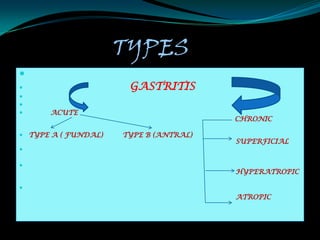
TYPES

                     GASTRITIS


     ACUTE
                                       CHRONIC

 TYPE A ( FUNDAL)   TYPE B (ANTRAL)
                                       SUPERFICIAL



                                       HYPERATROPIC


                                       ATROPIC
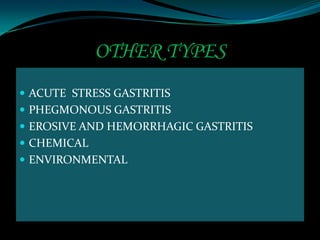
OTHER TYPES
 ACUTE STRESS GASTRITIS
 PHEGMONOUS GASTRITIS
 EROSIVE AND HEMORRHAGIC GASTRITIS
 CHEMICAL
 ENVIRONMENTAL
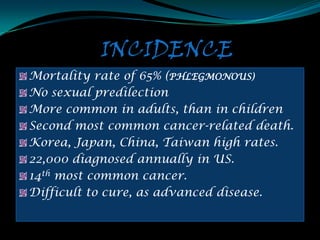
INCIDENCE
Mortality rate of 65% (PHLEGMONOUS)
No sexual predilection
More common in adults, than in children
Second most common cancer-related death.
Korea, Japan, China, Taiwan high rates.
22,000 diagnosed annually in US.
14th most common cancer.
Difficult to cure, as advanced disease.
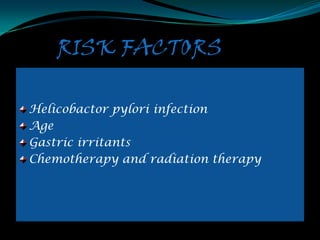
RISK FACTORS

Helicobactor pylori infection
Age
Gastric irritants
Chemotherapy and radiation therapy
ETIOLOGY
Medications
Medical and surgical conditions
Infections
Intake of spicy foods
Alcohol
Chemotherapy and radiationtherapy
Swallowed foreign bodies (paper clips or
pins)
 Trauma
Chronic vomiting
Smoking
Extreme stress
Eating corrosive substances
Pernicious anemia
Bile reflux
PATHOPHYSIOLOGY
A MUCOSAL BARRIER COMPOSED OF
PROSTAGLANDINS NORMALLY PROTECTS
STOMACH TISSUE FROM AUTODIGESTION
OF ACID


WHEN  THE BARRIERS IS BROKEN
BECAUSE     OF       ETIOLOGICAL
FACTOR,ACID CAN DIFFUSE INTO THE
MUCOSA
 ALLOWS HCL TO ENTER THERE BY
 INCREASES THE SECRETION OF
 PEPSINOGEN AND RELEASE OF
 HISTAMINE FROM MAST CELLS


 INJURY TO SMALL VESSELS


 EDEMA,HEMORRHAGE AND ULCER
 FORMATION
CLINICAL FEATURES
 ASYMPTOMATIC
 Upper central abdominal pain
 Nausea and Vomiting
 Belching (if present, usually does not relieve the
  pain much)
 Bloating
 Feeling full after only a few bites of food
 Loss of appetite
 Unexplained weight loss
 In more severe gastritis,
 Bleeding may occur inside the stomach.
 Pallor, sweating, and rapid heart beat.
 Feeling faint or short of breath
 Chest pain or severe stomach pain
 Vomiting large amounts of blood
 Bloody bowel movements or dark, sticky,
 very foul-smelling bowel movements
DIAGNOSTIC EVALUATION
 complete history and physical exiamination

   H. pylori tests
   Breath test
   Tissue test
   Barium x rays
   Stool test
   Blood tests:
     Blood cell count
     Presence of H. pylori
 Urinalysis
 X-rays
 ECGs An electrocardiogram(ECG, EKG) might be ordered if the
  patient's heartbeat is rapid or they are having chest pain.
 Stomach biopsy, to test for gastritis and other conditions
COMPLICATIONS
Blood loss
gastric cancer
GI bleeding
Reflux esophagitis
PUD
Chronic gastritis
MANAGEMENT
 MEDICAL MANAGEMENT
During acute phase bed rest ,NPO,IV fluids
Fluid and electrolyte balance (I/O Chart)
For severe case NG tube intubation
substances that trigger gastritis symptoms
ANTIEMETICS FOR VOMITING
 ANTACIDS
ANTIBIOTICS
Amoxicillin
Clarithromycin (Biaxin)
Metronidazole (Flagyl)
Tetracycline
CYTO PROTECTIVE AGENTS

Coating agents: These medications protect the
stomach's lining.
Sucralfate (Carafate) - Coats and protects the
stomach lining
Misoprostol(Cytotec) -
Magnesium-containing antacids
 Aluminum-containing antacids
 Calcium-containing antacids
 H2 antagonist (ranitidine ,emetidine )
 Proton pump inhibitors (PPIs) -
omeprazole (Prilosec)
 For patient with pernicious
anemia;regular vit B12 Injection
 blood transfusion and fluid replacement
 Stop taking aspirin, ibuprofen

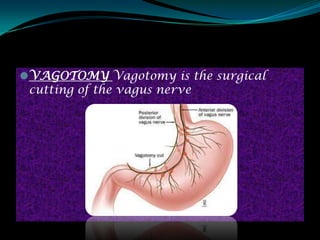
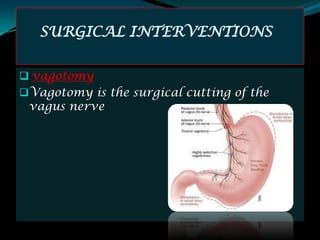
VAGOTOMY Vagotomy is the surgical
 cutting of the vagus nerve
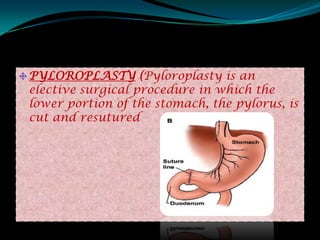
PYLOROPLASTY (Pyloroplasty is an
elective surgical procedure in which the
lower portion of the stomach, the pylorus, is
cut and resutured
Dietary management

 smaller, more frequent meals

 Avoid any foods which is irritating

 Limiting excessive use of alcohol

Foods containing flavonoids,
Mulltivitamins
 6-8 glasses of water
 Omega 3 fatty acids to redude inflammation
 Probiotics
NURSING DIAGNOSIS AND
       MANGAMENT

PAIN related to irritation of gasric mucosa
Nausea and vomiting related to multiple
etiologies as manifested by episodes of
nausea and vomiting
Fluid volumedeficit related to prolonged
vomiting and inability to ingest digest and
absorb food and fluid as manifested by
decreased urinary output,increased urine
concentration,increased pulse
rate,hypotension
Anxiety related to lack of knowledge of
cause of the problegem,treatment plan and
follow up care as manifested by
verbalization of lack of knowledge

Risk for altered nutrition less than body
requirement related to nausea and
vomiting as manifested by lack of interest
in food,weight loss.
PAIN INTERVENTIONS
 ASSESS INTENSITY DURATION AND LOCATION OF PAIN
 COMFORT POSITION AND MEASURES
 MEDICATIONS
 REVIEW FACTORS AGRAVETING PAIN
 DIETARY MODIFICATIONS
NAUSEA AND VOMITING
  Observe for potential complications
  Position the patient: To prevent aspiration
 Conscious: semi fowler’s
 Unconscious: lateral
 Provide good oral care measures
 Suction mouth
FLUID VOLUME DEFICIT
   Moniter vital signs,capillary refill,status
   Daily fluidintake and output are monitored to detect early signs of dehydration
   (minimum 1.5 lit/day)
   Iv fluids 3L/day is administered usually
   Identify actions to regain optimal fluid balance
   Eg: Specific Fluid intake schedule


 ANXIETY
   Offer Supportive therapy to the patient
   Explain all the procedures before doing
   Provide calm and restful environment
   Help the patient to identify and initiate positive coping behaviors in the
    past
Nurses role


Assessment

GOALS

implementing interventions
PREVENTION
Avoid those things that irritate or inflame the
stomach's lining.

Aspirin
NSAIDs
Smoking
Caffeine and other caffeine-like substances
Alcohol
GASTRITIS FOLLOW UP
Avoid those things that irritate the
stomach or cause symptoms to flare up.
Take all medications as prescribed by the
health care provider.
Return for medical attention if symptoms
worsen or persist.
Report any new symptoms to a health care
provider.
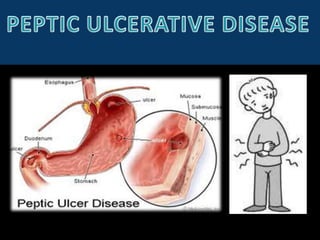
DEFINITION
 A peptic ulcer, also known as PUD or peptic
 ulcer disease is the most common ulcer of an
 area of the gastrointestinal tract that is
 usually acidic and thus extremely painful. It is
 defined as mucosal erosions equal to or greater
 than 0.5 cm.
                       OR

 Peptic ulcer is the erosion of GI mucosa
 resulting from the action of HCL and pepsin
 that forms in the pylorus of stomach ,in the
 duodenum or in the esophagus
CLASSIFICATION

 By Region/Location
Duodenum (called duodenal ulcer)
Oesophagus (called esophageal ulcer)
Stomach (called gastric ulcer)
Meckel's diverticulum (called Meckel's
 diverticulum ulcer; is very tender with
 palpation)
Modified Johnson Classification of
peptic ulcers:

 Type I: Ulcer along the body of the stomach,
 most often along the lesser curve at incisura
 angularis along the locus minoris resistantiae.
 Type II: Ulcer in the body in combination with
 duodenal ulcers. Associated with acid
 oversecretion.
 Type III: In the pyloric channel within 3 cm of
 pylorus. Associated with acid oversecretion.
 Type IV: Proximal gastroesophageal ulcer
 Type V: Can occur throughout the stomach.
 Associated with chronic NSAID use (such as
 aspirin).
INCIDENCE
 The incidence of duodenal ulcers has
  dropped significantly during the last 30
  years, while the incidence of gastric ulcers
  has shown a small increase, mainly caused
  by the widespread use of NSAIDs
 Nowadays peptic ulcer disease is about just
  as common among women than among men
 Duodenal ulcers are most frequent among
  individuals 30 to 55 years of age, while
  gastric ulcers are more common among
  individuals 55 to 70 years of age
RISK FACTORS


 An increased risk of peptic ulcers if:
 Smoking may increase the risk of
  peptic ulcers in people who are
  infected with H. pylori.
 Alcoholism
 Have uncontrolled stress
 Factors associated with an increased risk of duodenal
    ulcers in the setting of NSAID use include
   history of previous peptic ulcer disease,
   advanced age,
   female sex,
    high doses or combinations of NSAIDs,
    long-term NSAID use,
   concomitant use of anticoagulants, and
   severe comorbid illnesses.
   Little evidence suggests that caffeine intake is
    associated with an increased risk of duodenal ulcers.
ETIOLOGICAL FACTORS
INFECTION
DRUGS
HYPERSECRETORY
Gastrinoma
Basophilic leukemias
Cystic fibrosis
Short bowel syndrome
Lifestyle factors
Severe physiologic stress
Genetic factors
Additional etiologic factors

 Any of the following may be associated with PUD:
 Hepatic cirrhosis
 Chronic obstructive pulmonary disease
 Allergic gastritis and eosinophilic gastritis
 Cytomegalovirus infection
 Graft versus host disease
 Corrosive gastropathy
 Celiac disease
 Autoimmune disease
PATHOPHYSIOLOGY
Peptic ulcers are defects in the gastric or
duodenal mucosa that extend through the
muscularis mucosa.

Irritation of gastric or duodenal mucosa
due to various etiological factors

Epithelial cells of the stomach and
duodenum secrete mucus in response to
irritation of the epithelial lining and as a
result of cholinergic stimulation
The superficial portion of the gastric and
duodenal mucosa exists in the form of a gel layer,
which is impermeable to acid and pepsin

  Other gastric and duodenal cells secrete
  bicarbonate, which aids in buffering acid that
  lies near the mucosa.

  Prostaglandins of the E type (PGE) increases
  the production of both bicarbonate and the
  mucous layer.

  In the event of acid and pepsin entering the
  epithelial cells, additional mechanisms are in
  place to reduce injury
Within the epithelial cells, ion pumps in the
basolateral cell membrane help to regulate
intracellular pH by removing excess hydrogen
                     ions.


 Through the process of restitution, healthy
 cells migrate to the site of injury


 Mucosal blood flow removes acid that
 diffuses through the injured mucosa and
 provides bicarbonate to the surface
 epithelial cells.
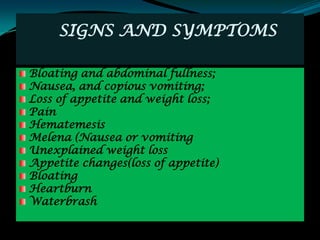
SIGNS AND SYMPTOMS

Bloating and abdominal fullness;
Nausea, and copious vomiting;
Loss of appetite and weight loss;
Pain
Hematemesis
Melena (Nausea or vomiting
Unexplained weight loss
Appetite changes(loss of appetite)
Bloating
Heartburn
Waterbrash
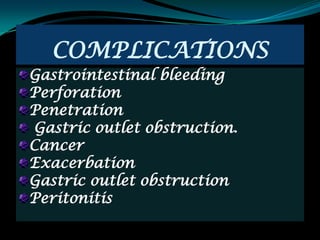
COMPLICATIONS
Gastrointestinal bleeding
Perforation
Penetration
Gastric outlet obstruction.
Cancer
Exacerbation
Gastric outlet obstruction
Peritonitis
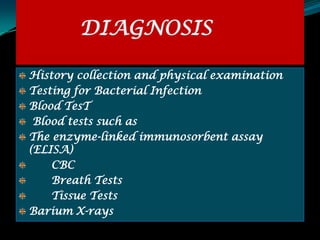
DIAGNOSIS

History collection and physical examination
Testing for Bacterial Infection
Blood TesT
 Blood tests such as
The enzyme-linked immunosorbent assay
(ELISA)
    CBC
    Breath Tests
    Tissue Tests
Barium X-rays
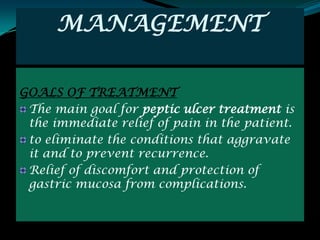
MANAGEMENT

GOALS OF TREATMENT
 The main goal for peptic ulcer treatment is
 the immediate relief of pain in the patient.
 to eliminate the conditions that aggravate
 it and to prevent recurrence.
 Relief of discomfort and protection of
 gastric mucosa from complications.
 3 stages in medical treatment.
 These are ;
 the preventive,( by providing information and
 educating the population on how to identify
 symptoms and avoiding the causes of the
 disease)
 curative and (where patients suffering the
 disease undergo treatment)
   rehabilitation phases of treatment.( patient
    recovery and prevention of disease
    recurrence).
MEDICAL MANAGMENT

 Antibiotic medications
 Pain Relief through Medications


 Medications that block acid production and
  promote healing(PPI)
 Medications to reduce acid production. (H2
  BLOCKERS)
 Antacids that neutralize stomach acid.
Medications that protect the lining of
your stomach and small intestine

  NON MEDICAL MANAGEMENT
.Lifestyle changes
Eating meals at regular intervals.
avoid or manage stressful conditions
Avoid smoking
Maintain proper diet and avoid food or
 beverages which upset the gastric mucosa
 like coffee, tea, colas and alcohol.
Ulcers that fail to heal
Peptic ulcers that don't heal with
treatment are called refractory ulcers.
 These reasons may include:
 Not taking medications according to directions.
 The fact that some types of H. pylori are resistant to
 antibiotics.
 Regular use of tobacco.
 Regular use of pain relievers that increase the risk of ulcers
 Extreme overproduction of stomach acid, such as occurs in
 Zollinger-Ellison syndrome
 An infection other than H. pylori
 Stomach cancer
 Other diseases that may cause ulcer-like sores in the stomach
 and small intestine, such as Crohn's disease
 Treatment for refractory ulcers generally involves eliminating
 factors that may interfere with healing, along with using
 different antibiotics
SURGICAL INTERVENTIONS


 vagotomy
Vagotomy is the surgical cutting of the
 vagus nerve
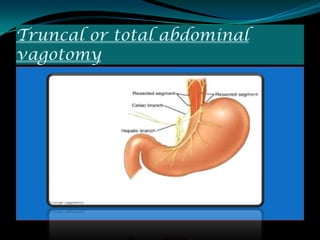
Truncal or total abdominal
vagotomy
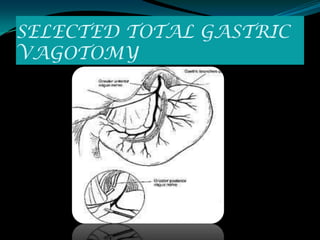
SELECTED TOTAL GASTRIC
VAGOTOMY
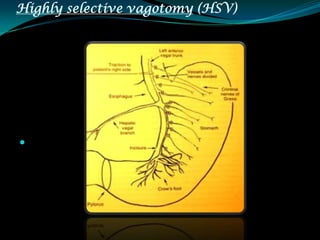
Highly selective vagotomy (HSV)



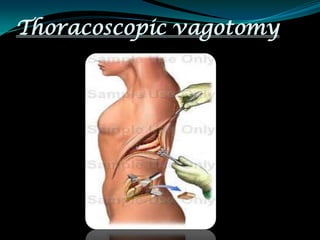
Thoracoscopic vagotomy
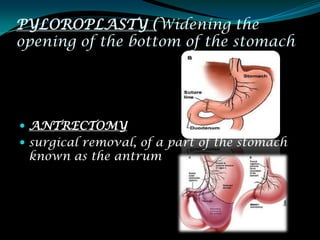
PYLOROPLASTY (Widening the
opening of the bottom of the stomach


 ANTRECTOMY
 surgical removal, of a part of the stomach
 known as the antrum
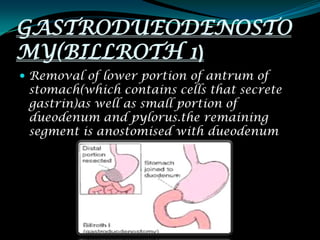
GASTRODUEODENOSTO
MY(BILLROTH 1)
 Removal of lower portion of antrum of
 stomach(which contains cells that secrete
 gastrin)as well as small portion of
 dueodenum and pylorus.the remaining
 segment is anostomised with dueodenum
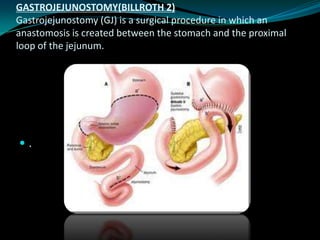
GASTROJEJUNOSTOMY(BILLROTH 2)
Gastrojejunostomy (GJ) is a surgical procedure in which an
anastomosis is created between the stomach and the proximal
loop of the jejunum.


.
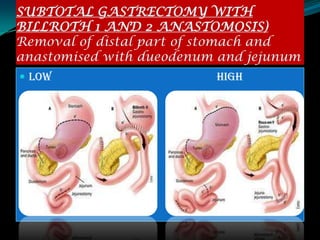
SUBTOTAL GASTRECTOMY WITH
BILLROTH 1 AND 2 ANASTOMOSIS)
Removal of distal part of stomach and
anastomised with dueodenum and jejunum
 LOW                     HIGH
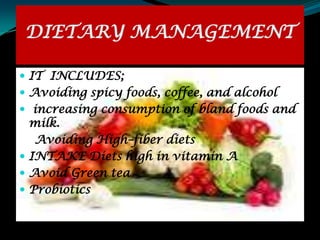
DIETARY MANAGEMENT

 IT INCLUDES;
 Avoiding spicy foods, coffee, and alcohol
 increasing consumption of bland foods and
  milk.
   Avoiding High–fiber diets
 INTAKE Diets high in vitamin A
 Avoid Green tea
 Probiotics
NURSING DIAGNOSIS AND
MANAGEMENT

 Nursing diagnosis
 Increased risk of GI bleeding and perforation of stomach,
  related to gastric or intestinal wall erosion.

   Increased risk of pyloric obstruction as complication of the
  peptic ulcer.

     increased risk of anemia due to acute or chronic GI bleeding,
    related to ulcer.

    Pain and heartburn, related to diagnosis of peptic ulcer..
    Appetite changes and weight changes due to symptoms of the
    ulcer.increased risk of aspiration due to vomiting, related to
    ulcer.

    Anxiety related to the symptoms of disease and fear of the
    unknown.
Goals


    1. Reduce or completely eliminate
    contributing factors.
    2. Assist with stress management.
    3. Promote adequate nutrition.
    4. Prevent avoidable injury.
    5. Then surgical intervention prescribed,
    prevent postoperative complications.
    6. Relief or diminish symptoms.
Interventions
1. Assess, report , and record signs and symptoms and reactions to treatment.
2. Monitor fluids input and output closely.
3. Administer antacid agents, analgesics, H2-receptors antagonists,
anticholinergics, sedatives as prescribed, monitor for side effects.
4. Monitor client’s vital signs and signs of possible GI bleeding or perforation
closely.
5. Monitor laboratory tests results (CBC, electrolytes, Hb levels) for abnormal
values.
6. Undertake appropriate intervention in case of GI bleeding, vomiting, or
perforation.
7. Provide prescribed diet – avoid irritating foods, coffee, etc.
8. Prepare client and his family for surgical intervention if required for
recurrent ulcer, hemorrhage, or perforation.
9. For client after surgical intervention provide postoperative care and inform
about possible postoperative complications, such as dumping syndrome.
10. Provide emotional support to client, explain all procedures to decrease
anxiety and to obtain cooperation.
11. Instruct client regarding disease progress, diagnostic procedures, treatment
and its complications, home care, daily activities, diet, restrictions and follow-up.
Nursingmanagement
   1. Assess for chronic use of certain medications (such as aspirin, steroids).
    2. Collect information of complaints that brought client to the hospital.
    3. Obtain history of onset and progression of symptoms.
    4. Obtain information of diet, use of alcohol and tobacco, ingestion of irritating
    foods, previous diseases or infections of GI tract, emotional stress.
    5. Assess connection of pain attacks to meals, certain drugs, ingestion of coffee,
    alcohol.
    6. Perform complete physical assessment including weight, vital signs, signs of GI
    bleeding, and acute abdomen.
    7. Assess diagnostic tests and procedures for abnormal values.
 Evaluation
    1. Reports increased comfort, decreased anxiety.
    2. Verbalizes absence of heartburn and pain.
    3. No evidence of nausea, vomiting, GI bleeding, or acute abdomen.
    4. Maintains stable vital signs, fluid balance, and body weight.
    5. Laboratory tests results shows no abnormalities.
    6. No postoperative complications.
    7. Demonstration of understanding of disease progress, diagnostic and treatment
    procedures, prevention, and need for follow-up.

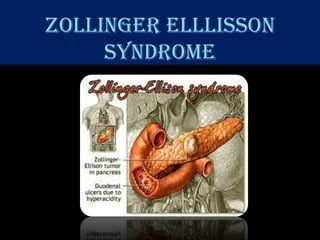
ZOLLINGER ELLLISSON
     SYNDROME
 Zollinger-Ellison syndrome is a condition in
 which there is increased production of the
 hormone gastrin, causing the stomach to
 produce excess hydrochloric acid
 Zollinger–Ellison syndrome is a triad of
gastric acid hypersecretion,
severe peptic ulceration, and
non-beta cell islet tumor of pancreas
 (gastrinoma)
Incidence andRisk factors


 Incidence
 Annual incidence is estimated at 1-2 cases per
  million.
 The condition is slightly more common in
  females than males (sex ratio of 1.3:1).
 ZES is usually diagnosed in the fifth decade of
  life

 Risk factors
 Multiple endocrine neoplasia type 1 syndrome,
 characterised by other endocrine tumours.
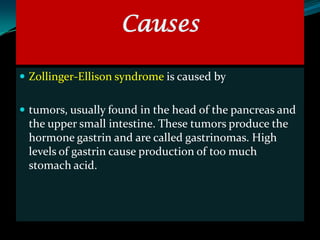
Causes

 Zollinger-Ellison syndrome is caused by


 tumors, usually found in the head of the pancreas and
 the upper small intestine. These tumors produce the
 hormone gastrin and are called gastrinomas. High
 levels of gastrin cause production of too much
 stomach acid.
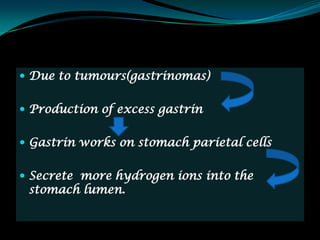
 Due to tumours(gastrinomas)


 Production of excess gastrin


 Gastrin works on stomach parietal cells


 Secrete more hydrogen ions into the
 stomach lumen.
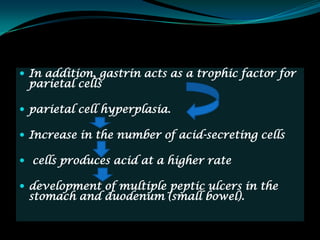
 In addition, gastrin acts as a trophic factor for
 parietal cells

 parietal cell hyperplasia.

 Increase in the number of acid-secreting cells

 cells produces acid at a higher rate

 development of multiple peptic ulcers in the
 stomach and duodenum (small bowel).
Signs and Symptoms

 Abdominal pain
 Diarrhea
 Vomiting blood (occasional)
 Signs include ulcers in the stomach and small
  intestine.
 Gnawing, burning pain in the abdomen
 This pain is usually located in the area between the
  breastbone and the navel.
 Sensation of pressure, bloating, or fullness
 This pain usually develops 30 to 90 minutes after a
  meal, and is often relieved by antacids.
 Pain or burning sensation in the abdomen that
  travels up toward the throat
 This is caused by heartburn, or gastroesophageal reflux
    and occurs when stomach contents back up into the
    esophagus
   Vomiting
   The vomit may contain blood or resemble coffee grounds.
   Diarrhea
   Stools may be foul smelling.
   Black, tarry stools
   Blood in the stools will turn them dark red or black, and
    make them tarry or sticky.
   Nausea
   Fatigue
   Weakness
   Weight loss
Diagnostic tests


 Tests include:
 Abdominal CT scan
 Calcium infusion test
 Endoscopic ultrasound
 Exploratory surgery
 Gastrin blood level
 Octreotide scan
 Secretin stimulation test
Complications
 Bleeding
 Perforation
 Fluid and electrolyte imbalance Complications
 Failure to locate the tumor during surgery
 Intestinal bleeding or hole (perforation) from ulcers in
  the stomach or duodenum
 Severe diarrhea and weight loss
 Spread of the tumor to other organs (most often liver
  and lymph nodes)
Treatment


 Medications

 Histamine H2-receptor antagonists
   (such as famotidine and ranitidine) are used to slow
    down acid secretion

 proton pump inhibitors ::These drugs reduce acid
  production by the stomach, and promote healing of
  ulcers in the stomach and small intestine. They also
  relieve abdominal pain and diarrhea.
 omeprazole, lansoprazole, etc
Surgery
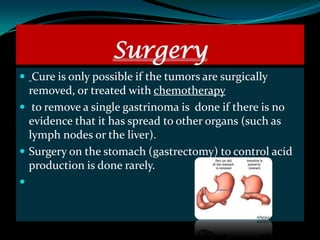
 Cure is only possible if the tumors are surgically
  removed, or treated with chemotherapy
 to remove a single gastrinoma is done if there is no
  evidence that it has spread to other organs (such as
  lymph nodes or the liver).
 Surgery on the stomach (gastrectomy) to control acid
  production is done rarely.

Prognosis

 Even with early diagnosis and surgery to remove the
 tumor, the cure rate is relatively low. However,
 gastrinomas grow slowly, and patients may live for
 many years after the tumor is discovered. Acid-
 suppressing medications are very effective at
 controlling the symptoms of too much acid
 production.
NURSING DIAGNOSIS
AND MANAGEMENT
 Nursing diagnosis
 1. Increased risk of GI bleeding and perforation of
 stomach, related to gastric or intestinal wall erosion.
 2. Increased risk of pyloric obstruction as complication of
 the peptic ulcer.
 3. Increased risk of anemia due to acute or chronic GI
 bleeding, related to ulcer.
 4. Pain and heartburn, related to diagnosis of peptic
 ulcer.
 5. Appetite changes and weight changes due to symptoms
 of the ulcer.
 6. Increased risk of aspiration due to vomiting, related to
 ulcer.
 7. Anxiety related to the symptoms of disease and fear of
 the unknown.
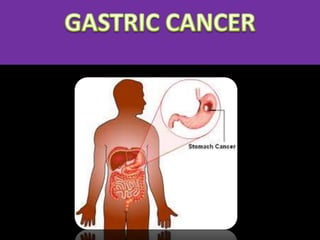
 Stomach cancer, or gastric cancer, refers to
  cancer arising from any part of the
  stomach. Stomach cancer causes about
  800,000 deaths worldwide per year. Gastric
  cancer was once the second most common
  cancer in the world.
                  OR
 A gastric carcinoma is a malignant tumour
  arising from the epithelium of the stomach
INCIDENCE
   Stomach cancer is the fourth most common cancer worldwide
   It is more common in men and in developing countries.
   Frequency
   United States
   The American Cancer Society estimates that 21,130 cases of gastric cancer was
    diagnosed in the year 2009 (12,820 in men, 8,310 in women) and that 10,620
    persons diedof the disease. Gastric cancer is the seventh leading cause of cancer
    deaths.

   International
   Once the second most common cancer worldwide, stomach cancer has dropped to
    fourth place, after cancers of the lung, breast, and colon and rectum.
   However, stomach cancer remains the second most common cause of death from
    cancer
   Ratesof the disease are highest in Asia and parts of South America and lowest in
    North America. The highest death rates are recorded in Chile, Japan, South
    America, and the former Soviet Union.
   Metastasis occurs in 80-90% of individuals with stomach cancer, with a six month
    survival rate of 65% in those diagnosed in early stages and less than 15% of those
    diagnosed in late stages.
 Mortality/Morbidity

 survival rate for curative surgical resection ranges from 30-50%
  for patients with stage II disease and from 10-25% for patients with
  stage III disease.
 The operative mortality rate less than 3%.
 high death rate (Approximately 800,000 per year) making it the
  second most common cause of cancer death worldwide after lung
  cancer

 Race
 The rates of gastric cancer are higher in Asian and South
  American countries than in the United States.
 Japan, Chile, and Venezuela have developed a very rigorous early
  screening program that detects patients with early stage disease
  (ie, low tumor burden). These patients appear to do quite well.
 In fact, in many Asian studies, patients with resected stage II
    and III disease tend to have better outcomes than similarly
    staged patients treated in Western countries.
   In the United States, Asian and Pacific Islander males and
    females have the highest incidence of stomach cancer, followed
    by black, Hispanic, white, American Indian, and Inuit
    populations.
   Sex
   In the United States, gastric cancer affects slightly more men
    than women
   Worldwide, however, gastric cancer rates are about twice as
    high in men as in women.
   Age
   Most patients are elderly at diagnosis.
   common in 50 – 70 yrs
STAGES
 The clinical stages of stomach cancer are:
 Stage 0. Limited to the inner lining of the
 stomach..

      (Stage I)
      (Stage 1A. Penetration to the second or
    third layers of the stomach.
 (Stage 1B).. the second layer and nearby
  lymph nodes.

.
 Stage II. Penetration to the second layer and
  more distant lymph nodes, or the third layer
  and only nearby lymph nodes, or all four layers
  but not the lymph nodes
 Stage III. Penetration to the third layer and
  more distant lymph nodes, or penetration to
  the fourth layer and either nearby tissues or
  nearby or more distant lymph nodes.
 Stage IV. Cancer has spread to nearby tissues
  and more distant lymph nodes, or has
  metastatized to other organs
ETIOLOGICAL FACTORS


   Diet

   Smoking
   . Helicobacter pylori infection

   Previous gastric surgery
   Genetic factors

    Li-Fraumeni syndrome
   familial adenomatous polyposis and
    Peutz-Jeghers syndrome
   Epstein-Barr virus

   Pernicious anemia

   Obesity
   Radiation exposure
   Bisphosphonates
DIFFERENTIAL DIAGNOSIS


 Esophagitis
 Gastric Ulcers
 Gastritis, Acute
 Gastritis, Atrophic
 Gastritis, Chronic
 Gastroenteritis, Bacterial
 Gastroenteritis, Viral
 Lymphoma, Non-Hodgkin
 Malignant Neoplasms of the Small Intestine
PATHOPHYSIOLOGY

 Initiation,prioliferation and progression


 The tumour growth is insiduos and follows
 a pattern of continuos
 infiltration.

 Cancer of stomach may spread by direct
 extension along the mucosal surface and
 infiltration through the gastric wall
 Once the stomach wall has been penetrated
 by tumour growth adjascent organs and
 structures that may become involed are the
 esophagus ,dueodenum , omentum,liver and
 pancreas

 Distant maetastasis is falicitated by rich
 lymphatic plexuses in the stomach wall.

 Seeding of tumour cells into the peritoneal
 cavity occurs late in the course of disease
CLINICAL FEATURES
   SYMPTOMS
   Abdominal fullness or pain which may occur after eat a small meal
   Dark stools
   Difficulty swallowing, which becomes worse over time
   Excessive belching
   General decline in health
   Loss of appetite
   Nausea
   Vomiting, which may contain blood
   Weakness or fatigue
   Weight loss

 SIGNS
 Diagnosis is often delayed because symptoms may not occur in the
  early stages of the disease.patients may self-treat symptoms that
  gastric cancer has in common with other, less serious gastrointestinal
  disorders (bloating, gas, heartburn, and a sense of fullness).
DIAGNOSTIC TESTS
 The following tests can help diagnose gastric cancer:
 History collection and physical examination
 Complete blood count (CBC) to check for anemia
 Esophagogastroduodenoscopy (EGD) with biopsy to
  examine the stomach tissue
 Stool test to check for blood in the stools

   Endoscopy:
   Upper Gastrointestinal Series/Barium Radiography
   Endoscopic Ultrasound
   Computed Tomography (CT) Scan
   Positron Emission Tomography (PET
   Magnetic Resonance Imaging (MRI)
   Chest X-Ray
COMPLICATIONS
 Mortality 1-2%
 Anastamotic leak, bleeding, ileus, transit
  failure, cholecystitis, pancreatitis,
  pulmonary infections, and
  thromboembolism.
 Late complications include dumping
  syndrome, vitamin B-12 deficiency, reflux
  esophagitis, osteoporosis.
MANAGEMENT
Surgery


 Chemotherapy

 Radiation therapy


Biological therapy


Radical surgery
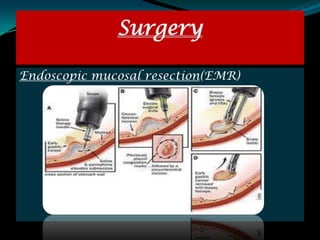
Surgery

Endoscopic mucosal resection(EMR)
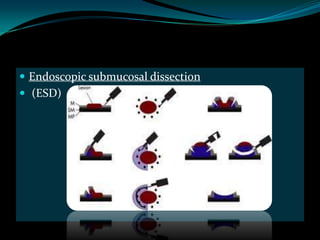
 Endoscopic submucosal dissection
 (ESD)
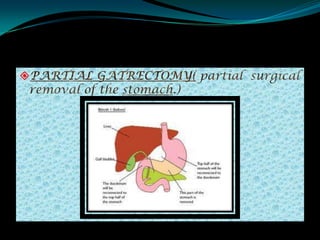
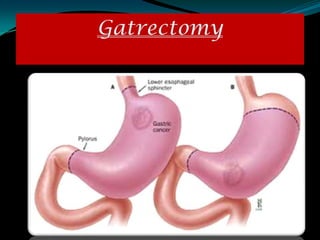
Gatrectomy
RADICAL SURGERY
 CRS(CYTO REDUCTIVE SURGERY)

         +
         HIPEC (HYPERTHERMIC
          INTRAPERITONEAL
          CHEMOTHERAPY)
Chemotherapy

Some drugs used in stomach cancer treatment have
  included:
 5-FU (fluorouracil)
 capecitabine,
 BCNU (carmustine),
 methyl-CCNU (Semustine), and
 doxorubicin(Adriamycin),
 Mitomycin C, and
 cisplatin and taxotere
 Clinical researchers have explored the benefits of
  giving chemotherapy before surgery to shrink the
  tumor, or as adjuvant therapy after surgery to
  destroy remaining cancer cells.
Radiation
 Radiation therapy (also called
  radiotherapy) is the use of high-energy rays
  to damage cancer cells and stop them from
  growing.
 When used, it is generally in combination
  with surgery and chemotherapy, or used
  only with chemotherapy in cases where the
  individual is unable to undergo surgery.
 Radiation therapy may be used to relieve
  pain or blockage by shrinking the tumor for
  palliation of incurable disease.
Multimodality therapy

 While previous studies of multimodality therapy
  (combinations of surgery, chemotherapy and
  radiation therapy) gave mixed results
 The combination of chemotherapy and radiation
  therapy in patients with nonmetastatic, completely
  resected gastric cancer is benefited.
 Patients were randomized after surgery to the
  standard group of observation alone, or the study
  arm of combination chemotherapy and radiation
  therapy.
 Those in the study arm receiving chemotherapy
  and radiation therapy survived on average 36
  months; compared to 27 months with observation
Residual Disease R Status
 Tumor status following resection.
 Assigned based on pathology of margins.
 R0- no residual gross or microscopic disease.
 R1- microscopic disease only.
 R2- gross residual disease.
 Long term survival only in R0 resection
“D” Nomenclature
 Describes extent of resection and
    lymphadenectomy.
   D1- removes all nodes within 3cm of tumor.
   D2- D1 plus hepatic, splenic, celiac, and left
    gastric nodes.
   D3- D2 plus omentectomy, splenectomy, distal
    pancreatectomy, clearance of porta hepatis
    nodes.
   Current standards include a D1 dissection only.
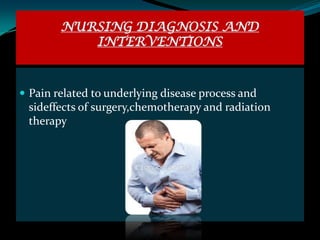
NURSING DIAGNOSIS AND
           INTERVENTIONS


 Pain related to underlying disease process and
 sideffects of surgery,chemotherapy and radiation
 therapy
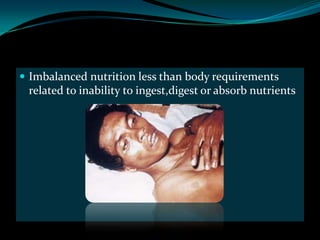
 Imbalanced nutrition less than body requirements
 related to inability to ingest,digest or absorb nutrients
 Activity intolerance related to generalized weakness
 ,abdominal discomfort and nutritional deficits
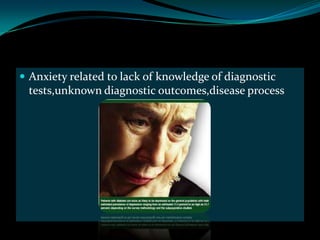
 Anxiety related to lack of knowledge of diagnostic
 tests,unknown diagnostic outcomes,disease process
 Anticipatory grieving related to percoieved
 unfavourable diagnosis and impending death.
PREVENTION

 Avoiding risk factors and increasing protective factors
    may help to prevent stomach cancer and includes
    avoiding;
   Certain medications like NSAIDS
   Certain diet like spicy foods
   Smoking
   Alcoholism
   Stress
   Helicobacter infection
RESEARCH STUDY
 RESEARCH IN STOMACH CANCER
 Current Areas of Stomach Cancer Research
 Stomach cancer research scientists are testing new approaches for treatment,
  including:

 Anticancer drugs and drug combinations
 Different methods, doses, and schedules of radiation therapy
 Combination therapy (which includes chemotherapy, surgery, and radiation
  therapy).

 Other research trials are studying the effectiveness of using biological therapy
  to treat the disease. This therapy uses substances made by the body or in a
  laboratory to boost, direct, or restore the body's natural defenses against
  cancer. This type of treatment is also called biotherapy or immunotherapy.
RESEARCH STUDIES
RELATED TO GASTRITIS
 New study identifies potential vaccine to prevent gastritis,
  ulcer disease, gastric cancer February 2, 2011 A new study led
  by researchers at Rhode Island Hospital in collaboration with
  the University of Rhode Island (URI) and EpiVax. Inc, a
  privately owned vaccine development company in Providence,
  RI, has identified a potential vaccine capable of reducing
  colonization of Helicobacter pylori (H. pylori) -- known cause
  of gastritis, ulcer disease and cancer.
RESCENT RESEARCH RELATED TO
GASTRIC CARCINOMA

   Risk of Cancer from Heartburn Pills

    The group of medicines which can alleviate heartburn quickly and is the most widely prescribed class
    of drugs in Britain can actually increase the risk of cancer, reveals a recent study.

   The group of medicines which can alleviate heartburn quickly and is the most widely prescribed class
    of drugs in Britain can actually increase the risk of cancer, reveals a recent study.


    Researchers said that the class of drugs commonly prescribed for heart burn known as proton pump
    inhibitors (PPIs), can increase the risk of cancer, heart disease and infections.


    Even though the drugs controlled symptoms of acid reflux, they actually increased the risk of cancer
    rather then reducing it.


    Peter Weissberg, medical director of the British Heart Foundation, said: "Doctors need to be sure they
    are really necessary." - JULY 25 2012
CONCLUSION
                      There is a plethora of literature
    concerning gastritis and peptic ulcer disease caused by
    the bacterium Helicobacter pylori. Nevertheless, there is
    still much to be learned about this bacterium and its
    effects on the human body. It may not be known exactly
    how H. pylori is transmitted but at least we are able to
    detect and eradicate the bacterium with relative ease
    and efficiency. Many new ways to help prevent and
    inhibit the activity of H. pylori are being discovered.
    Now it is up to the scientists to discover even better
    ways to treat the disease caused by this bacterium and to
    find ways to prevent the disease. When H. pylori’s mode
    of transmission is finally discovered, it may lead to more
    efficient ways to prevent transmission and infection. As
    a nurse its very important to give health education as
    primary prevention and also secondary and tertiary
    prevention once disease occurred.
WE WANT MORE NURSES……


 THANK UUU….
Stomach disorders
Stomach disorders

Stomach disorders

  • 2.
    PRESENTED BY, UMADEVI.K MSC NURSING MEDICAL SURGICAL NURSING DPT KERALA BANGALORE
  • 3.
    INTERVENTIONS FOR THE CLIENTSWITH DISORDERS OF STOMACH
  • 4.
    SUBTOPICS  GASTRITIS  PEPTICULCERATIVE DISEASE  ZOLLIGER ELLISON SYMDROME  GASTRIC CANCER
  • 5.
    ALERT MIND ANDTHINK CRITICALLY BEFORE DOING
  • 6.
  • 7.
    STRUCTURE OF STOMACHAND ADJACENT ORGANS
  • 8.
  • 9.
    INTRODUCTION  The stomachis an organ between the esophagus and the small intestine. It is where digestion of protein begins. The stomach has three tasks. It stores swallowed food. It mixes the food with stomach acids. Then it sends the mixture on to the small intestine.  There are many types of chronic disorders which affect the stomach. However since the symptoms are localized to this organ, the typical symptoms of stomach problems include nausea, vomiting, bloating, cramps, diarrhea and pain. Disorders of the stomach are very common and induce a significant amount of morbidity and suffering in the population. Data from hospitals indicate that more than 25% of the population suffers from some type of chronic stomach disorder including abdominal pain and indigestion. These symptoms occur for long periods and cause prolonged suffering, time off work and a poor quality of life.
  • 10.
  • 11.
    DEFINITION  Gastritis occurswhen the lining of the stomach becomes inflamed or swollen. OR Gastritis, an inflammation or irritation of the lining of the stomach
  • 12.
    TYPES   GASTRITIS    ACUTE CHRONIC  TYPE A ( FUNDAL) TYPE B (ANTRAL) SUPERFICIAL   HYPERATROPIC  ATROPIC
  • 13.
    OTHER TYPES  ACUTESTRESS GASTRITIS  PHEGMONOUS GASTRITIS  EROSIVE AND HEMORRHAGIC GASTRITIS  CHEMICAL  ENVIRONMENTAL
  • 14.
    INCIDENCE Mortality rate of65% (PHLEGMONOUS) No sexual predilection More common in adults, than in children Second most common cancer-related death. Korea, Japan, China, Taiwan high rates. 22,000 diagnosed annually in US. 14th most common cancer. Difficult to cure, as advanced disease.
  • 15.
    RISK FACTORS Helicobactor pyloriinfection Age Gastric irritants Chemotherapy and radiation therapy
  • 16.
    ETIOLOGY Medications Medical and surgicalconditions Infections Intake of spicy foods Alcohol Chemotherapy and radiationtherapy Swallowed foreign bodies (paper clips or pins) Trauma
  • 17.
    Chronic vomiting Smoking Extreme stress Eatingcorrosive substances Pernicious anemia Bile reflux
  • 18.
    PATHOPHYSIOLOGY A MUCOSAL BARRIERCOMPOSED OF PROSTAGLANDINS NORMALLY PROTECTS STOMACH TISSUE FROM AUTODIGESTION OF ACID WHEN THE BARRIERS IS BROKEN BECAUSE OF ETIOLOGICAL FACTOR,ACID CAN DIFFUSE INTO THE MUCOSA
  • 19.
     ALLOWS HCLTO ENTER THERE BY INCREASES THE SECRETION OF PEPSINOGEN AND RELEASE OF HISTAMINE FROM MAST CELLS  INJURY TO SMALL VESSELS  EDEMA,HEMORRHAGE AND ULCER FORMATION
  • 20.
    CLINICAL FEATURES  ASYMPTOMATIC Upper central abdominal pain  Nausea and Vomiting  Belching (if present, usually does not relieve the pain much)  Bloating  Feeling full after only a few bites of food  Loss of appetite  Unexplained weight loss
  • 21.
     In moresevere gastritis,  Bleeding may occur inside the stomach.  Pallor, sweating, and rapid heart beat.  Feeling faint or short of breath  Chest pain or severe stomach pain  Vomiting large amounts of blood  Bloody bowel movements or dark, sticky, very foul-smelling bowel movements
  • 22.
    DIAGNOSTIC EVALUATION  completehistory and physical exiamination  H. pylori tests  Breath test  Tissue test  Barium x rays  Stool test  Blood tests:  Blood cell count  Presence of H. pylori  Urinalysis  X-rays  ECGs An electrocardiogram(ECG, EKG) might be ordered if the patient's heartbeat is rapid or they are having chest pain.  Stomach biopsy, to test for gastritis and other conditions
  • 23.
    COMPLICATIONS Blood loss gastric cancer GIbleeding Reflux esophagitis PUD Chronic gastritis
  • 24.
    MANAGEMENT  MEDICAL MANAGEMENT Duringacute phase bed rest ,NPO,IV fluids Fluid and electrolyte balance (I/O Chart) For severe case NG tube intubation substances that trigger gastritis symptoms ANTIEMETICS FOR VOMITING  ANTACIDS
  • 25.
    ANTIBIOTICS Amoxicillin Clarithromycin (Biaxin) Metronidazole (Flagyl) Tetracycline CYTOPROTECTIVE AGENTS Coating agents: These medications protect the stomach's lining. Sucralfate (Carafate) - Coats and protects the stomach lining Misoprostol(Cytotec) -
  • 26.
    Magnesium-containing antacids Aluminum-containingantacids Calcium-containing antacids H2 antagonist (ranitidine ,emetidine ) Proton pump inhibitors (PPIs) - omeprazole (Prilosec) For patient with pernicious anemia;regular vit B12 Injection blood transfusion and fluid replacement Stop taking aspirin, ibuprofen
  • 27.
  • 28.
    VAGOTOMY Vagotomy isthe surgical cutting of the vagus nerve
  • 29.
    PYLOROPLASTY (Pyloroplasty isan elective surgical procedure in which the lower portion of the stomach, the pylorus, is cut and resutured
  • 30.
    Dietary management smaller,more frequent meals Avoid any foods which is irritating Limiting excessive use of alcohol Foods containing flavonoids, Mulltivitamins
  • 31.
     6-8 glassesof water  Omega 3 fatty acids to redude inflammation  Probiotics
  • 32.
    NURSING DIAGNOSIS AND MANGAMENT PAIN related to irritation of gasric mucosa Nausea and vomiting related to multiple etiologies as manifested by episodes of nausea and vomiting Fluid volumedeficit related to prolonged vomiting and inability to ingest digest and absorb food and fluid as manifested by decreased urinary output,increased urine concentration,increased pulse rate,hypotension
  • 33.
    Anxiety related tolack of knowledge of cause of the problegem,treatment plan and follow up care as manifested by verbalization of lack of knowledge Risk for altered nutrition less than body requirement related to nausea and vomiting as manifested by lack of interest in food,weight loss.
  • 34.
    PAIN INTERVENTIONS  ASSESSINTENSITY DURATION AND LOCATION OF PAIN  COMFORT POSITION AND MEASURES  MEDICATIONS  REVIEW FACTORS AGRAVETING PAIN  DIETARY MODIFICATIONS NAUSEA AND VOMITING Observe for potential complications Position the patient: To prevent aspiration  Conscious: semi fowler’s  Unconscious: lateral  Provide good oral care measures  Suction mouth
  • 35.
    FLUID VOLUME DEFICIT  Moniter vital signs,capillary refill,status  Daily fluidintake and output are monitored to detect early signs of dehydration  (minimum 1.5 lit/day)  Iv fluids 3L/day is administered usually  Identify actions to regain optimal fluid balance  Eg: Specific Fluid intake schedule  ANXIETY  Offer Supportive therapy to the patient  Explain all the procedures before doing  Provide calm and restful environment  Help the patient to identify and initiate positive coping behaviors in the past
  • 36.
  • 37.
    PREVENTION Avoid those thingsthat irritate or inflame the stomach's lining. Aspirin NSAIDs Smoking Caffeine and other caffeine-like substances Alcohol
  • 38.
    GASTRITIS FOLLOW UP Avoidthose things that irritate the stomach or cause symptoms to flare up. Take all medications as prescribed by the health care provider. Return for medical attention if symptoms worsen or persist. Report any new symptoms to a health care provider.
  • 40.
    DEFINITION  A pepticulcer, also known as PUD or peptic ulcer disease is the most common ulcer of an area of the gastrointestinal tract that is usually acidic and thus extremely painful. It is defined as mucosal erosions equal to or greater than 0.5 cm. OR  Peptic ulcer is the erosion of GI mucosa resulting from the action of HCL and pepsin that forms in the pylorus of stomach ,in the duodenum or in the esophagus
  • 41.
    CLASSIFICATION  By Region/Location Duodenum(called duodenal ulcer) Oesophagus (called esophageal ulcer) Stomach (called gastric ulcer) Meckel's diverticulum (called Meckel's diverticulum ulcer; is very tender with palpation)
  • 42.
    Modified Johnson Classificationof peptic ulcers: Type I: Ulcer along the body of the stomach, most often along the lesser curve at incisura angularis along the locus minoris resistantiae. Type II: Ulcer in the body in combination with duodenal ulcers. Associated with acid oversecretion. Type III: In the pyloric channel within 3 cm of pylorus. Associated with acid oversecretion. Type IV: Proximal gastroesophageal ulcer Type V: Can occur throughout the stomach. Associated with chronic NSAID use (such as aspirin).
  • 43.
    INCIDENCE  The incidenceof duodenal ulcers has dropped significantly during the last 30 years, while the incidence of gastric ulcers has shown a small increase, mainly caused by the widespread use of NSAIDs  Nowadays peptic ulcer disease is about just as common among women than among men  Duodenal ulcers are most frequent among individuals 30 to 55 years of age, while gastric ulcers are more common among individuals 55 to 70 years of age
  • 44.
    RISK FACTORS  Anincreased risk of peptic ulcers if:  Smoking may increase the risk of peptic ulcers in people who are infected with H. pylori.  Alcoholism  Have uncontrolled stress
  • 45.
     Factors associatedwith an increased risk of duodenal ulcers in the setting of NSAID use include  history of previous peptic ulcer disease,  advanced age,  female sex,  high doses or combinations of NSAIDs,  long-term NSAID use,  concomitant use of anticoagulants, and  severe comorbid illnesses.  Little evidence suggests that caffeine intake is associated with an increased risk of duodenal ulcers.
  • 46.
    ETIOLOGICAL FACTORS INFECTION DRUGS HYPERSECRETORY Gastrinoma Basophilic leukemias Cysticfibrosis Short bowel syndrome Lifestyle factors Severe physiologic stress Genetic factors
  • 47.
    Additional etiologic factors Any of the following may be associated with PUD:  Hepatic cirrhosis  Chronic obstructive pulmonary disease  Allergic gastritis and eosinophilic gastritis  Cytomegalovirus infection  Graft versus host disease  Corrosive gastropathy  Celiac disease  Autoimmune disease
  • 48.
    PATHOPHYSIOLOGY Peptic ulcers aredefects in the gastric or duodenal mucosa that extend through the muscularis mucosa. Irritation of gastric or duodenal mucosa due to various etiological factors Epithelial cells of the stomach and duodenum secrete mucus in response to irritation of the epithelial lining and as a result of cholinergic stimulation
  • 49.
    The superficial portionof the gastric and duodenal mucosa exists in the form of a gel layer, which is impermeable to acid and pepsin Other gastric and duodenal cells secrete bicarbonate, which aids in buffering acid that lies near the mucosa. Prostaglandins of the E type (PGE) increases the production of both bicarbonate and the mucous layer. In the event of acid and pepsin entering the epithelial cells, additional mechanisms are in place to reduce injury
  • 50.
    Within the epithelialcells, ion pumps in the basolateral cell membrane help to regulate intracellular pH by removing excess hydrogen ions.  Through the process of restitution, healthy cells migrate to the site of injury  Mucosal blood flow removes acid that diffuses through the injured mucosa and provides bicarbonate to the surface epithelial cells.
  • 51.
    SIGNS AND SYMPTOMS Bloatingand abdominal fullness; Nausea, and copious vomiting; Loss of appetite and weight loss; Pain Hematemesis Melena (Nausea or vomiting Unexplained weight loss Appetite changes(loss of appetite) Bloating Heartburn Waterbrash
  • 52.
    COMPLICATIONS Gastrointestinal bleeding Perforation Penetration Gastric outletobstruction. Cancer Exacerbation Gastric outlet obstruction Peritonitis
  • 53.
    DIAGNOSIS History collection andphysical examination Testing for Bacterial Infection Blood TesT Blood tests such as The enzyme-linked immunosorbent assay (ELISA) CBC Breath Tests Tissue Tests Barium X-rays
  • 54.
    MANAGEMENT GOALS OF TREATMENT The main goal for peptic ulcer treatment is the immediate relief of pain in the patient. to eliminate the conditions that aggravate it and to prevent recurrence. Relief of discomfort and protection of gastric mucosa from complications.
  • 55.
     3 stagesin medical treatment.  These are ;  the preventive,( by providing information and educating the population on how to identify symptoms and avoiding the causes of the disease)  curative and (where patients suffering the disease undergo treatment)  rehabilitation phases of treatment.( patient recovery and prevention of disease recurrence).
  • 56.
    MEDICAL MANAGMENT  Antibioticmedications  Pain Relief through Medications  Medications that block acid production and promote healing(PPI)  Medications to reduce acid production. (H2 BLOCKERS)  Antacids that neutralize stomach acid.
  • 57.
    Medications that protectthe lining of your stomach and small intestine NON MEDICAL MANAGEMENT .Lifestyle changes Eating meals at regular intervals. avoid or manage stressful conditions Avoid smoking Maintain proper diet and avoid food or beverages which upset the gastric mucosa like coffee, tea, colas and alcohol.
  • 58.
    Ulcers that failto heal Peptic ulcers that don't heal with treatment are called refractory ulcers. These reasons may include: Not taking medications according to directions. The fact that some types of H. pylori are resistant to antibiotics. Regular use of tobacco. Regular use of pain relievers that increase the risk of ulcers Extreme overproduction of stomach acid, such as occurs in Zollinger-Ellison syndrome An infection other than H. pylori Stomach cancer Other diseases that may cause ulcer-like sores in the stomach and small intestine, such as Crohn's disease Treatment for refractory ulcers generally involves eliminating factors that may interfere with healing, along with using different antibiotics
  • 59.
    SURGICAL INTERVENTIONS  vagotomy Vagotomyis the surgical cutting of the vagus nerve
  • 60.
    Truncal or totalabdominal vagotomy
  • 61.
  • 62.
  • 63.
  • 64.
    PYLOROPLASTY (Widening the openingof the bottom of the stomach  ANTRECTOMY  surgical removal, of a part of the stomach known as the antrum
  • 65.
    GASTRODUEODENOSTO MY(BILLROTH 1)  Removalof lower portion of antrum of stomach(which contains cells that secrete gastrin)as well as small portion of dueodenum and pylorus.the remaining segment is anostomised with dueodenum
  • 66.
    GASTROJEJUNOSTOMY(BILLROTH 2) Gastrojejunostomy (GJ)is a surgical procedure in which an anastomosis is created between the stomach and the proximal loop of the jejunum. .
  • 67.
    SUBTOTAL GASTRECTOMY WITH BILLROTH1 AND 2 ANASTOMOSIS) Removal of distal part of stomach and anastomised with dueodenum and jejunum  LOW HIGH
  • 68.
    DIETARY MANAGEMENT  ITINCLUDES;  Avoiding spicy foods, coffee, and alcohol  increasing consumption of bland foods and milk. Avoiding High–fiber diets  INTAKE Diets high in vitamin A  Avoid Green tea  Probiotics
  • 69.
    NURSING DIAGNOSIS AND MANAGEMENT Nursing diagnosis  Increased risk of GI bleeding and perforation of stomach, related to gastric or intestinal wall erosion.  Increased risk of pyloric obstruction as complication of the peptic ulcer.  increased risk of anemia due to acute or chronic GI bleeding, related to ulcer.  Pain and heartburn, related to diagnosis of peptic ulcer.. Appetite changes and weight changes due to symptoms of the ulcer.increased risk of aspiration due to vomiting, related to ulcer.  Anxiety related to the symptoms of disease and fear of the unknown.
  • 70.
    Goals  1. Reduce or completely eliminate contributing factors. 2. Assist with stress management. 3. Promote adequate nutrition. 4. Prevent avoidable injury. 5. Then surgical intervention prescribed, prevent postoperative complications. 6. Relief or diminish symptoms.
  • 71.
    Interventions 1. Assess, report, and record signs and symptoms and reactions to treatment. 2. Monitor fluids input and output closely. 3. Administer antacid agents, analgesics, H2-receptors antagonists, anticholinergics, sedatives as prescribed, monitor for side effects. 4. Monitor client’s vital signs and signs of possible GI bleeding or perforation closely. 5. Monitor laboratory tests results (CBC, electrolytes, Hb levels) for abnormal values. 6. Undertake appropriate intervention in case of GI bleeding, vomiting, or perforation. 7. Provide prescribed diet – avoid irritating foods, coffee, etc. 8. Prepare client and his family for surgical intervention if required for recurrent ulcer, hemorrhage, or perforation. 9. For client after surgical intervention provide postoperative care and inform about possible postoperative complications, such as dumping syndrome. 10. Provide emotional support to client, explain all procedures to decrease anxiety and to obtain cooperation. 11. Instruct client regarding disease progress, diagnostic procedures, treatment and its complications, home care, daily activities, diet, restrictions and follow-up.
  • 72.
    Nursingmanagement  1. Assess for chronic use of certain medications (such as aspirin, steroids). 2. Collect information of complaints that brought client to the hospital. 3. Obtain history of onset and progression of symptoms. 4. Obtain information of diet, use of alcohol and tobacco, ingestion of irritating foods, previous diseases or infections of GI tract, emotional stress. 5. Assess connection of pain attacks to meals, certain drugs, ingestion of coffee, alcohol. 6. Perform complete physical assessment including weight, vital signs, signs of GI bleeding, and acute abdomen. 7. Assess diagnostic tests and procedures for abnormal values.  Evaluation 1. Reports increased comfort, decreased anxiety. 2. Verbalizes absence of heartburn and pain. 3. No evidence of nausea, vomiting, GI bleeding, or acute abdomen. 4. Maintains stable vital signs, fluid balance, and body weight. 5. Laboratory tests results shows no abnormalities. 6. No postoperative complications. 7. Demonstration of understanding of disease progress, diagnostic and treatment procedures, prevention, and need for follow-up. 
  • 73.
  • 74.
     Zollinger-Ellison syndromeis a condition in which there is increased production of the hormone gastrin, causing the stomach to produce excess hydrochloric acid Zollinger–Ellison syndrome is a triad of gastric acid hypersecretion, severe peptic ulceration, and non-beta cell islet tumor of pancreas (gastrinoma)
  • 75.
    Incidence andRisk factors Incidence  Annual incidence is estimated at 1-2 cases per million.  The condition is slightly more common in females than males (sex ratio of 1.3:1).  ZES is usually diagnosed in the fifth decade of life  Risk factors  Multiple endocrine neoplasia type 1 syndrome, characterised by other endocrine tumours.
  • 76.
    Causes  Zollinger-Ellison syndromeis caused by  tumors, usually found in the head of the pancreas and the upper small intestine. These tumors produce the hormone gastrin and are called gastrinomas. High levels of gastrin cause production of too much stomach acid.
  • 77.
     Due totumours(gastrinomas)  Production of excess gastrin  Gastrin works on stomach parietal cells  Secrete more hydrogen ions into the stomach lumen.
  • 78.
     In addition,gastrin acts as a trophic factor for parietal cells  parietal cell hyperplasia.  Increase in the number of acid-secreting cells  cells produces acid at a higher rate  development of multiple peptic ulcers in the stomach and duodenum (small bowel).
  • 79.
    Signs and Symptoms Abdominal pain  Diarrhea  Vomiting blood (occasional)  Signs include ulcers in the stomach and small intestine.  Gnawing, burning pain in the abdomen  This pain is usually located in the area between the breastbone and the navel.  Sensation of pressure, bloating, or fullness  This pain usually develops 30 to 90 minutes after a meal, and is often relieved by antacids.  Pain or burning sensation in the abdomen that travels up toward the throat
  • 80.
     This iscaused by heartburn, or gastroesophageal reflux and occurs when stomach contents back up into the esophagus  Vomiting  The vomit may contain blood or resemble coffee grounds.  Diarrhea  Stools may be foul smelling.  Black, tarry stools  Blood in the stools will turn them dark red or black, and make them tarry or sticky.  Nausea  Fatigue  Weakness  Weight loss
  • 81.
    Diagnostic tests  Testsinclude:  Abdominal CT scan  Calcium infusion test  Endoscopic ultrasound  Exploratory surgery  Gastrin blood level  Octreotide scan  Secretin stimulation test
  • 82.
    Complications  Bleeding  Perforation Fluid and electrolyte imbalance Complications  Failure to locate the tumor during surgery  Intestinal bleeding or hole (perforation) from ulcers in the stomach or duodenum  Severe diarrhea and weight loss  Spread of the tumor to other organs (most often liver and lymph nodes)
  • 83.
    Treatment  Medications  HistamineH2-receptor antagonists  (such as famotidine and ranitidine) are used to slow down acid secretion   proton pump inhibitors ::These drugs reduce acid production by the stomach, and promote healing of ulcers in the stomach and small intestine. They also relieve abdominal pain and diarrhea.  omeprazole, lansoprazole, etc
  • 84.
    Surgery  Cure isonly possible if the tumors are surgically removed, or treated with chemotherapy  to remove a single gastrinoma is done if there is no evidence that it has spread to other organs (such as lymph nodes or the liver).  Surgery on the stomach (gastrectomy) to control acid production is done rarely. 
  • 85.
    Prognosis  Even withearly diagnosis and surgery to remove the tumor, the cure rate is relatively low. However, gastrinomas grow slowly, and patients may live for many years after the tumor is discovered. Acid- suppressing medications are very effective at controlling the symptoms of too much acid production.
  • 86.
    NURSING DIAGNOSIS AND MANAGEMENT Nursing diagnosis 1. Increased risk of GI bleeding and perforation of stomach, related to gastric or intestinal wall erosion. 2. Increased risk of pyloric obstruction as complication of the peptic ulcer. 3. Increased risk of anemia due to acute or chronic GI bleeding, related to ulcer. 4. Pain and heartburn, related to diagnosis of peptic ulcer. 5. Appetite changes and weight changes due to symptoms of the ulcer. 6. Increased risk of aspiration due to vomiting, related to ulcer. 7. Anxiety related to the symptoms of disease and fear of the unknown.
  • 88.
     Stomach cancer,or gastric cancer, refers to cancer arising from any part of the stomach. Stomach cancer causes about 800,000 deaths worldwide per year. Gastric cancer was once the second most common cancer in the world. OR  A gastric carcinoma is a malignant tumour arising from the epithelium of the stomach
  • 89.
    INCIDENCE  Stomach cancer is the fourth most common cancer worldwide  It is more common in men and in developing countries.  Frequency  United States  The American Cancer Society estimates that 21,130 cases of gastric cancer was diagnosed in the year 2009 (12,820 in men, 8,310 in women) and that 10,620 persons diedof the disease. Gastric cancer is the seventh leading cause of cancer deaths.  International  Once the second most common cancer worldwide, stomach cancer has dropped to fourth place, after cancers of the lung, breast, and colon and rectum.  However, stomach cancer remains the second most common cause of death from cancer  Ratesof the disease are highest in Asia and parts of South America and lowest in North America. The highest death rates are recorded in Chile, Japan, South America, and the former Soviet Union.  Metastasis occurs in 80-90% of individuals with stomach cancer, with a six month survival rate of 65% in those diagnosed in early stages and less than 15% of those diagnosed in late stages.
  • 90.
     Mortality/Morbidity  survivalrate for curative surgical resection ranges from 30-50% for patients with stage II disease and from 10-25% for patients with stage III disease.  The operative mortality rate less than 3%.  high death rate (Approximately 800,000 per year) making it the second most common cause of cancer death worldwide after lung cancer  Race  The rates of gastric cancer are higher in Asian and South American countries than in the United States.  Japan, Chile, and Venezuela have developed a very rigorous early screening program that detects patients with early stage disease (ie, low tumor burden). These patients appear to do quite well.
  • 91.
     In fact,in many Asian studies, patients with resected stage II and III disease tend to have better outcomes than similarly staged patients treated in Western countries.  In the United States, Asian and Pacific Islander males and females have the highest incidence of stomach cancer, followed by black, Hispanic, white, American Indian, and Inuit populations.  Sex  In the United States, gastric cancer affects slightly more men than women  Worldwide, however, gastric cancer rates are about twice as high in men as in women.  Age  Most patients are elderly at diagnosis.  common in 50 – 70 yrs
  • 92.
    STAGES  The clinicalstages of stomach cancer are:  Stage 0. Limited to the inner lining of the stomach..  (Stage I)  (Stage 1A. Penetration to the second or third layers of the stomach.  (Stage 1B).. the second layer and nearby lymph nodes.  .
  • 93.
     Stage II.Penetration to the second layer and more distant lymph nodes, or the third layer and only nearby lymph nodes, or all four layers but not the lymph nodes  Stage III. Penetration to the third layer and more distant lymph nodes, or penetration to the fourth layer and either nearby tissues or nearby or more distant lymph nodes.  Stage IV. Cancer has spread to nearby tissues and more distant lymph nodes, or has metastatized to other organs
  • 94.
    ETIOLOGICAL FACTORS  Diet  Smoking  . Helicobacter pylori infection  Previous gastric surgery  Genetic factors  Li-Fraumeni syndrome  familial adenomatous polyposis and  Peutz-Jeghers syndrome  Epstein-Barr virus  Pernicious anemia  Obesity  Radiation exposure  Bisphosphonates
  • 95.
    DIFFERENTIAL DIAGNOSIS  Esophagitis Gastric Ulcers  Gastritis, Acute  Gastritis, Atrophic  Gastritis, Chronic  Gastroenteritis, Bacterial  Gastroenteritis, Viral  Lymphoma, Non-Hodgkin  Malignant Neoplasms of the Small Intestine
  • 96.
    PATHOPHYSIOLOGY  Initiation,prioliferation andprogression  The tumour growth is insiduos and follows a pattern of continuos infiltration.  Cancer of stomach may spread by direct extension along the mucosal surface and infiltration through the gastric wall
  • 97.
     Once thestomach wall has been penetrated by tumour growth adjascent organs and structures that may become involed are the esophagus ,dueodenum , omentum,liver and pancreas  Distant maetastasis is falicitated by rich lymphatic plexuses in the stomach wall.  Seeding of tumour cells into the peritoneal cavity occurs late in the course of disease
  • 98.
    CLINICAL FEATURES  SYMPTOMS  Abdominal fullness or pain which may occur after eat a small meal  Dark stools  Difficulty swallowing, which becomes worse over time  Excessive belching  General decline in health  Loss of appetite  Nausea  Vomiting, which may contain blood  Weakness or fatigue  Weight loss  SIGNS  Diagnosis is often delayed because symptoms may not occur in the early stages of the disease.patients may self-treat symptoms that gastric cancer has in common with other, less serious gastrointestinal disorders (bloating, gas, heartburn, and a sense of fullness).
  • 99.
    DIAGNOSTIC TESTS  Thefollowing tests can help diagnose gastric cancer:  History collection and physical examination  Complete blood count (CBC) to check for anemia  Esophagogastroduodenoscopy (EGD) with biopsy to examine the stomach tissue  Stool test to check for blood in the stools   Endoscopy:  Upper Gastrointestinal Series/Barium Radiography  Endoscopic Ultrasound  Computed Tomography (CT) Scan  Positron Emission Tomography (PET  Magnetic Resonance Imaging (MRI)  Chest X-Ray
  • 100.
    COMPLICATIONS  Mortality 1-2% Anastamotic leak, bleeding, ileus, transit failure, cholecystitis, pancreatitis, pulmonary infections, and thromboembolism.  Late complications include dumping syndrome, vitamin B-12 deficiency, reflux esophagitis, osteoporosis.
  • 101.
    MANAGEMENT Surgery  Chemotherapy   Radiationtherapy Biological therapy Radical surgery
  • 102.
  • 103.
     Endoscopic submucosaldissection  (ESD)
  • 104.
  • 105.
    RADICAL SURGERY  CRS(CYTOREDUCTIVE SURGERY) + HIPEC (HYPERTHERMIC INTRAPERITONEAL CHEMOTHERAPY)
  • 106.
    Chemotherapy Some drugs usedin stomach cancer treatment have included:  5-FU (fluorouracil)  capecitabine,  BCNU (carmustine),  methyl-CCNU (Semustine), and  doxorubicin(Adriamycin),  Mitomycin C, and  cisplatin and taxotere  Clinical researchers have explored the benefits of giving chemotherapy before surgery to shrink the tumor, or as adjuvant therapy after surgery to destroy remaining cancer cells.
  • 107.
    Radiation  Radiation therapy(also called radiotherapy) is the use of high-energy rays to damage cancer cells and stop them from growing.  When used, it is generally in combination with surgery and chemotherapy, or used only with chemotherapy in cases where the individual is unable to undergo surgery.  Radiation therapy may be used to relieve pain or blockage by shrinking the tumor for palliation of incurable disease.
  • 108.
    Multimodality therapy  Whileprevious studies of multimodality therapy (combinations of surgery, chemotherapy and radiation therapy) gave mixed results  The combination of chemotherapy and radiation therapy in patients with nonmetastatic, completely resected gastric cancer is benefited.  Patients were randomized after surgery to the standard group of observation alone, or the study arm of combination chemotherapy and radiation therapy.  Those in the study arm receiving chemotherapy and radiation therapy survived on average 36 months; compared to 27 months with observation
  • 109.
    Residual Disease RStatus  Tumor status following resection.  Assigned based on pathology of margins.  R0- no residual gross or microscopic disease.  R1- microscopic disease only.  R2- gross residual disease.  Long term survival only in R0 resection
  • 110.
    “D” Nomenclature  Describesextent of resection and lymphadenectomy.  D1- removes all nodes within 3cm of tumor.  D2- D1 plus hepatic, splenic, celiac, and left gastric nodes.  D3- D2 plus omentectomy, splenectomy, distal pancreatectomy, clearance of porta hepatis nodes.  Current standards include a D1 dissection only.
  • 111.
    NURSING DIAGNOSIS AND INTERVENTIONS  Pain related to underlying disease process and sideffects of surgery,chemotherapy and radiation therapy
  • 112.
     Imbalanced nutritionless than body requirements related to inability to ingest,digest or absorb nutrients
  • 113.
     Activity intolerancerelated to generalized weakness ,abdominal discomfort and nutritional deficits
  • 114.
     Anxiety relatedto lack of knowledge of diagnostic tests,unknown diagnostic outcomes,disease process
  • 115.
     Anticipatory grievingrelated to percoieved unfavourable diagnosis and impending death.
  • 116.
    PREVENTION  Avoiding riskfactors and increasing protective factors may help to prevent stomach cancer and includes avoiding;  Certain medications like NSAIDS  Certain diet like spicy foods  Smoking  Alcoholism  Stress  Helicobacter infection
  • 117.
    RESEARCH STUDY  RESEARCHIN STOMACH CANCER  Current Areas of Stomach Cancer Research  Stomach cancer research scientists are testing new approaches for treatment, including:   Anticancer drugs and drug combinations  Different methods, doses, and schedules of radiation therapy  Combination therapy (which includes chemotherapy, surgery, and radiation therapy).   Other research trials are studying the effectiveness of using biological therapy to treat the disease. This therapy uses substances made by the body or in a laboratory to boost, direct, or restore the body's natural defenses against cancer. This type of treatment is also called biotherapy or immunotherapy.
  • 118.
    RESEARCH STUDIES RELATED TOGASTRITIS  New study identifies potential vaccine to prevent gastritis, ulcer disease, gastric cancer February 2, 2011 A new study led by researchers at Rhode Island Hospital in collaboration with the University of Rhode Island (URI) and EpiVax. Inc, a privately owned vaccine development company in Providence, RI, has identified a potential vaccine capable of reducing colonization of Helicobacter pylori (H. pylori) -- known cause of gastritis, ulcer disease and cancer.
  • 119.
    RESCENT RESEARCH RELATEDTO GASTRIC CARCINOMA  Risk of Cancer from Heartburn Pills  The group of medicines which can alleviate heartburn quickly and is the most widely prescribed class of drugs in Britain can actually increase the risk of cancer, reveals a recent study.   The group of medicines which can alleviate heartburn quickly and is the most widely prescribed class of drugs in Britain can actually increase the risk of cancer, reveals a recent study.  Researchers said that the class of drugs commonly prescribed for heart burn known as proton pump inhibitors (PPIs), can increase the risk of cancer, heart disease and infections.  Even though the drugs controlled symptoms of acid reflux, they actually increased the risk of cancer rather then reducing it.  Peter Weissberg, medical director of the British Heart Foundation, said: "Doctors need to be sure they are really necessary." - JULY 25 2012
  • 120.
    CONCLUSION  There is a plethora of literature concerning gastritis and peptic ulcer disease caused by the bacterium Helicobacter pylori. Nevertheless, there is still much to be learned about this bacterium and its effects on the human body. It may not be known exactly how H. pylori is transmitted but at least we are able to detect and eradicate the bacterium with relative ease and efficiency. Many new ways to help prevent and inhibit the activity of H. pylori are being discovered. Now it is up to the scientists to discover even better ways to treat the disease caused by this bacterium and to find ways to prevent the disease. When H. pylori’s mode of transmission is finally discovered, it may lead to more efficient ways to prevent transmission and infection. As a nurse its very important to give health education as primary prevention and also secondary and tertiary prevention once disease occurred.
  • 121.
    WE WANT MORENURSES……
  • 122.