Disorders   of   the   Gastrointestinal   System Orlando Regional Medical Center 2008
 
Intestinal   Obstructions
Intestinal Obstruction Blockage of intestinal tract that inhibits passage of fluid, gas, feces Caused by mechanical obstruction ( strangulated hernia, adhesion, cancer, volvulus, intussusception ) neurogenic obstruction ( paralytic ileus, uremia, electrolyte imbalance(low K), spinal cord lesion ) Vascular disease ( occlusion of superior mesentery vessels)
Intestinal Obstructions Paralytic Ileus  or “silent bowel” is most often seen after abdominal surgery & anesthesia  bowel activity is < due to lack of neural stimuli (“functional”)  this can lead to “mechanical” obstruction due to accumulation of feces  Hernias:  a loop of bowel protrudes through abdominal wall  inguinal canal, umbilicus, or incisional scar tissue  caused by heavy lifting, straining, or coughing
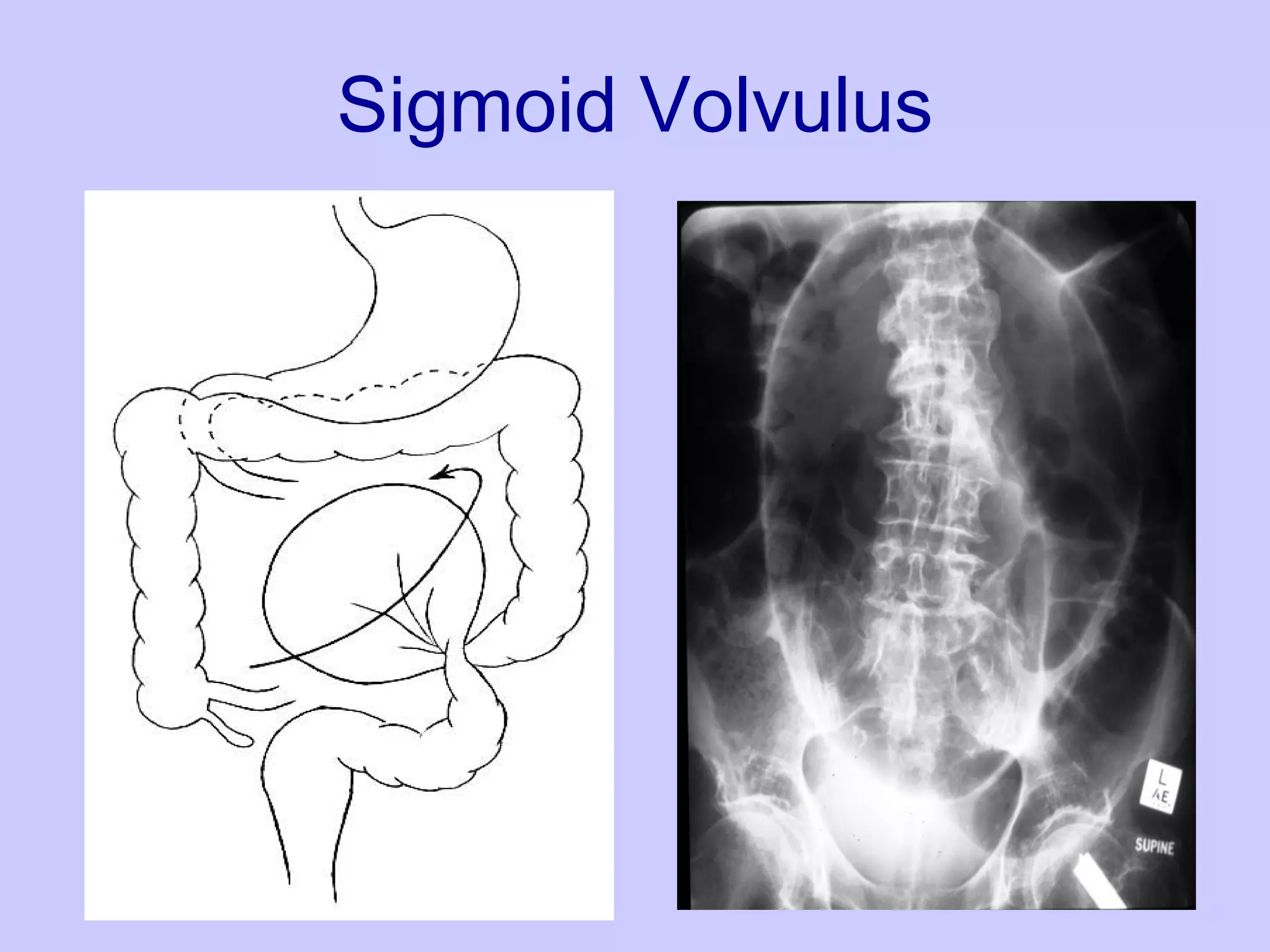
Sigmoid Volvulus Sigmoid Volvulus  (twisting): usually seen in the older individual with a history of straining at stool  Symptoms: abdominal distention, nausea, vomiting, and crampy abdominal pain; check history of flatus and BMs  Abrupt onset is indicative of an acute obstruction Sudden onset due to “torsion or hernia?” A chronic history of constipation is related to a dx of diverticulitis or carcinoma  Obstipation (no flatus or BM) & loss of weight = carcinoma
Sigmoid Volvulus
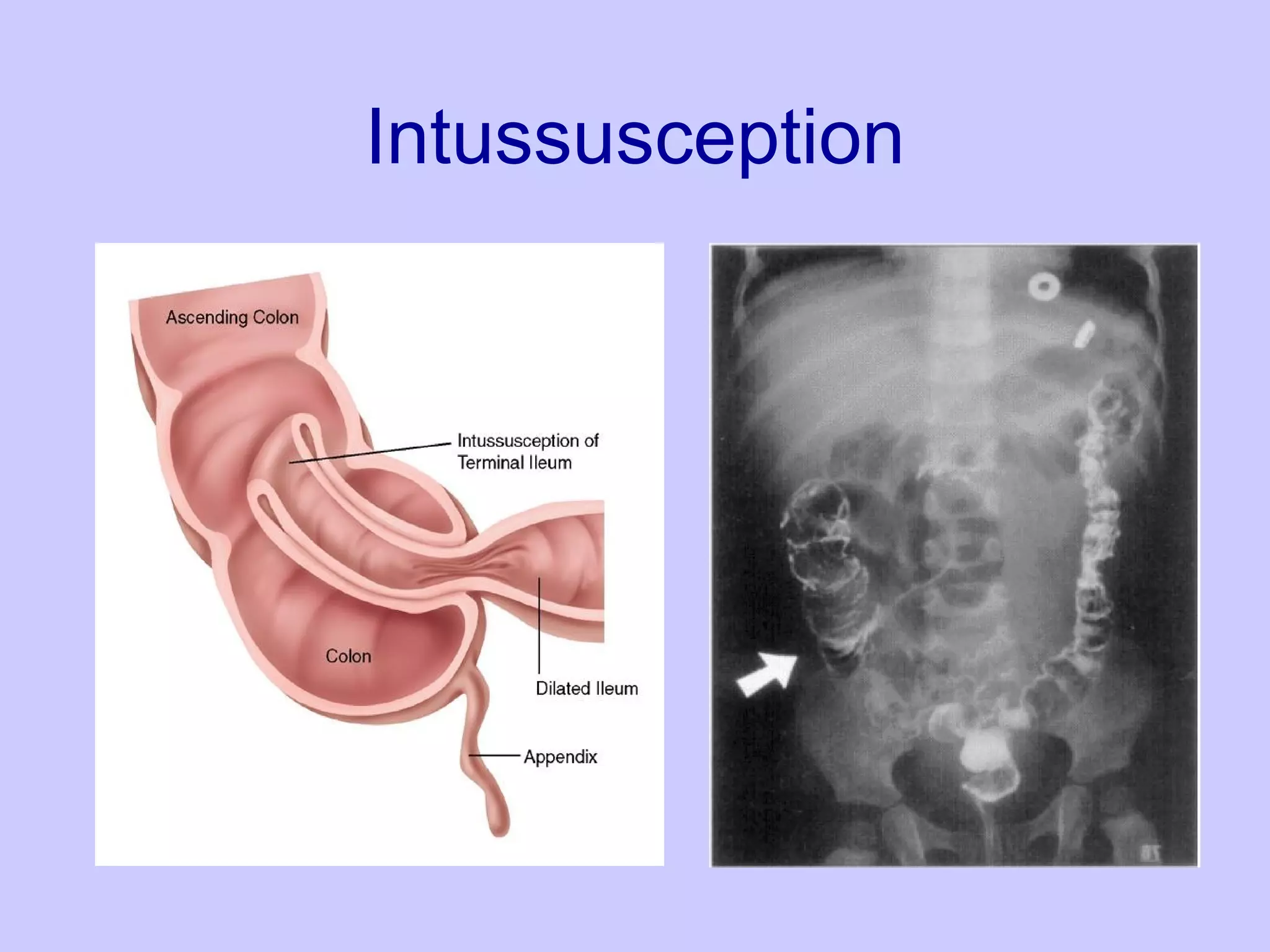
Intussusception only 5-15 % occurrence in adults s/s colicky abd pain, nausea, vomit, diarrhea, constipation diagnosed by barium enema, CT scan treated via surgical resection
Intussusception
Small Bowel Obstruction “ Never let the sun rise or set on a small bowel obstruction.” (surgical saying)
Small  Bowel Obstruction Causes of SBO: Adhesions  (post-surgical, post-inflammatory) Incarcerated hernia Malignancy : usually metastatic Intussusception Volvulus Gallstone ileus Parasites Foreign   body
Small  Bowel Obstruction Causes of small bowel obstruction include: Adhesions  from previous abdominal surgery  Hernias  containing bowel  Crohn's   disease  causing adhesions or inflammatory strictures  Neoplasms   benign or malignant  Intussusception  in children  Volvulus   Superior   mesenteric   artery syndrome  a compression of the duodenum by the superior mesenteric artery and the abdominal aorta  Ischemic strictures   Foreign bodies  (e.g. gallstones in gallstone ileus, swallowed objects)  Intestinal atresia   Parasites
Small  Bowel Obstruction Signs & Symptoms of Small Bowel Obstruction:   Abdominal pain  Vomiting     Elimination problems (Diarrhea)     Bloating
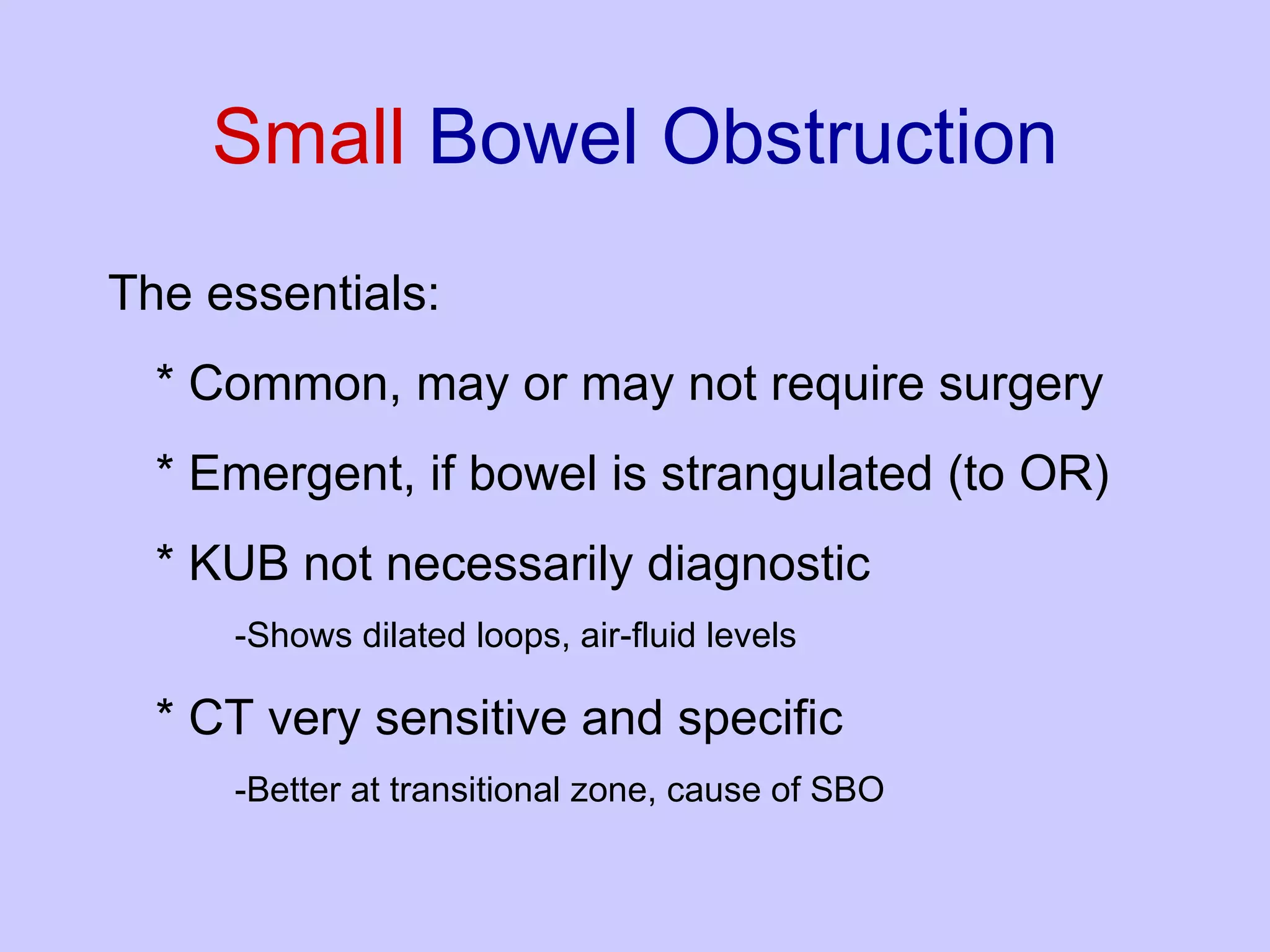
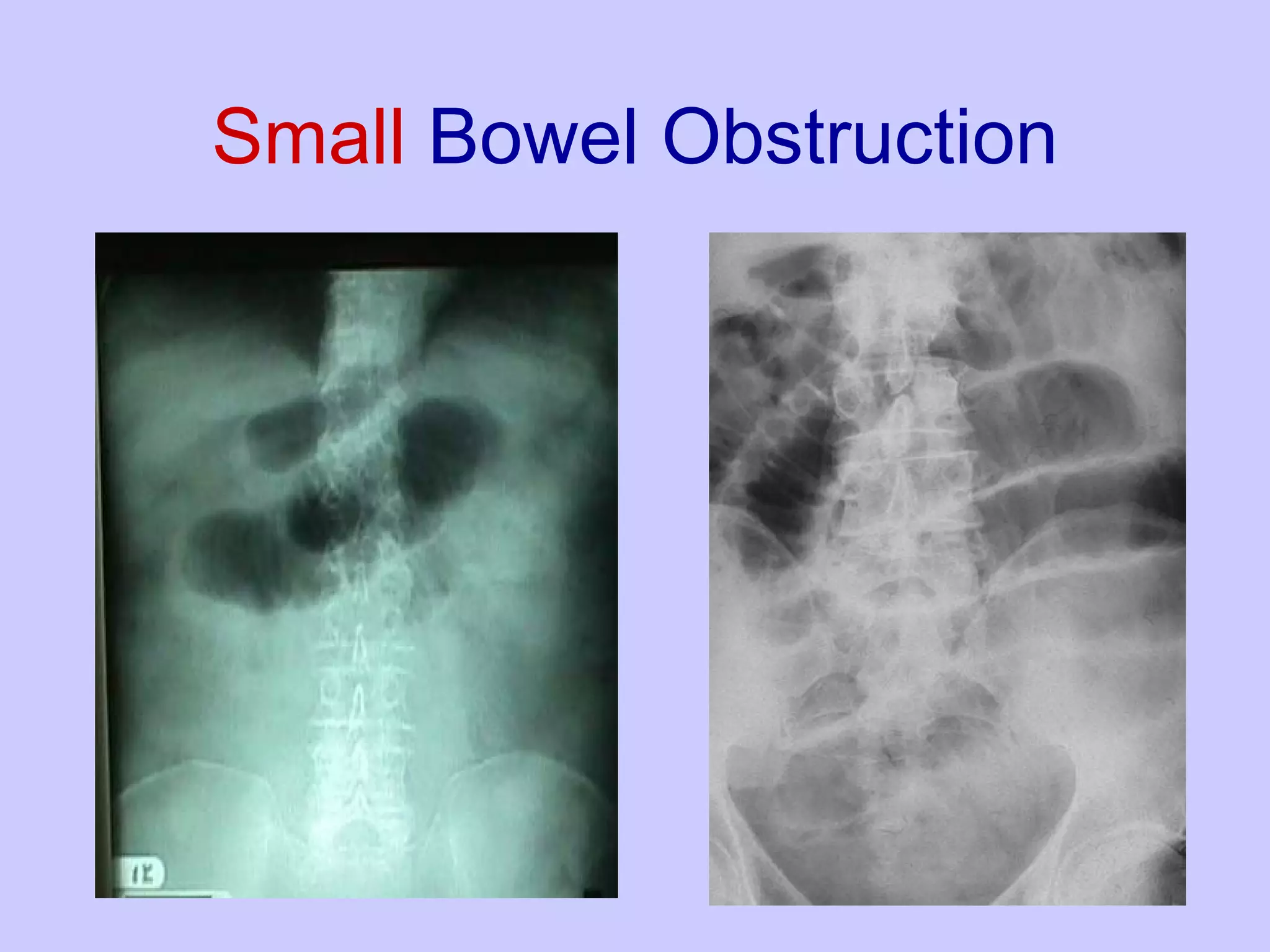
Small  Bowel Obstruction The essentials: * Common, may or may not require surgery * Emergent, if bowel is strangulated (to OR) * KUB not necessarily diagnostic -Shows dilated loops, air-fluid levels * CT very sensitive and specific -Better at transitional zone, cause of SBO
Small  Bowel Obstruction
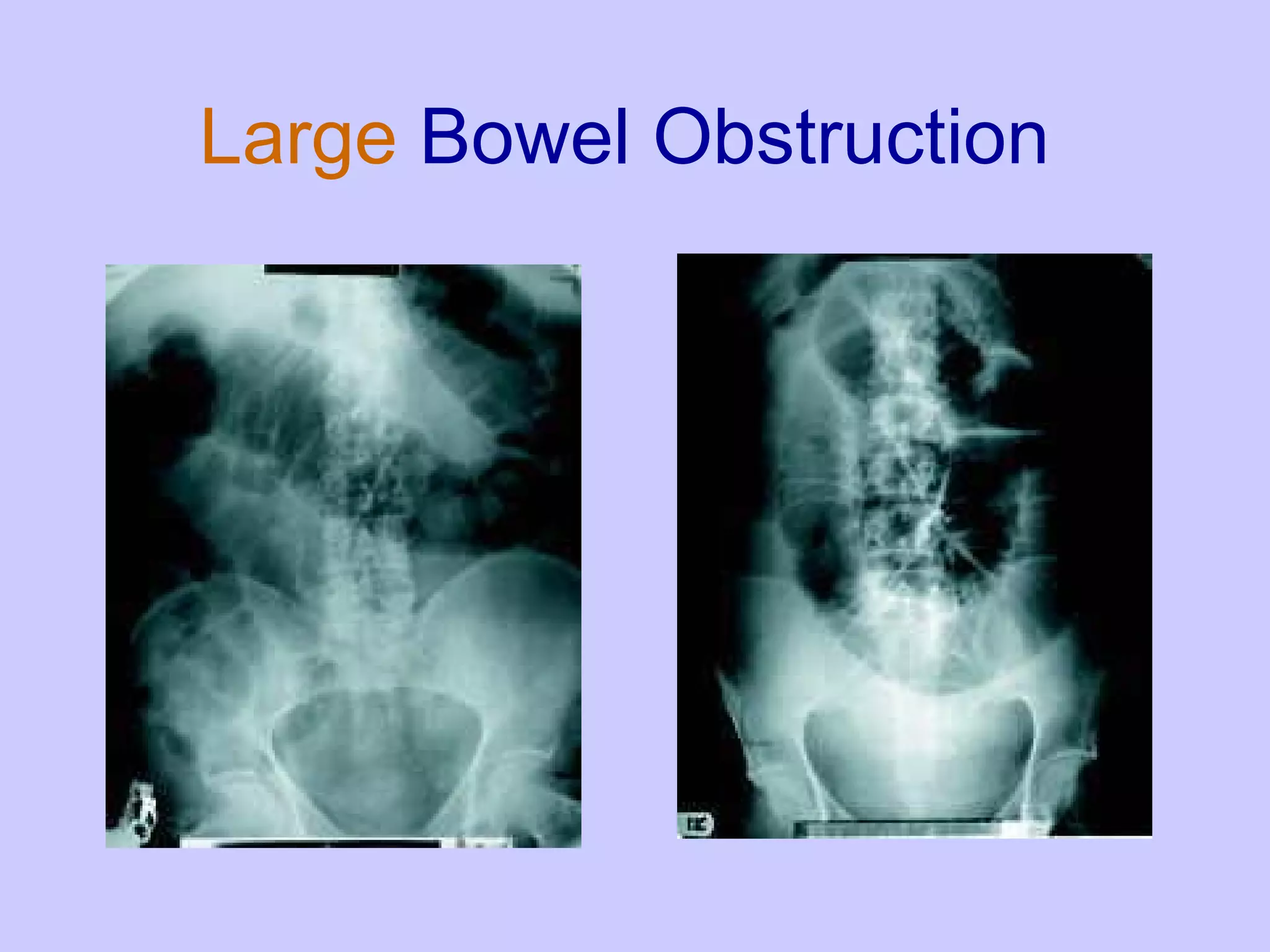
Large  Bowel Obstruction A large bowel obstruction is an emergency condition that requires early & prompt surgical intervention  Etiology:  infectious / inflammatory, neoplastic, or mechanical pathology (colorectal cancer)  Rotation or twisting of the cecum or sigmoid colon will cause abrupt onset of symptoms Immediate abdominal distention Decreases the ability to absorb Fluids & Electrolytes
Large   Bowel Obstruction Causes of large bowel obstruction include: Neoplasms  Hernias  Inflammatory bowel disease  Colonic volvulus  (sigmoid, caecal, transverse colon)  Fecal impaction  Colon atresia  Benign strictures  (Diverticular Disease)
Large   Bowel Obstruction Signs & Symptoms of Large Bowel Obstruction:   Abdominal pain  Vomiting ( not common )     Elimination problems (Constipation or Loose)     Bloating
Large  Bowel Obstruction
When to Operate? Incarcerated or strangulated hernia Peritonitis Pneumoperitoneum Suspected strangulation Closed loop obstruction Complete obstruction Virgin abdomen LARGE bowel obstruction
Gastrointestinal Disorders
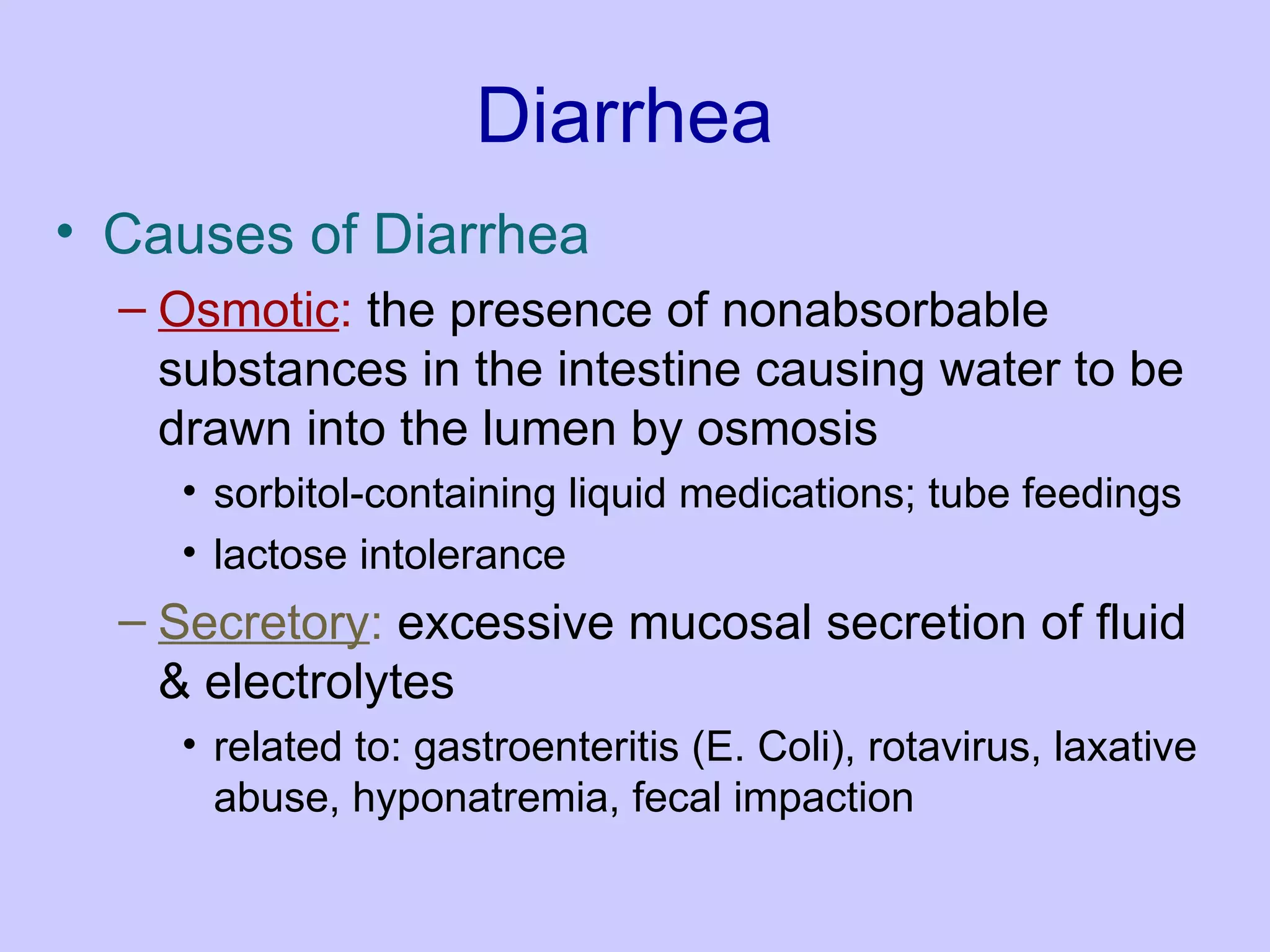
Diarrhea Causes of Diarrhea Osmotic :  the presence of nonabsorbable substances in the intestine causing water to be drawn into the lumen by osmosis  sorbitol-containing liquid medications; tube feedings  lactose intolerance  Secretory :  excessive mucosal secretion of fluid & electrolytes  related to: gastroenteritis (E. Coli), rotavirus, laxative abuse, hyponatremia, fecal impaction
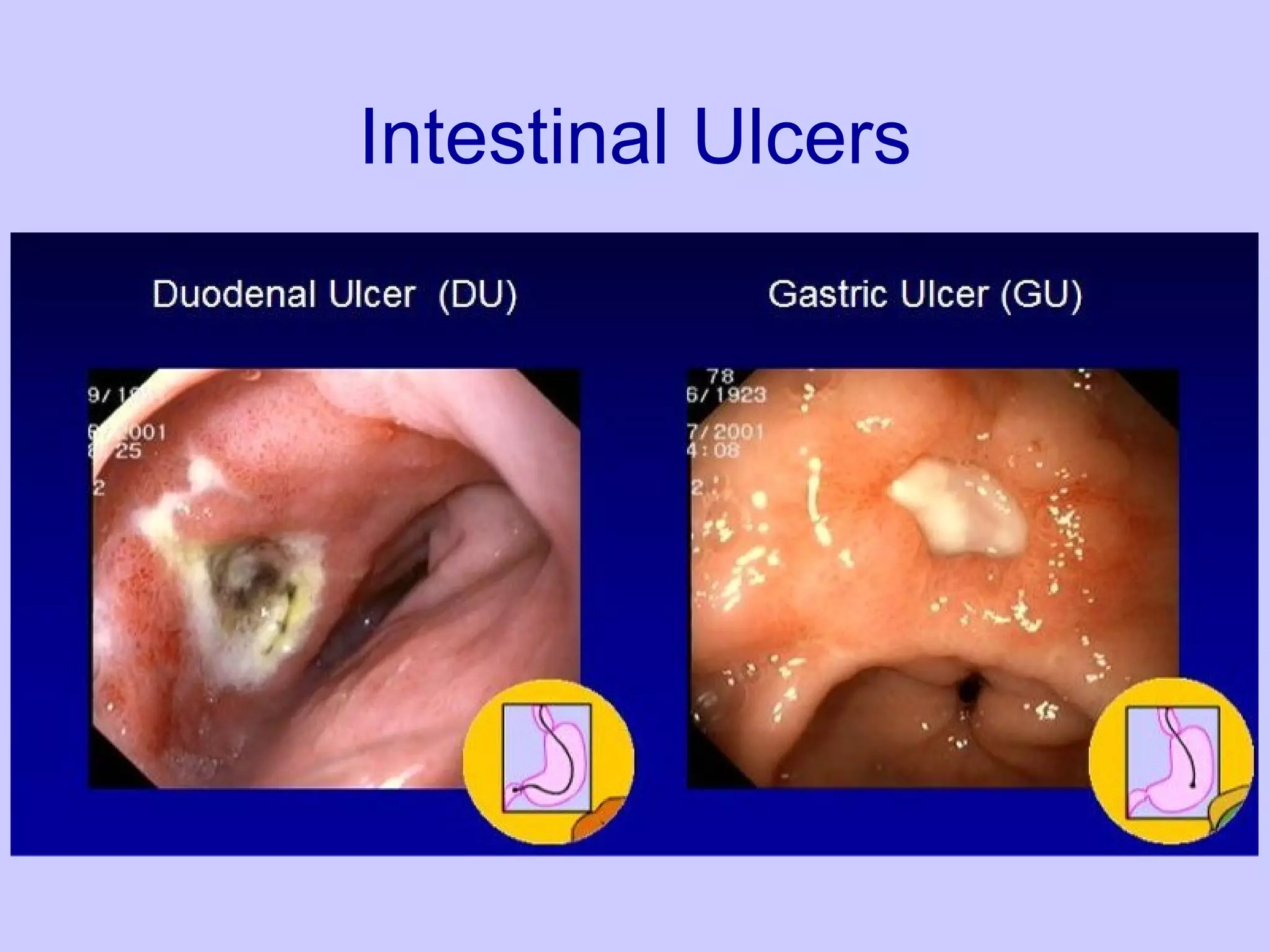
Intestinal Ulcers
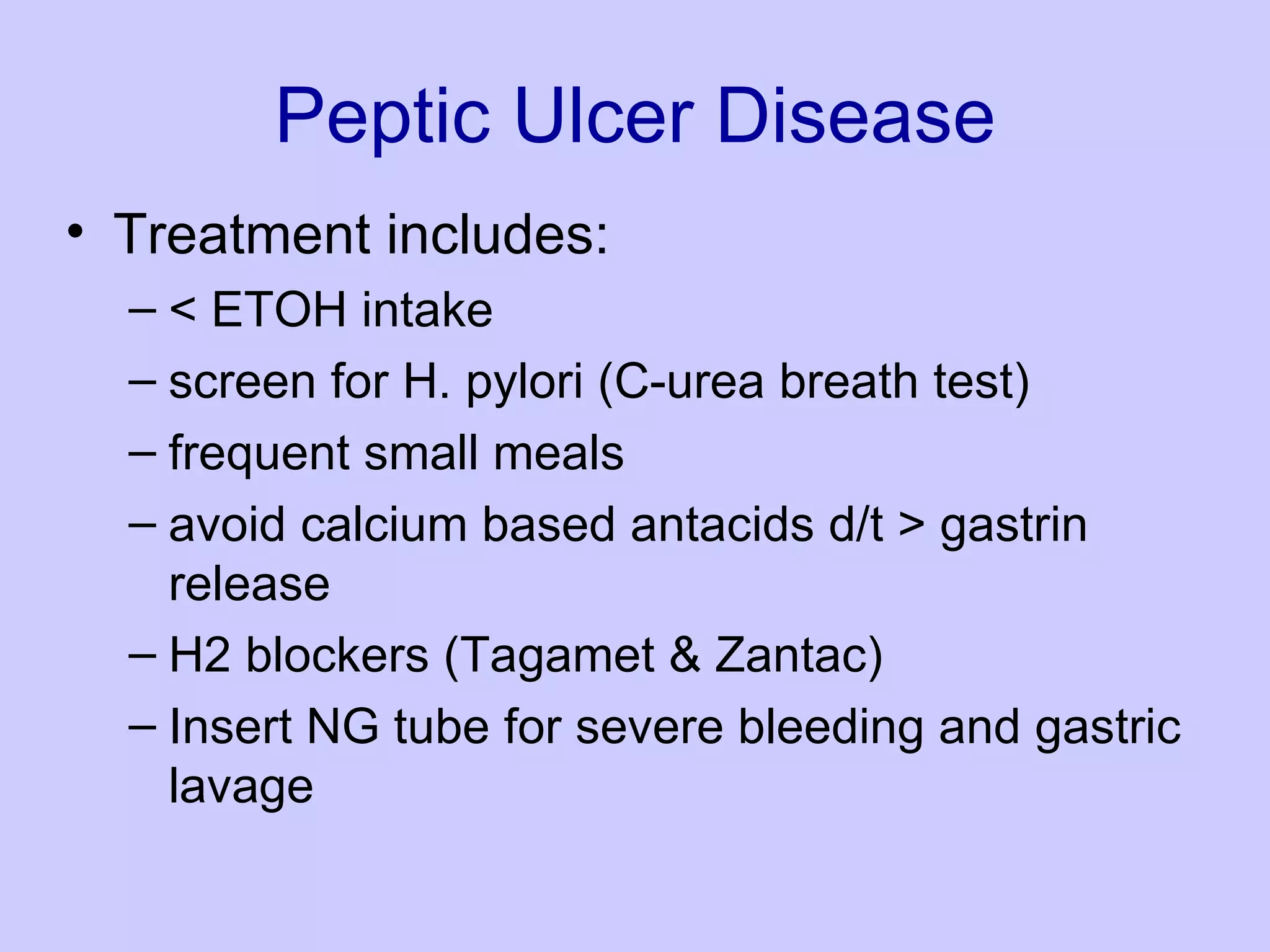
Peptic Ulcer Disease An inflammatory disorder causing deep erosion of stomach or duodenal mucosa by HCL & pepsin  At risk: infection with H. pylori; > NSAIDS; > secretion of HCL as seen in Zollinger-Ellison syndrome  Etiology: age, family hx > mucolytic enzymes; may lead to pyloric obstruction, bowel perforation and ultimately peritonitis  Sx: hallmark sign = upper gastric pain Emergency: hematemesis, melena, occult blood, shock
Peptic Ulcer Disease Treatment includes:  < ETOH intake  screen for H. pylori (C-urea breath test)  frequent small meals  avoid calcium based antacids d/t > gastrin release  H2 blockers (Tagamet & Zantac)  Insert NG tube for severe bleeding and gastric lavage
Bowel   Disorders Ulcerative Colitis A disease that causes inflammation and sores in the lining of the large intestine. Crohn’s Disease A disease that causes inflammation in the small intestine, but it may affect   any part of the GI tract.  Smoking, diet, and/or immune response to bacteria
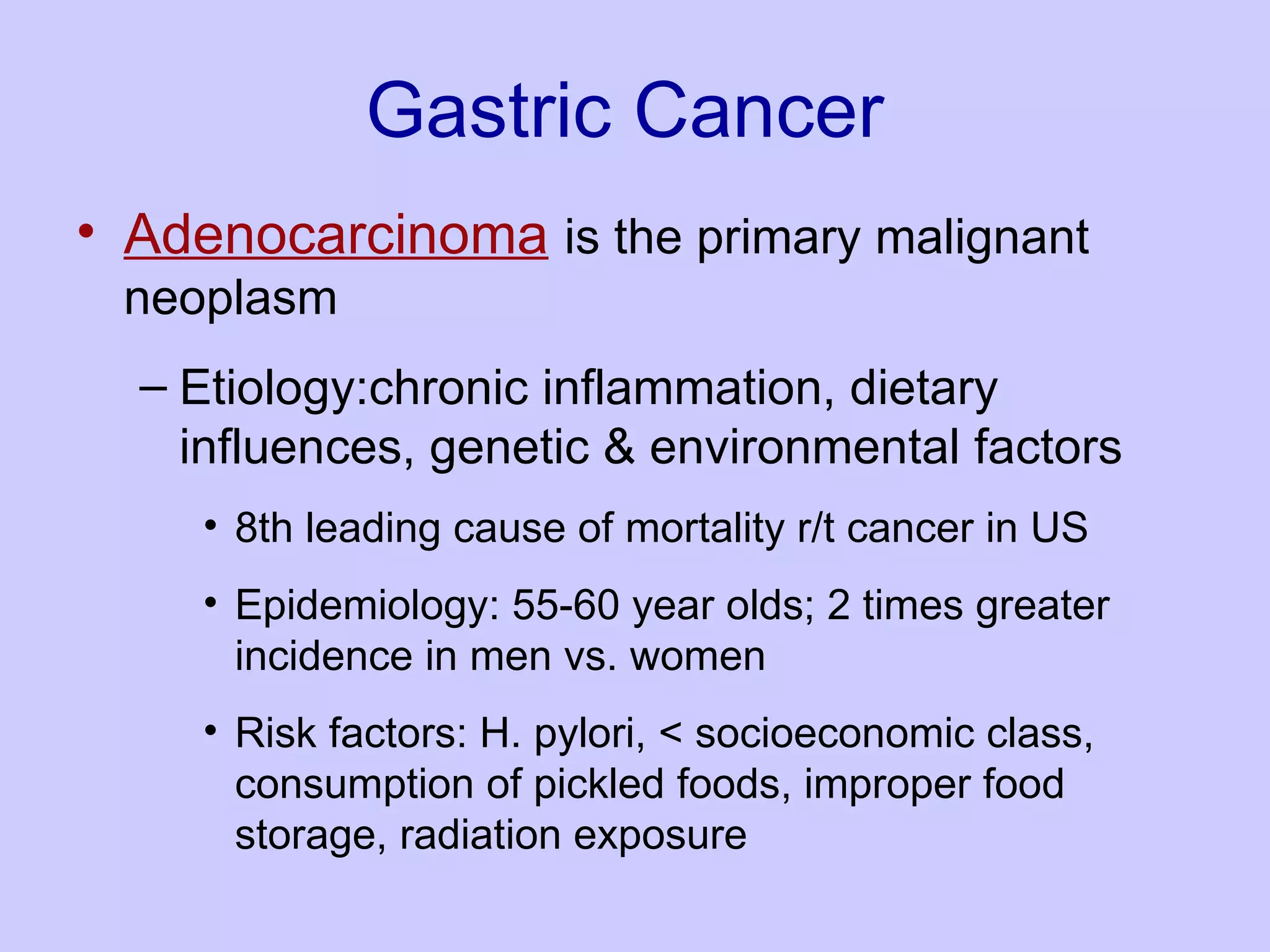
Gastric Cancer Adenocarcinoma   is the primary malignant neoplasm  Etiology:chronic inflammation, dietary influences, genetic & environmental factors 8th leading cause of mortality r/t cancer in US  Epidemiology: 55-60 year olds; 2 times greater incidence in men vs. women  Risk factors: H. pylori, < socioeconomic class, consumption of pickled foods, improper food storage, radiation exposure
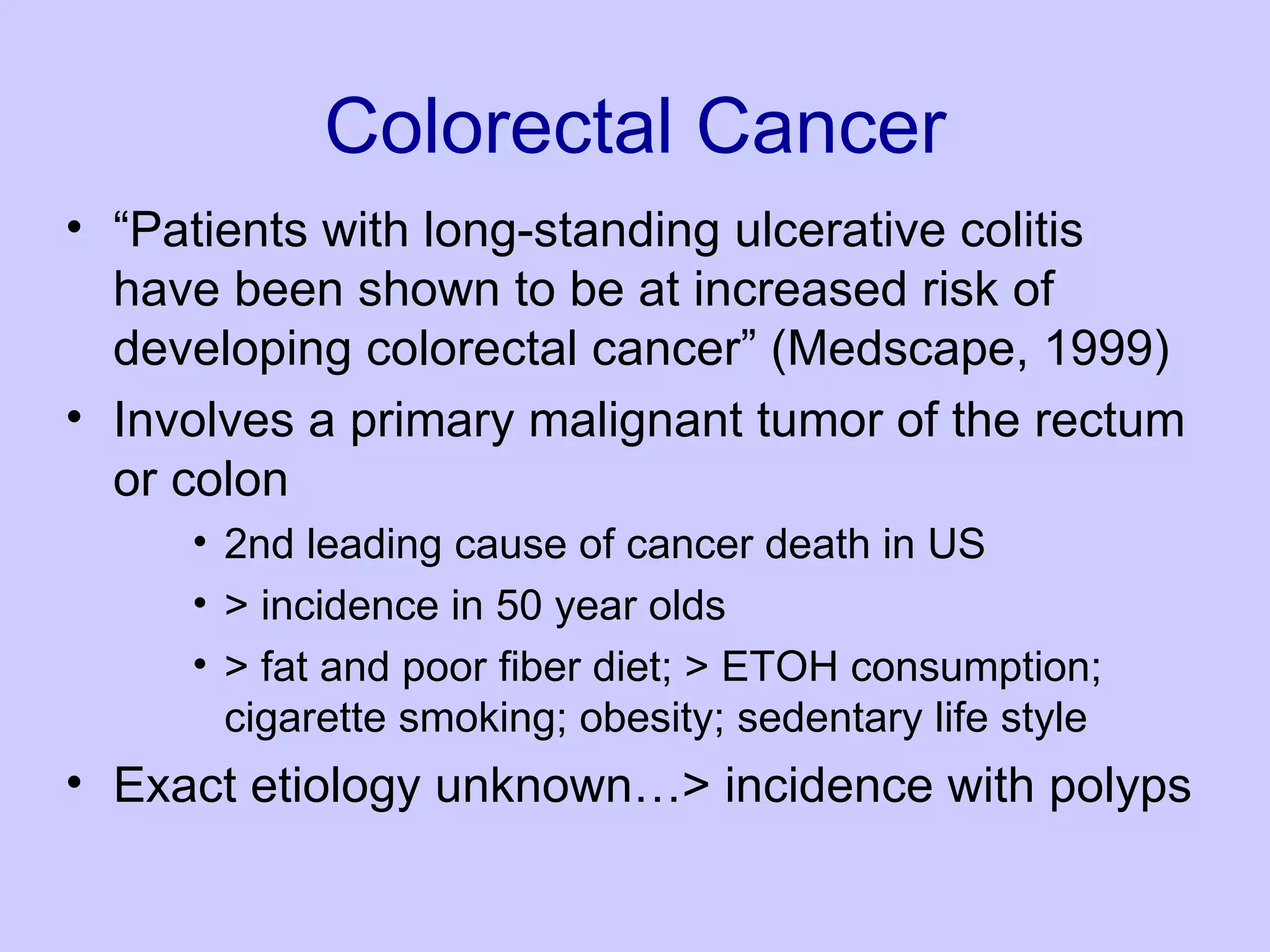
Colorectal Cancer “ Patients with long-standing ulcerative colitis have been shown to be at increased risk of developing colorectal cancer” (Medscape, 1999)  Involves a primary malignant tumor of the rectum or colon  2nd leading cause of cancer death in US  > incidence in 50 year olds  > fat and poor fiber diet; > ETOH consumption; cigarette smoking; obesity; sedentary life style  Exact etiology unknown…> incidence with polyps
Colorectal Cancer Symptoms:   fecal occult blood or ulcerative lesions manifest as anemia or rectal bleeding  distention, abdominal pain, vomiting, constipation  metastatic disease: weight loss, anorexia, possible palpable mass  Prevention:   ASA may < risk; routine monitoring for guaic (+)  Treatment:   colostomy repair; permanent colostomy for rectal tumors
Gastrointestinal Bleeding
Terms of GI Bleeding Hematemesis   – vomiting of blood (or coffee ground material) (indicates bleeding proximal to the Treitz) Melena   – passage of black tarry stools > 50ml (indicates degradation of blood in the bowel) Hematochezia   (rectal bleeding) – passage of red blood  Occult Bleeding   – bleeding that is not apparent to the patient and results from small amounts of blood Obscure Bleeding   – occult or obvious but source not identified
Localization of GI Bleeding Hematemesis  – always UGI source Melana   – indicates that blood has been in GIT for  extended periods  Mostly UGI Small bowel Right colon (if  bleeding relatively slow) Hematochezia   Mostly colon Massive UGI bleeding (not enough time for degradation)
GI Bleeding Upper:  includes the esophagus, stomach, duodenum   peptic ulcer disease (PUD) or esophageal varices  Lower:  includes the jejunum, ileum, colon, rectum   colorectal cancer, polyps, hemorrhoids, IBD  Manifestations:   hematemesis bright red blood in the stool (“ hematochezia ”)  black,dark, tarry stools (“ melena ”)  “ occult ”  bleeding (invisible blood in the stool)  Treatment:  find the underlying cause; fluid volume replacement; endoscopy or colonoscopy; medical and /or surgical therapy
Acute UGI Bleeding  Mallory-Weiss Tear Mucosal laceration at the GEJ 10% of cases Typically follows retching but mostly on 1st vomit (75%) 90% stop bleeding spontaneously Endoscopic Therapy sometimes required
Acute UGI Bleeding Portal Hypertension Sources of bleeding: Esophageal varices Gastric varices Portal hypertensive gastropathy Urgent gastroscopy: Sclerotherpay Band ligation Somatostatin Balloon tamponade (Sengstaken-Blackmore tube)
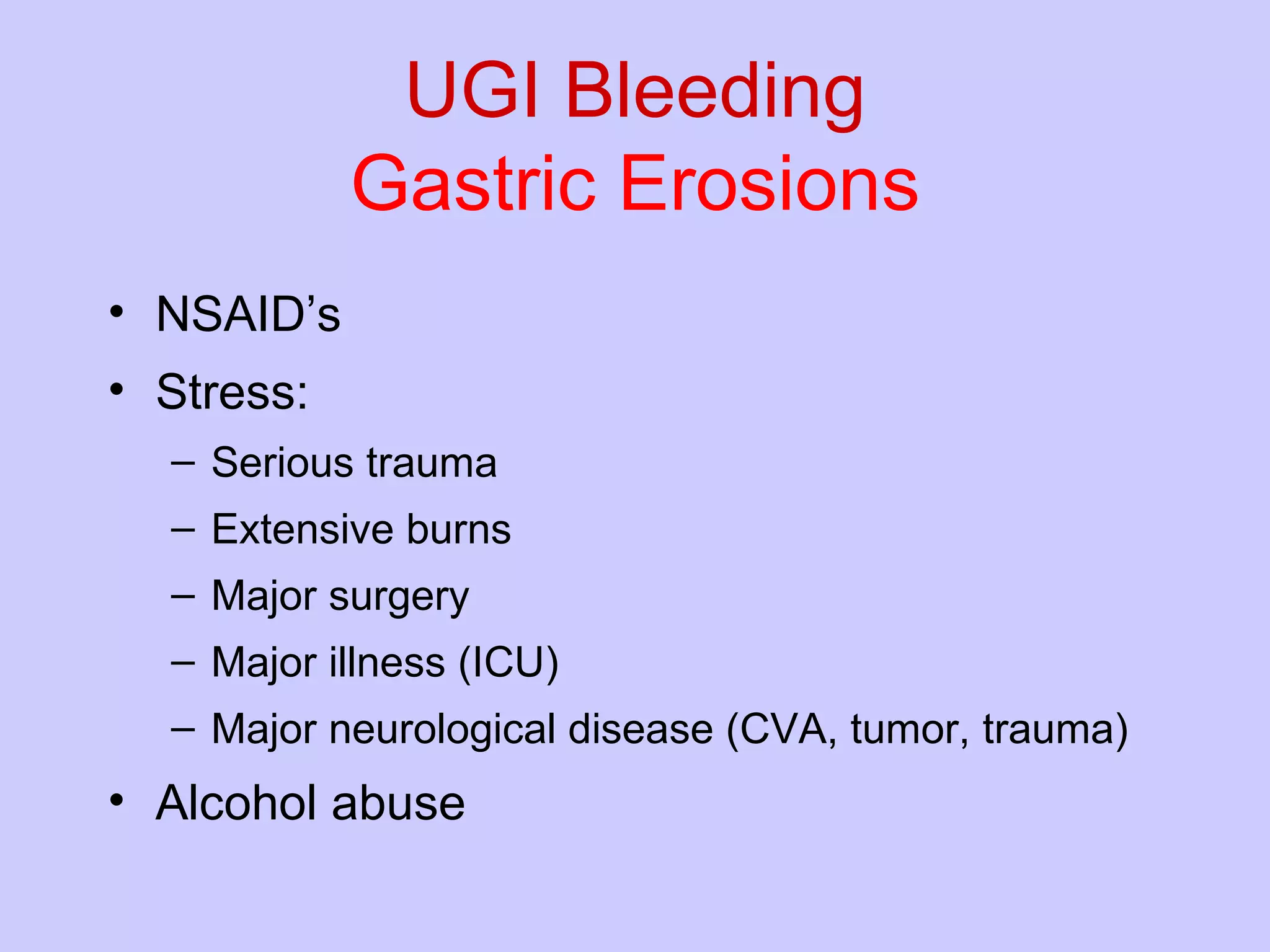
Acute UGI Bleeding Duodenal & Gastric Ulcer Most common etiology of UGI bleeding Duodenum>stomach Predisposing factors for bleeding: NSAID’s Underlying medical conditions: IHD; cerebrovascular disease Ethanol, anticoagulant Therapy Hospitalization
Acute UGI Bleeding Duodenal & Gastric Ulcer Predisposing factors for bleeding cont.: Gastric acid H. Pylori: Role in bleeding not certain but definitely, eradication prevents rebleeding Aspirin & NSAID’s:
Duodenal & Gastric Ulcer
UGI Bleeding Gastric Erosions NSAID’s Stress: Serious trauma Extensive burns Major surgery Major illness (ICU) Major neurological disease (CVA, tumor, trauma) Alcohol abuse
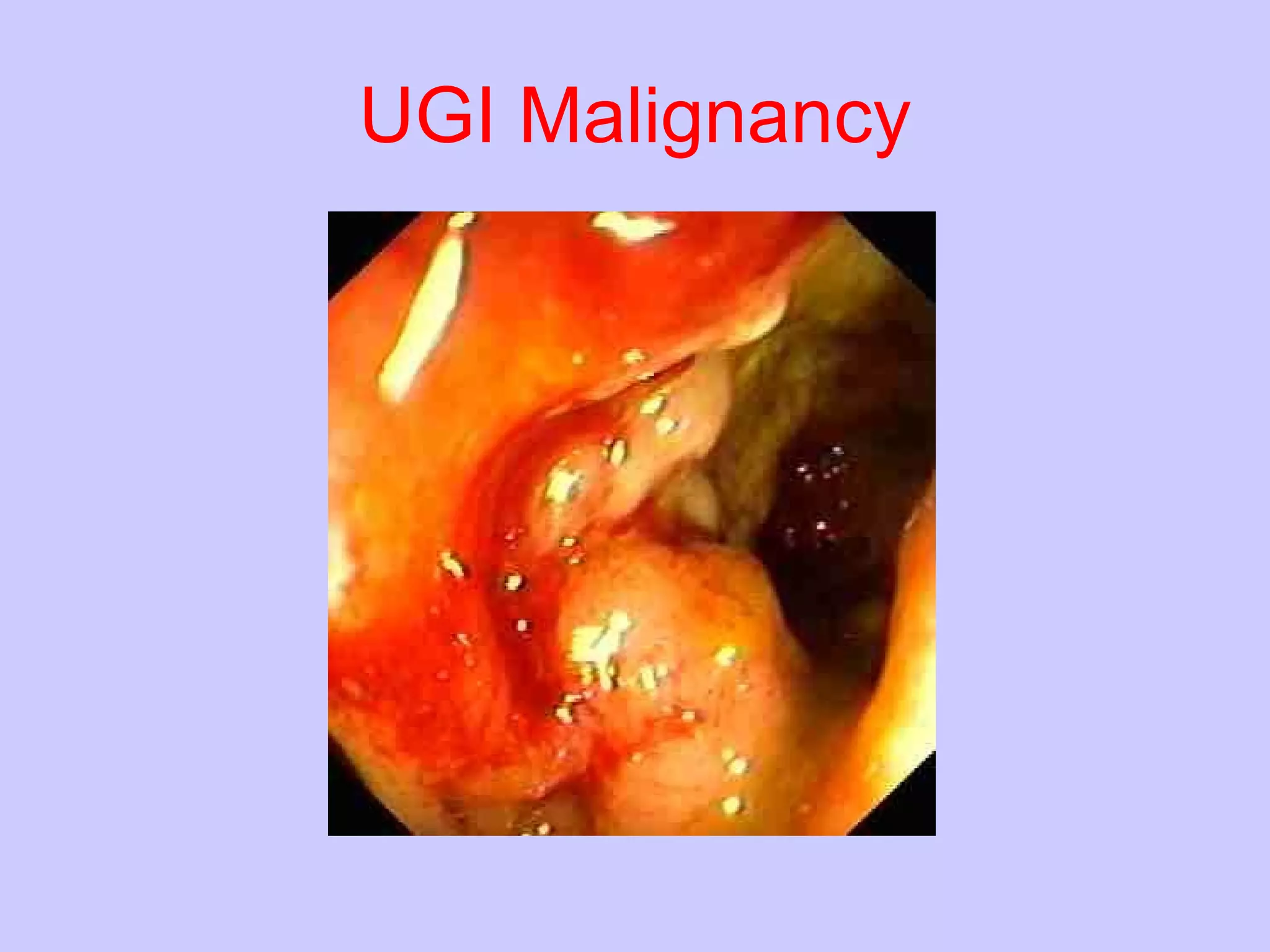
UGI Bleeding Malignancy Malignant: Esophageal cancer Gastric cancer or lymphoma Small intestinal lymphoma or cancer Benign: Leiomyoma
UGI   Malignancy
Lower GI Bleeds Four most common causes of LGI bleeds vascular ectasias colonic diverticuli neoplasm internal hemorrhoids
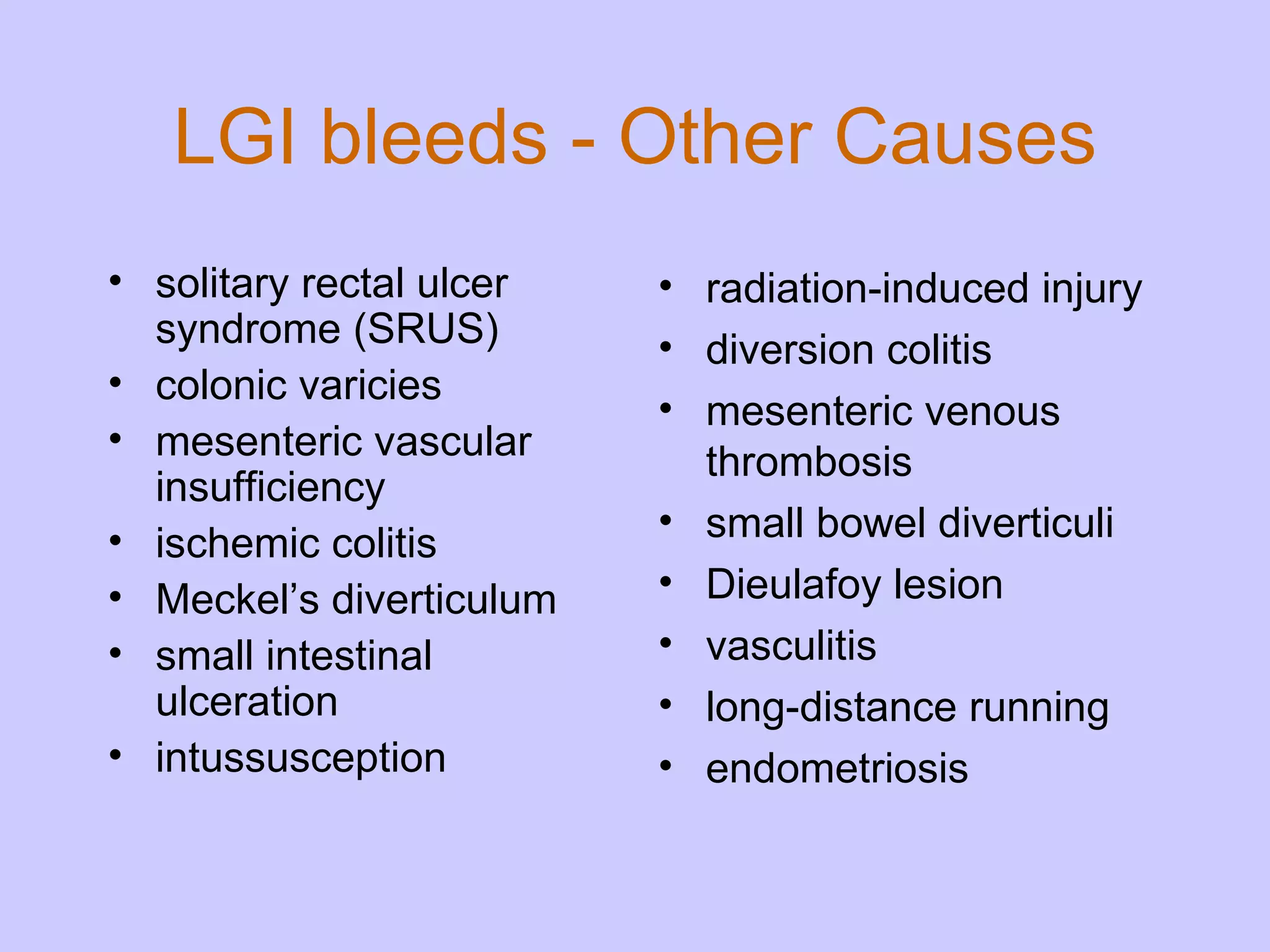
LGI   bleeds   -   Other   Causes solitary rectal ulcer syndrome  (SRUS) colonic varicies mesenteric vascular insufficiency ischemic colitis Meckel’s diverticulum small intestinal ulceration intussusception radiation-induced injury diversion colitis mesenteric venous thrombosis small bowel diverticuli Dieulafoy lesion vasculitis long-distance running endometriosis
Acute Lower GI Bleeding Initial management – similar to acute upper GI bleeding Presentation: wide range of presentation: Mostly self-limiting  bleeding that does not require hospitalization Rarely massive with hemorrhagic shock
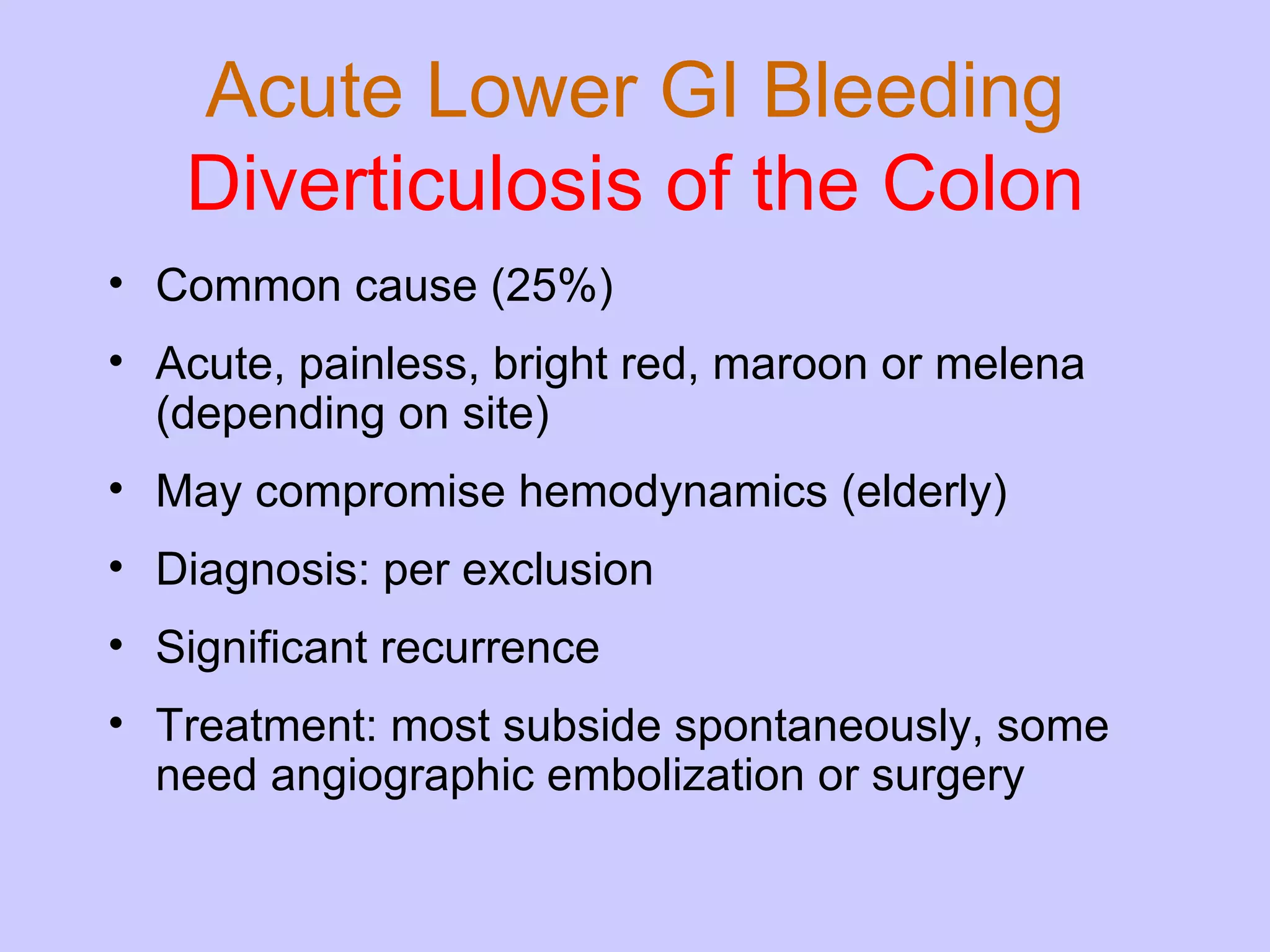
Acute Lower GI Bleeding Diverticulosis   of the Colon Common cause (25%) Acute, painless, bright red, maroon or melena (depending on site) May compromise hemodynamics (elderly) Diagnosis: per exclusion Significant recurrence Treatment: most subside spontaneously, some need angiographic embolization or surgery
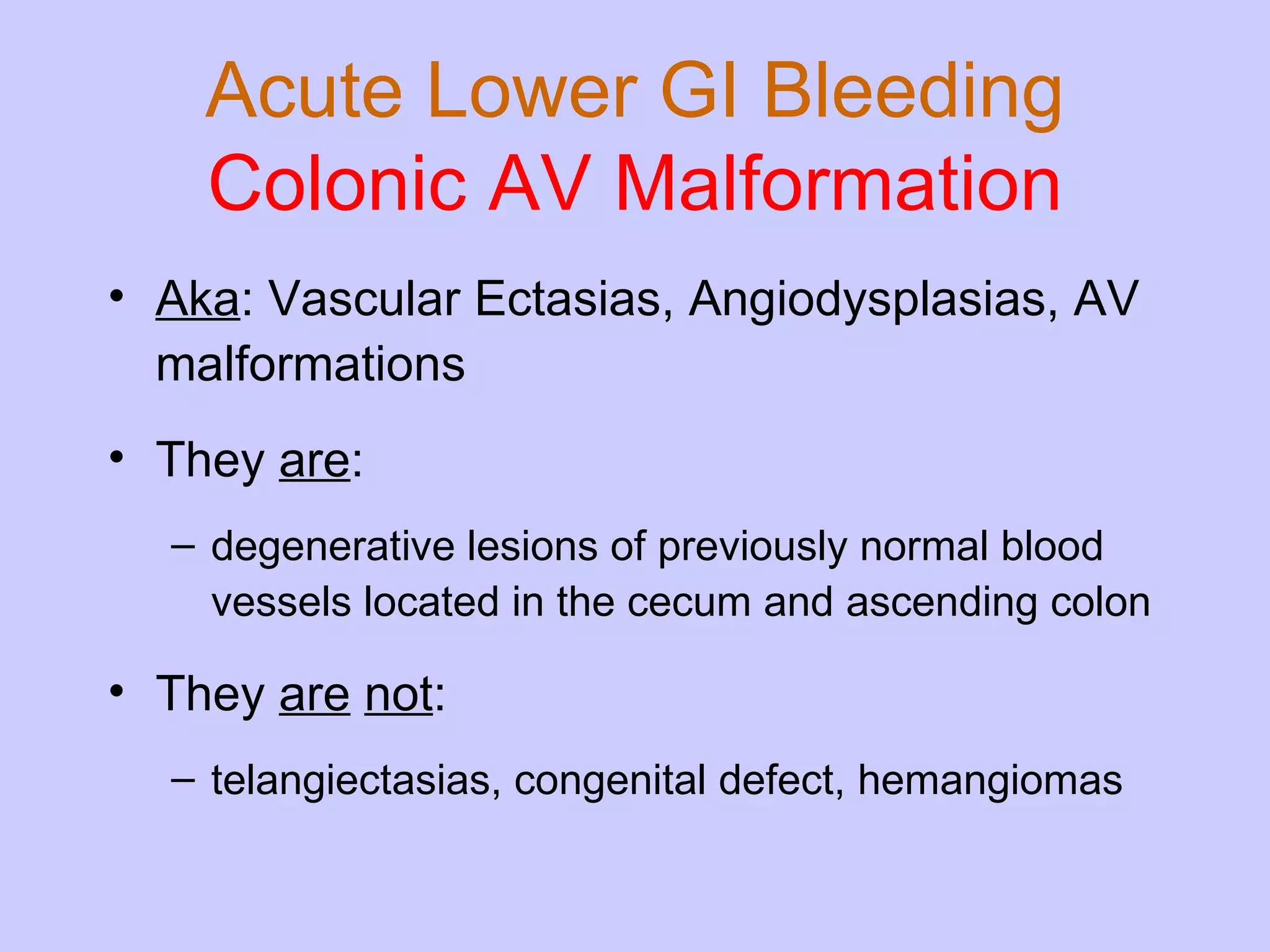
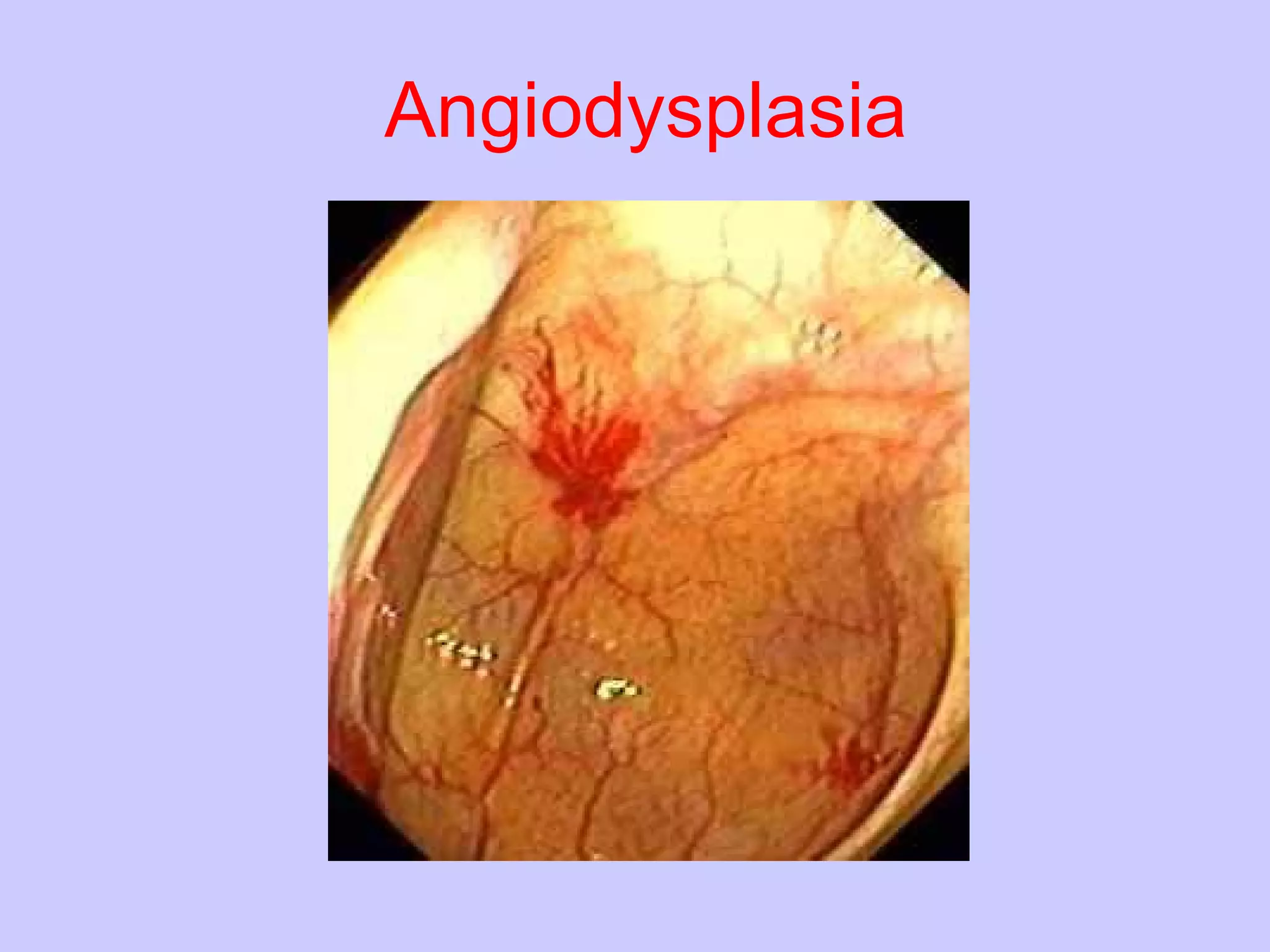
Acute Lower GI Bleeding Colonic AV Malformation Aka : Vascular Ectasias, Angiodysplasias, AV malformations They  are : degenerative lesions of previously normal blood vessels located in the cecum and ascending colon They  are   not : telangiectasias, congenital defect, hemangiomas
Acute Lower GI Bleeding Vascular Ectasias the right colon is subjected to numerous colonic distentions that cause intermittent obstruction of the submucousal veins outflow tract leading to their dilation
Vascular Ectasias - Treatment 90 % stop spontaneously 80 % of the remainder stop after IV or intra-arterial vasopressin transcatheter embolization laser endoscopic sclerosis heater probe electrocoagulate surgery
Acute Lower GI Bleeding Angiodysplasia  Presentation: Acute (recurrent) Chronic Occult  Older pts (mainly>70) High association with CRF Most – right colon
Acute Lower GI Bleeding   Angiodysplasia Diagnosis: Colonoscopy Angiography  Treatment: Electrocoagulation Injection LASER  Surgery
Angiodysplasia
Acute Lower GI Bleeding Hemorrhoids   Most common cause Presentation: recurrent low-volume bright red blood on the paper or on stool Straining aggravates bleeding Rarely associated with anemia (acute or chronic) Never relate bleeding to hemorrhoids before exclusion of other lesions
Lower GI Bleeding Mesenteric Vascular Occlusion Vascular insufficiency - occlusive vs. non 75 % from mesenteric a. emboli usu. elderly presenting as acute abd pain, concomitant heart disease, spontaneous GI bleed, pain out-of-proportion with the PE mortality 50 - 90 % diagnosed by arteriography treated by emergent ex lap
Acute Lower GI Bleeding Other Causes Meckel’s diverticulum Infectious colitis: Shigella; Salmonella; campylobacter Radiation proctitis Ischemic colitis IBD – colitis (UC;CD)
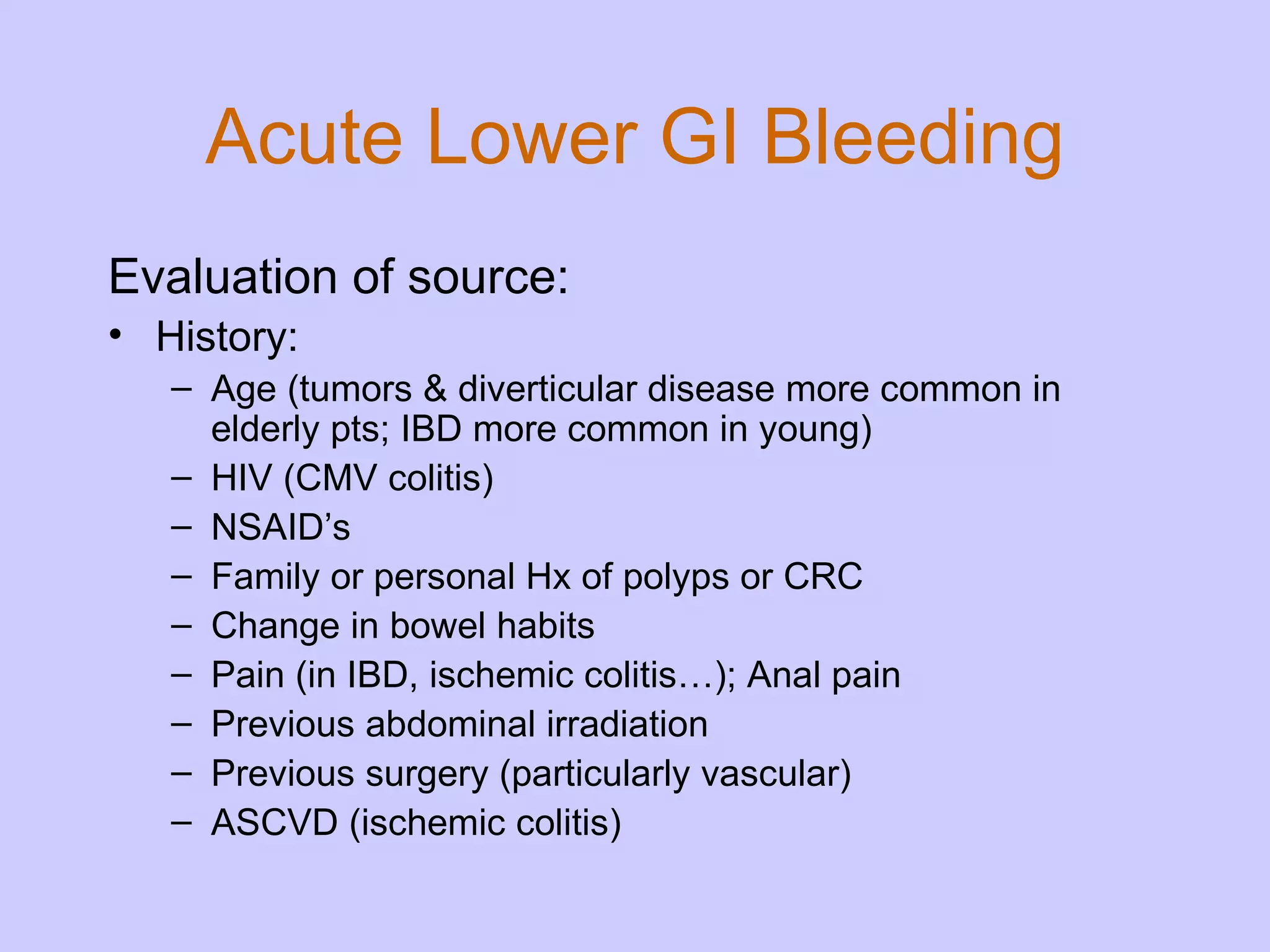
Acute Lower GI Bleeding Evaluation of source: History: Age (tumors & diverticular disease more common in elderly pts; IBD more common in young) HIV (CMV colitis) NSAID’s  Family or personal Hx of polyps or CRC Change in bowel habits Pain (in IBD, ischemic colitis…); Anal pain  Previous abdominal irradiation Previous surgery (particularly vascular) ASCVD (ischemic colitis)
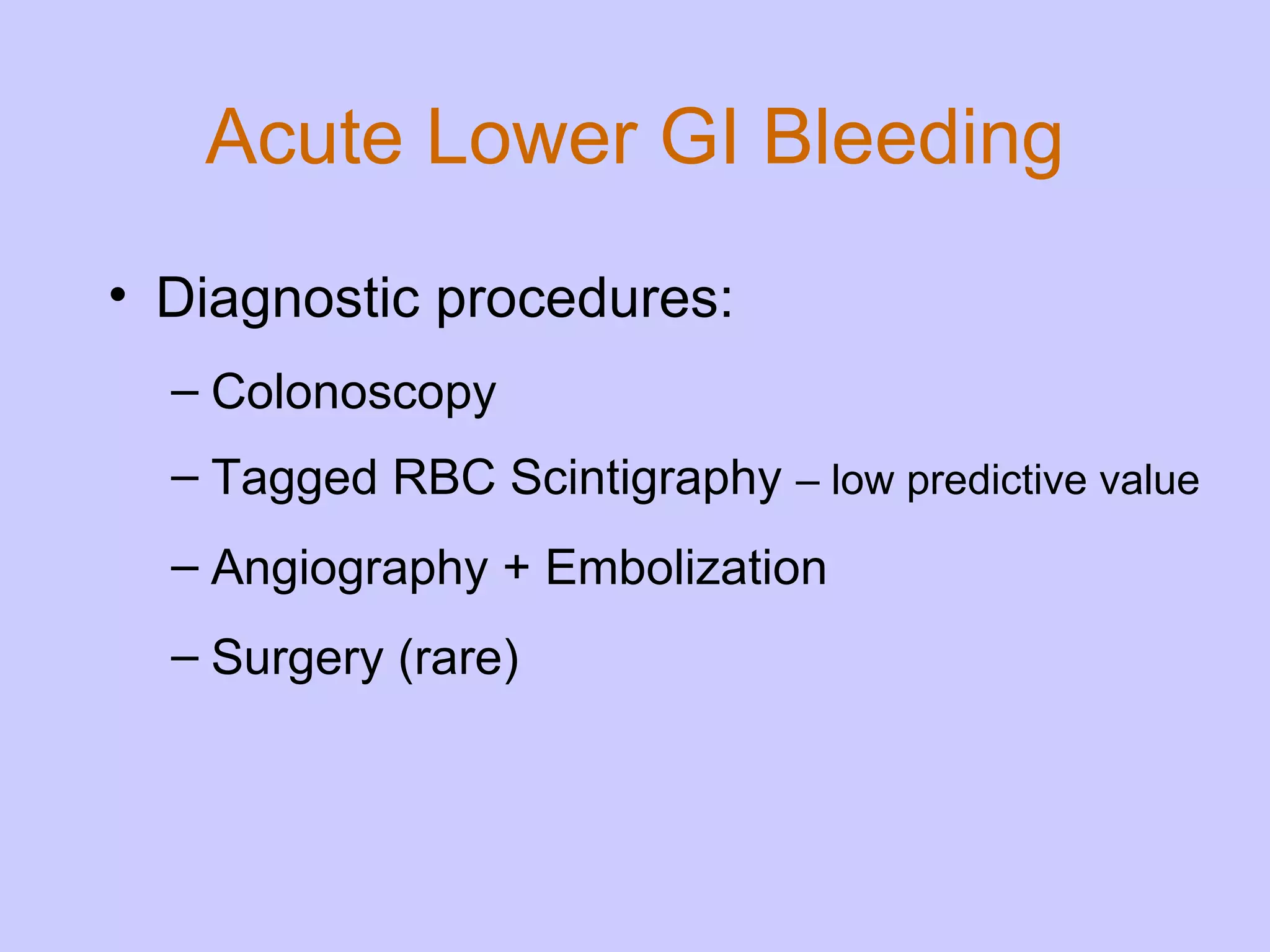
Acute Lower GI Bleeding Diagnostic procedures: Colonoscopy  Tagged RBC Scintigraphy  – low predictive value  Angiography + Embolization  Surgery (rare)
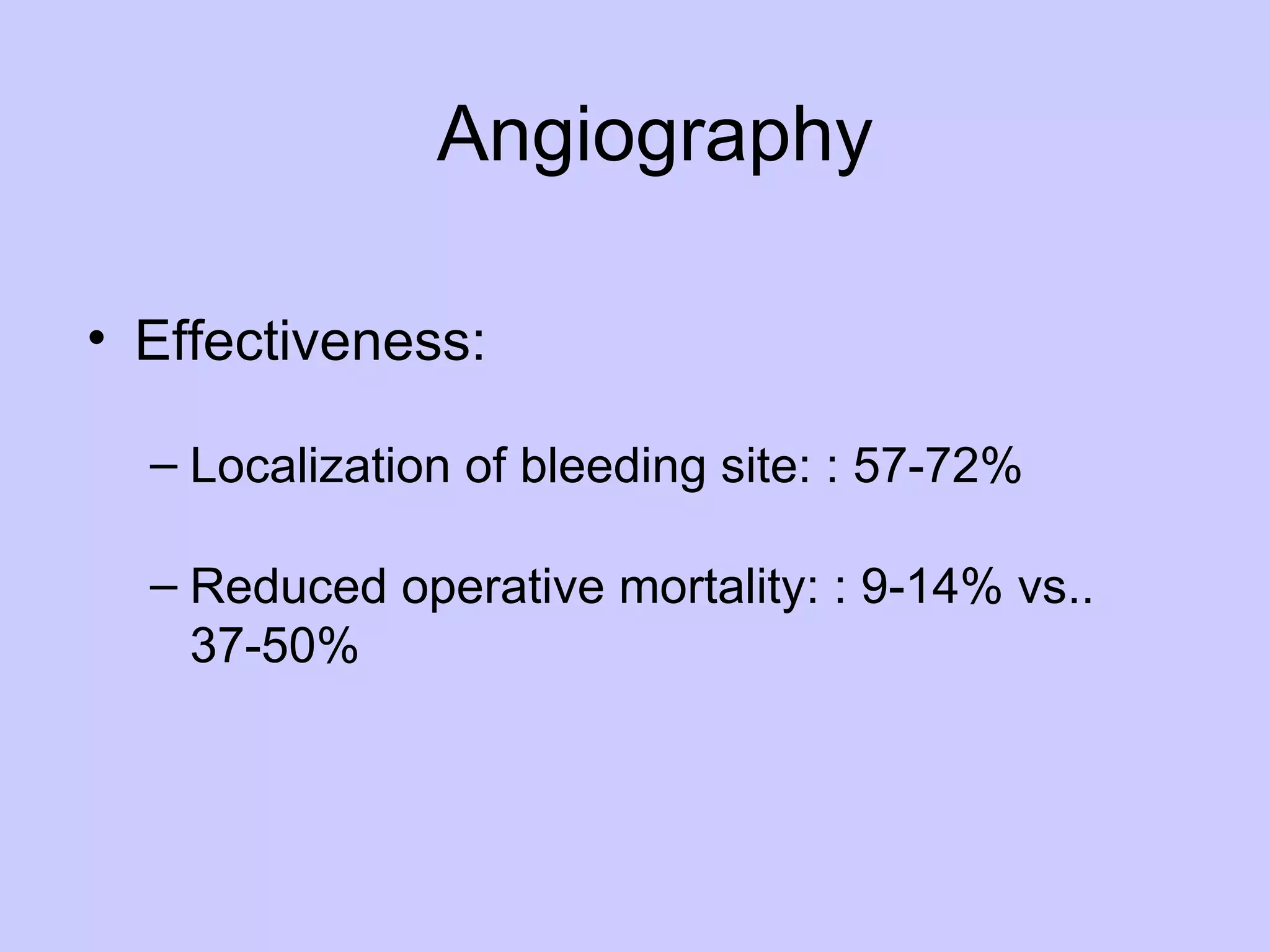
Effectiveness: Localization of bleeding site: : 57-72% Reduced operative mortality: : 9-14% vs.. 37-50% Angiography
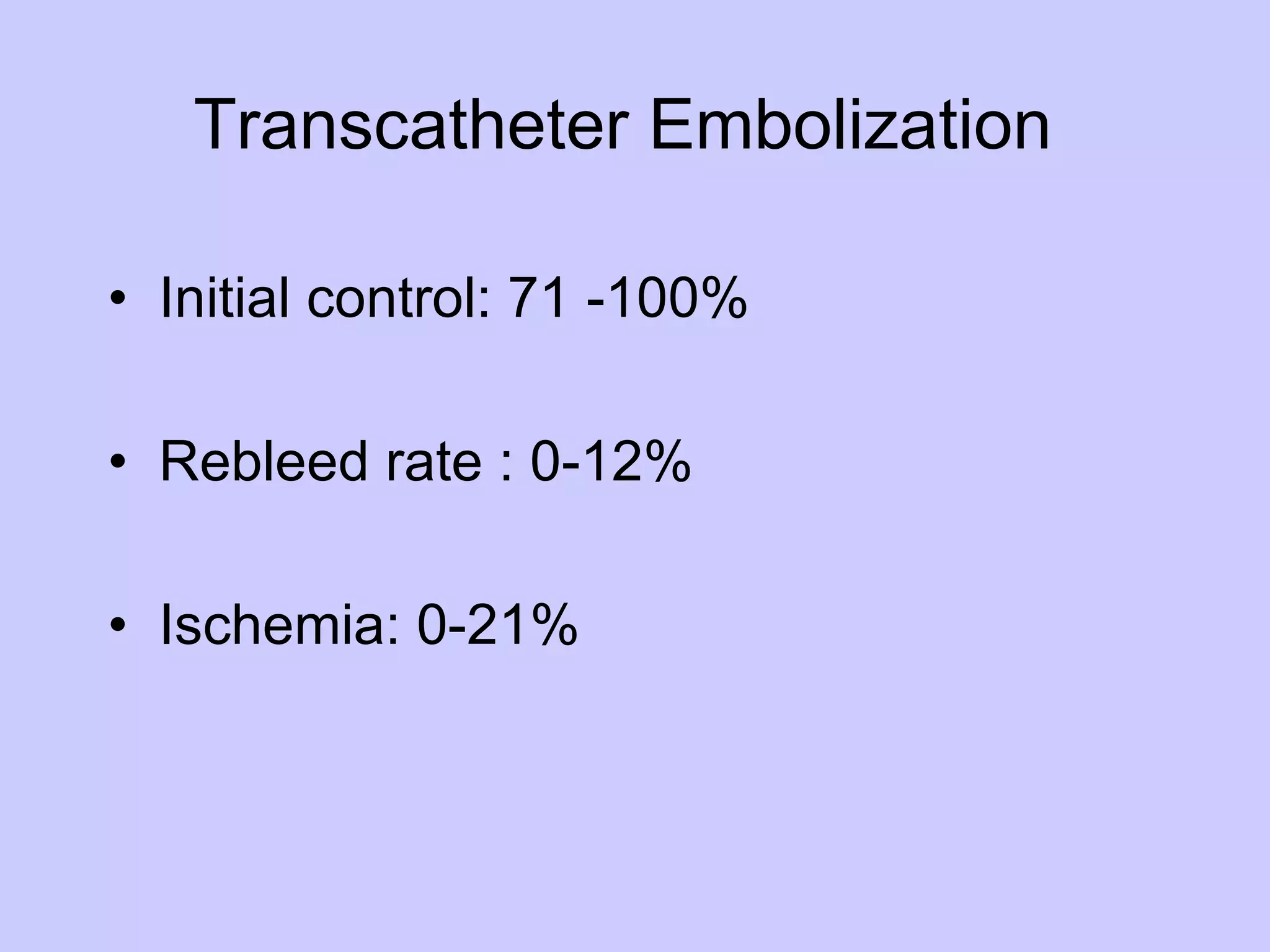
Transcatheter Embolization  •  Initial control: 71 -100% •  Rebleed rate : 0-12% •  Ischemia: 0-21%
Occult bleeding Diagnosis: Imaging of the colon: Colonoscopy DC barium enema CTC Gastroscopy Small bowel follow-through  Video-capsule
GI Bleeding Do  Not  Underestimate GI Bleeding Don’t assume anything Do  Not   Ignore Bright Red Bleeding Monitor VS Don’t assume anything Do  Not  Overreact to GI Bleeding Monitor VS Do  Report GI Bleeding Don’t assume anything
References Fundamentals of Diagnostic Radiology, 2nd edition (1999). Brant, William E. & Helms, Clyde A., eds. Williams and Wilkins, Baltimore MD. Delabrousse, E., Destrumelle N., Brunelle S., Clair C., Mantion G., Kastler B. (2003) CT of small bowel obstruction in adults.  Abdominal Imaging 28(2): 257-266. www.uptodate.com: Clinical manifestations and diagnosis of small bowel obstruction; Treatment of small bowel obstruction; Abdominal wall and groin hernias. Hansen, M. (1998). Pathophysiology: Foundations of disease and clinical intervention. Philadelphia: Saunders.  http://www.medscape.com  Givens BA, Simmons SJ: Gastroenterology in Clinical Nursing. 4th ed. St. Louis, Mo: C.V. Mosby Co, 1984.   Ripamonti C, Bruera E: Palliative management of malignant bowel obstruction. Int J Gynecol Cancer 12 (2): 135-43, 2002 Mar-Apr.   [PUBMED Abstract] Potluri V, Zhukovsky DS: Recent advances in malignant bowel obstruction: an interface of old and new. Curr Pain Headache Rep 7 (4): 270-8, 2003.   [PUBMED Abstract] Baron TH: Expandable metal stents for the treatment of cancerous obstruction of the gastrointestinal tract. N Engl J Med 344 (22): 1681-7, 2001. PUBMED Abstract] Mercadante S: Assessment and management of mechanical bowel obstruction. In: Portenoy RK, Bruera E, eds.: Topics in Palliative Care. Volume 1. New York, NY: Oxford University Press, 1997, pp. 113-30. 
References Givens BA, Simmons SJ: Gastroenterology in Clinical Nursing. 4th ed. St. Louis, Mo: C.V. Mosby Co, 1984.   Ripamonti C, Bruera E: Palliative management of malignant bowel obstruction. Int J Gynecol Cancer 12 (2): 135-43, 2002 Mar-Apr.   [PUBMED Abstract] Potluri V, Zhukovsky DS: Recent advances in malignant bowel obstruction: an interface of old and new. Curr Pain Headache Rep 7 (4): 270-8, 2003.   [PUBMED Abstract] Baron TH: Expandable metal stents for the treatment of cancerous obstruction of the gastrointestinal tract. N Engl J Med 344 (22): 1681-7, 2001.  PUBMED Abstract] Mercadante S: Assessment and management of mechanical bowel obstruction. In: Portenoy RK, Bruera E, eds.: Topics in Palliative Care. Volume 1. New York, NY: Oxford University Press, 1997, pp. 113-30. 

Gastrointestinal Disorders

  • 1.
    Disorders of the Gastrointestinal System Orlando Regional Medical Center 2008
  • 2.
  • 3.
    Intestinal Obstructions
  • 4.
    Intestinal Obstruction Blockageof intestinal tract that inhibits passage of fluid, gas, feces Caused by mechanical obstruction ( strangulated hernia, adhesion, cancer, volvulus, intussusception ) neurogenic obstruction ( paralytic ileus, uremia, electrolyte imbalance(low K), spinal cord lesion ) Vascular disease ( occlusion of superior mesentery vessels)
  • 5.
    Intestinal Obstructions ParalyticIleus or “silent bowel” is most often seen after abdominal surgery & anesthesia bowel activity is < due to lack of neural stimuli (“functional”) this can lead to “mechanical” obstruction due to accumulation of feces Hernias: a loop of bowel protrudes through abdominal wall inguinal canal, umbilicus, or incisional scar tissue caused by heavy lifting, straining, or coughing
  • 6.
    Sigmoid Volvulus SigmoidVolvulus (twisting): usually seen in the older individual with a history of straining at stool Symptoms: abdominal distention, nausea, vomiting, and crampy abdominal pain; check history of flatus and BMs Abrupt onset is indicative of an acute obstruction Sudden onset due to “torsion or hernia?” A chronic history of constipation is related to a dx of diverticulitis or carcinoma Obstipation (no flatus or BM) & loss of weight = carcinoma
  • 7.
  • 8.
    Intussusception only 5-15% occurrence in adults s/s colicky abd pain, nausea, vomit, diarrhea, constipation diagnosed by barium enema, CT scan treated via surgical resection
  • 9.
  • 10.
    Small Bowel Obstruction“ Never let the sun rise or set on a small bowel obstruction.” (surgical saying)
  • 11.
    Small BowelObstruction Causes of SBO: Adhesions (post-surgical, post-inflammatory) Incarcerated hernia Malignancy : usually metastatic Intussusception Volvulus Gallstone ileus Parasites Foreign body
  • 12.
    Small BowelObstruction Causes of small bowel obstruction include: Adhesions from previous abdominal surgery Hernias containing bowel Crohn's disease causing adhesions or inflammatory strictures Neoplasms benign or malignant Intussusception in children Volvulus Superior mesenteric artery syndrome a compression of the duodenum by the superior mesenteric artery and the abdominal aorta Ischemic strictures Foreign bodies (e.g. gallstones in gallstone ileus, swallowed objects) Intestinal atresia Parasites
  • 13.
    Small BowelObstruction Signs & Symptoms of Small Bowel Obstruction:   Abdominal pain  Vomiting    Elimination problems (Diarrhea)    Bloating
  • 14.
    Small BowelObstruction The essentials: * Common, may or may not require surgery * Emergent, if bowel is strangulated (to OR) * KUB not necessarily diagnostic -Shows dilated loops, air-fluid levels * CT very sensitive and specific -Better at transitional zone, cause of SBO
  • 15.
    Small BowelObstruction
  • 16.
    Large BowelObstruction A large bowel obstruction is an emergency condition that requires early & prompt surgical intervention Etiology: infectious / inflammatory, neoplastic, or mechanical pathology (colorectal cancer) Rotation or twisting of the cecum or sigmoid colon will cause abrupt onset of symptoms Immediate abdominal distention Decreases the ability to absorb Fluids & Electrolytes
  • 17.
    Large Bowel Obstruction Causes of large bowel obstruction include: Neoplasms Hernias Inflammatory bowel disease Colonic volvulus (sigmoid, caecal, transverse colon) Fecal impaction Colon atresia Benign strictures (Diverticular Disease)
  • 18.
    Large Bowel Obstruction Signs & Symptoms of Large Bowel Obstruction:   Abdominal pain  Vomiting ( not common )    Elimination problems (Constipation or Loose)    Bloating
  • 19.
    Large BowelObstruction
  • 20.
    When to Operate?Incarcerated or strangulated hernia Peritonitis Pneumoperitoneum Suspected strangulation Closed loop obstruction Complete obstruction Virgin abdomen LARGE bowel obstruction
  • 21.
  • 22.
    Diarrhea Causes ofDiarrhea Osmotic : the presence of nonabsorbable substances in the intestine causing water to be drawn into the lumen by osmosis sorbitol-containing liquid medications; tube feedings lactose intolerance Secretory : excessive mucosal secretion of fluid & electrolytes related to: gastroenteritis (E. Coli), rotavirus, laxative abuse, hyponatremia, fecal impaction
  • 23.
  • 24.
    Peptic Ulcer DiseaseAn inflammatory disorder causing deep erosion of stomach or duodenal mucosa by HCL & pepsin At risk: infection with H. pylori; > NSAIDS; > secretion of HCL as seen in Zollinger-Ellison syndrome Etiology: age, family hx > mucolytic enzymes; may lead to pyloric obstruction, bowel perforation and ultimately peritonitis Sx: hallmark sign = upper gastric pain Emergency: hematemesis, melena, occult blood, shock
  • 25.
    Peptic Ulcer DiseaseTreatment includes: < ETOH intake screen for H. pylori (C-urea breath test) frequent small meals avoid calcium based antacids d/t > gastrin release H2 blockers (Tagamet & Zantac) Insert NG tube for severe bleeding and gastric lavage
  • 26.
    Bowel Disorders Ulcerative Colitis A disease that causes inflammation and sores in the lining of the large intestine. Crohn’s Disease A disease that causes inflammation in the small intestine, but it may affect any part of the GI tract. Smoking, diet, and/or immune response to bacteria
  • 27.
    Gastric Cancer Adenocarcinoma is the primary malignant neoplasm Etiology:chronic inflammation, dietary influences, genetic & environmental factors 8th leading cause of mortality r/t cancer in US Epidemiology: 55-60 year olds; 2 times greater incidence in men vs. women Risk factors: H. pylori, < socioeconomic class, consumption of pickled foods, improper food storage, radiation exposure
  • 28.
    Colorectal Cancer “Patients with long-standing ulcerative colitis have been shown to be at increased risk of developing colorectal cancer” (Medscape, 1999) Involves a primary malignant tumor of the rectum or colon 2nd leading cause of cancer death in US > incidence in 50 year olds > fat and poor fiber diet; > ETOH consumption; cigarette smoking; obesity; sedentary life style Exact etiology unknown…> incidence with polyps
  • 29.
    Colorectal Cancer Symptoms: fecal occult blood or ulcerative lesions manifest as anemia or rectal bleeding distention, abdominal pain, vomiting, constipation metastatic disease: weight loss, anorexia, possible palpable mass Prevention: ASA may < risk; routine monitoring for guaic (+) Treatment: colostomy repair; permanent colostomy for rectal tumors
  • 30.
  • 31.
    Terms of GIBleeding Hematemesis – vomiting of blood (or coffee ground material) (indicates bleeding proximal to the Treitz) Melena – passage of black tarry stools > 50ml (indicates degradation of blood in the bowel) Hematochezia (rectal bleeding) – passage of red blood Occult Bleeding – bleeding that is not apparent to the patient and results from small amounts of blood Obscure Bleeding – occult or obvious but source not identified
  • 32.
    Localization of GIBleeding Hematemesis – always UGI source Melana – indicates that blood has been in GIT for extended periods Mostly UGI Small bowel Right colon (if bleeding relatively slow) Hematochezia Mostly colon Massive UGI bleeding (not enough time for degradation)
  • 33.
    GI Bleeding Upper: includes the esophagus, stomach, duodenum peptic ulcer disease (PUD) or esophageal varices Lower: includes the jejunum, ileum, colon, rectum colorectal cancer, polyps, hemorrhoids, IBD Manifestations: hematemesis bright red blood in the stool (“ hematochezia ”) black,dark, tarry stools (“ melena ”) “ occult ” bleeding (invisible blood in the stool) Treatment: find the underlying cause; fluid volume replacement; endoscopy or colonoscopy; medical and /or surgical therapy
  • 34.
    Acute UGI Bleeding Mallory-Weiss Tear Mucosal laceration at the GEJ 10% of cases Typically follows retching but mostly on 1st vomit (75%) 90% stop bleeding spontaneously Endoscopic Therapy sometimes required
  • 35.
    Acute UGI BleedingPortal Hypertension Sources of bleeding: Esophageal varices Gastric varices Portal hypertensive gastropathy Urgent gastroscopy: Sclerotherpay Band ligation Somatostatin Balloon tamponade (Sengstaken-Blackmore tube)
  • 36.
    Acute UGI BleedingDuodenal & Gastric Ulcer Most common etiology of UGI bleeding Duodenum>stomach Predisposing factors for bleeding: NSAID’s Underlying medical conditions: IHD; cerebrovascular disease Ethanol, anticoagulant Therapy Hospitalization
  • 37.
    Acute UGI BleedingDuodenal & Gastric Ulcer Predisposing factors for bleeding cont.: Gastric acid H. Pylori: Role in bleeding not certain but definitely, eradication prevents rebleeding Aspirin & NSAID’s:
  • 38.
  • 39.
    UGI Bleeding GastricErosions NSAID’s Stress: Serious trauma Extensive burns Major surgery Major illness (ICU) Major neurological disease (CVA, tumor, trauma) Alcohol abuse
  • 40.
    UGI Bleeding MalignancyMalignant: Esophageal cancer Gastric cancer or lymphoma Small intestinal lymphoma or cancer Benign: Leiomyoma
  • 41.
    UGI Malignancy
  • 42.
    Lower GI BleedsFour most common causes of LGI bleeds vascular ectasias colonic diverticuli neoplasm internal hemorrhoids
  • 43.
    LGI bleeds - Other Causes solitary rectal ulcer syndrome (SRUS) colonic varicies mesenteric vascular insufficiency ischemic colitis Meckel’s diverticulum small intestinal ulceration intussusception radiation-induced injury diversion colitis mesenteric venous thrombosis small bowel diverticuli Dieulafoy lesion vasculitis long-distance running endometriosis
  • 44.
    Acute Lower GIBleeding Initial management – similar to acute upper GI bleeding Presentation: wide range of presentation: Mostly self-limiting bleeding that does not require hospitalization Rarely massive with hemorrhagic shock
  • 45.
    Acute Lower GIBleeding Diverticulosis of the Colon Common cause (25%) Acute, painless, bright red, maroon or melena (depending on site) May compromise hemodynamics (elderly) Diagnosis: per exclusion Significant recurrence Treatment: most subside spontaneously, some need angiographic embolization or surgery
  • 46.
    Acute Lower GIBleeding Colonic AV Malformation Aka : Vascular Ectasias, Angiodysplasias, AV malformations They are : degenerative lesions of previously normal blood vessels located in the cecum and ascending colon They are not : telangiectasias, congenital defect, hemangiomas
  • 47.
    Acute Lower GIBleeding Vascular Ectasias the right colon is subjected to numerous colonic distentions that cause intermittent obstruction of the submucousal veins outflow tract leading to their dilation
  • 48.
    Vascular Ectasias -Treatment 90 % stop spontaneously 80 % of the remainder stop after IV or intra-arterial vasopressin transcatheter embolization laser endoscopic sclerosis heater probe electrocoagulate surgery
  • 49.
    Acute Lower GIBleeding Angiodysplasia Presentation: Acute (recurrent) Chronic Occult Older pts (mainly>70) High association with CRF Most – right colon
  • 50.
    Acute Lower GIBleeding Angiodysplasia Diagnosis: Colonoscopy Angiography Treatment: Electrocoagulation Injection LASER Surgery
  • 51.
  • 52.
    Acute Lower GIBleeding Hemorrhoids Most common cause Presentation: recurrent low-volume bright red blood on the paper or on stool Straining aggravates bleeding Rarely associated with anemia (acute or chronic) Never relate bleeding to hemorrhoids before exclusion of other lesions
  • 53.
    Lower GI BleedingMesenteric Vascular Occlusion Vascular insufficiency - occlusive vs. non 75 % from mesenteric a. emboli usu. elderly presenting as acute abd pain, concomitant heart disease, spontaneous GI bleed, pain out-of-proportion with the PE mortality 50 - 90 % diagnosed by arteriography treated by emergent ex lap
  • 54.
    Acute Lower GIBleeding Other Causes Meckel’s diverticulum Infectious colitis: Shigella; Salmonella; campylobacter Radiation proctitis Ischemic colitis IBD – colitis (UC;CD)
  • 55.
    Acute Lower GIBleeding Evaluation of source: History: Age (tumors & diverticular disease more common in elderly pts; IBD more common in young) HIV (CMV colitis) NSAID’s Family or personal Hx of polyps or CRC Change in bowel habits Pain (in IBD, ischemic colitis…); Anal pain Previous abdominal irradiation Previous surgery (particularly vascular) ASCVD (ischemic colitis)
  • 56.
    Acute Lower GIBleeding Diagnostic procedures: Colonoscopy Tagged RBC Scintigraphy – low predictive value Angiography + Embolization Surgery (rare)
  • 57.
    Effectiveness: Localization ofbleeding site: : 57-72% Reduced operative mortality: : 9-14% vs.. 37-50% Angiography
  • 58.
    Transcatheter Embolization • Initial control: 71 -100% • Rebleed rate : 0-12% • Ischemia: 0-21%
  • 59.
    Occult bleeding Diagnosis:Imaging of the colon: Colonoscopy DC barium enema CTC Gastroscopy Small bowel follow-through Video-capsule
  • 60.
    GI Bleeding Do Not Underestimate GI Bleeding Don’t assume anything Do Not Ignore Bright Red Bleeding Monitor VS Don’t assume anything Do Not Overreact to GI Bleeding Monitor VS Do Report GI Bleeding Don’t assume anything
  • 61.
    References Fundamentals ofDiagnostic Radiology, 2nd edition (1999). Brant, William E. & Helms, Clyde A., eds. Williams and Wilkins, Baltimore MD. Delabrousse, E., Destrumelle N., Brunelle S., Clair C., Mantion G., Kastler B. (2003) CT of small bowel obstruction in adults. Abdominal Imaging 28(2): 257-266. www.uptodate.com: Clinical manifestations and diagnosis of small bowel obstruction; Treatment of small bowel obstruction; Abdominal wall and groin hernias. Hansen, M. (1998). Pathophysiology: Foundations of disease and clinical intervention. Philadelphia: Saunders. http://www.medscape.com Givens BA, Simmons SJ: Gastroenterology in Clinical Nursing. 4th ed. St. Louis, Mo: C.V. Mosby Co, 1984.  Ripamonti C, Bruera E: Palliative management of malignant bowel obstruction. Int J Gynecol Cancer 12 (2): 135-43, 2002 Mar-Apr.  [PUBMED Abstract] Potluri V, Zhukovsky DS: Recent advances in malignant bowel obstruction: an interface of old and new. Curr Pain Headache Rep 7 (4): 270-8, 2003.  [PUBMED Abstract] Baron TH: Expandable metal stents for the treatment of cancerous obstruction of the gastrointestinal tract. N Engl J Med 344 (22): 1681-7, 2001. PUBMED Abstract] Mercadante S: Assessment and management of mechanical bowel obstruction. In: Portenoy RK, Bruera E, eds.: Topics in Palliative Care. Volume 1. New York, NY: Oxford University Press, 1997, pp. 113-30. 
  • 62.
    References Givens BA,Simmons SJ: Gastroenterology in Clinical Nursing. 4th ed. St. Louis, Mo: C.V. Mosby Co, 1984.  Ripamonti C, Bruera E: Palliative management of malignant bowel obstruction. Int J Gynecol Cancer 12 (2): 135-43, 2002 Mar-Apr.  [PUBMED Abstract] Potluri V, Zhukovsky DS: Recent advances in malignant bowel obstruction: an interface of old and new. Curr Pain Headache Rep 7 (4): 270-8, 2003.  [PUBMED Abstract] Baron TH: Expandable metal stents for the treatment of cancerous obstruction of the gastrointestinal tract. N Engl J Med 344 (22): 1681-7, 2001.  PUBMED Abstract] Mercadante S: Assessment and management of mechanical bowel obstruction. In: Portenoy RK, Bruera E, eds.: Topics in Palliative Care. Volume 1. New York, NY: Oxford University Press, 1997, pp. 113-30.