Section of Critical Care Medicine Section of Infectious Diseases University of Manitoba, Winnipeg, Canada UMDNJ-Robert Wood Johnson Medical School Cooper Hospital, NJ Anand Kumar, MD Sepsis and Septic  Shock Old Concepts, New Precepts
Incidence of Severe Sepsis/Septic Shock Approximate Cases/Year 800,000 600,000 400,000 200,000 0 Severe sepsis 800,000 Septic shock 400,000 Deaths from septic shock 200,000 Sepsis and sequelae are a leading cause of death in ICU Mortality in septic shock remains at 35 - 50%   -unchanged since advent of antibiotics (from 55 - 75%)
Bacterial Sepsis Death Rate in the United States 5.0 Chart adapted from CDC/National Center for Health Statistics, 1992. 4.0 3.0 2.0 1.0 0.0 0.8 0.7 0.5 0.4 0.6 0.2 0.1 0.3 1960 1965 1970 1975 1980 1985 1990 Rate per 100,000 Population 4.1
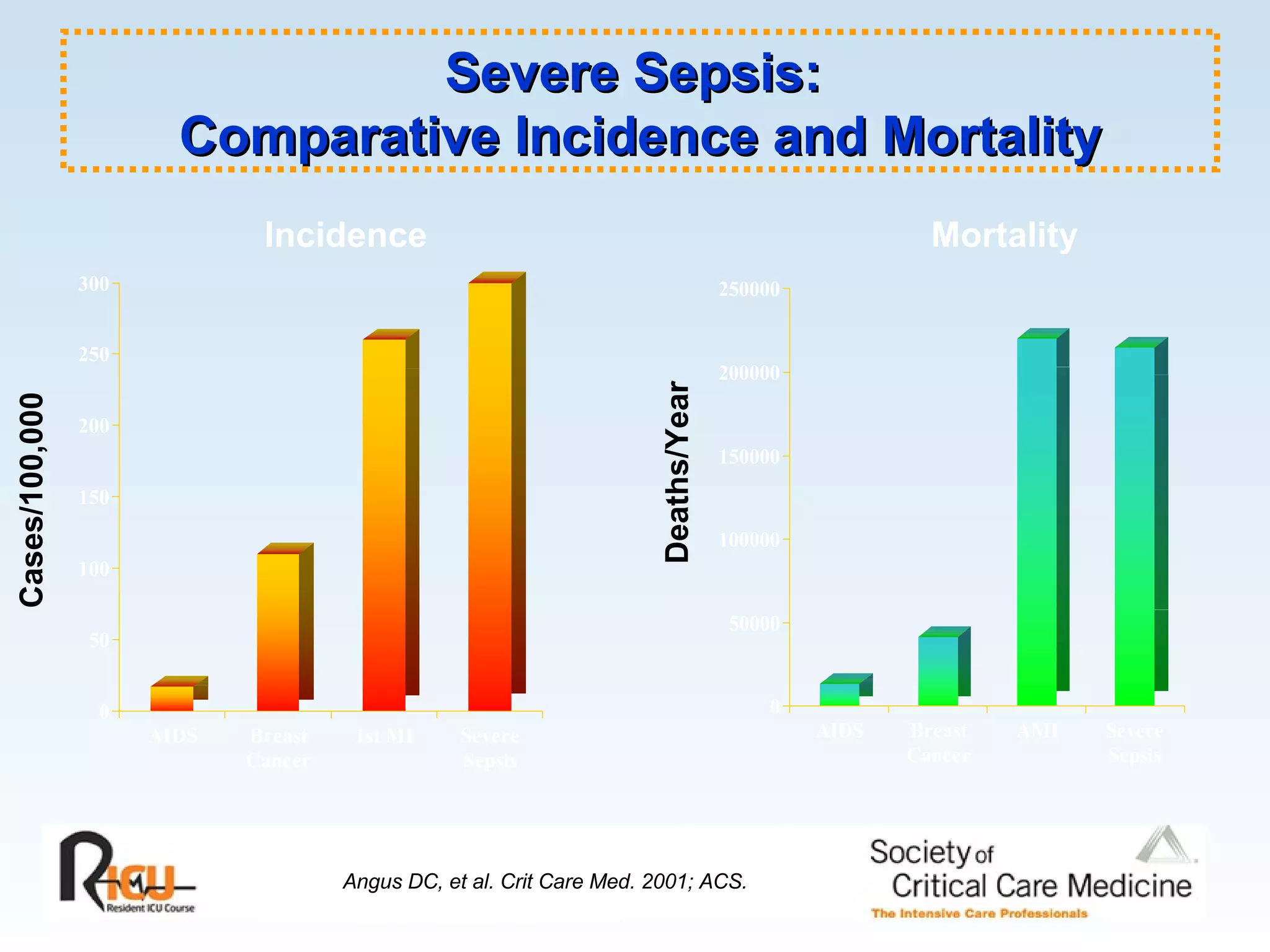
Severe Sepsis:  Comparative Incidence and Mortality Angus DC, et al. Crit Care Med. 2001; ACS. Incidence Cases/100,000 Mortality Deaths/Year
Mortality of Severe Sepsis by Age in the United States Angus DC, et al. Crit Care Med. 2001. 0% 5% 10% 15% 20% 25% 30% 35% 40% 45% 0 1 5 10 15 20 25 30 35 40 45 50 55 60 65 70 75 80 85 Age Mortality Without Co-morbidity With Co-morbidity Overall
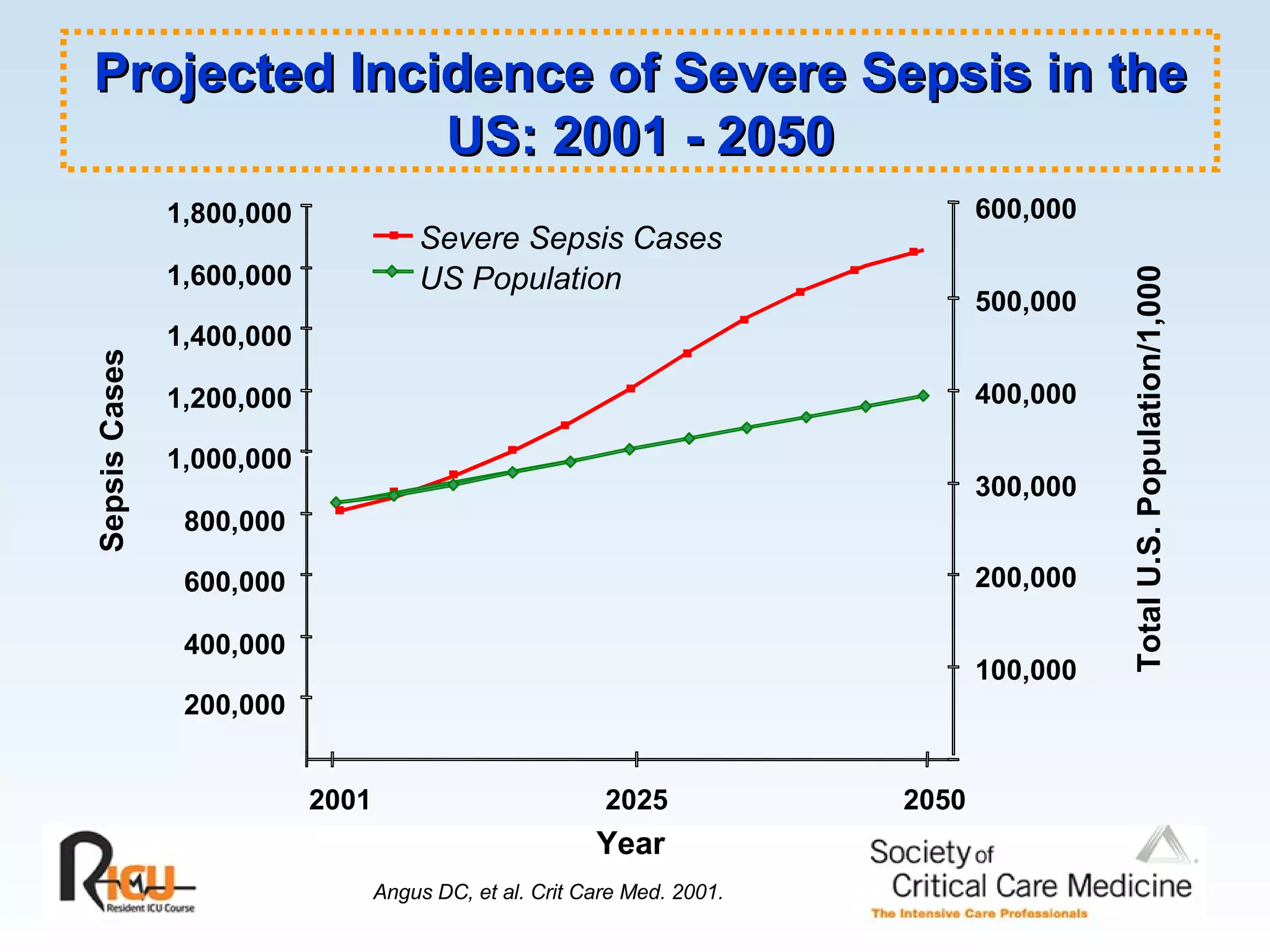
Projected Incidence of Severe Sepsis in the US: 2001 - 2050 200,000 400,000 600,000 800,000 1,000,000 1,200,000 1,400,000 1,600,000 1,800,000 2001 2025 2050 Year 100,000 200,000 300,000 400,000 500,000 600,000 Severe Sepsis Cases US Population Sepsis Cases Total U.S. Population/1,000 Angus DC, et al. Crit Care Med. 2001.
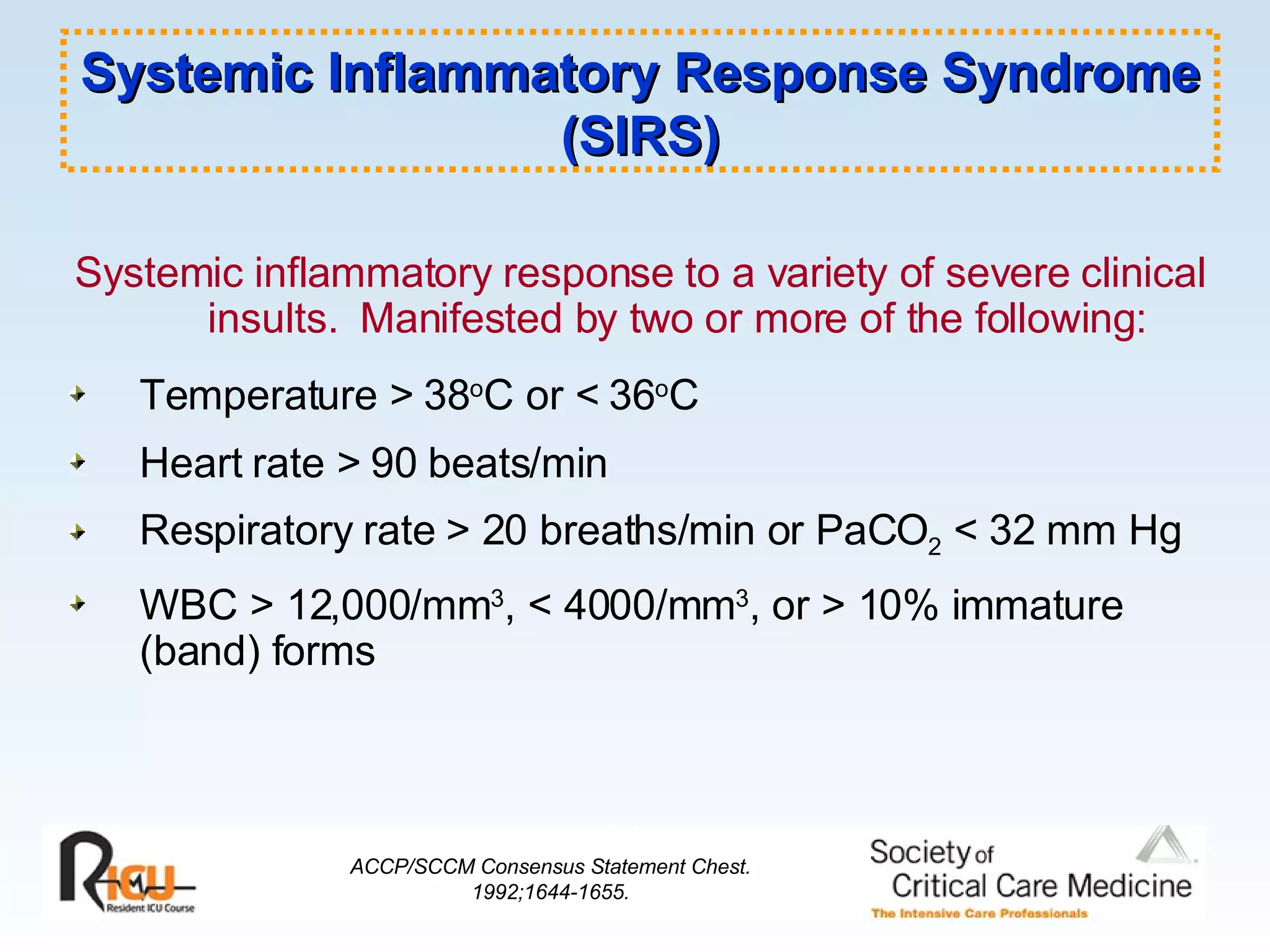
Systemic Inflammatory Response Syndrome (SIRS) Systemic inflammatory response to a variety of severe clinical insults.  Manifested by two or more of the following: Temperature > 38 o C or < 36 o C Heart rate > 90 beats/min Respiratory rate > 20 breaths/min or PaCO 2  < 32 mm Hg WBC > 12,000/mm 3 , < 4000/mm 3 , or > 10% immature (band) forms ACCP/SCCM Consensus Statement Chest. 1992;1644-1655.
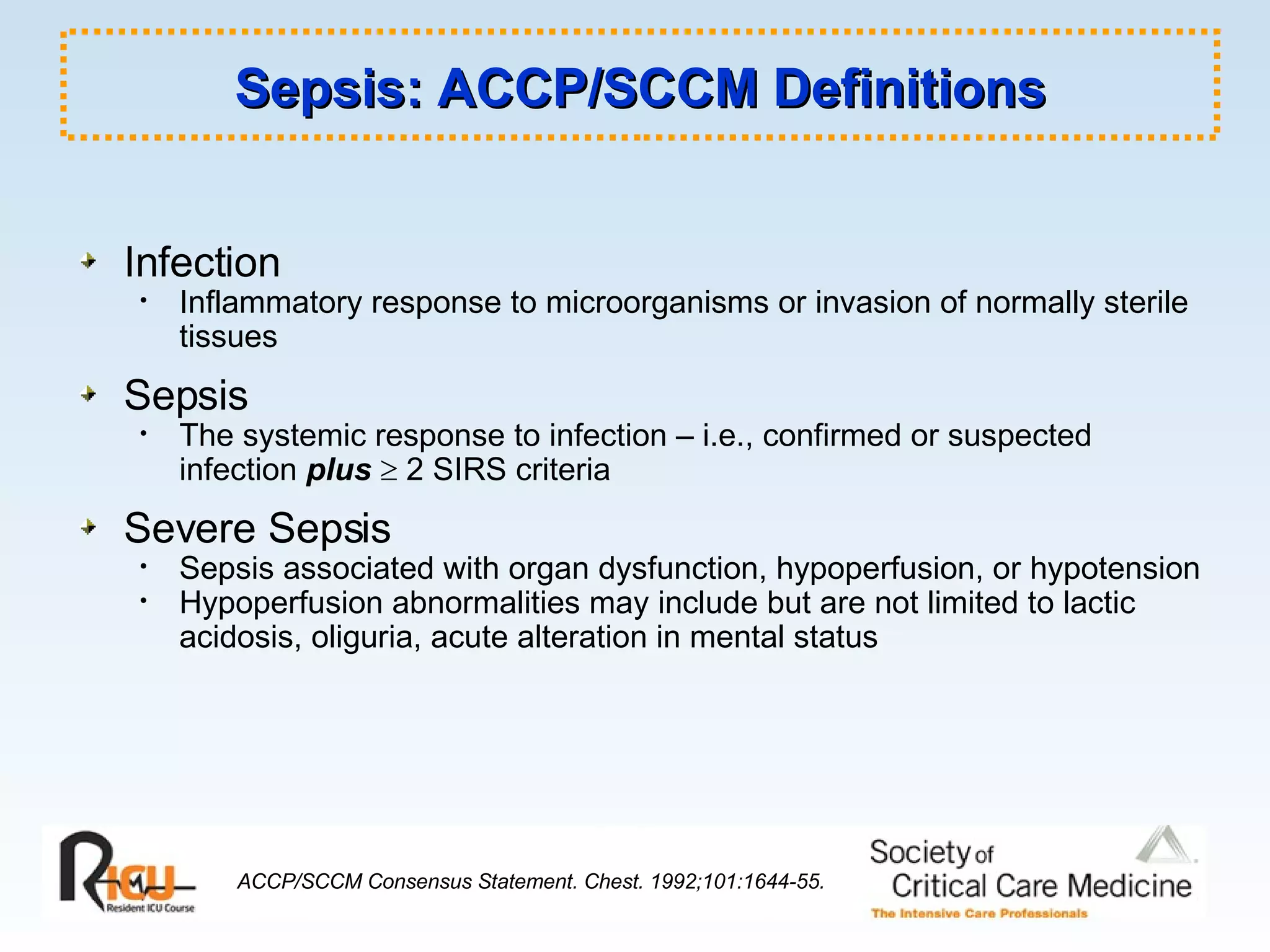
Sepsis: ACCP/SCCM Definitions Infection Inflammatory response to microorganisms or invasion of normally sterile tissues Sepsis The systemic response to infection – i.e., confirmed or suspected infection  plus     2 SIRS criteria Severe Sepsis Sepsis associated with organ dysfunction, hypoperfusion, or hypotension Hypoperfusion abnormalities may include but are not limited to lactic acidosis, oliguria, acute alteration in mental status ACCP/SCCM Consensus Statement. Chest. 1992;101:1644-55.
Sepsis - ACCP/SCCM Definitions:  The Update Altered mental status Edema or increased fluid balance Hyperglycemia (absent diabetes) Increased CRP or procalcitonin Hypotension Increased SvO 2 CI > 3.5 L/min/m 2 Arterial hypoxemia (PaO 2 /FiO 2  < 300) Acute oliguria (> 2 hours) Increased serum Cr (> 0.5 mg/dL) Coagulopathy (INR > 1.5) Ileus (absent bowel sounds) Thrombocytopenia (< 100,000/uL) Hyperbilirubinemia (> 40 mg/dL or 70 mmol/L) Hyperlactatemia (> 1 mmol/L) Decreased capillary refill or mottling Levy MM, et al. Crit Care Med. 2003.
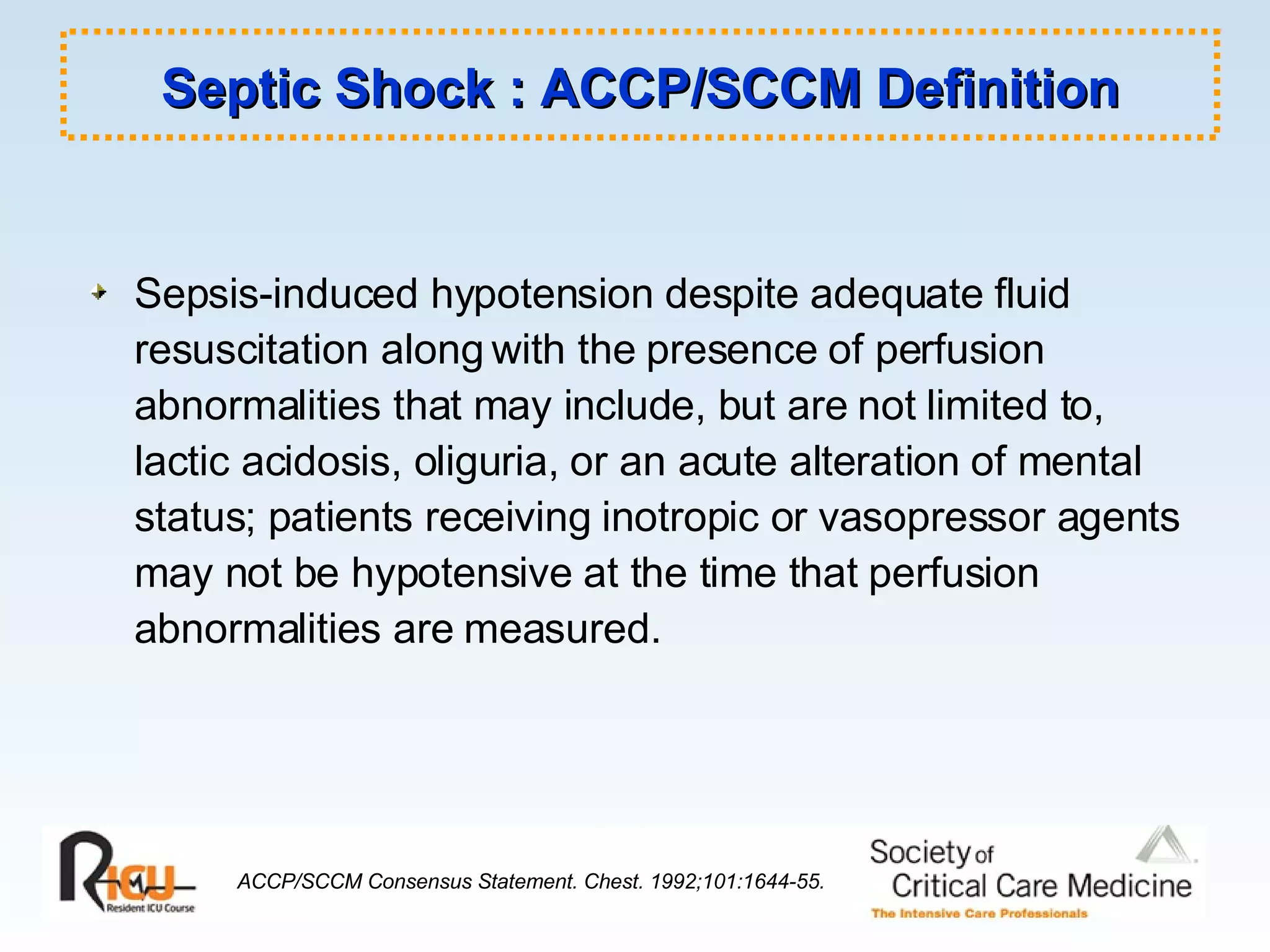
Septic Shock : ACCP/SCCM Definition Sepsis-induced hypotension despite adequate fluid resuscitation along with the presence of perfusion abnormalities that may include, but are not limited to, lactic acidosis, oliguria, or an acute alteration of mental status; patients receiving inotropic or vasopressor agents may not be hypotensive at the time that perfusion abnormalities are measured. ACCP/SCCM Consensus Statement. Chest. 1992;101:1644-55.
 
 
Relationship of Sepsis, Severe Sepsis, and Septic Shock Sepsis Severe Sepsis Septic shock MODS Death Sepsis and organ dysfunction, hypoperfusion, or hypotension Sepsis-induced hypotension
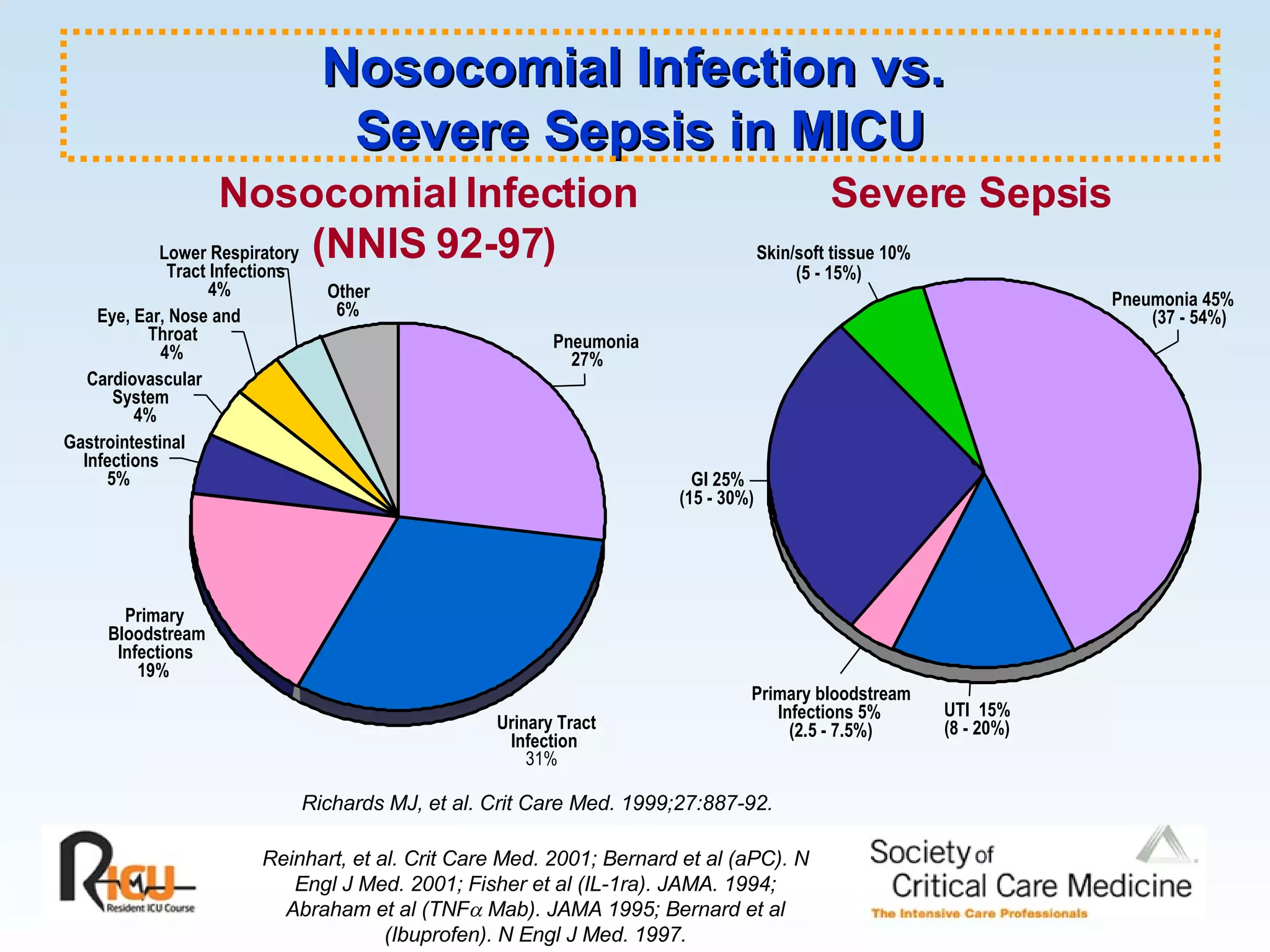
Nosocomial Infection vs.  Severe Sepsis in MICU Reinhart, et al. Crit Care Med. 2001; Bernard et al (aPC). N Engl J Med. 2001; Fisher et al (IL-1ra). JAMA. 1994; Abraham et al (TNF   Mab). JAMA 1995; Bernard et al (Ibuprofen). N Engl J Med. 1997. UTI  15% (8 - 20%) GI 25%  (15 - 30%) Skin/soft tissue 10%  (5 - 15%) Primary bloodstream  Infections 5%  (2.5 - 7.5%) Pneumonia 45% (37 - 54%) Richards MJ, et al. Crit Care Med. 1999;27:887-92. Urinary Tract  Infection 31% Primary  Bloodstream  Infections 19% Gastrointestinal  Infections 5% Cardiovascular  System 4% Eye, Ear, Nose and  Throat 4% Lower Respiratory  Tract Infections  4% Other 6% Pneumonia 27% Nosocomial Infection  (NNIS 92-97) Severe Sepsis
Nidus of Infection Abscess Pneumonia Peritonitis Pyelonephritis Cellulitis Organism Exotoxin TSST-1 Toxin-A Structural Component Teichoic Acid Antigen Peptidoglycan, Endotoxin (LPS) Bacterial nucleic acids Gut release of endotoxin Plasma - Extrinsic / intrinsic  pathways - Protein C; S - TFPI Complement Kinins Coagulation Monocyte-Macrophage - TNF - Interleukins - Interferons - MIF -  HMGB1 Cytokines Endothelial Cells Selectins, Icams Renin-angiotensin system Prostaglandins Leukotrienes Prostacyclin Thromboxane Endothelin Neutrophils Lysosomes Oxygen free radicals (superoxides) Granulocyte Colony Stimulating Factor (G-CSF) Cellular Dysfunction Continued... Pathogenesis of Septic Shock Platelet Activating Factor Nitric Oxide Tissue Factor
Vasculature - Vasodilation - Vasoconstriction - Leukocyte aggregation - Endothelial cell dysfunction Cellular Dysfunction Organs - Dysfunction - Metabolic abnormalities Myocardium - Depression - Dilatation Shock Refractory Hypotension Multiple Organ Dysfunction Recovery Death Nucleus Lysosome Mitochondria Actin/Myosin Membrane channel Membrane receptor Pathogenesis of Septic Shock
Pili Adapted from Young, et al. Ann Intern Med. 1977;86:456-71. Capsule (K antigen) Outer membrane Solid membrane (peptidoglycan) Flagellum (H antigen) LPS (endotoxin: O antigen) Oligosaccharide side chains Core polysaccharide Lipid A Inner cytoplasmic membrane Endotoxin (LPS): A Component of the  Gram-negative Bacterial Cell Wall
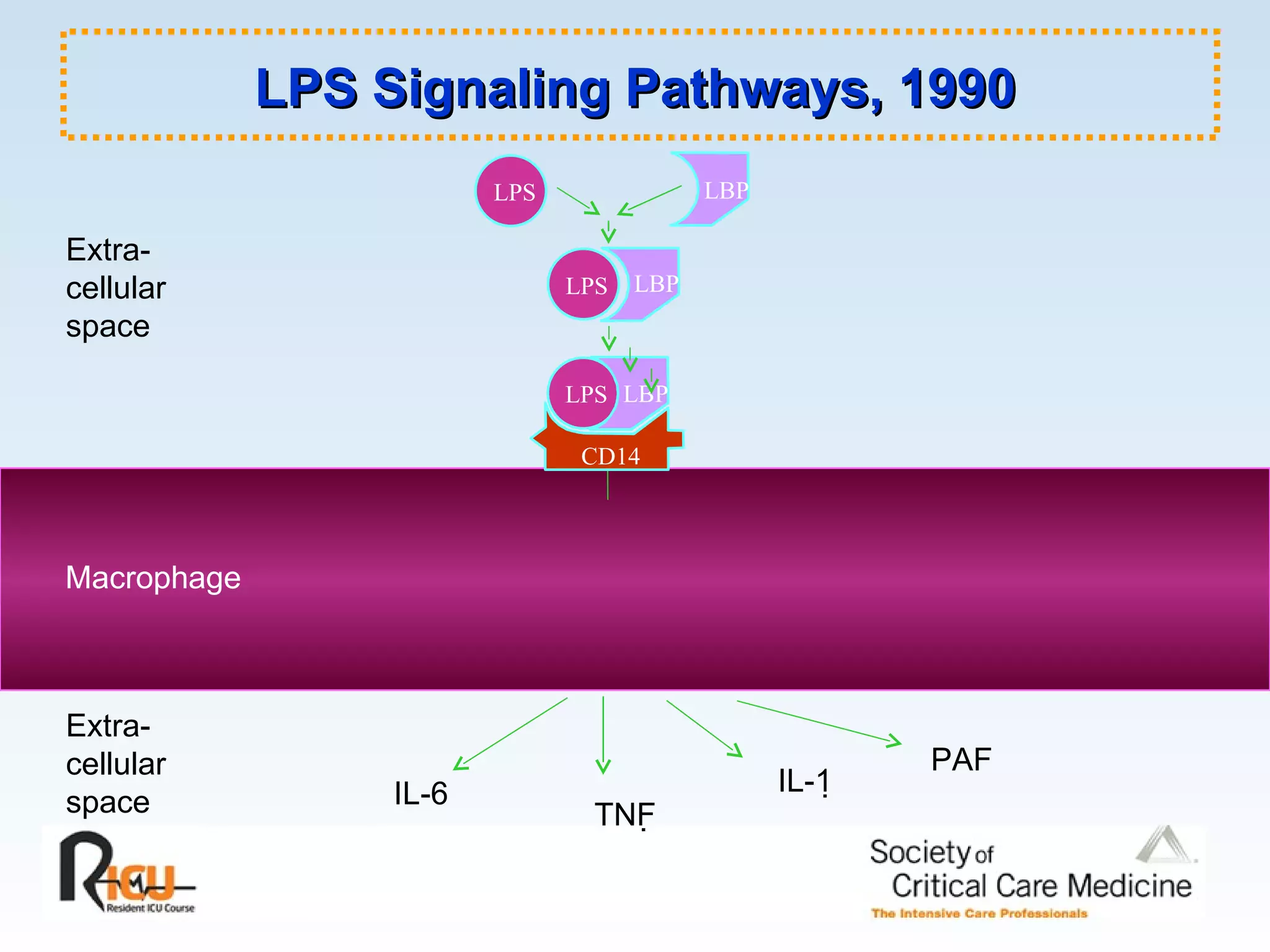
LPS LBP LBP LPS LBP Extra- cellular space Macrophage Extra- cellular space LPS CD14 TNF  PAF IL-6 IL-1  LPS Signaling Pathways, 1990
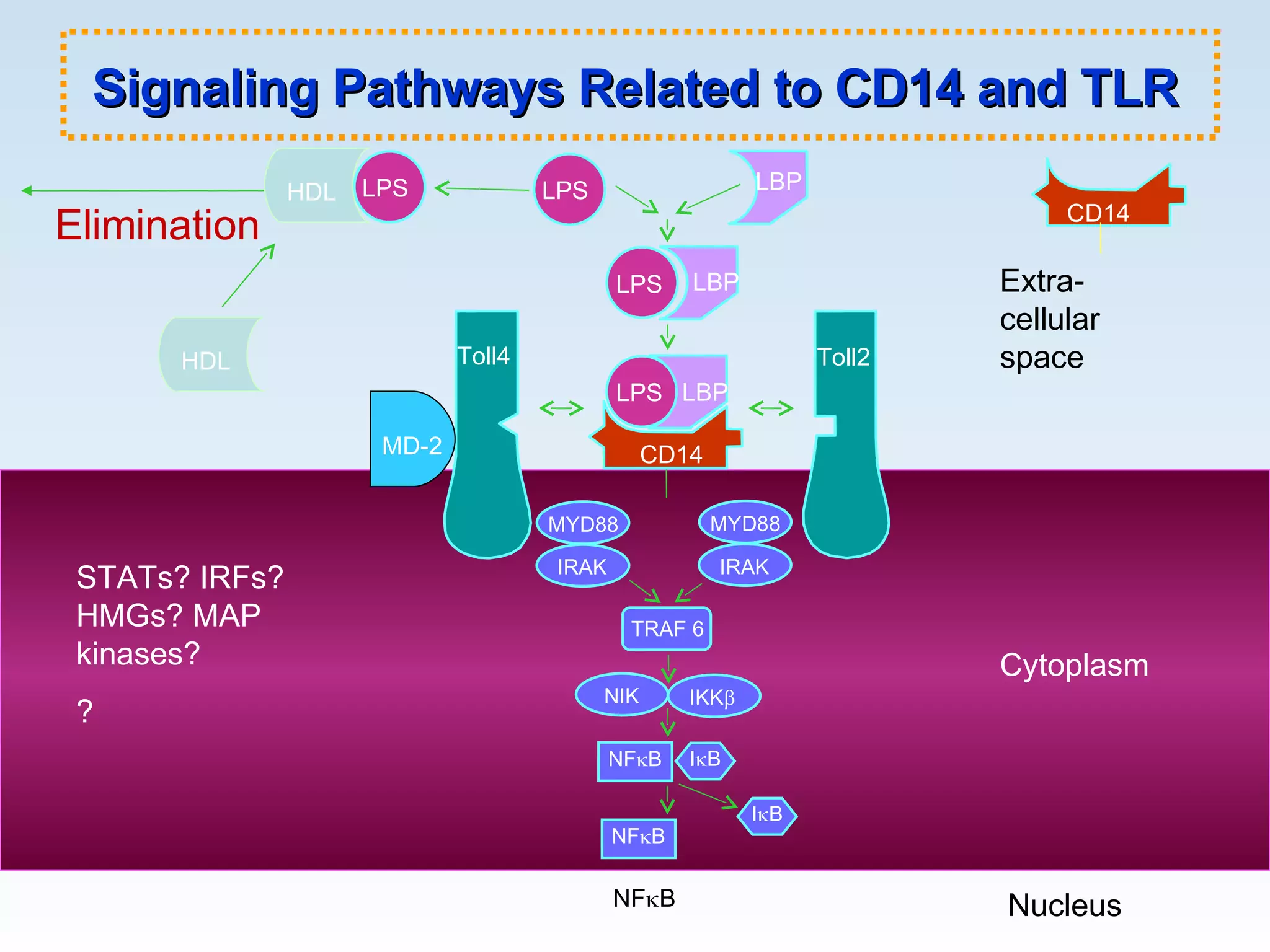
Signaling Pathways Related to CD14 and TLR LPS LBP LBP LPS LBP Toll4 Toll2 MYD88 IRAK MYD88 IRAK TRAF 6 NIK IKK  I  B NF  B I  B NF  B Extra- cellular space Cytoplasm Nucleus LPS CD14 NF  B HDL Elimination LPS HDL HDL STATs? IRFs? HMGs? MAP kinases? ? CD14 MD-2
Toll-like Receptor (TLR) Receptors and Ligands Bochud P, Calandra T. BMJ. 2003.
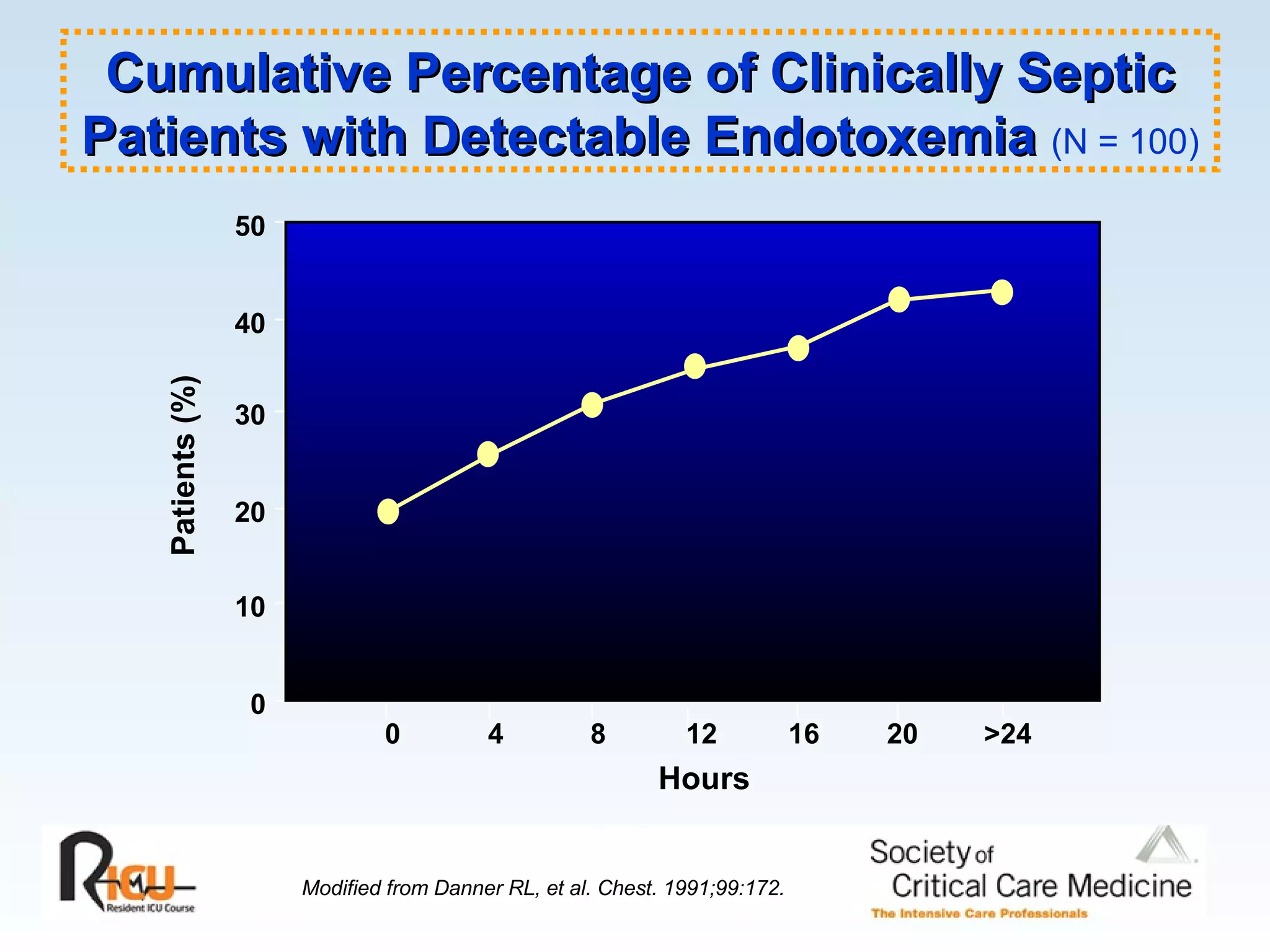
50 Patients (%) 0 10 20 30 40 Modified from Danner RL, et al. Chest. 1991;99:172. Hours 0 4 8 12 16 20 >24 Cumulative Percentage of Clinically Septic Patients with Detectable Endotoxemia  (N = 100)
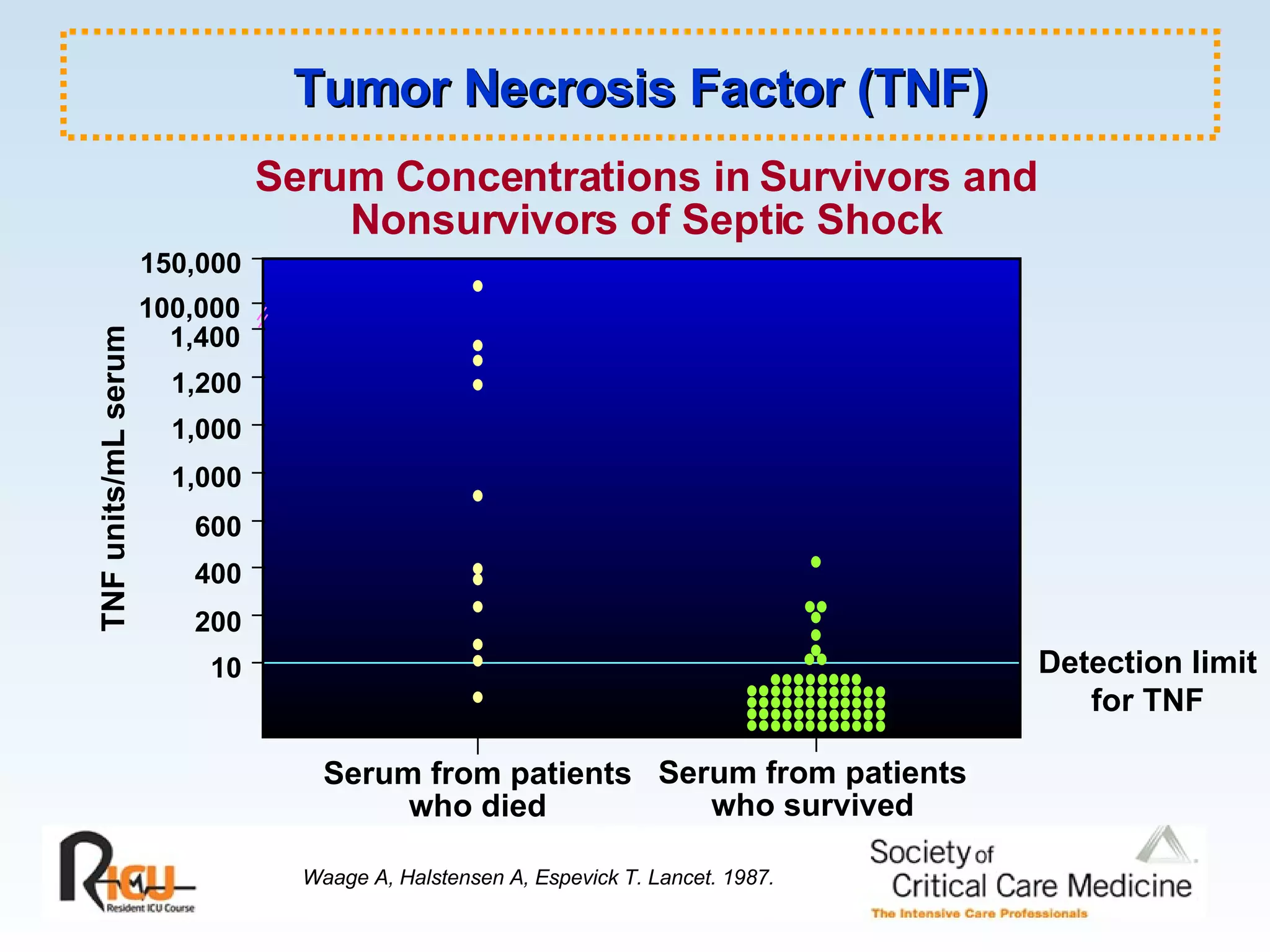
150,000 TNF units/mL serum 10 400 600 1,000 1,200 Waage A, Halstensen A, Espevick T. Lancet. 1987. Serum from patients who died Serum Concentrations in Survivors and Nonsurvivors of Septic Shock Serum from patients who survived Detection limit for TNF 100,000 1,400 1,000 200 Tumor Necrosis Factor (TNF)
Kumar, et al. J Cardiovasc Thor Anes. 2001. Hemodynamic Effects of Putative Septic Shock Mediators Hepatic acute phase response ? No change (canine) No change (canine) No change (canine) IL - 6 Pyrexia,    platelets Decreased (canine) Decreased (human, canine) Increased (human, canine) Decreased (human, canine) IL - 1  Lactic acidosis, pulmonary edema,    WBC, pyrexia DIC,    platelets Decreased (canine) Decreased (human, canine) Increased (human, canine) Decreased (human, canine) TNF     WBC, pyrexia    TNF, IL - 1, IL - 6 Decreased (human, canine) Decreased (human, canine) Increased (human, canine) Decreased (human, canine) Endotoxin Miscellaneous Effects Ejection Fraction Systemic Vascular Resistance Cardiac Output Arterial Pressure Putative Mediator
 
 
Pathogen Inflammation Coagulation Monocyte Pathophysiology of Sepsis -  A New Paradigm Tissue Factor Cytokines
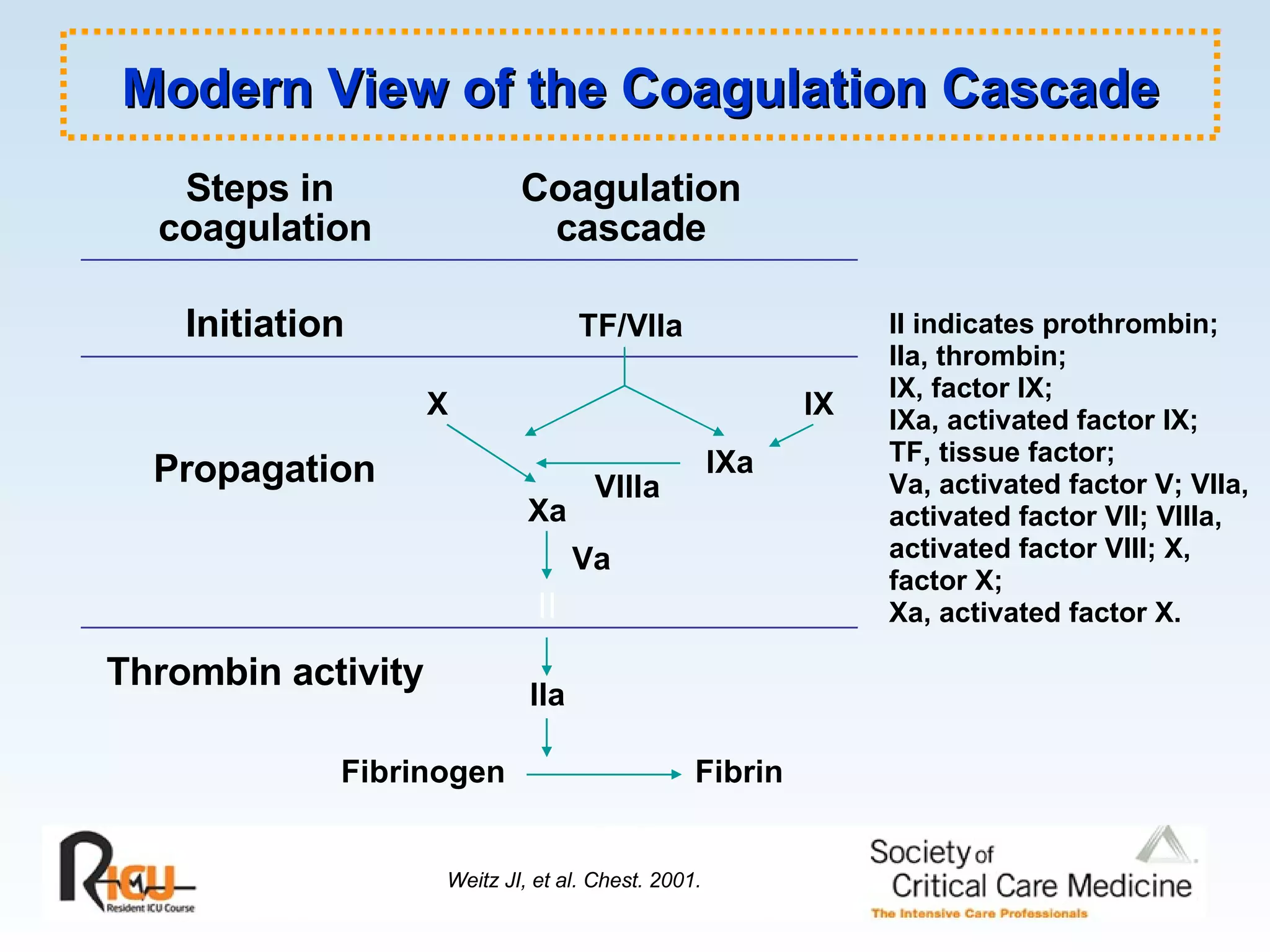
Modern View of the Coagulation Cascade Steps in  coagulation Coagulation cascade Initiation TF/VIIa Propagation VIIIa Thrombin activity Fibrinogen Fibrin IXa IX X Xa II Va IIa II indicates prothrombin; IIa, thrombin;   IX, factor IX;  IXa, activated factor IX;  TF, tissue factor;  Va, activated factor V; VIIa, activated factor VII; VIIIa, activated factor VIII; X, factor X;  Xa, activated factor X. Weitz JI, et al. Chest. 2001.
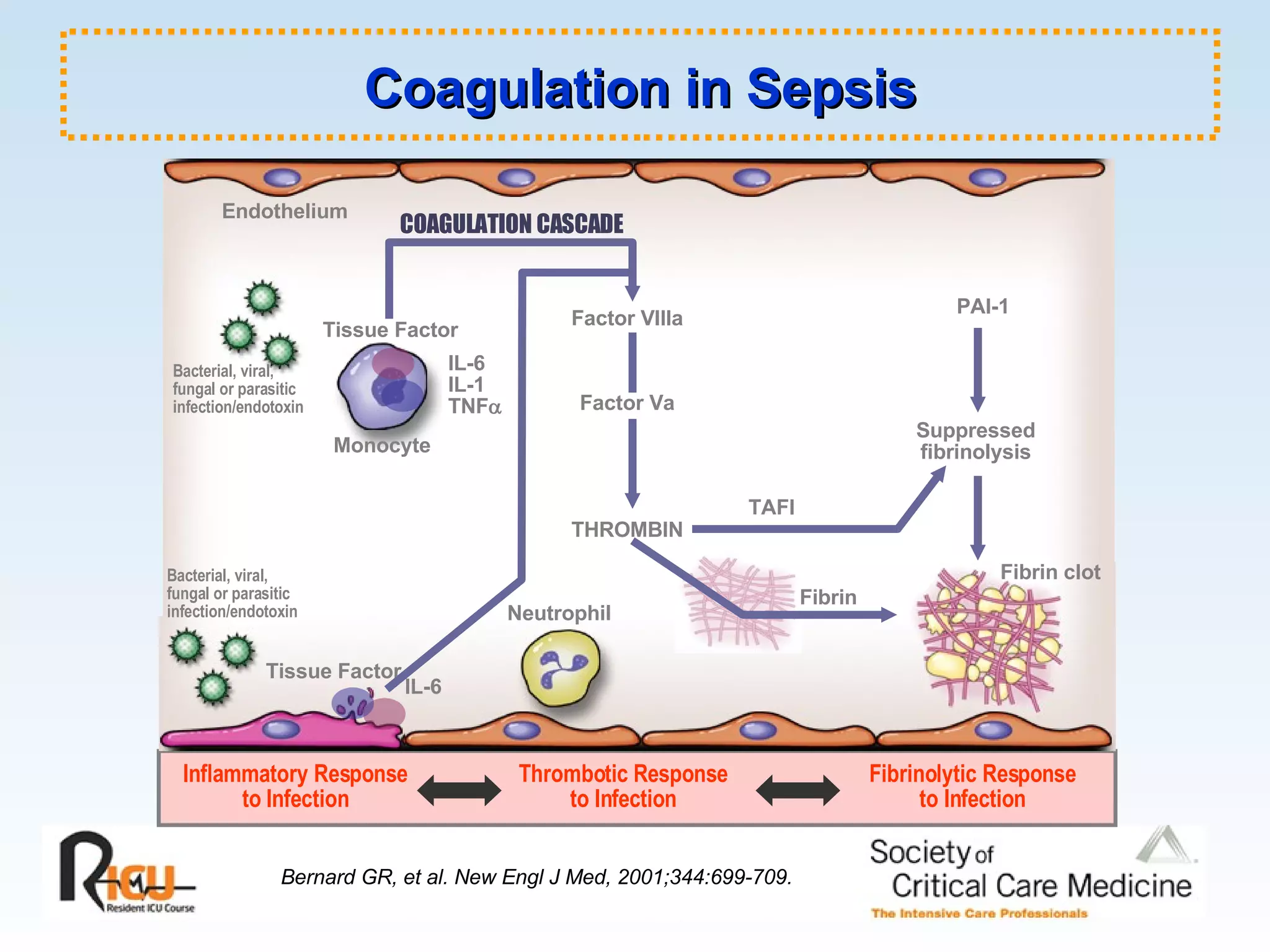
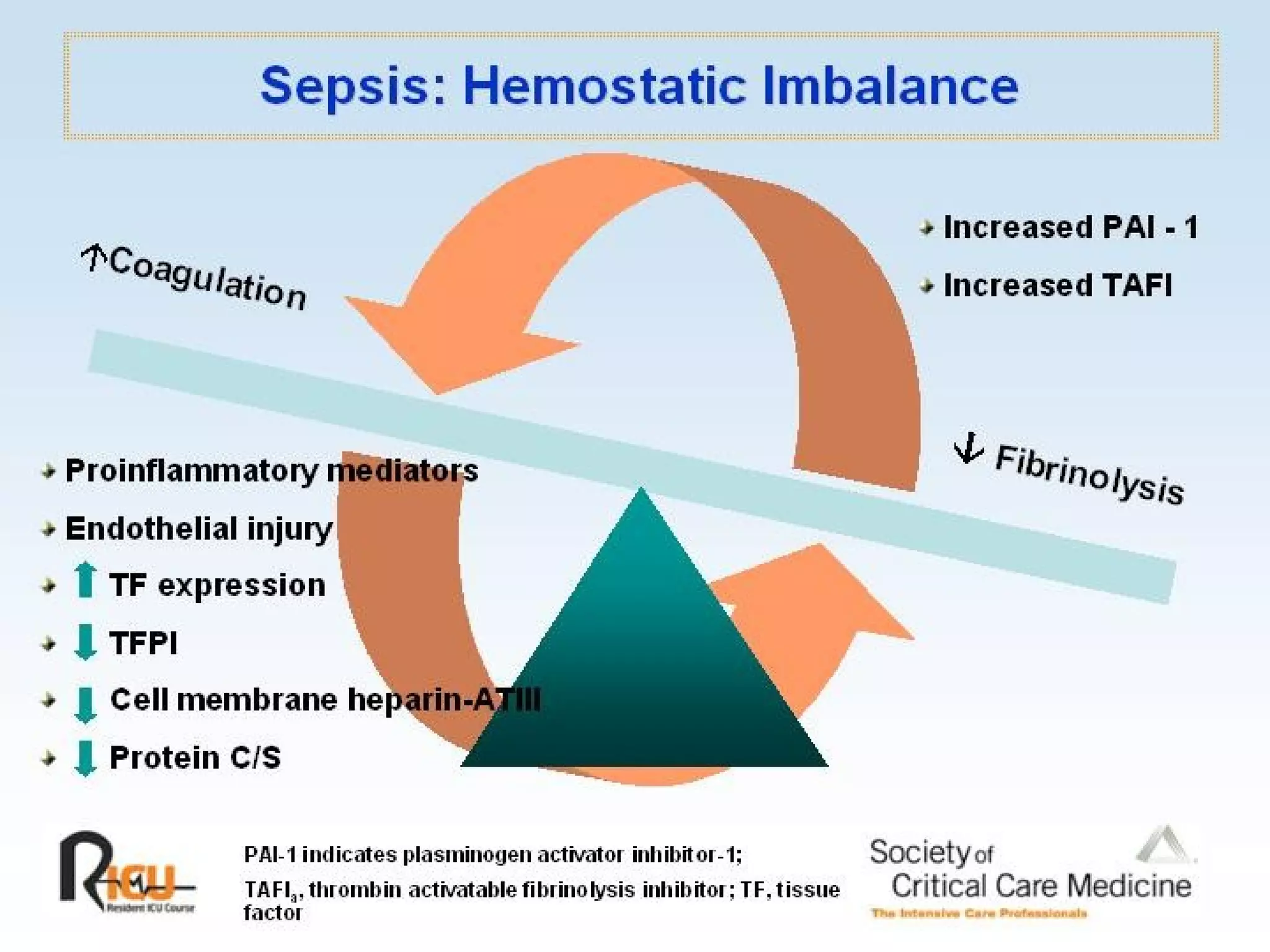
Coagulation in Sepsis Bernard GR, et al.   New Engl J Med, 2001;344:699-709. Inflammatory Response to Infection Thrombotic Response to Infection Fibrinolytic Response to Infection Endothelium TAFI PAI-1 Suppressed fibrinolysis Neutrophil Monocyte IL-6 IL-1 TNF  Bacterial, viral, fungal or parasitic infection/endotoxin Bacterial, viral, fungal or parasitic infection/endotoxin IL-6 Tissue Factor Tissue Factor COAGULATION CASCADE Factor Va Factor VIIIa THROMBIN Fibrin Fibrin clot
 
 
Activation of Coagulation in Severe Sepsis Data from: Bernard et al. The Ibuprofen in Sepsis Trial (In Press). 0 20 40 60 80 100    Platelets    PTT    PT Any One Any Two All Three    Protein C    D-Dimers Percentage of Patients Markers of DIC
Protein C Levels Decrease Before the Clinical Diagnosis of Severe Sepsis Mesters et al. Crit Care Med. 2000;28:2209-16. 20 40 60 80 100 120 PC HEM    WBC Fever 6 hr 12 hr 18 hr 24 hr 36 hr 48 hr 60 hr 72 hr PC Antigen (%) Severe Sepsis Patients Septic Shock Patients Average Time to  Diagnose Severe Sepsis
GTP cGMP Blood Endothelium Smooth Muscle GTP cGMP GC L-Arg O 2 L-citrulline GC NO . cNOS Platelets Nitric Oxide in the Vasculature
GTP cGMP Blood Endothelium Smooth Muscle GTP cGMP GC L-Arg O 2 L-citrulline GC NO iNOS Platelets iNOS cNOS Endotoxin Cytokines NO Nitric Oxide in Sepsis
Septic Shock Hemodynamics Warm (hyperdynamic) shock hypotensive tachycardia tachypnea bounding pulse warm, well perfused extremities skin flushed, moist Cold (hypodynamic) shock hypotensive tachycardia tachypnea narrow, thready pulse cold, poorly perfused extremities skin pale, dry
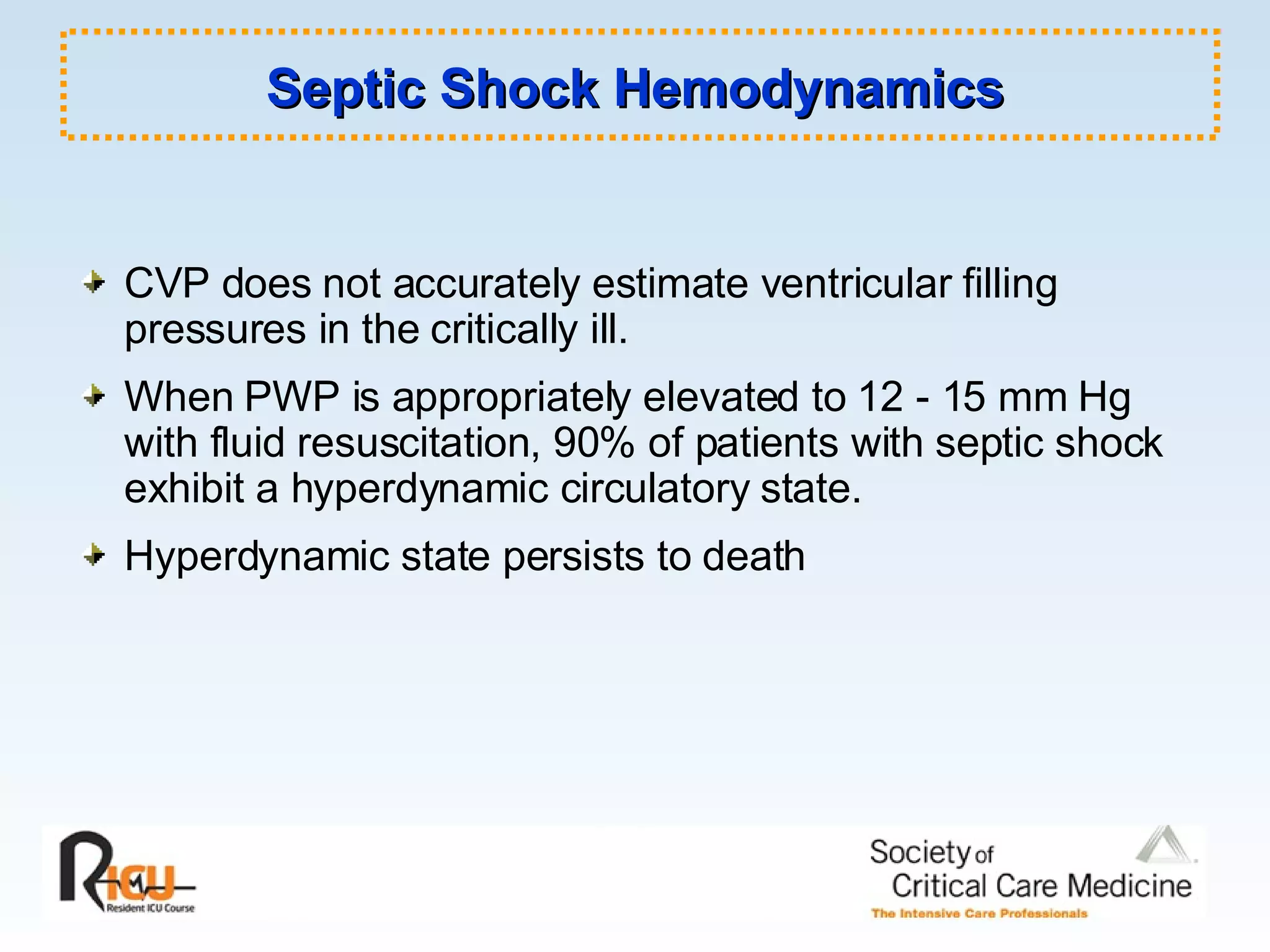
Septic Shock Hemodynamics CVP does not accurately estimate ventricular filling pressures in the critically ill. When PWP is appropriately elevated to 12 - 15 mm Hg with fluid resuscitation, 90% of patients with septic shock exhibit a hyperdynamic circulatory state. Hyperdynamic state persists to death
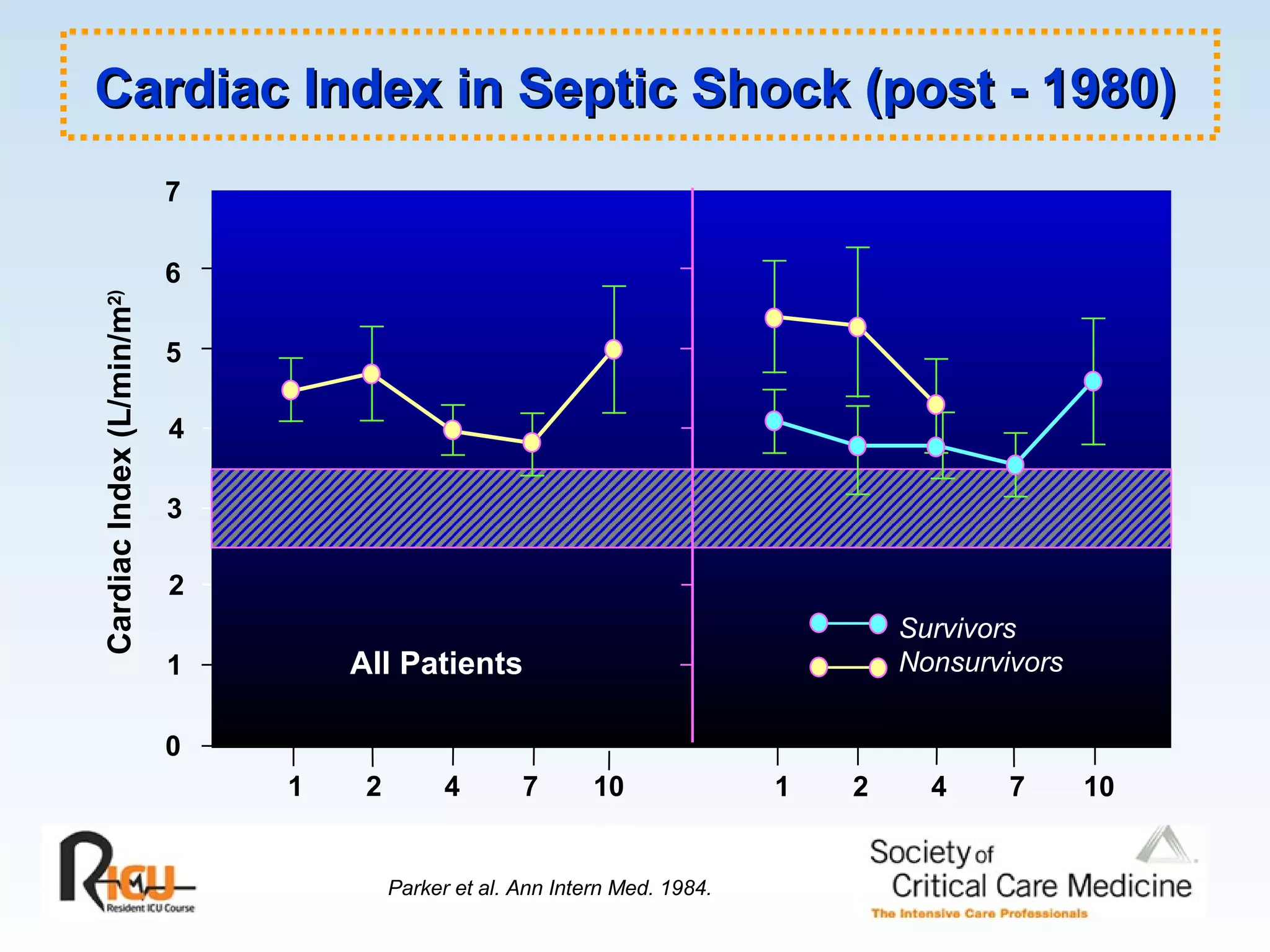
1 0 2 5 6 Cardiac Index (L/min/m 2) 3 4 1  2  4  7  10 1  2  4  7   10 Time (days) 7 Survivors Nonsurvivors All Patients Parker et al. Ann Intern Med. 1984. Cardiac Index in Septic Shock (post - 1980)
Hypovolemia in Septic Shock: Causes Venous pooling Interstitial “third-spacing”    insensible losses (fever,   RR)     oral intake
Septic Shock Hemodynamics Hypodynamic septic shock in humans = inadequately fluid resuscitated septic shock (until PWP shows filling pressures between 12 - 15 mm Hg).
Mizock BA. Crit Care Med. 1992;20:80-93. Oxygen Consumption Oxygen Delivery Critical Delivery Threshold Lactic Acidosis Physiologic Oxygen Supply Dependency Indicating a Critical Delivery Threshold Below Which Lactic Acidosis Ensues
Mizock BA. Crit Care Med. 1992;20:80-93. Oxygen Consumption Oxygen Delivery Pathologic Physiologic Relationship Between Oxygen Delivery and Consumption Under Physiologic and Pathologic Conditions
Capillary Vascular   Abnormality Arteriole Neutrophil Aggregation Vasoconstriction Vasodilation Endothelial Cell Destruction Venule Cell Pathogenesis of Septic Shock
Metabolic Derangements in Sepsis:  Lactate,  MVO 2 Micro-anatomic shunts (non-nutrient capillaries) Functional shunts (impaired micro-circulatory vasomotor control) Citric acid (Kreb’s) cycle defect with anaerobic glycolysis Aerobic glycolysis with lactate  production
References Annane D, Bellissant E, Cavaillon JM. Septic shock.  Lancet . 2005;365:63-78. Aird WC. Vascular bed-specific hemostasis: role of endothelium in sepsis pathogenesis.  Crit Care Med . 2001;29:S28-S34. Kumar A, Haery C, Parrillo JE. Myocardial dysfunction in septic shock.  Crit Care Clin . 2000;16;251-287.

Sepsis And Septic Shock

  • 1.
    Section of CriticalCare Medicine Section of Infectious Diseases University of Manitoba, Winnipeg, Canada UMDNJ-Robert Wood Johnson Medical School Cooper Hospital, NJ Anand Kumar, MD Sepsis and Septic Shock Old Concepts, New Precepts
  • 2.
    Incidence of SevereSepsis/Septic Shock Approximate Cases/Year 800,000 600,000 400,000 200,000 0 Severe sepsis 800,000 Septic shock 400,000 Deaths from septic shock 200,000 Sepsis and sequelae are a leading cause of death in ICU Mortality in septic shock remains at 35 - 50% -unchanged since advent of antibiotics (from 55 - 75%)
  • 3.
    Bacterial Sepsis DeathRate in the United States 5.0 Chart adapted from CDC/National Center for Health Statistics, 1992. 4.0 3.0 2.0 1.0 0.0 0.8 0.7 0.5 0.4 0.6 0.2 0.1 0.3 1960 1965 1970 1975 1980 1985 1990 Rate per 100,000 Population 4.1
  • 4.
    Severe Sepsis: Comparative Incidence and Mortality Angus DC, et al. Crit Care Med. 2001; ACS. Incidence Cases/100,000 Mortality Deaths/Year
  • 5.
    Mortality of SevereSepsis by Age in the United States Angus DC, et al. Crit Care Med. 2001. 0% 5% 10% 15% 20% 25% 30% 35% 40% 45% 0 1 5 10 15 20 25 30 35 40 45 50 55 60 65 70 75 80 85 Age Mortality Without Co-morbidity With Co-morbidity Overall
  • 6.
    Projected Incidence ofSevere Sepsis in the US: 2001 - 2050 200,000 400,000 600,000 800,000 1,000,000 1,200,000 1,400,000 1,600,000 1,800,000 2001 2025 2050 Year 100,000 200,000 300,000 400,000 500,000 600,000 Severe Sepsis Cases US Population Sepsis Cases Total U.S. Population/1,000 Angus DC, et al. Crit Care Med. 2001.
  • 7.
    Systemic Inflammatory ResponseSyndrome (SIRS) Systemic inflammatory response to a variety of severe clinical insults. Manifested by two or more of the following: Temperature > 38 o C or < 36 o C Heart rate > 90 beats/min Respiratory rate > 20 breaths/min or PaCO 2 < 32 mm Hg WBC > 12,000/mm 3 , < 4000/mm 3 , or > 10% immature (band) forms ACCP/SCCM Consensus Statement Chest. 1992;1644-1655.
  • 8.
    Sepsis: ACCP/SCCM DefinitionsInfection Inflammatory response to microorganisms or invasion of normally sterile tissues Sepsis The systemic response to infection – i.e., confirmed or suspected infection plus  2 SIRS criteria Severe Sepsis Sepsis associated with organ dysfunction, hypoperfusion, or hypotension Hypoperfusion abnormalities may include but are not limited to lactic acidosis, oliguria, acute alteration in mental status ACCP/SCCM Consensus Statement. Chest. 1992;101:1644-55.
  • 9.
    Sepsis - ACCP/SCCMDefinitions: The Update Altered mental status Edema or increased fluid balance Hyperglycemia (absent diabetes) Increased CRP or procalcitonin Hypotension Increased SvO 2 CI > 3.5 L/min/m 2 Arterial hypoxemia (PaO 2 /FiO 2 < 300) Acute oliguria (> 2 hours) Increased serum Cr (> 0.5 mg/dL) Coagulopathy (INR > 1.5) Ileus (absent bowel sounds) Thrombocytopenia (< 100,000/uL) Hyperbilirubinemia (> 40 mg/dL or 70 mmol/L) Hyperlactatemia (> 1 mmol/L) Decreased capillary refill or mottling Levy MM, et al. Crit Care Med. 2003.
  • 10.
    Septic Shock :ACCP/SCCM Definition Sepsis-induced hypotension despite adequate fluid resuscitation along with the presence of perfusion abnormalities that may include, but are not limited to, lactic acidosis, oliguria, or an acute alteration of mental status; patients receiving inotropic or vasopressor agents may not be hypotensive at the time that perfusion abnormalities are measured. ACCP/SCCM Consensus Statement. Chest. 1992;101:1644-55.
  • 11.
  • 12.
  • 13.
    Relationship of Sepsis,Severe Sepsis, and Septic Shock Sepsis Severe Sepsis Septic shock MODS Death Sepsis and organ dysfunction, hypoperfusion, or hypotension Sepsis-induced hypotension
  • 14.
    Nosocomial Infection vs. Severe Sepsis in MICU Reinhart, et al. Crit Care Med. 2001; Bernard et al (aPC). N Engl J Med. 2001; Fisher et al (IL-1ra). JAMA. 1994; Abraham et al (TNF  Mab). JAMA 1995; Bernard et al (Ibuprofen). N Engl J Med. 1997. UTI 15% (8 - 20%) GI 25% (15 - 30%) Skin/soft tissue 10% (5 - 15%) Primary bloodstream Infections 5% (2.5 - 7.5%) Pneumonia 45% (37 - 54%) Richards MJ, et al. Crit Care Med. 1999;27:887-92. Urinary Tract Infection 31% Primary Bloodstream Infections 19% Gastrointestinal Infections 5% Cardiovascular System 4% Eye, Ear, Nose and Throat 4% Lower Respiratory Tract Infections 4% Other 6% Pneumonia 27% Nosocomial Infection (NNIS 92-97) Severe Sepsis
  • 15.
    Nidus of InfectionAbscess Pneumonia Peritonitis Pyelonephritis Cellulitis Organism Exotoxin TSST-1 Toxin-A Structural Component Teichoic Acid Antigen Peptidoglycan, Endotoxin (LPS) Bacterial nucleic acids Gut release of endotoxin Plasma - Extrinsic / intrinsic pathways - Protein C; S - TFPI Complement Kinins Coagulation Monocyte-Macrophage - TNF - Interleukins - Interferons - MIF - HMGB1 Cytokines Endothelial Cells Selectins, Icams Renin-angiotensin system Prostaglandins Leukotrienes Prostacyclin Thromboxane Endothelin Neutrophils Lysosomes Oxygen free radicals (superoxides) Granulocyte Colony Stimulating Factor (G-CSF) Cellular Dysfunction Continued... Pathogenesis of Septic Shock Platelet Activating Factor Nitric Oxide Tissue Factor
  • 16.
    Vasculature - Vasodilation- Vasoconstriction - Leukocyte aggregation - Endothelial cell dysfunction Cellular Dysfunction Organs - Dysfunction - Metabolic abnormalities Myocardium - Depression - Dilatation Shock Refractory Hypotension Multiple Organ Dysfunction Recovery Death Nucleus Lysosome Mitochondria Actin/Myosin Membrane channel Membrane receptor Pathogenesis of Septic Shock
  • 17.
    Pili Adapted fromYoung, et al. Ann Intern Med. 1977;86:456-71. Capsule (K antigen) Outer membrane Solid membrane (peptidoglycan) Flagellum (H antigen) LPS (endotoxin: O antigen) Oligosaccharide side chains Core polysaccharide Lipid A Inner cytoplasmic membrane Endotoxin (LPS): A Component of the Gram-negative Bacterial Cell Wall
  • 18.
    LPS LBP LBPLPS LBP Extra- cellular space Macrophage Extra- cellular space LPS CD14 TNF  PAF IL-6 IL-1  LPS Signaling Pathways, 1990
  • 19.
    Signaling Pathways Relatedto CD14 and TLR LPS LBP LBP LPS LBP Toll4 Toll2 MYD88 IRAK MYD88 IRAK TRAF 6 NIK IKK  I  B NF  B I  B NF  B Extra- cellular space Cytoplasm Nucleus LPS CD14 NF  B HDL Elimination LPS HDL HDL STATs? IRFs? HMGs? MAP kinases? ? CD14 MD-2
  • 20.
    Toll-like Receptor (TLR)Receptors and Ligands Bochud P, Calandra T. BMJ. 2003.
  • 21.
    50 Patients (%)0 10 20 30 40 Modified from Danner RL, et al. Chest. 1991;99:172. Hours 0 4 8 12 16 20 >24 Cumulative Percentage of Clinically Septic Patients with Detectable Endotoxemia (N = 100)
  • 22.
    150,000 TNF units/mLserum 10 400 600 1,000 1,200 Waage A, Halstensen A, Espevick T. Lancet. 1987. Serum from patients who died Serum Concentrations in Survivors and Nonsurvivors of Septic Shock Serum from patients who survived Detection limit for TNF 100,000 1,400 1,000 200 Tumor Necrosis Factor (TNF)
  • 23.
    Kumar, et al.J Cardiovasc Thor Anes. 2001. Hemodynamic Effects of Putative Septic Shock Mediators Hepatic acute phase response ? No change (canine) No change (canine) No change (canine) IL - 6 Pyrexia,  platelets Decreased (canine) Decreased (human, canine) Increased (human, canine) Decreased (human, canine) IL - 1  Lactic acidosis, pulmonary edema,  WBC, pyrexia DIC,  platelets Decreased (canine) Decreased (human, canine) Increased (human, canine) Decreased (human, canine) TNF   WBC, pyrexia  TNF, IL - 1, IL - 6 Decreased (human, canine) Decreased (human, canine) Increased (human, canine) Decreased (human, canine) Endotoxin Miscellaneous Effects Ejection Fraction Systemic Vascular Resistance Cardiac Output Arterial Pressure Putative Mediator
  • 24.
  • 25.
  • 26.
    Pathogen Inflammation CoagulationMonocyte Pathophysiology of Sepsis - A New Paradigm Tissue Factor Cytokines
  • 27.
    Modern View ofthe Coagulation Cascade Steps in coagulation Coagulation cascade Initiation TF/VIIa Propagation VIIIa Thrombin activity Fibrinogen Fibrin IXa IX X Xa II Va IIa II indicates prothrombin; IIa, thrombin; IX, factor IX; IXa, activated factor IX; TF, tissue factor; Va, activated factor V; VIIa, activated factor VII; VIIIa, activated factor VIII; X, factor X; Xa, activated factor X. Weitz JI, et al. Chest. 2001.
  • 28.
    Coagulation in SepsisBernard GR, et al. New Engl J Med, 2001;344:699-709. Inflammatory Response to Infection Thrombotic Response to Infection Fibrinolytic Response to Infection Endothelium TAFI PAI-1 Suppressed fibrinolysis Neutrophil Monocyte IL-6 IL-1 TNF  Bacterial, viral, fungal or parasitic infection/endotoxin Bacterial, viral, fungal or parasitic infection/endotoxin IL-6 Tissue Factor Tissue Factor COAGULATION CASCADE Factor Va Factor VIIIa THROMBIN Fibrin Fibrin clot
  • 29.
  • 30.
  • 31.
    Activation of Coagulationin Severe Sepsis Data from: Bernard et al. The Ibuprofen in Sepsis Trial (In Press). 0 20 40 60 80 100  Platelets  PTT  PT Any One Any Two All Three  Protein C  D-Dimers Percentage of Patients Markers of DIC
  • 32.
    Protein C LevelsDecrease Before the Clinical Diagnosis of Severe Sepsis Mesters et al. Crit Care Med. 2000;28:2209-16. 20 40 60 80 100 120 PC HEM  WBC Fever 6 hr 12 hr 18 hr 24 hr 36 hr 48 hr 60 hr 72 hr PC Antigen (%) Severe Sepsis Patients Septic Shock Patients Average Time to Diagnose Severe Sepsis
  • 33.
    GTP cGMP BloodEndothelium Smooth Muscle GTP cGMP GC L-Arg O 2 L-citrulline GC NO . cNOS Platelets Nitric Oxide in the Vasculature
  • 34.
    GTP cGMP BloodEndothelium Smooth Muscle GTP cGMP GC L-Arg O 2 L-citrulline GC NO iNOS Platelets iNOS cNOS Endotoxin Cytokines NO Nitric Oxide in Sepsis
  • 35.
    Septic Shock HemodynamicsWarm (hyperdynamic) shock hypotensive tachycardia tachypnea bounding pulse warm, well perfused extremities skin flushed, moist Cold (hypodynamic) shock hypotensive tachycardia tachypnea narrow, thready pulse cold, poorly perfused extremities skin pale, dry
  • 36.
    Septic Shock HemodynamicsCVP does not accurately estimate ventricular filling pressures in the critically ill. When PWP is appropriately elevated to 12 - 15 mm Hg with fluid resuscitation, 90% of patients with septic shock exhibit a hyperdynamic circulatory state. Hyperdynamic state persists to death
  • 37.
    1 0 25 6 Cardiac Index (L/min/m 2) 3 4 1 2 4 7 10 1 2 4 7 10 Time (days) 7 Survivors Nonsurvivors All Patients Parker et al. Ann Intern Med. 1984. Cardiac Index in Septic Shock (post - 1980)
  • 38.
    Hypovolemia in SepticShock: Causes Venous pooling Interstitial “third-spacing”  insensible losses (fever,  RR)  oral intake
  • 39.
    Septic Shock HemodynamicsHypodynamic septic shock in humans = inadequately fluid resuscitated septic shock (until PWP shows filling pressures between 12 - 15 mm Hg).
  • 40.
    Mizock BA. CritCare Med. 1992;20:80-93. Oxygen Consumption Oxygen Delivery Critical Delivery Threshold Lactic Acidosis Physiologic Oxygen Supply Dependency Indicating a Critical Delivery Threshold Below Which Lactic Acidosis Ensues
  • 41.
    Mizock BA. CritCare Med. 1992;20:80-93. Oxygen Consumption Oxygen Delivery Pathologic Physiologic Relationship Between Oxygen Delivery and Consumption Under Physiologic and Pathologic Conditions
  • 42.
    Capillary Vascular Abnormality Arteriole Neutrophil Aggregation Vasoconstriction Vasodilation Endothelial Cell Destruction Venule Cell Pathogenesis of Septic Shock
  • 43.
    Metabolic Derangements inSepsis: Lactate, MVO 2 Micro-anatomic shunts (non-nutrient capillaries) Functional shunts (impaired micro-circulatory vasomotor control) Citric acid (Kreb’s) cycle defect with anaerobic glycolysis Aerobic glycolysis with lactate production
  • 44.
    References Annane D,Bellissant E, Cavaillon JM. Septic shock. Lancet . 2005;365:63-78. Aird WC. Vascular bed-specific hemostasis: role of endothelium in sepsis pathogenesis. Crit Care Med . 2001;29:S28-S34. Kumar A, Haery C, Parrillo JE. Myocardial dysfunction in septic shock. Crit Care Clin . 2000;16;251-287.