Guidelines for Management of Severe Sepsis/Septic Shock Adopted from the Surviving Sepsis Campaign
Systemic Inflammatory Response Syndrome (SIRS) Systemic inflammatory response to a variety of severe clinical insults.  Manifested by two or more of the following: Temperature > 38 o C or < 36 o C Heart rate > 90 beats/min Respiratory rate > 20 breaths/min or PaCO 2  < 32 mm Hg WBC > 12,000/mm 3 , < 4000/mm 3 , or > 10% immature (band) forms ACCP/SCCM Consensus Statement Chest. 1992;1644-1655.
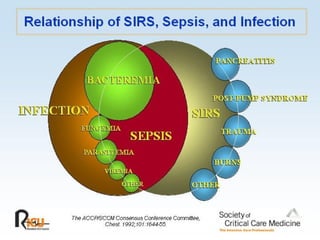
Sepsis: ACCP/SCCM Definitions Infection Inflammatory response to microorganisms or invasion of normally sterile tissues Sepsis The systemic response to infection – i.e., confirmed or suspected infection  plus     2 SIRS criteria Severe Sepsis Sepsis associated with organ dysfunction, hypoperfusion, or hypotension Hypoperfusion abnormalities may include but are not limited to lactic acidosis, oliguria, acute alteration in mental status ACCP/SCCM Consensus Statement. Chest. 1992;101:1644-55.
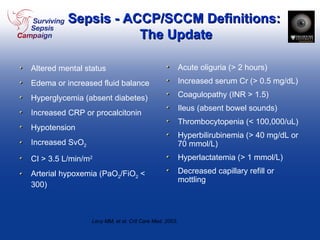
Sepsis - ACCP/SCCM Definitions:  The Update Altered mental status Edema or increased fluid balance Hyperglycemia (absent diabetes) Increased CRP or procalcitonin Hypotension Increased SvO 2 CI > 3.5 L/min/m 2 Arterial hypoxemia (PaO 2 /FiO 2  < 300) Acute oliguria (> 2 hours) Increased serum Cr (> 0.5 mg/dL) Coagulopathy (INR > 1.5) Ileus (absent bowel sounds) Thrombocytopenia (< 100,000/uL) Hyperbilirubinemia (> 40 mg/dL or 70 mmol/L) Hyperlactatemia (> 1 mmol/L) Decreased capillary refill or mottling Levy MM, et al. Crit Care Med. 2003.
 
 
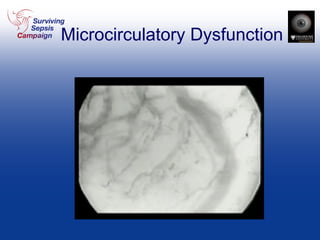
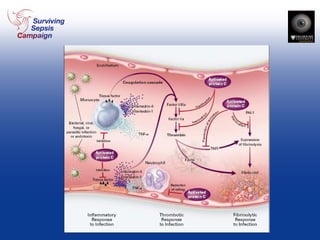
Microcirculatory Dysfunction
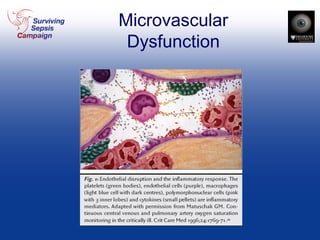
Microvascular Dysfunction
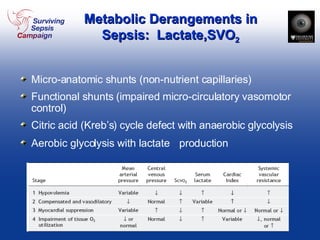
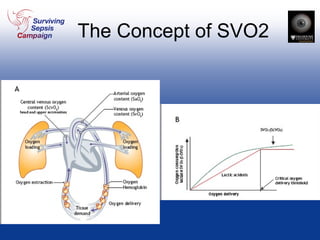
Metabolic Derangements in Sepsis:  Lactate,SVO 2 Micro-anatomic shunts (non-nutrient capillaries) Functional shunts (impaired micro-circulatory vasomotor control) Citric acid (Kreb’s) cycle defect with anaerobic glycolysis Aerobic glycolysis with lactate  production
Initial Resuscitation
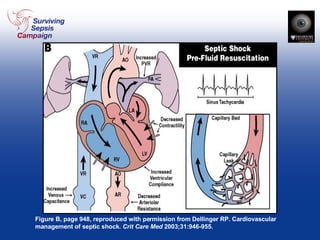
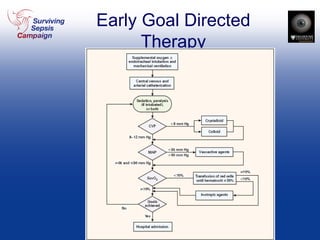
Figure B, page 948, reproduced with permission from Dellinger RP. Cardiovascular management of septic shock.  Crit Care Med  2003;31:946-955.
Early Goal Directed Therapy
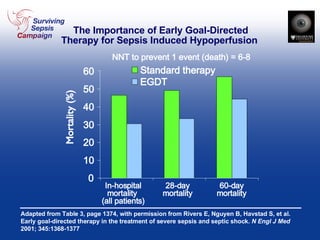
The Importance of Early Goal-Directed Therapy for Sepsis Induced Hypoperfusion  Adapted from Table 3, page 1374, with permission from Rivers E, Nguyen B, Havstad S, et al. Early goal-directed therapy in the treatment of severe sepsis and septic shock.  N Engl J Med  2001; 345:1368-1377 In-hospital mortality  (all patients) 0 10 20 30 40 50 60 Standard therapy EGDT 28-day  mortality   60-day  mortality  NNT to prevent 1 event (death) = 6-8 Mortality (%)
Initial Resuscitation Goals during first 6 hours : Central venous pressure: 8–12 mm Hg Mean arterial pressure    65 mm Hg Urine output    0.5 mL kg -1 /hr -1 Central venous (superior vena cava) or mixed venous oxygen [SvO 2 ] saturation    70% Grade B
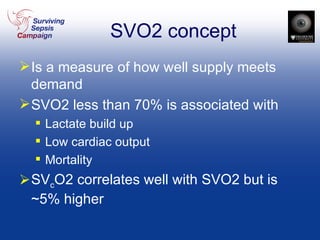
SVO2 concept Is a measure of how well supply meets demand SVO2 less than 70% is associated with  Lactate build up  Low cardiac output Mortality SV c O2 correlates well with SVO2 but is ~5% higher
The Concept of SVO2
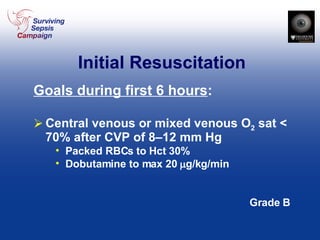
Initial Resuscitation Goals during first 6 hours : Central venous or mixed venous O 2  sat < 70% after CVP of 8–12 mm Hg Packed RBCs to Hct 30% Dobutamine to max 20   g/kg/min Grade B
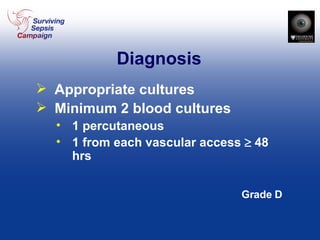
Diagnosis Appropriate cultures Minimum 2 blood cultures 1 percutaneous 1 from each vascular access    48 hrs Grade D
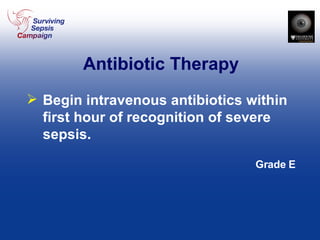
Antibiotic Therapy Begin intravenous antibiotics within first hour of recognition of severe sepsis. Grade E
Antibiotic Therapy One or more drugs active against likely bacterial or fungal pathogens.  Consider microorganism susceptibility patterns in the community and hospital. Grade D
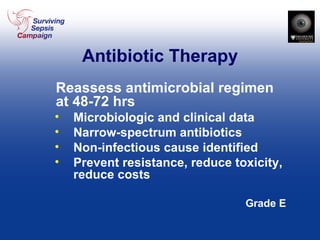
Antibiotic Therapy Reassess antimicrobial regimen at 48-72 hrs Microbiologic and clinical data Narrow-spectrum antibiotics Non-infectious cause identified Prevent resistance, reduce toxicity, reduce costs Grade E
Source Control Evaluate patient for a focused infection amendable to source control measures including abscess drainage or tissue debridement. Move rapidly Consider physiologic upset of measure Intravascular access devices Grade E
Fluid Therapy Fluid resuscitation may consist of natural or artificial colloids or crystalloids.  Grade C
Fluid Therapy Fluid challenge over 30 min 500–1000 ml crystalloid 300–500 ml colloid Repeat based on response and tolerance Grade E
Vasopressors Either norepinephrine or dopamine administered through a central catheter is the initial vasopressor of choice. Failure of fluid resuscitation During fluid resuscitation Grade D
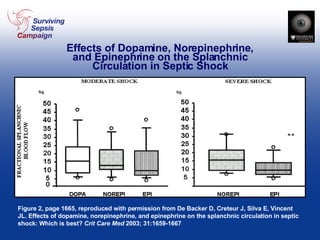
Effects of Dopamine, Norepinephrine, and Epinephrine on the Splanchnic Circulation in Septic Shock Figure 2, page 1665, reproduced with permission from De Backer D, Creteur J, Silva E, Vincent JL. Effects of dopamine, norepinephrine, and epinephrine on the splanchnic circulation in septic shock: Which is best?  Crit Care Med  2003; 31:1659-1667
Vasopressors In patients requiring vasopressors, place an arterial catheter as soon as possible. Grade E
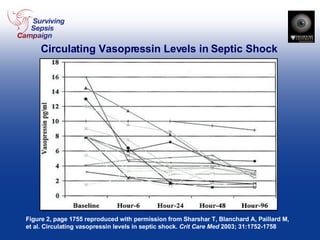
Circulating Vasopressin Levels in Septic Shock Figure 2, page 1755 reproduced with permission from Sharshar T, Blanchard A, Paillard M, et al. Circulating vasopressin levels in septic shock.  Crit Care Med  2003; 31:1752-1758
Vasopressin and Septic Shock Versus cardiogenic shock Decreases or eliminates requirements of traditional pressors As a pure vasopressor expected to decrease cardiac output
Vasopressors Vasopressin Not a replacement for norepinephrine or dopamine as a first-line agent Consider in refractory shock despite high-dose conventional vasopressors  If used, administer at 0.01-0.04 units/minute in adults Grade E
Inotropic Therapy Consider dobutamine in patients with measured low cardiac output despite fluid resuscitation. Continue to titrate vasopressor to mean arterial pressure of 65 mm Hg or greater. Grade E
Inotropic Therapy Do not increase cardiac index to achieve an arbitrarily predefined elevated level of oxygen delivery. Grade A Yu, et al.  CCM  1993; 21:830-838 Hayes, et al.  NEJM  1994; 330-1717-1722 Gattinoni, et al.  NEJM  1995; 333:1025-1032
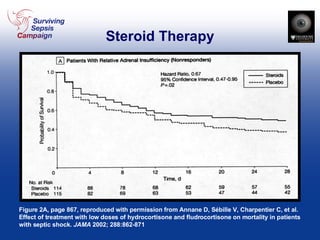
Figure 2A, page 867, reproduced with permission from Annane D, S ébille V, Charpentier C,  et al. Effect of treatment with low doses of hydrocortisone and fludrocortisone on mortality in patients with septic shock.  JAMA  2002; 288:862-871 Steroid Therapy
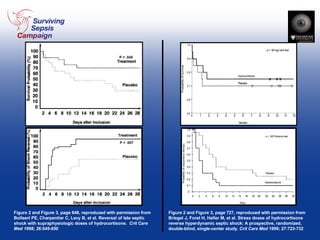
Figure 2 and Figure 3, page 648, reproduced with permission from Bollaert PE, Charpentier C, Levy B, et al. Reversal of late septic shock with supraphysiologic doses of hydrocortisone.  Crit Care Med 1998; 26:645-650 Figure 2 and Figure 3, page 727, reproduced with permission from Briegel J, Forst H, Haller M, et al. Stress doses of hydrocortisone reverse hyperdynamic septic shock: A prospective, randomized, double-blind, single-center study.  Crit Care Med  1999; 27:723-732 P = .045 P = .007
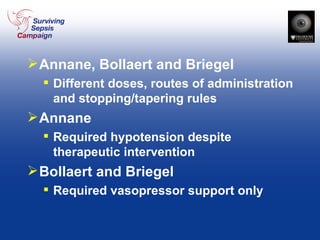
Annane, Bollaert and Briegel Different doses, routes of administration and stopping/tapering rules Annane Required hypotension despite therapeutic intervention Bollaert and Briegel Required vasopressor support only
Steroids Treat patients who still require vasopressors despite fluid replacement with hydrocortisone 200-300 mg/day, for 7 days in three or four divided doses or by continuous infusion. Grade C
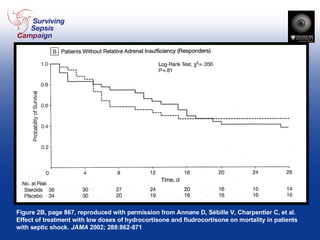
Figure 2B, page 867, reproduced with permission from Annane D, S ébille V, Charpentier C,  et al. Effect of treatment with low doses of hydrocortisone and fludrocortisone on mortality in patients with septic shock.  JAMA  2002; 288:862-871
Identification of Relative Adrenal Insufficiency Recommendations vary based on different measurements and different cut-off levels Peak cortisol after stimulation Random cortisol Incremental increase after stimulation Lower dose ACTH stimulation test Combinations of these criteria
Steroids Optional:  Adrenocorticotropic hormone (ACTH) stimulation test (250-  g) Continue treatments only in nonresponders (rise in cortisol   9   g/dl) Grade E
Dexamethasone and Cortisol Assay
Steroids Optional: Decrease steroid dose if septic shock resolves. Grade E
Steroids Optional: Taper corticosteroid dose at end of therapy. Grade E
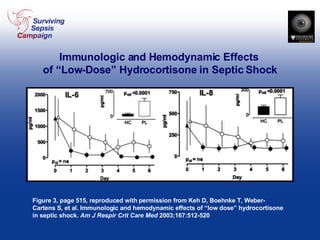
Immunologic and Hemodynamic Effects  of “Low-Dose” Hydrocortisone in Septic Shock Figure 3, page 515, reproduced with permission from Keh D, Boehnke T, Weber-Cartens S, et al. Immunologic and hemodynamic effects of “low dose” hydrocortisone in septic shock.  Am J Respir Crit Care Med  2003;167:512-520
Steroids Optional: Add fludrocortisone (50  µ g orally once a day) to this regimen. Grade E
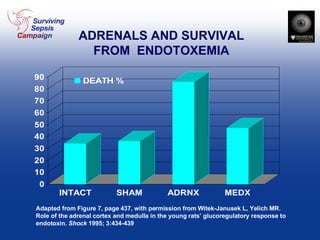
ADRENALS AND SURVIVAL FROM  ENDOTOXEMIA Adapted from Figure 7, page 437, with permission from Witek-Janusek L, Yelich MR. Role of the adrenal cortex and medulla in the young rats’ glucoregulatory response to endotoxin.  Shock  1995; 3:434-439
Steroids Do not use corticosteroids >300 mg/day of hydrocortisone to treat septic shock. Grade A Bone, et al.  NEJM 1987; 317-658 VA Systemic Sepsis Cooperative Study Group.  NEJM 1987; 317:659-665
 
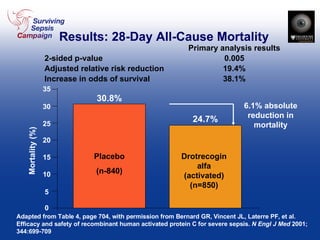
Results: 28-Day All-Cause Mortality Primary analysis results 2-sided p-value  0.005 Adjusted relative risk reduction  19.4% Increase in odds of survival  38.1% Adapted from Table 4, page 704, with permission from Bernard GR, Vincent JL, Laterre PF, et al. Efficacy and safety of recombinant human activated protein C for severe sepsis.  N Engl J Med  2001; 344:699-709 35 30 25 20 15 10 5 0 30.8% 24.7% Placebo (n-840) Drotrecogin alfa (activated) (n=850) Mortality (%) 6.1% absolute reduction in mortality
Patient Selection for APC Full support patient Infection induced organ/system dysfunction High risk of death No absolute contraindications
Mortality and APACHE II Quartile Adapted from Figure 2, page S90, with permission from Bernard GR. Drotrecogin alfa (activated) (recombinant human activated protein C) for the treatment of severe sepsis.  Crit Care Med  2003; 31[Suppl.]:S85-S90 APACHE II Quartile *Numbers above bars indicate total deaths Mortality (percent) 26:33 57:49 58:48 118:80
Mortality and Numbers of Organs Failing Adapted from Figure 4, page S91, with permission from Bernard GR. Drotrecogin alfa (activated) (recombinant human activated protein C) for the treatment of severe sepsis.  Crit Care Med  2003; 31[Suppl.]:S85-S90 Percent Mortality  0 10 20 30 40 50 60 1 2 3 4 5 Placebo Drotrecogin Number of Organs Failing at Entry
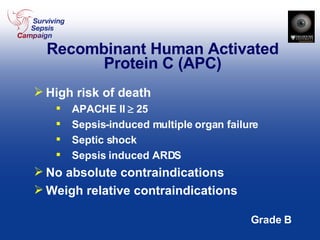
Recombinant Human Activated Protein C (APC) High risk of death APACHE II    25 Sepsis-induced multiple organ failure Septic shock Sepsis induced ARDS No absolute contraindications Weigh relative contraindications Grade B
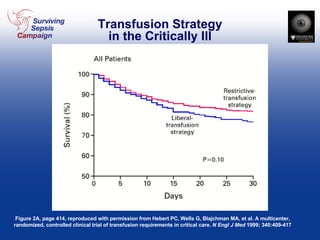
Transfusion Strategy in the Critically Ill Figure 2A, page 414, reproduced with permission from Hebert PC, Wells G, Blajchman MA, et al. A multicenter, randomized, controlled clinical trial of transfusion requirements in critical care.  N Engl J Med  1999; 340:409-417
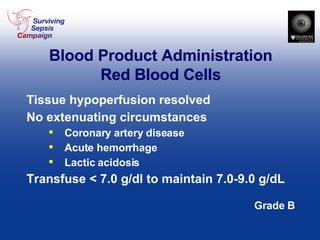
Blood Product Administration Red Blood Cells Tissue hypoperfusion resolved No extenuating circumstances Coronary artery disease Acute hemorrhage Lactic acidosis Transfuse < 7.0 g/dl to maintain 7.0-9.0 g/dL Grade B
Blood Product Administration Do not use erythropoietin to treat sepsis-related anemia.  Erythropoietin may be used for other accepted reasons. Grade B
Blood Product Administration Fresh frozen plasma Bleeding  Planned invasive procedures. Grade E
Blood Product Administration Platelet administration Transfuse for < 5000/mm 3 - Transfuse for 5000/mm 3  – 30,000/mm 3  with significant bleeding risk Transfuse < 50,000/mm 3  for invasive procedures or bleeding Grade E
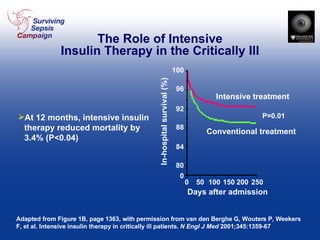
The Role of Intensive Insulin Therapy in the Critically Ill At 12 months, intensive insulin therapy reduced mortality by 3.4% (P<0.04) Adapted from Figure 1B, page 1363, with permission from van den Berghe G, Wouters P, Weekers F, et al. Intensive insulin therapy in critically ill patients.  N Engl J Med  2001;345:1359-67 In-hospital survival (%) 100 0 0 Intensive treatment Conventional treatment Days after admission 80 84 88 92 96 50 100 150 200 250 P=0.01
Glucose Control After initial stabilization Glucose < 150 mg/dL Continuous infusion insulin and glucose or feeding (enteral preferred) Monitoring Initially q30–60 mins After stabilization q4h Grade D
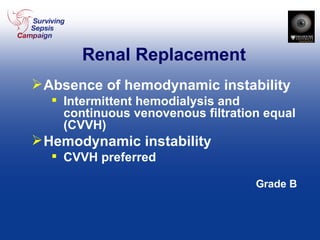
Renal Replacement Absence of hemodynamic instability Intermittent hemodialysis and continuous venovenous filtration equal (CVVH) Hemodynamic instability CVVH preferred Grade B
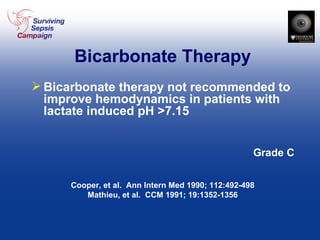
Bicarbonate therapy not recommended to improve hemodynamics in patients with lactate induced pH >7.15  Grade C Cooper, et al.  Ann Intern Med 1990; 112:492-498 Mathieu, et al.  CCM 1991; 19:1352-1356 Bicarbonate Therapy
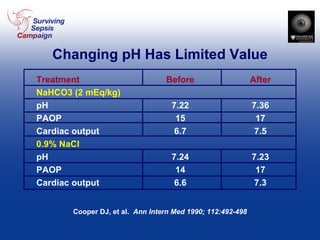
Changing pH Has Limited Value Treatment Before After NaHCO3 (2 mEq/kg) pH 7.22 7.36 PAOP 15 17 Cardiac output 6.7 7.5 0.9% NaCl pH 7.24 7.23 PAOP 14 17 Cardiac output 6.6 7.3 Cooper DJ, et al.  Ann Intern Med 1990; 112:492-498
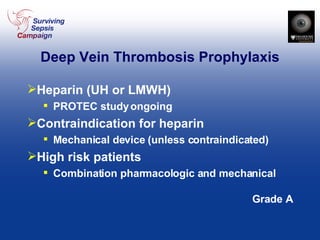
Deep Vein Thrombosis Prophylaxis Heparin (UH or LMWH)  PROTEC study ongoing Contraindication for heparin Mechanical device (unless contraindicated) High risk patients Combination pharmacologic and mechanical Grade A
Primary Stress Ulcer Risk Factors Frequently Present in Severe Sepsis Mechanical ventilation Coagulopathy Hypotension
Choice of Agents for Stress Ulcer Prophylaxis H 2  receptor blockers Role of proton pump inhibitors Grade C Cook DJ, et al.  Am J Med  1991; 91:519-527
Sepsis Resuscitation Bundle Serum lactate measured Blood cultures obtained prior to antibiotic administration From the time of presentation, broad-spectrum antibiotics administered within 3 hours for ED admissions and 1 hour for non-ED ICU admissions
Sepsis Resuscitation Bundle In the event of hypotension and/or lactate >4 mmol/L (36 mg/dl): Deliver an initial minimum of 20  ml/kg of crystalloid (or colloid equivalent*) Apply vasopressors for hypotension not responding to initial fluid resuscitation to maintain mean arterial pressure (MAP)   65 mm Hg *See the individual chart measurement tool for an equivalency chart.
Sepsis Management Bundle Low-dose steroids* administered for septic shock in accordance with a standardized ICU policy Drotrecogin alfa (activated) administered in accordance with a standardized ICU policy *See the individual chart measurement tool for an equivalency chart.
Sepsis Management Bundle Glucose control maintained    lower limit of normal, but < 150 mg/dl (8.3 mmol/L) Inspiratory plateau pressures maintained < 30 cm H 2 O for mechanically ventilated patients.
Sepsis Resuscitation Bundle In the event of persistent hypotension despite fluid resuscitation (septic shock) and/or lactate > 4 mmol/L (36 mg/dl): Achieve central venous pressure (CVP) of 8 mm Hg Achieve central venous oxygen saturation (ScvO 2 ) of    70%** **Achieving a mixed venous oxygen saturation (SvO 2 ) of 65% is an acceptable alternative.
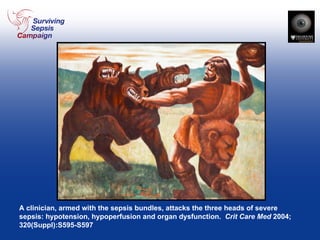
A clinician, armed with the sepsis bundles, attacks the three heads of severe sepsis: hypotension, hypoperfusion and organ dysfunction.  Crit Care Med  2004; 320(Suppl):S595-S597
Actual title of painting is “Hercules Kills Cerberus,” by Renato Pettinato, 2001. Painting hangs in Zuccaro Place in Agira, Sicily, Italy.  Used with permission of artist and the Rubolotto family.
www.survivingsepsis.org   www.IHI.org

Sepsis

  • 1.
    Guidelines for Managementof Severe Sepsis/Septic Shock Adopted from the Surviving Sepsis Campaign
  • 2.
    Systemic Inflammatory ResponseSyndrome (SIRS) Systemic inflammatory response to a variety of severe clinical insults. Manifested by two or more of the following: Temperature > 38 o C or < 36 o C Heart rate > 90 beats/min Respiratory rate > 20 breaths/min or PaCO 2 < 32 mm Hg WBC > 12,000/mm 3 , < 4000/mm 3 , or > 10% immature (band) forms ACCP/SCCM Consensus Statement Chest. 1992;1644-1655.
  • 3.
    Sepsis: ACCP/SCCM DefinitionsInfection Inflammatory response to microorganisms or invasion of normally sterile tissues Sepsis The systemic response to infection – i.e., confirmed or suspected infection plus  2 SIRS criteria Severe Sepsis Sepsis associated with organ dysfunction, hypoperfusion, or hypotension Hypoperfusion abnormalities may include but are not limited to lactic acidosis, oliguria, acute alteration in mental status ACCP/SCCM Consensus Statement. Chest. 1992;101:1644-55.
  • 4.
    Sepsis - ACCP/SCCMDefinitions: The Update Altered mental status Edema or increased fluid balance Hyperglycemia (absent diabetes) Increased CRP or procalcitonin Hypotension Increased SvO 2 CI > 3.5 L/min/m 2 Arterial hypoxemia (PaO 2 /FiO 2 < 300) Acute oliguria (> 2 hours) Increased serum Cr (> 0.5 mg/dL) Coagulopathy (INR > 1.5) Ileus (absent bowel sounds) Thrombocytopenia (< 100,000/uL) Hyperbilirubinemia (> 40 mg/dL or 70 mmol/L) Hyperlactatemia (> 1 mmol/L) Decreased capillary refill or mottling Levy MM, et al. Crit Care Med. 2003.
  • 5.
  • 6.
  • 7.
  • 8.
  • 9.
    Metabolic Derangements inSepsis: Lactate,SVO 2 Micro-anatomic shunts (non-nutrient capillaries) Functional shunts (impaired micro-circulatory vasomotor control) Citric acid (Kreb’s) cycle defect with anaerobic glycolysis Aerobic glycolysis with lactate production
  • 10.
  • 11.
    Figure B, page948, reproduced with permission from Dellinger RP. Cardiovascular management of septic shock. Crit Care Med 2003;31:946-955.
  • 12.
  • 13.
    The Importance ofEarly Goal-Directed Therapy for Sepsis Induced Hypoperfusion Adapted from Table 3, page 1374, with permission from Rivers E, Nguyen B, Havstad S, et al. Early goal-directed therapy in the treatment of severe sepsis and septic shock. N Engl J Med 2001; 345:1368-1377 In-hospital mortality (all patients) 0 10 20 30 40 50 60 Standard therapy EGDT 28-day mortality 60-day mortality NNT to prevent 1 event (death) = 6-8 Mortality (%)
  • 14.
    Initial Resuscitation Goalsduring first 6 hours : Central venous pressure: 8–12 mm Hg Mean arterial pressure  65 mm Hg Urine output  0.5 mL kg -1 /hr -1 Central venous (superior vena cava) or mixed venous oxygen [SvO 2 ] saturation  70% Grade B
  • 15.
    SVO2 concept Isa measure of how well supply meets demand SVO2 less than 70% is associated with Lactate build up Low cardiac output Mortality SV c O2 correlates well with SVO2 but is ~5% higher
  • 16.
  • 17.
    Initial Resuscitation Goalsduring first 6 hours : Central venous or mixed venous O 2 sat < 70% after CVP of 8–12 mm Hg Packed RBCs to Hct 30% Dobutamine to max 20  g/kg/min Grade B
  • 18.
    Diagnosis Appropriate culturesMinimum 2 blood cultures 1 percutaneous 1 from each vascular access  48 hrs Grade D
  • 19.
    Antibiotic Therapy Beginintravenous antibiotics within first hour of recognition of severe sepsis. Grade E
  • 20.
    Antibiotic Therapy Oneor more drugs active against likely bacterial or fungal pathogens. Consider microorganism susceptibility patterns in the community and hospital. Grade D
  • 21.
    Antibiotic Therapy Reassessantimicrobial regimen at 48-72 hrs Microbiologic and clinical data Narrow-spectrum antibiotics Non-infectious cause identified Prevent resistance, reduce toxicity, reduce costs Grade E
  • 22.
    Source Control Evaluatepatient for a focused infection amendable to source control measures including abscess drainage or tissue debridement. Move rapidly Consider physiologic upset of measure Intravascular access devices Grade E
  • 23.
    Fluid Therapy Fluidresuscitation may consist of natural or artificial colloids or crystalloids. Grade C
  • 24.
    Fluid Therapy Fluidchallenge over 30 min 500–1000 ml crystalloid 300–500 ml colloid Repeat based on response and tolerance Grade E
  • 25.
    Vasopressors Either norepinephrineor dopamine administered through a central catheter is the initial vasopressor of choice. Failure of fluid resuscitation During fluid resuscitation Grade D
  • 26.
    Effects of Dopamine,Norepinephrine, and Epinephrine on the Splanchnic Circulation in Septic Shock Figure 2, page 1665, reproduced with permission from De Backer D, Creteur J, Silva E, Vincent JL. Effects of dopamine, norepinephrine, and epinephrine on the splanchnic circulation in septic shock: Which is best? Crit Care Med 2003; 31:1659-1667
  • 27.
    Vasopressors In patientsrequiring vasopressors, place an arterial catheter as soon as possible. Grade E
  • 28.
    Circulating Vasopressin Levelsin Septic Shock Figure 2, page 1755 reproduced with permission from Sharshar T, Blanchard A, Paillard M, et al. Circulating vasopressin levels in septic shock. Crit Care Med 2003; 31:1752-1758
  • 29.
    Vasopressin and SepticShock Versus cardiogenic shock Decreases or eliminates requirements of traditional pressors As a pure vasopressor expected to decrease cardiac output
  • 30.
    Vasopressors Vasopressin Nota replacement for norepinephrine or dopamine as a first-line agent Consider in refractory shock despite high-dose conventional vasopressors If used, administer at 0.01-0.04 units/minute in adults Grade E
  • 31.
    Inotropic Therapy Considerdobutamine in patients with measured low cardiac output despite fluid resuscitation. Continue to titrate vasopressor to mean arterial pressure of 65 mm Hg or greater. Grade E
  • 32.
    Inotropic Therapy Donot increase cardiac index to achieve an arbitrarily predefined elevated level of oxygen delivery. Grade A Yu, et al. CCM 1993; 21:830-838 Hayes, et al. NEJM 1994; 330-1717-1722 Gattinoni, et al. NEJM 1995; 333:1025-1032
  • 33.
    Figure 2A, page867, reproduced with permission from Annane D, S ébille V, Charpentier C, et al. Effect of treatment with low doses of hydrocortisone and fludrocortisone on mortality in patients with septic shock. JAMA 2002; 288:862-871 Steroid Therapy
  • 34.
    Figure 2 andFigure 3, page 648, reproduced with permission from Bollaert PE, Charpentier C, Levy B, et al. Reversal of late septic shock with supraphysiologic doses of hydrocortisone. Crit Care Med 1998; 26:645-650 Figure 2 and Figure 3, page 727, reproduced with permission from Briegel J, Forst H, Haller M, et al. Stress doses of hydrocortisone reverse hyperdynamic septic shock: A prospective, randomized, double-blind, single-center study. Crit Care Med 1999; 27:723-732 P = .045 P = .007
  • 35.
    Annane, Bollaert andBriegel Different doses, routes of administration and stopping/tapering rules Annane Required hypotension despite therapeutic intervention Bollaert and Briegel Required vasopressor support only
  • 36.
    Steroids Treat patientswho still require vasopressors despite fluid replacement with hydrocortisone 200-300 mg/day, for 7 days in three or four divided doses or by continuous infusion. Grade C
  • 37.
    Figure 2B, page867, reproduced with permission from Annane D, S ébille V, Charpentier C, et al. Effect of treatment with low doses of hydrocortisone and fludrocortisone on mortality in patients with septic shock. JAMA 2002; 288:862-871
  • 38.
    Identification of RelativeAdrenal Insufficiency Recommendations vary based on different measurements and different cut-off levels Peak cortisol after stimulation Random cortisol Incremental increase after stimulation Lower dose ACTH stimulation test Combinations of these criteria
  • 39.
    Steroids Optional: Adrenocorticotropic hormone (ACTH) stimulation test (250-  g) Continue treatments only in nonresponders (rise in cortisol  9  g/dl) Grade E
  • 40.
  • 41.
    Steroids Optional: Decreasesteroid dose if septic shock resolves. Grade E
  • 42.
    Steroids Optional: Tapercorticosteroid dose at end of therapy. Grade E
  • 43.
    Immunologic and HemodynamicEffects of “Low-Dose” Hydrocortisone in Septic Shock Figure 3, page 515, reproduced with permission from Keh D, Boehnke T, Weber-Cartens S, et al. Immunologic and hemodynamic effects of “low dose” hydrocortisone in septic shock. Am J Respir Crit Care Med 2003;167:512-520
  • 44.
    Steroids Optional: Addfludrocortisone (50 µ g orally once a day) to this regimen. Grade E
  • 45.
    ADRENALS AND SURVIVALFROM ENDOTOXEMIA Adapted from Figure 7, page 437, with permission from Witek-Janusek L, Yelich MR. Role of the adrenal cortex and medulla in the young rats’ glucoregulatory response to endotoxin. Shock 1995; 3:434-439
  • 46.
    Steroids Do notuse corticosteroids >300 mg/day of hydrocortisone to treat septic shock. Grade A Bone, et al. NEJM 1987; 317-658 VA Systemic Sepsis Cooperative Study Group. NEJM 1987; 317:659-665
  • 47.
  • 48.
    Results: 28-Day All-CauseMortality Primary analysis results 2-sided p-value 0.005 Adjusted relative risk reduction 19.4% Increase in odds of survival 38.1% Adapted from Table 4, page 704, with permission from Bernard GR, Vincent JL, Laterre PF, et al. Efficacy and safety of recombinant human activated protein C for severe sepsis. N Engl J Med 2001; 344:699-709 35 30 25 20 15 10 5 0 30.8% 24.7% Placebo (n-840) Drotrecogin alfa (activated) (n=850) Mortality (%) 6.1% absolute reduction in mortality
  • 49.
    Patient Selection forAPC Full support patient Infection induced organ/system dysfunction High risk of death No absolute contraindications
  • 50.
    Mortality and APACHEII Quartile Adapted from Figure 2, page S90, with permission from Bernard GR. Drotrecogin alfa (activated) (recombinant human activated protein C) for the treatment of severe sepsis. Crit Care Med 2003; 31[Suppl.]:S85-S90 APACHE II Quartile *Numbers above bars indicate total deaths Mortality (percent) 26:33 57:49 58:48 118:80
  • 51.
    Mortality and Numbersof Organs Failing Adapted from Figure 4, page S91, with permission from Bernard GR. Drotrecogin alfa (activated) (recombinant human activated protein C) for the treatment of severe sepsis. Crit Care Med 2003; 31[Suppl.]:S85-S90 Percent Mortality 0 10 20 30 40 50 60 1 2 3 4 5 Placebo Drotrecogin Number of Organs Failing at Entry
  • 52.
    Recombinant Human ActivatedProtein C (APC) High risk of death APACHE II  25 Sepsis-induced multiple organ failure Septic shock Sepsis induced ARDS No absolute contraindications Weigh relative contraindications Grade B
  • 53.
    Transfusion Strategy inthe Critically Ill Figure 2A, page 414, reproduced with permission from Hebert PC, Wells G, Blajchman MA, et al. A multicenter, randomized, controlled clinical trial of transfusion requirements in critical care. N Engl J Med 1999; 340:409-417
  • 54.
    Blood Product AdministrationRed Blood Cells Tissue hypoperfusion resolved No extenuating circumstances Coronary artery disease Acute hemorrhage Lactic acidosis Transfuse < 7.0 g/dl to maintain 7.0-9.0 g/dL Grade B
  • 55.
    Blood Product AdministrationDo not use erythropoietin to treat sepsis-related anemia. Erythropoietin may be used for other accepted reasons. Grade B
  • 56.
    Blood Product AdministrationFresh frozen plasma Bleeding Planned invasive procedures. Grade E
  • 57.
    Blood Product AdministrationPlatelet administration Transfuse for < 5000/mm 3 - Transfuse for 5000/mm 3 – 30,000/mm 3 with significant bleeding risk Transfuse < 50,000/mm 3 for invasive procedures or bleeding Grade E
  • 58.
    The Role ofIntensive Insulin Therapy in the Critically Ill At 12 months, intensive insulin therapy reduced mortality by 3.4% (P<0.04) Adapted from Figure 1B, page 1363, with permission from van den Berghe G, Wouters P, Weekers F, et al. Intensive insulin therapy in critically ill patients. N Engl J Med 2001;345:1359-67 In-hospital survival (%) 100 0 0 Intensive treatment Conventional treatment Days after admission 80 84 88 92 96 50 100 150 200 250 P=0.01
  • 59.
    Glucose Control Afterinitial stabilization Glucose < 150 mg/dL Continuous infusion insulin and glucose or feeding (enteral preferred) Monitoring Initially q30–60 mins After stabilization q4h Grade D
  • 60.
    Renal Replacement Absenceof hemodynamic instability Intermittent hemodialysis and continuous venovenous filtration equal (CVVH) Hemodynamic instability CVVH preferred Grade B
  • 61.
    Bicarbonate therapy notrecommended to improve hemodynamics in patients with lactate induced pH >7.15 Grade C Cooper, et al. Ann Intern Med 1990; 112:492-498 Mathieu, et al. CCM 1991; 19:1352-1356 Bicarbonate Therapy
  • 62.
    Changing pH HasLimited Value Treatment Before After NaHCO3 (2 mEq/kg) pH 7.22 7.36 PAOP 15 17 Cardiac output 6.7 7.5 0.9% NaCl pH 7.24 7.23 PAOP 14 17 Cardiac output 6.6 7.3 Cooper DJ, et al. Ann Intern Med 1990; 112:492-498
  • 63.
    Deep Vein ThrombosisProphylaxis Heparin (UH or LMWH) PROTEC study ongoing Contraindication for heparin Mechanical device (unless contraindicated) High risk patients Combination pharmacologic and mechanical Grade A
  • 64.
    Primary Stress UlcerRisk Factors Frequently Present in Severe Sepsis Mechanical ventilation Coagulopathy Hypotension
  • 65.
    Choice of Agentsfor Stress Ulcer Prophylaxis H 2 receptor blockers Role of proton pump inhibitors Grade C Cook DJ, et al. Am J Med 1991; 91:519-527
  • 66.
    Sepsis Resuscitation BundleSerum lactate measured Blood cultures obtained prior to antibiotic administration From the time of presentation, broad-spectrum antibiotics administered within 3 hours for ED admissions and 1 hour for non-ED ICU admissions
  • 67.
    Sepsis Resuscitation BundleIn the event of hypotension and/or lactate >4 mmol/L (36 mg/dl): Deliver an initial minimum of 20 ml/kg of crystalloid (or colloid equivalent*) Apply vasopressors for hypotension not responding to initial fluid resuscitation to maintain mean arterial pressure (MAP)  65 mm Hg *See the individual chart measurement tool for an equivalency chart.
  • 68.
    Sepsis Management BundleLow-dose steroids* administered for septic shock in accordance with a standardized ICU policy Drotrecogin alfa (activated) administered in accordance with a standardized ICU policy *See the individual chart measurement tool for an equivalency chart.
  • 69.
    Sepsis Management BundleGlucose control maintained  lower limit of normal, but < 150 mg/dl (8.3 mmol/L) Inspiratory plateau pressures maintained < 30 cm H 2 O for mechanically ventilated patients.
  • 70.
    Sepsis Resuscitation BundleIn the event of persistent hypotension despite fluid resuscitation (septic shock) and/or lactate > 4 mmol/L (36 mg/dl): Achieve central venous pressure (CVP) of 8 mm Hg Achieve central venous oxygen saturation (ScvO 2 ) of  70%** **Achieving a mixed venous oxygen saturation (SvO 2 ) of 65% is an acceptable alternative.
  • 71.
    A clinician, armedwith the sepsis bundles, attacks the three heads of severe sepsis: hypotension, hypoperfusion and organ dysfunction. Crit Care Med 2004; 320(Suppl):S595-S597
  • 72.
    Actual title ofpainting is “Hercules Kills Cerberus,” by Renato Pettinato, 2001. Painting hangs in Zuccaro Place in Agira, Sicily, Italy. Used with permission of artist and the Rubolotto family.
  • 73.

Editor's Notes

  • #2 This slide set and associated background notes are provided by the Surviving Sepsis Campaign (SSC) as a service to all those interested in furthering the cause of the campaign. Educators, using the slide set for lecture purposes, should select the slides that satisfy content needs and the time constraints of their lecture. Table of Content Slides 1 – 9: Introduction and Background Slides 10 – 85: Recommendations and Rationale Slides 86 – 90: Pediatric Considerations Slides 91 – 98: Phase III, Development of the Sepsis Bundles