Say What?!? Communicating Effectively in a Multigenerational Workplace  By Emily BenningtonProfessional Studio 365
They say people resemble their times more than they resemble their parents.
For the record, I have no idea what they’re talking about.
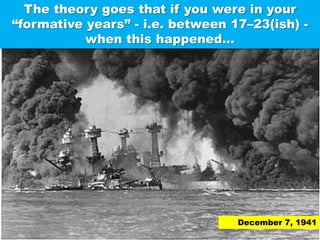
The theory goes that if you were in your “formative years” - i.e. between 17–23(ish) - when this happened…December 7, 1941
or this…
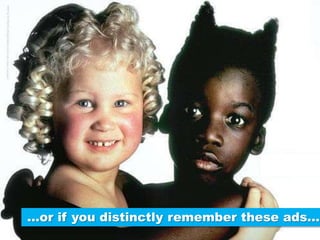
…or if you distinctly remember these ads…
…or were in high school / college for this…
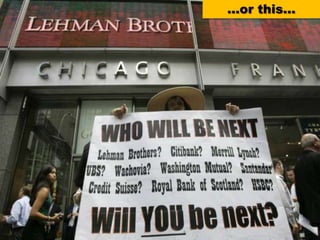
…or this...
…your perspective on this has been shaped substantially.
Why does this matter?
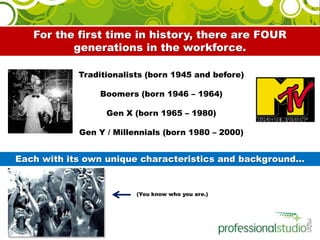
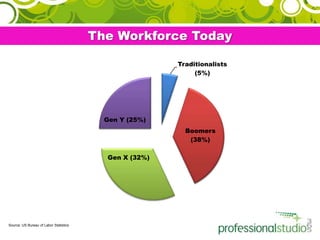
For the first time in history, there are FOUR generations in the workforce.Traditionalists (born 1945 and before)  Boomers (born 1946 – 1964) Gen X (born 1965 – 1980)Gen Y / Millennials (born 1980 – 2000) Each with its own unique characteristics and background…(You know who you are.)
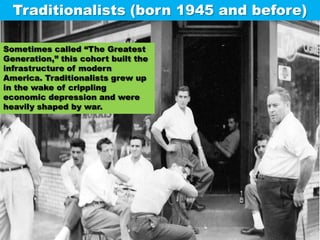
Traditionalists (born 1945 and before) Sometimes called “The Greatest Generation,” this cohort built the infrastructure of modern America. Traditionalists grew up in the wake of crippling economic depression and were heavily shaped by war.
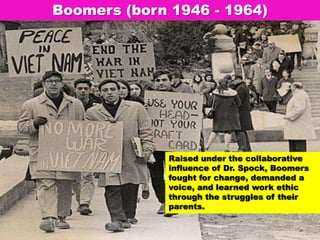
Boomers (born 1946 - 1964) Raised under the collaborative influence of Dr. Spock, Boomers fought for change, demanded a voice, and learned work ethic through the struggles of their parents.
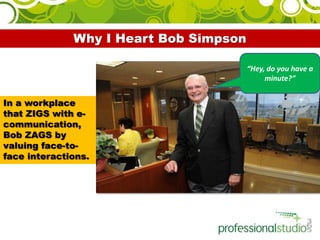
Why I Heart Bob Simpson “Hey, do you have a minute?” In a workplace that ZIGS with e-communication, Bob ZAGS by valuing face-to-face interactions.
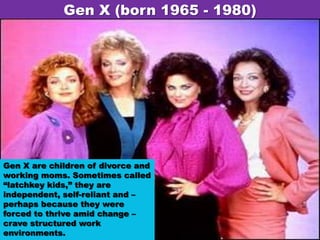
Gen X (born 1965 - 1980) Gen X are children of divorce and working moms. Sometimes called “latchkey kids,” they are independent, self-reliant and – perhaps because they were forced to thrive amid change –  crave structured work environments.
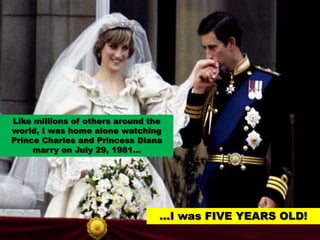
Like millions of others around the world, I was home alone watching Prince Charles and Princess Diana marry on July 29, 1981… …I was FIVE YEARS OLD!
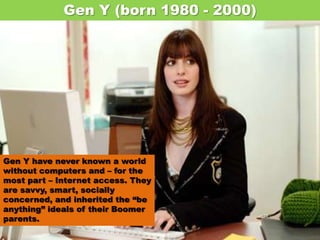
Gen Y (born 1980 - 2000) Gen Y have never known a world without computers and – for the most part – Internet access. They are savvy, smart, socially concerned, and inherited the “be anything” ideals of their Boomer parents.
The Workforce TodaySource: US Bureau of Labor Statistics
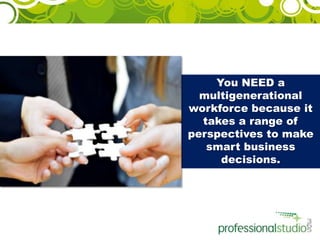
You NEED a multigenerational workforce because it takes a range of perspectives to make smart business decisions.
Lack of awareness / understanding about generational differences can lead to unnecessary frustration, low morale, and high turnover.
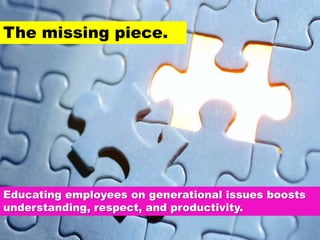
The missing piece. Educating employees on generational issues boosts understanding, respect, and productivity.
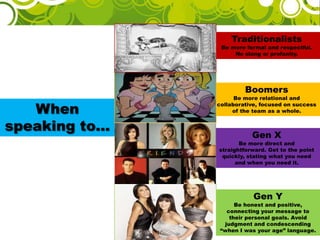
TraditionalistsBe more formal and respectful. No slang or profanity. BoomersBe more relational and collaborative, focused on success of the team as a whole.  When speaking to…Gen XBe more direct and straightforward. Get to the point quickly, stating what you need and when you need it. Gen YBe honest and positive, connectingyour message to their personal goals. Avoid judgment and condescending “when I was your age” language.
SPEED ROUND:Three Rules for Outstanding Multigenerational Communication
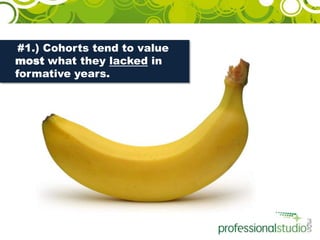
    #1.) Cohorts tend to value most what they lacked in formative years.
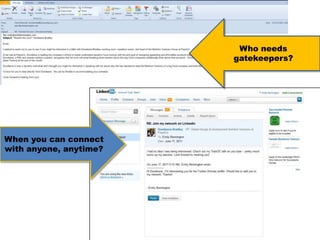
    #2.) The web has killed traditional hierarchies.
Example Who needs gatekeepers?When you can connect with anyone, anytime?
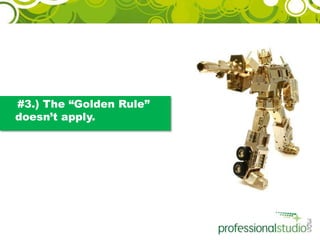
    #3.) The “Golden Rule” doesn’t apply.
What’s wrong with kids today?
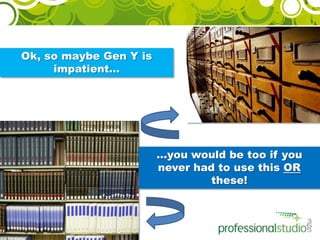
Ok, so maybe Gen Y is impatient…...you would be too if you never had to use this ORthese!
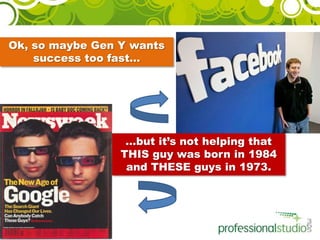
Ok, so maybe Gen Y wants success too fast……but it’s not helping that THIS guy was born in 1984 and THESE guys in 1973.
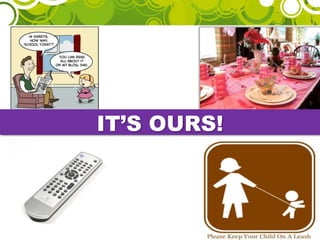
Stop blaming Gen Y. Really, it’s not their fault...
IT’S OURS!
Still, signs of real trouble include…    Years of e-communication have resulted in digital natives losing the ability to recognize facial cues.      “Growing up Google” is creating a nation of searchers. We are losing idea generators.
Getting Along: Best PracticesStudy the generational composition of your workforce - and use the info to guide your HR strategies. Offer training on intergenerational communication. Hold your managers accountable for the retention rates of their staff.Develop ways to capture “legacy knowledge” through formal mentoring programs, databases, and phased retirement. Be flexible.
“Age is a thing of mind over matter. If you don’t mind, it doesn’t matter.” - Mark Twain
ProfessionalStudio365.comEmily BenningtonFacebook.com/EmilyBenningtonCollegetoCareer@EmilyBenningtonemily@professionalstudio365.com

Say What? Communicating Effectively in a Multigenerational Workplace

  • 1.
    Say What?!? CommunicatingEffectively in a Multigenerational Workplace By Emily BenningtonProfessional Studio 365
  • 2.
    They say peopleresemble their times more than they resemble their parents.
  • 3.
    For the record,I have no idea what they’re talking about.
  • 4.
    The theory goesthat if you were in your “formative years” - i.e. between 17–23(ish) - when this happened…December 7, 1941
  • 5.
  • 6.
    …or if youdistinctly remember these ads…
  • 7.
    …or were inhigh school / college for this…
  • 8.
  • 9.
    …your perspective onthis has been shaped substantially.
  • 10.
  • 11.
    For the firsttime in history, there are FOUR generations in the workforce.Traditionalists (born 1945 and before) Boomers (born 1946 – 1964) Gen X (born 1965 – 1980)Gen Y / Millennials (born 1980 – 2000) Each with its own unique characteristics and background…(You know who you are.)
  • 12.
    Traditionalists (born 1945and before) Sometimes called “The Greatest Generation,” this cohort built the infrastructure of modern America. Traditionalists grew up in the wake of crippling economic depression and were heavily shaped by war.
  • 13.
    Boomers (born 1946- 1964) Raised under the collaborative influence of Dr. Spock, Boomers fought for change, demanded a voice, and learned work ethic through the struggles of their parents.
  • 14.
    Why I HeartBob Simpson “Hey, do you have a minute?” In a workplace that ZIGS with e-communication, Bob ZAGS by valuing face-to-face interactions.
  • 15.
    Gen X (born1965 - 1980) Gen X are children of divorce and working moms. Sometimes called “latchkey kids,” they are independent, self-reliant and – perhaps because they were forced to thrive amid change – crave structured work environments.
  • 16.
    Like millions ofothers around the world, I was home alone watching Prince Charles and Princess Diana marry on July 29, 1981… …I was FIVE YEARS OLD!
  • 17.
    Gen Y (born1980 - 2000) Gen Y have never known a world without computers and – for the most part – Internet access. They are savvy, smart, socially concerned, and inherited the “be anything” ideals of their Boomer parents.
  • 18.
    The Workforce TodaySource:US Bureau of Labor Statistics
  • 19.
    You NEED amultigenerational workforce because it takes a range of perspectives to make smart business decisions.
  • 20.
    Lack of awareness/ understanding about generational differences can lead to unnecessary frustration, low morale, and high turnover.
  • 21.
    The missing piece.Educating employees on generational issues boosts understanding, respect, and productivity.
  • 22.
    TraditionalistsBe more formaland respectful. No slang or profanity. BoomersBe more relational and collaborative, focused on success of the team as a whole. When speaking to…Gen XBe more direct and straightforward. Get to the point quickly, stating what you need and when you need it. Gen YBe honest and positive, connectingyour message to their personal goals. Avoid judgment and condescending “when I was your age” language.
  • 23.
    SPEED ROUND:Three Rulesfor Outstanding Multigenerational Communication
  • 24.
    #1.) Cohorts tend to value most what they lacked in formative years.
  • 25.
    #2.) The web has killed traditional hierarchies.
  • 26.
    Example Who needsgatekeepers?When you can connect with anyone, anytime?
  • 27.
    #3.) The “Golden Rule” doesn’t apply.
  • 28.
  • 29.
    Ok, so maybeGen Y is impatient…...you would be too if you never had to use this ORthese!
  • 30.
    Ok, so maybeGen Y wants success too fast……but it’s not helping that THIS guy was born in 1984 and THESE guys in 1973.
  • 31.
    Stop blaming GenY. Really, it’s not their fault...
  • 32.
  • 33.
    Still, signs ofreal trouble include… Years of e-communication have resulted in digital natives losing the ability to recognize facial cues. “Growing up Google” is creating a nation of searchers. We are losing idea generators.
  • 34.
    Getting Along: BestPracticesStudy the generational composition of your workforce - and use the info to guide your HR strategies. Offer training on intergenerational communication. Hold your managers accountable for the retention rates of their staff.Develop ways to capture “legacy knowledge” through formal mentoring programs, databases, and phased retirement. Be flexible.
  • 35.
    “Age is athing of mind over matter. If you don’t mind, it doesn’t matter.” - Mark Twain
  • 36.