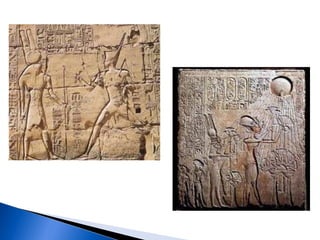
Leader of Ancient Egypt
   8,000 years ago, before        What type of arguments
    the Pyramids, before the        might they have been
    Sphinx, before the              having?
    Pharaohs... everyone
    was using the Nile waters      Can you suggest a
    but there were always           solution to this problem?
    arguments over who had
    the rights to use it.

                                 Put someone in charge of
                                monitoring the distribution
                                of water.
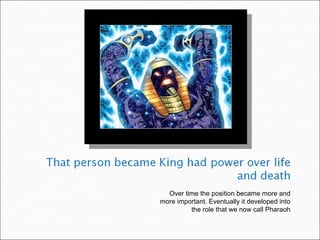
Over time the position became more and
more important. Eventually it developed into
         the role that we now call Pharaoh
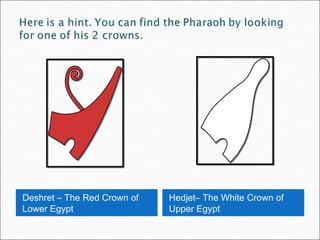
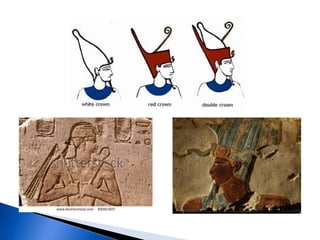
Deshret – The Red Crown of   Hedjet– The White Crown of
Lower Egypt                  Upper Egypt
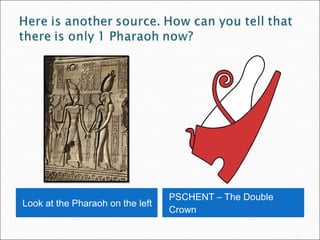
PSCHENT – The Double
Look at the Pharaoh on the left
                                  Crown
 Pharaoh means, "Great House."
 In ancient Egypt, the Pharaoh had many

  roles in his kingdom.
 He watched over the law courts and was

  the chief of the temples.
 He was an army leader and controlled

  trade expeditions.
 He supervised the water system and

  stored the grain.
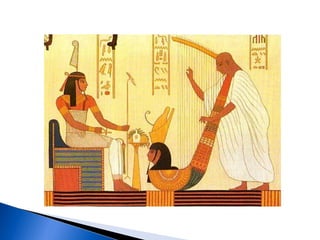
 Ancient Egyptians believed that each
  living pharaoh was a living god.
 They believed that each pharaoh was the

  human form of Horus.
 The pharaohs where very important to

  Egypt because they pleased their gods so
  good fortune would come to Egypt.
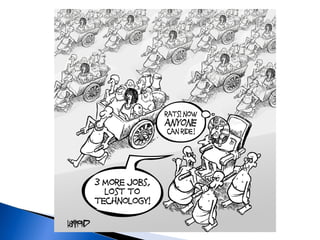
 The pharaohs were transported from place

  to place on a chair carried by servants.
 There were many items which stood for
  kingship:
 Crowns, which were headdresses with

  jewels, stood for "Supreme Rank."
 False beards, which were worn by kings

  and queens, symbolized royal authority.
 The sceptre also meant royal authority

  and was carried by kings and queens.
 First, the pharaoh would go to the temple
  to please and pray to their god.
 Next, the pharaoh would hear his daily

  news from his trusted vizier.
 Then, the pharaoh would check the

  architectures which were built by his
  servants and officials.
 Finally, if the pharaoh had extra leisure

  time, he would be entertained by his
  servants, or spend time with his wife.
Role of Pharaoh

Role of Pharaoh

  • 1.
  • 2.
    8,000 years ago, before  What type of arguments the Pyramids, before the might they have been Sphinx, before the having? Pharaohs... everyone was using the Nile waters  Can you suggest a but there were always solution to this problem? arguments over who had the rights to use it. Put someone in charge of monitoring the distribution of water.
  • 3.
    Over time theposition became more and more important. Eventually it developed into the role that we now call Pharaoh
  • 5.
    Deshret – TheRed Crown of Hedjet– The White Crown of Lower Egypt Upper Egypt
  • 9.
    PSCHENT – TheDouble Look at the Pharaoh on the left Crown
  • 10.
     Pharaoh means,"Great House."  In ancient Egypt, the Pharaoh had many roles in his kingdom.  He watched over the law courts and was the chief of the temples.  He was an army leader and controlled trade expeditions.  He supervised the water system and stored the grain.
  • 12.
     Ancient Egyptiansbelieved that each living pharaoh was a living god.  They believed that each pharaoh was the human form of Horus.  The pharaohs where very important to Egypt because they pleased their gods so good fortune would come to Egypt.  The pharaohs were transported from place to place on a chair carried by servants.
  • 14.
     There weremany items which stood for kingship:  Crowns, which were headdresses with jewels, stood for "Supreme Rank."  False beards, which were worn by kings and queens, symbolized royal authority.  The sceptre also meant royal authority and was carried by kings and queens.
  • 16.
     First, thepharaoh would go to the temple to please and pray to their god.  Next, the pharaoh would hear his daily news from his trusted vizier.  Then, the pharaoh would check the architectures which were built by his servants and officials.  Finally, if the pharaoh had extra leisure time, he would be entertained by his servants, or spend time with his wife.