RNA interference 
RNAi 
BY 
Kamlesh Kumar Chandel 
Ph.D. Scholar 
Department of Genetics and Plant Breeding
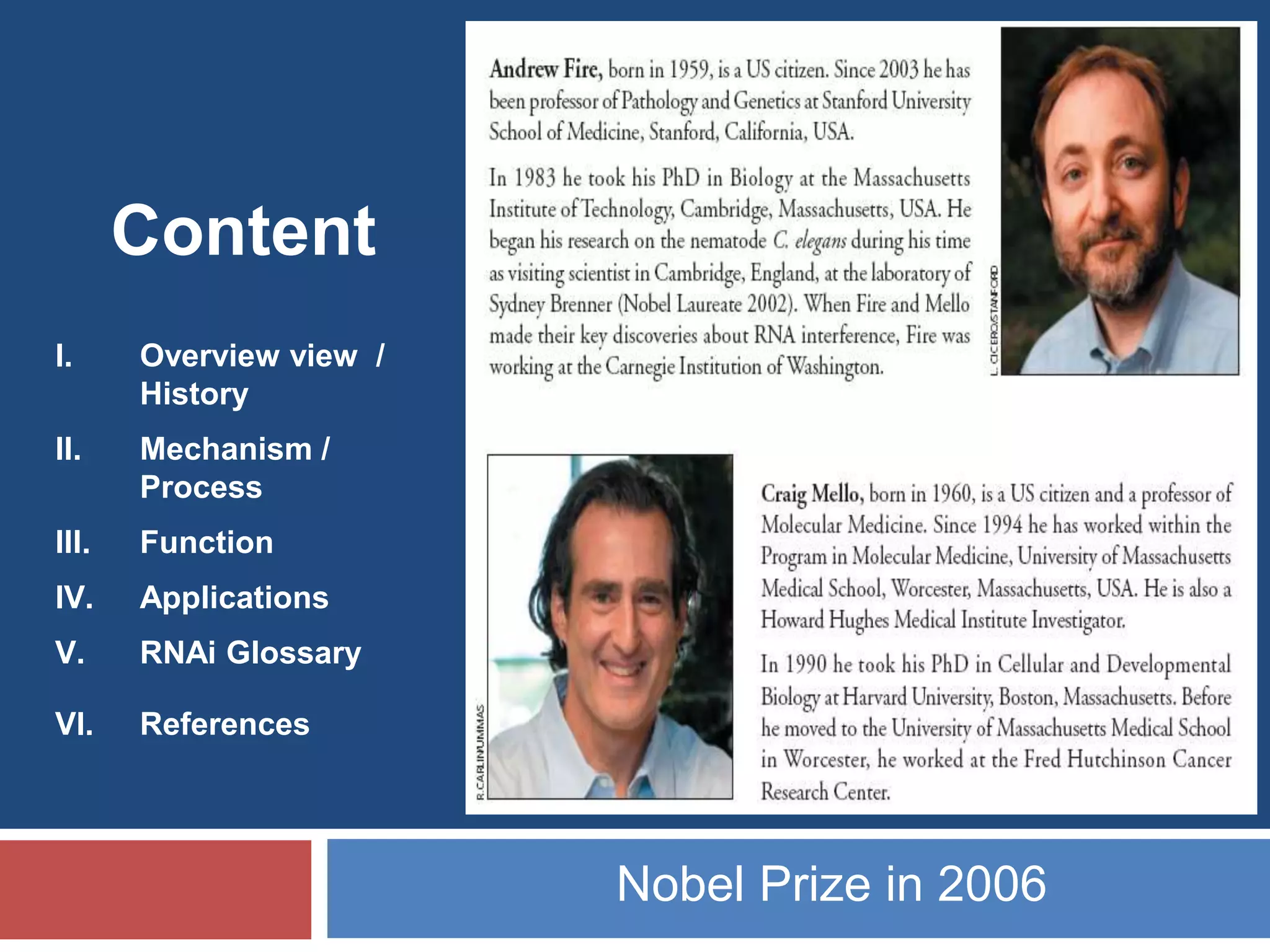
Content 
I. Overview view / 
History 
II. Mechanism / 
Process 
III. Function 
IV. Applications 
V. RNAi Glossary 
VI. References 
Nobel Prize in 2006
RNAi 
 RNAi is a powerful, conserved biological process 
through which the small, double-stranded RNAs 
specifically silence the expression of homologous 
genes, largely through degradation of their cognate 
mRNA. 
 its responsible for post-transcriptional gene silencing of the 
gene from which it was derived 
 Endogenous cellular mechanisms 
 Effecter molecules for functional genomics 
 Great potential as therapeutic agents for treatment 
of human disease
RNA interference Technology 
 RNAi is used to block the expression of genes and 
create phenotypes that can potentially yield clues 
about the function of these genes. 
 In the post-genomic era, the elucidation of the 
physiological function of genes has become the rate-limiting 
step in the quest to develop ‘gene-based 
drugs’ and RNAi could potentially play a pivotal role in 
the validation of such novel drugs. 
RNAi is a fantastic discovery , all the RNAi idea will be describing in these video 
(1) http://www.youtube.com/watch?v=H5udFjWDM3E&feature=related 
(2) http://www.youtube.com/watch?v=A-l8tqjm4Vg&feature=related 
(3) http://www.youtube.com/watch?v=3kdhYCJFmZc&feature=related 
(4) http://www.youtube.com/watch?v=kCxQdXX0Dbk 
(5) http://www.youtube.com/watch?v=h1kayIVEfcY&feature=related
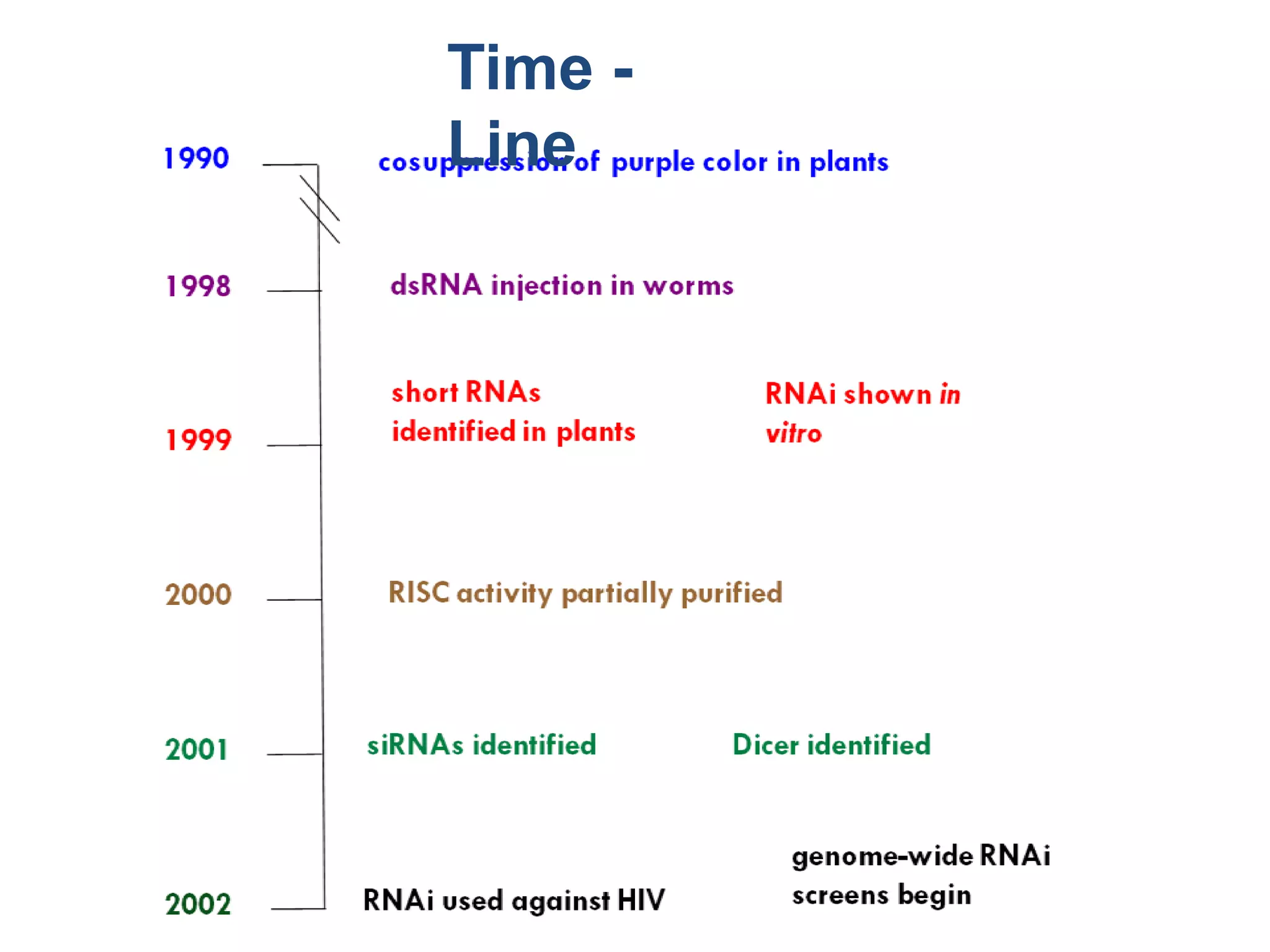
Time - 
Line
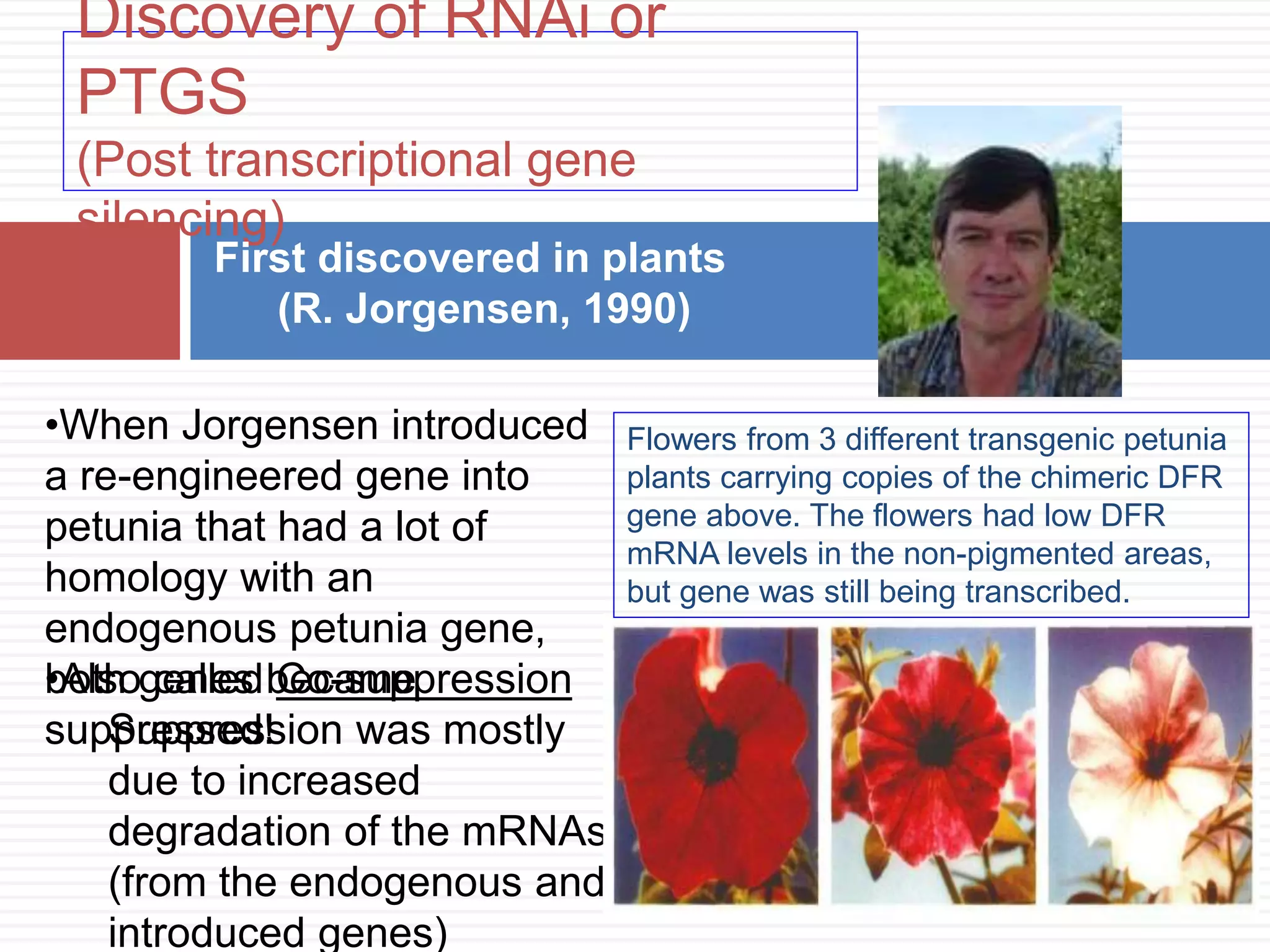
Discovery of RNAi or 
PTGS 
(Post transcriptional gene 
silencing) 
First discovered in plants 
(R. Jorgensen, 1990) 
•When Jorgensen introduced 
a re-engineered gene into 
petunia that had a lot of 
homology with an 
endogenous petunia gene, 
•both Also genes called became 
Co-suppression 
suppressed! 
Suppression was mostly 
due to increased 
degradation of the mRNAs 
(from the endogenous and 
introduced genes) 
Flowers from 3 different transgenic petunia 
plants carrying copies of the chimeric DFR 
gene above. The flowers had low DFR 
mRNA levels in the non-pigmented areas, 
but gene was still being transcribed.
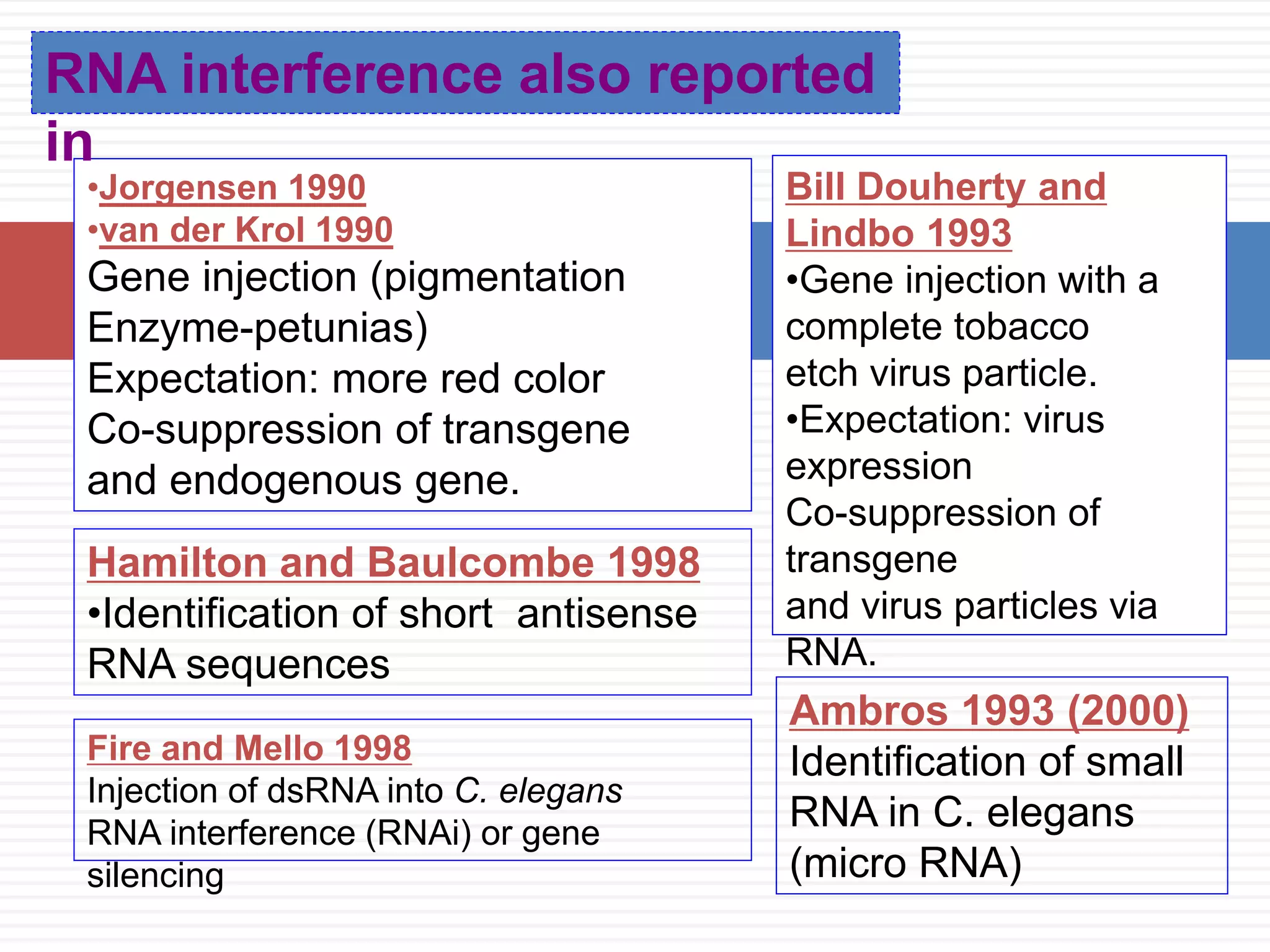
RNA interference also reported 
in 
•Jorgensen 1990 
•van der Krol 1990 
Gene injection (pigmentation 
Enzyme-petunias) 
Expectation: more red color 
Co-suppression of transgene 
and endogenous gene. 
Bill Douherty and 
Lindbo 1993 
•Gene injection with a 
complete tobacco 
etch virus particle. 
•Expectation: virus 
expression 
Co-suppression of 
transgene 
and virus particles via 
RNA. 
Hamilton and Baulcombe 1998 
•Identification of short antisense 
RNA sequences 
Fire and Mello 1998 
Injection of dsRNA into C. elegans 
RNA interference (RNAi) or gene 
silencing 
Ambros 1993 (2000) 
Identification of small 
RNA in C. elegans 
(micro RNA)
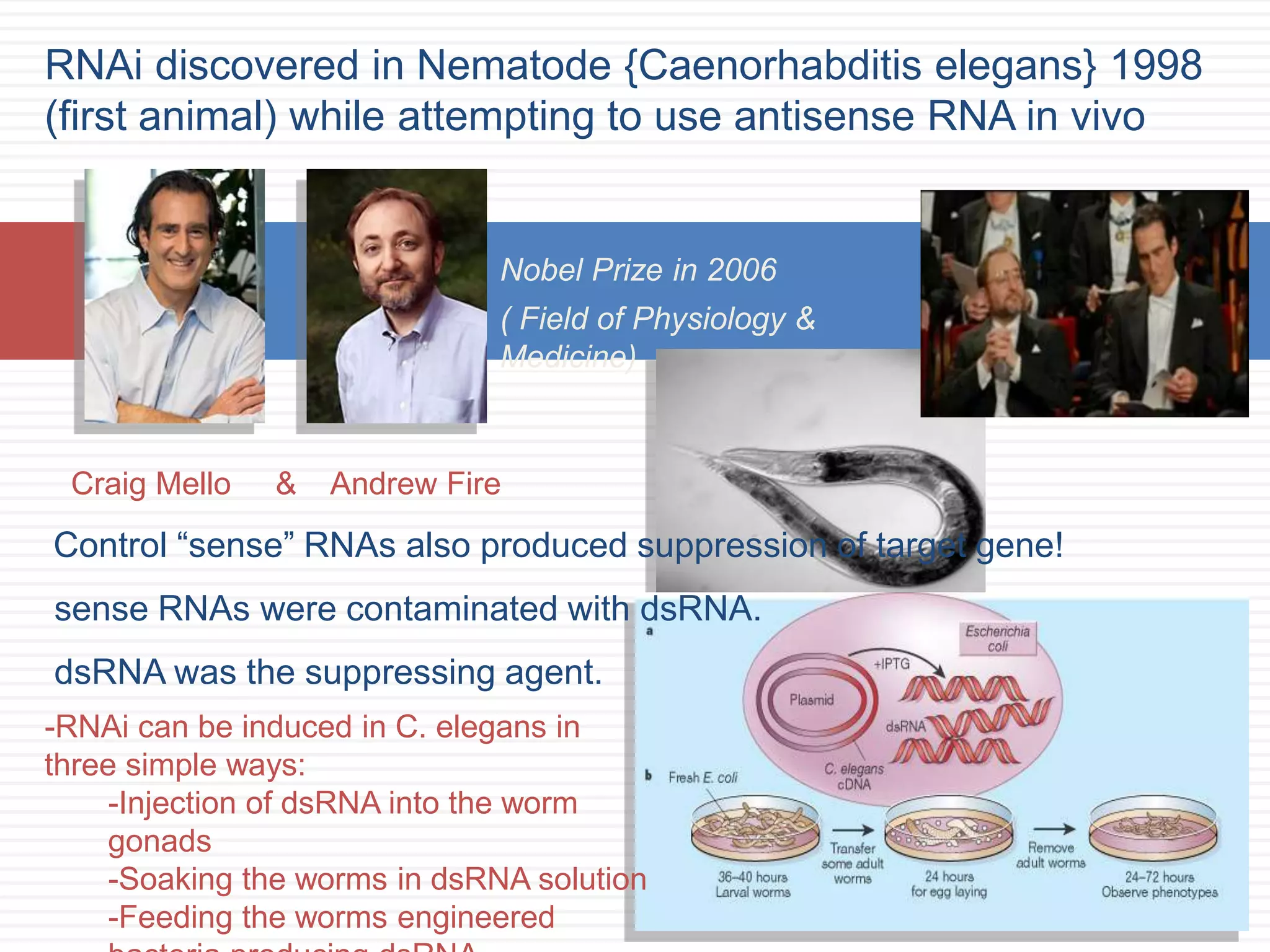
RNAi discovered in Nematode {Caenorhabditis elegans} 1998 
(first animal) while attempting to use antisense RNA in vivo 
Nobel Prize in 2006 
( Field of Physiology & 
Medicine) 
Craig Mello & Andrew Fire 
Control “sense” RNAs also produced suppression of target gene! 
sense RNAs were contaminated with dsRNA. 
dsRNA was the suppressing agent. 
-RNAi can be induced in C. elegans in 
three simple ways: 
-Injection of dsRNA into the worm 
gonads 
-Soaking the worms in dsRNA solution 
-Feeding the worms engineered 
bacteria producing dsRNA
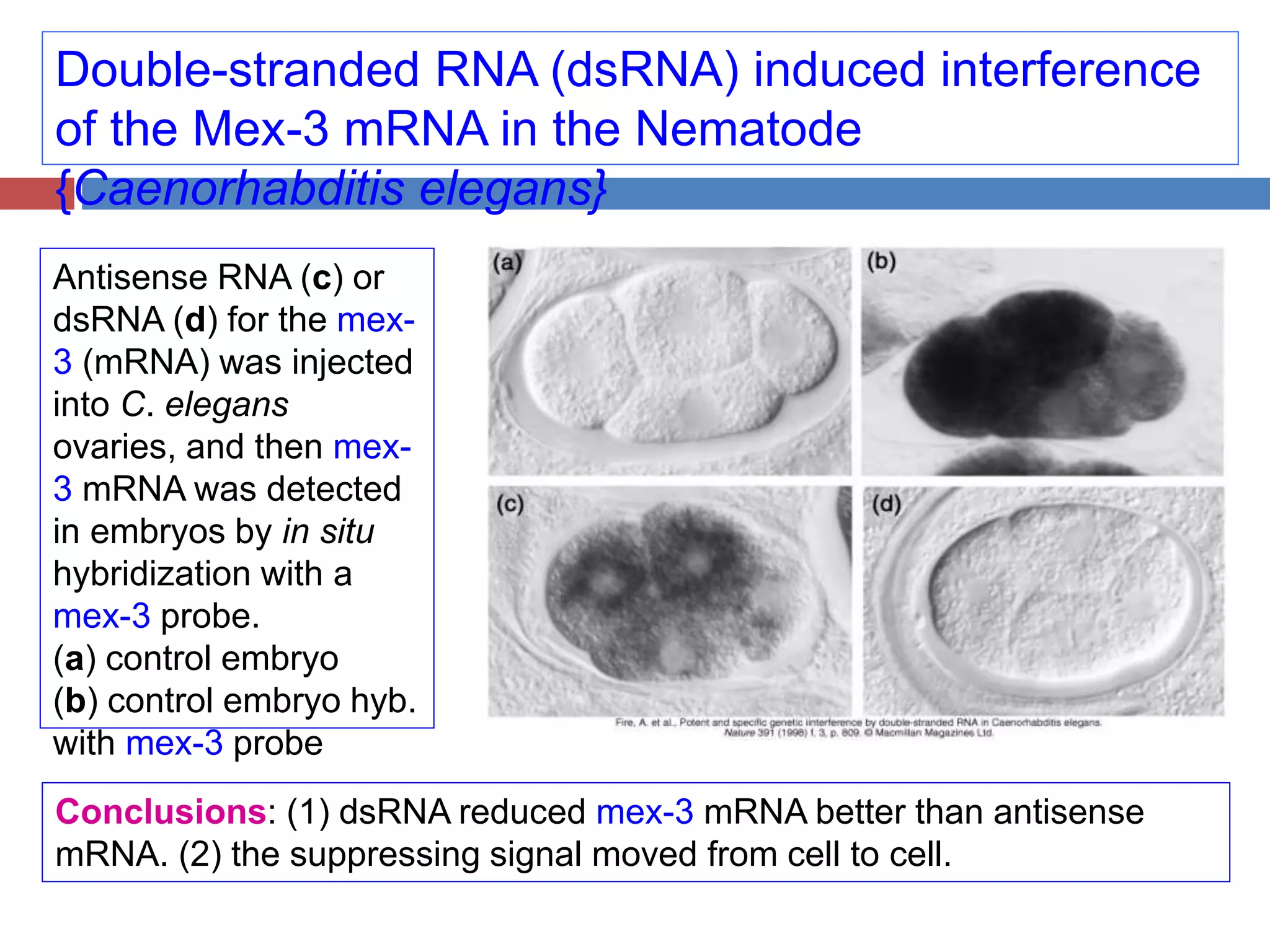
Double-stranded RNA (dsRNA) induced interference 
of the Mex-3 mRNA in the Nematode 
{Caenorhabditis elegans} 
Antisense RNA (c) or 
dsRNA (d) for the mex- 
3 (mRNA) was injected 
into C. elegans 
ovaries, and then mex- 
3 mRNA was detected 
in embryos by in situ 
hybridization with a 
mex-3 probe. 
(a) control embryo 
(b) control embryo hyb. 
with mex-3 probe 
Conclusions: (1) dsRNA reduced mex-3 mRNA better than antisense 
mRNA. (2) the suppressing signal moved from cell to cell.
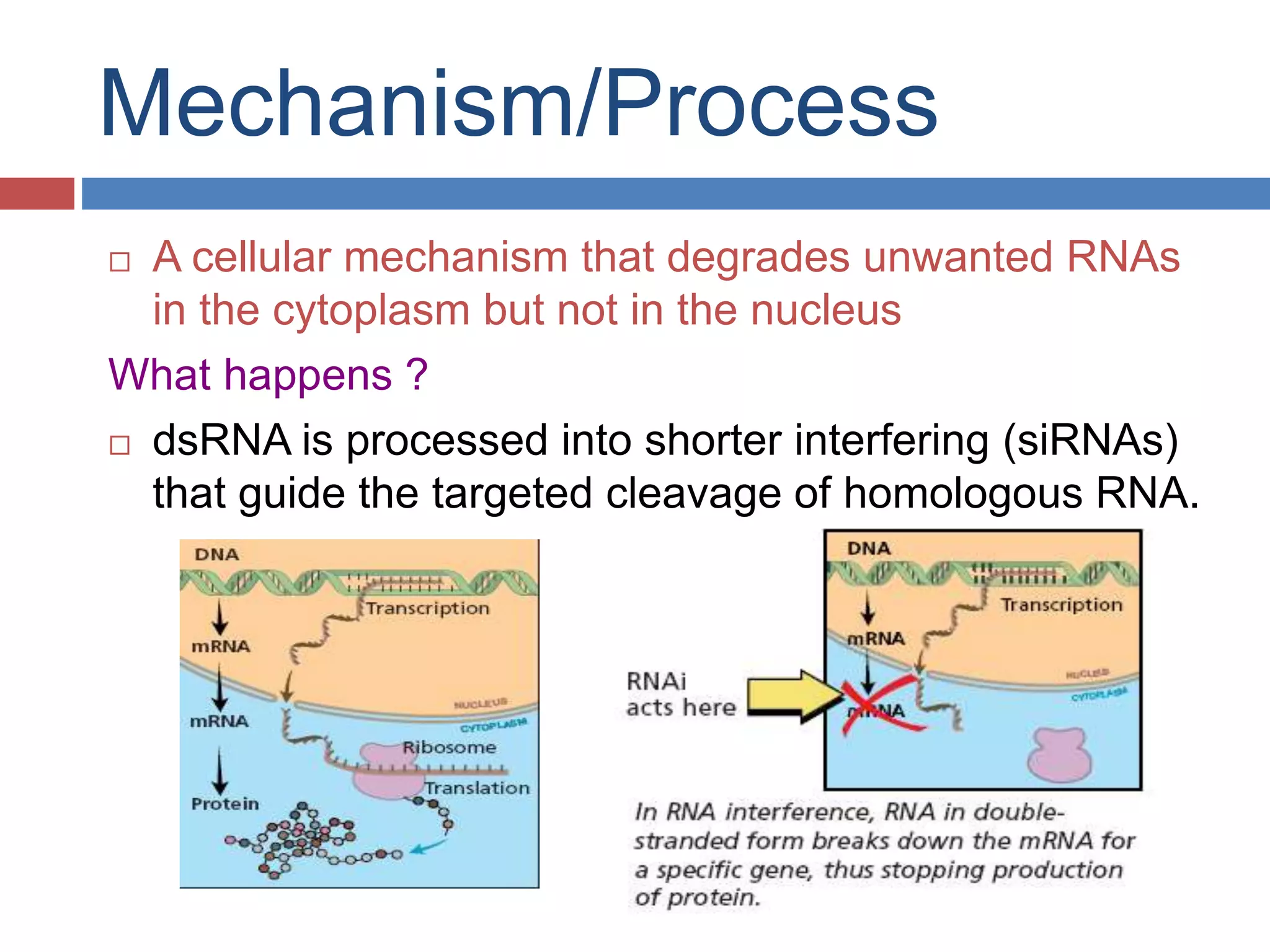
Mechanism/Process 
 A cellular mechanism that degrades unwanted RNAs 
in the cytoplasm but not in the nucleus 
What happens ? 
 dsRNA is processed into shorter interfering (siRNAs) 
that guide the targeted cleavage of homologous RNA.
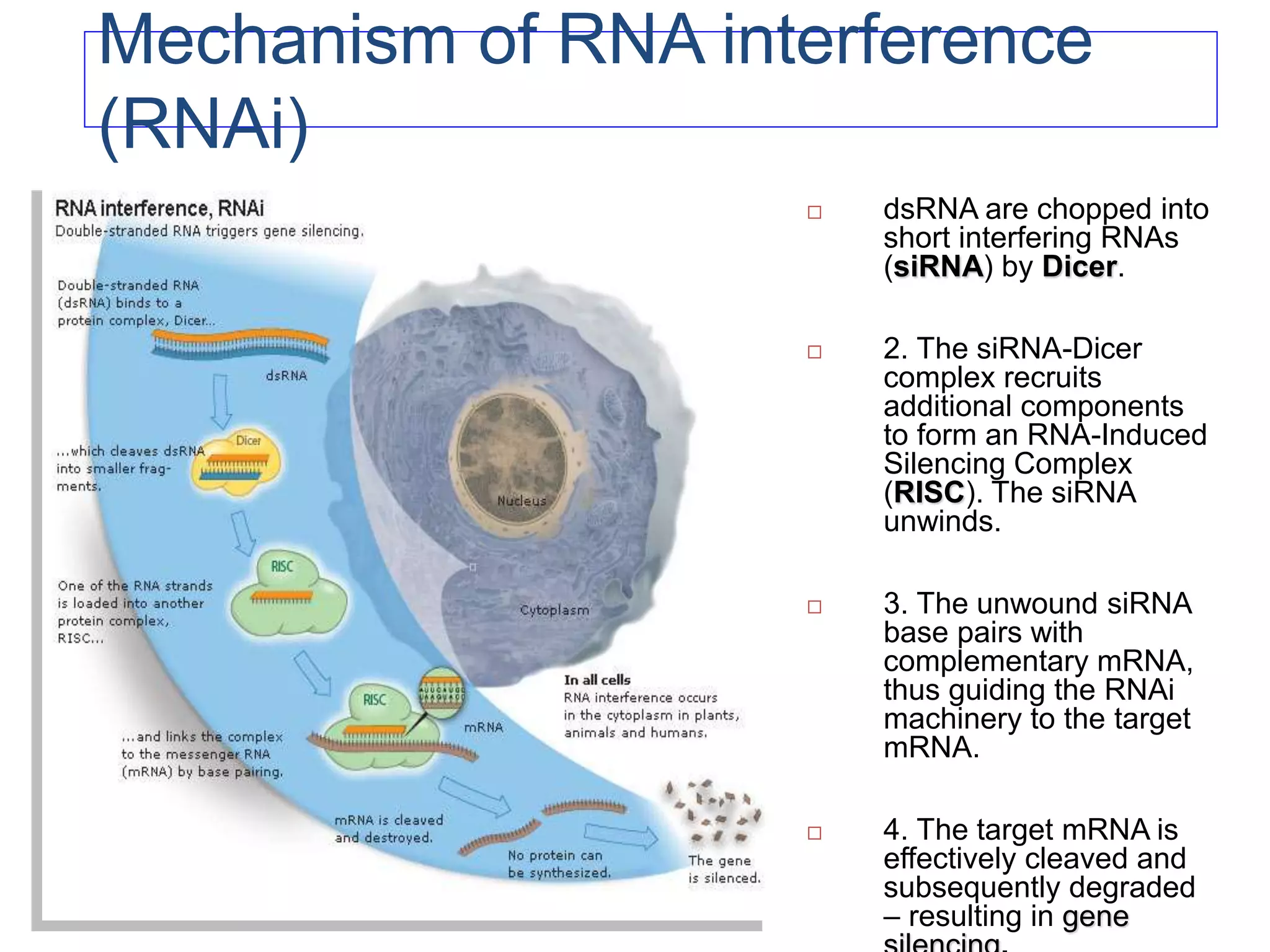
Mechanism of RNA interference 
(RNAi) 
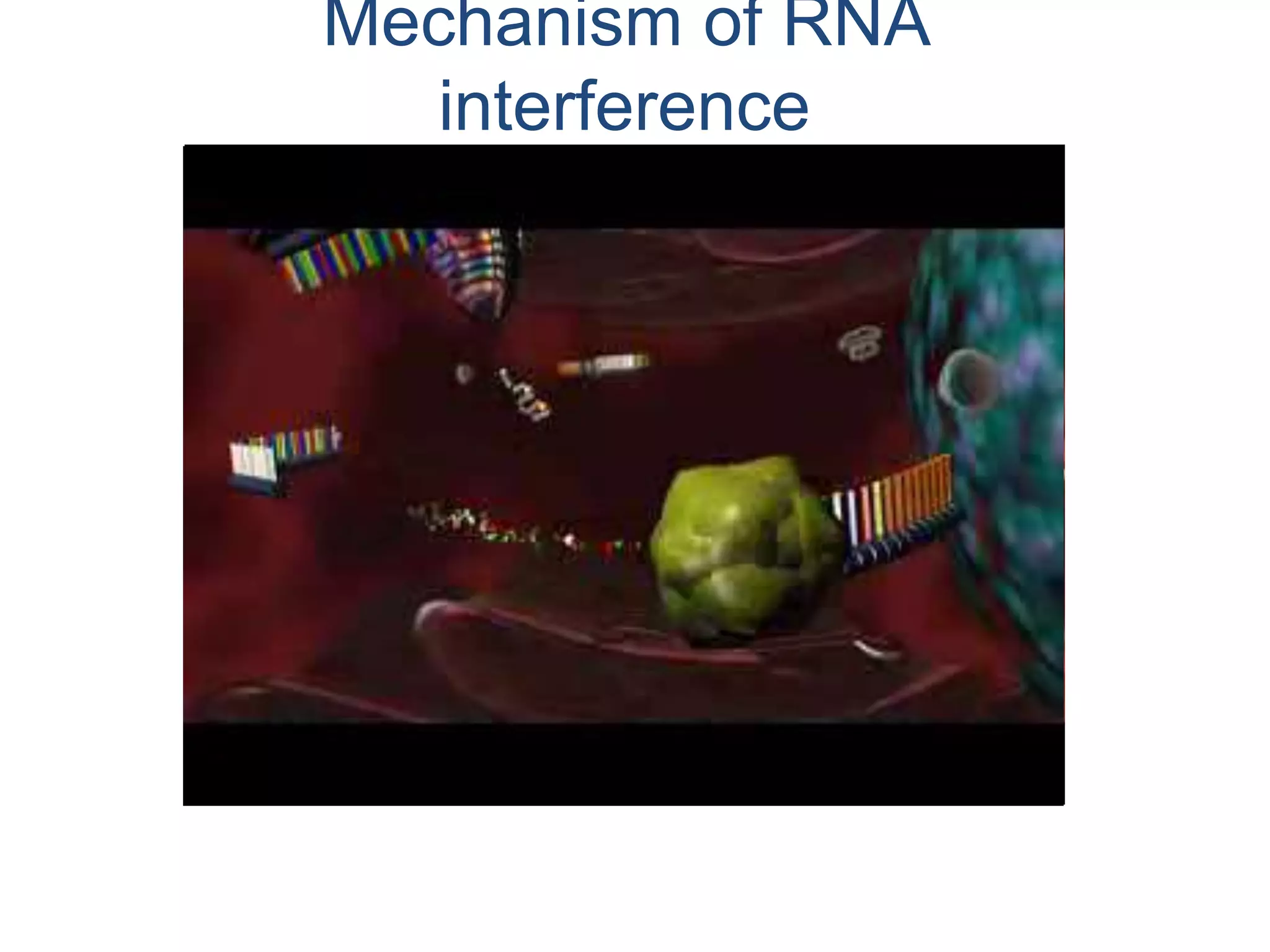
 dsRNA are chopped into 
short interfering RNAs 
(siRNA) by Dicer. 
 2. The siRNA-Dicer 
complex recruits 
additional components 
to form an RNA-Induced 
Silencing Complex 
(RISC). The siRNA 
unwinds. 
 3. The unwound siRNA 
base pairs with 
complementary mRNA, 
thus guiding the RNAi 
machinery to the target 
mRNA. 
 4. The target mRNA is 
effectively cleaved and 
subsequently degraded 
– resulting in gene 
silencing.
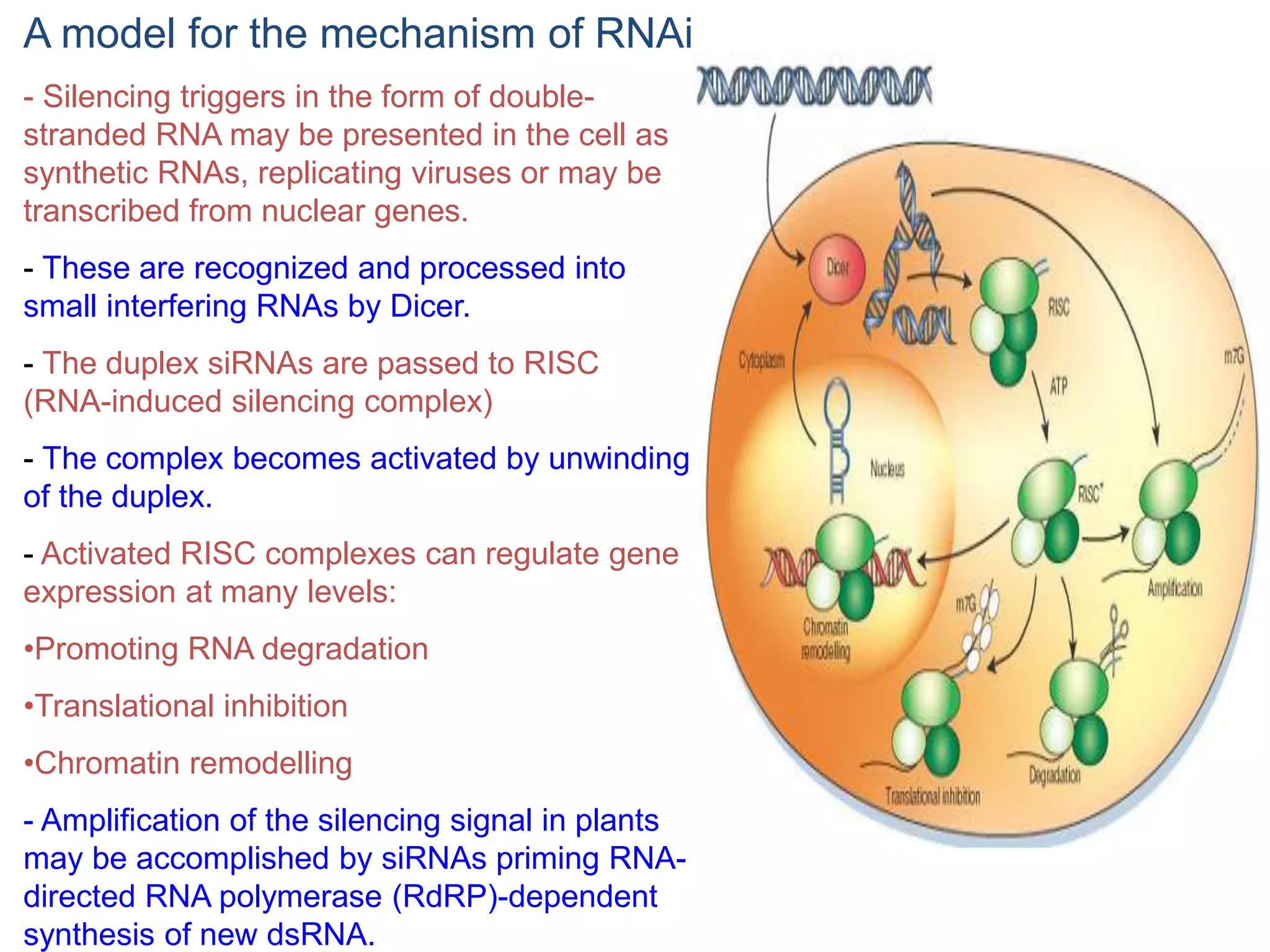
A model for the mechanism of RNAi 
- Silencing triggers in the form of double-stranded 
RNA may be presented in the cell as 
synthetic RNAs, replicating viruses or may be 
transcribed from nuclear genes. 
- These are recognized and processed into 
small interfering RNAs by Dicer. 
- The duplex siRNAs are passed to RISC 
(RNA-induced silencing complex) 
- The complex becomes activated by unwinding 
of the duplex. 
- Activated RISC complexes can regulate gene 
expression at many levels: 
•Promoting RNA degradation 
•Translational inhibition 
•Chromatin remodelling 
- Amplification of the silencing signal in plants 
may be accomplished by siRNAs priming RNA-directed 
RNA polymerase (RdRP)-dependent 
synthesis of new dsRNA.
Mechanism of RNA 
interference
Mechanism of RNAi : Role of 
Dicer 
 Cells (plants and animals) undergoing RNAi 
contained small fragments (~25 nt) of the RNA 
being suppressed. 
 A nuclease (Dicer) was purified from Drosophila 
embryos that still had small RNA fragments 
associated with it, both sense and antisense. 
 The Dicer gene is found in all organisms that 
exhibit RNAi, and mutating it inhibits the RNAi 
Coenfcfleucsito.n: Dicer is the endonuclease that degrades dsRNA 
into 21-24 nt fragments, and in higher eukaryotes also pulls 
the strands apart via intrinsic helicase activity.
RNAi FUNCTIONS 
- To regulates expression of protein coding 
genes 
- To mediates resistance to both exogenous 
parasitic and exogenous pathogenic 
nucleic acid 
- To used experimentally to block gene 
expression
RNAi applications 
 Genome-wide RNAi screening 
 Done in C. elegans 
 19 757 protein coding genes (predicted) 
 16 757 inactivated using RNAi 
 New standard for systematic genome wide functional studies 
 RNAi as a solution for mammalian genetics 
 Defense against Infection by viruses 
 Potential therapeutic use 
 Prevents viral infection 
 Inhibits the expression of viral antigens 
 Suppresses the transcription of viral genome 
 Blocks viral replication 
 Silences viral accessory genes 
 Hinders the assembly of viral particles & Displays roles in virus-host 
interactions
Responses to Mechanical Stimuli 
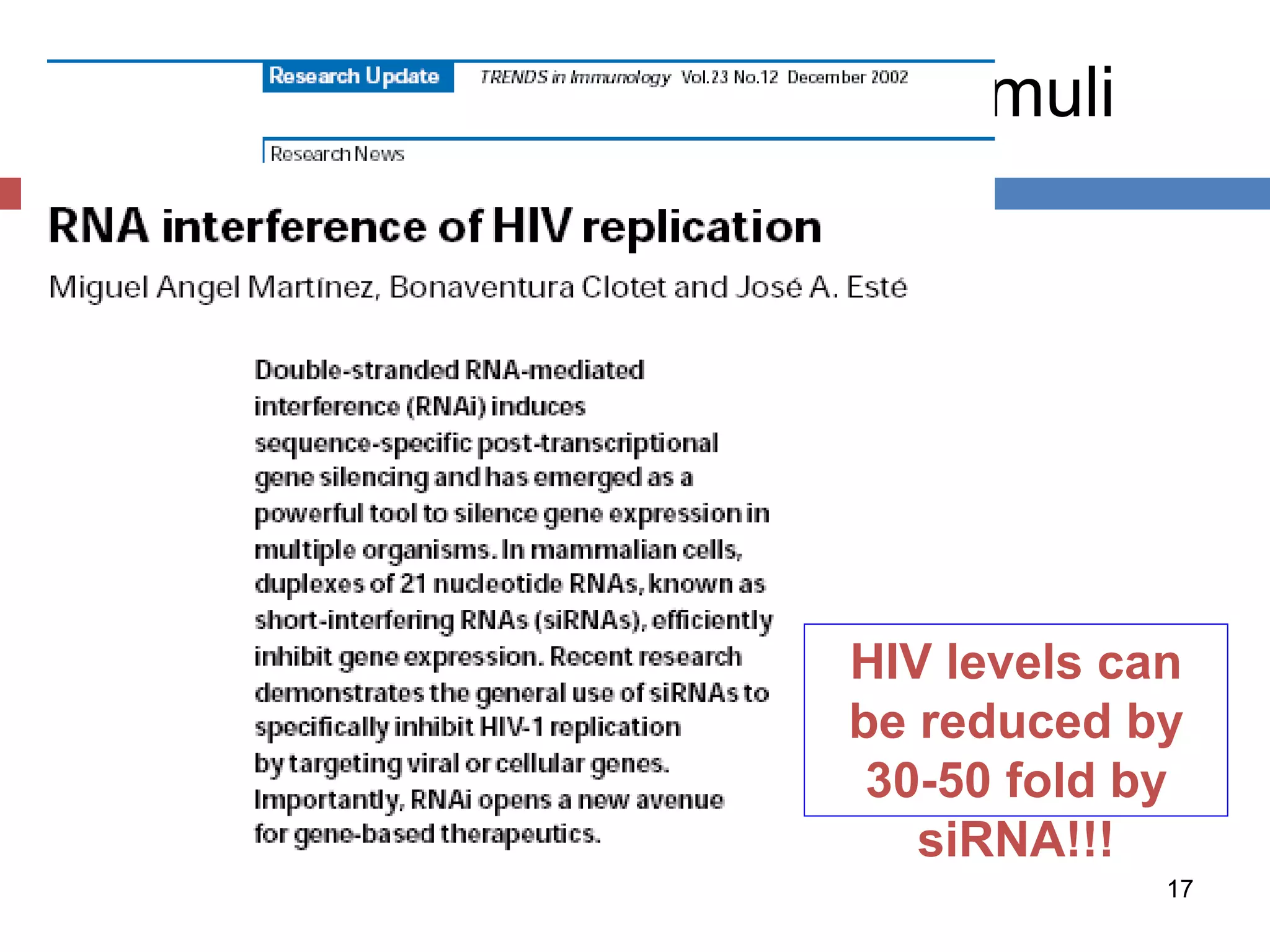
HIV levels can 
be reduced by 
30-50 fold by 
17 
siRNA!!!
Biotechnology & Agriculture 
 RNA interference has been used for applications in 
biotechnology, particularly in the engineering of food plants 
that produce lower levels of natural plant toxins. Such 
techniques take advantage of the stable and heritable 
RNAi phenotype in plant stocks. 
 For example, cotton seeds are rich in dietary protein but 
naturally contain the toxic terpenoid product gossypol, 
making them unsuitable for human consumption. 
 RNAi has been used to produce cotton stocks whose 
seeds contain reduced levels of delta-cadinene synthase, 
a key enzyme in gossypol production, without affecting the 
enzyme's production in other parts of the plant, where 
gossypol is important in preventing damage from plant 
pests.
Biotechnology & Agriculture 
 Similar efforts have been directed toward the reduction of 
the cyanogenic natural product linamarin in cassava 
plants. 
 Although no plant products that use RNAi-based genetic 
engineering have yet passed the experimental stage, 
development efforts have successfully reduced the levels 
of allergens in tomato plants and decreased the 
precursors of likely carcinogens in tobacco plants. 
 Other plant traits that have been engineered in the 
laboratory include the production of non-narcotic natural 
products by the opium poppy, resistance to common plant 
viruses, and fortification of plants such as tomatoes with 
dietary antioxidants.
RNA interference 
characteristics 
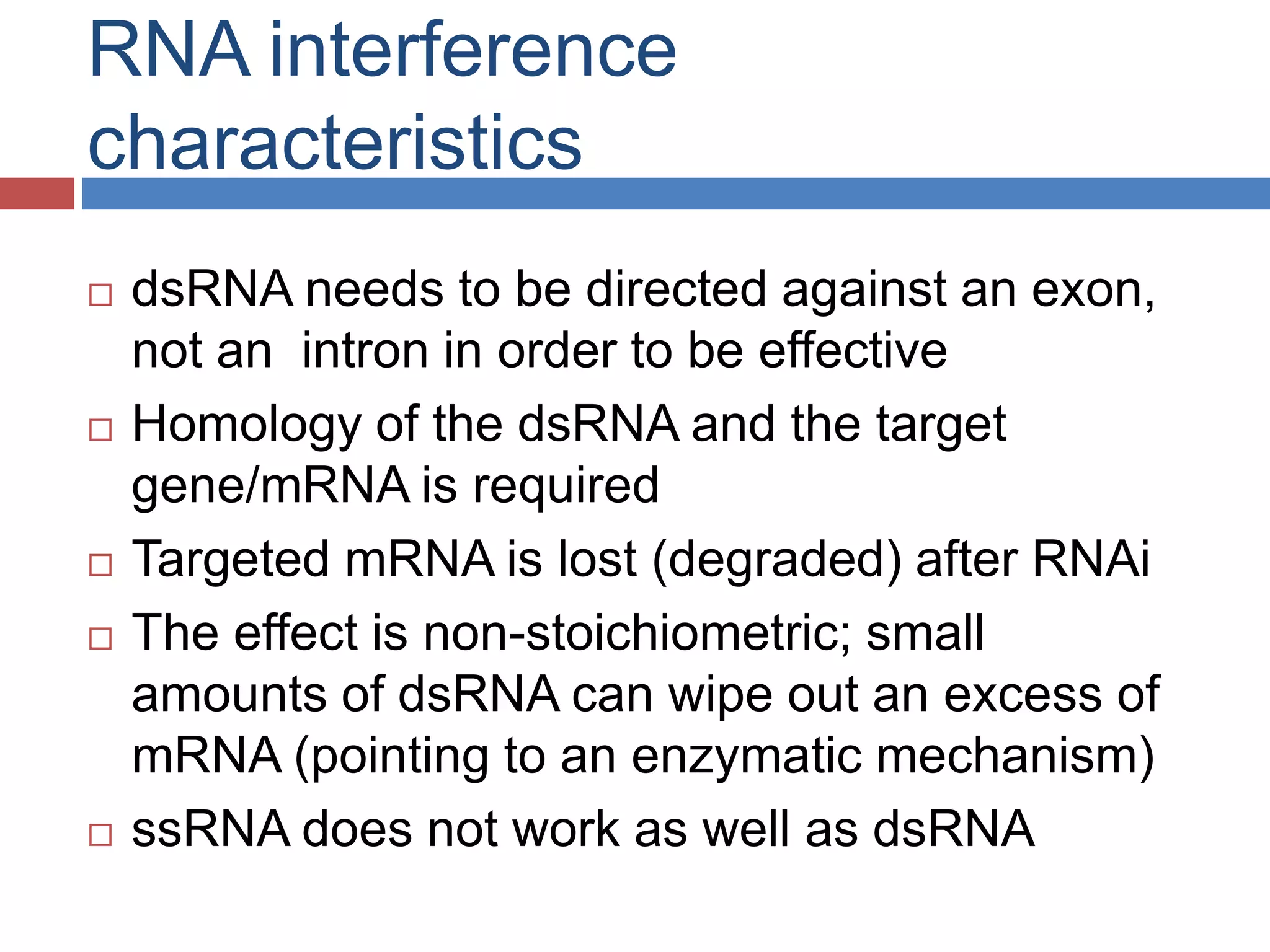
 dsRNA needs to be directed against an exon, 
not an intron in order to be effective 
 Homology of the dsRNA and the target 
gene/mRNA is required 
 Targeted mRNA is lost (degraded) after RNAi 
 The effect is non-stoichiometric; small 
amounts of dsRNA can wipe out an excess of 
mRNA (pointing to an enzymatic mechanism) 
 ssRNA does not work as well as dsRNA
Advantage of RNAi 
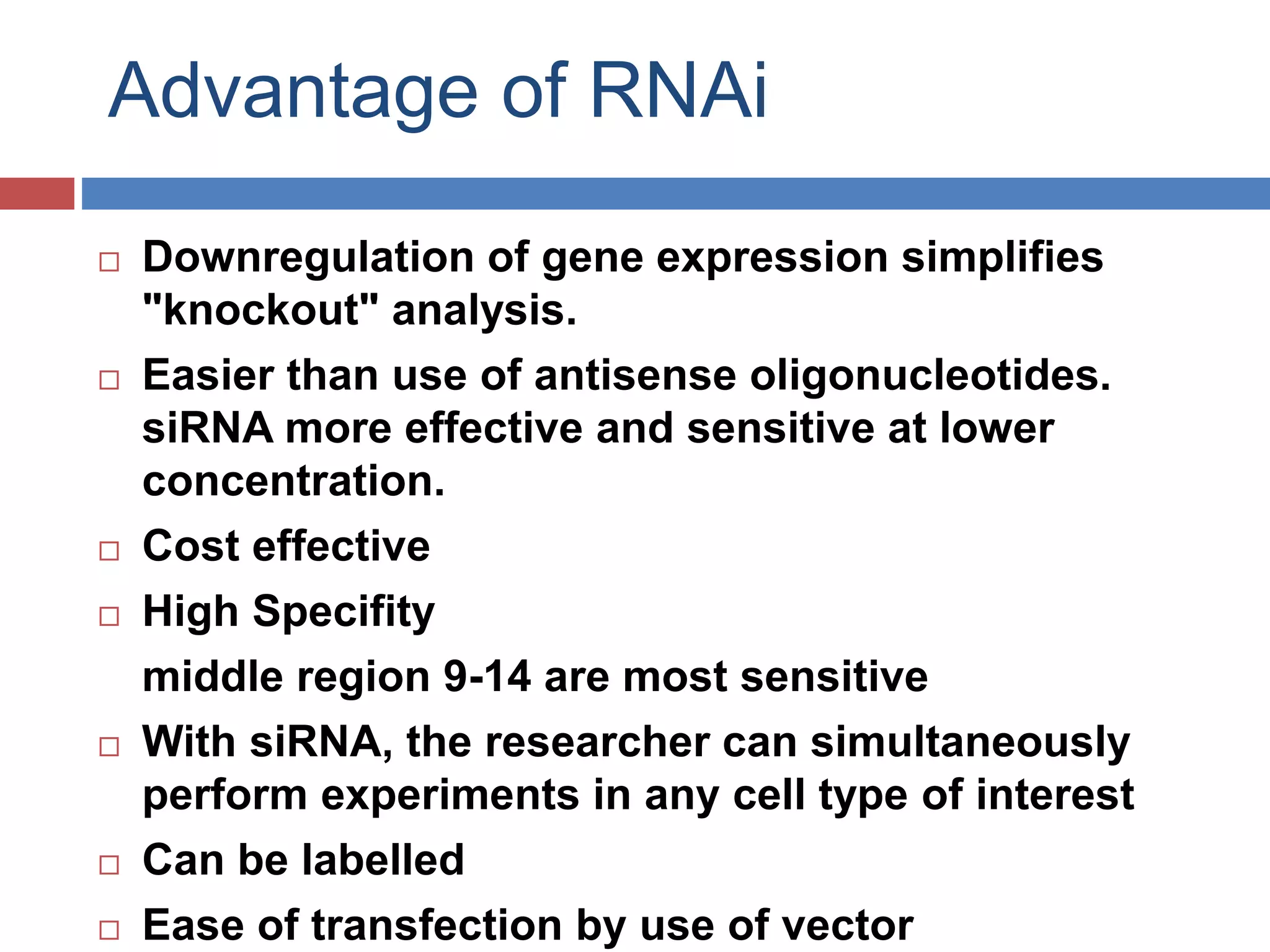
 Downregulation of gene expression simplifies 
"knockout" analysis. 
 Easier than use of antisense oligonucleotides. 
siRNA more effective and sensitive at lower 
concentration. 
 Cost effective 
 High Specifity 
middle region 9-14 are most sensitive 
 With siRNA, the researcher can simultaneously 
perform experiments in any cell type of interest 
 Can be labelled 
 Ease of transfection by use of vector
Importance of RNAi 
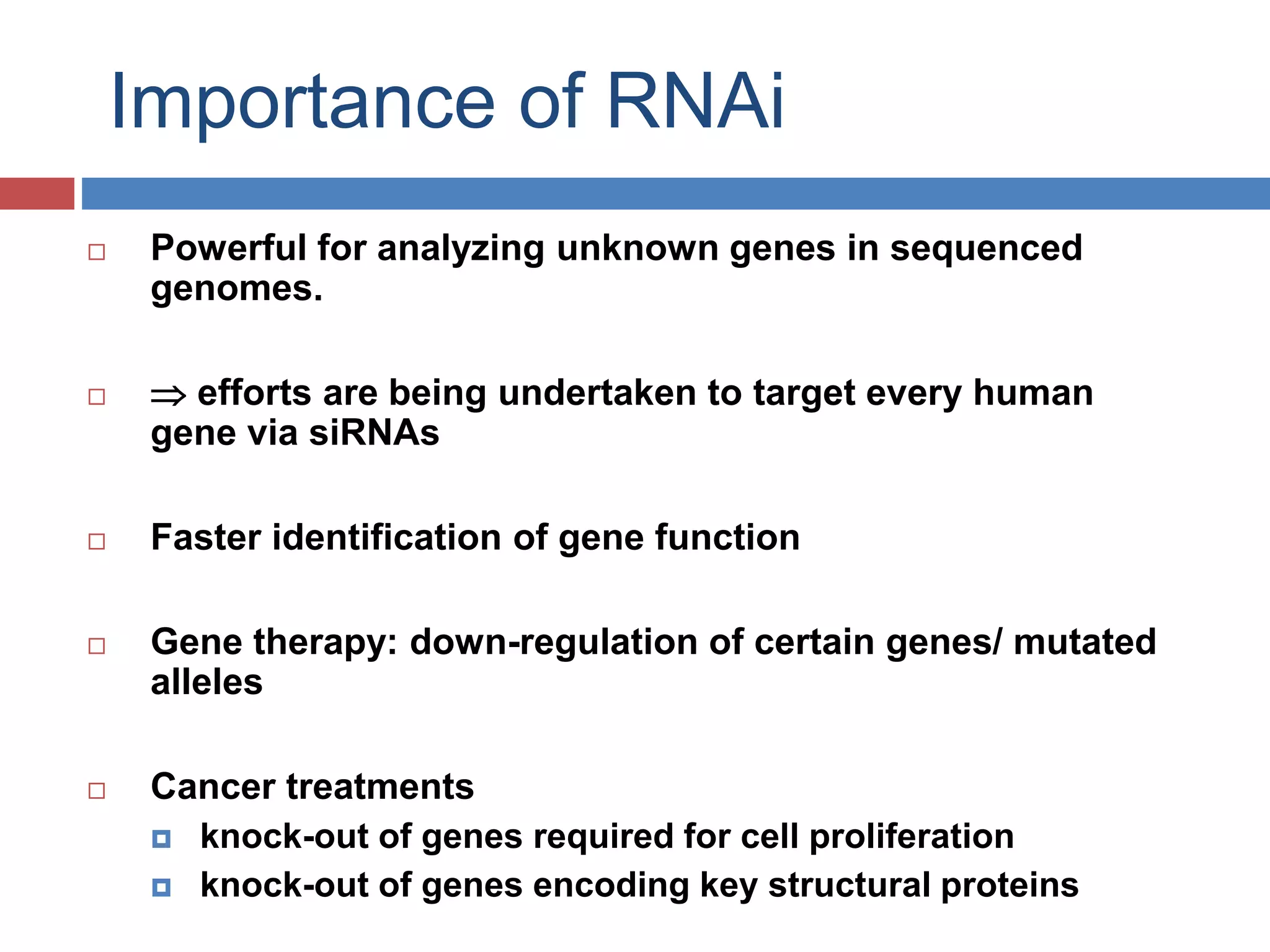
 Powerful for analyzing unknown genes in sequenced 
genomes. 
  efforts are being undertaken to target every human 
gene via siRNAs 
 Faster identification of gene function 
 Gene therapy: down-regulation of certain genes/ mutated 
alleles 
 Cancer treatments 
 knock-out of genes required for cell proliferation 
 knock-out of genes encoding key structural proteins
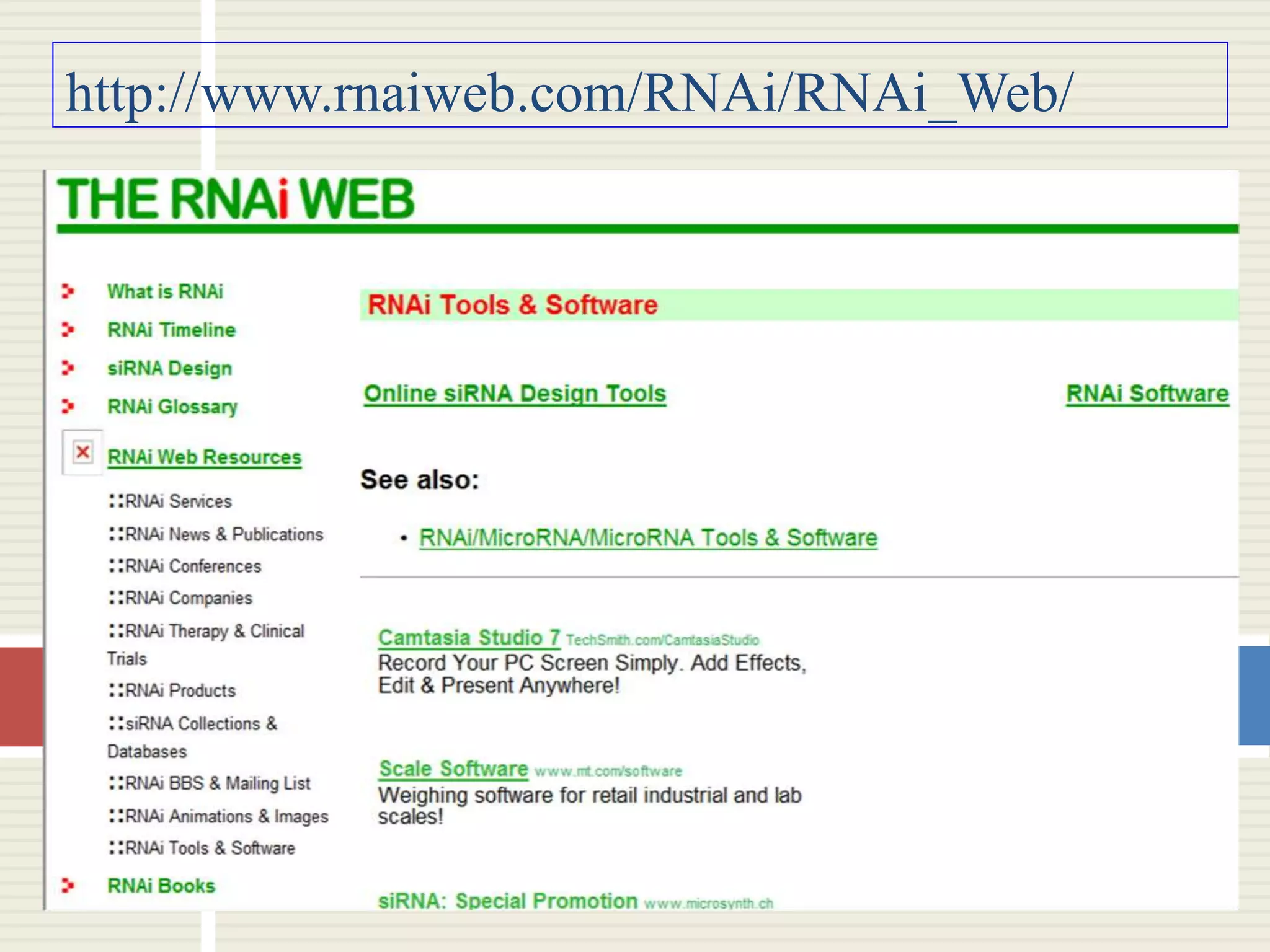
http://www.rnaiweb.com/RNAi/RNAi_Web/
http://www.rnainterference.org/Sequences.html
RNAi Glossary 
 Dicer – Dicer is a member of the RNase III family of nucleases that specifically cleave double-stranded 
RNAs. Dicer processes long dsRNA into siRNA of 21-23 nt. 
 Interferon – A small and highly potent molecule that functions in an autocrine and paracrine manner, 
and that induces cells to resist viral replication. This term is related to RNAi because in mammals 
introduction of dsRNA longer than 30 nt induces a sequence-nonspecific interferon response. 
 Micro-RNA – Micro-RNAs (miRNA) are single-stranded RNAs of 22-nt that are processed from ~70-nt 
hairpin RNA precursors by Rnase III nuclease Dicer. Similar to siRNAs, miRNAs can silence gene 
activity via destruction of homologous mRNA in plants or blocking its translation in plants and animals. 
 Post-Transcriptional Gene Silencing – Post-transcriptional gene silencing (PTGS) is a sequence-specific 
RNA degradation system designed to act as an anti-viral defense mechanism. A form of PTGS 
triggered by transgenic DNA, called co-suppression, was initially described in plants and a related 
phenomenon, termed quelling, was later observed in the filamentous fungus Neurospora crassa 
 Ribozyme – Ribozymes are RNA molecules that act as enzymes in the absence of proteins. 
 RNA Interference – RNA Interference (RNAi), a term coined by Fire et al in 1998, is a phenomenon that 
small double-stranded RNA (referred as small interference RNA or siRNA) can induce efficient 
sequence-specific silence of gene expression. 
 RNA-Directed DNA Methylation – RNA-directed DNA methylation (RdDM) is an RNA directed 
silencing mechanism found in plants. Similar to RNA interference (RNAi), RdDM requires a double-strand 
RNA that is cut into short 21-26-nt fragments. DNA sequences homologous to these short RNAs 
are then methylated and silenced. 
 RNA-Induced Silencing Complex – RNA-induced silencing complex (RISC) is an siRNA-directed 
endonuclease, catalyzing cleavage of a single phosphodiester bond on the RNA target. 
 RNAi Trigger – RNAi triggers are double-stranded RNAs containing 21-23 nt sense and antisens 
strands hybridized to have 2 nt overhangs at both 3' ends. 
 Small Interfering RNA – Small Interfering RNA (siRNA) is 21-23-nt double-strand RNA. It guides the 
cleavage and degradation of its cognate RNA. 
Helicase – Enzyme responsible for unwinding double stranded molecule
References 
http://www.rna.com/ 
http://www.cambridge.org/catalogue/catalogue.asp?isbn=0511081316 
http://www.youtube.com/watch?v=H5udFjWDM3E&feature=related 
http://www.youtube.com/watch?v=kCxQdXX0Dbk 
http://arabidopsis.info/students/rohan/mechanismrnai.html 
http://www.youtube.com/watch?v=h1kayIVEfcY&feature=related 
* Simple, Efficient Production of Short Double-Stranded RNA Using RNase III (Judith E. Meis, EPICENTRE).website : 
http://www.epibio.com/pdfforum/9_3dsrnarnaseiii.pdfmicroRNA formation and function 
http://www.youtube.com/watch?v=_-9pROnSD-A 
http://www.rnaiweb.com/RNAi/RNAi_Web_Resources/RNAi_Companies/RNAi_Therapeutics/index.html 
http://www.alnylam.com/Programs-and-Pipeline/Programs/Liver-Cancer.php 
(1)* Meister ,G., Tuschl ,T.. (2004). Mechanisms of gene silencing by double-stranded RNA. Natural. 431(7006). 343-9. 
(2)* Kedde ,M., Strasser ,M.J., Boldajipour ,B., Oude Vrielink ,J.A., Slanchev ,K., le Sage ,C., Nagel ,R., Voorhoeve ,P.M., van 
Duijse ,J., Ørom ,U.A., Lund ,A.H., Perrakis ,A., Raz ,E., Agami ,R.. (2007). RNA-binding protein Dnd1 inhibits microRNA 
access to target mRNA. cell. 131(7). 1273-86. 
(3)*Klionov ,M.S., Stoliarenko ,A.D., Riazanskiĭ ,S.S., Sokolova ,O.A., Konstantinov ,I.N., Gvozdev ,V.A.. (2007). Role of short RNAs in 
regulating the expression of genes and mobile elements in germ cells. ONTOGENES. 38(3). 213-27. 
(4)*Aalto ,A.P., Sarin ,L.P., van Dijk ,A.A., Saarma ,M., Poranen ,M.M., Arumäe ,U., Bamford ,D.H.. (2007). Large-scale 
production of dsRNA and siRNA pools for RNA interference utilizing bacteriophage phi6 RNA-dependent RNA polymerase. 
RNA(New York .N.Y.). 13(3), 422-9. 
http://books.google.jo/books?id=bjAm2mTbnPoC&pg=PA56&lpg=PA56&dq=repeat+- 
associated+short+interfering+RNAs+(rasiRNAs)&source=bl&ots=ii34nFhrYx&sig=ABKvNRISLOdkGX0zwC4sW0i-qbU&hl=en&ei=SMXxSanVBcLm- 
Ab1wLidDw&sa=X&oi=book_result&ct=result&resnum=1#PPP5,M1
Thank you

RNA interference (RNAi)

  • 1.
    RNA interference RNAi BY Kamlesh Kumar Chandel Ph.D. Scholar Department of Genetics and Plant Breeding
  • 2.
    Content I. Overviewview / History II. Mechanism / Process III. Function IV. Applications V. RNAi Glossary VI. References Nobel Prize in 2006
  • 3.
    RNAi  RNAiis a powerful, conserved biological process through which the small, double-stranded RNAs specifically silence the expression of homologous genes, largely through degradation of their cognate mRNA.  its responsible for post-transcriptional gene silencing of the gene from which it was derived  Endogenous cellular mechanisms  Effecter molecules for functional genomics  Great potential as therapeutic agents for treatment of human disease
  • 4.
    RNA interference Technology  RNAi is used to block the expression of genes and create phenotypes that can potentially yield clues about the function of these genes.  In the post-genomic era, the elucidation of the physiological function of genes has become the rate-limiting step in the quest to develop ‘gene-based drugs’ and RNAi could potentially play a pivotal role in the validation of such novel drugs. RNAi is a fantastic discovery , all the RNAi idea will be describing in these video (1) http://www.youtube.com/watch?v=H5udFjWDM3E&feature=related (2) http://www.youtube.com/watch?v=A-l8tqjm4Vg&feature=related (3) http://www.youtube.com/watch?v=3kdhYCJFmZc&feature=related (4) http://www.youtube.com/watch?v=kCxQdXX0Dbk (5) http://www.youtube.com/watch?v=h1kayIVEfcY&feature=related
  • 5.
  • 6.
    Discovery of RNAior PTGS (Post transcriptional gene silencing) First discovered in plants (R. Jorgensen, 1990) •When Jorgensen introduced a re-engineered gene into petunia that had a lot of homology with an endogenous petunia gene, •both Also genes called became Co-suppression suppressed! Suppression was mostly due to increased degradation of the mRNAs (from the endogenous and introduced genes) Flowers from 3 different transgenic petunia plants carrying copies of the chimeric DFR gene above. The flowers had low DFR mRNA levels in the non-pigmented areas, but gene was still being transcribed.
  • 7.
    RNA interference alsoreported in •Jorgensen 1990 •van der Krol 1990 Gene injection (pigmentation Enzyme-petunias) Expectation: more red color Co-suppression of transgene and endogenous gene. Bill Douherty and Lindbo 1993 •Gene injection with a complete tobacco etch virus particle. •Expectation: virus expression Co-suppression of transgene and virus particles via RNA. Hamilton and Baulcombe 1998 •Identification of short antisense RNA sequences Fire and Mello 1998 Injection of dsRNA into C. elegans RNA interference (RNAi) or gene silencing Ambros 1993 (2000) Identification of small RNA in C. elegans (micro RNA)
  • 8.
    RNAi discovered inNematode {Caenorhabditis elegans} 1998 (first animal) while attempting to use antisense RNA in vivo Nobel Prize in 2006 ( Field of Physiology & Medicine) Craig Mello & Andrew Fire Control “sense” RNAs also produced suppression of target gene! sense RNAs were contaminated with dsRNA. dsRNA was the suppressing agent. -RNAi can be induced in C. elegans in three simple ways: -Injection of dsRNA into the worm gonads -Soaking the worms in dsRNA solution -Feeding the worms engineered bacteria producing dsRNA
  • 9.
    Double-stranded RNA (dsRNA)induced interference of the Mex-3 mRNA in the Nematode {Caenorhabditis elegans} Antisense RNA (c) or dsRNA (d) for the mex- 3 (mRNA) was injected into C. elegans ovaries, and then mex- 3 mRNA was detected in embryos by in situ hybridization with a mex-3 probe. (a) control embryo (b) control embryo hyb. with mex-3 probe Conclusions: (1) dsRNA reduced mex-3 mRNA better than antisense mRNA. (2) the suppressing signal moved from cell to cell.
  • 10.
    Mechanism/Process  Acellular mechanism that degrades unwanted RNAs in the cytoplasm but not in the nucleus What happens ?  dsRNA is processed into shorter interfering (siRNAs) that guide the targeted cleavage of homologous RNA.
  • 11.
    Mechanism of RNAinterference (RNAi)  dsRNA are chopped into short interfering RNAs (siRNA) by Dicer.  2. The siRNA-Dicer complex recruits additional components to form an RNA-Induced Silencing Complex (RISC). The siRNA unwinds.  3. The unwound siRNA base pairs with complementary mRNA, thus guiding the RNAi machinery to the target mRNA.  4. The target mRNA is effectively cleaved and subsequently degraded – resulting in gene silencing.
  • 12.
    A model forthe mechanism of RNAi - Silencing triggers in the form of double-stranded RNA may be presented in the cell as synthetic RNAs, replicating viruses or may be transcribed from nuclear genes. - These are recognized and processed into small interfering RNAs by Dicer. - The duplex siRNAs are passed to RISC (RNA-induced silencing complex) - The complex becomes activated by unwinding of the duplex. - Activated RISC complexes can regulate gene expression at many levels: •Promoting RNA degradation •Translational inhibition •Chromatin remodelling - Amplification of the silencing signal in plants may be accomplished by siRNAs priming RNA-directed RNA polymerase (RdRP)-dependent synthesis of new dsRNA.
  • 13.
    Mechanism of RNA interference
  • 14.
    Mechanism of RNAi: Role of Dicer  Cells (plants and animals) undergoing RNAi contained small fragments (~25 nt) of the RNA being suppressed.  A nuclease (Dicer) was purified from Drosophila embryos that still had small RNA fragments associated with it, both sense and antisense.  The Dicer gene is found in all organisms that exhibit RNAi, and mutating it inhibits the RNAi Coenfcfleucsito.n: Dicer is the endonuclease that degrades dsRNA into 21-24 nt fragments, and in higher eukaryotes also pulls the strands apart via intrinsic helicase activity.
  • 15.
    RNAi FUNCTIONS -To regulates expression of protein coding genes - To mediates resistance to both exogenous parasitic and exogenous pathogenic nucleic acid - To used experimentally to block gene expression
  • 16.
    RNAi applications Genome-wide RNAi screening  Done in C. elegans  19 757 protein coding genes (predicted)  16 757 inactivated using RNAi  New standard for systematic genome wide functional studies  RNAi as a solution for mammalian genetics  Defense against Infection by viruses  Potential therapeutic use  Prevents viral infection  Inhibits the expression of viral antigens  Suppresses the transcription of viral genome  Blocks viral replication  Silences viral accessory genes  Hinders the assembly of viral particles & Displays roles in virus-host interactions
  • 17.
    Responses to MechanicalStimuli HIV levels can be reduced by 30-50 fold by 17 siRNA!!!
  • 19.
    Biotechnology & Agriculture  RNA interference has been used for applications in biotechnology, particularly in the engineering of food plants that produce lower levels of natural plant toxins. Such techniques take advantage of the stable and heritable RNAi phenotype in plant stocks.  For example, cotton seeds are rich in dietary protein but naturally contain the toxic terpenoid product gossypol, making them unsuitable for human consumption.  RNAi has been used to produce cotton stocks whose seeds contain reduced levels of delta-cadinene synthase, a key enzyme in gossypol production, without affecting the enzyme's production in other parts of the plant, where gossypol is important in preventing damage from plant pests.
  • 20.
    Biotechnology & Agriculture  Similar efforts have been directed toward the reduction of the cyanogenic natural product linamarin in cassava plants.  Although no plant products that use RNAi-based genetic engineering have yet passed the experimental stage, development efforts have successfully reduced the levels of allergens in tomato plants and decreased the precursors of likely carcinogens in tobacco plants.  Other plant traits that have been engineered in the laboratory include the production of non-narcotic natural products by the opium poppy, resistance to common plant viruses, and fortification of plants such as tomatoes with dietary antioxidants.
  • 21.
    RNA interference characteristics  dsRNA needs to be directed against an exon, not an intron in order to be effective  Homology of the dsRNA and the target gene/mRNA is required  Targeted mRNA is lost (degraded) after RNAi  The effect is non-stoichiometric; small amounts of dsRNA can wipe out an excess of mRNA (pointing to an enzymatic mechanism)  ssRNA does not work as well as dsRNA
  • 22.
    Advantage of RNAi  Downregulation of gene expression simplifies "knockout" analysis.  Easier than use of antisense oligonucleotides. siRNA more effective and sensitive at lower concentration.  Cost effective  High Specifity middle region 9-14 are most sensitive  With siRNA, the researcher can simultaneously perform experiments in any cell type of interest  Can be labelled  Ease of transfection by use of vector
  • 23.
    Importance of RNAi  Powerful for analyzing unknown genes in sequenced genomes.   efforts are being undertaken to target every human gene via siRNAs  Faster identification of gene function  Gene therapy: down-regulation of certain genes/ mutated alleles  Cancer treatments  knock-out of genes required for cell proliferation  knock-out of genes encoding key structural proteins
  • 24.
  • 25.
  • 26.
    RNAi Glossary Dicer – Dicer is a member of the RNase III family of nucleases that specifically cleave double-stranded RNAs. Dicer processes long dsRNA into siRNA of 21-23 nt.  Interferon – A small and highly potent molecule that functions in an autocrine and paracrine manner, and that induces cells to resist viral replication. This term is related to RNAi because in mammals introduction of dsRNA longer than 30 nt induces a sequence-nonspecific interferon response.  Micro-RNA – Micro-RNAs (miRNA) are single-stranded RNAs of 22-nt that are processed from ~70-nt hairpin RNA precursors by Rnase III nuclease Dicer. Similar to siRNAs, miRNAs can silence gene activity via destruction of homologous mRNA in plants or blocking its translation in plants and animals.  Post-Transcriptional Gene Silencing – Post-transcriptional gene silencing (PTGS) is a sequence-specific RNA degradation system designed to act as an anti-viral defense mechanism. A form of PTGS triggered by transgenic DNA, called co-suppression, was initially described in plants and a related phenomenon, termed quelling, was later observed in the filamentous fungus Neurospora crassa  Ribozyme – Ribozymes are RNA molecules that act as enzymes in the absence of proteins.  RNA Interference – RNA Interference (RNAi), a term coined by Fire et al in 1998, is a phenomenon that small double-stranded RNA (referred as small interference RNA or siRNA) can induce efficient sequence-specific silence of gene expression.  RNA-Directed DNA Methylation – RNA-directed DNA methylation (RdDM) is an RNA directed silencing mechanism found in plants. Similar to RNA interference (RNAi), RdDM requires a double-strand RNA that is cut into short 21-26-nt fragments. DNA sequences homologous to these short RNAs are then methylated and silenced.  RNA-Induced Silencing Complex – RNA-induced silencing complex (RISC) is an siRNA-directed endonuclease, catalyzing cleavage of a single phosphodiester bond on the RNA target.  RNAi Trigger – RNAi triggers are double-stranded RNAs containing 21-23 nt sense and antisens strands hybridized to have 2 nt overhangs at both 3' ends.  Small Interfering RNA – Small Interfering RNA (siRNA) is 21-23-nt double-strand RNA. It guides the cleavage and degradation of its cognate RNA. Helicase – Enzyme responsible for unwinding double stranded molecule
  • 27.
    References http://www.rna.com/ http://www.cambridge.org/catalogue/catalogue.asp?isbn=0511081316 http://www.youtube.com/watch?v=H5udFjWDM3E&feature=related http://www.youtube.com/watch?v=kCxQdXX0Dbk http://arabidopsis.info/students/rohan/mechanismrnai.html http://www.youtube.com/watch?v=h1kayIVEfcY&feature=related * Simple, Efficient Production of Short Double-Stranded RNA Using RNase III (Judith E. Meis, EPICENTRE).website : http://www.epibio.com/pdfforum/9_3dsrnarnaseiii.pdfmicroRNA formation and function http://www.youtube.com/watch?v=_-9pROnSD-A http://www.rnaiweb.com/RNAi/RNAi_Web_Resources/RNAi_Companies/RNAi_Therapeutics/index.html http://www.alnylam.com/Programs-and-Pipeline/Programs/Liver-Cancer.php (1)* Meister ,G., Tuschl ,T.. (2004). Mechanisms of gene silencing by double-stranded RNA. Natural. 431(7006). 343-9. (2)* Kedde ,M., Strasser ,M.J., Boldajipour ,B., Oude Vrielink ,J.A., Slanchev ,K., le Sage ,C., Nagel ,R., Voorhoeve ,P.M., van Duijse ,J., Ørom ,U.A., Lund ,A.H., Perrakis ,A., Raz ,E., Agami ,R.. (2007). RNA-binding protein Dnd1 inhibits microRNA access to target mRNA. cell. 131(7). 1273-86. (3)*Klionov ,M.S., Stoliarenko ,A.D., Riazanskiĭ ,S.S., Sokolova ,O.A., Konstantinov ,I.N., Gvozdev ,V.A.. (2007). Role of short RNAs in regulating the expression of genes and mobile elements in germ cells. ONTOGENES. 38(3). 213-27. (4)*Aalto ,A.P., Sarin ,L.P., van Dijk ,A.A., Saarma ,M., Poranen ,M.M., Arumäe ,U., Bamford ,D.H.. (2007). Large-scale production of dsRNA and siRNA pools for RNA interference utilizing bacteriophage phi6 RNA-dependent RNA polymerase. RNA(New York .N.Y.). 13(3), 422-9. http://books.google.jo/books?id=bjAm2mTbnPoC&pg=PA56&lpg=PA56&dq=repeat+- associated+short+interfering+RNAs+(rasiRNAs)&source=bl&ots=ii34nFhrYx&sig=ABKvNRISLOdkGX0zwC4sW0i-qbU&hl=en&ei=SMXxSanVBcLm- Ab1wLidDw&sa=X&oi=book_result&ct=result&resnum=1#PPP5,M1
  • 28.