By: Vinu Arpitha K.S
Store Layout
CONTENTS
• Introduction
• Factors to consider for a store layout
• Importance of Store Layout
• Types of Store Layout
• Conclusion
Introduction
• A store layout is the design in which a store's interior is set up.
• Effective layouts are designed to expose customers to the most
products possible in the given amount of floor space available
• Store layouts generally show the size and location of each
department, any permanent structures, fixture locations and
customer traffic patterns.
• Each floor plan and store layout will depend on the type of products
sold, the building location and how much the business can afford to
put into the overall store design
Factors to consider for a store layout
• Effective Use of Space: To break up the store into logical and
functional areas such as POS, Back Office, Changing Rooms, Pantry,
Toilets, etc.
• Inviting Customers: guide customers to all the areas of merchandise.
• Interiors: appearance, walls, sections, and areas should be planned
and positioned well.
• Lighting and music arrangement: It should be placed to suit the kind
of shopper. These arrangements can be changed during different
hours in a store.
Importance of store layout
• To create desired store image and increase space productivity:
• Influence customer’s behaviour by designing the store’s flow,
merchandise placement and ambiance.
• Layouts also help retailers understand how much revenue per square
foot they are making ; using this information, they can properly assess
the strengths and weaknesses
Types of layouts
Their are basically four types of layout:
• Grid layout
• Racetrack / Loop layout
• Free form layout
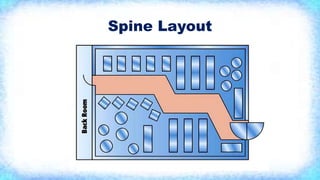
• Spine layout
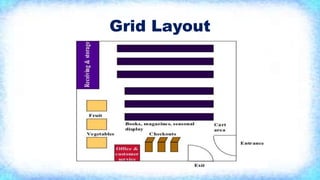
Grid Layout
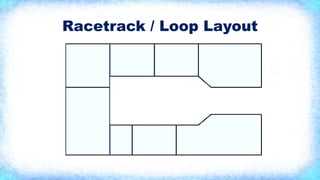
Racetrack / Loop Layout
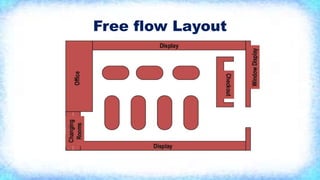
Free flow Layout
Spine Layout
Conclusion
• A store's layout displays the overall image of the store and creates the
perception that customers have about the store's environment. The
image of the store not only attracts customers, but it also causes
them to purchase goods while shopping there.
• A well-planned retail store layout allows a retailer to maximize the
sales for each square foot of the allocated selling space within the
store. It is the key strategy to a store’s prosperity .
Thank you!!

Retail Store Layout

  • 1.
    By: Vinu ArpithaK.S Store Layout
  • 2.
    CONTENTS • Introduction • Factorsto consider for a store layout • Importance of Store Layout • Types of Store Layout • Conclusion
  • 3.
    Introduction • A storelayout is the design in which a store's interior is set up. • Effective layouts are designed to expose customers to the most products possible in the given amount of floor space available • Store layouts generally show the size and location of each department, any permanent structures, fixture locations and customer traffic patterns. • Each floor plan and store layout will depend on the type of products sold, the building location and how much the business can afford to put into the overall store design
  • 4.
    Factors to considerfor a store layout • Effective Use of Space: To break up the store into logical and functional areas such as POS, Back Office, Changing Rooms, Pantry, Toilets, etc. • Inviting Customers: guide customers to all the areas of merchandise. • Interiors: appearance, walls, sections, and areas should be planned and positioned well. • Lighting and music arrangement: It should be placed to suit the kind of shopper. These arrangements can be changed during different hours in a store.
  • 5.
    Importance of storelayout • To create desired store image and increase space productivity: • Influence customer’s behaviour by designing the store’s flow, merchandise placement and ambiance. • Layouts also help retailers understand how much revenue per square foot they are making ; using this information, they can properly assess the strengths and weaknesses
  • 6.
    Types of layouts Theirare basically four types of layout: • Grid layout • Racetrack / Loop layout • Free form layout • Spine layout
  • 7.
  • 8.
  • 9.
  • 10.
  • 11.
    Conclusion • A store'slayout displays the overall image of the store and creates the perception that customers have about the store's environment. The image of the store not only attracts customers, but it also causes them to purchase goods while shopping there. • A well-planned retail store layout allows a retailer to maximize the sales for each square foot of the allocated selling space within the store. It is the key strategy to a store’s prosperity .
  • 12.