Restrictive
cardiomyopathy
Dr Dipak Patade
Cardiomyopathy(CM)
Definition:
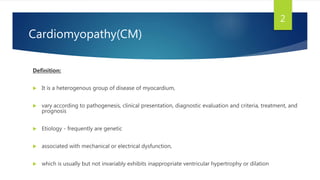
 It is a heterogenous group of disease of myocardium,
 vary according to pathogenesis, clinical presentation, diagnostic evaluation and criteria, treatment, and
prognosis
 Etiology - frequently are genetic
 associated with mechanical or electrical dysfunction,
 which is usually but not invariably exhibits inappropriate ventricular hypertrophy or dilation
2
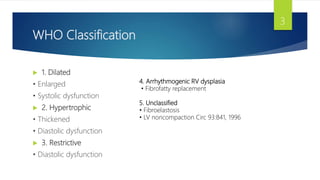
WHO Classification
 1. Dilated
• Enlarged
• Systolic dysfunction
 2. Hypertrophic
• Thickened
• Diastolic dysfunction
 3. Restrictive
• Diastolic dysfunction
3
4. Arrhythmogenic RV dysplasia
• Fibrofatty replacement
5. Unclassified
• Fibroelastosis
• LV noncompaction Circ 93:841, 1996
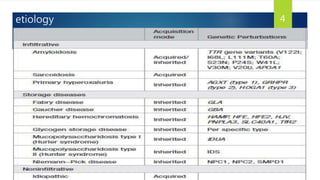
etiology 4
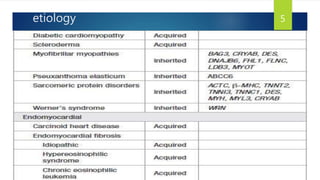
etiology 5
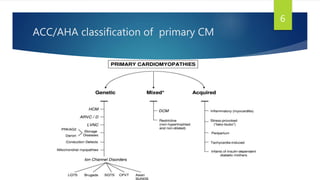
ACC/AHA classification of primary CM
6
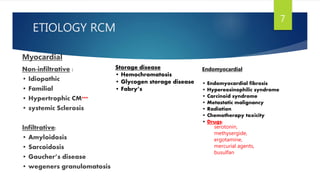
ETIOLOGY RCM
Myocardial
Non-infiltrative :
• Idiopathic
• Familial
• Hypertrophic CM***
• systemic Sclerosis
Infiltrative:
• Amyloidosis
• Sarcoidosis
• Gaucher’s disease
• wegeners granulomatosis
7
Endomyocardial
• Endomyocardial fibrosis
• Hypereosinophilic syndrome
• Carcinoid syndrome
• Metastatic malignancy
• Radiation
• Chemotherapy toxicity
• Drugs:
serotonin,
methysergide,
ergotamine,
mercurial agents,
busulfan
Storage disease
• Hemochromatosis
• Glycogen storage disease
• Fabry’s
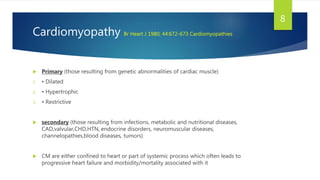
Cardiomyopathy Br Heart J 1980; 44:672-673 Cardiomyopathies
 Primary (those resulting from genetic abnormalities of cardiac muscle)
1. • Dilated
2. • Hypertrophic
3. • Restrictive
 secondary (those resulting from infections, metabolic and nutritional diseases,
CAD,valvular,CHD,HTN, endocrine disorders, neuromuscular diseases,
channelopathies,blood diseases, tumors)
 CM are either confined to heart or part of systemic process which often leads to
progressive heart failure and morbidity/mortality associated with it
8
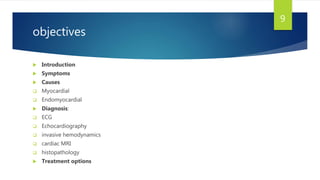
objectives
 Introduction
 Symptoms
 Causes
 Myocardial
 Endomyocardial
 Diagnosis:
 ECG
 Echocardiography
 invasive hemodynamics
 cardiac MRI
 histopathology
 Treatment options
9
Restrictive cardiomyopathy(RCM)
 It’s a result of myocardial disease.
 Non dilated left ventricle , Diastolic dysfunction – hallmark
 The terms infiltrative CM and restrictive CM are pathophysiological and anatomic
definitions of CMP that have overlap with several well defined clinical conditions
 RCM not always isolated cardiac disease but may arise secondary to acquired or
genetic diseases
 With or without systemic involvement /subclinical
10
Restrictive cardiomyoapthy
 Least common type of cardiomyopathy
 Increased stiffness of the myocardium
 impaired diastolic filling
 Ventricular volumes are usually normal or reduced
 Wall thickness is normal or mildly increased in some cm
 Systolic function is typically preserved
 Poor ventricular compliance
11
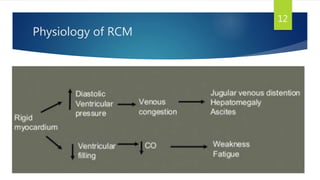
Physiology of RCM
12
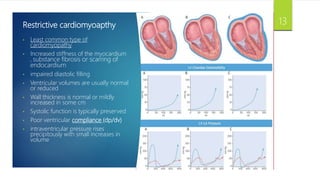
Restrictive cardiomyoapthy
• Least common type of
cardiomyopathy
• Increased stiffness of the myocardium
, substance fibrosis or scarring of
endocardium
• impaired diastolic filling
• Ventricular volumes are usually normal
or reduced
• Wall thickness is normal or mildly
increased in some cm
• Systolic function is typically preserved
• Poor ventricular compliance (dp/dv)
• intraventricular pressure rises
precipitously with small increases in
volume
13
Symptoms and signs
 Volume overload
o Fatigue
o Dyspnea
o Orthopnea
o Noctural dyspnea
 Arrhythmia
o palpitations,
o syncope,
o exercise intolerance
 Reduced cardiac output
o Exercise intolerance
o Cognitive difficulties
 angina, Dyspnea,syncope-on exertion
 Sudden cardiac death
14
Pulse-Tachycardia , Bradycardia, Irregular, Weak peripheral pulse.
BP-Low
Jugular venous pressure- Raised
S3 and/or S4
Pulmonary crackles
Inspiratory increase in JVP(Kussmaul’s sign)
Findings of Rt. Heart Failure may predominate i.e.pedal edema,
hepatomegaly,ascites
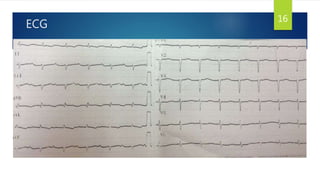
ECG
 Large P waves indicating biatrial enlargement
 Conduction delays -High-grade AV block (sarcoidosis, amyloid >
hemochromatosis)
 Various ST and T segment changes
 Ventricular tachycardias --Especially in sarcoidosis
 Atrial tachyarrhythmias, including atrial fibrillation
 In amyloid, classically – low QRS voltage,AL amylodsis- LBBB is rare and In TTR
amyloidosis-LBBB is common along with AV block
 Sudden death are common
15
ECG
16
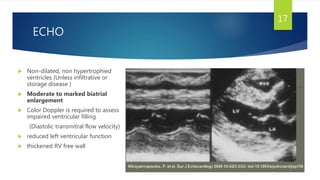
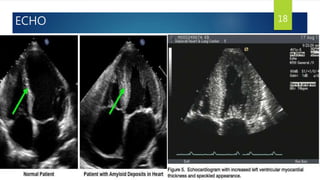
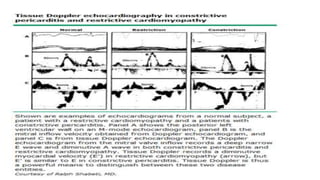
ECHO
 Non-dilated, non hypertrophied
ventricles (Unless infiltrative or
storage disease )
 Moderate to marked biatrial
enlargement
 Color Doppler is required to assess
impaired ventricular filling
(Diastolic transmitral flow velocity)
 reduced left ventricular function
 thickened RV free wall
17
ECHO 18
ECHO
19
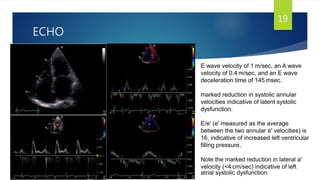
E wave velocity of 1 m/sec, an A wave
velocity of 0.4 m/sec, and an E wave
deceleration time of 145 msec.
marked reduction in systolic annular
velocities indicative of latent systolic
dysfunction.
E/e′ (e′ measured as the average
between the two annular e′ velocities) is
16, indicative of increased left ventricular
filling pressure.
Note the marked reduction in lateral a′
velocity (<4 cm/sec) indicative of left
atrial systolic dysfunction.
ECHO
20
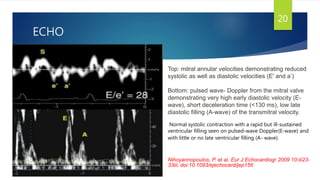
Top: mitral annular velocities demonstrating reduced
systolic as well as diastolic velocities (E' and a’)
Bottom: pulsed wave- Doppler from the mitral valve
demonstrating very high early diastolic velocity (E-
wave), short deceleration time (<130 ms), low late
diastolic filling (A-wave) of the transmitral velocity.
Normal systolic contraction with a rapid but ill-sustained
ventricular filling seen on pulsed-wave Doppler(E-wave) and
with little or no late ventricular filling (A- wave).
Nihoyannopoulos, P. et al. Eur J Echocardiogr 2009 10:iii23-
33iii; doi:10.1093/ejechocard/jep156
Cardiac catheterization
21
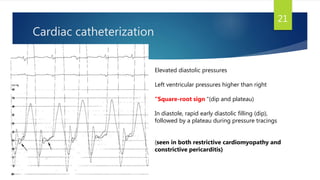
Elevated diastolic pressures
Left ventricular pressures higher than right
“Square-root sign “(dip and plateau)
In diastole, rapid early diastolic filling (dip),
followed by a plateau during pressure tracings
(seen in both restrictive cardiomyopathy and
constrictive pericarditis)
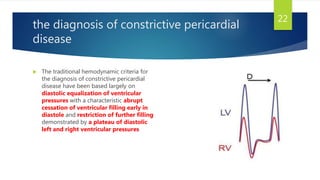
the diagnosis of constrictive pericardial
disease
 The traditional hemodynamic criteria for
the diagnosis of constrictive pericardial
disease have been based largely on
diastolic equalization of ventricular
pressures with a characteristic abrupt
cessation of ventricular filling early in
diastole and restriction of further filling
demonstrated by a plateau of diastolic
left and right ventricular pressures
22
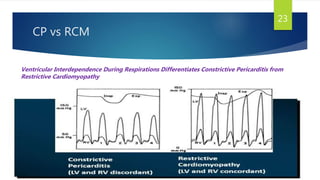
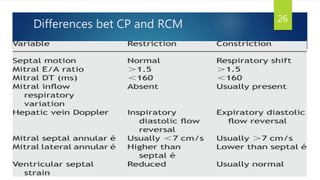
CP vs RCM
23
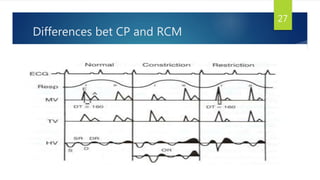
Ventricular Interdependence During Respirations Differentiates Constrictive Pericarditis from
Restrictive Cardiomyopathy
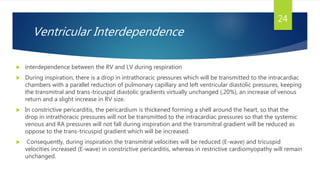
Ventricular Interdependence
 interdependence between the RV and LV during respiration
 During inspiration, there is a drop in intrathoracic pressures which will be transmitted to the intracardiac
chambers with a parallel reduction of pulmonary capillary and left ventricular diastolic pressures, keeping
the transmitral and trans-tricuspid diastolic gradients virtually unchanged (,20%), an increase of venous
return and a slight increase in RV size.
 In constrictive pericarditis, the pericardium is thickened forming a shell around the heart, so that the
drop in intrathoracic pressures will not be transmitted to the intracardiac pressures so that the systemic
venous and RA pressures will not fall during inspiration and the transmitral gradient will be reduced as
oppose to the trans-tricuspid gradient which will be increased.
 Consequently, during inspiration the transmitral velocities will be reduced (E-wave) and tricuspid
velocities increased (E-wave) in constrictive pericarditis, whereas in restrictive cardiomyopathy will remain
unchanged.
24
25
Differences bet CP and RCM
26
Differences bet CP and RCM
27
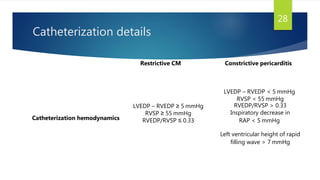
Catheterization details
Catheterization hemodynamics
LVEDP – RVEDP ≥ 5 mmHg
RVSP ≥ 55 mmHg
RVEDP/RVSP ≤ 0.33
LVEDP – RVEDP < 5 mmHg
RVSP < 55 mmHg
RVEDP/RVSP > 0.33
Inspiratory decrease in
RAP < 5 mmHg
Left ventricular height of rapid
filling wave > 7 mmHg
28
Restrictive CM Constrictive pericarditis
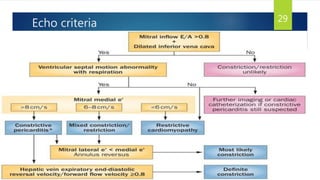
Echo criteria 29
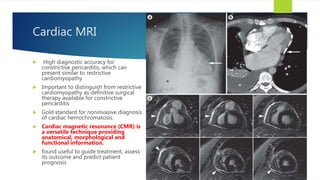
Cardiac MRI
 High diagnostic accuracy for
constrictive pericarditis, which can
present similar to restrictive
cardiomyopathy
 Important to distinguish from restrictive
cardiomyopathy as definitive surgical
therapy available for constrictive
pericarditis
 Gold standard for noninvasive diagnosis
of cardiac hemochromatosis.
 Cardiac magnetic resonance (CMR) is
a versatile technique providing
anatomical, morphological and
functional information.
 found useful to guide treatment, assess
its outcome and predict patient
prognosis
30
Endomyocardial biopsy indications
 Acute dilated cardiomyopathy with refractory heart failure symptoms
 Rapidly progressive ventricular dysfunction in an unexplained cardiomyopathy of recent onset
 New onset cardiomyopathy with recurrent ventricular tachycardia or high grade heart block
 Heart failure in the setting of fever, rash, and peripheral eosinophilia
 cardiomyopathy in setting of systemic diseases known to affect the myocardium (systemic lupus erythematosus,
polymyositis, sarcoidosis)
 The principal purpose of right ventricular endomyocardial biopsy has been to differentiate patients with
myocarditis from those with infiltrative RCM
 The usual rate of detection is approximately 10 percent.
 Biopsy should currently be considered for patients participating in clinical trials and those with myocardial
dysfunction and a treatable systemic disease known to affect the myocardium, such as amyloidosis, sarcoidosis or
eosinophilia.
Wu LA, et al. Mayo Clin Proc 2001;76:1030-8
31
treatment
 Treat underlying disease in secondary causes
 Attempt to maintain sinus rhythm, atrial fibrillation is poorly tolerated Amiodarone
 Treat heart failure symptoms -Diuretics and ACE inhibitors
 Avoid digitalis, nifedipine, ACE-I and verapamil in Amyloid
 Most are irreversible and require cardiac transplantation, regardless poor prognosis
 Pacemaker for conduction system disease
 Anticoagulation for thrombus eg EMF
32
Idiopathic RCM/familial RCM-
 Idiopathic RCM/familial RCM- rare
 Genes that encodes sarcomeric proteins
 Overlap ./crossover with HCM
 Poor prognosis
 Survival rate is 60% at 5th year and 30% at 10 years
 Normal lv wall thickness ,biatrial enlargement—biventricular failure
 ECG may be normal or IVCD
 family screening is mandatory
33
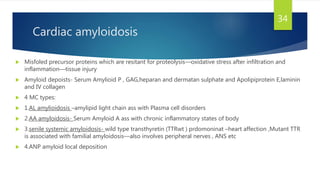
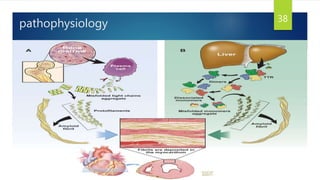
Cardiac amyloidosis
 Misfoled precursor proteins which are resitant for proteolysis—oxidative stress after infiltration and
inflammation—tissue injury
 Amyloid depoists- Serum Amylioid P , GAG,heparan and dermatan sulphate and Apolipiprotein E,laminin
and IV collagen
 4 MC types:
 1.AL amylioidosis –amylipid light chain ass with Plasma cell disorders
 2.AA amyloidosis- Serum Amyloid A ass with chronic inflammatory states of body
 3.senile systemic amyloidosis- wild type transthyretin (TTRwt ) prdomoninat –heart affection ,Mutant TTR
is associated with familial amyloidosis—also involves peripheral nerves , ANS etc
 4.ANP amyloid local deposition
34
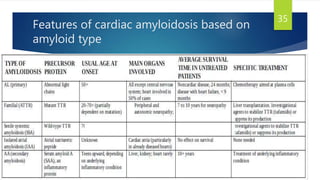
Features of cardiac amyloidosis based on
amyloid type
35
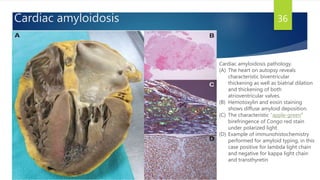
Cardiac amyloidosis 36
Cardiac amyloidosis pathology.
(A) The heart on autopsy reveals
characteristic biventricular
thickening as well as biatrial dilation
and thickening of both
atrioventricular valves.
(B) Hemotoxylin and eosin staining
shows diffuse amyloid deposition.
(C) The characteristic “apple-green”
birefringence of Congo red stain
under polarized light.
(D) Example of immunohistochemistry
performed for amyloid typing, in this
case positive for lambda light chain
and negative for kappa light chain
and transthyretin
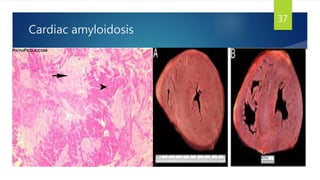
Cardiac amyloidosis
37
pathophysiology 38
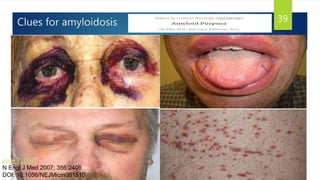
Clues for amyloidosis 39
June 7, 2007
N Engl J Med 2007; 356:2406
DOI: 10.1056/NEJMicm061510
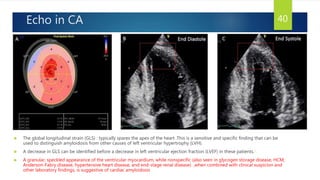
Echo in CA
 The global longitudinal strain (GLS) : typically spares the apex of the heart .This is a sensitive and specific finding that can be
used to distinguish amyloidosis from other causes of left ventricular hypertrophy (LVH).
 A decrease in GLS can be identified before a decrease in left ventricular ejection fraction (LVEF) in these patients.1
 A granular, speckled appearance of the ventricular myocardium, while nonspecific (also seen in glycogen storage disease, HCM,
Anderson-Fabry disease, hypertensive heart disease, and end-stage renal disease) ,when combined with clinical suspicion and
other laboratory findings, is suggestive of cardiac amyloidosis
40
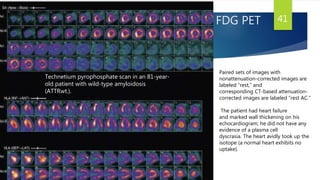
FDG PET 41
Paired sets of images with
nonattenuation-corrected images are
labeled “rest,” and
corresponding CT-based attenuation-
corrected images are labeled “rest AC.”
The patient had heart failure
and marked wall thickening on his
echocardiogram; he did not have any
evidence of a plasma cell
dyscrasia. The heart avidly took up the
isotope (a normal heart exhibits no
uptake).
Technetium pyrophosphate scan in an 81-year-
old patient with wild-type amyloidosis
(ATTRwt.).
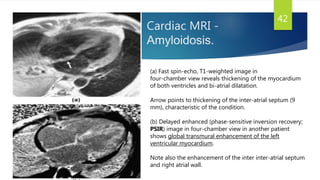
Cardiac MRI -
Amyloidosis.
42
(a) Fast spin-echo, T1-weighted image in
four-chamber view reveals thickening of the myocardium
of both ventricles and bi-atrial dilatation.
Arrow points to thickening of the inter-atrial septum (9
mm), characteristic of the condition.
(b) Delayed enhanced (phase-sensitive inversion recovery;
PSIR) image in four-chamber view in another patient
shows global transmural enhancement of the left
ventricular myocardium.
Note also the enhancement of the inter inter-atrial septum
and right atrial wall.
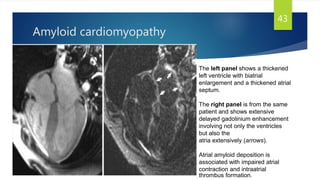
Amyloid cardiomyopathy
43
The left panel shows a thickened
left ventricle with biatrial
enlargement and a thickened atrial
septum.
The right panel is from the same
patient and shows extensive
delayed gadolinium enhancement
involving not only the ventricles
but also the
atria extensively (arrows).
Atrial amyloid deposition is
associated with impaired atrial
contraction and intraatrial
thrombus formation.
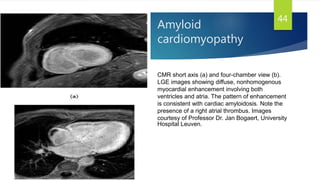
Amyloid
cardiomyopathy
44
CMR short axis (a) and four-chamber view (b).
LGE images showing diffuse, nonhomogenous
myocardial enhancement involving both
ventricles and atria. The pattern of enhancement
is consistent with cardiac amyloidosis. Note the
presence of a right atrial thrombus. Images
courtesy of Professor Dr. Jan Bogaert, University
Hospital Leuven.
Cardiac amyloidosis 45
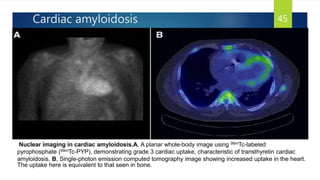
Nuclear imaging in cardiac amyloidosis.A, A planar whole-body image using 99mTc-labeled
pyrophosphate (99mTc-PYP), demonstrating grade 3 cardiac uptake, characteristic of transthyretin cardiac
amyloidosis. B, Single-photon emission computed tomography image showing increased uptake in the heart.
The uptake here is equivalent to that seen in bone.
Treatment of cardiac amyloidosis
 Cardiac amyloid -Usually ineffective and generally consists of supportive
measures .
 Autologous hematopoietic cell transplantation in conjunction with melphalan
therapy
 Heart transplantation – used only if the patient has isolated cardiac amyloid
 ICD placement – controversial given most sudden death is related to
electromechanical dissociation not ventricular arrhythmias
46
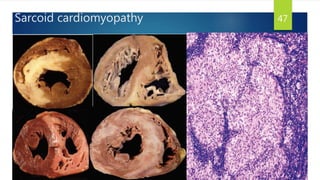
Sarcoid cardiomyopathy 47
Sarcoid cardiomyopathy
 The most common phenotype of sarcoid cardiomyopathy is DCM than restrictive cardiomyopathy.
 A 25% of the patients with Pulmonary sarcoidosis has cardiovascular involvement.
 Patchy non caseating granulomas leading to fibrosis ,the most common organ involved- Lung
 Granulomas have predilection for Cardiac conduction system
 Right ventricle may be severely involved leading to similar picture as that of ARVC.
 Complete heart block in young patient or ventricular arrythmias without any other established causes---
sarcoidosis should be screened
 ACE levels, Serum calcium levels, elevated Immunoglobulins , raised ESR are important clues for suspicion
 In patients with established extracardiac sarcoidosis –LV systolic dysfunction is almost always due to cardiac
sarcoidosis.
48
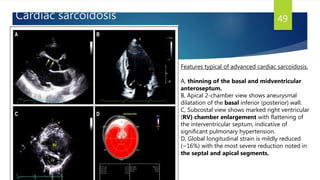
Cardiac sarcoidosis 49
Features typical of advanced cardiac sarcoidosis.
A, thinning of the basal and midventricular
anteroseptum.
B, Apical 2-chamber view shows aneurysmal
dilatation of the basal inferior (posterior) wall.
C, Subcostal view shows marked right ventricular
(RV) chamber enlargement with flattening of
the interventricular septum, indicative of
significant pulmonary hypertension.
D, Global longitudinal strain is mildly reduced
(−16%) with the most severe reduction noted in
the septal and apical segments.
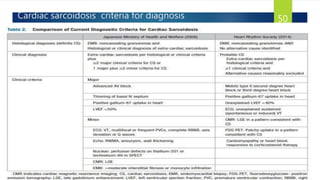
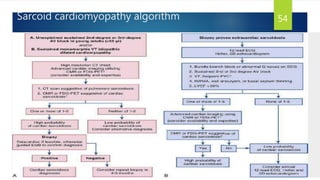
Cardiac sarcoidosis criteria for diagnosis 50
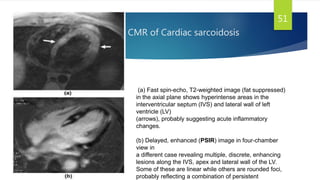
CMR of Cardiac sarcoidosis
51
(a) Fast spin-echo, T2-weighted image (fat suppressed)
in the axial plane shows hyperintense areas in the
interventricular septum (IVS) and lateral wall of left
ventricle (LV)
(arrows), probably suggesting acute inflammatory
changes.
(b) Delayed, enhanced (PSIR) image in four-chamber
view in
a different case revealing multiple, discrete, enhancing
lesions along the IVS, apex and lateral wall of the LV.
Some of these are linear while others are rounded foci,
probably reflecting a combination of persistent
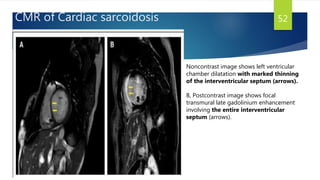
CMR of Cardiac sarcoidosis 52
Noncontrast image shows left ventricular
chamber dilatation with marked thinning
of the interventricular septum (arrows).
B, Postcontrast image shows focal
transmural late gadolinium enhancement
involving the entire interventricular
septum (arrows).
Cardiac
sarcoidosis
53
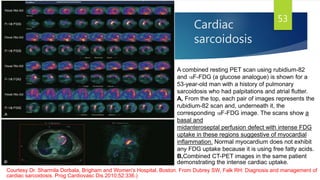
A combined resting PET scan using rubidium-82
and 18F-FDG (a glucose analogue) is shown for a
53-year-old man with a history of pulmonary
sarcoidosis who had palpitations and atrial flutter.
A, From the top, each pair of images represents the
rubidium-82 scan and, underneath it, the
corresponding 18F-FDG image. The scans show a
basal and
midanteroseptal perfusion defect with intense FDG
uptake in these regions suggestive of myocardial
inflammation. Normal myocardium does not exhibit
any FDG uptake because it is using free fatty acids.
B,Combined CT-PET images in the same patient
demonstrating the intense cardiac uptake.
Courtesy Dr. Sharmila Dorbala, Brigham and Women's Hospital, Boston. From Dubrey SW, Falk RH: Diagnosis and management of
cardiac sarcoidosis. Prog Cardiovasc Dis 2010;52:336.)
Sarcoid cardiomyopathy algorithm 54
Rx of Cardiac sarcoidosis
 Goal is to control inflammation and fibrosis
 Glucocorticoids – thought to halt or slow process of inflammation and fibrosis .Dose unclear -Relapses
common after taper
 Anti TNF monoclonal antibodies
 Chloroquine, hydroxychloroquine, cyclosporine, and methotrexate – can be used for patients that are
resistant to steroids
 Pacemake/ICD placement – 30-65% of deaths in patient’s with cardiac sarcoid are due to
ventricular arrhythmias or conduction block.
 Prophylactic use of pacemaker/ICD based on reduced ejection fraction is also appropriate.
 Cardiac transplantation
55
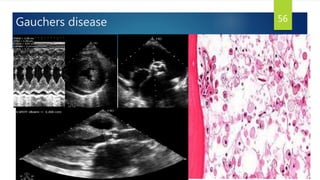
Gauchers disease 56
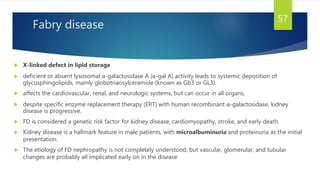
Fabry disease
 X-linked defect in lipid storage
 deficient or absent lysosomal α-galactosidase A (α-gal A) activity leads to systemic deposition of
glycosphingolipids, mainly globotriaosylceramide (known as Gb3 or GL3).
 affects the cardiovascular, renal, and neurologic systems, but can occur in all organs,
 despite specific enzyme replacement therapy (ERT) with human recombinant α-galactosidase, kidney
disease is progressive.
 FD is considered a genetic risk factor for kidney disease, cardiomyopathy, stroke, and early death.
 Kidney disease is a hallmark feature in male patients, with microalbuminuria and proteinuria as the initial
presentation.
 The etiology of FD nephropathy is not completely understood, but vascular, glomerular, and tubular
changes are probably all implicated early on in the disease
57
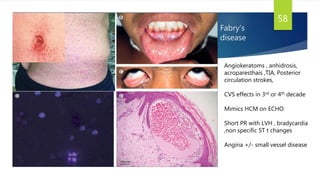
Fabry’s
disease
58
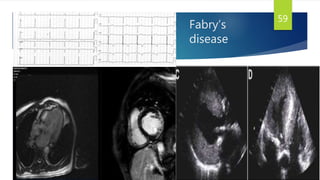
Angiokeratoms , anhidrosis,
acroparesthais ,TIA, Posterior
circulation strokes,
CVS effects in 3rd or 4th decade
Mimics HCM on ECHO
Short PR with LVH , bradycardia
,non specific ST t changes
Angina +/- small vessel disease
Fabry’s
disease
59
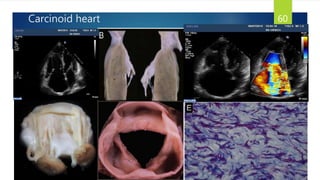
Carcinoid heart 60
Endomyocardial fibrosis
 disease that is characterized by fibrosis of the apical endocardium of the right
ventricle (RV), left ventricle (LV), or both.
 The clinical manifestations are largely related to the consequences of restrictive
ventricular filling, including left and right sided heart failure.
 The heart failure is associated with atrioventricular-valve regurgitation.
 carries a very poor prognosis, with an estimated survival of 2 years after diagnosis.
 typically in tropical and subtropical Africa, notably in Uganda, Nigeria, and
Mozambique
 Major cause of morbidity and mortality, accounting for 25% of cases of congestive
heart failure and death in equatorial Africa.
 A population-based study in rural Mozambique revealed a prevalence of the disorder
affecting 19.8% of the population.

61
Endomyocardial fibrosis
 The disease is increasingly recognized in
other tropical and subtropical regions
within 15 degrees of the equator,
including India, Brazil, Colombia, and Sri
Lanka.
 Increased incidence among individuals of
low socioeconomic status.
 Male preponderance, is most common in
children and young adults, but has been
described in individuals into the sixth
decade of life .
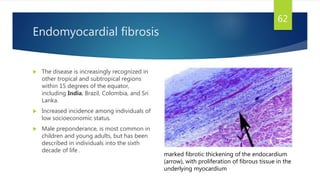
62
marked fibrotic thickening of the endocardium
(arrow), with proliferation of fibrous tissue in the
underlying myocardium
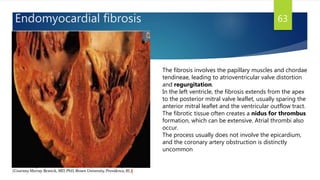
Endomyocardial fibrosis 63
The fibrosis involves the papillary muscles and chordae
tendineae, leading to atrioventricular valve distortion
and regurgitation.
In the left ventricle, the fibrosis extends from the apex
to the posterior mitral valve leaflet, usually sparing the
anterior mitral leaflet and the ventricular outflow tract.
The fibrotic tissue often creates a nidus for thrombus
formation, which can be extensive. Atrial thrombi also
occur.
The process usually does not involve the epicardium,
and the coronary artery obstruction is distinctly
uncommon
 Infectious -toxoplasmosis , rheumatic fever , malaria , and helminthic parasites
 A consistent association with one organism, however, has not been demonstrated.
 Environmental exposure -Cerium, a rare earth element, has been postulated to play a role in the
pathogenesis of EMF.
 Serum levels of cerium are high in patients with EMF compared to controls, and it is
that cerium is ingested from food and contaminated soil .
 EMF resembles a late stage of Loeffler's endocarditis (eosinophilic myocarditis) , a process
known to result from sustained eosinophilia in patients with hypereosinophilic syndrome ,variety
of other eosinophilic syndromes including hypersensitivity myocarditis , parasitic infections ,
eosinophilic leukemia, sarcoma, carcinoma, and lymphoma.
 serum and myocardial eosinophilia have not been consistently demonstrated in EMF.
64
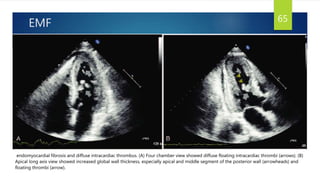
EMF 65
endomyocardial fibrosis and diffuse intracardiac thrombus. (A) Four chamber view showed diffuse floating intracardiac thrombi (arrows). (B)
Apical long axis view showed increased global wall thickness, especially apical and middle segment of the posterior wall (arrowheads) and
floating thrombi (arrow).
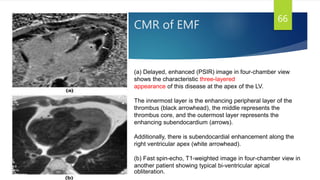
CMR of EMF
66
(a) Delayed, enhanced (PSIR) image in four-chamber view
shows the characteristic three-layered
appearance of this disease at the apex of the LV.
The innermost layer is the enhancing peripheral layer of the
thrombus (black arrowhead), the middle represents the
thrombus core, and the outermost layer represents the
enhancing subendocardium (arrows).
Additionally, there is subendocardial enhancement along the
right ventricular apex (white arrowhead).
(b) Fast spin-echo, T1-weighted image in four-chamber view in
another patient showing typical bi-ventricular apical
obliteration.
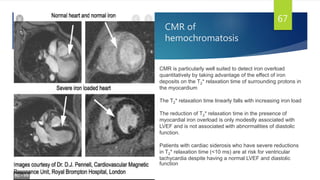
CMR of
hemochromatosis
67
CMR is particularly well suited to detect iron overload
quantitatively by taking advantage of the effect of iron
deposits on the T2* relaxation time of surrounding protons in
the myocardium
The T2* relaxation time linearly falls with increasing iron load
The reduction of T2* relaxation time in the presence of
myocardial iron overload is only modestly associated with
LVEF and is not associated with abnormalities of diastolic
function.
Patients with cardiac siderosis who have severe reductions
in T2* relaxation time (<10 ms) are at risk for ventricular
tachycardia despite having a normal LVEF and diastolic
function
Rx of Hemachromatosis ,EMF and Fabry
 Hemachromatosis --Treatment with serial phlebotomy
 EMF-Poor prognosis with medical therapy (HF therapy beta blockers, diuresis) or
prednisone if acute carditis ,Endomyocardial resection with valve replacement or
repair
 Fabry’s – no cure Treatment with recombinant a-galactosidase A (alpha-Gal A),
likely require dialysis.
68
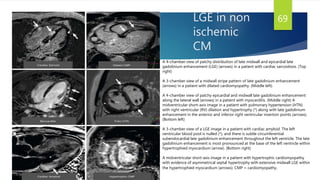
LGE in non
ischemic
CM
69
A 4-chamber view of patchy distribution of late midwall and epicardial late
gadolinium enhancement (LGE) (arrows) in a patient with cardiac sarcoidosis. (Top
right)
A 3-chamber view of a midwall stripe pattern of late gadolinium enhancement
(arrows) in a patient with dilated cardiomyopathy. (Middle left)
A 4-chamber view of patchy epicardial and midwall late gadolinium enhancement
along the lateral wall (arrows) in a patient with myocarditis. (Middle right) A
midventricular short-axis image in a patient with pulmonary hypertension (HTN)
with right ventricular (RV) dilation and hypertrophy (*) along with late gadolinium
enhancement in the anterior and inferior right ventricular insertion points (arrows).
(Bottom left)
A 3-chamber view of a LGE image in a patient with cardiac amyloid. The left
ventricular blood pool is nulled (*), and there is subtle circumferential
subendocardial late gadolinium enhancement throughout the left ventricle. The late
gadolinium enhancement is most pronounced at the base of the left ventricle within
hypertrophied myocardium (arrow). (Bottom right)
A midventricular short-axis image in a patient with hypertrophic cardiomyopathy
with evidence of asymmetrical septal hypertrophy with extensive midwall LGE within
the hypertrophied myocardium (arrows). CMP = cardiomyopathy.
70

Restrictive cardiomyopathy

  • 1.
  • 2.
    Cardiomyopathy(CM) Definition:  It isa heterogenous group of disease of myocardium,  vary according to pathogenesis, clinical presentation, diagnostic evaluation and criteria, treatment, and prognosis  Etiology - frequently are genetic  associated with mechanical or electrical dysfunction,  which is usually but not invariably exhibits inappropriate ventricular hypertrophy or dilation 2
  • 3.
    WHO Classification  1.Dilated • Enlarged • Systolic dysfunction  2. Hypertrophic • Thickened • Diastolic dysfunction  3. Restrictive • Diastolic dysfunction 3 4. Arrhythmogenic RV dysplasia • Fibrofatty replacement 5. Unclassified • Fibroelastosis • LV noncompaction Circ 93:841, 1996
  • 4.
  • 5.
  • 6.
  • 7.
    ETIOLOGY RCM Myocardial Non-infiltrative : •Idiopathic • Familial • Hypertrophic CM*** • systemic Sclerosis Infiltrative: • Amyloidosis • Sarcoidosis • Gaucher’s disease • wegeners granulomatosis 7 Endomyocardial • Endomyocardial fibrosis • Hypereosinophilic syndrome • Carcinoid syndrome • Metastatic malignancy • Radiation • Chemotherapy toxicity • Drugs: serotonin, methysergide, ergotamine, mercurial agents, busulfan Storage disease • Hemochromatosis • Glycogen storage disease • Fabry’s
  • 8.
    Cardiomyopathy Br HeartJ 1980; 44:672-673 Cardiomyopathies  Primary (those resulting from genetic abnormalities of cardiac muscle) 1. • Dilated 2. • Hypertrophic 3. • Restrictive  secondary (those resulting from infections, metabolic and nutritional diseases, CAD,valvular,CHD,HTN, endocrine disorders, neuromuscular diseases, channelopathies,blood diseases, tumors)  CM are either confined to heart or part of systemic process which often leads to progressive heart failure and morbidity/mortality associated with it 8
  • 9.
    objectives  Introduction  Symptoms Causes  Myocardial  Endomyocardial  Diagnosis:  ECG  Echocardiography  invasive hemodynamics  cardiac MRI  histopathology  Treatment options 9
  • 10.
    Restrictive cardiomyopathy(RCM)  It’sa result of myocardial disease.  Non dilated left ventricle , Diastolic dysfunction – hallmark  The terms infiltrative CM and restrictive CM are pathophysiological and anatomic definitions of CMP that have overlap with several well defined clinical conditions  RCM not always isolated cardiac disease but may arise secondary to acquired or genetic diseases  With or without systemic involvement /subclinical 10
  • 11.
    Restrictive cardiomyoapthy  Leastcommon type of cardiomyopathy  Increased stiffness of the myocardium  impaired diastolic filling  Ventricular volumes are usually normal or reduced  Wall thickness is normal or mildly increased in some cm  Systolic function is typically preserved  Poor ventricular compliance 11
  • 12.
  • 13.
    Restrictive cardiomyoapthy • Leastcommon type of cardiomyopathy • Increased stiffness of the myocardium , substance fibrosis or scarring of endocardium • impaired diastolic filling • Ventricular volumes are usually normal or reduced • Wall thickness is normal or mildly increased in some cm • Systolic function is typically preserved • Poor ventricular compliance (dp/dv) • intraventricular pressure rises precipitously with small increases in volume 13
  • 14.
    Symptoms and signs Volume overload o Fatigue o Dyspnea o Orthopnea o Noctural dyspnea  Arrhythmia o palpitations, o syncope, o exercise intolerance  Reduced cardiac output o Exercise intolerance o Cognitive difficulties  angina, Dyspnea,syncope-on exertion  Sudden cardiac death 14 Pulse-Tachycardia , Bradycardia, Irregular, Weak peripheral pulse. BP-Low Jugular venous pressure- Raised S3 and/or S4 Pulmonary crackles Inspiratory increase in JVP(Kussmaul’s sign) Findings of Rt. Heart Failure may predominate i.e.pedal edema, hepatomegaly,ascites
  • 15.
    ECG  Large Pwaves indicating biatrial enlargement  Conduction delays -High-grade AV block (sarcoidosis, amyloid > hemochromatosis)  Various ST and T segment changes  Ventricular tachycardias --Especially in sarcoidosis  Atrial tachyarrhythmias, including atrial fibrillation  In amyloid, classically – low QRS voltage,AL amylodsis- LBBB is rare and In TTR amyloidosis-LBBB is common along with AV block  Sudden death are common 15
  • 16.
  • 17.
    ECHO  Non-dilated, nonhypertrophied ventricles (Unless infiltrative or storage disease )  Moderate to marked biatrial enlargement  Color Doppler is required to assess impaired ventricular filling (Diastolic transmitral flow velocity)  reduced left ventricular function  thickened RV free wall 17
  • 18.
  • 19.
    ECHO 19 E wave velocityof 1 m/sec, an A wave velocity of 0.4 m/sec, and an E wave deceleration time of 145 msec. marked reduction in systolic annular velocities indicative of latent systolic dysfunction. E/e′ (e′ measured as the average between the two annular e′ velocities) is 16, indicative of increased left ventricular filling pressure. Note the marked reduction in lateral a′ velocity (<4 cm/sec) indicative of left atrial systolic dysfunction.
  • 20.
    ECHO 20 Top: mitral annularvelocities demonstrating reduced systolic as well as diastolic velocities (E' and a’) Bottom: pulsed wave- Doppler from the mitral valve demonstrating very high early diastolic velocity (E- wave), short deceleration time (<130 ms), low late diastolic filling (A-wave) of the transmitral velocity. Normal systolic contraction with a rapid but ill-sustained ventricular filling seen on pulsed-wave Doppler(E-wave) and with little or no late ventricular filling (A- wave). Nihoyannopoulos, P. et al. Eur J Echocardiogr 2009 10:iii23- 33iii; doi:10.1093/ejechocard/jep156
  • 21.
    Cardiac catheterization 21 Elevated diastolicpressures Left ventricular pressures higher than right “Square-root sign “(dip and plateau) In diastole, rapid early diastolic filling (dip), followed by a plateau during pressure tracings (seen in both restrictive cardiomyopathy and constrictive pericarditis)
  • 22.
    the diagnosis ofconstrictive pericardial disease  The traditional hemodynamic criteria for the diagnosis of constrictive pericardial disease have been based largely on diastolic equalization of ventricular pressures with a characteristic abrupt cessation of ventricular filling early in diastole and restriction of further filling demonstrated by a plateau of diastolic left and right ventricular pressures 22
  • 23.
    CP vs RCM 23 VentricularInterdependence During Respirations Differentiates Constrictive Pericarditis from Restrictive Cardiomyopathy
  • 24.
    Ventricular Interdependence  interdependencebetween the RV and LV during respiration  During inspiration, there is a drop in intrathoracic pressures which will be transmitted to the intracardiac chambers with a parallel reduction of pulmonary capillary and left ventricular diastolic pressures, keeping the transmitral and trans-tricuspid diastolic gradients virtually unchanged (,20%), an increase of venous return and a slight increase in RV size.  In constrictive pericarditis, the pericardium is thickened forming a shell around the heart, so that the drop in intrathoracic pressures will not be transmitted to the intracardiac pressures so that the systemic venous and RA pressures will not fall during inspiration and the transmitral gradient will be reduced as oppose to the trans-tricuspid gradient which will be increased.  Consequently, during inspiration the transmitral velocities will be reduced (E-wave) and tricuspid velocities increased (E-wave) in constrictive pericarditis, whereas in restrictive cardiomyopathy will remain unchanged. 24
  • 25.
  • 26.
  • 27.
  • 28.
    Catheterization details Catheterization hemodynamics LVEDP– RVEDP ≥ 5 mmHg RVSP ≥ 55 mmHg RVEDP/RVSP ≤ 0.33 LVEDP – RVEDP < 5 mmHg RVSP < 55 mmHg RVEDP/RVSP > 0.33 Inspiratory decrease in RAP < 5 mmHg Left ventricular height of rapid filling wave > 7 mmHg 28 Restrictive CM Constrictive pericarditis
  • 29.
  • 30.
    Cardiac MRI  Highdiagnostic accuracy for constrictive pericarditis, which can present similar to restrictive cardiomyopathy  Important to distinguish from restrictive cardiomyopathy as definitive surgical therapy available for constrictive pericarditis  Gold standard for noninvasive diagnosis of cardiac hemochromatosis.  Cardiac magnetic resonance (CMR) is a versatile technique providing anatomical, morphological and functional information.  found useful to guide treatment, assess its outcome and predict patient prognosis 30
  • 31.
    Endomyocardial biopsy indications Acute dilated cardiomyopathy with refractory heart failure symptoms  Rapidly progressive ventricular dysfunction in an unexplained cardiomyopathy of recent onset  New onset cardiomyopathy with recurrent ventricular tachycardia or high grade heart block  Heart failure in the setting of fever, rash, and peripheral eosinophilia  cardiomyopathy in setting of systemic diseases known to affect the myocardium (systemic lupus erythematosus, polymyositis, sarcoidosis)  The principal purpose of right ventricular endomyocardial biopsy has been to differentiate patients with myocarditis from those with infiltrative RCM  The usual rate of detection is approximately 10 percent.  Biopsy should currently be considered for patients participating in clinical trials and those with myocardial dysfunction and a treatable systemic disease known to affect the myocardium, such as amyloidosis, sarcoidosis or eosinophilia. Wu LA, et al. Mayo Clin Proc 2001;76:1030-8 31
  • 32.
    treatment  Treat underlyingdisease in secondary causes  Attempt to maintain sinus rhythm, atrial fibrillation is poorly tolerated Amiodarone  Treat heart failure symptoms -Diuretics and ACE inhibitors  Avoid digitalis, nifedipine, ACE-I and verapamil in Amyloid  Most are irreversible and require cardiac transplantation, regardless poor prognosis  Pacemaker for conduction system disease  Anticoagulation for thrombus eg EMF 32
  • 33.
    Idiopathic RCM/familial RCM- Idiopathic RCM/familial RCM- rare  Genes that encodes sarcomeric proteins  Overlap ./crossover with HCM  Poor prognosis  Survival rate is 60% at 5th year and 30% at 10 years  Normal lv wall thickness ,biatrial enlargement—biventricular failure  ECG may be normal or IVCD  family screening is mandatory 33
  • 34.
    Cardiac amyloidosis  Misfoledprecursor proteins which are resitant for proteolysis—oxidative stress after infiltration and inflammation—tissue injury  Amyloid depoists- Serum Amylioid P , GAG,heparan and dermatan sulphate and Apolipiprotein E,laminin and IV collagen  4 MC types:  1.AL amylioidosis –amylipid light chain ass with Plasma cell disorders  2.AA amyloidosis- Serum Amyloid A ass with chronic inflammatory states of body  3.senile systemic amyloidosis- wild type transthyretin (TTRwt ) prdomoninat –heart affection ,Mutant TTR is associated with familial amyloidosis—also involves peripheral nerves , ANS etc  4.ANP amyloid local deposition 34
  • 35.
    Features of cardiacamyloidosis based on amyloid type 35
  • 36.
    Cardiac amyloidosis 36 Cardiacamyloidosis pathology. (A) The heart on autopsy reveals characteristic biventricular thickening as well as biatrial dilation and thickening of both atrioventricular valves. (B) Hemotoxylin and eosin staining shows diffuse amyloid deposition. (C) The characteristic “apple-green” birefringence of Congo red stain under polarized light. (D) Example of immunohistochemistry performed for amyloid typing, in this case positive for lambda light chain and negative for kappa light chain and transthyretin
  • 37.
  • 38.
  • 39.
    Clues for amyloidosis39 June 7, 2007 N Engl J Med 2007; 356:2406 DOI: 10.1056/NEJMicm061510
  • 40.
    Echo in CA The global longitudinal strain (GLS) : typically spares the apex of the heart .This is a sensitive and specific finding that can be used to distinguish amyloidosis from other causes of left ventricular hypertrophy (LVH).  A decrease in GLS can be identified before a decrease in left ventricular ejection fraction (LVEF) in these patients.1  A granular, speckled appearance of the ventricular myocardium, while nonspecific (also seen in glycogen storage disease, HCM, Anderson-Fabry disease, hypertensive heart disease, and end-stage renal disease) ,when combined with clinical suspicion and other laboratory findings, is suggestive of cardiac amyloidosis 40
  • 41.
    FDG PET 41 Pairedsets of images with nonattenuation-corrected images are labeled “rest,” and corresponding CT-based attenuation- corrected images are labeled “rest AC.” The patient had heart failure and marked wall thickening on his echocardiogram; he did not have any evidence of a plasma cell dyscrasia. The heart avidly took up the isotope (a normal heart exhibits no uptake). Technetium pyrophosphate scan in an 81-year- old patient with wild-type amyloidosis (ATTRwt.).
  • 42.
    Cardiac MRI - Amyloidosis. 42 (a)Fast spin-echo, T1-weighted image in four-chamber view reveals thickening of the myocardium of both ventricles and bi-atrial dilatation. Arrow points to thickening of the inter-atrial septum (9 mm), characteristic of the condition. (b) Delayed enhanced (phase-sensitive inversion recovery; PSIR) image in four-chamber view in another patient shows global transmural enhancement of the left ventricular myocardium. Note also the enhancement of the inter inter-atrial septum and right atrial wall.
  • 43.
    Amyloid cardiomyopathy 43 The leftpanel shows a thickened left ventricle with biatrial enlargement and a thickened atrial septum. The right panel is from the same patient and shows extensive delayed gadolinium enhancement involving not only the ventricles but also the atria extensively (arrows). Atrial amyloid deposition is associated with impaired atrial contraction and intraatrial thrombus formation.
  • 44.
    Amyloid cardiomyopathy 44 CMR short axis(a) and four-chamber view (b). LGE images showing diffuse, nonhomogenous myocardial enhancement involving both ventricles and atria. The pattern of enhancement is consistent with cardiac amyloidosis. Note the presence of a right atrial thrombus. Images courtesy of Professor Dr. Jan Bogaert, University Hospital Leuven.
  • 45.
    Cardiac amyloidosis 45 Nuclearimaging in cardiac amyloidosis.A, A planar whole-body image using 99mTc-labeled pyrophosphate (99mTc-PYP), demonstrating grade 3 cardiac uptake, characteristic of transthyretin cardiac amyloidosis. B, Single-photon emission computed tomography image showing increased uptake in the heart. The uptake here is equivalent to that seen in bone.
  • 46.
    Treatment of cardiacamyloidosis  Cardiac amyloid -Usually ineffective and generally consists of supportive measures .  Autologous hematopoietic cell transplantation in conjunction with melphalan therapy  Heart transplantation – used only if the patient has isolated cardiac amyloid  ICD placement – controversial given most sudden death is related to electromechanical dissociation not ventricular arrhythmias 46
  • 47.
  • 48.
    Sarcoid cardiomyopathy  Themost common phenotype of sarcoid cardiomyopathy is DCM than restrictive cardiomyopathy.  A 25% of the patients with Pulmonary sarcoidosis has cardiovascular involvement.  Patchy non caseating granulomas leading to fibrosis ,the most common organ involved- Lung  Granulomas have predilection for Cardiac conduction system  Right ventricle may be severely involved leading to similar picture as that of ARVC.  Complete heart block in young patient or ventricular arrythmias without any other established causes--- sarcoidosis should be screened  ACE levels, Serum calcium levels, elevated Immunoglobulins , raised ESR are important clues for suspicion  In patients with established extracardiac sarcoidosis –LV systolic dysfunction is almost always due to cardiac sarcoidosis. 48
  • 49.
    Cardiac sarcoidosis 49 Featurestypical of advanced cardiac sarcoidosis. A, thinning of the basal and midventricular anteroseptum. B, Apical 2-chamber view shows aneurysmal dilatation of the basal inferior (posterior) wall. C, Subcostal view shows marked right ventricular (RV) chamber enlargement with flattening of the interventricular septum, indicative of significant pulmonary hypertension. D, Global longitudinal strain is mildly reduced (−16%) with the most severe reduction noted in the septal and apical segments.
  • 50.
  • 51.
    CMR of Cardiacsarcoidosis 51 (a) Fast spin-echo, T2-weighted image (fat suppressed) in the axial plane shows hyperintense areas in the interventricular septum (IVS) and lateral wall of left ventricle (LV) (arrows), probably suggesting acute inflammatory changes. (b) Delayed, enhanced (PSIR) image in four-chamber view in a different case revealing multiple, discrete, enhancing lesions along the IVS, apex and lateral wall of the LV. Some of these are linear while others are rounded foci, probably reflecting a combination of persistent
  • 52.
    CMR of Cardiacsarcoidosis 52 Noncontrast image shows left ventricular chamber dilatation with marked thinning of the interventricular septum (arrows). B, Postcontrast image shows focal transmural late gadolinium enhancement involving the entire interventricular septum (arrows).
  • 53.
    Cardiac sarcoidosis 53 A combined restingPET scan using rubidium-82 and 18F-FDG (a glucose analogue) is shown for a 53-year-old man with a history of pulmonary sarcoidosis who had palpitations and atrial flutter. A, From the top, each pair of images represents the rubidium-82 scan and, underneath it, the corresponding 18F-FDG image. The scans show a basal and midanteroseptal perfusion defect with intense FDG uptake in these regions suggestive of myocardial inflammation. Normal myocardium does not exhibit any FDG uptake because it is using free fatty acids. B,Combined CT-PET images in the same patient demonstrating the intense cardiac uptake. Courtesy Dr. Sharmila Dorbala, Brigham and Women's Hospital, Boston. From Dubrey SW, Falk RH: Diagnosis and management of cardiac sarcoidosis. Prog Cardiovasc Dis 2010;52:336.)
  • 54.
  • 55.
    Rx of Cardiacsarcoidosis  Goal is to control inflammation and fibrosis  Glucocorticoids – thought to halt or slow process of inflammation and fibrosis .Dose unclear -Relapses common after taper  Anti TNF monoclonal antibodies  Chloroquine, hydroxychloroquine, cyclosporine, and methotrexate – can be used for patients that are resistant to steroids  Pacemake/ICD placement – 30-65% of deaths in patient’s with cardiac sarcoid are due to ventricular arrhythmias or conduction block.  Prophylactic use of pacemaker/ICD based on reduced ejection fraction is also appropriate.  Cardiac transplantation 55
  • 56.
  • 57.
    Fabry disease  X-linkeddefect in lipid storage  deficient or absent lysosomal α-galactosidase A (α-gal A) activity leads to systemic deposition of glycosphingolipids, mainly globotriaosylceramide (known as Gb3 or GL3).  affects the cardiovascular, renal, and neurologic systems, but can occur in all organs,  despite specific enzyme replacement therapy (ERT) with human recombinant α-galactosidase, kidney disease is progressive.  FD is considered a genetic risk factor for kidney disease, cardiomyopathy, stroke, and early death.  Kidney disease is a hallmark feature in male patients, with microalbuminuria and proteinuria as the initial presentation.  The etiology of FD nephropathy is not completely understood, but vascular, glomerular, and tubular changes are probably all implicated early on in the disease 57
  • 58.
    Fabry’s disease 58 Angiokeratoms , anhidrosis, acroparesthais,TIA, Posterior circulation strokes, CVS effects in 3rd or 4th decade Mimics HCM on ECHO Short PR with LVH , bradycardia ,non specific ST t changes Angina +/- small vessel disease
  • 59.
  • 60.
  • 61.
    Endomyocardial fibrosis  diseasethat is characterized by fibrosis of the apical endocardium of the right ventricle (RV), left ventricle (LV), or both.  The clinical manifestations are largely related to the consequences of restrictive ventricular filling, including left and right sided heart failure.  The heart failure is associated with atrioventricular-valve regurgitation.  carries a very poor prognosis, with an estimated survival of 2 years after diagnosis.  typically in tropical and subtropical Africa, notably in Uganda, Nigeria, and Mozambique  Major cause of morbidity and mortality, accounting for 25% of cases of congestive heart failure and death in equatorial Africa.  A population-based study in rural Mozambique revealed a prevalence of the disorder affecting 19.8% of the population.  61
  • 62.
    Endomyocardial fibrosis  Thedisease is increasingly recognized in other tropical and subtropical regions within 15 degrees of the equator, including India, Brazil, Colombia, and Sri Lanka.  Increased incidence among individuals of low socioeconomic status.  Male preponderance, is most common in children and young adults, but has been described in individuals into the sixth decade of life . 62 marked fibrotic thickening of the endocardium (arrow), with proliferation of fibrous tissue in the underlying myocardium
  • 63.
    Endomyocardial fibrosis 63 Thefibrosis involves the papillary muscles and chordae tendineae, leading to atrioventricular valve distortion and regurgitation. In the left ventricle, the fibrosis extends from the apex to the posterior mitral valve leaflet, usually sparing the anterior mitral leaflet and the ventricular outflow tract. The fibrotic tissue often creates a nidus for thrombus formation, which can be extensive. Atrial thrombi also occur. The process usually does not involve the epicardium, and the coronary artery obstruction is distinctly uncommon
  • 64.
     Infectious -toxoplasmosis, rheumatic fever , malaria , and helminthic parasites  A consistent association with one organism, however, has not been demonstrated.  Environmental exposure -Cerium, a rare earth element, has been postulated to play a role in the pathogenesis of EMF.  Serum levels of cerium are high in patients with EMF compared to controls, and it is that cerium is ingested from food and contaminated soil .  EMF resembles a late stage of Loeffler's endocarditis (eosinophilic myocarditis) , a process known to result from sustained eosinophilia in patients with hypereosinophilic syndrome ,variety of other eosinophilic syndromes including hypersensitivity myocarditis , parasitic infections , eosinophilic leukemia, sarcoma, carcinoma, and lymphoma.  serum and myocardial eosinophilia have not been consistently demonstrated in EMF. 64
  • 65.
    EMF 65 endomyocardial fibrosisand diffuse intracardiac thrombus. (A) Four chamber view showed diffuse floating intracardiac thrombi (arrows). (B) Apical long axis view showed increased global wall thickness, especially apical and middle segment of the posterior wall (arrowheads) and floating thrombi (arrow).
  • 66.
    CMR of EMF 66 (a)Delayed, enhanced (PSIR) image in four-chamber view shows the characteristic three-layered appearance of this disease at the apex of the LV. The innermost layer is the enhancing peripheral layer of the thrombus (black arrowhead), the middle represents the thrombus core, and the outermost layer represents the enhancing subendocardium (arrows). Additionally, there is subendocardial enhancement along the right ventricular apex (white arrowhead). (b) Fast spin-echo, T1-weighted image in four-chamber view in another patient showing typical bi-ventricular apical obliteration.
  • 67.
    CMR of hemochromatosis 67 CMR isparticularly well suited to detect iron overload quantitatively by taking advantage of the effect of iron deposits on the T2* relaxation time of surrounding protons in the myocardium The T2* relaxation time linearly falls with increasing iron load The reduction of T2* relaxation time in the presence of myocardial iron overload is only modestly associated with LVEF and is not associated with abnormalities of diastolic function. Patients with cardiac siderosis who have severe reductions in T2* relaxation time (<10 ms) are at risk for ventricular tachycardia despite having a normal LVEF and diastolic function
  • 68.
    Rx of Hemachromatosis,EMF and Fabry  Hemachromatosis --Treatment with serial phlebotomy  EMF-Poor prognosis with medical therapy (HF therapy beta blockers, diuresis) or prednisone if acute carditis ,Endomyocardial resection with valve replacement or repair  Fabry’s – no cure Treatment with recombinant a-galactosidase A (alpha-Gal A), likely require dialysis. 68
  • 69.
    LGE in non ischemic CM 69 A4-chamber view of patchy distribution of late midwall and epicardial late gadolinium enhancement (LGE) (arrows) in a patient with cardiac sarcoidosis. (Top right) A 3-chamber view of a midwall stripe pattern of late gadolinium enhancement (arrows) in a patient with dilated cardiomyopathy. (Middle left) A 4-chamber view of patchy epicardial and midwall late gadolinium enhancement along the lateral wall (arrows) in a patient with myocarditis. (Middle right) A midventricular short-axis image in a patient with pulmonary hypertension (HTN) with right ventricular (RV) dilation and hypertrophy (*) along with late gadolinium enhancement in the anterior and inferior right ventricular insertion points (arrows). (Bottom left) A 3-chamber view of a LGE image in a patient with cardiac amyloid. The left ventricular blood pool is nulled (*), and there is subtle circumferential subendocardial late gadolinium enhancement throughout the left ventricle. The late gadolinium enhancement is most pronounced at the base of the left ventricle within hypertrophied myocardium (arrow). (Bottom right) A midventricular short-axis image in a patient with hypertrophic cardiomyopathy with evidence of asymmetrical septal hypertrophy with extensive midwall LGE within the hypertrophied myocardium (arrows). CMP = cardiomyopathy.
  • 70.