INTC 2610
FALL 2013
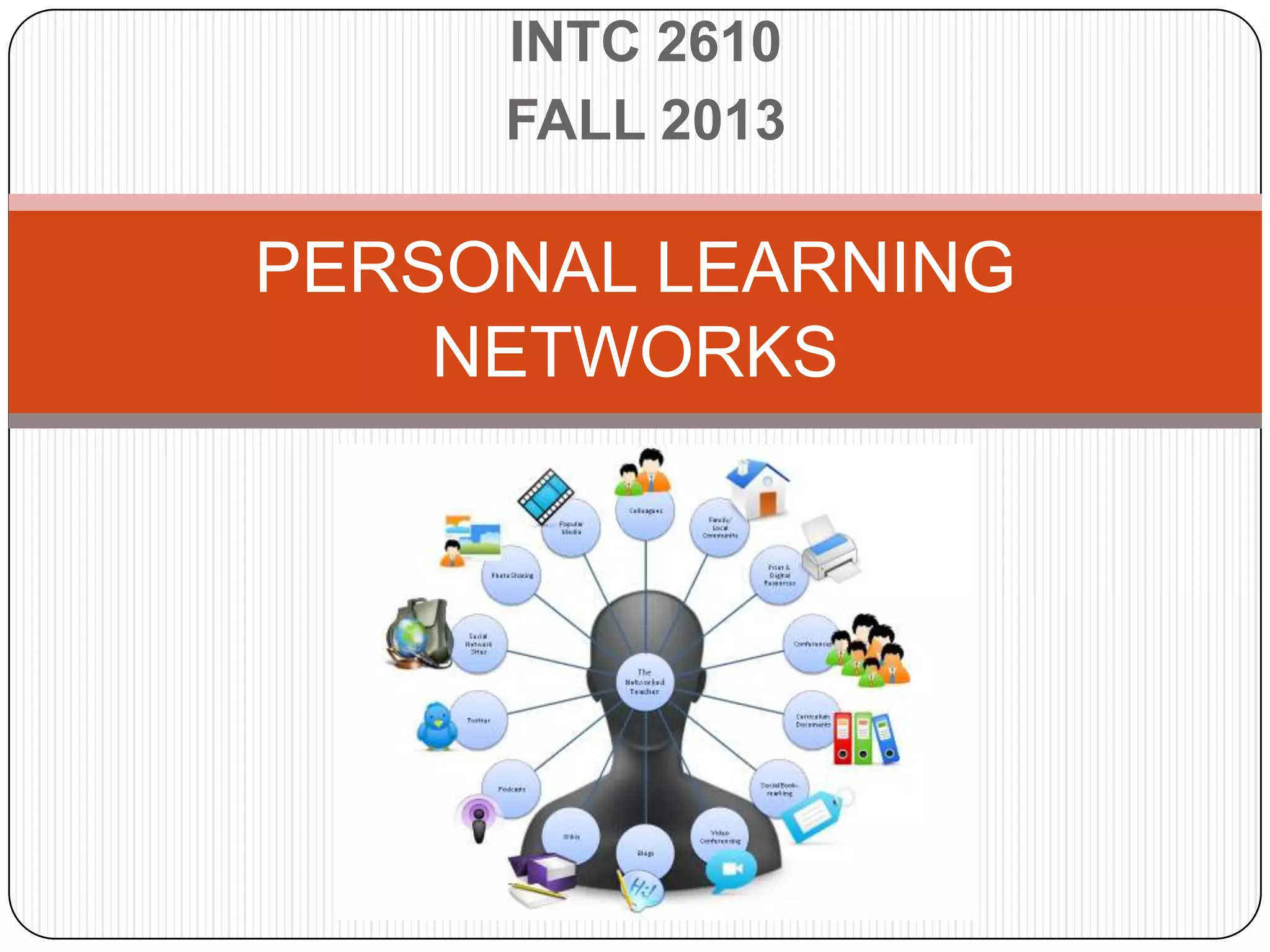
PERSONAL LEARNING
NETWORKS
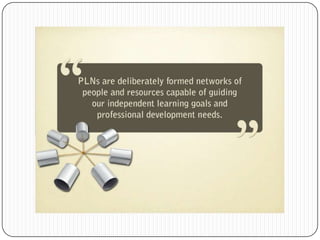
 The Personal Learning Network consists of the
people a learner interacts with and derives
knowledge from in a Personal Learning
Environment. Learners create connections and
develop a network that contributes to their
professional development and knowledge. The
learner does not have to know these people
personally or ever meet them in person.
(Wikipedia 10/17/11)
PLN Defined
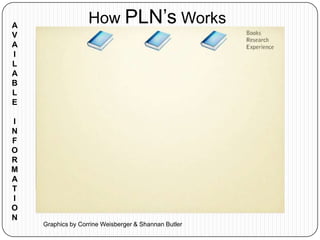
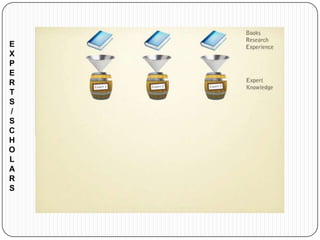
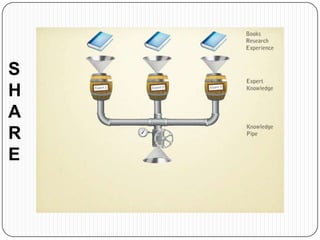
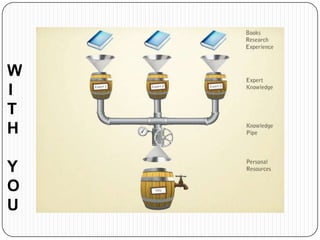
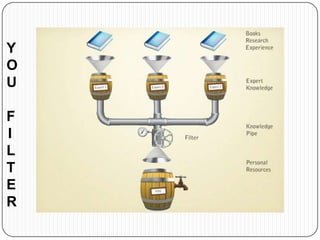
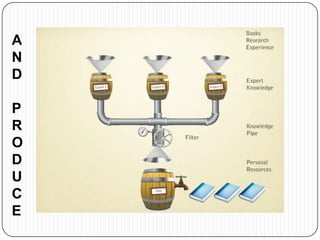
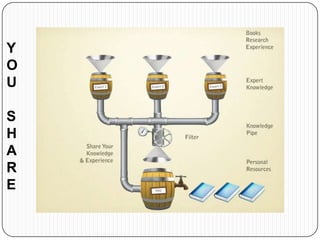
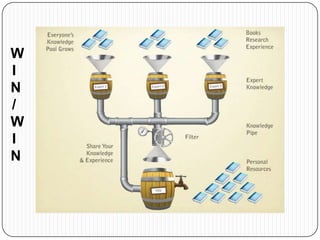
How PLN’s Works
Graphics by Corrine Weisberger & Shannan Butler
A
V
A
I
L
A
B
L
E
I
N
F
O
R
M
A
T
I
O
N
E
X
P
E
R
T
S
/
S
C
H
O
L
A
R
S
S
H
A
R
E
W
I
T
H
Y
O
U
Y
O
U
F
I
L
T
E
R
A
N
D
P
R
O
D
U
C
E
Y
O
U
S
H
A
R
E
W
I
N
/
W
I
N
WHO DO LEARN FROM?
All educators (and learners) can
benefit from extending their own
personal learning network
online – beyond the walls of
their schools, the boundaries
of their districts, and the
limits of their experience.
Teachers become:
Aware
Connected
Empowered
Confident . . . .LEARNERS!
Benefits of a PLN
Core Elements of a PLN
1. Connect
2. Contribute
3. Collaborate
4. Request
CONNECT
 The growth engine of your learning
network is your willingness to reach out
and make connections with new people.
 Leave comment on a blog
 Reply to a question on twitter
 Post on Google +
 BE AN ACTIVE PARTICIPANT
CONTRIBUTE
 Share with others
 Your expertise or even your
struggles
 You are helping others
COLLABORATE
 Simple replies turn into
conversations
 Conversations turn into professional
relationships
 Relationships turn into collaboration
REQUEST
 If you are an active participant
when you request people will
respond.
 Responses are immediate, will
address the request head-on, and
can save time by not relying on
google for your answers.
TOOLS
 BLOG – and use RSS aggregator
 Tweet
 Join a NING or a professional social
network.
 Use Google +
TO BE SUCCESSFUL
 Be Patient – it takes time to make
connections
 Be Authentic – don’t post to
sensationalize or gather followers.
Be sincere.
Quote….
“If your school system hasn’t
changed a year from now, I get
it… but if you haven’t changed
a year from now, you’re a
failure.”
Will Richardson, co-author of Personal
Learning Networks: Using the Power of
Connections to Transform Education
ALSO IMPORTANT
Teacher Organizations
 NEA – National Teacher Association (enrolled by
state org.)
 http://www.nea.org/
 ISTE – International Society for Technology in
Education
 NJEA - http://www.njea.org/
 NJAET – New Jersey Association of Educational
Technology http://www.njaet.org/njaet/
 NJEEC – NJ Educational Computing Cooperative
- http://www.njecc.org/
 SRI & ETTC – Stockton College-
http://www.ettc.net/
 TECHSTOCK – Unconference July 16, 2014 –
Stockton College – 8-3:30pm – Cost $35
School Environment
 Colleagues
 In-service Workshops
 Department Meetings
 Informal conversations in the teacher’s
room
Assignment
1. A Written PLN
2. A Graphic representation of your
PLN. (inspiration, Word Draw, Google draw)
3. Excel spreadsheet showing
alignment of projects with ISTE nets*
for teacher standards.
Works Cited
1. Wikipedia.com
2. Online Learning insights.com
3. Gettingsmart.com
4. The Innovativeeducator.blogspot.com
5. Onceateacher.wordpress.com
6. teachersusingtech.weebly.com

Pln spr14

  • 1.
  • 2.
     The PersonalLearning Network consists of the people a learner interacts with and derives knowledge from in a Personal Learning Environment. Learners create connections and develop a network that contributes to their professional development and knowledge. The learner does not have to know these people personally or ever meet them in person. (Wikipedia 10/17/11) PLN Defined
  • 3.
    How PLN’s Works Graphicsby Corrine Weisberger & Shannan Butler A V A I L A B L E I N F O R M A T I O N
  • 4.
  • 5.
  • 6.
  • 7.
  • 8.
  • 9.
  • 10.
  • 12.
    WHO DO LEARNFROM? All educators (and learners) can benefit from extending their own personal learning network online – beyond the walls of their schools, the boundaries of their districts, and the limits of their experience.
  • 13.
  • 14.
    Core Elements ofa PLN 1. Connect 2. Contribute 3. Collaborate 4. Request
  • 15.
    CONNECT  The growthengine of your learning network is your willingness to reach out and make connections with new people.  Leave comment on a blog  Reply to a question on twitter  Post on Google +  BE AN ACTIVE PARTICIPANT
  • 16.
    CONTRIBUTE  Share withothers  Your expertise or even your struggles  You are helping others
  • 17.
    COLLABORATE  Simple repliesturn into conversations  Conversations turn into professional relationships  Relationships turn into collaboration
  • 18.
    REQUEST  If youare an active participant when you request people will respond.  Responses are immediate, will address the request head-on, and can save time by not relying on google for your answers.
  • 19.
    TOOLS  BLOG –and use RSS aggregator  Tweet  Join a NING or a professional social network.  Use Google +
  • 20.
    TO BE SUCCESSFUL Be Patient – it takes time to make connections  Be Authentic – don’t post to sensationalize or gather followers. Be sincere.
  • 21.
    Quote…. “If your schoolsystem hasn’t changed a year from now, I get it… but if you haven’t changed a year from now, you’re a failure.” Will Richardson, co-author of Personal Learning Networks: Using the Power of Connections to Transform Education
  • 22.
  • 23.
    Teacher Organizations  NEA– National Teacher Association (enrolled by state org.)  http://www.nea.org/  ISTE – International Society for Technology in Education  NJEA - http://www.njea.org/  NJAET – New Jersey Association of Educational Technology http://www.njaet.org/njaet/  NJEEC – NJ Educational Computing Cooperative - http://www.njecc.org/  SRI & ETTC – Stockton College- http://www.ettc.net/  TECHSTOCK – Unconference July 16, 2014 – Stockton College – 8-3:30pm – Cost $35
  • 24.
    School Environment  Colleagues In-service Workshops  Department Meetings  Informal conversations in the teacher’s room
  • 25.
    Assignment 1. A WrittenPLN 2. A Graphic representation of your PLN. (inspiration, Word Draw, Google draw) 3. Excel spreadsheet showing alignment of projects with ISTE nets* for teacher standards.
  • 26.
    Works Cited 1. Wikipedia.com 2.Online Learning insights.com 3. Gettingsmart.com 4. The Innovativeeducator.blogspot.com 5. Onceateacher.wordpress.com 6. teachersusingtech.weebly.com