Seminar
on
PLC
(Programmable Logic Controller)
Contents
1.What is PLC
2.Histry of PLC
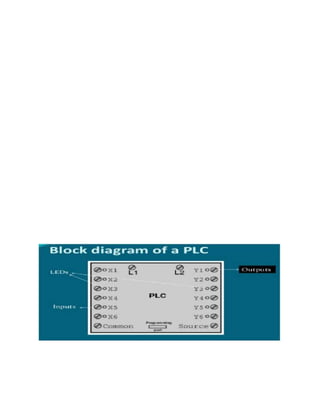
3.Major components of PLC
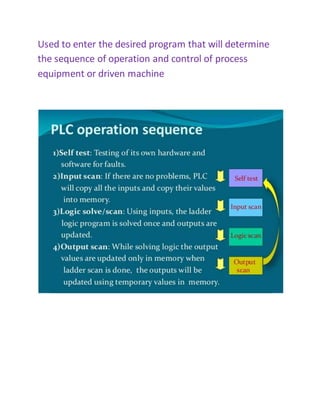
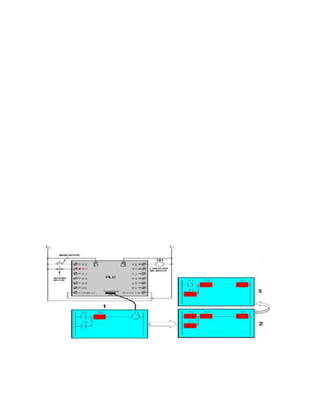
4.Operational sequence of PLC
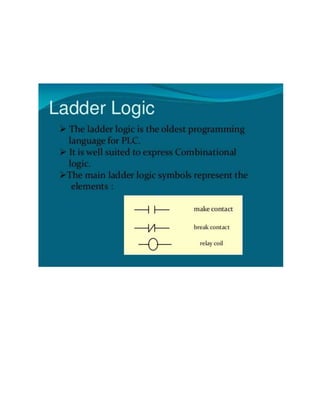
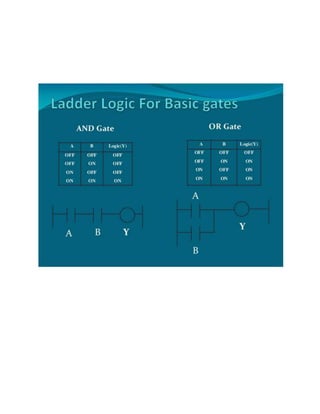
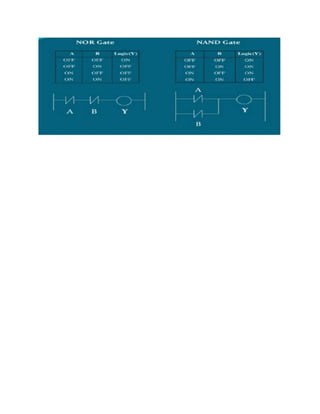
5.Ladder logic
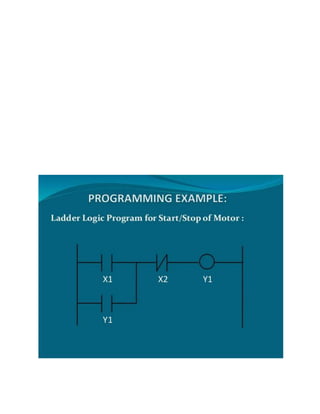
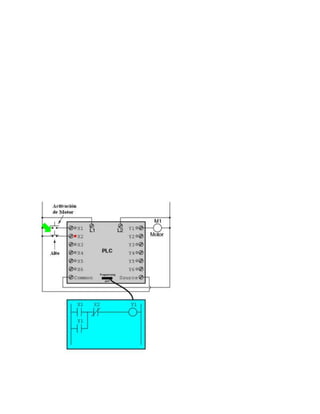
6.Exampleof starting and stopping of a motor
7.Advantages
8.Disadvantages
9.Application
What is PLC?
PLC is a digital computer designed for multiple inputs and
output arrangements, extended temperature ranges,
immunity to electrical noise, and resistance to vibration
and impact. A PLC is an example of a real time system
History of PLC
1.PLC was introduced in late 1960’s
2.First commercial & successful programmable logic
controllers was designed and developed by modicon as a
relay replacer for general motors.
3.Earlier, it was a machine with thousands of electronic
parts.
4.Later, in late 1970’s the microprocessor became reality
& greatly enhanced the role of PLC permitting it to evolve
from simply relay to the sophisticated system as it is
today
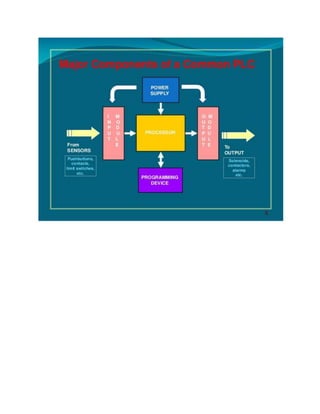
Major Components of a
Common PLC
POWER SUPPLY
Provides the voltage needed to turn the primary PLC
components
I/O MODULES
Provides signal conversion and isolation between the
inter nal logie level signals inside the PLC and the field’s
high level signal
PROCESSOR
Provides intelligence to command and govern the
activities of the entire PLC system
PROGRAMMING DEVICE
Used to enter the desired program that will determine
the sequence of operation and control of process
equipment or driven machine
Programming
Languages of PLC
Most common language encountered in PLC
programming are:
1.Ladder logic
2.Functional block diagram
3.Sequential function chart
4.Boolean mnemonics
Advantages of PLCs:
1.Reliability
2.Flexibility in programming and reprogramming
3.Cost effective for controlling complex system.
4.Small physical size, shorter project time
5.High speed of operation
6.Ability to communicate with computer systems in the
plant
7.Ease of maintenance/ troubleshooting
8.Reduced space
9.Energy saving
Disadvantages of PLC
1.PLC devices are proprietary it means that part or
software of one manufacturer can’t beused in
combination with parts of another manufacture
2.Limited design and cost option
3.Fixed circuit operations
4.PLC manufactures offer only closed architectures
Applications:
1.Wherever automation is desired the PLCs are best
suited to meet the task
2.Few example of industries where PLCs are used:
a. Robots manufacturing and control
b. Car park control
c. Train control station system
d. Food processing
e. Materialshandling
f. Machinetools
g. Conveyer system etc
Thank You!!!

Plc seminar abu

  • 1.
  • 2.
    3.Major components ofPLC 4.Operational sequence of PLC 5.Ladder logic 6.Exampleof starting and stopping of a motor 7.Advantages 8.Disadvantages 9.Application What is PLC? PLC is a digital computer designed for multiple inputs and output arrangements, extended temperature ranges,
  • 3.
    immunity to electricalnoise, and resistance to vibration and impact. A PLC is an example of a real time system History of PLC 1.PLC was introduced in late 1960’s
  • 4.
    2.First commercial &successful programmable logic controllers was designed and developed by modicon as a relay replacer for general motors. 3.Earlier, it was a machine with thousands of electronic parts. 4.Later, in late 1970’s the microprocessor became reality & greatly enhanced the role of PLC permitting it to evolve from simply relay to the sophisticated system as it is today
  • 6.
    Major Components ofa Common PLC POWER SUPPLY Provides the voltage needed to turn the primary PLC components I/O MODULES Provides signal conversion and isolation between the inter nal logie level signals inside the PLC and the field’s high level signal PROCESSOR Provides intelligence to command and govern the activities of the entire PLC system PROGRAMMING DEVICE
  • 7.
    Used to enterthe desired program that will determine the sequence of operation and control of process equipment or driven machine
  • 8.
    Programming Languages of PLC Mostcommon language encountered in PLC programming are: 1.Ladder logic 2.Functional block diagram 3.Sequential function chart 4.Boolean mnemonics
  • 16.
    Advantages of PLCs: 1.Reliability 2.Flexibilityin programming and reprogramming 3.Cost effective for controlling complex system. 4.Small physical size, shorter project time 5.High speed of operation 6.Ability to communicate with computer systems in the plant 7.Ease of maintenance/ troubleshooting 8.Reduced space 9.Energy saving
  • 17.
    Disadvantages of PLC 1.PLCdevices are proprietary it means that part or software of one manufacturer can’t beused in combination with parts of another manufacture 2.Limited design and cost option 3.Fixed circuit operations 4.PLC manufactures offer only closed architectures
  • 18.
    Applications: 1.Wherever automation isdesired the PLCs are best suited to meet the task 2.Few example of industries where PLCs are used: a. Robots manufacturing and control b. Car park control c. Train control station system d. Food processing e. Materialshandling f. Machinetools g. Conveyer system etc
  • 19.