Professional Learning Communities
  & Personal Learning Networks
      in Information Science
          A panel of doctoral students
              ALISE 2012, Dallas
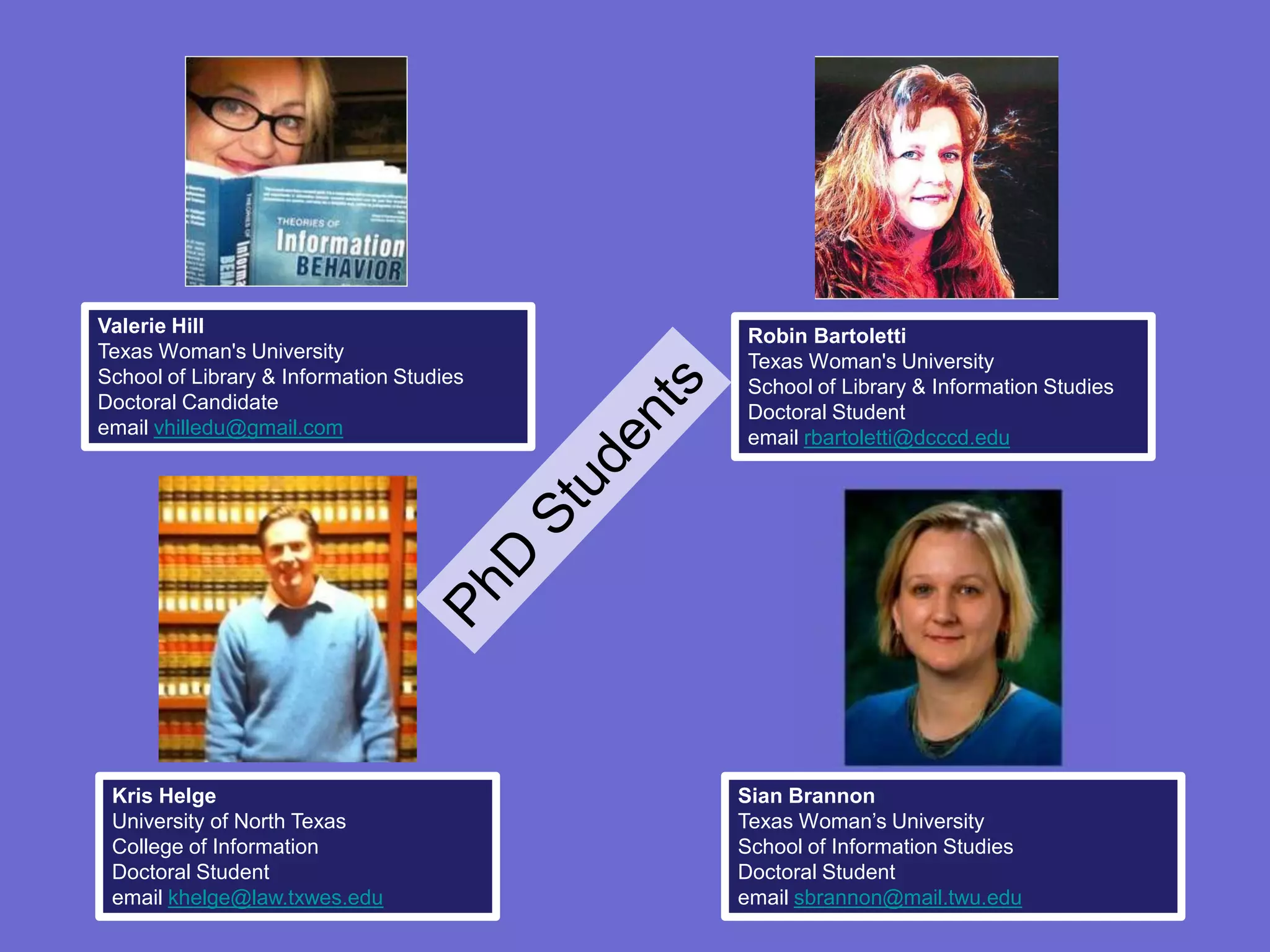
Valerie Hill                               Robin Bartoletti
Texas Woman's University                   Texas Woman's University
School of Library & Information Studies    School of Library & Information Studies
Doctoral Candidate                         Doctoral Student
email vhilledu@gmail.com                   email rbartoletti@dcccd.edu


 Kris Helge                               Sian Brannon
 University of North Texas                Texas Woman’s University
 College of Information                   School of Information Studies
 Doctoral Student                         Doctoral Student
 email khelge@law.txwes.edu               email sbrannon@mail.twu.edu
PLN’s&PLC’s
  Personal Learning Networks
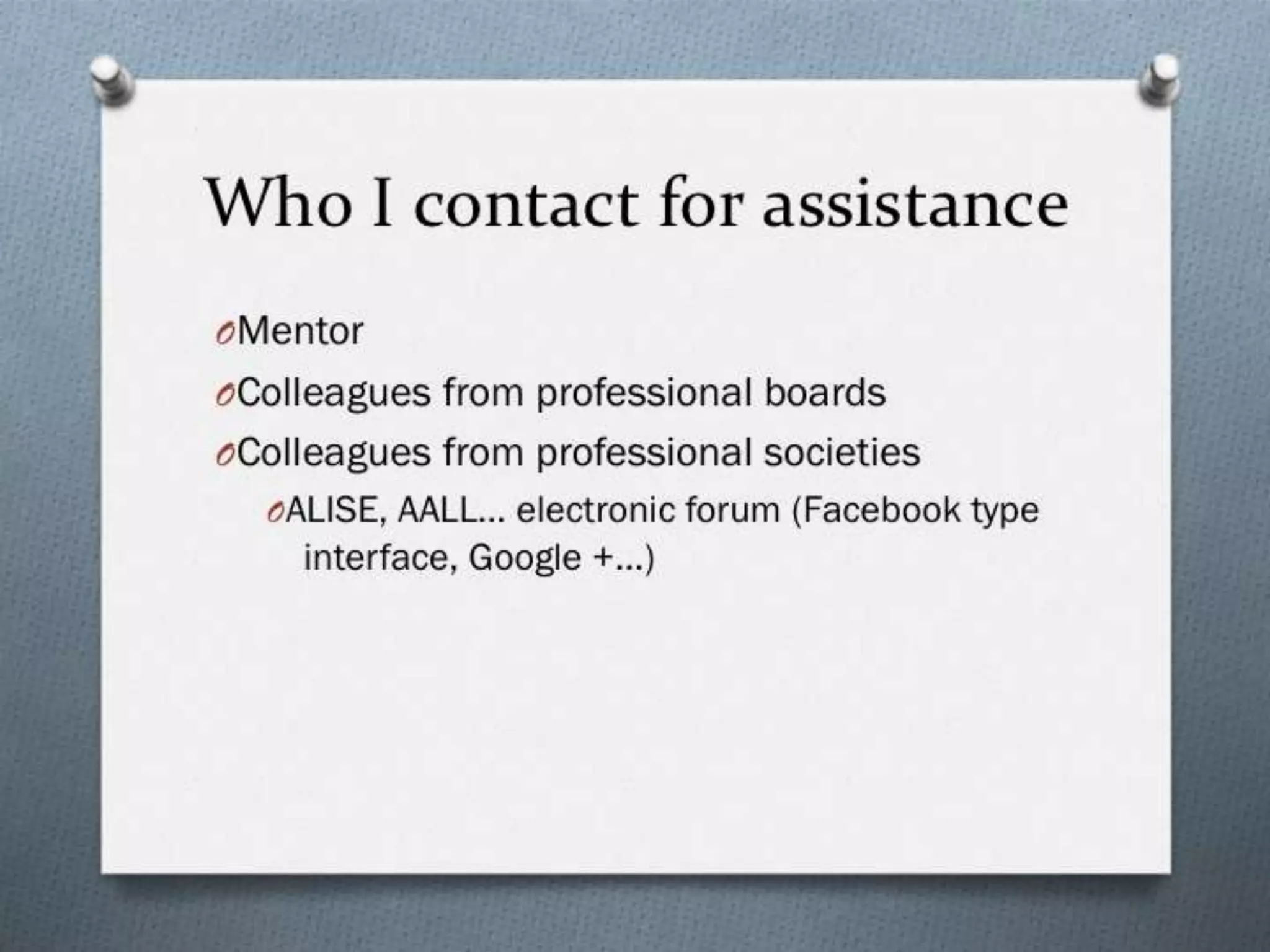
  Who do you go to with a personal question to help you continue on your quest for learning?


  Professional Learning Communities
  Who do you go to with a professional question to help you continue on your quest for learning?


Nobody can keep up with emerging technology in isolation.
How can we extend our reach, expand
our horizons, and create opportunities
   through PLN’s and PLC’s within
  Information Science professions?


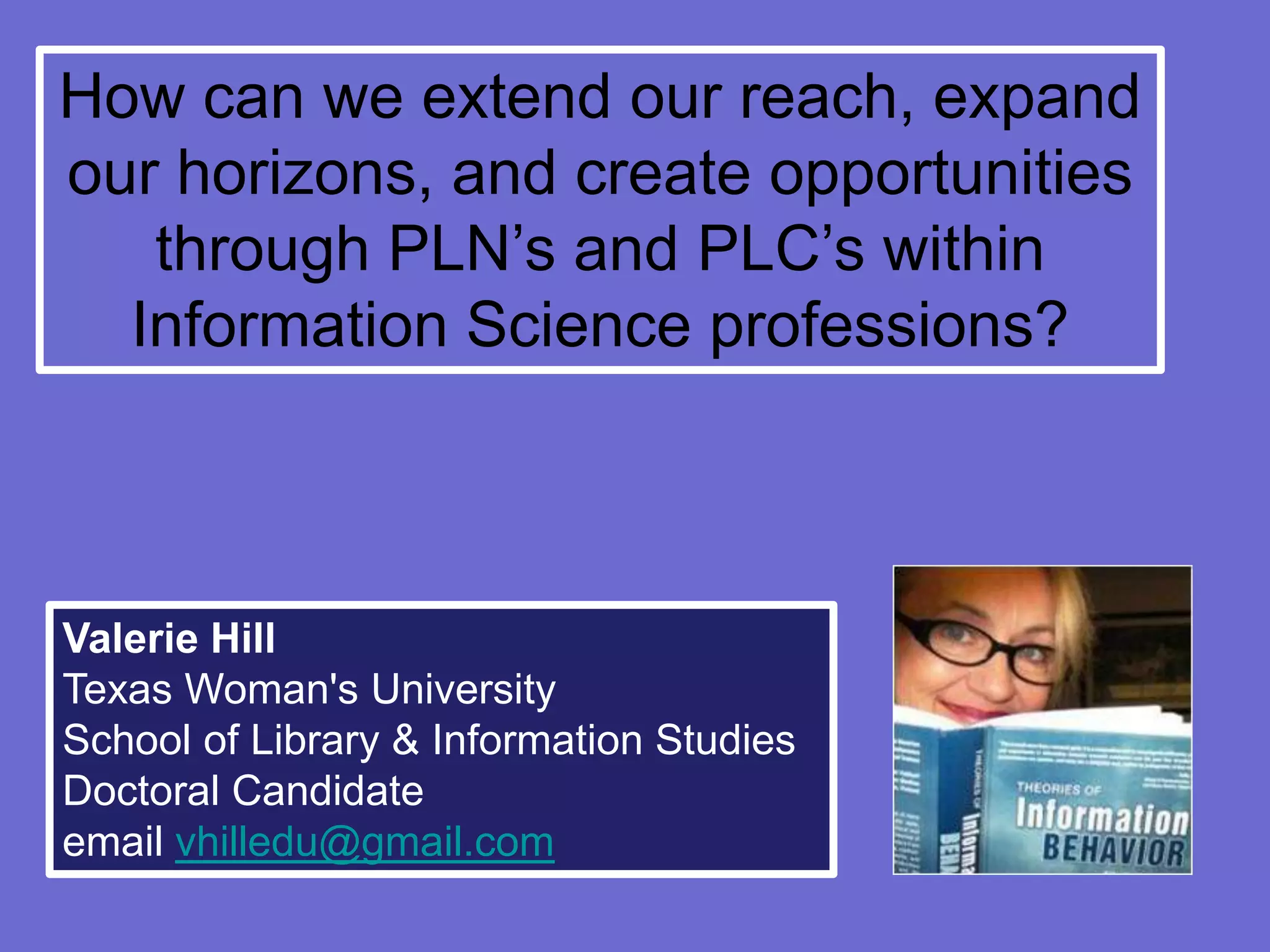
Valerie Hill
Texas Woman's University
School of Library & Information Studies
Doctoral Candidate
email vhilledu@gmail.com
Collaboration Across Distance
•   Blogs & RSS
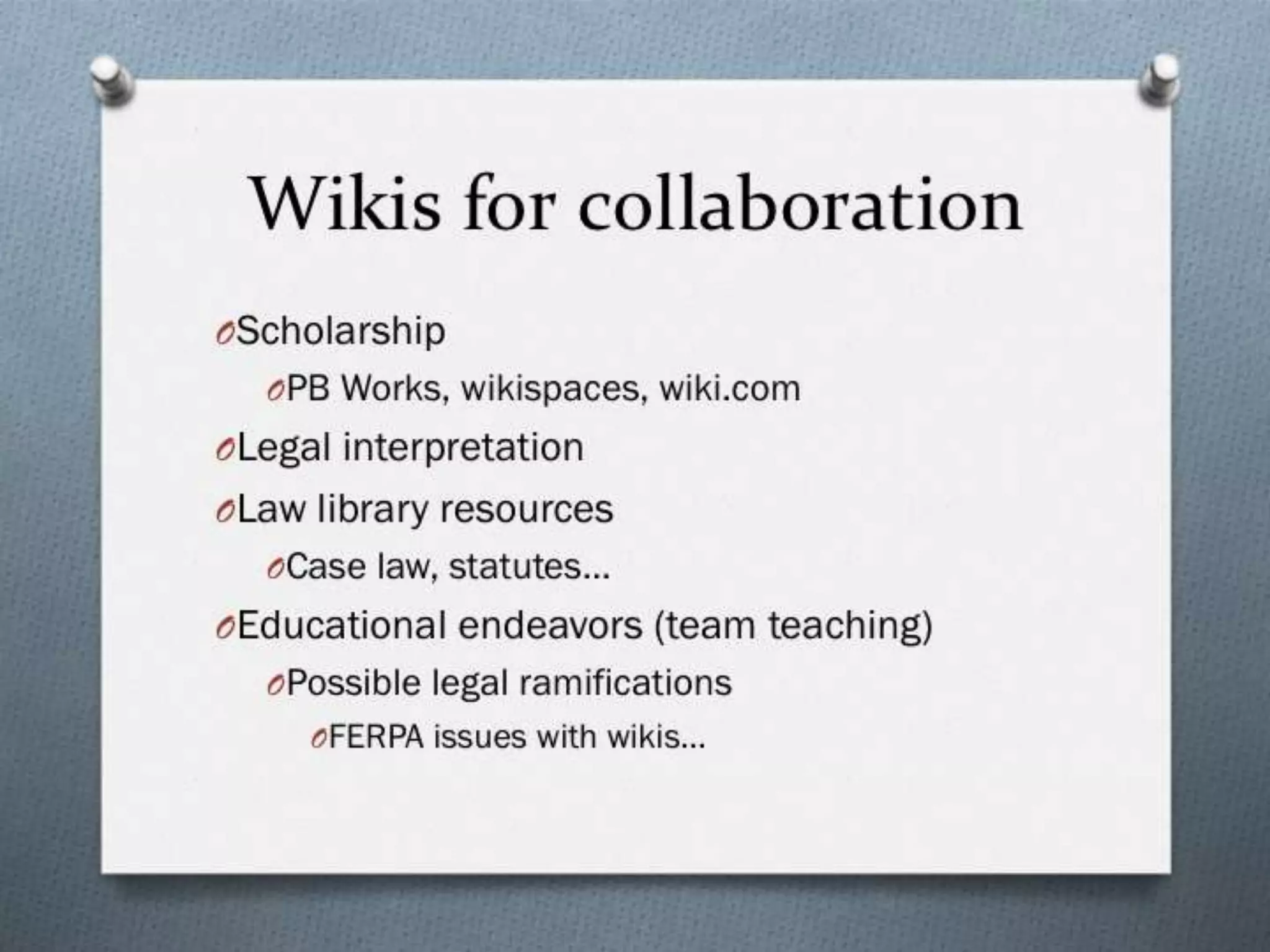
•   Wikis
•   Social Media (FB& Twitter)
•   Nings& Networks
•   Online Communities
•   User-generated Content & Web 2.0
•   Virtual Worlds & Augmented Reality
Social Networking
Best practices for PLN’s & PLC’s
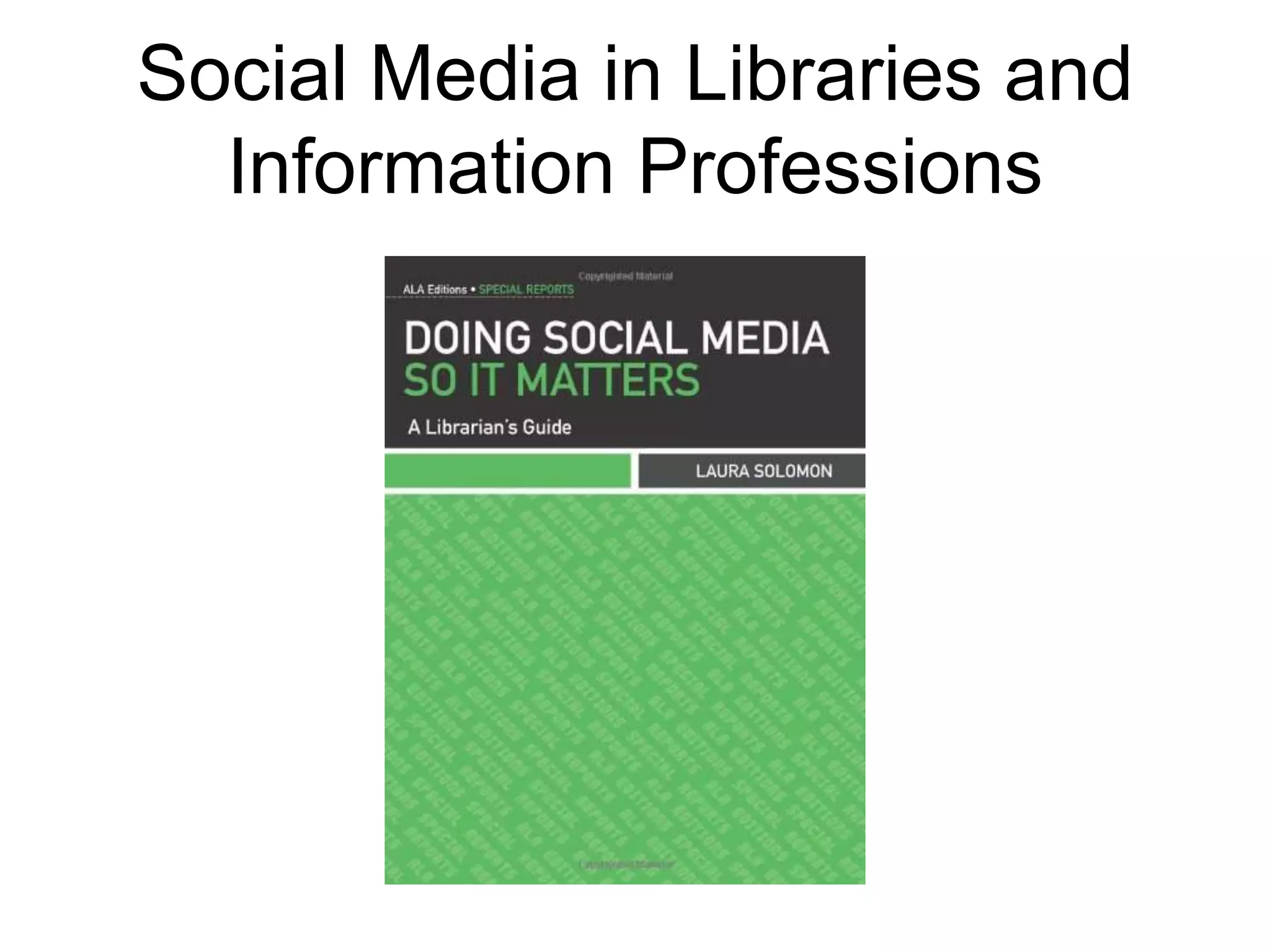
Social Media in Libraries and
  Information Professions
Asynchronous Networking
Physical World          Virtual World
• Book study            • Social Media
• Committee work        • Blogs
• Exhibits              • Listservs& email
• Traditional methods   • VW messages
  (Letters & files)     • VW exploration
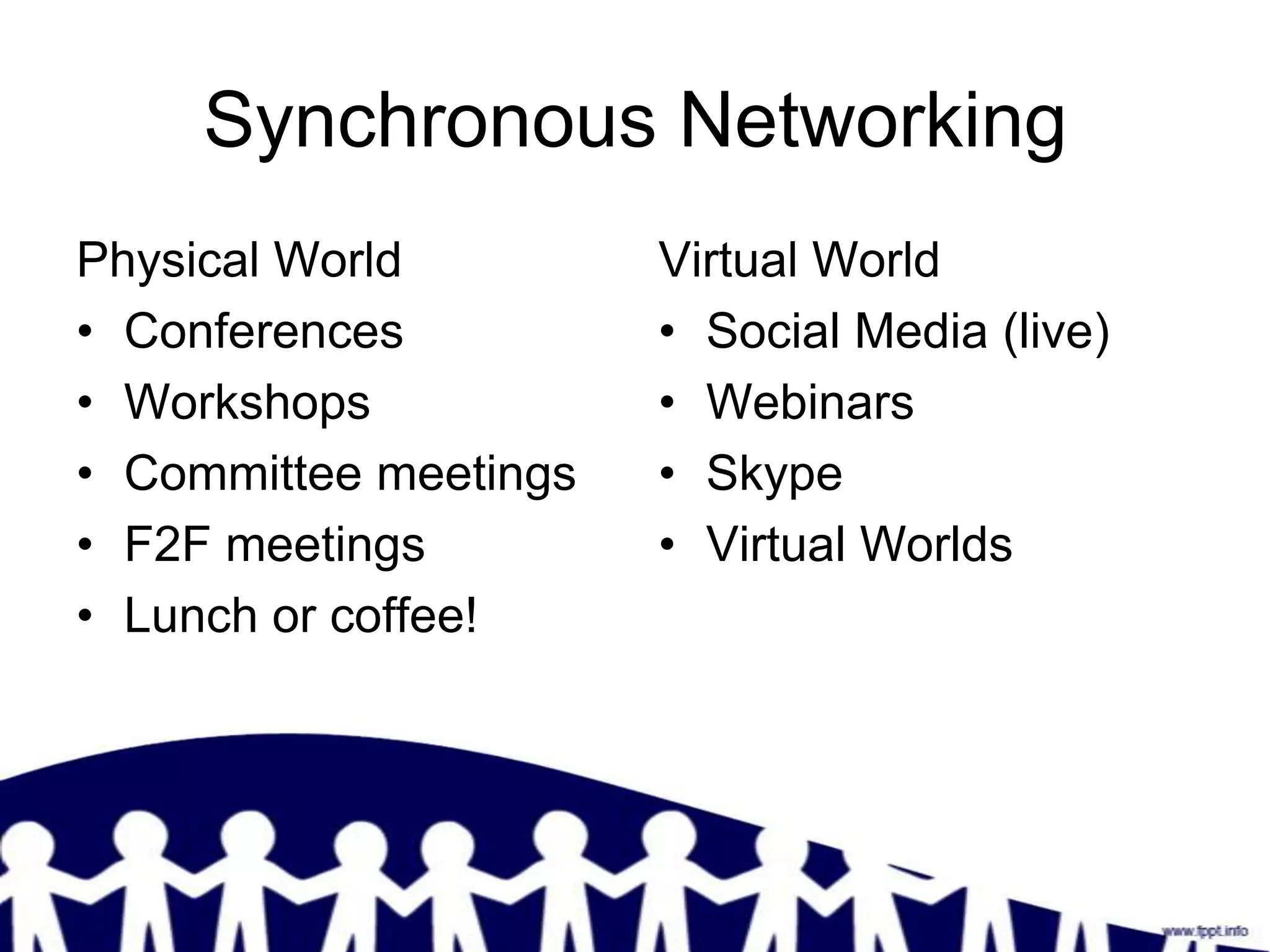
Synchronous Networking
Physical World         Virtual World
• Conferences          • Social Media (live)
• Workshops            • Webinars
• Committee meetings   • Skype
• F2F meetings         • Virtual Worlds
• Lunch or coffee!
How can you develop a PLC through
   sharing of digital content through
  environmental scanning and content
    creation in online communities?


Robin Bartoletti
Texas Woman's University
School of Library & Information Studies
Doctoral Student
email rbartoletti@dcccd.edu
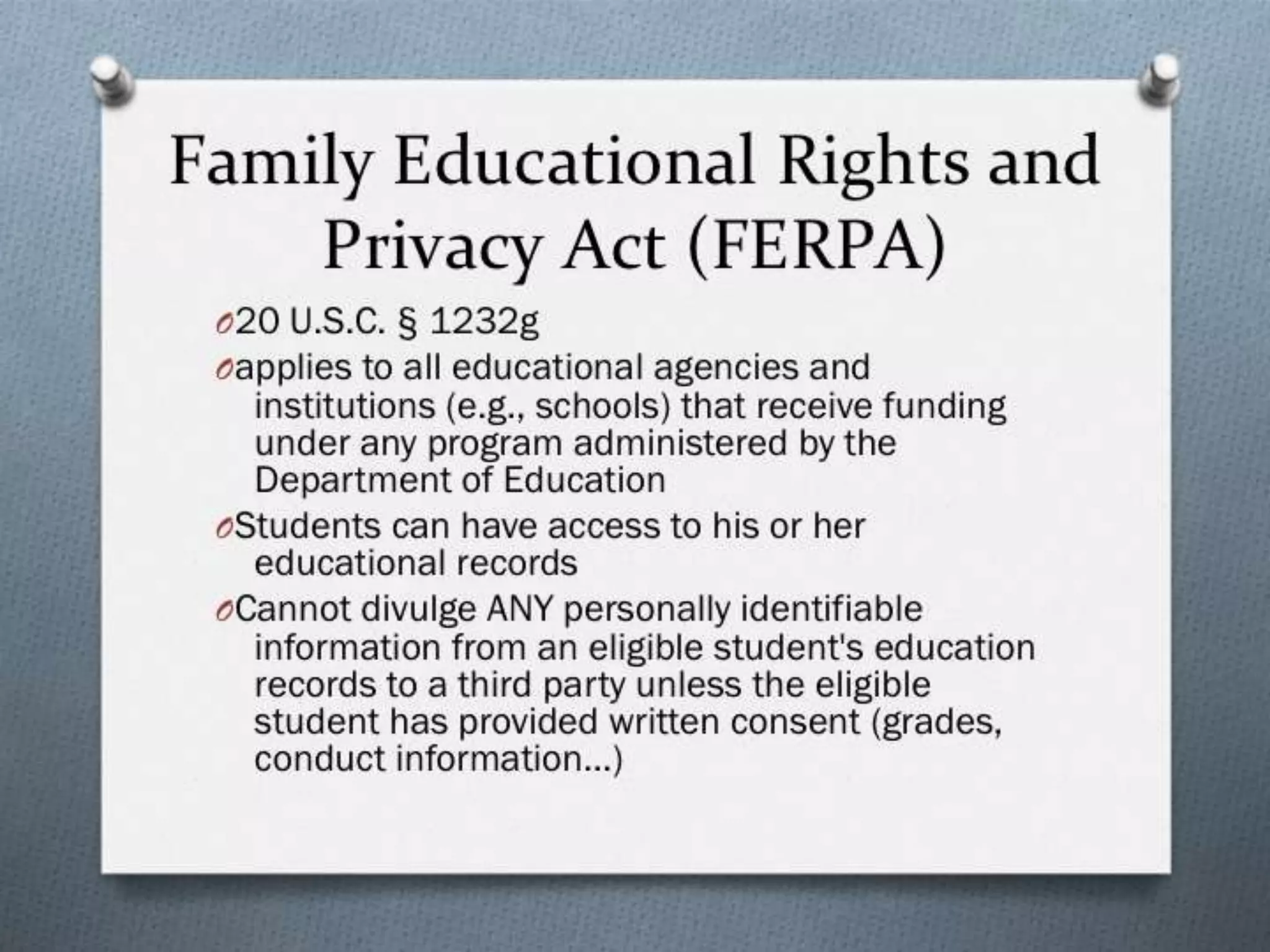
Environmental Scanning - Brown and Weiner
  (1985) define environmental scanning as "a kind
  of radar to scan the world systematically and
  signal the new, the unexpected, the major and
  the minor.”
Content Curation - As Rohit Bhargava (2009)
 points out a content curator continually
 seeks, makes sense of, and shares the best
 and most relevant content on a particular topic
 online.
My Top 6 Tools

Searcheeze   Resource   Twitter
               Shelf


  Bundlr      Kurat     Scoop It
How can we share information about
   the legalities of Web 2.0, user-
  generated content in our PLC’s?


Kris Helge
University of North Texas
College of Information
Doctoral Student
email khelge@law.txwes.edu
How can doctoral students form a
   homegrown network of peers and
 faculty in their personal/professional
     learning network/community?


Sian Brannon
Texas Woman’s University
School of Information Studies
Doctoral Student
email sbrannon@mail.twu.edu
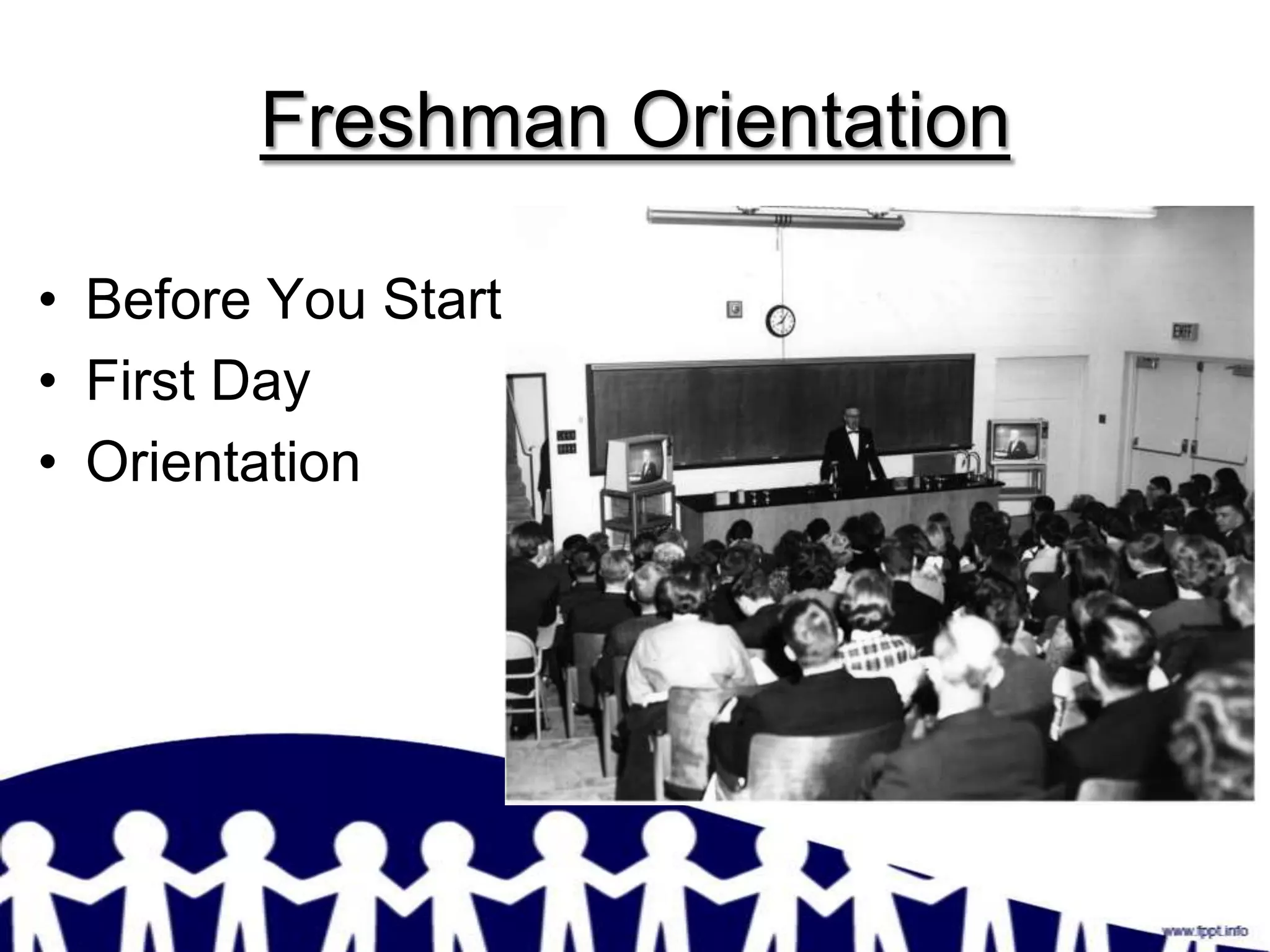
Freshman Orientation

• Before You Start
• First Day
• Orientation
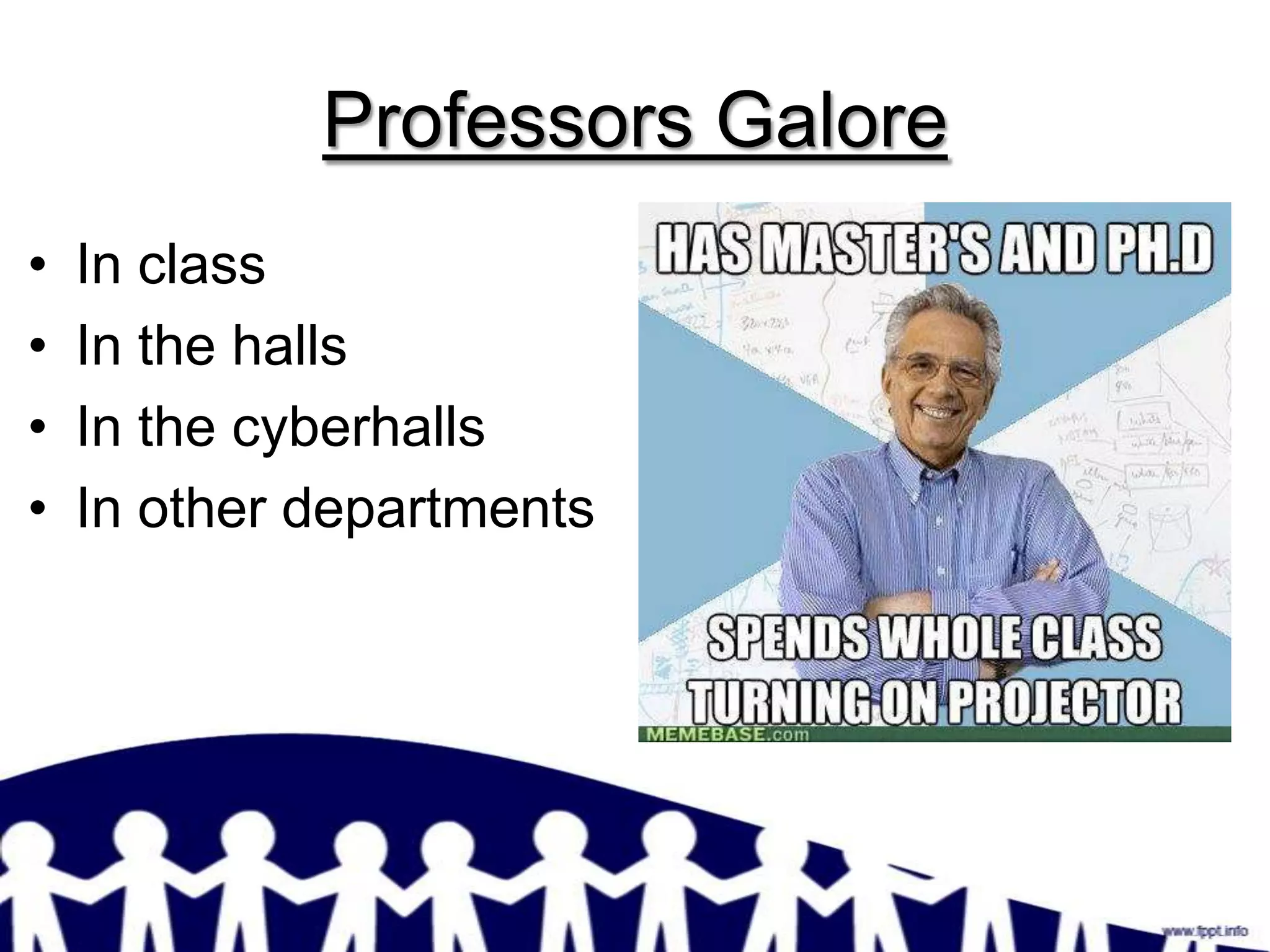
Professors Galore
•   In class
•   In the halls
•   In the cyberhalls
•   In other departments
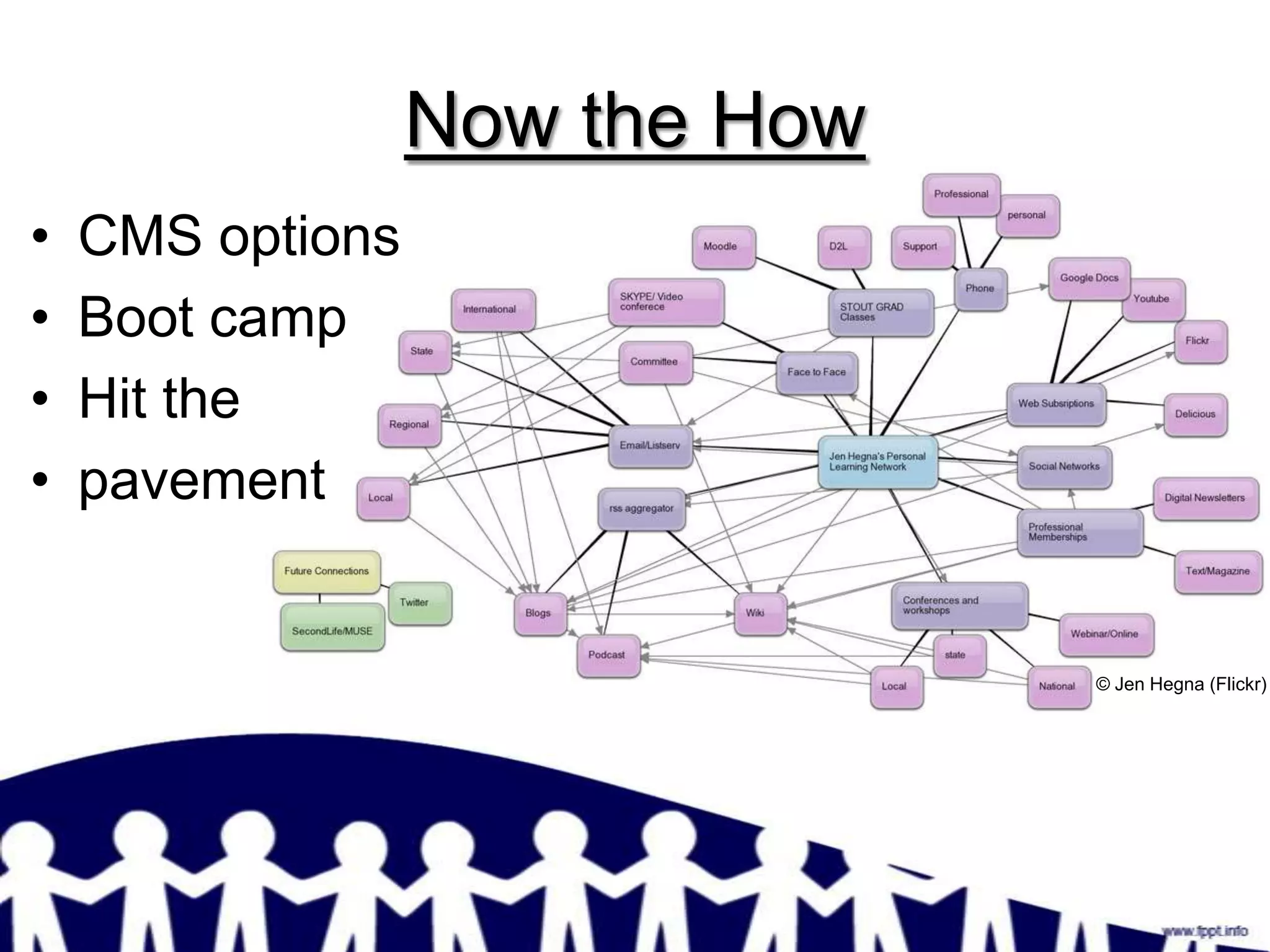
Now the How
•   CMS options
•   Boot camp
•   Hit the
•   pavement


                                © Jen Hegna (Flickr)
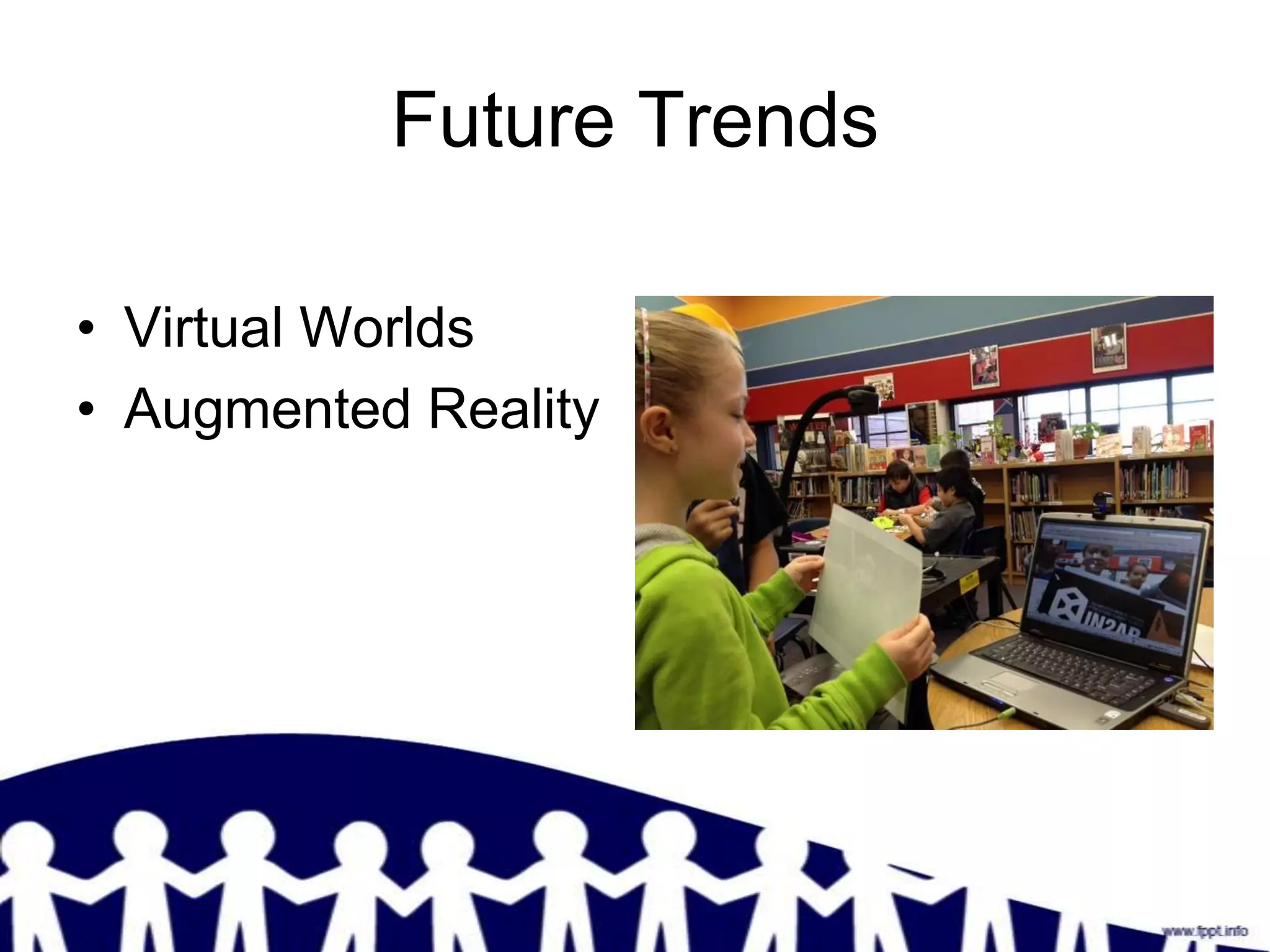
Future Trends

• Virtual Worlds
• Augmented Reality
Q&A
References


Mastel, Kristen, and Dave Huston. 2009. Using video games to teach game
design: A gaming collection for libraries. Computers in Libraries 29, (3) (03/01):
41-4.

Morrison, J. L. (1992). Environmental scanning. In M. A. Whitely, J. D.
Porter, and R. H. Fenske (Eds.), A primer for new institutional researchers (pp.
86-99). Tallahassee, Florida: The Association for Institutional Research.

Solomon, Laura. (2011). Doing Social Media so it Matters :A Librarian's Guide .
Chicago: American Library Association.

Webber, Sheila and Diane Nahl. (2011). Sustaining Learning for LIS through
use of a Virtual World. IFLA Journal (37)(1): 5-15.

Personal Learning Networks and Professional Learning Communities in Information Science

  • 1.
    Professional Learning Communities & Personal Learning Networks in Information Science A panel of doctoral students ALISE 2012, Dallas
  • 2.
    Valerie Hill Robin Bartoletti Texas Woman's University Texas Woman's University School of Library & Information Studies School of Library & Information Studies Doctoral Candidate Doctoral Student email vhilledu@gmail.com email rbartoletti@dcccd.edu Kris Helge Sian Brannon University of North Texas Texas Woman’s University College of Information School of Information Studies Doctoral Student Doctoral Student email khelge@law.txwes.edu email sbrannon@mail.twu.edu
  • 3.
    PLN’s&PLC’s PersonalLearning Networks Who do you go to with a personal question to help you continue on your quest for learning? Professional Learning Communities Who do you go to with a professional question to help you continue on your quest for learning? Nobody can keep up with emerging technology in isolation.
  • 4.
    How can weextend our reach, expand our horizons, and create opportunities through PLN’s and PLC’s within Information Science professions? Valerie Hill Texas Woman's University School of Library & Information Studies Doctoral Candidate email vhilledu@gmail.com
  • 5.
    Collaboration Across Distance • Blogs & RSS • Wikis • Social Media (FB& Twitter) • Nings& Networks • Online Communities • User-generated Content & Web 2.0 • Virtual Worlds & Augmented Reality
  • 6.
    Social Networking Best practicesfor PLN’s & PLC’s
  • 7.
    Social Media inLibraries and Information Professions
  • 8.
    Asynchronous Networking Physical World Virtual World • Book study • Social Media • Committee work • Blogs • Exhibits • Listservs& email • Traditional methods • VW messages (Letters & files) • VW exploration
  • 9.
    Synchronous Networking Physical World Virtual World • Conferences • Social Media (live) • Workshops • Webinars • Committee meetings • Skype • F2F meetings • Virtual Worlds • Lunch or coffee!
  • 10.
    How can youdevelop a PLC through sharing of digital content through environmental scanning and content creation in online communities? Robin Bartoletti Texas Woman's University School of Library & Information Studies Doctoral Student email rbartoletti@dcccd.edu
  • 11.
    Environmental Scanning -Brown and Weiner (1985) define environmental scanning as "a kind of radar to scan the world systematically and signal the new, the unexpected, the major and the minor.” Content Curation - As Rohit Bhargava (2009) points out a content curator continually seeks, makes sense of, and shares the best and most relevant content on a particular topic online.
  • 12.
    My Top 6Tools Searcheeze Resource Twitter Shelf Bundlr Kurat Scoop It
  • 13.
    How can weshare information about the legalities of Web 2.0, user- generated content in our PLC’s? Kris Helge University of North Texas College of Information Doctoral Student email khelge@law.txwes.edu
  • 19.
    How can doctoralstudents form a homegrown network of peers and faculty in their personal/professional learning network/community? Sian Brannon Texas Woman’s University School of Information Studies Doctoral Student email sbrannon@mail.twu.edu
  • 20.
    Freshman Orientation • BeforeYou Start • First Day • Orientation
  • 21.
    Professors Galore • In class • In the halls • In the cyberhalls • In other departments
  • 22.
    Now the How • CMS options • Boot camp • Hit the • pavement © Jen Hegna (Flickr)
  • 23.
    Future Trends • VirtualWorlds • Augmented Reality
  • 24.
  • 25.
    References Mastel, Kristen, andDave Huston. 2009. Using video games to teach game design: A gaming collection for libraries. Computers in Libraries 29, (3) (03/01): 41-4. Morrison, J. L. (1992). Environmental scanning. In M. A. Whitely, J. D. Porter, and R. H. Fenske (Eds.), A primer for new institutional researchers (pp. 86-99). Tallahassee, Florida: The Association for Institutional Research. Solomon, Laura. (2011). Doing Social Media so it Matters :A Librarian's Guide . Chicago: American Library Association. Webber, Sheila and Diane Nahl. (2011). Sustaining Learning for LIS through use of a Virtual World. IFLA Journal (37)(1): 5-15.

Editor's Notes

  • #21 I’m new here. This is what I thought it would be like.Embarking on PhD is like first day of new job. You’ve more than likely been out of school a while. There’s a lot to take in.Or first day of class freshman year of college. Campus is big. Teachers are authoritative. Students seem lost. Make a buddy. Find a student to guide you. Get the ins and outs.Other ways to connect with students before the beginning of class:Look at your library to find out who has PhDs…ask them about their experiences.Pay attention when someone mentions an area of research interest, or discusses methodologies they have used. File these away for later.Interview DayExample of TWUs Fall Forum/Orientation
  • #22 Find a faculty member to share with you the likes and dislikes of fellow faculty. Who likes qualitative research? Quantitative? Who likes working with other people? Who on the faculty get along with each other?Knock on doors. Attend research presentations. Make yourself known.Learn about fellow students – who has published before? Who has gone through the preliminary/qualifying exam process?Don’t forget about those in others departments. I made a friend in the math department who just happens to teach statistics. Useful for a researcher, no? We are discussing a project of content analysis of the schools graduate catalog to show how statistics are taught in 6 different colleges/schools, but all seem to teach the same thing…Departments of reading, education, linguistics…not only will some of your discussions spark research ideas, but they can offer an ‘outsider’s’ perspective come time to prepare your dissertation, or even serve on your committee!
  • #23 Talk about Face to face – AND – digital methodsTWU Blackboard exampleDissertation boot camps exampleAttend other student dissertation defenses – give them a few weeks and then use them!ALISE Doctoral Student SIGDon’t forget that a personal learning network is not just comprised of people. Methods of connecting and information resources are in there too.Students should try to map what and who they know that can help them through the process. Your classwork, library resources, social media, and professional memberships also contribute to your network.