Downloaded 55 times

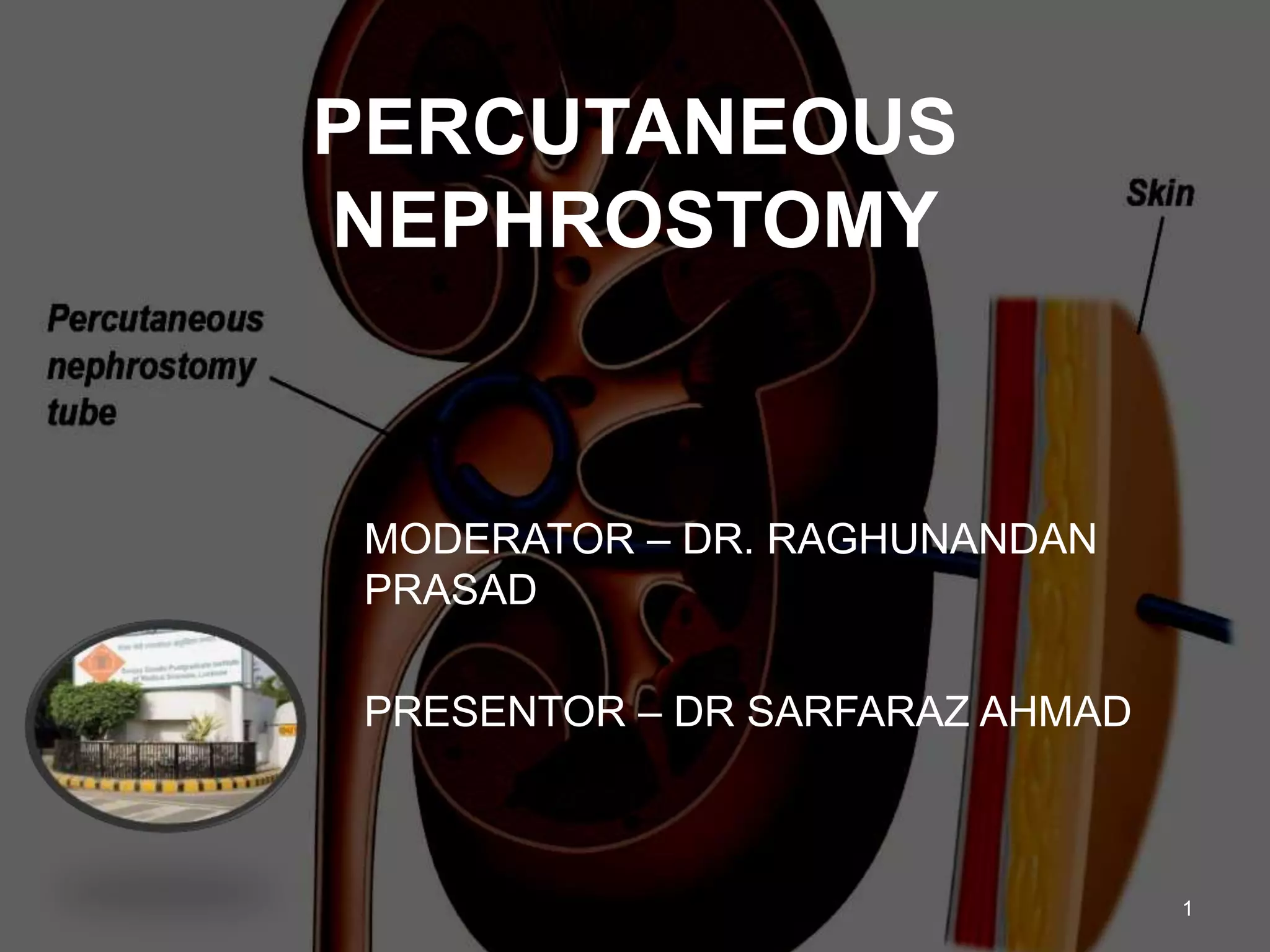
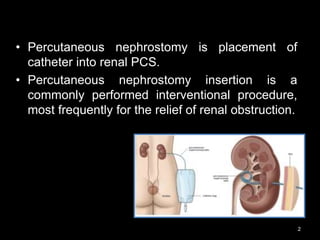
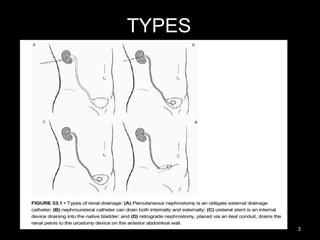
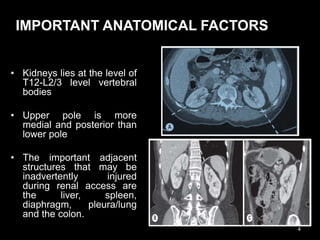
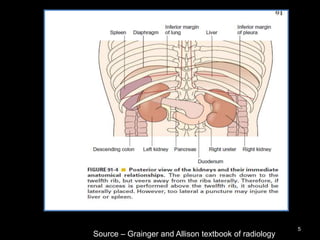
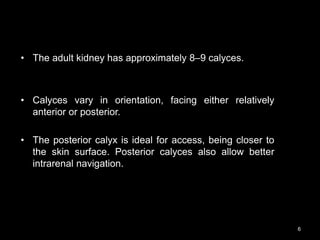
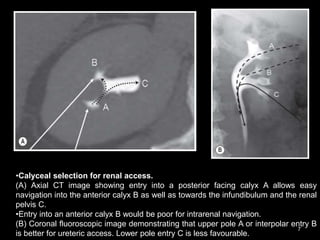
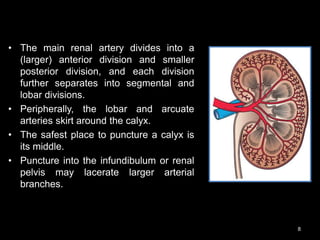
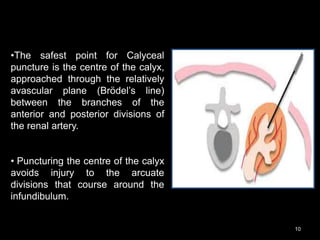
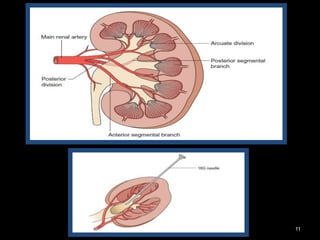
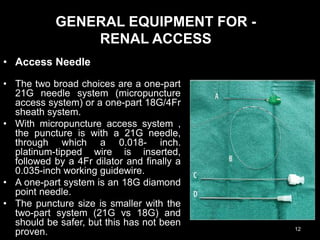
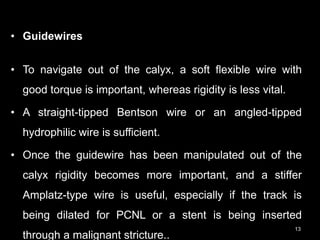
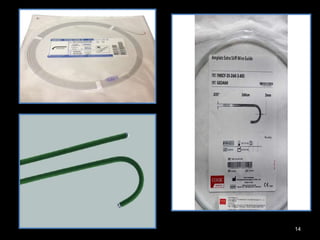
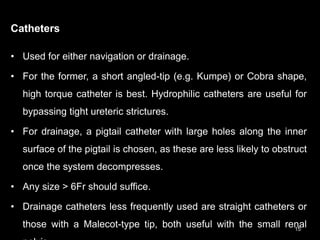
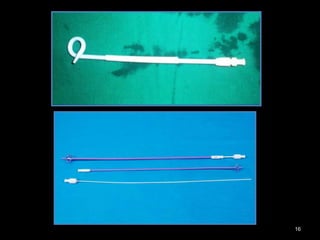
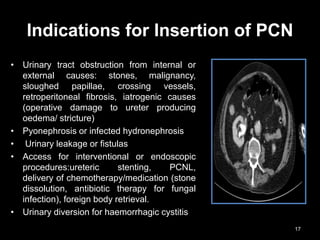
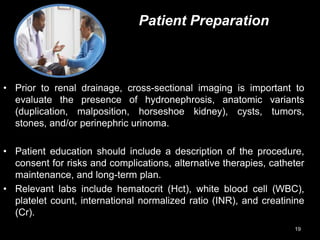
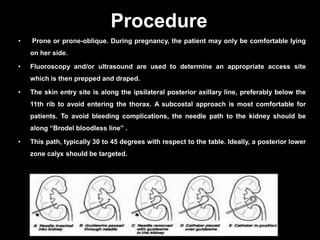
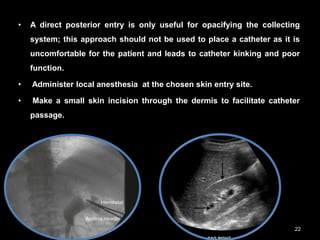
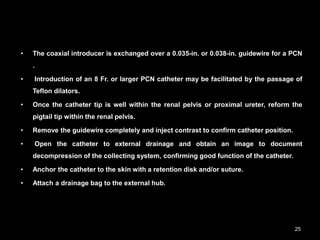
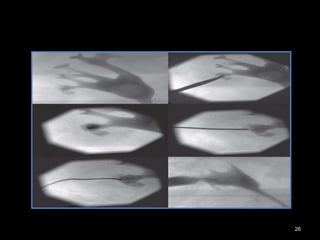
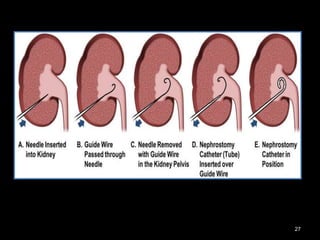
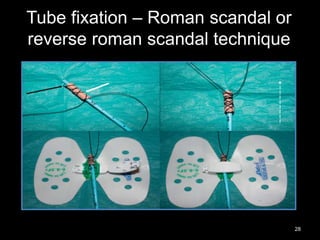
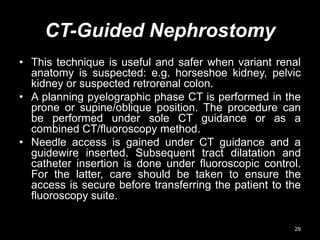
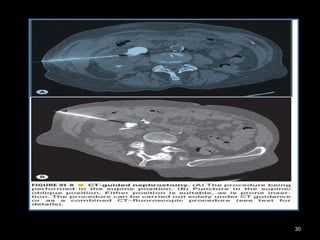
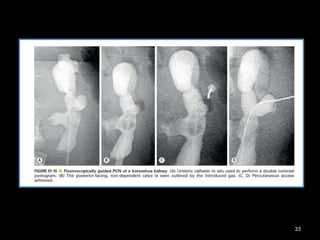
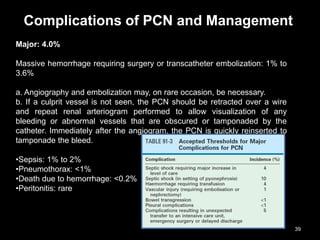


Percutaneous nephrostomy involves placing a catheter into the renal pelvis through the skin to relieve urinary obstruction. It is commonly performed under imaging guidance through a posterior calyx. The procedure has a high technical success rate but risks include bleeding, infection, and injury to adjacent organs. Post-procedure, the catheter is secured and connected to a drainage bag to decompress the kidney until the obstruction is resolved.


![ONFH[AVN HIP] -TRIPLE REGIME -A NOVAL SURGICAL CONCEPT .pptx](https://cdn.slidesharecdn.com/ss_thumbnails/onfhavnhip2026koaconcalicutdrgokuldevdrmashraf-260210064517-213ec005-thumbnail.jpg?width=640&height=640&fit=bounds)


