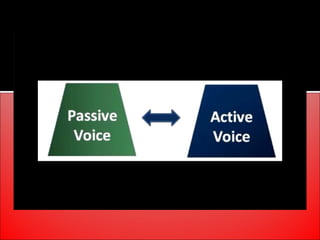
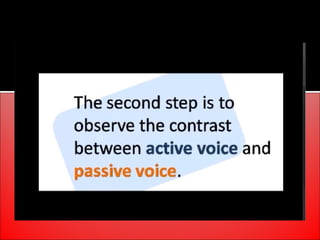
PASSIVE VOICE
At the end of the lesson you will be able to:

1)Define active voice.
2)Define passive voice.
3)Identify the use of passive voice.


Info collected and ppt made by Ms.Carolina Sepúlveda G. / EFL Teacher / Uss / Chile
Transformers
Who did it?
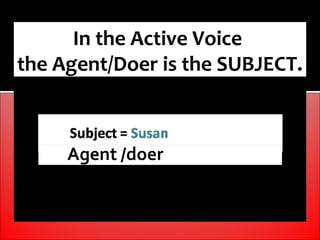
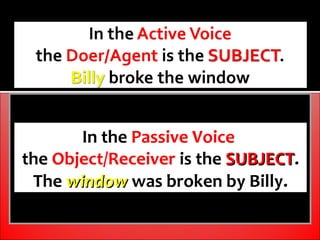
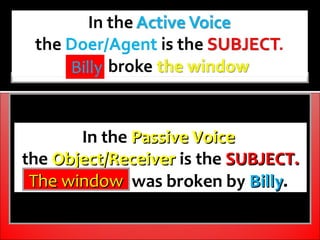
In the Active Voice
the Agent/Doer is the SUBJECT.
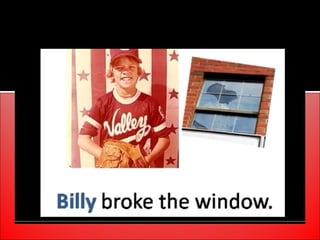
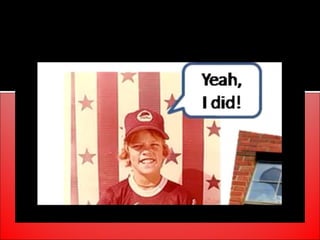
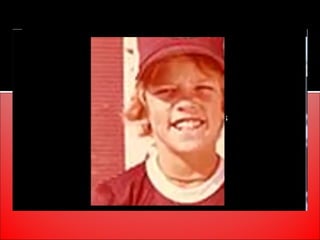
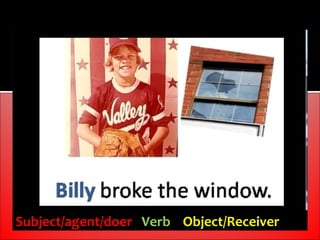
Let’s remember: What happened at the beginning?
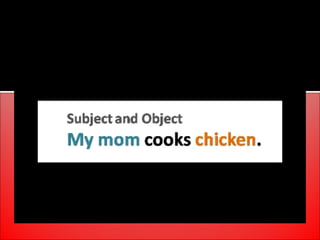
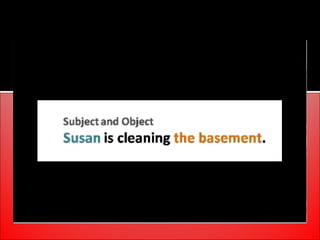
Subject/agent/doer Verb Object/Receiver
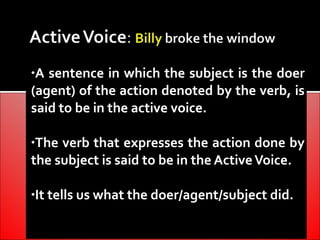
•A sentence in which the subject is the doer
(agent) of the action denoted by the verb, is
said to be in the active voice.

•The verb that expresses the action done by
the subject is said to be in the Active Voice.

•It tells us what the doer/agent/subject did.
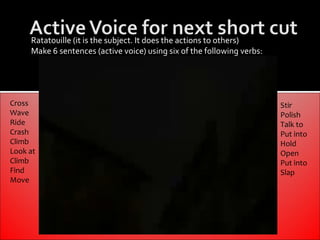
Ratatouille (it is the subject. It does the actions to others)
     Make 6 sentences (active voice) using six of the following verbs:


Cross                                                                    Stir
Wave                                                                     Polish
Ride                                                                     Talk to
Crash                                                                    Put into
Climb                                                                    Hold
Look at                                                                  Open
Climb                                                                    Put into
Find                                                                     Slap
Move
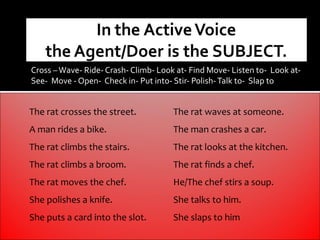
Cross – Wave- Ride- Crash- Climb- Look at- Find Move- Listen to- Look at-
See- Move - Open- Check in- Put into- Stir- Polish- Talk to- Slap to


The rat crosses the street.           The rat waves at someone.
A man rides a bike.                   The man crashes a car.
The rat climbs the stairs.            The rat looks at the kitchen.
The rat climbs a broom.               The rat finds a chef.
The rat moves the chef.               He/The chef stirs a soup.
She polishes a knife.                 She talks to him.
She puts a card into the slot.        She slaps to him
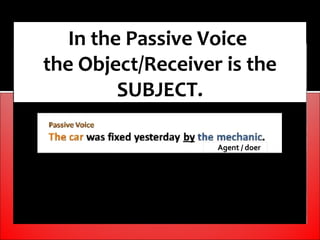
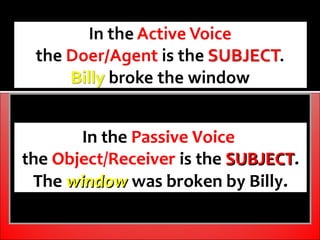
In the Passive Voice
the Object/Receiver is the
         SUBJECT.
Let’s remember :
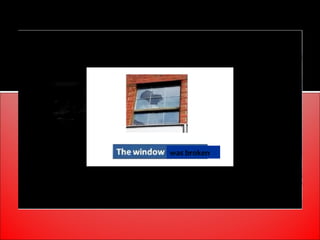
What happened at the beginning of the class?


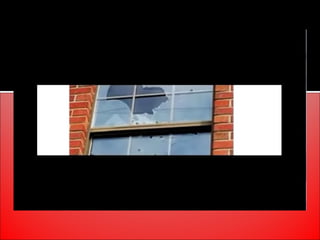
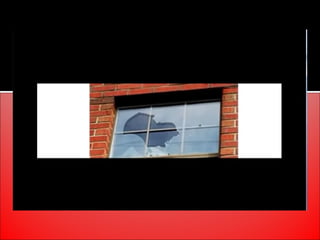
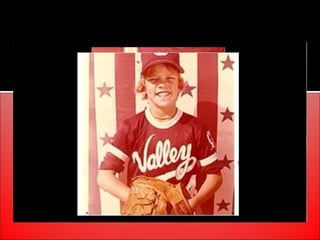
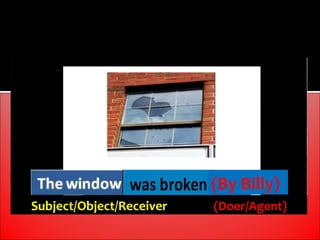
                            (By Billy)
Subject/Object/Receiver      (Doer/Agent)
•A sentence in which the subject does not
act but is the receiver of the action, is said to
be in the passive voice.

•The verb that expresses what is done to
the subject is said to be in Passive Voice.

•It tells us what was done to the object.
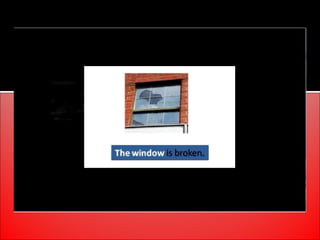
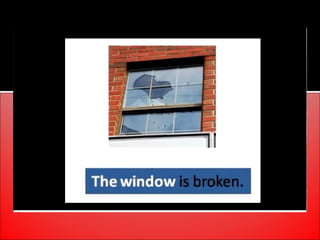
was broken
In the Passive Voice
the Object/Receiver is the
         SUBJECT.
List of verbs
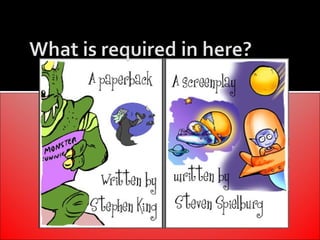
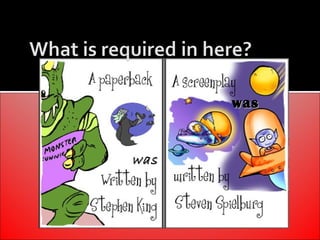
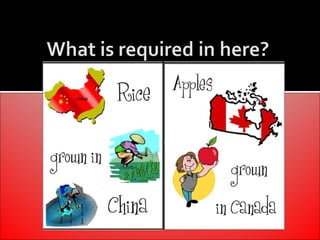
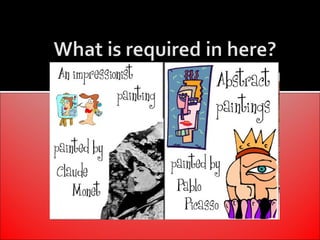
was
      was
was


was
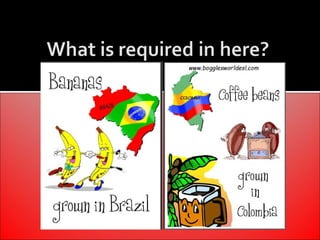
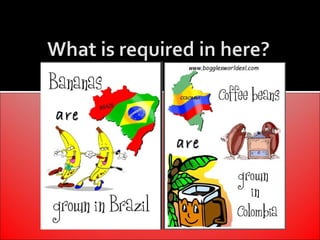
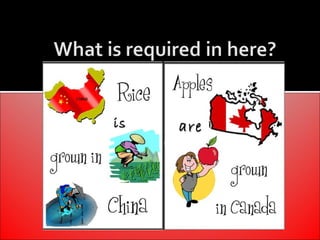
are
      are
is   are
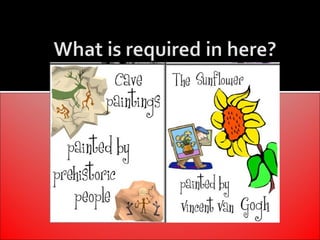
was
was


            was
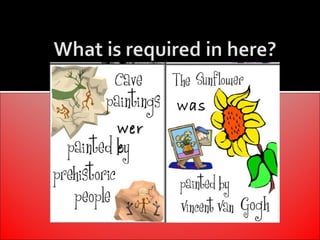
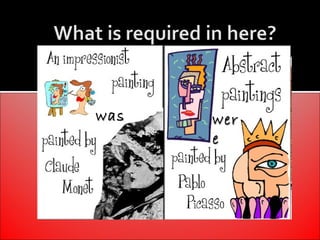
      wer
      e
was   wer
      e
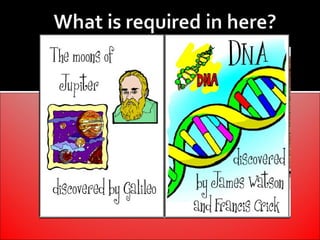
were   was
was
             was

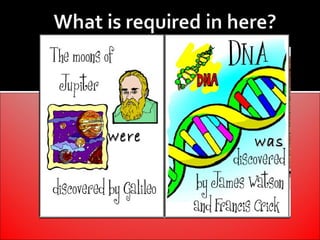
      were         was
were   was
In the Passive Voice
the Object/Receiver is the SUBJECT.
                           SUBJECT
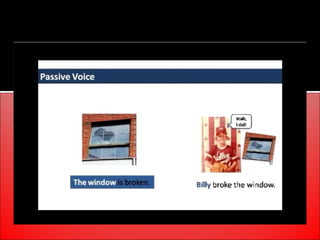
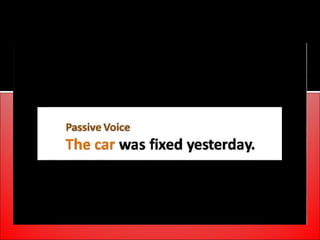
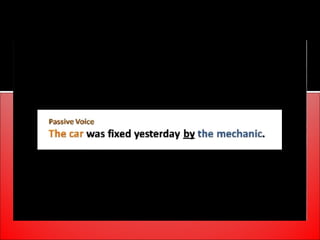
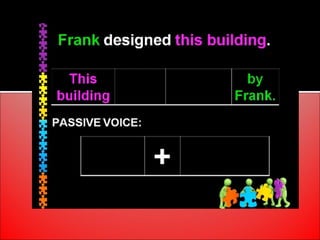
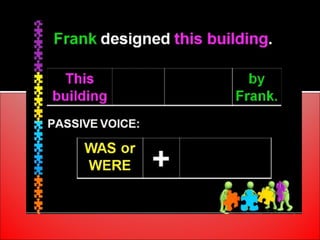
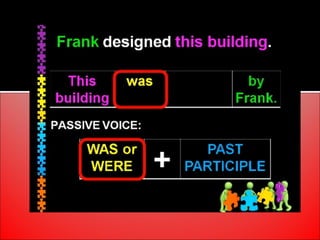
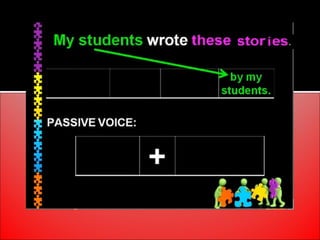
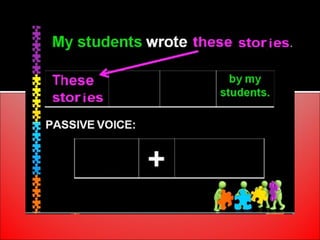
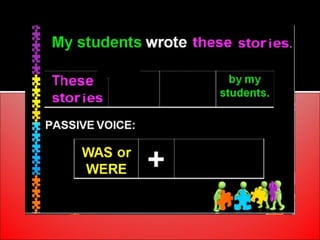
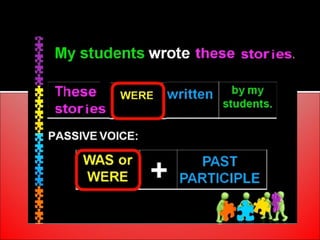
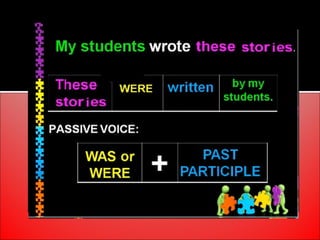
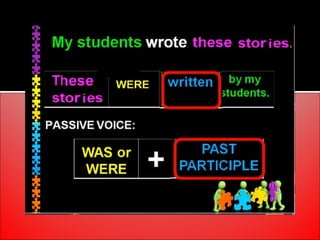
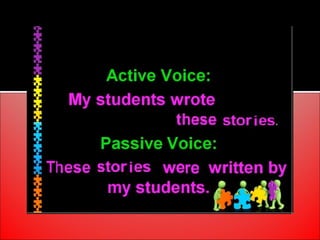
 The window was broken by Billy.
Hand out Passive Voice Main Rules
Passive Cards Guessing games
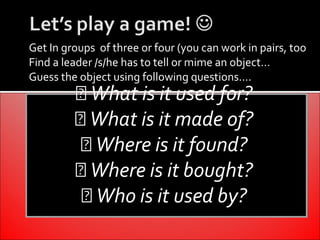
Get In groups of three or four (you can work in pairs, too
Find a leader /s/he has to tell or mime an object…
Guess the object using following questions….
          What is it used for?
          What is it made of?
           Where is it found?
          Where is it bought?
           Who is it used by?
Now…
A List of Verbs is given to you by the teacher ! 


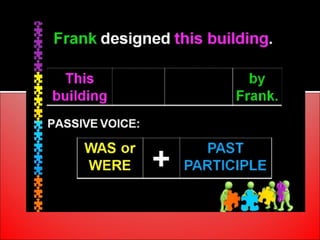
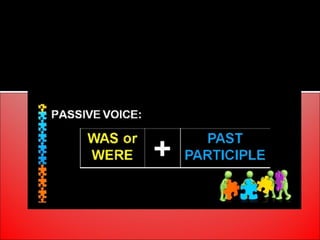
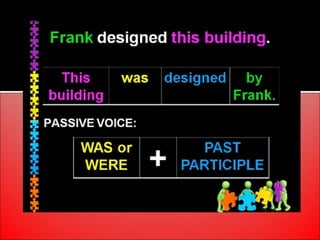
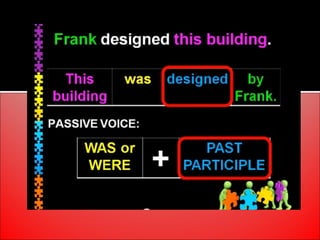
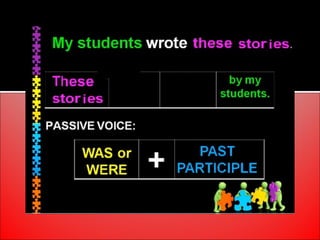
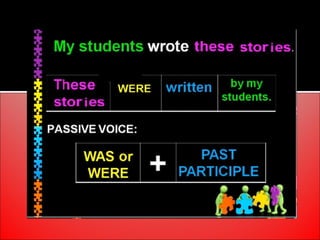
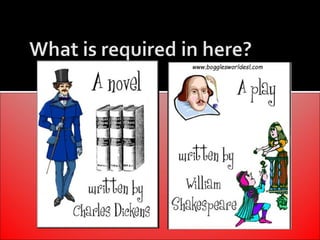
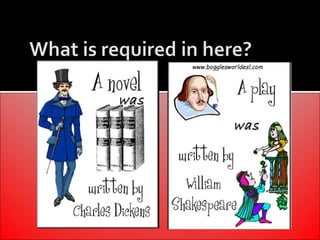
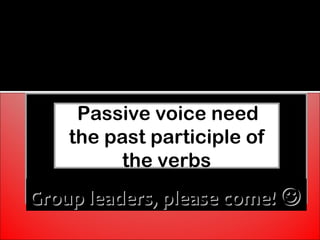
        Passive voice need
       the past participle of
            the verbs
Group leaders, please come! 
Possible answers are:
A ball A fridge A copybook A candle

A car A bottle A sweatshirt A vase

A tent A mirror A fur coat   A table
In the Passive Voice
the Object/Receiver is the SUBJECT.
                           SUBJECT
 The window was broken by Billy.
Billy


       In the Passive Voice
the Object/Receiver is the SUBJECT.
 The window was broken by Billy.
 The window
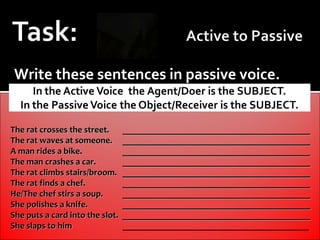
Write these sentences in passive voice.


The rat crosses the street.      __________________________________________
The rat waves at someone.        __________________________________________
A man rides a bike.              __________________________________________
The man crashes a car.           __________________________________________
The rat climbs stairs/broom.     __________________________________________
The rat finds a chef.            __________________________________________
He/The chef stirs a soup.        __________________________________________
She polishes a knife.            __________________________________________
She puts a card into the slot.   __________________________________________
She slaps to him                 ______________________________________________
Hand out 1 (exercises)
So, this is the end of the lesson… are you
able to… ?

1)Define active voice.
2)Define passive voice.
3)Identify the difference between
active and passive voice.
So, this is the end of the lesson… are you
able to… ?

1)Define active voice.
So, this is the end of the lesson… are you
able to… ?

1)Define active voice.


  It shows
  what the subject/doer/agent
  does to an object. 
So, this is the end of the lesson… are you
able to… ?

1)Define active voice. 
2)Define passive voice.
So, this is the end of the lesson… are you
able to… ?

1)Define active voice. 
2)Define passive voice.


   It shows
   what is done to an object
   by an agent/doer. 
So, this is the end of the lesson… are you
able to… ?
1)Define active voice. 
2)Define passive voice. 
3)Use of passive voice.
So, this is the end of the lesson… are you
able to… ?
1)Define active voice. 
2)Define passive voice. 
3)Use of passive voice.
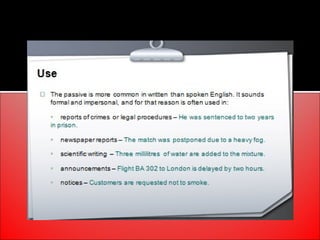
      Used in written and formal English
      (Reports of crimes or legal
procedures, newspaper reports, scientific
written, announcements, notices. 
So, this is the end of the lesson… are you
able to… ?

1)Define active voice 
2)Define passive voice 
3)Use of passive voice 
Video Johnny Grammar
Reading exercises
Different tenses
Reading exercises
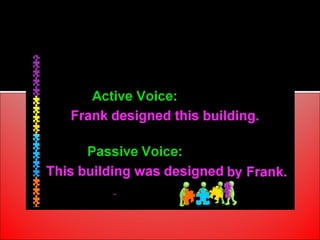
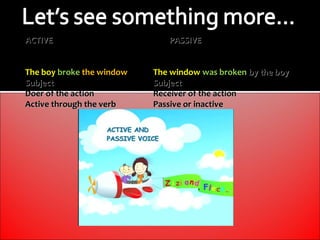
ACTIVE                        PASSIVE


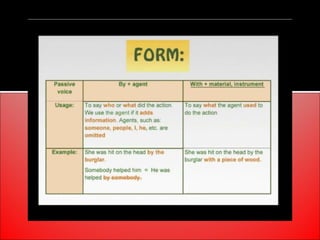
The boy broke the window   The window was broken by the boy
Subject                    Subject
Doer of the action         Receiver of the action
Active through the verb    Passive or inactive
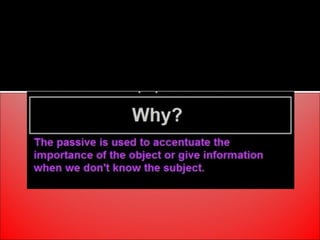
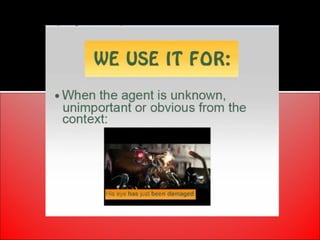
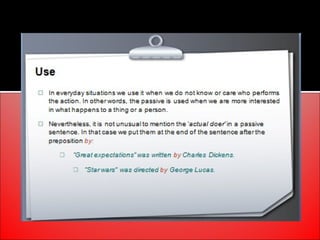
1. When the agent of the action is unknown:

My wallet was stolen last night. (we don’t know who stole the wallet)

2. When the agent is unimportant:

The new students’ centre was completed last week. (the people who built
the centre are unnecessary information for the meaning of the sentence)
3. When the agent of the action is obvious from the context:

I was born in March of '55. (Everyone knows that it was my mother bore me
then)
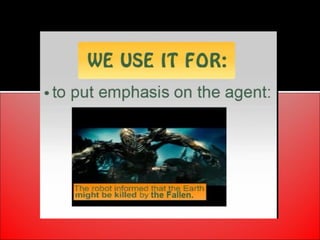
4. To emphasize (put importance on) the recipient (receiver) of the action:

a. Only Jane was injured in the accident; the remainder of the passengers
were unhurt.(we want Jane to be the subject of the sentence and at the
beginning to emphasize her importance)

b. Erina was chosen as best student, and of course this made her happy.
(the teacher who chose Erina is not what we want to emphasize)
5. To connect ideas in different clauses more clearly:

a. Pharmacologists would like to study the natural ‘pharmacy’ known as
the rainforest, if this can be done before clear-cutting destroys it. (in this
sentence, keeping THIS near the first clause makes the sentence’s meaning
clearer)

b. The music was being played too loud by the students, who were finally
asked to turn it down.
6. To make generic statements, announcements, and explanations:

a. Something should be done about the traffic jams in this town.

b. Patrons are asked not to smoke.
c. It's said that it's going to rain tonight.(Often, people will say, 'They say
that it's going to rain tonight', the they being the weatherman.)
Let’s exercise…

01ª Cards
Passive voice 00 final ppt long class (2 hours)

Passive voice 00 final ppt long class (2 hours)

  • 1.
  • 2.
    At the endof the lesson you will be able to: 1)Define active voice. 2)Define passive voice. 3)Identify the use of passive voice. Info collected and ppt made by Ms.Carolina Sepúlveda G. / EFL Teacher / Uss / Chile
  • 3.
  • 15.
  • 31.
    In the ActiveVoice the Agent/Doer is the SUBJECT.
  • 35.
    Let’s remember: Whathappened at the beginning?
  • 36.
  • 37.
    •A sentence inwhich the subject is the doer (agent) of the action denoted by the verb, is said to be in the active voice. •The verb that expresses the action done by the subject is said to be in the Active Voice. •It tells us what the doer/agent/subject did.
  • 38.
    Ratatouille (it isthe subject. It does the actions to others) Make 6 sentences (active voice) using six of the following verbs: Cross Stir Wave Polish Ride Talk to Crash Put into Climb Hold Look at Open Climb Put into Find Slap Move
  • 39.
    Cross – Wave-Ride- Crash- Climb- Look at- Find Move- Listen to- Look at- See- Move - Open- Check in- Put into- Stir- Polish- Talk to- Slap to The rat crosses the street. The rat waves at someone. A man rides a bike. The man crashes a car. The rat climbs the stairs. The rat looks at the kitchen. The rat climbs a broom. The rat finds a chef. The rat moves the chef. He/The chef stirs a soup. She polishes a knife. She talks to him. She puts a card into the slot. She slaps to him
  • 52.
    In the PassiveVoice the Object/Receiver is the SUBJECT.
  • 53.
    Let’s remember : Whathappened at the beginning of the class? (By Billy) Subject/Object/Receiver (Doer/Agent)
  • 54.
    •A sentence inwhich the subject does not act but is the receiver of the action, is said to be in the passive voice. •The verb that expresses what is done to the subject is said to be in Passive Voice. •It tells us what was done to the object.
  • 57.
  • 58.
    In the PassiveVoice the Object/Receiver is the SUBJECT.
  • 79.
  • 100.
    was was
  • 102.
  • 104.
    are are
  • 106.
    is are
  • 107.
  • 108.
    was was wer e
  • 110.
    was wer e
  • 112.
    were was
  • 114.
    was was were was
  • 116.
    were was
  • 118.
    In the PassiveVoice the Object/Receiver is the SUBJECT. SUBJECT The window was broken by Billy.
  • 119.
    Hand out PassiveVoice Main Rules Passive Cards Guessing games
  • 120.
    Get In groupsof three or four (you can work in pairs, too Find a leader /s/he has to tell or mime an object… Guess the object using following questions….  What is it used for?  What is it made of?  Where is it found?  Where is it bought?  Who is it used by?
  • 121.
    Now… A List ofVerbs is given to you by the teacher !  Passive voice need the past participle of the verbs Group leaders, please come! 
  • 122.
    Possible answers are: Aball A fridge A copybook A candle A car A bottle A sweatshirt A vase A tent A mirror A fur coat A table
  • 123.
    In the PassiveVoice the Object/Receiver is the SUBJECT. SUBJECT The window was broken by Billy.
  • 132.
    Billy In the Passive Voice the Object/Receiver is the SUBJECT. The window was broken by Billy. The window
  • 134.
    Write these sentencesin passive voice. The rat crosses the street. __________________________________________ The rat waves at someone. __________________________________________ A man rides a bike. __________________________________________ The man crashes a car. __________________________________________ The rat climbs stairs/broom. __________________________________________ The rat finds a chef. __________________________________________ He/The chef stirs a soup. __________________________________________ She polishes a knife. __________________________________________ She puts a card into the slot. __________________________________________ She slaps to him ______________________________________________
  • 135.
    Hand out 1(exercises)
  • 136.
    So, this isthe end of the lesson… are you able to… ? 1)Define active voice. 2)Define passive voice. 3)Identify the difference between active and passive voice.
  • 137.
    So, this isthe end of the lesson… are you able to… ? 1)Define active voice.
  • 138.
    So, this isthe end of the lesson… are you able to… ? 1)Define active voice. It shows what the subject/doer/agent does to an object. 
  • 139.
    So, this isthe end of the lesson… are you able to… ? 1)Define active voice.  2)Define passive voice.
  • 140.
    So, this isthe end of the lesson… are you able to… ? 1)Define active voice.  2)Define passive voice. It shows what is done to an object by an agent/doer. 
  • 141.
    So, this isthe end of the lesson… are you able to… ? 1)Define active voice.  2)Define passive voice.  3)Use of passive voice.
  • 142.
    So, this isthe end of the lesson… are you able to… ? 1)Define active voice.  2)Define passive voice.  3)Use of passive voice. Used in written and formal English (Reports of crimes or legal procedures, newspaper reports, scientific written, announcements, notices. 
  • 143.
    So, this isthe end of the lesson… are you able to… ? 1)Define active voice  2)Define passive voice  3)Use of passive voice 
  • 144.
  • 146.
  • 147.
  • 157.
  • 158.
    ACTIVE PASSIVE The boy broke the window The window was broken by the boy Subject Subject Doer of the action Receiver of the action Active through the verb Passive or inactive
  • 159.
    1. When theagent of the action is unknown: My wallet was stolen last night. (we don’t know who stole the wallet) 2. When the agent is unimportant: The new students’ centre was completed last week. (the people who built the centre are unnecessary information for the meaning of the sentence)
  • 160.
    3. When theagent of the action is obvious from the context: I was born in March of '55. (Everyone knows that it was my mother bore me then)
  • 161.
    4. To emphasize(put importance on) the recipient (receiver) of the action: a. Only Jane was injured in the accident; the remainder of the passengers were unhurt.(we want Jane to be the subject of the sentence and at the beginning to emphasize her importance) b. Erina was chosen as best student, and of course this made her happy. (the teacher who chose Erina is not what we want to emphasize)
  • 162.
    5. To connectideas in different clauses more clearly: a. Pharmacologists would like to study the natural ‘pharmacy’ known as the rainforest, if this can be done before clear-cutting destroys it. (in this sentence, keeping THIS near the first clause makes the sentence’s meaning clearer) b. The music was being played too loud by the students, who were finally asked to turn it down.

  • 163.
    6. To makegeneric statements, announcements, and explanations: a. Something should be done about the traffic jams in this town. b. Patrons are asked not to smoke. c. It's said that it's going to rain tonight.(Often, people will say, 'They say that it's going to rain tonight', the they being the weatherman.)
  • 180.