




Paper Discussion
By: Dr. Tehmas Ahmad Khan
Demonstrator-Biochemistry
Bannu Medical College, Bannu.
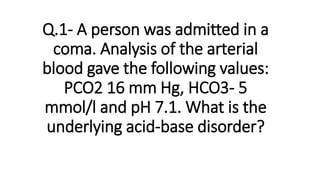
Q.1- A person was admitted in a
coma. Analysis of the arterial
blood gave the following values:
PCO2 16 mm Hg, HCO3- 5
mmol/l and pH 7.1. What is the
underlying acid-base disorder?
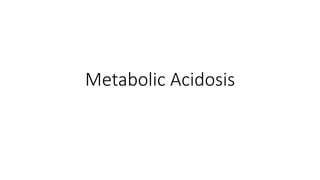
Metabolic Acidosis
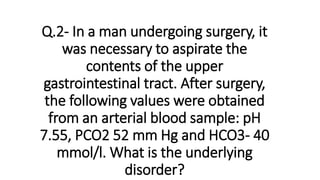
Q.2- In a man undergoing surgery, it
was necessary to aspirate the
contents of the upper
gastrointestinal tract. After surgery,
the following values were obtained
from an arterial blood sample: pH
7.55, PCO2 52 mm Hg and HCO3- 40
mmol/l. What is the underlying
disorder?
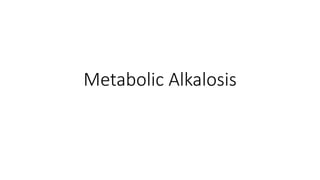
Metabolic Alkalosis
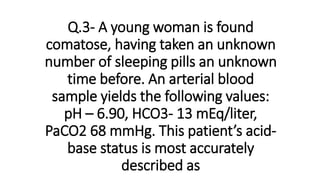
Q.3- A young woman is found
comatose, having taken an unknown
number of sleeping pills an unknown
time before. An arterial blood
sample yields the following values:
pH – 6.90, HCO3- 13 mEq/liter,
PaCO2 68 mmHg. This patient’s acid-
base status is most accurately
described as
simultaneous respiratory and
metabolic acidosis
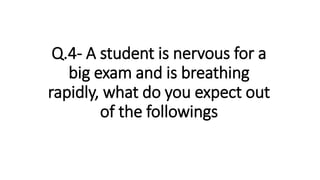
Q.4- A student is nervous for a
big exam and is breathing
rapidly, what do you expect out
of the followings
Respiratory Alkalosis
Q.5- A 45- year-old female with
renal failure, missed her dialysis
and was feeling sick, what could
be the reason ?
Metabolic Acidosis
Q.6- An 80-year-old man had a
bad cold. After two weeks he
said, “It went in to my chest, I
am feeling tightness in my chest,
I am coughing, suffocated and
unable to breathe!” What could
be the possible reason?
Respiratory Acidosis
Q.7- A post-operative surgical
patient had a naso gastric tube in
for three days. The nurse caring
for the patient stated that there
was much drainage from the
tube that is why she felt so sick.
What could be the reason?
Metabolic Alkalosis
Q.8- The pH of the body fluids is
stabilized by buffer systems.
Which of the following
compounds is the most effective
buffer system at physiological
pH?
Bicarbonate buffer
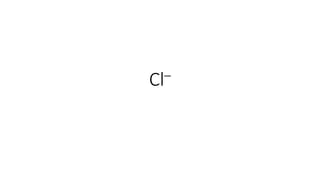
Q.9- Predominant cation of
plasma is Na+ and it is balanced
mostly by which of the anion
Cl–
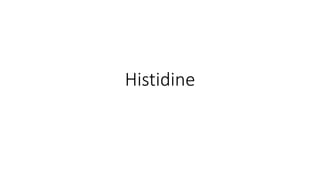
Q.10- The greatest buffering
capacity at physiological pH
would be provided by a protein
rich in which of the following
amino acids?
Histidine
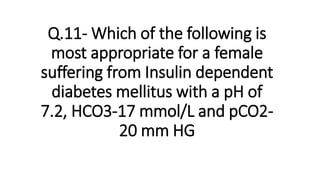
Q.11- Which of the following is
most appropriate for a female
suffering from Insulin dependent
diabetes mellitus with a pH of
7.2, HCO3-17 mmol/L and pCO2-
20 mm HG
Metabolic Acidosis
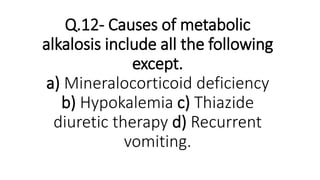
Q.12- Causes of metabolic
alkalosis include all the following
except.
a) Mineralocorticoid deficiency
b) Hypokalemia c) Thiazide
diuretic therapy d) Recurrent
vomiting.
Mineralocorticoid deficiency
Q.13- Renal Glutaminase activity
is increased in
a) Metabolic acidosis b)
Respiratory Acidosis c) Both
of the above d) None of the
above
Both
Q.14- Causes of lactic acidosis
include all except
a) Acute Myocardial infarction
b) Hypoxia c) Circulatory
failure d) Infections
Infections
Q.15- Which out of the following
conditions will not cause
respiratory alkalosis?
Laryngeal obstruction
Q.16-In primary dehydration ECF
becomes:
Hypertonic
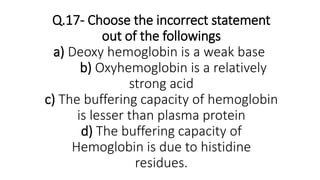
Q.17- Choose the incorrect statement
out of the followings
a) Deoxy hemoglobin is a weak base
b) Oxyhemoglobin is a relatively
strong acid
c) The buffering capacity of hemoglobin
is lesser than plasma protein
d) The buffering capacity of
Hemoglobin is due to histidine
residues.
The buffering capacity of
hemoglobin is lesser than
plasma protein
Q.18- Carbonic anhydrase is
present at all places except
a) Gastric parietal cells b) Red
blood cells c) Renal tubular
cells d) Plasma
Plasma
Q.19- All are true for renal handling of acids in
metabolic acidosis except
a) Hydrogen ion secretion is increased
b) Bicarbonate reabsorption is decreased
c) Urinary acidity is increased
d) Urinary ammonia is increased.
Bicarbonate reabsorption is
decreased
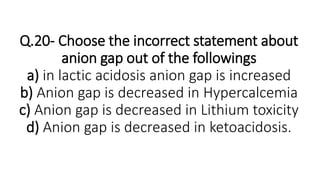
Q.20- Choose the incorrect statement about
anion gap out of the followings
a) in lactic acidosis anion gap is increased
b) Anion gap is decreased in Hypercalcemia
c) Anion gap is decreased in Lithium toxicity
d) Anion gap is decreased in ketoacidosis.
Anion gap is decreased in
ketoacidosis
Short Essay Questions (SEQs)
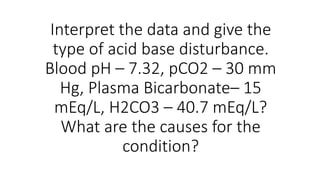
Interpret the data and give the
type of acid base disturbance.
Blood pH – 7.32, pCO2 – 30 mm
Hg, Plasma Bicarbonate– 15
mEq/L, H2CO3 – 40.7 mEq/L?
What are the causes for the
condition?
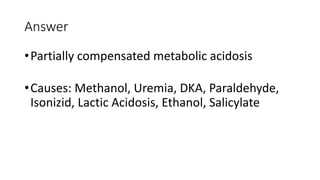
Answer
•Partially compensated metabolic acidosis
•Causes: Methanol, Uremia, DKA, Paraldehyde,
Isonizid, Lactic Acidosis, Ethanol, Salicylate
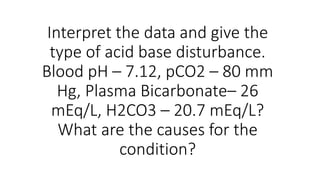
Interpret the data and give the
type of acid base disturbance.
Blood pH – 7.12, pCO2 – 80 mm
Hg, Plasma Bicarbonate– 26
mEq/L, H2CO3 – 20.7 mEq/L?
What are the causes for the
condition?
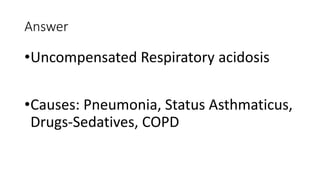
Answer
•Uncompensated Respiratory acidosis
•Causes: Pneumonia, Status Asthmaticus,
Drugs-Sedatives, COPD
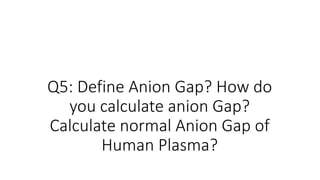
Q5: Define Anion Gap? How do
you calculate anion Gap?
Calculate normal Anion Gap of
Human Plasma?
Answer
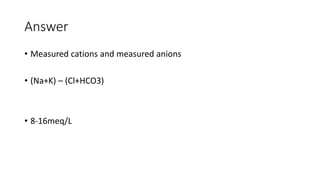
• Measured cations and measured anions
• (Na+K) – (Cl+HCO3)
• 8-16meq/L
What are important buffers
present in body? What is meant
by compensation and how it is
achieved by body?
Answer
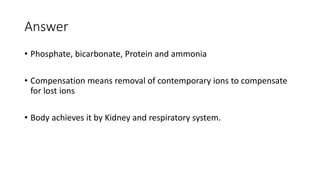
• Phosphate, bicarbonate, Protein and ammonia
• Compensation means removal of contemporary ions to compensate
for lost ions
• Body achieves it by Kidney and respiratory system.
Differentiate between ICF and
ECF in regards with electrolytes
presence?
Answer
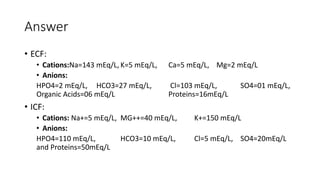
• ECF:
• Cations:Na=143 mEq/L, K=5 mEq/L, Ca=5 mEq/L, Mg=2 mEq/L
• Anions:
HPO4=2 mEq/L, HCO3=27 mEq/L, Cl=103 mEq/L, SO4=01 mEq/L,
Organic Acids=06 mEq/L Proteins=16mEq/L
• ICF:
• Cations: Na+=5 mEq/L, MG++=40 mEq/L, K+=150 mEq/L
• Anions:
HPO4=110 mEq/L, HCO3=10 mEq/L, Cl=5 mEq/L, SO4=20mEq/L
and Proteins=50mEq/L
Thanks

Paper discussion of Acid-Base Balance Stage

  • 1.
    Paper Discussion By: Dr.Tehmas Ahmad Khan Demonstrator-Biochemistry Bannu Medical College, Bannu.
  • 2.
    Q.1- A personwas admitted in a coma. Analysis of the arterial blood gave the following values: PCO2 16 mm Hg, HCO3- 5 mmol/l and pH 7.1. What is the underlying acid-base disorder?
  • 3.
  • 4.
    Q.2- In aman undergoing surgery, it was necessary to aspirate the contents of the upper gastrointestinal tract. After surgery, the following values were obtained from an arterial blood sample: pH 7.55, PCO2 52 mm Hg and HCO3- 40 mmol/l. What is the underlying disorder?
  • 5.
  • 6.
    Q.3- A youngwoman is found comatose, having taken an unknown number of sleeping pills an unknown time before. An arterial blood sample yields the following values: pH – 6.90, HCO3- 13 mEq/liter, PaCO2 68 mmHg. This patient’s acid- base status is most accurately described as
  • 7.
  • 8.
    Q.4- A studentis nervous for a big exam and is breathing rapidly, what do you expect out of the followings
  • 9.
  • 10.
    Q.5- A 45-year-old female with renal failure, missed her dialysis and was feeling sick, what could be the reason ?
  • 11.
  • 12.
    Q.6- An 80-year-oldman had a bad cold. After two weeks he said, “It went in to my chest, I am feeling tightness in my chest, I am coughing, suffocated and unable to breathe!” What could be the possible reason?
  • 13.
  • 14.
    Q.7- A post-operativesurgical patient had a naso gastric tube in for three days. The nurse caring for the patient stated that there was much drainage from the tube that is why she felt so sick. What could be the reason?
  • 15.
  • 16.
    Q.8- The pHof the body fluids is stabilized by buffer systems. Which of the following compounds is the most effective buffer system at physiological pH?
  • 17.
  • 18.
    Q.9- Predominant cationof plasma is Na+ and it is balanced mostly by which of the anion
  • 19.
  • 20.
    Q.10- The greatestbuffering capacity at physiological pH would be provided by a protein rich in which of the following amino acids?
  • 21.
  • 22.
    Q.11- Which ofthe following is most appropriate for a female suffering from Insulin dependent diabetes mellitus with a pH of 7.2, HCO3-17 mmol/L and pCO2- 20 mm HG
  • 23.
  • 24.
    Q.12- Causes ofmetabolic alkalosis include all the following except. a) Mineralocorticoid deficiency b) Hypokalemia c) Thiazide diuretic therapy d) Recurrent vomiting.
  • 25.
  • 26.
    Q.13- Renal Glutaminaseactivity is increased in a) Metabolic acidosis b) Respiratory Acidosis c) Both of the above d) None of the above
  • 27.
  • 28.
    Q.14- Causes oflactic acidosis include all except a) Acute Myocardial infarction b) Hypoxia c) Circulatory failure d) Infections
  • 29.
  • 30.
    Q.15- Which outof the following conditions will not cause respiratory alkalosis?
  • 31.
  • 32.
  • 33.
  • 34.
    Q.17- Choose theincorrect statement out of the followings a) Deoxy hemoglobin is a weak base b) Oxyhemoglobin is a relatively strong acid c) The buffering capacity of hemoglobin is lesser than plasma protein d) The buffering capacity of Hemoglobin is due to histidine residues.
  • 35.
    The buffering capacityof hemoglobin is lesser than plasma protein
  • 36.
    Q.18- Carbonic anhydraseis present at all places except a) Gastric parietal cells b) Red blood cells c) Renal tubular cells d) Plasma
  • 37.
  • 38.
    Q.19- All aretrue for renal handling of acids in metabolic acidosis except a) Hydrogen ion secretion is increased b) Bicarbonate reabsorption is decreased c) Urinary acidity is increased d) Urinary ammonia is increased.
  • 39.
  • 40.
    Q.20- Choose theincorrect statement about anion gap out of the followings a) in lactic acidosis anion gap is increased b) Anion gap is decreased in Hypercalcemia c) Anion gap is decreased in Lithium toxicity d) Anion gap is decreased in ketoacidosis.
  • 41.
    Anion gap isdecreased in ketoacidosis
  • 42.
  • 43.
    Interpret the dataand give the type of acid base disturbance. Blood pH – 7.32, pCO2 – 30 mm Hg, Plasma Bicarbonate– 15 mEq/L, H2CO3 – 40.7 mEq/L? What are the causes for the condition?
  • 44.
    Answer •Partially compensated metabolicacidosis •Causes: Methanol, Uremia, DKA, Paraldehyde, Isonizid, Lactic Acidosis, Ethanol, Salicylate
  • 45.
    Interpret the dataand give the type of acid base disturbance. Blood pH – 7.12, pCO2 – 80 mm Hg, Plasma Bicarbonate– 26 mEq/L, H2CO3 – 20.7 mEq/L? What are the causes for the condition?
  • 46.
    Answer •Uncompensated Respiratory acidosis •Causes:Pneumonia, Status Asthmaticus, Drugs-Sedatives, COPD
  • 47.
    Q5: Define AnionGap? How do you calculate anion Gap? Calculate normal Anion Gap of Human Plasma?
  • 48.
    Answer • Measured cationsand measured anions • (Na+K) – (Cl+HCO3) • 8-16meq/L
  • 49.
    What are importantbuffers present in body? What is meant by compensation and how it is achieved by body?
  • 50.
    Answer • Phosphate, bicarbonate,Protein and ammonia • Compensation means removal of contemporary ions to compensate for lost ions • Body achieves it by Kidney and respiratory system.
  • 51.
    Differentiate between ICFand ECF in regards with electrolytes presence?
  • 52.
    Answer • ECF: • Cations:Na=143mEq/L, K=5 mEq/L, Ca=5 mEq/L, Mg=2 mEq/L • Anions: HPO4=2 mEq/L, HCO3=27 mEq/L, Cl=103 mEq/L, SO4=01 mEq/L, Organic Acids=06 mEq/L Proteins=16mEq/L • ICF: • Cations: Na+=5 mEq/L, MG++=40 mEq/L, K+=150 mEq/L • Anions: HPO4=110 mEq/L, HCO3=10 mEq/L, Cl=5 mEq/L, SO4=20mEq/L and Proteins=50mEq/L
  • 53.