DR: Manal Behery
Zagazig University,Egypt
2014
DR: Manal Behery
Zagazig University,Egypt
2014
OSCE Obstetrics EXAM
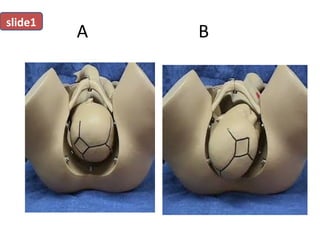
A B
slide1
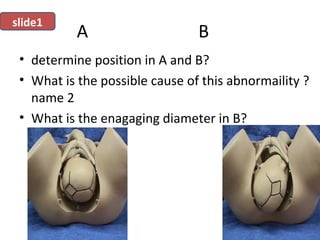
A B
• determine position in A and B?
• What is the possible cause of this abnormaility ?
name 2
• What is the enagaging diameter in B?
slide1
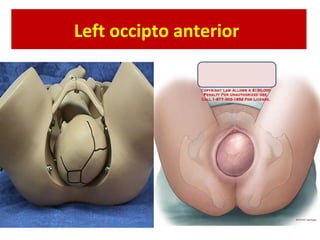
Left occipto anterior
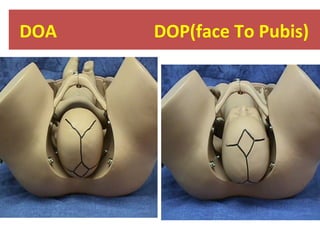
DOA DOP(face To Pubis)
Slide 2
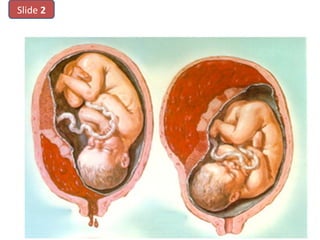
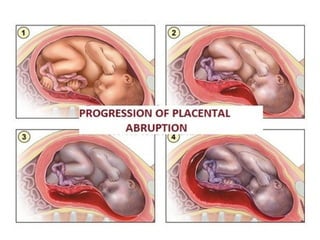
• What this image show?
• What is the cause name 3 ?
• What is the complication name 2?
• What is the prefered mode of delivery and
why?
Slide 2
Slide3
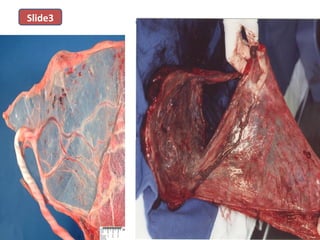
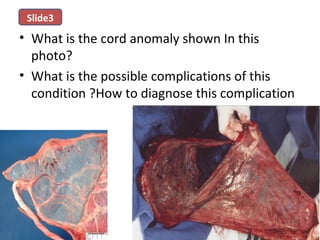
• What is the cord anomaly shown In this
photo?
• What is the possible complications of this
condition ?How to diagnose this complication
Slide3
slide4
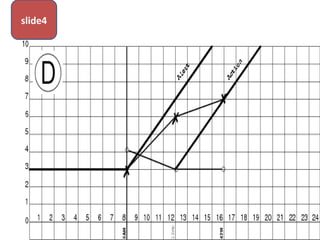
1- What does this graph show?
2- describe the type of abnormal couse you see
3- how would you manage this condition
.
slide4
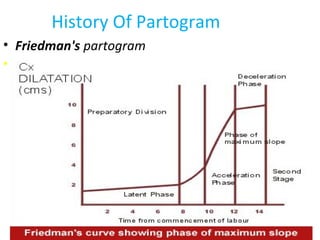
History Of Partogram
• Friedman's partogram
•
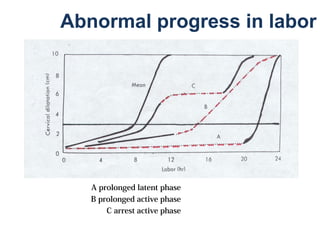
A prolonged latent phase
B prolonged active phase
C arrest active phase
Abnormal progress in labor
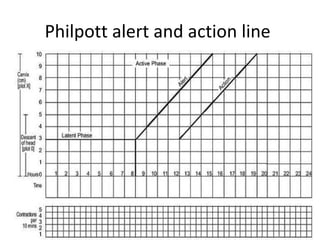
Philpott alert and action line
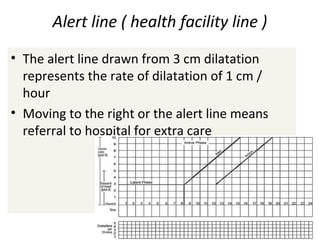
Alert line ( health facility line )
• The alert line drawn from 3 cm dilatation
represents the rate of dilatation of 1 cm /
hour
• Moving to the right or the alert line means
referral to hospital for extra care
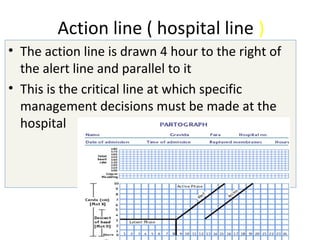
Action line ( hospital line )
• The action line is drawn 4 hour to the right of
the alert line and parallel to it
• This is the critical line at which specific
management decisions must be made at the
hospital
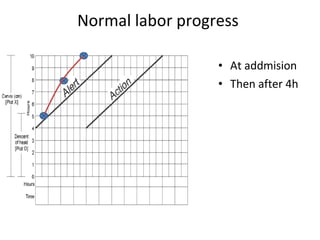
Normal labor progress
• At addmision
• Then after 4h
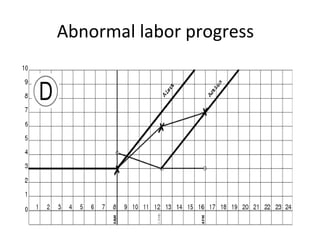
Abnormal labor progress
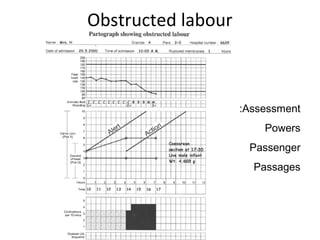
Obstructed labour
Assessment:
Powers
Passenger
Passages
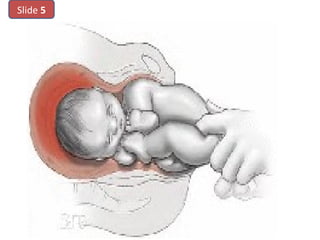
Slide 5
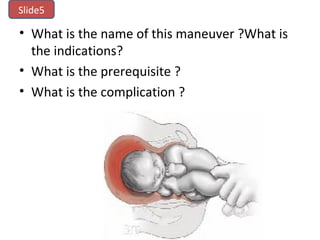
• What is the name of this maneuver ?What is
the indications?
• What is the prerequisite ?
• What is the complication ?
Slide5
Slide 6
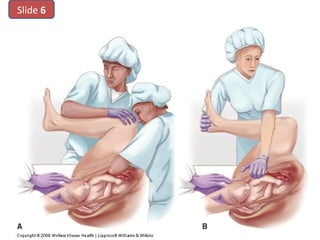
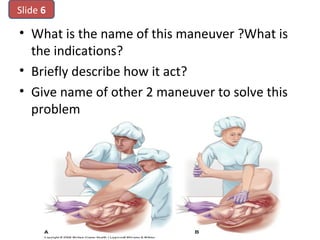
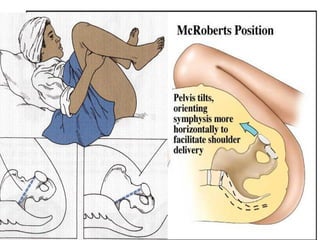
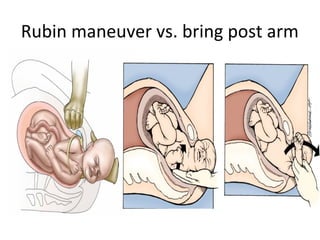
• What is the name of this maneuver ?What is
the indications?
• Briefly describe how it act?
• Give name of other 2 maneuver to solve this
problem
Slide 6
Rubin maneuver vs. bring post arm
• determine
slide 7
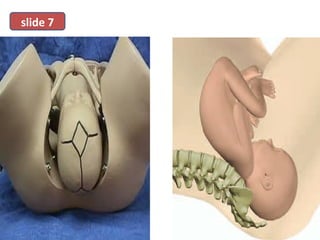
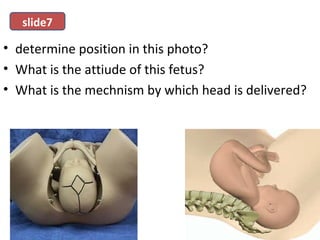
• determine position in this photo?
• What is the attiude of this fetus?
• What is the mechnism by which head is delivered?
slide7
slide8
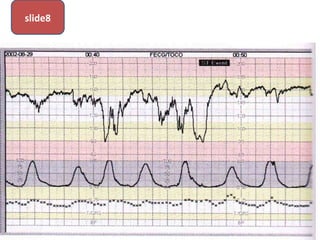
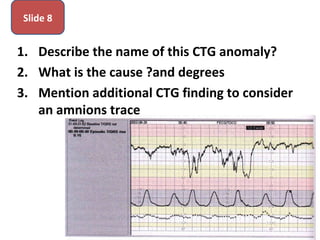
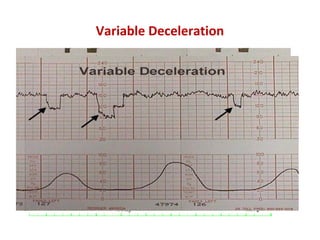
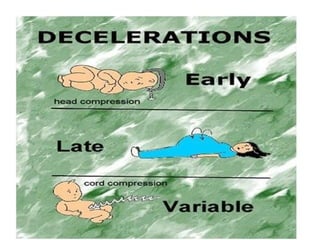
1. Describe the name of this CTG anomaly?
2. What is the cause ?and degrees
3. Mention additional CTG finding to consider
an amnions trace
Slide 8
Variable Deceleration
Slide 9
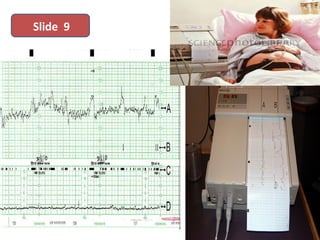
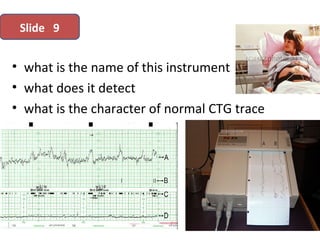
• what is the name of this instrument
• what does it detect
• what is the character of normal CTG trace
Slide 9
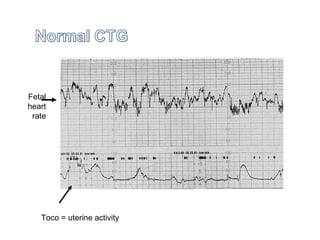
Toco = uterine activity
Fetal
heart
rate
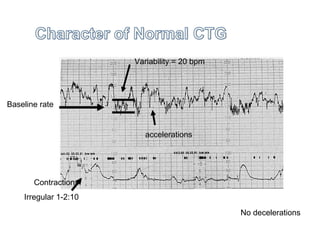
Baseline rate
Contractions
Irregular 1-2:10
Variability = 20 bpm
accelerations
No decelerations
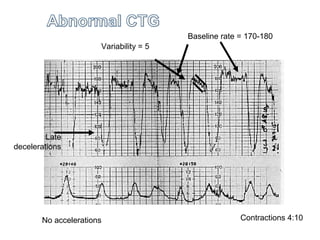
Baseline rate = 170-180
Variability = 5
No accelerations Contractions 4:10
Late
decelerations
Slide 10
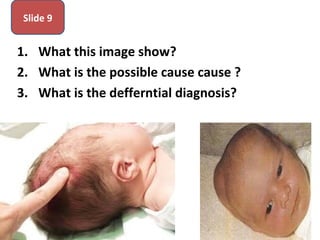
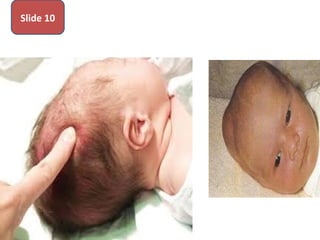
1. What this image show?
2. What is the possible cause cause ?
3. What is the defferntial diagnosis?
Slide 9
• ?
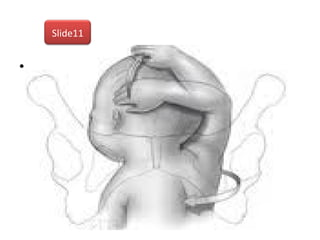
Slide11
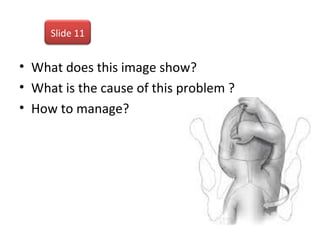
• What does this image show?
• What is the cause of this problem ?
• How to manage?
Slide 11
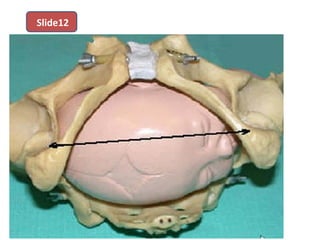
Slide12
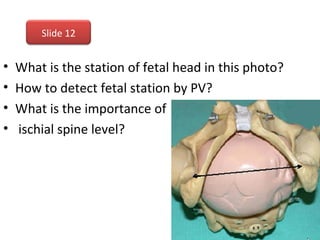
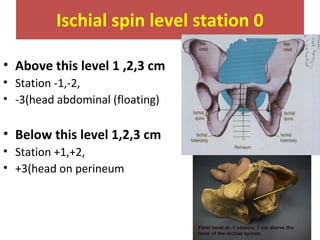
• What is the station of fetal head in this photo?
• How to detect fetal station by PV?
• What is the importance of
• ischial spine level?
Slide 12
Ischial spin level station 0
• Above this level 1 ,2,3 cm
• Station -1,-2,
• -3(head abdominal (floating)
• Below this level 1,2,3 cm
• Station +1,+2,
• +3(head on perineum
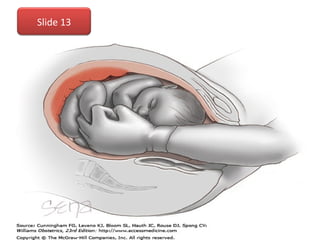
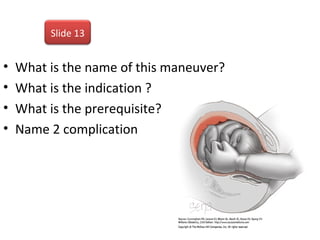
Slide 13
• What is the name of this maneuver?
• What is the indication ?
• What is the prerequisite?
• Name 2 complication
Slide 13
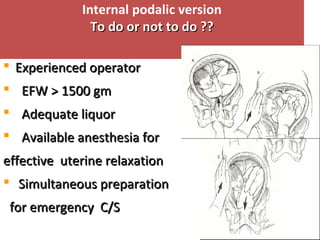
Internal podalic version
To do or not to do ??To do or not to do ??
 Experienced operatorExperienced operator
 EFW > 1500 gmEFW > 1500 gm
 Adequate liquorAdequate liquor
 Available anesthesia forAvailable anesthesia for
effective uterine relaxationeffective uterine relaxation
 Simultaneous preparationSimultaneous preparation
for emergency C/Sfor emergency C/S
slide14
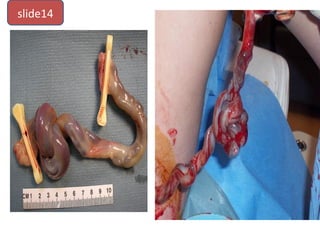
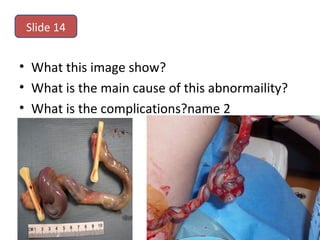
• What this image show?
• What is the main cause of this abnormaility?
• What is the complications?name 2
Slide 14
Slide 15
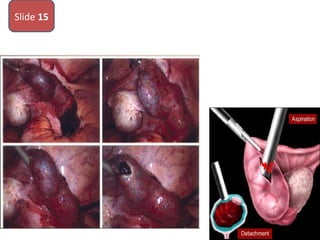
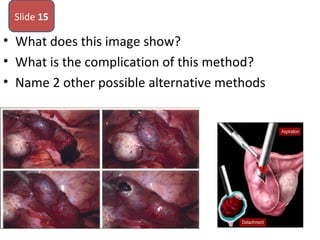
• What does this image show?
• What is the complication of this method?
• Name 2 other possible alternative methods
Slide 15
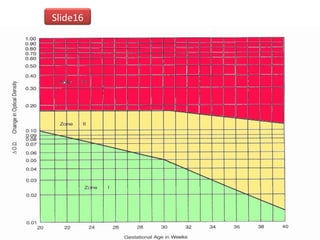
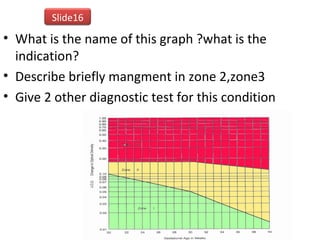
Slide16
• What is the name of this graph ?what is the
indication?
• Describe briefly mangment in zone 2,zone3
• Give 2 other diagnostic test for this condition
Slide16
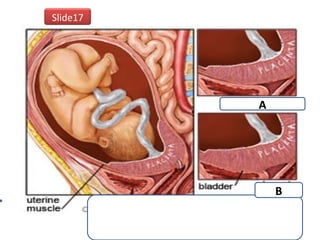
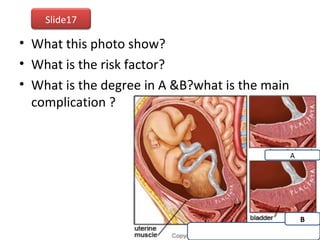
Slide17
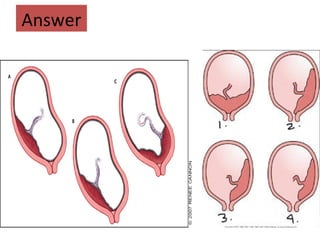
A
B
• What this photo show?
• What is the risk factor?
• What is the degree in A &B?what is the main
complication ?
A
B
Slide17
Answer
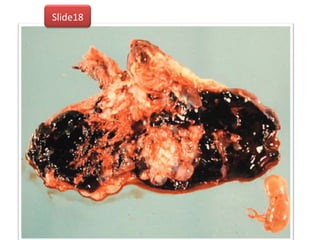
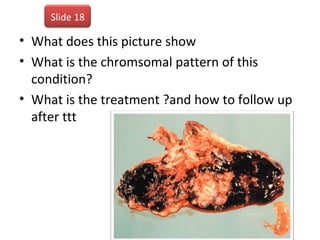
Slide18
• What does this picture show
• What is the chromsomal pattern of this
condition?
• What is the treatment ?and how to follow up
after ttt
Slide 18
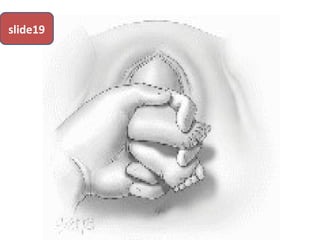
slide19
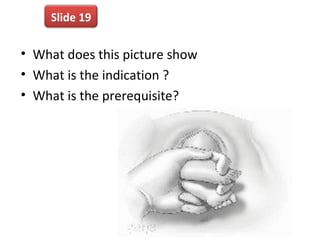
• What does this picture show
• What is the indication ?
• What is the prerequisite?
Slide 19
• ?
Slide20
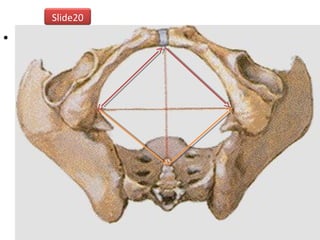
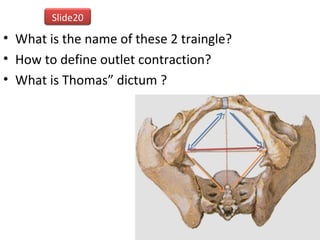
• What is the name of these 2 traingle?
• How to define outlet contraction?
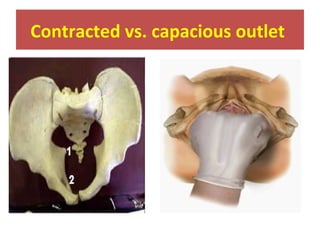
• What is Thomas” dictum ?
Slide20
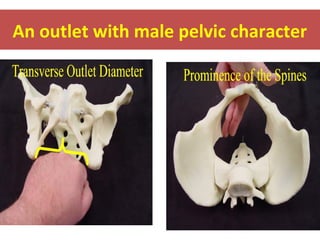
An outlet with male pelvic character
Contracted vs. capacious outlet
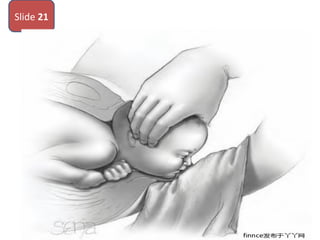
Slide 21
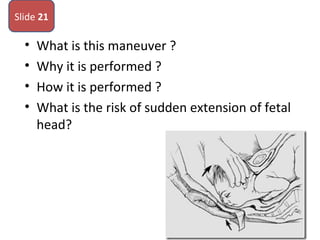
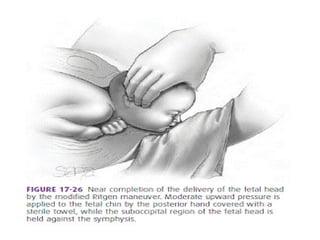
• What is this maneuver ?
• Why it is performed ?
• How it is performed ?
• What is the risk of sudden extension of fetal
head?
Slide 21
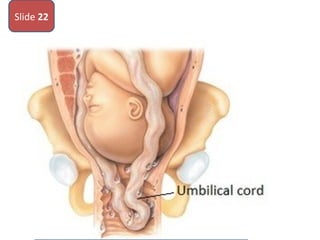
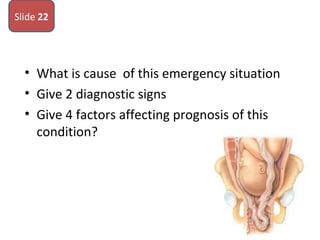
Slide 22
• What is cause of this emergency situation
• Give 2 diagnostic signs
• Give 4 factors affecting prognosis of this
condition?
Slide 22
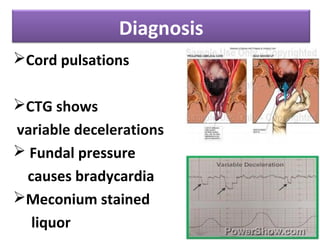
Diagnosis
Cord pulsations
CTG shows
variable decelerations
 Fundal pressure
causes bradycardia
Meconium stained
liquor
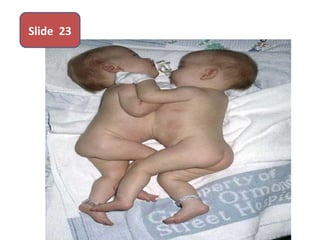
Slide 23
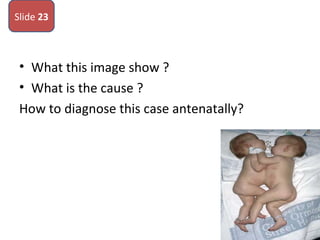
• What this image show ?
• What is the cause ?
How to diagnose this case antenatally?
Slide 23
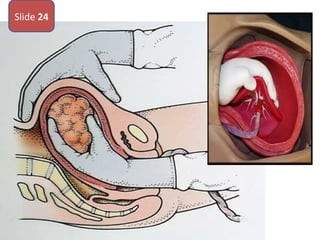
• What is the name of this maneuver ?
• What is the indications
• Name 2 complications
Slide 24
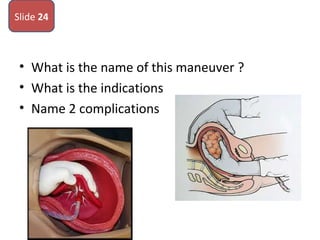
• What is the name of this maneuver ?
• What is the indications
• Name 2 complications
Slide 24
Slide 25
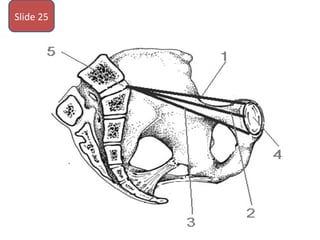
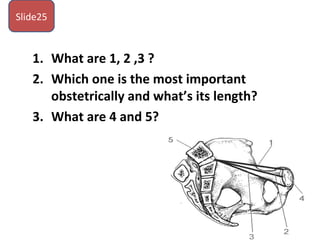
1. What are 1, 2 ,3 ?
2. Which one is the most important
obstetrically and what’s its length?
3. What are 4 and 5?
Slide25
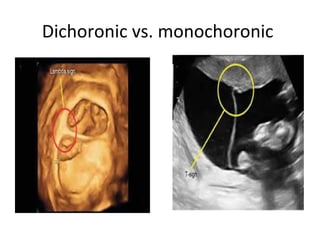
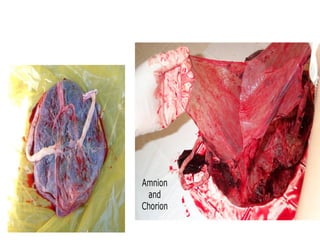
Slide26
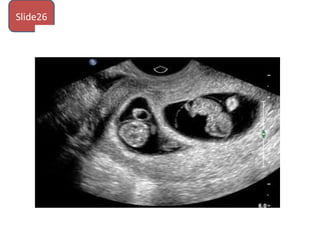
1. What do you see in this photo ?
2. What type of zyogsitiy?
3. What is the choroncity? How to determine
it antenatal? And postnatal
Slide26
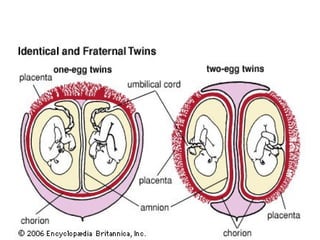
Dichoronic vs. monochoronic
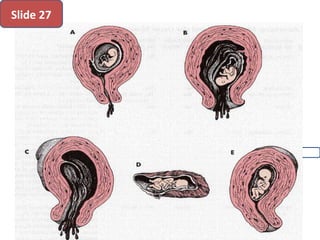
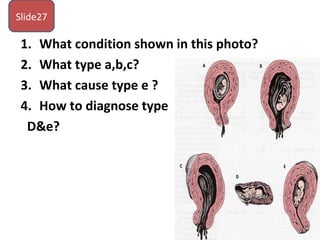
Slide 27
1. What condition shown in this photo?
2. What type a,b,c?
3. What cause type e ?
4. How to diagnose type
D&e?
Slide27
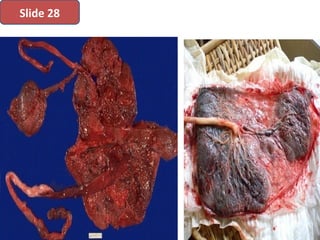
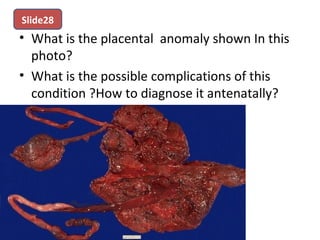
Slide 28
• What is the placental anomaly shown In this
photo?
• What is the possible complications of this
condition ?How to diagnose it antenatally?
Slide28
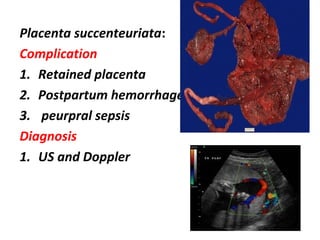
Placenta succenteuriata:
Complication
1. Retained placenta
2. Postpartum hemorrhage
3. peurpral sepsis
Diagnosis
1. US and Doppler
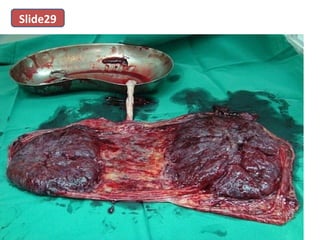
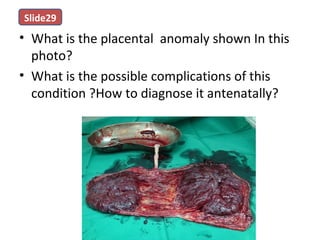
Slide29
• What is the placental anomaly shown In this
photo?
• What is the possible complications of this
condition ?How to diagnose it antenatally?
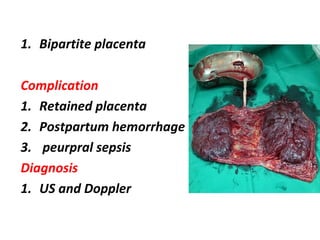
Slide29
1. Bipartite placenta
Complication
1. Retained placenta
2. Postpartum hemorrhage
3. peurpral sepsis
Diagnosis
1. US and Doppler
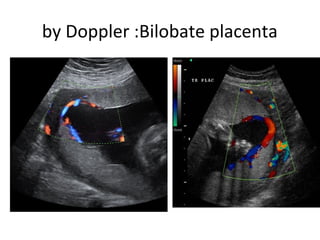
by Doppler :Bilobate placenta
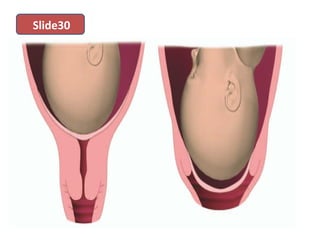
Slide30
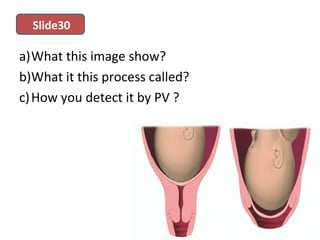
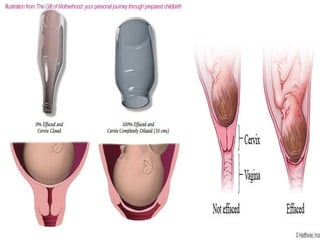
a)What this image show?
b)What it this process called?
c)How you detect it by PV ?
Slide30
Slide31
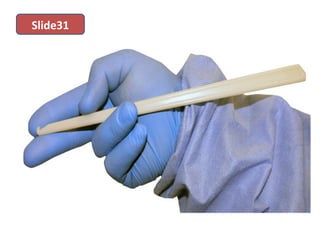
a)What is the name of this instrument
b)What it is indication for its use?
c)What are the possible complications of this
procedure ?
Slide31
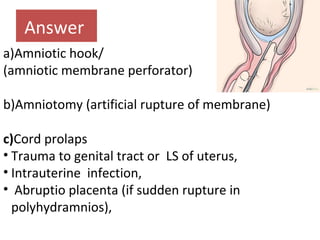
Answer
a)Amniotic hook/
(amniotic membrane perforator)
b)Amniotomy (artificial rupture of membrane)
c)Cord prolaps
• Trauma to genital tract or LS of uterus,
• Intrauterine infection,
• Abruptio placenta (if sudden rupture in
polyhydramnios),
Slide 32
Slide 32
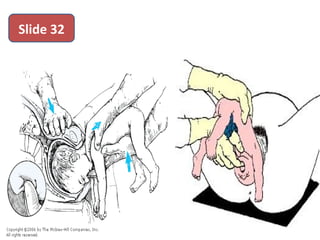
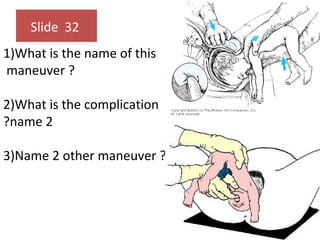
1)What is the name of this
maneuver ?
2)What is the complication
?name 2
3)Name 2 other maneuver ?
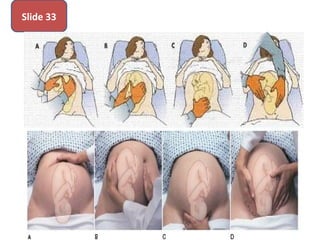
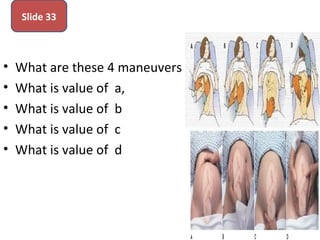
Slide 33
• What are these 4 maneuvers
• What is value of a,
• What is value of b
• What is value of c
• What is value of d
Slide 33
a/r

Osce obstetrics for undergraduate

  • 1.
    DR: Manal Behery ZagazigUniversity,Egypt 2014 DR: Manal Behery Zagazig University,Egypt 2014 OSCE Obstetrics EXAM
  • 2.
  • 3.
    A B • determineposition in A and B? • What is the possible cause of this abnormaility ? name 2 • What is the enagaging diameter in B? slide1
  • 4.
  • 5.
  • 6.
  • 7.
    • What thisimage show? • What is the cause name 3 ? • What is the complication name 2? • What is the prefered mode of delivery and why? Slide 2
  • 9.
  • 10.
    • What isthe cord anomaly shown In this photo? • What is the possible complications of this condition ?How to diagnose this complication Slide3
  • 11.
  • 12.
    1- What doesthis graph show? 2- describe the type of abnormal couse you see 3- how would you manage this condition . slide4
  • 13.
    History Of Partogram •Friedman's partogram •
  • 14.
    A prolonged latentphase B prolonged active phase C arrest active phase Abnormal progress in labor
  • 15.
    Philpott alert andaction line
  • 16.
    Alert line (health facility line ) • The alert line drawn from 3 cm dilatation represents the rate of dilatation of 1 cm / hour • Moving to the right or the alert line means referral to hospital for extra care
  • 17.
    Action line (hospital line ) • The action line is drawn 4 hour to the right of the alert line and parallel to it • This is the critical line at which specific management decisions must be made at the hospital
  • 18.
    Normal labor progress •At addmision • Then after 4h
  • 19.
  • 20.
  • 21.
  • 22.
    • What isthe name of this maneuver ?What is the indications? • What is the prerequisite ? • What is the complication ? Slide5
  • 23.
  • 24.
    • What isthe name of this maneuver ?What is the indications? • Briefly describe how it act? • Give name of other 2 maneuver to solve this problem Slide 6
  • 26.
    Rubin maneuver vs.bring post arm
  • 27.
  • 28.
    • determine positionin this photo? • What is the attiude of this fetus? • What is the mechnism by which head is delivered? slide7
  • 29.
  • 30.
    1. Describe thename of this CTG anomaly? 2. What is the cause ?and degrees 3. Mention additional CTG finding to consider an amnions trace Slide 8
  • 31.
  • 33.
  • 34.
    • what isthe name of this instrument • what does it detect • what is the character of normal CTG trace Slide 9
  • 35.
    Toco = uterineactivity Fetal heart rate
  • 36.
    Baseline rate Contractions Irregular 1-2:10 Variability= 20 bpm accelerations No decelerations
  • 37.
    Baseline rate =170-180 Variability = 5 No accelerations Contractions 4:10 Late decelerations
  • 38.
  • 39.
    1. What thisimage show? 2. What is the possible cause cause ? 3. What is the defferntial diagnosis? Slide 9
  • 40.
  • 41.
    • What doesthis image show? • What is the cause of this problem ? • How to manage? Slide 11
  • 42.
  • 43.
    • What isthe station of fetal head in this photo? • How to detect fetal station by PV? • What is the importance of • ischial spine level? Slide 12
  • 44.
    Ischial spin levelstation 0 • Above this level 1 ,2,3 cm • Station -1,-2, • -3(head abdominal (floating) • Below this level 1,2,3 cm • Station +1,+2, • +3(head on perineum
  • 45.
  • 46.
    • What isthe name of this maneuver? • What is the indication ? • What is the prerequisite? • Name 2 complication Slide 13
  • 47.
    Internal podalic version Todo or not to do ??To do or not to do ??  Experienced operatorExperienced operator  EFW > 1500 gmEFW > 1500 gm  Adequate liquorAdequate liquor  Available anesthesia forAvailable anesthesia for effective uterine relaxationeffective uterine relaxation  Simultaneous preparationSimultaneous preparation for emergency C/Sfor emergency C/S
  • 48.
  • 49.
    • What thisimage show? • What is the main cause of this abnormaility? • What is the complications?name 2 Slide 14
  • 50.
  • 51.
    • What doesthis image show? • What is the complication of this method? • Name 2 other possible alternative methods Slide 15
  • 52.
  • 53.
    • What isthe name of this graph ?what is the indication? • Describe briefly mangment in zone 2,zone3 • Give 2 other diagnostic test for this condition Slide16
  • 54.
  • 55.
    • What thisphoto show? • What is the risk factor? • What is the degree in A &B?what is the main complication ? A B Slide17
  • 56.
  • 57.
  • 58.
    • What doesthis picture show • What is the chromsomal pattern of this condition? • What is the treatment ?and how to follow up after ttt Slide 18
  • 59.
  • 60.
    • What doesthis picture show • What is the indication ? • What is the prerequisite? Slide 19
  • 61.
  • 62.
    • What isthe name of these 2 traingle? • How to define outlet contraction? • What is Thomas” dictum ? Slide20
  • 63.
    An outlet withmale pelvic character
  • 64.
  • 65.
  • 66.
    • What isthis maneuver ? • Why it is performed ? • How it is performed ? • What is the risk of sudden extension of fetal head? Slide 21
  • 68.
  • 69.
    • What iscause of this emergency situation • Give 2 diagnostic signs • Give 4 factors affecting prognosis of this condition? Slide 22
  • 70.
    Diagnosis Cord pulsations CTG shows variabledecelerations  Fundal pressure causes bradycardia Meconium stained liquor
  • 71.
  • 72.
    • What thisimage show ? • What is the cause ? How to diagnose this case antenatally? Slide 23
  • 73.
    • What isthe name of this maneuver ? • What is the indications • Name 2 complications Slide 24
  • 74.
    • What isthe name of this maneuver ? • What is the indications • Name 2 complications Slide 24
  • 75.
  • 76.
    1. What are1, 2 ,3 ? 2. Which one is the most important obstetrically and what’s its length? 3. What are 4 and 5? Slide25
  • 77.
  • 78.
    1. What doyou see in this photo ? 2. What type of zyogsitiy? 3. What is the choroncity? How to determine it antenatal? And postnatal Slide26
  • 80.
  • 82.
  • 83.
    1. What conditionshown in this photo? 2. What type a,b,c? 3. What cause type e ? 4. How to diagnose type D&e? Slide27
  • 84.
  • 85.
    • What isthe placental anomaly shown In this photo? • What is the possible complications of this condition ?How to diagnose it antenatally? Slide28
  • 86.
    Placenta succenteuriata: Complication 1. Retainedplacenta 2. Postpartum hemorrhage 3. peurpral sepsis Diagnosis 1. US and Doppler
  • 87.
  • 88.
    • What isthe placental anomaly shown In this photo? • What is the possible complications of this condition ?How to diagnose it antenatally? Slide29
  • 89.
    1. Bipartite placenta Complication 1.Retained placenta 2. Postpartum hemorrhage 3. peurpral sepsis Diagnosis 1. US and Doppler
  • 90.
  • 91.
  • 92.
    a)What this imageshow? b)What it this process called? c)How you detect it by PV ? Slide30
  • 94.
  • 95.
    a)What is thename of this instrument b)What it is indication for its use? c)What are the possible complications of this procedure ? Slide31
  • 96.
    Answer a)Amniotic hook/ (amniotic membraneperforator) b)Amniotomy (artificial rupture of membrane) c)Cord prolaps • Trauma to genital tract or LS of uterus, • Intrauterine infection, • Abruptio placenta (if sudden rupture in polyhydramnios),
  • 97.
  • 98.
    Slide 32 1)What isthe name of this maneuver ? 2)What is the complication ?name 2 3)Name 2 other maneuver ?
  • 99.
  • 100.
    • What arethese 4 maneuvers • What is value of a, • What is value of b • What is value of c • What is value of d Slide 33
  • 101.

Editor's Notes

  • #92 Amniotic hook/amniotic membrane perforater Amniotomy (artificial rupture of membrane) Fetal: Cord prolapse, intrauterine fetal infection, conversion of unstable lie to tranverse obstructed lie with prolapse of arm. Maternal: Trauma to genital tract n LS of uterus, maternal infection, abruptio placenta (if sudden rupture in polyhydramnion),
  • #93 Amniotic hook/amniotic membrane perforater Amniotomy (artificial rupture of membrane) Fetal: Cord prolapse, intrauterine fetal infection, conversion of unstable lie to tranverse obstructed lie with prolapse of arm. Maternal: Trauma to genital tract n LS of uterus, maternal infection, abruptio placenta (if sudden rupture in polyhydramnion),
  • #95 Amniotic hook/amniotic membrane perforater Amniotomy (artificial rupture of membrane) Fetal: Cord prolapse, intrauterine fetal infection, conversion of unstable lie to tranverse obstructed lie with prolapse of arm. Maternal: Trauma to genital tract n LS of uterus, maternal infection, abruptio placenta (if sudden rupture in polyhydramnion),
  • #96 Amniotic hook/amniotic membrane perforater Amniotomy (artificial rupture of membrane) Fetal: Cord prolapse, intrauterine fetal infection, conversion of unstable lie to tranverse obstructed lie with prolapse of arm. Maternal: Trauma to genital tract n LS of uterus, maternal infection, abruptio placenta (if sudden rupture in polyhydramnion),