Changing Results for Young
Readers
North Vancouver
Feb	6,	2017	
Faye	Brownlie	
slideshare.net/
fayebrownlie.northvancouver
“Every	Child,	Every	Day”	–	Richard	Allington	and	
Rachael	Gabriel	
In	EducaIonal	Leadership,	March	2012	
6	elements	of	instrucIon	for	ALL	students!
1.  Every	child	reads	something	he	or	she	chooses.	
2.  Every	child	reads	accurately.	
3.  Every	child	reads	something	he	or	she	
understands.	
4.  Every	child	writes	about	something	personally	
meaningful.	
5.  Every	child	talks	with	peers	about	reading	and	
wriIng.	
6.  Every	child	listens	to	a	fluent	adult	read	aloud.
Reading is thinking.
Reading is understanding.
Big Ideas
– Teaching counts!
•  Our	instrucIonal	choices	impact	significantly	on	
student	learning	
•  We	teach	responsively	
– All kids can learn and we know enough
collectively to teach all kids!
•  An	unwavering	belief	that	everyone	has	the	right	to	be	
included	socially,	emoIonally,	and	intellectually
Where do your most vulnerable
students spend their time?
If we want to change
achievement, we must change
instruction.
•  Background	knowledge	has	a	greater	impact	
on	your	ability	to	read	and	understand	than	
anything	else.	
– Doug	Fisher,	Richard	Allington
We CAN teach all our kids to read.
•  Struggling	readers	need	to	read	MORE	than	
non-struggling	readers	to	close	the	gap.	
•  Struggling	readers	need	to	form	a	mental	
model	of	what	readers	do	when	reading.	
•  Struggling	readers	need	to	read	for	meaning	
and	joy	☺	
•  Struggling	readers	do	NOT	need	worksheets,	
scripted	programs,	or	more	skills	pracIce.
M – meaning
Does	this	make	sense?	
S – language structure
Does	this	sound	right?	
V – visual information
Does	this	look	right?	
How	did	you	figure	that	out?
Eyes on print.
At least 30 minutes a day.
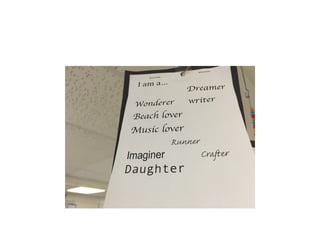
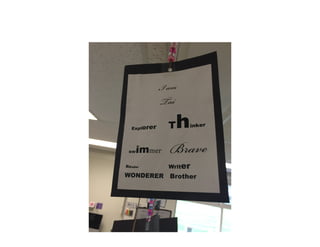
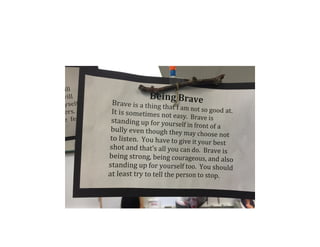
Belonging – grades 2/3
Michelle Hikida
•  Structured	Inquiry	
– All	teacher	quesIons	
•  EssenIal	quesIons	
– What	is	the	best	part	of	you?	
– What	are	your	gi^s?	
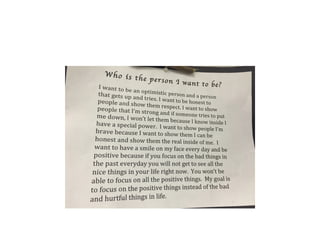
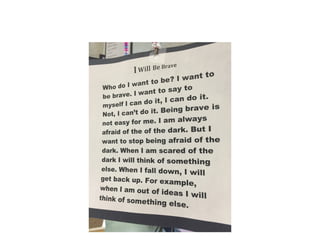
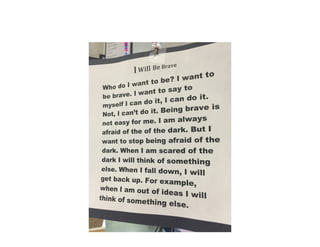
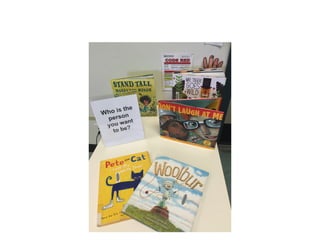
– Who	is	the	person	you	want	to	be?
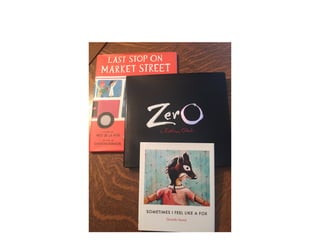
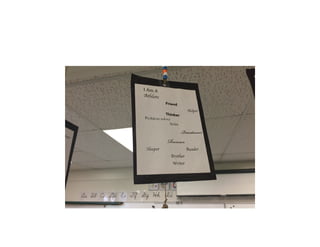
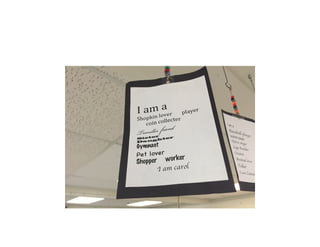
•  Each	day	read	a	new	book,	collected	characterisIcs	of	
characters	and	made	lists.	
•  Watched	Utube	videos,	read	music	lyrics	–	collected	
characterisIcs	of	characters	and	added	to	the	lists.	
•  Daily	students	chose	a	book	from	the	basket	and	read.	
•  Sharing	circle	at	end	of	reading	–	connecIons	to	the	
characterisIcs	of	characters	in	the	book	–	
–  What	is	the	best	part	of	you?		
–  What	are	your	gi^s?	
–  Who	is	the	person	you	want	to	be?
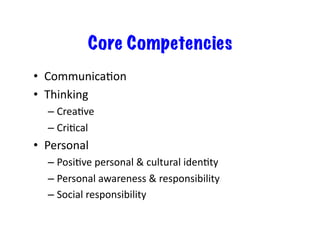
Core Competencies
•  CommunicaIon	
•  Thinking	
– CreaIve	
– CriIcal	
•  Personal		
– PosiIve	personal	&	cultural	idenIty	
– Personal	awareness	&	responsibility	
– Social	responsibility
The Sequence
•  Goal	today	–	stretch	your	thinking	and	work	like	a	detecIve	to	
use	clues	to	figure	things	out	
•  EssenIal	quesIon:		How	does	where	you	live	effect	how	you	
live?	
–  How	can	you	answer	this	already?	
–  Partner	talk,	then	group	share	
•  Image:		see	–	think	–	wonder	
•  Quick	write	
•  Explode	the	sentence	
•  Reflect	with	core	competencies
Explode the Sentence
•  One	day	many	years	ago,	children	were	
playing	in	the	village,	learning	to	be	good	
warriors	and	hunters.
Critical Thinking Core Competency
•I	am	becoming	an	acIve	listener;	I	ask	quesIons	and	make	connecIons.			
Evidence:	
•When	I	talk	and	work	with	peers,	I	express	my	ideas	and	encourage	others	to	express	theirs;	I	share	
roles	and	responsibiliIes.			
Evidence:	
•I	recount	and	comment	on	events	and	experiences.	
Evidence:
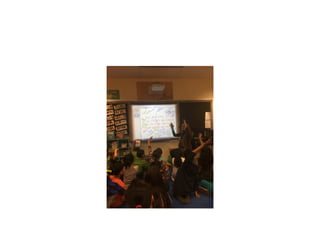
Unpacking the Lesson
•  What	struck	you?	
–  Engagement	of	the	kids	
–  1	hour,	40	minutes	
–  All	could	parIcipate	
–  Major	shi^s	in	thinking	
–  Content	woven	into	massive	thinking	
–  All	responses	were	accepted	
–  Your	language:		each	child	was	honoured	and	li^ed	up	☺	
–  I	could	do	this!!	
–  Evidence	–	language	used	from	the	beginning
Next Steps
•  Next	day,	begin	with	another	image	and	another	sentence	
to	explode	(should	take	half	the	Ime)	
•  Move	to	groups	of	2-3	and	have	each	group	of	students	
explode	a	different	sentence	
•  Share	the	sentences	and	an	interpretaIve	comment	about	
each	
•  Can	the	students,	together,	move	to	read	their	sentences	in	
order?	
•  Retype	the	same	10	sentences	–	as	10,	7	and	5.		Students	
choose	which	they	want	and	re-order	them	BME		
•  Keep	listening	to	the	kids	read	
•  Read	the	text,	and	reflect	on	how	where	you	live	affects	
how	you	live.	
•  Repeat	process	with	2	other	Roy	Henry	Vickers	books,	
highlighIng	content.
•  What	pracIce	will	you	let	go	of?		Do	less	of?	
•  What	will	you	add	on?

North Vancouver