Downloaded 3,838 times

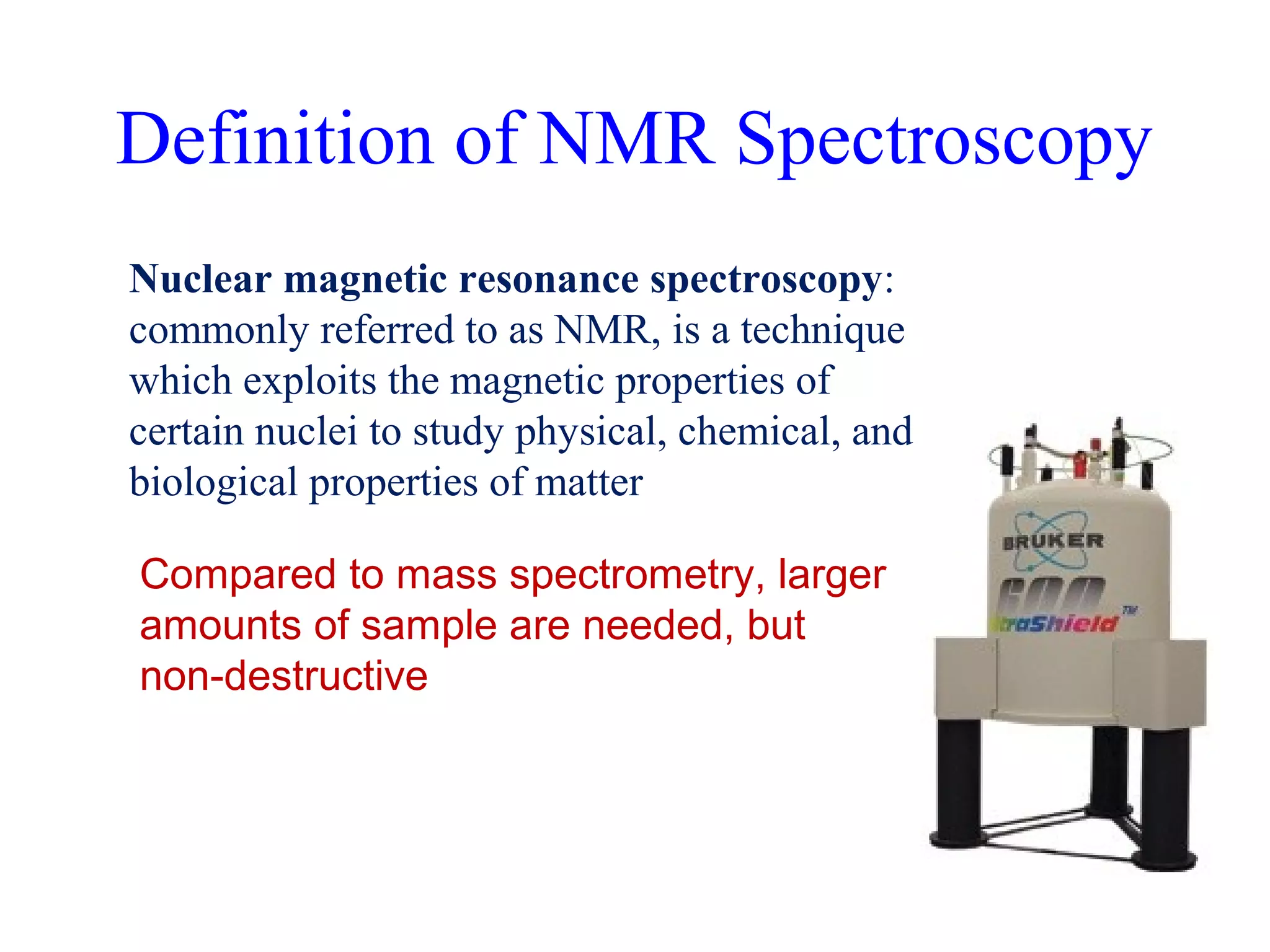

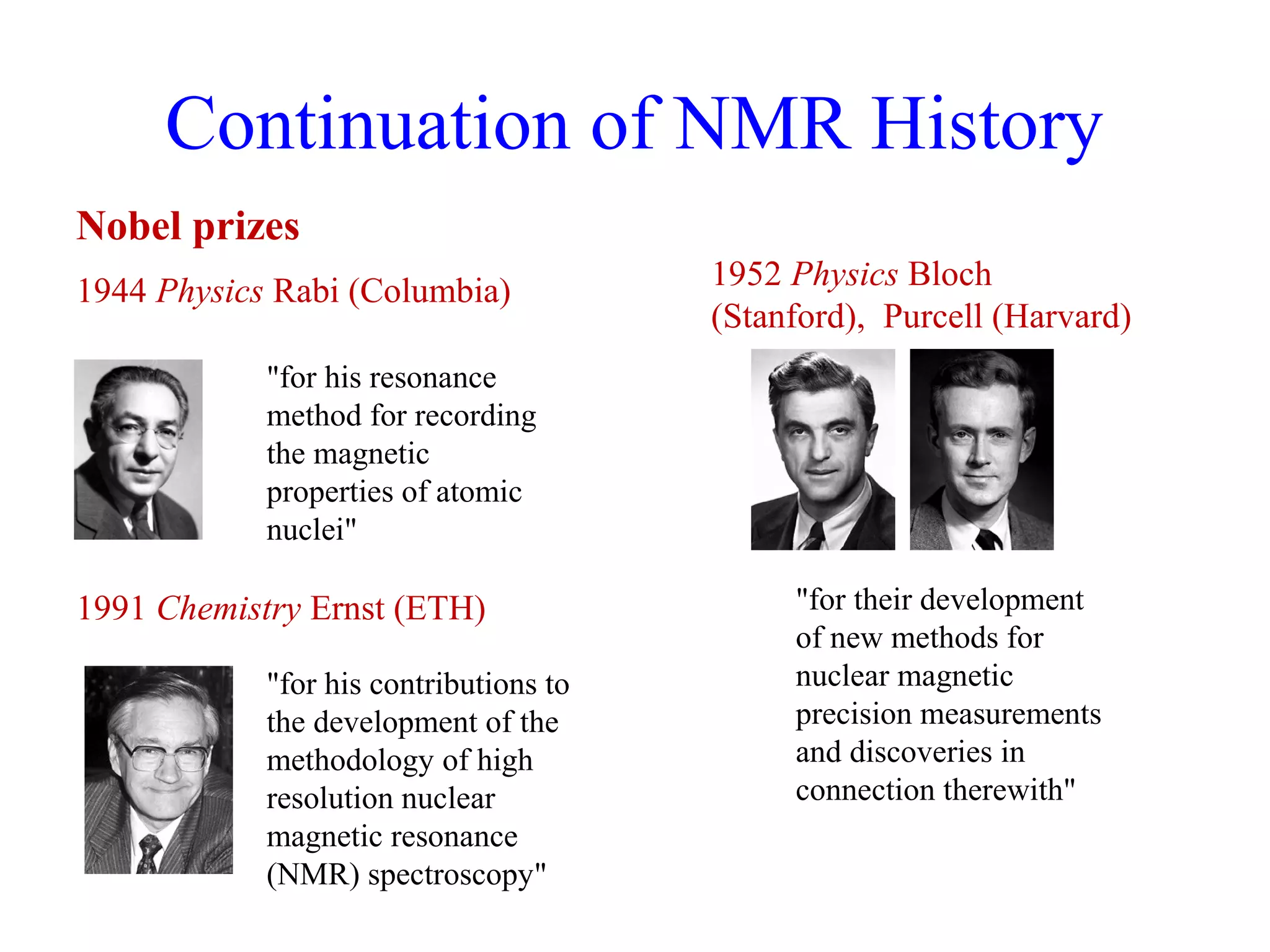


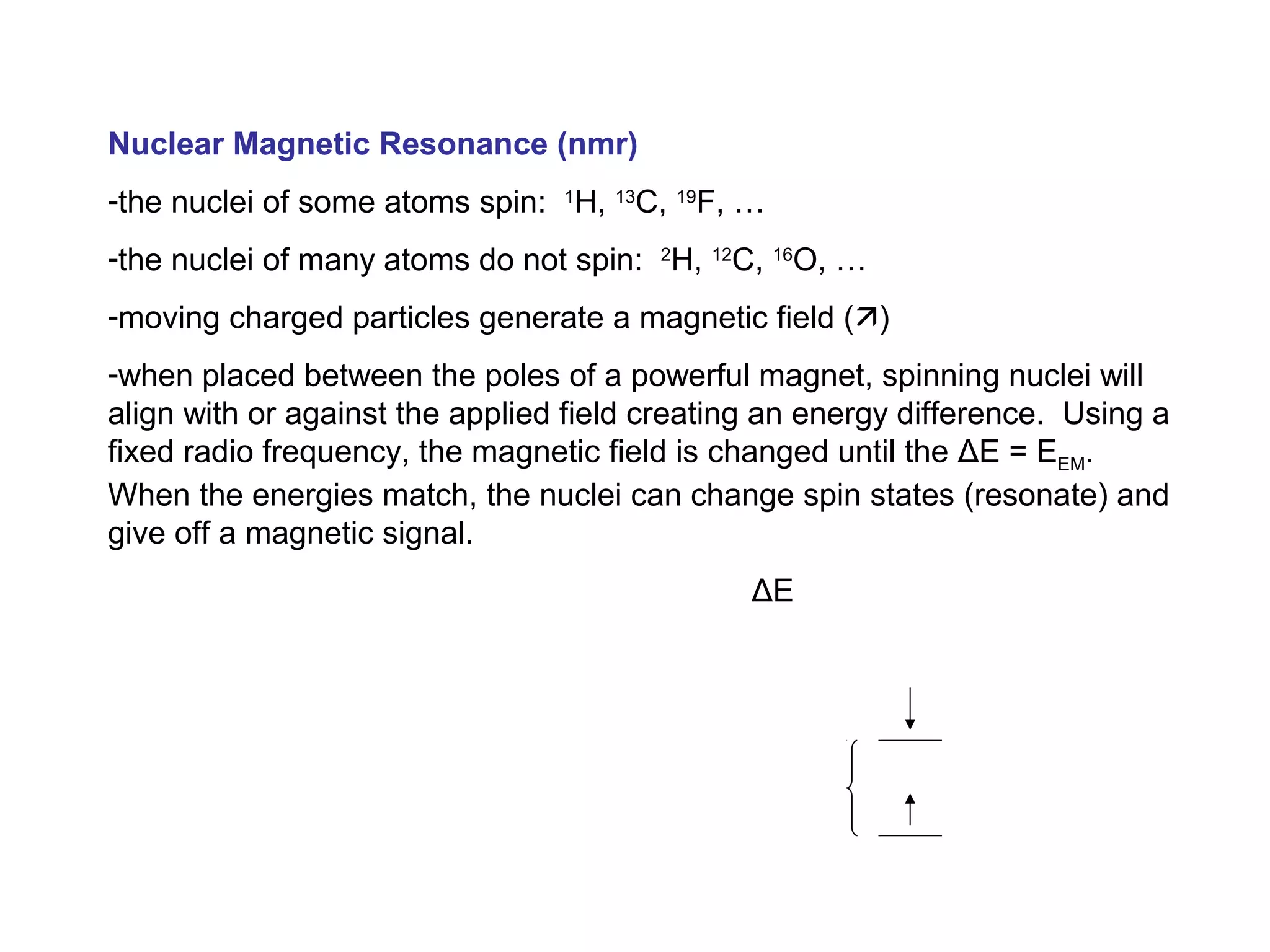

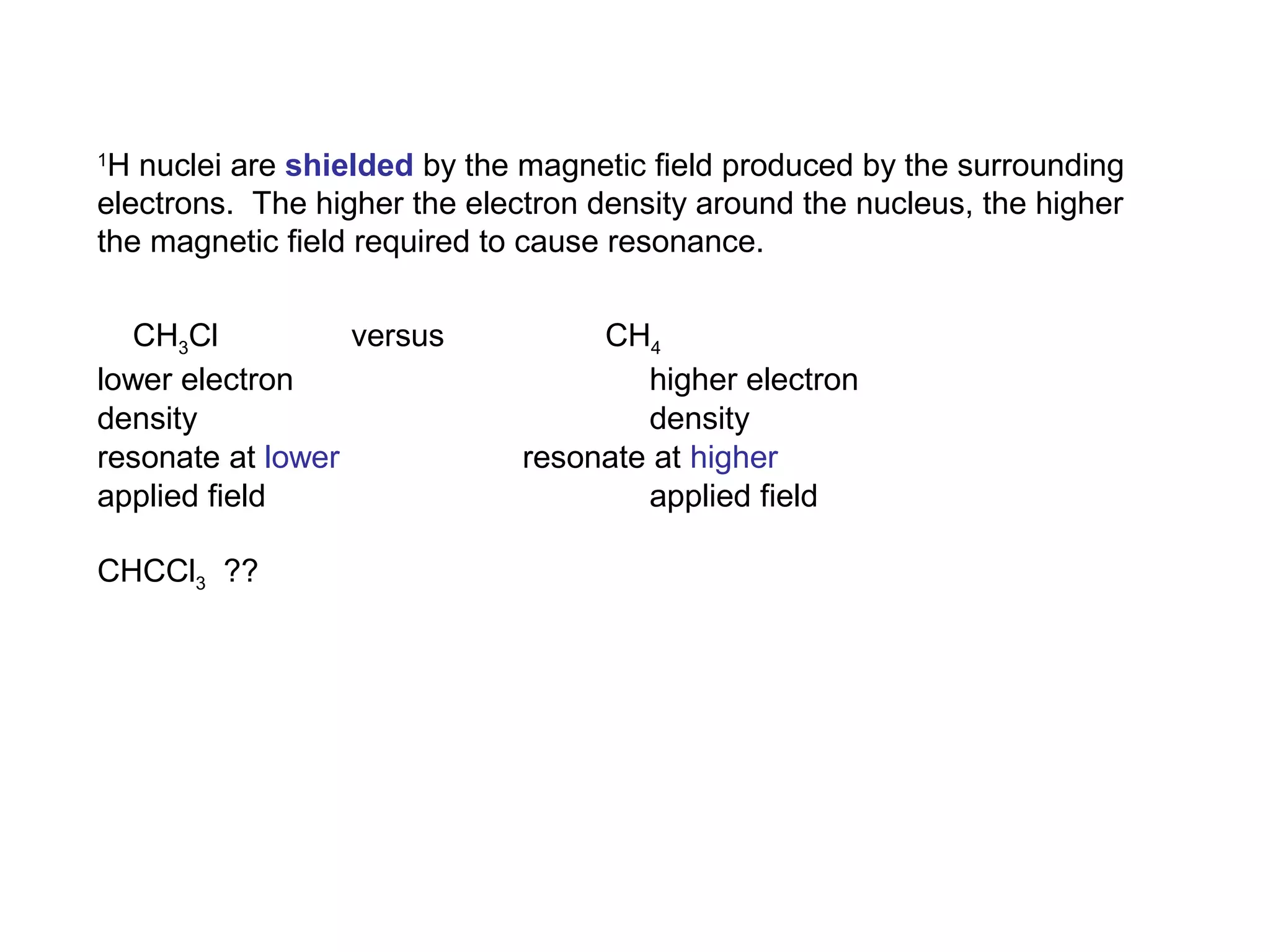
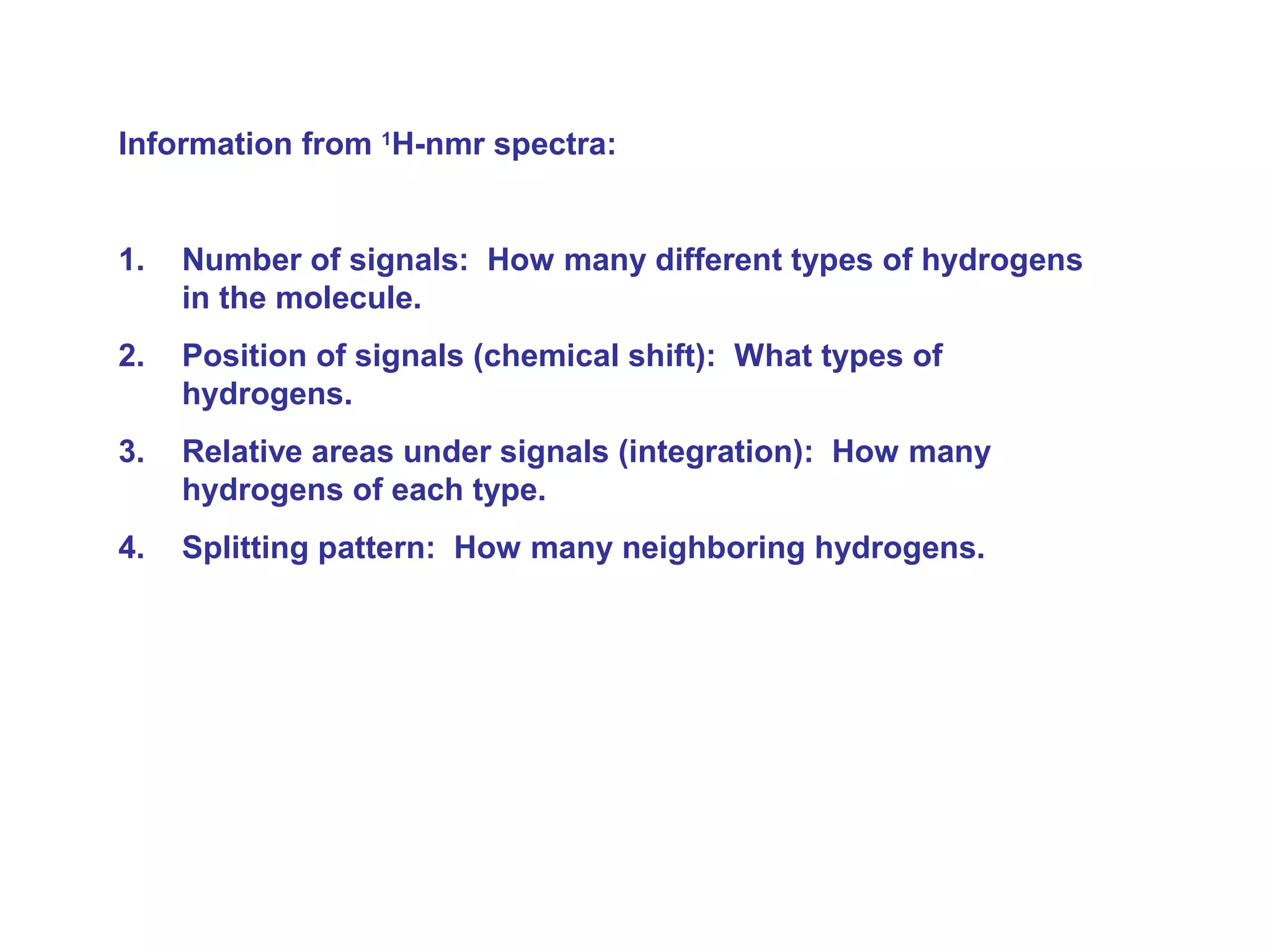


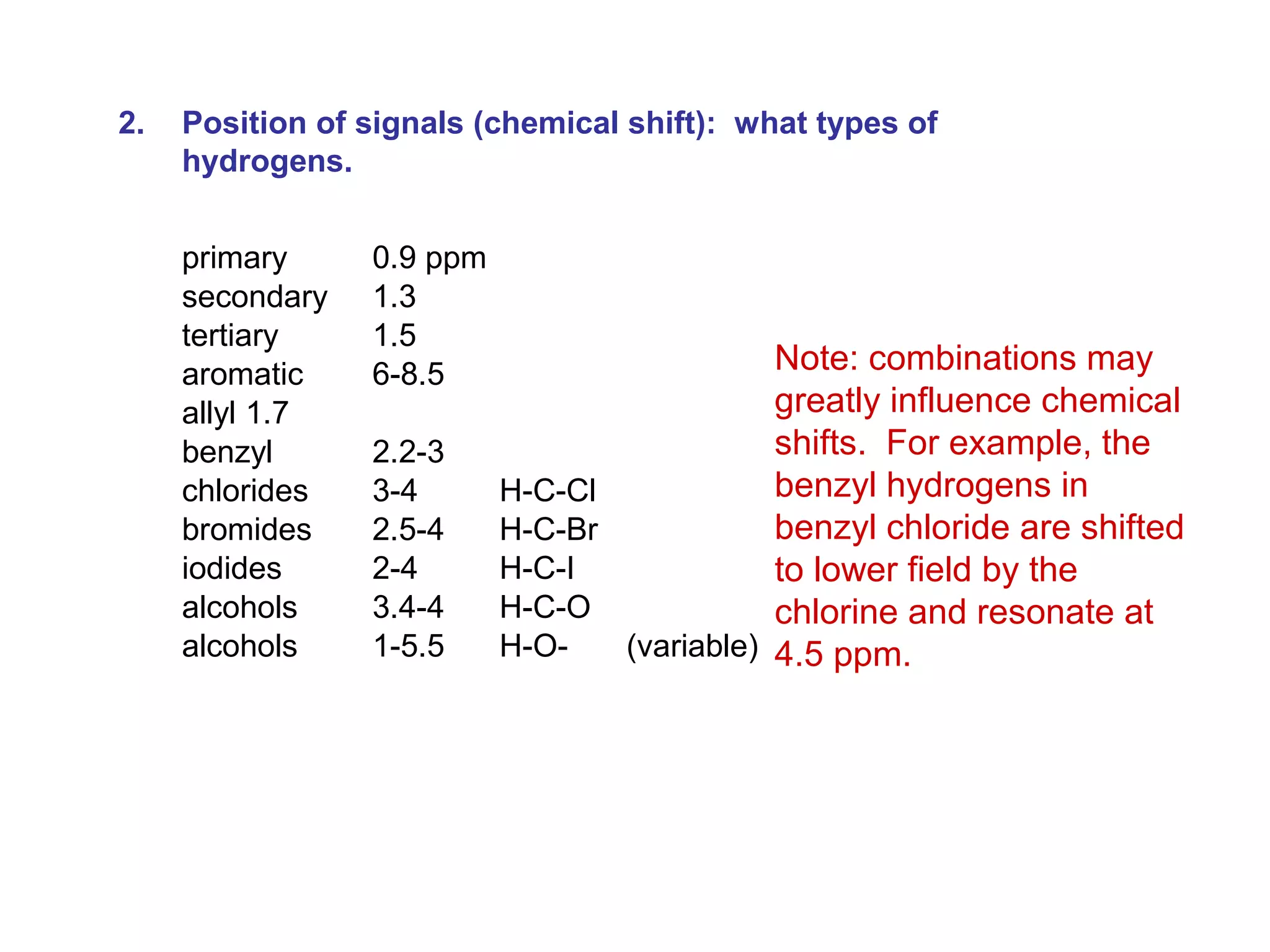


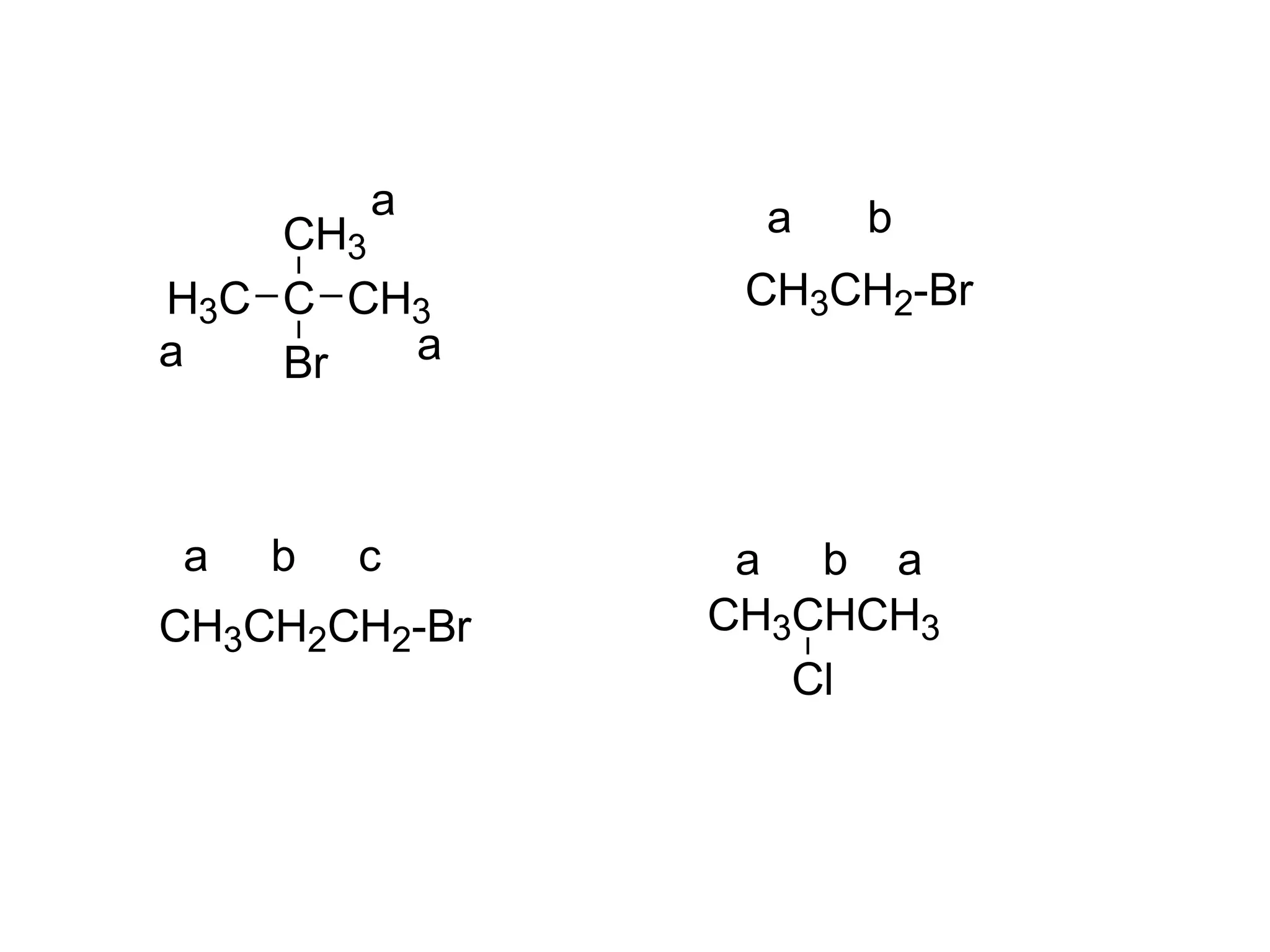


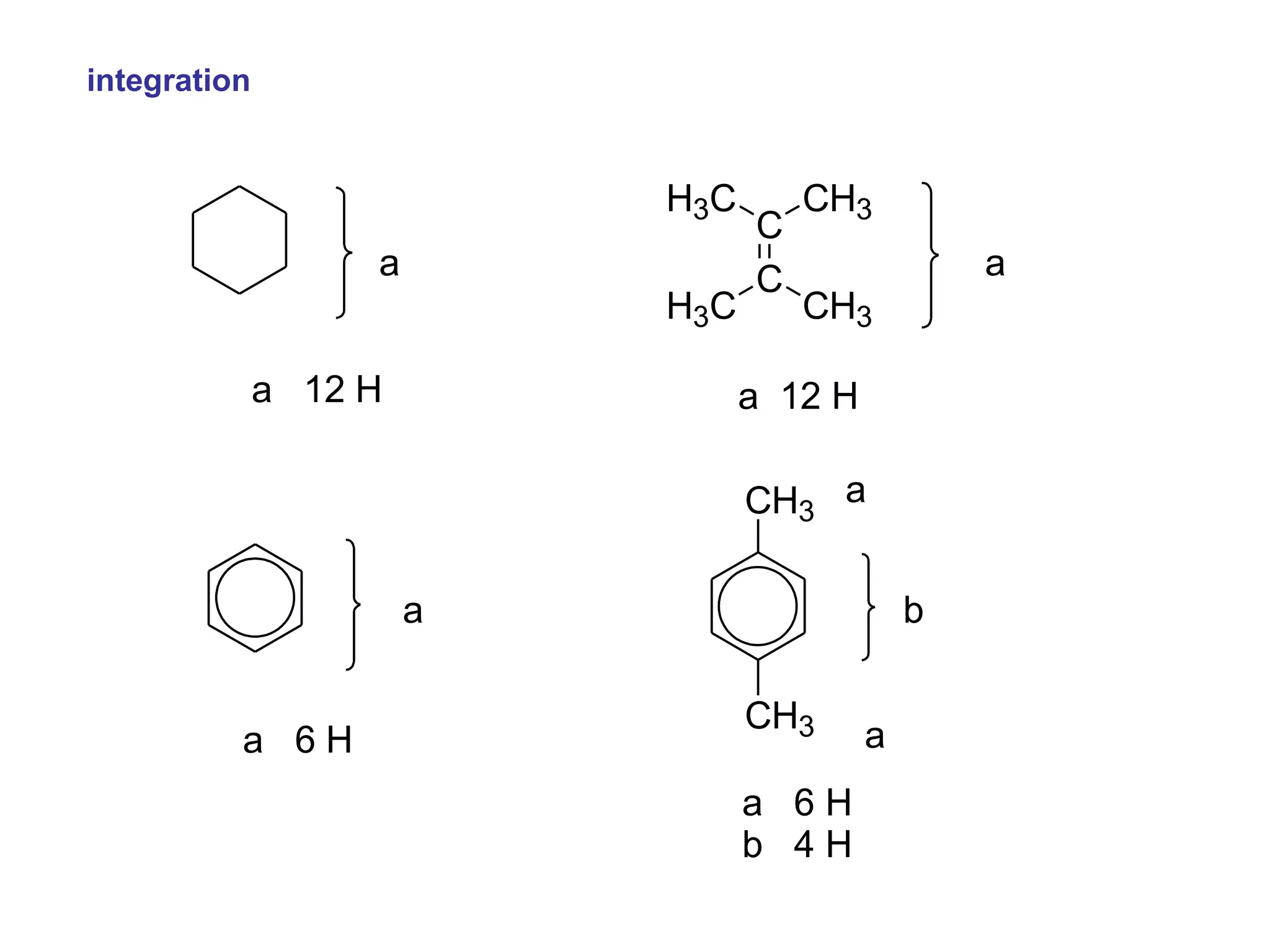


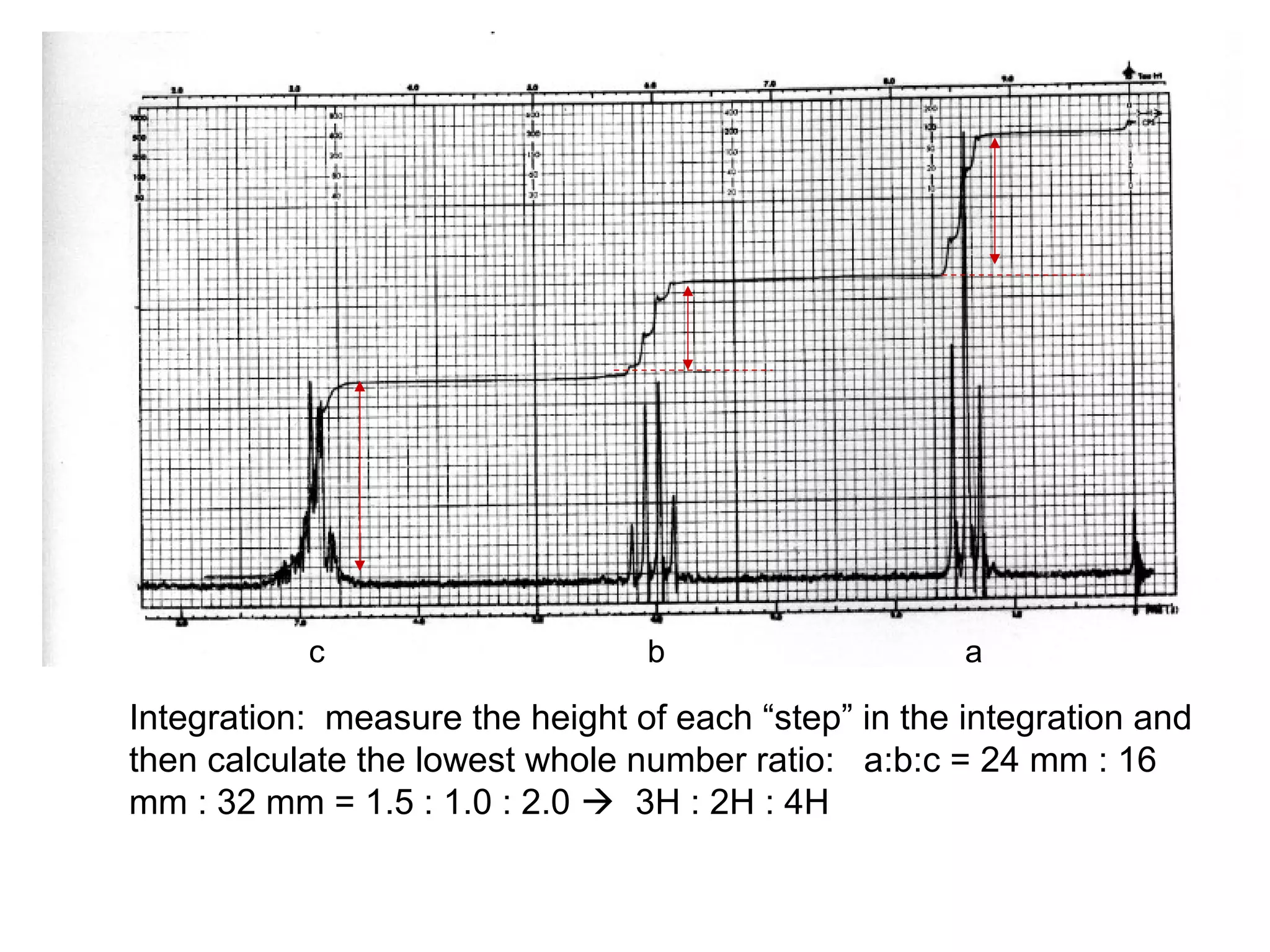
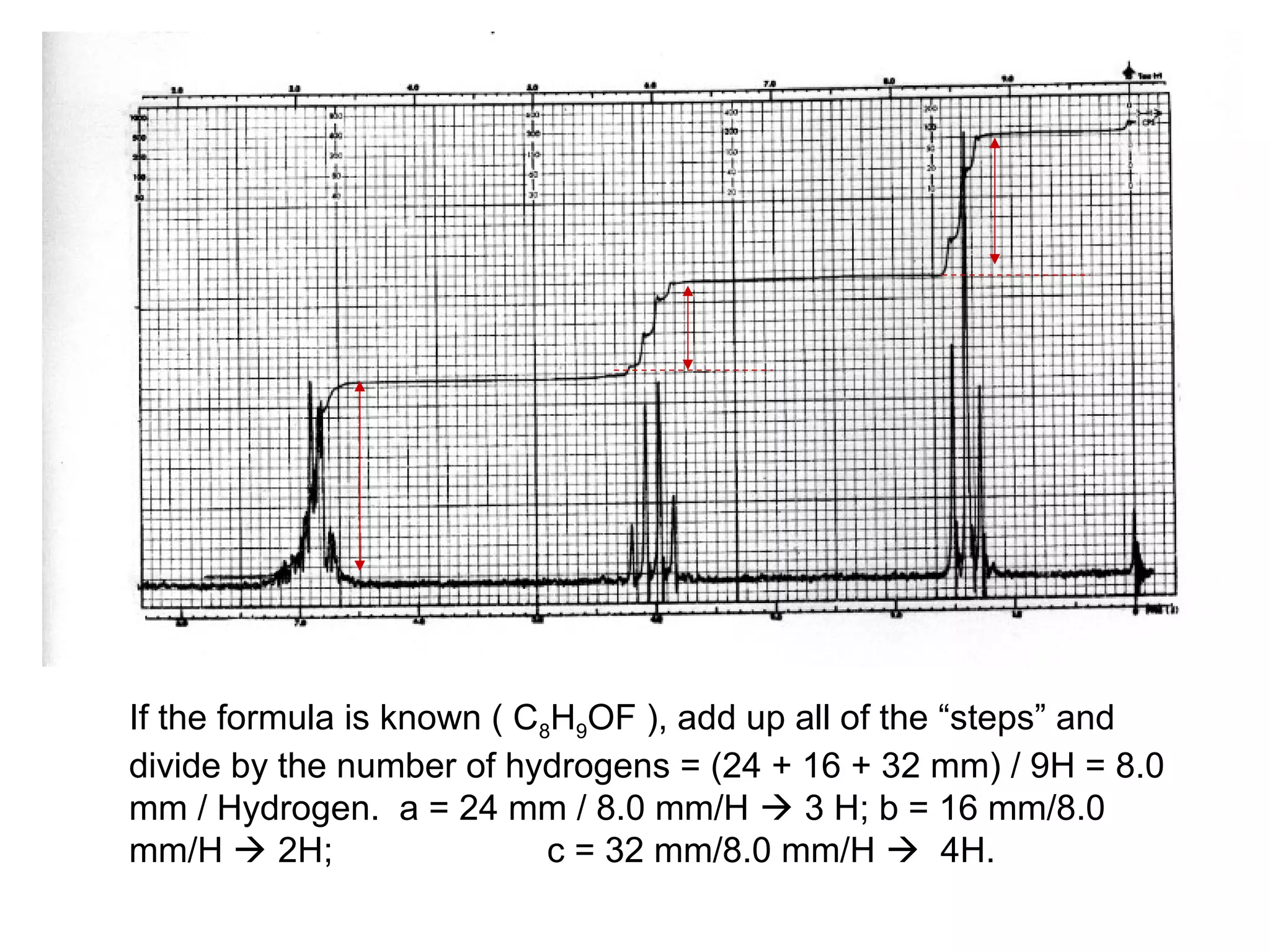

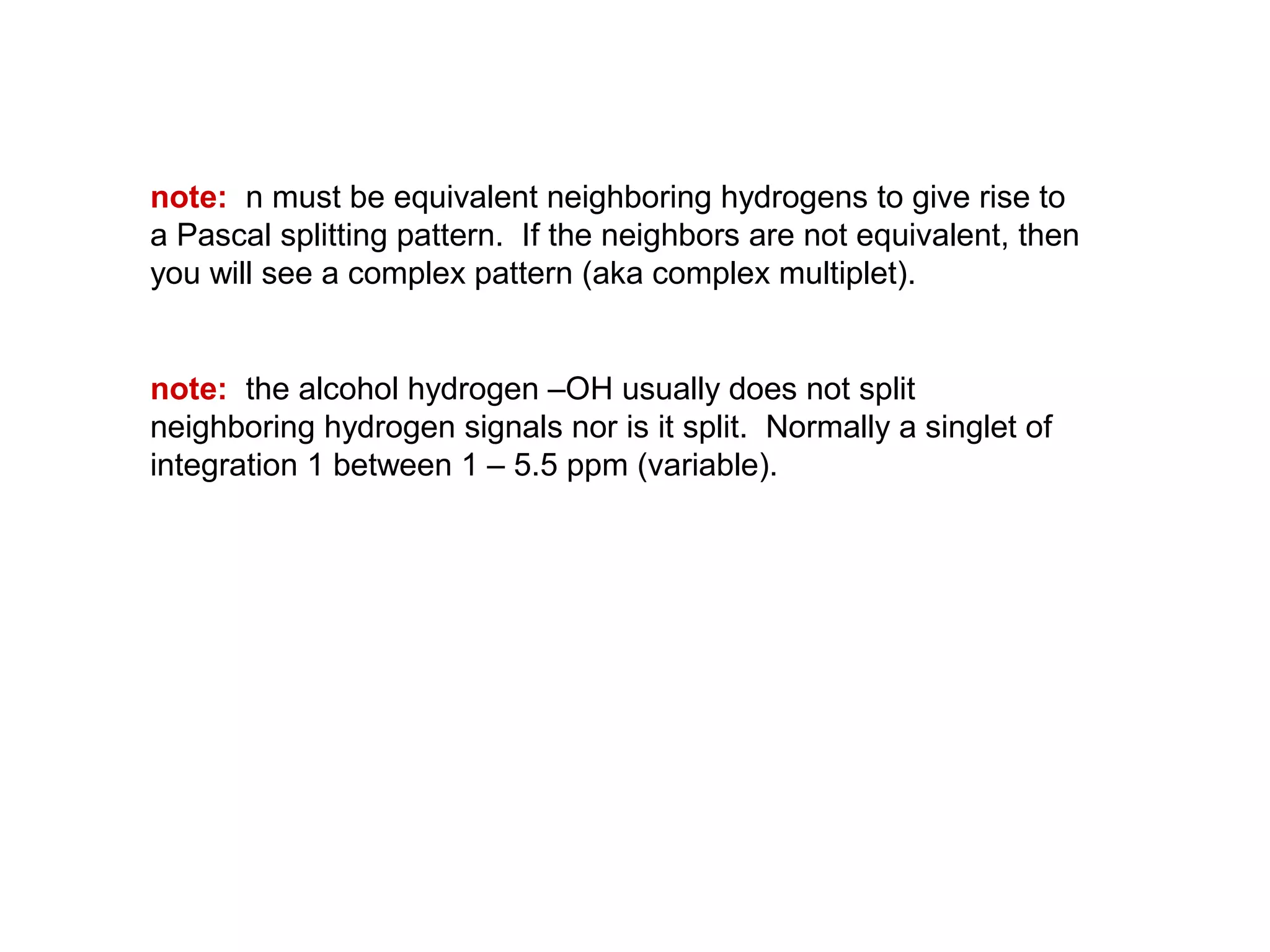



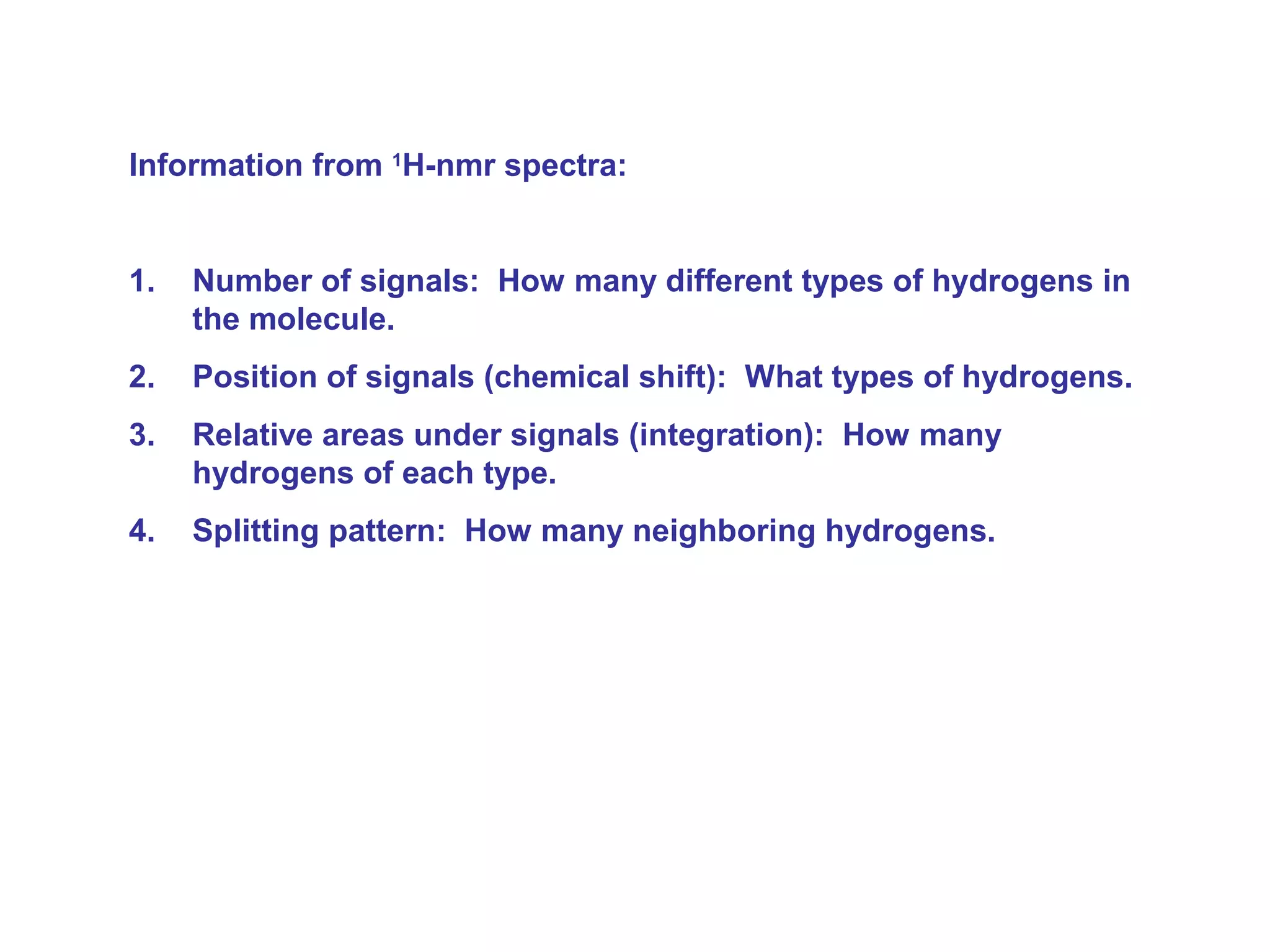

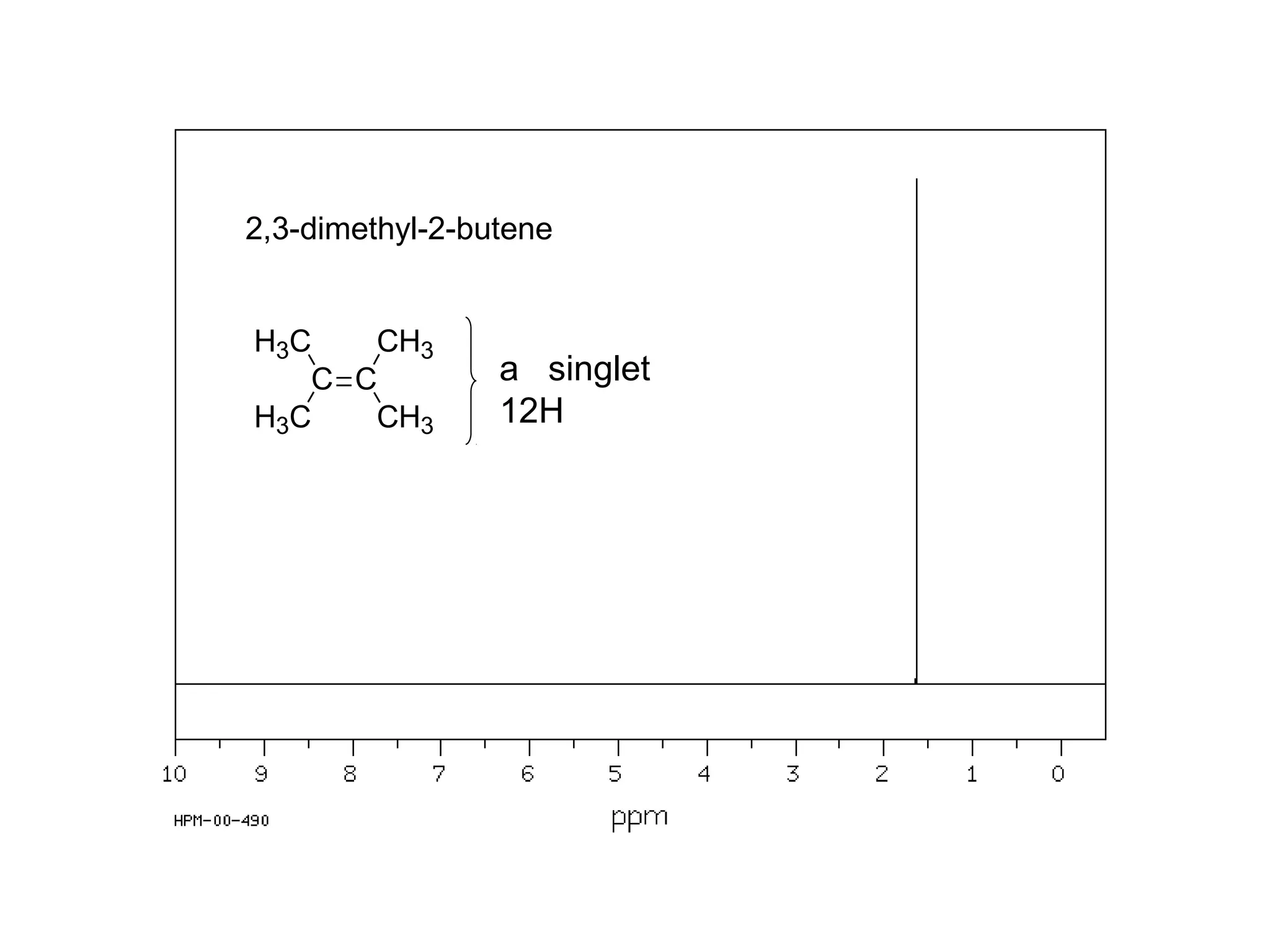


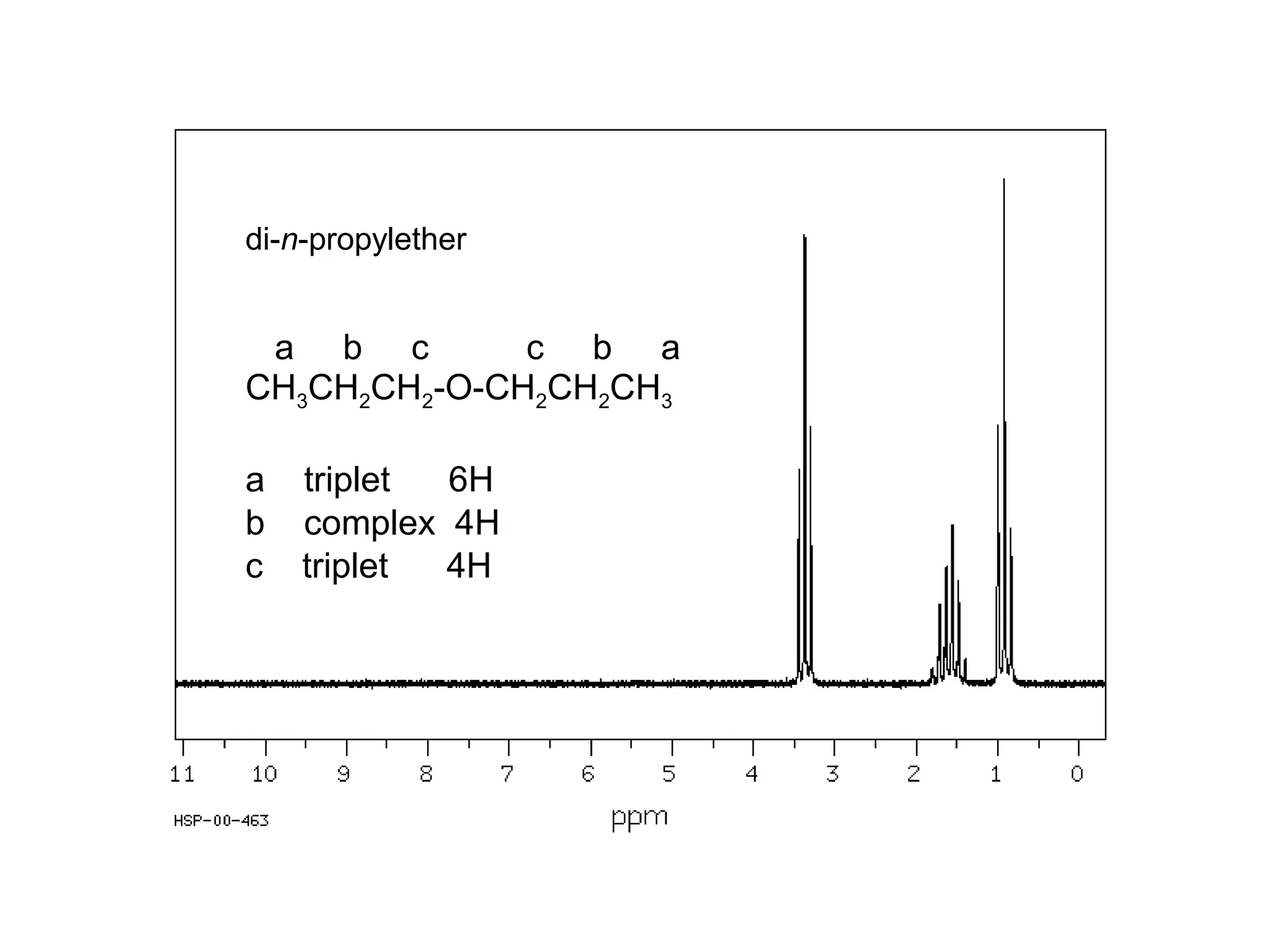
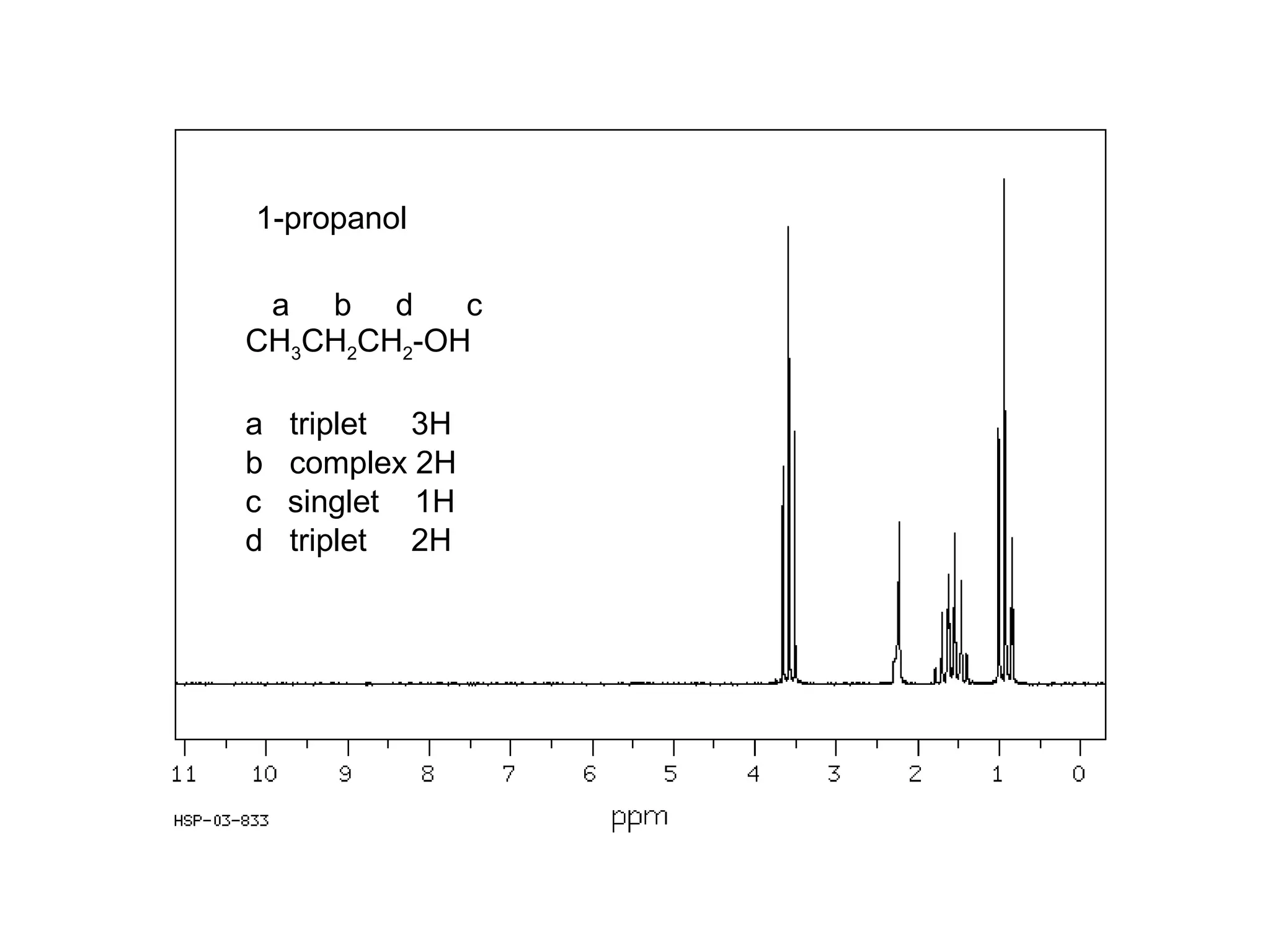
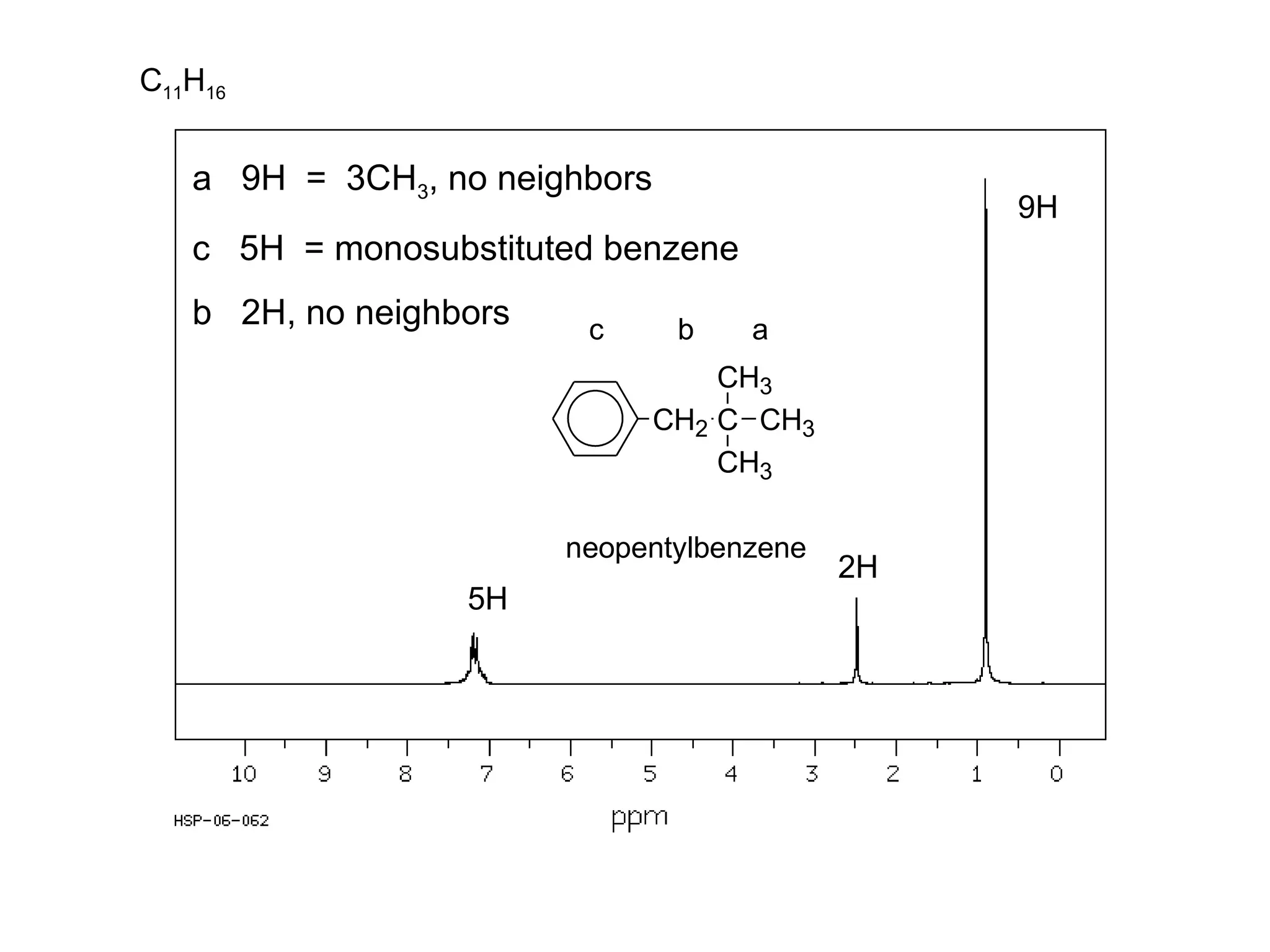



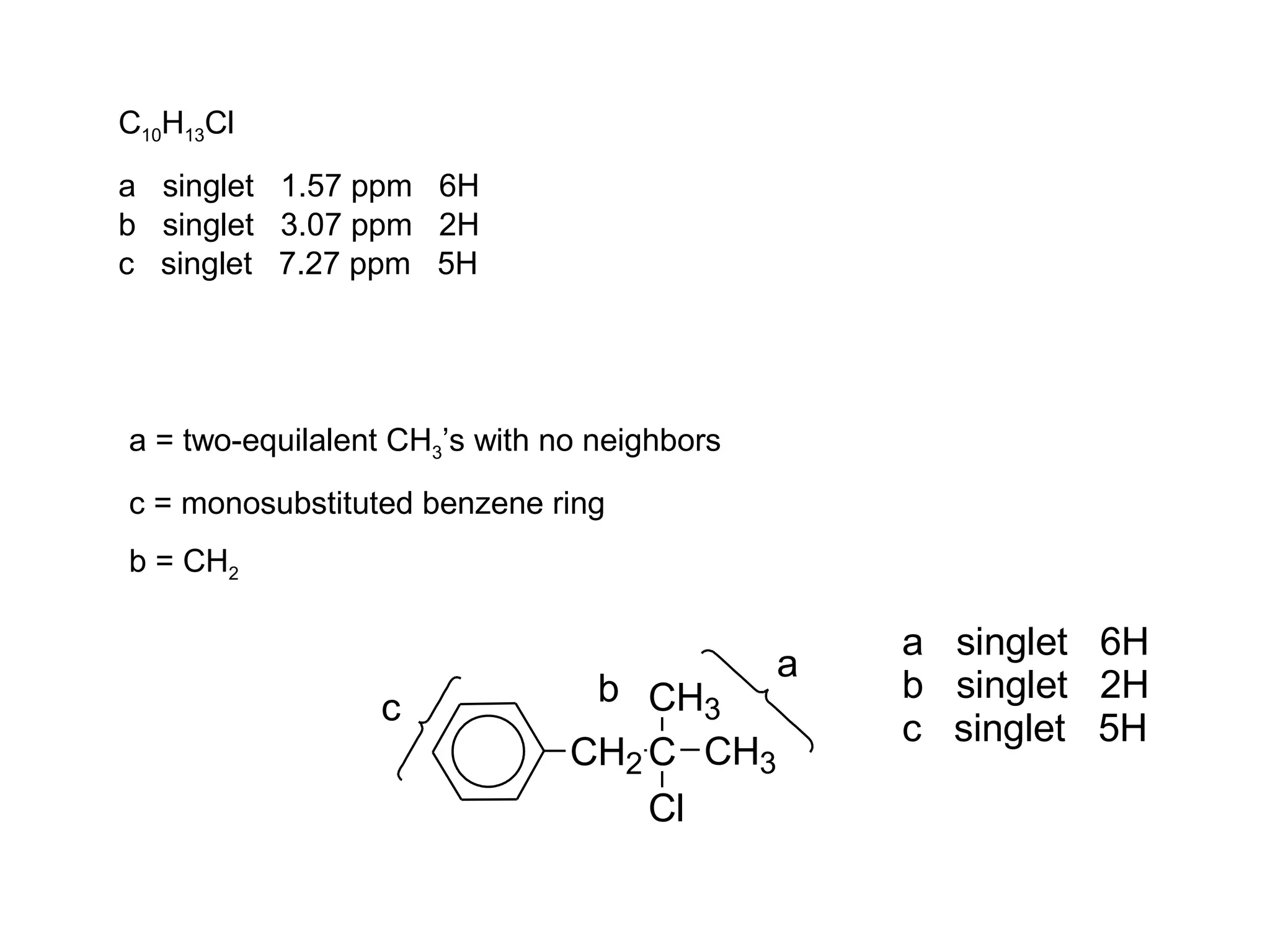


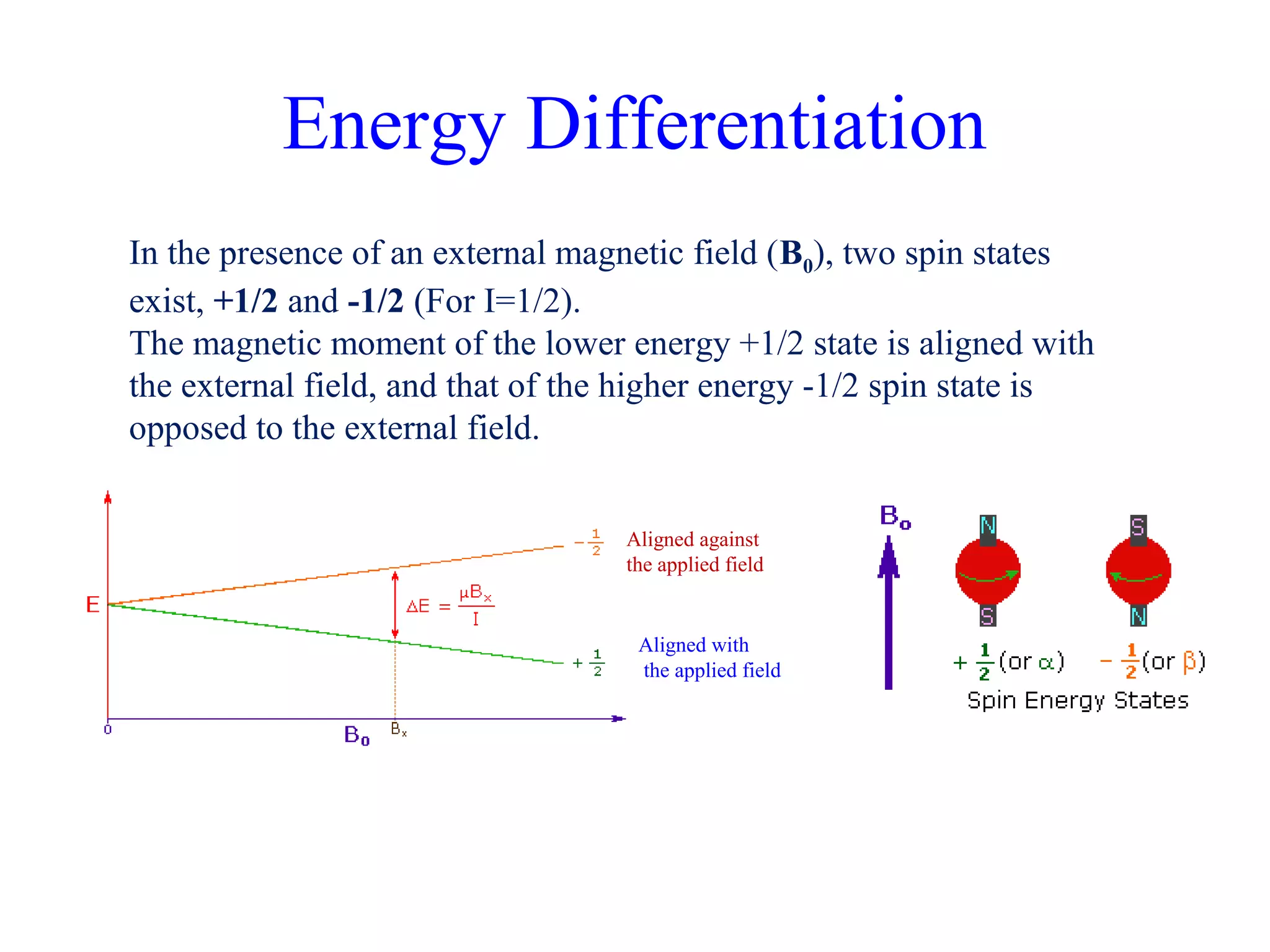


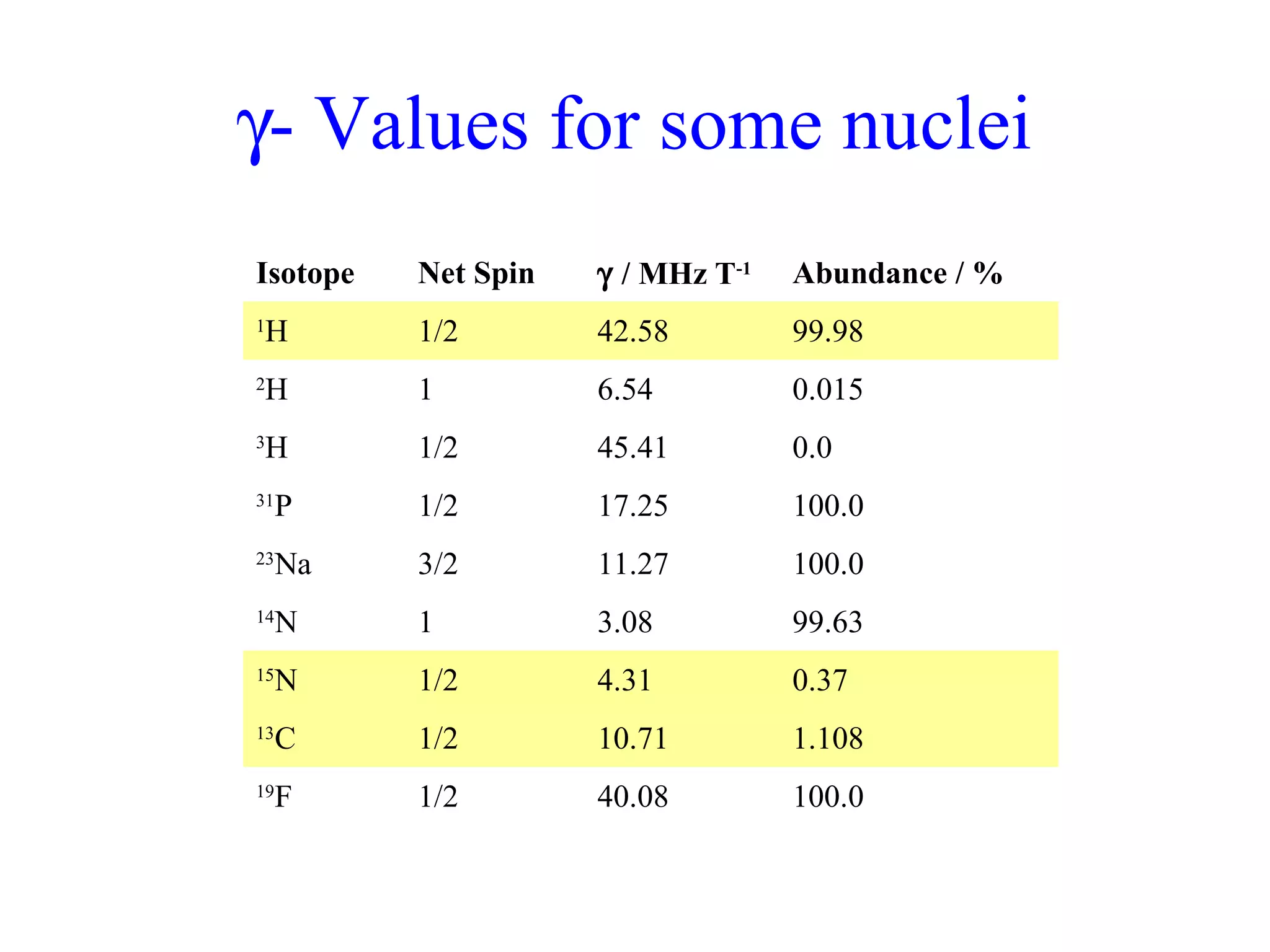


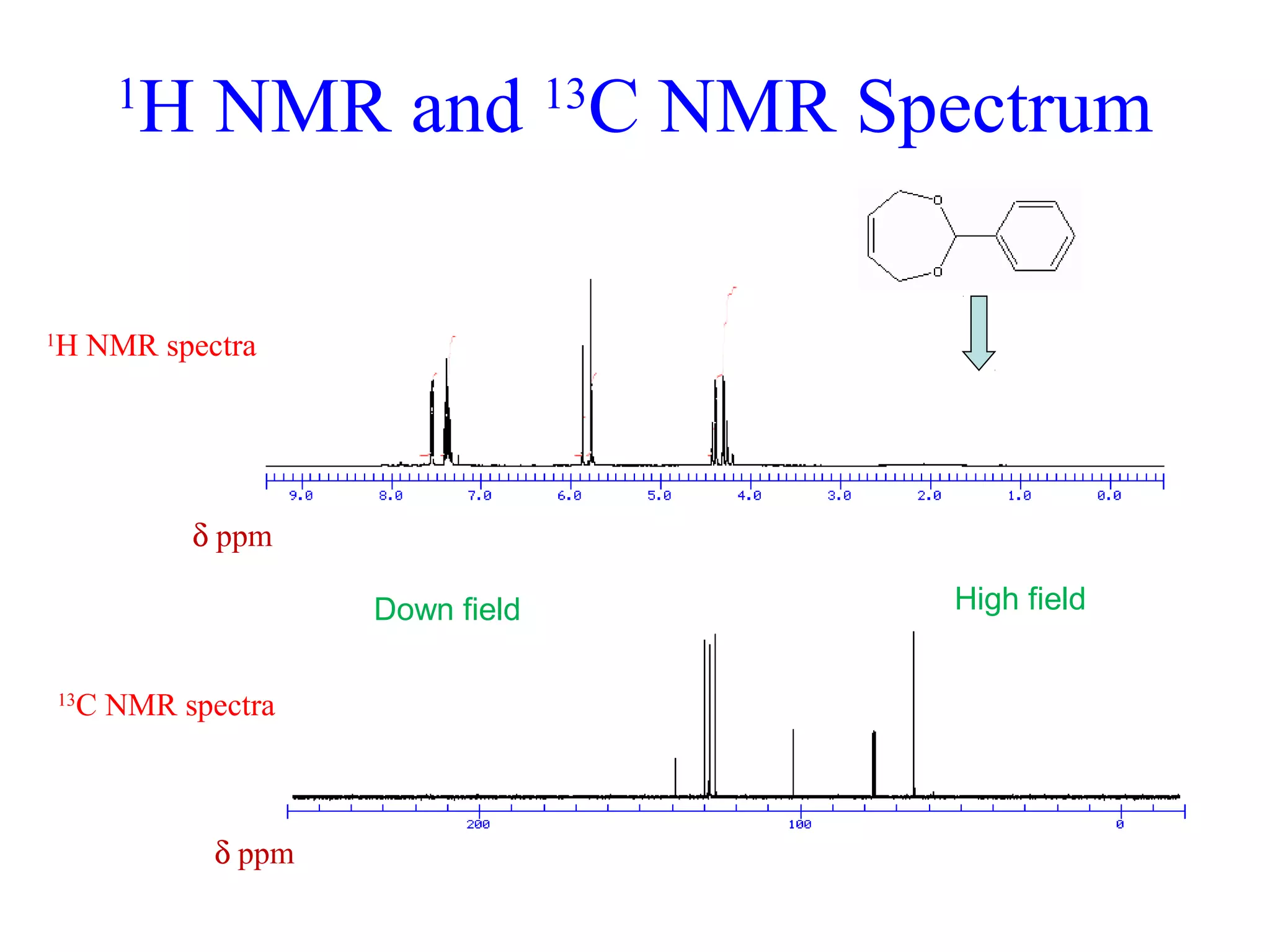
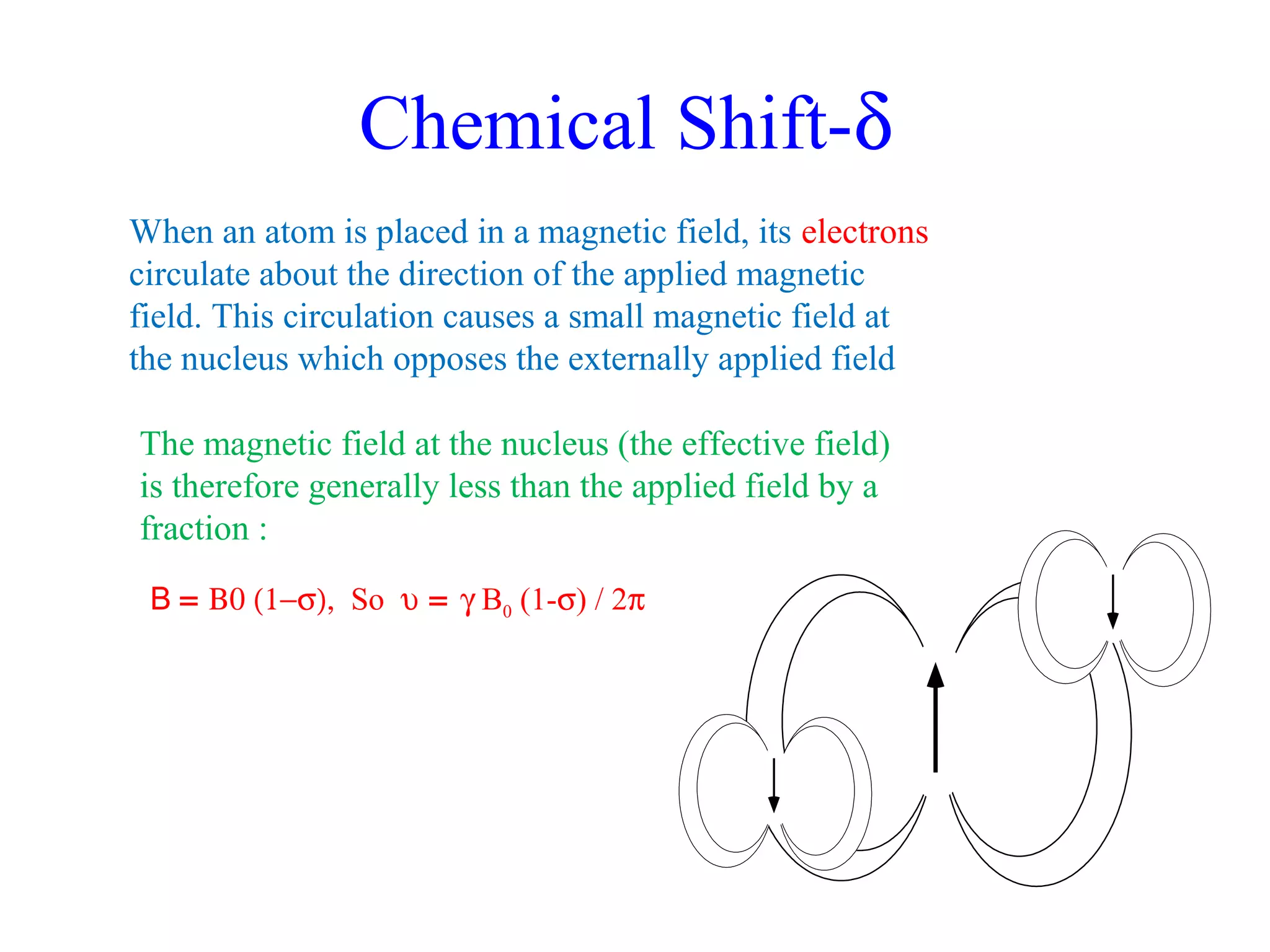
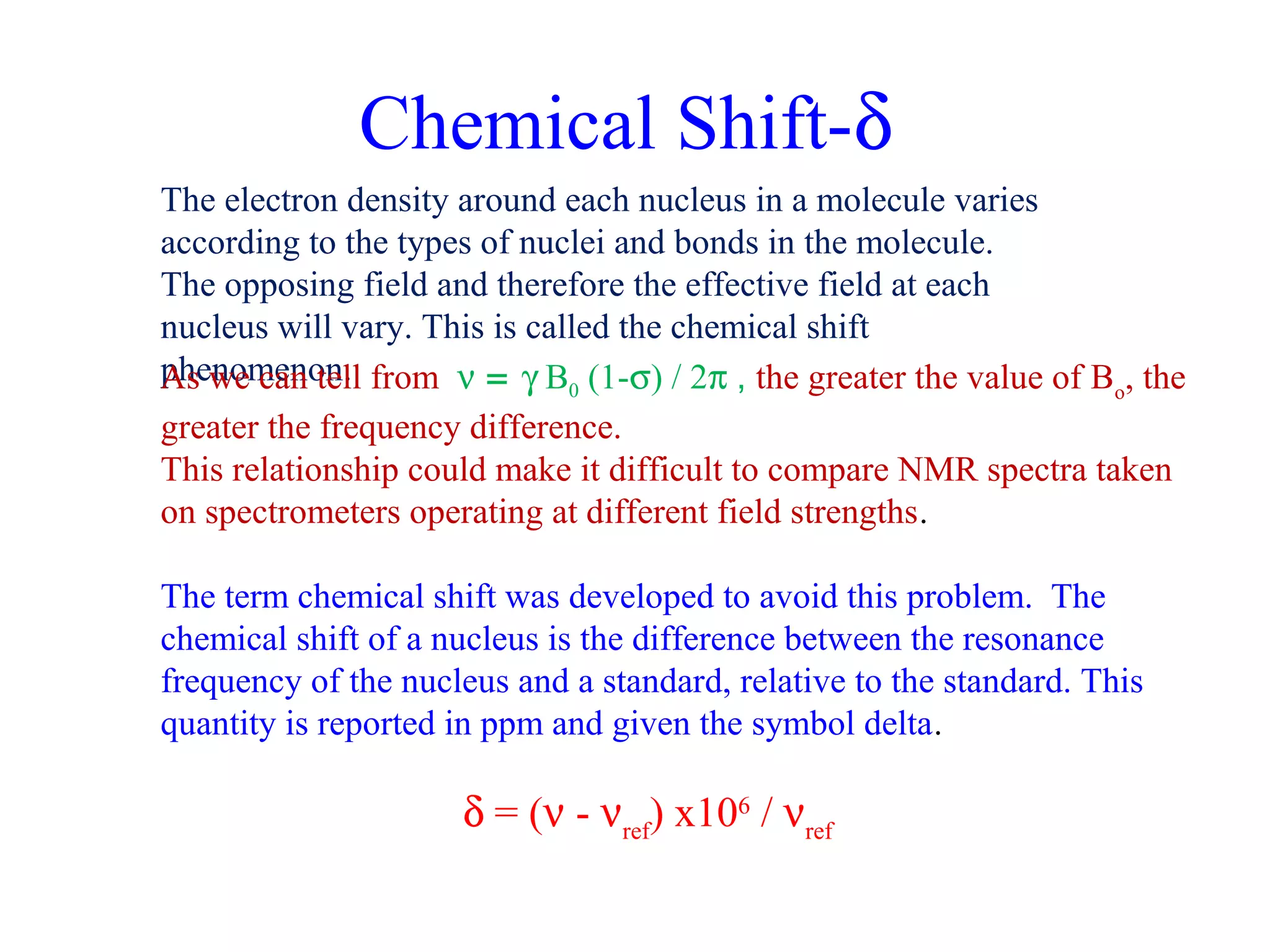
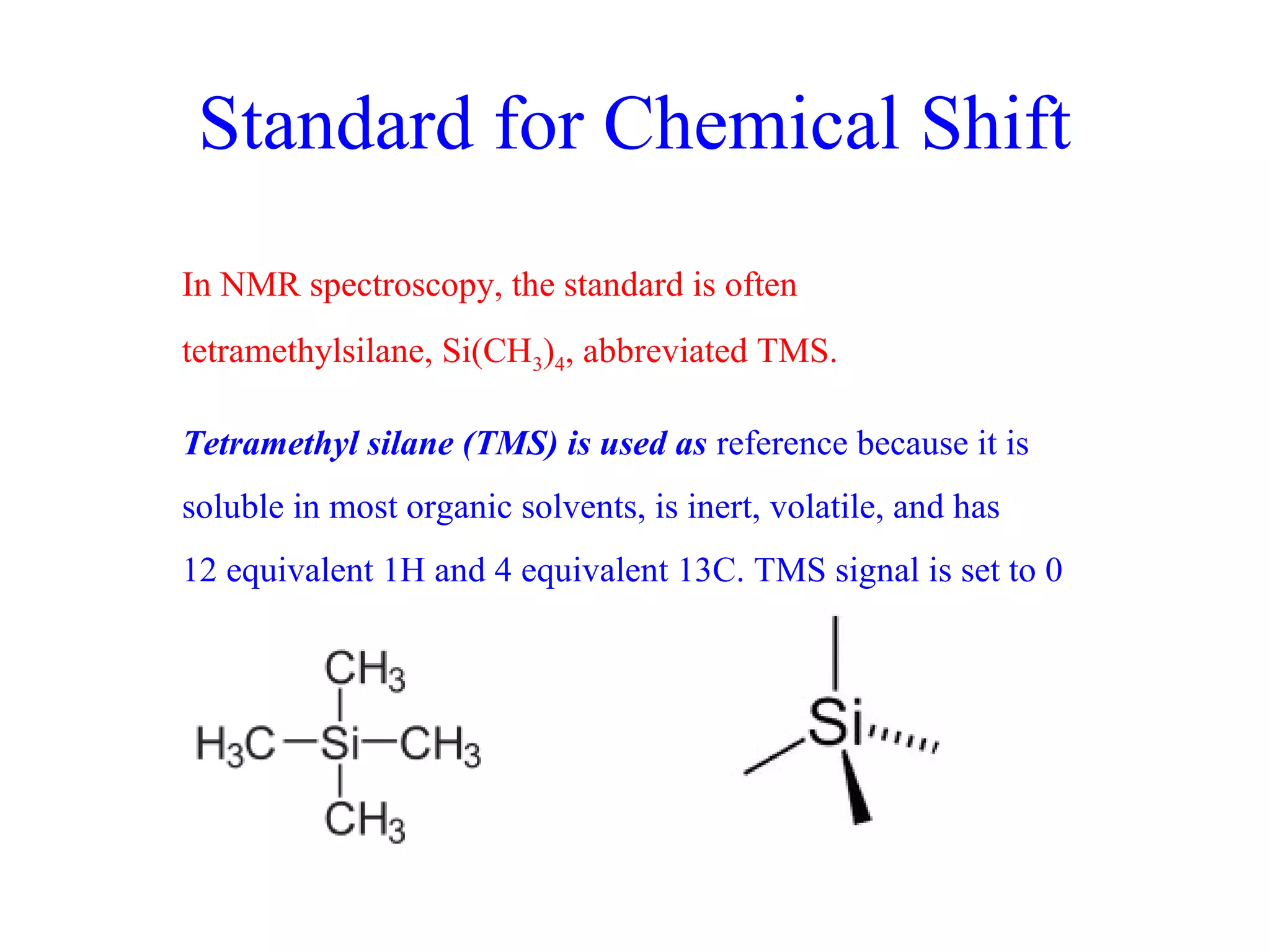
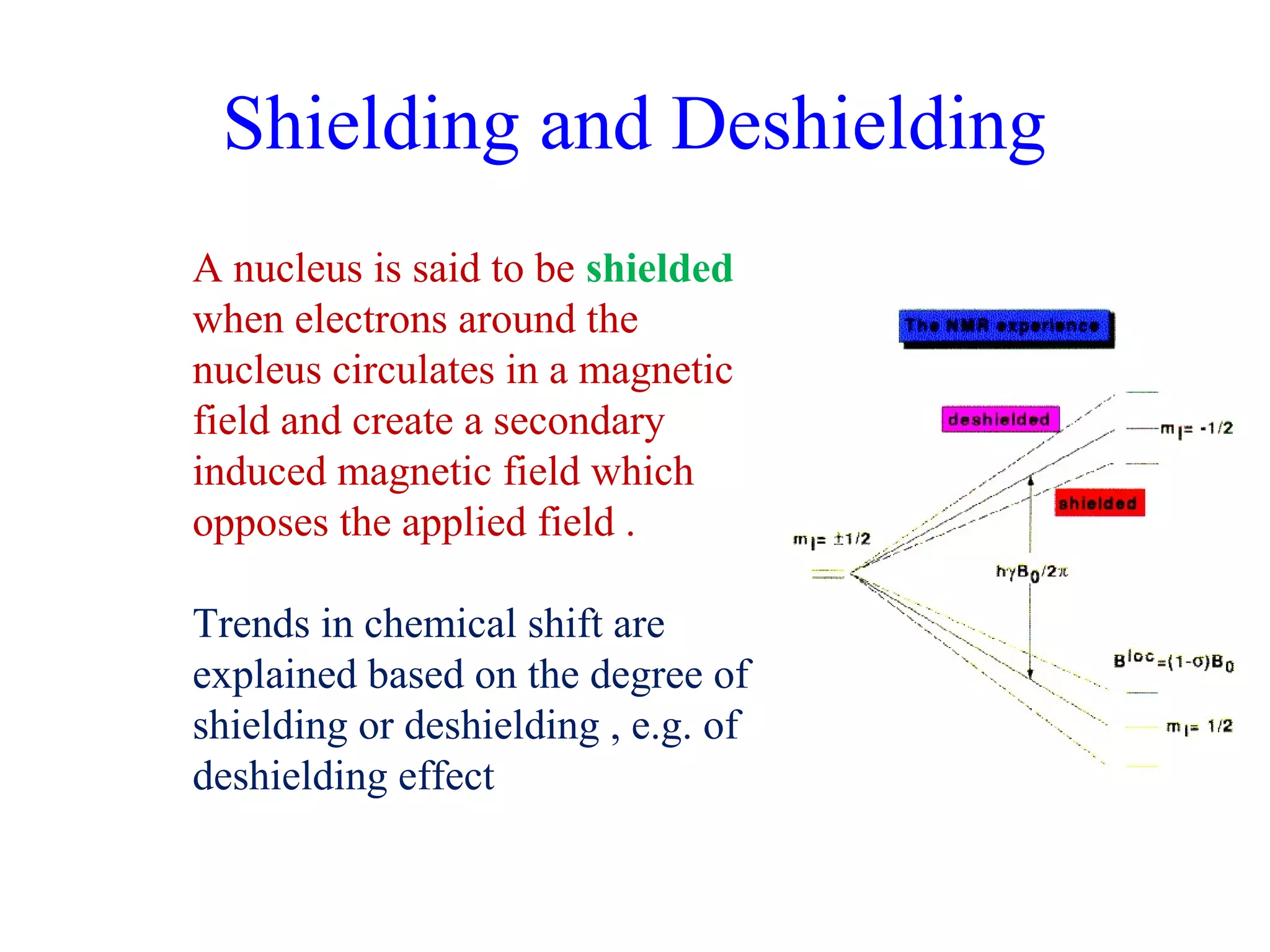

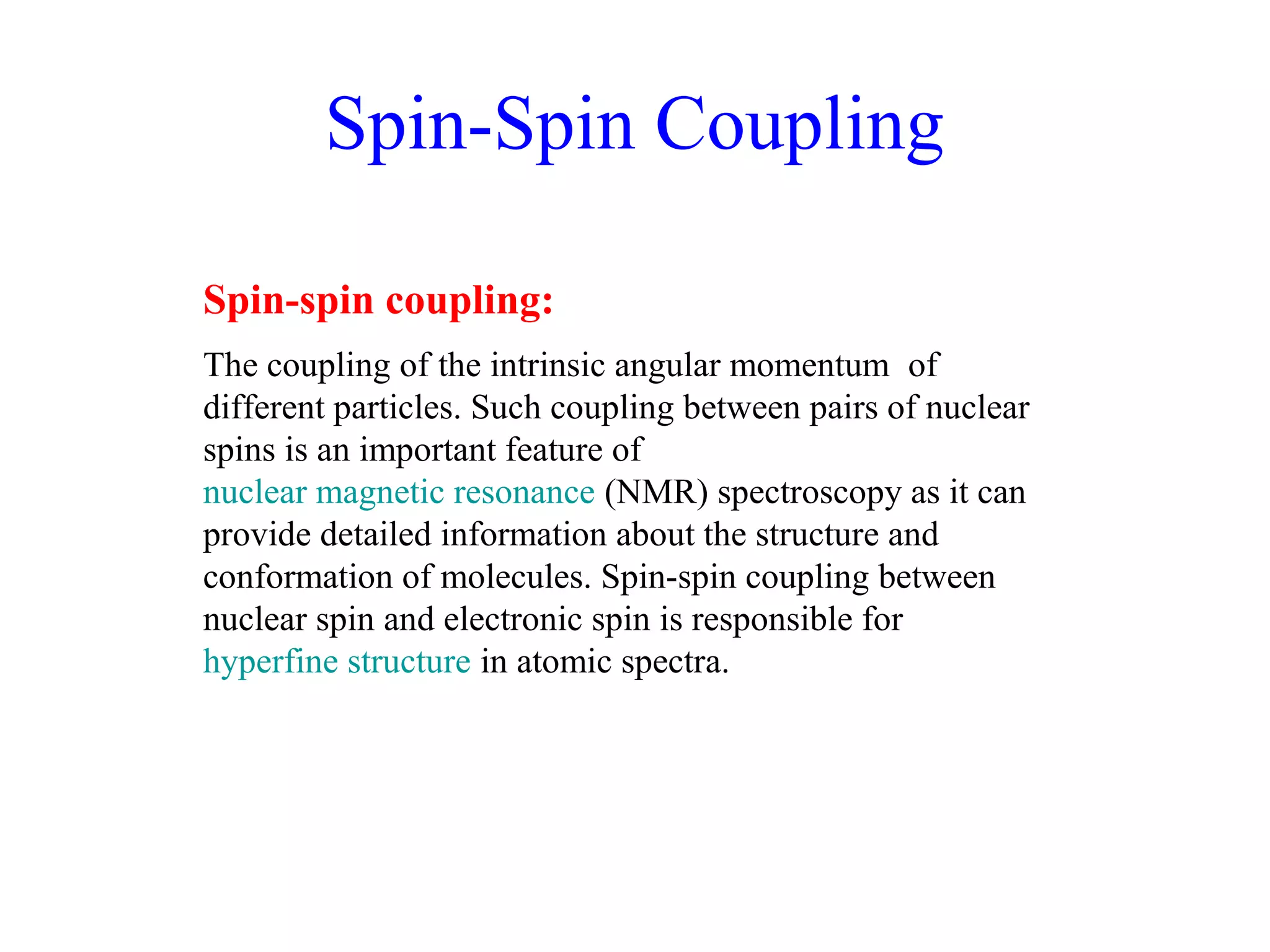


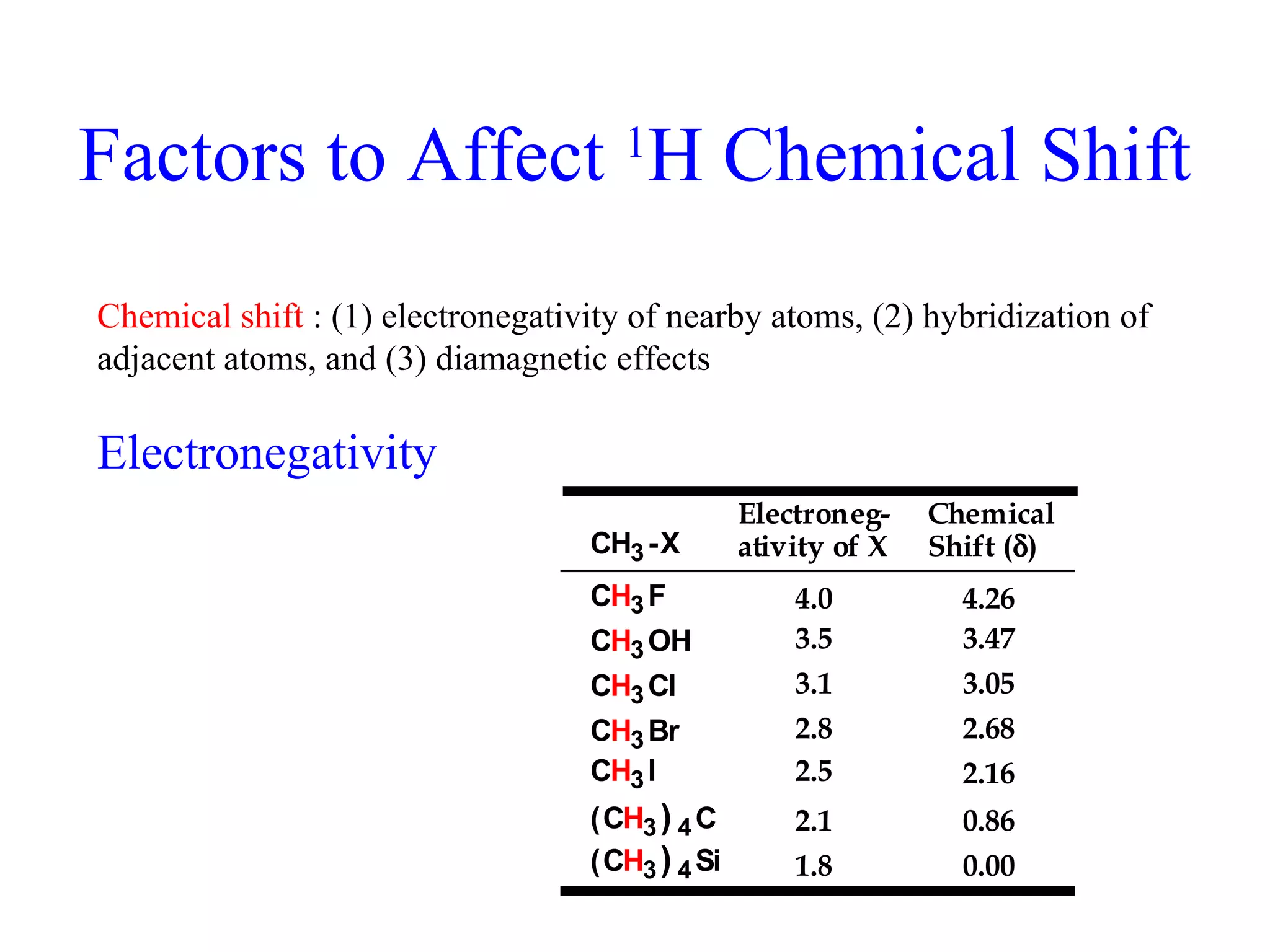



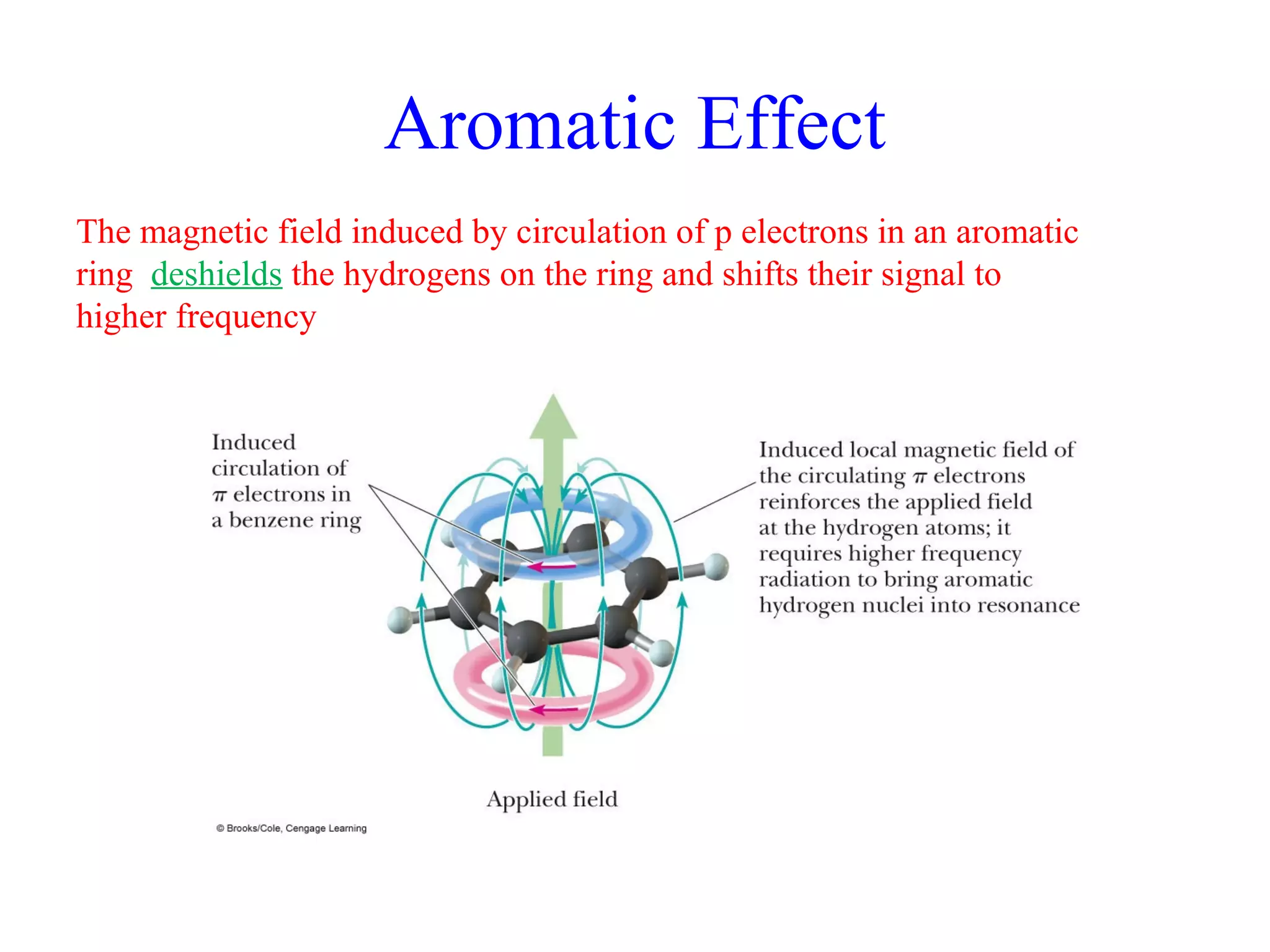


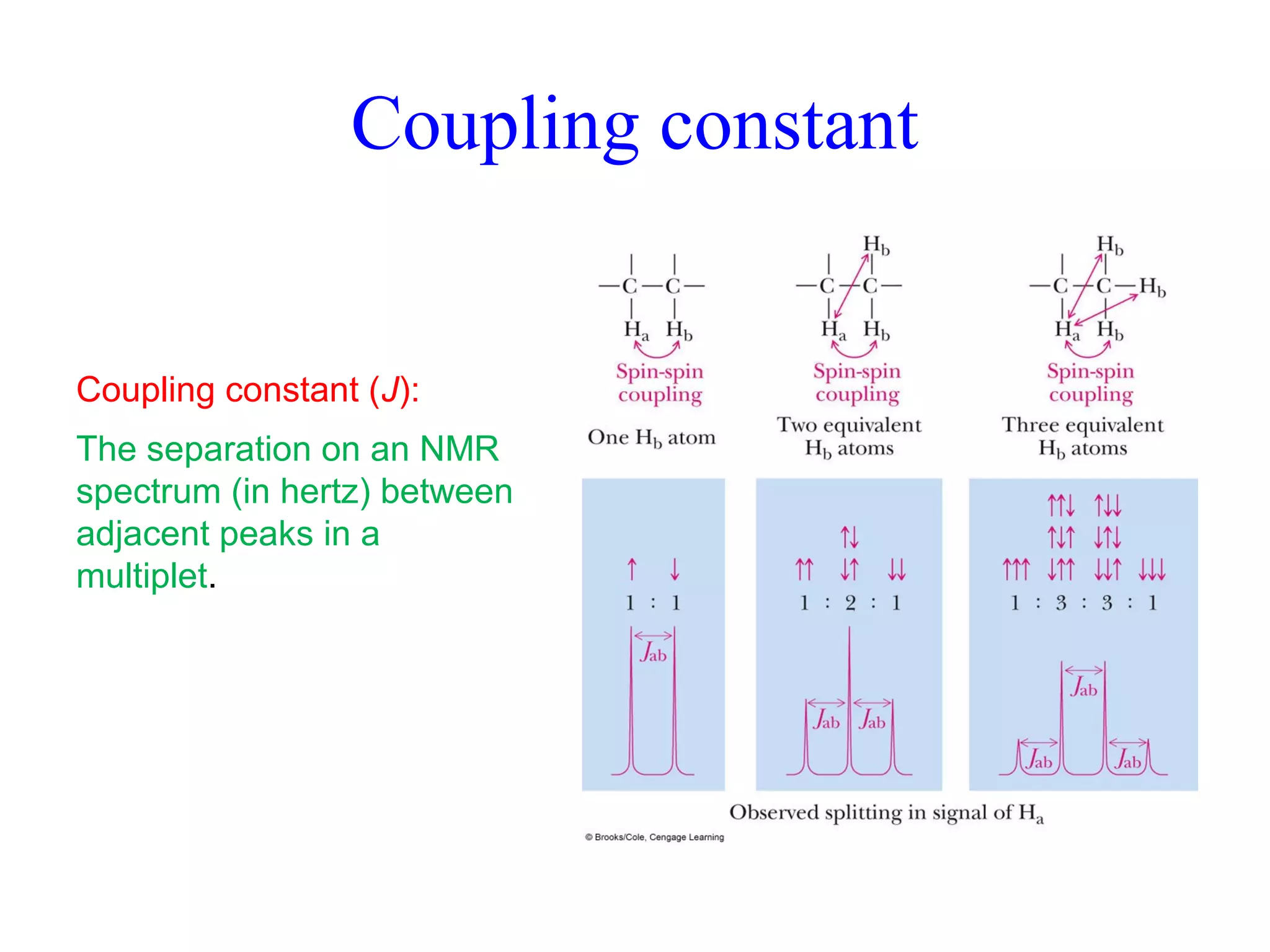

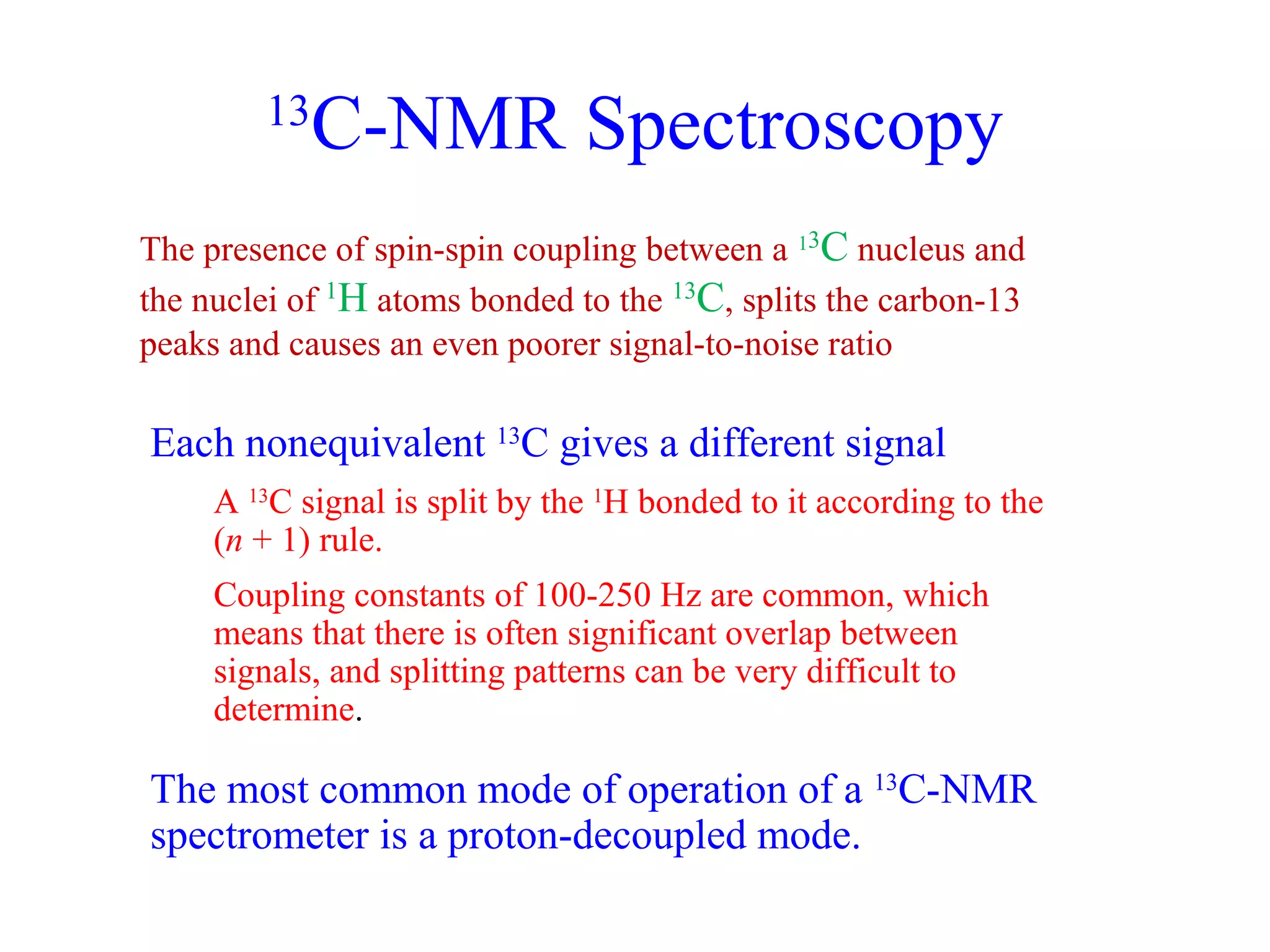


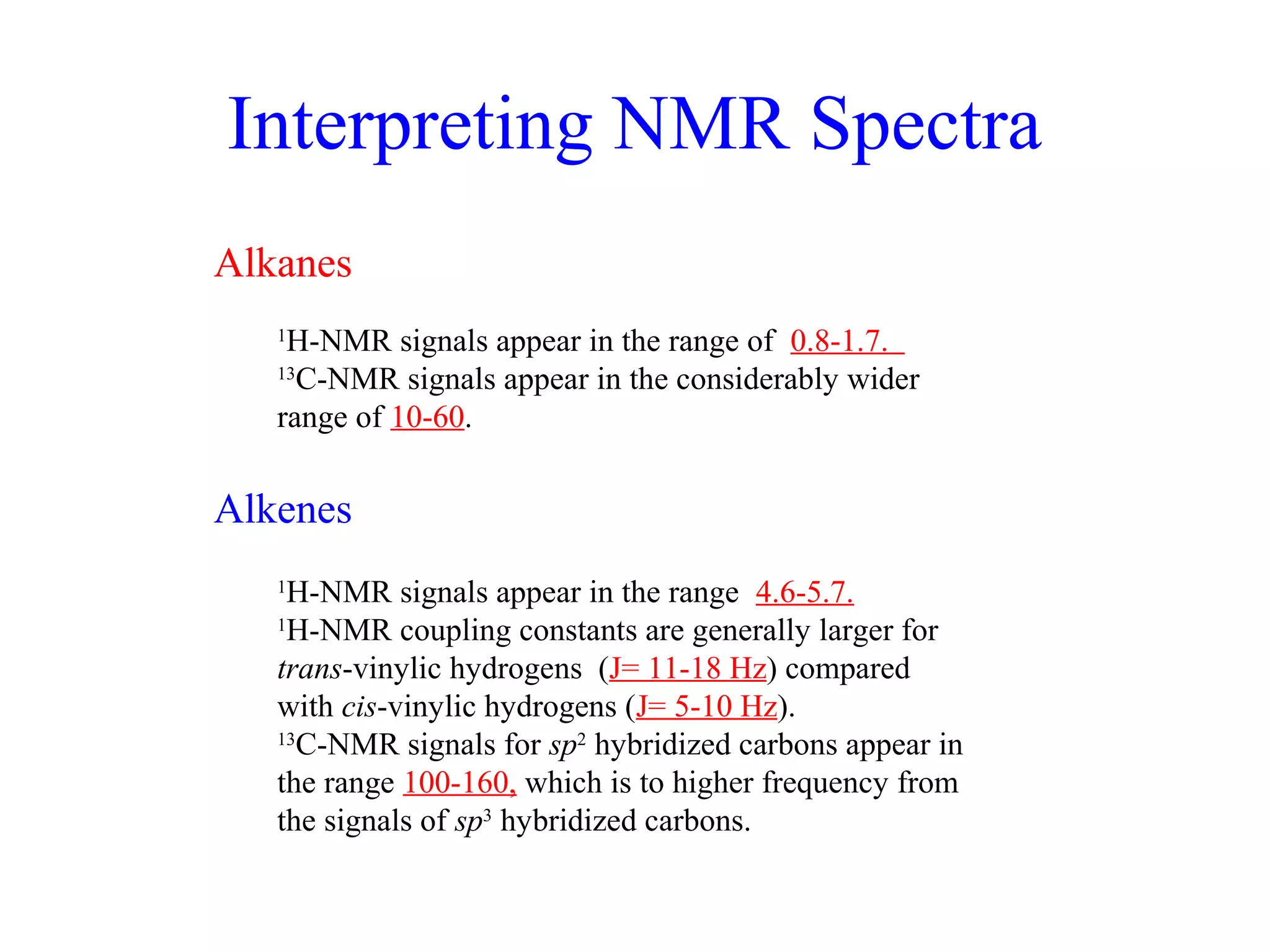
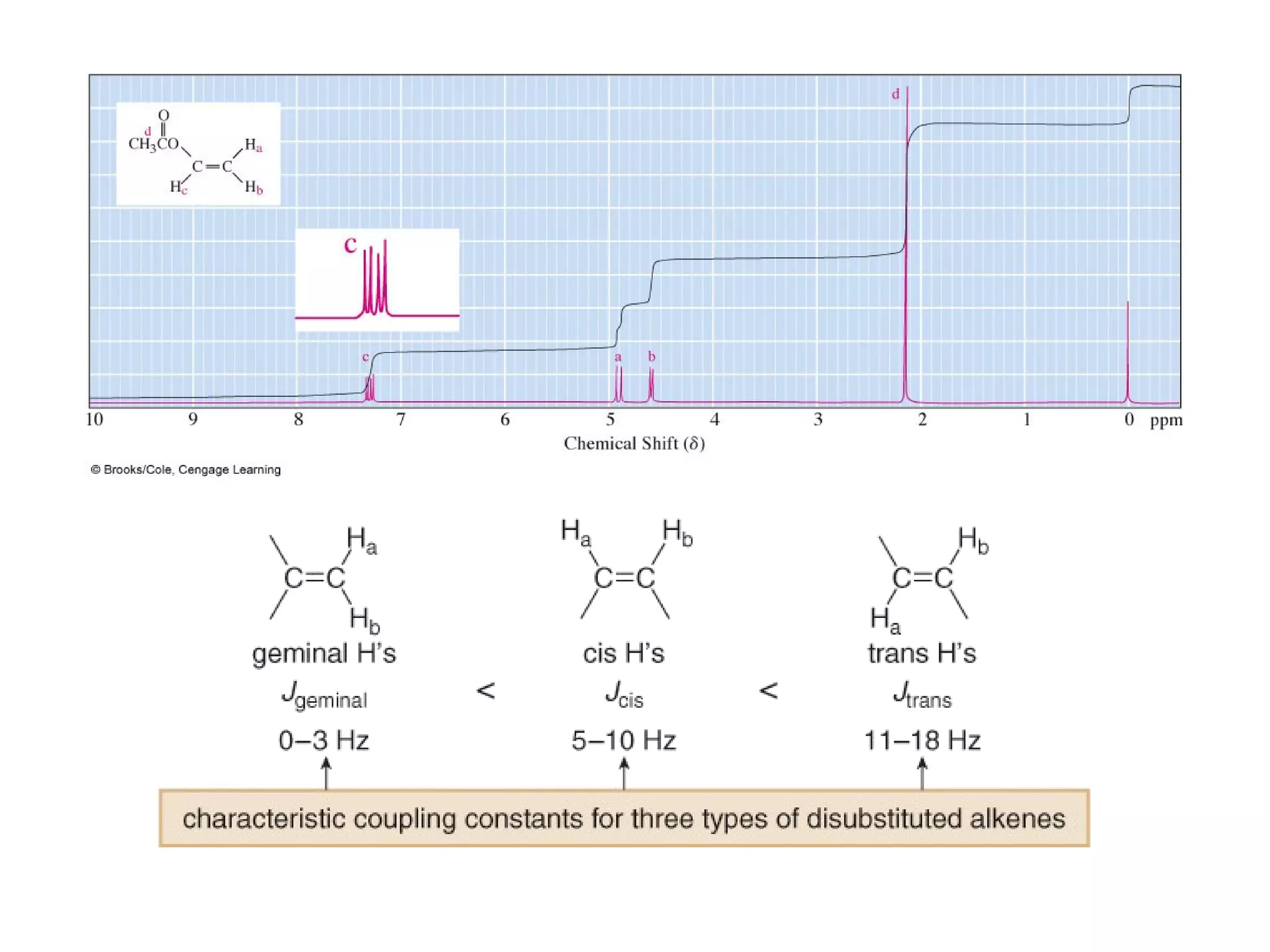


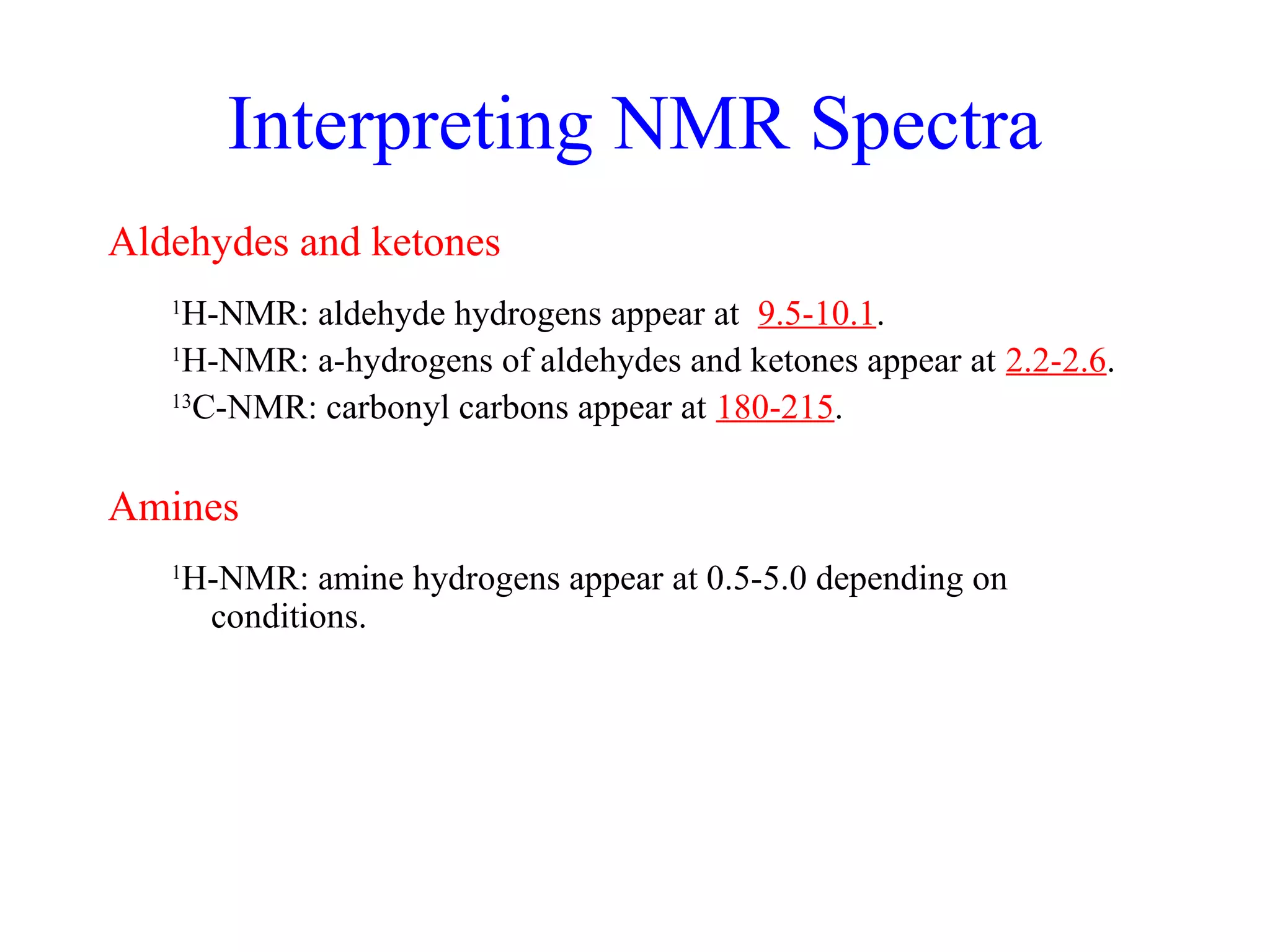


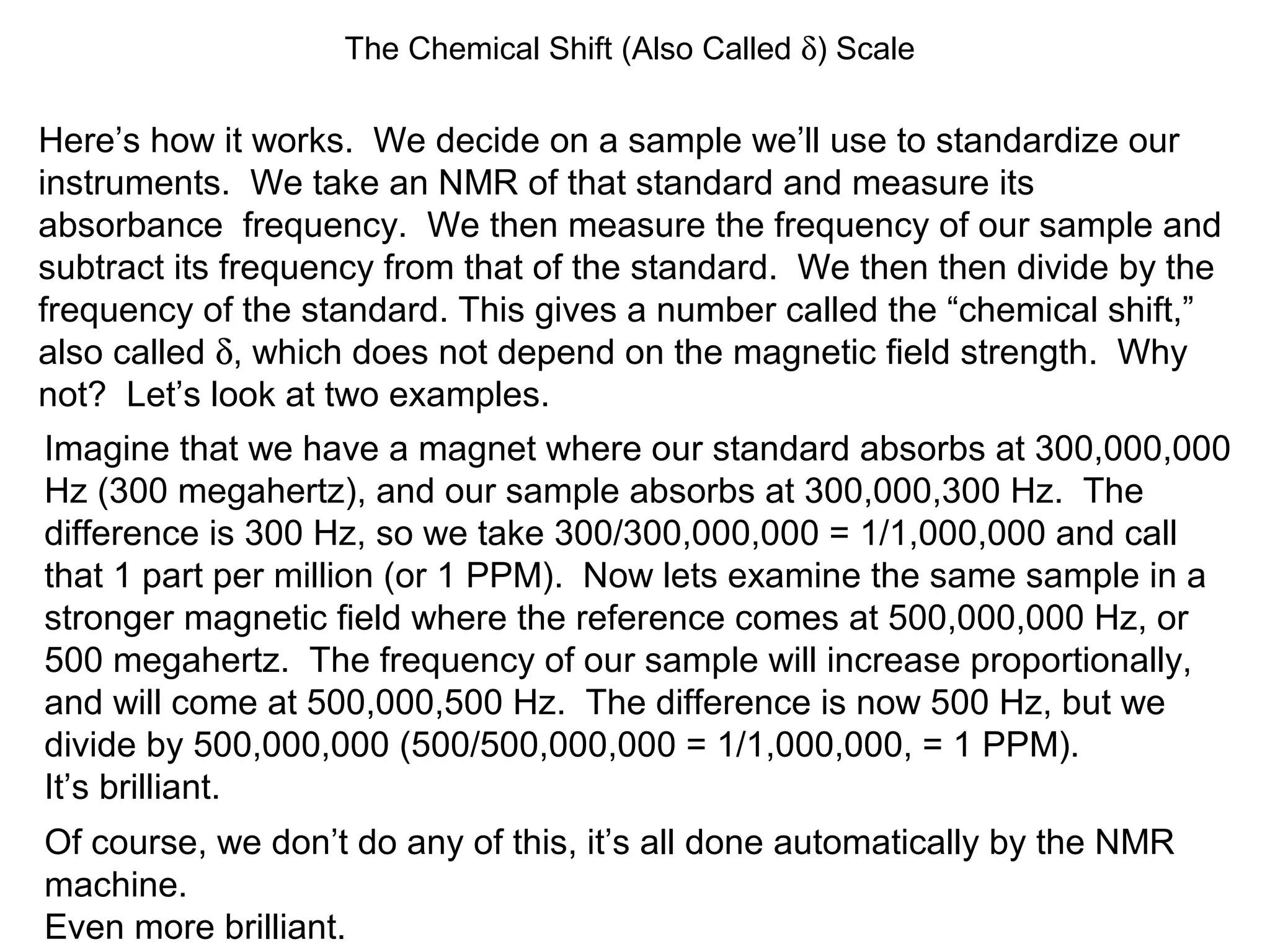


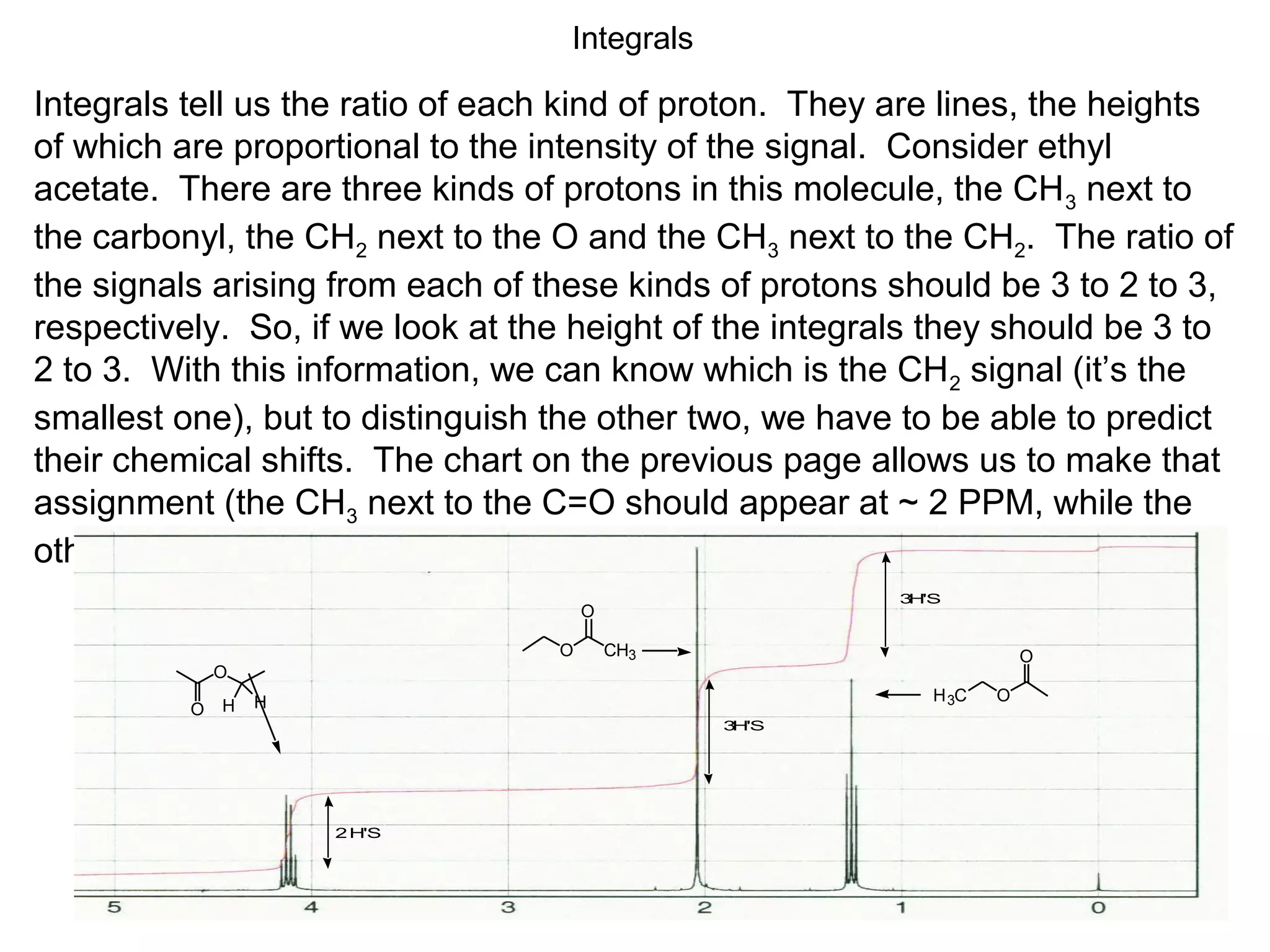
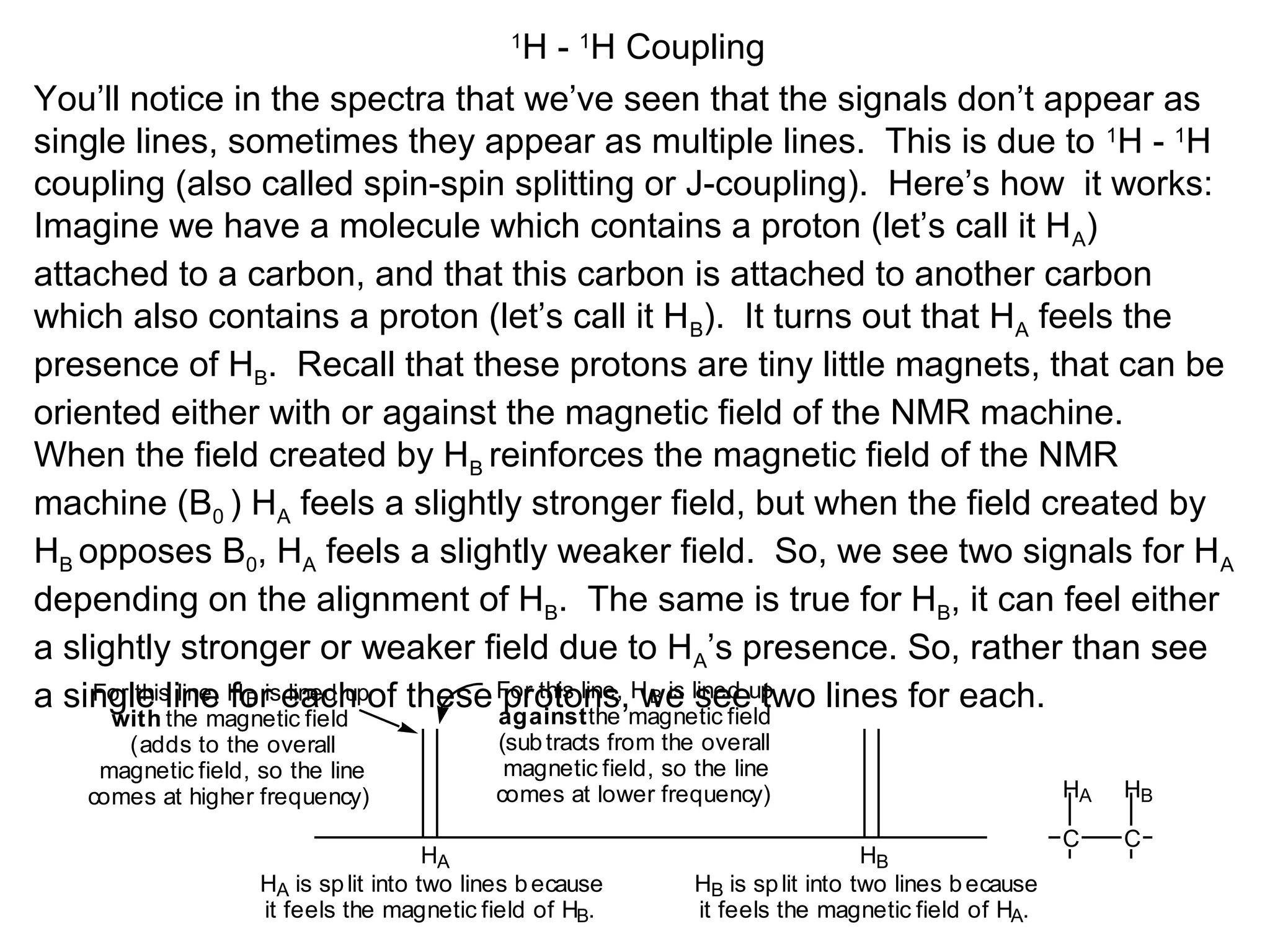




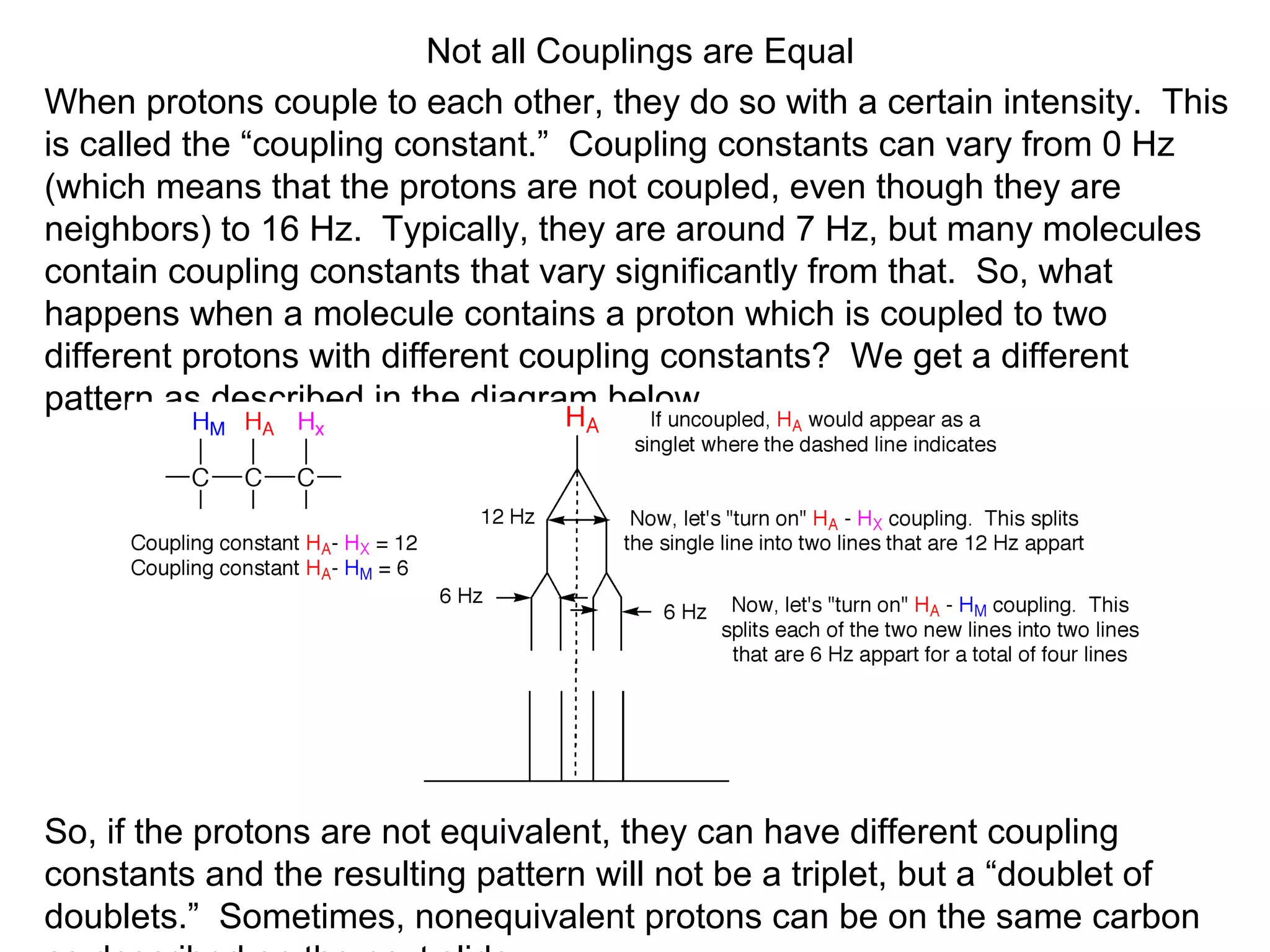
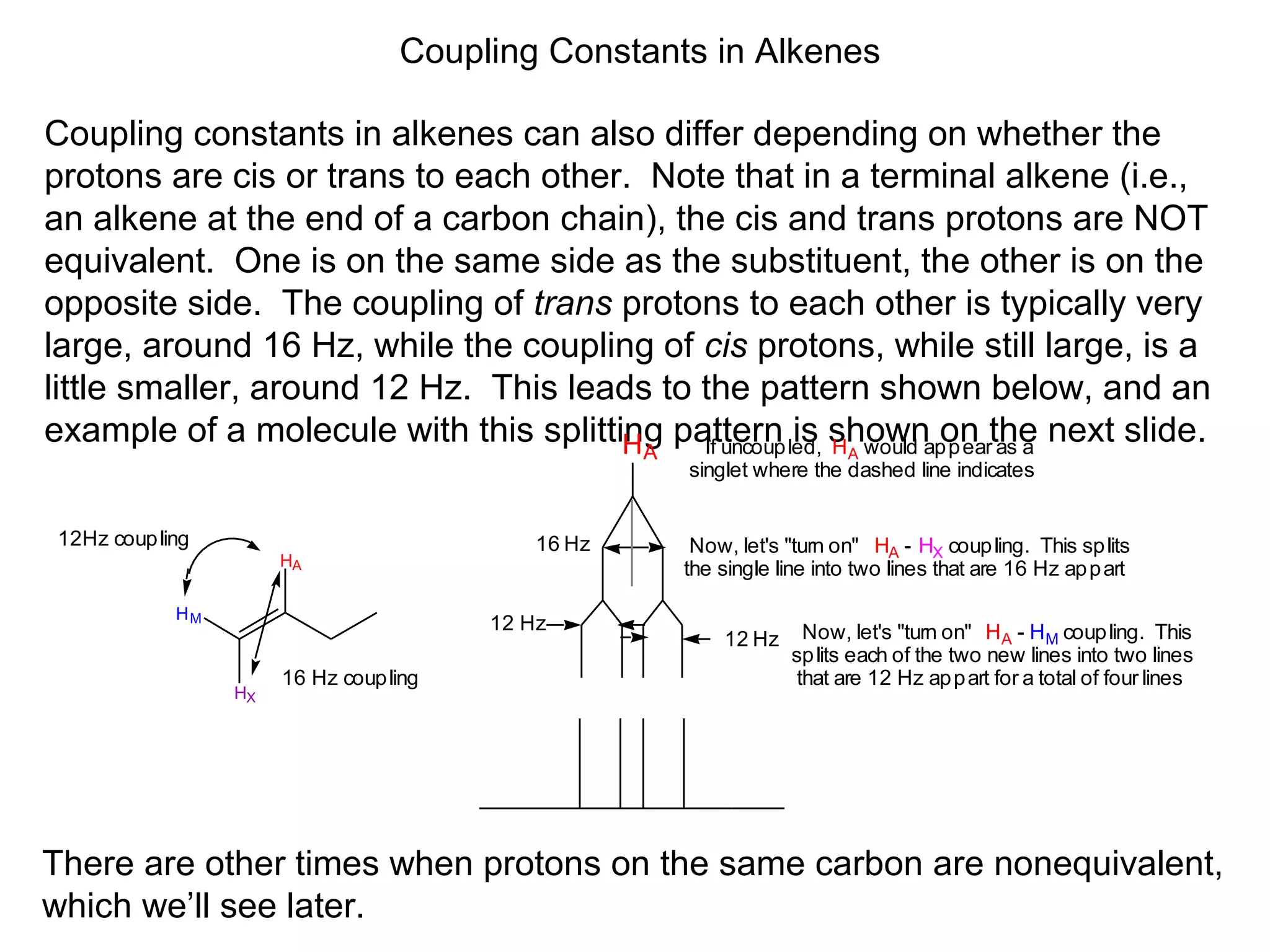


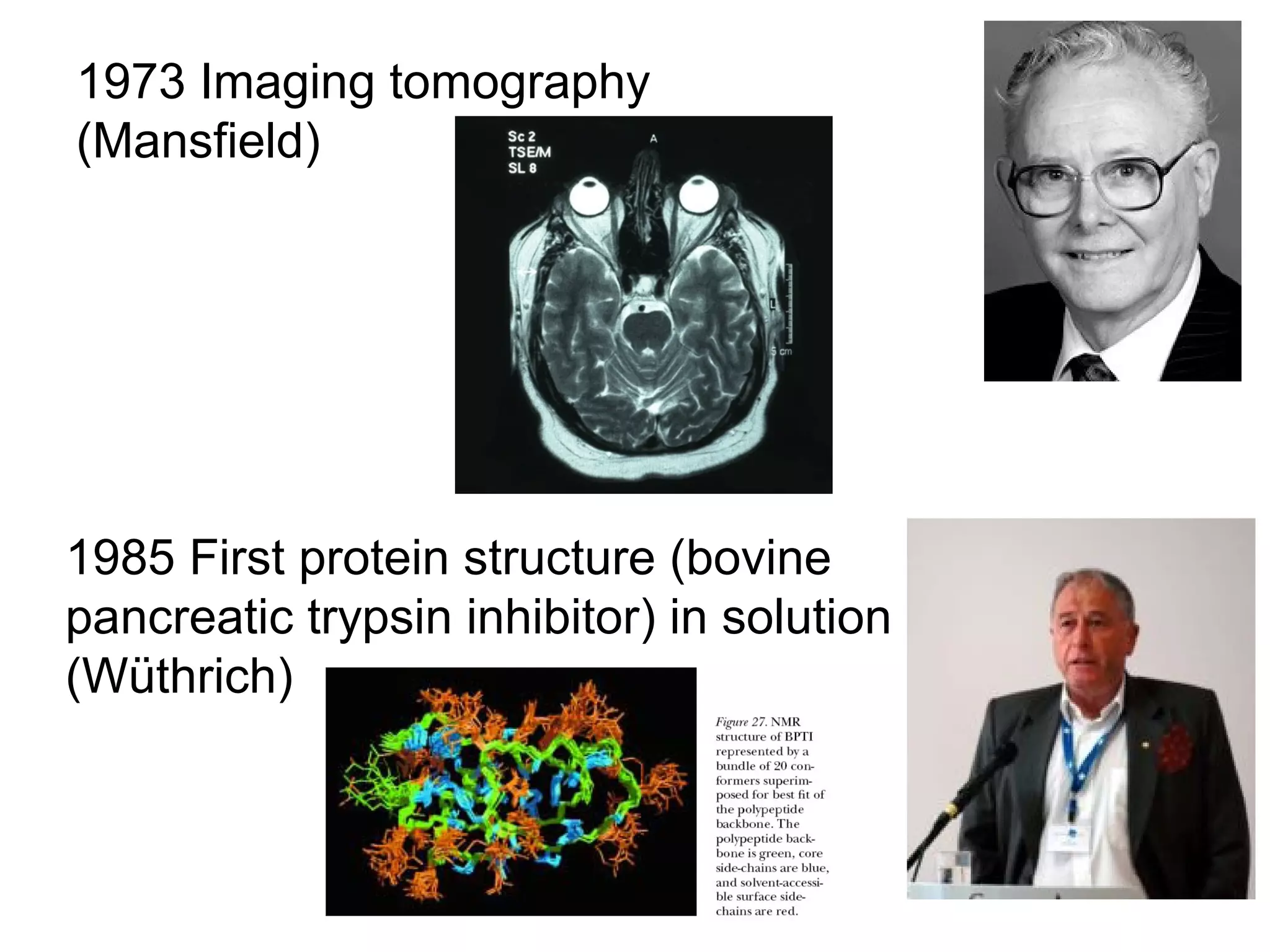

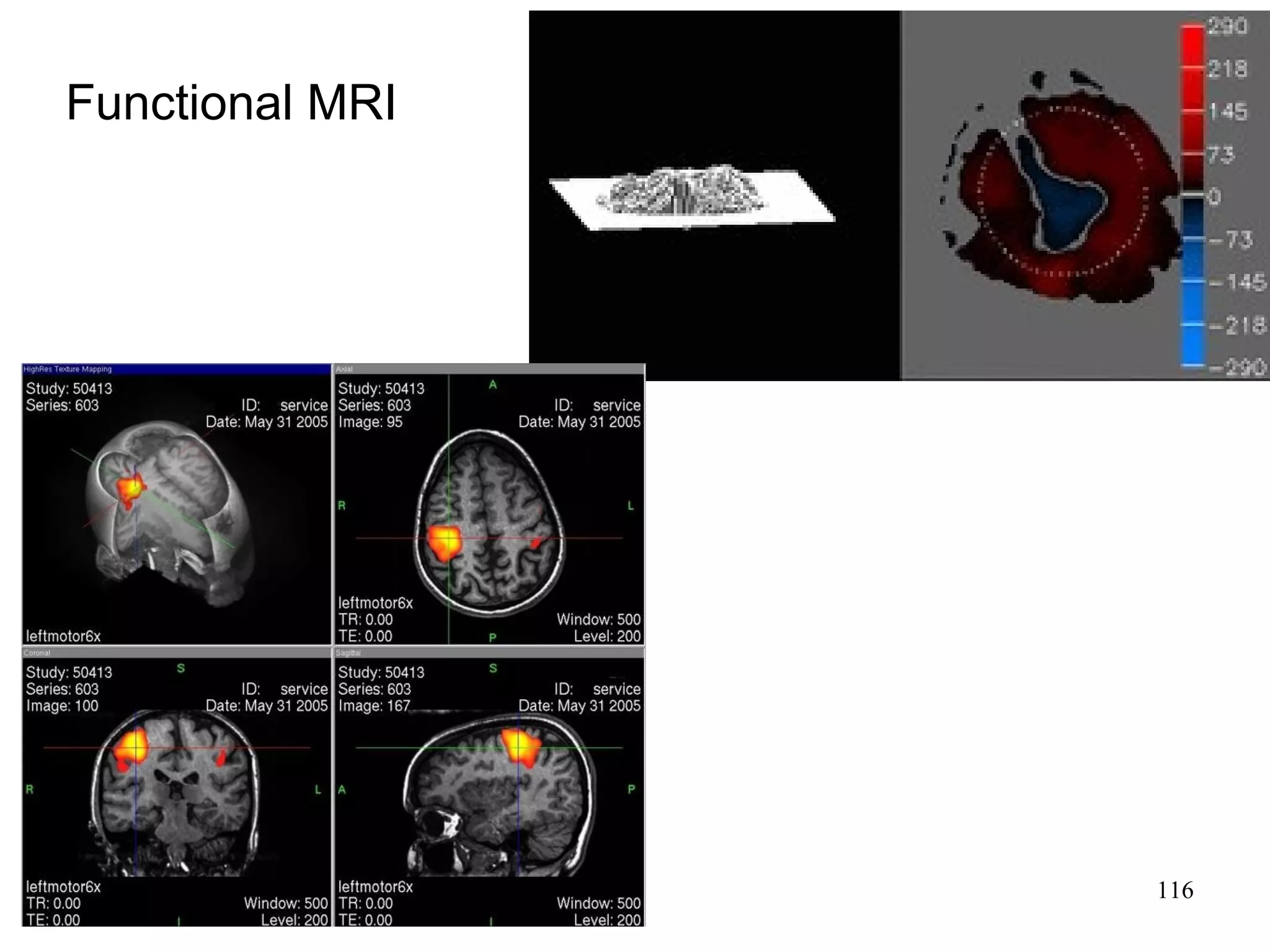
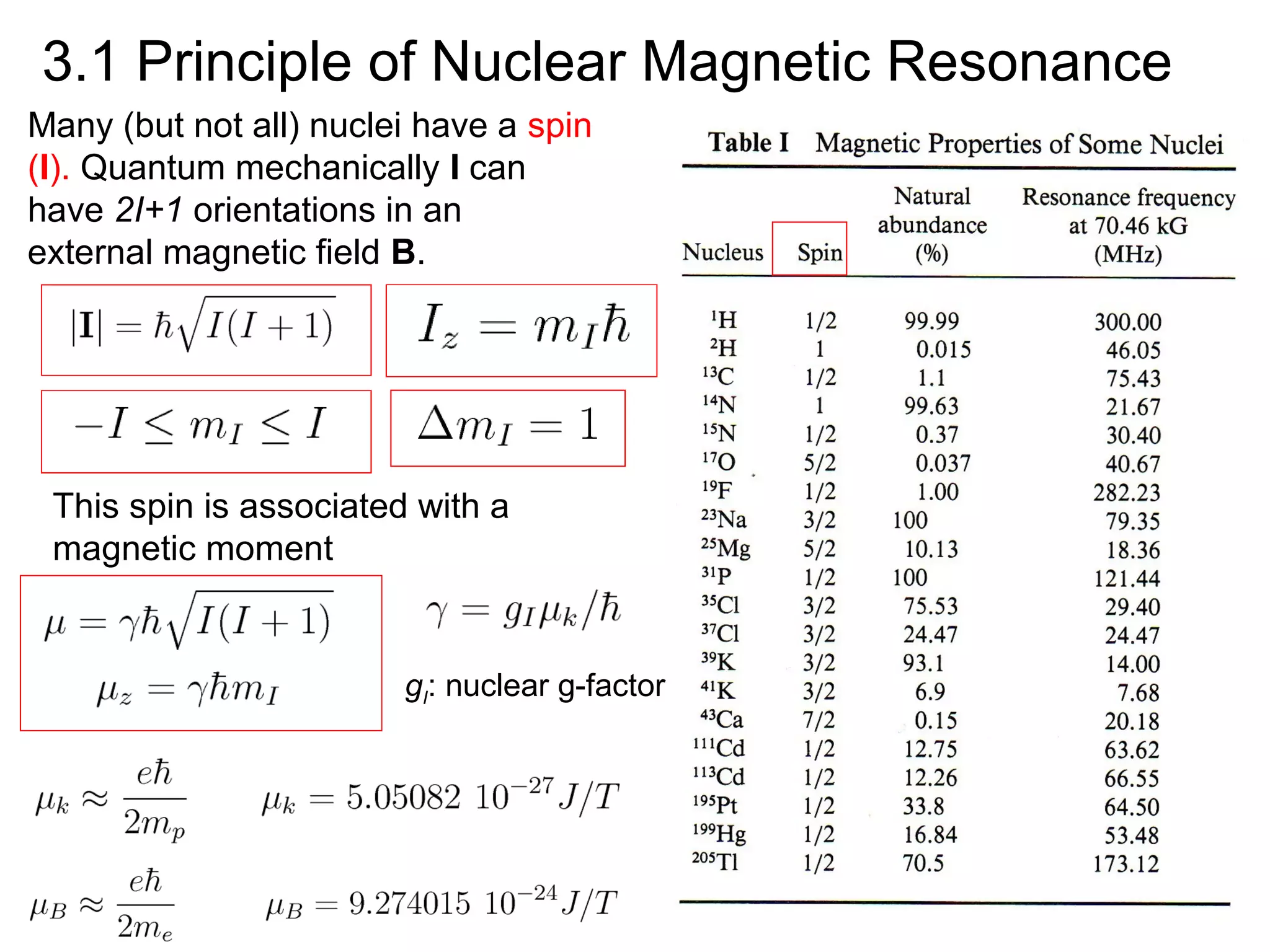


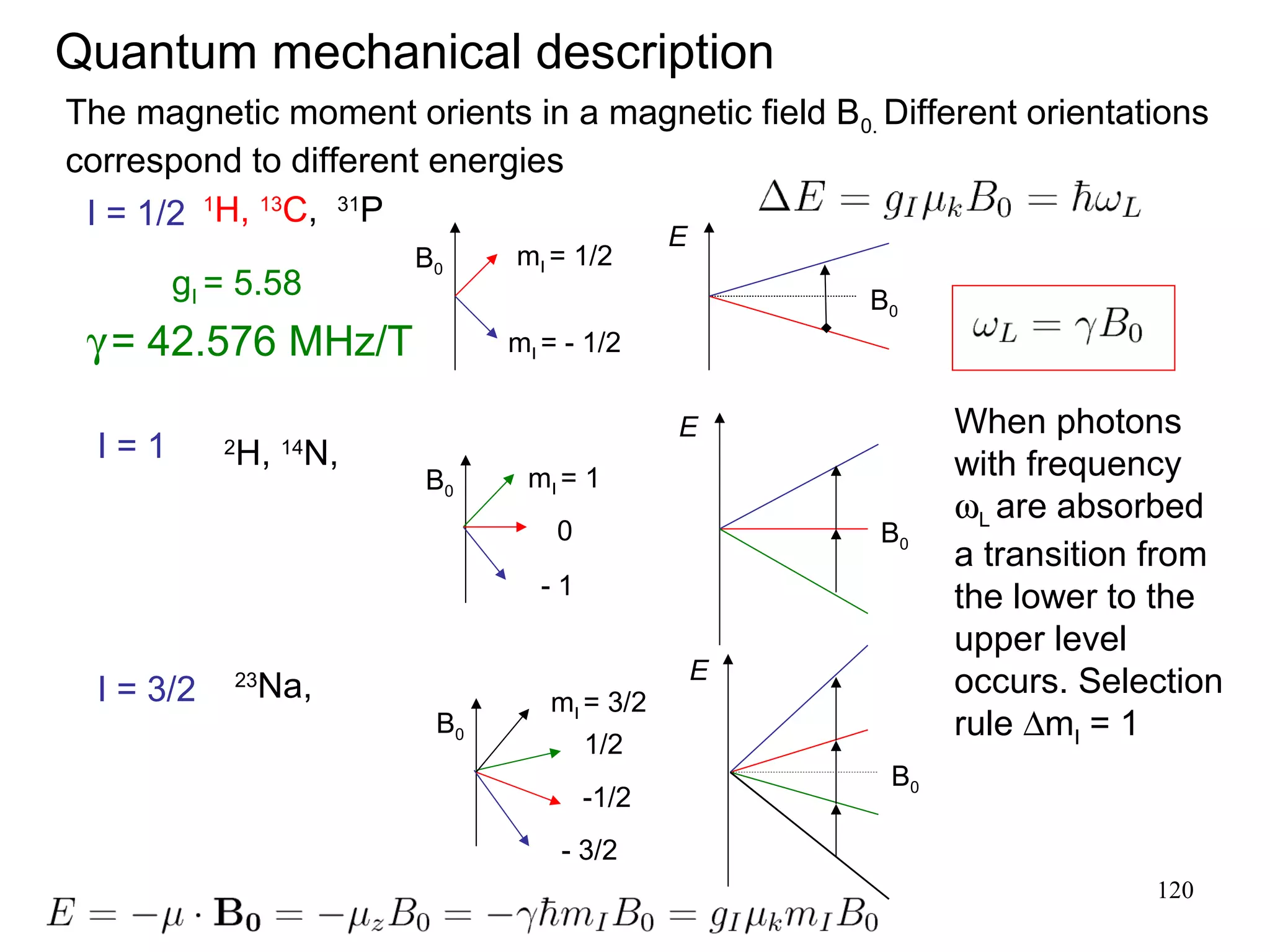

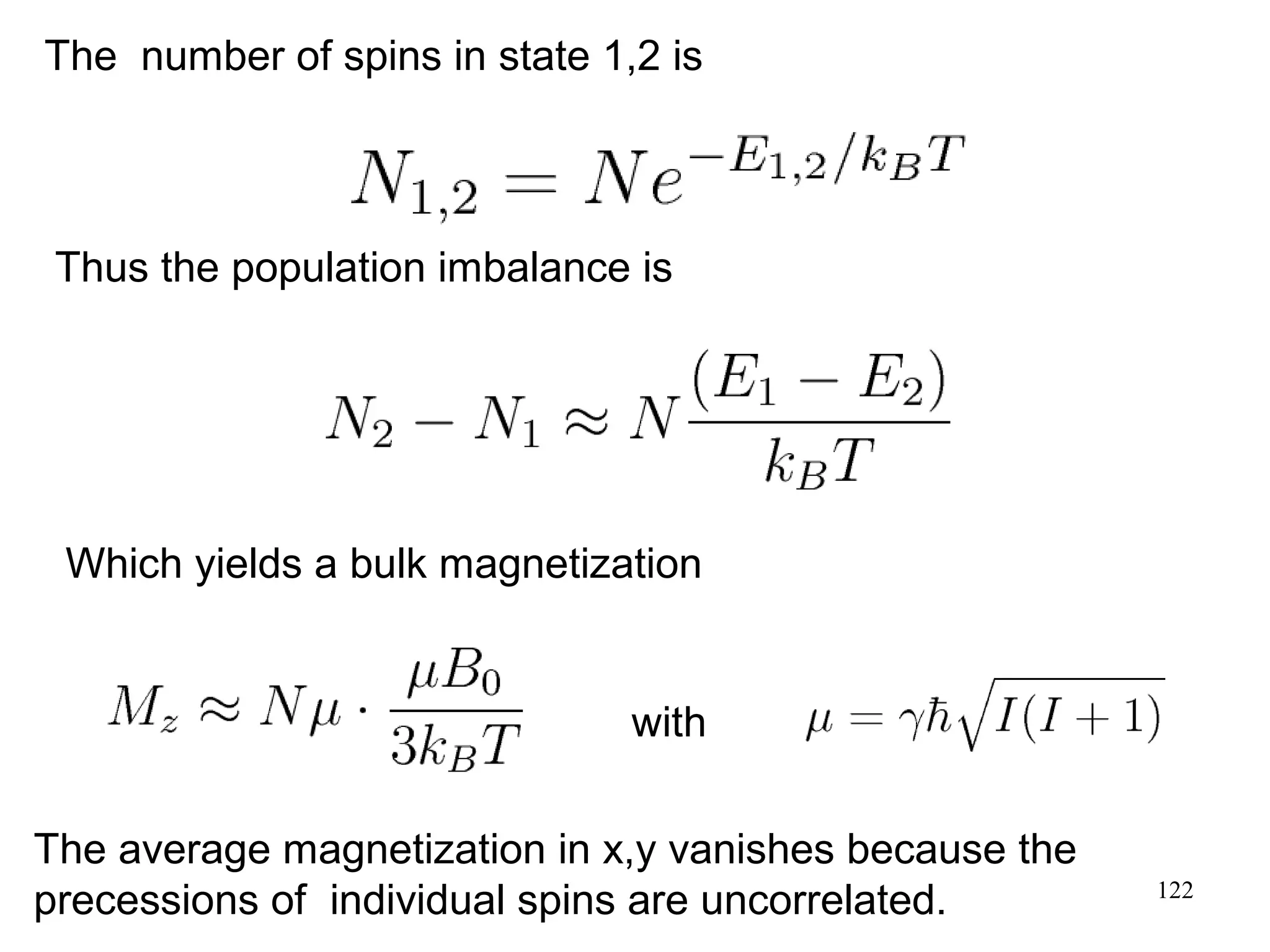


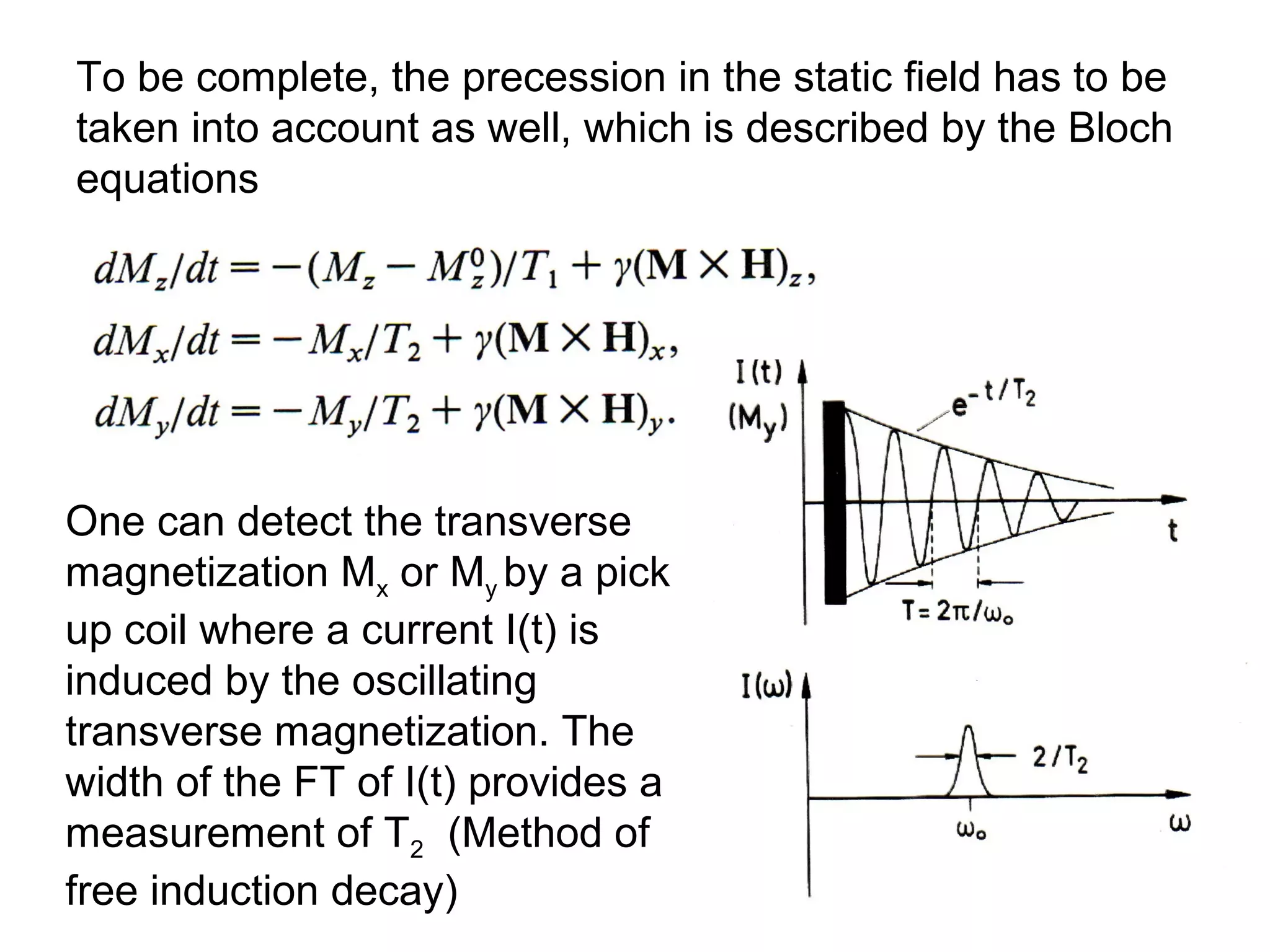
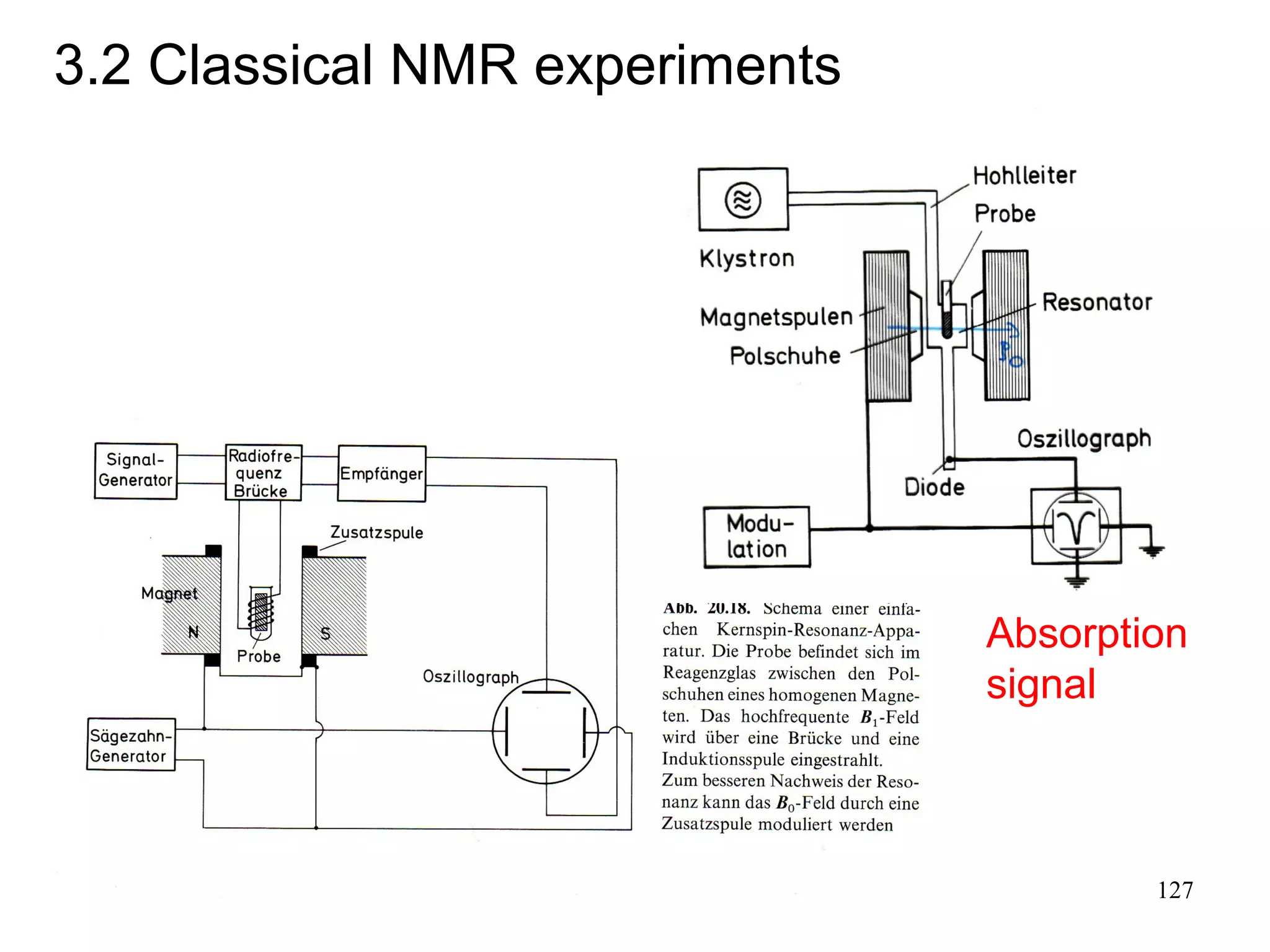


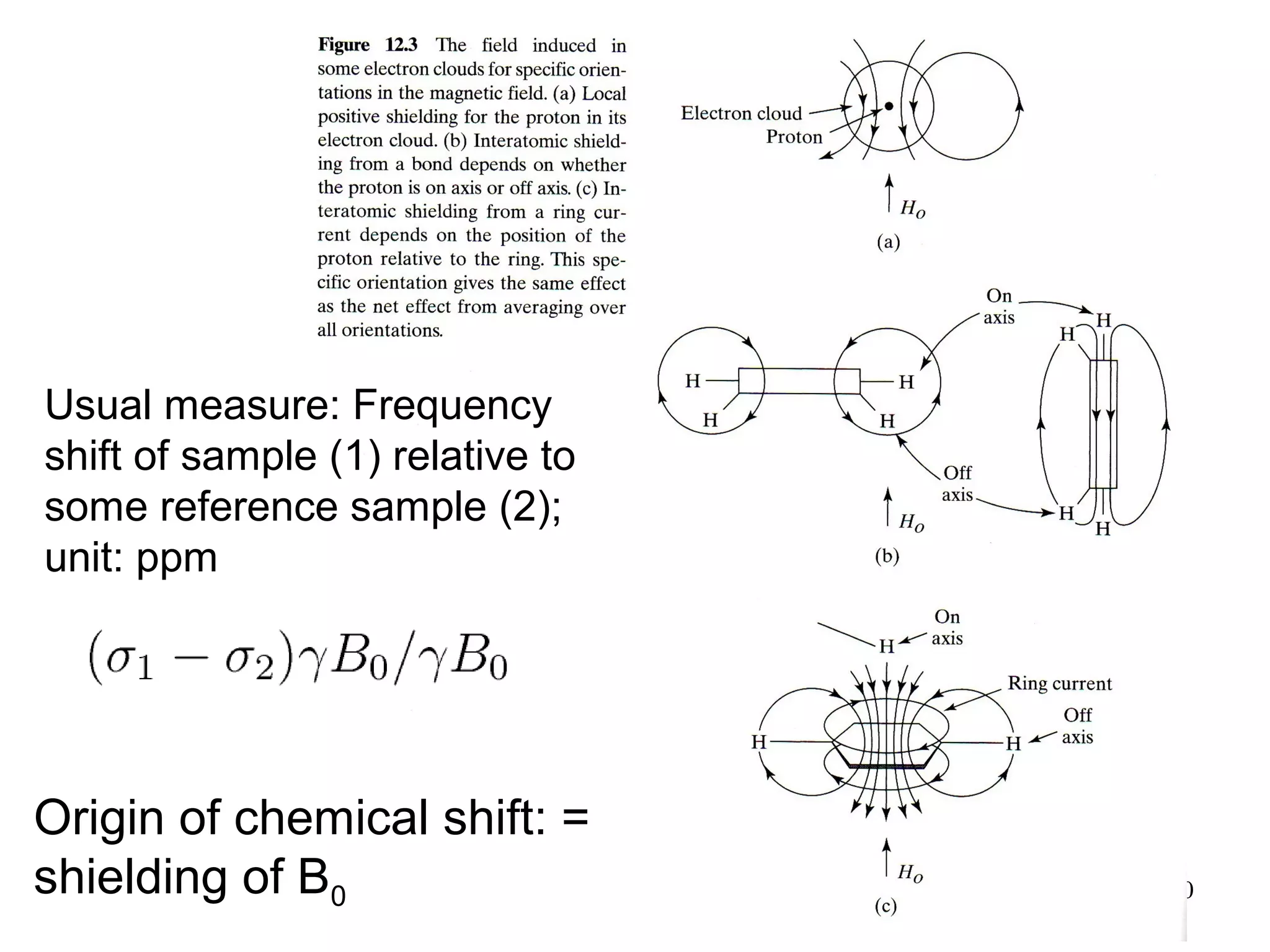
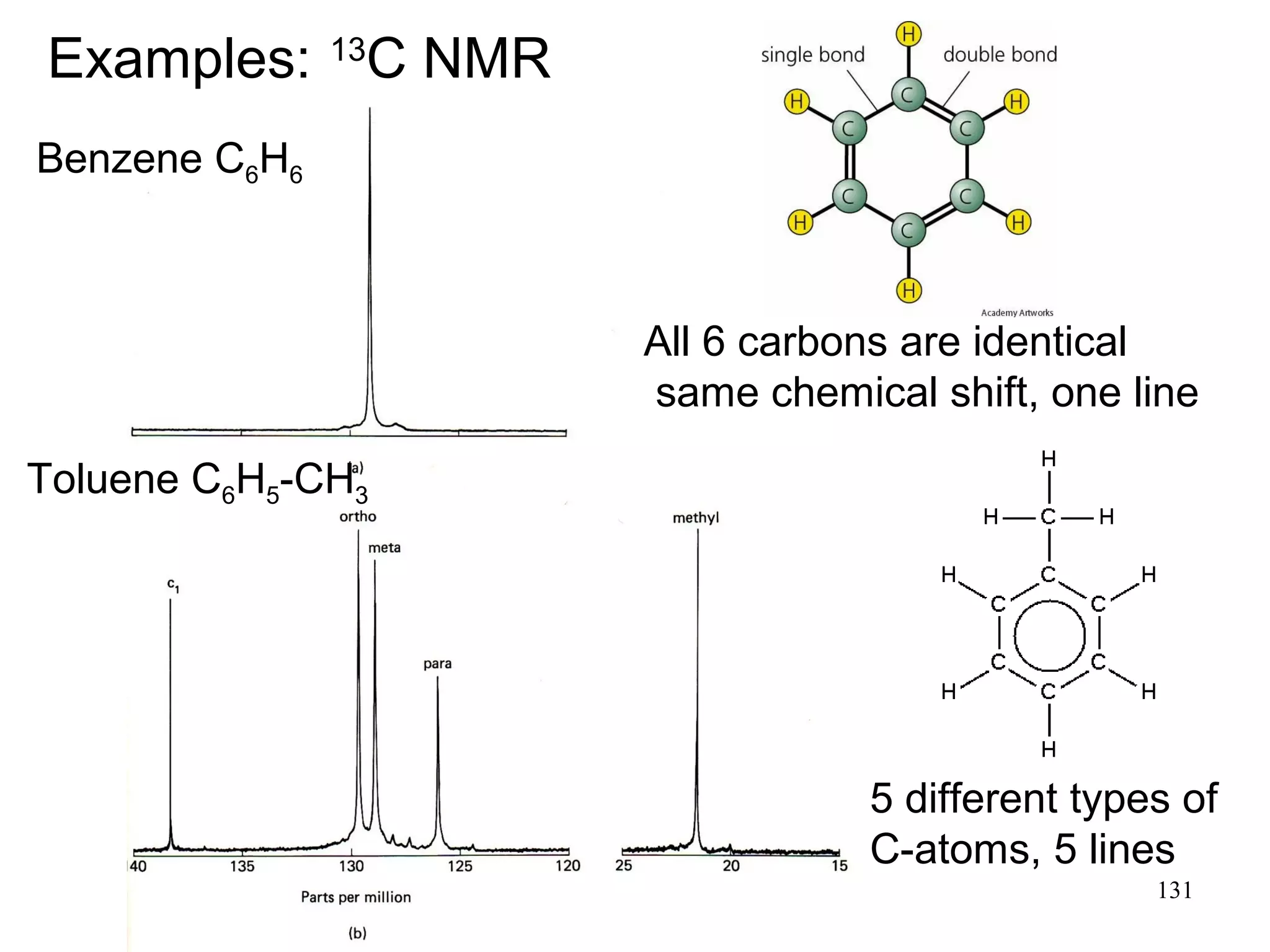

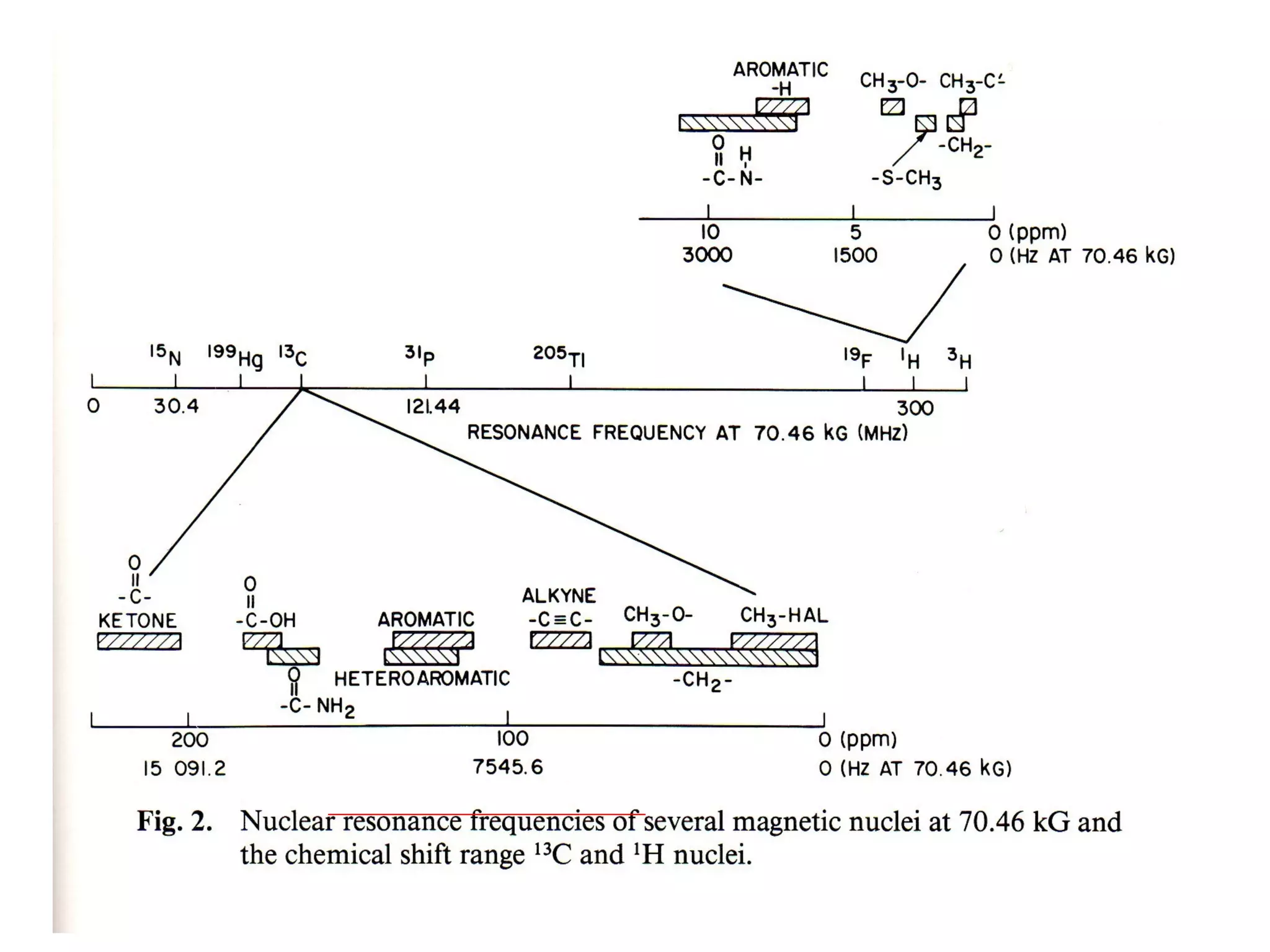


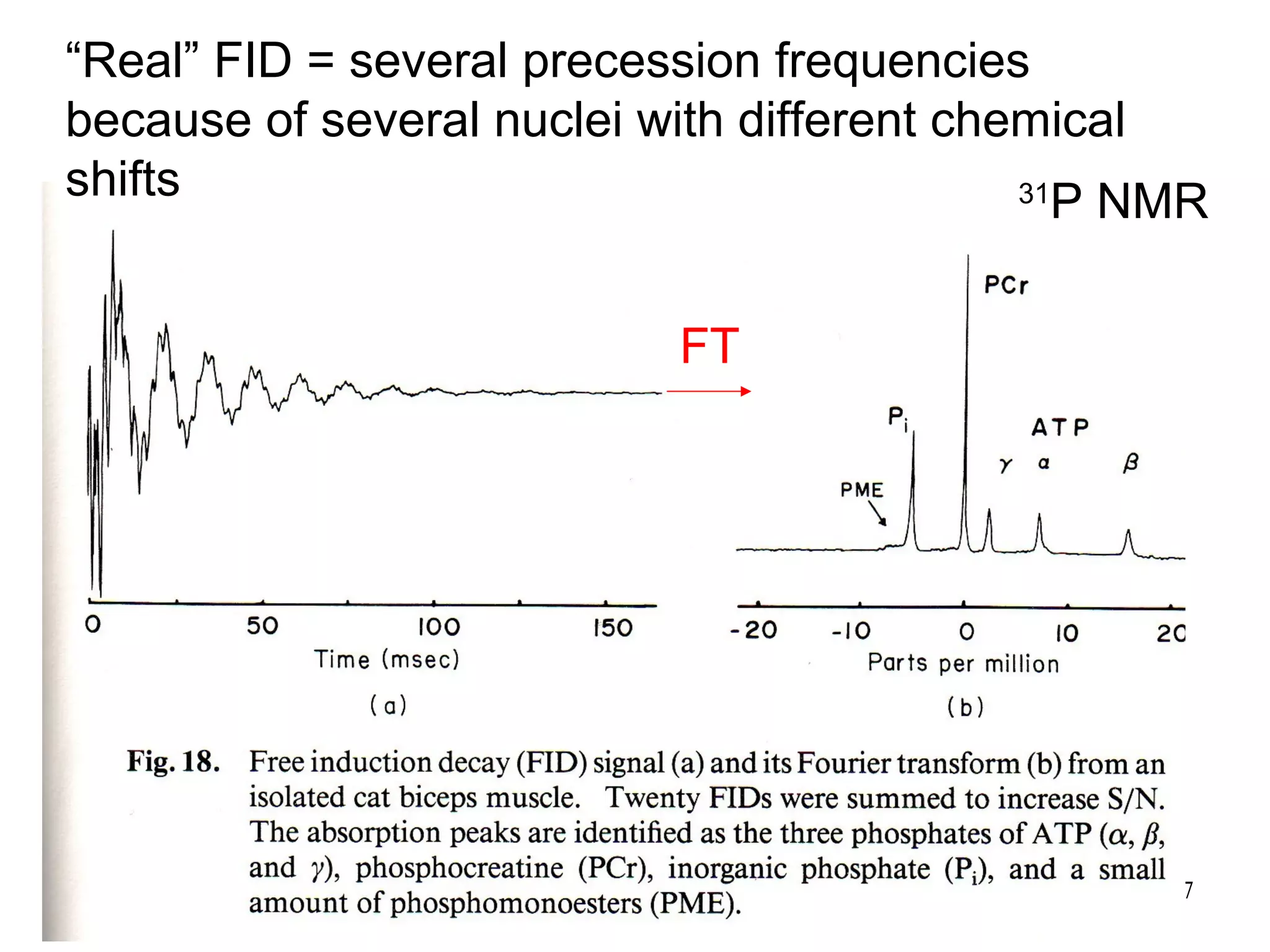

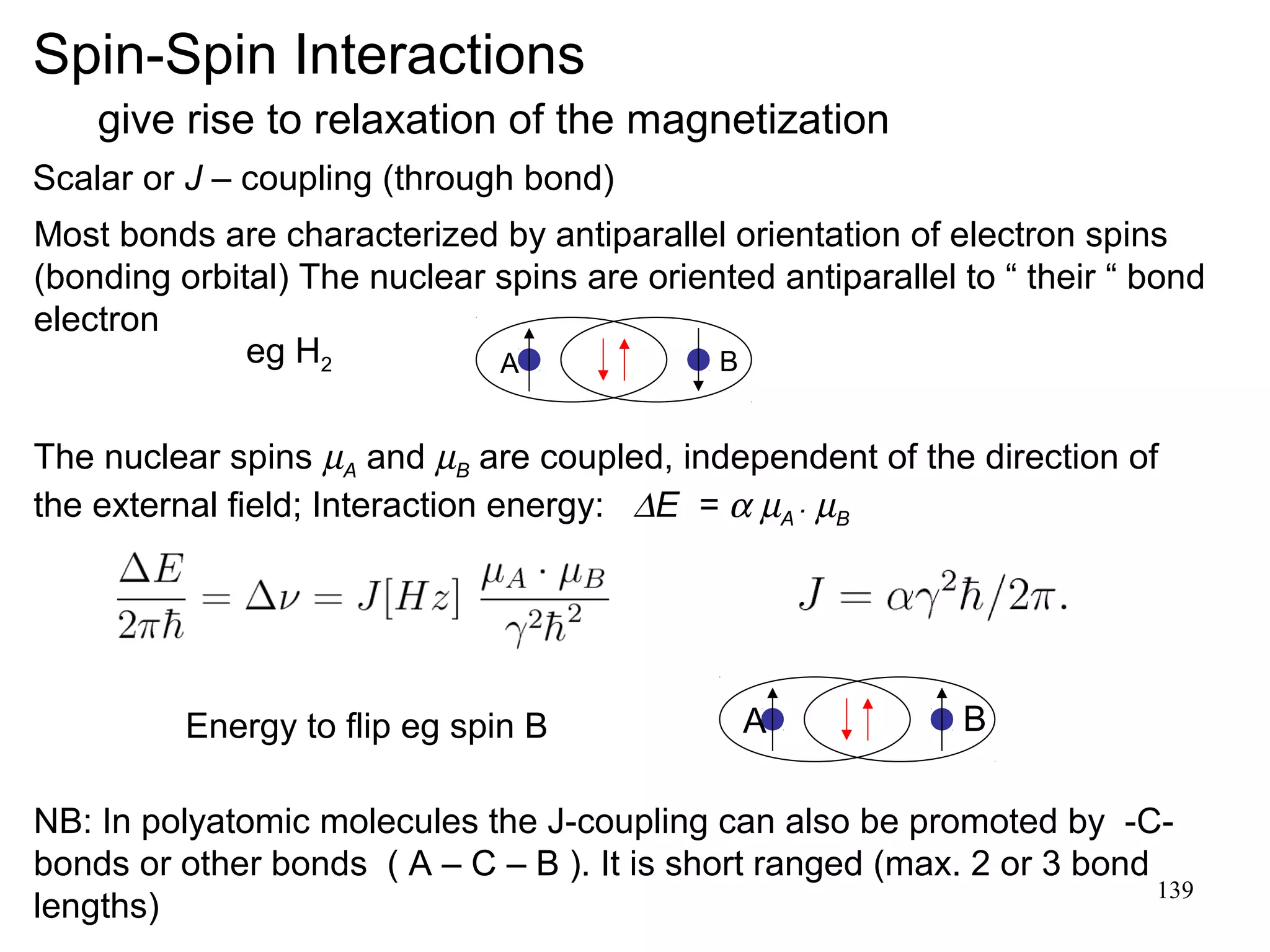
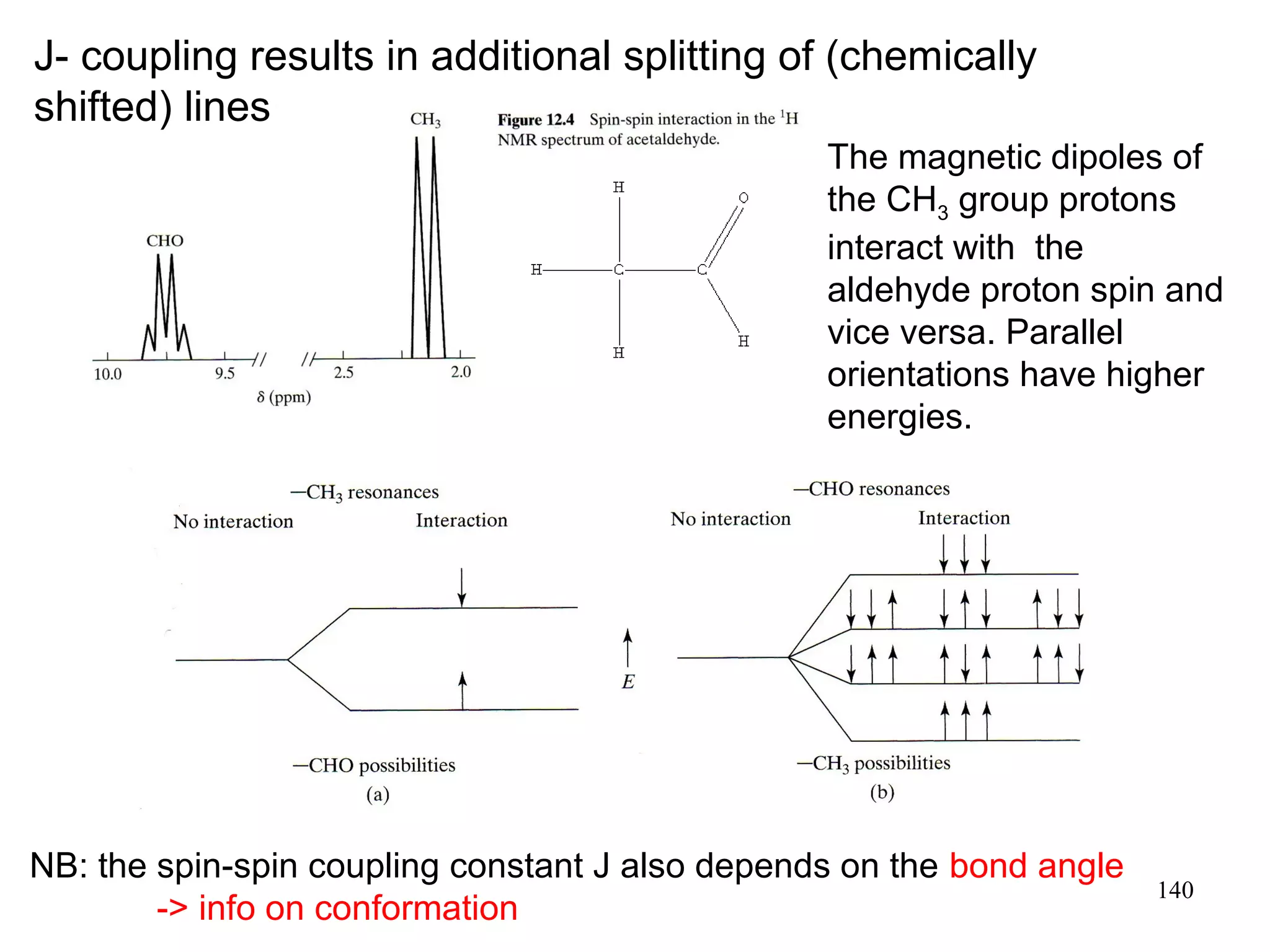


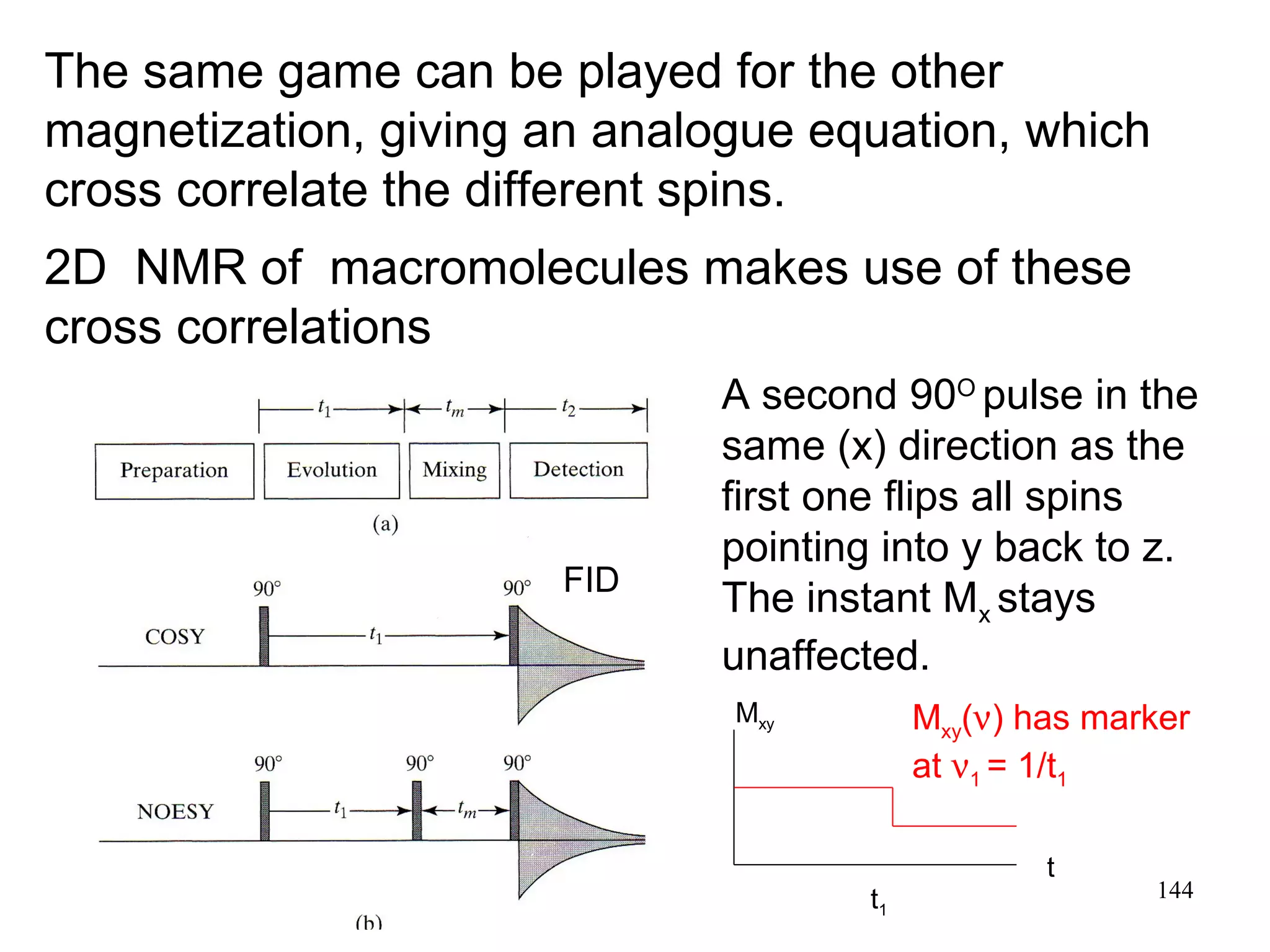


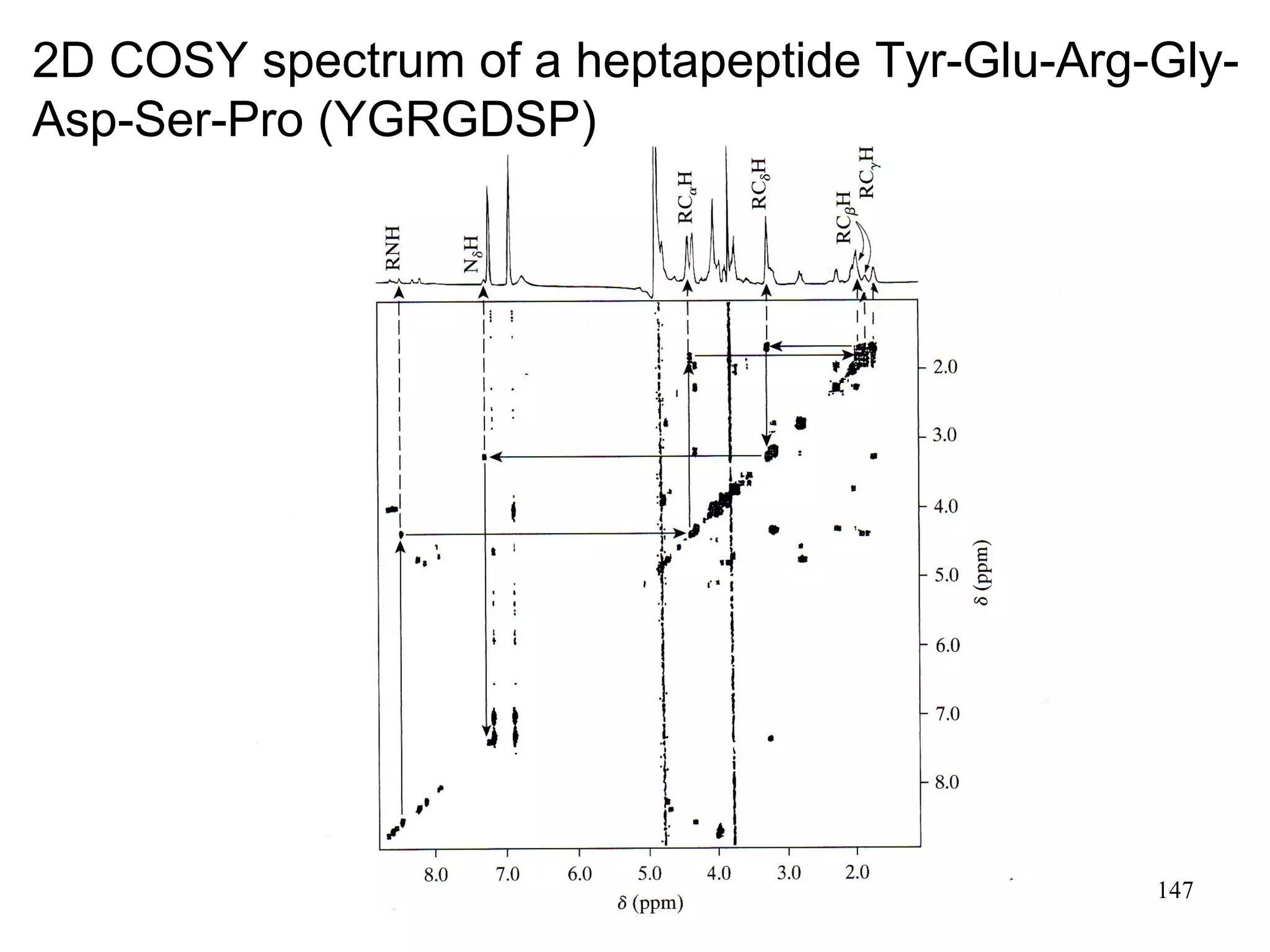
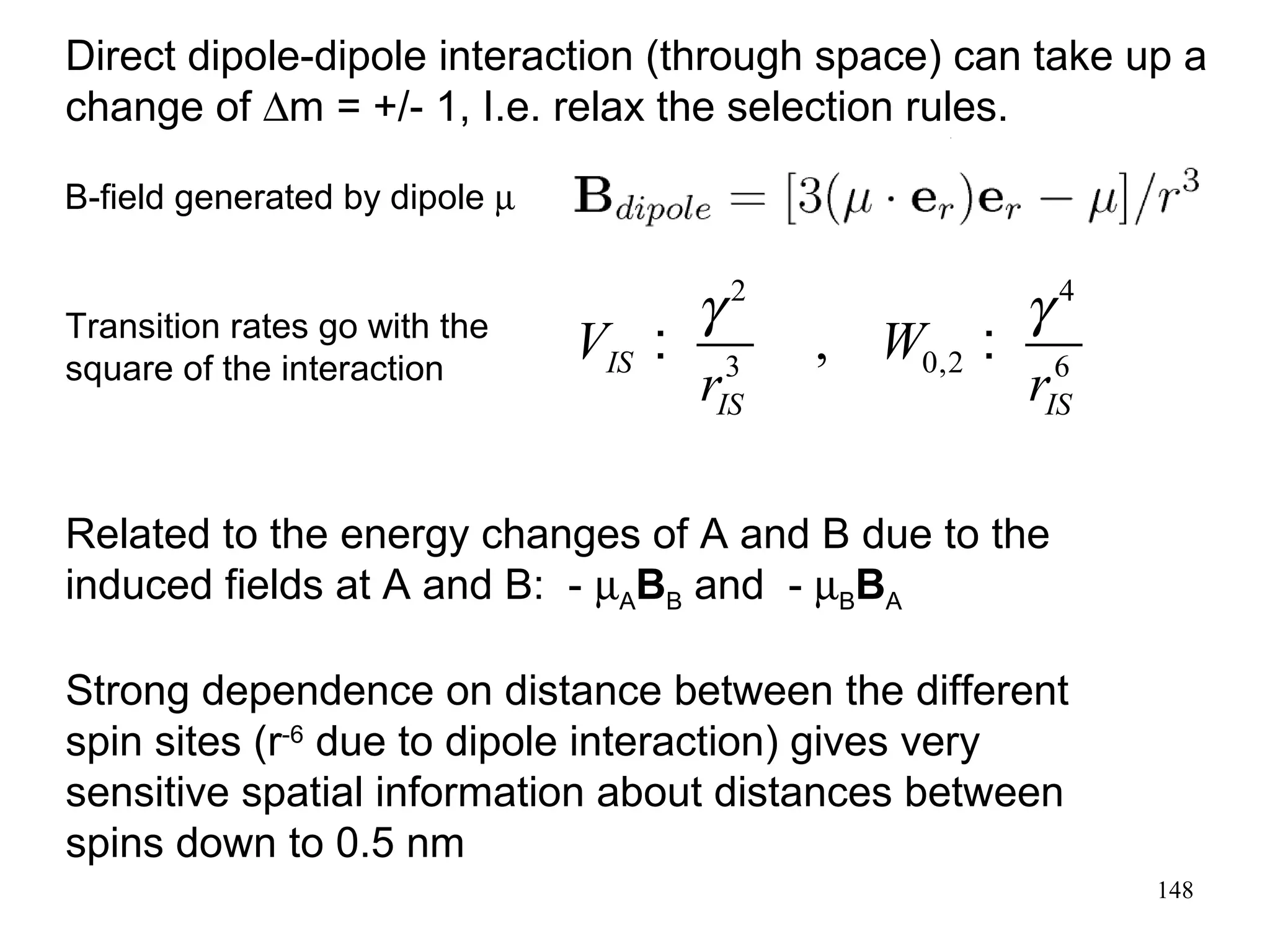
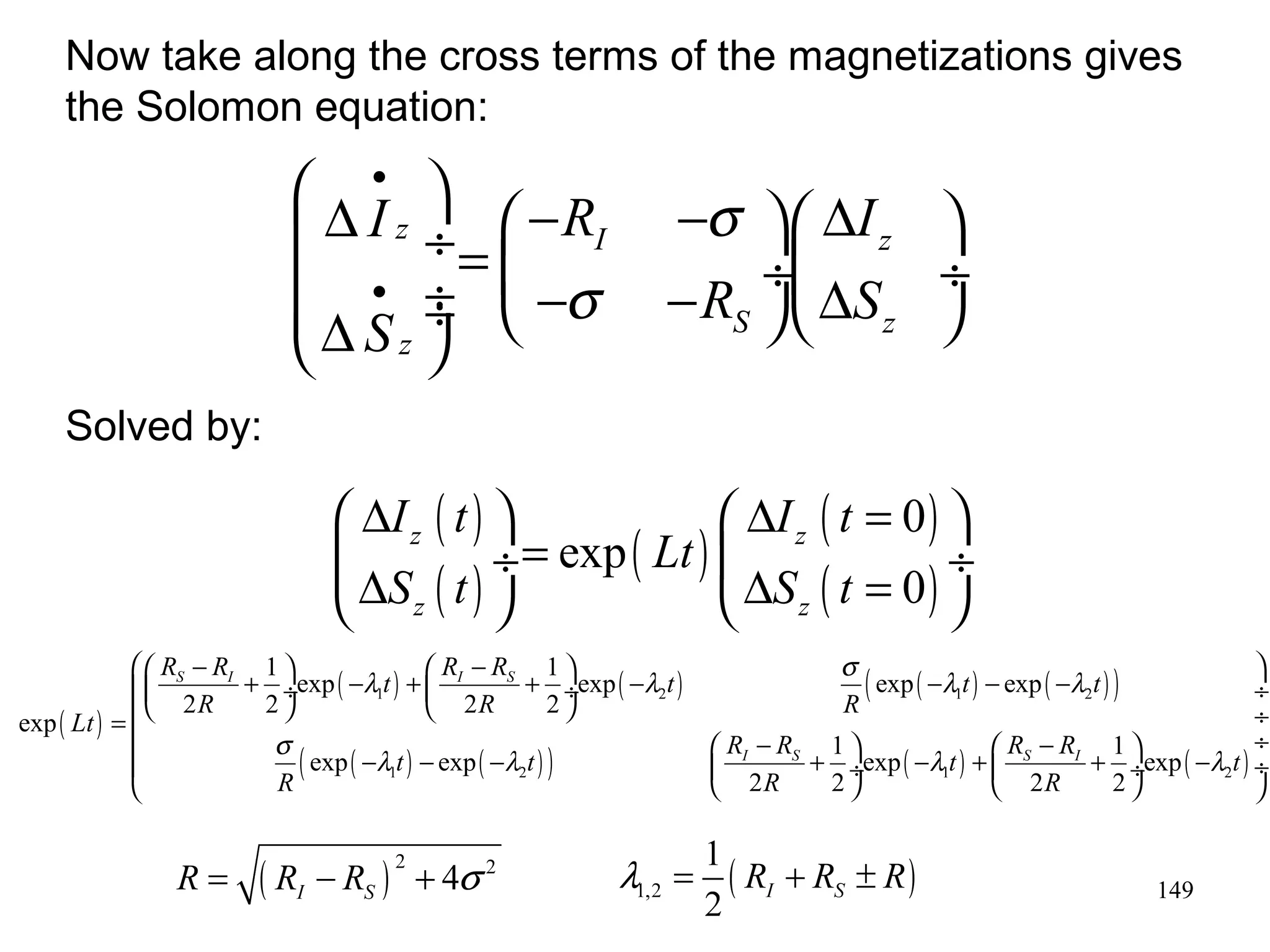


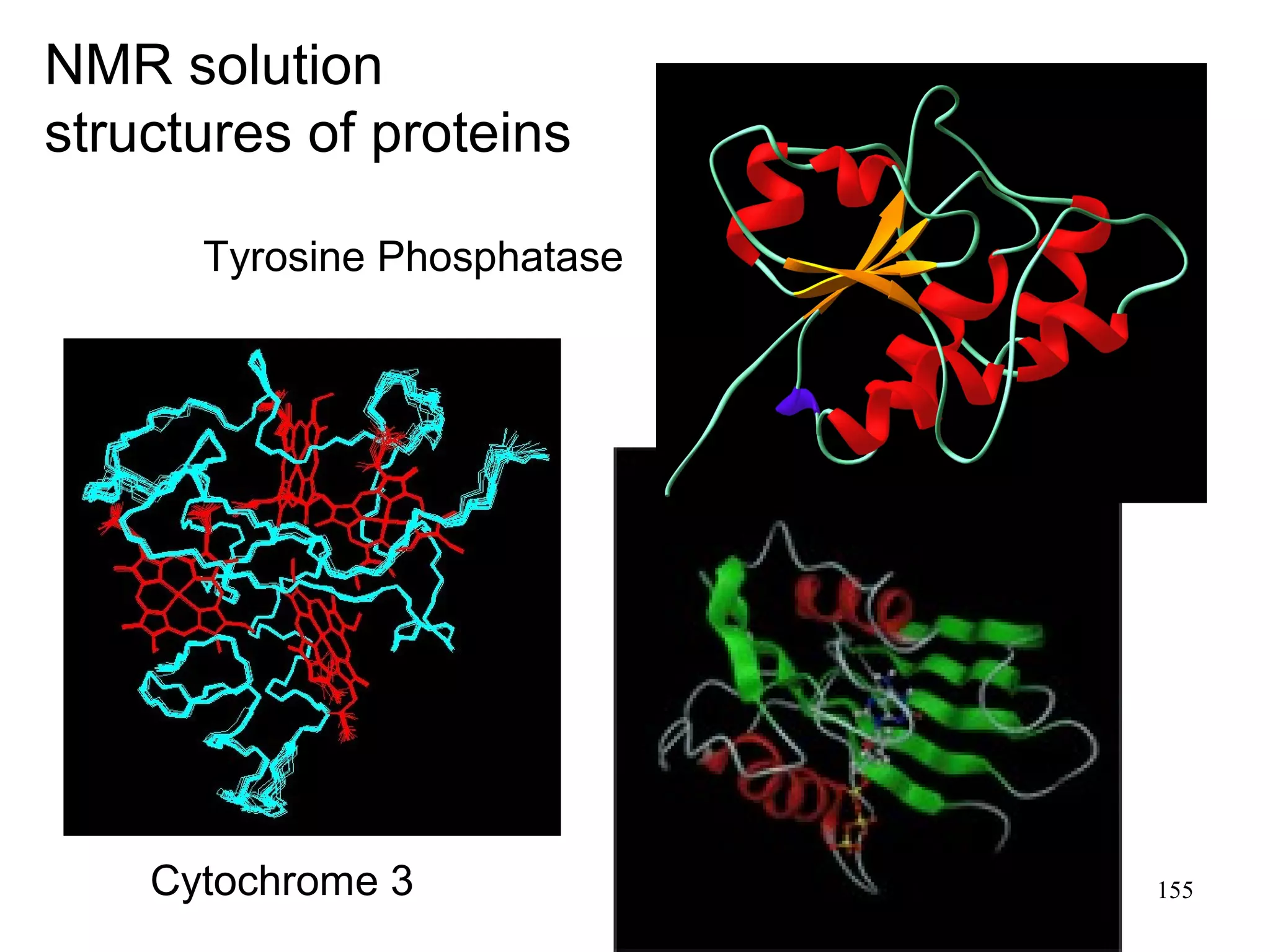

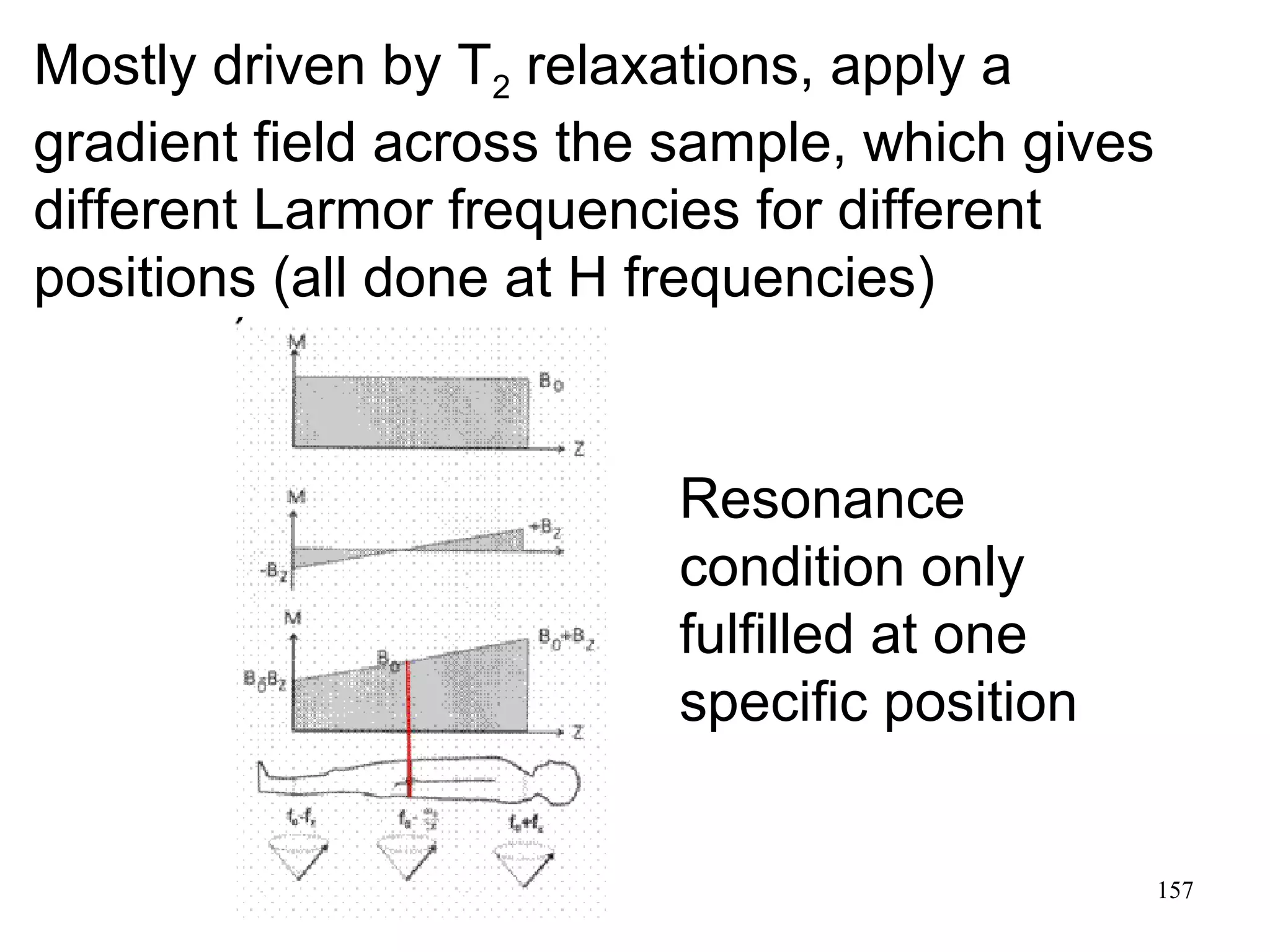





1. Nuclear magnetic resonance (NMR) spectroscopy exploits the magnetic properties of atomic nuclei to study the physical, chemical, and biological properties of matter. 2. Key developments in NMR history include the first observations of NMR in solutions and solids in 1945, and the development of Fourier transform NMR and 2D NMR in the 1960s-1970s, which enabled the determination of protein structures by NMR. 3. NMR spectroscopy provides information about the number, type, and neighboring environment of nuclei in a molecule based on signals in the NMR spectrum.


![Noesy [autosaved]](https://cdn.slidesharecdn.com/ss_thumbnails/noesyautosaved-200728183752-thumbnail.jpg?width=640&height=640&fit=bounds)


