Downloaded 625 times
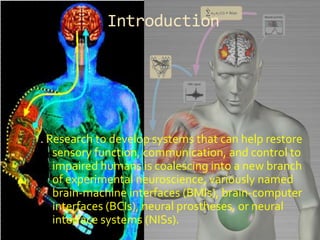
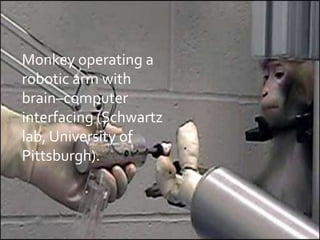
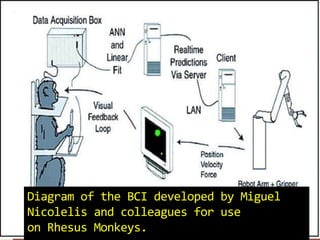

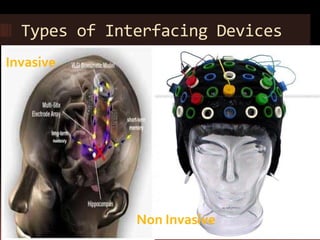
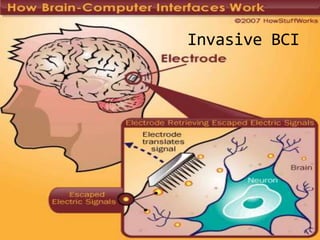
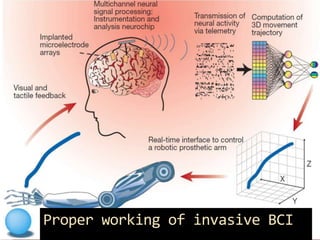

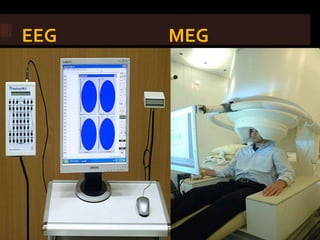
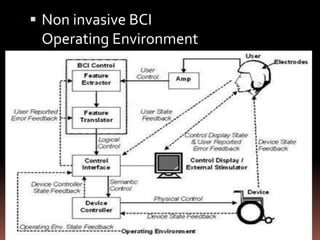
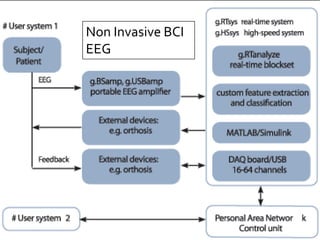


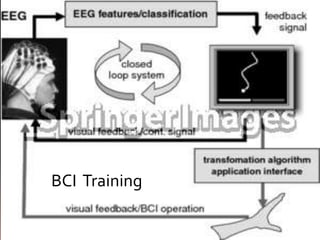
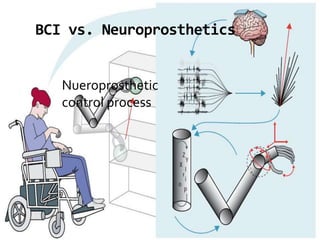
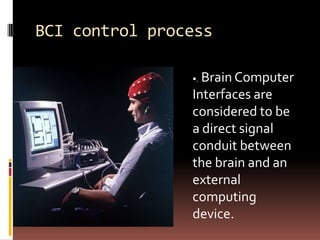
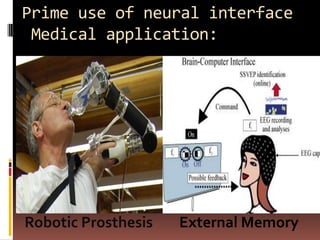
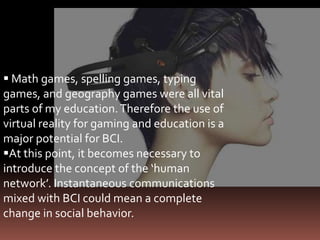
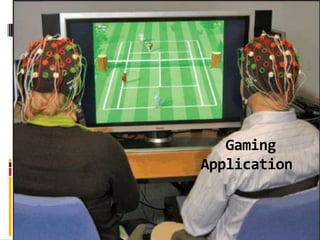
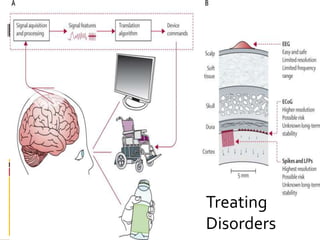
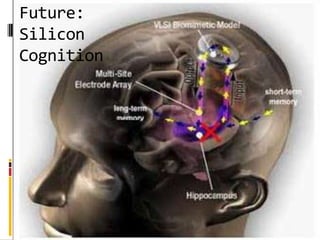



Neural interfacing aims to create links between the nervous system and outside world by stimulating or recording neural tissue to treat disabilities. The ultimate goal is to restore sensory function, communication and control for impaired individuals. Research has made progress developing invasive and non-invasive brain-computer interfaces using EEG, MEG and other methods. While promising, challenges remain as these systems require extensive training before becoming effective and raise ethical concerns regarding privacy and effects on the brain. If developed further, neural interfaces could have wide-ranging medical, military, manufacturing and social applications.


