Nature
     of
   Public
Communication
Nature and process of public communication
      Public communication is an art of sharing ideas
orally coupled with financial expressions and
movements in a large body of audience.

Man expresses ideas , facts, and feelings, either in
verbal or non-verbal manner. But the combination of
the languages is the most effective means of
communicating one’s message .
In public communication, verbal communication is
the sound representation of language .as you
communicate orally ,you verbalized your ideas. As
students you have to say the words according to
their meaning. You must shape your voice into
meaningful sounds. Sound
is generally the sensation that is perceived through
the ear.
Steps in speech preparation
1. Select a topic
2. Determine a specific purpose and write a thesis
   statement
3. Analyze the audience and the occasion
4. Find the material to be spoken
5. Organize the speech
     a. attention
     b. goodwill
     c. motivation
6. Word the speech
7. Practice the delivery
8. Deliver the speech
Speech forms and Speech Situation

SPEECH COMMUNICATION FORMS
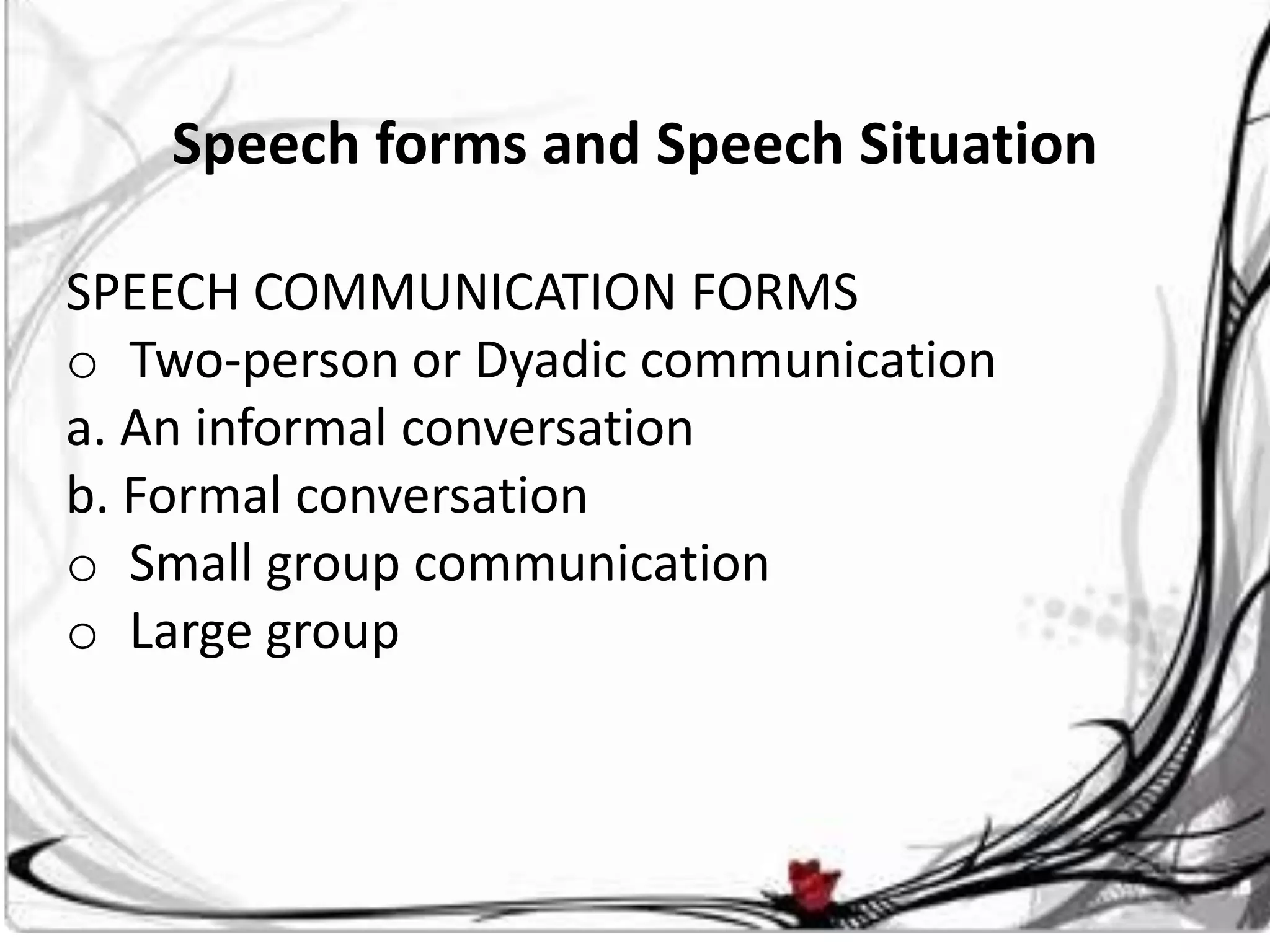
o Two-person or Dyadic communication
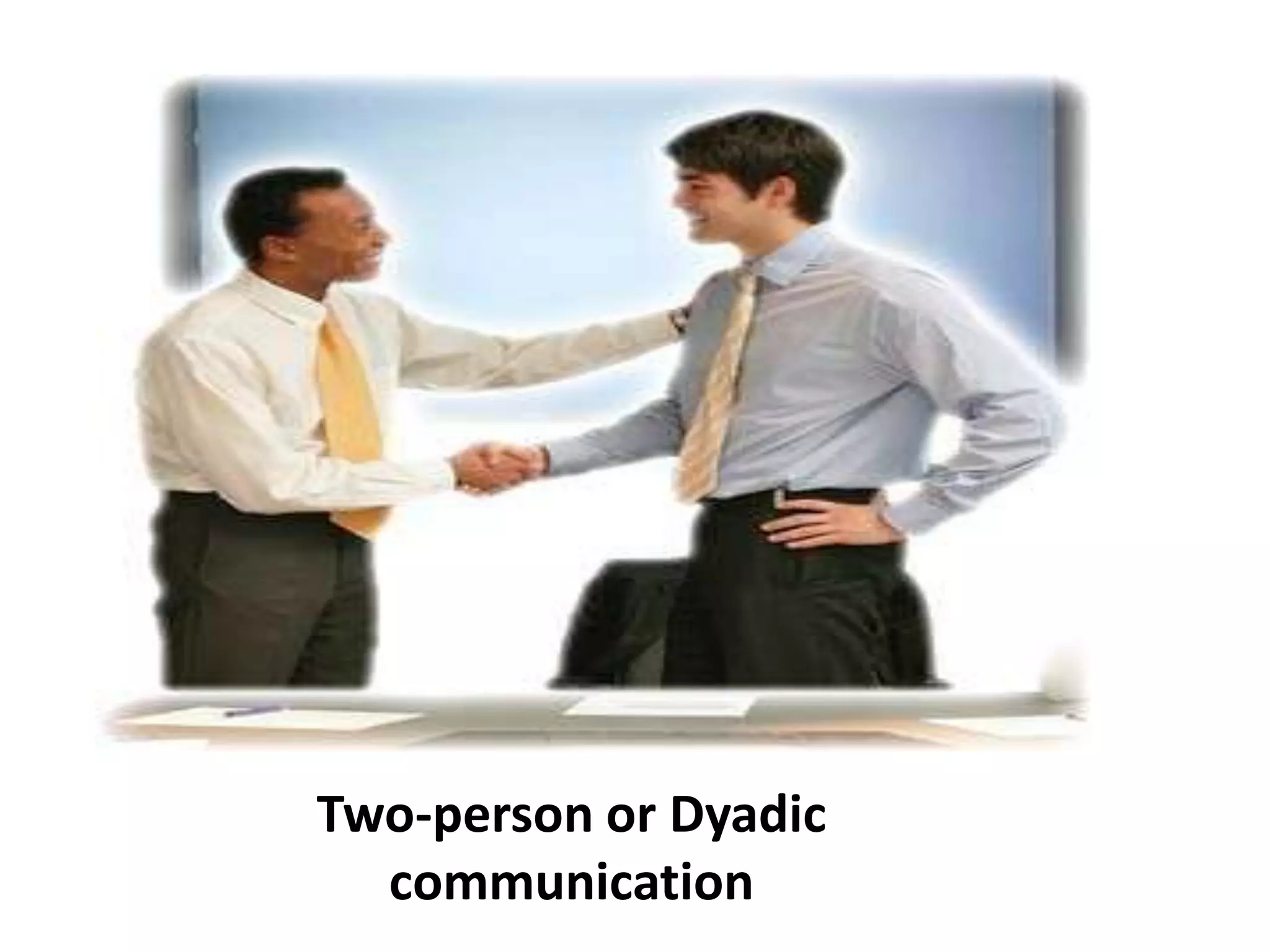
a. An informal conversation
b. Formal conversation
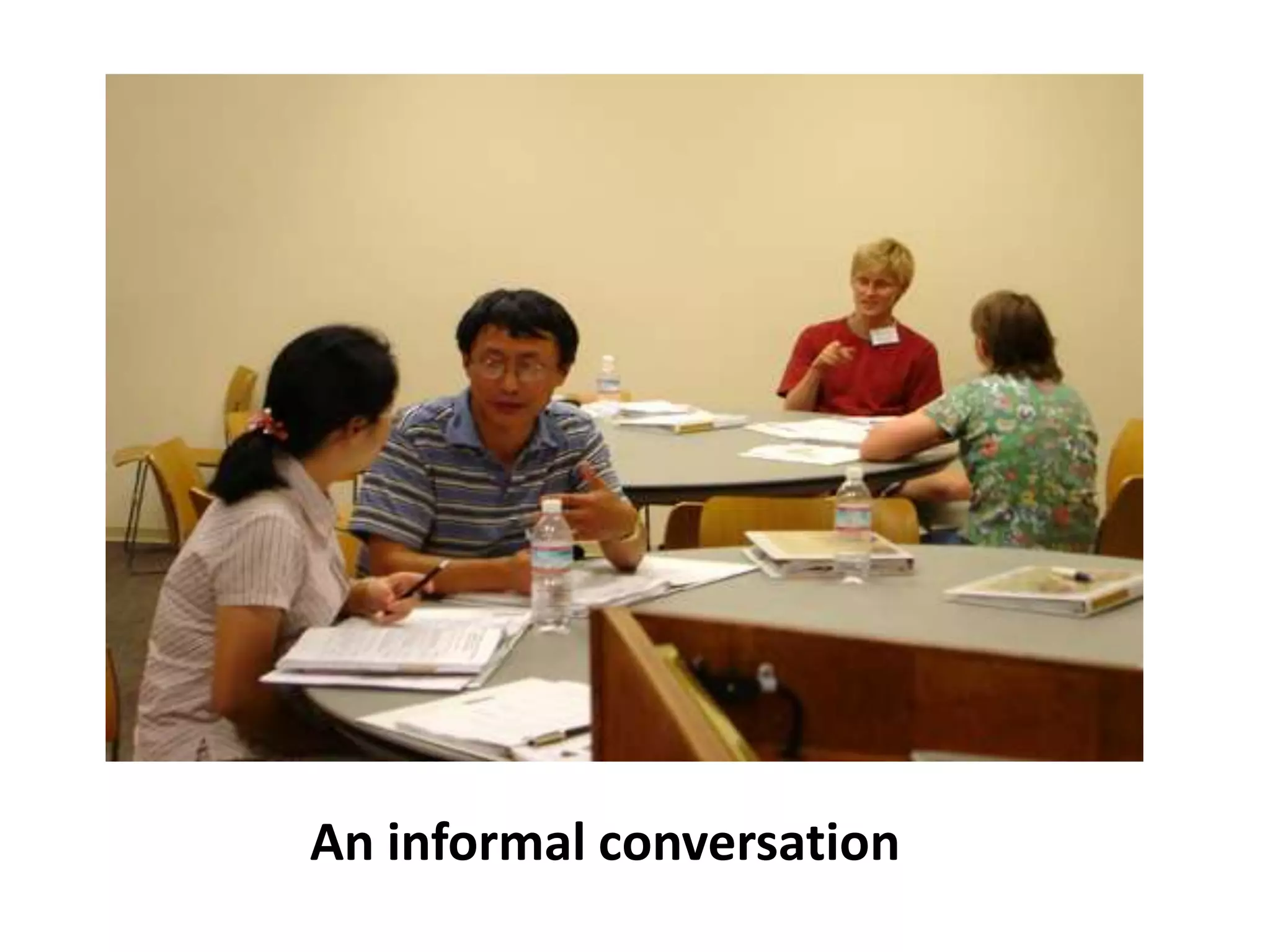
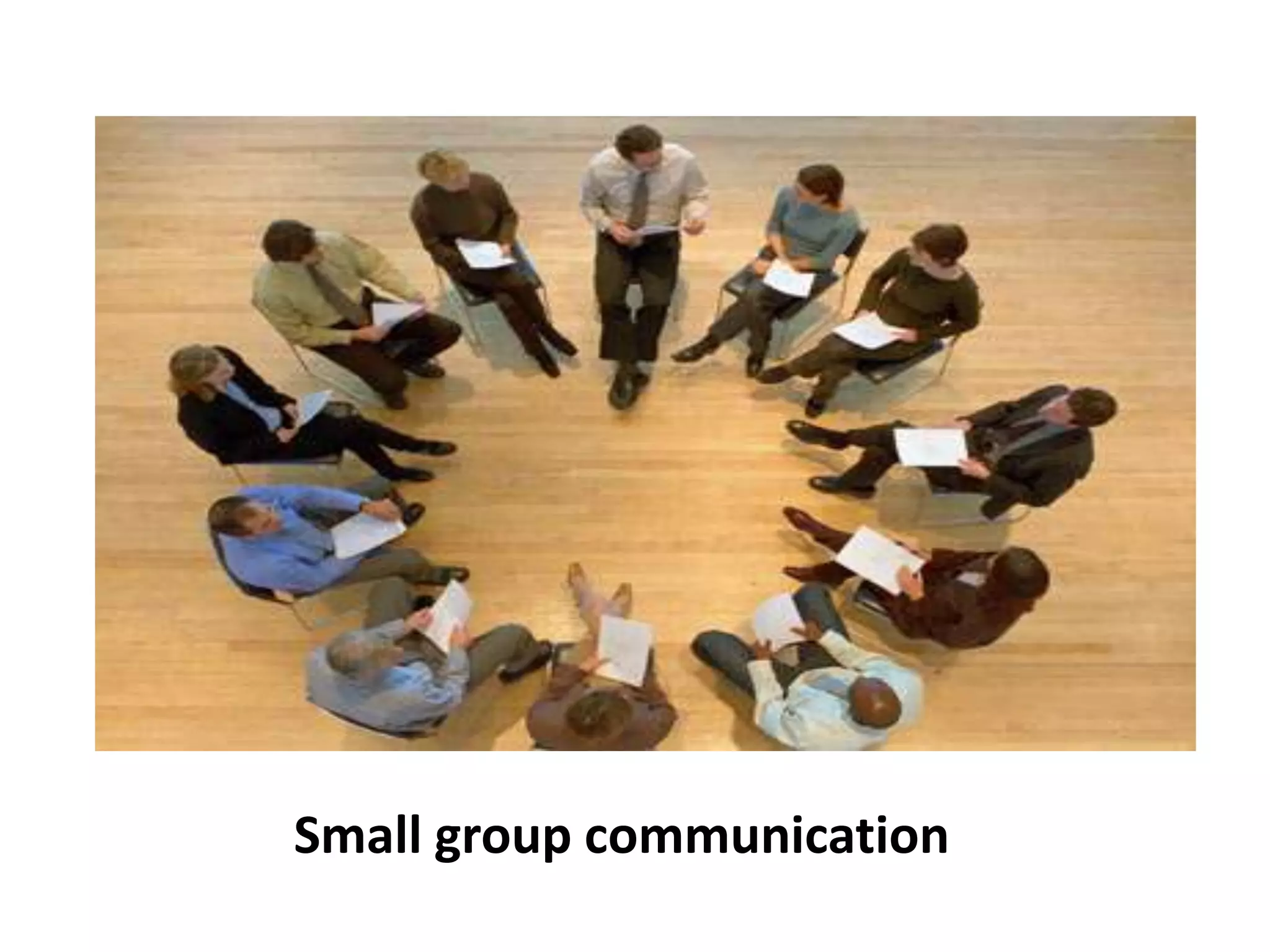
o Small group communication
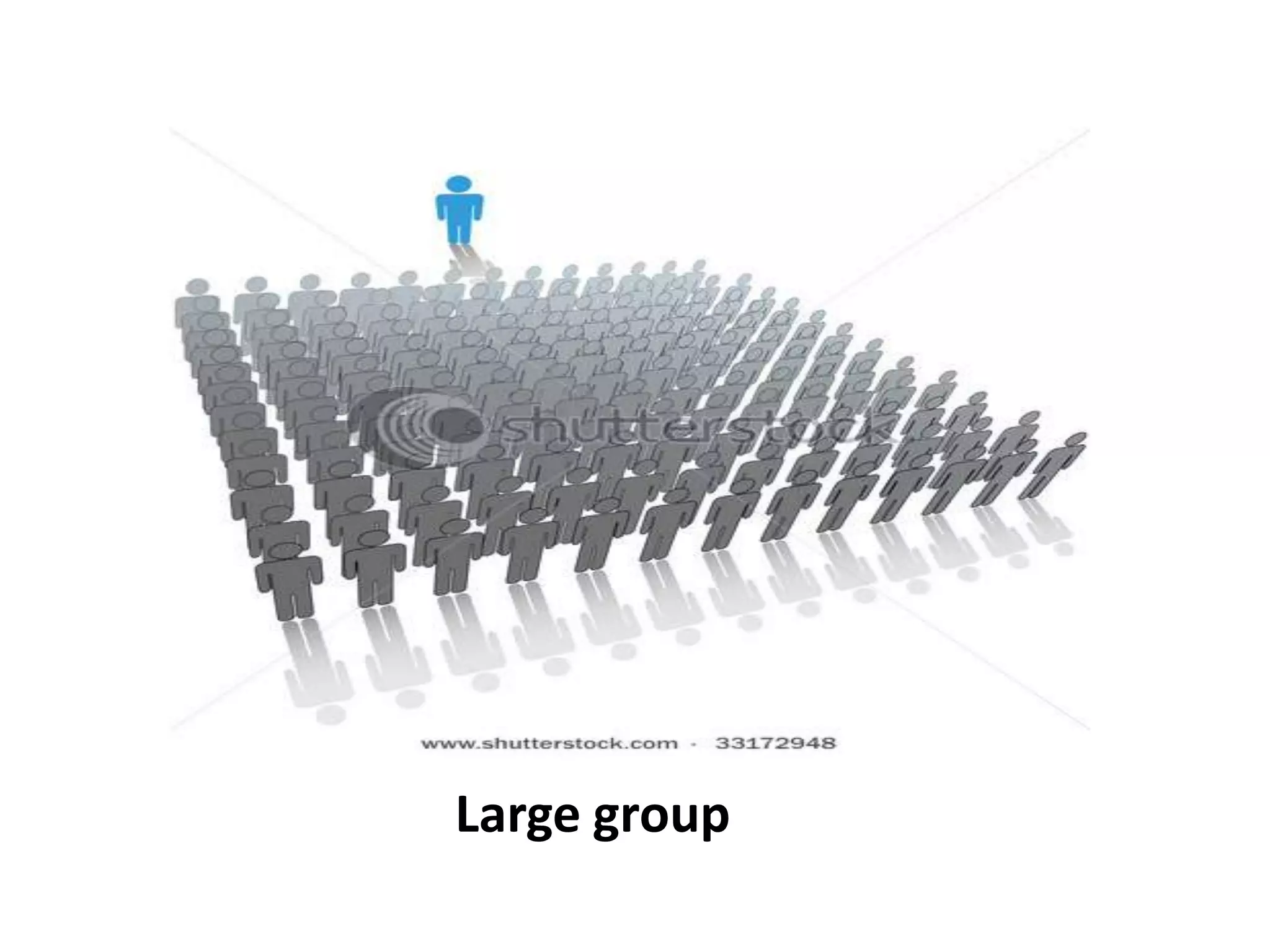
o Large group
Two-person or Dyadic
  communication
An informal conversation
Formal conversation
Small group communication
Large group
CONDITION FOR SUCCESSFUL
COMMUNICATION
Communication experts have identified
several factors that affect the progress and
outcome of a communicative interaction.
These factors relate to the speaker, the
listener, the speaker and the listener, and
the communicative situation.
THE SPEAKER
Successful communication begins

1. When the speaker can clearly
perceive the nature of the problem or
the topic at hand

2. When he applies his know ledge to
help bring about the objective
3. When he makes intelligent plans for the
event

4. When he can express his thoughts in the
most effective language an

5. When he can act and think logically under
pressure, the last one particularly significant
in public speaking
THE LISTENER
To be an effective participant in a communication
situation, the listener must be physically, mentally,
and emotionally prepared to the listener to the
speaker message. In the process, he must study the
strengths and weaknesses of the speaker’s message
before reacting to it; he must respond to the
message when given opportunity by asking
questions or by acknowledging some information;
and he must be able to recall facts, names and ideas
when needed.
THE LISTENER AND THE SPEAKER
When two or more people are engaged in an
exchange of ideas, some variables help them
in giving and receiving ideas.
•First, there must be some commonalities in
their experience and background.
•Secondly, the speaker must have certain
degree of credibility to hold the attention of
his listeners.
•Third, power and status related closely to each
other and affect the manner in which listeners
think and behave in each other presence.

•Fourth, stimuli from the speaker in the form of
non-verbal clue such as bodily movements.

•Fifth, the message must be adapted to the
listeners in terms of subject matter, substance,
structure, and style without giving up a logical
scheme.
THE COMMUNICATIVE SITUATION

Although the listener and the speaker hold principal roles in
communication some factors can assist them playing their
parts effectively. These factors are:

1. The physical setting for the interaction

2. The past experiences of the speaker and the listeners -
The past experiences of listeners and the speakers define
the result of the discussion.

3. Cultural differences - Sensitivity to cultural differences
affects the progress of communication.
4. Intervening stimuli – noise is one of the most common
competing stimuli that distracts attention and distorts a
message.

5. The channel used in communication – the channel or the
method of sending the message affects the results of
communication

Nature of public communication

  • 1.
    Nature of Public Communication
  • 2.
    Nature and processof public communication Public communication is an art of sharing ideas orally coupled with financial expressions and movements in a large body of audience. Man expresses ideas , facts, and feelings, either in verbal or non-verbal manner. But the combination of the languages is the most effective means of communicating one’s message .
  • 3.
    In public communication,verbal communication is the sound representation of language .as you communicate orally ,you verbalized your ideas. As students you have to say the words according to their meaning. You must shape your voice into meaningful sounds. Sound is generally the sensation that is perceived through the ear.
  • 4.
    Steps in speechpreparation 1. Select a topic 2. Determine a specific purpose and write a thesis statement 3. Analyze the audience and the occasion 4. Find the material to be spoken 5. Organize the speech a. attention b. goodwill c. motivation 6. Word the speech 7. Practice the delivery 8. Deliver the speech
  • 5.
    Speech forms andSpeech Situation SPEECH COMMUNICATION FORMS o Two-person or Dyadic communication a. An informal conversation b. Formal conversation o Small group communication o Large group
  • 6.
    Two-person or Dyadic communication
  • 7.
  • 8.
  • 9.
  • 10.
  • 11.
    CONDITION FOR SUCCESSFUL COMMUNICATION Communicationexperts have identified several factors that affect the progress and outcome of a communicative interaction. These factors relate to the speaker, the listener, the speaker and the listener, and the communicative situation.
  • 12.
    THE SPEAKER Successful communicationbegins 1. When the speaker can clearly perceive the nature of the problem or the topic at hand 2. When he applies his know ledge to help bring about the objective
  • 13.
    3. When hemakes intelligent plans for the event 4. When he can express his thoughts in the most effective language an 5. When he can act and think logically under pressure, the last one particularly significant in public speaking
  • 14.
    THE LISTENER To bean effective participant in a communication situation, the listener must be physically, mentally, and emotionally prepared to the listener to the speaker message. In the process, he must study the strengths and weaknesses of the speaker’s message before reacting to it; he must respond to the message when given opportunity by asking questions or by acknowledging some information; and he must be able to recall facts, names and ideas when needed.
  • 15.
    THE LISTENER ANDTHE SPEAKER When two or more people are engaged in an exchange of ideas, some variables help them in giving and receiving ideas. •First, there must be some commonalities in their experience and background. •Secondly, the speaker must have certain degree of credibility to hold the attention of his listeners.
  • 16.
    •Third, power andstatus related closely to each other and affect the manner in which listeners think and behave in each other presence. •Fourth, stimuli from the speaker in the form of non-verbal clue such as bodily movements. •Fifth, the message must be adapted to the listeners in terms of subject matter, substance, structure, and style without giving up a logical scheme.
  • 17.
    THE COMMUNICATIVE SITUATION Althoughthe listener and the speaker hold principal roles in communication some factors can assist them playing their parts effectively. These factors are: 1. The physical setting for the interaction 2. The past experiences of the speaker and the listeners - The past experiences of listeners and the speakers define the result of the discussion. 3. Cultural differences - Sensitivity to cultural differences affects the progress of communication.
  • 18.
    4. Intervening stimuli– noise is one of the most common competing stimuli that distracts attention and distorts a message. 5. The channel used in communication – the channel or the method of sending the message affects the results of communication