What is it?
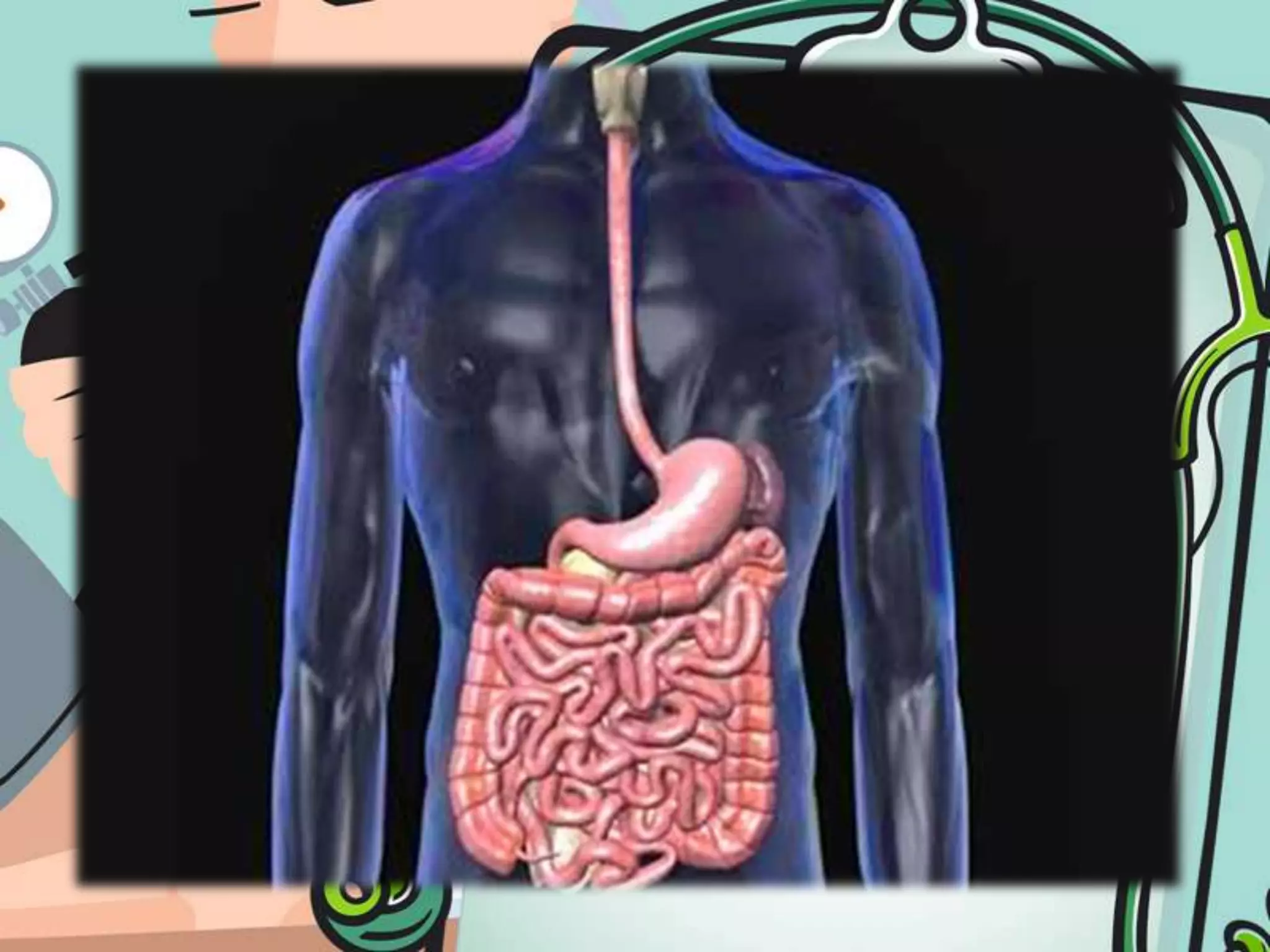
 –the process of placing a
 soft plastic or rubber
 nasogastric (NG) tube
 through a patient's nostril,
 past the pharynx and down
 the esophagus into a
 patient's stomach.
Preparatio
    n
Equipment:
Nasogastric tube
Water-soluble lubricant
Glass of water with straw
 (or ice chips)
Towel
Tissues
Emesis basin
Bulb or 50 ml catheter-tip
  syringe
Blue litmus strip
Hypoallergenic tape
Safety pin
Stethoscope
Clamp
Explain the purpose of the
tube to the patient.
deliver substances
 directly into the stomach
remove substances from
 the stomach
testing stomach function
  or contents
Explain the procedure to
the patient.
NPO for 6 hours before
 the procedure
Have the patient blow
 his nose and remove
 dentures if they have
 them
Ask the patient about
 whether they have had sinus
 problems, nasal problems
 such as nosebleeds or nasal
 surgery in the past.
 Inspect and select a nostril
 to use for intubation.
INSERTION
Confirm placement
Let patient talk
Auscultation method (15 cc
 of air)
Measurement of the tube
 length
Gastric aspiration and pH
 measurement (1-5 pH)
Chest x-ray
Securing
Feeding
Intermittent
•200 – 350 ml for 10 – 15
minutes
•6.6 pH value
Removal
Wear clean gloves.
Remove adhesive tape from the
  nose and the safety pin from
  gown.
  Flush tube with 10 ml normal
  saline.
  Withraw tube gently and slowly
  for 15 to 20 cm until the tip
  reaches the esophagus.
  The remainder is withrawn
  rapidly from the nostril.
  As the tube is withrawn, it is
  concealed in a towel.
  Provide oral hygiene.
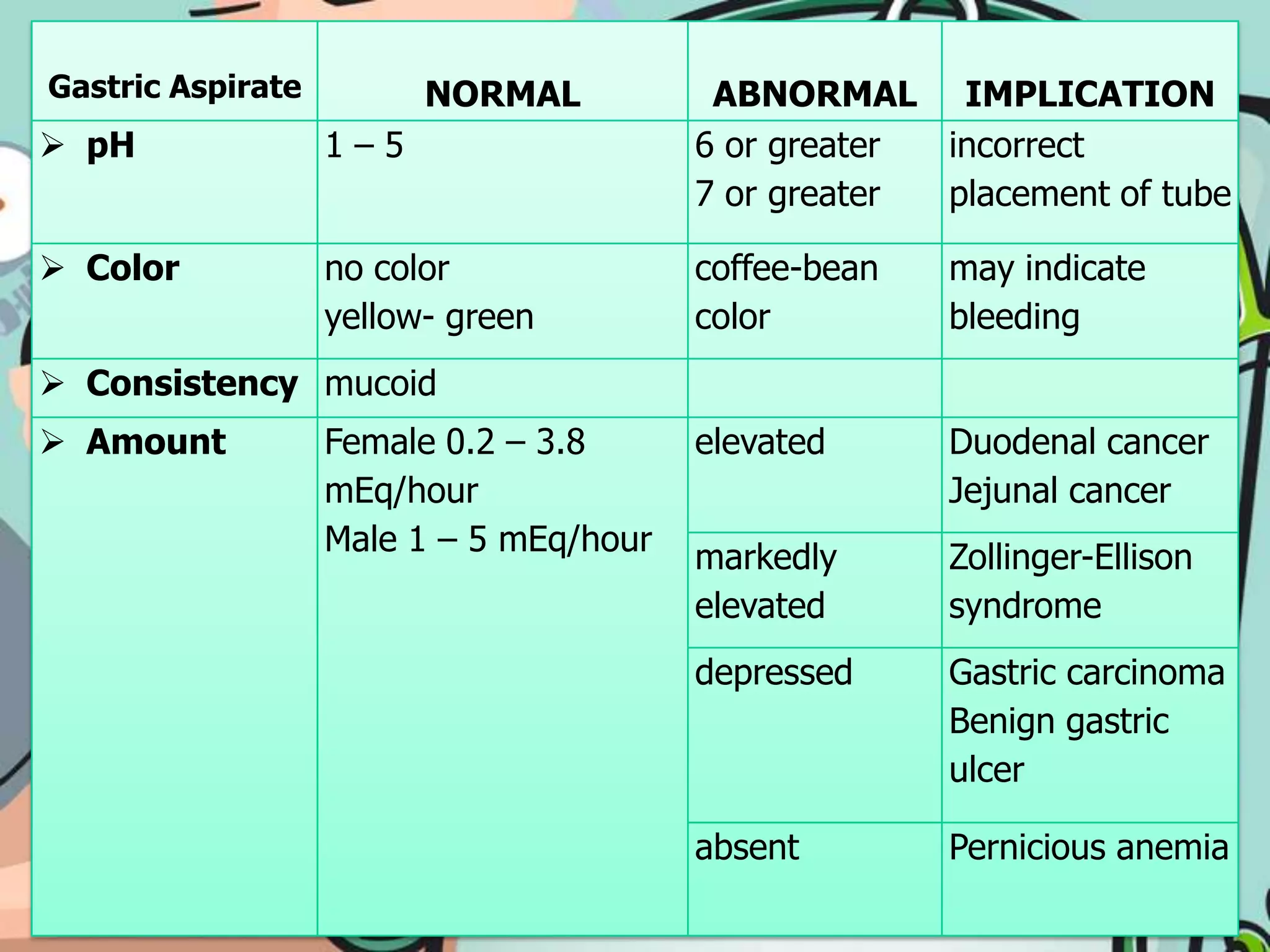
Gastric Aspirate         NORMAL           ABNORMAL IMPLICATION
 pH               1–5                   6 or greater incorrect
                                         7 or greater placement of tube

 Color            no color              coffee-bean   may indicate
                   yellow- green         color         bleeding
 Consistency mucoid
 Amount           Female 0.2 – 3.8      elevated      Duodenal cancer
                   mEq/hour                            Jejunal cancer
                   Male 1 – 5 mEq/hour
                                         markedly      Zollinger-Ellison
                                         elevated      syndrome
                                         depressed     Gastric carcinoma
                                                       Benign gastric
                                                       ulcer

                                         absent        Pernicious anemia
Encourage good mouth care and
 cleansing the nares routinely.
Provide mouth care once per
 shift, or as needed.
Coat patient’s lips with
 petroleum jelly.
Regularly check the tape that
 secures the tube.
Change the tape position daily
  and examine the tissue around
  the nose and under the tape.
  Keep the head of the bed elevated
  30 degrees at all times.
Place the head of the bed 30-45
  degrees during tube feedings and
  for 30-60 minutes after
  intermittent tube feedings if the
  patient can tolerate this position.
  The feeding bag and tubing
  should be changed usually every
  24 hours to prevent bacterial
  contamination.
  Inspect gastric drainage.
Nasogastric intubation

Nasogastric intubation

  • 2.
    What is it? –the process of placing a soft plastic or rubber nasogastric (NG) tube through a patient's nostril, past the pharynx and down the esophagus into a patient's stomach.
  • 5.
  • 6.
    Equipment: Nasogastric tube Water-soluble lubricant Glassof water with straw (or ice chips) Towel Tissues Emesis basin Bulb or 50 ml catheter-tip syringe
  • 7.
    Blue litmus strip Hypoallergenictape Safety pin Stethoscope Clamp
  • 8.
    Explain the purposeof the tube to the patient. deliver substances directly into the stomach remove substances from the stomach testing stomach function or contents
  • 9.
    Explain the procedureto the patient. NPO for 6 hours before the procedure Have the patient blow his nose and remove dentures if they have them
  • 10.
    Ask the patientabout whether they have had sinus problems, nasal problems such as nosebleeds or nasal surgery in the past.  Inspect and select a nostril to use for intubation.
  • 11.
  • 14.
    Confirm placement Let patienttalk Auscultation method (15 cc of air) Measurement of the tube length Gastric aspiration and pH measurement (1-5 pH) Chest x-ray
  • 17.
  • 18.
    Feeding Intermittent •200 – 350ml for 10 – 15 minutes •6.6 pH value
  • 19.
  • 20.
    Wear clean gloves. Removeadhesive tape from the nose and the safety pin from gown.  Flush tube with 10 ml normal saline.  Withraw tube gently and slowly for 15 to 20 cm until the tip reaches the esophagus.  The remainder is withrawn rapidly from the nostril.  As the tube is withrawn, it is concealed in a towel.  Provide oral hygiene.
  • 23.
    Gastric Aspirate NORMAL ABNORMAL IMPLICATION  pH 1–5 6 or greater incorrect 7 or greater placement of tube  Color no color coffee-bean may indicate yellow- green color bleeding  Consistency mucoid  Amount Female 0.2 – 3.8 elevated Duodenal cancer mEq/hour Jejunal cancer Male 1 – 5 mEq/hour markedly Zollinger-Ellison elevated syndrome depressed Gastric carcinoma Benign gastric ulcer absent Pernicious anemia
  • 25.
    Encourage good mouthcare and cleansing the nares routinely. Provide mouth care once per shift, or as needed. Coat patient’s lips with petroleum jelly. Regularly check the tape that secures the tube. Change the tape position daily and examine the tissue around the nose and under the tape.  Keep the head of the bed elevated 30 degrees at all times.
  • 26.
    Place the headof the bed 30-45 degrees during tube feedings and for 30-60 minutes after intermittent tube feedings if the patient can tolerate this position.  The feeding bag and tubing should be changed usually every 24 hours to prevent bacterial contamination.  Inspect gastric drainage.