BODY MECHANICS
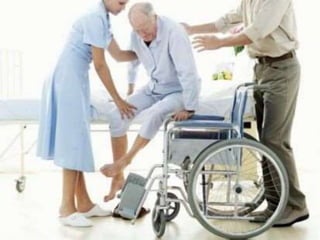
• Moving and lifting of the patients means
shift or transfer the patient from one
place to another place with use of
different types of devices.
For example- wheel chair, stretcher
When the patient not able to move or lift
one self
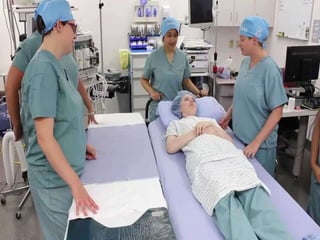
INDICATIONS (moving the patient
from bed to wheel chair and back)
• Pre-operative patients
• Anemic patients
• Old-age patients
• To shift the Gyneac patient
• For shifting the patient from ward to
investigation area.
CONTRA INDICATIONS
• Critically ill patients
• Spinal injury and fracture patients
• Caesarian patients
• Head injury patients
• Semi conscious, un conscious and coma
patients
MANUAL LIFTING
Principle of Manual Lifting
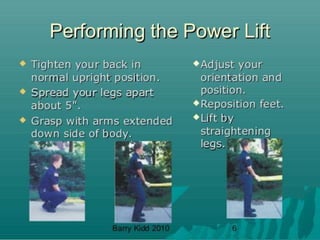
• Use the strongest muscle
• Keep your feet comfortably apart to keep the
body stable and balanced
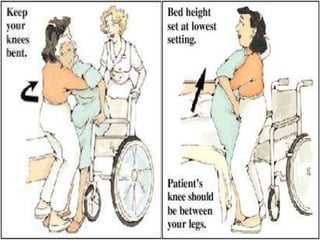
• Keep your back straight, bend at your knees
• Grip with your whole hand
• Hold the person as close as possible towards
you
• Lower the casualty if you feel unbalanced,
change your position in stun lifting him again
General instructions in moving and
lifting of the patients
• Plan the movement of the patient ahead of the
time and be sure the path is clear
• Face the direction in which the movement will
be made to avoid twisting
• The areas to be supported are
Head, shoulder and chest
Hips
Thighs and ankles
Take the help of the worker and co-ordinate
the movements
 Unless contraindicated , encourage the
patient to use his abilities as much as possible
Observe the patient for orthostatic
hypotension
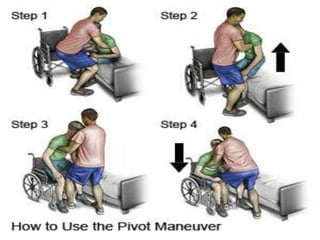
Always lock the wheels of the chair and
stretcher
Avoid jerking and twisting during the lift
INDICATIONS(moving of the patients
from bed to stretcher and back)
• Critically ill patients
• Post operative patients cardio vascular,
spinal injury and fracture patients
• Caesarian patients
• Head injury patients
• Semi conscious, un conscious and coma
patients
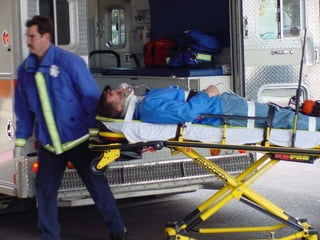
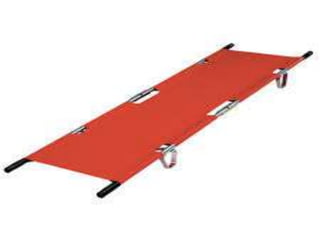
METHOD OF TRANSFERING THE
INJURED CASUALITY
• Manual lift
• Carry Chairs
• Stretchers
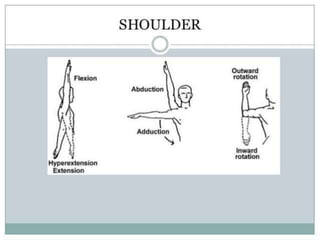
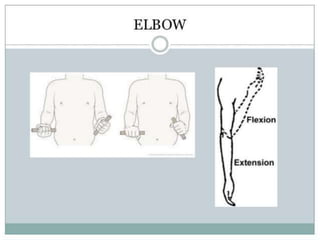
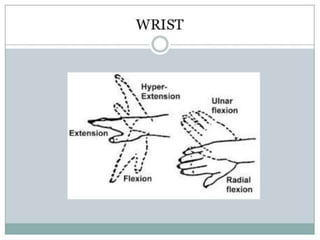
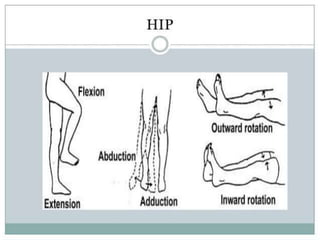
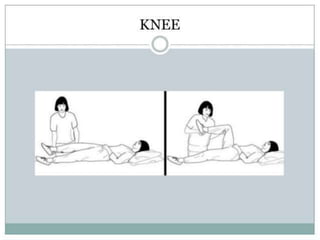
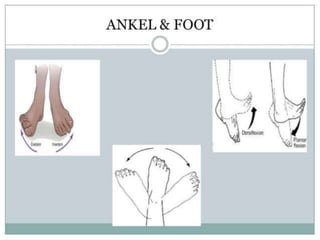
RANGE OF MOTION EXERCISE
ROM (Range of Motion)
• The complete extent of movement of which a
joint is normally capable.
ROM Exercise
• Exercises for maintaining and recovering range
of motion of joint
• Active
• Passive
ASSESSMENT OF CLIENT BEFORE MOVING AND POSITIONING
• Body alignment
• Physical ability
• Physician order
• Tube and connection
• Incision
• Disease order
PURPOSES :-
•To stimulate circulation
•To restore normal motion of joints
•To maintain muscle strength
•To restore co-ordination
•To provide comfort
Moving &lifting
Moving &lifting
Moving &lifting
Moving &lifting
Moving &lifting
Moving &lifting
Moving &lifting

Moving &lifting

  • 1.
    BODY MECHANICS • Movingand lifting of the patients means shift or transfer the patient from one place to another place with use of different types of devices. For example- wheel chair, stretcher When the patient not able to move or lift one self
  • 3.
    INDICATIONS (moving thepatient from bed to wheel chair and back) • Pre-operative patients • Anemic patients • Old-age patients • To shift the Gyneac patient • For shifting the patient from ward to investigation area.
  • 4.
    CONTRA INDICATIONS • Criticallyill patients • Spinal injury and fracture patients • Caesarian patients • Head injury patients • Semi conscious, un conscious and coma patients
  • 5.
    MANUAL LIFTING Principle ofManual Lifting • Use the strongest muscle • Keep your feet comfortably apart to keep the body stable and balanced • Keep your back straight, bend at your knees • Grip with your whole hand • Hold the person as close as possible towards you • Lower the casualty if you feel unbalanced, change your position in stun lifting him again
  • 6.
    General instructions inmoving and lifting of the patients • Plan the movement of the patient ahead of the time and be sure the path is clear • Face the direction in which the movement will be made to avoid twisting • The areas to be supported are Head, shoulder and chest Hips Thighs and ankles
  • 7.
    Take the helpof the worker and co-ordinate the movements  Unless contraindicated , encourage the patient to use his abilities as much as possible Observe the patient for orthostatic hypotension Always lock the wheels of the chair and stretcher Avoid jerking and twisting during the lift
  • 10.
    INDICATIONS(moving of thepatients from bed to stretcher and back) • Critically ill patients • Post operative patients cardio vascular, spinal injury and fracture patients • Caesarian patients • Head injury patients • Semi conscious, un conscious and coma patients
  • 15.
    METHOD OF TRANSFERINGTHE INJURED CASUALITY • Manual lift • Carry Chairs • Stretchers
  • 16.
    RANGE OF MOTIONEXERCISE ROM (Range of Motion) • The complete extent of movement of which a joint is normally capable. ROM Exercise • Exercises for maintaining and recovering range of motion of joint • Active • Passive
  • 18.
    ASSESSMENT OF CLIENTBEFORE MOVING AND POSITIONING • Body alignment • Physical ability • Physician order • Tube and connection • Incision • Disease order
  • 19.
    PURPOSES :- •To stimulatecirculation •To restore normal motion of joints •To maintain muscle strength •To restore co-ordination •To provide comfort