Screwdrivers
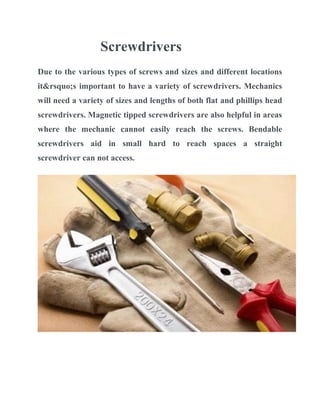
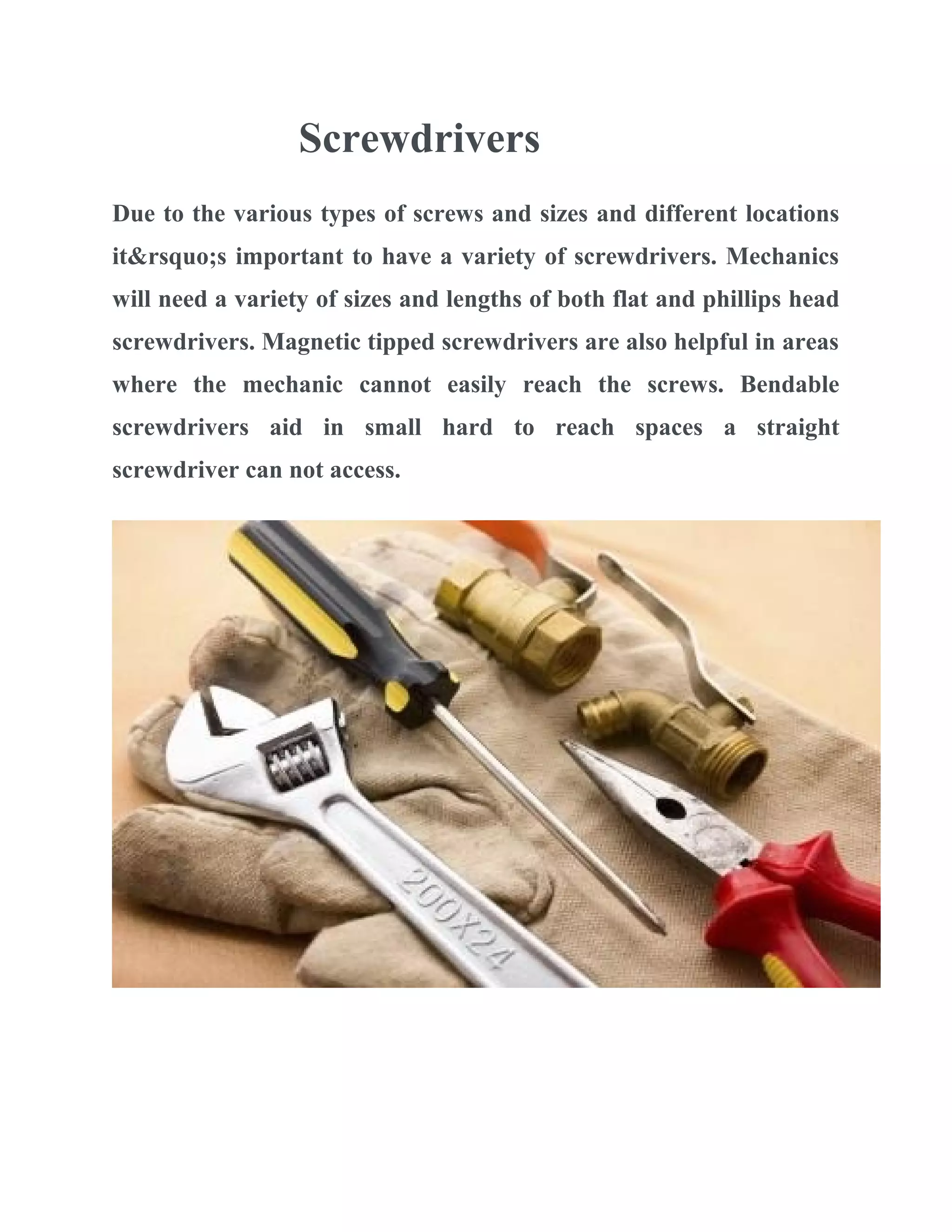
Due to the various types of screws and sizes and different locations
it’s important to have a variety of screwdrivers. Mechanics
will need a variety of sizes and lengths of both flat and phillips head
screwdrivers. Magnetic tipped screwdrivers are also helpful in areas
where the mechanic cannot easily reach the screws. Bendable
screwdrivers aid in small hard to reach spaces a straight
screwdriver can not access.
Voltmeter
The voltmeter is used for checking voltage and for
troubleshooting and diagnosing electrical components. A
voltmeter is also used to check a battery and help identify a
shorted wire or a bad connection.
Wrenches
Wrenches are one of the most used tools in a
mechanic's job. Wrenches aid in removing nuts and
bolts. Wrenches come in sets in standard and metric sizes
along with abnormal sizes for special jobs. To help complete a
mechanic's tool box the mechanic will need both types
of wrenches, Allen wrenches, a ratchet and socket set and a
high powered air ratchet wrench. The air ratchet wrench will
aid in harder tasks where more than muscle is needed to
remove bolts and nuts.
Pullers
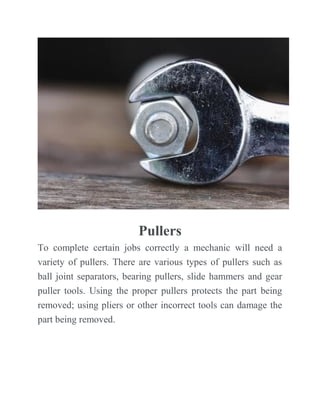
To complete certain jobs correctly a mechanic will need a
variety of pullers. There are various types of pullers such as
ball joint separators, bearing pullers, slide hammers and gear
puller tools. Using the proper pullers protects the part being
removed; using pliers or other incorrect tools can damage the
part being removed.
Fluorescent Drop Cords
Fluorescent drop cords replace the basic light bulb used for
working underneath an auto. Fluorescent drop cords are cool
to the touch and nearly break resistant. The fluorescent drop
cord avoids burns to the body from light bulbs and reduces the
dangers of broken glass from broken bulbs. Fluorescent drop
cords emit a lot of light with minimal glare.
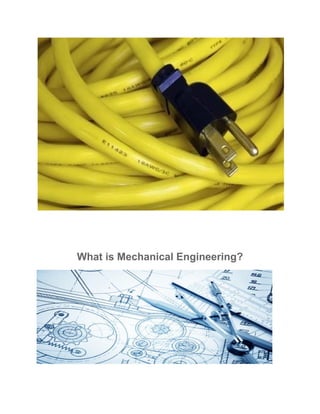
What is Mechanical Engineering?
Mechanical engineers build things such as machines and tools that improve the conditions of life.
Credit: Scorpp | Shutterstock
View full size image
Mechanical engineering is one of the oldest branches of engineering, dating back to
when the first wheels were put to practical use by mounting them on an axle to make a
cart. Throughout recorded history, people have been inventing and building increasingly
more sophisticated devices and machines in order to improve the conditions of life.
Many of the machines we encounter every day — cars, appliances, tools and climate
control systems — were made possible by mechanical engineers.
"Mechanical engineering dates to ancient Greece and China, where mechanisms like
screw pumps, steam engines, clocks, seismometers and even differential gears were
invented,” according to the American Society of Mechanical Engineers (ASME).
Pioneers in the field — people who built the machines for which they became famous —
include Archimedes (Archimedes’ screw pump, block-and-tackle pulley, etc.), Johannes
Gutenberg (movable-type printing press), James Watt (steam engine), Robert
Fulton (steamboat), Eli Whitney (cotton gin) and Henry Ford(automobile assembly line).
One of the most significant drivers of innovation in the field of mechanical engineering,
particularly in its earliest stages, has been war, according to the Viterbi School of
Engineering at the University of Southern California.
What does a mechanical engineer do?
“Mechanical engineers can create basic commodities that an every-day person would
use, or other highly valued items for the military or government,” the school's website
states. Catapults, battering rams, chariots and siege towers were all the products of
mechanical engineering. Many of the machines of modern warfare, such as armored
vehicles, ships, aircraft, artillery and firearms, also owe their existence to mechanical
engineers.
Simply put, "mechanical engineering deals with anything that moves," according to
the Fu Foundation School of Engineering and Applied Science at Columbia University.
Mechanical engineers still use basic components that have been known and used for
centuries — such as wheels, axles, levers, screws, springs and hinges — to make
machines such as vehicles, farm machinery, household appliances, robots and
industrial equipment. Mechanical engineers also design sub-assemblies for these
machines, including control systems and instruments as well as individual parts.
Movement can be powered by the muscles of humans or animals, heat and pressure of
combustion, hydraulic or pneumatic actuators, electromagnetism, gravity or springs of
all shapes and sizes. Therefore, a mechanical engineer must be familiar with all of
these basic motion and power components in order to design more complex devices.
For instance, in an automobile, the starter motor uses electromagnetism; the engine is
powered by expansive pressure from the combustion of gasoline; the power steering,
brakes and automatic transmission use hydraulic pressure; and the suspension system
uses springs.
Mechanical engineering is one of the broadest engineering disciplines, according to
the U.S. Bureau of Labor Statistics (BLS). Mechanical engineers must have a basic
working knowledge of many other areas of engineering, including structural, aerospace,
computer and electrical engineering. Additionally, they should be familiar with
instrumentation and control, manufacturing processes and materials in order to design
devices that can be built efficiently and at a reasonable cost.
Critical skills needed in mechanical engineering are an in-depth understanding of
physics, mathematics and materials. This knowledge allows engineers to calculate
failure conditions based on the dimensions of a part, the properties of its material and
the conditions under which it will operate. An engineer can then specify the required
dimensions and materials of a part so it can withstand a given force.
Engineers work with many types of materials, including metals, ceramics, polymers and
composites. In "Mechanical Behavior of Engineering Materials" (Springer, 2007),
Joachim Roesler, Harald Harders and Martin Baeker write that it is very important for
mechanical engineers to study the mechanical behavior of materials. Knowing the
properties of these materials, such as their density, hardness, tensile strength, bulk
modulus and bending strength, allows mechanical engineers to calculate how these
materials will perform under stresses such as compression, tension, bending and
twisting as well as under various environmental conditions of temperature, pressure,
corrosive gasses and liquids, and even radiation. They also need to be able to predict
how these materials will stand up over an extended period of time.
More and more, mechanical engineers rely on computer-aided design (CAD) and
computer-aided manufacturing (CAM) systems, so proficiency with computers is
essential. According to theUniversity of Pittsburgh website, "To design all the machines
that use and produce power, today's mechanical engineers use CAD/CAM drawing
programs to draft their designs exactly before any manufacturing and testing is done." In
addition to speeding up the drafting process, CAD systems allow for quick and easy
modifications of designs, three-dimensional (3D) visualization of finished parts and
assemblies, and rapid prototyping using 3D printing and computer-aided manufacturing
(CAM) software with computer numeric controlled (CNC) machine tools. A
comprehensive list of necessary skills and abilities for mechanical engineers can be
found at MyMajors.com.
Mechanical engineering jobs
According to the BLS, "Mechanical engineers generally work in professional office
settings. They may occasionally visit worksites where a problem or piece of equipment
needs their personal attention. Mechanical engineers work mostly in engineering
services, research and development, manufacturing industries, and the federal
government."
For most jobs, mechanical engineers need at least a bachelor’s degree in engineering,
and many employers, particularly those that offer engineering consulting services, also
require certification as a Professional Engineer. A master's degree is often required for
promotion to management, and ongoing education and training are needed to keep up
with advances in technology, materials, computer hardware and software, and
government regulations. Additionally, many mechanical engineers belong to
the American Society of Mechanical Engineers.
MECHANICAL
ENGINEERING LABS &
EQUIPMENT
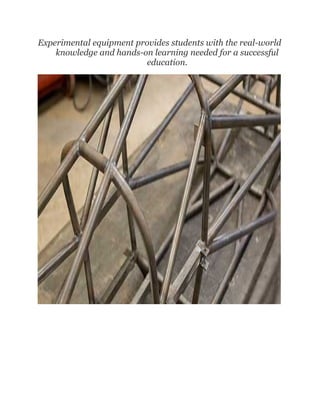
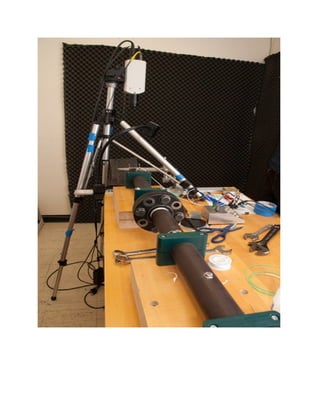
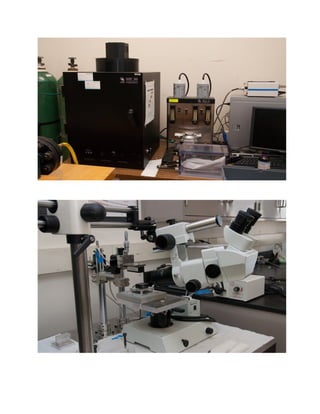
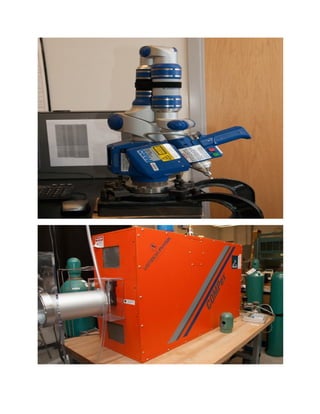
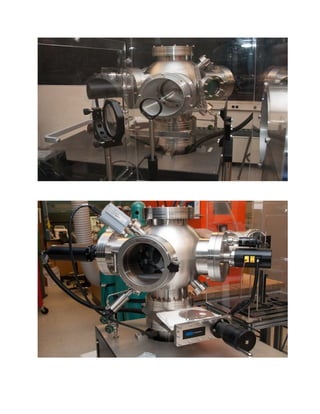
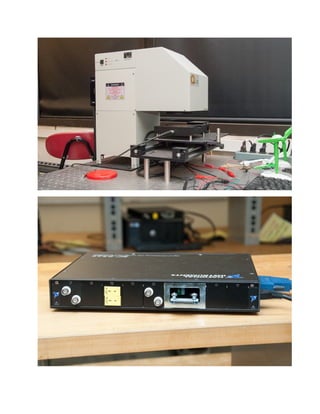
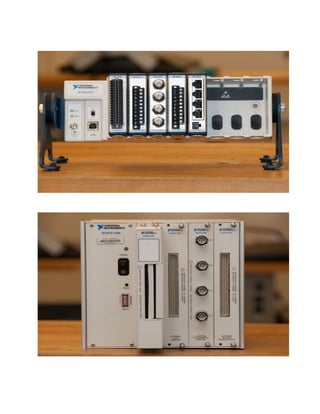
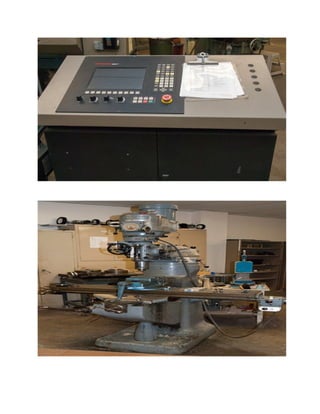
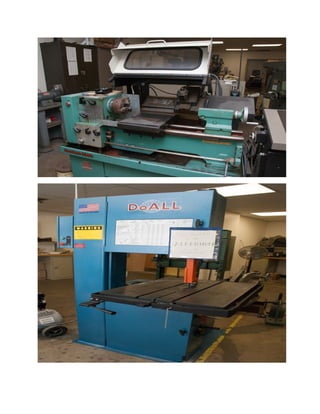
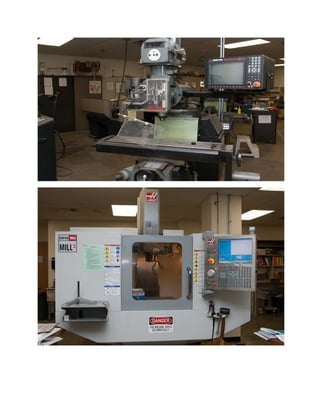
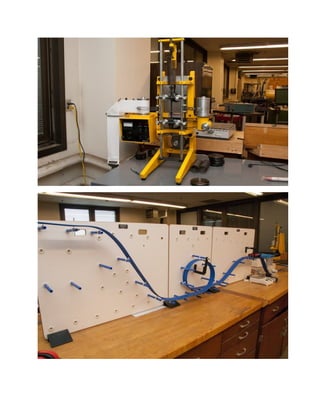
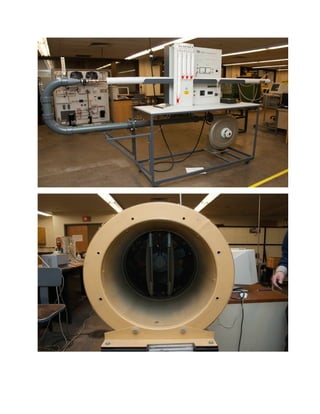
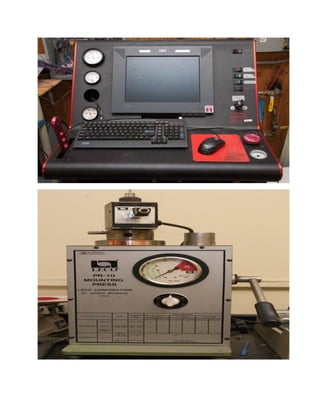
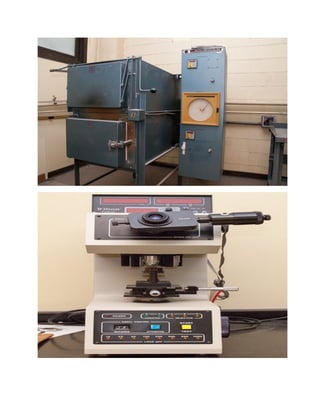
Experimental equipment provides students with the real-world
knowledge and hands-on learning needed for a successful
education.
Mechanical engineering tools

Mechanical engineering tools

  • 1.
    Screwdrivers Due to thevarious types of screws and sizes and different locations it’s important to have a variety of screwdrivers. Mechanics will need a variety of sizes and lengths of both flat and phillips head screwdrivers. Magnetic tipped screwdrivers are also helpful in areas where the mechanic cannot easily reach the screws. Bendable screwdrivers aid in small hard to reach spaces a straight screwdriver can not access.
  • 2.
    Voltmeter The voltmeter isused for checking voltage and for troubleshooting and diagnosing electrical components. A voltmeter is also used to check a battery and help identify a shorted wire or a bad connection.
  • 3.
    Wrenches Wrenches are oneof the most used tools in a mechanic's job. Wrenches aid in removing nuts and bolts. Wrenches come in sets in standard and metric sizes along with abnormal sizes for special jobs. To help complete a mechanic's tool box the mechanic will need both types of wrenches, Allen wrenches, a ratchet and socket set and a high powered air ratchet wrench. The air ratchet wrench will aid in harder tasks where more than muscle is needed to remove bolts and nuts.
  • 4.
    Pullers To complete certainjobs correctly a mechanic will need a variety of pullers. There are various types of pullers such as ball joint separators, bearing pullers, slide hammers and gear puller tools. Using the proper pullers protects the part being removed; using pliers or other incorrect tools can damage the part being removed.
  • 5.
    Fluorescent Drop Cords Fluorescentdrop cords replace the basic light bulb used for working underneath an auto. Fluorescent drop cords are cool to the touch and nearly break resistant. The fluorescent drop cord avoids burns to the body from light bulbs and reduces the dangers of broken glass from broken bulbs. Fluorescent drop cords emit a lot of light with minimal glare.
  • 6.
    What is MechanicalEngineering?
  • 7.
    Mechanical engineers buildthings such as machines and tools that improve the conditions of life. Credit: Scorpp | Shutterstock View full size image Mechanical engineering is one of the oldest branches of engineering, dating back to when the first wheels were put to practical use by mounting them on an axle to make a cart. Throughout recorded history, people have been inventing and building increasingly more sophisticated devices and machines in order to improve the conditions of life. Many of the machines we encounter every day — cars, appliances, tools and climate control systems — were made possible by mechanical engineers. "Mechanical engineering dates to ancient Greece and China, where mechanisms like screw pumps, steam engines, clocks, seismometers and even differential gears were invented,” according to the American Society of Mechanical Engineers (ASME). Pioneers in the field — people who built the machines for which they became famous — include Archimedes (Archimedes’ screw pump, block-and-tackle pulley, etc.), Johannes Gutenberg (movable-type printing press), James Watt (steam engine), Robert Fulton (steamboat), Eli Whitney (cotton gin) and Henry Ford(automobile assembly line). One of the most significant drivers of innovation in the field of mechanical engineering, particularly in its earliest stages, has been war, according to the Viterbi School of Engineering at the University of Southern California. What does a mechanical engineer do? “Mechanical engineers can create basic commodities that an every-day person would use, or other highly valued items for the military or government,” the school's website states. Catapults, battering rams, chariots and siege towers were all the products of mechanical engineering. Many of the machines of modern warfare, such as armored vehicles, ships, aircraft, artillery and firearms, also owe their existence to mechanical engineers. Simply put, "mechanical engineering deals with anything that moves," according to the Fu Foundation School of Engineering and Applied Science at Columbia University. Mechanical engineers still use basic components that have been known and used for centuries — such as wheels, axles, levers, screws, springs and hinges — to make
  • 8.
    machines such asvehicles, farm machinery, household appliances, robots and industrial equipment. Mechanical engineers also design sub-assemblies for these machines, including control systems and instruments as well as individual parts. Movement can be powered by the muscles of humans or animals, heat and pressure of combustion, hydraulic or pneumatic actuators, electromagnetism, gravity or springs of all shapes and sizes. Therefore, a mechanical engineer must be familiar with all of these basic motion and power components in order to design more complex devices. For instance, in an automobile, the starter motor uses electromagnetism; the engine is powered by expansive pressure from the combustion of gasoline; the power steering, brakes and automatic transmission use hydraulic pressure; and the suspension system uses springs. Mechanical engineering is one of the broadest engineering disciplines, according to the U.S. Bureau of Labor Statistics (BLS). Mechanical engineers must have a basic working knowledge of many other areas of engineering, including structural, aerospace, computer and electrical engineering. Additionally, they should be familiar with instrumentation and control, manufacturing processes and materials in order to design devices that can be built efficiently and at a reasonable cost. Critical skills needed in mechanical engineering are an in-depth understanding of physics, mathematics and materials. This knowledge allows engineers to calculate failure conditions based on the dimensions of a part, the properties of its material and the conditions under which it will operate. An engineer can then specify the required dimensions and materials of a part so it can withstand a given force. Engineers work with many types of materials, including metals, ceramics, polymers and composites. In "Mechanical Behavior of Engineering Materials" (Springer, 2007), Joachim Roesler, Harald Harders and Martin Baeker write that it is very important for mechanical engineers to study the mechanical behavior of materials. Knowing the properties of these materials, such as their density, hardness, tensile strength, bulk modulus and bending strength, allows mechanical engineers to calculate how these materials will perform under stresses such as compression, tension, bending and twisting as well as under various environmental conditions of temperature, pressure, corrosive gasses and liquids, and even radiation. They also need to be able to predict how these materials will stand up over an extended period of time. More and more, mechanical engineers rely on computer-aided design (CAD) and computer-aided manufacturing (CAM) systems, so proficiency with computers is essential. According to theUniversity of Pittsburgh website, "To design all the machines
  • 9.
    that use andproduce power, today's mechanical engineers use CAD/CAM drawing programs to draft their designs exactly before any manufacturing and testing is done." In addition to speeding up the drafting process, CAD systems allow for quick and easy modifications of designs, three-dimensional (3D) visualization of finished parts and assemblies, and rapid prototyping using 3D printing and computer-aided manufacturing (CAM) software with computer numeric controlled (CNC) machine tools. A comprehensive list of necessary skills and abilities for mechanical engineers can be found at MyMajors.com. Mechanical engineering jobs According to the BLS, "Mechanical engineers generally work in professional office settings. They may occasionally visit worksites where a problem or piece of equipment needs their personal attention. Mechanical engineers work mostly in engineering services, research and development, manufacturing industries, and the federal government." For most jobs, mechanical engineers need at least a bachelor’s degree in engineering, and many employers, particularly those that offer engineering consulting services, also require certification as a Professional Engineer. A master's degree is often required for promotion to management, and ongoing education and training are needed to keep up with advances in technology, materials, computer hardware and software, and government regulations. Additionally, many mechanical engineers belong to the American Society of Mechanical Engineers. MECHANICAL ENGINEERING LABS & EQUIPMENT
  • 10.
    Experimental equipment providesstudents with the real-world knowledge and hands-on learning needed for a successful education.