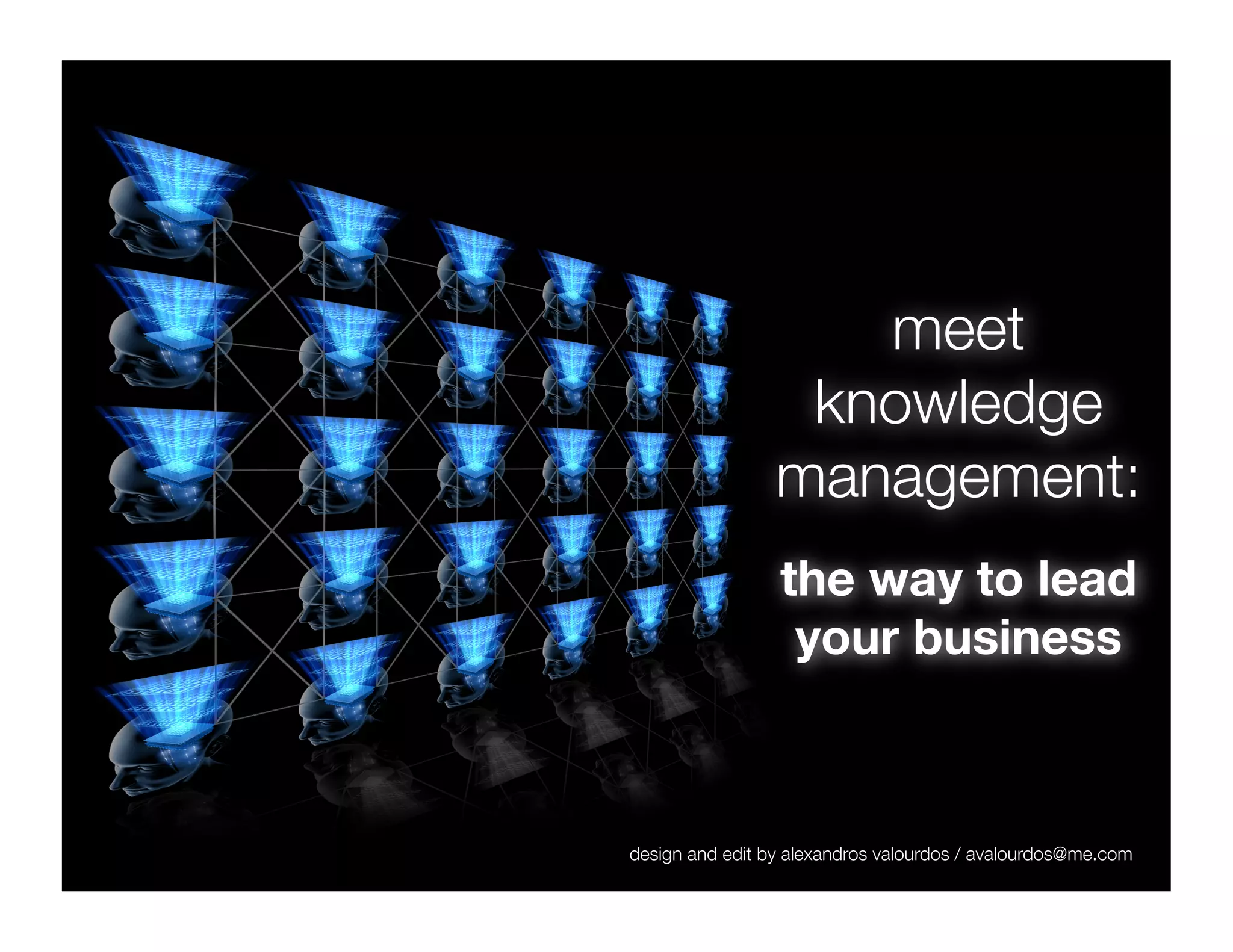
design and edit by alexandros valourdos / avalourdos@me.com
presentation’s index
project objectives

what is the value of a company?

image & status of your company (today-tomorrow)

media industry today – crucial questions

strategy – which path? 

knowledge way – kms benefits for the organization

what if not adapting this way

assessment of current status of imako media group

getting started with a kms

wrap up
what is the main objective?
introduce the concept of knowledge management

 describe the benefits and added value to imako

assess the current status of imako in regards to km


       propose ways of implementing km
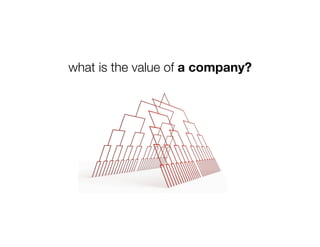
what is the value of a company?
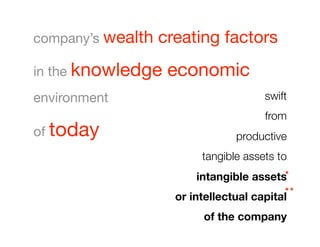
company’s wealth   creating factors
in the knowledge    economic
environment 
                           swift 
                                        from
of today
                        productive 
                          tangible assets to 
                         intangible assets*

                                             *
*
                     or intellectual capital 
                           of the company
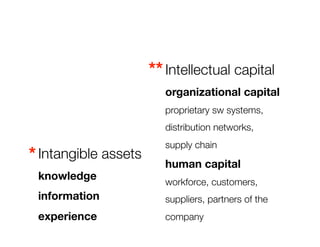
** Intellectual capital"
                          organizational capital 
                          proprietary sw systems,
                          distribution networks, 
                          supply chain 
* Intangible assets
      human capital
 knowledge
               workforce, customers,
 information
             suppliers, partners of the
 experience
              company
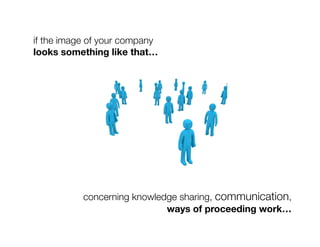
if the image of your company "
looks something like that…


           concerning knowledge sharing, communication,
                             ways of proceeding work…
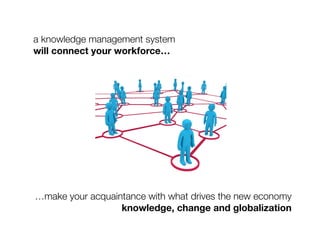
a knowledge management system !
will connect your workforce…


…make your acquaintance with what drives the new economy
                  knowledge, change and globalization
and make knowledge your competitive advantage!
*
where
    media industry
   stands
      today?
widespread diffusion of new technology"

     where convergence of media channels"
            media industry
       information overload in the newsroom "


          stands
          necessity of a 24-hour news cycle"

  rising consumer expectations of news "
                 today??
                 on any device and at any time"

                             digitization of media"
some crucial questions come in mind
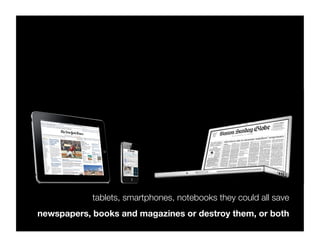
tablets, smartphones, notebooks they could all save "
newspapers, books and magazines or destroy them, or both
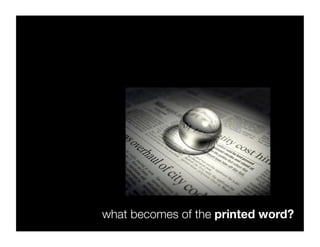
what becomes of the printed word?
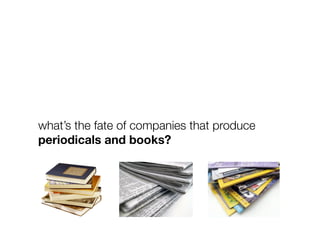
what’s the fate of companies that produce "
periodicals and books?
can traditional "

     publishing companies "

reorganize and move fast enough "

   to embrace and serve "

                    new platforms ?
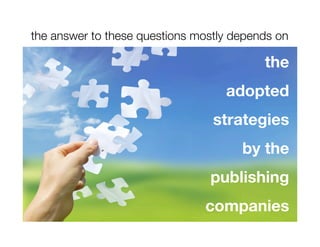
the answer to these questions mostly depends on "

                                           the 
                                    adopted 
                                  strategies"
                                       by the 
                                 publishing 
                                companies
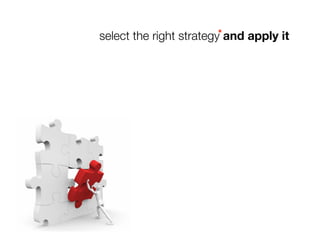
select the right strategy*
and apply it"
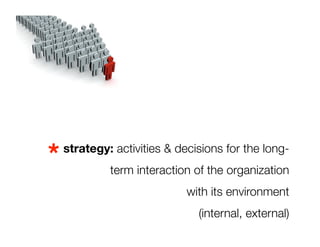
*
 strategy: activities & decisions for the long-"
          term interaction of the organization "
                          with its environment "
                             (internal, external)
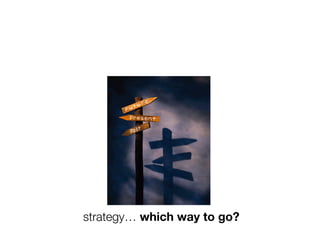
strategy… which way to go?
Competitive &
product-based
way"

markets &
customers are "
the starting point
… but what about capabilities & core competences 
                            of the organization?
knowledge-based way


                       organization’s capabilities 
                          is the starting point"
                                               
 
                                    emphasis on 
                               intangible assets: 
                        peoples’ competence
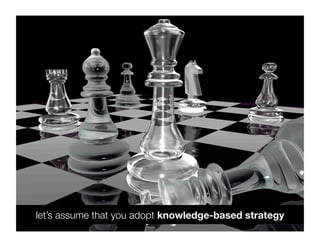
let’s assume that you adopt knowledge-based strategy
do you really know
            what you know?


            do you manage
            efficiently what you

now think   know?


            does this creates
            value for your
            organization and for
            your future
            projects?
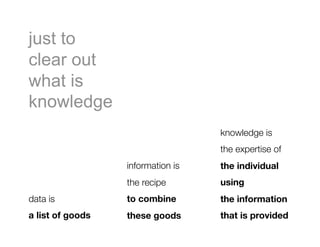
just to
clear out
what is
knowledge
                                      knowledge is 
                                      the expertise of 
                   information is 
   the individual
                   the recipe 
       using
data is
           to combine 
       the information
a list of goods
   these goods
       that is provided
knowledge
is the most
valuable
asset
how do you manage it?
you need to
apply a
knowledge
management
system
what really is knowledge management

  
is not a project 
is an on-going “journey” of utilizing in the best way 
  
 
what your organization knows to the benefit of it


         culture flowing from leadership 
enabling all personnel to share their knowledge 
       and contribute in creation of new one,
                                for the benefit of organization
what really is knowledge management

it’s about retaining these knowledge 
         within the organization and ensure continuity of it


                     a systematic way 
to catalogue the knowledge of the organization
          in a way that is easy to be retrieved when needed
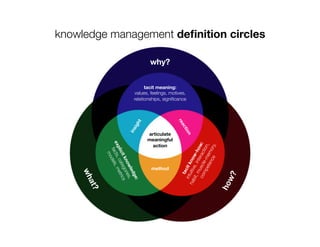
knowledge management definition circles

                      why?


                    tacit meaning:
              values, feelings, motives,
              relationships, significance


                    articulate
                    meaningful
                     action


                      method
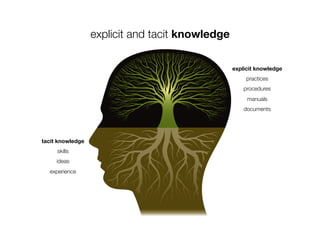
explicit and tacit knowledge

                                                explicit knowledge 
                                                     practices
                                                    procedures
                                                     manuals
                                                    documents


tacit knowledge 
     skills
     ideas
   experience
*
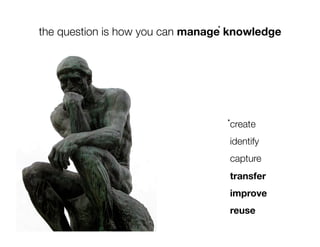
the question is how you can manage knowledge


                                     *
                                      create
                                      identify
                                      capture
                                      transfer
                                      improve
                                      reuse
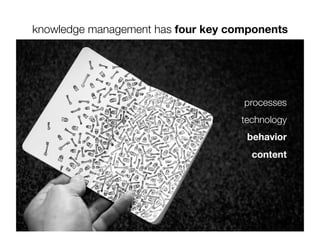
knowledge management has four key components


                                    processes
                                    technology
                                     behavior
                                      content
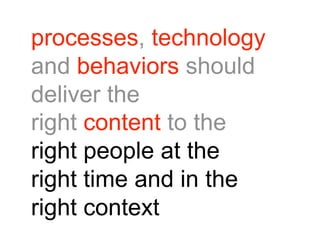
processes, technology
and behaviors should
deliver the
right content to the
right people at the
right time and in the
right context
in order to
make the best decisions quickly
                      solve problems
accelerate competency and innovation 
        exploit business opportunities
minimize duplication and re-invention 
             reduce knowledge loss
          improve customer service
   access to best and latest thinking
what if not adopting this way?


imagine this organization operating vs. others… 
  
far away dream or nice to have? 
                                       better think twice…
and now the imako affair
focus on the “environment” 
                  of imako media group"


                  assess the current status 
                  of the organization in "
                  regards of knowledge
starting point
   management
we will use various      tools and methods
to study the business environment of imako
and how knowledge is managed in the organization

the   sveiby model and the
bukowitz williams model are the
most important tools in our study of imako
it is not   so complicated as it seems
    it is just a series of to-the-point

questions, which after try answering       


 them,   you have a clear   view of where your   


     company   stands and what is 
              needed to be done
questions like…
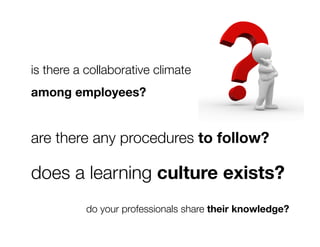
is there a collaborative climate
among employees?


are there any procedures to follow?

does a learning culture exists?
           do your professionals share their knowledge?
can every employee use the 
whole brain of imako 
to proceed his work?

 is there an evaluation and rewarding system for competence, 
                          knowledge sharing, innovation?

 does imako communicates internally?
does imako hears customers, suppliers
and other stakeholders?
  do your customers, suppliers and other stakeholders improve 
                  the competence of imako’s employees?


                         does imako improves 
                         its customers and
                         suppliers?
how often do
                            imako employees 
                       re-invent the wheel?

                  how often imako loses an employee?

           is the leaving employee being
  interviewed before closing the door? 
is there any written documentations describing how
the business is done in every department?
does imako learn from its mistakes?


do employees trust 
the management?

    does management trust the employees?

does top management believe that knowledge is an asset? 

does imako creates new knowledge?
after interviewing and discussing with a key-functional
group of imako employees and top management 


        we came up with a list of findings
a list that you need to change in order to reach for the future
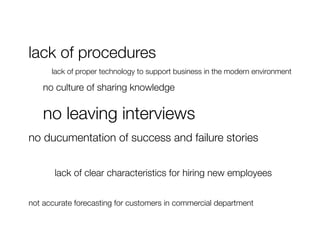
lack of procedures
      lack of proper technology to support business in the modern environment 

   
no culture of sharing knowledge

  
no leaving interviews
no ducumentation of success and failure stories


lack of clear characteristics for hiring new employees


not accurate forecasting for customers in commercial department
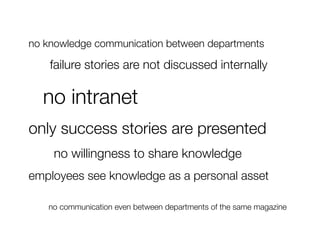
no knowledge communication between departments                       

  
 failure stories are not discussed internally

 
no intranet
only success stories are presented
  
 
no willingness to share knowledge
employees see knowledge as a personal asset

   no communication even between departments of the same magazine
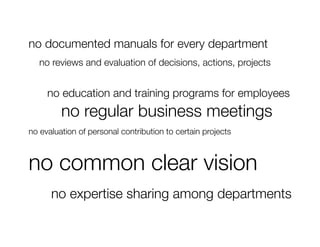
no documented manuals for every department
   no reviews and evaluation of decisions, actions, projects


     no education and training programs for employees 
         no regular business meetings
no evaluation of personal contribution to certain projects


no common clear vision
      no expertise sharing among departments
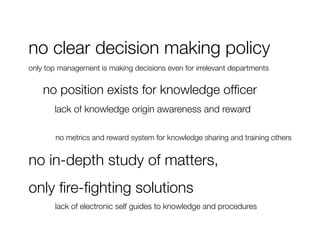
no clear decision making policy
only top management is making decisions even for irrelevant departments


no position exists for knowledge officer
   
 
lack of knowledge origin awareness and reward

        no metrics and reward system for knowledge sharing and training others


no in-depth study of matters, 
only fire-fighting solutions
   
   
lack of electronic self guides to knowledge and procedures
the problem is there
    and it want disappear just by ignoring it
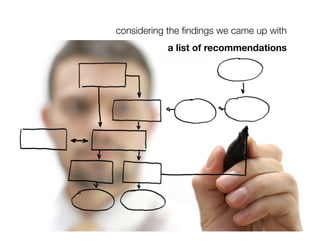
considering the findings we came up with 
            a list of recommendations
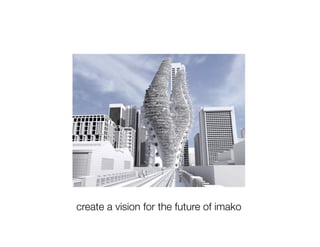
create a vision for the future of imako
build trust inside the organization
implement knowledge-management processes and structures
  
that directly support imako’s 

strategic knowledge requirements
               utilize the company’s customers, suppliers and markets 

 not only on the basis of products and services exchanges
                                     but also according to how 
                                          much can be learned 
                                                       from them.
                                      focus on intellectual assets
motivate employees for new ideas, sharing of knowledge

improve the structure of electronic and physical space   
  
where people can share their 
  

        knowledge and experience

                                        senior managers 
                                                   should actively 

                                             anticipate at 
                                      knowledge sharing
exchange your pointed leaders with natural leaders
    build the belief the greatest power comes through shared knowledge

     set up a knowledge management team


                                                  inform, involve 
                                    and educate employees 
                                     on the benefits that this 
                                        new culture will bring
define certain field of responsibilities, 
empower people with the power of decision

         spent time evaluate and control vs command and control

high performance employees of each process start training the rest of imako


story telling
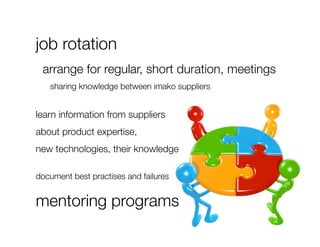
job rotation
 arrange for regular, short duration, meetings
   
sharing knowledge between imako suppliers


learn information from suppliers 
about product expertise, 
new technologies, their knowledge 

document best practises and failures


mentoring programs
acknowledgement of individual’s contribution in
imako’s performance

   favor creativity and innovation
       rearrange the ways you assess and evaluate employees

                               introduce metrics for 
                                  rewarding transfer 
                                         of knowledge
bonuses linked to projects
additional employee reward system for innovation


         employee job description update with
addition of knowledge sharing competence

human resource department 
when interviewing should 
have in mind also 
knowledge sharing
promotion policy should take knowledge sharing into account


                   create a radar position to look 
                           after external intelligence

always set up clear objectives for the employees


what must an employee 
produce and do?
know fluently?
be able to look up fluently?
create overlapping responsibilities
  
 
develop and implement decision making systems"

create a process of lessons learned
               create a post evaluation system for completed projects"

      distribute responsibilities and assign blames
  
     always evaluate failures as a group

improve personal relationship with large customers

           try to understand customer needs
get them more involved in your knowledge company
share and communicate 

best practices among employees
     
encourage attendance in communities of practice to


          attract knowledge on customer 
                                     preferences and 
                                    competition intel.

                               
rearrange from function 
                                    type of organization 

                          
to process oriented one
invest in technology
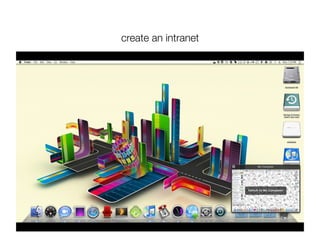
create an intranet
knowledge map with responsibilities available on intranet
projects of the month with constant update available on intranet
   
   
every department's intranet pages updated regularly
capabilities of setting up various alerts on intranet
     online meetings on intranet (do not replace face to face meetings)


imako search engine of the record of 

everything that has been published 
        
through its magazines from day one
some key factors in order to succeed in applying km
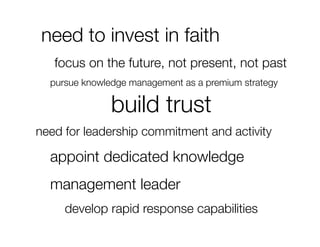
need to invest in faith
   focus on the future, not present, not past
  
pursue knowledge management as a premium strategy

               build trust
need for leadership commitment and activity

 
appoint dedicated knowledge
 
management leader
     develop rapid response capabilities
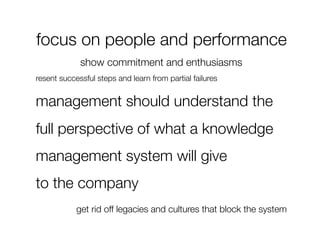
focus on people and performance
             show commitment and enthusiasms
resent successful steps and learn from partial failures


management should understand the
full perspective of what a knowledge
management system will give 
to the company
            get rid off legacies and cultures that block the system
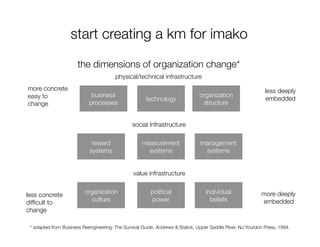
start creating a km for imako
                       the dimensions of organization change*
                                        physical/technical infrastructure
more concrete
                                                                                                less deeply
easy to 
                    business
                                         organization
                                                      technology
                                             embedded
change
                     processes
                                          structure


                                                social Infrastructure

                             reward
                 measurement
               management
                            systems
                   systems
                  systems


                                                 value infrastructure


less concrete
            organization
                  political
               individual
               more deeply
difficult to 
                culture
                    power
                     beliefs
                embedded
change

 * adapted from Business Reengineering: The Survival Guide, Andrews & Stalick, Upper Saddle River, NJ:Yourdon Press, 1994.
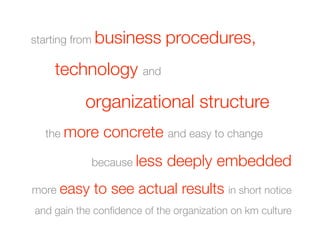
starting from business        procedures, 
 
 
technology and


   organizational structure


the more      concrete and easy to change 
               because less   deeply embedded
more easy      to see actual results in short notice
and gain the confidence of the organization on km culture
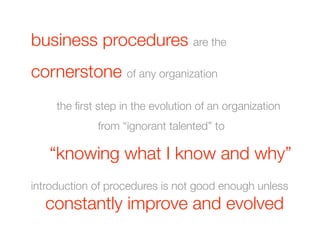
business procedures are the 
cornerstone of any organization
  
 
the first step in the evolution of an organization 
              from “ignorant talented” to 

   “knowing what I know and why”
introduction of procedures is not good enough unless
  
constantly       improve and evolved
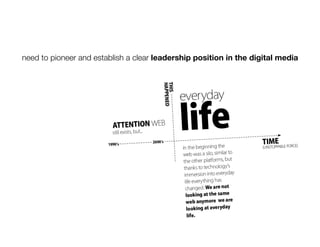
need to pioneer and establish a clear leadership position in the digital media
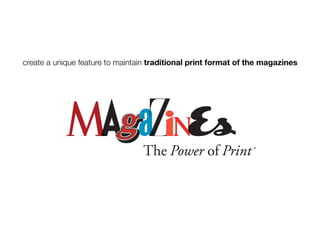
create a unique feature to maintain traditional print format of the magazines
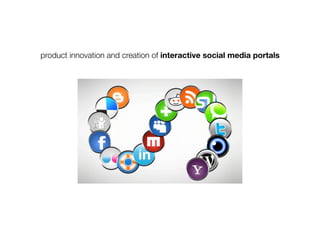
product innovation and creation of interactive social media portals
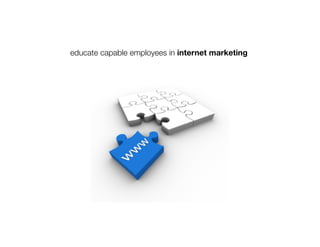
educate capable employees in internet marketing
few suggestions for the editorial department
present a vision, a common goal and an ideal way of
working, and connected with km practices 
  distribution of questionnaires to employees to receive feedback on major
                                                  areas of concern/issues 

recruit educated young people and place every one of them
right next to your top senior editors 
(men to women and vice versa) 


       make them work as one
create a pool of finished or semi-finished
material that hasn’t found its place in mags or
web, so not to be forgotten 
                           
 
            the same with photo productions

          arrange editorial seminars for all your
     products (mags and web) so to create an
  editorial force that can produce whenever is
                    asked for whatever product.
installation of new desktop publishing system
that will allow simultaneously use of an article from every one
(editor, graphic designer, text editor) 
to save precious time 


                           try to keep a low staff turnover 
                       tacit knowledge, invested time and money 
                from the company shouldn’t go out the window
                     to avoid this try to create a bonding culture, 
                give initiatives (promotions), and common vision.
the most important asset of imako is
everything that has been published
from the day founded
we believe that a project of digitalization
of what ever exists in printed form, is
what a media company needs
to evolve in the 
new media trends
to wrap up
understand what we know and how to use it
shift organization from function to process
on going process of educate and being educated
keep the knowledge within organization and grow it
involve everybody in this process and new culture in order to
ensure optimum results
sharing knowledge is a continuous job
everybody should be involved
create dedicated workforce
you have just taken a pick to the future of your company
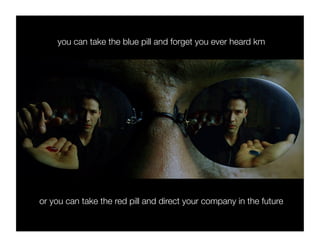
you can take the blue pill and forget you ever heard km


or you can take the red pill and direct your company in the future
welcome to the century of knowledge"

let’s build a smarter company with smarter employees"

meet knowledge management, by alexis valourdos

  • 1.
    design and editby alexandros valourdos / avalourdos@me.com
  • 2.
    presentation’s index project objectives whatis the value of a company? image & status of your company (today-tomorrow) media industry today – crucial questions strategy – which path? knowledge way – kms benefits for the organization what if not adapting this way assessment of current status of imako media group getting started with a kms wrap up
  • 3.
    what is themain objective?
  • 4.
    introduce the conceptof knowledge management describe the benefits and added value to imako assess the current status of imako in regards to km propose ways of implementing km
  • 5.
    what is thevalue of a company?
  • 6.
    company’s wealth creating factors in the knowledge economic environment swift from of today productive tangible assets to intangible assets* * * or intellectual capital of the company
  • 7.
    ** Intellectual capital" organizational capital proprietary sw systems, distribution networks, supply chain * Intangible assets human capital knowledge workforce, customers, information suppliers, partners of the experience company
  • 8.
    if the imageof your company " looks something like that… concerning knowledge sharing, communication, ways of proceeding work…
  • 9.
    a knowledge managementsystem ! will connect your workforce… …make your acquaintance with what drives the new economy knowledge, change and globalization
  • 10.
    and make knowledgeyour competitive advantage!
  • 11.
    * where media industry stands today?
  • 12.
    widespread diffusion ofnew technology" where convergence of media channels" media industry information overload in the newsroom " stands necessity of a 24-hour news cycle" rising consumer expectations of news " today?? on any device and at any time" digitization of media"
  • 13.
  • 14.
    tablets, smartphones, notebooksthey could all save " newspapers, books and magazines or destroy them, or both
  • 15.
    what becomes ofthe printed word?
  • 16.
    what’s the fateof companies that produce " periodicals and books?
  • 17.
    can traditional " publishing companies " reorganize and move fast enough " to embrace and serve " new platforms ?
  • 18.
    the answer tothese questions mostly depends on " the adopted strategies" by the publishing companies
  • 19.
    select the rightstrategy* and apply it"
  • 20.
    * strategy: activities& decisions for the long-" term interaction of the organization " with its environment " (internal, external)
  • 21.
  • 22.
  • 23.
    … but whatabout capabilities & core competences of the organization?
  • 24.
    knowledge-based way organization’s capabilities is the starting point" emphasis on intangible assets: peoples’ competence
  • 25.
    let’s assume thatyou adopt knowledge-based strategy
  • 26.
    do you reallyknow what you know? do you manage efficiently what you now think know? does this creates value for your organization and for your future projects?
  • 27.
    just to clear out whatis knowledge knowledge is the expertise of information is the individual the recipe using data is to combine the information a list of goods these goods that is provided
  • 28.
  • 29.
    you need to applya knowledge management system
  • 30.
    what really isknowledge management is not a project is an on-going “journey” of utilizing in the best way what your organization knows to the benefit of it culture flowing from leadership enabling all personnel to share their knowledge and contribute in creation of new one, for the benefit of organization
  • 31.
    what really isknowledge management it’s about retaining these knowledge within the organization and ensure continuity of it a systematic way to catalogue the knowledge of the organization in a way that is easy to be retrieved when needed
  • 32.
    knowledge management definitioncircles why? tacit meaning: values, feelings, motives, relationships, significance articulate meaningful action method
  • 33.
    explicit and tacitknowledge explicit knowledge practices procedures manuals documents tacit knowledge skills ideas experience
  • 34.
    * the question ishow you can manage knowledge * create identify capture transfer improve reuse
  • 35.
    knowledge management hasfour key components processes technology behavior content
  • 36.
    processes, technology and behaviorsshould deliver the right content to the right people at the right time and in the right context
  • 37.
  • 38.
    make the bestdecisions quickly solve problems accelerate competency and innovation exploit business opportunities
  • 39.
    minimize duplication andre-invention reduce knowledge loss improve customer service access to best and latest thinking
  • 40.
    what if notadopting this way? imagine this organization operating vs. others… far away dream or nice to have? better think twice…
  • 41.
    and now theimako affair
  • 42.
    focus on the“environment” of imako media group" assess the current status of the organization in " regards of knowledge starting point management
  • 43.
    we will usevarious tools and methods to study the business environment of imako and how knowledge is managed in the organization the sveiby model and the bukowitz williams model are the most important tools in our study of imako
  • 45.
    it is not so complicated as it seems it is just a series of to-the-point questions, which after try answering them, you have a clear view of where your company stands and what is needed to be done
  • 46.
  • 47.
    is there acollaborative climate among employees? are there any procedures to follow? does a learning culture exists? do your professionals share their knowledge?
  • 48.
    can every employeeuse the whole brain of imako to proceed his work? is there an evaluation and rewarding system for competence, knowledge sharing, innovation? does imako communicates internally?
  • 49.
    does imako hearscustomers, suppliers and other stakeholders? do your customers, suppliers and other stakeholders improve the competence of imako’s employees? does imako improves its customers and suppliers?
  • 50.
    how often do imako employees re-invent the wheel? how often imako loses an employee? is the leaving employee being interviewed before closing the door? is there any written documentations describing how the business is done in every department?
  • 51.
    does imako learnfrom its mistakes? do employees trust the management? does management trust the employees? does top management believe that knowledge is an asset? does imako creates new knowledge?
  • 52.
    after interviewing anddiscussing with a key-functional group of imako employees and top management we came up with a list of findings
  • 53.
    a list thatyou need to change in order to reach for the future
  • 54.
    lack of procedures lack of proper technology to support business in the modern environment no culture of sharing knowledge no leaving interviews no ducumentation of success and failure stories lack of clear characteristics for hiring new employees not accurate forecasting for customers in commercial department
  • 55.
    no knowledge communicationbetween departments failure stories are not discussed internally no intranet only success stories are presented no willingness to share knowledge employees see knowledge as a personal asset no communication even between departments of the same magazine
  • 56.
    no documented manualsfor every department no reviews and evaluation of decisions, actions, projects no education and training programs for employees no regular business meetings no evaluation of personal contribution to certain projects no common clear vision no expertise sharing among departments
  • 57.
    no clear decisionmaking policy only top management is making decisions even for irrelevant departments no position exists for knowledge officer lack of knowledge origin awareness and reward no metrics and reward system for knowledge sharing and training others no in-depth study of matters, only fire-fighting solutions lack of electronic self guides to knowledge and procedures
  • 58.
    the problem isthere and it want disappear just by ignoring it
  • 59.
    considering the findingswe came up with a list of recommendations
  • 60.
    create a visionfor the future of imako
  • 61.
    build trust insidethe organization
  • 62.
    implement knowledge-management processesand structures that directly support imako’s strategic knowledge requirements utilize the company’s customers, suppliers and markets not only on the basis of products and services exchanges but also according to how much can be learned from them. focus on intellectual assets
  • 63.
    motivate employees fornew ideas, sharing of knowledge improve the structure of electronic and physical space where people can share their knowledge and experience senior managers should actively anticipate at knowledge sharing
  • 64.
    exchange your pointedleaders with natural leaders build the belief the greatest power comes through shared knowledge set up a knowledge management team inform, involve and educate employees on the benefits that this new culture will bring
  • 65.
    define certain fieldof responsibilities, empower people with the power of decision spent time evaluate and control vs command and control high performance employees of each process start training the rest of imako story telling
  • 66.
    job rotation arrangefor regular, short duration, meetings sharing knowledge between imako suppliers learn information from suppliers about product expertise, new technologies, their knowledge document best practises and failures mentoring programs
  • 67.
    acknowledgement of individual’scontribution in imako’s performance favor creativity and innovation rearrange the ways you assess and evaluate employees introduce metrics for rewarding transfer of knowledge
  • 68.
    bonuses linked toprojects additional employee reward system for innovation employee job description update with addition of knowledge sharing competence human resource department when interviewing should have in mind also knowledge sharing
  • 69.
    promotion policy shouldtake knowledge sharing into account create a radar position to look after external intelligence always set up clear objectives for the employees what must an employee produce and do? know fluently? be able to look up fluently?
  • 70.
    create overlapping responsibilities develop and implement decision making systems" create a process of lessons learned create a post evaluation system for completed projects" distribute responsibilities and assign blames always evaluate failures as a group improve personal relationship with large customers try to understand customer needs get them more involved in your knowledge company
  • 71.
    share and communicate best practices among employees encourage attendance in communities of practice to attract knowledge on customer preferences and competition intel. rearrange from function type of organization to process oriented one
  • 72.
  • 73.
  • 74.
    knowledge map withresponsibilities available on intranet projects of the month with constant update available on intranet every department's intranet pages updated regularly
  • 75.
    capabilities of settingup various alerts on intranet online meetings on intranet (do not replace face to face meetings) imako search engine of the record of everything that has been published through its magazines from day one
  • 76.
    some key factorsin order to succeed in applying km
  • 77.
    need to investin faith focus on the future, not present, not past pursue knowledge management as a premium strategy build trust need for leadership commitment and activity appoint dedicated knowledge management leader develop rapid response capabilities
  • 78.
    focus on peopleand performance show commitment and enthusiasms resent successful steps and learn from partial failures management should understand the full perspective of what a knowledge management system will give to the company get rid off legacies and cultures that block the system
  • 79.
    start creating akm for imako the dimensions of organization change* physical/technical infrastructure more concrete less deeply easy to business organization technology embedded change processes structure social Infrastructure reward measurement management systems systems systems value infrastructure less concrete organization political individual more deeply difficult to culture power beliefs embedded change * adapted from Business Reengineering: The Survival Guide, Andrews & Stalick, Upper Saddle River, NJ:Yourdon Press, 1994.
  • 80.
    starting from business procedures, technology and organizational structure the more concrete and easy to change because less deeply embedded more easy to see actual results in short notice and gain the confidence of the organization on km culture
  • 81.
    business procedures arethe cornerstone of any organization the first step in the evolution of an organization from “ignorant talented” to “knowing what I know and why” introduction of procedures is not good enough unless constantly improve and evolved
  • 82.
    need to pioneerand establish a clear leadership position in the digital media
  • 83.
    create a uniquefeature to maintain traditional print format of the magazines
  • 84.
    product innovation andcreation of interactive social media portals
  • 85.
    educate capable employeesin internet marketing
  • 86.
    few suggestions forthe editorial department
  • 87.
    present a vision,a common goal and an ideal way of working, and connected with km practices distribution of questionnaires to employees to receive feedback on major areas of concern/issues recruit educated young people and place every one of them right next to your top senior editors (men to women and vice versa) make them work as one
  • 88.
    create a poolof finished or semi-finished material that hasn’t found its place in mags or web, so not to be forgotten the same with photo productions arrange editorial seminars for all your products (mags and web) so to create an editorial force that can produce whenever is asked for whatever product.
  • 89.
    installation of newdesktop publishing system that will allow simultaneously use of an article from every one (editor, graphic designer, text editor) to save precious time try to keep a low staff turnover tacit knowledge, invested time and money from the company shouldn’t go out the window to avoid this try to create a bonding culture, give initiatives (promotions), and common vision.
  • 90.
    the most importantasset of imako is everything that has been published from the day founded we believe that a project of digitalization of what ever exists in printed form, is what a media company needs to evolve in the new media trends
  • 91.
    to wrap up understandwhat we know and how to use it shift organization from function to process on going process of educate and being educated keep the knowledge within organization and grow it involve everybody in this process and new culture in order to ensure optimum results sharing knowledge is a continuous job everybody should be involved create dedicated workforce
  • 92.
    you have justtaken a pick to the future of your company
  • 94.
    you can takethe blue pill and forget you ever heard km or you can take the red pill and direct your company in the future
  • 95.
    welcome to thecentury of knowledge" let’s build a smarter company with smarter employees"

Editor's Notes

  • #96 From a techco perspective, providing a competitive advantage in techology is becoming dependent on speed, breadth and quality of deploying innovation. Identification and cost-effective deployment of useful technology may be more important than invention for ultimate business impact.