Connections: A World History
Second Edition
Chapter
Connections: A World History, Second Edition
Edward H. Judge • John W. Langdon
Early African
Societies,
1500 B.C.E–1500 C.E.
13
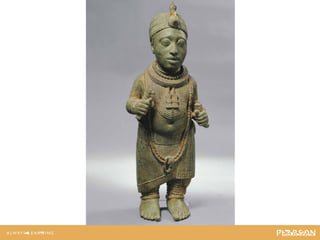
Figure of a Sacred KingFigure of a Sacred King
Bantu Homeland/Trans-Saharan Trade Area/EastBantu Homeland/Trans-Saharan Trade Area/East
African City-StatesAfrican City-States
Early African Societies,
1500 B.C.E. – 1500 C.E.
A. Africa Before Islam
B. Islamic Africa and Spain: Commercial and Cultur
C. Trade Across the Sahara
D. West African Kingdoms: Ghana and Mali
E. Ethiopia’s Christian Kingdom
F. The City-States of East Africa
G. The Bantu Connection: Central and Southern Afr
Africa Before IslamAfrica Before Islam
A. Early African History
B. The Bantu Migrations: Cohesion in
Diversity
1. Bantu migrations
2. Bantu society
3. Islamic connections
FOUNDATION MAP 13.1 Early Africa, IncludingFOUNDATION MAP 13.1 Early Africa, Including
Bantu Migrations and Trade Routes, 1500 B.C.E. –Bantu Migrations and Trade Routes, 1500 B.C.E. –
1500 C.E.1500 C.E.
Africa Before IslamAfrica Before Islam
C. Regional Cultural Adaptations
1. Geography and climate
The San people of the Kalahari.The San people of the Kalahari.
Africa Before IslamAfrica Before Islam
D. Clans and Kingdoms
1. Clans
2. Polygamy
D. African Traditional Religion
1. African polytheism
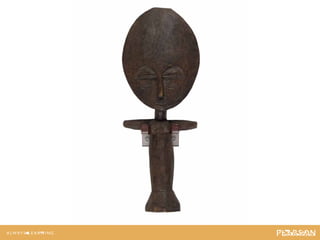
An Akuba wooden doll from Ghana, a classic AfricanAn Akuba wooden doll from Ghana, a classic African
fertility symbol.fertility symbol.
Africa Before IslamAfrica Before Islam
F. Early African Culture
1. Religion and culture
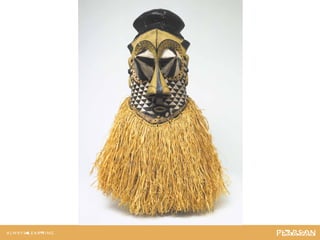
Grass-skirted masks represent the spirits ofGrass-skirted masks represent the spirits of
ancestors among the Kuba people of the Congo.ancestors among the Kuba people of the Congo.
Islamic Africa and Spain:Islamic Africa and Spain:
Commercial and Cultural NetworksCommercial and Cultural Networks
Islamic Africa and Spain:Islamic Africa and Spain:
Commercial and Cultural NetworksCommercial and Cultural Networks
A. Islamic North Africa
1. Isolation
2. Arab invasion
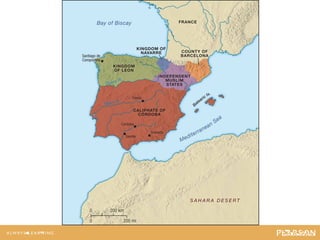
MAP 13.2 Islamic North Africa and Iberia, 910MAP 13.2 Islamic North Africa and Iberia, 910
Islamic Africa and Spain:Islamic Africa and Spain:
Commercial and Cultural NetworksCommercial and Cultural Networks
B. Cosmopolitan Umayyad Spain
1. Islamic conquest
2. Cultural blending
3. Cultural achievements
4. The Caliphate of Córdoba
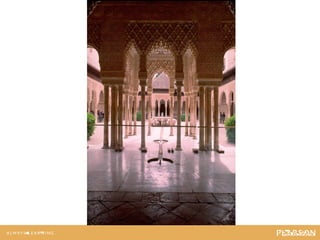
The Court of the Lions at the Alhambra in Granada,The Court of the Lions at the Alhambra in Granada,
Spain.Spain.
Islamic Africa and Spain:Islamic Africa and Spain:
Commercial and Cultural NetworksCommercial and Cultural Networks
C. Fatimid Egypt
1. The Shi’ite Fatimids
2. Fatimid rule
3. Decline and defeat
Al-Azhar Mosque, Cairo.Al-Azhar Mosque, Cairo.
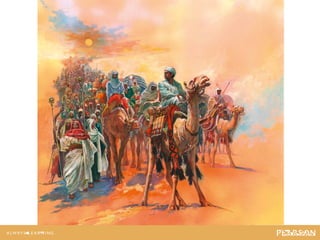
Trade Across the SaharaTrade Across the Sahara
A. Early Saharan Trade
1. Camels and trade
B. Islam’s Interaction with West Africa
1. Commercial and cultural networks
2. Consequences of trans-Saharan trade
West African Kingdoms:West African Kingdoms:
Ghana and MaliGhana and Mali
West African Kingdoms:West African Kingdoms:
Ghana and MaliGhana and Mali
A. The Conversion of Ghana
1. Gold, salt, and Islam
2. The Almoravids and the conversion of
Ghana
3. Decline
MAP 13.3 West Africa, 800–1400MAP 13.3 West Africa, 800–1400
Kumbi.Kumbi.
West African Kingdoms:West African Kingdoms:
Ghana and MaliGhana and Mali
B. Islamic Mali, 1200 – 1450
1. Mali emerges as Ghana’s successor
2. Mansa Musa
Mansa Musa on pilgrimage.Mansa Musa on pilgrimage.
Ethiopia’s Christian KingdomEthiopia’s Christian Kingdom
A. Christian Ethiopia
1. Conversion
2. Commerce
3. Resistance to Islamic expansion
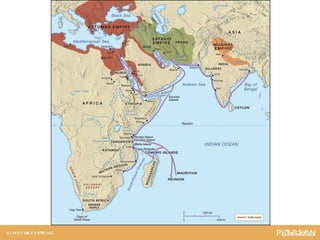
MAP 13.4 City-States of East Africa, 1500MAP 13.4 City-States of East Africa, 1500
The City-States of East AfricaThe City-States of East Africa
A. Development of a Bantu-Arab Culture
1. Settlement and cultural blending
2. The Indian Ocean community
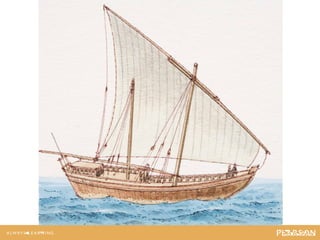
An Arab dhow.An Arab dhow.
The City-States of East AfricaThe City-States of East Africa
B. East and West Africa Compared
1. Economic divergence
2. Slavery
The Bantu Connection:The Bantu Connection:
Central and Southern AfricaCentral and Southern Africa
The Bantu Connection:The Bantu Connection:
Central and Southern AfricaCentral and Southern Africa
A. The Bantu Influence
1. Central Africa
2. Southern Africa
B. Great Zimbabwe
Great Zimbabwe.Great Zimbabwe.
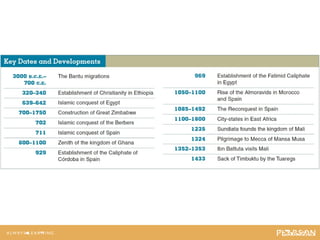
Key Dates and DevelopmentsKey Dates and Developments

Judge ch13 lecture

  • 1.
    Connections: A WorldHistory Second Edition Chapter Connections: A World History, Second Edition Edward H. Judge • John W. Langdon Early African Societies, 1500 B.C.E–1500 C.E. 13
  • 2.
    Figure of aSacred KingFigure of a Sacred King
  • 3.
    Bantu Homeland/Trans-Saharan TradeArea/EastBantu Homeland/Trans-Saharan Trade Area/East African City-StatesAfrican City-States
  • 4.
    Early African Societies, 1500B.C.E. – 1500 C.E. A. Africa Before Islam B. Islamic Africa and Spain: Commercial and Cultur C. Trade Across the Sahara D. West African Kingdoms: Ghana and Mali E. Ethiopia’s Christian Kingdom F. The City-States of East Africa G. The Bantu Connection: Central and Southern Afr
  • 5.
  • 6.
    Africa Before IslamAfricaBefore Islam A. Early African History B. The Bantu Migrations: Cohesion in Diversity 1. Bantu migrations 2. Bantu society 3. Islamic connections
  • 7.
    FOUNDATION MAP 13.1Early Africa, IncludingFOUNDATION MAP 13.1 Early Africa, Including Bantu Migrations and Trade Routes, 1500 B.C.E. –Bantu Migrations and Trade Routes, 1500 B.C.E. – 1500 C.E.1500 C.E.
  • 8.
    Africa Before IslamAfricaBefore Islam C. Regional Cultural Adaptations 1. Geography and climate
  • 9.
    The San peopleof the Kalahari.The San people of the Kalahari.
  • 10.
    Africa Before IslamAfricaBefore Islam D. Clans and Kingdoms 1. Clans 2. Polygamy D. African Traditional Religion 1. African polytheism
  • 11.
    An Akuba woodendoll from Ghana, a classic AfricanAn Akuba wooden doll from Ghana, a classic African fertility symbol.fertility symbol.
  • 12.
    Africa Before IslamAfricaBefore Islam F. Early African Culture 1. Religion and culture
  • 13.
    Grass-skirted masks representthe spirits ofGrass-skirted masks represent the spirits of ancestors among the Kuba people of the Congo.ancestors among the Kuba people of the Congo.
  • 14.
    Islamic Africa andSpain:Islamic Africa and Spain: Commercial and Cultural NetworksCommercial and Cultural Networks
  • 15.
    Islamic Africa andSpain:Islamic Africa and Spain: Commercial and Cultural NetworksCommercial and Cultural Networks A. Islamic North Africa 1. Isolation 2. Arab invasion
  • 16.
    MAP 13.2 IslamicNorth Africa and Iberia, 910MAP 13.2 Islamic North Africa and Iberia, 910
  • 17.
    Islamic Africa andSpain:Islamic Africa and Spain: Commercial and Cultural NetworksCommercial and Cultural Networks B. Cosmopolitan Umayyad Spain 1. Islamic conquest 2. Cultural blending 3. Cultural achievements 4. The Caliphate of Córdoba
  • 18.
    The Court ofthe Lions at the Alhambra in Granada,The Court of the Lions at the Alhambra in Granada, Spain.Spain.
  • 19.
    Islamic Africa andSpain:Islamic Africa and Spain: Commercial and Cultural NetworksCommercial and Cultural Networks C. Fatimid Egypt 1. The Shi’ite Fatimids 2. Fatimid rule 3. Decline and defeat
  • 20.
  • 21.
    Trade Across theSaharaTrade Across the Sahara
  • 22.
    Trade Across theSaharaTrade Across the Sahara A. Early Saharan Trade 1. Camels and trade B. Islam’s Interaction with West Africa 1. Commercial and cultural networks 2. Consequences of trans-Saharan trade
  • 23.
    West African Kingdoms:WestAfrican Kingdoms: Ghana and MaliGhana and Mali
  • 24.
    West African Kingdoms:WestAfrican Kingdoms: Ghana and MaliGhana and Mali A. The Conversion of Ghana 1. Gold, salt, and Islam 2. The Almoravids and the conversion of Ghana 3. Decline
  • 25.
    MAP 13.3 WestAfrica, 800–1400MAP 13.3 West Africa, 800–1400
  • 26.
  • 27.
    West African Kingdoms:WestAfrican Kingdoms: Ghana and MaliGhana and Mali B. Islamic Mali, 1200 – 1450 1. Mali emerges as Ghana’s successor 2. Mansa Musa
  • 28.
    Mansa Musa onpilgrimage.Mansa Musa on pilgrimage.
  • 29.
  • 30.
    Ethiopia’s Christian KingdomEthiopia’sChristian Kingdom A. Christian Ethiopia 1. Conversion 2. Commerce 3. Resistance to Islamic expansion
  • 31.
    MAP 13.4 City-Statesof East Africa, 1500MAP 13.4 City-States of East Africa, 1500
  • 32.
    The City-States ofEast AfricaThe City-States of East Africa
  • 33.
    The City-States ofEast AfricaThe City-States of East Africa A. Development of a Bantu-Arab Culture 1. Settlement and cultural blending 2. The Indian Ocean community
  • 34.
    An Arab dhow.AnArab dhow.
  • 35.
    The City-States ofEast AfricaThe City-States of East Africa B. East and West Africa Compared 1. Economic divergence 2. Slavery
  • 36.
    The Bantu Connection:TheBantu Connection: Central and Southern AfricaCentral and Southern Africa
  • 37.
    The Bantu Connection:TheBantu Connection: Central and Southern AfricaCentral and Southern Africa A. The Bantu Influence 1. Central Africa 2. Southern Africa B. Great Zimbabwe
  • 38.
  • 39.
    Key Dates andDevelopmentsKey Dates and Developments

Editor's Notes

  • #3 Figure of a Sacred King
  • #4 Bantu Homeland/Trans-Saharan Trade Area/East African City-States
  • #6 Africa Before Islam
  • #8 FOUNDATION MAP 13.1 Early Africa, Including Bantu Migrations and Trade Routes, 1500 B.C.E. – 1500 C.E.
  • #10 The San people of the Kalahari.
  • #12 An Akuba wooden doll from Ghana, a classic African fertility symbol.
  • #14 Grass-skirted masks represent the spirits of ancestors among the Kuba people of the Congo.
  • #15 Islamic Africa and Spain: Commercial and Cultural Networks
  • #17 MAP 13.2 Islamic North Africa and Iberia, 910
  • #19 The Court of the Lions at the Alhambra in Granada, Spain.
  • #21 Al-Azhar Mosque, Cairo.
  • #22 Trade Across the Sahara
  • #24 West African Kingdoms: Ghana and Mali
  • #26 MAP 13.3 West Africa, 800–1400
  • #27 Kumbi.
  • #29 Mansa Musa on pilgrimage.
  • #30 Ethiopia’s Christian Kingdom
  • #32 MAP 13.4 City-States of East Africa, 1500
  • #33 The City-States of East Africa
  • #35 An Arab dhow.
  • #37 The Bantu Connection: Central And Southern Africa
  • #39 Great Zimbabwe.
  • #40 Key Dates and Developments