JaundiceA Supplementary Report  on the Gastrointestinal  System (Liver)Chiu,Ribaya, & UrtulaIV-BSHScOctober 1, 2011
Part I: BackgroundThe LiverHepatic LobuleEnterohepatic Circulation (Bile & Blood)Bile ComponentsJaundice2 External, Physical Characteristics4 Types of Jaundice
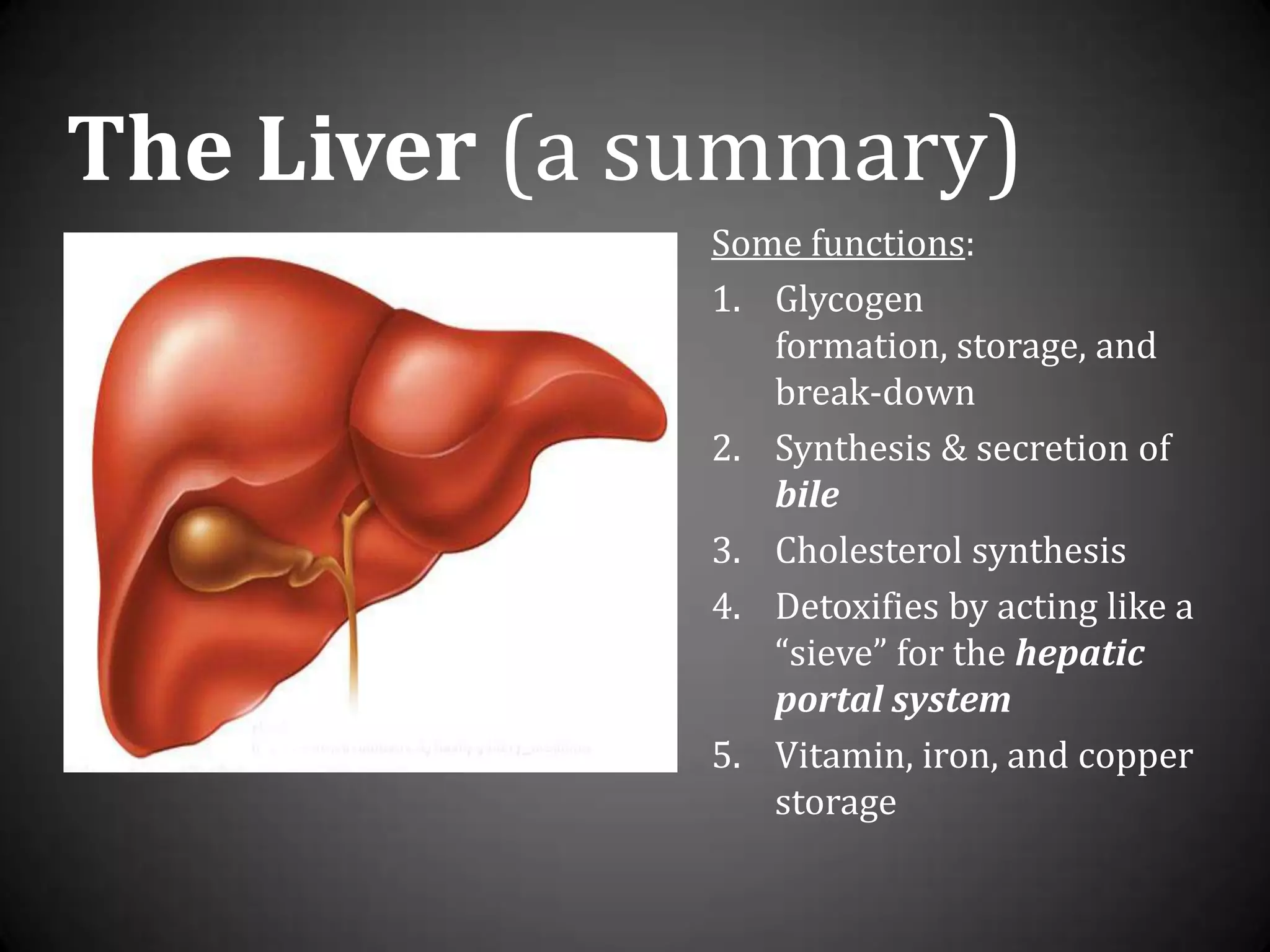
The Liver (a summary)Some functions:Glycogen formation, storage, and break-downSynthesis & secretion of bileCholesterol synthesisDetoxifies by acting like a “sieve” for the hepatic portal systemVitamin, iron, and copper storage
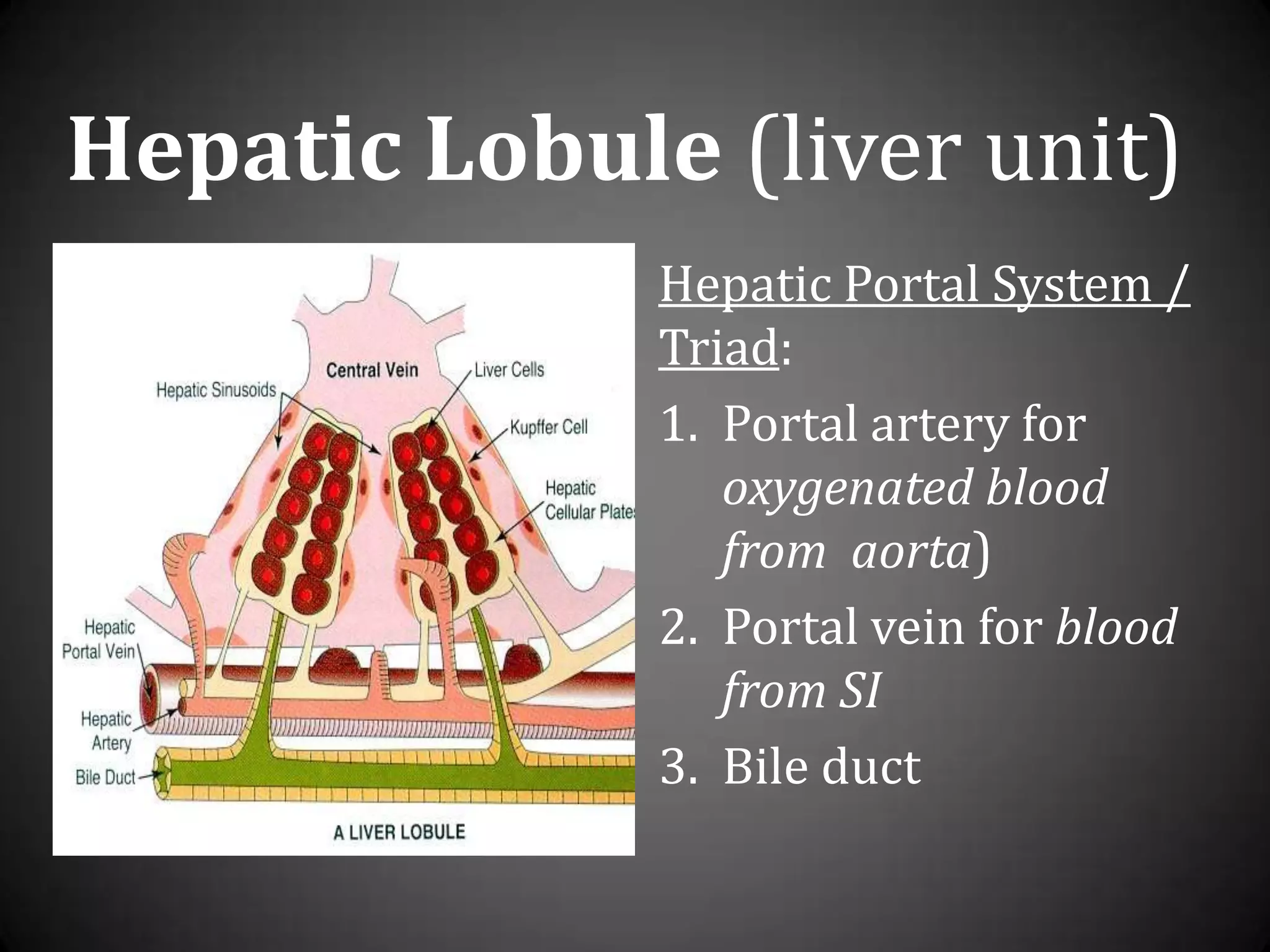
Hepatic Lobule (liver unit)Hepatic Portal System / Triad:Portal artery for oxygenated blood from  aorta)Portal vein for blood from SIBileduct
Enterohepatic CirculationBlood:Portal vessels bring in blood from SI (PV) and aorta (PA) into sinusoids (capillaries)Liver cells or hepatocytes get nutrients from sinusoids. Old/damaged erythrocytes are broken downBlood drained out via the central vein -> hepatic veins -> vena cavaBile:Hepatocytes, in turn, synthesize and secrete bile into bile canaliculiBile ducts constantly secrete bile into the duodenum of the small intestine.The rest is concentrated in the gallbladder.The most important components of bile, bile salts, are taken back via the PV.
Bile (4 parts)Bile Salts & Lecithin:Portal vessels bring in blood from SI (PV) and aorta (PA) into sinusoids (capillaries) [e.g.: used in bile soaps]Cholesterol & Trace Metals:Synthesized/stored material excreted for maintaining blood homeostatis. Cholesterol is a raw material for bile salts.HCO3- and related salts:Neutralizes acids in the duodenum of the intestine
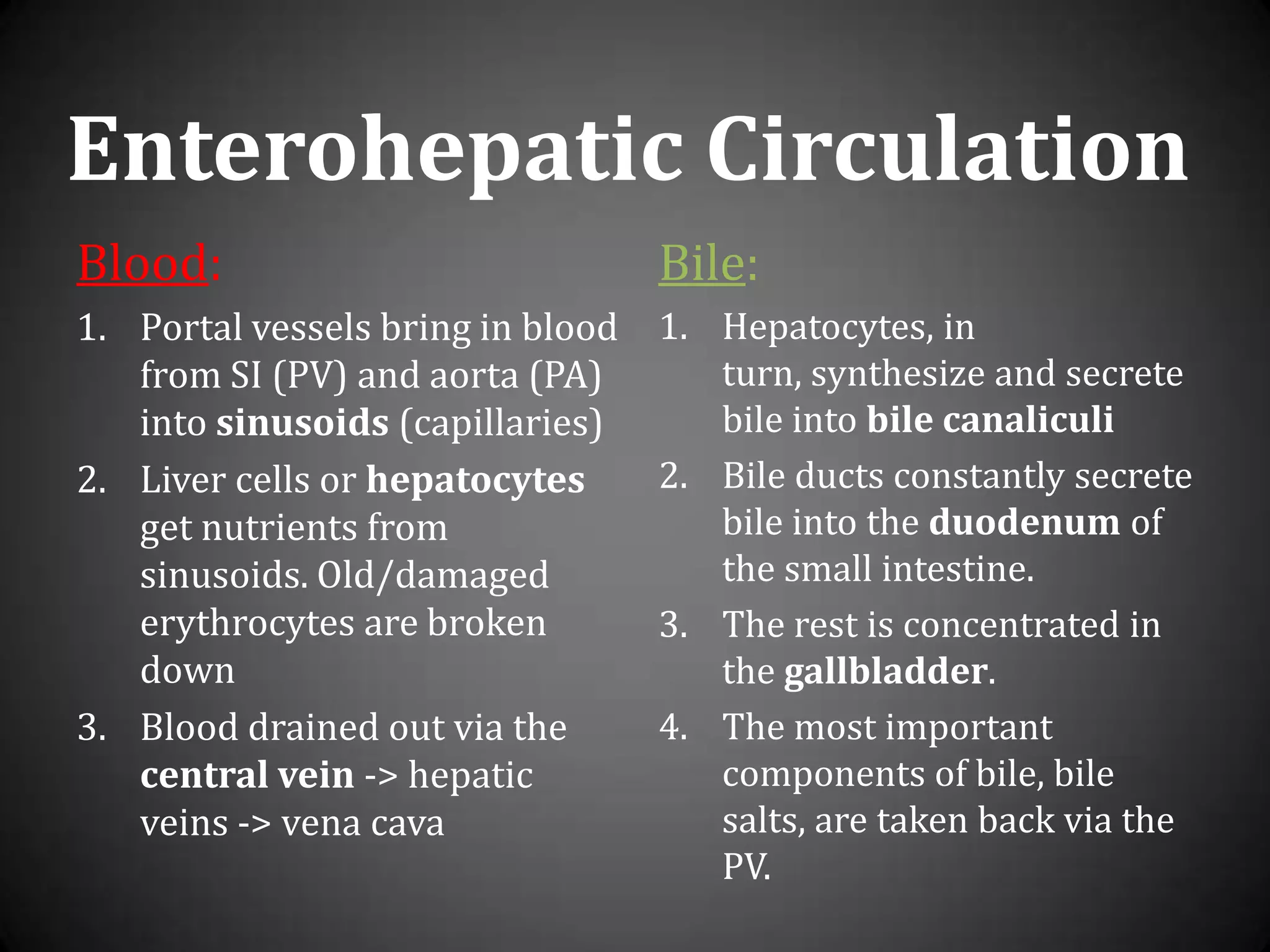
Bile (4 parts)Bile Pigments:“left-over” material of broken down hemoglobin from the damaged erythrocytes sieved-out as old or damagedUrine (yellow)-reduced into urobilinFeces (brown)-processed by enzymes into stercobilinBILIRUBIN (cooked in pinapaitan)
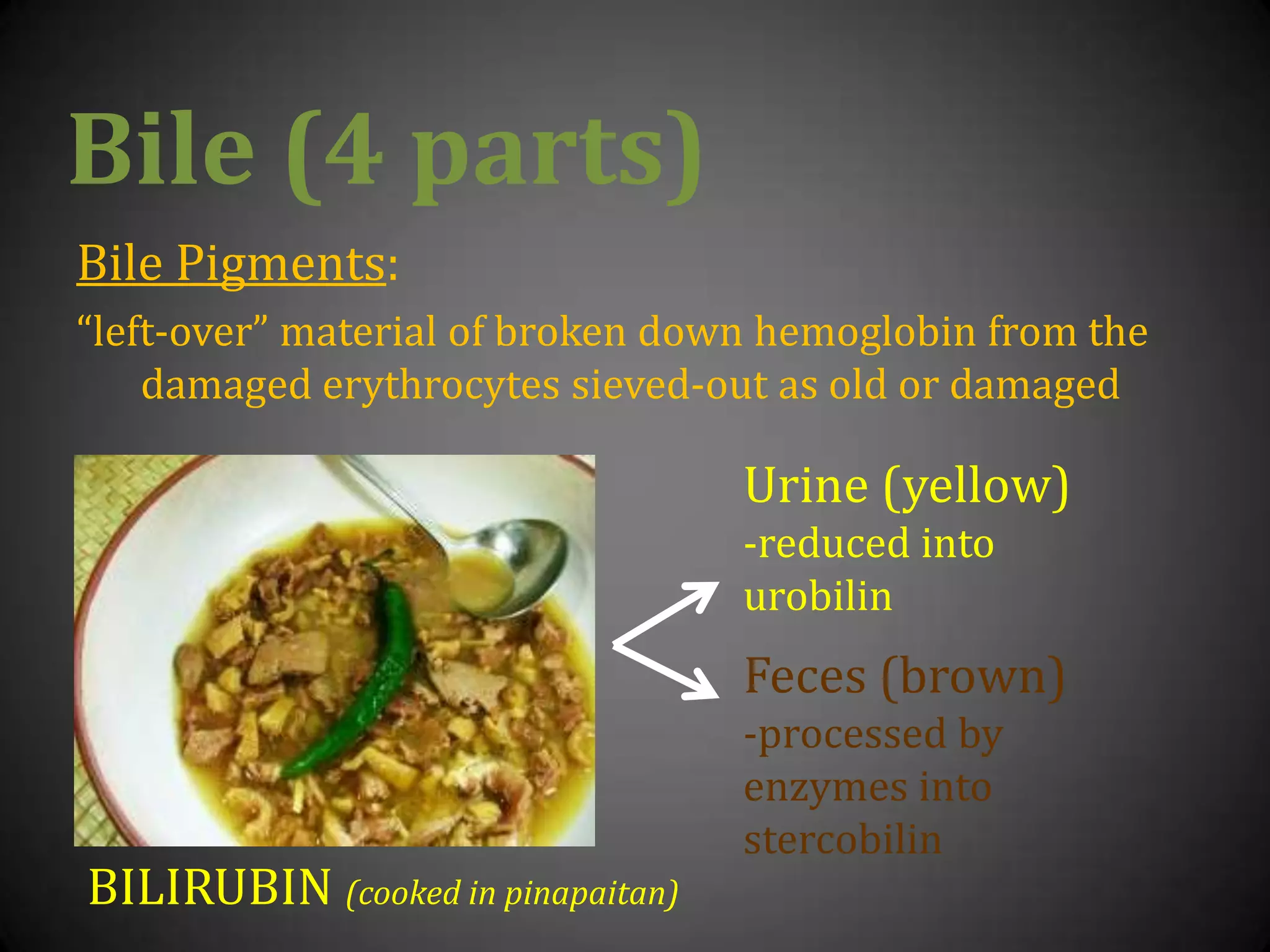
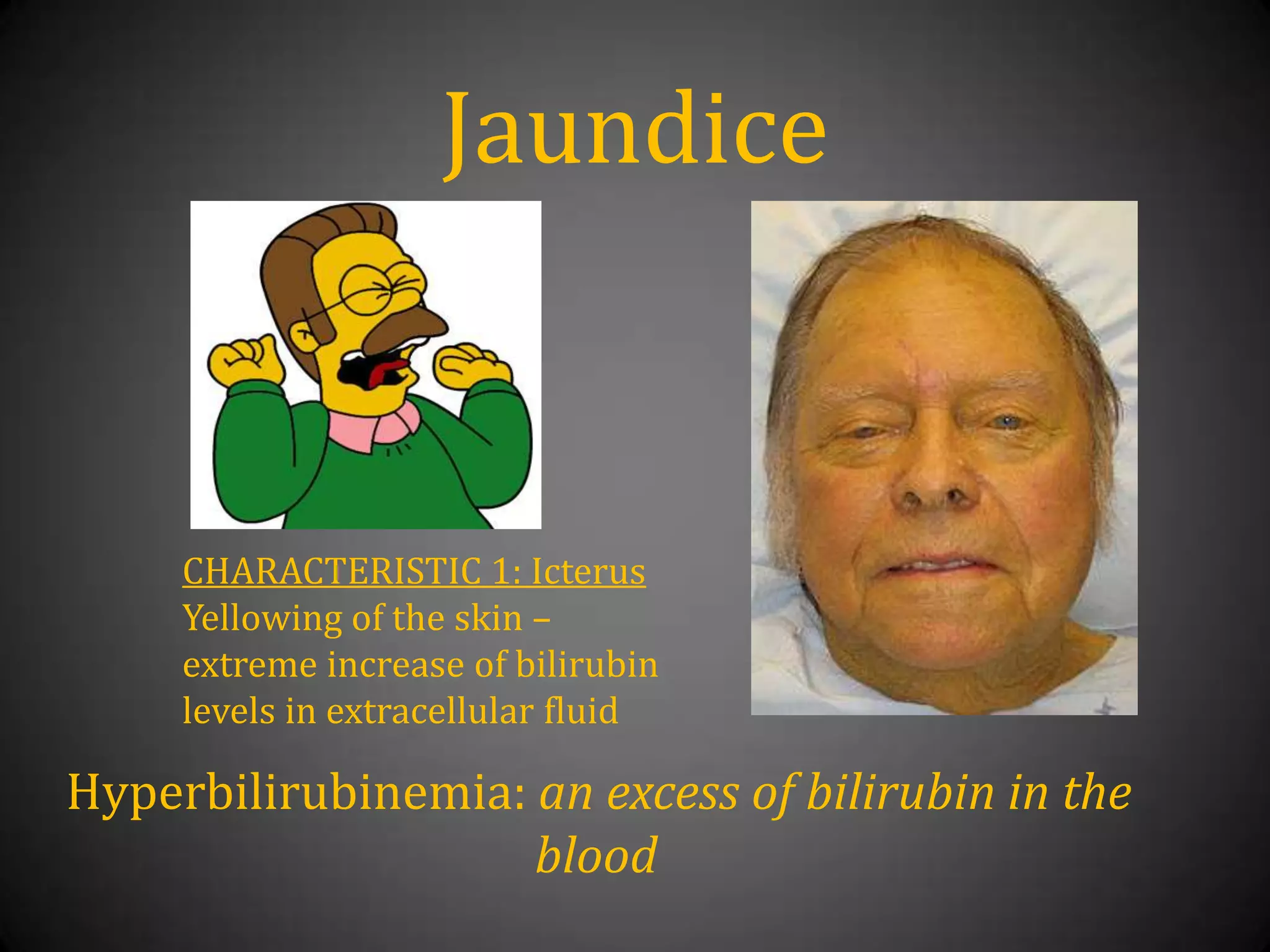
JaundiceCHARACTERISTIC 1: IcterusYellowing of the skin– extreme increase of bilirubin levels in extracellular fluidHyperbilirubinemia: an excess of bilirubin in the blood
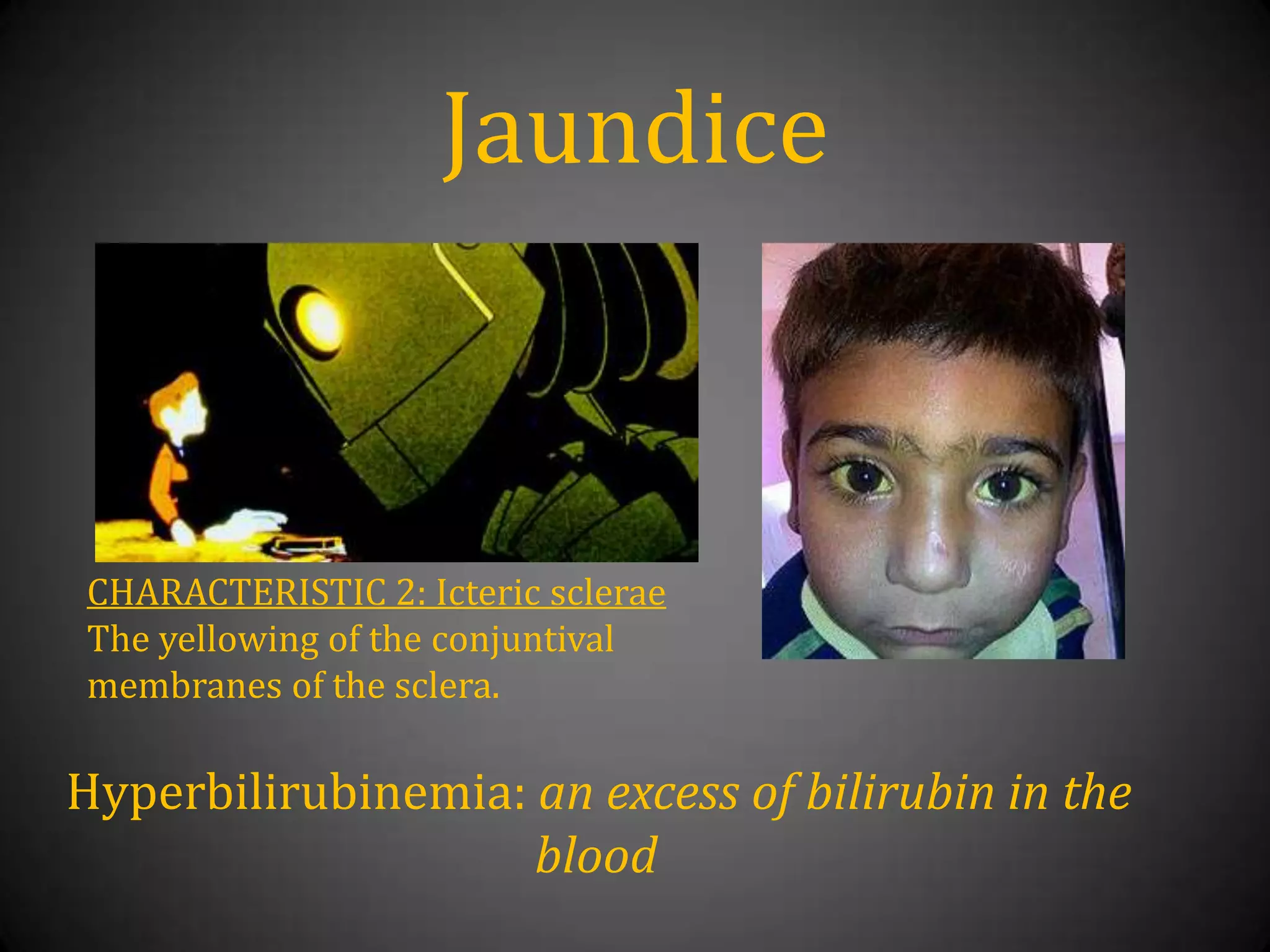
JaundiceCHARACTERISTIC 2: IctericscleraeThe yellowing of the conjuntival membranes of the sclera.Hyperbilirubinemia: an excess of bilirubin in the blood
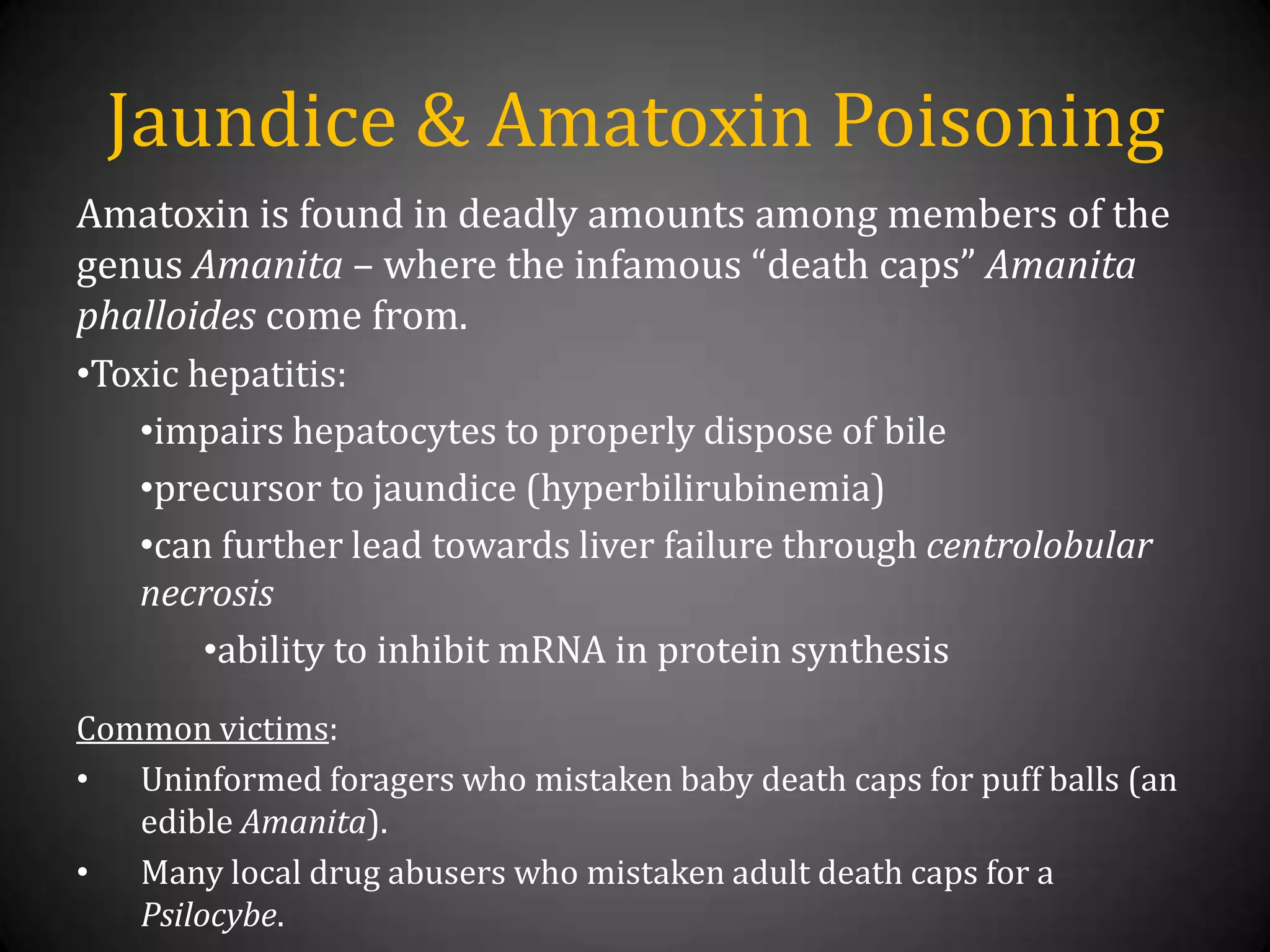
Types of JaundicePre-Hepatic:Pathology occurs prior to the liver.[e.g.: malaria, caused by Plasmodium (protist parasites)][e.g.: Gilbert’s syndrome, genetic defect in bilirubin metabolism]Hepatic (or Hepatocellular):Pathology occurs within the liver (or hepatocytes).[e.g.: Cirrhosis, scarring of liver tissue][e.g.: Hepatitis, inflammation of the liver]Post-Hepatic:Pathology after formation of bilirubin in the liver.[e.g.: Obstructive jaundice by gallstones (cholesterol precipitation)][e.g.: Obstructive jaundice by liver fluke (trematode flatworm)]
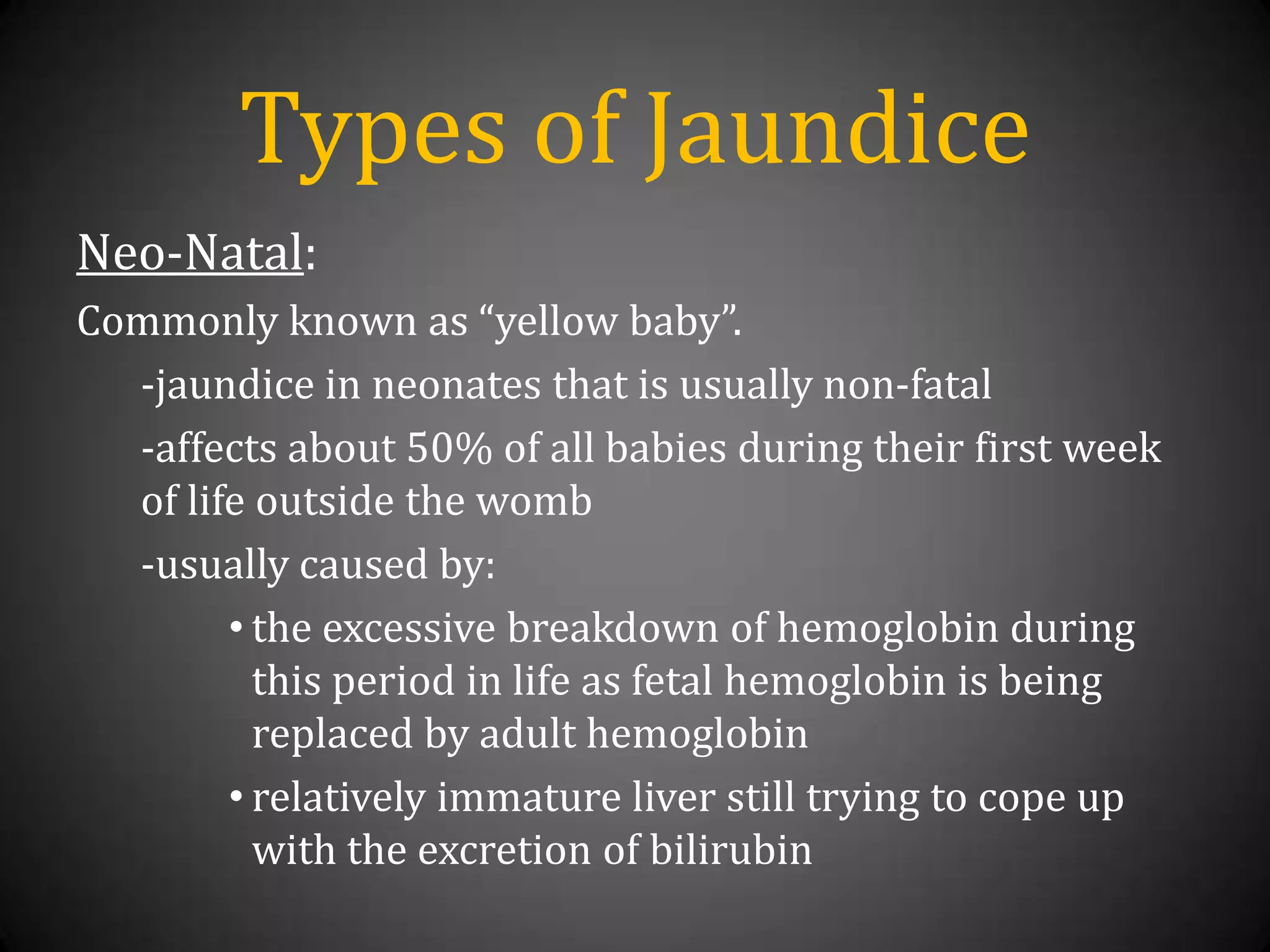
Types of JaundiceNeo-Natal:Commonly known as “yellow baby”.-jaundice in neonates that is usually non-fatal-affects about50% of all babies during their first week of life outside the womb-usually caused by:the excessive breakdown of hemoglobin during this period in life as fetal hemoglobin is being replaced by adult hemoglobin
relatively immature liver still trying to cope up with the excretion of bilirubinPart II: Common CausesImpairment of Liver Cells[1] Parasitic Infection, [2] Viral Infection, [3] Liver Cancer, [4] Congenital Disorders, [5] Autoimmune HepatitisExcessive Breakdown of Erythrocytes[1] Hemolytic AnemiaBlockage/Narrowing of Biliary Ducts[1] Obstructive Jaundice (Stenosis / Stricture, Inflammation, Trauma, Gallstones), [2] Tumors, [3] Cirrhosis, [4] Pregnancy /CholestasisI. Impairment of Liver Cells
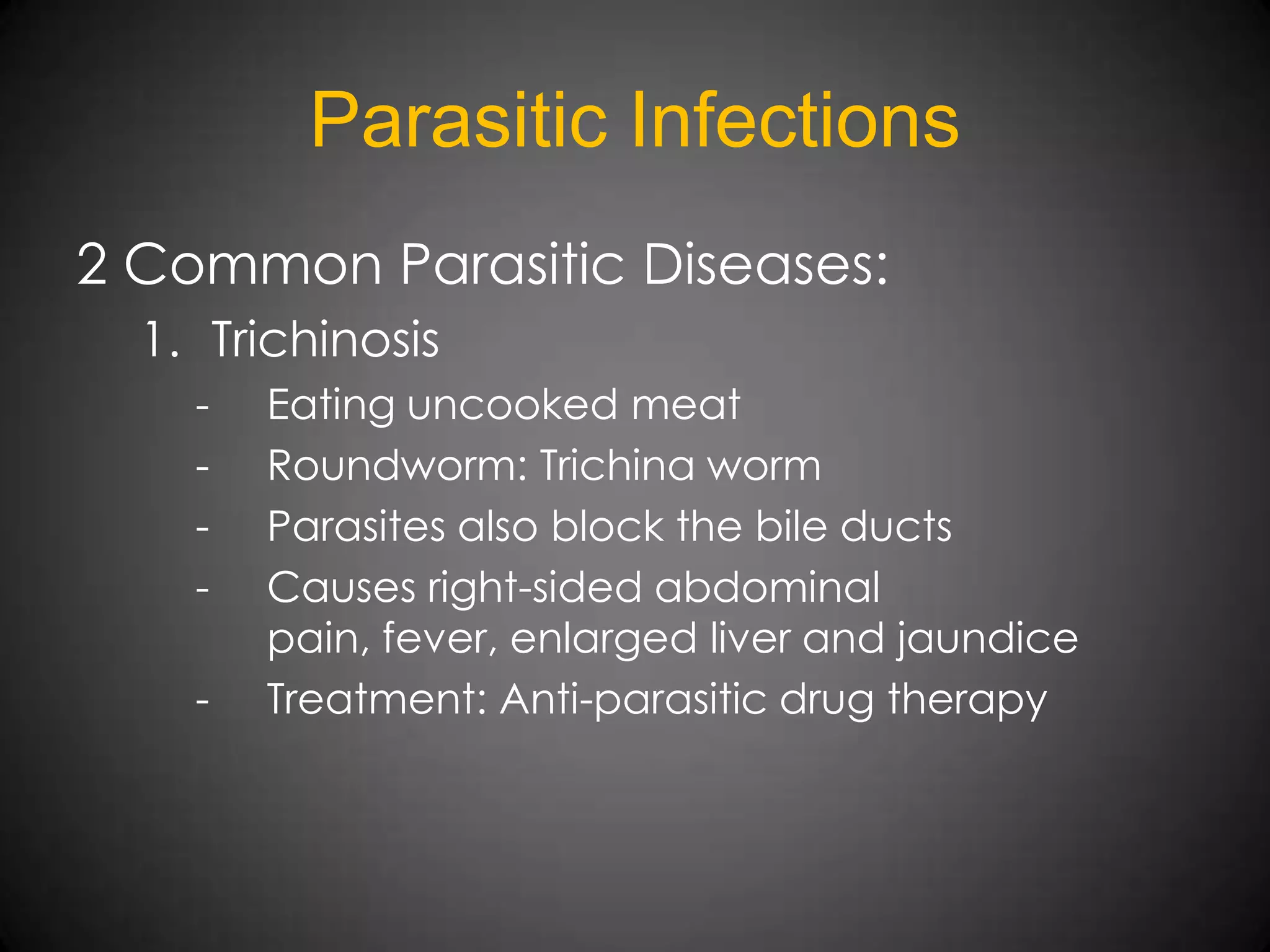
Parasitic Infections2 Common Parasitic Diseases:TrichinosisEating uncooked meat
Roundworm: Trichina worm
Parasites also block the bile ducts
Causes right-sided abdominal pain, fever, enlarged liver and jaundice
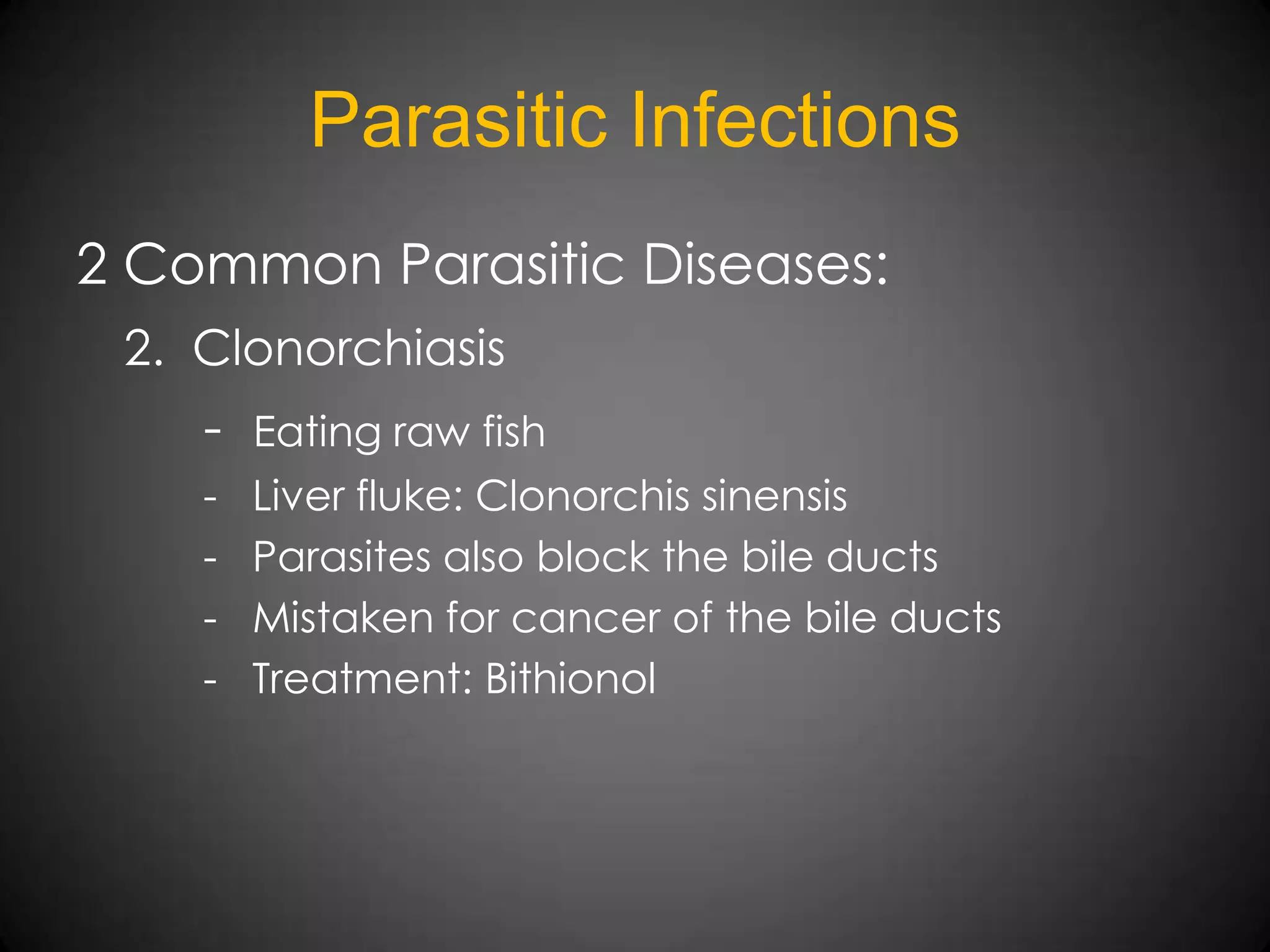
Treatment: Anti-parasitic drug therapyParasitic Infections2 Common Parasitic Diseases:2.  Clonorchiasis		-  Eating raw fish	-   Liver fluke: Clonorchissinensis	-   Parasites also block the bile ducts	-   Mistaken for cancer of the bile ducts	-   Treatment: Bithionol
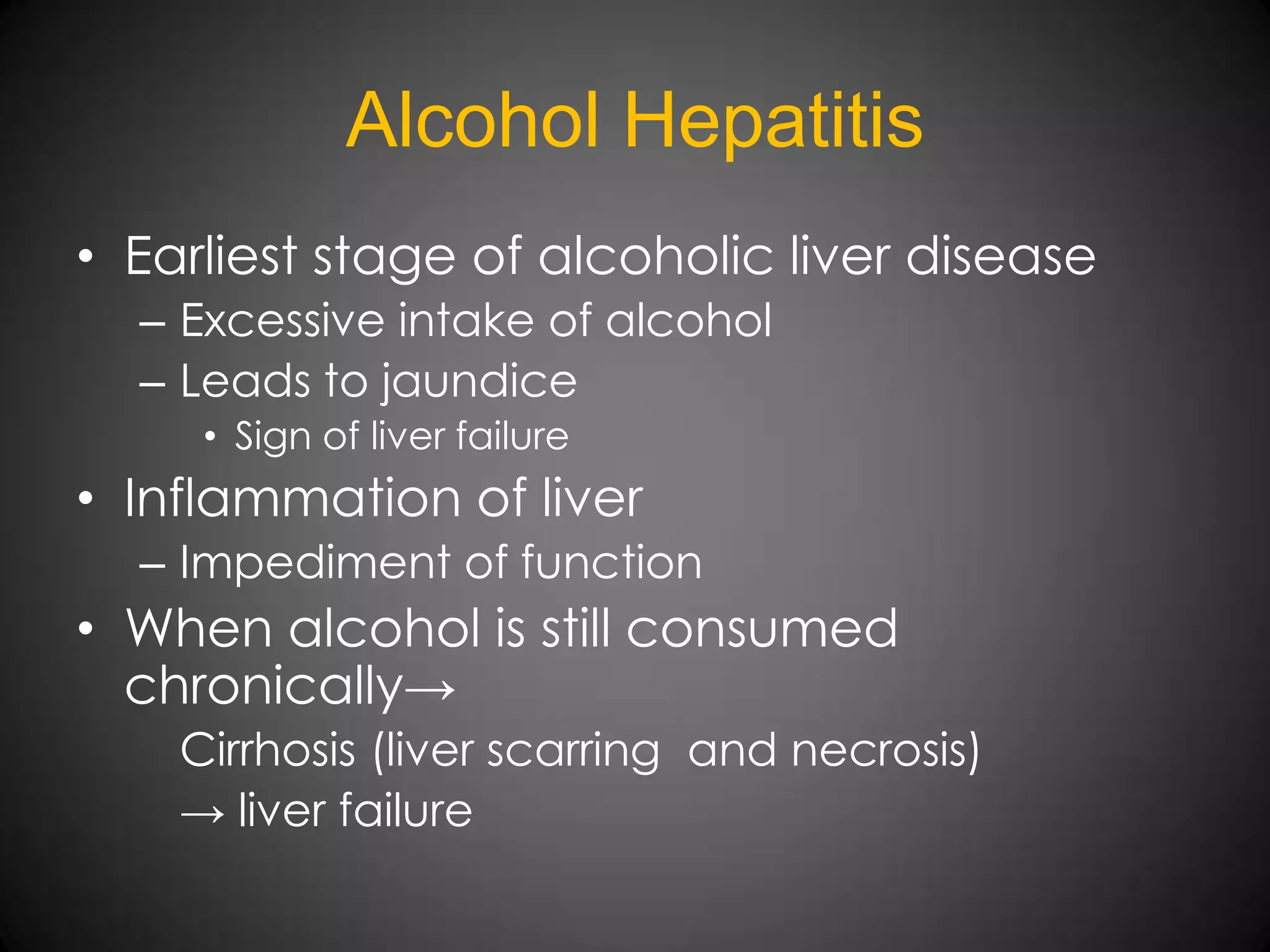
Viral InfectionsViral HepatitisInflammation of the liver Body will not be able to manufacture bileBilirubin accumulates in the blood and leaks to surrounding tissue
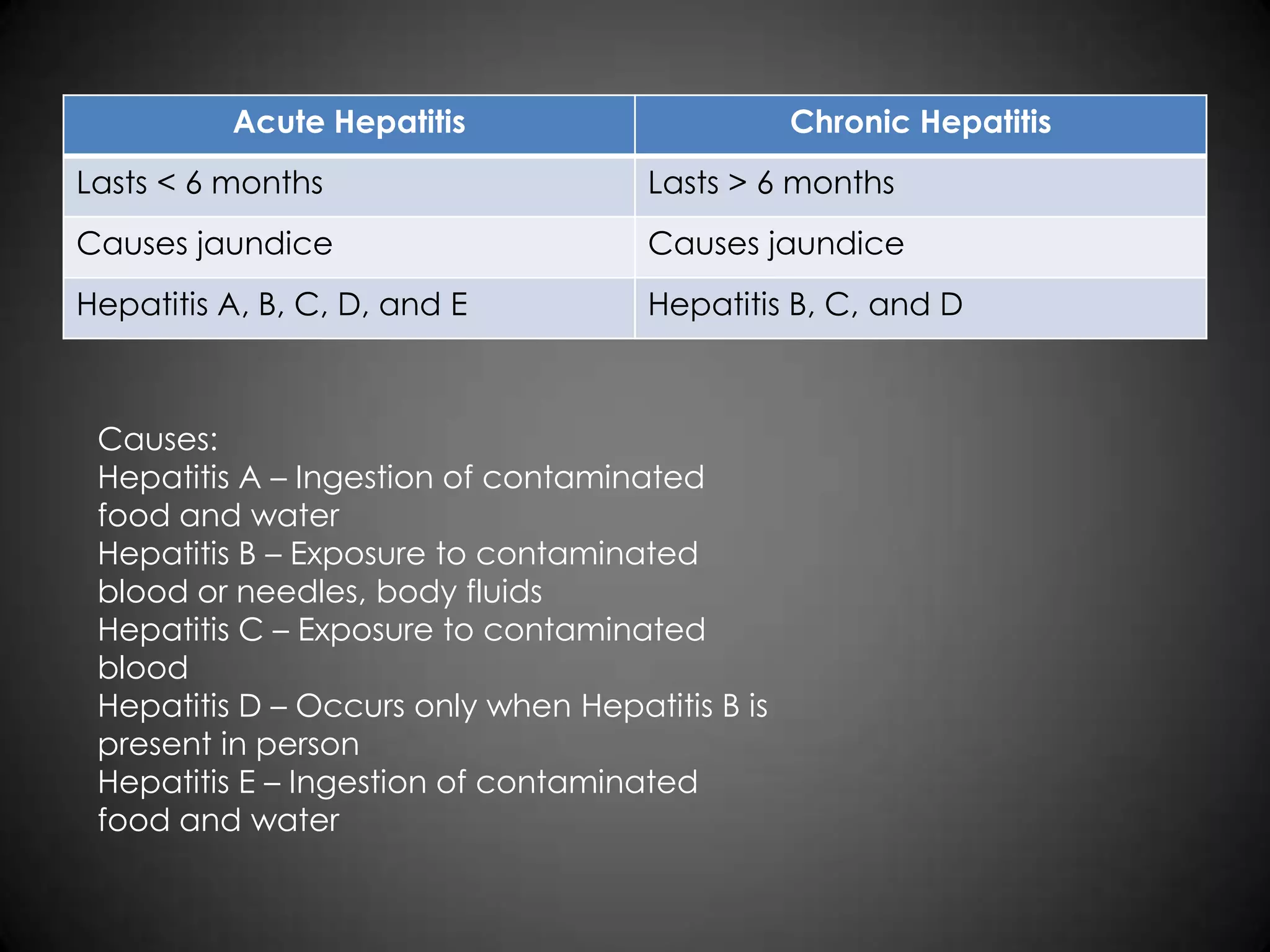
Causes:Hepatitis A – Ingestion of contaminated food and waterHepatitis B – Exposure to contaminated blood or needles, body fluidsHepatitis C – Exposure to contaminated bloodHepatitis D – Occurs only when Hepatitis B is present in personHepatitis E – Ingestion of contaminated food and water
Liver CancerOriginates in the liverMalignant tumors inside or on the surface of the liverTumors form in the liverDestruction of liver cells around the tumorBody will not be able to manufacture bileBilirubin accumulates in the blood and leaks to surrounding tissue
Congenital DisordersThese are disorders present since birth that makes it hard for the body to process bilirubin.Common Disorder:Gilbert’s SyndromeHarmless, genetic condition
Abnormality in the enzyme glucoronyltransferase
Disposal of bilirubin
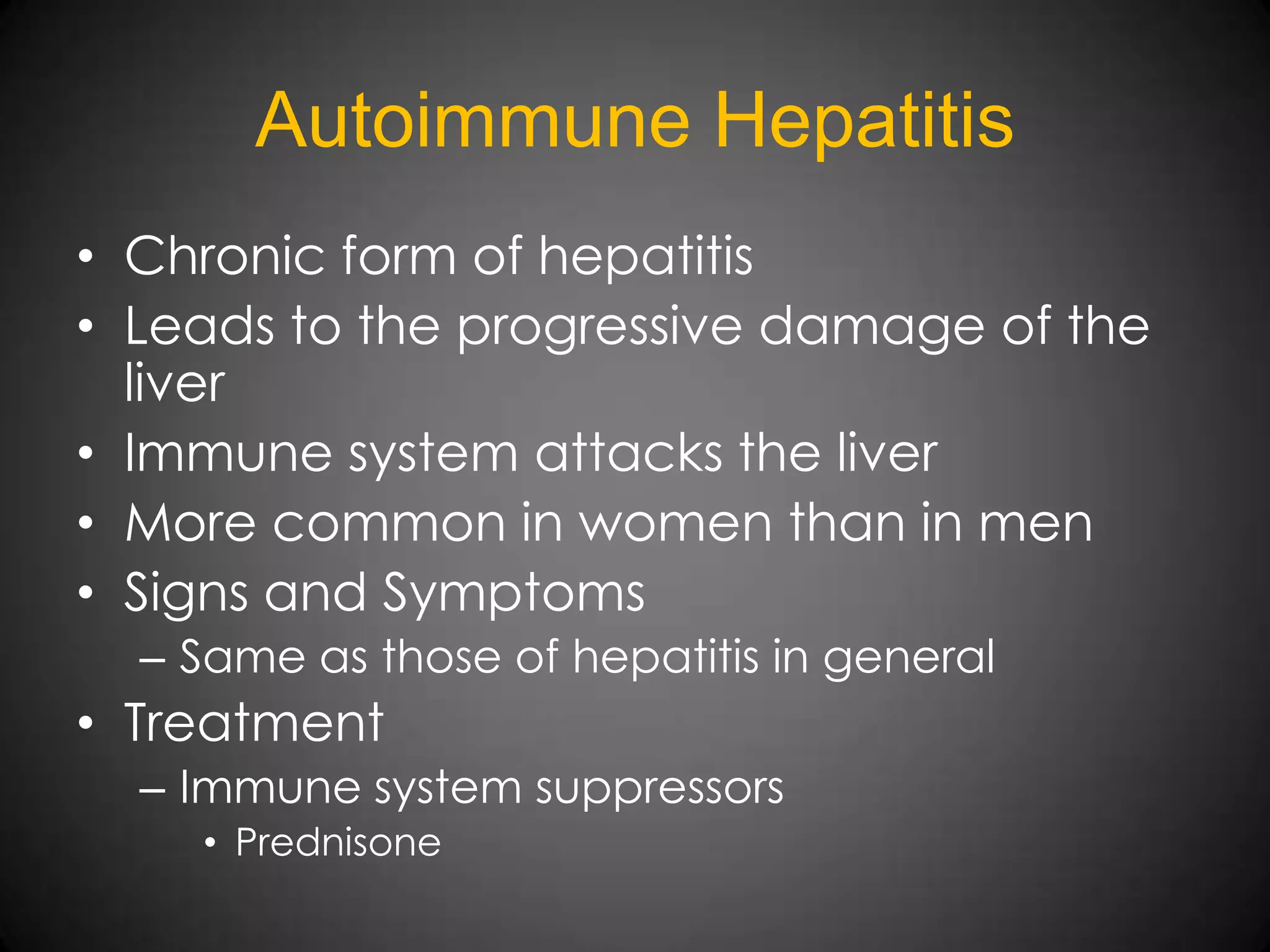
Results in mild elevations of bilirubin in the bloodstreamAutoimmune HepatitisChronic form of hepatitis Leads to the progressive damage of the liverImmune system attacks the liverMore common in women than in menSigns and SymptomsSame as those of hepatitis in generalTreatmentImmune system suppressors Prednisone
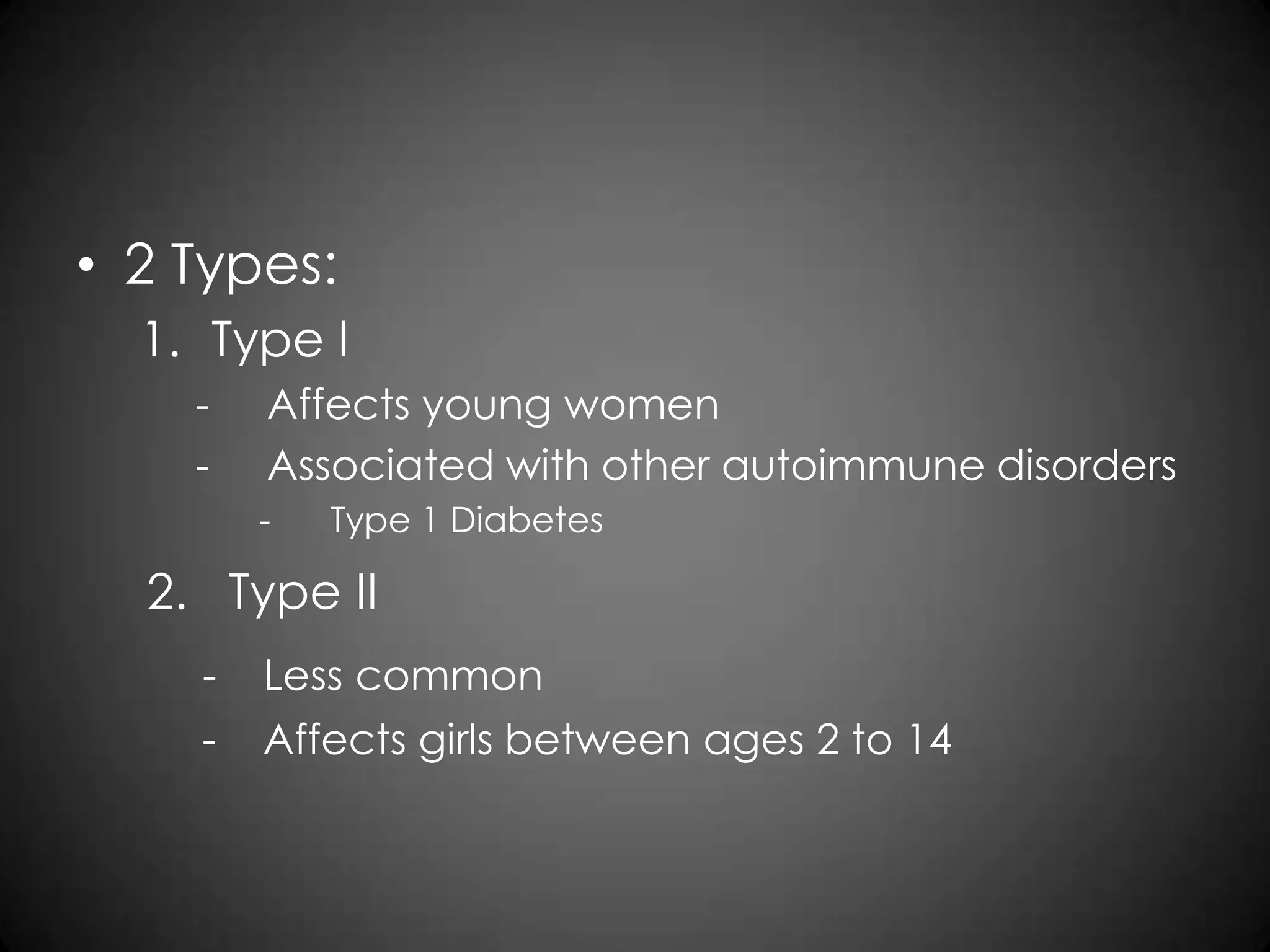
2 Types:Type IAffects young women
Associated with other autoimmune disorders
Type 1 Diabetes2.   Type II-    Less common   -    Affects girls between ages 2 to 14
II. Excessive Breakdown of Red Blood Cells
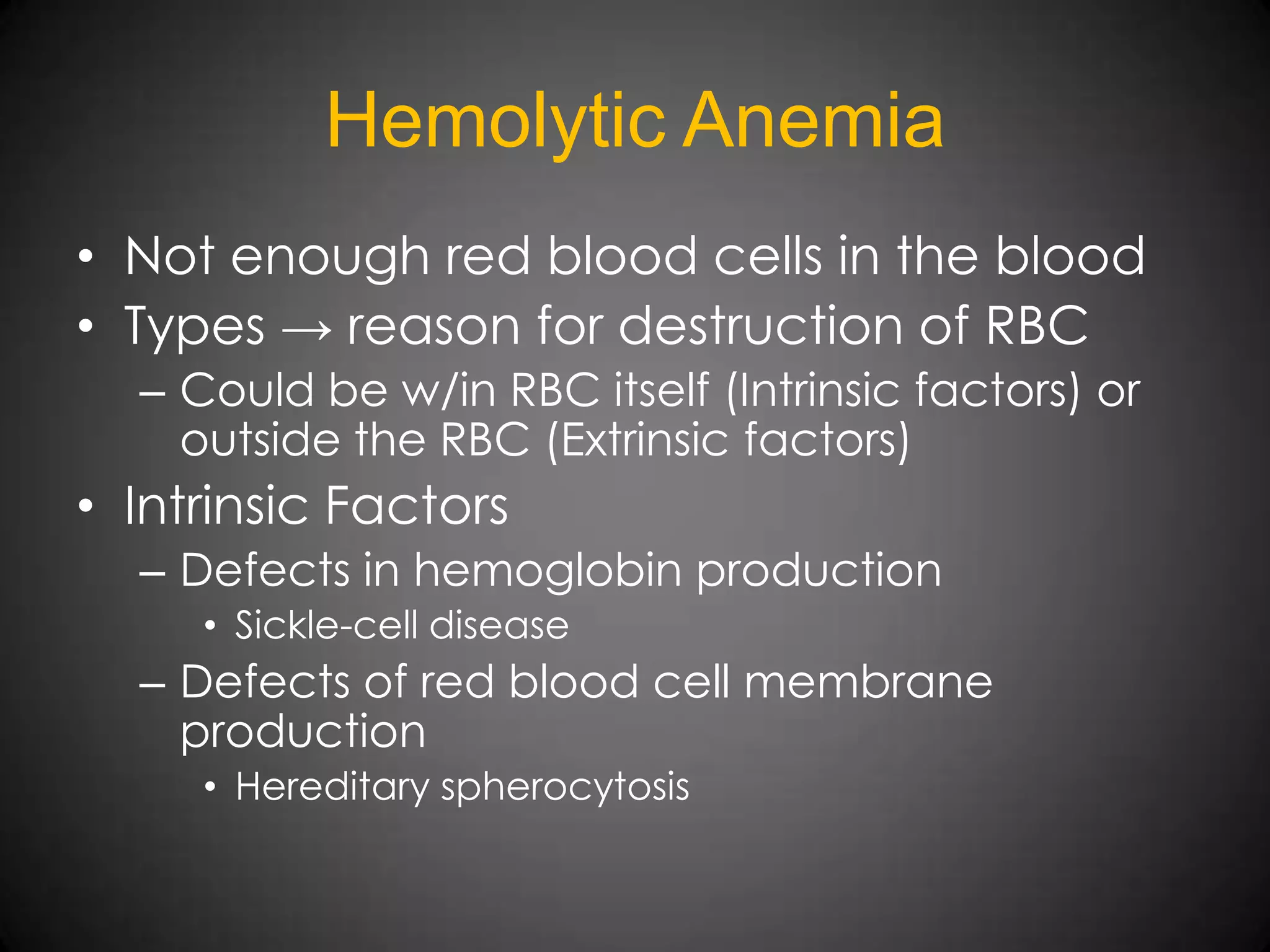
Hemolytic AnemiaNot enough red blood cells in the bloodTypes -> reason for destruction of RBCCould be w/in RBC itself (Intrinsic factors) or outside the RBC (Extrinsic factors)Intrinsic FactorsDefects in hemoglobin productionSickle-cell diseaseDefects of red blood cell membrane productionHereditary spherocytosis
Intrinsic Factors (Continued)Defective red cell metabolismPyruvatekinase deficiencyExtrinsic FactorsAbnormal immune system responsesBlood clots in small blood vesselsCertain infections and diseasesMalariaSide effects from medications
III. Blockage/Narrowing of Biliary Ducts
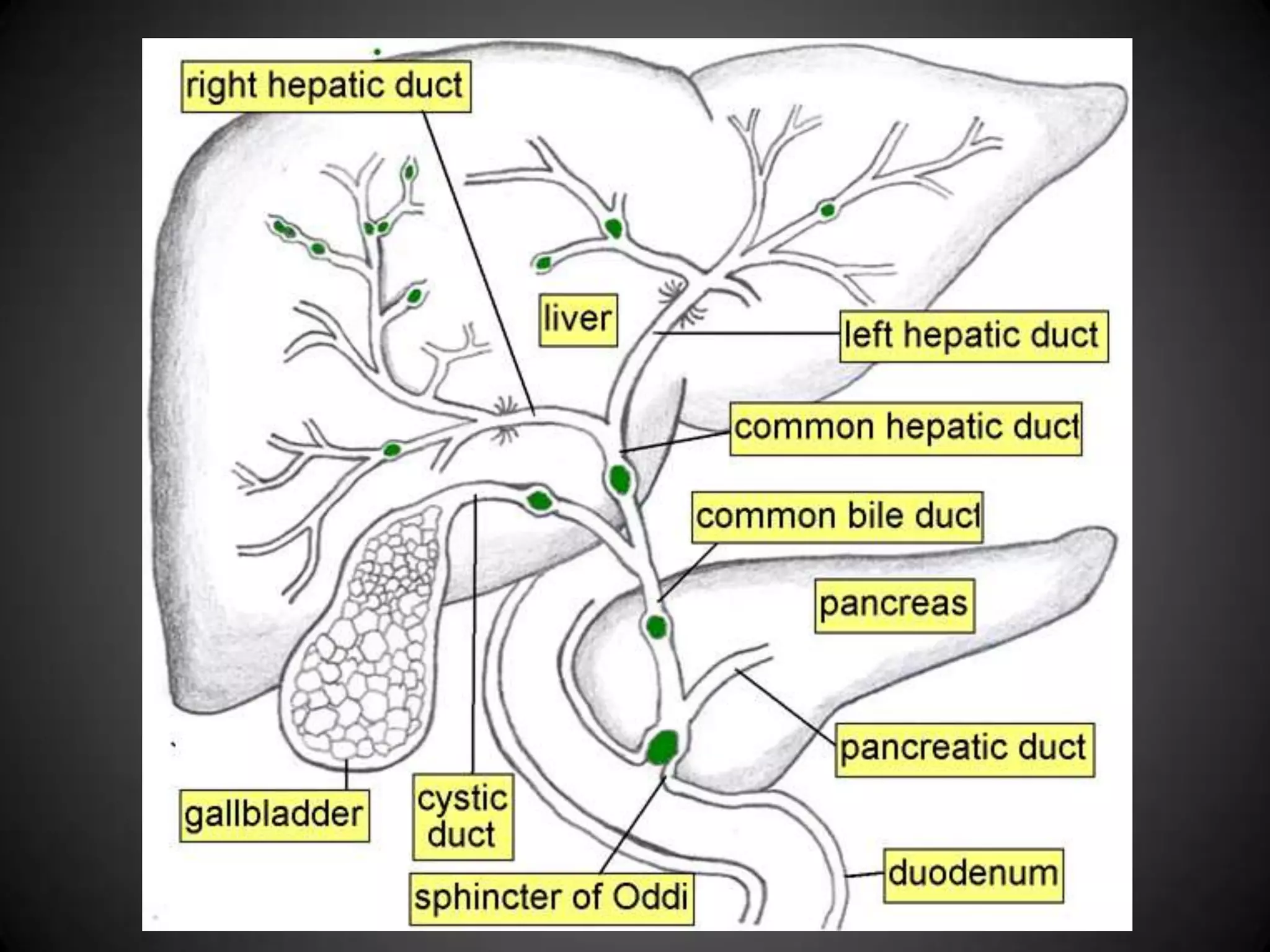
Obstructive JaundiceStenosis or Stricture of the biliary duct
Narrowing or constriction
Due to various reasons
Inflammation
Trauma
Gallstones
Tumors

Jaundice