Instructional Material
Real objects, Specimens
&
Epidiascope
Taufiq H. Siddiquee
REALIA?
Realia cont
Objects or activities used to relate classroom
teaching to the real life especially of
peoples/disease/pathology studied.
Merriam Webster dictionary
Realia, was first used in the late 19th century,
and is still mostly used in the classroom by
teachers.
Specimen & Object
An object is the thing itself- for example a
human body, a bird, a flower or a grass
hopper. Objects are ideal visual aids. They
are reality and not a substitute for reality.
A Specimen is a part of the object. For
example, an appendix, liver, gall bladder
Specimens are excellent visual aids but
they are not as valuable as an object. Since
they are part of an object they cannot
stimulate a complete sensory experience.
Why Should we use realia?
• Kinesthetic learning
• Realia brings a welcome change
• Often more interesting than material from text
books
• Students will be expected to use real material
when they leave the classes.
• Students have the chance to practice real life
situations
Advantages
• Accessible
• Relevant
• Visually interesting and captures the
attention of the learner
• Provides a focus away from the written
word
• Useful to help students grasp practical
skills
Disadvantage
• Real objects may not support a cultural
distinction.
• Activities with real objects might lose the
class path.
• Spending too much time in one activity
with real objects in the class.
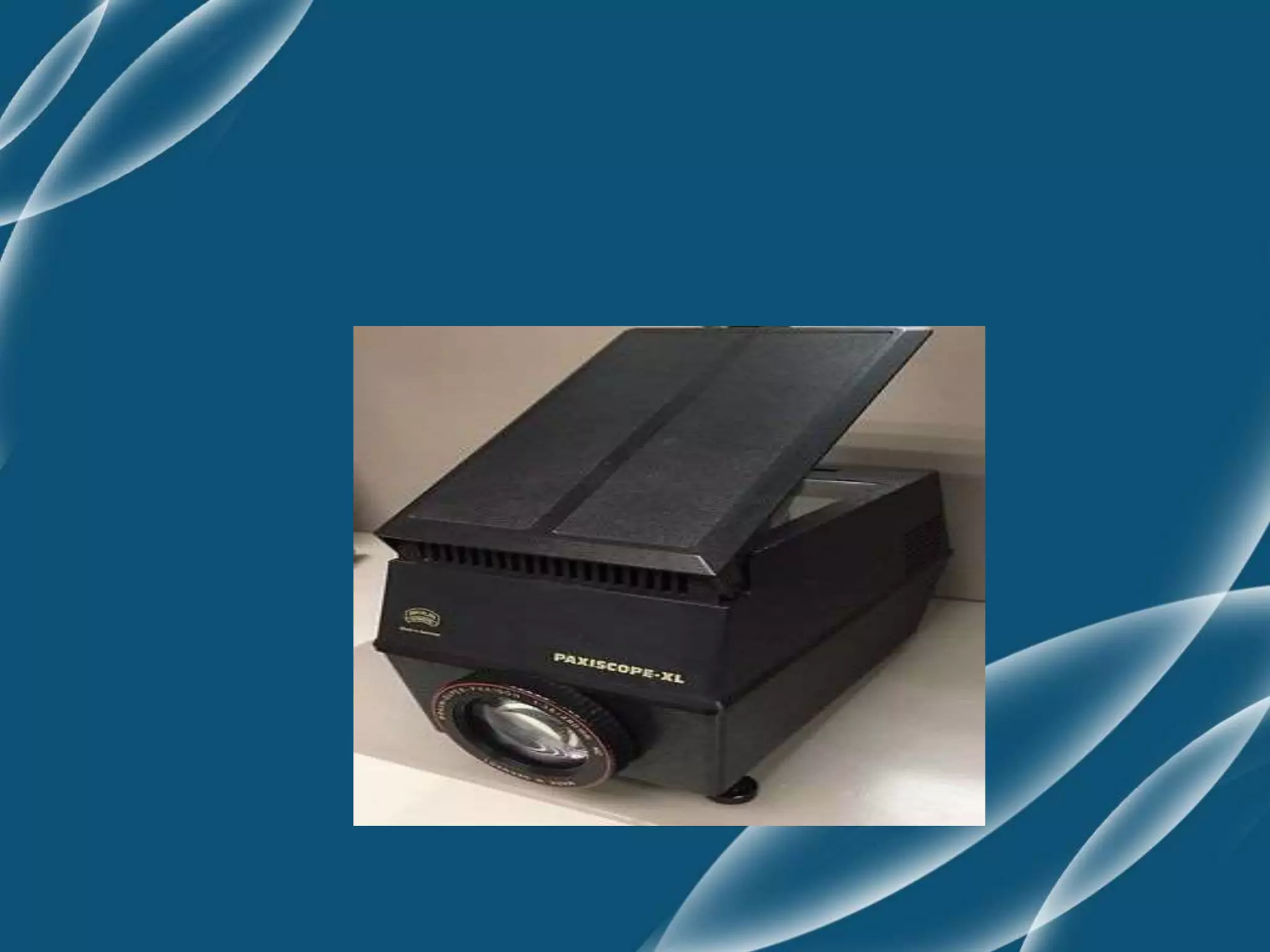
Epidiascope
• Also known as Episcope or Opaque projector
• It is a device which displays opaque materials by
shining a bright lamp onto the object from
above.
• A system of mirrors, prisms and/or imaging
lenses is used to focus an image of the material
onto a viewing screen.
• Because they must project the reflected light,
opaque projectors require brighter bulbs and
larger lenses than overhead projectors.
Uses
• It is used to make class more interesting
• No transparency is required.
• The teaching aids e.g books, maps ,graphs etc
can be directly projected in to the screen
Advantage
• No transparency required
• Can project opaque materials
• Books, maps , charts ,graphs etc. can be
projected directly
Disadvantage
• Dark room required
• Needs high power bulbs, produces heat and
vulnerable to frequent disturbances
• Almost obsolete with the invent of new
tech aids

Instructional material- realia and epidiascope

  • 1.
    Instructional Material Real objects,Specimens & Epidiascope Taufiq H. Siddiquee
  • 2.
  • 3.
    Realia cont Objects oractivities used to relate classroom teaching to the real life especially of peoples/disease/pathology studied. Merriam Webster dictionary Realia, was first used in the late 19th century, and is still mostly used in the classroom by teachers.
  • 4.
    Specimen & Object Anobject is the thing itself- for example a human body, a bird, a flower or a grass hopper. Objects are ideal visual aids. They are reality and not a substitute for reality. A Specimen is a part of the object. For example, an appendix, liver, gall bladder Specimens are excellent visual aids but they are not as valuable as an object. Since they are part of an object they cannot stimulate a complete sensory experience.
  • 5.
    Why Should weuse realia? • Kinesthetic learning • Realia brings a welcome change • Often more interesting than material from text books • Students will be expected to use real material when they leave the classes. • Students have the chance to practice real life situations
  • 6.
    Advantages • Accessible • Relevant •Visually interesting and captures the attention of the learner • Provides a focus away from the written word • Useful to help students grasp practical skills
  • 7.
    Disadvantage • Real objectsmay not support a cultural distinction. • Activities with real objects might lose the class path. • Spending too much time in one activity with real objects in the class.
  • 8.
    Epidiascope • Also knownas Episcope or Opaque projector • It is a device which displays opaque materials by shining a bright lamp onto the object from above. • A system of mirrors, prisms and/or imaging lenses is used to focus an image of the material onto a viewing screen. • Because they must project the reflected light, opaque projectors require brighter bulbs and larger lenses than overhead projectors.
  • 10.
    Uses • It isused to make class more interesting • No transparency is required. • The teaching aids e.g books, maps ,graphs etc can be directly projected in to the screen
  • 11.
    Advantage • No transparencyrequired • Can project opaque materials • Books, maps , charts ,graphs etc. can be projected directly
  • 12.
    Disadvantage • Dark roomrequired • Needs high power bulbs, produces heat and vulnerable to frequent disturbances • Almost obsolete with the invent of new tech aids

Editor's Notes

  • #6 Kinesthetic learning is the type of learning that students will most effectively acquire, mostly because they will have hands-on experience. The use of realia brings a welcome change in the class, a break from typical class activities like reading and writing. They are often more interesting than material from text books and can be on subjects that will really engage the students. Students have the chance to practice real life situations like using maps and asking for directions in a foreign language, but with the guidance of someone who speaks fluently and will help them get it right.