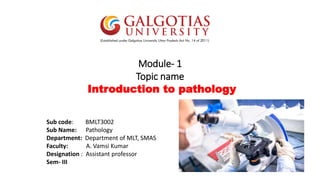

Module- 1
Topic name
Introduction to pathology
Sub code: BMLT3002
Sub Name: Pathology
Department: Department of MLT, SMAS
Faculty: A. Vamsi Kumar
Designation : Assistant professor
Sem- III
SYLLABUS OVERVIEW
Unit 1
Introduction of Pathology Number of Lecture Hours 5
Introduction to Pathology, Normal Cell injury and cell death, Basic mechanisms involved in the process of inflammation and
repair, Alternations in Vascular permeability and blood flow, migration of WBC’s mediators of Inflammation
Pedagogy tools Scaleup Lecture
Unit 2
Clinical Pathology Number of Lecture Hours 10
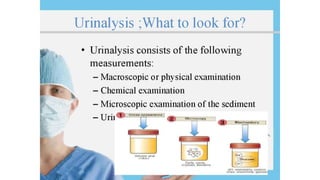
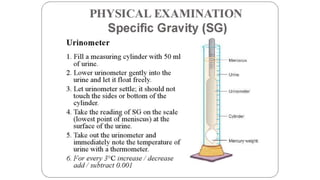
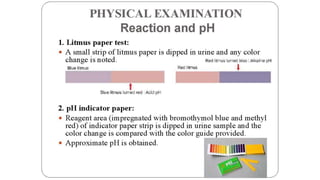
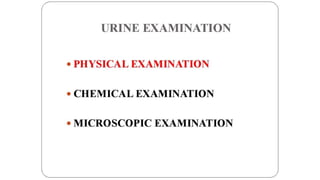
Clinical Pathology: Introduction, Urine Physical, Chemical & Microscopic examination, Semen total count, Morphology &
clinical abnormalities, Examination of feces for occult blood. physical examination of sputum
Pedagogy tools Scaleup Lecture
Unit 3
Body fluids abnormalities Number of Lecture Hours 9
Examination of body fluids: Transudate, Exudate & Cell counts methods
Pedagogy tools Scaleup Lecture
Unit 4
Histopathology Number of Lecture Hours 12
Histopathology: Introduction, Reception of specimens, & Various fixatives-Mode of action, indications, Preparation. Grossing
techniques
Pedagogy tools Scaleup Lecture
Unit 5
Tissue processing and embedding Number of Lecture Hours 9
Steps of tissue processing and embedding, Section cutting, Decalcification. Mounting & Staining of Slides. Microtome Knives,
Sharpening of Microtome Knives, Honing, Stropping, various types of microtome and their applications.
Unit 1
Introduction of Pathology Number of Lecture
Hours
5
Introduction to Pathology, Normal Cell injury and cell death,
Basic mechanisms involved in the process of inflammation and
repair, Alternations in Vascular permeability and blood flow,
migration of WBC’s mediators of Inflammation
Course outcomes
On completion of this course, the student can be able to:
• Apply basic knowledge on introduction to pathology, inflammation
and normal cell death and cell repair.
Learning outcomes
1. understand the organization of the cytopathology laboratory
2. understand the importance of good quality collection and preparation
of cytology specimens
3. understand the basic principles of clinical cytopathology reporting
4. understand the principles of quality control in cytology
5. understand the application of recent advances in cytology techniques
Contents
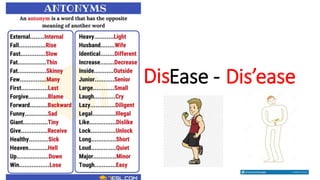
Ease - ?Dis’easeDis
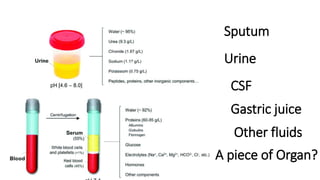
Sputum
Urine
CSF
A piece of Organ?
Gastric juice
Other fluids
Pathology definition
It is the science of the causes and effects of
diseases, especially the branch of medicine that
deals with the laboratory examination of samples of
body tissue for diagnostic or forensic purposes.
Pathology definition
It is the science of studying the causes and effects of
diseases, especially the branch of medicine that
deals with the laboratory examination of samples of
body tissue for diagnostic or forensic purposes.
We are Pathotechnologist's
MBBS + MD Pathology = Pathologist
•Pathotechnologist – Generate report
•Pathologist – Will Validate the report
Subdivision of Pathologists
•Experimental pathologists – scientists with (MBBS + MD in
pathology) spending most of their time in research
• Investigate cause and mechanisms of disease
Anatomic Pathologists
• Perform autopsies, examine all tissues removed from live patients,
and examine cell preparations to look for cancer cells
• Includes:
• Autopsy pathology
• Surgical pathology
• Cytopathology
• Molecular (DNA, RNA) diagnosis
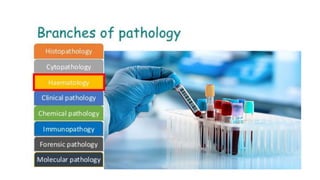
Clinical Pathologists
• Analyze various specimens removed from patients, such as blood,
urine, feces, spinal fluid, or sputum for chemical substances,
microorganism, antigens and antibodies, nucleic acids, atypical blood
cells, and coagulation factors
• Includes:
• Chemistry
• Microbiology
• Hematology
• Blood Banking
• Immunopathy
• Molecular Diagnosis
Unit 1
Introduction of Pathology Number of Lecture
Hours
5
Introduction to Pathology, Normal Cell injury and cell death,
Basic mechanisms involved in the process of inflammation and
repair, Alternations in Vascular permeability and blood flow,
migration of WBC’s mediators of Inflammation
Normal Cell injury and cell death
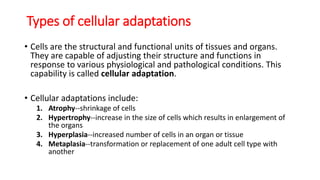
Types of cellular adaptations
• Cells are the structural and functional units of tissues and organs.
They are capable of adjusting their structure and functions in
response to various physiological and pathological conditions. This
capability is called cellular adaptation.
• Cellular adaptations include:
1. Atrophy--shrinkage of cells
2. Hypertrophy--increase in the size of cells which results in enlargement of
the organs
3. Hyperplasia--increased number of cells in an organ or tissue
4. Metaplasia--transformation or replacement of one adult cell type with
another
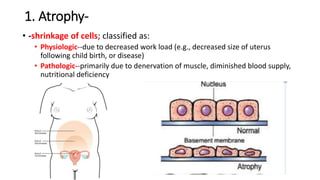
1. Atrophy-
• -shrinkage of cells; classified as:
• Physiologic--due to decreased work load (e.g., decreased size of uterus
following child birth, or disease)
• Pathologic--primarily due to denervation of muscle, diminished blood supply,
nutritional deficiency
2. Hypertrophy-
• Increase in the size of cells which results in enlargement of the organs.
• It is mostly seen in cells that cannot divide, such as:
• skeletal muscle (pumping iron),
• cardiac muscle (hypertension).
• These changes usually revert to normal if the cause is removed.
• Hypertrophy is mediated by different mechanisms.
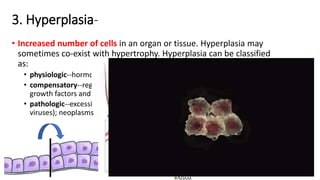
3. Hyperplasia-
• Increased number of cells in an organ or tissue. Hyperplasia may
sometimes co-exist with hypertrophy. Hyperplasia can be classified
as:
• physiologic--hormonal (e.g., breast and uterus during pregnancy)
• compensatory--regeneration of liver following partial hepatectomy. Various
growth factors and interluekins are important in such hyperplasia.
• pathologic--excessive hormonal stimulation, viral infection (papilloma
viruses); neoplasms
4. Metaplasia-
• Transformation or replacement of one adult cell type to another adult cell type
• (e.g., the change from columnar to squamous cells in respiratory tract, from squamous to columnar
in Barrett esophagitis).
• Metaplasia also occurs in mesenchymal tissue (e.g., formation of bone in skeletal muscle).
• Metaplastic changes usually result from chronic irritation.
• Metaplastic changes seem to precede the development of cancer, in some instances.
• Metaplasia is thought to arise from reprogramming of stem or undifferentiated cells that are
present in adult tissue.
Summary of cell adaptions
Kill it
CELL INJURY
Other
Other
Other
Other
Other
Other
Other
Mechanism of cell death
p53
Caspases
Mechanism of cell death
p53
Caspases
Mechanism of cell death
p53
Caspases
Mechanism of cell death
p53
Caspases
In the next Lecture
Unit 1
Introduction of Pathology Number of Lecture
Hours
5
Introduction to Pathology, Normal Cell injury and cell death, Basic
mechanisms involved in the process of inflammation and repair,
Alternations in Vascular permeability and blood flow, migration of
WBC’s mediators of Inflammation
Basic mechanisms involved in the process of
inflammation and repair
1. Damaged skin cells
release chemicals
called
“Chemokines”
2. Bacteria release
“opsonin’s”
PAMPS
Mast cells kill bacteria and release
HISTAMINES’
HISTAMINES will
cause
Vasodilation
Vasodilation & emigration of
WBC’s
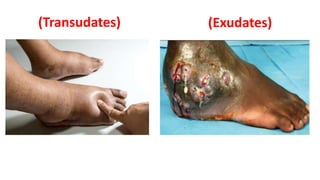
Transudates
TRANSUDATES (SWELLING)
(Transudates) (Exudates)
SYLLABUS OVERVIEW
Unit 1
Introduction of Pathology Number of Lecture Hours 5
Introduction to Pathology, Normal Cell injury and cell death, Basic mechanisms involved in the process of inflammation and
repair, Alternations in Vascular permeability and blood flow, migration of WBC’s mediators of Inflammation
Pedagogy tools Scaleup Lecture
Unit 2
Clinical Pathology Number of Lecture Hours 10
Clinical Pathology: Introduction, Urine Physical, Chemical & Microscopic examination, Semen total count, Morphology &
clinical abnormalities, Examination of feces for occult blood. physical examination of sputum
Pedagogy tools Scaleup Lecture
Unit 3
Body fluids abnormalities Number of Lecture Hours 9
Examination of body fluids: Transudate, Exudate & Cell counts methods
Pedagogy tools Scaleup Lecture
Unit 4
Histopathology Number of Lecture Hours 12
Histopathology: Introduction, Reception of specimens, & Various fixatives-Mode of action, indications, Preparation. Grossing
techniques
Pedagogy tools Scaleup Lecture
Unit 5
Tissue processing and embedding Number of Lecture Hours 9
Steps of tissue processing and embedding, Section cutting, Decalcification. Mounting & Staining of Slides. Microtome Knives,
Sharpening of Microtome Knives, Honing, Stropping, various types of microtome and their applications.
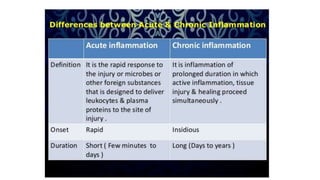
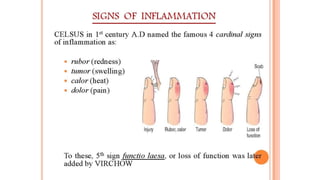
Inflammation Notes
Benefits of inflammation
Internal causes
External causes
(Cause of disease)
(Edema)
Transient
vasoconstriction is a
temporary constriction of
blood vessels to reduce
instantaneous blood flow
typically caused by an
injury.
1. Haemodynamic changes
2. Altered vascular permeability
(Oedema) Startling’s hypothesis
2. Altered vascular permeability
(Oedema) Startling’s hypothesis
2. Altered vascular permeability
(Oedema) Startling’s hypothesis
2. Altered vascular permeability
(Oedema) Startling’s hypothesis
(Transudates) (Exudates)
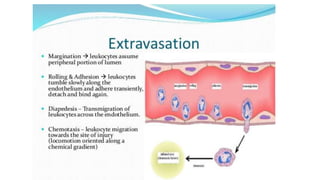
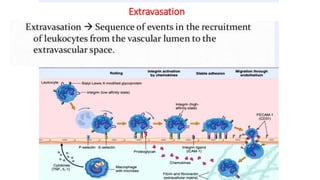
Extravasation
Definition: leukocyte chemotaxis the response of leukocytes to products
formed in immunologic reactions, wherein leukocytes are attracted to and
accumulate at the site of the reaction; a part of the inflammatory response.
Unit 2
Clinical Pathology Number of Lecture
Hours
10
Clinical Pathology: Introduction, Urine Physical, Chemical &
Microscopic examination, Semen total count, Morphology &
clinical abnormalities, Examination of feces for occult blood.
physical examination of sputum
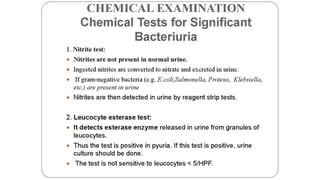
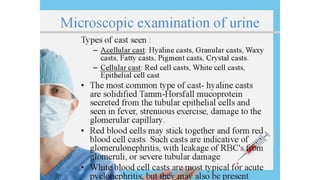
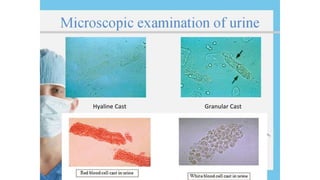
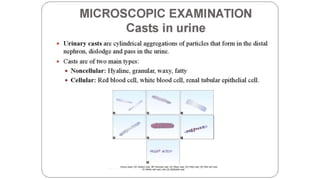
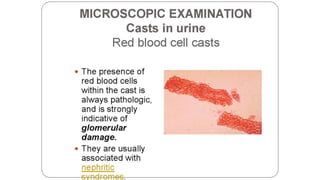
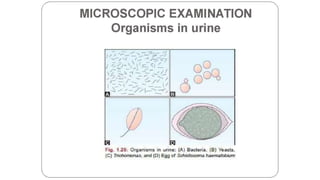
Urine sediment ( Microscopy)
Course outcomes
On completion of this course, the student can be able to:
• Apply basic knowledge on introduction to pathology, inflammation
and normal cell death and cell repair.
Reference
• https://www.slideshare.net/VamsiIntellectual/introduction-to-
hematology-173160503
• Dr. NTR university of health sciences B.Sc. MLT syllabus
Youtube videos
• https://www.youtube.com/watch?v=6-hm3pdr8UA
• https://www.youtube.com/watch?v=HQWlcSp9Sls
• https://www.youtube.com/watch?v=XVWOlKdpF_I
Inflammation notes
Inflammation notes

Inflammation notes

  • 1.
    Module- 1 Topic name Introductionto pathology Sub code: BMLT3002 Sub Name: Pathology Department: Department of MLT, SMAS Faculty: A. Vamsi Kumar Designation : Assistant professor Sem- III
  • 2.
    SYLLABUS OVERVIEW Unit 1 Introductionof Pathology Number of Lecture Hours 5 Introduction to Pathology, Normal Cell injury and cell death, Basic mechanisms involved in the process of inflammation and repair, Alternations in Vascular permeability and blood flow, migration of WBC’s mediators of Inflammation Pedagogy tools Scaleup Lecture Unit 2 Clinical Pathology Number of Lecture Hours 10 Clinical Pathology: Introduction, Urine Physical, Chemical & Microscopic examination, Semen total count, Morphology & clinical abnormalities, Examination of feces for occult blood. physical examination of sputum Pedagogy tools Scaleup Lecture Unit 3 Body fluids abnormalities Number of Lecture Hours 9 Examination of body fluids: Transudate, Exudate & Cell counts methods Pedagogy tools Scaleup Lecture Unit 4 Histopathology Number of Lecture Hours 12 Histopathology: Introduction, Reception of specimens, & Various fixatives-Mode of action, indications, Preparation. Grossing techniques Pedagogy tools Scaleup Lecture Unit 5 Tissue processing and embedding Number of Lecture Hours 9 Steps of tissue processing and embedding, Section cutting, Decalcification. Mounting & Staining of Slides. Microtome Knives, Sharpening of Microtome Knives, Honing, Stropping, various types of microtome and their applications.
  • 3.
    Unit 1 Introduction ofPathology Number of Lecture Hours 5 Introduction to Pathology, Normal Cell injury and cell death, Basic mechanisms involved in the process of inflammation and repair, Alternations in Vascular permeability and blood flow, migration of WBC’s mediators of Inflammation
  • 4.
    Course outcomes On completionof this course, the student can be able to: • Apply basic knowledge on introduction to pathology, inflammation and normal cell death and cell repair.
  • 5.
    Learning outcomes 1. understandthe organization of the cytopathology laboratory 2. understand the importance of good quality collection and preparation of cytology specimens 3. understand the basic principles of clinical cytopathology reporting 4. understand the principles of quality control in cytology 5. understand the application of recent advances in cytology techniques
  • 7.
  • 8.
  • 11.
    Sputum Urine CSF A piece ofOrgan? Gastric juice Other fluids
  • 14.
    Pathology definition It isthe science of the causes and effects of diseases, especially the branch of medicine that deals with the laboratory examination of samples of body tissue for diagnostic or forensic purposes.
  • 15.
    Pathology definition It isthe science of studying the causes and effects of diseases, especially the branch of medicine that deals with the laboratory examination of samples of body tissue for diagnostic or forensic purposes.
  • 19.
  • 20.
    MBBS + MDPathology = Pathologist •Pathotechnologist – Generate report •Pathologist – Will Validate the report
  • 21.
    Subdivision of Pathologists •Experimentalpathologists – scientists with (MBBS + MD in pathology) spending most of their time in research • Investigate cause and mechanisms of disease
  • 22.
    Anatomic Pathologists • Performautopsies, examine all tissues removed from live patients, and examine cell preparations to look for cancer cells • Includes: • Autopsy pathology • Surgical pathology • Cytopathology • Molecular (DNA, RNA) diagnosis
  • 23.
    Clinical Pathologists • Analyzevarious specimens removed from patients, such as blood, urine, feces, spinal fluid, or sputum for chemical substances, microorganism, antigens and antibodies, nucleic acids, atypical blood cells, and coagulation factors • Includes: • Chemistry • Microbiology • Hematology • Blood Banking • Immunopathy • Molecular Diagnosis
  • 40.
    Unit 1 Introduction ofPathology Number of Lecture Hours 5 Introduction to Pathology, Normal Cell injury and cell death, Basic mechanisms involved in the process of inflammation and repair, Alternations in Vascular permeability and blood flow, migration of WBC’s mediators of Inflammation
  • 41.
    Normal Cell injuryand cell death
  • 44.
    Types of cellularadaptations • Cells are the structural and functional units of tissues and organs. They are capable of adjusting their structure and functions in response to various physiological and pathological conditions. This capability is called cellular adaptation. • Cellular adaptations include: 1. Atrophy--shrinkage of cells 2. Hypertrophy--increase in the size of cells which results in enlargement of the organs 3. Hyperplasia--increased number of cells in an organ or tissue 4. Metaplasia--transformation or replacement of one adult cell type with another
  • 45.
    1. Atrophy- • -shrinkageof cells; classified as: • Physiologic--due to decreased work load (e.g., decreased size of uterus following child birth, or disease) • Pathologic--primarily due to denervation of muscle, diminished blood supply, nutritional deficiency
  • 46.
    2. Hypertrophy- • Increasein the size of cells which results in enlargement of the organs. • It is mostly seen in cells that cannot divide, such as: • skeletal muscle (pumping iron), • cardiac muscle (hypertension). • These changes usually revert to normal if the cause is removed. • Hypertrophy is mediated by different mechanisms.
  • 47.
    3. Hyperplasia- • Increasednumber of cells in an organ or tissue. Hyperplasia may sometimes co-exist with hypertrophy. Hyperplasia can be classified as: • physiologic--hormonal (e.g., breast and uterus during pregnancy) • compensatory--regeneration of liver following partial hepatectomy. Various growth factors and interluekins are important in such hyperplasia. • pathologic--excessive hormonal stimulation, viral infection (papilloma viruses); neoplasms
  • 48.
    4. Metaplasia- • Transformationor replacement of one adult cell type to another adult cell type • (e.g., the change from columnar to squamous cells in respiratory tract, from squamous to columnar in Barrett esophagitis). • Metaplasia also occurs in mesenchymal tissue (e.g., formation of bone in skeletal muscle). • Metaplastic changes usually result from chronic irritation. • Metaplastic changes seem to precede the development of cancer, in some instances. • Metaplasia is thought to arise from reprogramming of stem or undifferentiated cells that are present in adult tissue.
  • 49.
    Summary of celladaptions Kill it CELL INJURY
  • 52.
  • 53.
  • 54.
  • 55.
  • 56.
  • 57.
  • 58.
  • 67.
    Mechanism of celldeath p53 Caspases
  • 68.
    Mechanism of celldeath p53 Caspases
  • 69.
    Mechanism of celldeath p53 Caspases
  • 70.
    Mechanism of celldeath p53 Caspases
  • 71.
    In the nextLecture Unit 1 Introduction of Pathology Number of Lecture Hours 5 Introduction to Pathology, Normal Cell injury and cell death, Basic mechanisms involved in the process of inflammation and repair, Alternations in Vascular permeability and blood flow, migration of WBC’s mediators of Inflammation
  • 72.
    Basic mechanisms involvedin the process of inflammation and repair
  • 76.
    1. Damaged skincells release chemicals called “Chemokines” 2. Bacteria release “opsonin’s” PAMPS Mast cells kill bacteria and release HISTAMINES’ HISTAMINES will cause Vasodilation Vasodilation & emigration of WBC’s
  • 80.
  • 81.
  • 82.
  • 83.
  • 85.
    SYLLABUS OVERVIEW Unit 1 Introductionof Pathology Number of Lecture Hours 5 Introduction to Pathology, Normal Cell injury and cell death, Basic mechanisms involved in the process of inflammation and repair, Alternations in Vascular permeability and blood flow, migration of WBC’s mediators of Inflammation Pedagogy tools Scaleup Lecture Unit 2 Clinical Pathology Number of Lecture Hours 10 Clinical Pathology: Introduction, Urine Physical, Chemical & Microscopic examination, Semen total count, Morphology & clinical abnormalities, Examination of feces for occult blood. physical examination of sputum Pedagogy tools Scaleup Lecture Unit 3 Body fluids abnormalities Number of Lecture Hours 9 Examination of body fluids: Transudate, Exudate & Cell counts methods Pedagogy tools Scaleup Lecture Unit 4 Histopathology Number of Lecture Hours 12 Histopathology: Introduction, Reception of specimens, & Various fixatives-Mode of action, indications, Preparation. Grossing techniques Pedagogy tools Scaleup Lecture Unit 5 Tissue processing and embedding Number of Lecture Hours 9 Steps of tissue processing and embedding, Section cutting, Decalcification. Mounting & Staining of Slides. Microtome Knives, Sharpening of Microtome Knives, Honing, Stropping, various types of microtome and their applications.
  • 86.
  • 89.
  • 90.
  • 94.
  • 95.
    Transient vasoconstriction is a temporaryconstriction of blood vessels to reduce instantaneous blood flow typically caused by an injury. 1. Haemodynamic changes
  • 96.
    2. Altered vascularpermeability (Oedema) Startling’s hypothesis
  • 97.
    2. Altered vascularpermeability (Oedema) Startling’s hypothesis
  • 98.
    2. Altered vascularpermeability (Oedema) Startling’s hypothesis
  • 99.
    2. Altered vascularpermeability (Oedema) Startling’s hypothesis
  • 101.
  • 107.
  • 113.
    Definition: leukocyte chemotaxisthe response of leukocytes to products formed in immunologic reactions, wherein leukocytes are attracted to and accumulate at the site of the reaction; a part of the inflammatory response.
  • 125.
    Unit 2 Clinical PathologyNumber of Lecture Hours 10 Clinical Pathology: Introduction, Urine Physical, Chemical & Microscopic examination, Semen total count, Morphology & clinical abnormalities, Examination of feces for occult blood. physical examination of sputum
  • 205.
    Urine sediment (Microscopy)
  • 229.
    Course outcomes On completionof this course, the student can be able to: • Apply basic knowledge on introduction to pathology, inflammation and normal cell death and cell repair.
  • 230.
  • 231.
    Youtube videos • https://www.youtube.com/watch?v=6-hm3pdr8UA •https://www.youtube.com/watch?v=HQWlcSp9Sls • https://www.youtube.com/watch?v=XVWOlKdpF_I